


MONUMENT · OLTENIA (LESSER WALLACHIA)
Endless Column (Coloana Infinitului)

Gorj, Gorj County
Add location to your trip planner.

Practical access information

VISITING HOURS
Check the local visiting schedule

TICKET PRICE
Information available at the cashier's desk

RECOMMENDED VISIT DURATION
30-60 minutes
Sources and external references
Wikipedia Encyclopedia (EN)
Visitor information and guide
 Navigate with Google Maps

ABOUT ENDLESS COLUMN (COLOANA INFINITULUI)
Captivating Introduction and Universal Value
In the heart of Oltenia, where the Carpathians stretch their arms toward the Danube plain, rises toward the heavens one of the most moving and enigmatic masterpieces of modern European art: the Endless Column (Coloana Infinitului) in Târgu Jiu. Standing 29.35 metres tall – a dimension almost identical to that of the legendary Trajan's Column in Rome, measuring 100 Roman feet – this monumental sculpture is not merely a tribute to the heroes fallen in the Great War, but a true axis mundi, a meeting point between earth and sky, between human memory and cosmic infinity. Created by Constantin Brâncuși between 1937 and 1938, the Column represents the apotheosis of the genius of a Romanian sculptor who revolutionized the artistic language of the 20th century, while simultaneously expressing a profound national identity anchored in the millennial tradition of the Carpathian space.
In July 2024, the 'Heroes' Path' Monumental Ensemble in Târgu Jiu – comprising the Endless Column, the Table of Silence, the Alley of Chairs, and the Gate of the Kiss – was inscribed on the UNESCO World Heritage List, officially recognizing the exceptional universal value of this creation. This distinction places the Brâncuși monument alongside the most prestigious cultural sites of Europe and the world, from the Parthenon of Athens to Chartres Cathedral, from the towers of Venice to the walls of Dubrovnik's fortress. For the contemporary European traveler, the Endless Column offers a unique aesthetic and spiritual experience: viewed from its base, its metallic silhouette seems to disappear into the heights, suggesting endless continuity, perpetual ascent toward the sky, an idea that transcends cultural boundaries and speaks to the human soul beyond time and space.
Historical Roots and Major European Connections
The Context of the Great War and Europe in Flames
The Endless Column has its roots in one of the most dramatic moments of modern European history: Romania's entry into the First World War, on 27 August 1916, alongside the Entente (France, Great Britain, Russia, Italy), against the Central Powers – the German Empire, the Austro-Hungarian Empire, the Ottoman Empire, and Bulgaria. After only two months, in October-November 1916, German-Austro-Hungarian forces, led by General August von Mackensen, penetrated Oltenia through the Jiu Gorge, threatening the capital Bucharest. In this critical context, on 14 October 1916, the inhabitants of Târgu Jiu – elders, women, children, and a few policemen led by the police commissioner – offered heroic resistance to a German detachment at the bridge over the Jiu, managing to delay the enemy's advance and allow the orderly retreat of the Romanian army. This battle at the Jiu bridge, part of the larger Battle for the Defence of the Jiu Valley, became a symbol of civic courage and supreme sacrifice for freedom.
Two decades after the end of the war and after the Great Union of 1 December 1918, the National League of Gorj Women, led by Arethia Tătărescu – wife of Liberal Prime Minister Gheorghe Tătărescu – had the inspiration to commission the great sculptor Constantin Brâncuși to create a monument that would eternalize the memory of the Gorj heroes fallen in 1916. The initiative was supported by the political and cultural elites of interwar Romania, in a period of flourishing parliamentary democracy and openness toward Western Europe. Thus, the Column became not merely a funerary monument, but a symbol of Romanian resistance in the face of aggressive empires, alongside other European memorials dedicated to the heroes of the First World War – from the Cenotaph in London to the Verdun Memorial, from the Arc de Triomphe in Paris to the Heroes' Monument in Brussels.
Brâncuși and Europe: A Modern Pilgrim
Constantin Brâncuși (1876-1957) was, in essence, a citizen of Europe, an artist who left his native country at 28, in 1904, setting out on foot from Hobița (Gorj) toward Paris, the cultural capital of the world at the beginning of the 20th century. His journey took him through Vienna and Munich – cities of the Austro-Hungarian Empire and the German Confederation – where he studied art and discovered Egyptian sculpture in the Viennese museums, an experience that profoundly influenced his artistic vision. In Paris, he came into contact with the European artistic avant-garde: he worked in the studio of Auguste Rodin (the French master who revolutionized 19th-century sculpture), befriended Amedeo Modigliani (Italy), Fernand Léger (France), Marcel Duchamp (France/USA), Henri Rousseau, Guillaume Apollinaire, and Pablo Picasso (Spain). He participated in the Armory Show in New York (1913), the first major event that consecrated modern art in America, alongside Kandinsky, Matisse, and Duchamp.
His studio at 8 and 11 Impasse Ronsin in Paris (in the Montparnasse district) became a sanctuary of modern European art, a place where the great artists of the era met. In 1956, Brâncuși donated his entire studio – with over 130 sculptures, thousands of photographs, and personal objects – to the French state, which reconstructed it as an annex of the Centre Pompidou. This legacy, refused by the Romanian communist government in the 1950s, illustrates the tragic destiny of a European artist who had to choose between two worlds: the Western, democratic one, and the Soviet, totalitarian one, which considered him 'bourgeois' and 'decadent'.
Dialogue with the European Monumental Tradition
The Endless Column enters into a fascinating dialogue with the European tradition of monumental columns. Its height of 29.35 metres remarkably brings it close to Trajan's Column in Rome (29.78 metres), erected between 107-113 AD to celebrate Emperor Trajan's conquest of Dacia – a profound symbolic link between the Roman past of these lands and the artistic present of the 20th century. It also evokes the Column of Marcus Aurelius (Columna Antonina) in Rome, Nelson's Column in London (erected in memory of Admiral Horatio Nelson, fallen at Trafalgar in 1805 against the French and Spanish fleet), the Washington Monument (the 169-metre obelisk in the US capital), and the numerous Egyptian obelisks raised in the great European cities – in Rome (Piazza del Popolo, Vatican), Paris (Place de la Concorde), London (Cleopatra's Needle).
However, Brâncuși's Column surpasses all these models through radical abstraction and philosophical intention: if Trajan's Column narrates in a spiral the military deeds of Trajan, and Nelson's Column glorifies British naval heroism, the Endless Column renounces any figurative representation, offering instead a pure, essential form that suggests infinity, immortality, spiritual ascent. This approach brings it close to European modernist aesthetics – from Art Nouveau and the Viennese Secession to the German Bauhaus and the Parisian avant-garde – but also to the archaic tradition of funerary pillars in southern Romania (stone or wooden pillars marked with ritual signs, 'troițe' and 'stone crosses' from Oltenia and Muntenia), which Brâncuși transfigured into a contemporary, universal form.
Architectural Masterpiece and Artistic Heritage
Genesis and Artistic Conception
The idea of the Endless Column is much older than its physical realization. As early as 1909, in Brâncuși's Paris studio there existed 'trunks and beams, truncated wooden columns', and in 1918 the artist exhibited in New York a first version titled 'Architectural Project'. In 1933, in his solo exhibition in New York, Brâncuși presented the project under the name that became famous: 'The Endless Column'. The artist himself called it 'a project for a column which, enlarged, could support the vault of heaven' – a poetic image that evokes both Greek mythology (Atlas holding up the sky) and the Christian tradition of the ladder to paradise (the 'Leastvița' motif from Romanian folklore). Initially, the monument was to be called 'The Column of Endless Gratitude', a name registered in the acts of the Târgu Jiu City Hall, emphasizing its commemorative character, but Brâncuși ultimately preferred the term 'Infinity', leaving the work a universal semantic openness.
The mathematical composition of the Column is of remarkable precision: 15 complete octahedral modules, flanked by half a module at the base and at the top, resulting in the formula '1/2 + 15 + 1/2'. Each module has a height of 180 cm, with a small edge of 450 mm and a large edge of 900 mm – proportions that respect the plastic harmony ratio of 1:2:4, a fundamental principle of Brâncuși's aesthetics. The number of modules is not accidental: the 15 complete modules plus the half at the base represent the summer of 1916, when Romania entered the war, while the half at the top suggests the continuity of sacrifice and gratitude beyond time. Brâncuși called these modules 'beads' (in French 'les perles'), evoking the image of a string of pearls threaded on an invisible thread, suggesting both continuity and the preciousness of each moment.
Technical Realization: A European Engineering Adventure
The construction of the Column represented a true engineering feat, to which Romanian specialists and cutting-edge European technologies contributed. In September 1937, the modules were cast in cast iron at the Central Workshops in Petroșani (ACP), under the coordination of structural engineer Ștefan Georgescu-Gorjan (1905-1985), a young specialist trained in the Romanian and European technical tradition. The execution project and calculations were carried out by engineer Nicolae Hasnaș, the execution of the central pillar was coordinated by master craftsman Ion Romoșan, and the wooden model of the 'beads' was sculpted by master carpenter Carol Flisec, in direct collaboration with Brâncuși, who had come especially from Paris to supervise the works.
The technical structure of the Column is impressive: a metal core of square steel pipe (42 cm side), assembled from three sections (8.93 m, 10 m, and 9.4 m), lined by riveting with 20 mm thick sheet metal both inside and outside. The concrete foundation, in the shape of a truncated pyramid, descends to 5 metres depth, with the large base of 4.5 metres oriented downward, ensuring the monument's stability. The total weight of the Column (core plus modules) is 29,173 kg – almost 30 tonnes of metal and concrete rising toward the sky.
The finishing technology was brought from Switzerland: the brass plating of the Column – the application of a brass layer by spraying with brass wire – was carried out on site in the summer of 1938, being used for the first time in Romania. This technique, developed in Switzerland (a neutral country in both world wars, but a centre of precision industry), gave the Column its characteristic golden-yellow lustre, the colour of eternity and of precious metals in the European tradition (Greek bronze, Byzantine gold, German brass). Brâncuși personally supervised this operation, refusing to leave the country until the result fully satisfied him.
The 'Heroes' Path' Monumental Ensemble stretches along an axis of 1,275 metres, oriented from west to east, crossing the city of Târgu Jiu. From the bank of the Jiu, where the Table of Silence is located (12 chairs around a circular limestone table, symbolizing the Last Supper and ultimate communion), the path passes through the Alley of Chairs (30 hourglass-shaped stone chairs, grouped in threes, evoking vigil and waiting), through the Gate of the Kiss (a monumental portal of travertine, with the kiss motif in relief, symbol of love and unity), through the Saints Peter and Paul Church (rebuilt between 1927-1938, on the same axis), culminating with the Endless Column in the Column Park. This spatial composition, conceived by Brâncuși as a 'path of heroes' toward the sky, represents one of the most coherent and moving achievements of 20th-century European public art.
Restoration as Intercultural Dialogue (1998-2000)
Between 1996 and 1997, the condition of the Column deteriorated alarmingly: advanced corrosion of the cast iron modules, degradation of the protective brass layer, cracks in the fastening system, axial deviations of the central pillar, and water infiltration. These problems led to the inclusion of the Ensemble in the World Monuments Watch programme of the World Monuments Fund (WMF), an international organization based in New York that saves endangered cultural monuments around the world – from the Tower of Pisa to Angkor Wat, from the City of Petra to the Parliament Palace in Bucharest.
The restoration, carried out between 1998 and 2000, represented an exemplary international collaboration project: the Romanian Ministry of Culture, UNESCO, the World Monuments Fund, the World Bank, and specialists from Romania, Switzerland, and the United States of America. The technical project, elaborated by architect Dorin Dănilă and the Ministry of Culture team, provided for: complete sandblasting down to clean metal, anti-corrosion protection by zinc metallization (minimum 150 μm), decorative brass layer applied by electric arc metallization (minimum 350 μm), pore sealing with Metcoseal AP, and application of a colourless protective varnish. All 17 modules were restored inside the construction site, transport outside being forbidden to avoid further damage. The works were carried out between 1 October and 20 December 2000 – 80 days of continuous work in late autumn and winter conditions – and the Column was reinaugurated on 17 December 2000. This restoration became a model for the conservation of modern monuments in Europe, demonstrating that the artistic heritage of the 20th century can be saved through advanced technologies and international cooperation.
Legends, Personalities, and Turning Points
The Personalities Who Made the Column Possible
The realization of the Endless Column is owed to a constellation of remarkable personalities, each contributing to this monument with their vision and sacrifice. Arethia Tătărescu (1889-1977), president of the National League of Gorj Women and wife of Prime Minister Gheorghe Tătărescu, was the soul of the initiative. A cultivated woman, with exceptional artistic sensitivity, she offered Brâncuși complete creative freedom and helped him obtain the necessary financial support. In the donation letter to the Târgu Jiu City Hall (no. 6330/20.10.1937), Arethia Tătărescu described the vision of a 'street that will bear the name \"Heroes' Path\", a path that will start from near the Jiu, passing through the public garden, to go as far as the current barracks', ending with 'the monument of gratitude embodied in a tall column of about 29 metres, rising endlessly, as our gratitude for the heroes who are the foundation of modern Romania must be'.
Engineer Ștefan Georgescu-Gorjan (1905-1985), born in Gorj and trained in the European technical tradition, was the 'builder' of the Column – that man who translated Brâncuși's artistic vision into physical reality. The relationship between sculptor and engineer was one of profound mutual respect; Brâncuși admired Georgescu-Gorjan's professionalism and technical innovations, while the latter remained attached to the work he had built until his death. Together with his team – Nicolae Hasnaș, Ion Romoșan, Carol Flisec, Gavrilă Șomlo – Georgescu-Gorjan solved complex technical problems, from the structural calculations of the steel core to the cast iron casting technology and brass metallization.
Architect Rebhuhn, director of the capital's parks (Bucharest), landscaped the Column Park between October 1937 and August 1938, according to Brâncuși's plans, creating the landscape setting in which the monument reveals its full splendour.
The Inauguration Moment: 27 October 1938
The inauguration of the Endless Column, on 27 October 1938, was an event of national and European scale. In the presence of Constantin Brâncuși, the political elite (including representatives of the Romanian Royal House, under the regency of King Michael I, then a minor), the Orthodox clergy, officers, and the local community, the Column was unveiled as the 'Column of Endless Gratitude'. The date was not accidental: 27 October was the day of commemoration of the 1916 battle at the Jiu bridge, and the inauguration marked the fulfilment of 22 years since that heroic moment. The procession started from the Table of Silence, crossed the Heroes' Path, and ended at the base of the Column, in a ritual that evoked the spiritual journey from earthly communion (the Table) to transcendence (the Column).
The Communist Drama: When the Column Was on the Verge of Disappearing
After the establishment of the communist regime in Romania (1947-1948) and after nationalizations, Brâncuși's art – abstract, modernist, devoid of the propaganda message required by Soviet socialist realism – became suspect. In 1951, in a session of the Romanian Academy led by Mihail Sadoveanu, Brâncuși's work was criticized as 'formalist', 'bourgeois', 'decadent', 'devoid of any connection with the national specific'. Critic G. Călinescu reproached the artist for 'speculating through bizarre means on the morbid tastes of bourgeois society'.
In the 1950s, under the direct influence of Soviet advisers and Zhdanovist ideology (which imposed socialist realism as the only accepted form of art in the Eastern bloc), the Romanian government planned the demolition of the Endless Column, considering it 'an example of bourgeois sculpture' and 'a bourgeois-landowner heritage placed without any aesthetics on the radius of the city'. In the spring of 1951, first secretary Constantin Bab'liç gave the order to Tănasie Lolescu, a 24-year-old young man from Hobița (Brâncuși's native village!), a member of the UTC, to demolish the Column and sell it for scrap. In 1953, Soviet soldiers tried to remove the Column with a tractor, but the 5-metre-deep concrete foundation resisted.
Fortunately, the plan was never put into practice. The resistance of Romanian intellectuals, the growing international recognition of the value of Brâncuși's work (in 1955, the Guggenheim Museum in New York organized a major retrospective), as well as the political changes after Stalin's death (1953) and after the Hungarian Revolution (1956) saved the Column from destruction. This 'salvation' illustrates the conflict between two visions of Europe: the democratic, Western one, which sees in Brâncuși a universal genius, and the Soviet, totalitarian one, which saw in abstract art a threat to official ideology.
Brâncuși and His European Testament
Constantin Brâncuși died in Paris, on 16 March 1957, in his studio at Impasse Ronsin, leaving by will his entire studio – with 137 sculptures, 87 original pedestals, 1,600 photographs, and personal libraries – to the French state, on condition that Romania receive the works. However, the Romanian communist government, influenced by historian Mihail Roller, refused the donation, considering that 'it has no need for the works of a bourgeois formalist'. Thus, Brâncuși's studio remained in Paris, becoming an annex of the Centre Pompidou, and Romania lost the chance to have in its national heritage the most important works of its greatest sculptor. This decision, taken in the midst of the Cold War, illustrates the tragedy of a divided Europe, in which a Romanian artist had to choose between democratic France and communist Romania.
Practical Visiting Guide and Today's Tourist Experience
How to Get There and What to See
The Endless Column is located in the Column Park (or Endless Column Park), in the eastern part of the city of Târgu Jiu, on Heroes' Path no. 94, at the end of the monumental axis that begins at the bank of the Jiu River. The city of Târgu Jiu is located in Gorj County, the historical region of Oltenia, approximately 300 km north-west of Bucharest and 100 km north of Craiova. Access can be made by car (national roads DN 67 and DN 66), by train (Târgu Jiu station, on the Bucharest-Craiova-Târgu Jiu main line), or by plane (to Craiova International Airport, 100 km away, or Sibiu Airport, 150 km away).
The European traveler can walk the entire 'Heroes' Path' Monumental Ensemble on foot, in a route of approximately 1.5-2 hours at a leisurely pace. The path begins at the bank of the Jiu, at the Table of Silence (in the Central Park), continues through the Alley of Chairs and the Gate of the Kiss, passes in front of the Saints Peter and Paul Church, and ends at the Endless Column. This route is conceived as a spiritual journey: from human communion (the Table), through love and unity (the Gate), toward transcendence and immortality (the Column). Each element is accompanied by information panels in Romanian, English, French, and German, offering historical and artistic context.
The Visual and Spiritual Experience
Visiting the Endless Column is a profoundly emotional and aesthetic experience. The most impressive perspective is that from the base of the monument, where the gaze must rise vertically to encompass the entire height – 29.35 metres of metal that seem to disappear into the sky. Viewed from below, the Column creates a deliberate optical illusion: the octahedral modules, arranged in succession, seem to narrow toward the top, suggesting endless continuity, perpetual ascent. Brâncuși urged his visitors: 'Go! Embrace the Column with the palms of your open hands. Then, raising your eyes, look at it and you will thus truly know the self of heaven.'
The best time to visit is at sunrise or sunset, when the sun's light reflects on the brass-plated surface of the Column, giving it a golden gleam. Likewise, overcast weather, with a leaden sky, offers a dramatic contrast between the shining metal and the dark sky. The surrounding park is well-maintained, with paved alleys and benches for rest, being an ideal place for reflection and meditation.
The Endless Column is located in the Column Park and, in principle, there is no entrance fee or restrictive visiting schedule – the monument is accessible to the public 24 hours a day, 7 days a week. For updated information regarding possible maintenance works, themed guided tours, or cultural events, it is recommended to consult the Târgu Jiu National Centre for Tourist Information and Promotion or the website of the Târgu Jiu Municipality City Hall.
The Constantin Brâncuși Year 2026: A Unique Moment
The year 2026 was declared by law 'The Constantin Brâncuși Year', marking 150 years since the sculptor's birth (19 February 1876). On this occasion, Târgu Jiu and the entire Oltenia region host an extensive programme of international cultural events: conferences under UNESCO patronage, itinerant exhibitions (such as 'BRÂNCUȘI 150'), sculpture symposia, concerts, film screenings, and special guided visits to the Monumental Ensemble. The National Museum 'Constantin Brâncuși' in Târgu Jiu (housed in the 'Barbu Gănescu' House, the artist's former residence during the 1937-1938 period) organizes themed exhibitions, and in the period 22-26 October 2026 an international conference 'The Philosophy of Form' will take place under UNESCO patronage, bringing together specialists from around the world.
For the European traveler, 2026 represents a privileged moment to visit the Endless Column, benefiting from a special cultural atmosphere, extended educational programmes, and the opportunity to participate in events that put Brâncuși's work in dialogue with contemporary European and world art. At the same time, exhibitions dedicated to Brâncuși are taking place in 2026 at the National Museum of Art of Romania in Bucharest ('Brâncuși. The Syndrome'), at the National Museum of Art in Craiova, at the Mercati di Traiano in Rome ('Constantin Brâncuși: The Origins of Infinity'), at the Neue Nationalgalerie in Berlin, and in numerous other cultural institutions in France, Great Britain, Italy, Germany, and the United States.
The European Context of the Visit
Visiting the Endless Column can be integrated into a broader European cultural circuit. To the north, in Transylvania, are the Saxon cities (Sibiu, Sighișoara, Bistrița, Brașov) – centres of Germanic heritage and Gothic and Renaissance architecture, former cities of the Austro-Hungarian Empire, inscribed in the UNESCO heritage. To the east, Bucharest offers the National Museum of Art, the Romanian Athenaeum, and numerous contemporary art galleries. To the south, Craiova hosts the Art Museum and the Oltenia Museum, with ethnographic and modern art collections. To the west, the Jiu Gorge and Retezat National Park offer spectacular mountain landscapes, and to the south-west, the monasteries of Northern Oltenia (Tismana, Cozia, Horezu – the latter two inscribed in UNESCO heritage) illustrate Byzantine and post-Byzantine Orthodox spirituality.
The Endless Column, inscribed in the UNESCO World Heritage in 2024, thus represents not merely a monument of Romania, but a meeting point between the civilizations of Europe: between ancient Roman tradition (evoked through its dimensions close to Trajan's Column), between Western modernist art (represented by Brâncuși as a pioneer of abstraction), between Eastern Orthodox spirituality (through the symbolism of ascent and immortality), and between democratic resistance in the face of totalitarianism (through its survival in the face of the communist regime). For the contemporary European traveler, it offers a profoundly humanist experience, an encounter with infinity in a finite world, a column which, enlarged, could support the very vault of heaven.
Media gallery
Discover Endless Column (Coloana Infinitului) in pictures

18 photos · Architecture, courtyards and captivating details


Image source: Wikimedia Commons · Public domain photos · Free license
STAY A FEW DAYS, DISCOVER THE MAGIC
Accommodation in the Endless Column (Coloana Infinitului) area

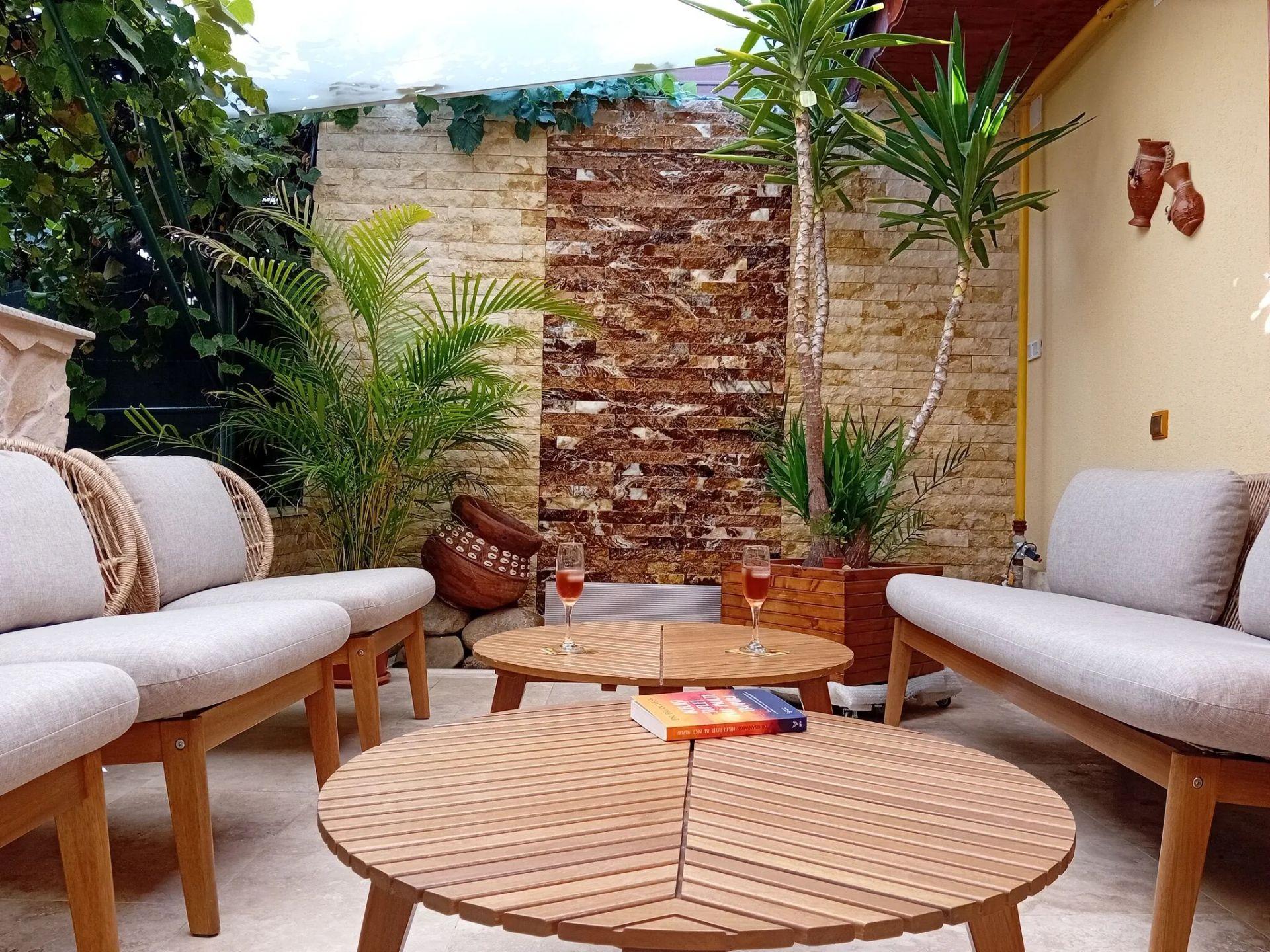
Holiday villa · 3 stars

Târgu Jiu, Gorj County · 0.5 km
Villa Bianca Târgu Jiu
Comfort, relaxation and stunning views, all just steps away from the main attractions.
FROM
280 lei per night

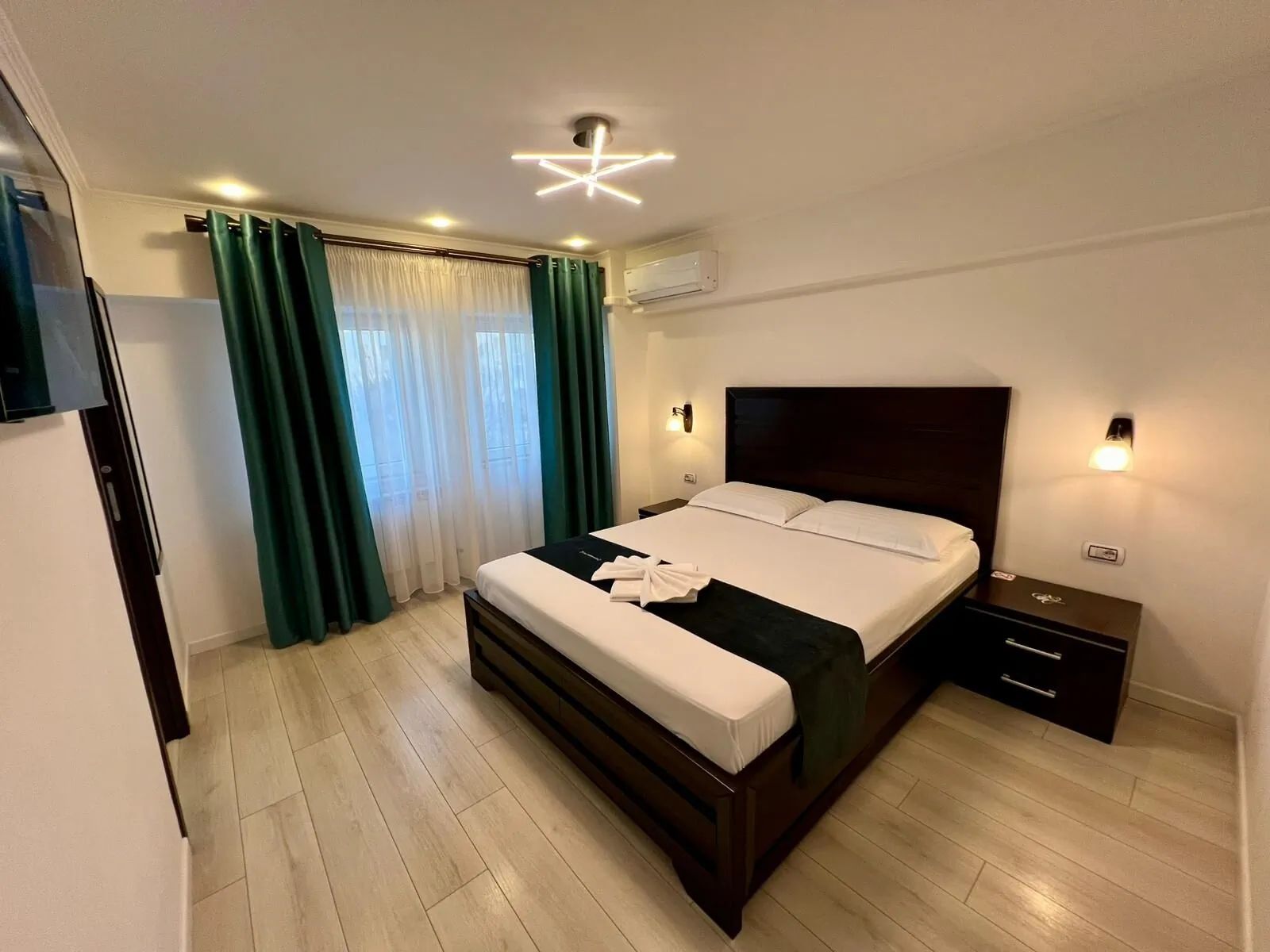
Apartment · 3 stars
Târgu Jiu, Gorj County · 1.1 km
Garsoniera Sara Târgu Jiu
Comfort, relaxation and stunning views, all just steps away from the main attractions.
FROM
230 lei per night
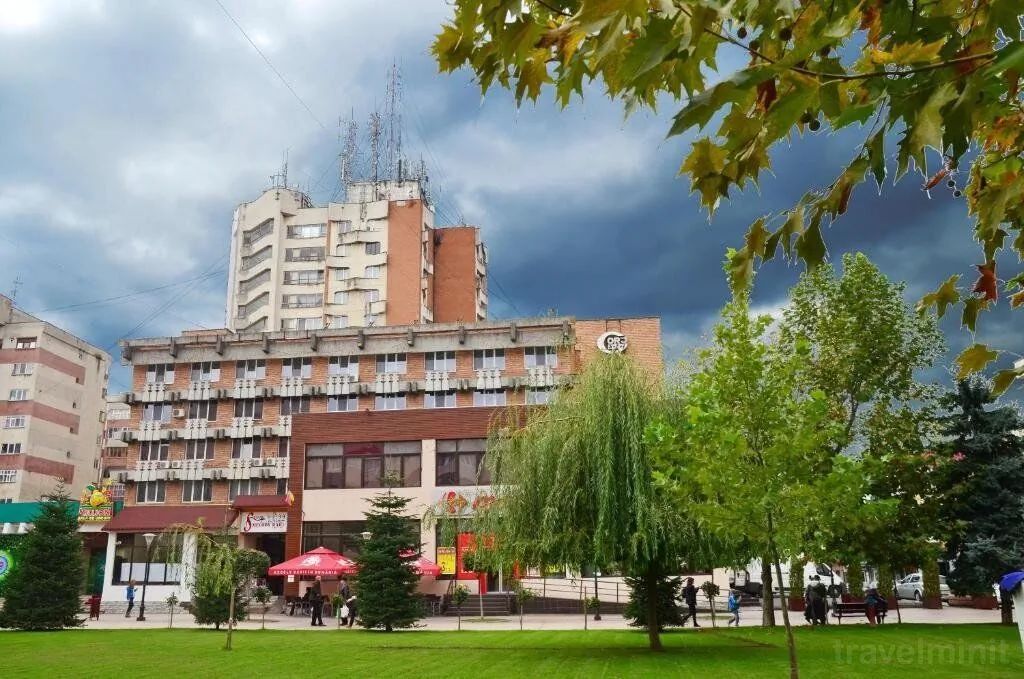
Hotel · 3 stars
Târgu Jiu, Gorj County · 1.2 km
Hotel Gorjul Târgu Jiu
Familiile cu copii, cuplurile și grupurile de prieteni care doresc să exploreze orașul se vor simți bine la Hotel Gorjul din Târgu Jiu. Unitărea de cazare pune la dispoziție 38 de camere amenajate cu grijă și confortabile, iar unele dintre acestea dispun de aer condiționat pentru zilele toride de vară. Printre facilitățile disponibile se numără accesul pentru persoane cu dizabilități, parcare privată gratuită și conexiune Wi-Fi gratuită în întreaga proprietate. Animalele de companie sunt acceptate fără costuri suplimentare, iar la recepție veți putea comunica atât în limba română, cât și în engleză. În apropiere se află cele mai reprezentative obiective turistice ale zonei, pe care le puteți descoperi cu ușurință: Coloana Infinitului, Ansamblul Monumental Calea Eroilor Târgu Jiu, Muzeul de Artă din Târgu Jiu, Muzeul Județean Gorj Alexandru Ștefulelescu și Catedrala Domnească din Târgu Jiu. Preluarea camerelor se face începând cu ora 12:00, iar eliberarea acestora până la ora 12:00. Plata se poate efectua prin numerar, card bancar, transfer bancar, card de vacanță sau voucher. Vă așteptăm la Hotel Gorjul din Târgu Jiu.
FROM
290 lei per night
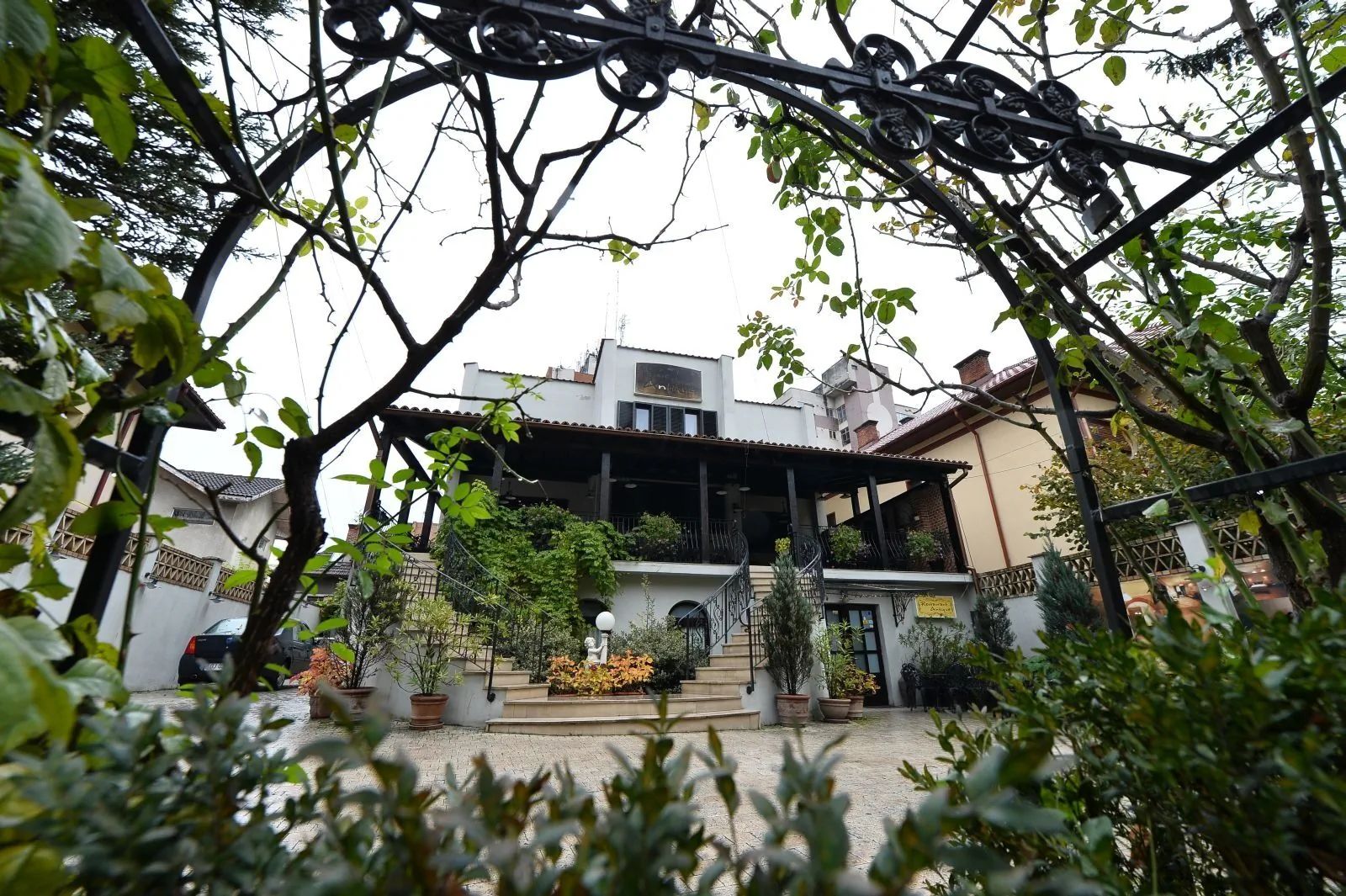
Guesthouse · 4 stars
Târgu Jiu, Gorj County · 1.3 km
Pensiunea Antique Târgu Jiu
Cele zece camere dotate cu bun gust ale Pensiunii Antique din Târgu Jiu, situată pe bulevardul Constantin Brancusi, vă așteaptă într-un ambient cald și primitor, potrivit atât pentru călătorii în interes de serviciu, cât și pentru turiștii care doresc să descopere orașul. Restaurantul din incintă servește preparate culinare tradiționale, iar room service-ul este disponibil pentru momentele în care preferați să luați masa în liniștea camerei dumneavoastră. Beneficiați de Wi-Fi gratuit și de parcare privată gratuită, iar pentru familiile cu copii mici sunt puse la dispoziție scaun înalt și pătuț pentru bebeluș. De asemenea, la cerere, puteți primi meniuri pentru diete speciale. În apropiere se află cele mai reprezentative obiective turistice ale orașului, pe care le puteți vizita pornind direct de la pensiune: Coloana Infinitului, Ansamblul Monumental Calea Eroilor Târgu Jiu, Muzeul de Artă din Târgu Jiu, Muzeul Județean Gorj Alexandru Ștefulelescu și Catedrala Domnească din Târgu Jiu. Seara, după o zi petrecută printre monumentele orașului, vă puteți retrage în camera dumneavoastră pentru a vă bucura de liniște și de serviciile oferite de room service.
FROM
310 lei per night
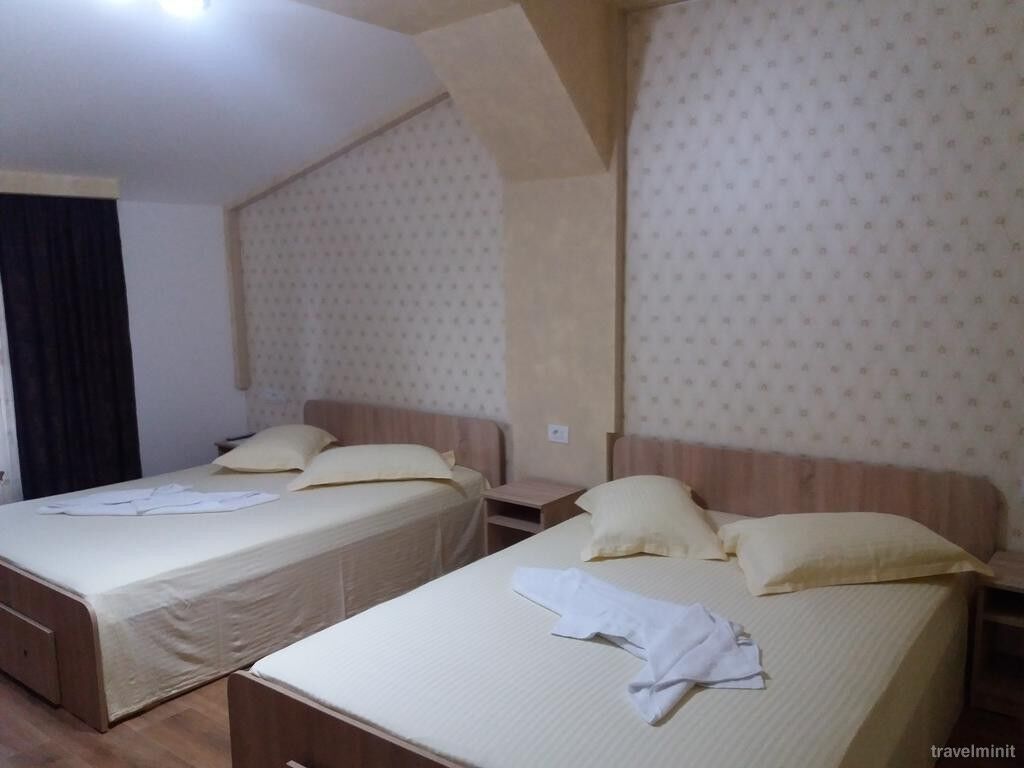
Guesthouse · 3 stars
Târgu Jiu, Gorj County · 2.0 km
Casa Lipianu Târgu Jiu
Casa Lipianu este o pensiune turistică de 3 stele situată în Târgu Jiu, județul Gorj, pe drumul Calea Severinului. Unitatea pune la dispoziție opt camere amenajate cu atenție, într-un mediu liniștit și primitor. Pentru un sejur confortabil, oaspeții beneficiază de Wi-Fi gratuit, parcare privată gratuită și acces facilitat pentru persoane cu dizabilități. Curtea mare și grădina amenajată oferă un spațiu plăcut pentru relaxare în aer liber. Anumite camere sunt echipate cu aer condiționat, iar animalele de companie sunt acceptate fără costuri suplimentare. Recepția vă stă la dispoziție pe tot parcursul șederii, iar personalul comunică fluent în română, engleză și germană. Ziua de cazare începe la ora 14:00 și se încheie la ora 11:30. Plata se realizează la recepție, exclusiv în numerar. În apropiere puteți vizita Coloana Infinitului, Ansamblul Monumental Calea Eroilor Târgu Jiu, Muzeul de Artă din Târgu Jiu, Muzeul Județean Gorj Alexandru Ștefulelescu și Catedrala Domnească din Târgu Jiu. Vă așteptăm la Casa Lipianu.
FROM
240 lei per night
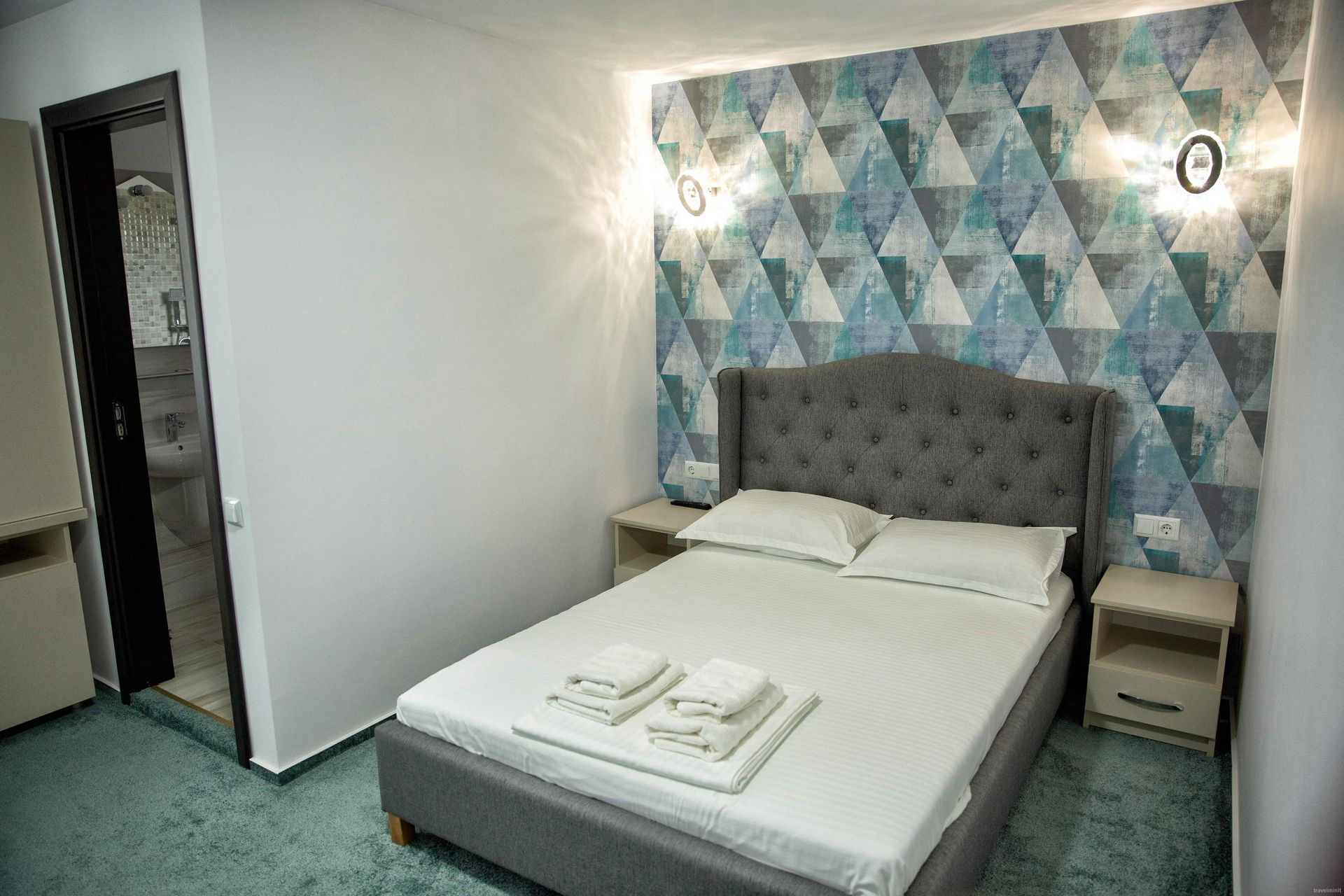
Guesthouse · 3 stars
Târgu Jiu, Gorj County · 2.0 km
Pensiunea Beny Târgu Jiu
Comfort, relaxation and stunning views, all just steps away from the main attractions.
FROM
240 lei per night
BEFORE YOU HIT THE ROAD
Weather conditions in Gorj
Local forecast for Endless Column (Coloana Infinitului), Gorj, Gorj

Real-time updated weather data
Much more to explore in this area
Nearby tourist attractions

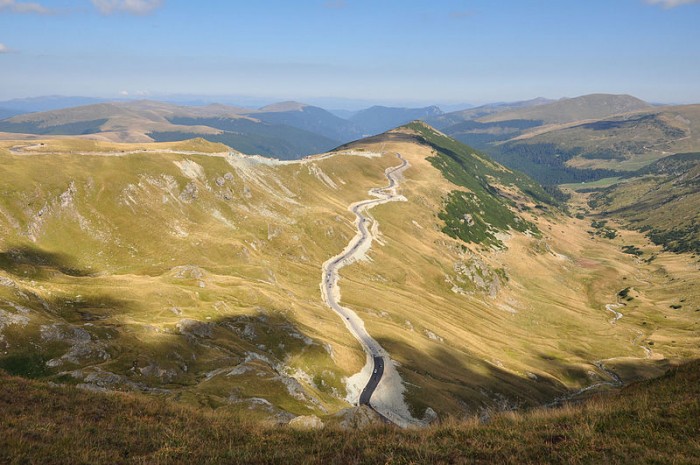

Alba, Alba County
Transalpina (Transalpina Highway / King's Road)
Este o sosea (DN 67C) din Muntii Parang, in Carpatii Meridionali, ce face legatura intre Oltenia si Transilvania (orasele Novaci din judetul Gorj si Sebes din...
42.4 km
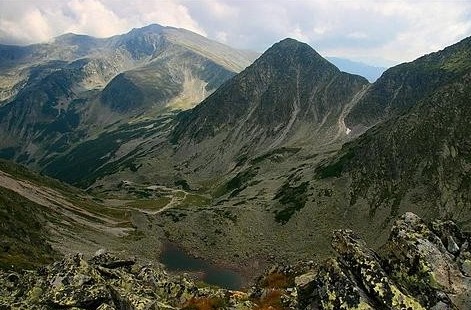
Hunedoara, Hunedoara County
Retezat National Park
Situat in masivul Retezat - Godeanu, in partea de vest a Carpatilor Meridionali; ocupa o suprafata totala de 38.138 ha; altitudinea e cuprinsa intre 800 si 2.50...
49.0 km
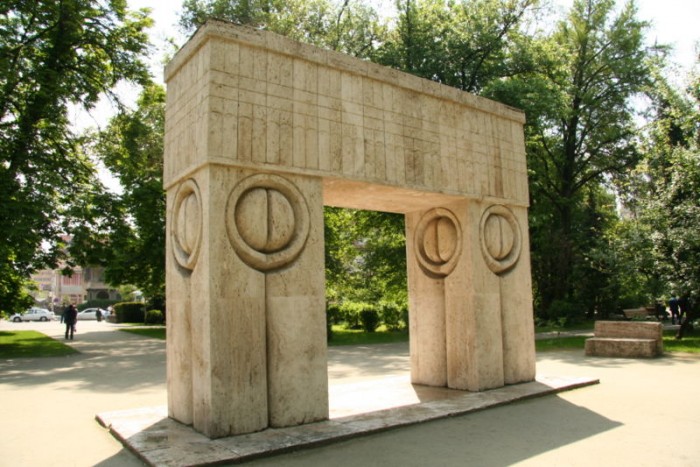
Gorj, Gorj County
The Heroes' Way Monumental Ensemble
Situat in centrul orasului Targu Jiu;realizat de Constantin Brancusi, este un complex sculptural cuprins in patrimoniul UNESCO; ansamblul este alcatuit dintr-o...
0.0 km
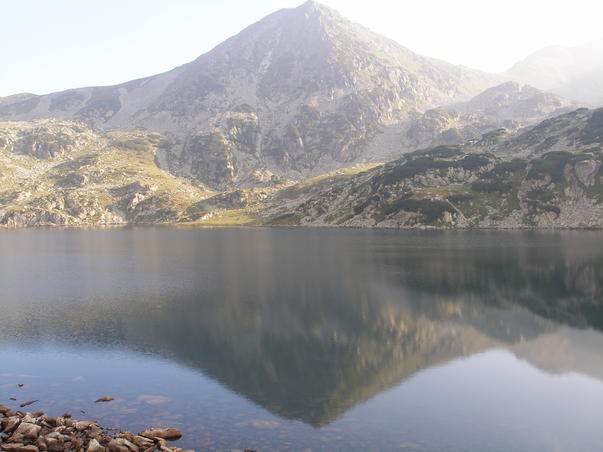
Hunedoara, Hunedoara County
Lake Bucura
Situat in caldarea Bucura, sub Varful Peleaga si Saua Bucurei; orientat pe directia nord - sud; face parte din Parcul National Retezat si este situat la o...
48.0 km

28.6 km

18.1 km
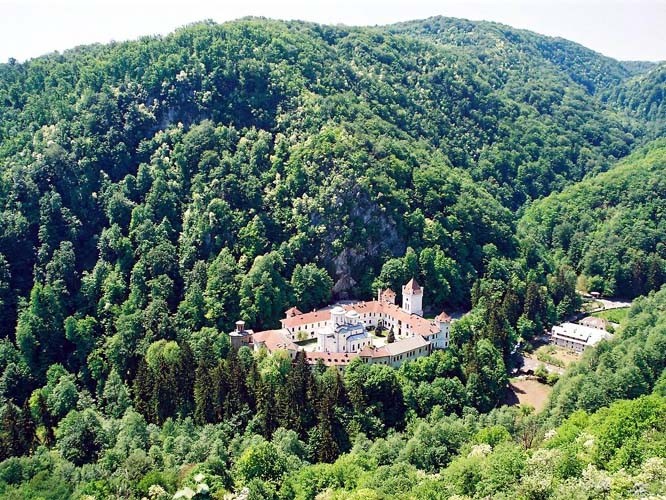
Gorj, Gorj County
Tismana Monastery
Situata la 36 de km de orasul Targu Jiu; pornind din Targu Jiu pe DN67, la km 82 se face ramifica?ia spre Tismana si Baia de Arama; monument de arhitectura...
28.6 km
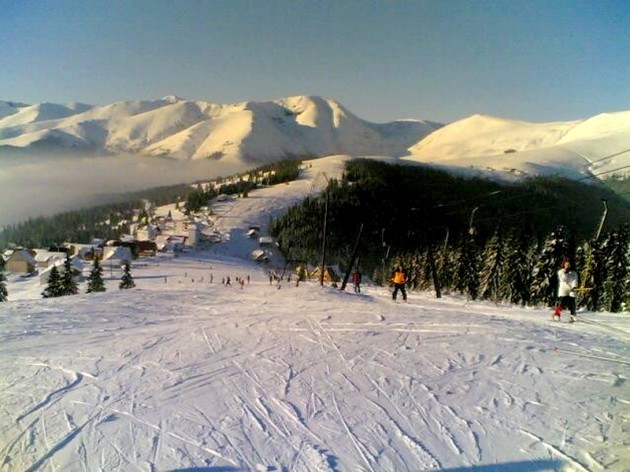
Gorj, Gorj County
Rânca Ski Resort
Situate in zona Muntilor Parang, in statiunea Ranca; in fiecare an, aceasta statiune este din ce in ce mai cautata, oferind partii excelente pentru iubitorii...
42.5 km
38.0 km
39.1 km
Hunedoara, Hunedoara County
Munții Retezat
Lanț de munți din Carpații Meridionali, grupa muntoasă Retezat-Godeanu
49.2 km
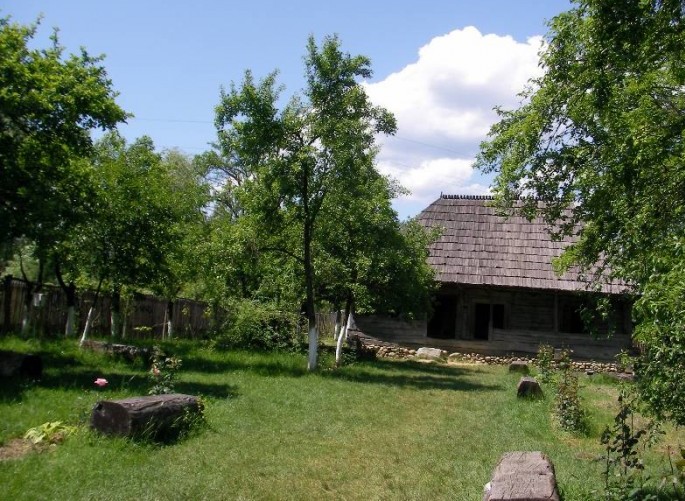
Hobita, Gorj County
Constantin Brâncuși Memorial House
Situata in satul Hobita, comuna Pestisani, in partea de nord-vest a judetului, pe drumul ce leaga orasul Targu Jiu de localitatea Tismana; este o reproducere a...
18.1 km
Cultural life and traditions
Events in the Endless Column (Coloana Infinitului) area
Medieval festivals, traditional fairs, concerts and local activities recommended in Oltenia (Lesser Wallachia).

Traditions and Crafts

Gorj, County of Gorj
Days of Local Culture and Traditional Tourism
Open workshops featuring pottery, wood carving, and authentic folklore demonstrations by local artisans.
WHEN
May 15-17, 2026


Traditional Cuisine
Gorj, County of Gorj
The Fair of Traditional Products and Local Cuisine
Traditional products, aged cheeses, mountain honey and local delicacies prepared according to ancient recipes.
WHEN
Every weekend

Culture and Photography
Gorj, County of Gorj
Themed and Photographic Guided Tour of Cultural Heritage
A guided tour designed for history buffs, nature lovers, and photography enthusiasts, showcasing the most spectacular views in the area.
WHEN
Daily schedule available upon request
On foot, exploration gains depth
Discover the surroundings and local geography
Explore the trails, terrain, and natural landmarks around Endless Column (Coloana Infinitului).

Guides and practical tips
Useful travel articles
Travel guides, practical recommendations and tourist itineraries for Oltenia (Lesser Wallachia).

Tourist guide
Top 5 Atracții Turistice și Trasee Montane în Zona Moieciu - Bran
Descoperă cele mai spectaculoase peisaje carstice, chei adânci și cetăți medievale din imediata apropiere a stațiunii Moieciu.

Tourist guide
Ghid de Drumeție: Traseul Moieciu de Sus spre Platoul Bucegi
Un itinerariu montan de o frumusețe rară ce urcă din Valea Băngăleasa spre Poiana Guțanu și crestele maiestuoase ale Bucegilor.

Tourist guide
Castelul Bran: Istorie, Legende și Secrete Medievale
Află adevărata poveste a fortăreței medievale din Pasul Bran, reședința de suflet a Reginei Maria a României.
THE JOURNEY STARTS WITH AN IDEA
The next story is on the way.
From the first stop to the last stay, make room for a new Romania.
