


PLACE OF WORSHIP · CRISANA
Resurrection Cathedral, Oradea

Oradea, Bihor County
Add location to your trip planner.

Practical access information

VISITING HOURS
Monday: 12:00 PM – 5:00 PM · Tuesday–Sunday: 9:00 AM – 5:00 PM (in summer until 8:00 PM)

TICKET PRICE
Adults: 45 RON · Students: 11 RON · Seniors: 23 RON · Guided tour included

RECOMMENDED VISIT DURATION
30-60 minutes
Sources and external references
Wikipedia Encyclopedia (EN)
Visitor information and guide
 Navigate with Google Maps

ABOUT RESURRECTION CATHEDRAL, ORADEA
Captivating Introduction and Heritage Significance
As the gaze of the European traveler sweeps along Oradea’s Republic Boulevard—a city poised at the cultural frontier between Central and Eastern Europe—the imposing silhouette of the Resurrection Cathedral emerges like a radiant bridge between heaven and earth, between the millennia-old Byzantine tradition and the modernity of the 21st century. With its golden domes gleaming in the sunlight, the cathedral is far more than a place of worship; it is a monument to spiritual rebirth, a symbol of Romania’s reconnection with Christian values after decades of state-imposed atheism under communist rule. In an urban landscape dominated by Austro-Hungarian Secessionist architecture, 18th-century Baroque palaces, and eclectic buildings from the Dual Monarchy era, the Orthodox cathedral introduces a new dimension—Oriental in essence yet profoundly European in its historical context. Built during a period of profound political and social transformation following the fall of totalitarian regimes in Eastern Europe in 1989, this cathedral embodies hope, religious freedom, and the desire of a community to assert its identity within a multicultural space that has long been a crossroads of civilizations. For the foreign visitor, it offers a unique experience: the opportunity to contemplate an architectural masterpiece that engages in dialogue with Europe’s great cathedrals, from those in Constantinople and Moscow to those in Vienna and Prague, all within a city that has always served as a bridge between East and West.
Historical Roots and Major European Connections
The history of Oradea, known in the medieval period as Várad or Nagyvárad, is deeply rooted in the broader context of Central Europe. Over the centuries, the city belonged to the Kingdom of Hungary, the Habsburg Empire, and ultimately the Austro-Hungarian Monarchy. In this region of Crișana, where the borders of empires overlapped and shifted over time, the Romanian Orthodox community had to preserve its spiritual identity within a predominantly Catholic and Protestant environment, dominated by Hungarian nobility and the influences of the Reformation. The decision to construct this cathedral in 1989, amid the anti-communist Revolution, was no coincidence; it represented an act of spiritual courage and a response to decades of religious repression. The Romanian Orthodox Diocese of Oradea, Bihor, and Sălaj—an institution with historical roots stretching back to the interwar period—was tasked with creating a spiritual center to balance the city’s sacred landscape, which was dominated by the Roman Catholic Cathedral of the Dormition of the Mother of God, the Reformed churches along Republic Boulevard, and the Great Synagogue, a symbol of a once-thriving Jewish community. In the broader European context, the construction of this cathedral is part of a continental phenomenon of post-communist religious revival, akin to the restoration and reconstruction of churches in Poland, the Czech Republic, the Baltic states, and the former Yugoslavia, where religious identity was suppressed by Marxist regimes. The cathedral’s architecture establishes direct links with the Byzantine tradition, evoking the great places of worship in Constantinople, the capital of the Byzantine Empire, from Hagia Sophia to the churches of Thessaloniki and Mount Athos. At the same time, it reflects the modern influences of the 20th century, serving as a remarkable example of synthesis between Eastern spirituality and contemporary European architectural sensibilities. Situated near the Hungarian border, close to major cities like Debrecen and Szeged, Oradea functions as a meeting point between the Orthodox world of the Balkans and that of Central Europe, between Byzantine and Western traditions, between East and West.
Architectural Masterpiece, Style, and Constructive Details
The architecture of the Resurrection Cathedral represents a remarkable achievement in synthesizing the millennia-old Byzantine tradition with the technical innovations of late 20th-century architecture. The traditional cruciform plan, with semicircular apses and imposing domes covered in gilded sheet metal, evokes the great Orthodox cathedrals of Constantinople, Moscow, and Thessaloniki, while the slender vertical structures and modern finishes suggest influences of late modernism. The seven domes, arranged according to the principle of celestial hierarchy, symbolize the seven gifts of the Holy Spirit and the seven sacraments of the Church. They are covered in gilded copper sheeting that shines in the sunlight like a divine aura, creating a striking contrast with the red roofs of the surrounding Secessionist buildings. The central tower, with its impressive height of over seventy meters, dominates Oradea’s urban skyline, visible from considerable distances and serving as a spiritual landmark comparable in its vertical ambition to the towers of Gothic cathedrals in Western Europe, such as those in Cologne or Vienna, though its formal language remains deeply Orthodox. Constructively, the edifice combines modern reinforced concrete structures—necessary for seismic resistance in a region with moderate tectonic activity—with traditional masonry and stone elements. The interior houses an impressive iconostasis, carved from linden wood, a precious essence in Romanian sacred art. Its royal doors and principal icons are executed in the oil-on-wood technique, in the neo-Byzantine style, with visible influences from the iconographic school of Mount Athos and the Russian tradition of the 19th and 20th centuries. The mural paintings, created by contemporary artists trained in religious art schools in Bucharest and Cluj, cover the interior walls in a symphony of color reminiscent of the frescoes in the Byzantine churches of Ravenna or Cappadocia, using traditional mineral pigments and fresco techniques adapted to modern materials. The interior space is designed to enhance the acoustics of Byzantine music, with vaults and domes that create a unique resonance, transforming each service into a profound sonic experience akin to sacred music concerts in the Byzantine cathedrals of Greece or Serbia. The interior lighting, featuring modern chandeliers with traditional forms, completes the atmosphere of sacredness, while the collection of old icons, originating from various regions of the Orthodox world—from Greece and Serbia to Russia and the Republic of Moldova—creates an artistic dialogue with Europe’s religious heritage.
Stories, Personalities, and Turning Points
The construction of the cathedral was initiated under the guidance of the Romanian Orthodox Diocese of Oradea, Bihor, and Sălaj at a historic moment when Romania was emerging from the darkness of communism and reclaiming its freedom of conscience. The year 1989, when the foundation stone was laid, remains etched in the community’s memory as an act of courageous faith, carried out in the open street with the participation of thousands of believers who came to bless the beginning of a project many considered impossible in a city with a predominantly Roman Catholic and Reformed history. The completion and consecration of the edifice in the 1990s, during a period of profound economic and social transition, marked a turning point for the region’s spiritual identity, signaling the visible return of Orthodoxy to the urban landscape of Transylvania. A central element of the cathedral’s spirituality is the presence of the relics of Saint Hierarch Sava, one of the most venerated saints of Transylvania and the spiritual protector of Oradea. This presence attracts thousands of pilgrims annually from across the country, the Republic of Moldova, and the Romanian diaspora, transforming the cathedral into an important pilgrimage center that establishes spiritual connections with other Orthodox centers in Europe, such as the monasteries of Serbia, Greece, or Mount Athos. In recent years, the cathedral has become a vibrant cultural hub, hosting Byzantine music concerts that resonate with the choral traditions of Constantinople or Thessaloniki, exhibitions of religious art showcasing icons and liturgical objects from different eras and regions of the Christian world, and interfaith dialogue meetings with representatives of the Roman Catholic, Reformed, Unitarian, and Jewish communities of Oradea. These initiatives reflect the cathedral’s role as a bridge of dialogue in a city with a deeply multicultural tradition, where religious diversity has always been a source of cultural enrichment. During the COVID-19 pandemic, the cathedral demonstrated spiritual resilience, quickly adapting to new conditions by broadcasting services online and maintaining a constant presence in the life of the community, even in the most challenging moments, thereby consolidating its role as a moral and spiritual landmark for believers.
Practical Visitor’s Guide and the Contemporary Traveler’s Experience
The Resurrection Cathedral is located in the heart of Oradea, on Republic Boulevard, just a few minutes’ walk from Union Square, making it easily accessible by public transport, car, or bicycle. For the European traveler arriving in Oradea—whether from Cluj-Napoca, Timișoara, or Arad, or from the airports in these cities—the cathedral serves as an ideal starting point for exploring the city’s cultural heritage. The liturgical schedule includes daily services, with visitor participation particularly welcome at Sunday services and major holidays, when the atmosphere is especially solemn and the Byzantine choral music fills the sacred space. Visitors can admire the interior, the carved iconostasis, and the mural paintings outside of prayer hours, while respecting the specific religious etiquette: modest attire and, for women, head coverings during services. Admission is free, and additional information can be obtained from the diocesan office or through the city’s guided tours. The experience of visiting the cathedral can be enriched by exploring the diverse architectural heritage in the immediate vicinity: the Black Eagle Palace, a jewel of Secessionist architecture with its covered passages and impressive stained glass; the Moon Church, unique in Europe for its astronomical mechanism that indicates the phases of the moon; and numerous Art Nouveau and Baroque buildings that testify to the city’s flourishing period during the Austro-Hungarian era. Additionally, Oradea Fortress, a bastion fortification in the Italian Renaissance style, offers a historical perspective on the city’s strategic role in defending the Habsburg Empire’s borders against the Ottoman Empire. For a complete experience, travelers can combine a visit to the cathedral with a trip to the Felix or 1 Mai Baths, thermal spa resorts located just a few kilometers from the city, where the tradition of healing through thermal waters meets modern wellness facilities. Oradea, with its multicultural gastronomy influenced by Hungarian, Austrian, and Romanian cuisines, offers numerous restaurants and cafés near the cathedral, allowing tourists to enjoy a culinary break after visiting the monument. Whether visited at sunset, when the golden domes gleam in the autumn light, or at dawn, when the morning stillness envelops the square, the Resurrection Cathedral remains a silent yet eloquent witness to a complex European history, an unbroken faith, and a city that continues to be a crossroads of civilizations on the cultural map of the continent.
Media gallery
Discover Resurrection Cathedral, Oradea in pictures

1 photos · Architecture, courtyards and captivating details

Image source: Wikimedia Commons · Public domain photos · Free license
STAY A FEW DAYS, DISCOVER THE MAGIC
Accommodation in the Resurrection Cathedral, Oradea area

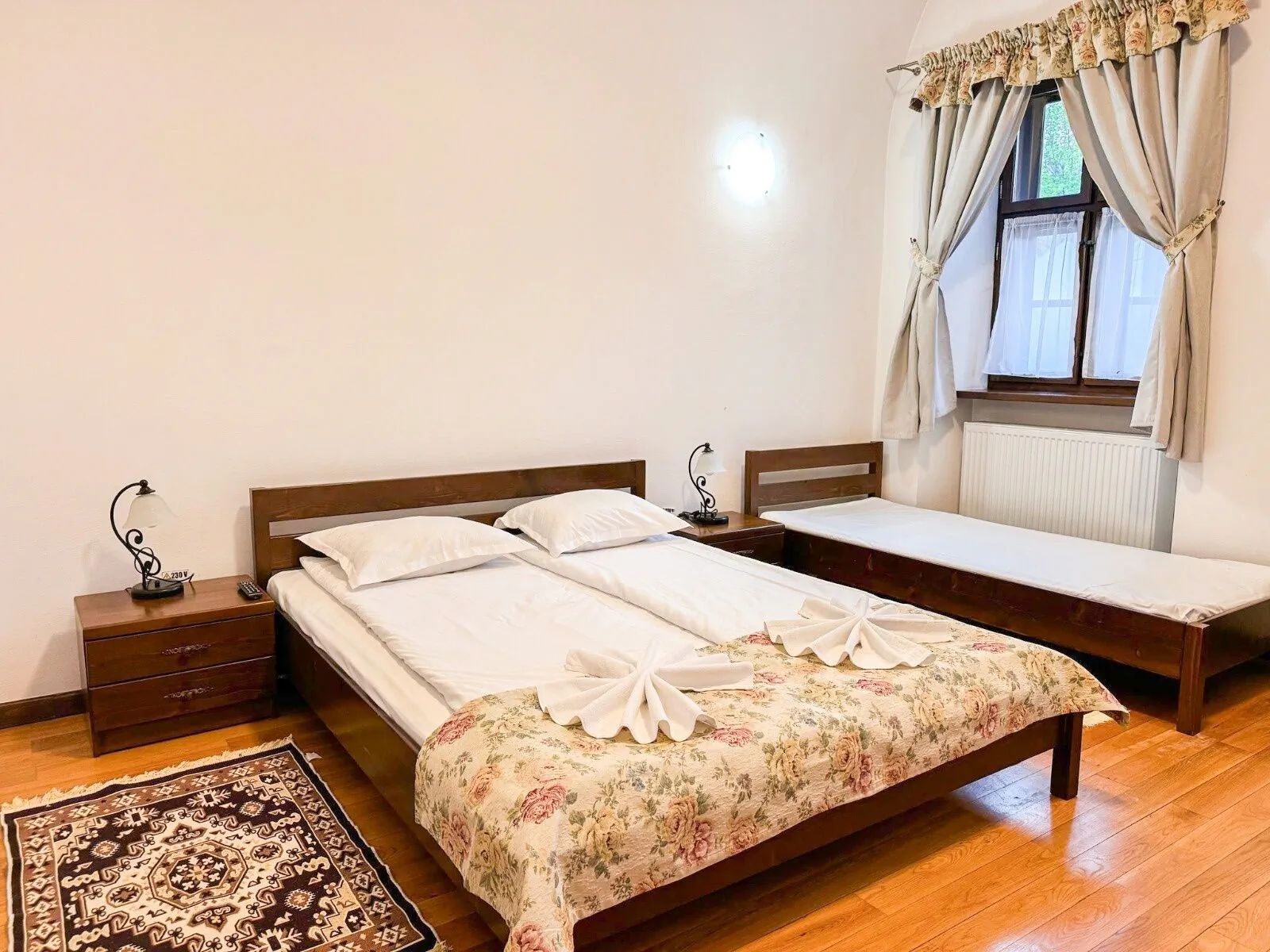
Holiday home · 3 stars

Oradea, Bihor County · 0.3 km
Guesthouse Cetate Oradea
Parcarea privată gratuită reprezintă un avantaj semnificativ pentru Guesthouse Cetate Oradea, situată în orașul Oradea, județul Bihor. Această casă de închiriat integral, clasificată cu trei stele, pune la dispoziția dumneavoastră și accesul facil pentru persoanele cu dizabilități, precum și conexiune Wi-Fi gratuită în toate încăperile, asigurând un sejur confortabil din prima clipă. Amplasată în incinta impresionantei Cetăți Oradea, unitatea oferă 16 camere spațioase și un apartament dedicat, creând un mediu primitor și relaxant pentru toți oaspeții. Fiecare spațiu este amenajat cu atenție pentru a vă oferi intimitatea și confortul necesare după o zi plină de explorare a orașului, într-un cadru care îmbină armonios tradiția istorică cu facilitățile moderne. Din această locație centrală, puteți vizita cu ușurință Cetatea Oradea, Biserica cu Lună din Oradea, Bazilica Romano-Catolică din Oradea, Catedrala Învierea Domnului din Oradea și Palatul Vulturul Negru. Străduțele pietruite ale zonei istorice și atmosfera vibrantă a Pieței Emanuil Gojdu completează experiența unui sejur în centrul orașului. Guesthouse Cetate Oradea este alegerea potrivită pentru călătorii care doresc să descopere centrul istoric al Oradei într-un cadru autentic, beneficiind de intimitatea unei vile întregi și de acces facil la principalele atracții turistice ale orașului.
FROM
280 lei per night

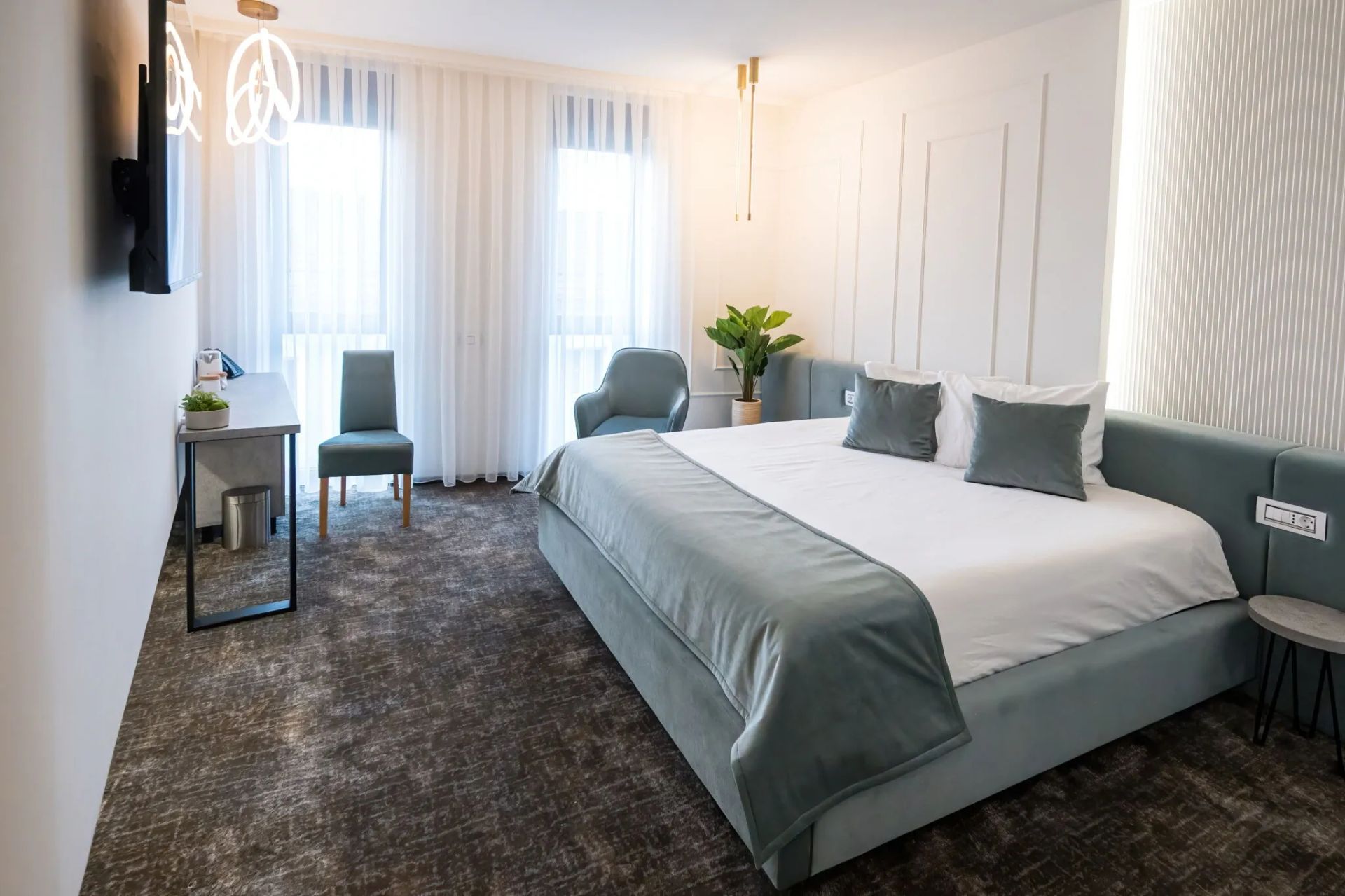
Hotel · 3 stars
Oradea, Bihor County · 0.3 km
Alive Hotel Oradea
Pe strada Calea Clujului din Oradea, într-o zonă bine conectată a orașului, se află Alive Hotel Oradea, un hotel clasificat cu trei stele care oferă cazare plăcută într-un mediu urban dinamic din județul Bihor. Pentru confortul dumneavoastră, unitatea oferă facilități practice pe toată durata șederii. Aveți acces la Wi-Fi gratuit în întregul hotel, parcare privată gratuită și o stație de încărcare pentru vehicule electrice. În camere găsiți seif pentru obiectele de valoare, iar la recepție puteți folosi depozitul pentru bagaje. Există lift pentru deplasare ușoară între etaje, iar familiile cu bebeluși pot solicita un pătuț special. De asemenea, fierul de călcat este disponibil pentru a vă aranja hainele înainte de ieșirile în oraș. Poziția din strada Calea Clujului vă permite să ajungeți ușor la principalele obiective turistice. În apropiere se află Cetatea Oradea, Biserica cu Lună din Oradea, Bazilica Romano-Catolică din Oradea, Catedrala Învierea Domnului din Oradea și Palatul Vulturul Negru, astfel încât puteți explora cu ușurință centrul istoric al orașului. Vă așteptăm să vă bucurați de șederea la Alive Hotel Oradea și să porniți apoi într-o plimbare spre Biserica cu Lună din Oradea.
FROM
290 lei per night
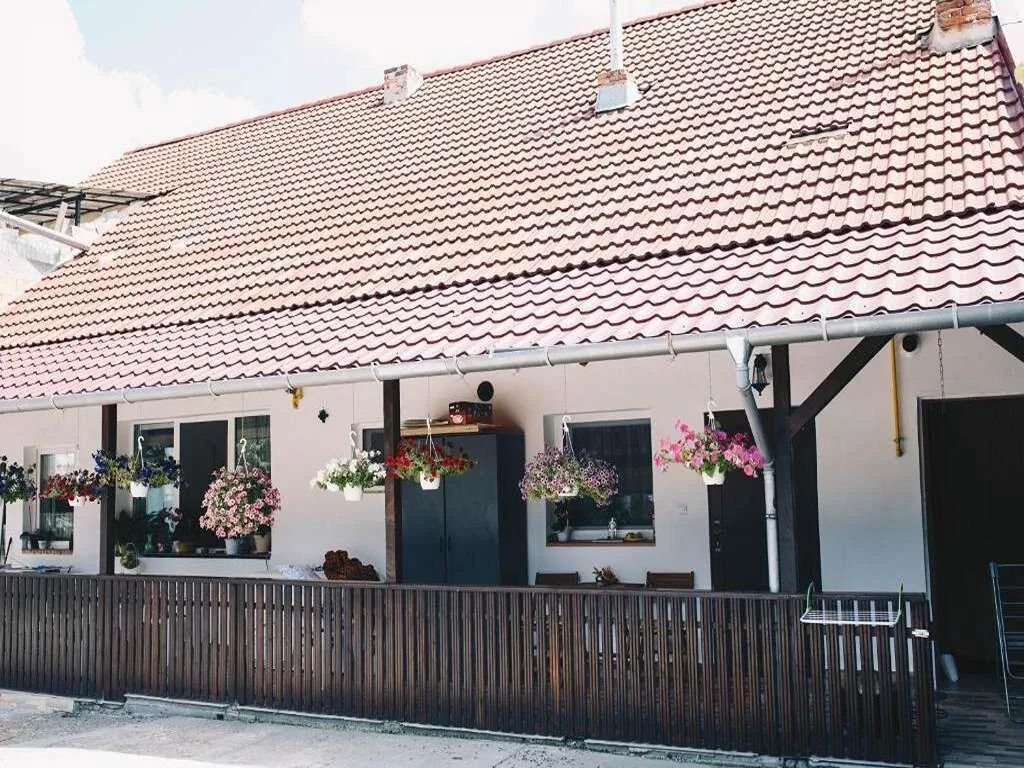
Guesthouse · 3 stars
Oradea, Bihor County · 0.5 km
Camere de închiriat Paula Apartment & Rooms Oradea
Puteți începe explorarea orașului cu o vizită la Cetatea Oradea, unul dintre cele mai importante monumente din zonă. Pensiunea turistică de trei stele din Oradea reprezintă un punct de plecare comod pentru a descoperi istoria și atmosfera acestui oraș din județul Bihor. Cele patru camere sunt mobilate confortabil și dotate cu aer condiționat și grup sanitar propriu. Aveți la dispoziție Wi-Fi gratuit, parcare privată gratuită și fier de călcat. În exterior, curtea mare și grădina amenajată oferă un spațiu plăcut pentru relaxare, iar grătarul sau barbeque-ul vă permit să organizați mese în aer liber. Preluarea camerelor se face de la ora 15:00, iar eliberarea acestora până la ora 11:00. La recepție se vorbește atât română, cât și engleză. Plata rezervării se poate realiza prin numerar, card bancar, transfer bancar, card de vacanță sau voucher. În apropiere puteți vizita și Biserica cu Lună din Oradea, Bazilica Romano-Catolică din Oradea, Catedrala Învierea Domnului din Oradea și Palatul Vulturul Negru, fiecare cu propria sa poveste arhitecturală. Vă așteptăm să porniți de aici într-o plimbare spre Biserica cu Lună din Oradea și să vă bucurați de fiecare colț al acestui oraș.
FROM
240 lei per night
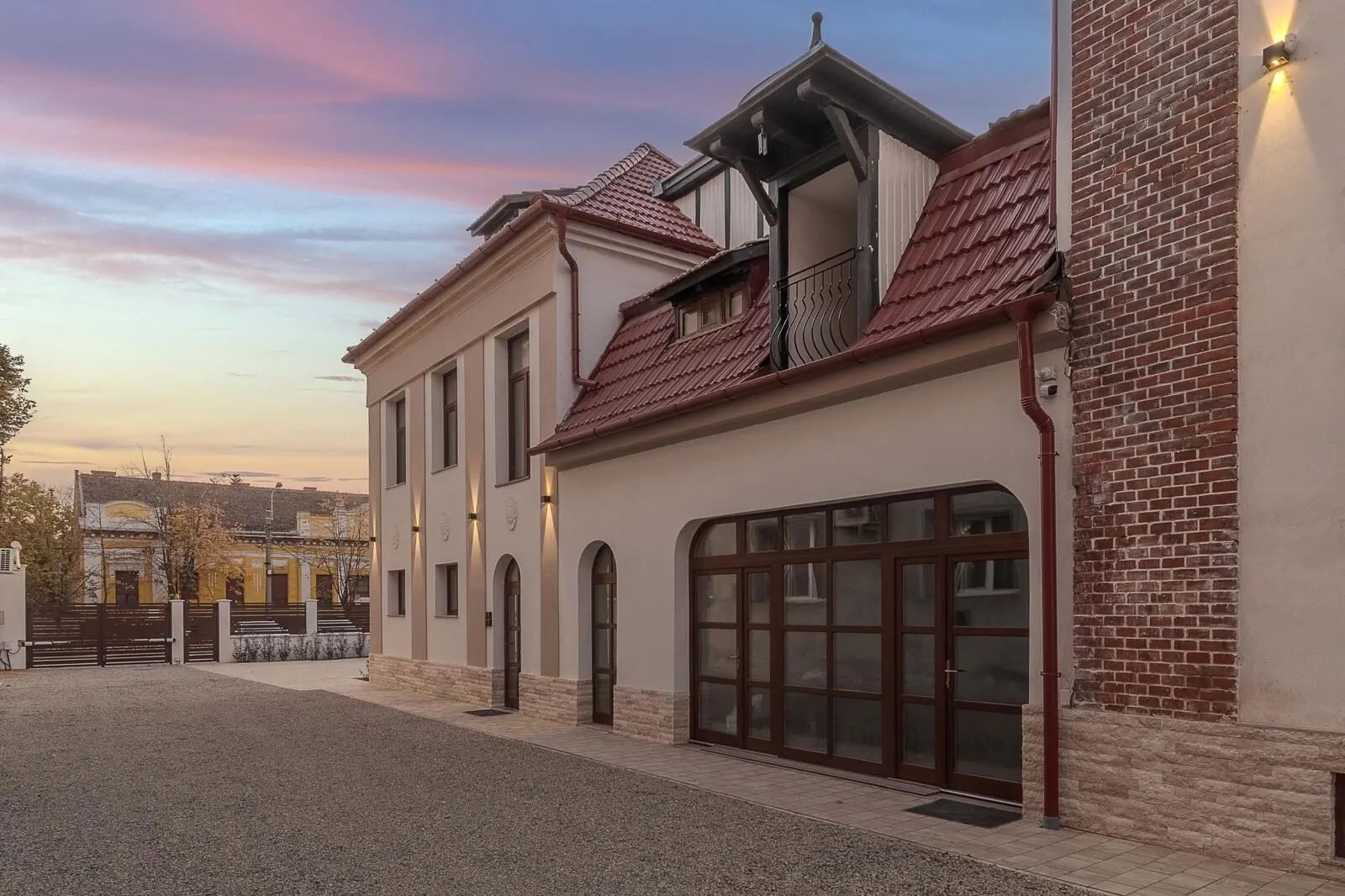
Holiday home · 3 stars
Oradea, Bihor County · 0.5 km
Casa Ullmann Residence Oradea
Casa Ullmann Residence Oradea este o casă de închiriat integrală, clasificată la 3 stele, situată în Oradea, județul Bihor, pe strada Mihail Kogălniceanu numărul 5. Această proprietate oferă cazare într-un cadru liniștit, potrivit atât pentru sejururi de relaxare, cât și pentru vizite în oraș. Vila pune la dispoziția dumneavoastră patru camere confortabile și plăcut amenajate, fiecare dotată cu baie proprie. Aerul condiționat din fiecare cameră asigură un climat plăcut pe tot parcursul șederii dumneavoastră. Pentru confortul dumneavoastră, unitatea oferă Wi-Fi gratuit, parcare privată gratuită, depozit pentru bagaje și fier de călcat. Personalul de la recepție vorbește limba română și engleză și vă poate oferi informații suplimentare despre serviciile disponibile. Camera poate fi ocupată de la ora 15:00, iar predarea se face până la ora 11:00. În apropiere se află principalele obiective turistice ale orașului: Cetatea Oradea, Biserica cu Lună, Bazilica Romano-Catolică, Palatul Vulturul Negru și Catedrala Învierea Domnului. Toate aceste monumente și clădiri istorice pot fi explorate cu ușurință pornind de la această adresă. Vă așteptăm la Casa Ullmann Residence Oradea.
FROM
280 lei per night
Guesthouse · 3 stars
Oradea, Bihor County · 0.6 km
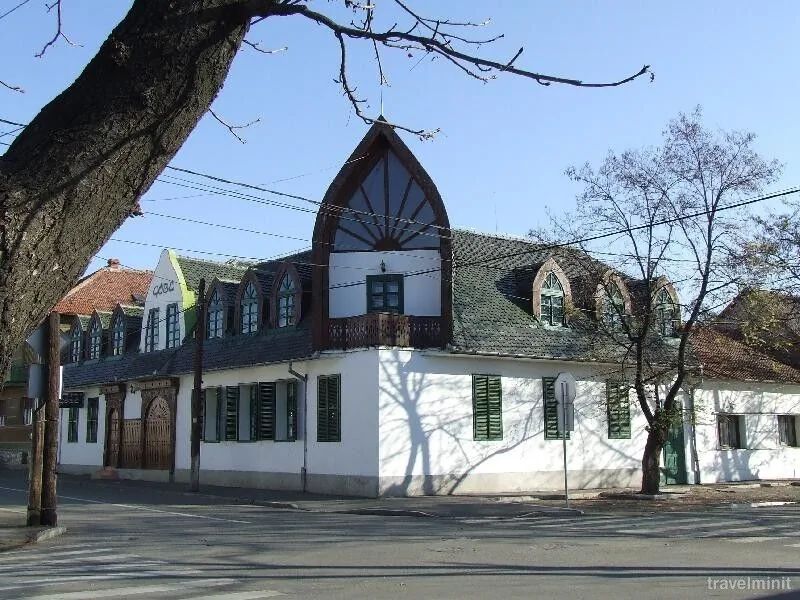
Pensiunea Góbé Csárda Oradea
Pe strada Constantin Dobrogeanu Gherea din Oradea se află Pensiunea Góbé Csárda Oradea, o unitate de cazare de 3 stele care îmbină tradiția secuiească cu un confort modern într-un cadru primitor. Pentru confortul dumneavoastră sunt disponibile facilități precum Wi-Fi gratuit, parcare privată gratuită, o curte mare și o grădină amenajată pentru relaxare, iar pentru familiile cu copii mici un pătuț pentru bebeluș. Pensiunea este formată din mai multe clădiri care înconjoară o curte interioară. Spațiile de cazare includ camere cu două și trei paturi, alături de trei apartamente. Fiecare cameră este mobilată în stilul tradițional al unei microregiuni secuiești, cu mobilier pictat manual, interior lambrisat și tavane cu grinzi în stilul caselor țărănești. Toate camerele dispun de baie privată și televizor, iar unele beneficiază și de aer condiționat. În apropiere puteți descoperi Cetatea Oradea, Biserica cu Lună din Oradea, Bazilica Romano-Catolică din Oradea, Catedrala Învierea Domnului din Oradea și Palatul Vulturul Negru. Restaurantul unității găzduiește mese festive, botezuri și banchete, oferind mâncăruri clasice tradiționale într-o ambianță rustică. Vă așteptăm la Pensiunea Góbé Csárda Oradea.
FROM
240 lei per night
Apartment · 3 stars
Oradea, Bihor County · 0.6 km
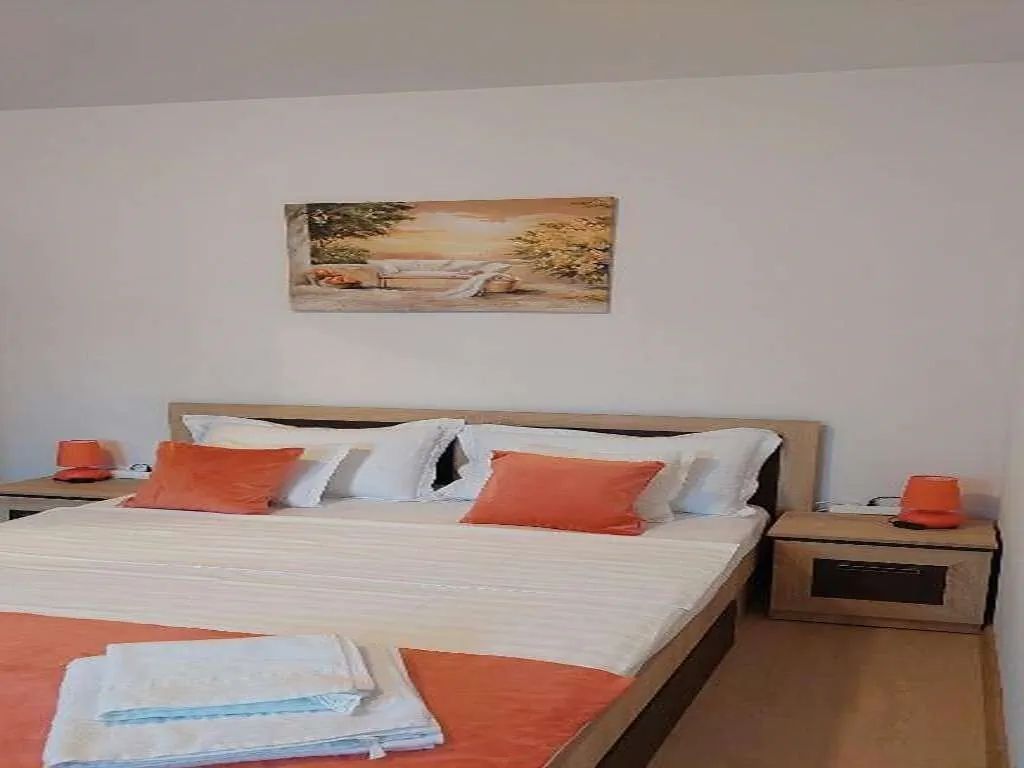
Apartament La Rascu 2 Oradea
Comfort, relaxation and stunning views, all just steps away from the main attractions.
FROM
230 lei per night
BEFORE YOU HIT THE ROAD
Weather conditions in Oradea
Local forecast for Resurrection Cathedral, Oradea, Oradea, Bihor

Real-time updated weather data
Much more to explore in this area
Nearby tourist attractions


7.6 km

Baile, Bihor County
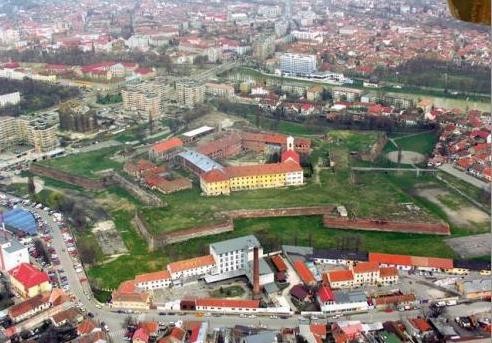
Oradea Fortress
Situata pe strada Grivitei, municipiul Oradea;reprezinta una dintre putinele cetati utilizate si in prezent;inclusa in patrimoniul UNESCO; se spune despre...
0.2 km
Baile, Bihor County
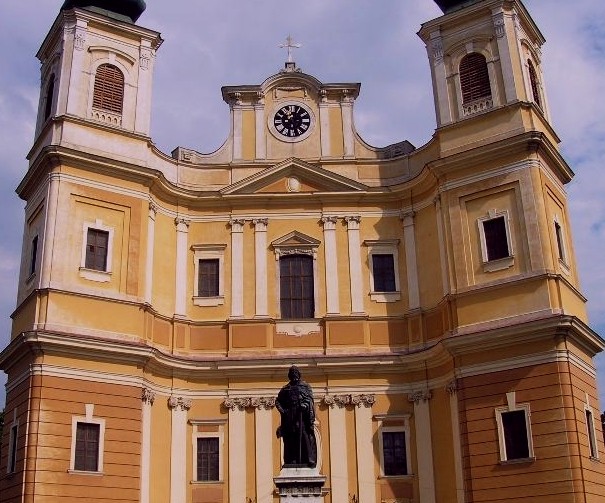
St. Mary's Roman Catholic Basilica of Oradea
Situata pe strada Sirul Canonicilor nr.2, localitatea Oradea;este cel mai mare edificiu baroc de pe teritoriul Romaniei si printre cele mai frumoase bazilici...
1.9 km
Baile, Bihor County
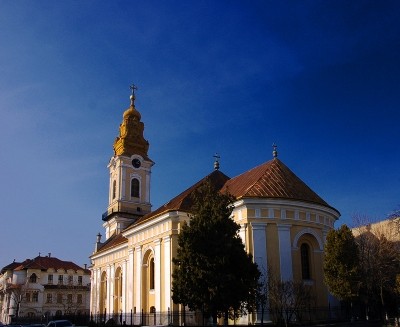
Moon Church of Oradea
Situata pe strada Iuliu Maniu, localitatea Oradea; constructia sa a inceput in anul 1800, cand episcopul greco-catolic Ignatiu Darabant a demolat biserica...
0.8 km

46.1 km

Baile, Bihor County
Black Eagle Palace
Situat pe strada Independentei nr.1, municipiul Oradea;este un monument arhitectonic reprezentativ al orasului; a fost construit intre 1907-1908; pe locul...
0.8 km

0.9 km

Baile, Bihor County
Church of the Order of Mercy (Archangel Church) in Oradea
Situata pe strada Independentei nr.1, localitatea Oradea;construita in secolul al- XVIII-lea; sculpturile sale de lemn sunt de o rara frumusete; in cripta...
0.5 km
Baile, Bihor County
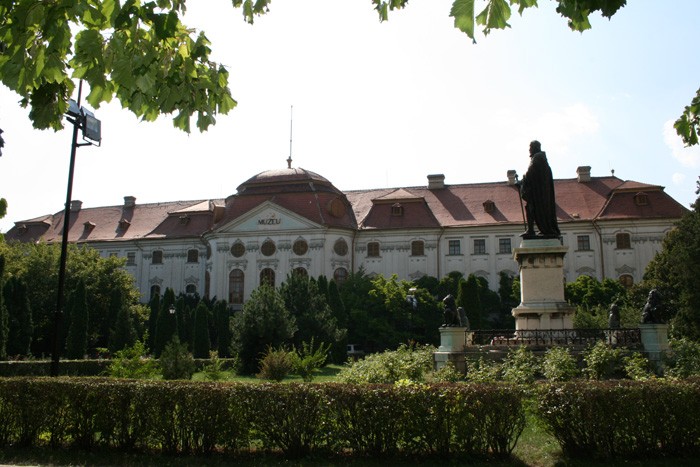
Criș Country Museum
Situat pe strada Armatei nr.1A, localitatea Oradea; organizat pe 5 sectii: Arheologie, Istorie, Stiintele naturii, Arta si Etnografie; Sectia de Arheologie:...
1.3 km
Baile, Bihor County
Capuchin Church in Oradea
Situata pe strada Traian Mosoiu nr.21, localitatea Oradea;cunoscuta si sub denumirea de biserica manastirii Capucinilor "Vizita Sfantei Fecioare" ; ordinul...
0.7 km
Baile, Bihor County
Archangels Michael and Gabriel Orthodox Church in Oradea
Situata in Piata Tineretului, localitatea Oradea;este una dintre cele mai vechi asezari de cult, de religie ortodoxa din oras; a fost construita in perioada...
0.8 km
Baile, Bihor County
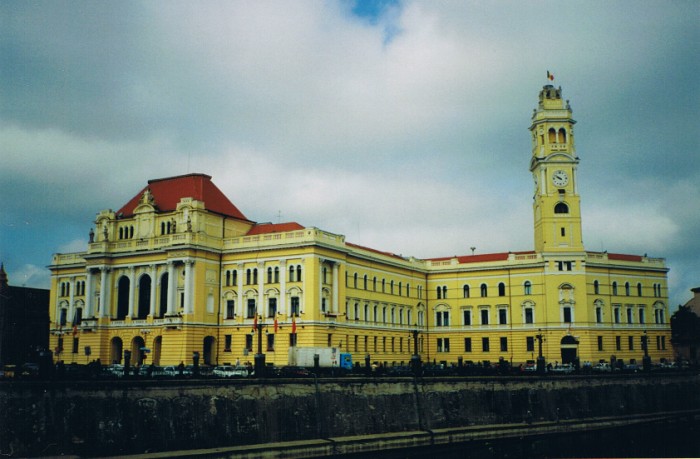
Oradea City Hall Palace
Amplasat in partea de nord-vest a Pietei Centrale (Unirii) din Oradea;a fost inaltat intre anii 1902-1903; se afla pe fostul amplasament al episcopiei catolice...
1.0 km
Cultural life and traditions
Events in the Resurrection Cathedral, Oradea area
Medieval festivals, traditional fairs, concerts and local activities recommended in Crisana.

Traditions and Crafts

Oradea, County of Bihor
Days of Local Culture and Traditional Tourism
Open workshops featuring pottery, wood carving, and authentic folklore demonstrations by local artisans.
WHEN
May 15-17, 2026


Traditional Cuisine
Oradea, County of Bihor
The Fair of Traditional Products and Local Cuisine
Traditional products, aged cheeses, mountain honey and local delicacies prepared according to ancient recipes.
WHEN
Every weekend

Culture and Photography
Oradea, County of Bihor
Themed and Photographic Guided Tour of Cultural Heritage
A guided tour designed for history buffs, nature lovers, and photography enthusiasts, showcasing the most spectacular views in the area.
WHEN
Daily schedule available upon request
On foot, exploration gains depth
Discover the surroundings and local geography
Explore the trails, terrain, and natural landmarks around Resurrection Cathedral, Oradea.

Guides and practical tips
Useful travel articles
Travel guides, practical recommendations and tourist itineraries for Crisana.

Tourist guide
Top 5 Atracții Turistice și Trasee Montane în Zona Moieciu - Bran
Descoperă cele mai spectaculoase peisaje carstice, chei adânci și cetăți medievale din imediata apropiere a stațiunii Moieciu.

Tourist guide
Ghid de Drumeție: Traseul Moieciu de Sus spre Platoul Bucegi
Un itinerariu montan de o frumusețe rară ce urcă din Valea Băngăleasa spre Poiana Guțanu și crestele maiestuoase ale Bucegilor.

Tourist guide
Castelul Bran: Istorie, Legende și Secrete Medievale
Află adevărata poveste a fortăreței medievale din Pasul Bran, reședința de suflet a Reginei Maria a României.
THE JOURNEY STARTS WITH AN IDEA
The next story is on the way.
From the first stop to the last stay, make room for a new Romania.
