


NATURE AND WILDLIFE · TRANSYLVANIA
Retezat National Park

Hunedoara, Hunedoara County
Add location to your trip planner.

Practical access information

VISITING HOURS
Mon: 12:00–17:00 · Tue–Sun: 09:00–17:00 (summer until 20:00)

TICKET PRICE
Adults: 45 RON · Students: 11 RON · Seniors: 23 RON · Guided tour included

RECOMMENDED VISIT DURATION
2–3.5 hours
Visitor information and guide
 Navigate with Google Maps

ABOUT RETEZAT NATIONAL PARK
Captivating Introduction and Universal Value
In the heart of the Southern Carpathians, where the mountains rise with majesty between the Hațeg Depression and the Jiu Valley, unfolds one of Europe's most impressive nature sanctuaries: Retezat National Park. This is not merely a protected area, but a true treasure of continental biodiversity, a place where time seems to have stopped to preserve intact a world that once covered all of Europe. With an area of 38,138 hectares, over 20 peaks exceeding 2,000 meters in altitude, and nearly 80 glacial lakes scattered like crystal mirrors in the rocky cirques, Retezat represents approximately 38% of Romania's total glacial lakes, making it the most lake-rich glacial massif in the entire country.
What makes Retezat a destination of European and global significance is not just its fairy-tale landscape, but its status as a fundamental benchmark for nature conservation on the continent. Nicknamed "The Land of Blue Eyes" due to the multitude of glacial lakes that shine like the mountain's open eyes, the park harbors the highest concentration of biodiversity in the Romanian Carpathians: over 1,190 species of higher plants, including 90 endemic taxa found nowhere else in the world, 130 rare or vulnerable plants, 50 mammal species, 185 bird species, 9 reptile species, and 5 amphibian species. The virgin beech forests of the Gemenele Scientific Reserve, inscribed on the UNESCO World Heritage List as part of the transnational series "Primeval and Ancient Beech Forests of the Carpathians and Other Regions of Europe," represent one of the last remnants of pre-industrial wild Europe, an ecosystem that has remained unchanged for thousands of years.
The universal value of Retezat is recognized through multiple international distinctions: UNESCO Biosphere Reserve since 1979, member of the PAN Parks network since 2004 (a pioneering European initiative launched by WWF and the Dutch Molecaten foundation for the protection of European wilderness), Natura 2000 site since 2007, as well as the European Diploma for Protected Areas awarded by the Council of Europe in 2008 and renewed in 2013 and 2023. These recognitions place Retezat in the elite of Europe's protected natural areas, alongside parks such as Vanoise in France, Plitvice in Croatia, or Tatra in Slovakia and Poland.
Historical Roots and Major European Connections
The history of Retezat is deeply intertwined with the great stories of Central Europe, being a territory that passed through the hands of empires and dynasties that shaped the continent's destiny. Before becoming Romania's first national park, the Retezat massif was, for centuries, an aristocratic hunting domain belonging to the Kendeffy family, one of the oldest and most influential noble families in Transylvania. Originating from the old Romanian Cândești family, Magyarized in the 15th century under the name Kendeffy, this dynasty ruled extensive territories in the Land of Hațeg, the Retezat Mountains, the Cugir Mountains, and the Jiu Valley since the time of Iancu de Hunedoara. Until the Agrarian Reform of 1921, the Kendeffy family owned around 240,000 hectares of land in Transylvania, including alpine pastures and ancient forests in the heart of Retezat.
The historical context of these lands is inseparable from the history of Transylvania as part of the Kingdom of Hungary, then of the autonomous Principality under Ottoman suzerainty, before entering under the direct domination of the Habsburg Monarchy from 1690. After the Austro-Hungarian Compromise of 1867, Transylvania was reintegrated into the Kingdom of Hungary as part of the Austro-Hungarian Empire, and Retezat became hunting grounds for the imperial elite from Vienna. This period brought a special European dimension to the mountain's history: in 1882, Prince Rudolf, the only son of Emperor Franz Joseph I and heir to the Austro-Hungarian throne, arrived at the Sântămăria-Orlea Castle of the Kendeffy family for a week-long hunting expedition in Retezat. Prince Rudolf, known for his passion for ornithology and natural sciences, was fascinated by the wilderness of these mountains, and his visit remains in the memory of the place, with even a monument dedicated to him in the area.
The forestry exploitation of Retezat also had a European dimension. Starting in 1880, the Kendeffy family brought teams of Italian foresters from Pecal, Udine province (Friuli), to the area to carry out conifer logging in the spruce forests. This presence of Italian craftsmen left traces in forestry techniques and local toponymy, representing a little-known chapter of labor circulation and knowledge exchange between European regions in the 19th century.
Before the establishment of the national park, the area was a hunting reserve for chamois belonging to the Romanian Royal House, administered by the Royal Hunters Directorate. After the Agrarian Reform of 1923, most of the alpine pasture was allocated to villages and communes with usage rights for grazing, though certain restrictions were maintained. In 1927, at the proposal of Hungarian botanist Gyula Nyárádi Erasmus Julius, an area of the massif was handed over to the Cluj Botanical Museum for protection, representing the first step toward protected area status.
The turning point came on March 22, 1935, when the Tătărescu government, at the initiative of Professor Alexandru Borza and scientist Emil Racoviță, issued the decision to establish Retezat National Park, the first national park in Romania and one of the first in the entire Carpathian chain, alongside reserves in Slovakia (Dobroč and Badinský, 1918) and the later Tatra National Park (1948). This achievement was part of a broader European current of awareness of natural heritage value, a current that, in the interwar period, was gaining momentum in countries such as Switzerland, France, Germany, and the Scandinavian countries, where the idea of nature protection began to be supported by the scientific elite and conservation movements inspired by the American model of Yellowstone and Yosemite parks.
Alexandru Borza (1887-1971), founder of the Cluj-Napoca Botanical Garden and pioneer of Romanian geobotany, was one of the first European specialists to conduct systematic ethnobotanical research. Trained in the Austro-Hungarian botanical school tradition and having scientific contacts with researchers throughout Europe, Borza described Retezat as "a holy land for science, in its entirety a sacred monument of nature." In 1927, he published the appeal "We Need a Law for the Protection of Nature," and in 1930, based on Law no. 213/July 7, 1930 for the protection of nature, the Commission of Natural Monuments was established, headquartered at the Romanian Academy, with members including Emil Racoviță, George Vâlsan, Alexandru Borza, and other scientists of European stature.
Emil Racoviță (1868-1947), the other spiritual father of the park, was a world-renowned scientist, founder of biospeleology, polar explorer (he participated in the Belgica expedition to Antarctica), and first director of the world's Institute of Speleology, established in Cluj in 1920. Racoviță brought an international team of biologists to Cluj, including two Frenchmen (Jules Guiart, René Jeannel) and a Swiss (Alfred Chappuis), creating a true European research center. In 1926, Racoviță also founded the National Tourism Office (ONT), formalized in 1936, thus laying the foundations of responsible ecological tourism in Romania, with a vision that anticipated modern concepts of sustainable development.
In 1955, at the initiative of Borza and Racoviță, the Gemenele Scientific Reserve was established, a strictly protected zone of 1,630-1,947 hectares in the heart of the park, intended exclusively for scientific research. In 1979, UNESCO included the park in the "Man and the Biosphere" program, recognizing it as a Biosphere Reserve, the first of its kind in Romania. In 1993, the International Union for Conservation of Nature (IUCN) included it among demonstration projects of sustainable rural development. In September 2004, Retezat became a member of the PAN Parks foundation, a European network of high-quality wilderness areas, alongside parks such as Fulufjället in Sweden, Majella in Italy, Oulanka in Finland, and Peneda-Gerês in Portugal. In 2007, the park was designated a Natura 2000 site (ROSCI0217 Retezat and ROSPA0084 Retezat Mountains), integrating into the European ecological network intended for the conservation of habitats and species of community interest. In 2008, the Council of Europe awarded it the prestigious European Diploma for Protected Areas, recognizing the exceptional value of the natural heritage and conservation efforts, a diploma renewed in 2013 and 2023.
Another European dimension of Retezat is its connection with the UNESCO International Hațeg Country Geopark, located at the foot of the massif. This geopark, member of the UNESCO Global Geoparks Network since 2005, is famous for the dwarf dinosaur fossils discovered since the late 19th century at Sânpetru and Tuștea. Species such as Magyarosaurus dacus, Telmatosaurus transsylvanicus, Balaur bondoc, and the giant pterosaur Hatzegopteryx (with a wingspan of about 14 meters) lived approximately 70 million years ago on the former Hațeg Island, a tropical volcanic island in the Tethys Sea. This world-class scientific discovery, made by Romanian and foreign paleontologists (including Canadians and Britons) under the coordination of Professor Zoltan Csiki-Sava from the University of Bucharest, places Retezat in an extraordinary European and global geological context, demonstrating the continuity of natural processes that shaped the continent.
Also, in 2017, the beech forests of Retezat (including those in the Gemenele Reserve) were inscribed on the UNESCO World Heritage List as part of the transnational serial site "Primeval and Ancient Beech Forests of the Carpathians and Other Regions of Europe," alongside 92 other components from 18 European countries, from Albania and Austria to Spain and Ukraine. This recognition underlines Retezat's role as a bastion of European forest biodiversity.
Natural Masterpiece and Scientific Heritage
The Retezat-Godeanu massif is distinguished by complex geology and glacial relief of remarkable expressiveness. The two large eruptive blocks of granodiorite, known as "Retezat granite," stretch along the direction of the main northern ridge for over 40 kilometers, offering a mineral landscape of rare beauty, with lace-like ridges, sharp arêtes, and impressive glacial cirques. The southern, calcareous part, known as Little Retezat, harbors spectacular karst formations: rocky escarpments, gorges, caves with coral-like concretions, and underground galleries. Among the notable caves are Șura Mare Cave (the largest cave in Romania by volume, with over 2 million cubic meters), Zeicului Cave, Peștera cu Corali (Coral Cave), and Iorgovanului Cave.
The glacial relief of Retezat is considered the most representative in the Romanian Carpathians. The tectonics, lithology, and morphology of the massif, correlated with the orientation of the ridges relative to the main air masses, make Retezat the wettest area in the Romanian Carpathians. The hydrographic network is divided into two main directions: northward, toward the Strei River (Mureș basin), where all rivers from the west, north, and northeast of the massif gather, and southward, toward the West Jiu (Jiu basin). The most important watercourse is the Râul Mare, with an average annual flow of 12.9 cubic meters per second. Spectacular waterfalls can be found on all the park's watercourses, such as Lolaia Waterfall (15 meters high), Ciomfu Mare Waterfall, Râușor Waterfall, and Lazăru Waterfall.
However, the true masterpiece of Retezat is its unique system of glacial lakes, approximately 80 in number, of which 54 are permanent, situated at altitudes between 1,700 and 2,300 meters. These lakes, formed in glacial cirques, are grouped in complexes or isolated and constitute the park's main attraction. Among them, two hold national records: Lake Bucura, situated at 2,030 meters altitude, is the largest glacial lake in Romania, with an area of 8.9 hectares (88,612 square meters), while Lake Zănoaga is the deepest glacial lake in the country, with a maximum depth of 29 meters and a volume of 693,152 cubic meters. Other remarkable lakes are Galeșul, Tăul Negru, Tăul Porții, Tăul Țapului, Ana, Lia, Florica, Viorica, Ștevia, and Tăul dintre Brazi. The lake surfaces range from 300 square meters (Stânișoara I) to the 88,612 square meters of Bucura.
The flora of Retezat is one of the richest and most studied in Europe. With approximately 1,190 species of higher plants, representing more than a third of Romania's flora (3,450 species), the massif is a true botanical paradise. Among these, 90 taxa are endemic, meaning they are found nowhere else in the world: Centaurea phrygia ratezatensis, Draba dorneri, Festuca pacyphylla, Trifolium retezaticum, Rubus retezaticus, Hieracium borzae (named after Alexandru Borza), and many others. Another 130 species have "endangered" or "vulnerable" status, including edelweiss (Leontopodium alpinum), various gentian species, Rhododendron kotschyi, Doronicum carpaticum, and the ice pink. Botanical interest in Retezat dates back to the second half of the 18th century, and in the 19th century the massif attracted numerous European botanists, including from Germany, Austria, and Hungary, contributing to its international scientific reputation.
The park's vegetation is layered into several levels. Beech forests (Fagus sylvatica) occupy the zone between 800 and 1,200 meters, followed by mixed forests (beech, spruce, fir) between 1,200 and 1,400 meters, then spruce forests (Picea abies) between 1,400 and 1,800 meters. The upper forest limit is situated between 1,800 and 1,900 meters, above which extends the subalpine zone dominated by mountain pine (Pinus mugo), Swiss stone pine (Pinus cembra), Rhododendron kotschyi, and dwarf juniper (Juniperus sibirica). Forests cover approximately 49% of the park's area, and among these, approximately 20% are virgin and quasi-virgin forests, the most valuable being those in the Gemenele Scientific Reserve, where lies Romania's only ancient mixed forest zone and one of the few in Europe.
The fauna of Retezat is equally impressive, representing almost a quarter of all mammal species in Romania. Among the 55 mammal species are the gray wolf (Canis lupus), brown bear (Ursus arctos), wild boar (Sus scrofa), Eurasian lynx (Lynx lynx), wildcat (Felis silvestris), chamois (Rupicapra rupicapra), red deer (Cervus elaphus), roe deer (Capreolus capreolus), otter (Lutra lutra), pine marten (Martes martes), and badger (Meles meles). A special species is the Alpine marmot (Marmota marmota), reintroduced in 1973, when 17 specimens captured from Vanoise National Park in France and from the Austrian Alps near Salzburg were released in the Gemenele Lake cirque. This reintroduction, part of a broader project that also included the Rodna and Făgăraș Mountains, represents an example of European cooperation for biodiversity conservation, with Austrian and French marmots now populating the ridges of Retezat and offering tourists unforgettable moments.
The park's avifauna includes 185 species, with Retezat being included by BirdLife International among Important Bird Areas. The emblematic species is the golden eagle (Aquila chrysaetos), whose silhouette appears on the park's logo, alongside the capercaillie (Tetrao urogallus), short-toed snake eagle (Circaetus gallicus), Eurasian eagle-owl (Bubo bubo), black woodpecker (Dryocopus martius), peregrine falcon (Falco peregrinus), and griffon vulture. The park harbors 13 bat species, being an important center for chiropteran conservation, and over 1,000 butterfly species have been identified, with Retezat holding two European Prime Butterfly Areas.
Legends, Personalities, and Turning Points
Retezat is shrouded in a veil of legends that give it a special mythical aura in the collective consciousness of Southeastern Europe. The mountain's name itself comes from the Romanian language: "retezat" means "cut off," and the flat, as if cut with a knife, shape of the Retezat peak (2,482 meters), visible from the entire Land of Hațeg, gave rise to numerous stories. The most widespread legend says that two giants would have fought to the death, and one of them would have cut off the mountain peak with a plowshare. Another version tells of Alb-Împărat, a son of an emperor who, in his struggle with a seven-headed balaur (dragon), would have mistakenly cut off the mountain peak. A more modern version, circulated among tourists, claims that the peak would have been "cut" by a giant laser of extraterrestrial beings, Retezat being considered a kind of "interplanetary gate."
The most famous local legend is that of Iovan Iorgovan, a mythical character similar to Hercules in Greek mythology. According to the folk ballad, recorded in 1867 by Hungarian ethnologist János Csató and preserved in 43 variants, Iorgovan was a brave young man, "son of a Roman" (fiu de rămlean), who fell in love with a shepherdess. The girl was kidnapped by a balaur, and Iorgovan, after a desperate search, reached the Retezat Mountains, where, with a huge mace, he defeated the balaur. Piatra Iorgovanului Peak (2,014 meters), situated in Little Retezat, the calcareous part of the massif, bears the name of this hero, and Iorgovanului Cave, located nearby, is considered the place where the balaur would have had its lair. This legend reflects the Dacian and Roman cultural layer of the area, Retezat being situated near Sarmizegetusa Regia, the spiritual capital of Dacia, and the ruins of Ulpia Traiana, the Roman city built by Emperor Trajan after the conquest of Dacia in 106 AD.
Another historical figure linked to Retezat is the Kendeffy family, whose members ruled these lands for centuries. The last Count Kendeffy, Gabor, remained in Romania after the nationalization of 1948, refusing to leave for the West with the rest of the family, and was buried in the cemetery in Hațeg, with the entire population of Sântămărie-Orlea village participating in the funeral ceremony. The Kendeffy legacy includes Sântămăria-Orlea Castle and the ruins of Colț Fortress, built at the end of the 13th century at the entrance to the Râușor Gorge, above the road that climbs toward Retezat.
Among the scientific personalities who marked the history of Retezat are, besides Alexandru Borza and Emil Racoviță, also Andrei Popovici-Bâznoșanu, geographer and ethnologist, George Vâlsan, geographer, as well as Hungarian botanist Gyula Nyárádi, who proposed the first nature reserve in the area in 1927. French geographer Emmanuel de Martonne, famous for his studies of the Carpathians, visited Retezat in 1921 and signaled the massive deforestation in the Șes River basin. During the communist period, the park experienced periods of isolation, but also of intensification of scientific research, especially in the Gemenele Reserve, where the Romanian Academy built the Laboratory House at 1,770 meters altitude.
After 1990, Retezat faced major challenges: excessive grazing, illegal logging, and land claims. In 2006, the Romanian state decided in favor of the Kendeffy family heirs, granting them 10,000 hectares in Retezat, including parts of the park, based on a law regarding the restitution of properties confiscated by previous regimes. The Romanian Academy, which had been granted the lands in the 1930s, contested the decision, and after a lengthy trial, in 2022, the court declared the restitution illegal, with the park returning to state ownership. This era tested the resilience of Romania's conservation institutions and drew the attention of international environmental organizations to the vulnerability of European natural heritage.
Practical Visitor Guide and Today's Tourist Experience
Visiting Retezat National Park in 2026 offers a complete European ecotourism experience, combining mountain hikes of different difficulty levels, wildlife and flora observation, and access to a scientific heritage of global value. The main access to the park is from the north, through the localities of the Land of Hațeg: Ohaba de sub Piatră, Sălașu de Sus, Nucșoara, and Cârnic, situated along county road DJ 667A and national road DN66. Another access route is from the south, through Câmpu lui Neag and Buții Gorges, coming from Petroșani on DN66A. The park's Visitor Center, located in Nucșoara village (Sălașu de Sus commune), is open Monday through Friday between 08:00-16:30 (Friday until 14:00), and in the tourist season (Saturday and Sunday) rangers offer information and tickets at the main entrances: Cârnic, Gura Apelor, and Câmpul lui Neag.
The visiting fee is 10 Romanian lei per person (VAT included), valid for 7 days, regardless of the number of park entries within this interval. The ticket can be purchased at the Nucșoara Visitor Center, at the other park entrances, from authorized administration staff, as well as online or by SMS, facilitating trip planning. For those coming by car to the barrier at Gura Apei (the road toward Gura Bucurei/Poiana Pelegii), an additional forest road toll of 15 lei/car is charged, to the Hunedoara Forestry Directorate. The collected funds are used for park sanitation, infrastructure maintenance, and conservation activities.
The network of tourist huts in the park offers rest stops for hikers: Pietrele Hut (1,480 m), Gențiana Hut (1,670 m), Buta Hut (1,580 m), Rotundu Hut, Baleia Hut, Gura Apei Hut (945 m), as well as the Salvamont Bucura, Salvamont Zănoaga, Stâna de Râu, and Condor shelters. Marked hiking trails range from easy ones, accessible to families with children, to difficult ones, intended for experienced mountaineers. Among the most popular are: the Cârnic – Gențiana Hut – Pietrele Lake – Bucura Saddle trail (8-9 hours), the Gura Bucurii – Bucura Lake – Peleaga Peak – Pelega Valley – Gura Bucurii trail (approximately 8 hours, medium to difficult difficulty), the Râușor – Ștevia Lake – Retezat Peak – Râușor trail (10-11 hours, approximately 1,400 meters elevation difference), and the Buții Gorges – Buta Hut – Piule Peak – Pleșa Peak trail (8-9 hours). A trail accessible to everyone, including people with disabilities, was recently developed at the Nucșoara Visitor Center, allowing contact with nature through all the senses.
The optimal visiting period is between June and September, when the weather is favorable and most trails are accessible. In winter, the park transforms into a realm of ski touring and winter mountaineering, with some trails closed due to avalanche danger. Camping is allowed only in designated areas, in compliance with park regulations. It is important to know that in the Gemenele Scientific Reserve, access is strictly forbidden to the general public, being allowed only to researchers with authorization issued by the Romanian Academy, this being a zone of integral protection intended for preserving ecosystems in their natural state.
For a complete experience, visitors can combine the exploration of Retezat with visits to the UNESCO International Hațeg Country Geopark, located at the foot of the massif. Here one can visit the Geopark House in Hațeg, with the "Dragons, Wyrms, and Dinosaurs" exhibition, the Dwarf Dinosaur House in Sânpetru, the Volcano House in Densuș, as well as the medieval fortified churches of Densuș (the oldest in Romania, with 15th-century mural paintings), Sântămăria-Orlea, and Strei, inscribed on the UNESCO World Heritage List. Also nearby is Sarmizegetusa Regia, the former capital of Dacia, included in the UNESCO World Heritage List as part of the "Dacian Fortresses of the Orăștie Mountains."
Retezat thus remains a place where the history of Europe — from Dacian civilization and Roman conquest, through medieval migrations and Austro-Hungarian aristocracy, to modern science and contemporary conservation — meets nature in an exceptional symbiosis. It is a sanctuary not only for the brown bear, wolf, chamois, and golden eagle, but also for the European spirit of discovery, respect for natural heritage, and the search for the true values of civilization. For the European traveler who arrives here, Retezat offers what few places on the continent can still offer: an authentic encounter with wilderness, in a landscape that has remained, in essence, unchanged for thousands of years, a silent witness to the passage of empires and the perpetuation of life in its purest forms.
Media gallery
Discover Retezat National Park in pictures

7 photos · Architecture, courtyards and captivating details


Image source: Wikimedia Commons · Public domain photos · Free license
STAY A FEW DAYS, DISCOVER THE MAGIC
Stays near Retezat National Park

Cabană · 3 stars

Râuşor, Râuşor County · 9.3 km
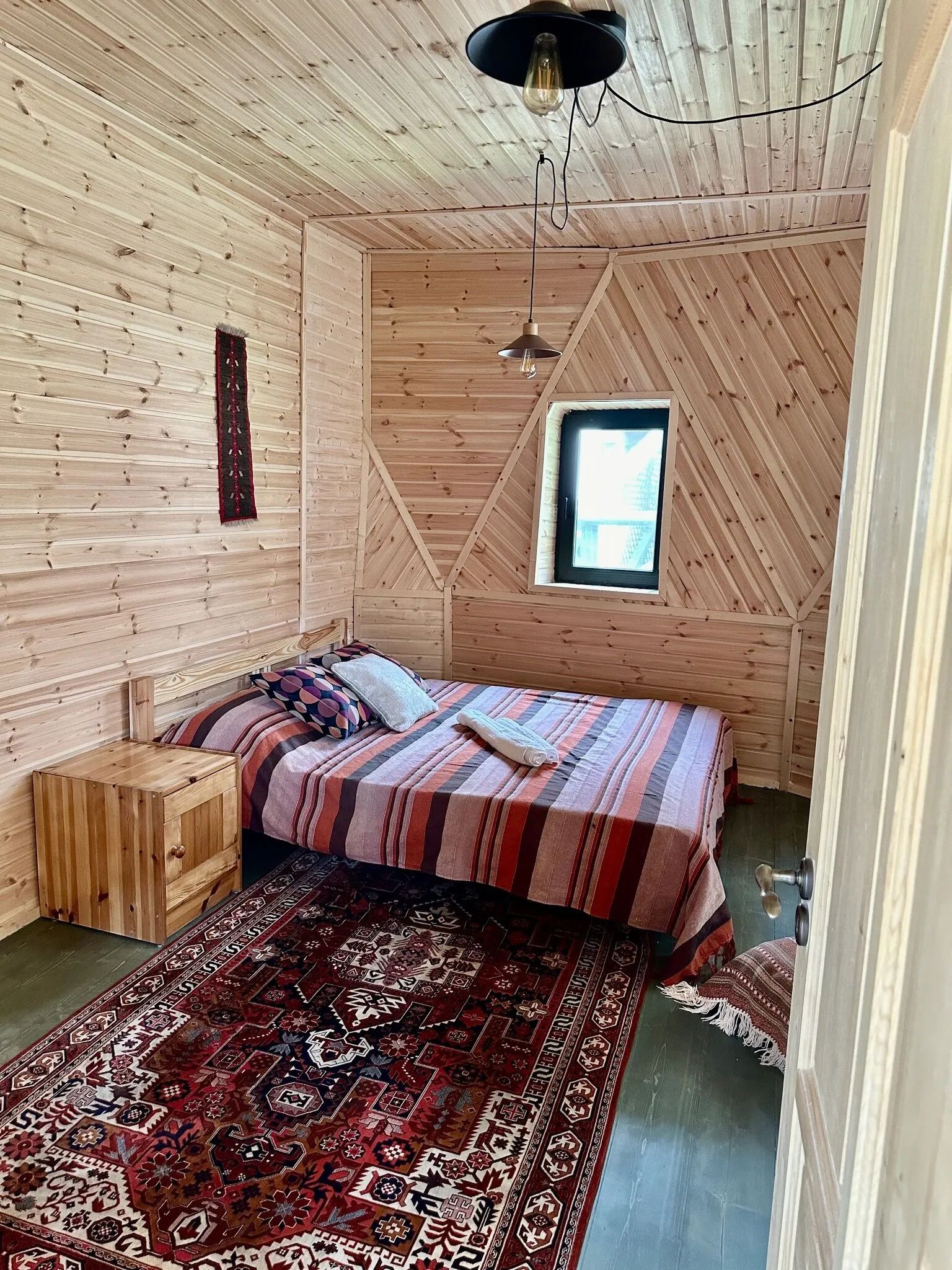
Cabana Domul Poarta Retezat Răușor
Domul Poarta Retezat este o construcţie naturală, rotundă în care energia circulă în formă de torus, un spaţiu foarte luminos şi creat din materiale naturale (în principiu lemn şi piatră), călduros în centrul ( în nucleu ) acestuia aflându-se focarul, un termoşemineu care încălzeste tot spaţiul.Se încadrează în decorul montan, prin formă şi culoare, este decorat cu materiale naturale şi mobilier din lemn, dotat cu tot ceea ce serveşte pentru a avea confort, căldură, spaţii de relaxare, viziune largă şi intimitate.Domul “Poarta Retezat” se închiriază integral şi are maxim 10 locuri de dormit. Sugestia noastră pentru a avea un confort maxim este sa se ocupe de maxim 9 persoane.Casa are trei dormitoare, fiecare cu câte un pat dublu şi un corner(un pat single) şi două băi, cea de jos cu o cadă de fontă şi sus baia este echipata cu un duş spaţios. Apa de la Râuşor vine din “Lacul Ştevia”, lac glaciar. Bucătăria este pregătită pentru a va administra în regim de self-catering, are tot ce aveţi nevoie.. Tacâmuri, farfurii de tot felul, oale şi tigăi, vase de yena, accesorii de bucătărie, maşina de spalat vase, aragaz pe gaz, cuptor, toaster, fierbător şi expressor, frigider şi orice e nevoie să folositi în bucătărie.Afară găsiţi grătar, masă şi bănci, dar şi o terasa mare cu şezlonguri, cu o priveliste minunată la tot potenţialul de trasee şi de vârfuri ce vă stau la dispozitie.Situate în inima Parcului Național Retezat, Domul Poarta Retezat este amplasat într-o locație spectaculoasă, oferind oportunități unice pentru explorarea naturii și practicarea diverselor activități.
FROM
270 RON / night

Cabană · 3 stars
Râuşor, Râuşor County · 9.4 km
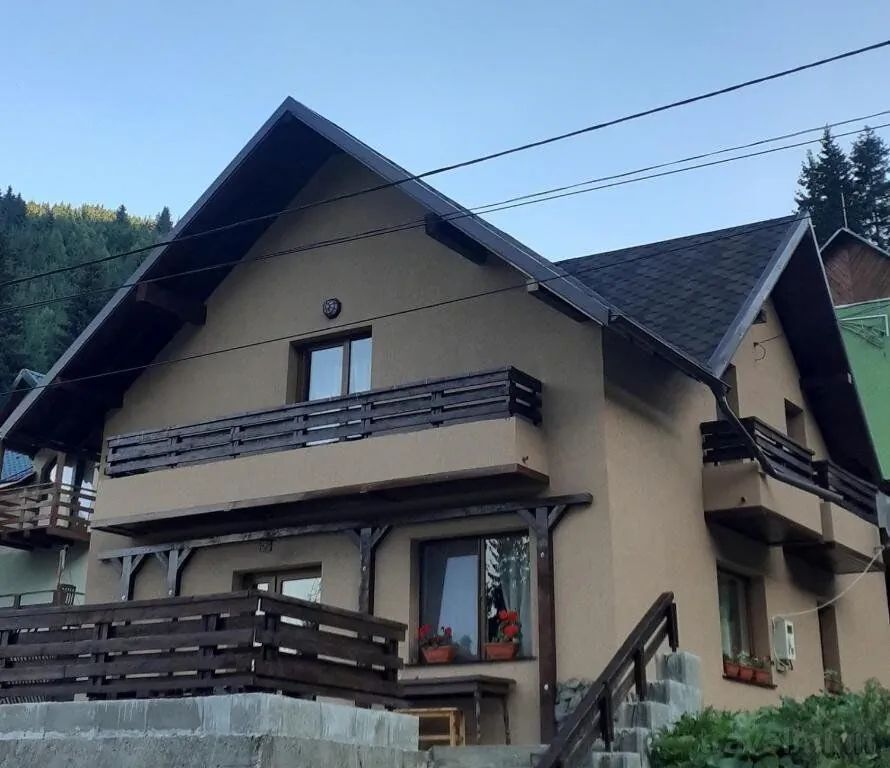
Cabana Neda Râușor
Camere, serviciiCabana Neda Râușor Râuşor va ofera o camera mobilata cu bun gust. Exista parcare privata gratuita. Toate camerele au conexiune la internet. Daca doriti sa obtineti mai multe informatii despre serviciile disponibile (inclusiv cele contra cost) in cadrul unitatii de cazare si despre echiparea camerelor, consultati fisa de mai jos. Servicii de masăPreturile camerelor nu contin masa. PlatăPuteti face plata cazarii cu/prin: numerar, card bancar, transfer bancar. Rezervarea devine ferma numai dupa efectuarea platii unui avans de 30%. Sosire, programCamera poate fi ocupata de la ora 12:00 iar predarea ei se face pana la ora 13:00 . Personal vorbitor de limba: engleză, română.
FROM
270 RON / night
Cabană · 3 stars
Râuşor, Râuşor County · 9.9 km
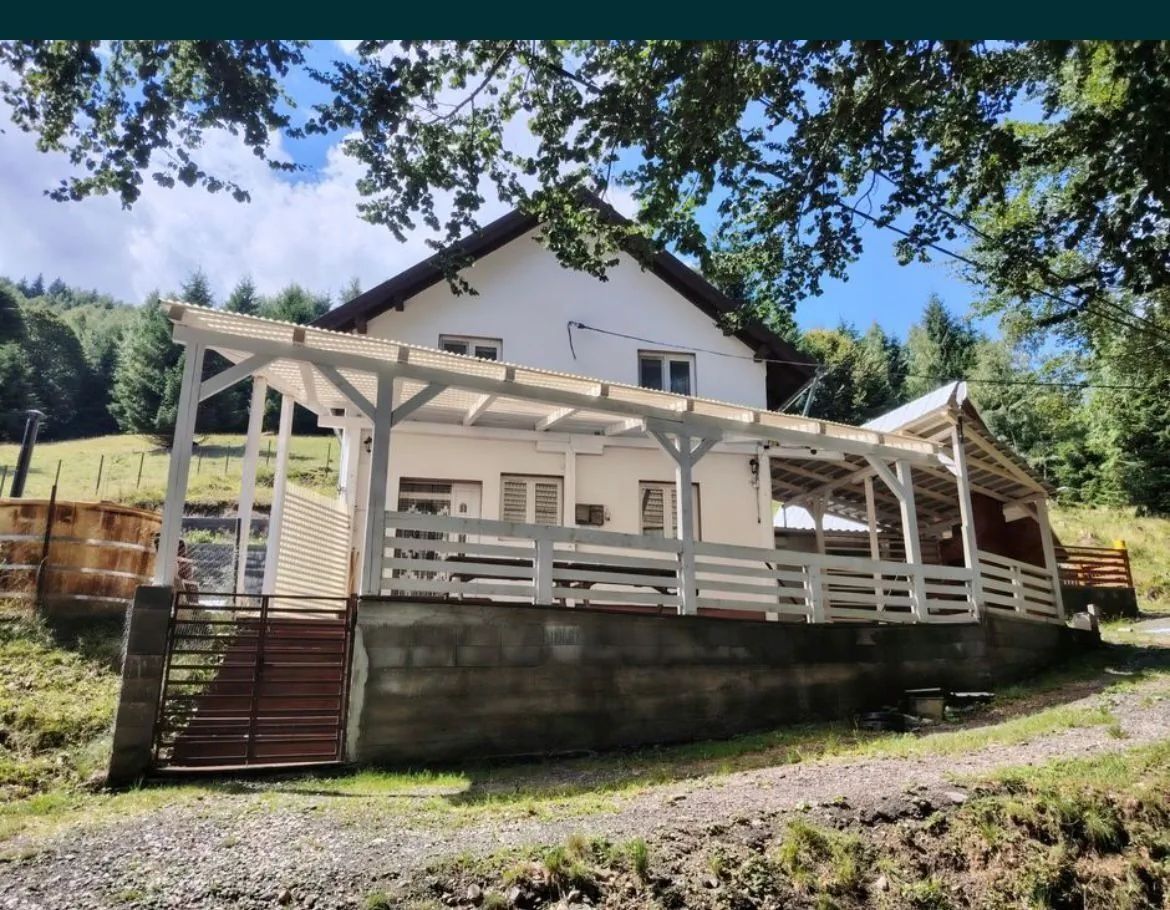
Cabana Muntenilor
Cabana Muntenilor este situata in statiunea Rausor,comuna Rau de Mori,la 30km de orasuL Hateg.Cabana dispune de 4 dormitoarecu pat dublu si un pat single,2bai cu cabina de dus,bucatarie complet utilata ,incalzire centrala,gratar,ciubar contra cost.Se inchiriaza doar integral,pentru minim 2 nopti..
FROM
270 RON / night
Pensiune · 3 stars
Râu de Mori, Râu de Mori County · 10.9 km
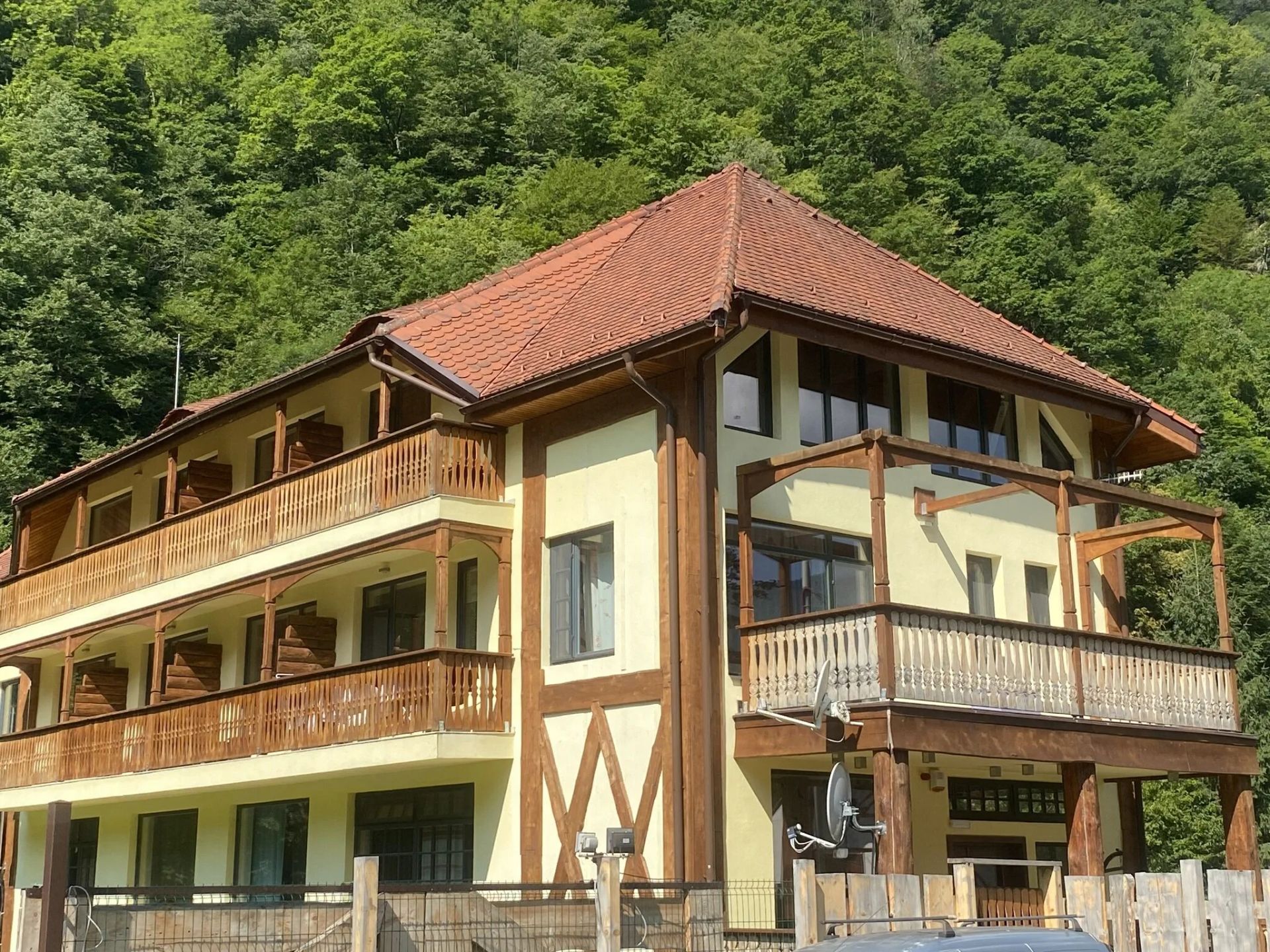
Pensiunea Tihna Râu de Mori
TIHNA a fost concepută ca popas de recreere pentru toți aceia care vor să se bucure de aceste locuri minunate pe care le-am replicat în toate spațiile pensiunii.Fiecare cameră te poartă într-o altă poveste, inspirată din cadrul natural al Țării Hațegului și din istoria bogată a acestor locuri. Numită și ”Inima României”, Țara Hațegului înseamnă o aventură într-un spațiu în care, de-a lungul timpului, omul și natura au clădit o diversitate unică în România.În plus, TIHNA propune spații originale, inedite, în care te vei bucura de tot confortul pentru a savura o vacanță memorabilă.De la noi, ai multe variante de petrecere a timpului. Iata o parte din atractiile zonei.- Faci drumeții în Parcul Național Retezat.- Descoperi Geoparcul Dinozaurilor, primul Geoparc Internațional din România și din Europa de Est, recunoscut ca sit UNESCO.- Vizitezi Ulpia Traiana Sarmizegetusa și vestigiile cetăților dacice din Munții Orăștiei.- Vizitezi Castelul Corvinilor și alte castele nobiliare, dar și cele mai vechi biserici din piatră (de zid).- Vizitezi castelul și mănăstirea Colț, sursa de inspirație a lui Jules Verne pentru romanul său, “Castelul din Carpați”.- Te aventurezi să vizitezi Zimbrăria Slivuț.- Faci un popas la mănăstirea Prislop, de al cărei renume este legat cel al lui Arsenie Boca. Pensiunea Tihna se poate inchiria si in integralitate, in regim self-catering, cu acces la facilitatile de bucatarie, depozit alimente si spalatorie. Pentru grupurile mai mici, oferim si servicii de masa in regim de mic dejun sau demipensiune, pentru minim 5 persoane.
FROM
240 RON / night
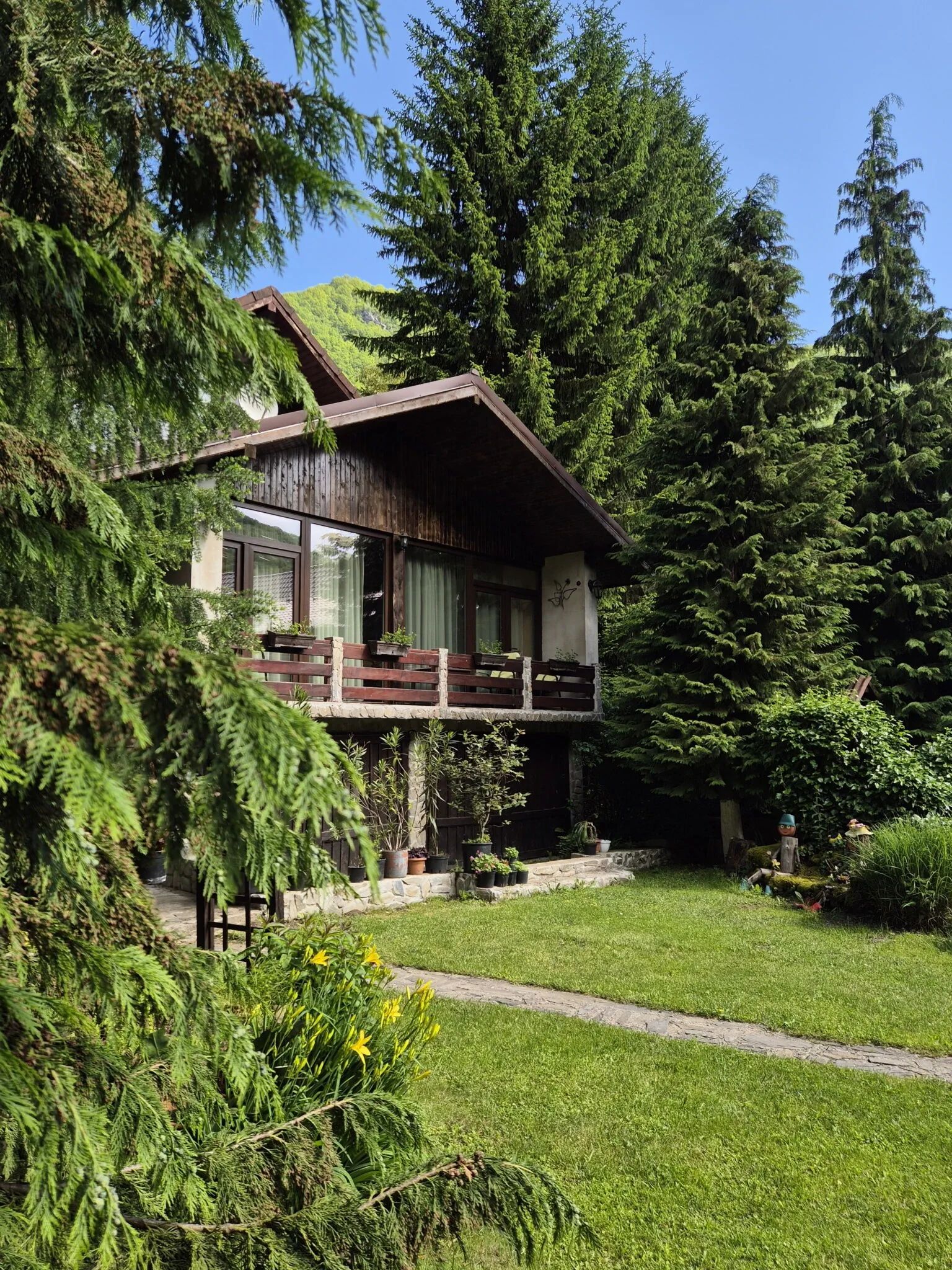
Cabană · 3 stars
Clopotiva, Clopotiva County · 12.6 km
Căsuța Floare de Colț Clopotiva
Camere, serviciiCăsuța Floare de Colț Clopotiva Clopotiva dispune de o camera modern mobilata. Sunt primiti cu o deosebita placere atat clientii, cat si animalele acestora de companie (contra cost). Proprietatea pune la dispozitia oaspetilor parcare gratuita. Camerele sunt echipate cu conexiune la internet. Daca doriti sa obtineti mai multe informatii despre serviciile disponibile (inclusiv cele contra cost) in cadrul unitatii de cazare si despre echiparea camerelor, consultati fisa de mai jos. Servicii de masăPreturile camerelor nu contin masa. PlatăPlata rezervarii se poate face cu/prin: numerar, transfer bancar. Pentru asigurarea rezervarii este necesar sa achitati un avans de 30%. Sosire, programPreluarea camerei se face de la ora 15:00 si iesirea pana la ora 11:00. Limba vorbita la receptie română.
FROM
270 RON / night
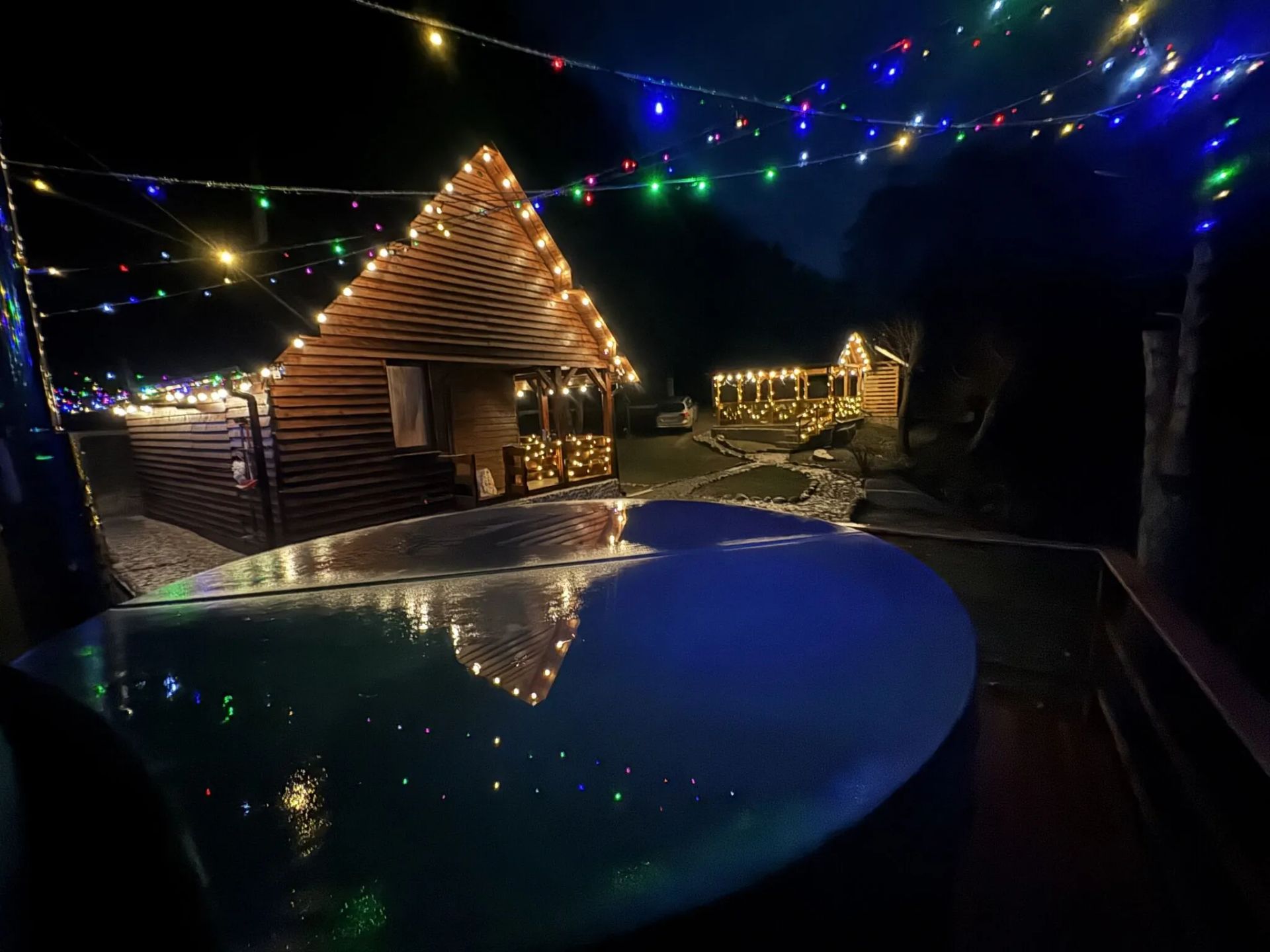
Casă de Vacanță · 2 stars
Clopotiva, Clopotiva County · 13.8 km
Woods Retreat Clopotiva
Cabana noastră la munte oferă o retragere perfectă în mijlocul naturii. Situată pe malul unui râu cristalin, cabana promite relaxare și liniște. Înconjurată de păduri dese, este ideală pentru drumeții și explorări. Cu un design rustic, interiorul cabanei combină confortul modern cu farmecul tradițional. Serile pot fi petrecute la gura șemineului, ascultând susurul apei. Este locul perfect pentru a evada din agitația orașului și a te reconecta cu natura. Unitatea accepta animale de companie, iar prețul este 150 RON/sejur/animal de companie. Se va plati direct catre unitatea de cazare.
FROM
280 RON / night
BEFORE YOU HIT THE ROAD
Weather conditions in Hunedoara
Local forecast for Retezat National Park, Hunedoara, Hunedoara

Real-time updated weather data
Much more to explore in this area
Nearby tourist attractions


Hunedoara, Hunedoara County
Corvin Castle
Situat pe strada Castelului nr. 1 - 3 din municipiul Hunedoara; ridicat in secolul al XV-lea, de Ioan de Hunedoara, pe locul unei vechi intarituri; din punct...
46.6 km

Gorj, Gorj County
Endless Column (Coloana Infinitului)
Sculptură a artistului român Constantin Brâncuși, parte a trilogiei Ansamblului Monumental din Târgu Jiu, UNESCO
49.0 km

Hunedoara, Hunedoara County
Sarmizegetusa Regia Fortress
Situata pe raza localitatii Gradistea Muncelului; amplasata la altitudinea de 1.200 m; inclusa pe lista patrimoniului cultural mondial UNESCO; a fost capitala...
49.9 km

Hunedoara, Hunedoara County
Hațeg Country Dinosaur Geopark
Situat in Tara Hategului, din depresiunea Hategului, invecinandu-se cu Parcul National Retezat la sud si cu Parcul natural Cioclovina Gradistea Muncelului la...
18.2 km

20.6 km

Hunedoara, Hunedoara County
Sarmizegetusa Regia Fortress
Situat pe teritoriul administrativ al satului Gradistea de Munte, comuna Orastioara de Sus; punctul sitului se numeste "Dealul Gradistii"; se intinde pe o...
49.9 km

Gorj, Gorj County
Ansamblul Monumental Calea Eroilor Târgu Jiu
Situat in centrul orasului Targu Jiu;realizat de Constantin Brancusi, este un complex sculptural cuprins in patrimoniul UNESCO; ansamblul este alcatuit dintr-o...
49.0 km

Hunedoara, Hunedoara County
Lacul Bucura
Situat in caldarea Bucura, sub Varful Peleaga si Saua Bucurei; orientat pe directia nord - sud; face parte din Parcul National Retezat si este situat la o...
5.0 km

Caras Severin, Caraș-Severin County
Parcul Național Domogled Valea Cernei
Se intinde pe suprafata a 3 judete - Caras-Severin, Mehedinti si Gorj, peste bazinul raului Cerna, de la obarsie pana la confluenta cu raul Belareca, peste...
44.6 km

29.3 km

Gorj, Gorj County
Sfânta Mănăstire Tismana
Situata la 36 de km de orasul Targu Jiu; pornind din Targu Jiu pe DN67, la km 82 se face ramifica?ia spre Tismana si Baia de Arama; monument de arhitectura...
29.3 km
36.1 km
Cultural life and traditions
Events near Retezat National Park
Medieval festivals, traditional fairs, concerts and recommended local activities in Transylvania.

Patrimoniu și Istorie

Hunedoara, Jud. Hunedoara
Festivalul Cetăților Medievale și Zilele Porților Deschise
Tururi ghidate nocturne, ateliere de meșteșuguri tradiționale și reconstituiri istorice cu cavaleri și domnițe.
WHEN
15 - 17 Mai 2026

Tradiții și Gastronomie
Hunedoara, Jud. Hunedoara
Târgul Tradițiilor Săsești și Gastronomie Locală
Descoperă producătorii locali, plăcintele săsești coapte pe vatră, siropurile artizanale și dulceața de rubarbă.
WHEN
În fiecare weekend (Mai - Octombrie)

Ecoturism și Natură
Colinele Transilvaniei, Jud. Hunedoara
Drumeții Ghidate pe Traseul Colinele Transilvaniei
Excursii pe poteci nemarcate printre fânețe seculare, stejari multiseculari și sate cu biserici fortificate UNESCO.
WHEN
Vineri - Duminică (Sezon 2026)
On foot, exploration gains depth
Discover the surroundings and local geography
Explore trails, terrain and natural landmarks around Retezat National Park.

Guides and practical tips
Useful travel articles
Travel guides, practical tips and itineraries for Transylvania.

Travel guide
Castelul Bran: Istorie, Legende și Secrete Medievale
Află adevărata poveste a fortăreței medievale din Pasul Bran, reședința de suflet a Reginei Maria a României.

Travel guide
Top 5 Atracții Turistice și Trasee Montane în Zona Moieciu - Bran
Descoperă cele mai spectaculoase peisaje carstice, chei adânci și cetăți medievale din imediata apropiere a stațiunii Moieciu.

Travel guide
Ghid de Drumeție: Traseul Moieciu de Sus spre Platoul Bucegi
Un itinerariu montan de o frumusețe rară ce urcă din Valea Băngăleasa spre Poiana Guțanu și crestele maiestuoase ale Bucegilor.
THE JOURNEY STARTS WITH AN IDEA
The next story is on the way.
From the first stop to the last stay, make room for a new Romania.
