


MONUMENT · TRANSYLVANIA
Ulpia Traiana Sarmizegetusa

Sarmizegetusa, Transylvania
Add location to your trip planner.

Practical access information

VISITING HOURS
Consultă programul local de vizitare

TICKET PRICE
Informații disponibile la casierie

RECOMMENDED VISIT DURATION
30 - 60 min
Sources and external references
Wikipedia Encyclopedia (EN)
Visitor information and guide
 Navigate with Google Maps

ABOUT ULPIA TRAIANA SARMIZEGETUSA
Captivating Introduction and Universal Value
In the heart of the Hațeg Depression, at an altitude of 531 meters, beneath the majestic gaze of the Retezat Mountains and within the defensive range of the Poiana Ruscă massif, unfolds a story that speaks of the meeting of civilizations and of Rome's imperial ambition to transform a barbarian territory into the administrative center of a province. Ulpia Traiana Sarmizegetusa is not merely an archaeological ruin, but a silent witness to the most ambitious Romanization project in all of Eastern Europe, a place where imperial roads met indigenous spirituality, and where Trajan's legions left behind not just stone walls, but the foundation of a new cultural identity. This site represents an essential chapter in Europe's great story, being the capital of the province of Dacia Felix, the territory conquered by Emperor Trajan following the Dacian Wars of 101-106 AD, an event that redefined the political map of the continent and brought Transylvania's gold into Rome's treasury. For the contemporary traveler, stepping onto the ancient pavement of this city means a journey back in time to the 2nd century, when life pulsed here in a metropolis of over 20,000 inhabitants, connected by imperial roads to the world capital on the Tiber and to the other great urban centers of the empire, from Lugdunum in Gaul to Antioch in Syria.
Historical Roots and Major European Connections
The history of Ulpia Traiana is inseparable from the aggressive expansion of the Roman Empire under the Flavian dynasty and from Trajan's military policy, who, after consolidating the Rhine frontier and defeating the Parthians in the East, turned his gaze toward the riches of Dacia. After the conquest of the Dacian capital Sarmizegetusa Regia in the Orăștie Mountains in 106 AD and the death of King Decebalus, the province of Dacia was administratively organized, and around 108-110 AD, Governor Decimus Terentius Scaurianus founded, approximately 40 kilometers from the old royal capital, a colony intended for legion veterans. Initially named Colonia Ulpia Traiana Augusta Dacica, after Trajan's family name (Marcus Ulpius Traianus) and his title of Augustus, the settlement later received, under Emperor Hadrian, the additional name of Sarmizegetusa, thus adopting the spiritual name of the conquered place, in a symbolic gesture of reconciliation between conquerors and conquered. This act of foundation fits within the broader context of imperial colonization policy, similar to that applied in Gaul, Britain, or the Danubian provinces, where Roman veterans became the pillars of a new administrative and cultural order.
Under the reign of Alexander Severus (222-235 AD), the last representative of the Severan dynasty, the city received the status of metropolis and hosted the Concilium III Daciarum, the assembly of representatives of the three Dacian provinces (Dacia Porolissensis, Dacia Apulensis, and Dacia Malvensis), a body that also had its seat alternately at Apulum (Alba Iulia), but which here, at Sarmizegetusa, marked crucial moments in imperial political life, such as the homage to Gordian III in 241 AD. These events place Ulpia Traiana within a European network of provincial centers, alongside Carnuntum on the Danube, Virunum in Noricum, or Aquincum in Pannonia, all being essential nodes of imperial administration. Moreover, the city lay on a strategic imperial road that came from the Danube and continued north to Porolissum (Moigrad), forming part of the communication system that linked Rome to the empire's northern frontier, similar to the Via Claudia Augusta or the roads crossing the Iberian Peninsula.
The period of peace and flourishing lasted until the 3rd century, when the empire's crisis and the pressure of migrating peoples tested the province's resilience. In 117-118 AD, a Sarmatian revolt, an Iranian people from the Eurasian steppes present both in Dacia and in Pannonia or the Black Sea region, was brutally suppressed by Quintus Marcius Turbo, a specialist in crushing revolts sent by Hadrian, a gesture celebrated by the erection of a monument in honor of the emperor in 118 AD and by an inscription of thanks for Turbo in 119 AD. Beginning in 166 AD, the invasions of the Marcomanni and the free Dacians from the north shook the province, and Emperor Marcus Aurelius, the philosopher on the throne, was forced to intervene personally to save the capital, a moment immortalized in an inscription from around 172 AD. These conflicts mirror the situation on other frontiers of the empire, from the Marcomannic wars on the Danube to the conflicts with the Parthians in the east.
The supreme turning point came during the reign of Emperor Aurelian (270-275 AD), when, confronted with economic crisis and the impossibility of defending the entire province, he decided on the withdrawal of the Roman administration and army to the south of the Danube, an event comparable to Honorius's abandonment of Britain in the 5th century or the loss of the Gallic provinces. Although the elite and officials left the city, the majority of the population remained, transforming Ulpia Traiana into a reduced urban center, whose life continued until the Hunnic invasions and the death of Attila, when the final chaos of the migrations put an end to the organized existence of the settlement. Thus, the ruins of Sarmizegetusa become a symbol of the transition from Antiquity to the Middle Ages in Southeastern Europe, a witness to the way Roman civilization survived, transforming itself, in the territories east of the Carpathians.
Architectural Masterpiece and Artistic Heritage
The urban plan of Ulpia Traiana reflects the evolution from military castrum to civil city, starting from a quadrilateral with rounded sides, with a surface area of 32.4 hectares, having a length of 600 meters and a width of 540 meters, surrounded by a defensive wall built of massive blocks of cut stone, 4-5 meters high and provided with crenellations. This defensive system was complemented by five terraces on a surface of almost 30,000 square meters, a construction technique specific to Roman military engineering, comparable to the fortifications on the Germanic or British limes. The main streets, Via Principalis and Via Praetoria, intersected in the center of the city at the level of the forum, organizing space according to established Roman urban planning canons, from Rome itself to the new cities of Africa Proconsularis or Syria.
The most imposing construction that dominates the archaeological landscape is the amphitheatre, erected in the first half of the 2nd century AD, with a capacity of approximately 5,000 spectators. It hosted gladiatorial combats, wild animal hunts (venationes), and theatrical performances, being equipped with complex infrastructure, including an underground chamber from which a marble tablet dedicated to the goddess Nemesis was recovered by C. Valerius Maximus pecurarius, supplier of animals for shows. The architecture of this edifice, with stone benches reserved for the elite in the lower zone and wooden ones for the general public in the upper part, mirrors Roman social hierarchy and fits within the tradition of the great amphitheatres of the empire, from the Colosseum in Rome to those of Arles or Nîmes in southern Gaul. In the immediate vicinity stands the temple of the goddess Nemesis, venerated by gladiators, whose column capitals and relief tablets, representing the goddess with the scales, the griffin, and the wheel, are preserved today in the Archaeological Museum, witnesses of a religious syncretism specific to the eastern provinces.
The religious complex of the city reveals an impressive palette of beliefs that coexisted in a manner characteristic of the cosmopolitan Roman world. Alongside official Roman cults such as the Great Temple, the Capitolium, or the sanctuary of Liber Pater, there were temples dedicated to the gods Aesculapius and Hygia, protectors of health, a temple of Mithras, the Persian god popular among the Roman army throughout the empire, from Britain to Syria, and even a temple of the Palmyrene gods, representing the merchants and traders come from Palmyra in Syria, proof of commercial links with the East. The presence of the temple of Silvanus, god of the forests, and of the sanctuary of the gods Domnus and Domna, local deities adopted into the Roman pantheon, illustrates the process of interpretatio Romana through which indigenous Dacian beliefs were assimilated into imperial cult.
In the administrative center of the city stands the Palace of the Augustals (Aedes Augustalium), the seat of the priestly corporation that dealt with imperial cult and the organization of public festivals, including that of January 3rd dedicated to the emperor. This imposing building, with a central courtyard divided in two and flanked by two basilicas, housed in the middle an altar dedicated to the imperial cult, and underground a safe room for keeping valuable cult objects. The inscriptions discovered here, such as those referring to the donation of councilor Antonius Super or to the founders Marcus Procilius Iulianus and Marcus Procilius Regulus, provide precious information about the local elite and about the way provincial aristocracy manifested its loyalty to Rome. Alongside it, the two fora, Forum Vetus (Trajan's Forum) and Forum Novum, with the housing blocks situated to the west of these, illustrate the successive urban development of the city, from the initial military nucleus to the mature civic center. The Horreum, a large grain warehouse, and the seat of the financial procurator of Dacia Apulensis (Praetorum procuratoris) complete the image of a city with complex economic and administrative functions, while the eastern necropolis offers information about the funerary practices and demographic structure of the community.
Legends, Personalities, and Turning Points
The story of Ulpia Traiana is populated by imperial figures who marked Europe's destiny for centuries. Emperor Trajan, the one who extended the empire to its greatest extent, from Britain to Mesopotamia, is present through the city's name and through his ambition to integrate Dacia into the body of Roman civilization. His successor, Hadrian, the tireless traveler who traversed all the provinces of the empire, was the one who gave the city its full name of Sarmizegetusa, thus recognizing local identity, and it was he who sent Quintus Marcius Turbo to crush the Sarmatian revolt of 117-118 AD, an episode that recalls the suppression of revolts in Judea or Britain under the same emperor.
Marcus Aurelius, the Stoic philosopher on the throne, appears in the city's history as its savior from the barbarian invasion of 166 AD, when the Marcomanni and free Dacians penetrated to the heart of the province, and the inscription raised in his honor in 172 AD speaks of the double danger of external invasion and internal revolt. Caracalla, who extended Roman citizenship to all free inhabitants of the empire through the Edict of Constitutio Antoniniana in 212 AD, is present in Dacia in 213 AD, leaving three inscriptions at Sarmizegetusa that attest to his presence in the province he considered an integral part of the empire. Alexander Severus, the last Severan, granted the city the title of metropolis in the period 222-235 AD, raising it to the rank of full provincial capital and instituting here the Concilium III Daciarum, a provincial parliament that gathered representatives from the entire region.
Among local military personalities stands out Quintus Marcius Turbo, Hadrian's envoy, whose efficiency in suppressing revolts brought him the city's recognition through an inscription from 119 AD, reminiscent of other Roman generals such as Agricola in Britain or Corbulo in Germania. Later, in the 3rd century, the procurator F. Aelius Hammonius iunior (247-249 AD) emerged victorious over the Carpi, a Germanic people migrating south, and the city erected a statue to Julius Philippus (Philip the Arab) with the inscription "our divine lord", underlining devotion to emperors even in times of crisis. Emperor Decius, celebrated in 250 AD as "restitutor Daciarum" for having defended the province from Goths and Carpi, and Gallienus, during whose reign (253-268) monetary circulation declined due to economic crisis, mark the last decades of Roman administration before the Aurelian withdrawal.
The legends of the place intertwine with archaeological reality: it is said that after Aurelian's withdrawal, the remaining inhabitants took refuge in the amphitheatre, transforming it into an improvised fortress, surviving in a world collapsing around them until the coming of the Huns. This story of resistance, of a community that continued to live in the shadow of imperial walls after the legions had left, mirrors the fate of many frontier cities in Europe, from those in Britain to those in North Africa, and offers a profound human dimension to the stone ruins.
Practical Visitor Guide and Today's Tourist Experience
For the contemporary traveler who enters Romanian territory in search of the European roots of civilization, the visit to Ulpia Traiana Sarmizegetusa represents an essential experience, a pilgrimage to the sources of a common continental identity. The archaeological complex, inscribed in the List of Historical Monuments with code LMI HD-I-s-A-03205, is located in the locality of Sarmizegetusa in Hunedoara County, in the historical region of Transylvania, approximately 40 kilometers from the city of Hunedoara and only 8 kilometers from the Tapae Pass, known in antiquity as the "Iron Gates of Transylvania", a strategic defile that linked Banat with Transylvania and which, together with the Olt defile to the south, formed a natural system of defense.
Access to the site is via the road linking Hațeg to Petroșani, in a plain landscape framed by the silhouettes of the Retezat Mountains to the south and Poiana Ruscă to the north, a panorama that allows the visitor to understand why the Romans chose this place for their provincial capital: the terrain was fertile, naturally defended by mountains, and situated on the commercial route coming from the Danube. At the entrance to the archaeological enclosure, the first impact is given by the massive ruins of the amphitheatre, whose stone walls, built of massive blocks and mortar, have resisted for almost two millennia, offering an overwhelming perspective on the arena where once the bloody spectacles of the ancient world unfolded. Walking through the former metropolis allows the visitor to tread on the traces of paved streets, to see the foundations of temples dedicated to the gods Nemesis, Liber Pater, or Mithras, to admire the ruins of the Palace of the Augustals with its central courtyard, and to imagine the bustle of the forum, where business was negotiated, justice administered, and the imperial cult celebrated.
In the immediate vicinity of the archaeological complex is the Sarmizegetusa Archaeological Museum, founded in 1924, which houses an impressive collection of artifacts discovered during systematic research: sculpted capitals, inscriptions on marble and stone attesting to the presence of emperors Hadrian, Marcus Aurelius, or Caracalla, column fragments, ceramics, coins, and everyday objects that recreate the atmosphere of life two millennia ago. Among the centerpiece pieces are the marble tablet dedicated to the goddess Nemesis by the animal supplier Valerius Maximus and the architectural elements from the temple of this deity, as well as the inscriptions mentioning the names of local founders and dignitaries.
For a complete experience, it is recommended to combine the visit to Ulpia Traiana Sarmizegetusa with that to Sarmizegetusa Regia, the spiritual and military capital of the Dacian kingdom, located in the Orăștie Mountains at an altitude of 1,200 meters and included in the UNESCO World Heritage, thus offering a complete image of the confrontation and fusion between the two civilizations. Information regarding entrance fees and visiting hours is available at the site's ticket office, and local guides can offer detailed explanations about the historical context and recent archaeological discoveries, as a large part of the ancient city's surface remains unexcavated, preserving mysteries for future generations of researchers.
The traveler who arrives here, whether historian, archaeologist, or simple seeker of beauty, finds himself before a living lesson about the universality of human culture and about the way empires, whether Roman, Habsburg, or Ottoman, have shaped the landscape of Europe. Ulpia Traiana Sarmizegetusa is not just a set of ruins, but an open dialogue between past and present, a place where Europe rediscovers its common roots, and ancient stones become silent witnesses of a civilization that united continents and peoples under the sign of law, order, and culture.
Media gallery
Discover Ulpia Traiana Sarmizegetusa in pictures

20 photos · Architecture, courtyards and captivating details


Image source: Wikimedia Commons · Public domain photos · Free license
STAY A FEW DAYS, DISCOVER THE MAGIC
Stays near Ulpia Traiana Sarmizegetusa

Pensiune · 3 stars

Sarmizegetusa, Sarmizegetusa County · 0.5 km
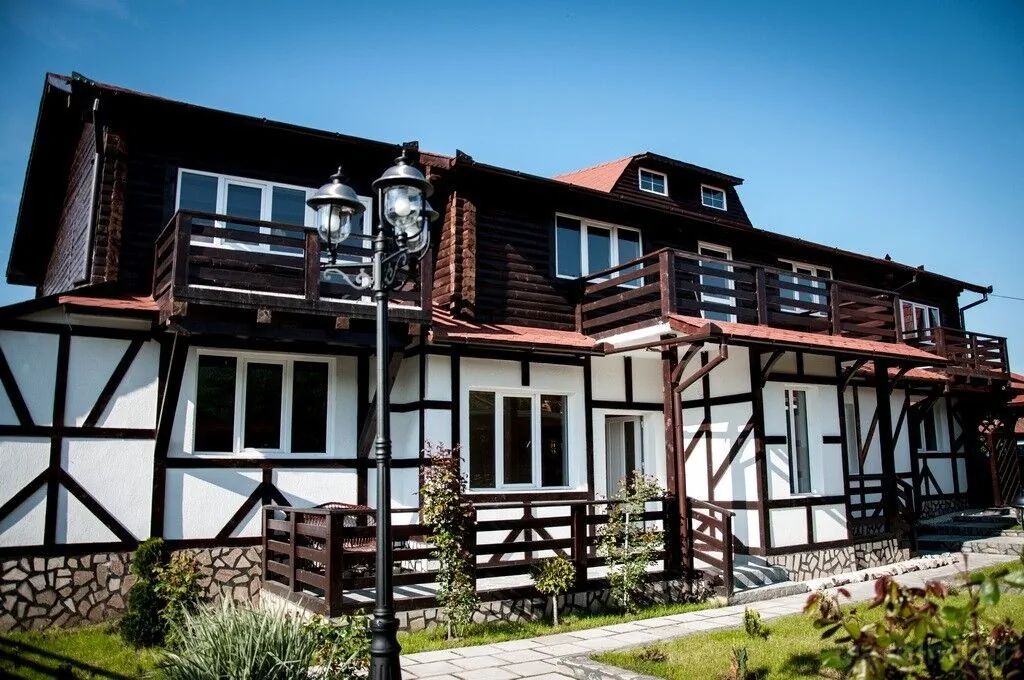
Pensiunea Sarmis Sarmizegetusa
Rustic, clasic, modern. Trei stiluri imbinate cu succes se regasesc in cele 76 locuri de cazare pe care Pensiunea Sarmis vi le ofera cu ultimele inovatii in materie de servicii la standarde de 3 stele in Sarmizegetusa, loc incarcat de istorie, liniste si frumusete.Situata in frumoasa depresiune a Tarii Hategului, la poalele Muntilor Retezat, localitatea Sarmizegetusa se afla la aproximativ 8 km departare de trecatoarea care face legatura intre Banat si Transilvania si care purta in antichitate numele Tapae, astazi Portile de Fier ale Transilvaniei.Manastirea Prislop – Arsenie Boca, unul dintre cele mai frecventate locuri de pelerinaj ortodox din Romania se afla la doar 24 km departare de pensiunea noastra. Pentru cei care doresc sa ne treaca pragul casei le putem oferi toate conditiile pentru a se simti cat mai bine si a dori totodata sa se reintoarca in aceasta zona.Restaurantul nostru va pune la dispozitie cele mai gustoase mancaruri traditionale romanesti, insotite de servicii de buna calitate. Facilitati camere: -13 camere duble - 6 camere triple - 8 apartamente -Camere nefumatori -Baie propie cu dus sau cada -Frigider -T.V. -Uscator par -Internet wireless -Incalzire centrala Facilitati unitate: -Piscina acoperita,incalzita,climatizata -Teren tenis sintetic cu nocturna -Tenis de masă -Terasa -Barbeque -Zona verde pentru relaxare -Baldachine -Lac pentru pescuit -Parcare supravegheata video -Gradina -Curte -Foisor -Leagan -Restaurant a la carte -Produse tradiționale din gospodăria proprie -Sala conferinta (capacitate 50 locuri,dotata corespunzator) -Organizare evenimente speciale -Living -Internet wireless -Loc de joacă amenajat pentru copii -Informații turistice -Foc de tabără -Sah -Remi -Cărți de joc -Acoperire Cosmote -Acoperire Orange -Acoperire Vodafone -Acceptăm plata cu carduri -Acces persoane cu dizabilități Vizitarea monumentelor istorice din localitate cat si Manastirea Prislop – Arsenie Boca reprezinta principala atractie a turistilor romani si straini atunci cand se hotarasc sa vina in zona, dar nu numai acestea sunt posibilitatile de a-ti petrece un concediu minunat in zona. Printre punctele de atractie ale zonei amintim: -Manastirea Prislop -Colonia Ulpia Traiana Augusta Dacica Sarmizegetusa,metropola romana a antichitatii -Muzeul Arheologic -Parcul National Retezat -Barajul de acumulare din Retezat -Rezervatia de zimbrii din Padurea Hategului -Cele mai vechi Biserici din piatra din Romania : Densus,Strei,Ostrov,Santamarie Orlea -Castelul Corvinestilor din Hunedoara -Cetatea Devei -Cetatea Colt -Parcul dendrologic Simeria
FROM
240 RON / night

Casă de Vacanță · 2 stars
Sarmizegetusa, Sarmizegetusa County · 0.5 km
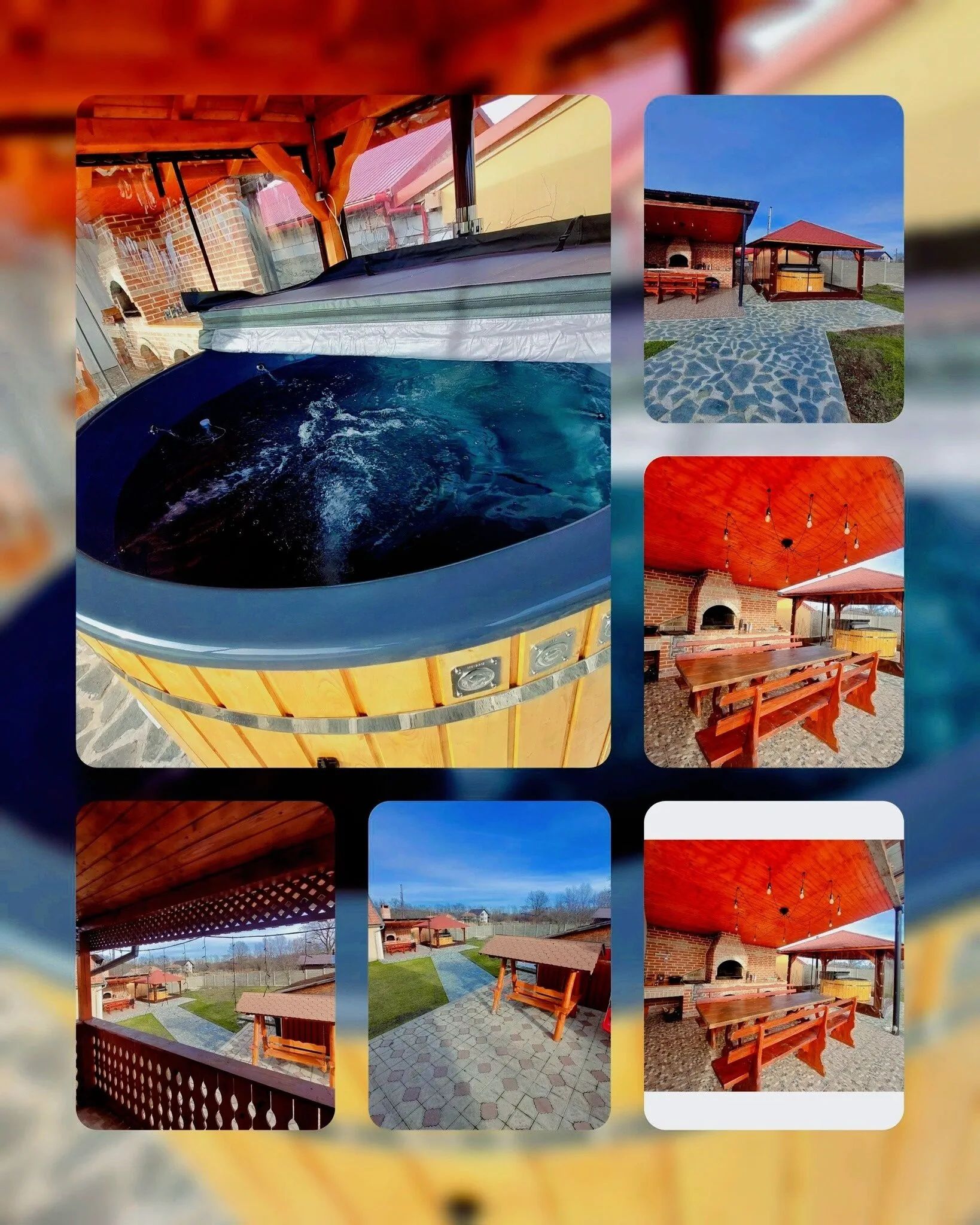
Casa de vacanță Ymy Sarmizegetusa
Camere, serviciiCasa de vacanță Ymy Sarmizegetusa Sarmizegetusa dispune de o camera modern mobilata. Se accepta animale de companie gratuit. Se ofera parcare gratuita. Se ofera servicii wellness la casă de oaspeți. Pentru detalii consultati pagina de date. Fiecare camera este dotata cu aer conditionat. Toate camerele au conexiune la internet. Pentru a obtine mai multe detalii despre facilitatile locatiei (inclusiv cele contra cost) si despre dotarile camerelor, va rugam consultati fisa de mai jos. LocațiaSarmizegetusa Regia se afla la 400 m distanta fata de casă de oaspeți. Servicii de masăTarifele afisate se refera numai la cazare. PlatăPlata rezervarii se poate face cu/prin: transfer bancar, card de vacanță, avans travelminit, voucher travelminit. Pentru finalizarea rezervarii se achita un avans de 50%. Sosire, programIntrarea se face incepand cu ora 14:00 si iesirea pana la ora 12:00. La receptie se vorbeste limba: engleză, spaniolă, română.
FROM
280 RON / night
Casă de Vacanță · 3 stars
Sarmizegetusa, Sarmizegetusa County · 0.5 km
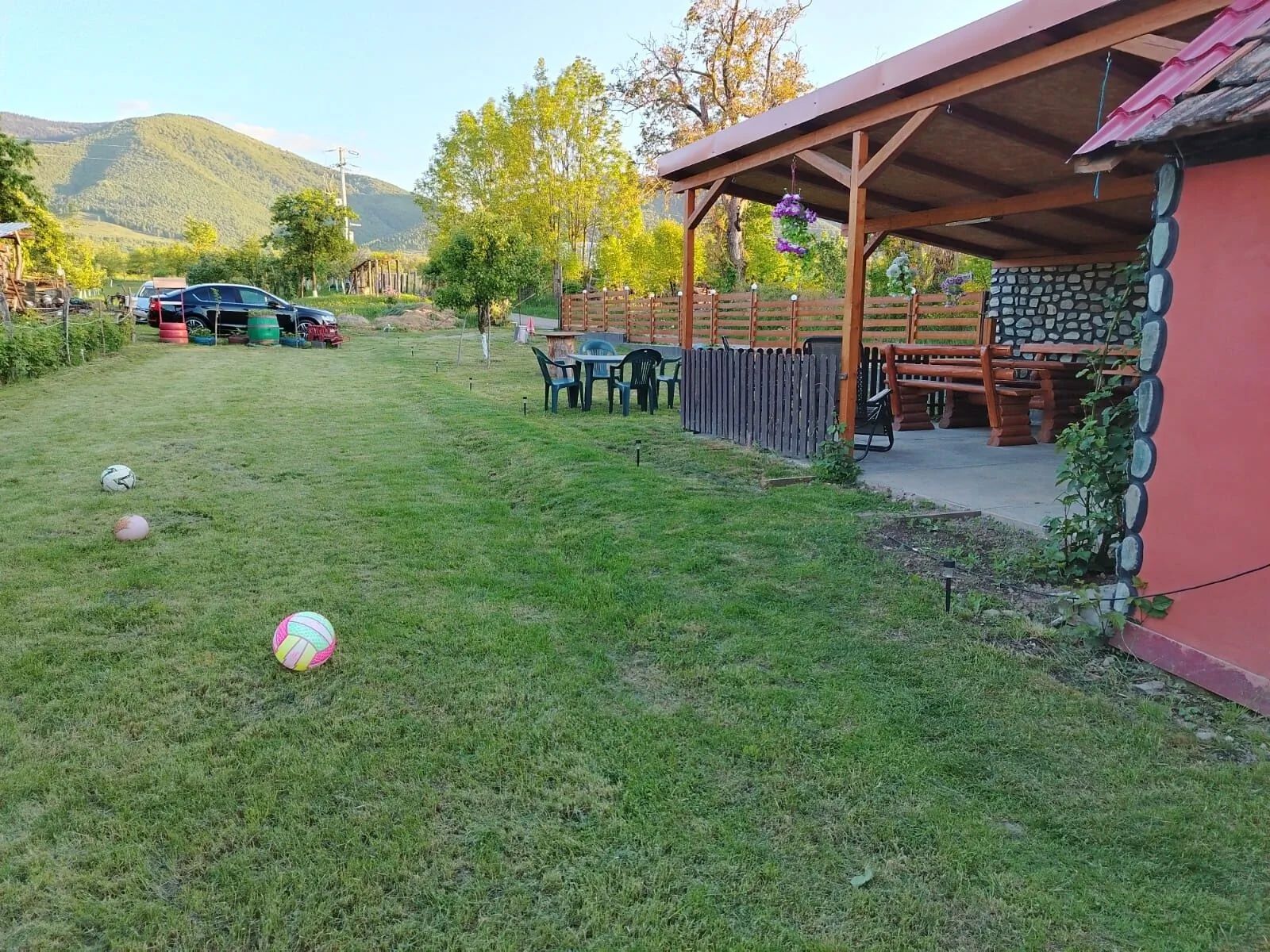
Casa Bia Sarmizegetusa
Camere, serviciiCasa Bia Sarmizegetusa Sarmizegetusa ofera cazare in trei camere frumos amenajate. Mai multe informatii despre serviciile unitatii de cazare (inclusiv cele contra cost) si despre dotarea camerelor gasiti in fisa de mai jos. Servicii de masăPreturile afisate se refera doar la cazare. PlatăPlata o puteti efectua cu/prin: numerar, transfer bancar. Rezervarea devine ferma numai dupa efectuarea platii unui avans de 30%. Sosire, programIntrarea se face incepand cu ora 15:00 si iesirea pana la ora 12:00. Personalul de la casă de vacanță vorbeste limba română.
FROM
280 RON / night
Pensiune · 5 stars
Sarmizegetusa, Sarmizegetusa County · 0.6 km
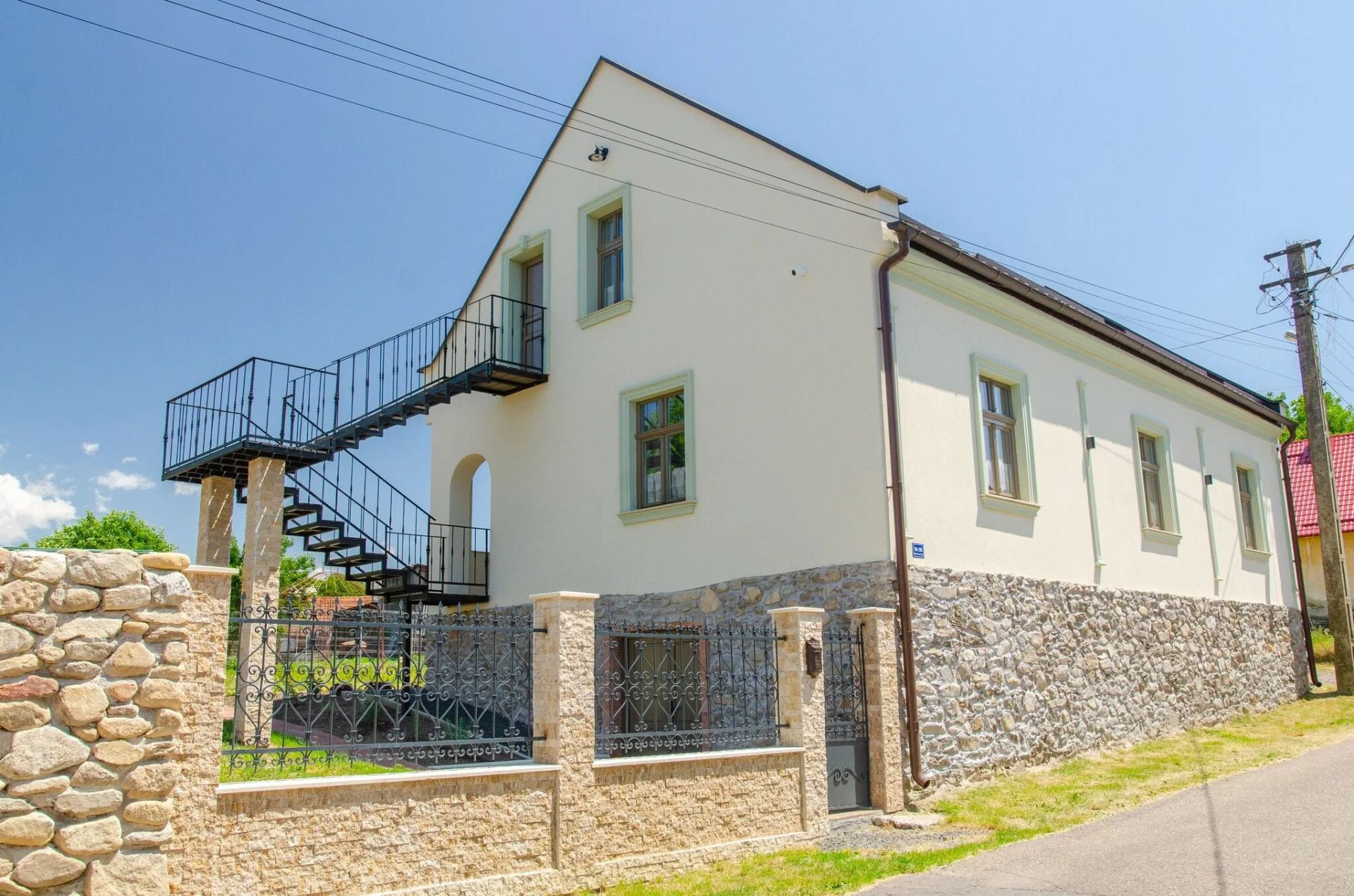
Casa Kresován Sarmizegetusa
Casa Kresovan – Tradiție restaurată în inima Sarmizegetusei Casa Kresovan este cea mai veche locuință din localitatea Sarmizegetusa, construită în anul 1972 și complet restaurată cu grijă pentru a-și păstra farmecul autentic. Transformarea acesteia într-o pensiune primitoare a adus la viață o combinație armonioasă între tradiție, confort modern și istorie locală. Situată într-un cadru liniștit, aproape de vestigiile antice ale capitalei Daciei Romane, Casa Kresovan oferă oaspeților o experiență unică: cazare într-o clădire cu poveste, cu elemente originale păstrate și cu dotări moderne pentru confortul turiștilor. Ideală pentru iubitorii de istorie, natură și liniște, pensiunea este punctul de plecare perfect pentru explorarea Munților Retezat și a sitului arheologic Ulpia Traiana Sarmizegetusa.
FROM
310 RON / night
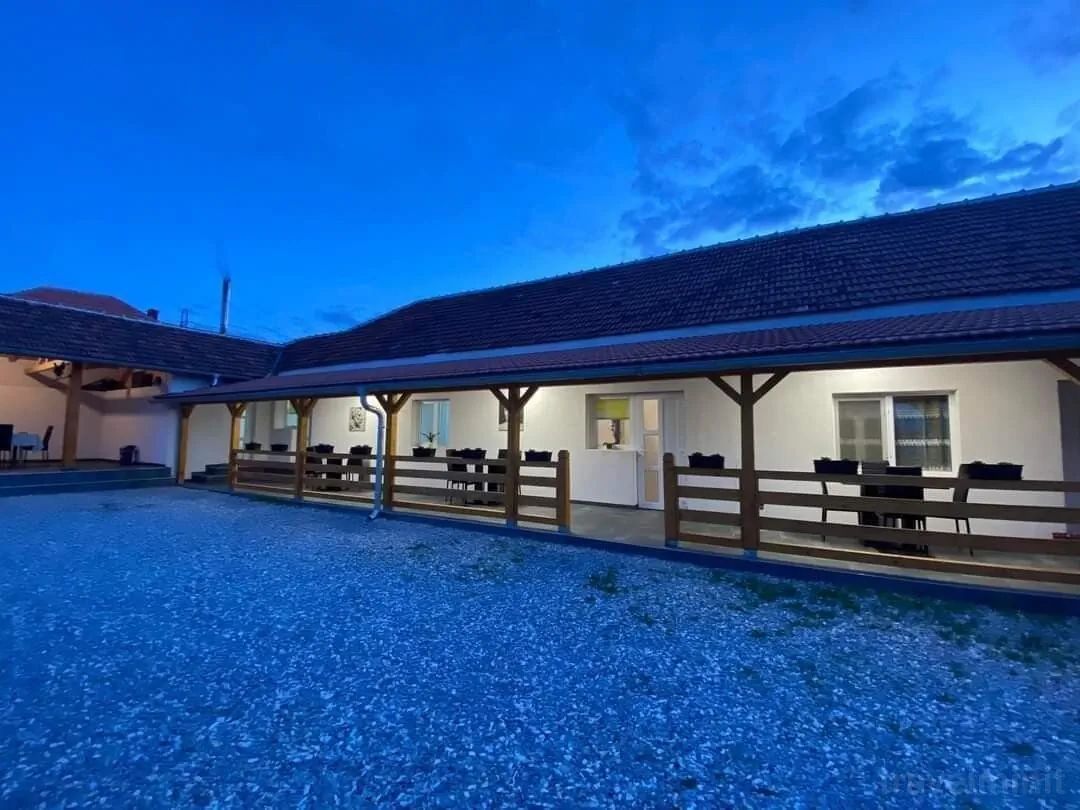
Pensiune Agroturistică · 3 stars
Sarmizegetusa, Sarmizegetusa County · 1.1 km
Pensiunea Agroturistică Romana Sarmizegetusa
Camere, serviciiPensiunea Agroturistică Romana Sarmizegetusa Sarmizegetusa va asteapta cu trei camere amenajate cu bun gust si confortabile. Se poate veni cu animale de companie (gratuit). Clientii pot beneficia de servicii wellness. Pentru detalii va rugam consultati pagina de date. Daca doriti sa obtineti mai multe informatii despre serviciile disponibile (inclusiv cele contra cost) in cadrul unitatii de cazare si despre echiparea camerelor, consultati fisa de mai jos. LocațiaPensiunea Agroturistică Romana Sarmizegetusa se afla la 1000 m distanta fata de Sarmizegetusa Regia. Servicii de masăTarifele camerelor nu includ nici o masa. PlatăPlata se face prin urmatoarele metode: numerar, card bancar, transfer bancar, card de vacanță, avans travelminit, voucher travelminit. Sosire, programCamera poate fi ocupata de la ora 14:00 iar predarea ei se face pana la ora 14:00 . Limbile vorbite la receptie: engleză, spaniolă, franceză, română, italiană, portugheza.
FROM
240 RON / night
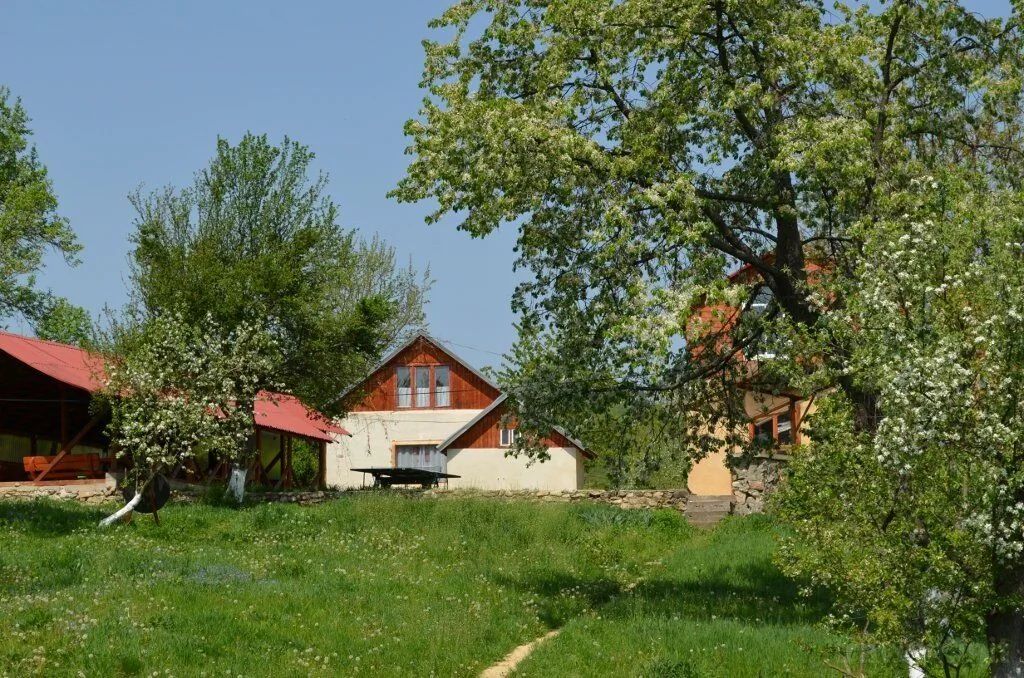
Cabană · 3 stars
Sarmizegetusa, Sarmizegetusa County · 1.3 km
Camping Zamolxe Sarmizegetusa
Unitatea oferă locuri de camping/rulotă. Nu se oferă camere.
FROM
270 RON / night
BEFORE YOU HIT THE ROAD
Weather conditions in Sarmizegetusa
Local forecast for Ulpia Traiana Sarmizegetusa, Sarmizegetusa, Sarmizegetusa

Real-time updated weather data
Much more to explore in this area
Nearby tourist attractions


Hunedoara, Hunedoara County
Corvin Castle
Situat pe strada Castelului nr. 1 - 3 din municipiul Hunedoara; ridicat in secolul al XV-lea, de Ioan de Hunedoara, pe locul unei vechi intarituri; din punct...
27.0 km

Hunedoara, Hunedoara County
Sarmizegetusa Regia Fortress
Situata pe raza localitatii Gradistea Muncelului; amplasata la altitudinea de 1.200 m; inclusa pe lista patrimoniului cultural mondial UNESCO; a fost capitala...
42.3 km

Hunedoara, Hunedoara County
Hațeg Country Dinosaur Geopark
Situat in Tara Hategului, din depresiunea Hategului, invecinandu-se cu Parcul National Retezat la sud si cu Parcul natural Cioclovina Gradistea Muncelului la...
11.2 km

Hunedoara, Hunedoara County
Retezat National Park
Situat in masivul Retezat - Godeanu, in partea de vest a Carpatilor Meridionali; ocupa o suprafata totala de 38.138 ha; altitudinea e cuprinsa intre 800 si 2.50...
20.6 km

Hunedoara, Hunedoara County
Sarmizegetusa Regia Fortress
Situat pe teritoriul administrativ al satului Gradistea de Munte, comuna Orastioara de Sus; punctul sitului se numeste "Dealul Gradistii"; se intinde pe o...
42.3 km
45.6 km

Hunedoara, Hunedoara County
Lacul Bucura
Situat in caldarea Bucura, sub Varful Peleaga si Saua Bucurei; orientat pe directia nord - sud; face parte din Parcul National Retezat si este situat la o...
18.9 km

Hunedoara, Hunedoara County
Cetatea Orăștiei
Situata pe strada N. Balcescu, municipiul Orastie, judetul Hunedoara; construita in preajma anului 1300; atestata documentar in 1544 de catre Sebastian Munster,...
47.7 km

49.8 km

Hunedoara, Hunedoara County
Cetatea Devei
Situata pe Dealul Cetatii, municipiul Deva; construita in secolul al XIII-lea, pe locul unei locuinte dacice de tip oppidium; a fost mentionata documentar sub...
42.2 km

Gorj, Gorj County
Sfânta Mănăstire Tismana
Situata la 36 de km de orasul Targu Jiu; pornind din Targu Jiu pe DN67, la km 82 se face ramifica?ia spre Tismana si Baia de Arama; monument de arhitectura...
49.8 km
Hunedoara, Hunedoara County
Munții Retezat
Lanț de munți din Carpații Meridionali, grupa muntoasă Retezat-Godeanu
17.9 km
Cultural life and traditions
Events near Ulpia Traiana Sarmizegetusa
Medieval festivals, traditional fairs, concerts and recommended local activities in Transylvania.

Patrimoniu și Istorie

Sarmizegetusa, Jud. Sarmizegetusa
Festivalul Cetăților Medievale și Zilele Porților Deschise
Tururi ghidate nocturne, ateliere de meșteșuguri tradiționale și reconstituiri istorice cu cavaleri și domnițe.
WHEN
15 - 17 Mai 2026

Tradiții și Gastronomie
Sarmizegetusa, Jud. Sarmizegetusa
Târgul Tradițiilor Săsești și Gastronomie Locală
Descoperă producătorii locali, plăcintele săsești coapte pe vatră, siropurile artizanale și dulceața de rubarbă.
WHEN
În fiecare weekend (Mai - Octombrie)

Ecoturism și Natură
Colinele Transilvaniei, Jud. Sarmizegetusa
Drumeții Ghidate pe Traseul Colinele Transilvaniei
Excursii pe poteci nemarcate printre fânețe seculare, stejari multiseculari și sate cu biserici fortificate UNESCO.
WHEN
Vineri - Duminică (Sezon 2026)
On foot, exploration gains depth
Discover the surroundings and local geography
Explore trails, terrain and natural landmarks around Ulpia Traiana Sarmizegetusa.

Guides and practical tips
Useful travel articles
Travel guides, practical tips and itineraries for Transylvania.

Travel guide
Top 5 Atracții Turistice și Trasee Montane în Zona Moieciu - Bran
Descoperă cele mai spectaculoase peisaje carstice, chei adânci și cetăți medievale din imediata apropiere a stațiunii Moieciu.

Travel guide
Ghid de Drumeție: Traseul Moieciu de Sus spre Platoul Bucegi
Un itinerariu montan de o frumusețe rară ce urcă din Valea Băngăleasa spre Poiana Guțanu și crestele maiestuoase ale Bucegilor.

Travel guide
Castelul Bran: Istorie, Legende și Secrete Medievale
Află adevărata poveste a fortăreței medievale din Pasul Bran, reședința de suflet a Reginei Maria a României.
THE JOURNEY STARTS WITH AN IDEA
The next story is on the way.
From the first stop to the last stay, make room for a new Romania.
