


MONUMENT · TRANSYLVANIA
Transalpina (Transalpina Highway / King's Road)

Alba, Alba County
Add location to your trip planner.

Practical access information

VISITING HOURS
Consultă programul local de vizitare

TICKET PRICE
Informații disponibile la casierie

RECOMMENDED VISIT DURATION
1 - 2 ore
Sources and external references
Wikipedia Encyclopedia (EN)
Visitor information and guide
 Navigate with Google Maps

ABOUT TRANSALPINA (TRANSALPINA HIGHWAY / KING'S ROAD)
Captivating Introduction and Universal Value
In the heart of the Southern Carpathians, where the Parâng Mountains rise majestically toward the sky, unfolds one of the most impressive road engineering achievements in Southeastern Europe: the Transalpina, national road DN 67C. This highway, also known as the "King's Road," is not only the highest paved road in Romania, reaching the dizzying altitude of 2,145 meters at Urdele Pass, but also a monument of European cultural heritage, a thread that binds millennia-old civilizations into a single ribbon of asphalt winding along the mountain ridge.
In 2026, the Transalpina consolidates its status as an elite European destination, ranking fifth in a prestigious classification conducted by Avis and presented by Euronews Travel, which analyzed the most winding and picturesque roads across Europe. With a score of 73 out of 100 points, the Romanian highway surpasses famous routes from Switzerland, France, and Austria, standing alongside the legendary Stelvio Pass in Italy (first place, at 2,757 m altitude with 685 curves), the spectacular Furka Pass in Switzerland (famous for its appearance in the James Bond film "Goldfinger"), Austria's Grossglockner High Alpine Road, and Norway's Trollstigen. This international recognition places the Transalpina among the great alpine roads of the continent, alongside passes that have made history since Roman times.
With a length of 148 kilometers, the Transalpina crosses four counties – Gorj, Vâlcea, Sibiu, and Alba – and connects two distinct historical worlds: Oltenia, with its millennia-old shepherding traditions, and Transylvania, with its complex cultural heritage, influenced by centuries of Romanian-Hungarian-Saxon coexistence. Over a stretch of approximately 20 kilometers, in Gorj and Vâlcea counties, the road takes on the character of a true "ridge highway," passing just a few meters from the towering peaks of Dengheru (2,084 m), Păpușa (2,136 m), Urdele (2,228 m), Iezer (2,157 m), and Muntinu (2,062 m), offering breathtaking views and a unique sensation of driving "with your head in the clouds."
Historical Roots and Major European Connections
The history of the Transalpina is deeply rooted in the great currents of European history, beginning with Roman antiquity and continuing through modern epochs with Habsburg, German, and royal-monarchical influences. The beginnings of this road are lost in the mists of time, but historical documents attest that the route corresponds to the so-called "Strategic Roman Corridor IV," built by Roman legions during the Dacian Wars (101-106 AD) under Emperor Trajan. This road was part of the extensive network of Roman military roads known as Via Militaris, which connected imperial provinces and allowed rapid movement of troops and communications between Rome and the empire's frontiers. The Roman legions, on their way to conquer Sarmisegetusa Regia, the capital of Decebalus's Dacian kingdom, opened roads through the Carpathian forests, and the Transalpina represents, according to historians, one of the oldest strategic routes in Europe, with an age of over 1,900 years.
After the fall of the Roman Empire, the route continued to be used, transforming into a transhumance path, known among the people as the "Devil's Path." The shepherds from Mărginimea Sibiului, with their flocks of sheep, crossed the mountains on this narrow and dangerous road to reach the pastures of Wallachia, thus preserving a millennia-old tradition of seasonal migration reminiscent of pastoral routes in the Swiss Alps or the Pyrenees.
A new page in the history of this road opens in the 18th century, when Oltenia came under Habsburg rule, after the Treaty of Passarowitz (1718). In his fundamental work "History of Oltenia under the Austrians (1718-1739)," historian Constantin C. Giurescu shows that as early as 1731, Austrian authorities proposed building a trans-Carpathian road on the route of the old transhumance path connecting Transylvania with Oltenia. Major Engineer I.C. Weiss, sent to map the province, drew up plans for fortifications and strategic roads, and in 1731 submitted detailed reports to Sibiu regarding the construction of a road accessible to carriages and heavy loads between the two provinces. This Habsburg initiative reflected the expansionist policy of the Austrian Empire, which sought to integrate conquered territories into its economic and military network, similar to how the Roman Empire built its roads or how Napoleon would realize the great imperial highways of France in the 19th century.
However, the Habsburg dream of having a modern trans-Carpathian road did not materialize in that period, and Oltenia returned to Ottoman rule in 1739, after the Treaty of Belgrade. Only in the interwar period, when Greater Romania consolidated as a unitary national state, did the Transalpina experience its magnificent renaissance. Bearing in mind the lessons of the First World War, King Carol II of Romania wanted to have at his disposal a strategic road, for horse-drawn mountain artillery, that could be traversed by troops moving between Wallachia and Transylvania. To establish the road's route, Prime Minister Gheorghe Tătărescu personally went up the mountain from Novaci to Lotru, accompanied by 20 horsemen from Novaci, led by teacher Ion D. Giurgiulan, thus marking the beginning of a new era for this route.
The reconstruction works decided by the king took place in the period 1934-1939, in a tense geopolitical context, when Europe was heading toward the Second World War. At the inauguration of the road, in 1939, King Carol II himself participated, accompanied by the future King Michael I, as well as Prime Minister Gheorghe Tătărescu and his wife Arethia. They traversed the entire route of the road aboard an off-road vehicle, with King Carol II himself at the wheel, in a symbolic gesture marking the strategic and national importance of this project. After the inauguration, the road became known as the "Royal Road" or "King's Road," a name that definitively replaced the old "Devil's Path" and which deliberately evoked the tradition of great European royal roads, from those of the kings of France to those of the Austrian emperors.
Paradoxically, the history of the Transalpina is also marked by the German military presence. Both during the First World War and the Second World War, the German army – first that of the German Empire, then the Wehrmacht – rehabilitated and paved this road for strategic military reasons. During the Second World War, when Romania was allied with Nazi Germany, German military engineers used this access route for transporting troops and war material between the fronts in the east and those in southeastern Europe. This connection with the German military engineering tradition – renowned for building roads in extreme conditions, from the Autobahns to the alpine highways of Bavaria and Austria – gave the Transalpina a robust, time-resistant technical character that allowed its survival to the present day.
Architectural Masterpiece and Artistic Heritage
The Transalpina represents a true masterpiece of mountain road engineering, an impressive dialogue between man and nature unfolding at over 2,000 meters altitude. Over its 148 kilometers, the road climbs and descends through landscapes of rare wilderness, crossing four counties and offering views that rival the most spectacular alpine roads in Central Europe. The most impressive section stretches between the Rânca resort and Obârșia Lotrului, over approximately 20 kilometers, where the highway takes on the character of a "ridge highway," running at close distance from the towering peaks of the Parâng Mountains.
Urdele Pass, at 2,145 meters altitude, represents the culminating point of the entire route and of the entire Carpathian mountain range for road traffic. From here, the panorama opens in all four directions, encompassing alpine ridges, deep valleys, and plateaus shrouded in mist or gleaming in the sun. On clear days, one can see the Retezat Mountains to the west, the Făgăraș Mountains to the east, and the entire depression of Transylvania as far as the Eastern Carpathians. This strategic position made Urdele Pass, over the centuries, a vital crossing point between the two parts of the country, a "meeting place" between cultures and civilizations.
Along the route, the Transalpina gathers an exceptional natural heritage, framed within multiple Natura 2000 protected areas. Lake Gâlcescu, situated at 1,950 meters altitude, is the largest glacial lake in the Gorj area, with a length of 230 meters, a width of 165 meters, and a maximum depth of 10 meters. This lake, declared a natural monument and framed within a geological, floristic, and landscape natural reservation since 1932, represents a relic of the Quaternary glacial era, a silent witness to the last great ice age that covered the Carpathians. Just ten minutes' walk from the Obârșia Lotrului chalet lies the spectacular Devil's Waterfall, a 12-meter-high waterfall that takes its name from old local legends. Further on, Lake Iezer, situated at 1,900 meters altitude near the sources of the Gilort River, completes this fairy-tale landscape, offering an idyllic setting for hiking and contemplation.
On the northern side of the road, near Lake Oașa, stretches a landscape of disturbing beauty, immortalized in Romanian literature by the great writer Mihail Sadoveanu. Here, on the Frumoasa Valley, in the Șureanu Mountains, stands Sadoveanu's former hunting lodge, built in 1927, where he withdrew to write and hunt, far from the bustle of the capital. The place, called by Sadoveanu "Paradise in the Frumoasa Valley" or "Paradise at Little Oașa," inspired works such as "The Frumoasa Valley" (1938) and "Tales from Bradu' Strâmb" (1941), books that made the beauty of these lands known throughout the world. Today, both Sadoveanu's lodge and the old Oașa lodge and the famous crooked fir tree lie beneath the waters of the Oașa dam, an accumulation lake of special beauty, with clear waters in which the sky is reflected.
The modernization of the road, begun in 2009 and partially completed, represented a considerable financial and technical effort, the tendered investment amounting to 1.3 billion lei. However, the Transalpina remains a "road under construction" in legal terms, with traffic restrictions and deficiencies regarding safety elements on certain sections, especially between Obârșia Lotrului and the Oașa Dam. This paradoxical status – of a modern road, but still under construction – reflects the administrative and financial difficulties of an ambitious project in a Natura 2000 protected area, where European legislation imposes rigorous environmental impact studies, studies that, in the case of the Transalpina, were initially omitted, generating an environmental scandal at the European level.
Legends, Personalities, and Turning Points
The Transalpina is shrouded in legends and stories that give it an aura of mystery and fascination. The oldest of these is the "Devil's Path," a name that evokes the danger and wildness of the route in times when it was only a narrow path, beaten by the hooves of sheep and the boots of shepherds. It is said that the name comes from the fact that, on dark nights, the wind whistled through the rocks in a frightening way, or that the shepherds, passing here with their flocks, encountered wild animals such as wolves and bears, giving rise to stories about evil spirits lurking in the night.
Another local legend, transmitted from generation to generation, claims that at the end of the 18th century and the beginning of the 19th century, each family from the villages along the route participated in building a portion of the road, according to their physical and financial possibilities. Thus, the road would have been built "with the hands of the people," each household contributing with labor and materials, an early example of community solidarity reminiscent of collective construction traditions in Swiss or Bavarian alpine villages.
The personality most closely linked to the Transalpina remains King Carol II, the one who inaugurated the "King's Road" in 1939. The king, passionate about automobiles and technical progress, wanted this road to be not only a military communication route, but also a symbol of Romania's modernization, of the country's capacity to carry out great infrastructure works comparable to those of Western countries. On the day of the inauguration, the royal column, led by Carol II himself at the wheel, traversed the entire route from Novaci to Săliște, an eight-hour journey that, today, takes approximately three hours. The presence of the young Prince Michael, the future King Michael I, alongside his father, marked a moment of dynastic continuity and hope for the country's future, in a period when the clouds of war were already gathering on the horizon of Europe.
Another emblematic figure is Prime Minister Gheorghe Tătărescu, who, as head of government, personally coordinated the terrain reconnaissance and inaugurated the construction works on the Novaci plateau. Together with him, teacher Ion D. Giurgiulan and the 20 horsemen from Novaci opened the way for the workers who were to transform the path into a royal highway. These people, largely anonymous, represent the spirit of pioneers, of those who put their shoulder to building a work that was to endure for centuries.
Nor can the literary personality of Mihail Sadoveanu be overlooked, the great Romanian writer who found in the landscapes of the Transalpina the inspiration for some of the most beautiful pages of Romanian literature. His lodge at Oașa, built in 1927 on land offered by his friend Ionel Pop, witnessed quiet evenings of creation, but also moments of refuge during the Allied bombings of Bucharest in the summer of 1944. Sadoveanu described these places as "the kingdom of wildness, as far as the mountains and the rocks extend," and his works contributed decisively to promoting these lands as tourist destinations of universal value.
A dramatic turning point in the recent history of the Transalpina is the environmental scandal that accompanied the modernization works begun in 2009. The National Agency for Environmental Protection (ANPM) confirmed that the works were carried out in the absence of an environmental permit, the request being rejected in October 2011, since the works had already been executed to the extent of over 80%. According to European legislation, namely Council Directive 85/337/EEC, an environmental permit cannot be issued retroactively, and to obtain it an environmental impact study was necessary, a procedure omitted before the works began. This scandal highlighted the tension between infrastructure development and the protection of natural heritage, a debate that continues to be current throughout Europe, from highway projects through the Alps to those in the Carpathians.
Practical Visiting Guide and Today's Tourist Experience
For the contemporary traveler who wishes to experience the magic of the Transalpina in 2026, it is essential to know the traffic schedule and restrictions imposed by the road authorities. Being a high-altitude mountain road, the Transalpina is closed during winter on the alpine sector, especially between the Rânca resort and Obârșia Lotrului, a section that remains covered with snow for over six months a year, generally from November to May. The official opening of traffic varies from year to year, depending on weather conditions and snowmelt, being established by a CNAIR commission after assessing the road's condition.
In 2026, road traffic on the sector between Rânca (km 34+800) and Curpăt (km 79+200) was officially reopened on Friday, May 29, 2026, starting at 09:00, after checks by a commission formed of representatives of CNAIR, DRDP Craiova, and DRDP Cluj. Until June 30, 2026, traffic is allowed between 09:00-20:00, and from July 1 to August 31, the schedule is extended between 07:00 and 21:00. From September 26, the schedule is reduced again to 09:00-18:00. The definitive winter closure usually takes place in the second half of October, in 2025 being announced for October 20, but the exact date for 2026 is to be established by the authorities depending on the weather.
Traffic restrictions are strict and must be rigorously respected. On the ridge sector, the maximum permitted speed is only 30 km/h, and access is prohibited for vehicles with a maximum authorized total mass greater than 3.5 tons. These measures are necessary for traffic safety on a narrow road, with steep switchbacks and variable visibility due to the frequent fog at this altitude. The legal regime of the road remains "road under construction," traffic taking place during daytime and at one's own risk, with provisional road markings on certain portions.
The classic itinerary of a complete crossing of the Transalpina starts from the town of Novaci, Gorj County, a historical center with traditions linked to shepherding and Dacian legends, situated at the foot of the Parâng Mountains. From here, the road climbs toward the Rânca resort, located at 1,600 meters altitude, the highest mountain resort in Romania, a paradise for ski lovers in winter and hikers in summer. Rânca offers numerous accommodation options, from modern hotels to traditional guesthouses, and restaurants where one can savor dishes specific to the area: bulz, polenta with cheese and sour cream, smoked sausages, and fresh trout.
From Rânca, the road continues north, climbing toward Urdele Pass, the culminating point of the route at 2,145 meters. Here, a stop is mandatory to admire the 360-degree panorama over the alpine ridges. Nearby is the Muntinu plateau, where local vendors' stalls offer souvenirs, traditional products, and warm snacks. Descending toward Obârșia Lotrului, the road passes by Lake Gâlcescu, accessible via a hike of approximately two hours on the red stripe marking, and by the Devil's Waterfall, located just ten minutes' walk from the Obârșia Lotrului chalet.
Continuing north, the highway passes by the Oașa Dam and Lake Oașa, an accumulation lake of special beauty, surrounded by fir and spruce forests, where the sky is reflected and where one can fish or take boat rides. Here is also Mihail Sadoveanu's former lodge, now beneath the lake's waters, but the area still preserves the literary and spiritual aura of the great writer. From Lake Oașa, the road descends toward the Sebeș Valley, passing through localities with Saxon and Romanian traditions, to the town of Sebeș, Alba County, one of the oldest towns in Transylvania, with an impressive medieval citadel and the Evangelical Church, a Gothic architectural monument.
For those who wish to explore the surroundings, the area offers numerous complementary attractions: the Women's Cave and Polovragi Cave, situated near Novaci, with spectacular karst formations and legends about treasures hidden by hajduks; the Oașa Monastery and Obârșia Lotrului Monastery, isolated Orthodox places of worship in the mountain, true oases of spiritual tranquility; the Transalpina and Șureanu ski resorts, for winter sports enthusiasts. Also, every year, in September, on the winding section between Novaci and Rânca, the National Hill Climb Championship, Rânca stage, takes place, an event that attracts motorsport enthusiasts from across the country and Europe.
The Transalpina thus remains not just a road, but a complete experience, a journey through time and space that connects Roman antiquity with the European present, wild nature with human civilization, and Oltenia with Transylvania in a single mountain breath. For the European traveler seeking authenticity, adventure, and unaltered beauty, the Transalpina represents an unparalleled destination, a place where Europe still reveals its mysteries and its special splendor, over 2,000 meters above sea level.
Media gallery
Discover Transalpina (Transalpina Highway / King's Road) in pictures

32 photos · Architecture, courtyards and captivating details


Image source: Wikimedia Commons · Public domain photos · Free license
STAY A FEW DAYS, DISCOVER THE MAGIC
Stays near Transalpina (Transalpina Highway / King's Road)

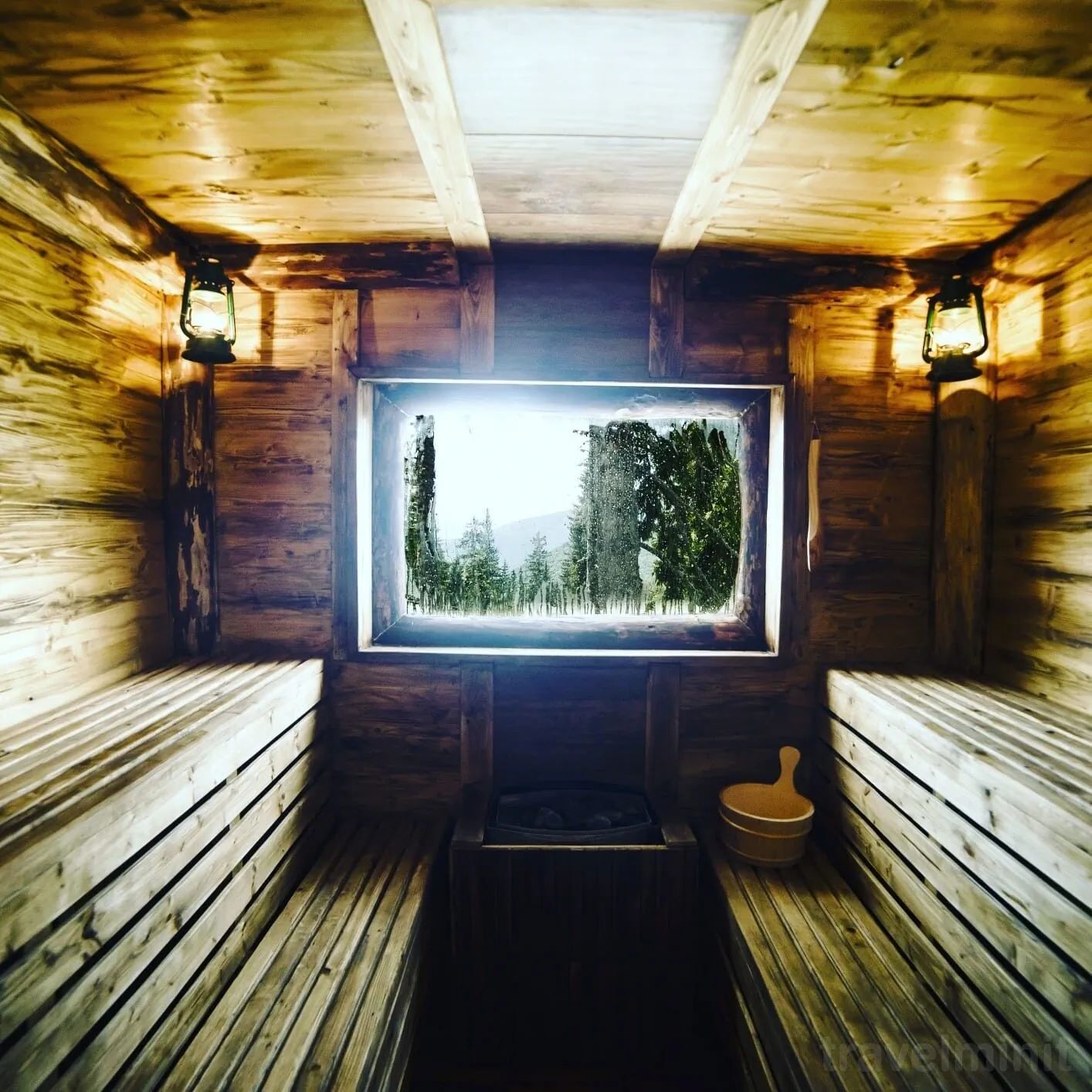
Apartament · 3 stars

Rânca, Rânca County · 0.1 km
Transalpina Spa & Lounge Rânca
Camere, serviciiTransalpina Spa & Lounge Rânca Rânca va ofera o camera frumoasa si eleganta. Unitatea va ofera parcare gratuita. Este o locatie ideala pentru relaxare si revigorare datorita serviciilor wellness. Pentru detalii consultati pagina de date. Camerele sunt dotate cu conexiune la internet. Mai multe detalii despre facilitatile oferite de Transalpina Spa & Lounge Rânca (inclusiv cele contra cost), cat si despre dotarile camerelor veti gasi mai jos. Servicii de masăTarifele camerelor nu includ nici o masa. PlatăPlata o puteti face cu/prin: transfer bancar, numerar, card bancar, card de vacanță, avans travelminit, voucher travelminit. Pentru finalizarea rezervarii se achita un avans de 50%. Sosire, programIntrarea se face incepand cu ora 15:00 si iesirea pana la ora 11:00. Limbi straine vorbite la receptie: engleză, română.
FROM
230 RON / night

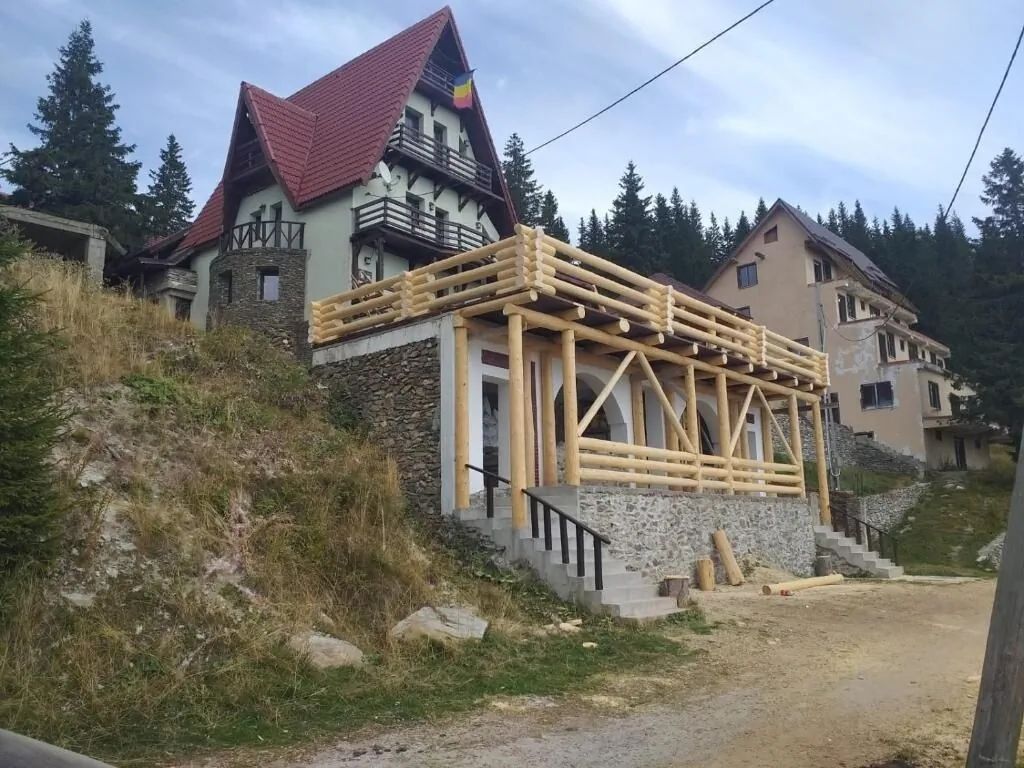
Cabană · 3 stars
Rânca, Rânca County · 0.3 km
Cabana Tomiță Rânca
Camere, serviciiCabana Tomiță Rânca Rânca dispune de 5 camere mobilate cu gust. Exista parcare privata gratuita. Unitatea este prevazuta cu internet wireless. Daca doriti sa obtineti mai multe informatii despre serviciile disponibile (inclusiv cele contra cost) in cadrul unitatii de cazare si despre echiparea camerelor, consultati fisa de mai jos. Servicii de masăTarifele afisate nu contin masa. PlatăPlata o puteti efectua cu/prin: transfer bancar, numerar. Rezervarea devine ferma numai dupa efectuarea platii unui avans de 30%. Sosire, programZiua de cazare incepe la ora 14:00. Eliberarea camerei se face la ora 12:00. Personalul de la receptie vorbeste limba: engleză, rusă, română.
FROM
270 RON / night
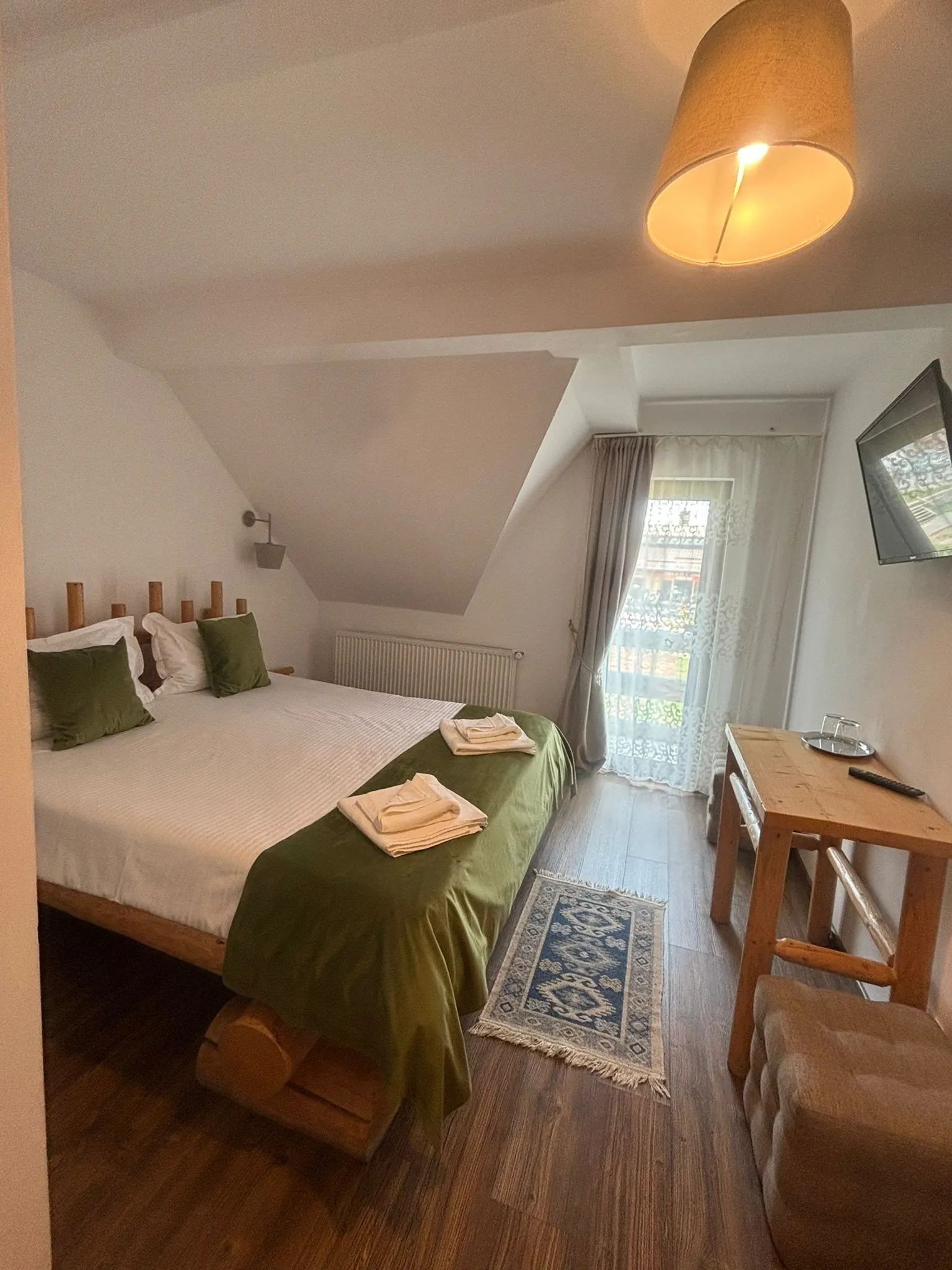
Pensiune · 3 stars
Rânca, Rânca County · 0.4 km
Pensiunea Rânca Ski
Camere, serviciiPensiunea Rânca Ski Rânca dispune de 5 camere mobilate cu gust. La restaurant puteti servi preparate delicioase. Oaspetii au la dispozitie parcare gratuita. Unitatea este prevazuta cu internet wireless. Daca doriti sa aflati mai multe detalii despre facilitatile disponibile la Pensiunea Rânca Ski, respectiv despre amenajarea camerelor, va rugam consultati informatiile de mai jos. Servicii de masăPreturile includ doar cazare. PlatăPuteti face plata cazarii cu/prin: numerar, card bancar, transfer bancar, card de vacanță, avans travelminit, voucher travelminit. Pentru asigurarea rezervarii este necesar sa achitati un avans de 100%. Sosire, programCamera poate fi ocupata de la ora 14:00 iar predarea ei se face pana la ora 12:00 . Personalul de la receptie vorbeste limba: engleză, română.
FROM
240 RON / night
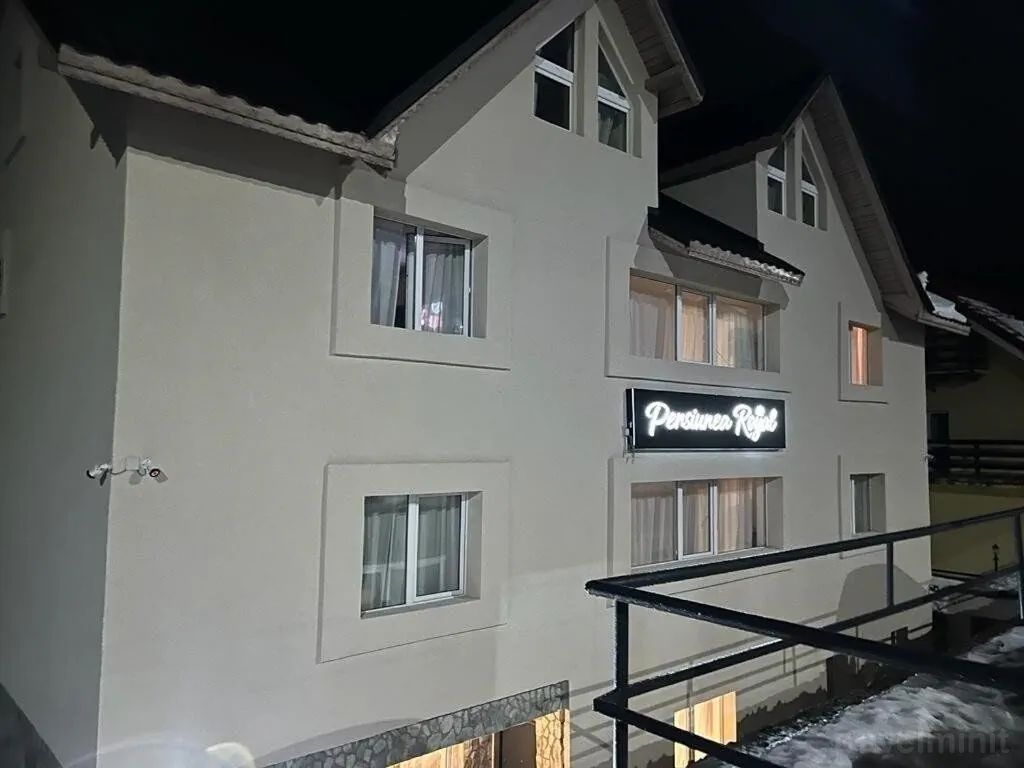
Pensiune · 3 stars
Rânca, Rânca County · 0.5 km
Pensiunea Royal Rânca
Camere, serviciiPensiunea Royal Rânca Rânca ofera cazare in 8 camere frumos amenajate. Proprietatea ofera parcare gratuita. Oaspetii pot beneficia de accesul la internet wireless disponibil la pensiune. Daca doriti sa aflati mai multe detalii despre facilitatile disponibile la Pensiunea Royal Rânca, respectiv despre amenajarea camerelor, va rugam consultati informatiile de mai jos. Servicii de masăTarifele afisate se refera numai la cazare. PlatăPlata serviciilor se poate efectua prin urmatoarele modalitati: numerar, card bancar, transfer bancar, card de vacanță, avans travelminit, voucher travelminit. Confirmarea rezervarii se face prin plata unui avans de 30%. Sosire, programCamera poate fi ocupata de la ora 14:00 iar predarea ei se face pana la ora 10:00. Limbi straine vorbite la receptie: engleză, germană, română.
FROM
240 RON / night
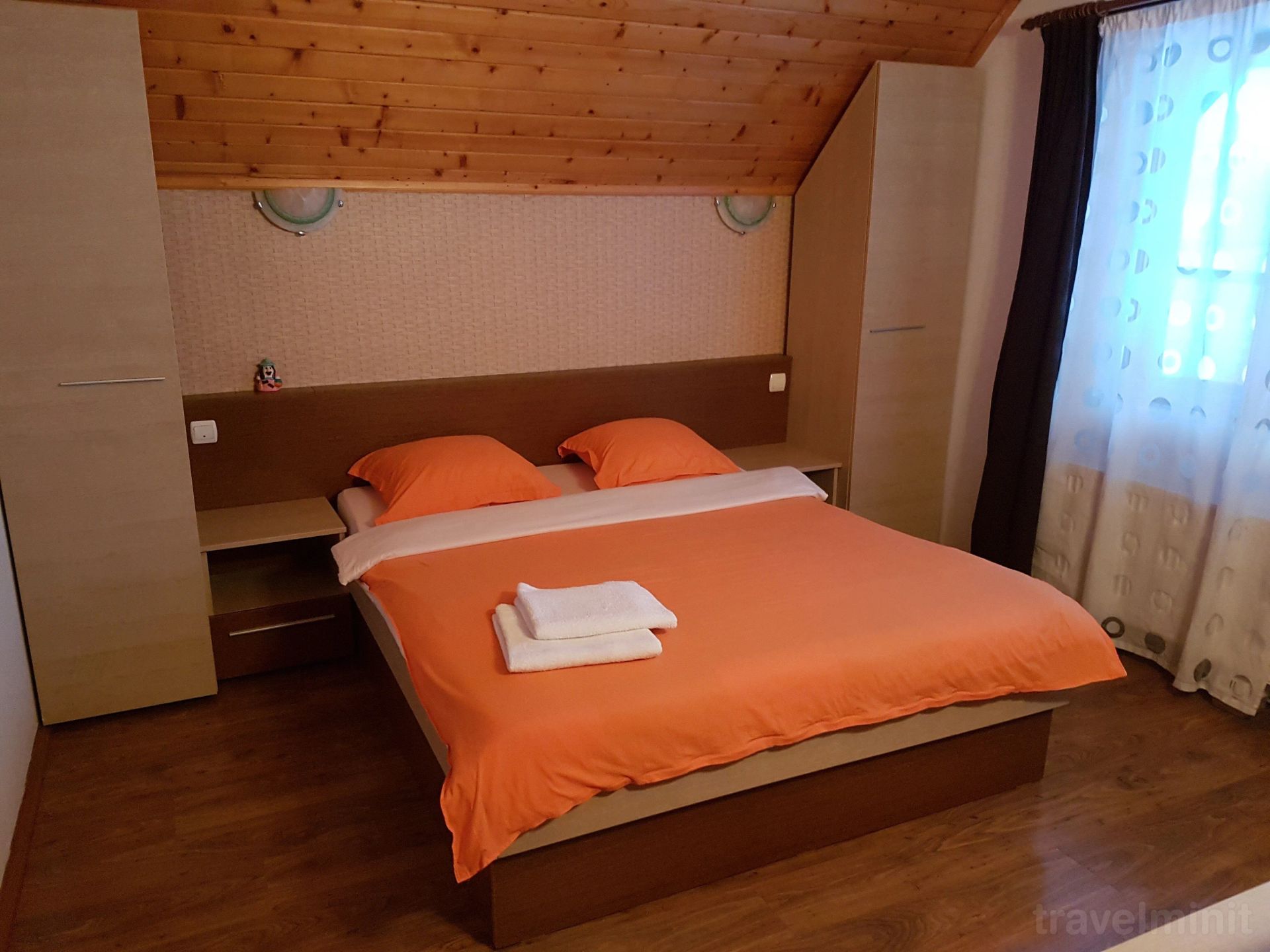
Vilă · 3 stars
Rânca, Rânca County · 0.5 km
Vila Alex și Tedi Rânca
Camere, serviciiVila Alex și Tedi Rânca Rânca va pune la dispozitie o camera moderna si placut amenajata. Se ofera parcare gratuita. Fiecare camera dispune de conexiune la internet. Daca doriti sa obtineti mai multe informatii despre serviciile disponibile (inclusiv cele contra cost) in cadrul unitatii de cazare si despre echiparea camerelor, consultati fisa de mai jos. Servicii de masăPreturile afisate nu includ masa. PlatăPlata rezervarii se poate face cu/prin: numerar, transfer bancar, card de vacanță, avans travelminit, voucher travelminit. Rezervarea devine ferma numai dupa efectuarea platii unui avans de 20%. Sosire, programCamera poate fi ocupata de la ora 12:00 iar predarea ei se face pana la ora 11:00. La receptie se vorbeste limba română.
FROM
280 RON / night
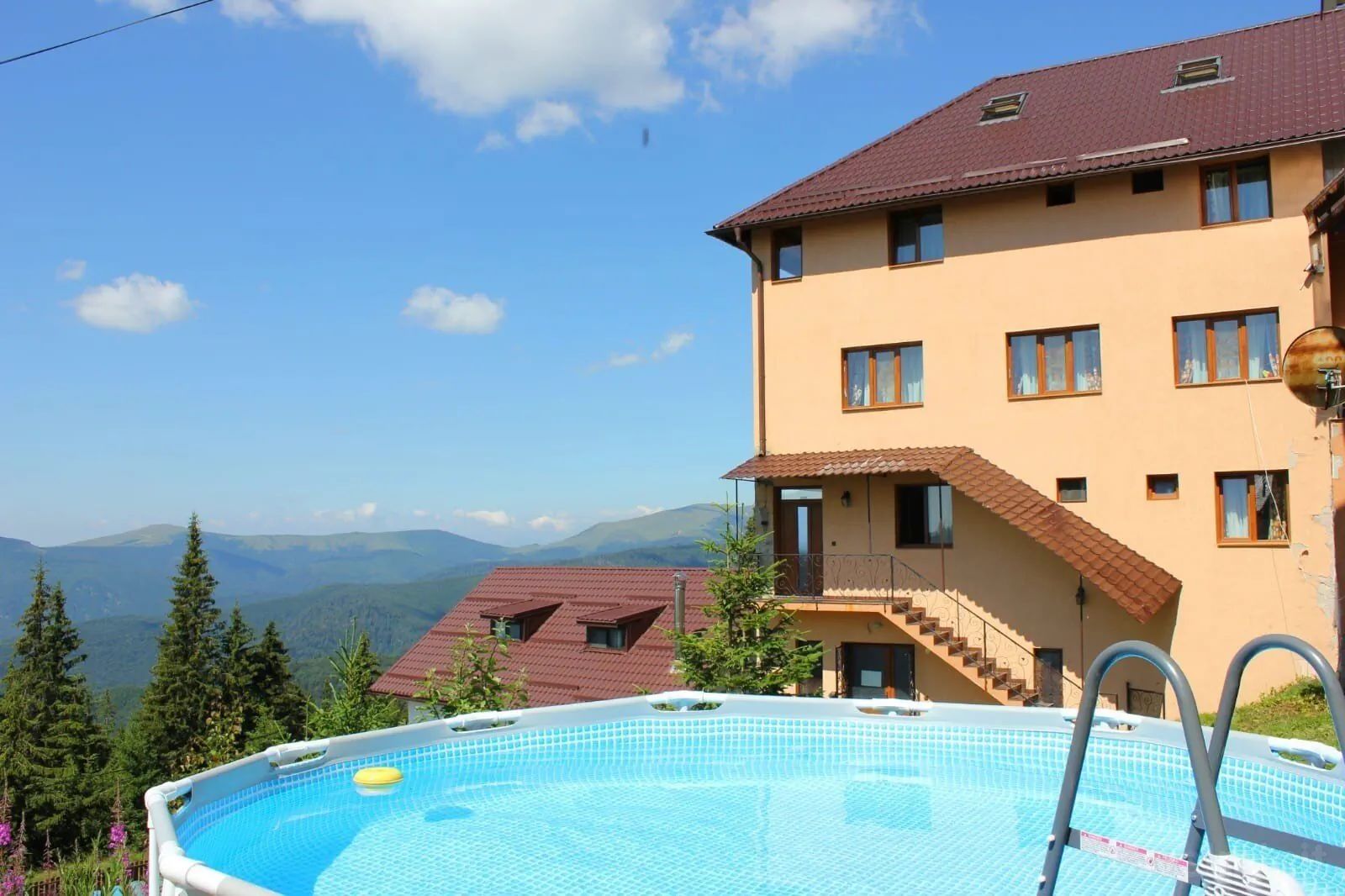
Resort · 3 stars
Rânca, Rânca County · 0.5 km
Complex Veverița Rânca
Camere, serviciiComplex Veverița Rânca Rânca dispune de camere modern mobilate. Sunt asteptati cu drag oaspeti insotiti de animale de companie (contra cost). La restaurant puteti degusta preparate excelente. Oaspetii au la dispozitie parcare gratuita. Este o locatie ideala pentru relaxare deoarece se ofera servicii wellness. Pentru detalii consultati pagina de date. Unitatea va pune la dispozitie internet wireless. Daca doriti sa aflati mai multe detalii despre facilitatile disponibile la Complex Veverița Rânca, respectiv despre amenajarea camerelor, va rugam consultati informatiile de mai jos. Servicii de masăPreturile afisate nu includ masa. Cand se face rezervarea se poate solicita mic dejun contra cost. PlatăPuteti face plata cazarii cu/prin: numerar, card bancar, transfer bancar, card de vacanță, avans travelminit, voucher travelminit. Se retine un avans de 100% pentru garantarea rezervarii. Sosire, programPreluarea camerei se face de la ora 14:00 si iesirea pana la ora 11:00. La receptie se vorbeste limba: engleză, română.
FROM
360 RON / night
BEFORE YOU HIT THE ROAD
Weather conditions in Alba
Local forecast for Transalpina (Transalpina Highway / King's Road), Alba, Alba

Real-time updated weather data
Much more to explore in this area
Nearby tourist attractions


Gorj, Gorj County
Endless Column (Coloana Infinitului)
Sculptură a artistului român Constantin Brâncuși, parte a trilogiei Ansamblului Monumental din Târgu Jiu, UNESCO
42.4 km

Hunedoara, Hunedoara County
Sarmizegetusa Regia Fortress
Situata pe raza localitatii Gradistea Muncelului; amplasata la altitudinea de 1.200 m; inclusa pe lista patrimoniului cultural mondial UNESCO; a fost capitala...
47.0 km

Valcea, Vâlcea County
Horezu Monastery
Se afla in satul Romanii de Jos, la poalele muntilor Capatanii, pe drumul national Ramnicu Valcea-Targu Jiu, judetul Valcea;ctitorita de Constantin Brancoveanu...
28.5 km

Hunedoara, Hunedoara County
Sarmizegetusa Regia Fortress
Situat pe teritoriul administrativ al satului Gradistea de Munte, comuna Orastioara de Sus; punctul sitului se numeste "Dealul Gradistii"; se intinde pe o...
46.9 km

Gorj, Gorj County
Ansamblul Monumental Calea Eroilor Târgu Jiu
Situat in centrul orasului Targu Jiu;realizat de Constantin Brancusi, este un complex sculptural cuprins in patrimoniul UNESCO; ansamblul este alcatuit dintr-o...
42.4 km

Valcea, Vâlcea County
Stațiunea Băile Govora
Situata in nord-estul Olteniei, intr-o depresiune subcarpatica, la 21 de km de Ramnicu Valcea;este traversata de raul Hinta si inconjurata de dealuri acoperite...
45.3 km

Gorj, Gorj County
Pârtiile din Rânca
Situate in zona Muntilor Parang, in statiunea Ranca; in fiecare an, aceasta statiune este din ce in ce mai cautata, oferind partii excelente pentru iubitorii...
0.8 km
12.6 km
27.0 km
30.8 km
33.1 km

Valcea, Vâlcea County
Stațiunea Băile Olănești
Se afla in partea de nord-est a Olteniei, pe Valea raului Olanesti, la 18 km de Ramnicu Valcea, in zona subcarpatica a Muntilor Capatanii, judetul Valcea;locali...
44.7 km
Cultural life and traditions
Events near Transalpina (Transalpina Highway / King's Road)
Medieval festivals, traditional fairs, concerts and recommended local activities in Transylvania.

Patrimoniu și Istorie

Alba, Jud. Alba
Festivalul Cetăților Medievale și Zilele Porților Deschise
Tururi ghidate nocturne, ateliere de meșteșuguri tradiționale și reconstituiri istorice cu cavaleri și domnițe.
WHEN
15 - 17 Mai 2026

Tradiții și Gastronomie
Alba, Jud. Alba
Târgul Tradițiilor Săsești și Gastronomie Locală
Descoperă producătorii locali, plăcintele săsești coapte pe vatră, siropurile artizanale și dulceața de rubarbă.
WHEN
În fiecare weekend (Mai - Octombrie)

Ecoturism și Natură
Colinele Transilvaniei, Jud. Alba
Drumeții Ghidate pe Traseul Colinele Transilvaniei
Excursii pe poteci nemarcate printre fânețe seculare, stejari multiseculari și sate cu biserici fortificate UNESCO.
WHEN
Vineri - Duminică (Sezon 2026)
On foot, exploration gains depth
Discover the surroundings and local geography
Explore trails, terrain and natural landmarks around Transalpina (Transalpina Highway / King's Road).

Guides and practical tips
Useful travel articles
Travel guides, practical tips and itineraries for Transylvania.

Travel guide
Top 5 Atracții Turistice și Trasee Montane în Zona Moieciu - Bran
Descoperă cele mai spectaculoase peisaje carstice, chei adânci și cetăți medievale din imediata apropiere a stațiunii Moieciu.

Travel guide
Ghid de Drumeție: Traseul Moieciu de Sus spre Platoul Bucegi
Un itinerariu montan de o frumusețe rară ce urcă din Valea Băngăleasa spre Poiana Guțanu și crestele maiestuoase ale Bucegilor.

Travel guide
Castelul Bran: Istorie, Legende și Secrete Medievale
Află adevărata poveste a fortăreței medievale din Pasul Bran, reședința de suflet a Reginei Maria a României.
THE JOURNEY STARTS WITH AN IDEA
The next story is on the way.
From the first stop to the last stay, make room for a new Romania.
