


NATURE AND WILDLIFE · CRISANA
Apuseni Natural Park

Baile, Bihor County
Add location to your trip planner.

Practical access information

VISITING HOURS
Check the local visiting schedule

TICKET PRICE
Information available at the cashier's desk

RECOMMENDED VISIT DURATION
1-2 hours
Sources and external references
Wikipedia Encyclopedia (EN)
Visitor information and guide
 Navigate with Google Maps

ABOUT APUSENI NATURAL PARK
Introduction: The Karst Sanctuary of Southeastern Europe
In the heart of the Apuseni Mountains, where the arc of the Western Carpathians curves into an amphitheater of stone and forest, lies Apuseni Natural Park—a vast territory spanning 75,784 hectares and one of the continent’s most impressive natural sanctuaries. Stretching across the borders of Bihor, Alba, and Cluj counties, this park shelters a unique mosaic of mountain ecosystems, framed by the imposing massifs of Vlădeasa, Pădurea Craiului, Bihor, Gilău, and Codru-Moma. Here, nature has sculpted over millennia a karst landscape of rare complexity, where virgin forests intertwine with limestone plateaus, and the depths of the earth conceal fossil glaciers and subterranean hydrological networks of astonishing beauty. Apuseni Natural Park is not merely a protected area; it is a true open-air museum where Europe’s geological history meets the millennia-old traditions of human communities, offering visitors an experience of cultural and ecological depth on par with the most prestigious natural destinations of the Alps or the Pyrenees.
Historical Roots and Major European Connections
The history of this territory is deeply rooted in the great historical currents of Central and Eastern Europe. In antiquity, the Apuseni Mountains were part of the Roman province of Dacia, and the region’s mineral wealth—gold, silver, and copper—drew the attention of the Roman Empire, whose roads and settlements left traces in the cultural landscape. During the Middle Ages, the territory came under the influence of the Kingdom of Hungary, and in the early modern period, it became part of the Principality of Transylvania, a political entity with complex ties to both the Ottoman Empire and the Holy Roman Empire. The Habsburg conquest in the 17th century and integration into the Austro-Hungarian Empire brought a new era of administrative organization and economic development, particularly through mining and forestry exploitation.
A pivotal chapter in the park’s scientific history is linked to Emil Racoviță, the world-renowned Romanian biologist who, in 1928 in Cluj-Napoca, initiated the first Congress of Naturalists in Romania. Racoviță, the founder of modern biospeleology and a member of the French Academy, laid the foundations for the systematic study of cave fauna, and his scientific legacy places the Apuseni Mountains within the great European tradition of nature research, alongside karst explorers from Slovenia, Croatia, and France. Legal protection for the area was established through the MAPPM Order of January 27, 1990, followed by Law No. 5 of March 6, 2000, and Government Decision No. 230/2003. International recognition culminated in 2009, when the park was awarded the EDEN (European Destinations of Excellence) prize in Brussels, placing it alongside iconic European destinations such as the Danube Delta and Maramureș as a model of sustainable tourism.
A crucial moment in the region’s social history is the 1784 peasant uprising led by Horea, Cloșca, and Crișan, an event that shook the Habsburg Empire and is part of the broader context of European social movements at the end of the 18th century, foreshadowing the revolutionary ideas that would erupt in France in 1789. The Cloșca Memorial House in Cărpiniș commemorates this turning point, recalling the resistance of the moți—the mountain dwellers—against noble oppression and imperial administration.
A Geological Masterpiece and Natural Architecture
From a geological perspective, Apuseni Natural Park presents a remarkable diversity that reflects millions of years of Earth’s crust evolution. The Vlădeasa Massif is home to ancient crystalline schists, while the Bihor and Pădurea Craiului Mountains consist of Triassic, Cretaceous, and Jurassic limestones, alongside Laramide magmatic deposits. This geological complexity has given rise to one of the most well-represented karst landscapes in Southeastern Europe, an underground and surface terrain that rivals the famous Dinaric karst of Slovenia and Croatia or the caves of the French Pyrenees.
The karst relief includes deep and narrow gorges, spectacular sinkholes like Lumea Pierdută (The Lost World), lapies sculpted by water and ice, impressive ponors at Cetățile Ponorului (The Ponor Fortresses), and deep avens like Avenul cu Vacă (The Cow’s Shaft). The hydrographic network collects the waters of the Arieșul Mare, Someșul Mic, and Crișul Negru rivers, whose courses have carved deep valleys and created caves with underground lakes. Lake Beliș-Fântânele, constructed between 1970 and 1974 as part of a large-scale hydroelectric system, completes the landscape with high-altitude water mirrors reflecting the sky and mountain ridges.
The continental-moderate climate, with abundant precipitation ranging from 600 to 1,400 mm annually and average temperatures of 2-4°C in the high zones, has created unique microclimates, including the fossil glacier at Focul Viu (Living Fire), a rare phenomenon in Southeastern Europe. The park’s caves—Urșilor (Bears’ Cave), Ciur-Izbuc, Cetatea Rădesei (Rădesi Fortress), Ghețarul de la Vârtop (Vârtop Glacier Cave), and Scărișoara—are true natural cathedrals, with ice and calcite formations that have fascinated European explorers since the 19th century. Scărișoara Cave, home to Romania’s largest and Europe’s second-largest underground glacier, is a natural monument of continental importance and a study laboratory for climatologists and geologists worldwide.
Biodiversity and European Natural Heritage
The park’s vegetation reflects the diversity of European mountain habitats, from Dacian beech and oak forests, similar to those in the Southern Carpathians and the Balkans, to relict yew forests, active peat bogs, and alpine meadows reminiscent of the Alps. The flora includes remarkable endemic species such as the lady’s slipper orchid (Cypripedium calceolus), globeflower (Trollius europaeus), and Edraianthus kitaibelii, a species first scientifically described in this territory, bearing witness to the unique floristic character of the Apuseni Mountains within the European context.
The park’s fauna, protected under the European Habitats Directive 92/43/EEC, represents one of Romania’s most valuable natural heritages. Here, 19 of the country’s 29 bat species reside, including the greater horseshoe bat, alongside large European carnivores such as the brown bear, wolf, lynx, and wildcat, as well as the chamois and Carpathian deer. The presence of these species places the park within the European Natura 2000 network as a vital refuge for continental biodiversity, an "Ark" of the Carpathians where species extinct in other parts of Europe still find sanctuary. The speleological complex provides essential shelter for bat colonies, serving as a natural laboratory for the study of karst and cave ecosystems, recognized at the European level.
Cultural Heritage and Sacred Architecture
The cultural heritage surrounding the park enriches the visitor’s experience with historical layers spanning from the Middle Ages to the modern era. The wooden churches of Arieșeni (built in 1791 and painted in 1829 by master Mihai of Abrud), Brădet (1733), Gârda de Sus (1792), and Stâncești (1752) are remarkable examples of traditional Transylvanian sacred architecture, a unique phenomenon in Europe comparable only to the wooden churches of Norway or the tserkvas of Poland, yet preserving a distinctly Romanian cultural identity. These monuments, with their slender towers and steep roofs, are true masterpieces of local carpentry, inscribed on the UNESCO Tentative List of World Heritage.
The Holy Trinity Roman Catholic Church in Beiuș, constructed in 1752, reflects the Baroque influences of Central Europe, while the Trascău Fortress (Colțești) from the 13th century evokes the medieval eras of defense against Ottoman invasions and feudal rivalries, exemplifying Transylvanian military architecture within the European context. The municipal museum in Beiuș, housed in the 19th-century Ioan Ciordaș historic house, preserves the ethnography of the region and offers a glimpse into the daily life of the moți, the shepherds and craftsmen of these lands.
Legends, Stories, and Personalities
The Apuseni Mountains are steeped in legends and stories that have traversed centuries, passed down through the oral traditions of an ancient mountain culture. Tales speak of giant bears guarding caves, of Dacian treasures hidden deep within the earth, and of forest spirits watching over the natural balance. The figure of Emil Racoviță remains central to the region’s scientific history, regarded as the father of global biospeleology and one of the greatest explorers of the 20th century, alongside Jacques-Yves Cousteau in the marine realm.
The moți, the historical inhabitants of these mountains, are known for their cultural resilience and pastoral traditions, preserving customs and folk costumes reminiscent of pre-industrial European civilizations. The 1784 uprising led by Horea, Cloșca, and Crișan remains etched in collective memory as a symbol of the struggle for freedom and social justice, a moment when the peasants of the Apuseni rose against Habsburg noble domination, foreshadowing Europe’s democratic movements.
Practical Guide and the Contemporary Visitor Experience
Access to Apuseni Natural Park is facilitated by a network of European and national roads traversing the region: the European route E60 (Oradea-Huedin-Călățele-Beliș), E79 (Oradea-Beiuș-Drăgănești-Pietroasa), and National Road DN75 (Ștei-Fânațe-Gârda de Sus-Albac). From these main arteries, county and forest roads open gateways to the Padiș Plateau, Sighiștel Valley, Galbena Valley, and Poiana Ponor, each offering unique perspectives on the karst landscape.
Visitors can explore the park through numerous marked trails, from easy walks through beech forests to challenging mountain hikes toward the peaks of Vlădeasa or Bihor. Camping is permitted in designated areas such as Poiana Glavoi (La Grajduri), Craiasa Valley (near Bears’ Cave), or at the entrance to Sighiștel Valley, offering the chance to spend nights under the open skies of the Carpathians. For cave exploration, it is recommended to be accompanied by an authorized guide, especially for Scărișoara Cave or Bears’ Cave, where visiting conditions require appropriate equipment and adherence to environmental protection regulations.
Information on entry fees and visiting hours is available at the park’s ticket offices and local visitor centers. The recommended visiting period is from May to September, when the weather allows optimal access to all natural attractions. Whether you are a speleology enthusiast, a mountain hiking lover, a photographer, or simply seeking tranquility in a landscape of European heritage, Apuseni Natural Park offers a profound experience where the wild nature of Europe meets the history and culture of a unique region.
Media gallery
Discover Apuseni Natural Park in pictures

22 photos · Architecture, courtyards and captivating details


Image source: Wikimedia Commons · Public domain photos · Free license
STAY A FEW DAYS, DISCOVER THE MAGIC
Accommodation in the Apuseni Natural Park area

Hotel · 3 stars

Padiş, Bihor County · 0.4 km
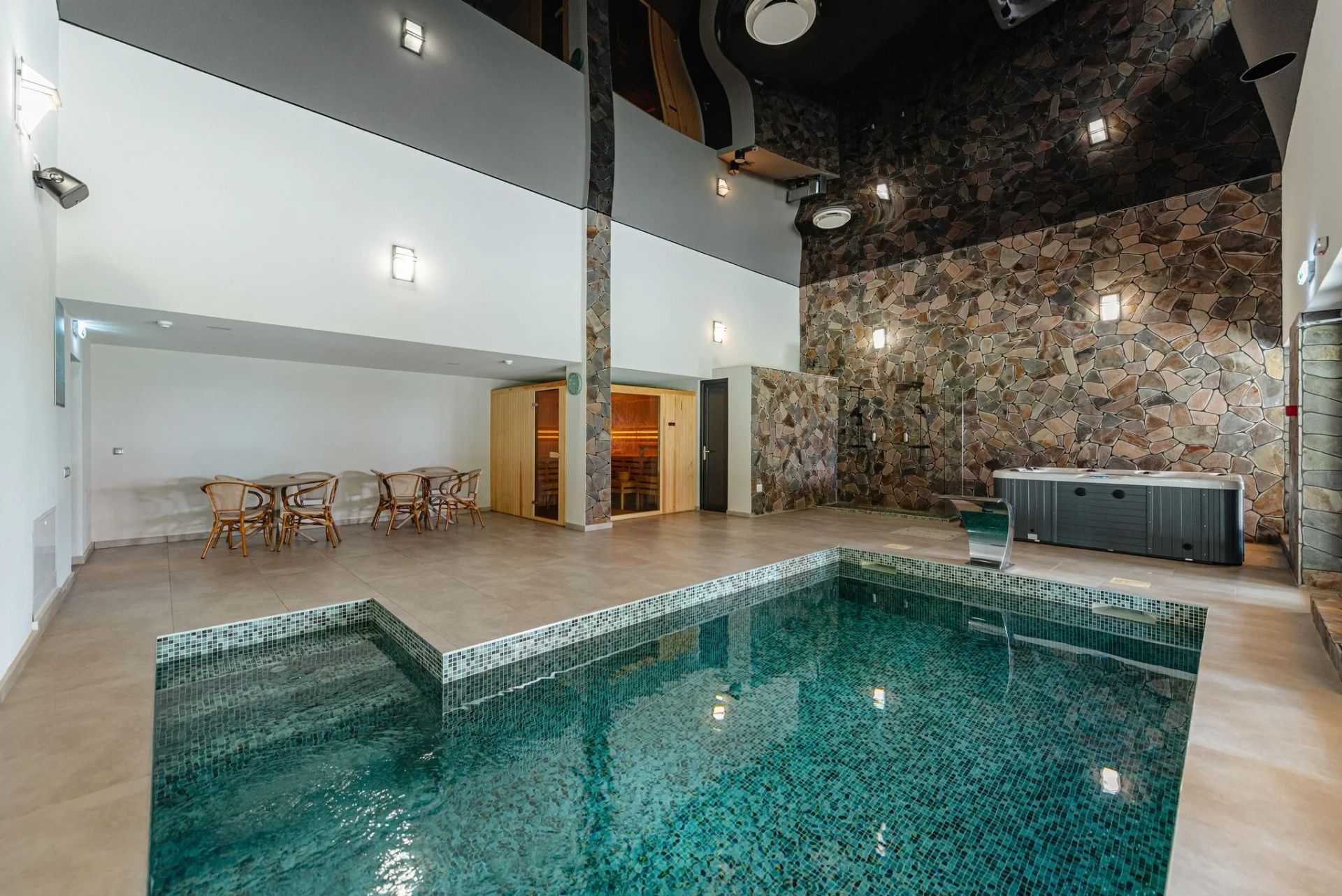
Hotel Apuseni Park Padiș
Pe strada Principală din localitatea Padiș, într-un cadru natural specific zonei montane, se află Hotel Apuseni Park Padiș. Unitatea oferă cazare într-un mediu liniștit și primitor, potrivit atât pentru familii cu copii, cât și pentru călători în căutare de relaxare departe de aglomerația urbană. Pentru momente de destindere după o zi de plimbări, dumneavoastră aveți la dispoziție saună și cadă cu hidromasaj, într-un spațiu dedicat refacerii fizice și mentale. În incintă găsiți o curte mare cu grădină amenajată, un foișor și un bar, ideale pentru seri plăcute în aer liber. Restaurantul și cafeneaua din incintă servesc preparate pentru toate gusturile, inclusiv meniuri pentru copii și opțiuni pentru diete speciale. Accesul este facilitat pentru persoane cu dizabilități, iar conexiunea Wi-Fi gratuit este disponibilă în întreaga unitate pentru confortul dumneavoastră. În apropiere puteți vizita Parcul Natural Apuseni, Platoul Padiș, Cheile Galbenei, Peștera Urșilor Bihor sau Peștera Ghețarul de la Vârtop, fiecare oferind experiențe unice de explorare a naturii, a peșterilor și a peisajelor montane din zonă. Vă așteptăm la Hotel Apuseni Park Padiș pentru a porni apoi spre Cheile Galbenei și a descoperi peisaje montane deosebite.
FROM
290 lei per night

Cabin · 3 stars
Padiş, Bihor County · 5.7 km
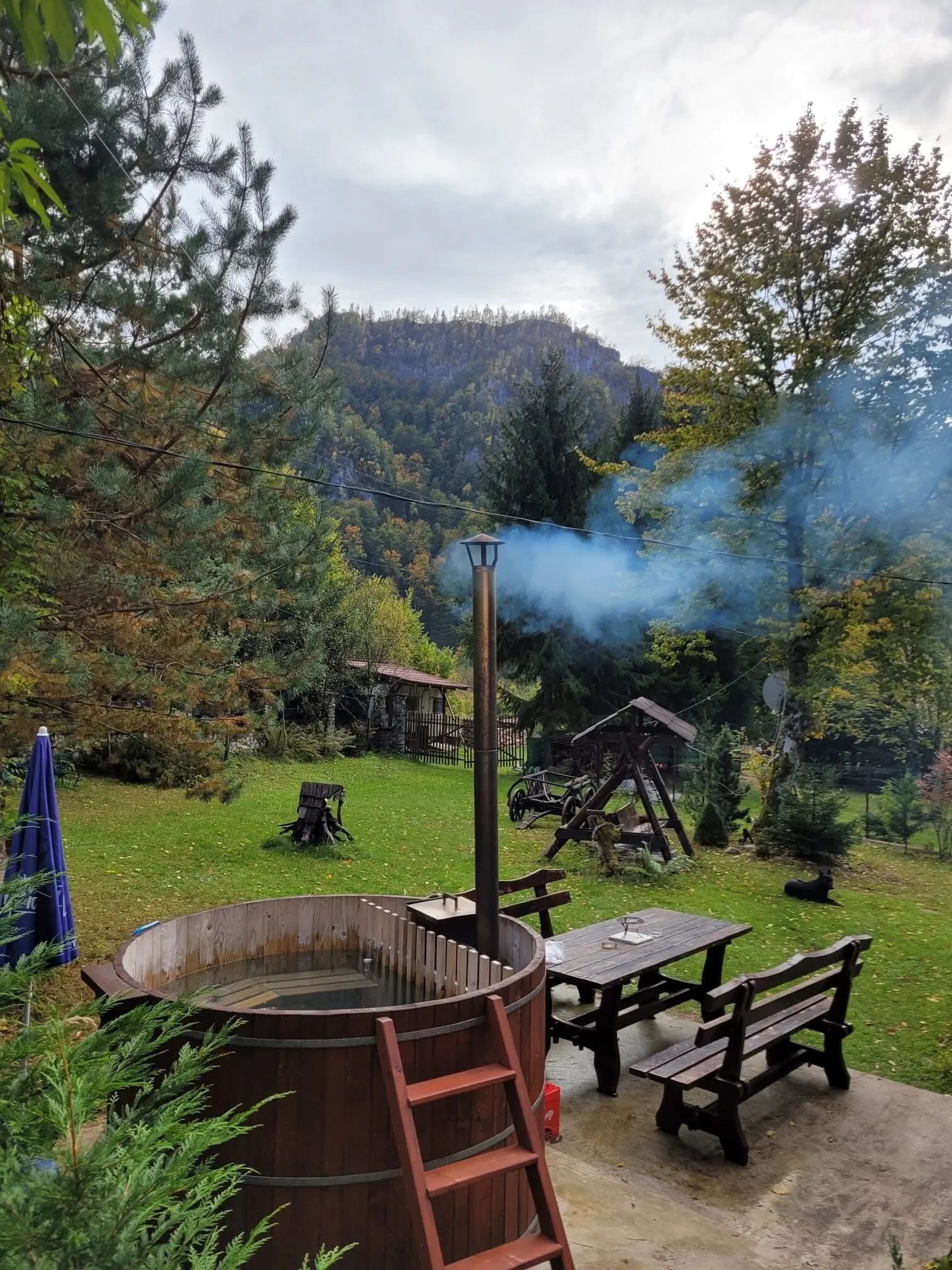
Cabana Valea Rea Boga
Comfort, relaxation and stunning views, all just steps away from the main attractions.
FROM
270 lei per night
Holiday home · 3 stars
Padiş, Bihor County · 5.7 km
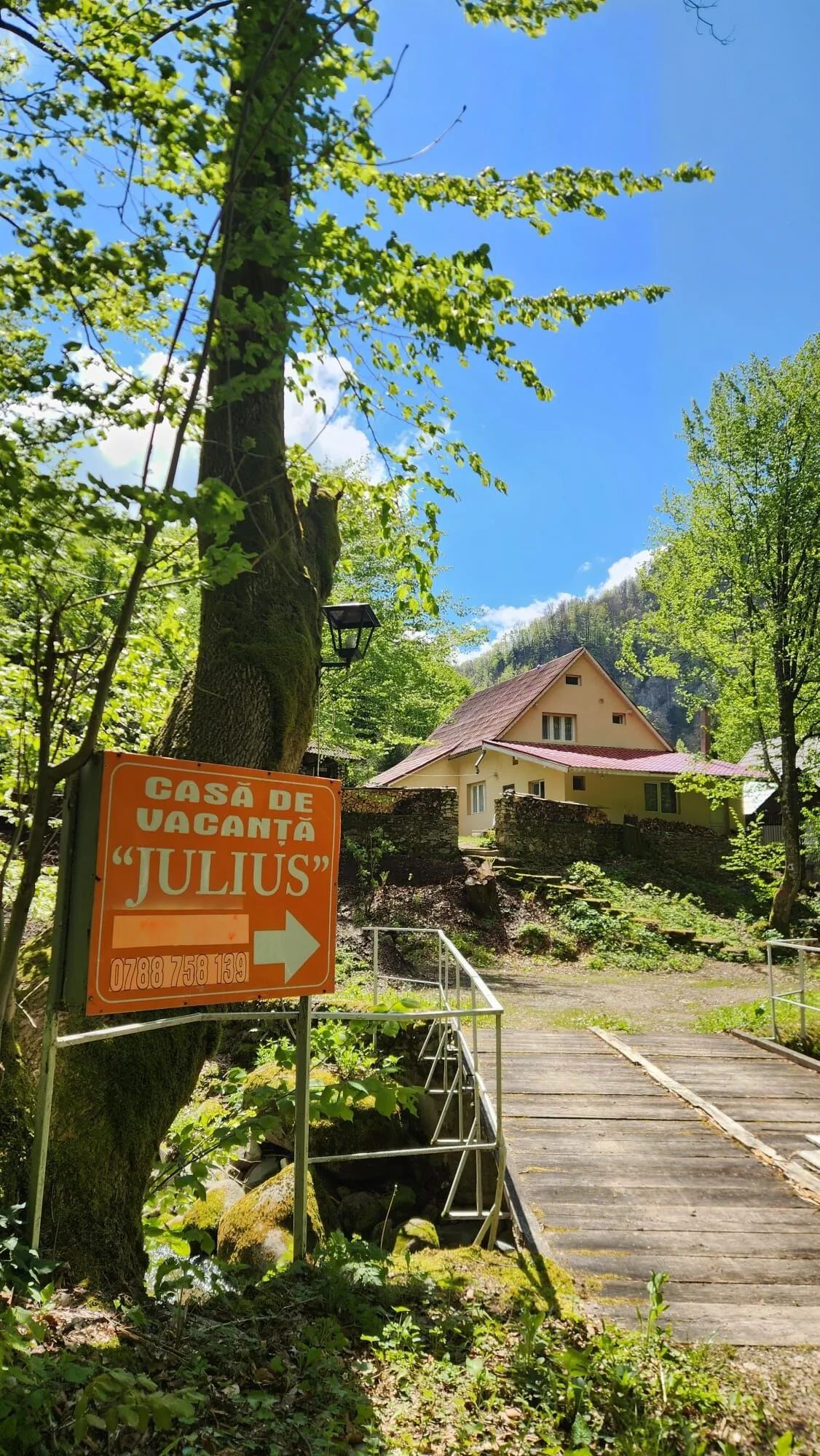
Casa de vacanță Julius Boga
Comfort, relaxation and stunning views, all just steps away from the main attractions.
FROM
280 lei per night
Holiday villa · 3 stars
Pietroasa, Bihor County · 9.0 km
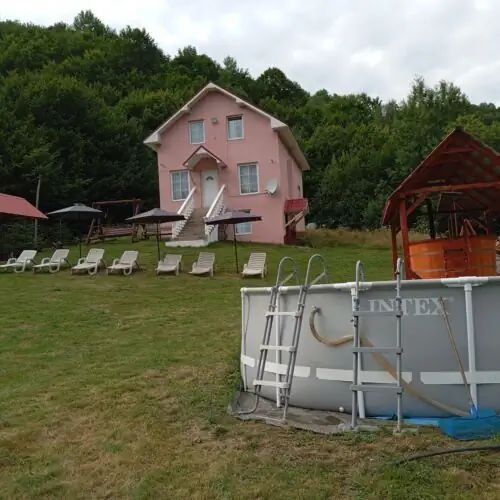
Vila Fabiale Pietroasa
Vila Fabiale din Pietroasa, județul Bihor, vă pune la dispoziție un ciubăr din lemn tradițional, într-un cadru natural aparte. Această facilitate unică vă permite să vă relaxați complet după zile petrecute explorând împrejurimile, într-o atmosferă autentică și liniștită, departe de aglomerația orașelor. Pe lângă ciubăr, unitatea oferă Wi-Fi gratuit, parcare privată gratuită și un loc de joacă pentru copii amenajat în aer liber. Curtea mare și grădina îngrijită vă oferă spațiu generos pentru momente de relaxare, iar grătarul, barbeque-ul și ceaunul pentru gătit în aer liber sunt ideale pentru seri petrecute în compania celor dragi. Pentru familiile cu bebeluși, este pus la dispoziție și un pătuț special, astfel încât fiecare membru al familiei să se simtă confortabil. În apropiere puteți descoperi Parcul Natural Apuseni, Peștera Urșilor Bihor, Cheile Galbenei, Platoul Padiș și Cheile Someșului Cald. Aceste obiective naturale oferă peisaje spectaculoase, peșteri impresionante și trasee de drumeție potrivite pentru toate nivelurile de pregătire fizică, fiind ideale pentru excursii de o zi. Seara, după o zi de explorare, vă puteți relaxa în ciubărul din lemn tradițional sub cerul deschis.
FROM
280 lei per night
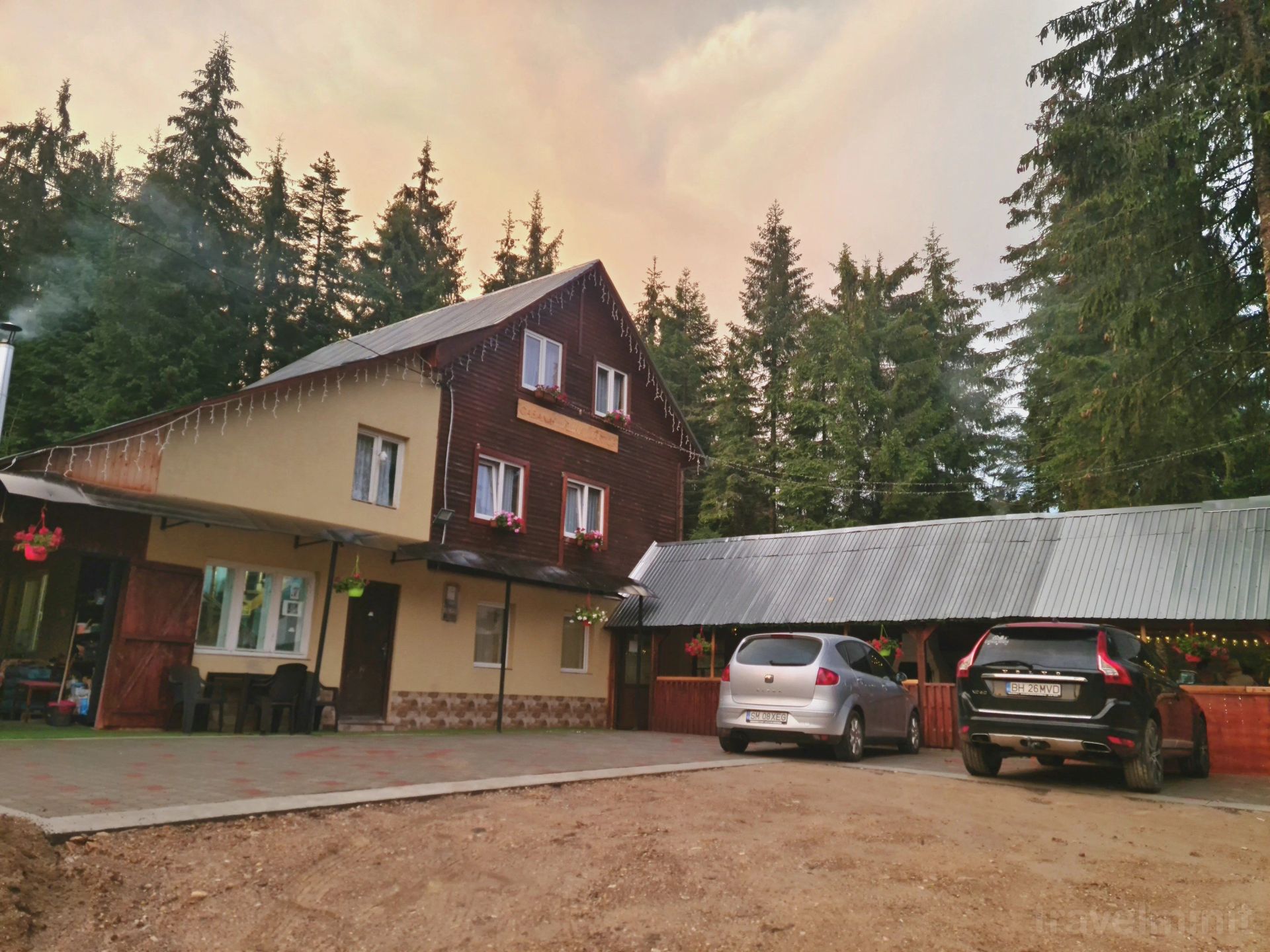
Cabin · 3 stars
Vârtop, Vârtop · 10.1 km
Cabana Mălina Vârtop
Comfort, relaxation and stunning views, all just steps away from the main attractions.
FROM
270 lei per night
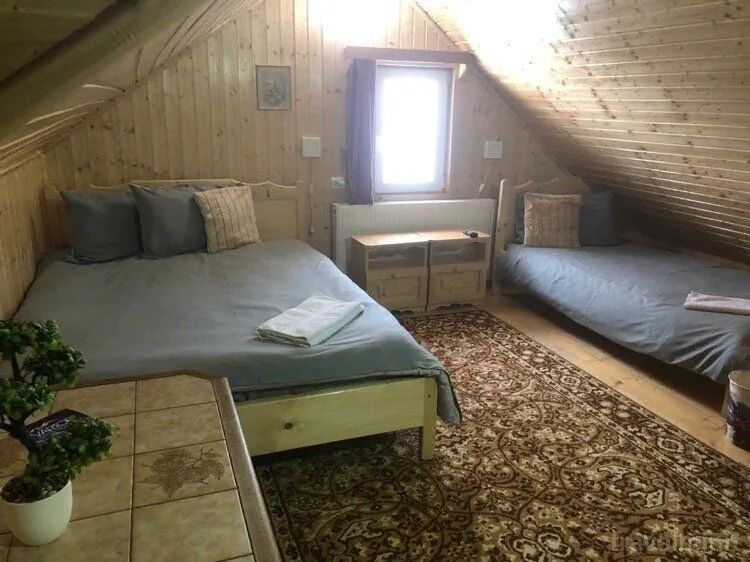
Guesthouse · 3 stars
Nucet, Bihor County · 10.2 km
Pensiunea Aurora Vartop Nucet
Pensiunea Aurora Vartop Nucet este o pensiune turistică de trei stele situată în localitatea Nucet din județul Bihor, pe strada Aluminei numărul 41. Unitatea pune la dispoziția dumneavoastră opt camere amenajate cu grijă, într-un cadru primitor și confortabil. Beneficiați de parcare privată gratuită și de conexiune Wi-Fi gratuită în întreaga pensiune. Curtea mare și grădina amenajată oferă un spațiu generos pentru relaxare în aer liber, iar grătarul și ceaunul vă permit să pregătiți mese gustoase direct în natură. Familiile cu copii se vor bucura de camera de joacă amenajată la interior, de locul de joacă la exterior, de scaunul înalt pentru cei mici și de pătuțul pentru bebeluși. De asemenea, sunt acceptați și oaspeții însoțiți de animale de companie. În apropiere puteți explora Parcul Natural Apuseni, Munții Bihorului, Peștera Urșilor Bihor, Vârful Curcubăta Mare și Peștera Ghețarul de la Vârtop. La recepție se vorbesc limbile română și engleză. Preluarea camerelor se face începând cu ora 14:00, iar ieșirea se efectuează până la ora 12:00. Plata se poate realiza cu numerar, card bancar, transfer bancar, card de vacanță sau voucher. La cerere și contra cost, puteți beneficia și de servicii de masă, inclusiv mic dejun. Vă așteptăm într-o locație cu parcare asigurată, într-un mediu liniștit potrivit pentru vacanțe în natură.
FROM
240 lei per night
BEFORE YOU HIT THE ROAD
Weather conditions in Baile
Local forecast for Apuseni Natural Park, Baile, Bihor

Real-time updated weather data
Much more to explore in this area
Nearby tourist attractions

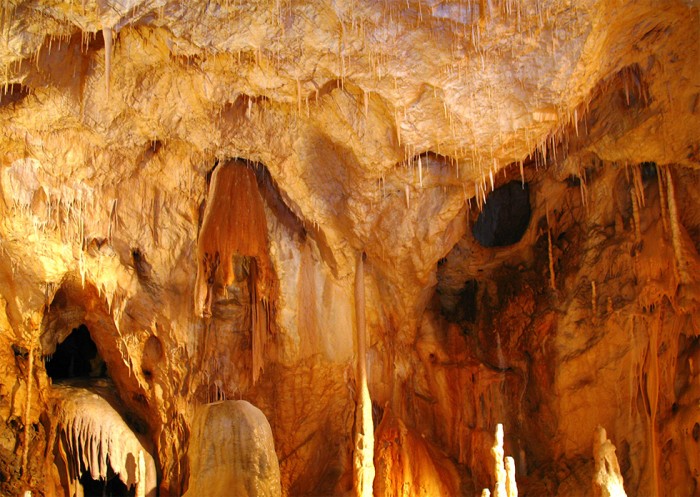

Baile, Bihor County
Bears' Cave
Situata in imediata apropiere a localitatii Chiscau, comuna Pietroasa, la o altitudine de 482 m;a fost descoperita in 1975, cu ocazia unei dinamitari executate...
13.9 km
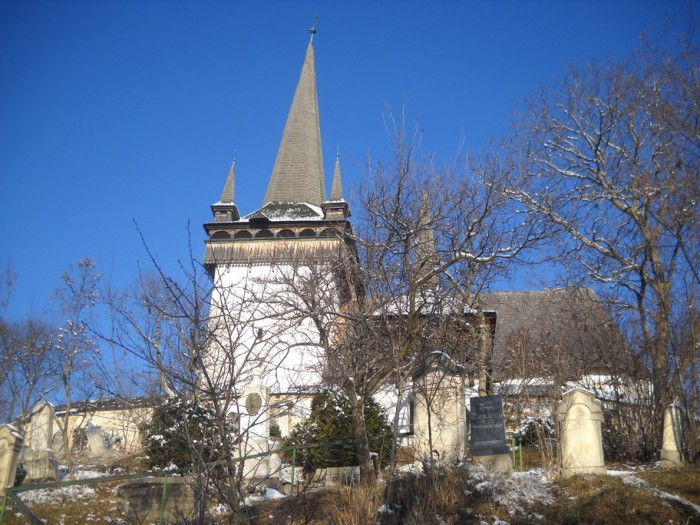
Valeni, Cluj County
Fortified Church of Văleni
Situata in satul Valeni, judetul Cluj; a fost ridicata in secolul al XIII-lea de calugarii franciscani; este una dintre cele mai frumoase biserici din judetul...
30.9 km
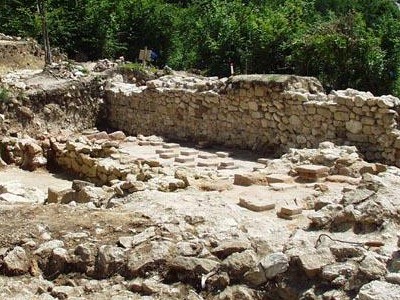
Alba, Alba County
Alburnus Maior Fortress
Situata in localitatea Rosia Montana, pe Dealul Cetatii, in apropierea fostelor exploatari romane;a reprezentat punctul de aparare al localitatii si al...
44.7 km

16.9 km
17.8 km
23.1 km
23.1 km
35.5 km
43.2 km
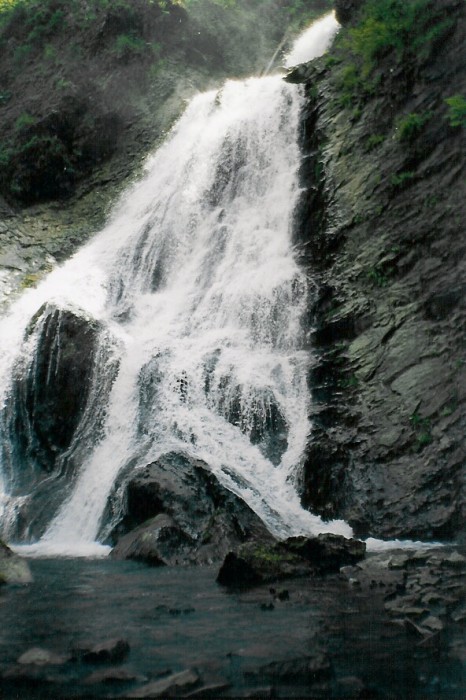
Margau, Cluj County
Bride's Veil Waterfall
Situata in comuna Margau;una dintre cele mai frumoase cascade din Romania; impresionanta cadere de apa de peste 30 m taie rasuflarea celor care poposesc la...
17.1 km
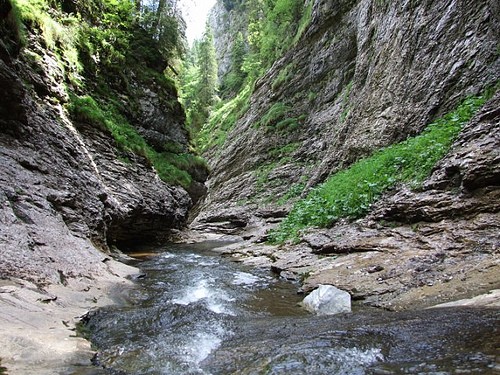
Apahida, Cluj County
Warm Someș Gorge
Situate pe cursul superior al Somesului Cald; ofera privelisti extrem de pitoresti ale abrupturilor calcaroase de peste 100 m ce coboara pana in patul vaii; au...
14.6 km
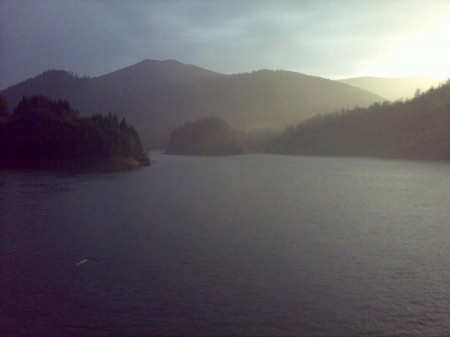
Apahida, Cluj County
Floroiu Lake (Drăgan Lake)
Situat la intersectia drumurilor forestiere ale localitatilor Poieni, Huedin, Ciucea, Stana de Vale; lac antropic; este unul dintre putinele locuri ramase...
20.6 km
Cultural life and traditions
Events in the Apuseni Natural Park area
Medieval festivals, traditional fairs, concerts and local activities recommended in Crisana.

Traditions and Crafts

Baile, County of Bihor
Days of Local Culture and Traditional Tourism
Open workshops featuring pottery, wood carving, and authentic folklore demonstrations by local artisans.
WHEN
May 15-17, 2026


Traditional Cuisine
Baile, County of Bihor
The Fair of Traditional Products and Local Cuisine
Traditional products, aged cheeses, mountain honey and local delicacies prepared according to ancient recipes.
WHEN
Every weekend

Culture and Photography
Baile, County of Bihor
Themed and Photographic Guided Tour of Cultural Heritage
A guided tour designed for history buffs, nature lovers, and photography enthusiasts, showcasing the most spectacular views in the area.
WHEN
Daily schedule available upon request
On foot, exploration gains depth
Discover the surroundings and local geography
Explore the trails, terrain, and natural landmarks around Apuseni Natural Park.

Guides and practical tips
Useful travel articles
Travel guides, practical recommendations and tourist itineraries for Crisana.

Tourist guide
Top 5 Atracții Turistice și Trasee Montane în Zona Moieciu - Bran
Descoperă cele mai spectaculoase peisaje carstice, chei adânci și cetăți medievale din imediata apropiere a stațiunii Moieciu.

Tourist guide
Ghid de Drumeție: Traseul Moieciu de Sus spre Platoul Bucegi
Un itinerariu montan de o frumusețe rară ce urcă din Valea Băngăleasa spre Poiana Guțanu și crestele maiestuoase ale Bucegilor.

Tourist guide
Castelul Bran: Istorie, Legende și Secrete Medievale
Află adevărata poveste a fortăreței medievale din Pasul Bran, reședința de suflet a Reginei Maria a României.
THE JOURNEY STARTS WITH AN IDEA
The next story is on the way.
From the first stop to the last stay, make room for a new Romania.
