


PLACE OF WORSHIP · TRANSYLVANIA
The fortified church in Saschiz.

Saschiz, Transylvania
Add location to your trip planner.

Practical access information

VISITING HOURS
Monday: 12:00 PM – 5:00 PM · Tuesday–Sunday: 9:00 AM – 5:00 PM (in summer until 8:00 PM)

TICKET PRICE
Adults: 45 RON · Students: 11 RON · Seniors: 23 RON · Guided tour included

RECOMMENDED VISIT DURATION
30-60 minutes
Sources and external references
Wikipedia Encyclopedia (EN)
Visitor information and guide
 Navigate with Google Maps

ABOUT THE FORTIFIED CHURCH IN SASCHIZ.
A Captivating Introduction and its Cultural Significance
Rising above the red-tiled roofs of the village of Saschiz, the clock tower of the fortified church dominates the hilly landscape of Transylvania like a medieval beacon of Central European civilization. Built at the end of the 15th century, this monument represents not only a place of worship but also a true spiritual fortress, a silent witness to centuries of conflict between the Latin and Ottoman worlds on the eastern frontier of Christian Europe. Inscribed on the UNESCO World Heritage List since 1993 as part of the "Fortified Churches in Transylvania" ensemble, the church in Saschiz stands out for its uniqueness among the seven similar monuments: it is the only one that houses a clock tower with a horological mechanism, an architectural rarity that transforms the structure into a symbol of urban autonomy and the technological progress of a community located at the crossroads of the continent's major commercial and military routes.
The cultural significance of this building extends far beyond local boundaries, placing it within the great cultural narrative of Europe. While other fortified churches in the region, such as those in Biertan or Viscri, impress with their size or the complexity of their enclosures, Saschiz captivates with the elegance of its Gothic proportions and the presence of that clock tower which has been marking the hours for over five centuries. The monument represents an essential point of reference for understanding how the Saxon communities of Transylvania adapted medieval sacred architecture to the defensive requirements of an era marked by the expansion of the Ottoman Empire. Here, late Gothic meets the art of Renaissance fortifications, and Protestant spirituality intertwines with the traces of a civilization that has shaped the cultural landscape of Southeastern Europe for seven centuries.
Historical roots deep within medieval Europe
The construction of the church in Saschiz, carried out between 1493 and 1496, took place within a historical context of extreme geopolitical tension for all of Central Europe. The Saxon community, colonized in the 12th and 13th centuries from the regions of the Rhine, Moselle, and Luxembourg, had been invited by the kings of Hungary, especially Géza II and Béla III, to defend the eastern borders of the Kingdom of Hungary against Cuman and later Ottoman invasions. These colonists, brought in as "hospites" with special privileges confirmed by the Andreanum of 1271, brought with them not only the craftsmanship of artisans from the Holy Roman Empire but also a specific urban concept characteristic of German imperial cities, based on community solidarity and civic autonomy.
The timing of the church's construction coincides with a period of profound crisis for European Christendom. Following the fall of Constantinople in 1453 and the Ottoman victory at Belgrade in 1456, the Kingdom of Hungary, led by King Matthias Corvinus, presented itself as the last bastion of Christendom ("antemurale christianitatis") against Ottoman expansion. In this atmosphere of existential fear, the construction of a fortified church in just three years demonstrates not only the material resources of the community in Saschiz but also its extraordinary organizational capacity. Each family contributed with labor or materials, in a collective effort that reflected the medieval corporate tradition of Central Europe, similar to that of guilds in Hanseatic cities or Franconia.
Parallels with other European regions are inevitable. The church in Saschiz is part of a network of sacred fortifications that stretches from Switzerland and Austria to Transylvania, comparable to the "Kirchenburgen" of Thuringia or the fortified churches of Alsace and Lorraine. However, unlike these, the Transylvanian monument retains a distinct identity given by the unique context of a cultural and religious border between the Latin Roman Catholic and Protestant world and the Orthodox Byzantine and Slavic world. Bohemian influences are visible in certain architectural details, suggesting links with Prague under Charles IV or with the sculpture workshops in Kutná Hora, while the Rhineland elements betray the origin of the artisans who worked on this building.
Architectural masterpiece: style and construction details
The architectural style of the church in Saschiz belongs to the late Gothic period specific to Transylvania, an artistic movement that persisted in this region longer than in Western Europe, where the Renaissance was already beginning to transform the urban landscape. The elegant proportions of the nave, the ribbed vaults of the choir, and the sculpted decorations of the portals reflect direct Rhineland influences, possibly due to the presence of itinerant architects from the Rhine or Bohemia. However, the truly revolutionary element of this monument is the clock tower, approximately 45 meters high, which houses a 16th-century clock mechanism. This technical innovation, rare among the seven fortified churches in the UNESCO heritage, places Saschiz among the European cities that, starting in the 14th century, adopted clock towers as a symbol of urban autonomy and technological progress. The mechanism, similar in design to those in Prague, Bern, or Strasbourg, measured liturgical and civic time, marking the community's independence from feudal authorities.
The defensive system of the church represents a masterpiece of late medieval military engineering. The massive walls, up to three meters thick, are equipped with loopholes, multi-level defense galleries, and narrow windows for arquebuses, already adapted to the use of firearms. The outer enclosure is reinforced with polygonal bastions, architectural elements that betray the influence of Italian Renaissance fortifications ("trace italienne"), filtered through the experience of crusaders and Teutonic knights present in the region. These bastions, designed to provide flanking fire and eliminate dead angles, demonstrate how the Saxon community was able to assimilate the most modern military techniques of the era, at a time when the Ottomans had already conquered almost all of the Balkan Peninsula.
The interior of the church preserves a layered artistic treasure, witnessing the stylistic evolution from Gothic to Baroque. Fragments of Gothic mural paintings, probably dating from the 15th century, can still be seen on the side walls, depicting biblical scenes or patron saints, executed in the fresco-secco technique specific to workshops in Central Europe. These paintings, influenced by the schools of Vienna or Nuremberg, were later covered or damaged during the Protestant Reformation, when iconoclasm cleansed many churches of "idolatrous images." In contrast, the Baroque altar, added in the 17th and 18th centuries, represents a splendid expression of Counter-Reformation art and the influence of the Habsburg Monarchy on Transylvania after 1699. This altar, with its twisted columns and exuberant sculptural decoration, contrasts sharply with the austerity of the Gothic structure, creating a visual dialogue between eras that illustrates the historical complexity of the region.
Stories, Legends, and Pivotal Moments
The history of the church in Saschiz is shrouded in mystery and legend, beginning with the tradition that associates this site with the imprisonment of Vlad the Impaler in 1462. Although modern historians place the Wallachian ruler's captivity at Visegrád Castle in Hungary, under the custody of King Matthias Corvinus, local legend maintains that Vlad was imprisoned for a period in the tower of the church in Saschiz. This association, although not documented, has significantly contributed to the monument's European renown through its indirect connection with the myth of Dracula, a central figure in the Western Gothic imagination developed by Bram Stoker in his 1897 novel. Thus, the church in Saschiz became a place of pilgrimage for tourists fascinated by vampire history, adding a mythological dimension to its authentic historical significance.
The historical reality was as dramatic as the legends. In the 16th and 17th centuries, when the Ottoman Empire already controlled central Hungary and Transylvania was an autonomous vassal principality, the fortified church in Saschiz served as a refuge for the village population against Ottoman, Tatar, and Moldavian raids. Its massive walls withstood sieges, and the tower functioned as an observation and signaling post. In 1529, after the disaster at Mohács, when Ottoman armies devastated Transylvania, the church provided protection to the community, demonstrating the effectiveness of the defensive system designed three decades earlier.
Another pivotal historical moment was the Protestant Reformation in the 16th century, when, like most Saxon churches, the church in Saschiz transitioned from Roman Catholic rite to Lutheran-Evangelical rite, in accordance with the principle of "cuius regio, eius religio" applied in territories dominated by Saxons. This transformation marked the end of one era and the beginning of a new confessional identity for the community. In the 20th century, the monument underwent a major existential trial: the mass emigration of Transylvanian Saxons to Germany after 1990, leaving behind a church without its traditional parishioners. Today, cared for by the remaining Evangelical-Lutheran community and Romanian authorities, the church represents a symbol of the resilience of cultural heritage in an Europe undergoing continuous demographic transformation.
A Practical Guide to Visiting and Experiencing Contemporary Culture
Located in the centre of the picturesque village of Saschiz, approximately ten kilometres north-east of Sighisoara, on the paved road connecting the medieval town to the village of Biertan, the fortified church can be visited daily between 9:00 and 18:00, with extended hours during the summer season when tourist numbers are at their highest. Access is via a monumental gate that opens onto the interior courtyard, which is paved and surrounded by the wooden galleries of traditional Saxon houses. Visitors have the opportunity to explore the interior of the Gothic nave, climb the over one hundred steps of the clock tower to the level of the clock mechanism and bells, and walk through the upper galleries of the fortified enclosure, from where the panorama of the Tarnava Mare valley and the surrounding hills offers a breathtaking view of the Transylvanian cultural landscape.
The visiting experience is enhanced by the presence of local guides, members of the Evangelical-Lutheran community, who offer themed tours in Romanian, German and English. They do not limit themselves to presenting historical facts but also share stories about the daily life of the Saxons, about agricultural traditions, about community festivals and about how the church functioned as a spiritual and social centre over the centuries. For a complete experience, a visit to Saschiz naturally fits into a one- or two-day cultural itinerary that обязательно includes the Citadel of Sighisoara, the only medieval citadel still inhabited in Eastern Europe and the birthplace of Vlad the Impaler, as well as the fortified church in Biertan, the largest of the seven UNESCO monuments and the former residence of the Saxon bishops. Together, these three destinations form a triangle of world heritage essential for understanding the multicultural legacy and historical complexity of South-Eastern Europe.
Today, the church in Saschiz represents more than just a historical monument; it is a living symbol of intercultural dialogue and the preservation of identity in a globalized world. Every stone, every vault and every clock mechanism tells the story of a civilization that knew how to combine spirituality with pragmatism, art with defence, tradition with innovation. For the contemporary European traveller, a visit to Saschiz offers the opportunity to step into a suspended time, where the echo of the bells mingles with the tranquility of the village, and the gaze is lost towards the horizon of the Carpathians, silent witnesses to a long and fascinating history.
Media gallery
Discover The fortified church in Saschiz. in pictures

3 photos · Architecture, courtyards and captivating details


Image source: Wikimedia Commons · Public domain photos · Free license
STAY A FEW DAYS, DISCOVER THE MAGIC
Accommodation in the The fortified church in Saschiz. area

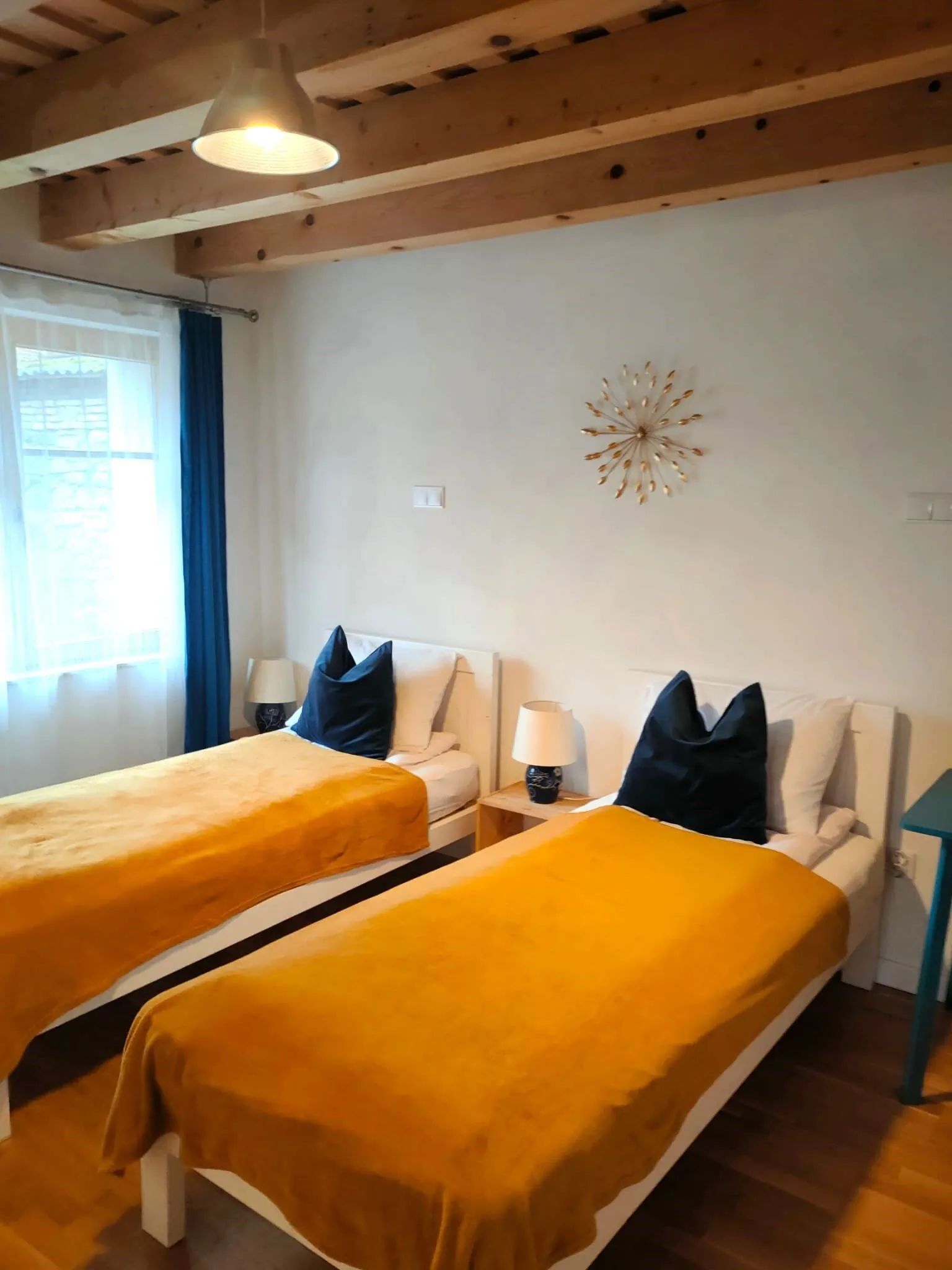
Guesthouse · 3 stars

Saschiz, Mureș County · 0.1 km
Pensiunea Werk 2 - Saschiz - B&B Ecoturistic
O zi petrecută între relaxarea oferită de saună și plimbările prin curtea mare și grădina amenajată vă așteaptă la Pensiunea Werk 2 din Saschiz, județul Mureș. Unitățile de cazare oferă confort modern prin Wi-Fi gratuit, acces pentru persoane cu dizabilități și fier de călcat disponibil. Pentru cei mici există cameră de joacă la interior, scaun înalt pentru copii și pătuț pentru bebeluși, astfel încât întreaga familie se simte binevenită și are la dispoziție tot ce îi trebuie. Localitatea Saschiz și împrejurimile sale oferă multiple posibilități de explorare. Puteți vizita Biserica fortificată Saschiz, Cetatea Țărănească Saschiz, Cetatea Medievală Sighișoara, Turnul cu ceas Sighișoara și Biserica fortificată din Viscri. Situată pe strada Principala 163, pensiunea se află într-o zonă liniștită, departe de aglomerația drumului european, într-o gospodărie tradițională în care locuiesc și gazdele dumneavoastră. Aici veți găsi un spațiu de întâlnire și relaxare, cu informații despre patrimoniul arhitectural și natural al zonei oferite în limbile engleză și germană, într-un cadru cu certificare ecoturistică. Vă așteptăm la Pensiunea Werk 2, cu acces direct pe strada Principala din centrul localității Saschiz, într-un cadru natural protejat.
FROM
240 lei per night

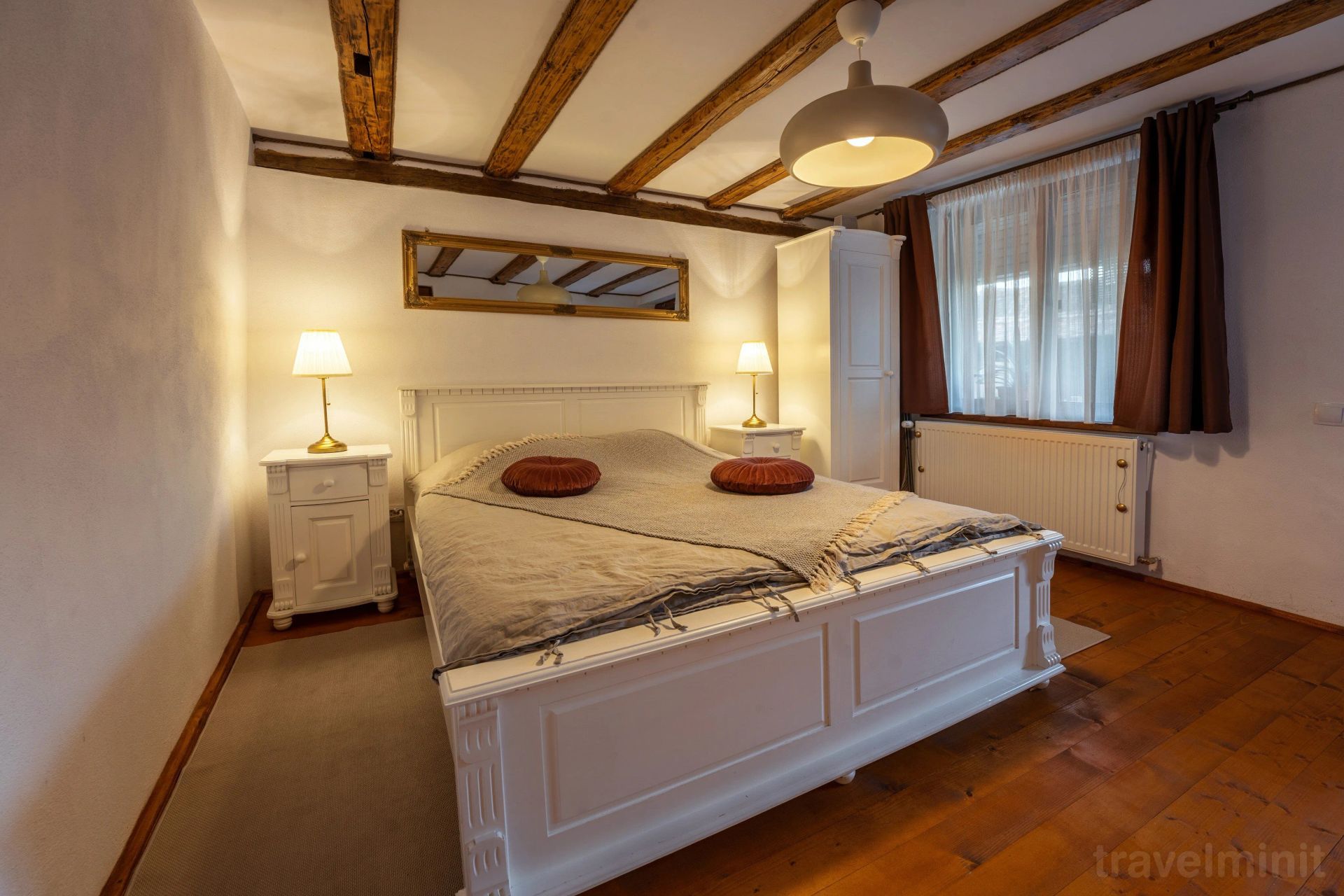
Holiday home · 3 stars
Saschiz, Mureș County · 0.5 km
Flory Haus Saschiz
Flory Haus Saschiz din localitatea Saschiz, județul Mureș, vă pune la dispoziție un ciubăr din lemn tradițional, într-un cadru autentic de vilă integrală. Această casă de închiriat de trei stele oferă întreaga proprietate pentru dumneavoastră și cei dragi. În interior beneficiați de aer condiționat, iar în exterior de o curte mare și grădină amenajată, cu loc de joacă pentru copii. Restaurantul și barul din incintă asigură mese pentru dumneavoastră, inclusiv meniuri pentru copii și opțiuni pentru diete speciale. Terasa la soare și sauna completează facilitățile de relaxare disponibile. Pentru deplasări aveți la dispoziție parcare privată gratuită, iar accesul este facilitat și pentru persoane cu dizabilități. Conexiunea Wi-Fi gratuită este disponibilă în întreaga proprietate, astfel încât să rămâneți conectați pe toată durata șederii. În apropiere puteți vizita Biserica fortificată Saschiz, Cetatea Țărănească Saschiz, Cetatea Medievală Sighișoara, Turnul cu ceas Sighișoara și Biserica fortificată din Viscri, descoperind patrimoniul cultural al zonei. Vă așteptăm la Flory Haus Saschiz, cu parcare privată gratuită asigurată și acces facil pentru toți oaspeții, într-o atmosferă primitoare.
FROM
280 lei per night
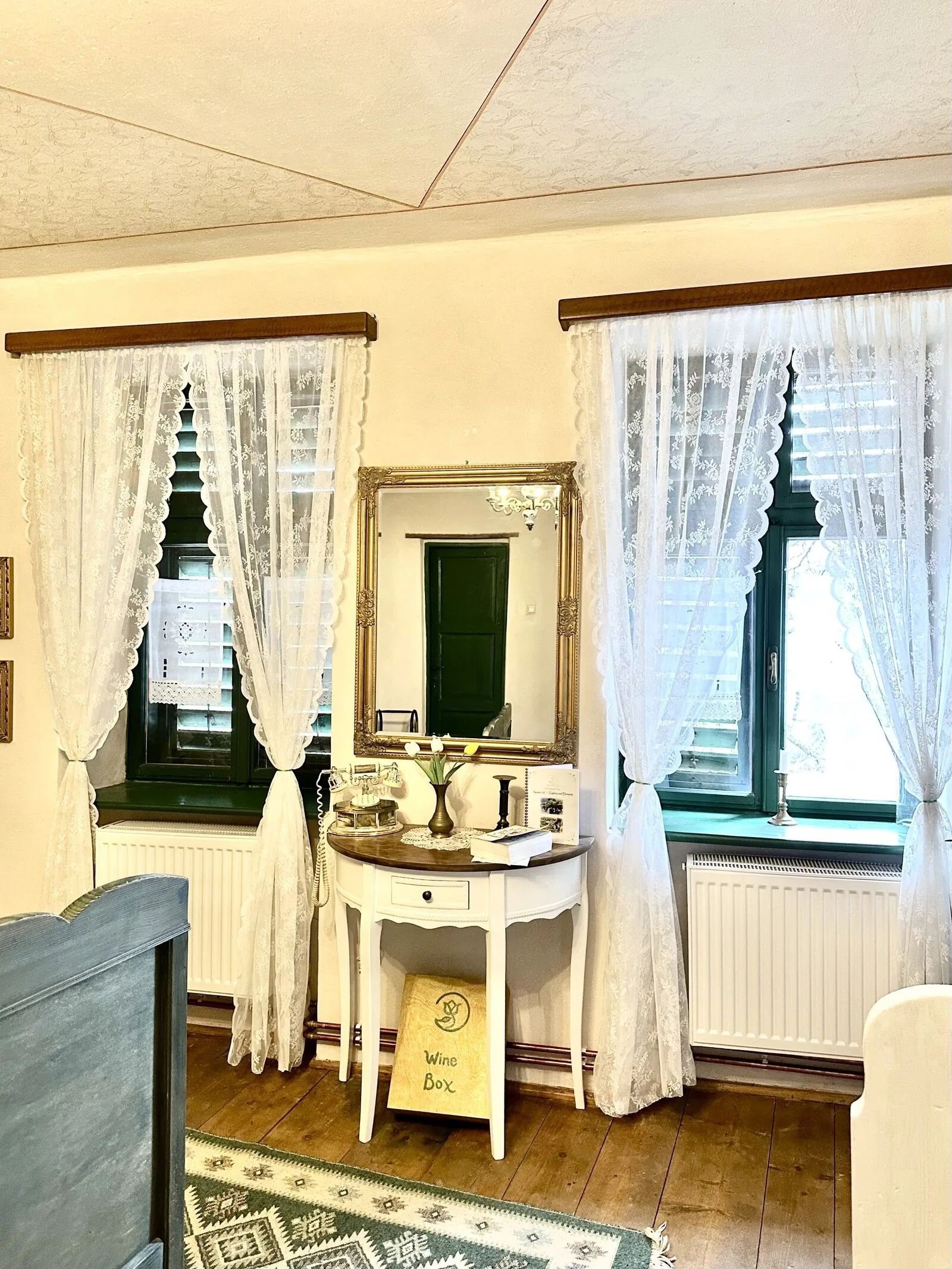
Glamping · 3 stars
Saschiz, Mureș County · 0.8 km
Casa Saschiz 130/Lodging ang Glamping Saschiz
Comfort, relaxation and stunning views, all just steps away from the main attractions.
FROM
450 lei per night
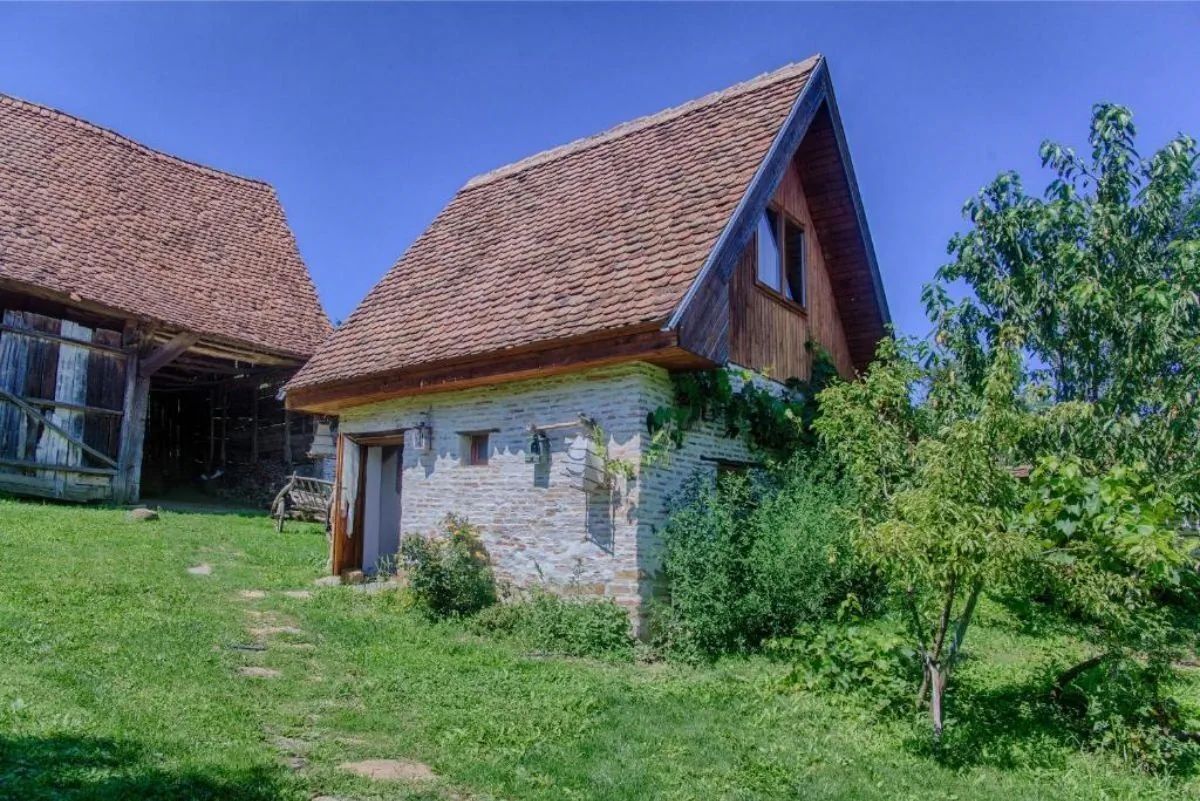
Glamping · 3 stars
Cloașterf, Mureș County · 5.9 km
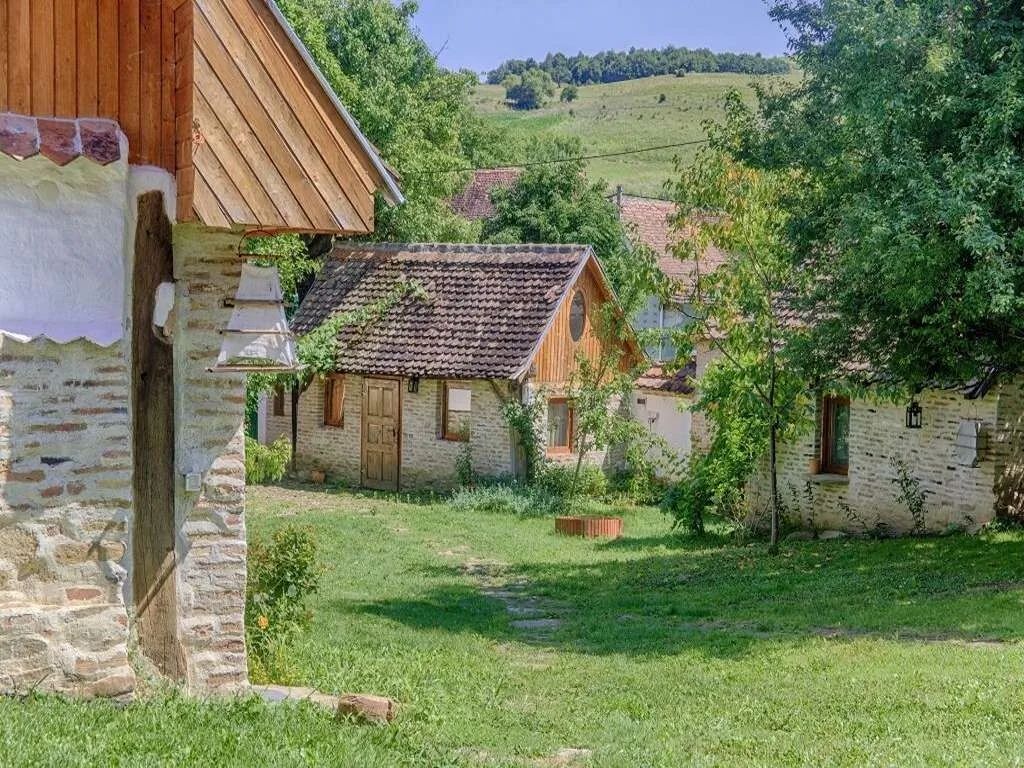
Dominic Boutique Gardener's Cottage Cloașterf
Comfort, relaxation and stunning views, all just steps away from the main attractions.
FROM
450 lei per night
Glamping · 3 stars
Cloașterf, Mureș County · 5.9 km
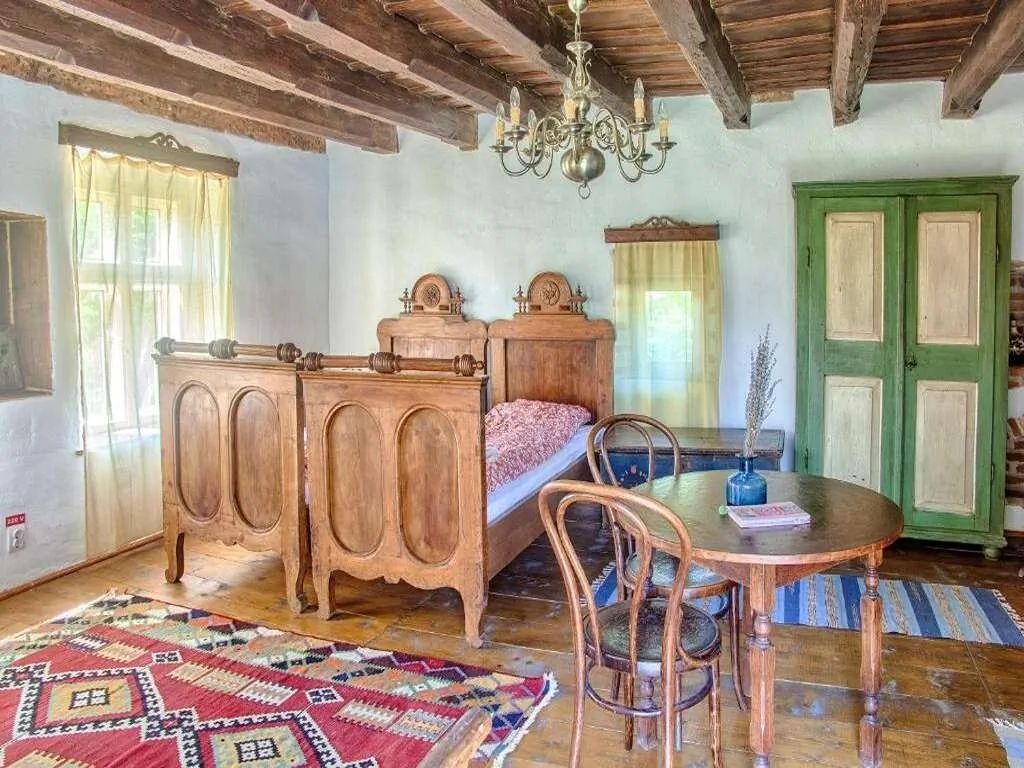
Dominic Boutique Little Barn Cloașterf
Comfort, relaxation and stunning views, all just steps away from the main attractions.
FROM
450 lei per night
Glamping · 3 stars
Cloașterf, Mureș County · 5.9 km
Dominic Boutique Casa Mare Cloașterf
În curtea mare și grădina amenajată a Dominic Boutique Casa Mare Cloașterf din Cloașterf, județul Mureș, vă așteaptă o experiență de glamping într-un cadru natural. Aici aveți la dispoziție un bar și o cafenea în incintă, alături de Wi-Fi gratuit și parcare pentru biciclete, astfel încât să vă simțiți confortabil pe toată durata șederii. Pentru nevoile dumneavoastră zilnice, unitatea pune la dispoziție un fier de călcat și un depozit pentru bagaje. În plus, un foișor în curte vă oferă un loc potrivit pentru relaxare în aer liber, înconjurat de spațiul verde al grădinii. Această combinație de facilități creează un ambient primitor și funcțional, potrivit pentru a vă bucura de liniștea specifică mediului rural transilvănean pe toată durata șederii dumneavoastră. În apropiere puteți vizita Biserica fortificată Saschiz, Cetatea Medievală Sighișoara, Cetatea Țărănească Saschiz, Biserica fortificată din Viscri și Biserica fortificată Dârjiu. Aceste obiective istorice și monumente de patrimoniu cultural completează experiența unei vizite în această zonă bogată în tradiții. Dimineața, cafeneaua din incintă vă oferă un start plăcut zilei înainte de a porni spre obiectivele din împrejurimi.
FROM
450 lei per night
BEFORE YOU HIT THE ROAD
Weather conditions in Saschiz
Local forecast for The fortified church in Saschiz., Saschiz, Saschiz

Real-time updated weather data
Much more to explore in this area
Nearby tourist attractions


Sighișoara, Mureș County
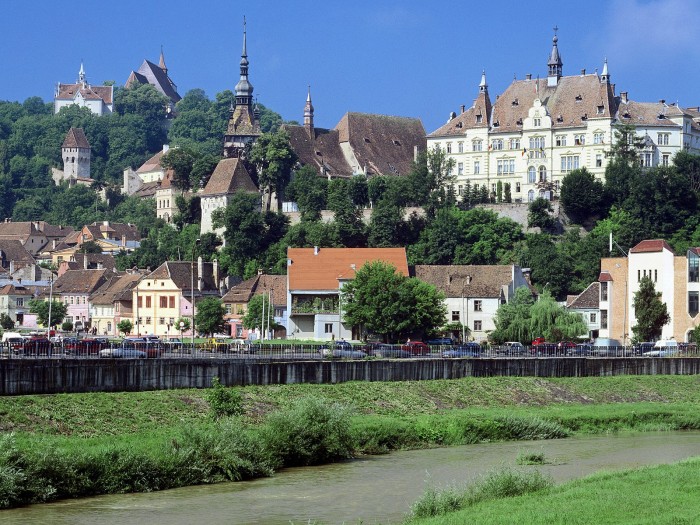
Sighișoara Medieval Citadel
Situata in centrul municipiul Sighisoara; inca din secolul al III-lea i.Hr. a existat pe acest teritoriu o cetate dacica, numita Sandava; romanii au ridicat...
13.3 km
Harghita, Harghita County
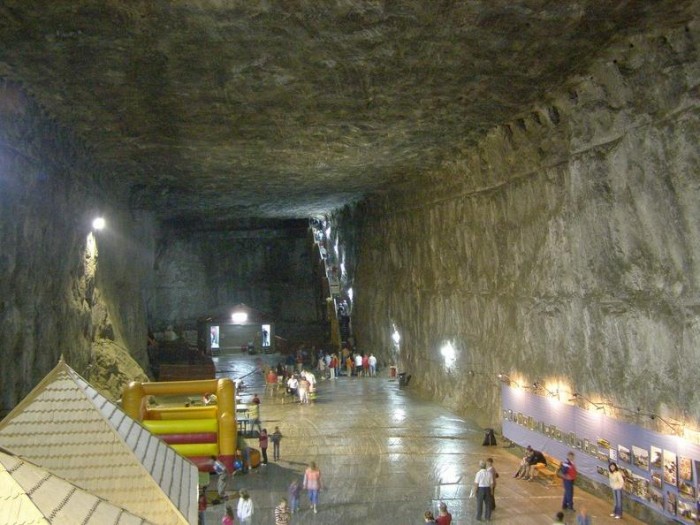
Praid Salt Mine
Situata in depresiunea Praid, pe valea raului Tarnava Mica, la 9 km de statiunea Sovata; amplasata la altitudinea de 580 m; prima mentiune referitoare la...
41.8 km
Harghita, Harghita County
Praid Salt Mine
Situata la 10 km de statiunea balneoclimaterica Sovata; accesul in interiorul muntelui se face cu autobuzul, printr-un tunel de 1.500 m lungime, iar in salina...
41.9 km
Brasov, Brașov County
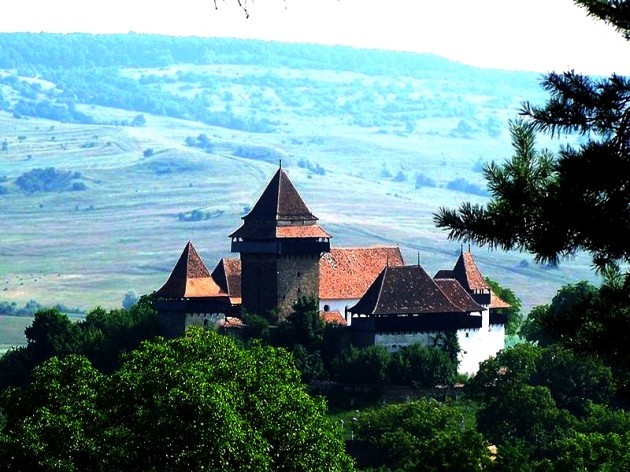
Viscri Fortified Church
Situata in localitate Viscri; construita in secolul al XIII-lea; din punct de vedere arhitectural apartine stilului romanic; are un plan de tip sala romanica;...
18.4 km
Harghita, Harghita County
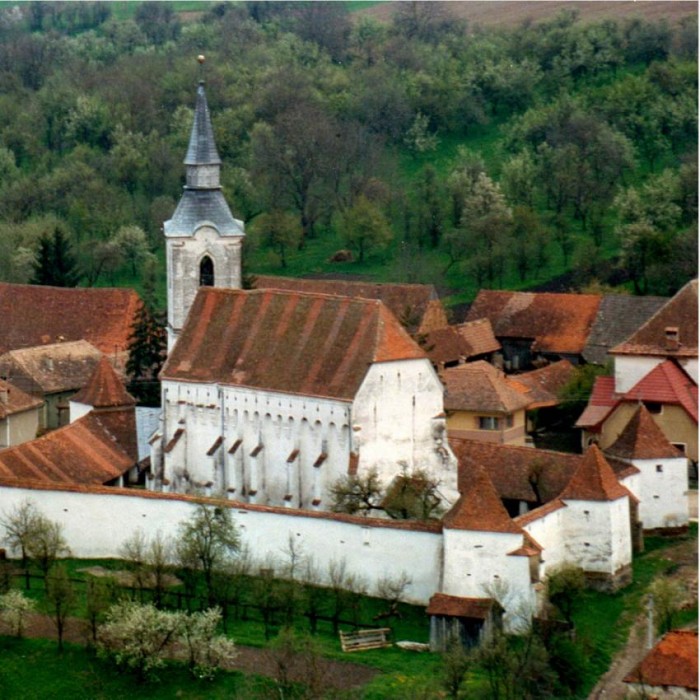
Dârjiu Fortified Church
Situata in localitatea Darjiu; construita intre secolele XIV - XV; initial, a fost ridicata in stil romanic, iar apoi a fost transformata in stil gotic; a...
18.4 km

Brașov, Brașov County
Black Church of Brașov (Evangelical Fortified Church Ensemble)
Heritage site in Braşov County, Romania
22.2 km

34.4 km
Danes, Mureș County
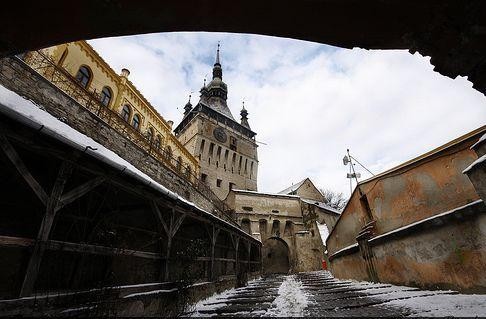
Sighișoara Clock Tower
Situat in partea de est a platoului inferior al Cetatii Sighisoara; construit in preajma secolului al XIV-lea, pentru a proteja poarta principala a orasului si...
13.2 km

45.0 km
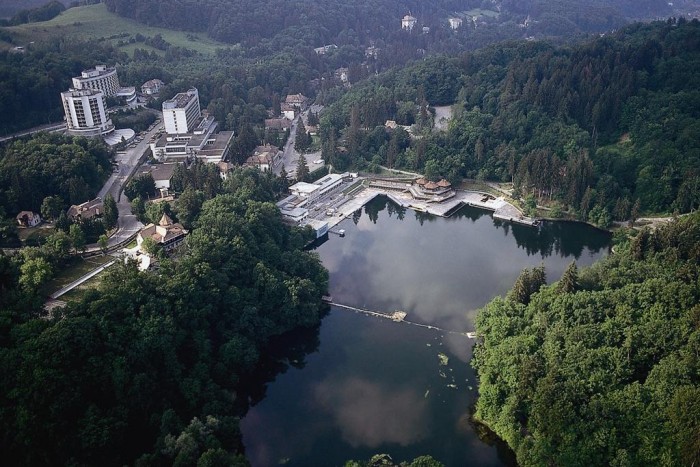
Danes, Mureș County
Sovata spa resort.
Situata la poalele dinspre sud - vest ale Muntilor Gurghiu din Carpatii Orientali, la 60 de km est de municipiul Targu Mures; amplasata la altitudinea de 475 -...
45.6 km
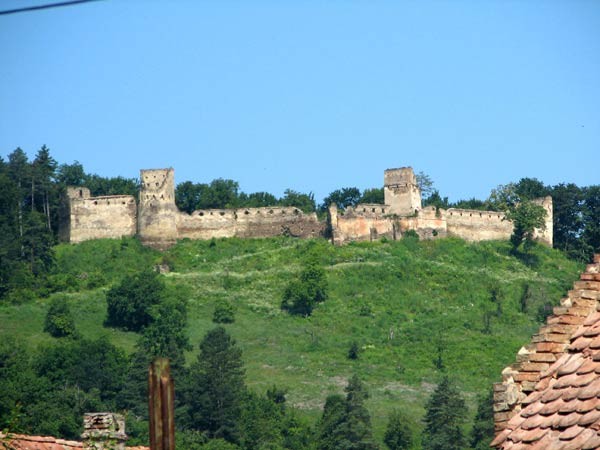
Danes, Mureș County
Saschiz Peasant Citadel
Situata pe aria localitatii Saschiz, la 2 km de vatra satului; lucrarile au inceput in 1347, fiind construita de comunitatea germana din zona; fortificatia a...
0.7 km
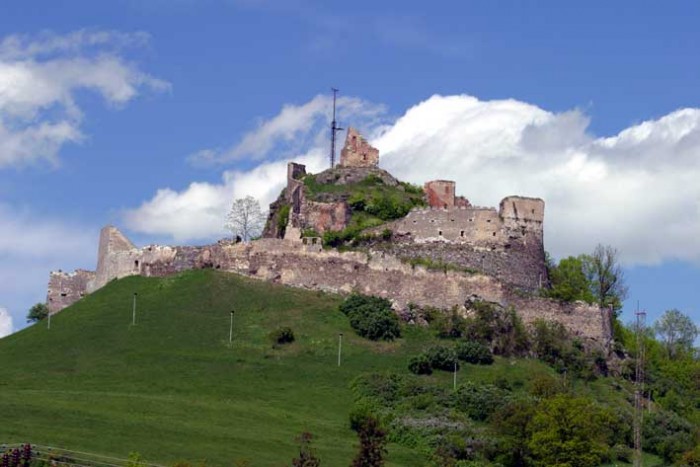
Brasov, Brașov County
Rupea Fortress
Situata in vestul orasului Rupea, in zona rezervatiei geologice Dealul Cohalm, la 50 km de municipiul Brasov; prima atestare documentara dateaza din anul 1324 -...
26.1 km
Cultural life and traditions
Events in the The fortified church in Saschiz. area
Medieval festivals, traditional fairs, concerts and local activities recommended in Transylvania.

Heritage and History

Saschiz, County of Saschiz
The Festival of Medieval Fortresses and the Open Doors Days
Guided night tours, traditional crafts workshops and historical re-enactments featuring knights and ladies.
WHEN
May 15-17, 2026


Traditions and Cuisine
Saschiz, County of Saschiz
The Fair of Saxon Traditions and Local Cuisine
Discover local producers, traditional Saxon pastries baked in a wood-fired oven, artisanal syrups, and rhubarb jam.
WHEN
Every weekend (May - October)

Ecotourism and Nature
The hills of Transylvania, County of Saschiz
Guided Hikes on the Transylvanian Hills Trail
Take excursions along unmarked trails through ancient meadows, centuries-old oak trees, and villages with fortified churches that are UNESCO World Heritage sites.
WHEN
Friday – Sunday (Season 2026)
On foot, exploration gains depth
Discover the surroundings and local geography
Explore the trails, terrain, and natural landmarks around The fortified church in Saschiz..

Guides and practical tips
Useful travel articles
Travel guides, practical recommendations and tourist itineraries for Transylvania.

Tourist guide
Top 5 Atracții Turistice și Trasee Montane în Zona Moieciu - Bran
Descoperă cele mai spectaculoase peisaje carstice, chei adânci și cetăți medievale din imediata apropiere a stațiunii Moieciu.

Tourist guide
Ghid de Drumeție: Traseul Moieciu de Sus spre Platoul Bucegi
Un itinerariu montan de o frumusețe rară ce urcă din Valea Băngăleasa spre Poiana Guțanu și crestele maiestuoase ale Bucegilor.

Tourist guide
Castelul Bran: Istorie, Legende și Secrete Medievale
Află adevărata poveste a fortăreței medievale din Pasul Bran, reședința de suflet a Reginei Maria a României.
THE JOURNEY STARTS WITH AN IDEA
The next story is on the way.
From the first stop to the last stay, make room for a new Romania.
