


PLACE OF WORSHIP · TRANSYLVANIA
Biertan Fortified Church

Biertan, Transylvania
Add location to your trip planner.

Practical access information

VISITING HOURS
Check the local visiting schedule

TICKET PRICE
Information available at the cashier's desk

RECOMMENDED VISIT DURATION
30-60 minutes
Sources and external references
Wikipedia Encyclopedia (EN)
Visitor information and guide
 Navigate with Google Maps

ABOUT BIERTAN FORTIFIED CHURCH
Captivating Introduction and Universal Value
Rising from a hill in the heart of Transylvania, dominating the rolling landscape of the Târnava Plateau with its imposing silhouette, the Biertan Fortified Church represents one of the most expressive and best-preserved achievements of Saxon civilization in Central Europe. This church-fortress, inscribed in 1993 on the UNESCO World Heritage List as part of the series "Churches with Fortified Enclosures in Transylvania," is not merely a religious monument, but a true architectural treasure that illustrates the meeting between the Latin and Germanic worlds, between medieval spirituality and the defensive exigencies of the Ottoman era. Its universal value lies in its capacity to concentrate within a single complex the history of an entire region: from the colonization of the Saxons brought by the kings of Hungary in the 12th century to defend the eastern borders of Christendom, to the Reformation, from the Ottoman threat that imposed triple walls and six towers, to the cultural renaissance through restorations financed by the European diaspora. Biertan is thus a bridge between epochs and cultures, a place where the essential pages of European history can be read in stone and wood, from the eastern frontier of the Roman Empire to the contemporary era of European cultural heritage.
Historical Roots and Major European Connections
The origins of the church at Biertan are lost in the mists of the 12th century, when, in the context of the colonization policy of the kings of Hungary, communities of Saxons – farmers and craftsmen brought from the regions of the Rhine and the Moselle – were invited to settle in Transylvania to defend the eastern borders of the Kingdom of Hungary against Cuman invasions and, later, the Ottomans. This movement forms part of the great medieval expansion of the Holy Roman Empire eastward, known as the Ostsiedlung, a phenomenon that transformed the demography and culture of Central Europe, from Silesia to Transylvania. As in the case of the Teutonic Knights in Prussia or the German colonists in Bohemia, the Saxons of Biertan brought with them architectural, agricultural, and military traditions specific to the Germanic space.
Over the centuries, the complex had to adapt to the historical realities of a region situated at the confluence between the Western Christian world and the Ottoman threat. In the 15th and 16th centuries, as the Ottoman Empire advanced into the Balkans and Hungary – culminating in the disaster of Mohács in 1526 – the Saxon communities were forced to transform their churches into true refuge fortresses. This necessity generated a unique architectural type in Europe, the "Kirchenburg" or church-fortress, examples of which are also found in other border areas of the former Kingdom of Hungary, as well as in the German lands of Thuringia and Franconia, or in Austrian Carinthia. The triple fortifications of Biertan, built in stages between the 14th and 17th centuries, reflect a defensive strategy inspired by the military architecture of the Teutonic Knights and the Hanseatic cities, adapted however to the specifics of a rural community that had to withstand sieges.
A crucial moment in the spiritual history of the place was the Protestant Reformation. In the 16th century, the community of Biertan embraced Lutheranism, following the example of Martin Luther of Wittenberg and the reform movement of the German states. This transition from the Roman Catholic rite to the Evangelical Lutheran one left physical traces in the complex: the Catholic Tower, located on the southern side, was preserved as a memory of the Roman Catholic past, being used as a chapel for believers who did not convert to the Reformation. This situation reflects the religious tensions that marked the Holy Roman Empire, culminating in the Peace of Augsburg of 1555, when the principle of "cuius regio, eius religio" consecrated the confessional division of Central Europe.
After 1691, when Transylvania came under the influence of the Habsburg Monarchy, Biertan became an integral part of the vast Austro-Hungarian Empire. This belonging is reflected in the artistic heritage of the church, especially in the organ built in 1869 by the master Carl Hesse from Vienna, the musical capital of the empire, and in the neoclassical sarcophagi in the Mortuary Tower, created by Nikolaus Elias from Sibiu. Earlier, in 1775, the discovery in the nearby Chimdru forest of the Biertan Donarium – a bronze ritual vessel with a Christian inscription possibly dating from the 4th century – offered a fascinating bridge to the Roman and post-Roman past of the region, suggesting the presence of Latin-speaking Christian communities in the former province of Dacia centuries before the arrival of the Hungarians in Pannonia, thus connecting Transylvania to the early history of European Christianity and to the period of the migrations of peoples.
Architectural Masterpiece and Artistic Heritage
The church proper, built between 1490 and 1520, represents the last great achievement in the late Gothic style in Transylvania, being a hall church with three naves of equal height, an architectural form specific to the Germanic space (Hallenkirche) that was brought to this region by the Saxon colonists. This typology, found in the cathedrals of Ulm, Nuremberg, or Vienna, underlines the deep connections between Biertan and the architectural tradition of Central Europe. The multiple entrances – from the west, north, and south – facilitate the access of the faithful, reflecting the liturgical and social organization of the community.
Inside the church is the largest polyptych altarpiece in Romania, created between 1483 and 1513 by masters who came from Nuremberg and Vienna, the two major artistic centers of the Holy Roman Empire. With its 28 painted panels, the altarpiece presents scenes from the life of Jesus Christ, from the life of the Virgin Mary, as well as representations of Catholic saints, reflecting the iconography specific to the period of transition from late Gothic to the Northern Renaissance. The impressive dimensions – 489 cm in height and 567 cm in width – and the central group of the crucifixion, with Jesus, the Virgin Mary, the Apostle John, and Mary Magdalene embracing the cross, illustrate the influence of Flemish and South German art on Transylvanian crafts. In the center of the altarpiece there was originally a statue of the Virgin Mary, patroness of the church in the Catholic period, later replaced with a crucifix following the Reformation.
The pulpit, carved in stone in 1500 by the master Ulrich from Brașov, bears a strong South German influence, being a remarkable example of the circulation of artistic models between Transylvania and the Bavarian and Swabian lands. The choir stalls, dating from the beginning of the 14th century, are decorated with bands of Gothic ornaments and were considered by the art historian George Oprescu as "of a rare and very valuable kind," comparable to those in Germany and Switzerland, capable of figuring "in any major museum of applied art" in Europe.
A particularly valuable element is the sacristy door, made in 1515 by local masters, equipped with a complicated system of 19 locks and decorated with intarsia. This work of medieval Saxon craftsmanship was distinguished with a prize at the 1900 Paris World's Fair, placing Transylvanian craftsmanship on the international stage alongside French technical innovations and European industrial progress. The original locking system still functions today, demonstrating medieval engineering ingenuity.
Sacred music is represented by the existing organ, built in 1869 by Carl Hesse from Vienna, with 1,290 pipes, two keyboards, pedalboard, and 25 registers, which links Biertan to the musical tradition of the Habsburg capital and to the Viennese organ-building school that influenced all of Central Europe. The history of the organ, however, dates back to 1523, when the first organist, Bartholomäus, is mentioned.
The fortification ensemble, considered the strongest of all Transylvanian refuge fortresses, comprises three concentric rings of walls, six towers, and three bastions, built in stages beginning in the 14th century. At the upper part there is a defensive corridor, the clock, and the bells, elements that recall the clock towers of the Hanseatic cities or those of Switzerland. The Mortuary Tower, located to the northeast, houses since 1913 the mausoleum of the church's prelates, with neoclassical tombstones created by Nikolaus Elias from Sibiu, while the Catholic Tower on the southern side preserves the memory of the pre-Reformation period.
Legends, Personalities, and Turning Points
In the eastern bastion of the fortress was the so-called "carcera," a small room destined for a social practice unique in medieval Europe. Here, for two weeks, husbands and wives who quarreled and intended to divorce were locked up. In this room, the Saxon community made available to them only a single plate, a single piece of cutlery, and a single cup for water, thus forcing them to share everything. Legend says that only a single couple remained unshaken in their initial decision to separate, all the other couples leaving there reconciled, without resorting to justice. This institution reflects a form of community mediation and restorative justice specific to Saxon legal traditions, contrasting with the formal judicial systems of Western Europe, but related to medieval customary law practices spread throughout Central Europe.
At the top of the 100-meter covered staircase leading to the church is a large boulder, known as the "Stone of Shame." On Sundays, those who "did wrong" during the week were seated on this boulder, to be seen by the entire community, being considered a means of education and integration into the collective. This practice of public penance and social control recalls the "pranger" or pillory of medieval German cities, forming part of a widely spread European tradition of administering justice at the community level.
The discovery of the Biertan Donarium in 1775, in the Chimdru forest near the locality, represented a turning point in the understanding of the deep history of the region. This bronze ritual object, with a Christian inscription, was frequently invoked to argue for the presence of a Latin-speaking Christian population in 4th-century Transylvania, suggesting Christian roots that precede by centuries the arrival of the Hungarians in the Pannonian Plain and connecting the region to the early history of Christianity in the former Roman province of Dacia.
In the contemporary period, an essential moment was the restoration of the complex led by architect Hermann Armeniu Fabini. His meticulous work, carried out in the 1980s and 1990s, was rewarded in 1991 with the "Europa Nostra" Medal, a distinction that recognizes excellence in the conservation of European cultural heritage. The restoration was made possible largely through donations made by natives of Biertan scattered in Germany, Austria, the United States of America, and Australia, representing a remarkable example of European transnational solidarity and of the diaspora's attachment to cultural roots.
Practical Visitor Guide and Today's Tourist Experience
Visiting the Biertan Fortified Church begins with a physical and symbolic experience: climbing the 100-meter wooden covered staircase that starts from the central square of the village, next to the watchman's tower. This ascent, shaded and cool, prepares the visitor for entering the sacred and fortified space, symbolizing the passage from the profane world of the village to the medieval sanctuary above.
Once they reach the upper enclosure, tourists can explore the three rings of fortifications, each representing a different stage in the defensive history of the community. The first, inner enclosure, dates from the 15th century and includes three towers and a bastion. The second, middle enclosure, built in the 16th century, includes the bastion (today the watchman's house) and a covered wooden staircase. The third, outer enclosure, raised in the 16th-17th centuries, presents the gate tower on the southern side, the Weavers' Tower on the western side, and a zwinger (outer defensive courtyard). The defensive corridor at the upper part offers panoramic views of the Transylvanian cultural landscape, included in the UNESCO heritage.
Inside the church, the vast space of the hall church, with its three naves of equal height, impresses through the filtered light and the deep silence. Visitors must admire in detail the polyptych altarpiece, the 28 painted panels offering a visual journey through medieval Christian iconography. The stone pulpit, the sacristy door with its 19 locks (for which one can request to be shown by the supervisory staff), the Gothic choir stalls, and the Viennese organ constitute essential points of interest. The towers can be visited, offering access to the mausoleum of the prelates and to the Catholic Tower, each with its own story.
Practical information regarding the visiting schedule and fees is available at the ticket office located at the base of the staircase or at the local tourist information point. Comfortable footwear is recommended for climbing the staircase and for the uneven medieval paths within the enclosure. The visit to Biertan can be excellently combined with that of the city of Sighișoara, located approximately 20 kilometers away, a UNESCO site and the birthplace of Vlad Țepeș, as well as with other fortified churches in the area, such as those in Viscri, Saschiz, or Criș, offering a complete picture of Saxon civilization in Transylvania.
Today, Biertan remains a silent witness to a vanished world – the local Saxon community having largely emigrated after 1990 –, yet the complex continues to live as a vibrant cultural center. The visitor's experience is one of profound contemplation, connecting them to the great story of Europe: from the Roman frontier and the migrations of peoples, through the chivalric epochs and the Ottoman threat, through the Reformation and the Enlightenment, to the modern era of European cultural heritage and transnational solidarity. The Biertan Fortified Church is not merely a monument, but an open lesson in European history, in which every stone, every painted panel, and every door lock tells the story of a community that knew how to resist and preserve, for centuries, a distinct identity in the heart of Europe.
Media gallery
Discover Biertan Fortified Church in pictures

19 photos · Architecture, courtyards and captivating details


Image source: Wikimedia Commons · Public domain photos · Free license
STAY A FEW DAYS, DISCOVER THE MAGIC
Accommodation in the Biertan Fortified Church area

Guesthouse · 3 stars

Nemșa, Sibiu County · 8.1 km
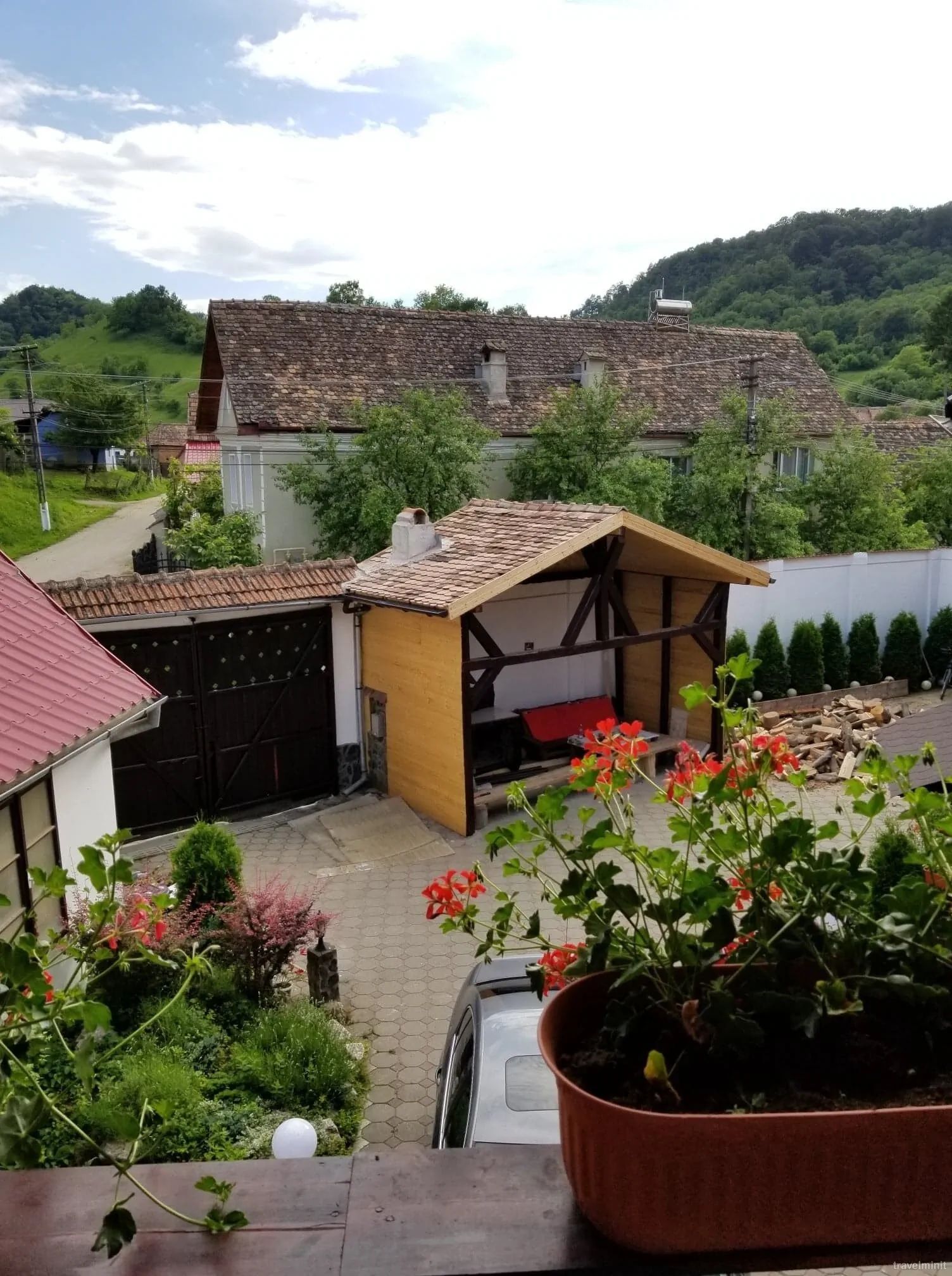
Pensiunea Liana Nemșa
Pensiune turistică de trei stele situată în localitatea Nemșa, județul Sibiu, vă oferă cinci camere mobilate confortabil, pregătite pentru un sejur plăcut în mijlocul naturii. Curtea mare și grădina amenajată reprezintă un spațiu generos pentru relaxare, unde puteți folosi grătarul sau barbeque-ul ori ceaunul pentru a găti în aer liber. Un foișor vă oferă umbră, iar copiii se pot juca în siguranță la locul de joacă amenajat în exterior. Pentru deplasările cu mașina beneficiați de parcare privată gratuită, iar conexiunea Wi-Fi gratuit asigură acces la internet în întreaga unitate. La cerere, puteți solicita și serviciul de mic dejun. În apropiere se află cinci biserici fortificate impresionante: Biserica fortificată de la Biertan, Biserica evanghelică fortificată din Moșna, Biserica evanghelică fortificată din Alma Vii, Biserica Fortificată din Valea Viilor și Biserica fortificată din Richiș. Vă așteptăm să vă bucurați de liniștea acestui loc și să porniți într-o excursie spre Biserica fortificată din Richiș.
FROM
240 lei per night

Guesthouse · 4 stars
Dumbrăveni, Sibiu County · 10.6 km
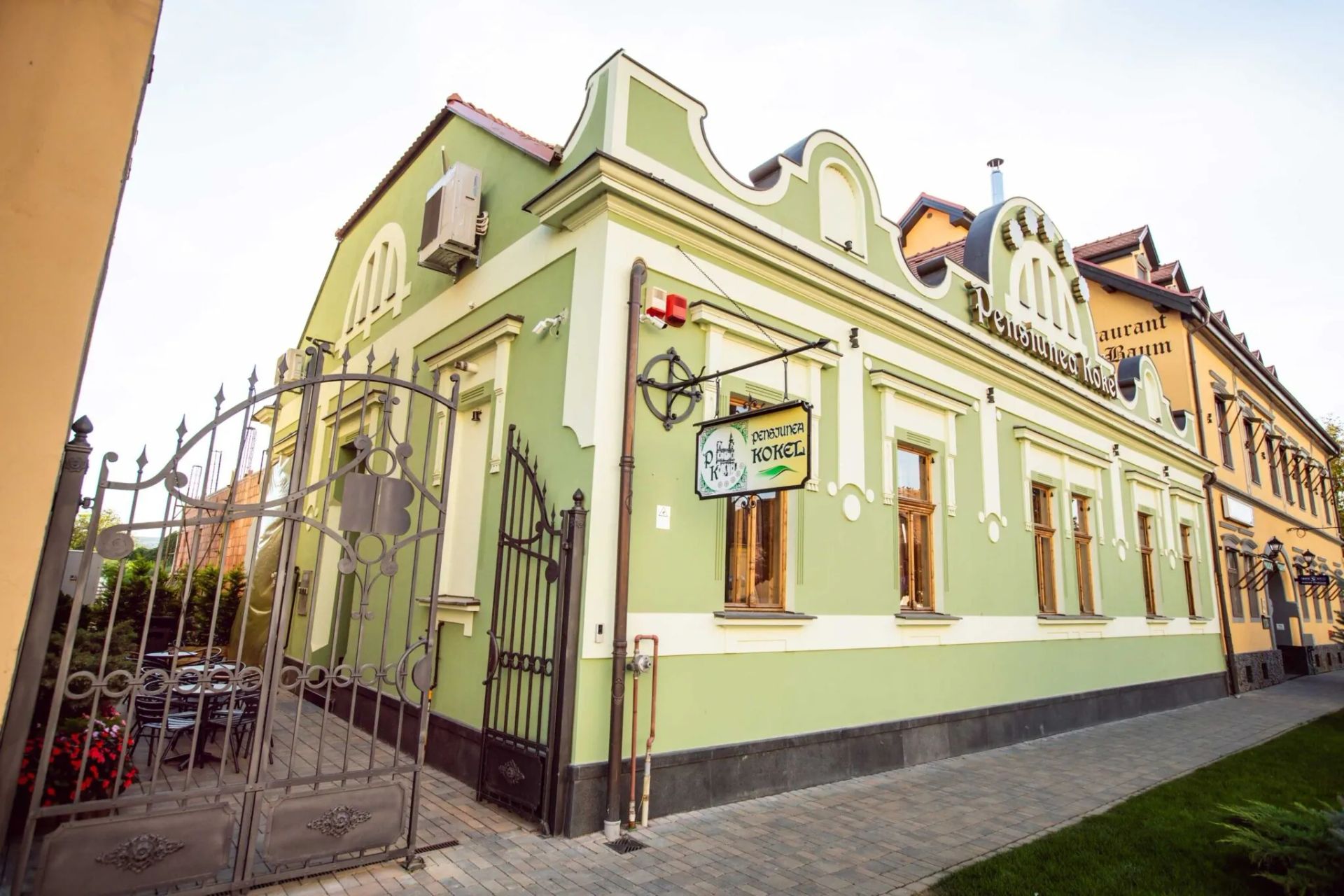
Pensiunea Kokel Dumbrăveni
În curtea largă și amenajată a Pensiunii Kokel din Dumbrăveni, foișorul și zona de grătar oferă un spațiu plăcut pentru relaxare în aer liber. Unitatea, clasificată cu patru stele, se află pe strada Tudor Vladimirescu și pune la dispoziția dumneavoastră camere confortabile dotate cu televizor cu ecran plat, frigider, minibar și seif. Pentru un sejur comod, aveți la dispoziție Wi-Fi gratuit în întreaga proprietate, parcare privată gratuită și parcare pentru biciclete. Accesul persoanelor cu dizabilități este asigurat prin lift, iar fierul de călcat vă ajută să vă pregătiți bagajele cu ușurință. Restaurantul și barul din incintă servesc preparate pentru toate gusturile, inclusiv meniuri pentru diete speciale și pentru copii. Zona de wellness include saună și cadă cu hidromasaj, iar cei mici se pot juca în siguranță în locul de joacă amenajat în aer liber. De aici puteți vizita Biserica fortificată de la Biertan, Castelul Apafi din Dumbrăveni, Cetatea Medievală Sighișoara, Biserica Fortificată Evanghelică Vâlchid și Turnul cu ceas Sighișoara. Această pensiune este potrivită pentru familii cu copii, grupuri de prieteni și turiști care doresc să descopere patrimoniul cultural al zonei Transilvaniei într-un cadru liniștit și primitor.
FROM
310 lei per night
Holiday home · 3 stars
Mediaș, Sibiu County · 11.3 km
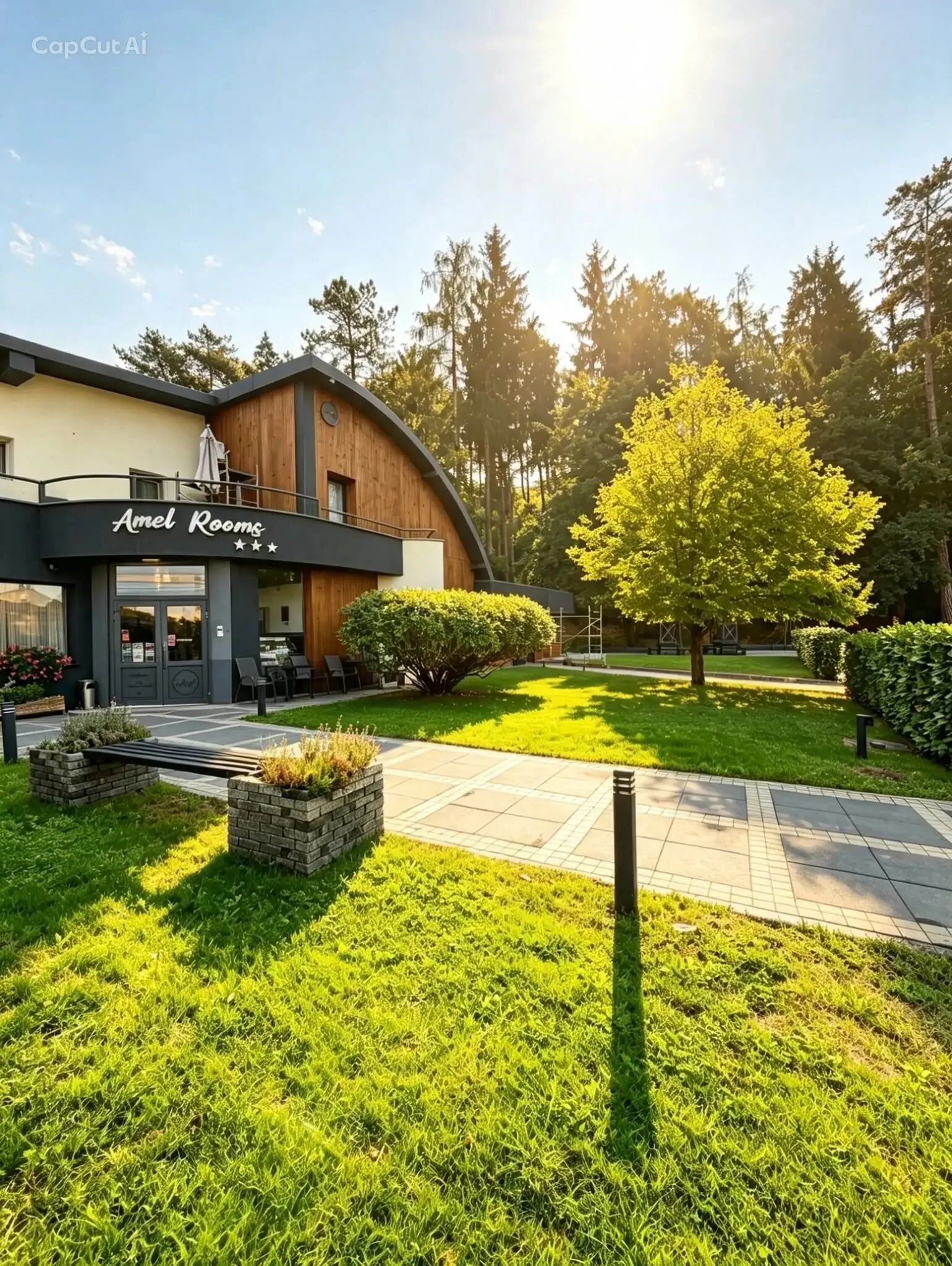
Amel Rooms Mediaș
Amel Rooms Mediaș din Mediaș este alegerea potrivită pentru familiile cu copii care doresc să se bucure de o ședere liniștită într-o casă de închiriat integrală. Spațiul generos și facilitățile dedicate celor mici vă asigură un sejur confortabil pentru întreaga familie, într-un cadru prietenos și relaxant. Unitatea dispune de o curte mare și o grădină amenajată, un teren de sport pentru fotbal și un teren de tenis, ideale pentru activități în aer liber împreună cu cei dragi. În interior, copiii au la dispoziție o cameră de joacă special amenajată, iar părinții pot solicita pătuț pentru bebeluș și scaun înalt pentru cei mici. Sala de fitness vă permite să vă mențineți rutina sportivă și în timpul vacanței. Pentru confortul dumneavoastră, aveți la dispoziție Wi-Fi gratuit în întreaga proprietate, parcare privată gratuită, depozit pentru bagaje și room service. Fierul de călcat este disponibil pentru a vă pregăti bagajele sau hainele după cum aveți nevoie. În apropiere puteți vizita Biserica fortificată de la Biertan, Biserica evanghelică fortificată din Moșna, Biserica Evanghelică Sfânta Margareta din Mediaș, Biserica Fortificată din Valea Viilor, precum și Biserica evanghelică și fragmente ale zidului de incintă. Vă așteptăm la Amel Rooms Mediaș pentru un sejur plăcut în Mediaș.
FROM
280 lei per night
Holiday home · 3 stars
Alma Vii, Sibiu County · 12.0 km
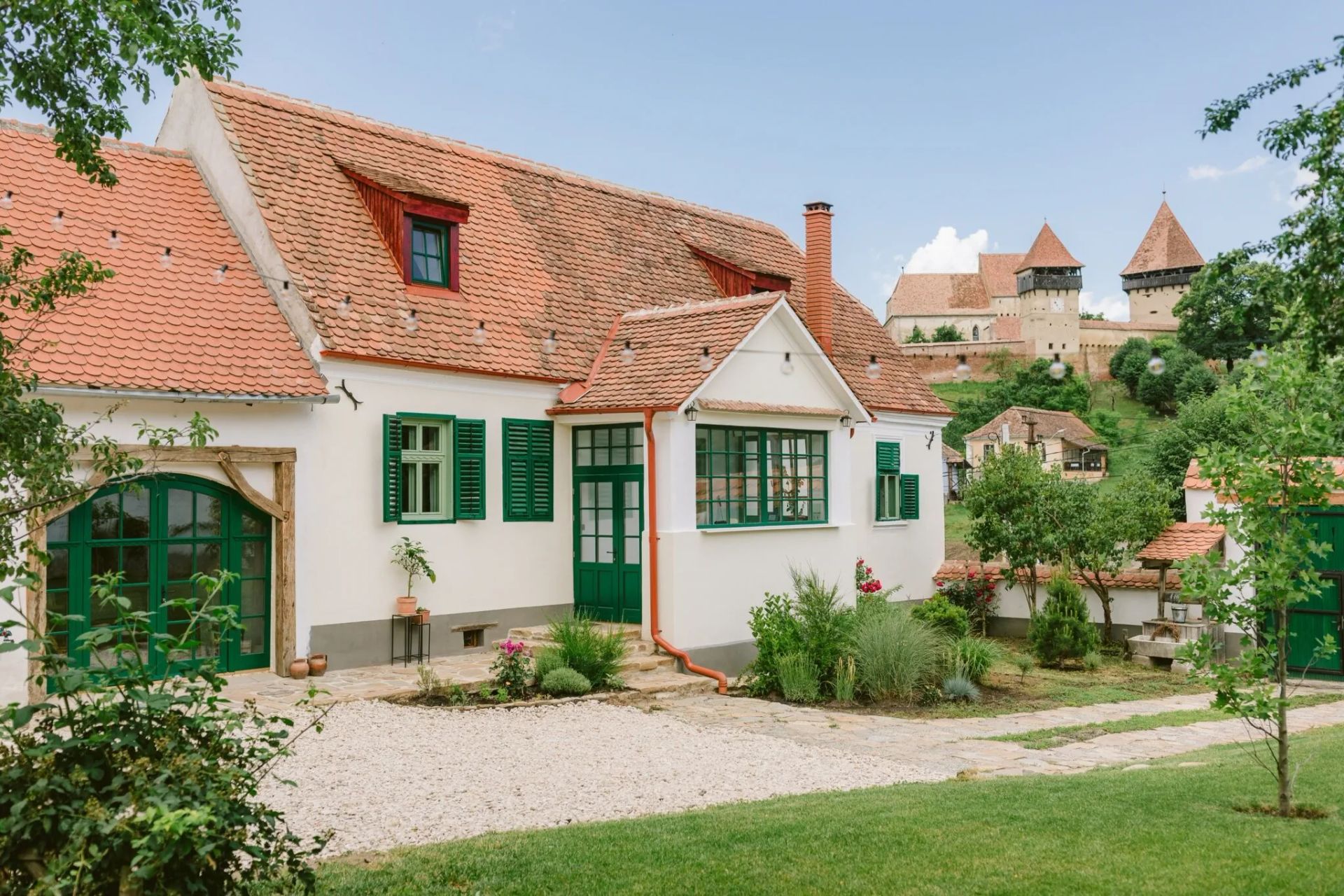
AlmaCalma Guesthouse Alma Vii
În apropiere puteți vizita Biserica fortificată din Richiș. AlmaCalma Guesthouse Alma Vii, o casă de închiriat integrală situată în localitatea Alma Vii din județul Sibiu, reprezintă punctul dumneavoastră de plecare pentru a explora această regiune cu tradiție săsească și peisaje pitorești de dealuri. Unitatea vă pune la dispoziție facilități practice pentru un sejur confortabil: Wi-Fi gratuit, fier de călcat și parcare pentru biciclete. De asemenea, aveți acces la drumeții montane pe trasee în natură care pornesc chiar din zonă, ideale pentru iubitorii de mișcare în aer liber și pentru cei care doresc să descopere priveliști autentice. Curtea mare și grădina amenajată oferă un spațiu generos pentru relaxare, într-un cadru natural care invită la liniște, odihnă și contemplare departe de aglomerația urbană. Din Alma Vii puteți ajunge ușor la alte obiective importante din zonă: Biserica fortificată de la Biertan, Biserica evanghelică fortificată din Moșna, Biserica evanghelică fortificată din Alma Vii și Biserica Fortificată din Valea Viilor, fiecare cu istoria sa aparte. Vă așteptăm la AlmaCalma Guesthouse Alma Vii.
FROM
280 lei per night
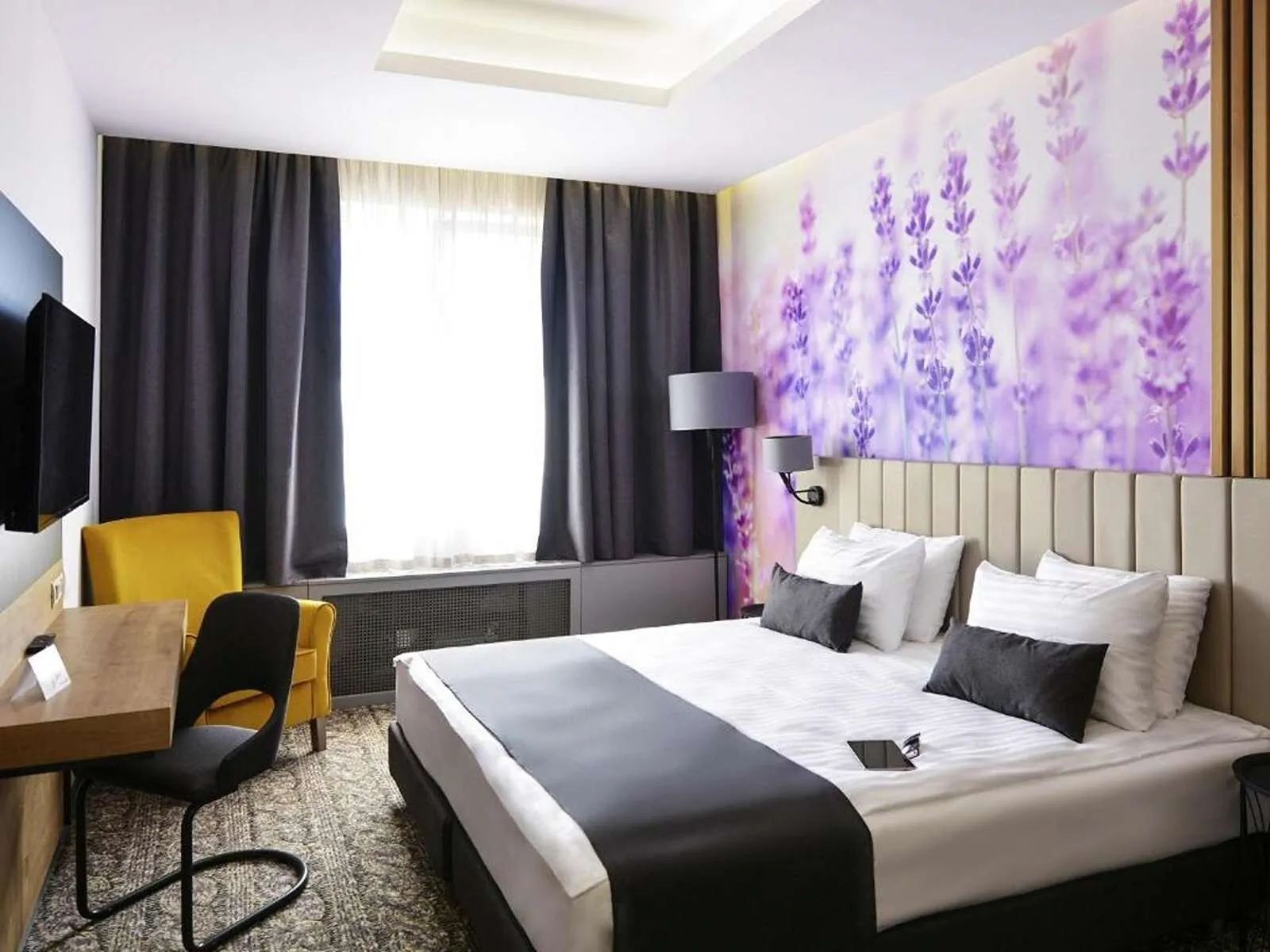
Hotel · 4 stars
Mediaș, Sibiu County · 12.2 km
Mercure Binderbubi Hotel&Spa Mediaș
Hotelul de patru stele Mercure Binderbubi Hotel Spa Mediaș se află în Mediaș, județul Sibiu, pe strada Plopului. Unitatea pune la dispoziția dumneavoastră 46 de camere amenajate cu grijă, dotate cu fier de călcat și seif pentru siguranța bunurilor dumneavoastră. Beneficiați de Wi-Fi gratuit în întreaga proprietate, acces facilitat pentru persoane cu dizabilități și ascensor. Restaurantul și barul din incintă servesc preparate pentru diete speciale și oferă un meniu dedicat copiilor, iar serviciile de masaj contribuie la starea dumneavoastră de bine după o zi plină de explorări. Curtea mare și grădina amenajată includ un foișor unde puteți petrece momente liniștite în aer liber, departe de aglomerație. Parcare privată gratuită și parcare pentru biciclete sunt disponibile, împreună cu o stație de încărcare pentru vehicule electrice. Cafeneaua din incintă este locul potrivit pentru o cafea de dimineață, iar pătuțul pentru bebeluș asigură confortul celor mai mici oaspeți. În zona învecinată puteți descoperi Biserica fortificată de la Biertan, Biserica evanghelică fortificată din Moșna, Biserica Evanghelică Sfânta Margareta din Mediaș, Biserica Fortificată din Valea Viilor și Complexul franciscan Mediaș, obiective care completează perfect sejurul dumneavoastră. Vă așteptăm la Mercure Binderbubi Hotel Spa Mediaș.
FROM
420 lei per night
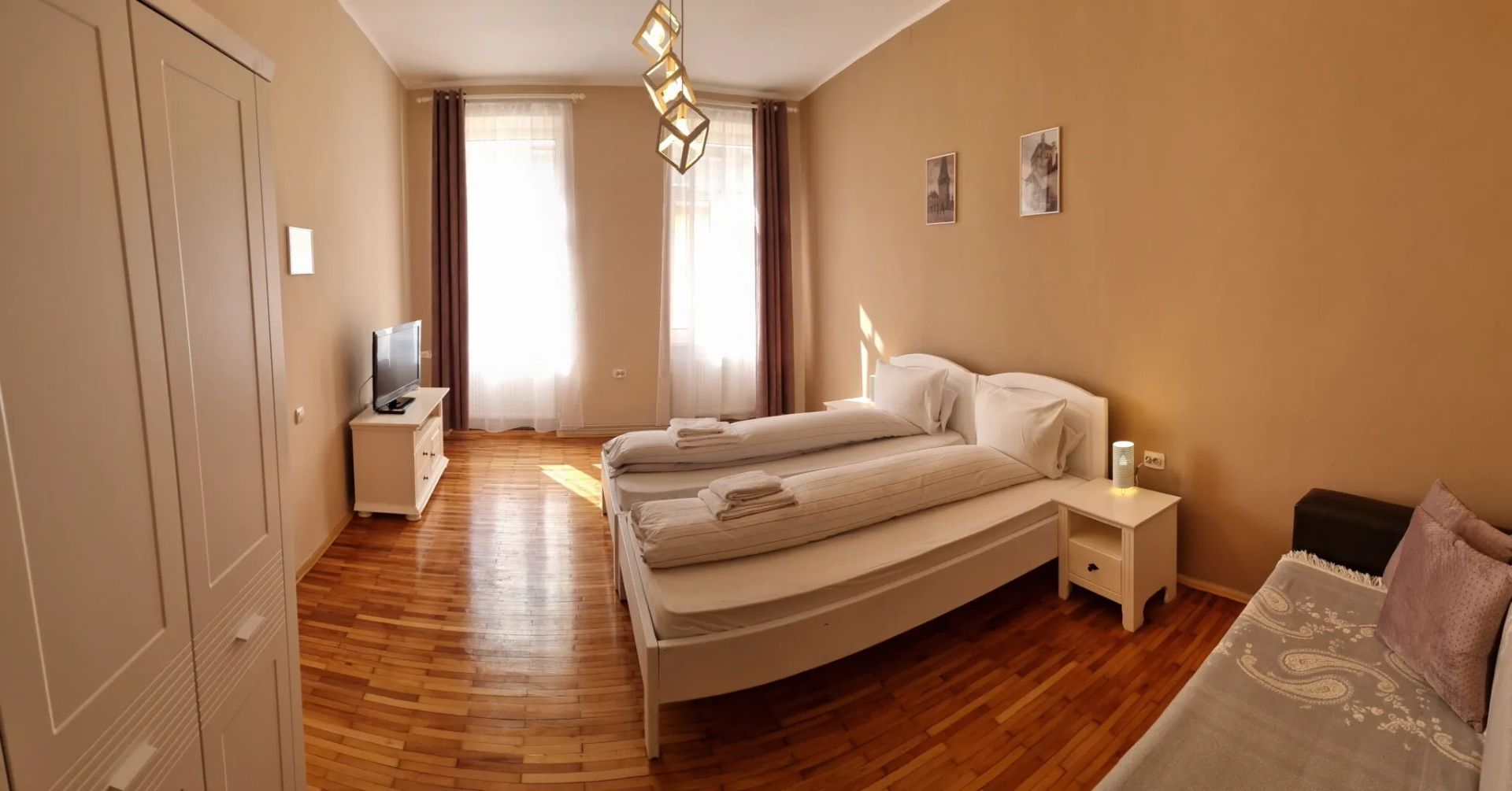
Apartment · 3 stars
Mediaș, Sibiu County · 13.5 km
Fabini Apartments Mediaș
În centrul istoric al Mediașului, chiar pe piața Regele Ferdinand I, se află Fabini Apartments Mediaș, un apartament de închiriat clasificat cu trei stele. Această proprietate păstrează memoria unei familii cu tradiție în zonă, fiind restaurată cu atenție pentru a îmbina istoria locului cu confortul modern pe care îl căutați într-o vacanță reușită. Pentru confortul dumneavoastră, unitatea oferă Wi-Fi gratuit și parcare privată gratuită, astfel încât să vă deplasați liniștit prin oraș. De asemenea, în incintă funcționează un restaurant, unde puteți lua masa fără să vă îndepărtați de locul de cazare. Poziția centrală vă permite să descoperiți rapid cele mai importante obiective turistice din Mediaș. Puteți vizita Biserica Evanghelică Sfânta Margareta din Mediaș și Cetățuia Mediașului, ambele fiind situate în apropiere. Dacă doriți să explorați și împrejurimile orașului, veți găsi în zonă și alte monumente impresionante de patrimoniu: Biserica fortificată de la Biertan, Biserica evanghelică fortificată din Moșna și Biserica Fortificată din Valea Viilor. Vă așteptăm să vă bucurați de un sejur plăcut în Mediaș.
FROM
230 lei per night
BEFORE YOU HIT THE ROAD
Weather conditions in Biertan
Local forecast for Biertan Fortified Church, Biertan, Biertan

Real-time updated weather data
Much more to explore in this area
Nearby tourist attractions

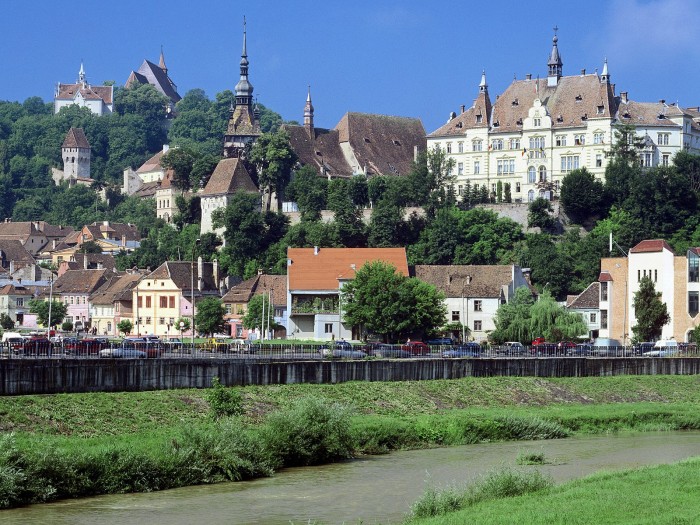

Sighișoara, Mureș County
Sighișoara Medieval Citadel
Situata in centrul municipiul Sighisoara; inca din secolul al III-lea i.Hr. a existat pe acest teritoriu o cetate dacica, numita Sandava; romanii au ridicat...
22.9 km
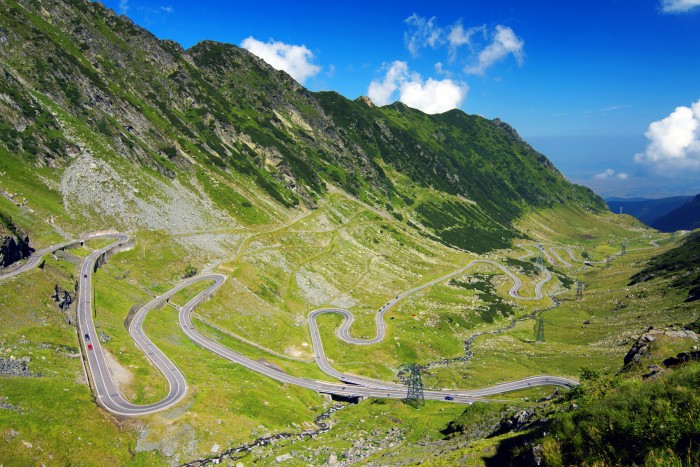
Cârțișoara, Sibiu County
Transfăgărășan Highway and Bâlea Lake
Incepe in comuna Bascov din judetul Arges de langa orasul Pitesti, in directia orasului Curtea de Arges si se termina la intersectia cu drumul DN1 intre Sibiu...
45.5 km
Brasov, Brașov County
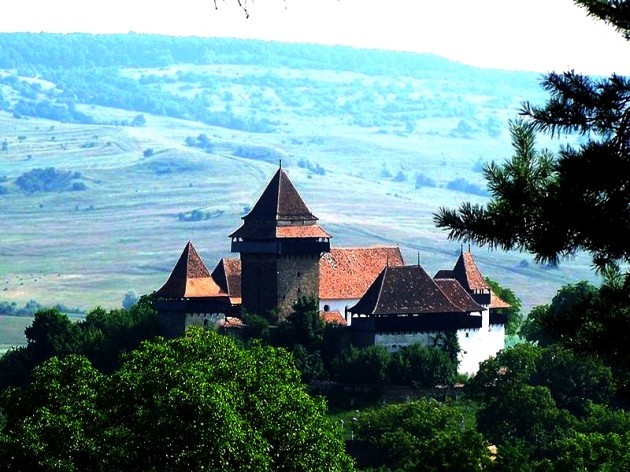
Viscri Fortified Church
Situata in localitate Viscri; construita in secolul al XIII-lea; din punct de vedere arhitectural apartine stilului romanic; are un plan de tip sala romanica;...
44.6 km
Sibiu, Sibiu County
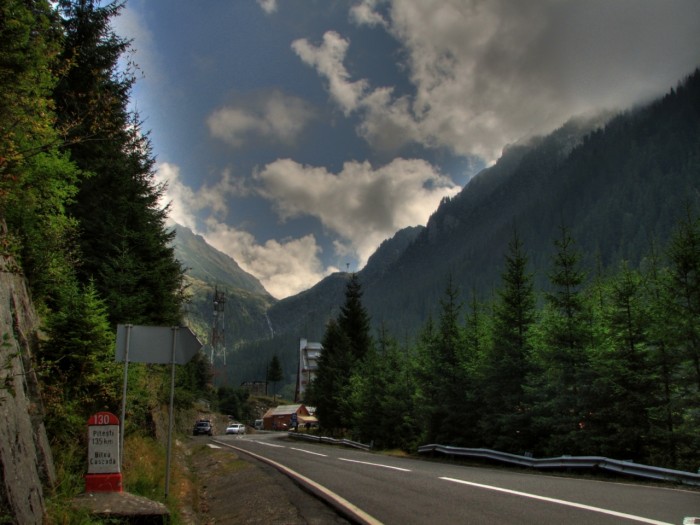
Bâlea Lake Resort
Situata in aria comunei Cartisoara din masivul Fagaras; se intinde pana la altitudinea de 2.500 m; include relieful alpin, lacul, flora si fauna din circul...
45.3 km

Brașov, Brașov County
Black Church of Brașov (Evangelical Fortified Church Ensemble)
Heritage site in Braşov County, Romania
34.3 km
Danes, Mureș County
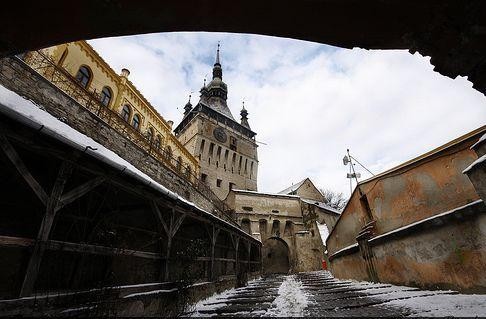
Sighișoara Clock Tower
Situat in partea de est a platoului inferior al Cetatii Sighisoara; construit in preajma secolului al XIV-lea, pentru a proteja poarta principala a orasului si...
22.9 km
Sibiu, Sibiu County
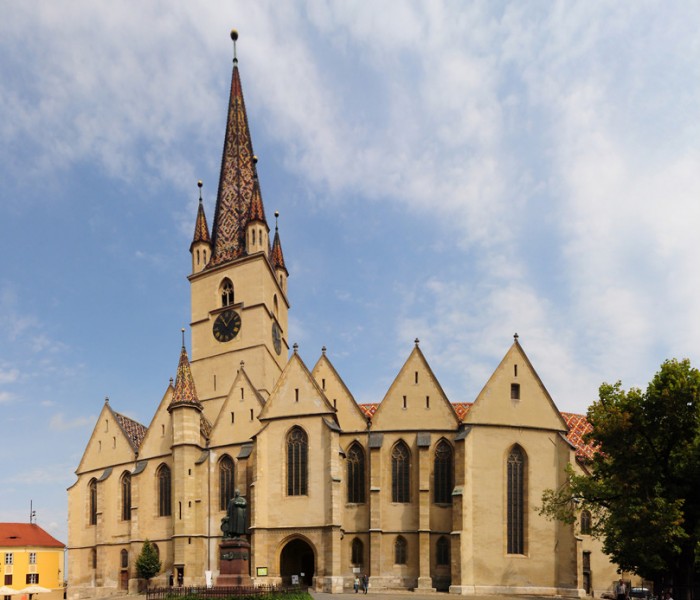
St. Mary's Evangelical Church
Situata in Piata Huet, localitatea Sibiu; a fost ridicata in secolul al-XIV-lea, pe locul unde exista o veche biserica inca din secolul al-XII-lea; cladirea...
47.2 km

Sibiu, Sibiu County
Brukenthal National Museum
Situat in Piata Mare nr.4-5; colectiile baronului von Brukenthal au luat nastere in principal intre anii 1759-1774, perioada pe care acesta a petrecut-o la...
47.3 km

10.8 km
Sibiu, Sibiu County
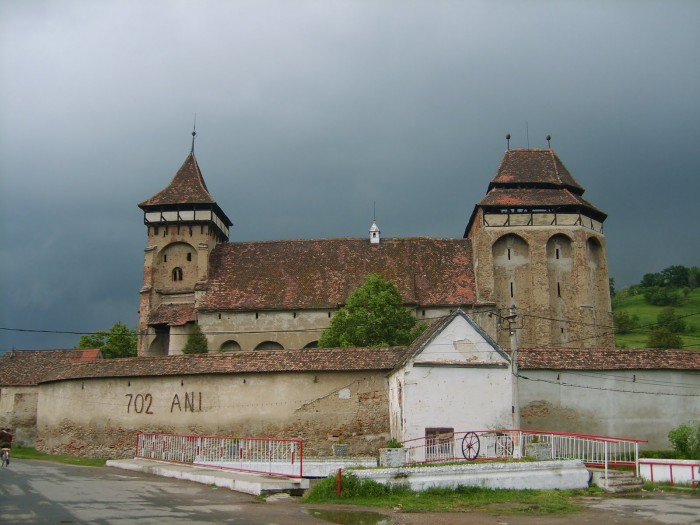
Valea Viilor Fortified Church
Situata in localitatea Valea Viilor; a fost construita in secolul al XII-lea, urmand sa fie fortificata in secolul al XV-lea si al XVI-lea; inconjurata de o...
19.5 km
Sibiu, Sibiu County
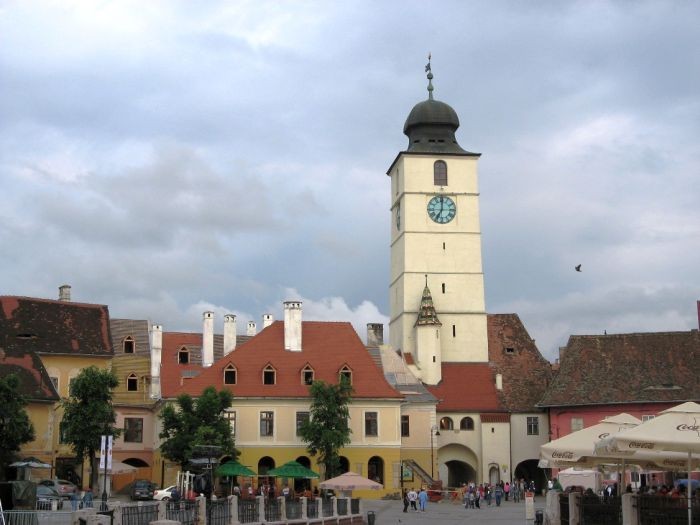
The Council Tower
Situat in Piata Mica nr.1, localitatea Sibiu; construit deodata cu cea de-a doua incinta fortificata, intre anii 1224 si 1241; este considerat simbol al...
47.1 km
Danes, Mureș County
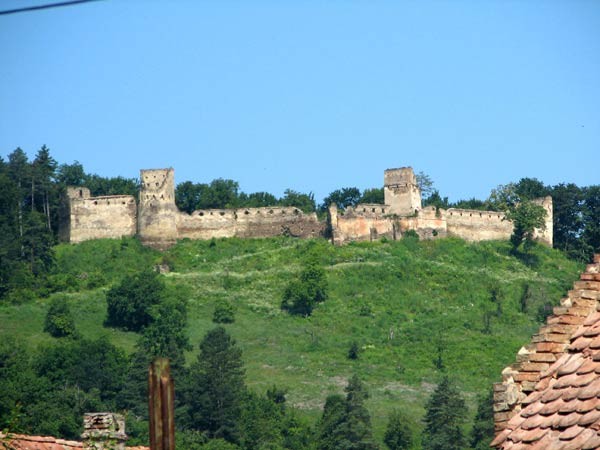
Saschiz Peasant Citadel
Situata pe aria localitatii Saschiz, la 2 km de vatra satului; lucrarile au inceput in 1347, fiind construita de comunitatea germana din zona; fortificatia a...
33.9 km
Cultural life and traditions
Events in the Biertan Fortified Church area
Medieval festivals, traditional fairs, concerts and local activities recommended in Transylvania.

Heritage and History

Biertan, County of Biertan
The Festival of Medieval Fortresses and the Open Doors Days
Guided night tours, traditional crafts workshops and historical re-enactments featuring knights and ladies.
WHEN
May 15-17, 2026


Traditions and Cuisine
Biertan, County of Biertan
The Fair of Saxon Traditions and Local Cuisine
Discover local producers, traditional Saxon pastries baked in a wood-fired oven, artisanal syrups, and rhubarb jam.
WHEN
Every weekend (May - October)

Ecotourism and Nature
The hills of Transylvania, County of Biertan
Guided Hikes on the Transylvanian Hills Trail
Take excursions along unmarked trails through ancient meadows, centuries-old oak trees, and villages with fortified churches that are UNESCO World Heritage sites.
WHEN
Friday – Sunday (Season 2026)
On foot, exploration gains depth
Discover the surroundings and local geography
Explore the trails, terrain, and natural landmarks around Biertan Fortified Church.

Guides and practical tips
Useful travel articles
Travel guides, practical recommendations and tourist itineraries for Transylvania.

Tourist guide
Top 5 Atracții Turistice și Trasee Montane în Zona Moieciu - Bran
Descoperă cele mai spectaculoase peisaje carstice, chei adânci și cetăți medievale din imediata apropiere a stațiunii Moieciu.

Tourist guide
Ghid de Drumeție: Traseul Moieciu de Sus spre Platoul Bucegi
Un itinerariu montan de o frumusețe rară ce urcă din Valea Băngăleasa spre Poiana Guțanu și crestele maiestuoase ale Bucegilor.

Tourist guide
Castelul Bran: Istorie, Legende și Secrete Medievale
Află adevărata poveste a fortăreței medievale din Pasul Bran, reședința de suflet a Reginei Maria a României.
THE JOURNEY STARTS WITH AN IDEA
The next story is on the way.
From the first stop to the last stay, make room for a new Romania.
