


NATURE AND WILDLIFE · BANAT
Blue Eye Lake

Caras Severin, Caraș-Severin County
Add location to your trip planner.
Practical access information

VISITING HOURS
Check the local visiting schedule

TICKET PRICE
Information available at the cashier's desk

RECOMMENDED VISIT DURATION
1-2 hours
Sources and external references
Wikipedia Encyclopedia (EN)
Visitor information and guide
 Navigate with Google Maps

ABOUT BLUE EYE LAKE
Blue Eye Lake: A Karstic Jewel in the Heart of the Banat Mountains
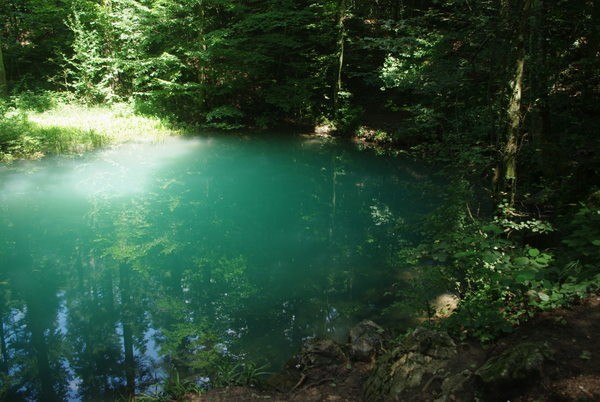
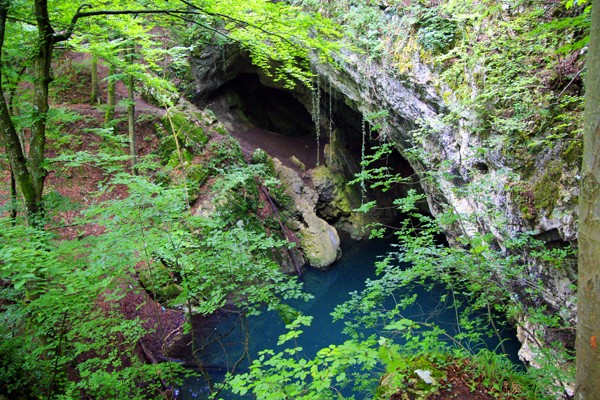
Deep within the Aninei Mountains, at the enigmatic border with the Locvei Mountains, lies Blue Eye Lake, an exceptional hydrogeological phenomenon situated at an altitude of 310 meters. This karstic lake, covering just 284 square meters and shaped like a crater, is one of the most fascinating examples of karst morphology in Southeastern Europe. Located near the spectacular Beușnița Waterfalls on the Beu Stream, it is surrounded by ancient beech and fir forests, nestled in a natural depression that appears to have been sculpted by the unseen hand of geological time. This striking blue eye of water seems to watch over the deep history of the continent. Fed exclusively by a submerged spring at its depths, the lake impresses with its maximum depth of 3.6 meters and an almost unreal transparency, allowing for detailed observation of the trout swimming in its crystal-clear waters. This aquatic ecosystem evokes the glacial lakes of the European Alps, though its formation is purely karstic. As part of a UNESCO-recognized biosphere reserve, Blue Eye Lake is a vital element of Europe’s natural heritage, offering visitors a unique opportunity to explore a nearly untouched wilderness in a region that has preserved archaic traditions within a landscape of rare beauty.
Geological Roots and the Historical Continuity of the Karst Plateau
Geologically, Blue Eye Lake is a perfect expression of the karst processes in the Banat region, an area renowned across Europe for the complexity of its limestone formations, which extend across several countries in Central and Southeastern Europe. These mountains, formed during the Mesozoic era from Jurassic and Cretaceous limestones and dolomites, represent a northern extension of the Dinaric Alps, part of the same major geological unit that stretches through Slovenia, Croatia, and Serbia, reaching the borders of Montenegro and Albania. The karstification process, which has shaped these landscapes over millions of years through the action of acidic waters infiltrating the rock, has created not only this lake but also complex systems of caves, sinkholes, underground watercourses, and karst springs, similar to those in Slovenia’s Karst region, home to the famous Postojna Cave, or Croatia’s Istrian Plateau. Historically, this area served as a strategic border between the Roman Empire, which ruled Dacia until the 3rd century, and the barbarian world to the north. Later, it became a contested region between the Kingdom of Hungary, which administered these territories as part of the Caraș County from the 11th century, and the Ottoman Empire, whose raids marked the southern borders of Banat for centuries. During the Habsburg period, the area experienced intense economic development, with exploitation of forestry and mining resources, particularly coal from the Anina Basin. The industrial architecture of the time has left visible traces in the anthropized landscapes of the adjacent valleys.
European Connections and the Civilizational Context of Southeastern Europe
The Banat region, where the lake is located, is a true cultural mosaic, situated for centuries at the crossroads of Romanian, Hungarian, German, and Serbian civilizations. This diversity reflects the cultural richness typical of Southeastern Europe, akin to border regions like Tyrol, Alsace, or Transylvania. This transitional zone between Mediterranean and continental climatic influences has been shaped by the presence of the Byzantine Empire, which left its mark on the region’s Orthodox religious architecture and folk traditions; the Kingdom of Hungary, which built fortresses and churches in Romanesque and Gothic styles; and the Ottoman Empire, whose military and commercial incursions introduced Eastern influences into architecture and daily life. During the 18th and 19th centuries, under the administration of the Habsburg Monarchy and later the Austro-Hungarian Empire, Banat experienced a period of cultural and economic flourishing. German settlers, known as Banat Swabians, along with Hungarians and Serbs, contributed to the development of a distinctive agrarian and craft-based civilization, leaving traces in village architecture, traditional costumes, and culinary traditions. Comparable to other European border regions like Bukovina or Maramureș, the mountainous Banat still preserves the marks of this multiculturalism in its toponymy, customs, and collective memory. However, Blue Eye Lake, situated in a particularly isolated and hard-to-access area, has remained largely untouched by major urban influences and industrialization, retaining its wild character that evokes the landscapes of the Austrian Alps, the lakes of the Salzkammergut region, or the mountains of Slovenia—though its formation is purely karstic, not glacial.
The Hydrogeological Phenomenon and Karst Morphology: A Masterpiece of Nature
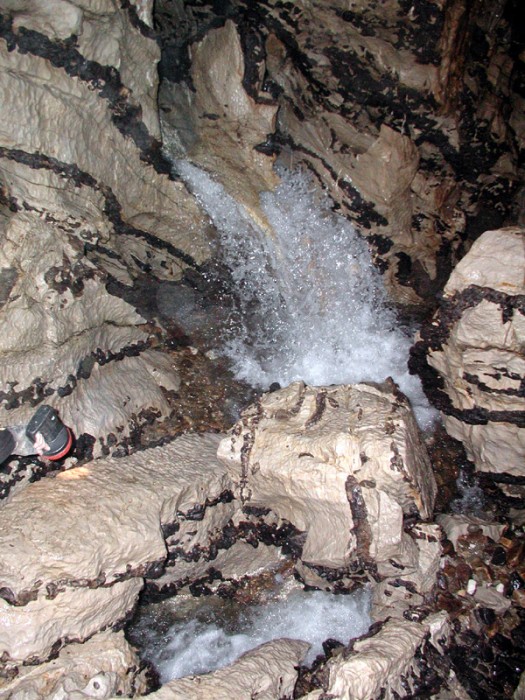
Due to the submerged spring that constantly feeds it with water at a stable temperature from the underground reservoirs of the limestone massif, the lake remains an open eye of nature even in the harshest winters, never freezing—a rare phenomenon in the temperate lake basins of the continent. This hydrothermal peculiarity, combined with its strategic position near the three waterfalls of the Beușnița River, makes it a major point of scientific interest for hydrologists and geologists across Europe and a sanctuary for local aquatic biodiversity. Its crater-like shape, typical of a flooded sinkhole or aven, results from the slow dissolution of limestone rocks by infiltrating acidic waters, a process that has taken place over tens of thousands of years, beginning in the post-glacial period. Though its surface area of 284 square meters and maximum depth of 3.6 meters may seem modest compared to the great Alpine lakes, such as those in Italy’s Como region or Switzerland, the almost unreal transparency of its waters and their deep emerald hue—due to depth and lack of sediment—create an impression of infinity and mystery. Its extremely clear and well-oxygenated waters allow for detailed observation of the aquatic ecosystem, including the mountain trout that populate these cold waters and the specific underwater vegetation. This exceptional clarity and thermal stability evoke the glacial lakes of the European Alps, though its formation is purely karstic, serving as living proof of how water, as a geological force, has shaped the European landscape for millennia, just as it has shaped the Norwegian fjords or the glacial valleys of the Pyrenees.
The Legend of the Blue Eyes and the Mythological Roots of Banat
A legend woven over its emerald waters connects the lake’s history to the multicultural heritage of Banat, reflecting the tensions and beauty of coexistence among the region’s various ethnic communities. The story tells of a time when these lands were ruled by a pasha, a military and administrative leader with roots in the Ottoman tradition of the 16th and 17th centuries, when the Ottoman Empire partially controlled these territories. His son, a young man of rare beauty with expressive blue eyes, often hunted in the dense forests of the Aninei Mountains. One day, in Poiana Florii (Flower Glade), a blooming meadow near the lake, he fell in love with a beautiful Vlach (Romanian) shepherdess who grazed her sheep on these mountain pastures. Their love was perceived as a threat by the bey’s father, who considered marriage to a simple shepherdess unworthy of his son’s rank. When the young man found his beloved dead, he was overcome with grief and took his own life. At the spot where his body fell, this blue and crystalline lake was born, mirroring the color of his pure soul and his blue eyes. This tragic love story, rooted in the oral tradition of the area, intertwines with the local custom that on the night of Sânziene—a summer solstice festival with roots in pan-European pre-Christian beliefs, found in various forms from Scandinavia to the Balkans, such as Litha in Lithuania, Jāņi in Latvia, or Ivan Kupala in Russia and Ukraine—the iele (fairies of Romanian mythology) gather on the lake’s shores to bathe and dance at dawn. These traditions, common to the peoples of Eastern and Southeastern Europe, suggest a spiritual continuity that transcends national borders, placing Blue Eye Lake within a broader European mythological context, akin to the sacred lakes of Slavic mythology in the Ukrainian Carpathians or the holy springs of Celtic mythology in Ireland and Scotland.
Ecological Heritage and Biodiversity: A Sanctuary of Nature in the Heart of the Carpathians
Blue Eye Lake provides a protected habitat within an exceptionally fragile mountain ecosystem, similar to other nature reserves in the Carpathian and Dinaric Alps chains. It serves as a vital refuge for endemic and endangered species. The lake’s cold, well-oxygenated waters, maintaining a constant temperature of approximately 8-10 degrees Celsius year-round, host healthy populations of indigenous mountain trout. Its shores, covered with vegetation typical of wetlands, including rare mosses and ferns, offer shelter to numerous bird species, amphibians, and small mammals. The ancient beech and fir forest surrounding the lake is one of the best-preserved forest ecosystems in Romania and Southeastern Europe, providing a refuge for rare species such as the brown bear, gray wolf, and lynx, which still inhabit these wild mountains. Scientifically, the lake is an exceptional natural laboratory for studying karst processes and the hydrogeology of submerged springs, monitored by researchers from European universities such as those in Vienna, Ljubljana, and Zagreb. Located in a transitional zone between Mediterranean and continental climatic influences, the lake benefits from remarkable biodiversity, combining floristic elements typical of both temperate zones, such as spruce and beech, and sub-Mediterranean zones, such as walnut and edible chestnut. This ecological diversity places it in the same category of value as other protected European natural sites, such as Slovenia’s Triglav National Park or nature reserves in the Austrian and Italian Alps, and it is included in the European Union’s Natura 2000 network.
Practical Visitor’s Guide and the Contemporary Explorer’s Experience
For those wishing to discover this hidden treasure of the Western Carpathians, access to Blue Eye Lake is via a marked trail with a red stripe, starting from the towns of Anina or Sasca Montană. The route traverses ancient beech and fir forests on a roughly two-hour hike through rugged terrain. The trail, of medium difficulty, offers spectacular views of deep valleys, karst formations, and the Beușnița Waterfall, located just a few hundred meters from the lake. Visitors are advised to wear appropriate mountain footwear, rain gear, and bring sufficient water and food, as there are no tourist facilities, shops, or potable water sources near the lake. The best time to visit is from May to September, when the vegetation is lush and temperatures are pleasant, though the lake has a unique charm in colder seasons as well, when mist rises above its unfrozen waters, creating an atmosphere of mystery and profound tranquility. Visitors are kindly asked to strictly adhere to the national park’s conservation rules: do not pollute the waters with waste, do not light fires near the lake, and do not disturb the wildlife, thereby helping to preserve this fragile ecosystem for future generations. Practical information regarding entrance fees, which are modest and contribute to trail maintenance, as well as visiting hours, is available at the park’s ticket office at the reserve entrance. A visit to Blue Eye Lake can be combined with a tour of the spectacular Beușnița Waterfalls, formed by three tiers of cascading water, and an exploration of the Nera Gorges, creating a full-day circuit that offers a comprehensive view of the area’s natural wonders. For photography and nature enthusiasts, the lake provides exceptional opportunities to capture the reflection of the mountains in its crystal-clear waters, especially in the morning hours when sunlight filters through the forest canopy, creating mesmerizing plays of light and shadow on the water’s surface.
Universal Heritage Value and Conservation Perspectives
As an integral part of the Cheile Nerei — Beușnița National Park, designated a UNESCO biosphere reserve, Blue Eye Lake is a vital element of Europe’s natural heritage. It is comparable to other karst lakes in the Dinaric Alps or the Karst region of Slovenia and Croatia, such as those in Plitvice Lakes National Park or the Postojna area. The protection of this site aligns with the broader efforts of the European Union and the international community to conserve biodiversity and unique natural landscapes, in accordance with the Natura 2000 directives and the Bern Convention on the Conservation of European Wildlife. In the context of global climate change, which particularly affects sensitive mountain ecosystems, the lake serves as a valuable indicator of the state of karst ecosystems. Continuous monitoring of its water quality, temperature, and biodiversity contributes to the understanding of hydrological processes on a European scale. For European and international tourists, Blue Eye Lake offers a fascinating journey through the geological, cultural, and spiritual history of Southeastern Europe, where wild nature and mythology meet in perfect harmony. This nearly intact natural sanctuary, preserved over centuries through isolation and protection, invites contemplation, tranquility, and profound respect for the continent’s shared natural heritage. It is an essential destination for anyone seeking to understand the complexity, fragility, and extraordinary beauty of Europe’s mountainous landscapes and its karstic heritage.
Media gallery
Discover Blue Eye Lake in pictures

19 photos · Architecture, courtyards and captivating details


Image source: Wikimedia Commons · Public domain photos · Free license
STAY A FEW DAYS, DISCOVER THE MAGIC
Accommodation in the Blue Eye Lake area

Holiday home · 2 stars

Dubova, Mehedinți County · 5.0 km
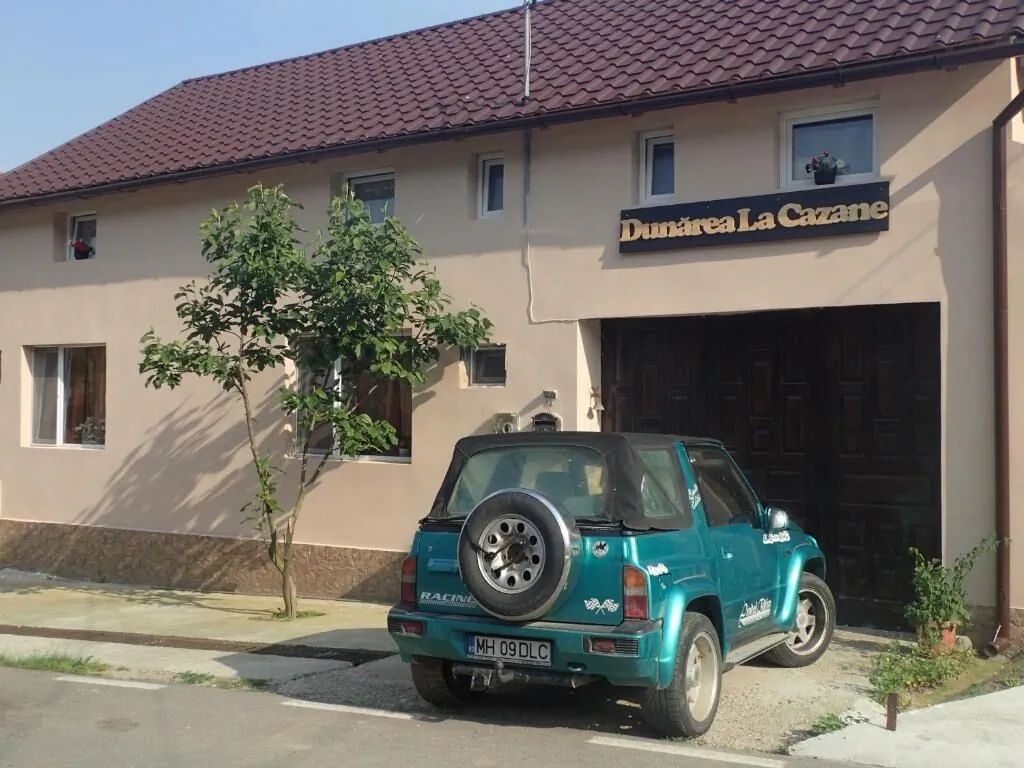
Casa de oaspeți Dunarea la Cazane Dubova
Familiile numeroase și grupurile de prieteni se vor simți bine la Casa de oaspeți Dunarea la Cazane din Dubova, județul Mehedinți. Această vilă integrală, clasificată cu două stele, oferă șapte camere confortabile și plăcut amenajate într-un cadru natural liniștit, departe de aglomerația urbană, fiind potrivită pentru un sejur relaxant în mijlocul naturii. Unitatea pune la dispoziția dumneavoastră Wi-Fi gratuit, parcare privată gratuită și acces facilitat pentru persoane cu dizabilități. Unele camere sunt prevăzute cu aer condiționat pentru confortul dumneavoastră pe tot parcursul șederii. În curtea mare și grădina amenajată puteți organiza mese în aer liber, folosind grătarul sau ceaunul pus la dispoziție pentru gătit. Foișorul din curte reprezintă locul perfect pentru relaxare și conversații după o zi plină de activități în natură. În apropiere puteți vizita Lacul Ochiul Beiului, Parcul Natural Porțile de Fier, Cheile Nerei, Lacul Dracului din Caraș-Severin și Izbucul Bigăr. Traseele montane și drumețiile în natură disponibile în zonă sunt ideale pentru iubitorii de activități în aer liber și explorare a peisajelor sălbatice din această regiune unică. Vă așteptăm la Casa de oaspeți Dunarea la Cazane Dubova.
FROM
280 lei per night

Holiday home · 3 stars
Socolari, Caraș-Severin County · 5.1 km
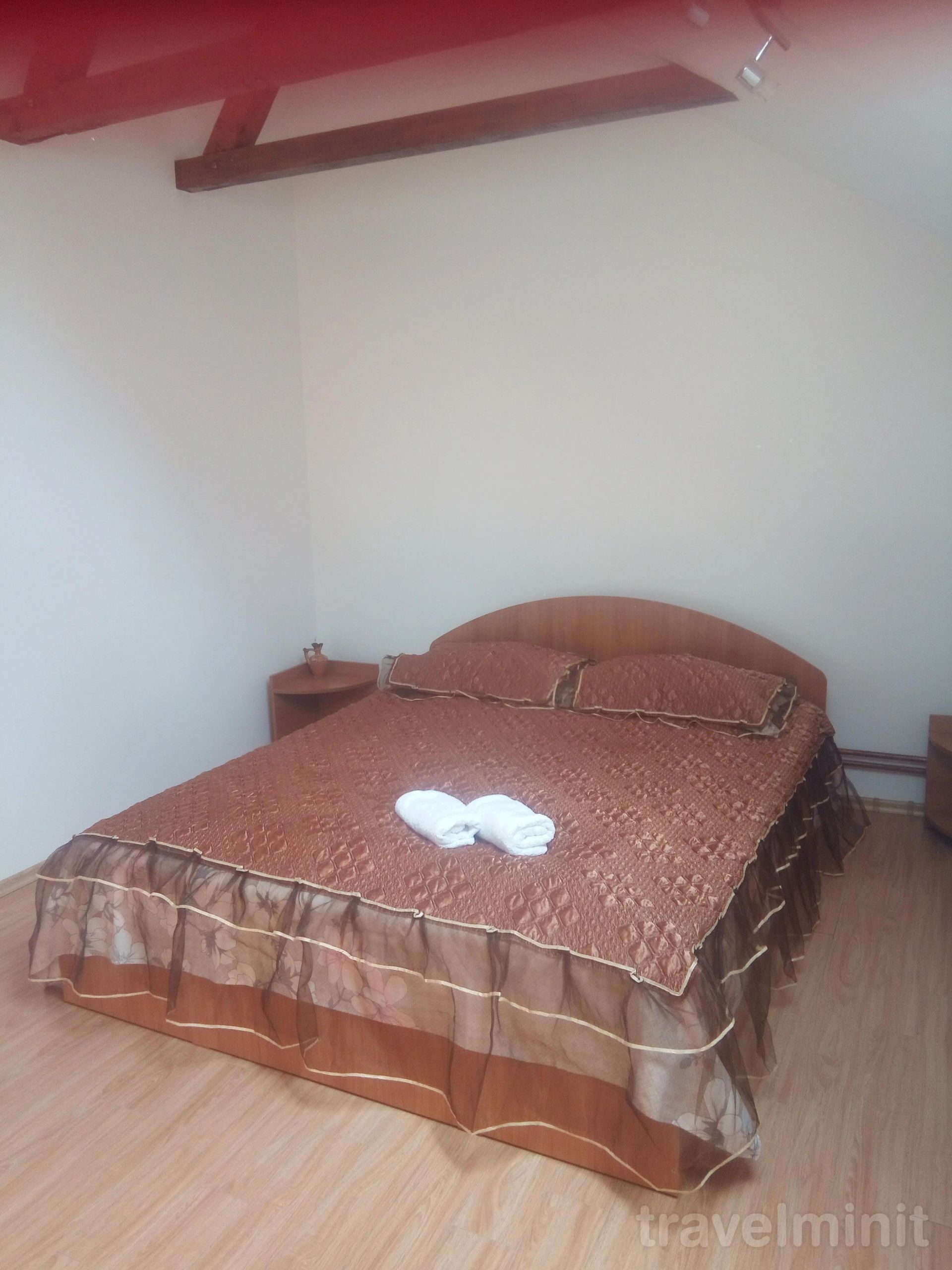
Casa de vacanță Violeta Socolari
Comfort, relaxation and stunning views, all just steps away from the main attractions.
FROM
280 lei per night
Guesthouse · 3 stars
Socolari, Caraș-Severin County · 5.2 km
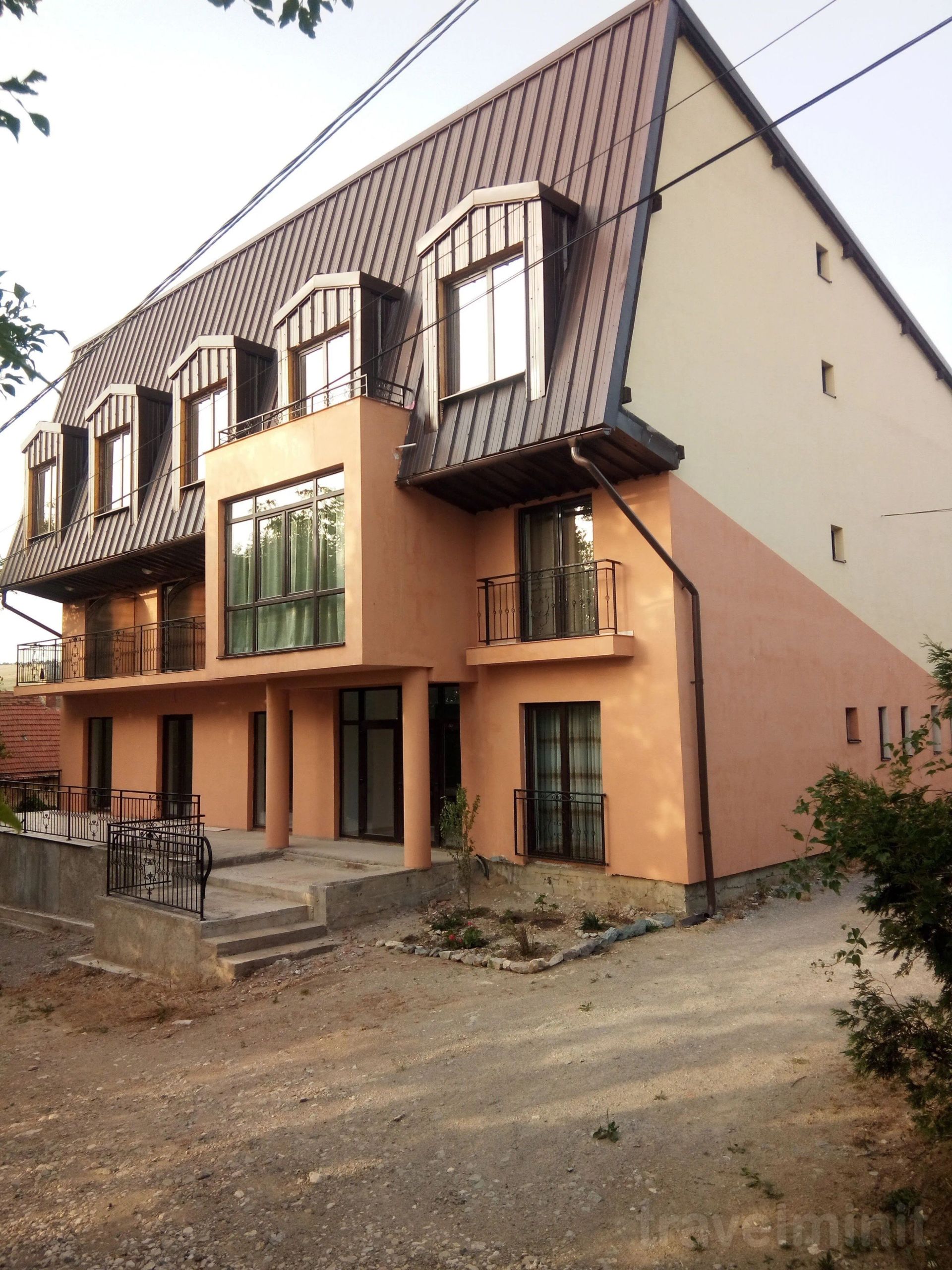
Pensiunea Valea Beiului Socolari
O zi petrecută aici poate începe cu drumeții pe traseele montane și în natură și se poate încheia cu un grătar în curtea mare amenajată. Pensiunea Valea Beiului din Socolari oferă nouă camere frumos amenajate într-un cadru liniștit din județul Caraș-Severin. Pentru confortul dumneavoastră, punem la dispoziție Wi-Fi gratuit în întreaga proprietate și parcare privată gratuită. Grădina amenajată și curtea spațioasă sunt perfecte pentru relaxare după o zi plină de activități în aer liber, oferindu-vă un spațiu generos pentru a vă bucura de aerul curat. În apropiere puteți vizita Lacul Ochiul Beiului, Parcul Natural Porțile de Fier, Cascadele Beușniței, Cheile Nerei și Lacul Dracului din Caraș-Severin. Aceste obiective naturale oferă numeroase posibilități de explorare și relaxare în mijlocul naturii, fiind potrivite pentru iubitorii de drumeții. Check-in-ul se efectuează de la ora 16:00, iar check-out-ul până la ora 11:00, iar personalul de la recepție comunică în limba română. Vă așteptăm să vă bucurați de șederea dumneavoastră în această locație.
FROM
240 lei per night
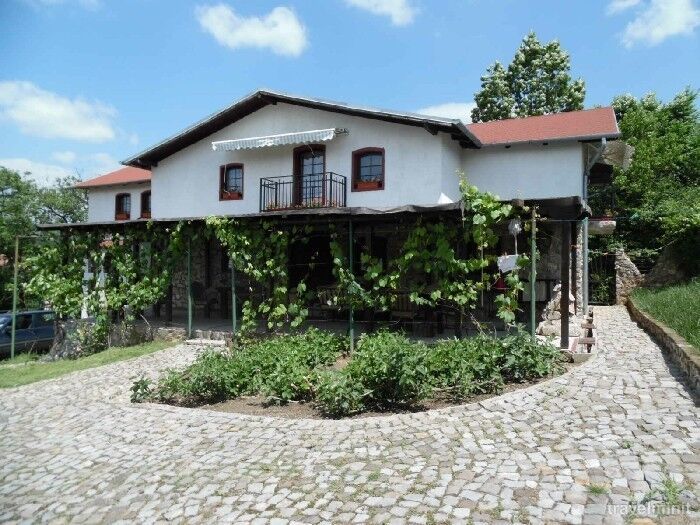
Guesthouse · 3 stars
Sasca Română, Caraș-Severin County · 7.4 km
Casa Dolly Sasca Română
Cheile Nerei, Parcul Natural Porțile de Fier sau Cascadele Beușniței sunt doar câteva dintre obiectivele naturale pe care le puteți vizita pornind de la Casa Dolly Sasca Română. Situată în localitatea Sasca Română din județul Caraș-Severin, această pensiune turistică de 3 stele reprezintă punctul de plecare pentru explorarea acestor locuri. Proprietatea vă pune la dispoziție facilități practice pentru un sejur relaxant: parcare privată gratuită, acces Wi-Fi gratuit în toată unitatea și o curte mare cu grădină amenajată unde vă puteți bucura de aer curat și liniște. Pentru momentele de relaxare în aer liber, aveți la dispoziție grătar sau barbeque, dar și un ceaun tradițional pentru preparate gătite direct în natură. Cele șase camere modern mobilate asigură condiții bune de odihnă după zilele de explorare. La momentul efectuării rezervării puteți alege între mai multe opțiuni de masă, inclusiv mic dejun, demipensiune sau pensiune completă, în funcție de preferințele dumneavoastră. Personalul de la recepție comunică fluent în română, germană și sârbă, fiind pregătit să vă sprijine cu orice informație pe toată durata șederii. Vă așteptăm la Casa Dolly Sasca Română.
FROM
240 lei per night
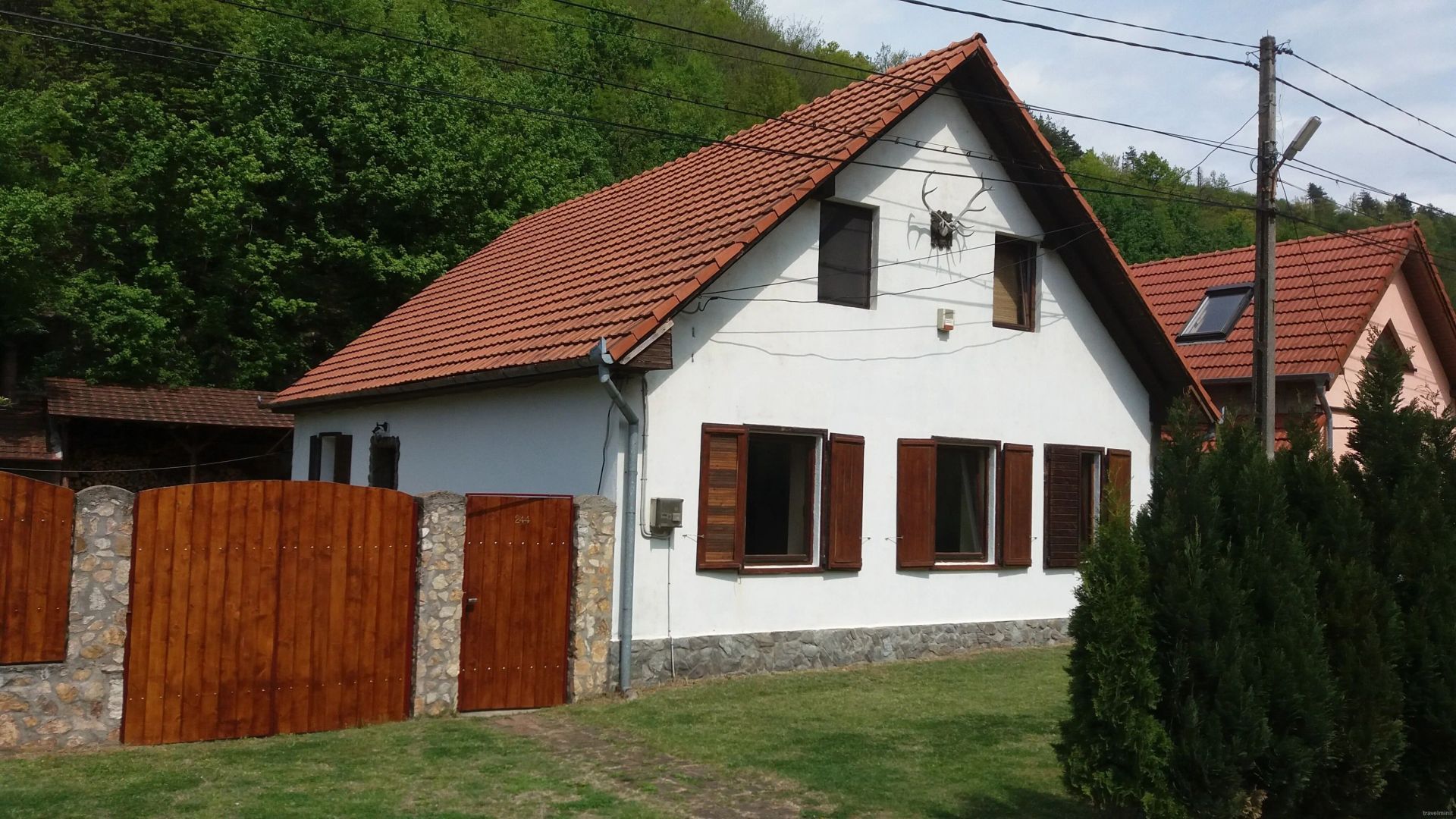
Holiday home · 3 stars
Sasca Montană, Caraș-Severin County · 8.3 km
Casa de vacanță Nagy Sándor Sasca Montană
Comfort, relaxation and stunning views, all just steps away from the main attractions.
FROM
280 lei per night
Hotel · 3 stars
Oraviţa, Caraș-Severin County · 14.6 km
Hotel Caraș Oraviţa
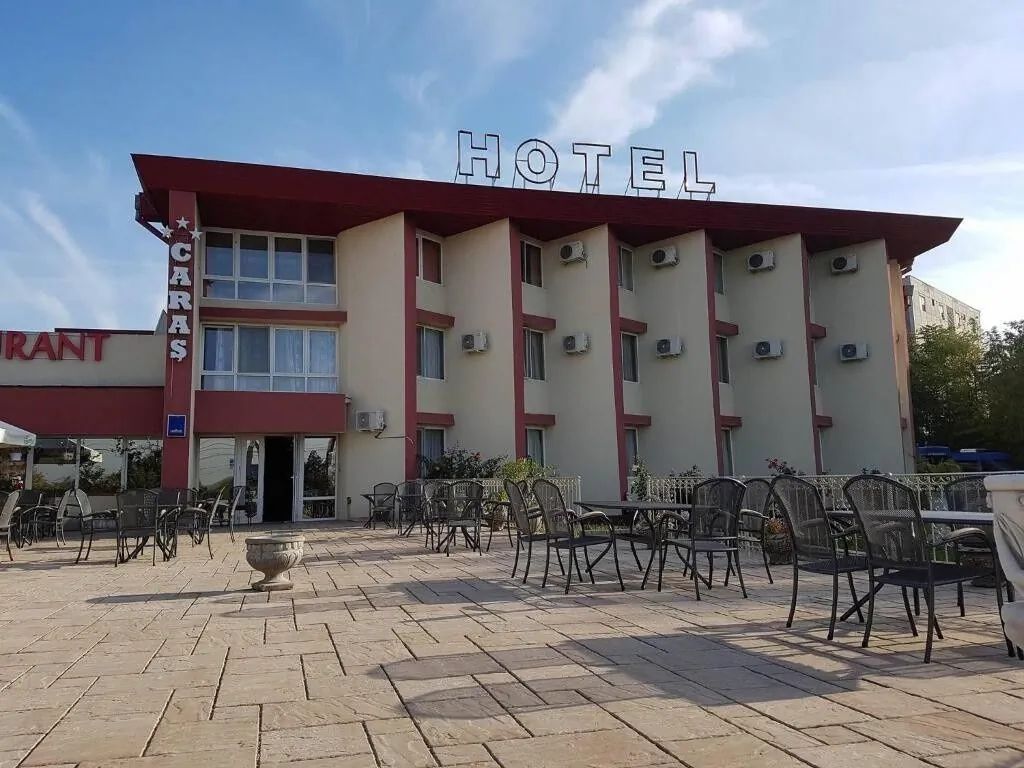
Hotelul se află într-o zonă liniștită din Oravița, aproape de gară, înconjurat de o curte mare și o grădină amenajată. Hotel Caraș Oravița oferă cazare la trei stele în orașul Oravița din județul Caraș-Severin. Facilitățile includ acces pentru persoane cu dizabilități, parcare privată gratuită și Wi-Fi gratuit în toată proprietatea. Restaurantul și barul din incintă creează un spațiu primitor, iar room service aduce confortul direct în cameră. Pentru familiile cu copii sunt disponibile pătuț pentru bebeluș și scaun înalt, iar terasa oferă un loc de relaxare în aer liber. Toate aceste servicii sunt disponibile pentru dumneavoastră pe toată durata șederii. În apropiere puteți descoperi peisaje și monumente precum Lacul Ochiul Beiului, Teatrul Vechi „Mihai Eminescu” și Muzeul de Istoria Culturii Cărășene, Izbucul Bigăr, Parcul Național Cheile Nerei-Beușnița și Mănăstirea Maria Ciclova. Camerele dispun de birou, dulap pentru haine, televizor cu ecran plat, baie privată cu duș, uscător de păr, lenjerie de pat, prosoape și articole de toaletă gratuite. Un fier de călcat este pus la dispoziția dumneavoastră pentru confortul personal. Dimineața, vă puteți bucura de micul dejun tip bufet servit în restaurantul hotelului.
FROM
290 lei per night
BEFORE YOU HIT THE ROAD
Weather conditions in Caras Severin
Local forecast for Blue Eye Lake, Caras Severin, Caraș-Severin

Real-time updated weather data
Much more to explore in this area
Nearby tourist attractions


Caras Severin, Caraș-Severin County
Bigăr Waterfall
Situat pe Valea Minisului, in Muntii Aninei; izvor puternic alimentat de un curs de apa subteran care strabate pestera cu acelasi nume; la aproximativ 200 m...
15.3 km
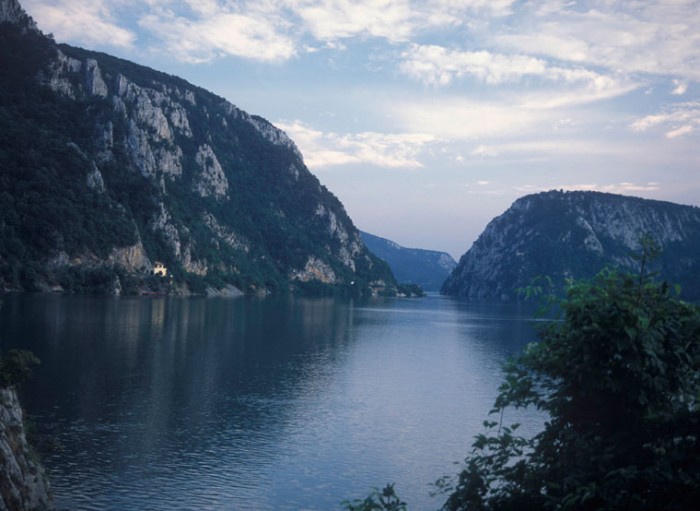
Caras Severin, Caraș-Severin County
Iron Gates Natural Park
Este situat in judetele Caras-Severin si Mehedinti, ocupand partial teritorii apartinand judetelor Caras-Severin si Mehedinti in partea sudica a Muntilor...
11.4 km
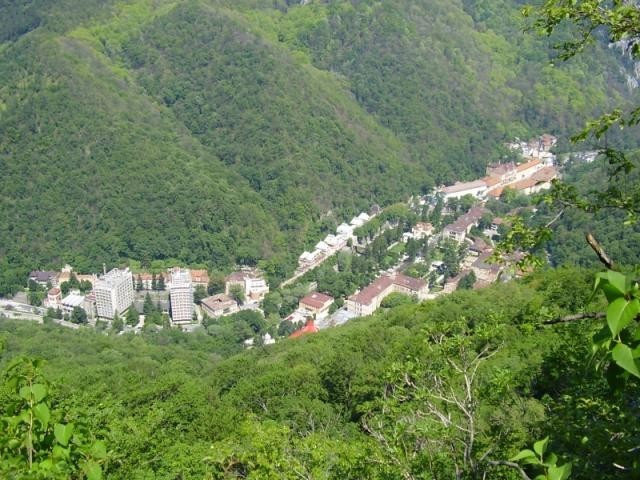
Caras Severin, Caraș-Severin County
Herculane Baths
Situata pe Valea Cernei, la 5 km de principala artera rutiera ce leaga vestul tarii de Bucuresti si calea ferata internationala Bucuresti - Timisoara -...
49.5 km
Caras Severin, Caraș-Severin County
Nera Gorge
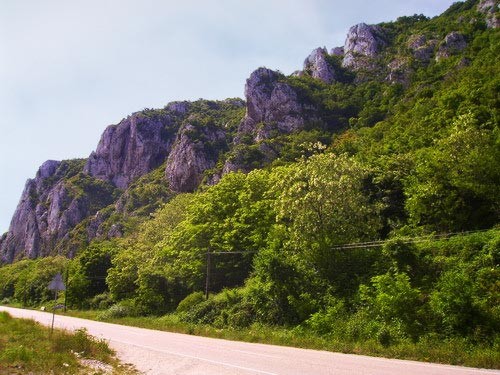
Cheile Nerei sunt situate de-a lungul raului Nera, intre localitatile Sopotul Nou si Sasca Montana;Cheile Nerei sunt cele mai lungi din tara, intinzandu-se pe...
9.6 km
Caras Severin, Caraș-Severin County
Rudăria Gorge and Water Mills
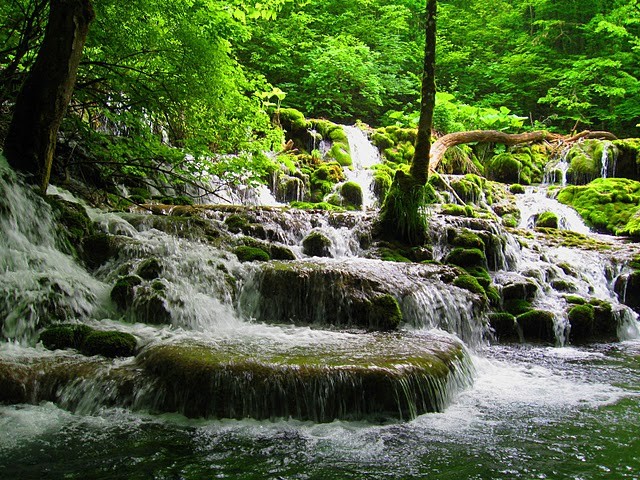
Situate in zona muntoasa a judetului Caras Severin, pe raza localitatii Eftimie Murgu (fosta Rudaria);accesul se face de pe drumul E70 Caransebes - Oravita, pe...
27.0 km
Caras Severin, Caraș-Severin County
Nera Gorge-Beușnița National Park
Este situat in sud-vestul tarii in judetul Caras-Severin acoperind intreaga zona sudica a Muntilor Aninei si o parte din zona nordica a Muntilor Locvei; in...
8.4 km

12.2 km
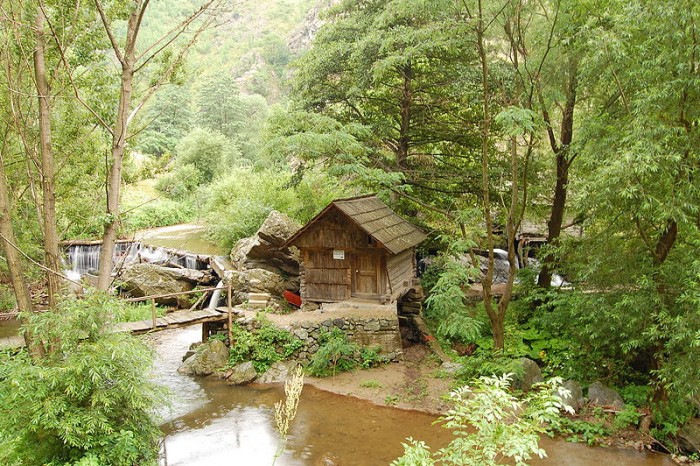
Caras Severin, Caraș-Severin County
Rudăria Water Mill Reserve
Situata pe Valea Rudariei, din satul Eftimie Murgu; cuprinde un numar de 22 de mori cu ciutura, asezate de-a lungul cursului apei, pe o lungime de 3 km, o...
24.7 km
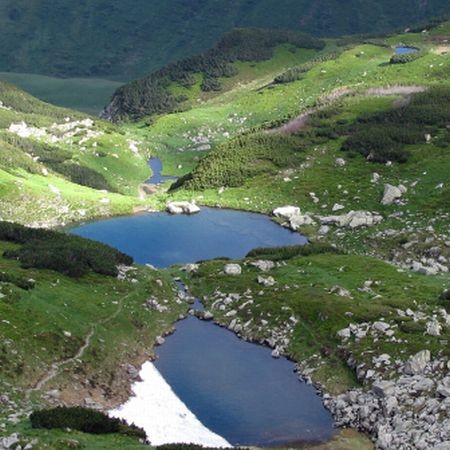
Caras Severin, Caraș-Severin County
Semenic-Caraș Gorge National Park
Este situat in centrul judetului Caras - Severin, in sud-vestul Romaniei; principalele intrari in parc sunt in localitatile Resita, Iabalcea, Carasova, Anina,...
18.4 km
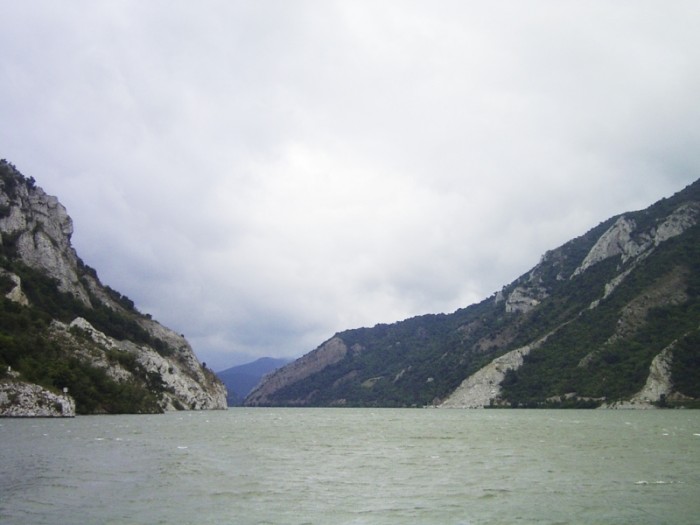
Caras Severin, Caraș-Severin County
Iron Gates Gorge
Defileul ocupa partial teritorii apartinand judetelor Caras-Severin si Mehedinti, in partea sudica a Muntilor Locvei si Almajului si in sud-vestul Podisului...
28.3 km
Caras Severin, Caraș-Severin County
Racoviță Cave
Se afla situata in Cheile Carasului din Muntii Aninei, judetul Caras-Severin; pestera are doua intrari, cea mai vizibila dintre ele, se poate zari din chei...
29.0 km
Caras Severin, Caraș-Severin County
Comarnic Cave
Situata la circa 7 km de satul Iabalcea;se poate ajunge la Pestera Comarnic si pe traseele turistice marcate banda albastra, triunghi albastru si cruce rosie;...
32.9 km
Cultural life and traditions
Events in the Blue Eye Lake area
Medieval festivals, traditional fairs, concerts and local activities recommended in Banat.

Traditions and Crafts

Caras Severin, County of Caraș-Severin
Days of Local Culture and Traditional Tourism
Open workshops featuring pottery, wood carving, and authentic folklore demonstrations by local artisans.
WHEN
May 15-17, 2026


Traditional Cuisine
Caras Severin, County of Caraș-Severin
The Fair of Traditional Products and Local Cuisine
Traditional products, aged cheeses, mountain honey and local delicacies prepared according to ancient recipes.
WHEN
Every weekend

Culture and Photography
Caras Severin, County of Caraș-Severin
Themed and Photographic Guided Tour of Cultural Heritage
A guided tour designed for history buffs, nature lovers, and photography enthusiasts, showcasing the most spectacular views in the area.
WHEN
Daily schedule available upon request
On foot, exploration gains depth
Discover the surroundings and local geography
Explore the trails, terrain, and natural landmarks around Blue Eye Lake.

Guides and practical tips
Useful travel articles
Travel guides, practical recommendations and tourist itineraries for Banat.

Tourist guide
Castelul Bran: Istorie, Legende și Secrete Medievale
Află adevărata poveste a fortăreței medievale din Pasul Bran, reședința de suflet a Reginei Maria a României.

Tourist guide
Top 5 Atracții Turistice și Trasee Montane în Zona Moieciu - Bran
Descoperă cele mai spectaculoase peisaje carstice, chei adânci și cetăți medievale din imediata apropiere a stațiunii Moieciu.

Tourist guide
Ghid de Drumeție: Traseul Moieciu de Sus spre Platoul Bucegi
Un itinerariu montan de o frumusețe rară ce urcă din Valea Băngăleasa spre Poiana Guțanu și crestele maiestuoase ale Bucegilor.
THE JOURNEY STARTS WITH AN IDEA
The next story is on the way.
From the first stop to the last stay, make room for a new Romania.
