


MUSEUM · TRANSYLVANIA
Constantin Brâncuși Memorial House

România, Transylvania
Add location to your trip planner.

Practical access information

VISITING HOURS
Monday: 12:00 PM – 5:00 PM · Tuesday–Sunday: 9:00 AM – 5:00 PM (in summer until 8:00 PM)

TICKET PRICE
Adults: 45 RON · Students: 11 RON · Seniors: 23 RON · Guided tour included

RECOMMENDED VISIT DURATION
30-60 minutes
Sources and external references
Wikipedia Encyclopedia (EN)
Visitor information and guide
 Navigate with Google Maps

ABOUT CONSTANTIN BRÂNCUȘI MEMORIAL HOUSE
Heritage Significance and Captivating Introduction
Nestled in the heart of Hobița village, within Peștișani commune in Gorj County, at the foothills of the Southern Carpathians, stands a modest dwelling that would alter the course of 20th-century art. This is the Constantin Brâncuși Memorial House, the birthplace of the sculptor who, on February 19, 1867, was destined to become one of Europe’s most revolutionary artistic minds. Far more than a simple memorial monument, this sanctuary represents the primordial cradle of creativity, the spiritual matrix where the seeds of a universal artistic language germinated before blossoming into the monumental works that now grace the world’s most prestigious museums—from the Centre Pompidou in Paris to Tate Modern in London and the Museum of Modern Art in New York. The significance of this site transcends national borders; it is a true pilgrimage for understanding how a peasant child from the Carpathian foothills absorbed the spiritual essence of Balkan vernacular culture and transformed it into a sculptural vocabulary that would challenge the foundations of Western art, creating a bridge between the ancient traditions of the Byzantine East and the radical innovations of the Parisian avant-garde.
Historical Roots and Major European Connections
The Oltenia region, historically situated at the crossroads of empires, has served for centuries as a cultural crucible where Roman, Byzantine, Ottoman, and Habsburg influences met and merged. This geographical position, at the boundary between the Romanian Plain and the Transylvanian mountains, endowed the local vernacular architecture with a unique hybrid character, distinct from the more ornate Baroque structures of Habsburg-ruled Transylvania or the Byzantine ecclesiastical architecture of Moldavia. The peasant house in Hobița embodies the agrarian traditions common to the Carpathian arc, sharing its DNA with the wooden churches of Maramureș, the fortified Saxon farms of Transylvania, and the mountain dwellings of the Balkan Peninsula. When Brâncuși set out on foot for Paris in 1904, crossing the Carpathians and the Hungarian Plain, he carried with him not only the memories of this humble home but also the archetypal forms of a cultural matrix that linked Romanian peasants to the broader experience of European rural life—from the Alpine regions of Switzerland and Austria to the Mediterranean basin. His artistic evolution thus mirrors the great migrations of European intellectuals in the 20th century, when artists from the peripheries of empires—whether the Austro-Hungarian, Russian, or Ottoman—converged on Paris to redefine the continent’s cultural landscape.
Traditional Architecture and the Essence of Vernacular Heritage
The house preserves the authentic characteristics of Oltenian rural architecture from the second half of the 19th century, representing a building tradition that developed over centuries of adaptation to the Carpathian environment. Constructed predominantly of wood, with a steep shingle roof, the house follows the classic layout of the Romanian peasant dwelling, featuring a wide porch that serves as a transitional space between the domestic interior and the agricultural exterior. The interior rooms are arranged according to functional and spiritual principles derived from ancient agrarian customs, with the main room (casa mare) representing the heart of family life, centered around the hearth and adorned with traditional textiles and ceramic vessels. Unlike the stone mansions of the boyars or the fortified churches of the medieval period, this structure speaks of the democratic spirituality of the Romanian peasantry, where art and daily life intertwined seamlessly. The construction techniques—mortise and tenon joints, hand-hewn beams, and natural materials—reflect practices common throughout the Carpathian region, comparable to the wooden building traditions of Central Europe but distinct in their specific response to the local climate and topography. The atmosphere inside recreates the modest yet spiritually charged environment of a 19th-century Oltenian household, offering visitors an intimate understanding of the material culture that shaped the future sculptor’s aesthetic sensibility.
From Hobița to Montparnasse: The Making of a European Avant-Garde Master
The odyssey that began with Brâncuși’s departure from Hobița on foot in 1904, crossing the Carpathians and the Hungarian Plain to reach Paris, parallels the journeys of countless Eastern European intellectuals who sought enlightenment in the cultural capitals of Western Europe during the Belle Époque. Upon arriving in Paris, the undisputed center of the artistic world at the time, Brâncuși enrolled at the École des Beaux-Arts, the bastion of academic tradition that had trained generations of European sculptors in the neoclassical manner. However, his encounter with Auguste Rodin proved decisive; when Rodin invited the young Romanian to work in his studio, Brâncuși famously refused, stating that "nothing grows in the shadow of great trees." This refusal marked a pivotal moment not only in Brâncuși’s career but in the broader history of European modernism, signifying a break with the academic traditions that had dominated sculpture since the Renaissance. Settling in the Montparnasse district, at impasse Ronsin, Brâncuși entered the vibrant milieu of the Parisian avant-garde, where he met Pablo Picasso from Spain, Amedeo Modigliani from Italy, and the Polish-born poet Guillaume Apollinaire. This cosmopolitan circle, which also included figures like Erik Satie and Jean Cocteau, represented the dissolution of national boundaries in art, as creators from across the continent collaborated to forge new aesthetic languages. Brâncuși’s development of essential forms, reducing sculpture to its primary geometric elements and exploring the relationship between matter and spirit, positioned him alongside the pioneers of Cubism and abstract art, while maintaining a unique spiritual dimension rooted in his Orthodox heritage and Romanian folk traditions.
Artistic and Spiritual Legacy: The Târgu Jiu Ensemble
The Memorial House preserves an invaluable collection of personal artifacts that illuminate the journey from the peasant child of Hobița to the internationally recognized master. Visitors encounter family photographs, correspondence with European collectors and gallery owners, woodworking tools that speak of his early training in crafts, and pieces of furniture reflecting both traditional Romanian design and the modernist tastes he later adopted. These objects contextualize the creation of his masterpiece, the monumental ensemble in Târgu Jiu, located approximately thirty kilometers from Hobița. Comprising The Table of Silence, The Gate of the Kiss, and The Endless Column, this ensemble represents a synthesis of Romanian folk symbolism and European modernist abstraction. The Endless Column, in particular, reinterprets the ancient Roman tradition of the triumphal column—evoking Trajan’s Column in Rome or the Vendôme Column in Paris—transforming it into a vertical meditation on transcendence. The museum’s exhibition traces Brâncuși’s relationships with major patrons such as John Quinn of New York and European bourgeois collectors, illustrating how his work circulated within the international art market, comparable to the networks that distributed Art Nouveau and Secession masterpieces across the continent. The spiritual dimension of his work, evident in pieces like The Prayer or The Wisdom of the Earth, reflects a synthesis of Orthodox mysticism, peasant folklore, and the esoteric currents that fascinated the Parisian intelligentsia during the interwar period, positioning Brâncuși as a bridge between Eastern spirituality and Western avant-garde innovation.
Turning Points, Personalities, and Historical Anecdotes
The history of the Memorial House is punctuated by defining moments that shaped both the artist and the institution. The year 1904 marks his irreversible departure from Hobița, a journey undertaken with minimal resources but immense determination, reflecting the migratory patterns of both peasants and intellectuals from Eastern Europe. His famous refusal of Rodin’s mentorship in 1907 remains a landmark of artistic independence, emblematic of the broader revolt of European modernism against academic hierarchies. During the interwar period, Brâncuși’s Parisian studio became a salon for the international elite, hosting figures ranging from Queen Marie of Romania to the American collector John Quinn, facilitating a cultural exchange that paralleled the diplomatic and economic ties linking Romania to Western powers. The creation of the Târgu Jiu ensemble between 1935 and 1938, commissioned to honor the heroes of World War I, represented Brâncuși’s return to his native soil, both physically and spiritually, creating a dialogue between the humble house in Hobița and the monumental public art of the 20th century. Even the circumstances of his death in Paris in 1957 and the subsequent bequest of his studio to the French state—now the Musée National d'Art Moderne—are part of the narrative preserved in Hobița, reminding visitors of the transnational nature of his legacy.
Practical Visitor Guide and Contemporary Experience
For contemporary visitors, the Constantin Brâncuși Memorial House offers an immersive journey into the origins of genius, open to the public from Tuesday to Sunday, between 09:00 and 17:00, with Mondays reserved for conservation and maintenance. The modest entrance fee reflects the institution’s commitment to democratizing access to cultural heritage, akin to major European house-museums dedicated to literary and artistic figures. The visit, typically lasting one to two hours, allows for a contemplative exploration of the rooms where the future sculptor spent his formative years, culminating in the attic where he first experimented with wood sculpture. To fully appreciate the magnitude of Brâncuși’s achievement, a visit to Hobița should be complemented by a trip to Târgu Jiu, approximately thirty kilometers away, where the monumental ensemble awaits along the banks of the Jiu River. This pilgrimage creates a complete narrative arc, from humble origins in the Carpathian foothills to the monumental aspirations of modern art. The surrounding region of Gorj County offers additional cultural treasures, including the area’s rock-hewn churches and traditional Oltenian villages, allowing visitors to contextualize Brâncuși’s legacy within the broader framework of Romanian rural civilization. Accommodation options in the town of Târgu Jiu or the spa resort of Târgu Cărbunești provide comfortable bases for exploring this corner of Europe where ancient traditions and modernist revolution converged, offering discerning travelers an experience that rivals the great cultural itineraries of Central and Western Europe.
Media gallery
Discover Constantin Brâncuși Memorial House in pictures

1 photos · Architecture, courtyards and captivating details

Image source: Wikimedia Commons · Public domain photos · Free license
STAY A FEW DAYS, DISCOVER THE MAGIC
Accommodation in the Constantin Brâncuși Memorial House area

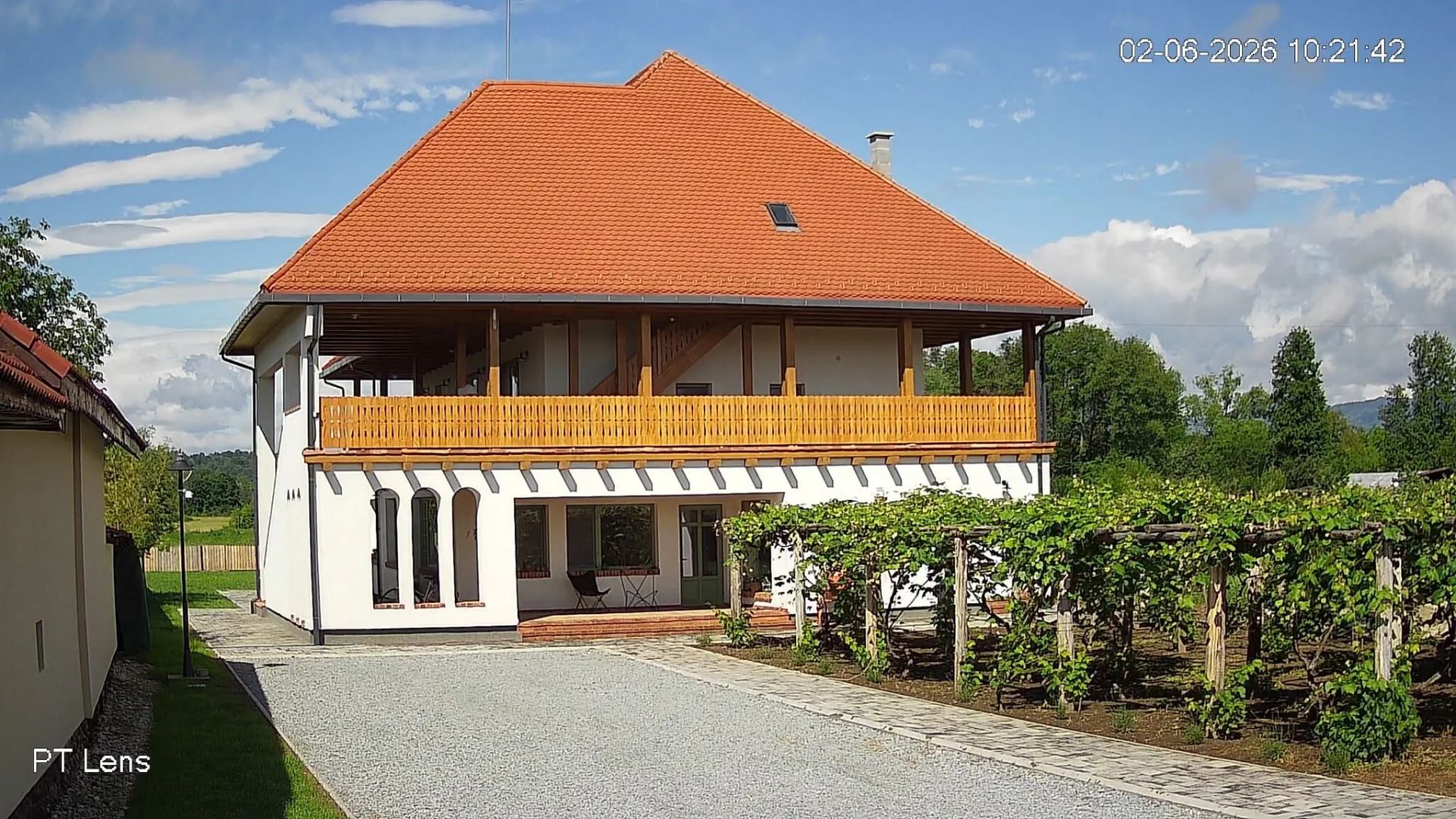
Guesthouse · 3 stars

Hobița, Gorj County · 0.7 km
Pensiune Acasă la Brâncuș Hobița
Pensiune Acasă la Brâncuș Hobița este o pensiune turistică de 3 stele situată în localitatea Hobița, județul Gorj. Unitatea pune la dispoziția dumneavoastră o curte mare și o grădină amenajată, un foișor în curte, precum și parcare privată gratuită pentru autoturisme. Pentru activități recreative în aer liber, aveți la dispoziție închiriere de biciclete și tenis de masă, iar conexiunea Wi-Fi gratuită asigură acces la internet pe toată durata șederii dumneavoastră, într-un mediu plăcut și relaxant. Pensiunea oferă șase camere amenajate cu grijă pentru confortul dumneavoastră, potrivite pentru odihnă într-o atmosferă autentică și liniștită. Fiecare spațiu este gândit pentru a vă oferi condițiile necesare după o zi petrecută în explorarea împrejurimilor și a obiectivelor din zonă. În apropiere puteți vizita Casa-Muzeu „Constantin Brâncuși”, Casa memorială Constantin Brâncuși, Coloana Infinitului, Mănăstirea Tismana și Sfânta Mănăstire Tismana, obiective care îmbogățesc experiența culturală și spirituală a șederii dumneavoastră. Această pensiune este potrivită pentru familii, cupluri și călători care doresc să descopere frumusețile județului Gorj într-un cadru primitor, autentic și plin de liniște.
FROM
240 lei per night

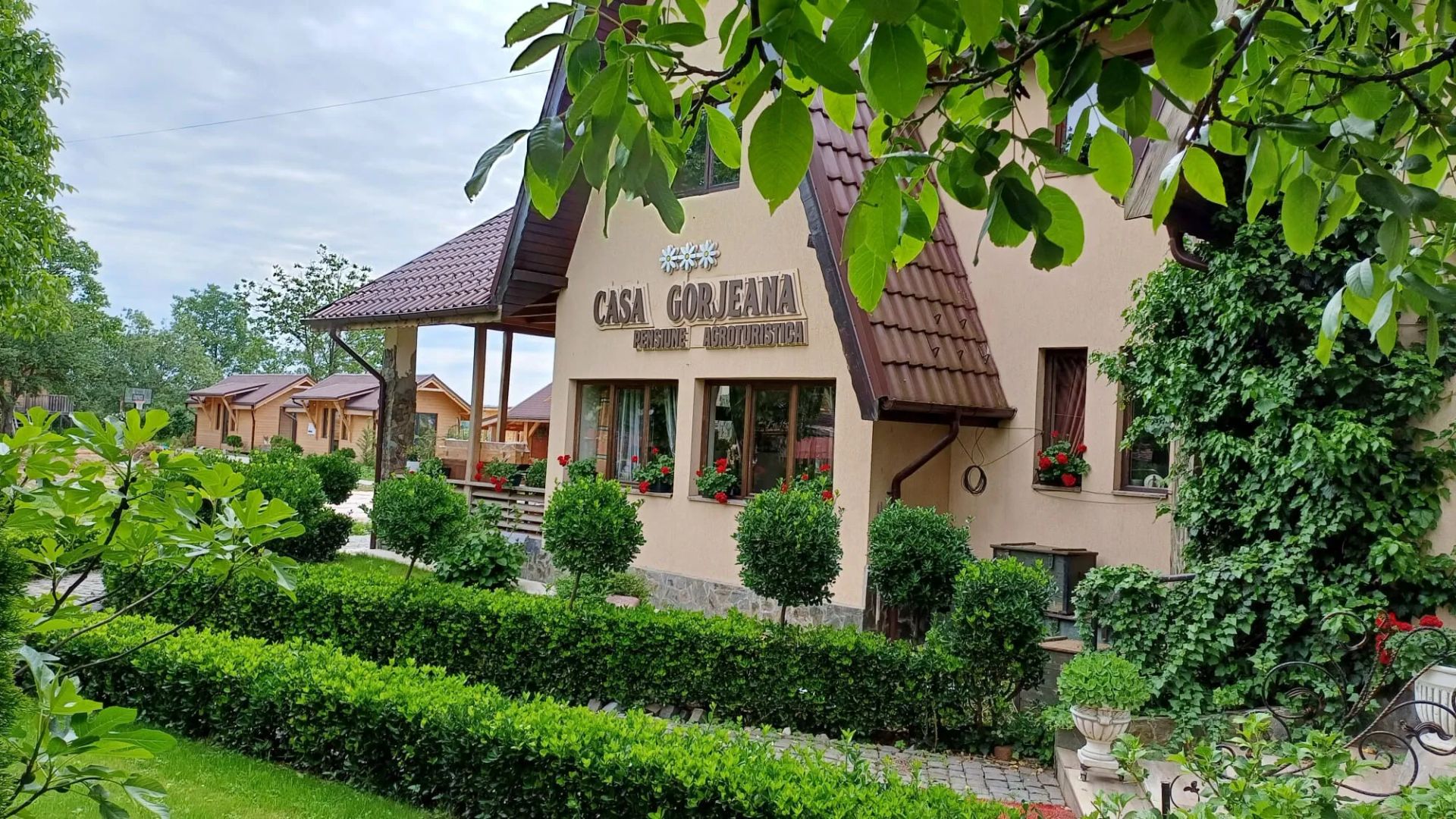
Guesthouse · 4 stars
Peştişani, Gorj County · 2.7 km
Pensiunea Casa Gorjeana Pestisani
Comfort, relaxation and stunning views, all just steps away from the main attractions.
FROM
310 lei per night
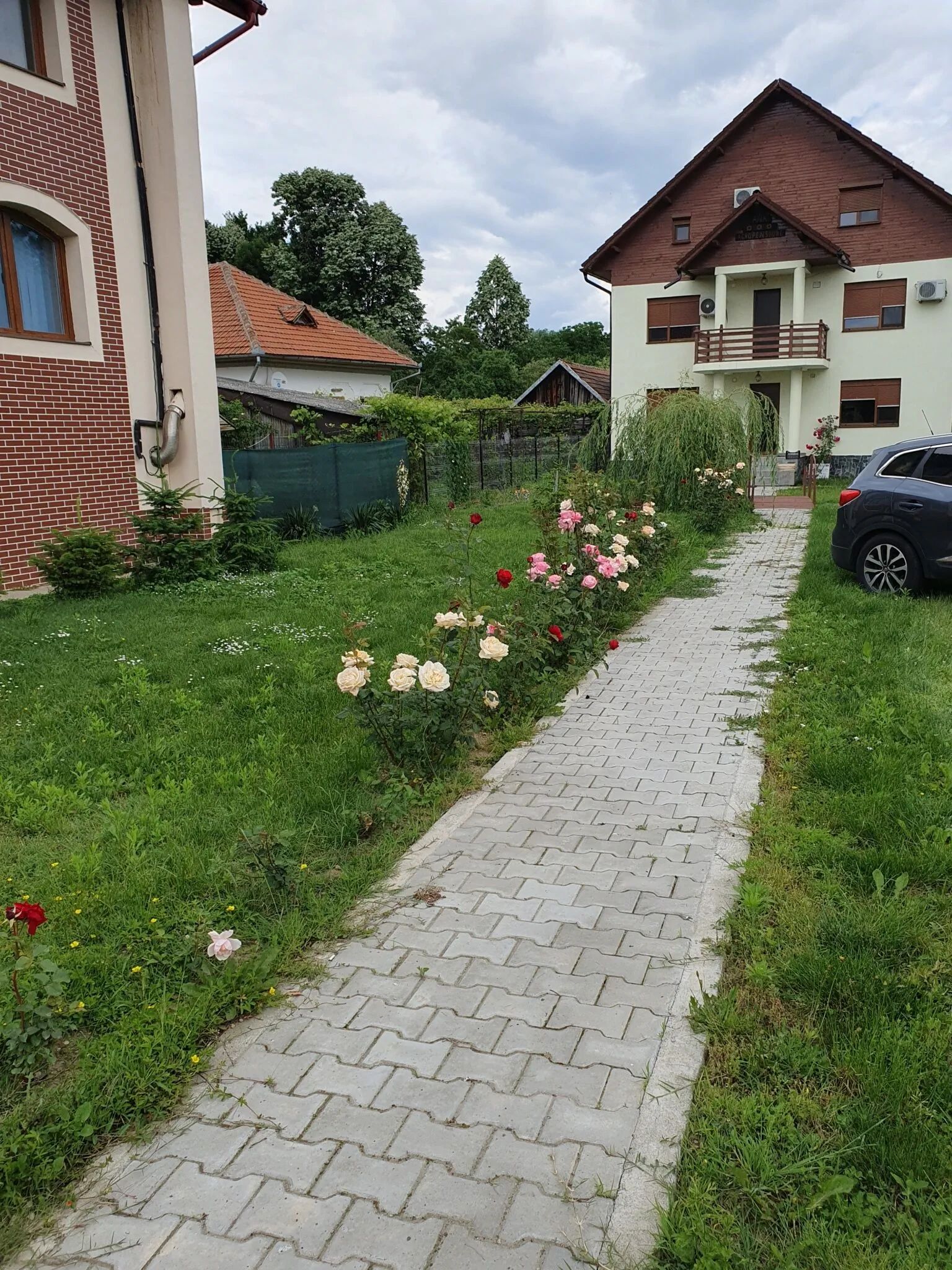
Guesthouse · 3 stars
Peştişani, Gorj County · 3.0 km
Pensiunea Ana Peştişani
Comfort, relaxation and stunning views, all just steps away from the main attractions.
FROM
240 lei per night
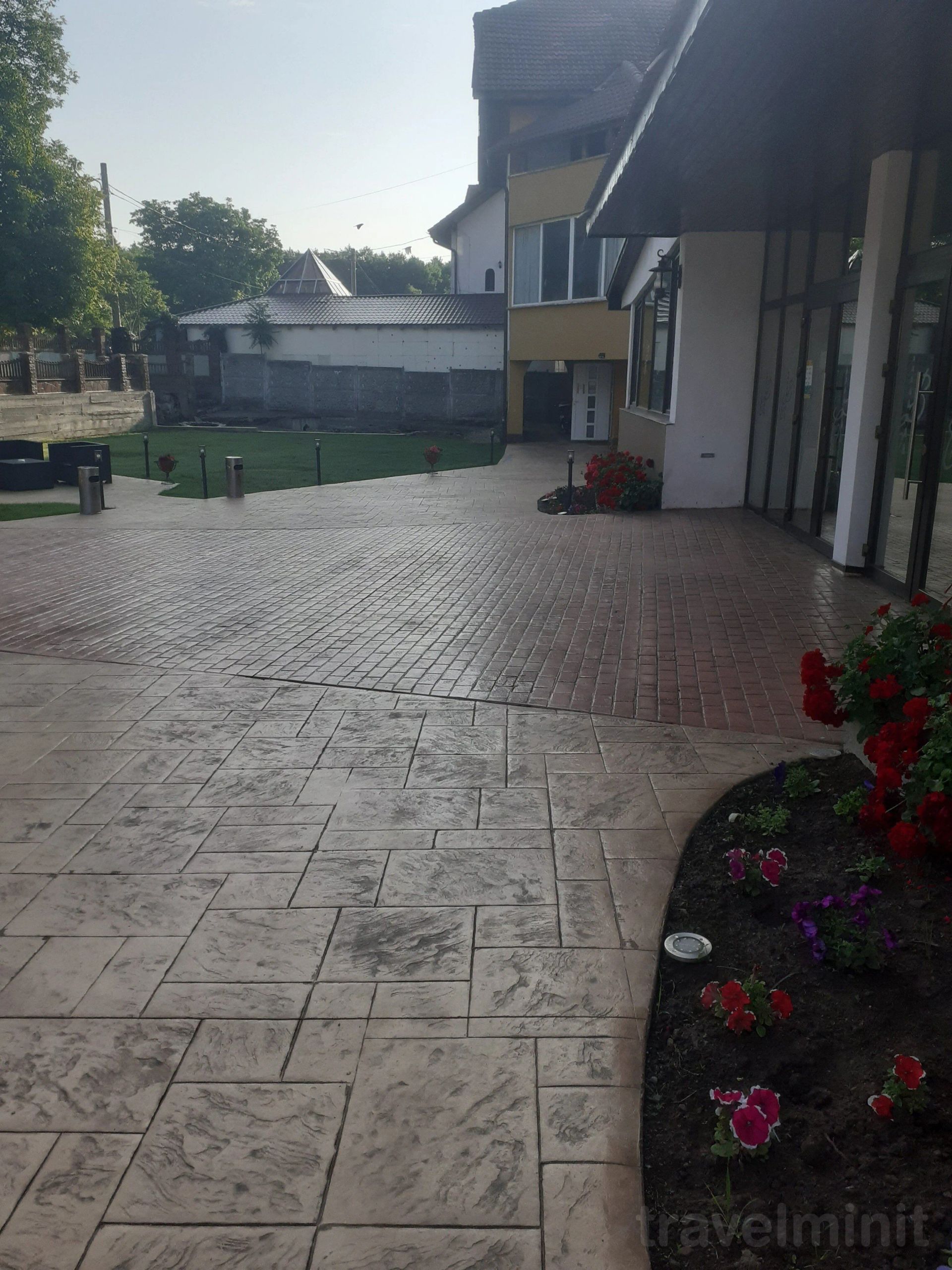
Guesthouse · 3 stars
Peştişani, Gorj County · 3.0 km
Pensiunea Casa Brâncuși Peștișani
Pensiunea Casa Brâncuși Peștișani este o pensiune turistică de 3 stele situată în localitatea Peștișani din județul Gorj. Unitatea pune la dispoziția dumneavoastră Wi-Fi gratuit și parcare privată gratuită, astfel încât sosirea să fie lipsită de griji. În interior aveți la dispoziție un living spațios pentru relaxare după excursiile din zonă. În exterior, curtea mare și grădina amenajată oferă un cadru plăcut pentru momente de liniște, iar lângă lacul din curte puteți organiza un grătar sau puteți încerca să prindeți pește. De asemenea, aveți la dispoziție un barbeque și un ceaun pentru gătit în aer liber, iar în foișoarele din curte puteți lua masa pregătită de dumneavoastră. În apropiere se află obiective culturale și spirituale importante: Casa-Muzeu „Constantin Brâncuși”, Casa memorială Constantin Brâncuși, Coloana Infinitului, Mănăstirea Tismana și Sfânta Mănăstire Tismana. Aceste puncte de interes vă permit să descoperiți patrimoniul zonei fără deplasări lungi. Vă așteptăm la Pensiunea Casa Brâncuși Peștișani, situată pe principala 140 din Peștișani, cu acces facil și parcare asigurată.
FROM
240 lei per night
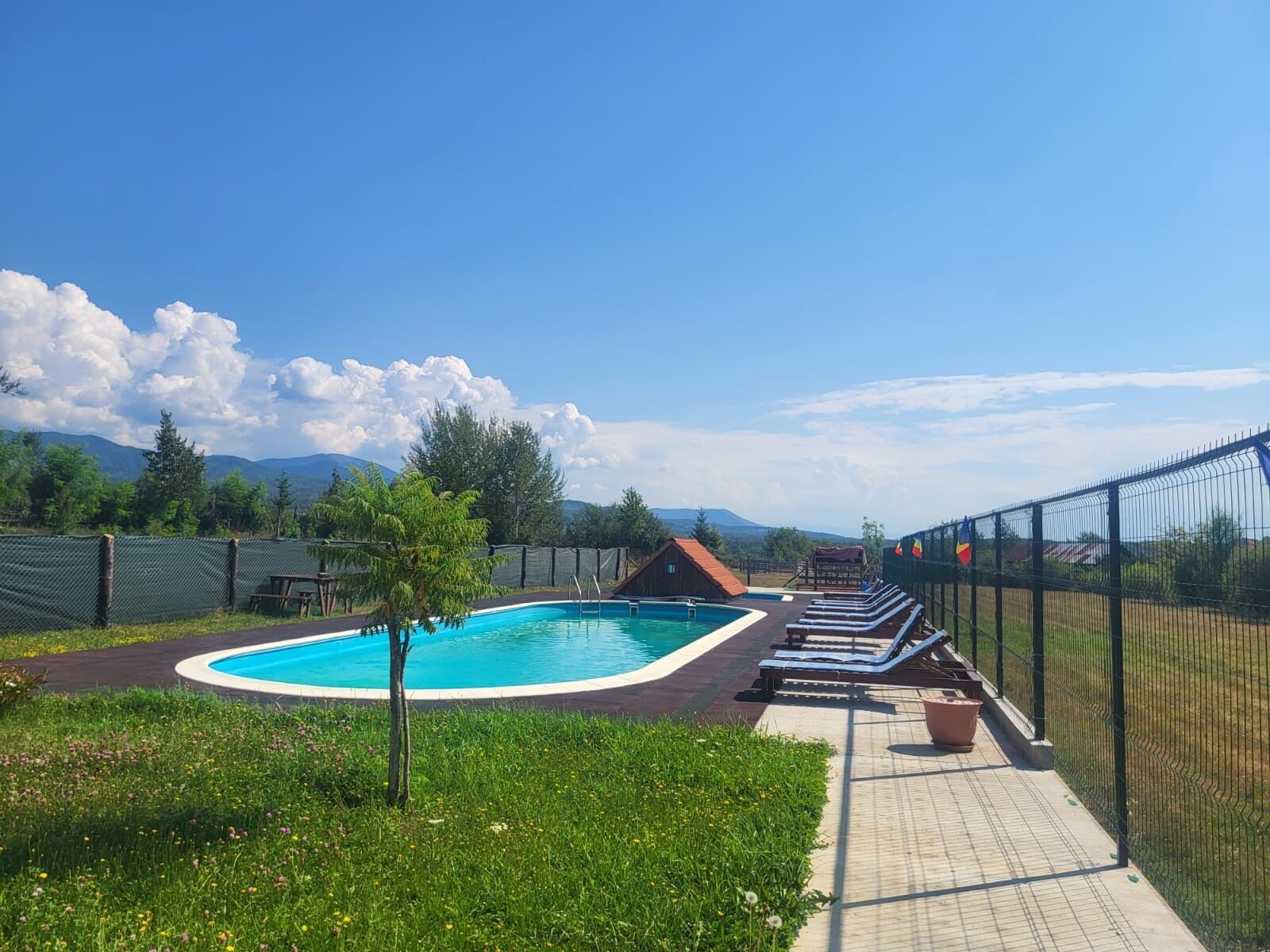
Guesthouse · 3 stars
Tismana, Gorj County · 7.3 km
AgroPensiunea Plaiul Castanilor Tismana
Pe strada Gornovita din Tismana, într-un cadru liniștit și natural, se află AgroPensiunea Plaiul Castanilor Tismana. Această pensiune turistică de trei stele vă pune la dispoziție șapte camere mobilate cu gust, într-un ambient primitor care vă asigură un sejur confortabil în zona Gorj. Check-in-ul se face de la ora 15:00, iar check-out-ul până la ora 12:00. Unitatea beneficiază de aer condiționat, Wi-Fi gratuit și parcare privată gratuită. În exterior, o curte mare și o grădină amenajată creează un spațiu plăcut pentru relaxare, iar cei mici se pot distra la locul de joacă amenajat în aer liber. Pentru seri petrecute împreună, aveți la dispoziție grătar, barbeque și ceaun pentru gătit în aer liber. Accesul persoanelor cu dizabilități este asigurat, iar la recepție se vorbesc engleză, rusă, franceză și română. În apropiere puteți descoperi Mănăstirea Tismana, Sfânta Mănăstire Tismana, Casa-Muzeu „Constantin Brâncuși”, Casa memorială Constantin Brâncuși și Coloana Infinitului, obiective care completează perfect șederea dumneavoastră în această zonă. Vă așteptăm la AgroPensiunea Plaiul Castanilor Tismana.
FROM
240 lei per night
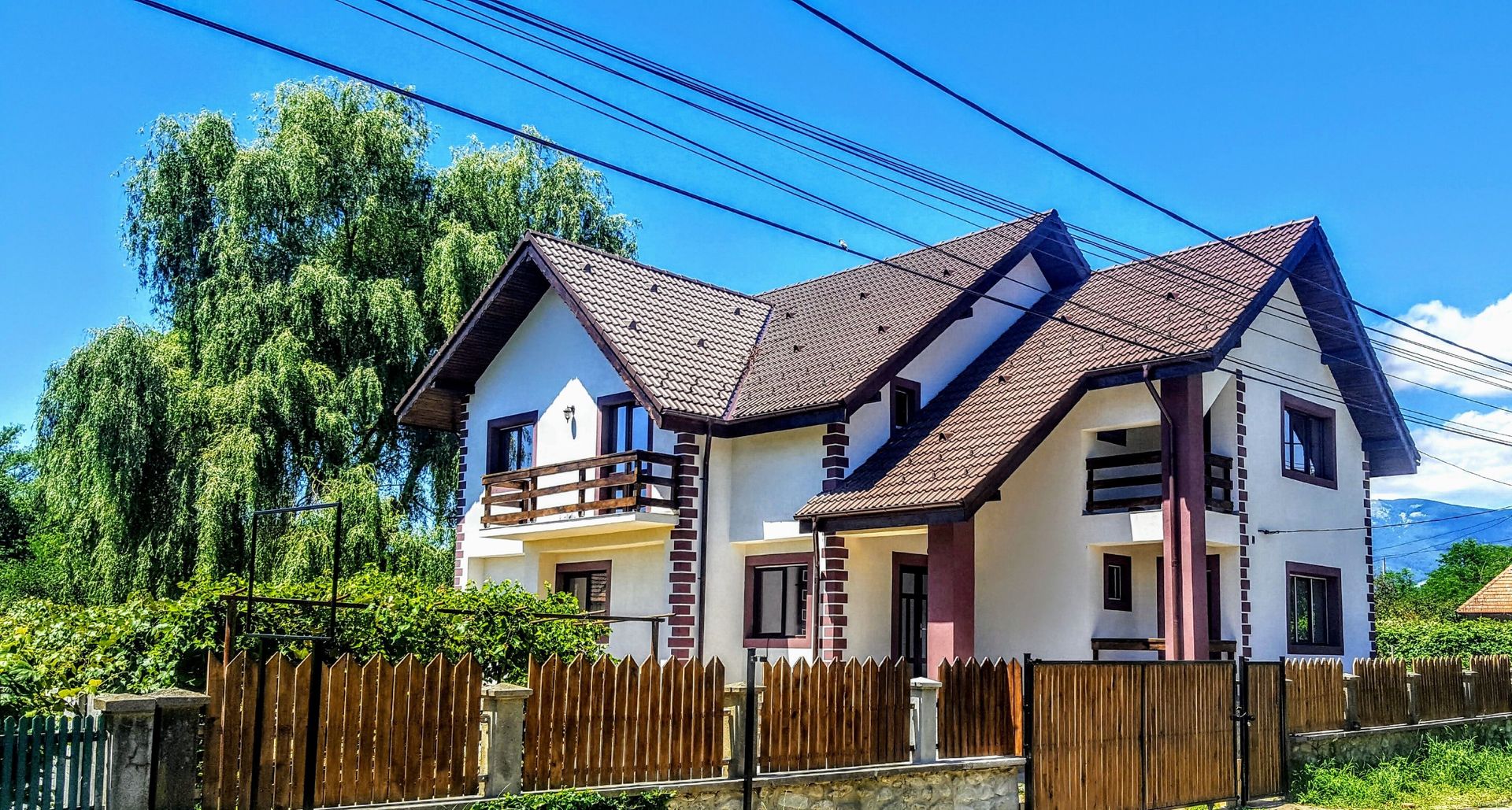
Guesthouse · 3 stars
Arcani, Gorj County · 7.5 km
Pensiunea Venera Arcani
În comuna Arcani din județul Gorj, pe strada Principala, se află Pensiunea Venera Arcani, o unitate de cazare clasificată cu trei stele care vă oferă un cadru liniștit și primitor pentru un sejur relaxant în această zonă a Olteniei. Curtea mare și grădina amenajată reprezintă un spațiu plăcut pentru momente de odihnă în aer liber. Aici găsiți un foișor confortabil unde vă puteți aduna cu cei dragi, puteți organiza mese la grătar sau barbecue, puteți sta la vatră de foc sau șemineu în aer liber ori puteți găti preparate tradiționale în ceaun. Pentru familiile cu copii, proprietatea pune la dispoziție un loc de joacă amenajat la exterior, pătuț pentru bebeluși și scaun înalt pentru cei mici. De asemenea, beneficiați de Wi-Fi gratuit în întreaga unitate, parcare privată gratuită, parcare specială pentru biciclete și acces facilitat pentru persoanele cu dizabilități. Toate aceste facilități sunt puse la dispoziție pentru a vă asigura un sejur confortabil. În apropiere puteți vizita mai multe obiective culturale și religioase importante din zonă: Coloana Infinitului, Casa-Muzeu „Constantin Brâncuși”, Ansamblul Monumental Calea Eroilor Târgu Jiu, Casa memorială Constantin Brâncuși și Mănăstirea Tismana. Vă așteptăm la Pensiunea Venera Arcani.
FROM
240 lei per night
BEFORE YOU HIT THE ROAD
Weather conditions in România
Local forecast for Constantin Brâncuși Memorial House, România, România

Real-time updated weather data
Much more to explore in this area
Nearby tourist attractions


Gorj, Gorj County
Endless Column (Coloana Infinitului)
Sculptură a artistului român Constantin Brâncuși, parte a trilogiei Ansamblului Monumental din Târgu Jiu, UNESCO
18.1 km
Hunedoara, Hunedoara County
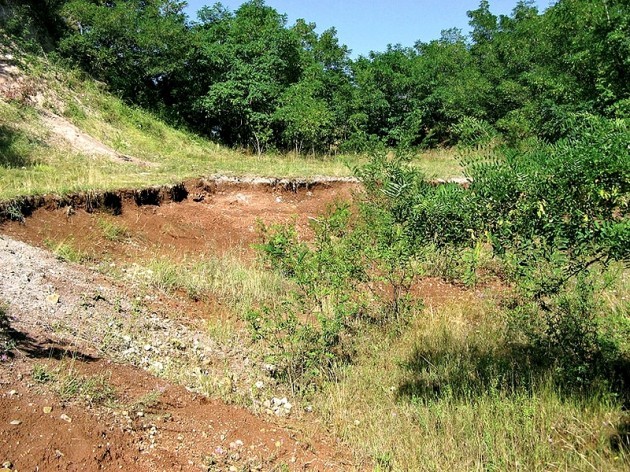
Hațeg Country Dinosaur Geopark
Situat in Tara Hategului, din depresiunea Hategului, invecinandu-se cu Parcul National Retezat la sud si cu Parcul natural Cioclovina Gradistea Muncelului la...
48.7 km
Hunedoara, Hunedoara County
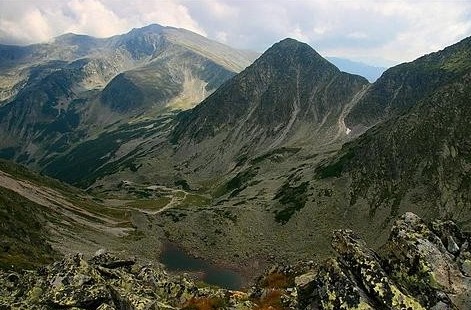
Retezat National Park
Situat in masivul Retezat - Godeanu, in partea de vest a Carpatilor Meridionali; ocupa o suprafata totala de 38.138 ha; altitudinea e cuprinsa intre 800 si 2.50...
36.1 km
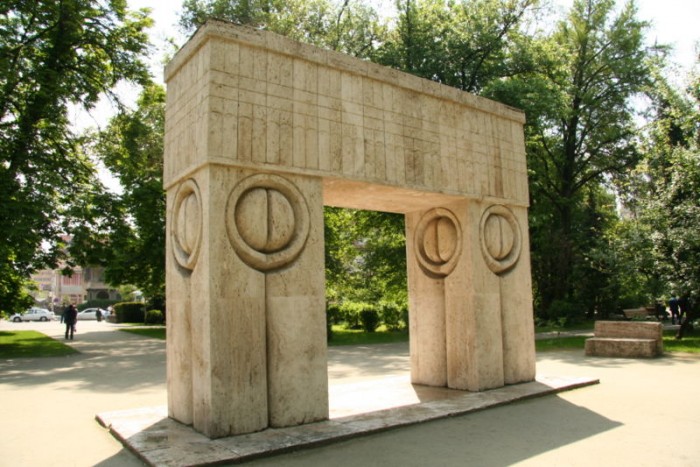
Gorj, Gorj County
The Heroes' Way Monumental Ensemble
Situat in centrul orasului Targu Jiu;realizat de Constantin Brancusi, este un complex sculptural cuprins in patrimoniul UNESCO; ansamblul este alcatuit dintr-o...
18.1 km
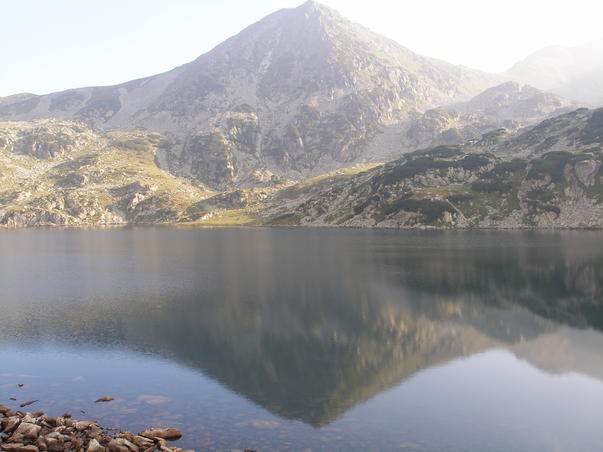
Hunedoara, Hunedoara County
Lake Bucura
Situat in caldarea Bucura, sub Varful Peleaga si Saua Bucurei; orientat pe directia nord - sud; face parte din Parcul National Retezat si este situat la o...
36.7 km
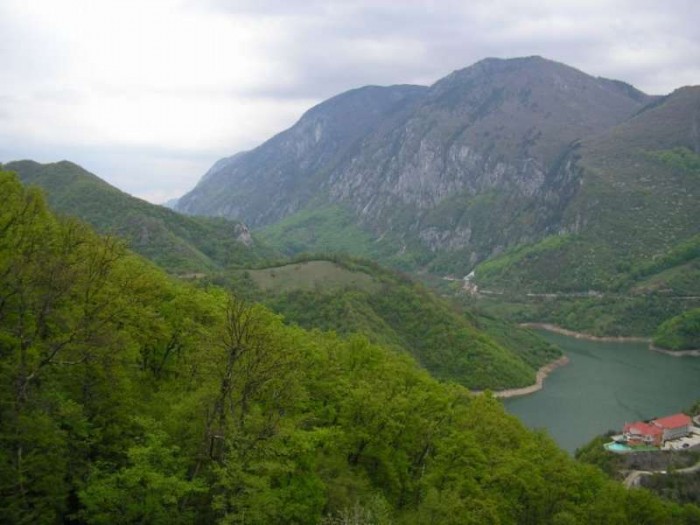
Caras Severin, Caraș-Severin County
Domogled-Valea Cernei National Park
Se intinde pe suprafata a 3 judete - Caras-Severin, Mehedinti si Gorj, peste bazinul raului Cerna, de la obarsie pana la confluenta cu raul Belareca, peste...
43.8 km

10.6 km
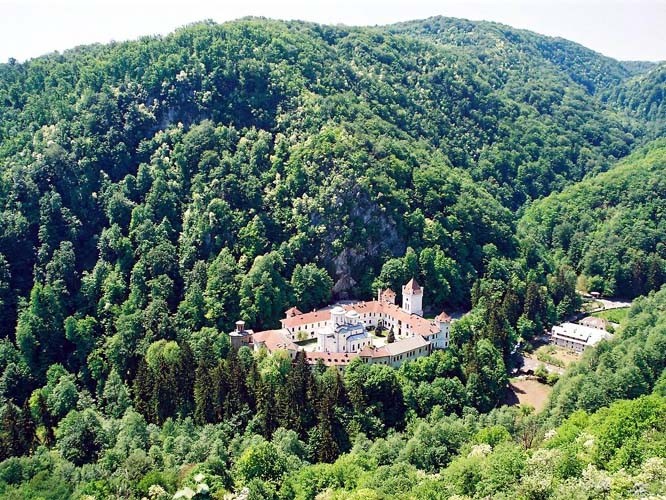
Gorj, Gorj County
Tismana Monastery
Situata la 36 de km de orasul Targu Jiu; pornind din Targu Jiu pe DN67, la km 82 se face ramifica?ia spre Tismana si Baia de Arama; monument de arhitectura...
10.6 km
24.1 km
37.6 km
Hunedoara, Hunedoara County
Munții Retezat
Lanț de munți din Carpații Meridionali, grupa muntoasă Retezat-Godeanu
37.8 km
49.5 km
Cultural life and traditions
Events in the Constantin Brâncuși Memorial House area
Medieval festivals, traditional fairs, concerts and local activities recommended in Transylvania.

Heritage and History

România, County of România
The Festival of Medieval Fortresses and the Open Doors Days
Guided night tours, traditional crafts workshops and historical re-enactments featuring knights and ladies.
WHEN
May 15-17, 2026


Traditions and Cuisine
România, County of România
The Fair of Saxon Traditions and Local Cuisine
Discover local producers, traditional Saxon pastries baked in a wood-fired oven, artisanal syrups, and rhubarb jam.
WHEN
Every weekend (May - October)

Ecotourism and Nature
The hills of Transylvania, County of România
Guided Hikes on the Transylvanian Hills Trail
Take excursions along unmarked trails through ancient meadows, centuries-old oak trees, and villages with fortified churches that are UNESCO World Heritage sites.
WHEN
Friday – Sunday (Season 2026)
On foot, exploration gains depth
Discover the surroundings and local geography
Explore the trails, terrain, and natural landmarks around Constantin Brâncuși Memorial House.

Guides and practical tips
Useful travel articles
Travel guides, practical recommendations and tourist itineraries for Transylvania.

Tourist guide
Satul Peștera și Șirnea: Primele Sate Turistice din România
Dealuri vălurite, căsuțe răsfirate din lemn și garduri tradiționale de nuiele sub privirea stâncoasă a Pietrei Craiului.

Tourist guide
Top 5 Atracții Turistice și Trasee Montane în Zona Moieciu - Bran
Descoperă cele mai spectaculoase peisaje carstice, chei adânci și cetăți medievale din imediata apropiere a stațiunii Moieciu.

Tourist guide
Ghid de Drumeție: Traseul Moieciu de Sus spre Platoul Bucegi
Un itinerariu montan de o frumusețe rară ce urcă din Valea Băngăleasa spre Poiana Guțanu și crestele maiestuoase ale Bucegilor.
THE JOURNEY STARTS WITH AN IDEA
The next story is on the way.
From the first stop to the last stay, make room for a new Romania.
