


PLACE OF WORSHIP · OLTENIA (LESSER WALLACHIA)
Tismana Monastery

Tismana, Gorj County
Add location to your trip planner.

Practical access information

VISITING HOURS
Monday: 12:00 PM – 5:00 PM · Tuesday–Sunday: 9:00 AM – 5:00 PM (in summer until 8:00 PM)

TICKET PRICE
Adults: 45 RON · Students: 11 RON · Seniors: 23 RON · Guided tour included

RECOMMENDED VISIT DURATION
30-60 minutes
Sources and external references
Wikipedia Encyclopedia (EN)
Visitor information and guide
 Navigate with Google Maps

ABOUT TISMANA MONASTERY
Captivating Introduction and Heritage Significance
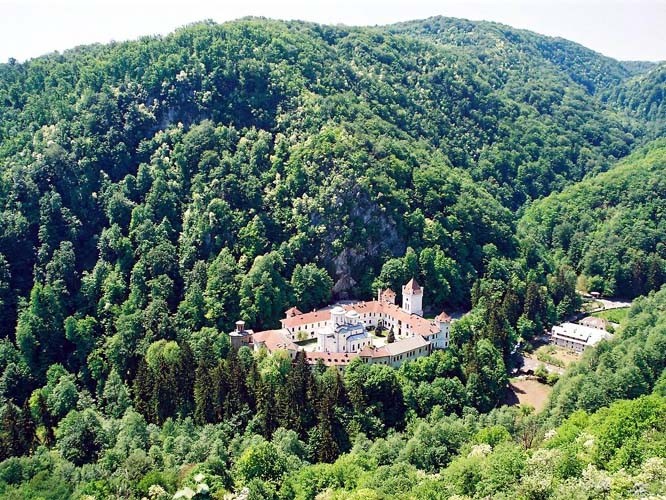
Deep within the gorge carved by the swift waters of the Tismana River, where the Parâng Mountains rise majestically toward the sky and limestone cliffs tower ominously above the riverbed, stands one of the oldest and most venerated monastic foundations in Southeast Europe. Tismana Monastery, founded in 1378 by Saint Nicodim, is not only the first stone church built in Wallachia but also a symbol of spiritual resilience in a Carpathian landscape at the crossroads of Byzantine, Serbian, and indigenous influences. This sacred site marks the moment when religious architecture in the Romanian lands transitioned from ephemeral wooden structures to enduring stone constructions, inaugurating an era of cultural flourishing that would profoundly influence the national identity. Like the monasteries of Mount Athos or the Morava Valley, Tismana presents itself as a bastion of Eastern Orthodoxy, preserving the hesychast tradition in a landscape of overwhelming wilderness, where nature and spirituality intertwine in perfect harmony. Its strategic position at the entrance to the Tismana Gorges transforms every visit into a pilgrimage experience that transcends geographical boundaries, offering the modern traveler a window into the medieval spirituality of the Balkans.
Historical Roots and Major European Connections
The year 1378 places the foundation of Tismana in a period of profound transformation for Southeast Europe, as the Byzantine Empire experienced its final decades of glory before the fall of Constantinople, and the Serbian Empire, under Stefan Dušan, reached the peak of its territorial expansion. Against this tumultuous geopolitical backdrop, Saint Nicodim, a hesychast monk originally from Prilep in present-day Macedonia, arrived in Wallachia with the mission of strengthening monastic life in a region situated at the border between the Byzantine world and the West. With the support of Voivode Radu I and the local nobility, Nicodim built this monastery as a center of spiritual radiance intended to link the Athonite tradition with the emerging state of Wallachia, which was in the process of consolidation under the Basarab dynasty. The connections with Serbian monasteries, particularly those in the Morava Valley such as Manasija and Ravanica, are evident in the architectural style, while Byzantine influences are reflected in the liturgical order and iconographic art. Tismana thus forms part of a vast European cultural circuit that includes the monasteries of Meteora in Greece, Mount Athos, and Kosovo, creating a network of hesychast centers that preserved the Philokalic tradition during a time of great political upheaval. Like the Rila Monastery in Bulgaria or Hilandar on Mount Athos, Tismana served as a beacon of Orthodoxy in a region increasingly exposed to Ottoman pressures, maintaining an unbroken spiritual continuity for over six centuries.
Architectural Masterpiece, Style, and Constructive Details
The monastery church, dedicated to the Dormition of the Mother of God, faithfully illustrates the Byzantine style characteristic of the 14th century, embodying a synthesis of Constantinopolitan tradition and innovations from the Serbian Morava school. The trefoil plan, with prominent lateral apses and a central nave dominated by a dome on a drum, reflects the influences of Serbian architecture from the time of Stefan Dušan, while the exterior stone decoration, featuring geometric and vegetal motifs sculpted in relief, recalls Byzantine techniques from the 11th and 12th centuries. The monastic complex presents itself as a true spiritual fortress, with the cells arranged in a closed quadrangle around a paved inner courtyard, flanked by a bell tower and massive enclosure walls that have protected the community over the centuries from Ottoman invasions and internal conflicts. The interior of the church reveals mural paintings of rare beauty, restored in several historical stages—from the original Byzantine frescoes of the 14th century to the renewals of the Brâncoveanu period and the 19th-century restorations—preserving valuable fragments of the Byzantine school that depict scenes from the life of the Mother of God and the Savior. The monastery’s treasury houses an impressive collection of ancient wooden icons, illuminated manuscripts with remarkably fine miniatures, and liturgical objects of silver and gold, attesting to the artistic continuity and exceptional craftsmanship of the Tismana school. Similar to the monasteries of Mount Athos or medieval Serbia, the complex represents a living museum of Eastern sacred architecture, where every stone, fresco, and icon tells the story of an unbroken artistic tradition.
Spiritual Dimension and the Resilience of Cultural Identity
Saint Nicodim, the first abbot and founder of the monastery, was canonized by the Romanian Orthodox Church in 2000, becoming the patron saint of Oltenia and one of the most venerated national saints, recognized for his contribution to the translation and dissemination of Philokalic teachings in the Romanian language. During the Ottoman domination, which became firmly established in the region after 1456, Tismana functioned as a bastion of spiritual and cultural resistance, preserving the hesychast tradition and Philokalic teachings in a time of political turmoil and increasing religious pressure. Here, scholars, calligraphers, and hierarchs were formed who contributed to the development of the Romanian literary language and the maintenance of national cultural identity in a European context dominated by foreign empires. The school of Tismana developed a high-class Byzantine musical tradition, preserving and perfecting hesychast chants that would influence all Romanian church music. The close ties with monasteries in the Balkan Peninsula and spiritual centers in Greece, as well as with monasteries in Serbia and Bulgaria, place Tismana within a distinguished European cultural circuit, similar to other important sites such as Meteora, Rila, or the monasteries of Kosovo, forming a spiritual axis that withstood centuries of Ottoman domination and political upheaval.
Stories, Personalities, and Turning Points
The story of Tismana is inextricably linked to the remarkable personality of Saint Nicodim, who, after years of asceticism on Mount Athos and in Serbian monasteries, found in Wallachia the fertile ground to establish a new hesychast center. Legend has it that the saint performed several miracles during his lifetime, and after his death in the first half of the 15th century, his cult spread rapidly throughout the region. Over the centuries, the monastery has experienced numerous historical turning points: partial destruction during the wars with the Ottomans in the 15th century, major restorations under the guidance of wise abbots, and periods of cultural flourishing during the reign of Neagoe Basarab in the 16th century, when new cells were added and the artistic treasury was enriched. In the 19th century, during the era of national revival, the monastery underwent a new period of restoration and consolidation, becoming a symbol of Romanian cultural resistance against Phanariot rule and later Austro-Hungarian domination in Oltenia. The 20th century brought major challenges, including the communist period when the monastery was temporarily closed and turned into a museum, but it survived as a place of pilgrimage and preservation of traditions. After 1989, it was reborn as a living monastic center, and in 2000, with the canonization of its founder, it gained a new dimension of officially recognized sanctity.
Practical Visitor’s Guide and the Contemporary Pilgrim’s Experience
Located approximately 30 kilometers northwest of the city of Târgu Jiu, along National Road DN67D, the monastery is set in an exceptional natural landscape at the entrance to the Tismana Gorges Nature Reserve, a gorge carved by the swift waters of the river of the same name, with vertical rock walls reaching heights of over 40 meters. Visitors can access the monastic complex year-round, enjoying the tranquility characteristic of monastic life and the fresh, ozone-rich air of the Southern Carpathians. At the entrance to the enclosure, pilgrims are greeted by the bell tower and stone walls that frame the inner courtyard, while the sound of bells and flowing water creates an atmosphere of profound contemplation. The monastery museum, housed in the historic cells, displays collections of religious art, historical documents, manuscripts, and archaeological artifacts that illustrate the spiritual and cultural evolution of the site over the centuries, offering a comprehensive perspective on Tismana’s role in Romanian history. For a complete experience, visitors are encouraged to attend the evening or early morning services, when sunlight filters through the narrow windows, illuminating the interior frescoes, as well as to explore the Tismana Gorges on the marked trails that lead to nearby waterfalls and caves. The authentic pilgrimage atmosphere, combined with the wild beauty of the Parâng Mountains and the sacred tranquility of the monastic enclosure, offers a profound spiritual experience in harmony with the contemplative tradition of Eastern Orthodoxy—a place where history, faith, and nature converge in perfect unity, inviting travelers to discover the deep roots of European spirituality in the heart of the Carpathians.
Media gallery
Discover Tismana Monastery in pictures

1 photos · Architecture, courtyards and captivating details

Image source: Wikimedia Commons · Public domain photos · Free license
STAY A FEW DAYS, DISCOVER THE MAGIC
Accommodation in the Tismana Monastery area

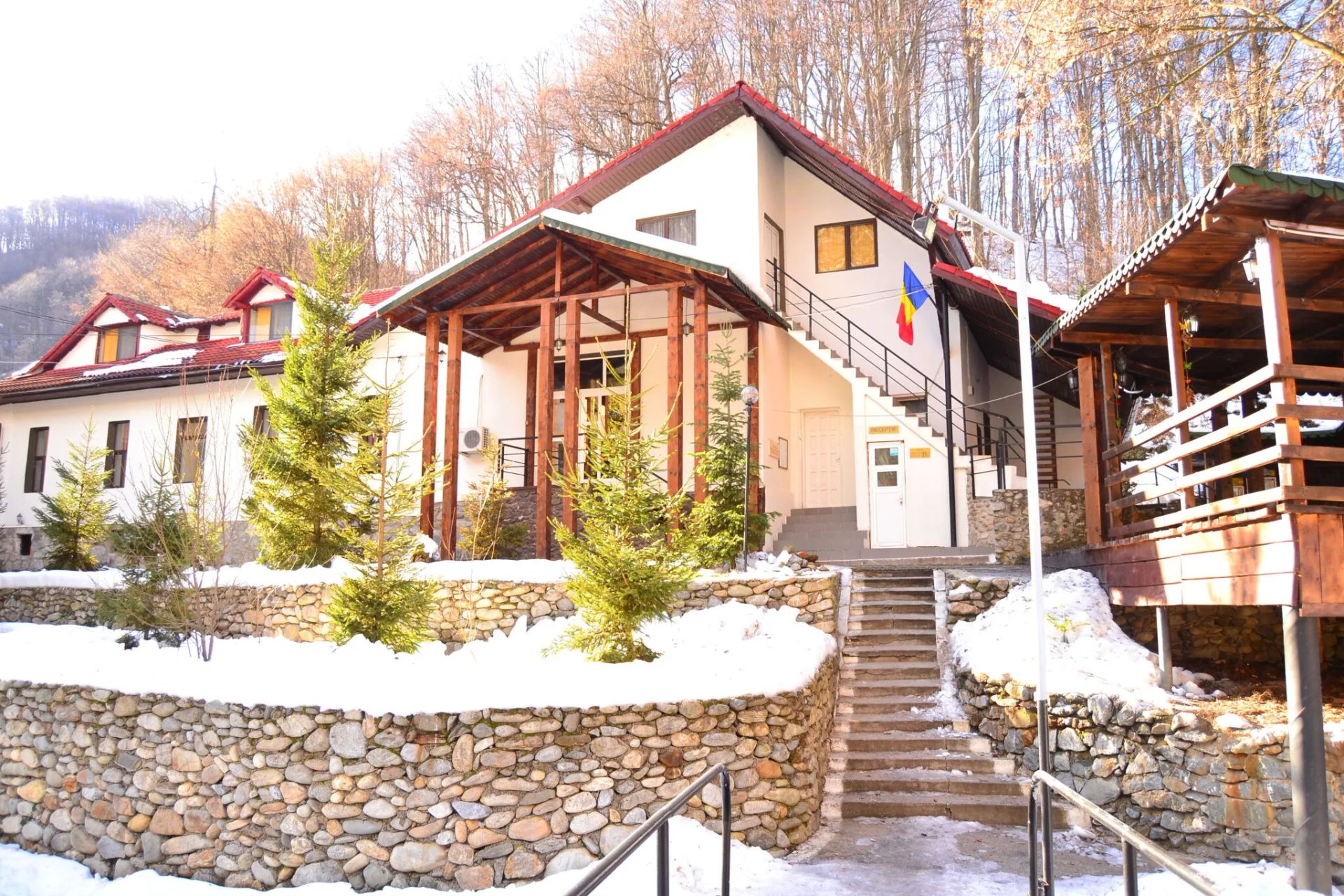
Holiday villa · 2 stars

Tismana, Gorj County · 0.7 km
Vila Ursu Tismana
Pe strada Mănăstirii din Tismana, Vila Ursu Tismana vă oferă cazare într-un cadru natural aparte, într-o zonă liniștită înconjurată de vegetație. Unitatea se integrează armonios în peisajul local, oferind priveliști spre relieful înconjurător și un aer de liniște. Vila pune la dispoziție camere dotate cu televizor, telefon, încălzire centrală și baie proprie. Pentru momentele de relaxare, aveți la dispoziție o curte mare și o grădină amenajată, un foișor confortabil, precum și un bar și o cafenea în incintă. Restaurantul vă așteaptă cu preparate tradiționale într-un spațiu primitor cu terasă. Pentru activități în aer liber, puteți beneficia de acces direct la lac sau ponton, de posibilitatea de a pescui, de un grătar sau barbeque și de un ceaun pentru gătit în curte. De asemenea, aveți la dispoziție parcare pentru biciclete, Wi-Fi gratuit și trasee pentru drumeții montane și trasee în natură. În apropiere puteți vizita Mănăstirea Tismana, Sfânta Mănăstire Tismana, Casa-Muzeu „Constantin Brâncuși”, Casa memorială Constantin Brâncuși, iar Munții Vâlcan vă așteaptă pentru explorare. Vă așteptăm să vă bucurați de șederea dumneavoastră la Vila Ursu Tismana.
FROM
280 lei per night

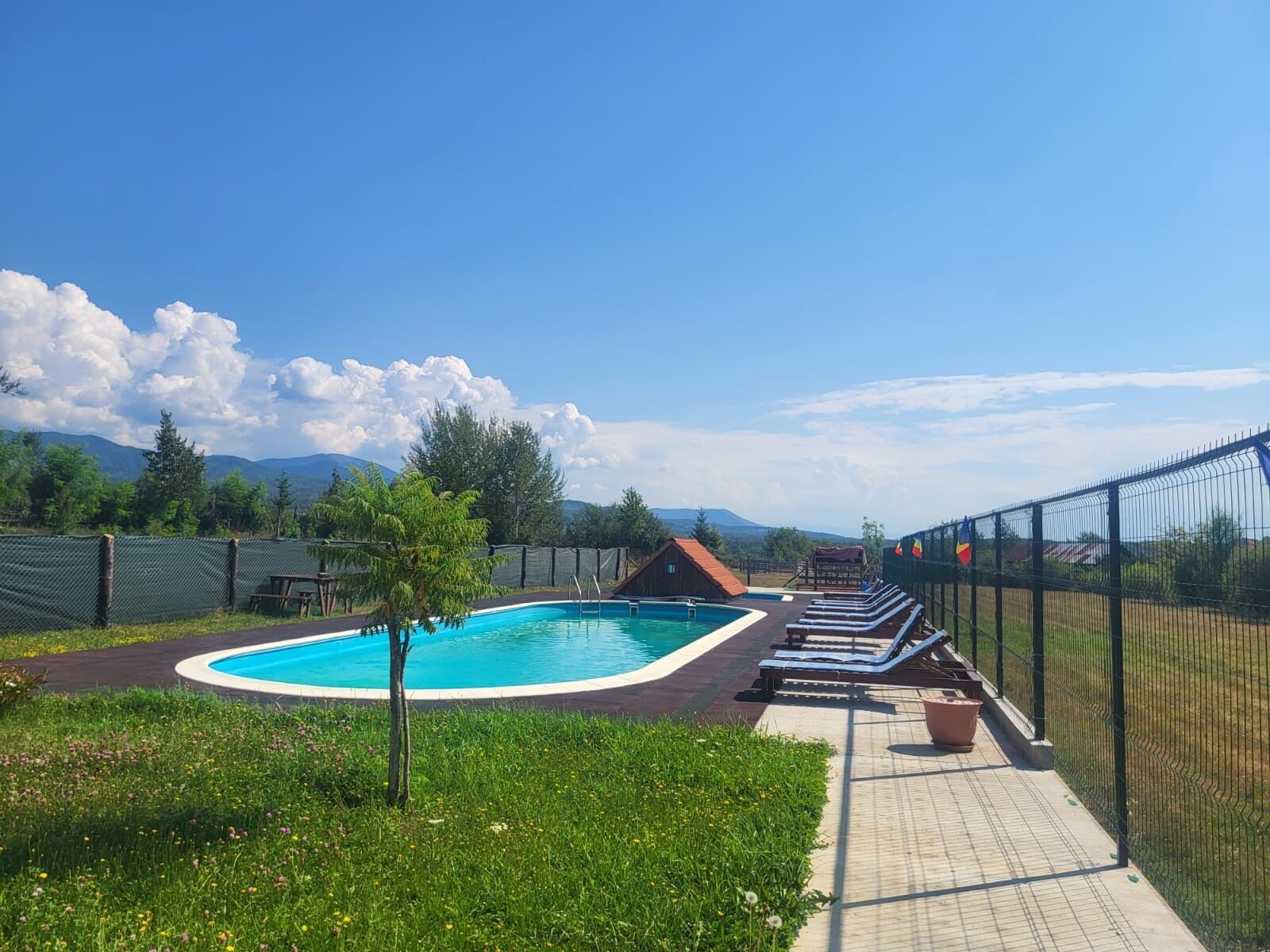
Guesthouse · 3 stars
Tismana, Gorj County · 3.2 km
AgroPensiunea Plaiul Castanilor Tismana
Pe strada Gornovita din Tismana, într-un cadru liniștit și natural, se află AgroPensiunea Plaiul Castanilor Tismana. Această pensiune turistică de trei stele vă pune la dispoziție șapte camere mobilate cu gust, într-un ambient primitor care vă asigură un sejur confortabil în zona Gorj. Check-in-ul se face de la ora 15:00, iar check-out-ul până la ora 12:00. Unitatea beneficiază de aer condiționat, Wi-Fi gratuit și parcare privată gratuită. În exterior, o curte mare și o grădină amenajată creează un spațiu plăcut pentru relaxare, iar cei mici se pot distra la locul de joacă amenajat în aer liber. Pentru seri petrecute împreună, aveți la dispoziție grătar, barbeque și ceaun pentru gătit în aer liber. Accesul persoanelor cu dizabilități este asigurat, iar la recepție se vorbesc engleză, rusă, franceză și română. În apropiere puteți descoperi Mănăstirea Tismana, Sfânta Mănăstire Tismana, Casa-Muzeu „Constantin Brâncuși”, Casa memorială Constantin Brâncuși și Coloana Infinitului, obiective care completează perfect șederea dumneavoastră în această zonă. Vă așteptăm la AgroPensiunea Plaiul Castanilor Tismana.
FROM
240 lei per night
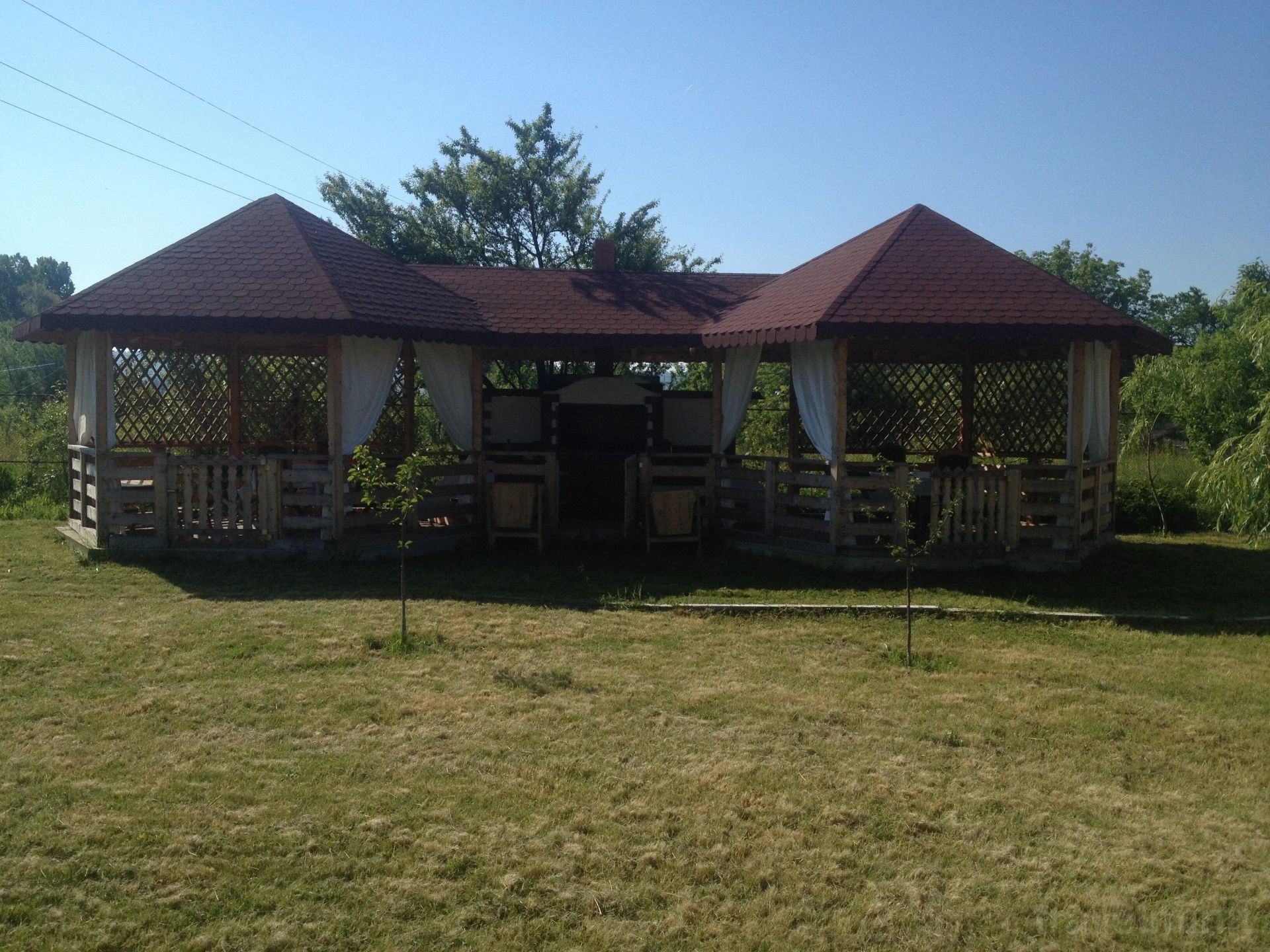
Guesthouse · 3 stars
Tismana, Gorj County · 4.4 km
Pensiunea Magnolia Tismana
Pe strada Tismana, la numărul 46, în orașul Tismana din județul Gorj, se află Pensiunea Magnolia Tismana, o unitate de cazare clasificată cu trei stele care vă așteaptă într-un cadru liniștit și bine îngrijit, potrivit pentru un sejur relaxant în mijlocul naturii. Proprietatea dispune de o curte mare și o grădină amenajată, un foișor în curte, precum și un loc de joacă pentru copii la exterior. Pentru activități în aer liber alături de cei dragi, aveți la dispoziție un grătar, un ceaun pentru gătit în aer liber și un teren amenajat de sport. În incintă funcționează o cafenea și un bar, iar pentru deplasări beneficiați de parcare privată gratuită și parcare pentru biciclete. Accesul persoanelor cu dizabilități este asigurat în întreaga proprietate, iar conexiunea Wi-Fi este gratuită. În unitățile de cazare aveți la dispoziție și fier de călcat, astfel încât să vă simțiți confortabil pe toată durata șederii dumneavoastră. De la Pensiunea Magnolia Tismana, puteți porni să vizitați Coloana Infinitului, monument emblematic al zonei.
FROM
240 lei per night
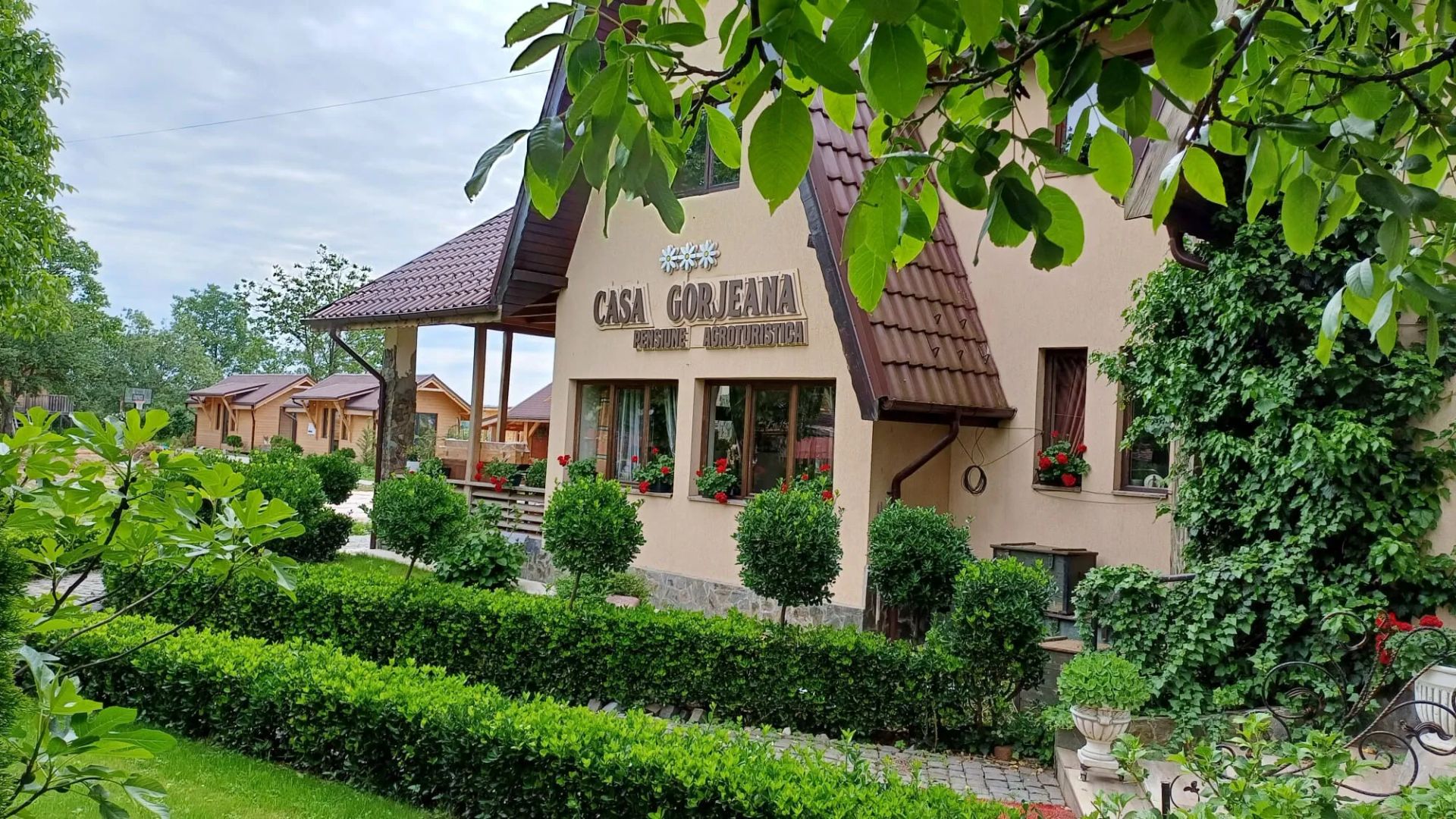
Guesthouse · 4 stars
Peştişani, Gorj County · 8.5 km
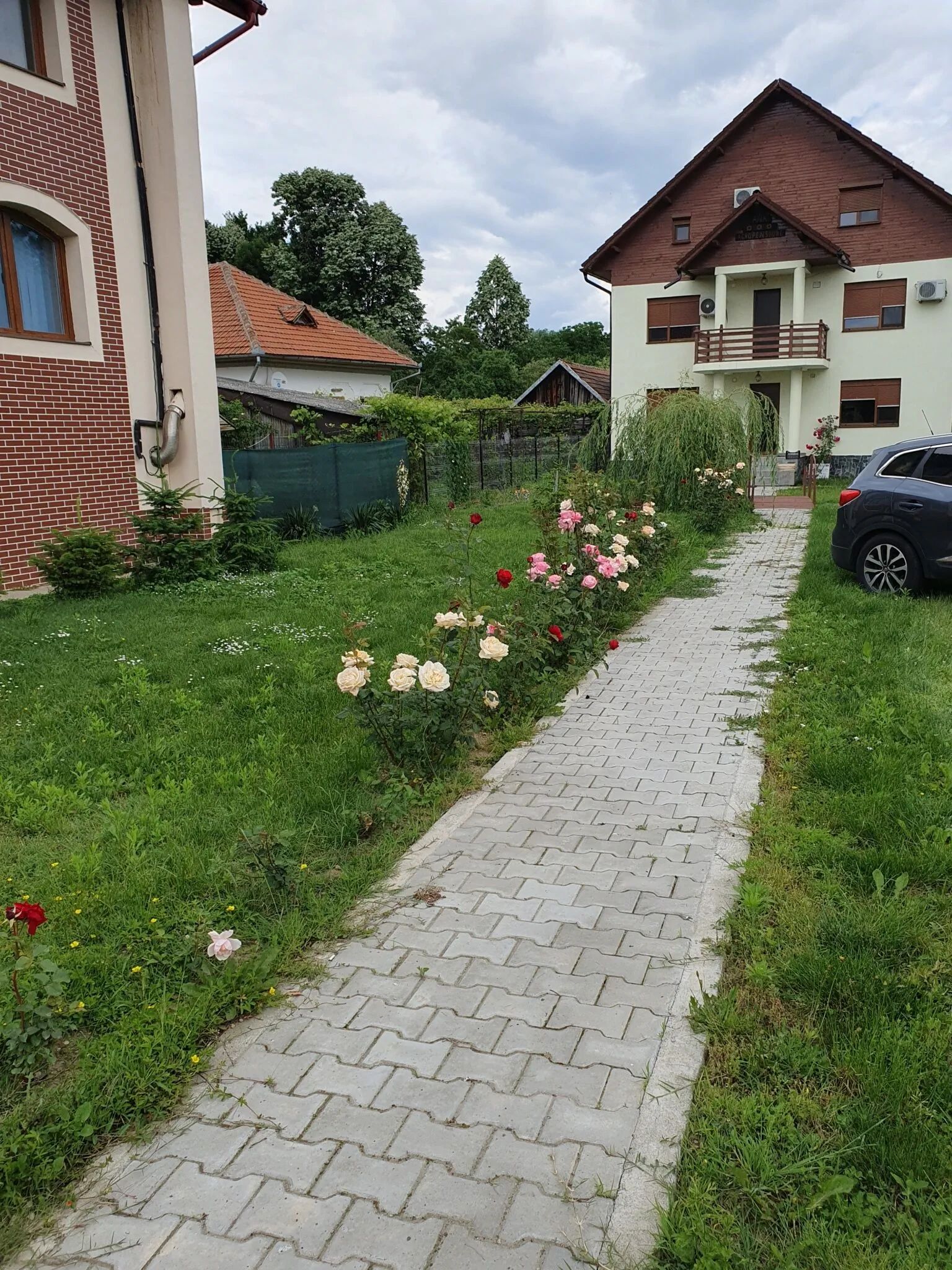
Pensiunea Casa Gorjeana Pestisani
Comfort, relaxation and stunning views, all just steps away from the main attractions.
FROM
310 lei per night
Guesthouse · 3 stars
Peştişani, Gorj County · 9.3 km
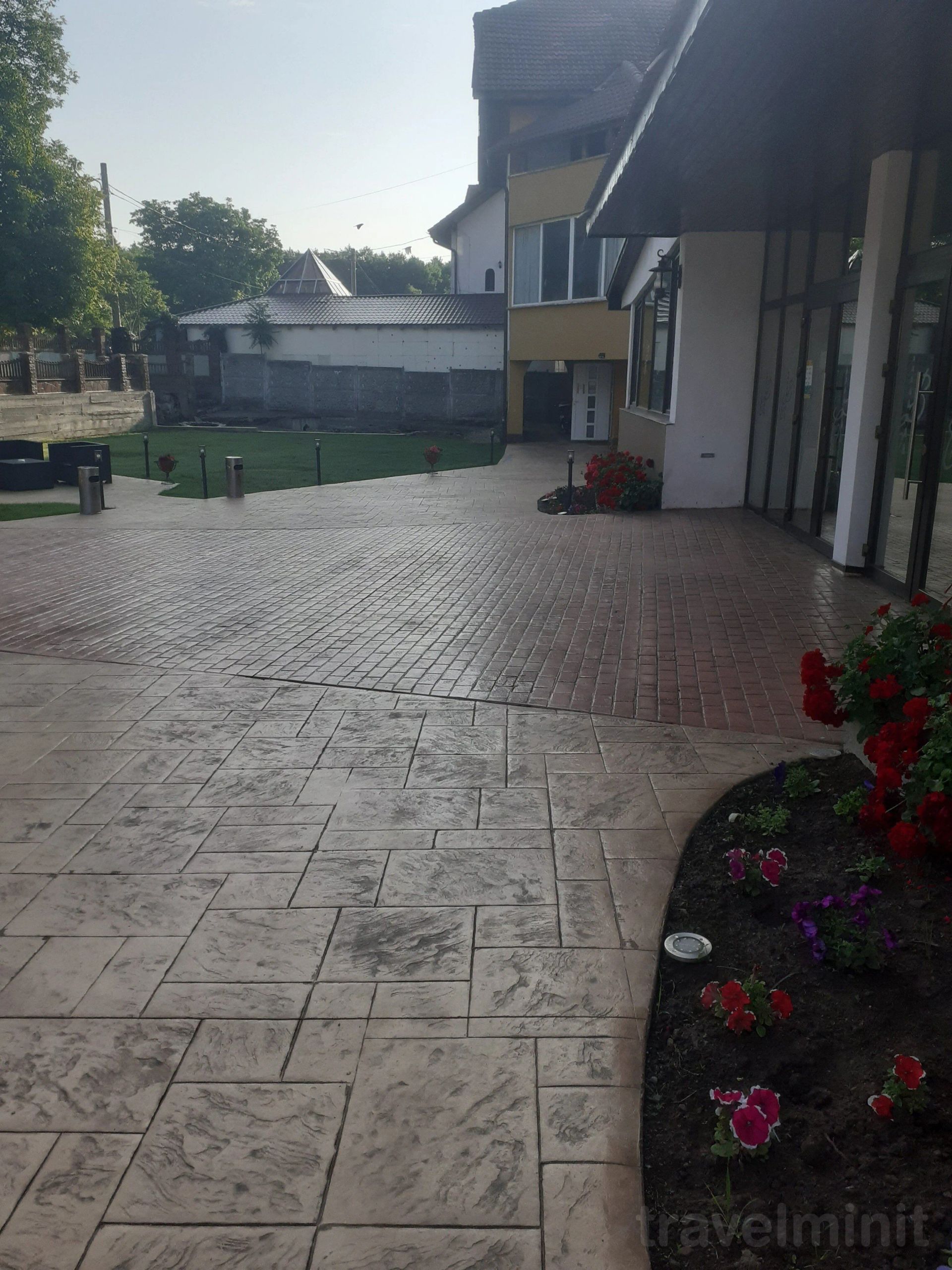
Pensiunea Ana Peştişani
Comfort, relaxation and stunning views, all just steps away from the main attractions.
FROM
240 lei per night
Guesthouse · 3 stars
Peştişani, Gorj County · 10.0 km
Pensiunea Casa Brâncuși Peștișani
Pensiunea Casa Brâncuși Peștișani este o pensiune turistică de 3 stele situată în localitatea Peștișani din județul Gorj. Unitatea pune la dispoziția dumneavoastră Wi-Fi gratuit și parcare privată gratuită, astfel încât sosirea să fie lipsită de griji. În interior aveți la dispoziție un living spațios pentru relaxare după excursiile din zonă. În exterior, curtea mare și grădina amenajată oferă un cadru plăcut pentru momente de liniște, iar lângă lacul din curte puteți organiza un grătar sau puteți încerca să prindeți pește. De asemenea, aveți la dispoziție un barbeque și un ceaun pentru gătit în aer liber, iar în foișoarele din curte puteți lua masa pregătită de dumneavoastră. În apropiere se află obiective culturale și spirituale importante: Casa-Muzeu „Constantin Brâncuși”, Casa memorială Constantin Brâncuși, Coloana Infinitului, Mănăstirea Tismana și Sfânta Mănăstire Tismana. Aceste puncte de interes vă permit să descoperiți patrimoniul zonei fără deplasări lungi. Vă așteptăm la Pensiunea Casa Brâncuși Peștișani, situată pe principala 140 din Peștișani, cu acces facil și parcare asigurată.
FROM
240 lei per night
BEFORE YOU HIT THE ROAD
Weather conditions in Tismana
Local forecast for Tismana Monastery, Tismana, Gorj

Real-time updated weather data
Much more to explore in this area
Nearby tourist attractions


Gorj, Gorj County
Endless Column (Coloana Infinitului)
Sculptură a artistului român Constantin Brâncuși, parte a trilogiei Ansamblului Monumental din Târgu Jiu, UNESCO
28.6 km
Hunedoara, Hunedoara County
Hațeg Country Dinosaur Geopark
Situat in Tara Hategului, din depresiunea Hategului, invecinandu-se cu Parcul National Retezat la sud si cu Parcul natural Cioclovina Gradistea Muncelului la...
44.5 km
Hunedoara, Hunedoara County
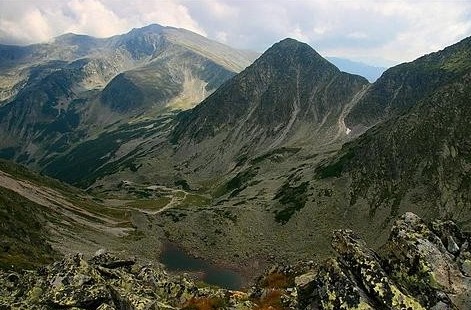
Retezat National Park
Situat in masivul Retezat - Godeanu, in partea de vest a Carpatilor Meridionali; ocupa o suprafata totala de 38.138 ha; altitudinea e cuprinsa intre 800 si 2.50...
29.3 km

49.8 km
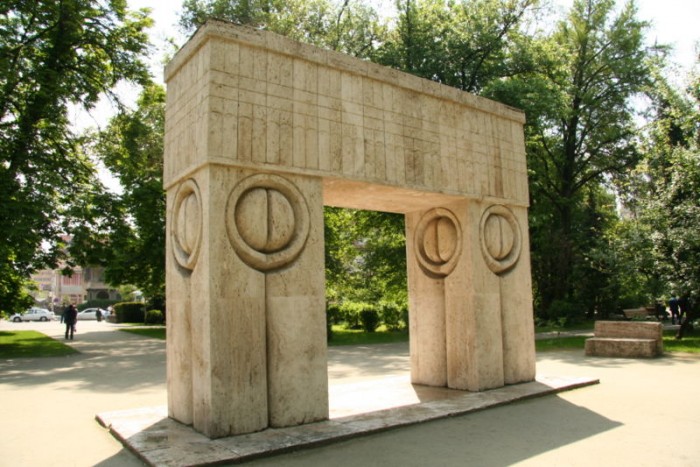
Gorj, Gorj County
The Heroes' Way Monumental Ensemble
Situat in centrul orasului Targu Jiu;realizat de Constantin Brancusi, este un complex sculptural cuprins in patrimoniul UNESCO; ansamblul este alcatuit dintr-o...
28.6 km
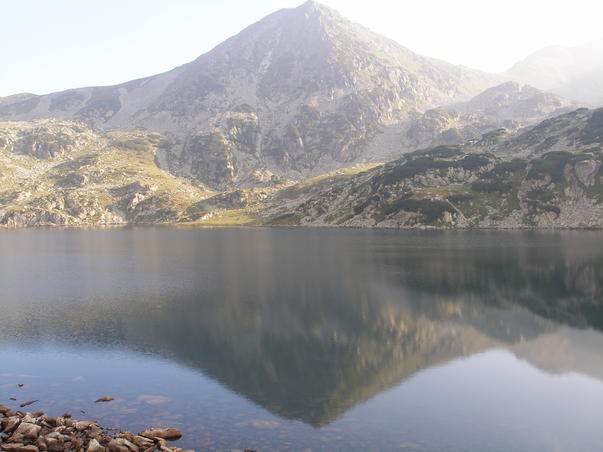
Hunedoara, Hunedoara County
Lake Bucura
Situat in caldarea Bucura, sub Varful Peleaga si Saua Bucurei; orientat pe directia nord - sud; face parte din Parcul National Retezat si este situat la o...
31.2 km
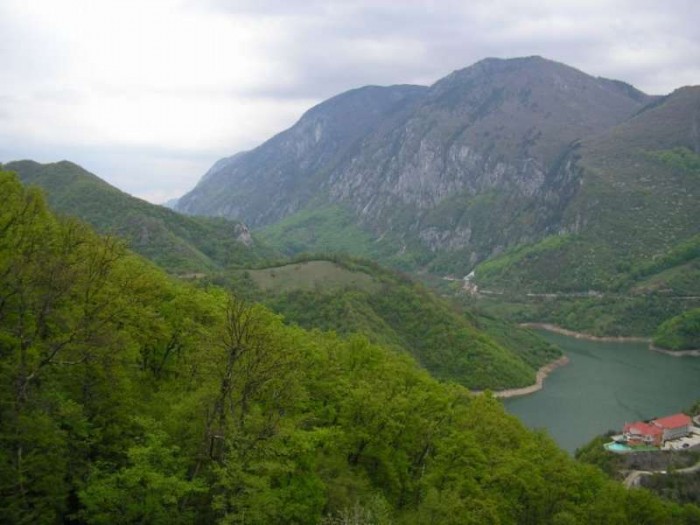
Caras Severin, Caraș-Severin County
Domogled-Valea Cernei National Park
Se intinde pe suprafata a 3 judete - Caras-Severin, Mehedinti si Gorj, peste bazinul raului Cerna, de la obarsie pana la confluenta cu raul Belareca, peste...
34.4 km
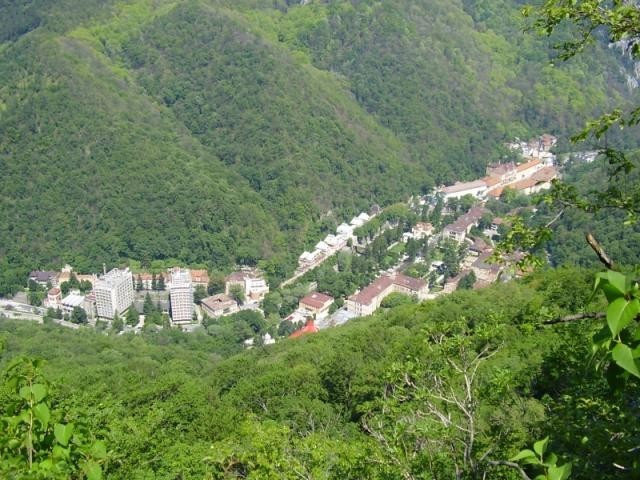
Caras Severin, Caraș-Severin County
Herculane Baths
Situata pe Valea Cernei, la 5 km de principala artera rutiera ce leaga vestul tarii de Bucuresti si calea ferata internationala Bucuresti - Timisoara -...
46.1 km
Gorj, Gorj County
Tismana Monastery
Situata la 36 de km de orasul Targu Jiu; pornind din Targu Jiu pe DN67, la km 82 se face ramifica?ia spre Tismana si Baia de Arama; monument de arhitectura...
0.0 km

10.6 km
17.5 km
28.5 km
Cultural life and traditions
Events in the Tismana Monastery area
Medieval festivals, traditional fairs, concerts and local activities recommended in Oltenia (Lesser Wallachia).

Traditions and Crafts

Tismana, County of Gorj
Days of Local Culture and Traditional Tourism
Open workshops featuring pottery, wood carving, and authentic folklore demonstrations by local artisans.
WHEN
May 15-17, 2026


Traditional Cuisine
Tismana, County of Gorj
The Fair of Traditional Products and Local Cuisine
Traditional products, aged cheeses, mountain honey and local delicacies prepared according to ancient recipes.
WHEN
Every weekend

Culture and Photography
Tismana, County of Gorj
Themed and Photographic Guided Tour of Cultural Heritage
A guided tour designed for history buffs, nature lovers, and photography enthusiasts, showcasing the most spectacular views in the area.
WHEN
Daily schedule available upon request
On foot, exploration gains depth
Discover the surroundings and local geography
Explore the trails, terrain, and natural landmarks around Tismana Monastery.

Guides and practical tips
Useful travel articles
Travel guides, practical recommendations and tourist itineraries for Oltenia (Lesser Wallachia).

Tourist guide
Top 5 Atracții Turistice și Trasee Montane în Zona Moieciu - Bran
Descoperă cele mai spectaculoase peisaje carstice, chei adânci și cetăți medievale din imediata apropiere a stațiunii Moieciu.

Tourist guide
Ghid de Drumeție: Traseul Moieciu de Sus spre Platoul Bucegi
Un itinerariu montan de o frumusețe rară ce urcă din Valea Băngăleasa spre Poiana Guțanu și crestele maiestuoase ale Bucegilor.

Tourist guide
Castelul Bran: Istorie, Legende și Secrete Medievale
Află adevărata poveste a fortăreței medievale din Pasul Bran, reședința de suflet a Reginei Maria a României.
THE JOURNEY STARTS WITH AN IDEA
The next story is on the way.
From the first stop to the last stay, make room for a new Romania.
