


CASTLE · MUNTENIA (WALLACHIA)
Peleș Castle

Sinaia, Prahova County
Add location to your trip planner.
Practical access information

VISITING HOURS
Tuesday: 09:15 - 17:00, Wednesday - Sunday: 09:15 - 17:00 (Closed on Mondays)

TICKET PRICE
Basic tour (ground floor): Adults 50 RON, Children/Students 12.5 RON, Seniors 25 RON; Full tour (ground floor + upper floor): 100 RON

RECOMMENDED VISIT DURATION
2-3 hours


Visitor information and guide
For group bookings or access verification, you can call this number.

PHONE NUMBER
+40 244 310 918 Navigate with Google Maps

ABOUT PELEȘ CASTLE
Peleș Castle: The Crown Jewel of Romania and a Masterpiece of European Romanticism in the Heart of the Carpathians
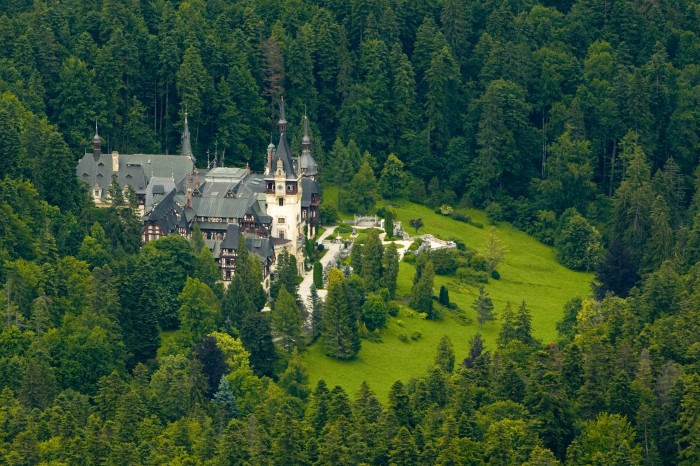
Above the town of Sinaia, where the rushing waters of the Peleș River descend from the Bucegi Massif of the Carpathians, rises one of the most fascinating buildings of 19th-century Europe: Peleș Castle. Viewed from its terraces adorned with statues and fountains of Carrara marble, the castle seems torn from a German fairy tale, a structure of stone and carved wood that blends Gothic turrets, Renaissance loggias, and facades decorated with wooden lacework, in an Alpine landscape worthy of Switzerland or Bavaria. For the European traveler, Peleș is not only Romania's most visited historical monument after Bran Castle, but a true bridge between the civilizations of Europe: here, the German Hohenzollern-Sigmaringen dynasty gave Romania its first modern king, Carol I, and he raised, between 1873 and 1914, a residence that was simultaneously the first fully electrified castle in Europe, a laboratory of technical modernity, and a declaration of belonging of the young kingdom to the great family of the continent's imperial courts. With over 160 rooms decorated in styles ranging from German Renaissance to Hispano-Moorish Baroque, from Art Nouveau to Alpine Romanticism, and with a collection of over 60,000 heritage objects — paintings signed by El Greco, Titian, Rembrandt, Rubens or Gustav Klimt, over 4,000 European and Oriental weapons and armors, stained glass from Munich, furniture from Vienna, Hamburg and Mainz — Peleș Castle is, in essence, a museum of Europe itself, preserved in the heart of the Carpathians and offered to the world as an integral part of universal cultural heritage.
Historical Roots: From the German Prince to the Kingdom of Romania and the Great Empires of Europe
The story of Peleș Castle begins long before its first stone. In 1866, after the great European powers — Napoleon III's France, the Tsars' Russia, and the Kingdom of Prussia — decided, following the Paris Convention, to recognize the union of the Romanian Principalities under a foreign prince, the Romanian political elites chose as ruler the young Prince Karl of Hohenzollern-Sigmaringen, an officer in the Prussian army and cousin of King Wilhelm I of Prussia. Arriving in Romania in May 1866, Carol crossed the country and remained deeply impressed by the picturesque Prahova Valley. He returned there in August 1866, and the landscape remained in his heart. When, in 1872, he purchased at Podul Neagului — a locality that, in 1874, would receive, also at his initiative, the name of Sinaia — an expanse of about 1,000 paces of land on the bank of the Peleș River, he was not buying just land, but founding a dynastic dream. Carol I was to become King of Romania in 1881, after the proclamation of full independence and the transformation of the country into a kingdom, and Peleș was to become the summer residence of a dynasty that was to link, through marriages and alliances, the Romanian royal house to the most illustrious thrones of Europe: Carol's mother, Josephine of Baden, belonged to a Catholic branch of the House of Baden; his wife, Elisabeth of Wied, was a German princess; his daughter-in-law, Maria, was the daughter of Duke Alfred of Edinburgh and Grand Duchess Maria Alexandrovna of Russia, thus granddaughter of Queen Victoria of Great Britain and Tsar Alexander II. Thus, when Princess Maria of Edinburgh married Crown Prince Ferdinand on December 29, 1892, in Sinaia, not only two destinies met, but two of the most powerful dynasties in the world: Saxe-Coburg and Gotha and Hohenzollern, Great Britain and Russia, with the Romanian Royal House in the middle.
The European context of the construction is equally dense. Romania had just emerged from the War of Independence (1877–1878) — in which Prince Carol had personally commanded the Romanian troops alongside the Russian ones at Plevna, Plevna being conquered in November 1877 — and the Treaty of Berlin of 1878 recognized the country's full independence. For a king whose throne rested on the alliance with the Central Powers, Germany and Austria-Hungary, it was natural that his residence should bear the imprint of German architecture. And the alliance treaties — the Alliance Treaty of 1883 between Romania, Germany and Austria-Hungary — were to be renewed right at Peleș Castle, in 1892 and again in 1896, in the context of the official visit of Emperor Franz Joseph I of Austria-Hungary, the most important state visit ever hosted in Sinaia. For one day, in August 1896, the Carpathians witnessed the meeting between two of the oldest empires of Europe: the Habsburg one, stretching from the Alps to Galicia and Bukovina, and the young Romanian kingdom, its ally on the eastern frontier of "civilized Europe" against the Ottoman Empire and Russian expansion. This visit determined the arrangement, in 1906, of the Imperial Apartment at Peleș, prepared for a second coming of the old emperor on the occasion of the 40th anniversary of Carol I's reign — a visit that, unfortunately, never took place.
The actual construction began in 1873 and was marked by the ambition of an impossible-to-please sovereign. The first architect called, Professor Wilhelm von Doderer of Vienna from the Polytechnic School, presented the king with three projects inspired by the French Renaissance castles of the Loire Valley and the buildings on Vienna's Ringstrasse — the same models that had impressed the monarchs of Central Europe, from the Loire to Vienna. Carol I rejected all three in 1876, considering them lacking in originality and too costly. Doderer's place was taken by the German Johannes Schultz, initially his assistant on the site, originally from Lemberg (now Lviv), who proposed a more modest but more adapted solution to the steep terrain and budget. The cornerstone was laid on August 10/22, 1875, in a festive ceremony under which dozens of 20-lei gold coins were buried — the first Romanian coins bearing Carol I's effigy — alongside two sealed parchments in glass and lead tubes. The building was officially inaugurated on October 7, 1883, but the works continued, in a succession of stages, until 1914: the French architect Émile André Lecomte du Noüy, disciple of the famous Eugène Viollet-le-Duc, created the Moorish Hall in 1890; the Czech architect Karel Liman took over coordination from 1893/1896, raising the 66-meter central tower, completing the Hall of Honor in 1911 and building, on the same estate, Pelișor Castle (1899–1902) for Crown Prince Ferdinand and Maria, as well as Foișor, the king's former hunting lodge. Between 1908 and 1911, after the plans of Liman and the Bavarian Ferdinand de Tiersch — adviser to King Ludwig II of Bavaria, the same king who had built the mad Neuschwanstein — the Armory Halls and the decoration of the Florentine Hall were completed. In 1911–1914, the terrace was decorated with busts of Roman emperors, and on the south-east wing the Council Chamber was designed by Liman and the Viennese decorator Bernhard Ludwig. The total cost of the entire estate, calculated at the time, reached about 16 million gold lei, the equivalent of over 120 million euros today — a colossal sum for a new country, which spoke of the king's ambition to anchor Romania in the cultural and technical elite of Europe.
Architectural Masterpiece: A Dialogue with the Great Styles of Europe
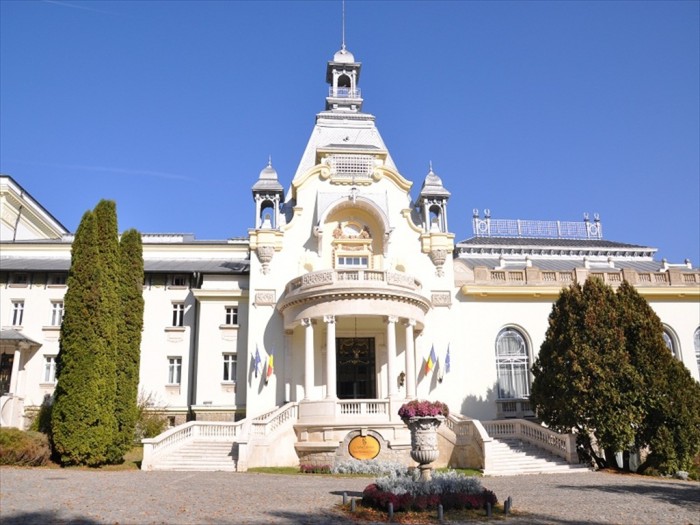
Viewed from the outside, Peleș Castle is a lesson in the history of 19th-century European architecture, a building in which German Romanticism and Historicism — the same current that gave birth to Neuschwanstein in Bavaria, to Miramare near Trieste or to the castles on the Rhine — meet Italian, French, Swiss and Oriental influences. The dominant style is German Neo-Renaissance, deliberately chosen by Carol I to evoke his origins in the House of Hohenzollern-Sigmaringen, but the facades are dotted with Gothic turrets with sharp metal spires, balconies with carved balustrades, open loggias and seven levels of terraces in Italian Neo-Renaissance style, decorated with statues, columns and fountains. The inner courtyard presents Saxon influences, with half-timbered facades and manually painted allegorical frescoes, reminiscent of North European Alpine architecture. The 66-meter central tower is visible from tens of kilometers and was, at the time, a signal of modernity in a still wild landscape. The entire ensemble — Peleș, Pelișor, Foișor, the Guard Corps, the Economat, the Royal Stables, the Power Plant and Vila Șipot — forms a royal estate stretching over hundreds of hectares, surrounded by beech and spruce forests, with gardens designed by European landscape architects, including a fountain created in 1894 by Pietro Axerio from Florentine marble.
What distinguishes Peleș, however, from any other European castle is its interior: a universe of 160 rooms (some sources indicate 168), each conceived as a "journey" into another civilization or era, a true anthology of the artistic tastes of a cosmopolitan royal court. The Hall of Honor, the main reception hall, impresses with its double height, walnut wood paneling carved with bas-reliefs and statuettes, and with the movable glass ceiling, electrically or manually operated — a technical innovation that allowed the king's guests to admire the clear sky on summer nights, an element of surprise worthy of the most refined salons of Europe. The Moorish Hall, the work of French architect Lecomte du Noüy, is a jewel in Hispano-Moorish style inspired by the Alhambra of Granada: gilded arabesque stuccoes, geometric mosaics, niches with horseshoe arches and an interior fountain of Carrara marble, a copy of a piece from Cairo, while the furniture was brought from Damascus and Cairo — an evocation of the Ottoman Empire and the European fascination with the Orient. The Florentine Hall, or Great Salon, recreates the atmosphere of an Italian Renaissance palace: coffered ceiling carved in gilded linden wood, two large Murano glass chandeliers, marble floor and portraits of the Medici Family and the Doges of Venice, recalling the dynastic ties of Mediterranean Europe. The Council Chamber strikingly resembles one of the halls of the Lucerne Town Hall, Switzerland — a reference to Swiss democracy and sobriety in a space destined for state decisions. The Turkish Salon houses a collection of Turkish and Persian brass vessels, and the royal bedroom is lit by a Bohemian crystal chandelier. The royal library, with rare volumes bound in leather and engraved with gold letters, hides a secret door behind a bookshelf, through which the king could move discreetly to the private apartments, and the stained glass windows depict the castles of Sigmaringen and Hohenzollern in Germany — the birthplace of the dynasty. The Concert Hall houses a 1621 harpsichord made in Antwerp and a Rieger organ, and the castle theater, with 60 seats and a royal box, was decorated after sketches by Gustav Klimt, the master of Viennese Secession.
The castle's collections are of a richness that rivals those of the great European museums. The royal picture gallery includes original works signed by El Greco, Zurbarán, Murillo, Velázquez, Titian, Tintoretto, Rembrandt, Rubens, Van Dyck, Carpaccio, Raphael, Bruegel, Correggio, Tiepolo, Jacques-Louis David, as well as works by Gustav and Ernst Klimt — one of the most refined collections in Central and Eastern Europe, assembled by Carol I, a great art lover, and continued by his successors. The Armory Halls, arranged between 1903 and 1911, house over 4,000 European and Oriental pieces from the 14th–17th centuries — armors, helmets, swords, sabers, crossbows, rifles — with marks of renowned workshops such as Solingen, Toledo, Saint-Étienne, Lazzaro Lazzarini or Peter Danner, and the absolute star is a complete armor for horse and knight, of the Maximilian type, weighing about 80–100 kg, unique in Romania. The collection started from two nuclei: the Oriental weapons acquired by the young Prince Carol, at 23, during his trip to Algeria in 1862, and the weapons inherited from his father, Prince Karl Anton of Hohenzollern, the last sovereign prince of the House of Sigmaringen, from the Arsenal of Hohenzollern Castle in Germany. The Viennese expert Julius Ernst Scheurer was however tasked with completing the collection through purchases at auctions and private collections throughout Europe. In total, the castle houses over 60,000 heritage objects: paintings, sculptures, period furniture from workshops in Mainz, Munich, Vienna and Hamburg, tapestries, Oriental carpets, silverware, porcelain, stained glass made in the Zettler workshops of Munich, rare books and manuscripts. By will, Carol I donated the entire collection to the Romanian people — a gesture of rare nobility, which transformed Peleș into a national and European treasure alike.
Technologically, the castle was at the vanguard of Europe. Besides being the first fully electrified castle on the continent — having its own power plant, built on the bank of the Peleș River, one of the first hydroelectric plants in Europe, installed in 1884 and expanded in 1897 — Peleș benefited as early as 1883 from central heating, installed by the Polish inventor Franciszek Rychnowski, who received for this work the first-class gold medal of merit from King Carol I, from a central dust suction system, from an interior elevator and from the movable ceiling of the Hall of Honor. The French press was to call it "the most modern castle in Europe of its founder's time". The construction materials were, for the most part, Romanian — gravel from the Prahova River, stone from the Piatra Arsă massif, wood from the forests of the Prahova Valley, brick fired on site — while the workforce was cosmopolitan: Italian masons, German and Hungarian carpenters, Albanians and Greeks at the quarry, Turks at brick firing, Romanians at earthworks.
Legends, Personalities and Turning Points: The Castle as Witness to the History of Europe
Peleș Castle bears in its stones the memory of a personal tragedy that gave it its name. Carol I and Elisabeth of Wied had a single daughter, Maria — nicknamed Măriuca — born in 1870, who died in April 1874, at only three or four years old, struck down by scarlet fever. In the delirium of fever, the child is said to have asked her father: "I want to go to Sinaia, to drink water from the Peleș". Grief-stricken, Carol I transformed this last wish into a personal impetus: he baptized the new castle after the name of his daughter's favorite river, and the construction of the residence at Sinaia became a tribute to the memory of the lost child. Legend says that the king saw in the raising of the castle "the cradle of my dynasty, of the national dynasty" — and, indeed, in 1893, at Peleș was born the future King Carol II, the first monarch of the dynasty born on Romanian soil and the first baptized in the Orthodox rite. In 1921, at Foișor, the adjacent residence, was born King Michael I, the last sovereign of Romania.
Another personality who marked the castle's destiny was Queen Elisabeth, Carol I's wife, known in the literary world under the pseudonym Carmen Sylva. Poet, prose writer and memoirist, she published verses and stories in several European languages, and at Peleș she created a true cultural salon, receiving writers, musicians and artists from all over Europe. The castle's legends — some intertwined with the tradition of the "White Lady" (Weiße Frau) of the House of Hohenzollern, a spirit linked to the German dynasty that announced misfortunes — are interwoven with the memory of the queen, who used to spend her nights reading and writing in her apartments, dressed in white gowns, in an atmosphere of romantic melancholy. Queen Maria, her daughter-in-law, granddaughter of Queen Victoria and Tsar Alexander II, was in turn an "artist queen": painter, poet, fashion creator and patron of the "Artistic Youth", the movement of debutant Romanian artists. For her and for Ferdinand, Carol I built Pelișor (1899–1902), a more intimate castle, in Art Nouveau style, the only one of its kind in Romania, with the Bedroom and the Golden Room, with furniture designed by the queen herself and with the painted manuscript on parchment that Maria gave to Ferdinand in 1906. After Queen Maria's death, on July 18, 1938, her heart was placed, after an impressive ceremony, in the Golden Salon of Pelișor, under the flags of Romania and Great Britain, where it remains to this day.
The turning points of European history were decided between the walls of this castle. On August 3, 1914, in the Council Chamber — similar to that of the Lucerne Town Hall — the Crown Council convened by King Carol I took place to decide Romania's entry into the First World War, which had broken out only a few days earlier, with the assassination in Sarajevo and Germany's declaration of war on France. Although Carol I, faithful to the alliance with the Central Powers — Germany, Austria-Hungary and the Ottoman Empire —, supported immediate entry into the war, the Council voted with an overwhelming majority for neutrality, the only one who supported the king's point of view being Petre P. Carp. On the council table were displayed the alliance treaties, including the one renewed at Peleș in 1896 in the presence of Franz Joseph. Romania was to enter the war only on August 27, 1916, on the side of the Entente, at the Crown Council of Cotroceni. Also at Peleș took place the Crown Council of 1925, and in July 1931 here took place the last royal wedding in the history of Romania: the marriage of Princess Ileana to Archduke Anton of Habsburg-Lorraine — a union that symbolically linked the young Romanian kingdom to the oldest imperial dynasty of Europe, the House of Habsburg.
After Carol I's death, on September 27, 1914 — occurring right in the castle he had loved so much — Peleș hosted the king's funerals and remained the royal summer residence until the forced abdication of King Michael I, on December 30, 1947. In 1948, the communists nationalized the estate, and in 1953 the castle was opened as a state museum. Between 1975 and 1990, Nicolae Ceaușescu banned public access, transforming the estate into a strictly supervised protocol zone; it is said that the museographers scared the Ceaușescus by telling them that inside the castle there was a mushroom dangerous to humans, when in reality it was a mushroom that attacked the wooden beams due to moisture. After the December 1989 Revolution, Peleș and Pelișor were reintegrated into the tourist circuit. In February 2007, after five years of negotiations, the property was restituted to the Royal Family of Romania — one of the few restitutions of goods confiscated by the communist regime — the castle however remaining a state museum, administered by the Ministry of Culture, the royal family leasing it to the state. King Michael I returned to Peleș in June 2008 and lived here until his death, on December 5, 2017. On May 10, 2016, on the occasion of Independence Day and the 150th anniversary of the dynasty's existence, the personal standard of Crown Princess Margareta fluttered for the first time in almost 70 years on the highest flagpole of the castle.
Practical Visitor Guide: The Tourist Experience Today
Peleș Castle is located approximately 1.5 kilometers north-west of the center of Sinaia, at an altitude of about 800–1,000 meters, on Peleșului Alley no. 2, Prahova County. Sinaia is accessible by train from Bucharest (Gara de Nord) in approximately one and a half hours, the journey through the Prahova Valley being in itself a picturesque experience, on the historic route linking the capital to Transylvania, passing by Bran Castle and the medieval city of Brașov. By car, it is reached on DN1/E60 from Bucharest in approximately two hours, and from Sinaia station one can go up either by taxi or on foot, through the town park, in a walk of about 15–40 minutes, depending on pace.
The visiting schedule for 2026 is from Wednesday to Sunday, with Monday and Tuesday closed for conservation: Wednesday between 10:00 and 17:00, and from Thursday to Sunday between 09:15 and 17:00. Access is made in scheduled hourly intervals — Wednesday: 10:00–12:45, 12:45–14:30, 14:30–16:00; Thursday–Sunday: 09:15–11:00, 11:00–12:45, 12:45–14:30, 14:30–16:00 — the last tickets being sold at 15:45, and the last entry at 16:00. Attention: in the period November 2 – December 1, 2026, Peleș Castle will be closed for general cleaning and preventive conservation (and Pelișor between September 28 and November 3, 2026). From December 3, 2025, tickets are purchased exclusively online, on the bilete.peles.ro platform, or from SelfPay automatic payment stations in the area adjacent to the two monuments — there are no longer ticket offices with human operators. Tickets are nominal and for a specific time slot; they cannot be rescheduled or refunded, and access is made in order of arrival, within the interval for which the ticket was purchased. To protect the exceptional heritage, the daily capacity is limited to 2,000 visitors for Peleș Castle and 1,500 for Pelișor, which makes booking several days — or even weeks — in advance absolutely necessary in the summer season and on weekends.
The visiting fees reflect the route options. The basic tour, which includes the castle's ground floor — the Hall of Honor with its movable ceiling, the Moorish Hall, the Turkish Salon, the Armory Hall and the Florentine Hall — costs 50 RON for adults, 25 RON for pensioners and 12.5 RON for children, pupils and students (with ID), Euro <26 card holders benefiting from the same reduced rate of 12.5 RON. The tour that includes the ground floor and the first floor — where the Royal Library with the secret door, the Imperial Apartment, the Concert Hall and the Klimt-decorated theater are located — costs 100 RON for adults, 50 RON for pensioners and 25 RON for pupils and students, and the complete tour, which also adds the second floor, costs 150 RON, respectively 75 RON and 37.5 RON. Children under 7 have free access, and pupils under 18 benefit from free admission during school holidays. Guides are included in the price, with tours available in Romanian — Wednesday hourly between 10:30 and 15:30, and Thursday–Sunday between 09:45 and 15:15 — as well as in foreign languages. The recommended duration of the visit is 1.5–2 hours. At the entrance, visitors are offered disposable shoe covers for the protection of the original 19th-century wooden floors; comfortable and flat footwear is strongly recommended, and the temperatures inside remain cool even in summer, given the altitude of approximately 1,000 meters. Photography for personal purposes is allowed outside and in the interior spaces, in compliance with the museum regulations; the use of tripods is prohibited.
At only about 300 meters from Peleș, on the same royal estate, is Pelișor Castle — "Little Peleș" — the intimate residence of King Ferdinand and Queen Maria, with Art Nouveau interiors unique in Romania, with the Golden Room and with the Golden Salon where Queen Maria's heart rests. Pelișor has a separate ticket and schedule (same hours: Wednesday–Sunday, Monday and Tuesday closed), and the combination of the two castles offers a complete picture of Romanian court life and the artistic tastes of an era that linked Bucharest to London, Vienna and Paris. In the immediate vicinity is also Sinaia Monastery, founded also by the royal family in the 17th century, so that a whole day can be dedicated to the royal heritage of the Prahova Valley.
Peleș Castle remains, more than 140 years after its inauguration, what it has always been for Europe: a place where German, Italian, French, Swiss and Oriental history intertwine in a single construction, in which the first king of Romania dreamed of bringing the future into the heart of the mountains, and in which every room, every detail — from the gold coins buried under the cornerstone to the glass ceiling that opens to the sky — tells of a country that knew how to assert itself, from the very beginning, as part of the great family of European nations. For today's traveler, a visit to Peleș is not just an excursion to a beautiful castle, but a meeting with the common memory of Europe itself.
Media gallery
Discover Peleș Castle in pictures

27 photos · Architecture, courtyards and captivating details


Image source: Wikimedia Commons · Public domain photos · Free license
STAY A FEW DAYS, DISCOVER THE MAGIC
Accommodation in the Peleș Castle area

Boutique hotel · 4 stars

Sinaia, Prahova County · 0.2 km
Hotel Boutique Belvedere Sinaia
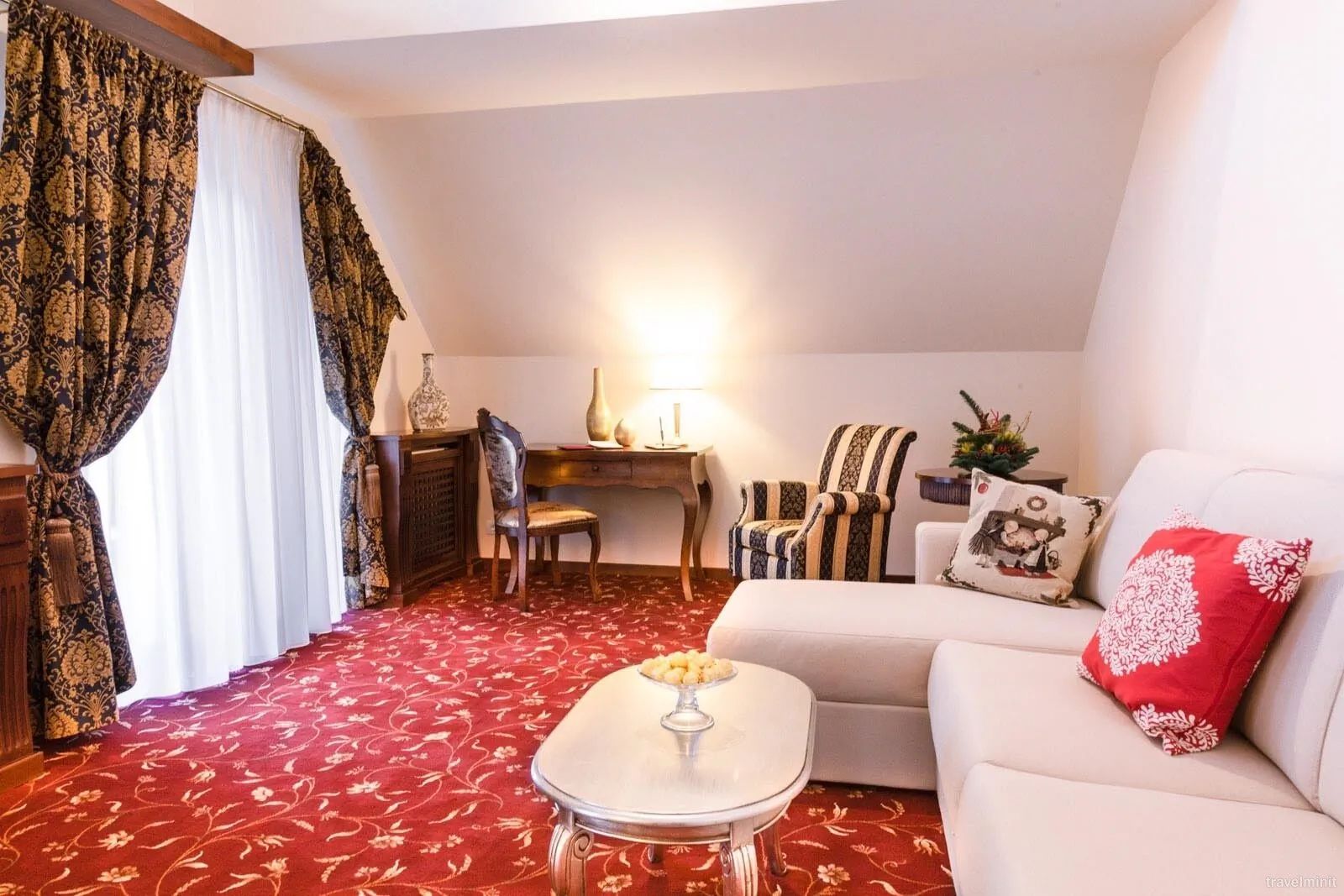
În Sinaia, pe strada Opler, Hotel Boutique Belvedere Sinaia reprezintă un hotel boutique de patru stele care aduce un standard înalt de ospitalitate în această stațiune montană. Apartamentele spațioase și elegant mobilate sunt bine izolate fonic și oferă două balcoane generoase cu vedere spre munte și pădure, alături de o zonă de relaxare, un dormitor cu dressing propriu și două televizoare. Oaspeții dumneavoastră beneficiază de Wi-Fi gratuit, acces la saună și la jacuzzi sau cadă cu hidromasaj, facilități de preparare ceai sau cafea și un coș cu fructe. Pentru familii, unitatea pune la dispoziție o cameră de joacă pentru copii la interior și un pătuț pentru bebeluș. De asemenea, există acces pentru persoane cu dizabilități, parcare privată gratuită, o curte mare și o grădină amenajată. La cerere, este disponibil și serviciul de transfer în localitate și în afara ei. Micul dejun în sistem bufet suedez include produse de casă și produse premium, iar restaurantul folosește pe cât posibil ingrediente locale și produse românești de calitate, oferind și un meniu special pentru copii. În apropiere puteți vizita Castelul Peleș, Stațiunea Sinaia, Castelul Pelișor, Cazinoul din Sinaia și Rezervația naturală din Masivul Bucegi. Vă așteptăm la Hotel Boutique Belvedere Sinaia.
FROM
420 lei per night

Holiday resort · 4 stars
Sinaia, Prahova County · 0.3 km
Complex La Tunuri - Vila Economat Sinaia
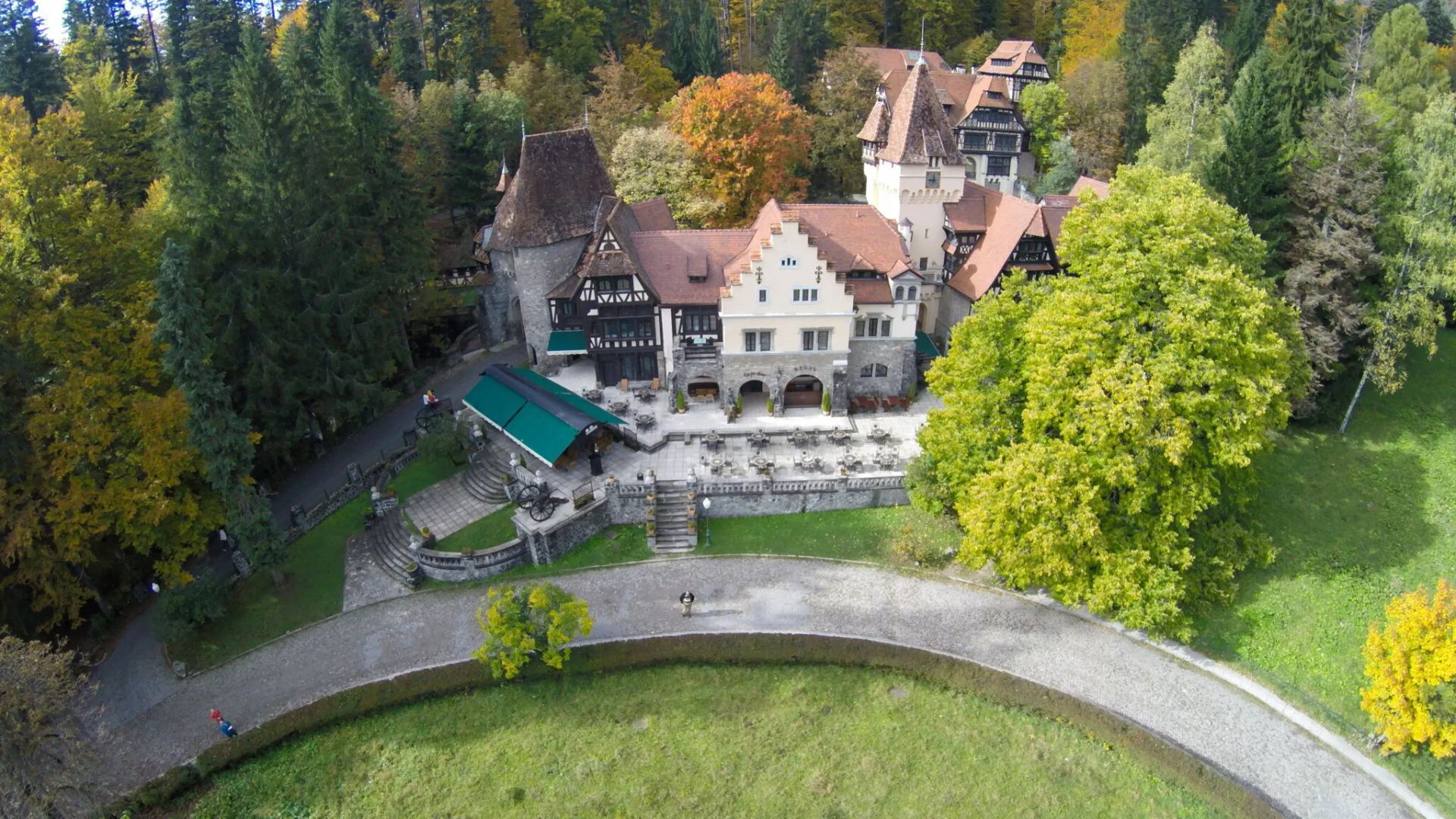
Parcarea pentru biciclete este disponibilă pentru dumneavoastră la Complex La Tunuri - Vila Economat din Sinaia. Unitatea se află pe Domeniul Regal Peleș, în curtea celor două castele celebre, într-un cadru cu arhitectură în stil elvețian. Vă punem la dispoziție restaurant în incintă cu mic dejun à la carte și preparate din bucătăria internațională, bar și cafenea cu terasă deschisă spre castel, Wi-Fi gratuit și seif. Familiile cu copii mici au la dispoziție scaun înalt și pătuț pentru bebeluș. În apropiere puteți vizita Castelul Peleș, Castelul Pelișor, Cazinoul din Sinaia, Castelul Foișor și puteți explora întreaga Stațiune Sinaia, cu aleile dintre castele regale. Vila datează din perioada 1880-1883 și a fost construită în stil elvețian ca fost Corp de Gardă regal, găzduind cândva ofițerii de pază. După renovare, cele 16 spații de cazare oferă vedere spre castel. Pe terasa café-bar-ului se află două tunuri autentice achiziționate de regele Carol I și folosite în Războiul de Independență din 1877. Vă așteptăm pe aleea Peleșului numărul 2.
FROM
490 lei per night
Holiday villa · 3 stars
Sinaia, Prahova County · 0.3 km
Vila Șipot Sinaia
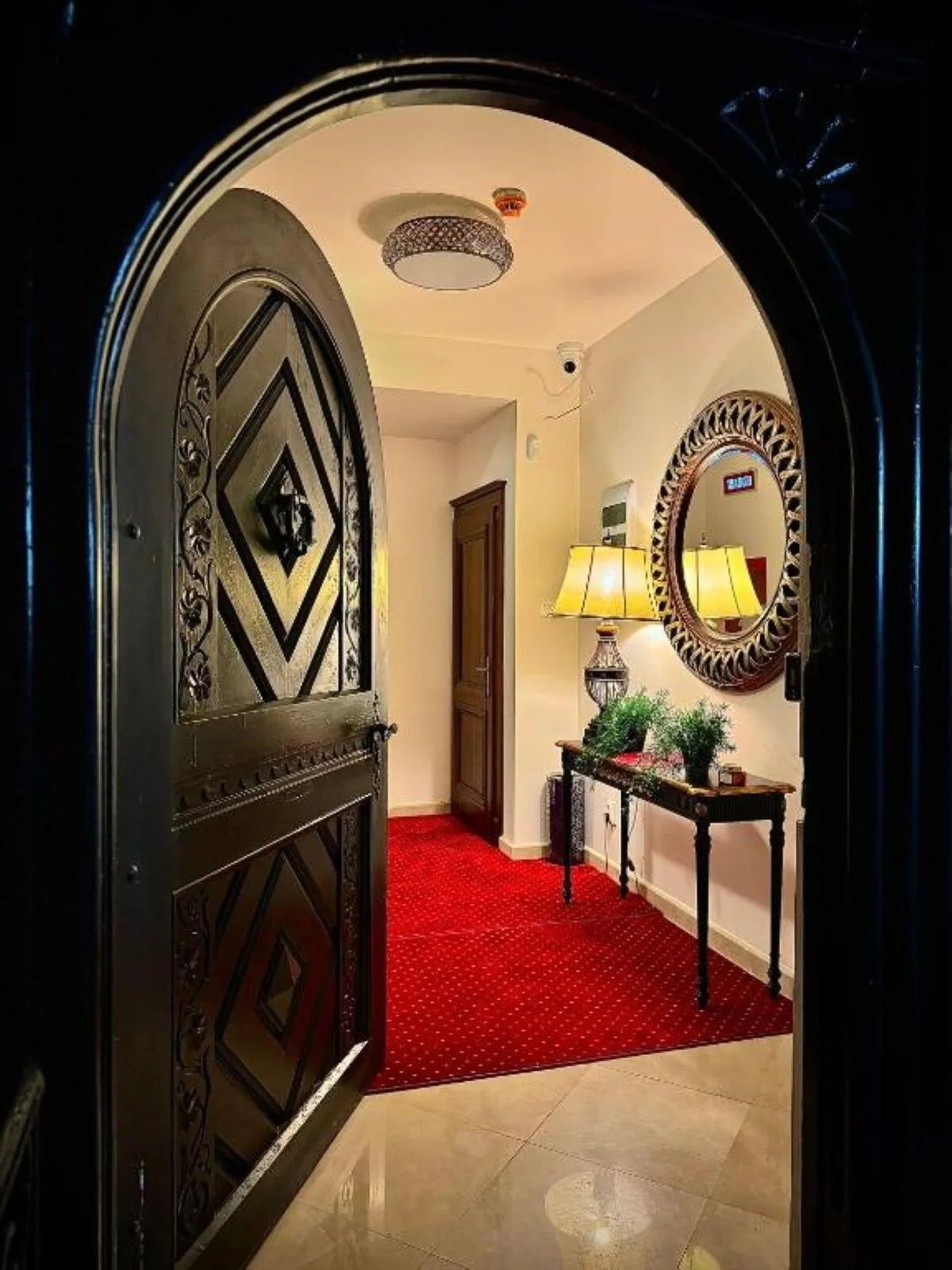
Clădirea istorică proiectată în anul 1900 de arhitectul regal Karel Liman, situată pe Domeniul Regal Peleș în apropierea Castelului Pelișor, reprezintă Vila Șipot din Sinaia. Această vilă monument, renovată complet la standarde moderne, păstrează atmosfera unei reședințe de arhitect din perioada în care a găzduit biroul de arhitectură al domeniului regal și reședința arhitecților. Vila Șipot pune la dispoziția dumneavoastră facilități moderne precum Wi-Fi gratuit și parcare privată gratuită, asigurând un sejur confortabil și relaxant pentru toți oaspeții care doresc să se bucure de liniștea zonei. Poziția sa privilegiată vă permite să vizitați cu ușurință Castelul Peleș, Castelul Pelișor, Castelul Foișor, Cazinoul din Sinaia și să vă bucurați de întreaga Stațiune Sinaia, explorând toate atracțiile sale turistice. Până în anul 1948, vila a funcționat ca birou de arhitectură și reședință a arhitecților Peleșului, oferind acum o experiență de cazare într-un loc încărcat de istorie, într-o vilă cu adevărat regală. Este alegerea potrivită pentru călătorii care doresc să exploreze monumentele regale și atmosfera stațiunii Sinaia într-un cadru istoric autentic.
FROM
280 lei per night
Hotel · 3 stars
Sinaia, Prahova County · 0.4 km
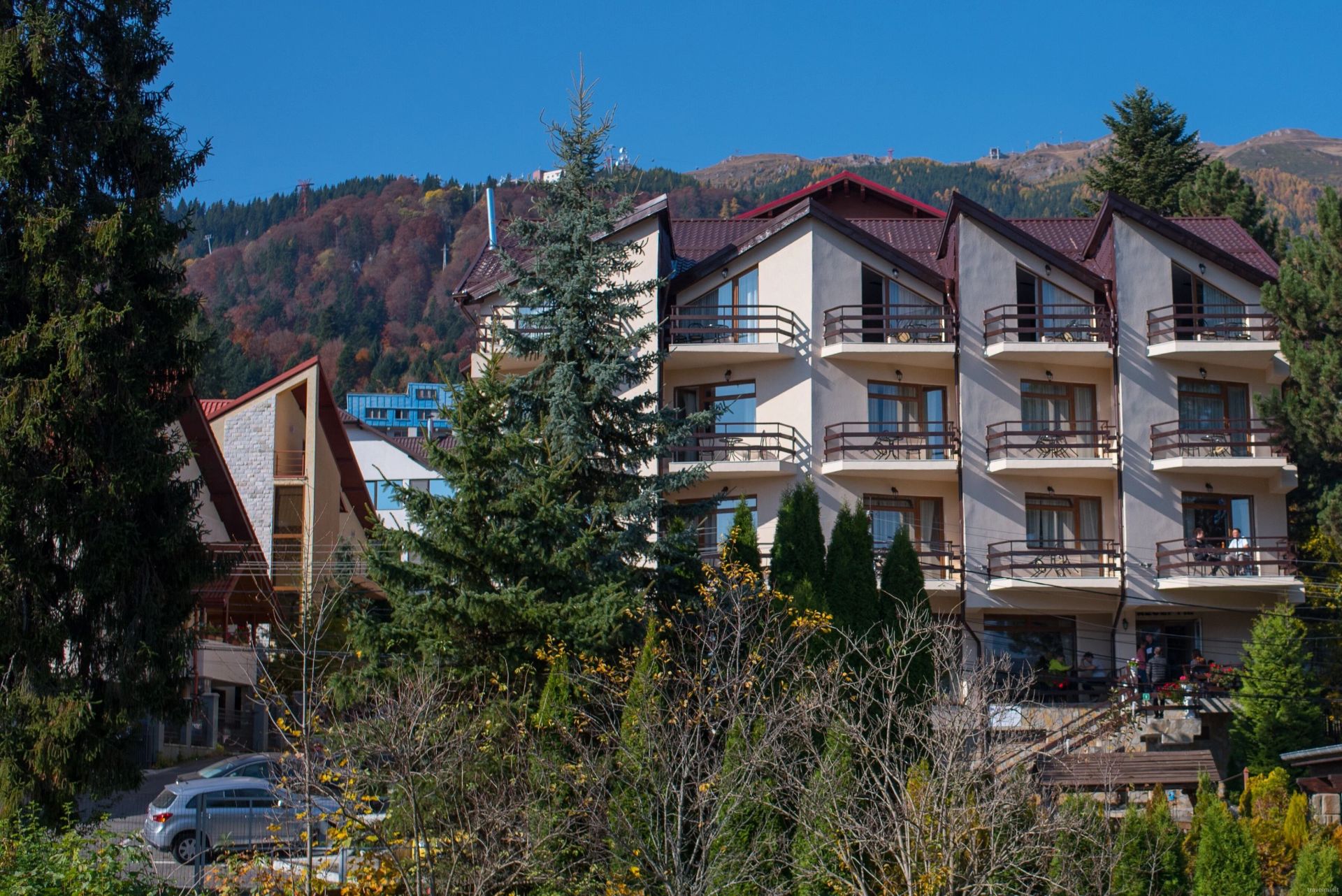
Hotel Marea Neagra Sinaia
O zi începe cu cafea la cafeneaua din incintă și se încheie cu o partidă de biliard, iar Hotel Marea Neagra din Sinaia oferă cadrul potrivit pentru astfel de momente de relaxare. Camerele spațioase beneficiază de Wi-Fi gratuit în întreaga proprietate, televizor și baie privată, iar la dispoziția dumneavoastră stau restaurantul, barul și serviciul de room service din incintă. Pentru un sejur confortabil, hotelul pune la dispoziție parcare privată gratuită, parcare pentru biciclete, seif în cameră și depozit pentru bagaje. Familiile cu copii vor aprecia pătuțul pentru bebeluș și scaunul înalt pentru copii, iar pentru nevoi speciale sunt disponibile meniuri pentru diete speciale. De asemenea, puteți beneficia de servicii de masaj și de fier de călcat în cameră. În apropiere puteți vizita Castelul Peleș, Castelul Pelișor, Cazinoul din Sinaia și Castelul Foișor, iar Stațiunea Sinaia oferă numeroase posibilități de explorare. Zona dispune de pârtie de schi, trasee pentru drumeții montane și trasee în natură, iar închirierea de biciclete vă permite să descoperiți împrejurimile în propriul ritm. Unitatea este potrivită pentru turiști care doresc să combine relaxarea cu vizitarea principalelor atracții din Sinaia și să se bucure de activități în aer liber.
FROM
290 lei per night
Apartment · 3 stars
Sinaia, Prahova County · 0.4 km
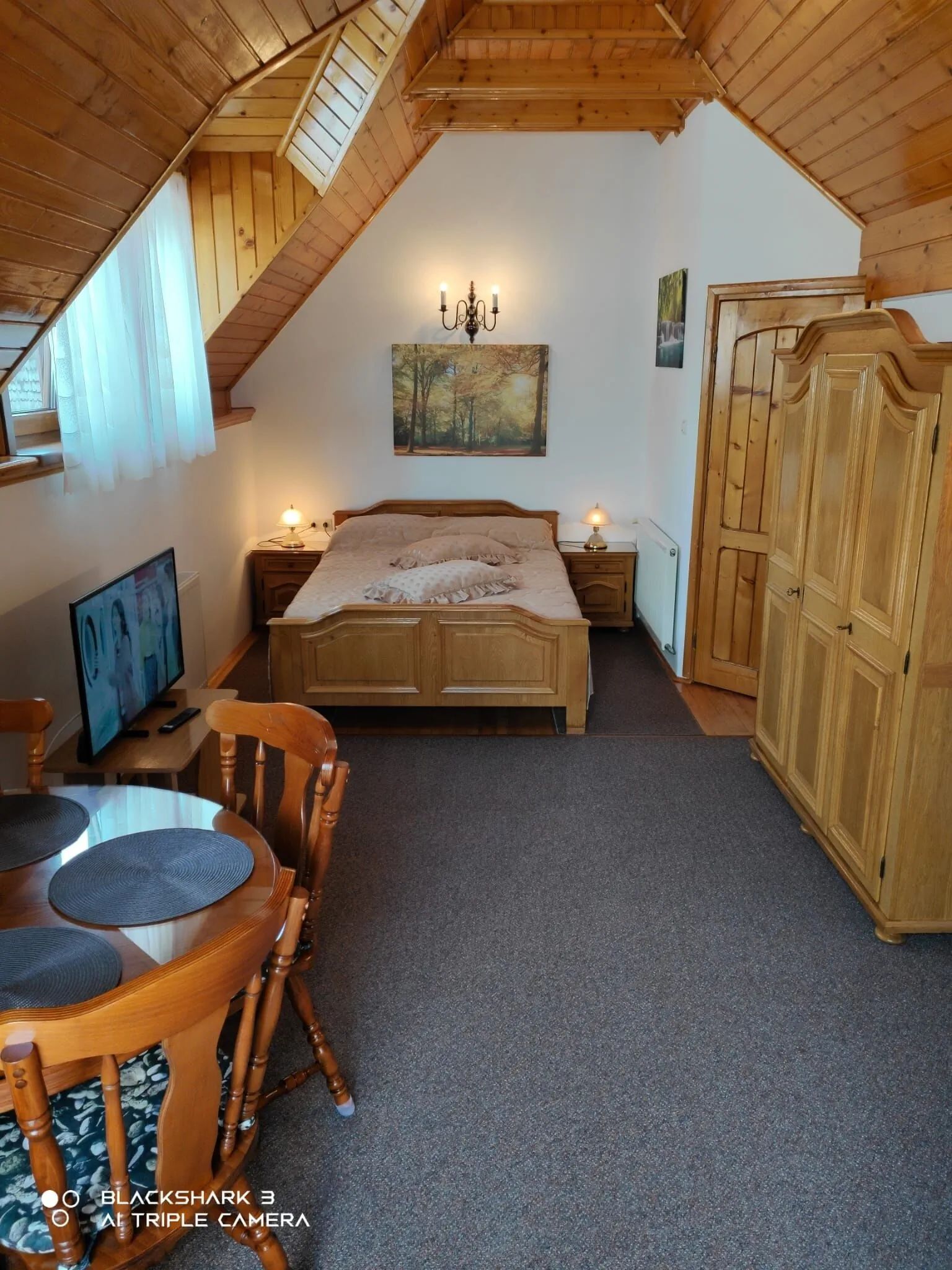
Garsoniera Mikha Sinaia
Comfort, relaxation and stunning views, all just steps away from the main attractions.
FROM
230 lei per night
Apartment · 1 star
Sinaia, Prahova County · 0.4 km
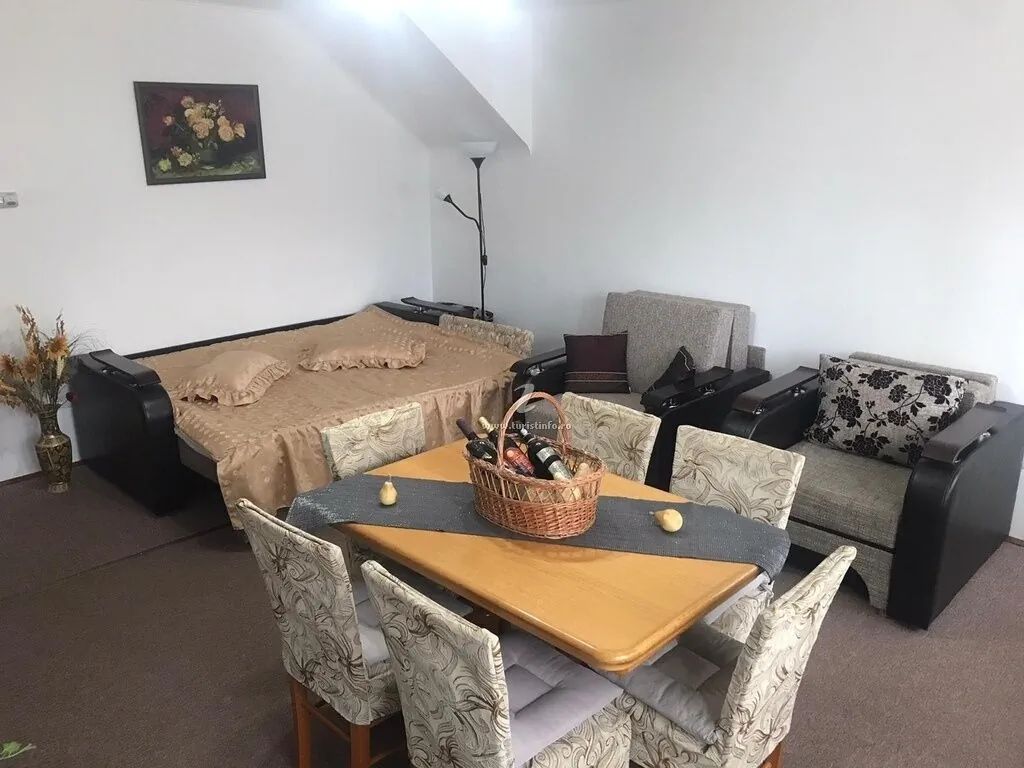
Apartament Mikha Sinaia
Comfort, relaxation and stunning views, all just steps away from the main attractions.
FROM
230 lei per night
BEFORE YOU HIT THE ROAD
Weather conditions in Sinaia
Local forecast for Peleș Castle, Sinaia, Prahova

Real-time updated weather data
Much more to explore in this area
Nearby tourist attractions


Bran, Brașov County
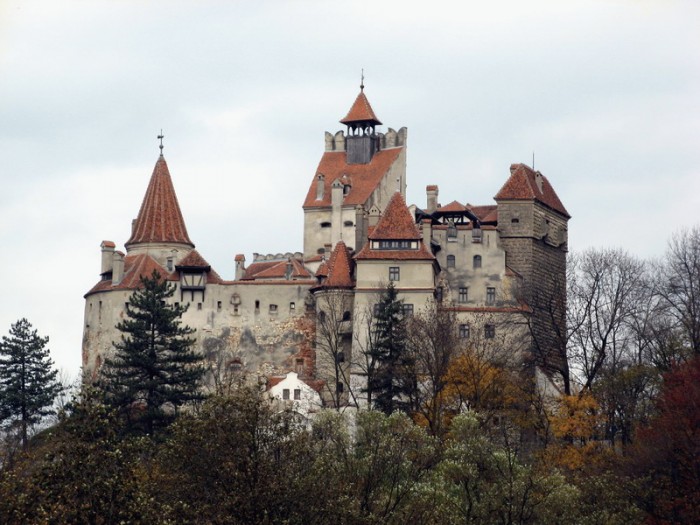
Bran Castle
Situat pe strada General Traian Mosoiu nr. 28 din localitatea Bran, la 30 km de municipiul Brasov; construit in anul 1377 in scop militar; in anul 1395, este...
22.0 km
Prahova, Prahova County
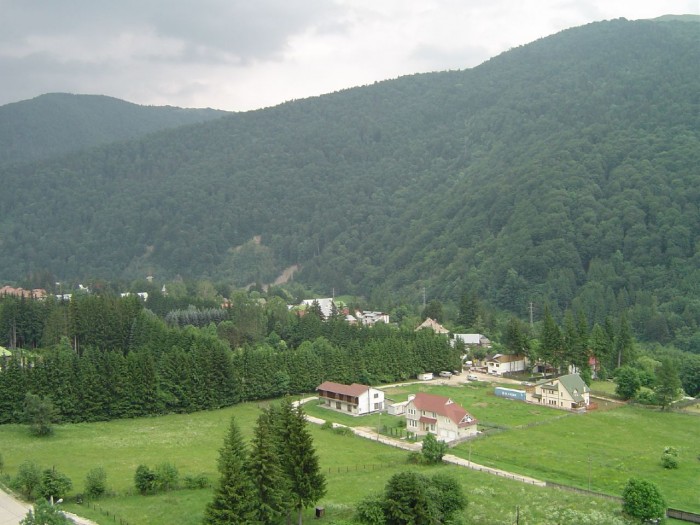
Sinaia Resort
Situata pe valea superioara a Prahovei, la poalele Muntilor Bucegi (Carpatii Meridionali), la o altitudine ce variaza intre 798-971 m; este una din cele mai...
1.0 km
Brasov, Brașov County
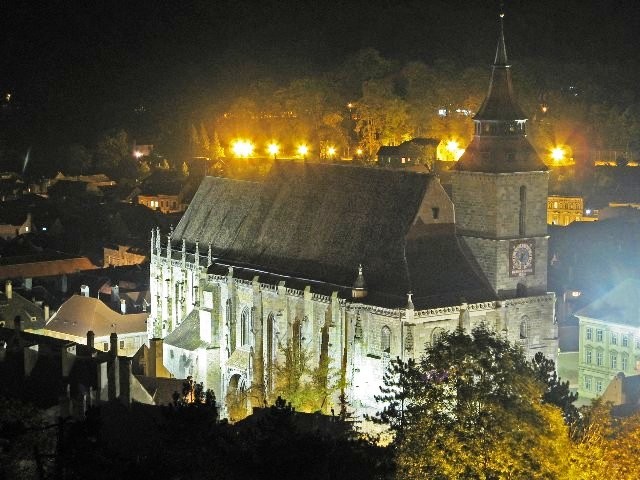
Black Church
Situata in curtea Honterus nr. 2 din municipiul Brasov; construita intre secolele XIV - XV; o inscriptie din interior il atesta ca prim ctitor pe Thomas; din...
32.1 km
Brasov, Brașov County
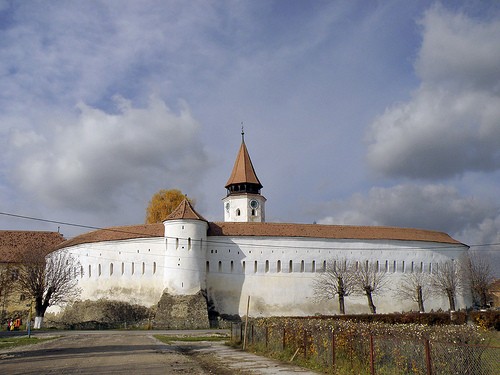
Prejmer Fortified Church
Situata in localitatea Prejmer, la 15 km de municipiul Brasov; cea mai mare biserica fortificata din sud-estul Europei; construita in secolul al XIII-lea; are...
44.1 km
Prahova, Prahova County
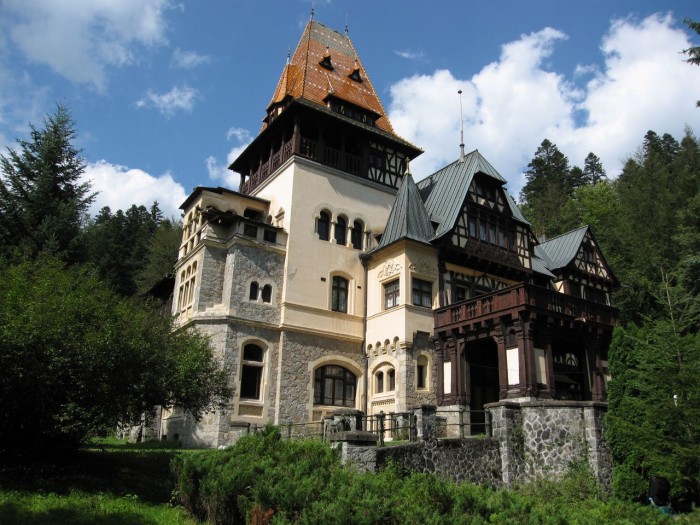
Pelișor Castle
Situat in parcul Castelului Peles, pe Valea Prahovei; ridicat intre anii 1899 si 1902; in 1903 a devenit resedinta de vara a principilor mostenitori;...
0.3 km
Brasov, Brașov County
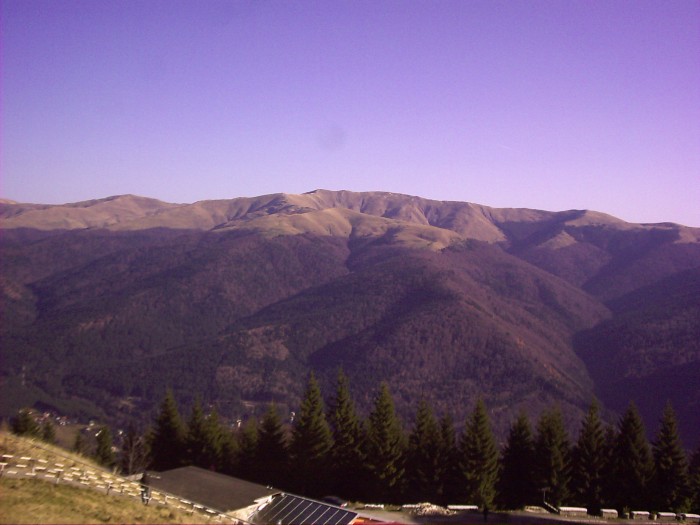
Bucegi Natural Park
Situat in Muntii Bucegi, se intinde pe raza comunelor Rasnov, Bran, Moeciu; zona Muntilor Bucegi a fost propusa pentru protejare in anul 1936, dar initiativa s-...
17.0 km
Râșnov, Brașov County
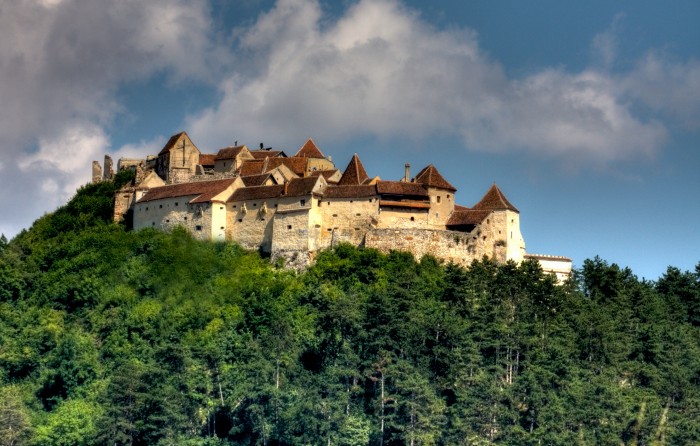
Râșnov Citadel
Situata in orasul Rasnov, la 15 km de municipiul Brasov; construita in secolele XIII - XIV de catre locuitorii zonei, in scopul apararii impotriva atacurilor...
26.3 km
Prahova, Prahova County
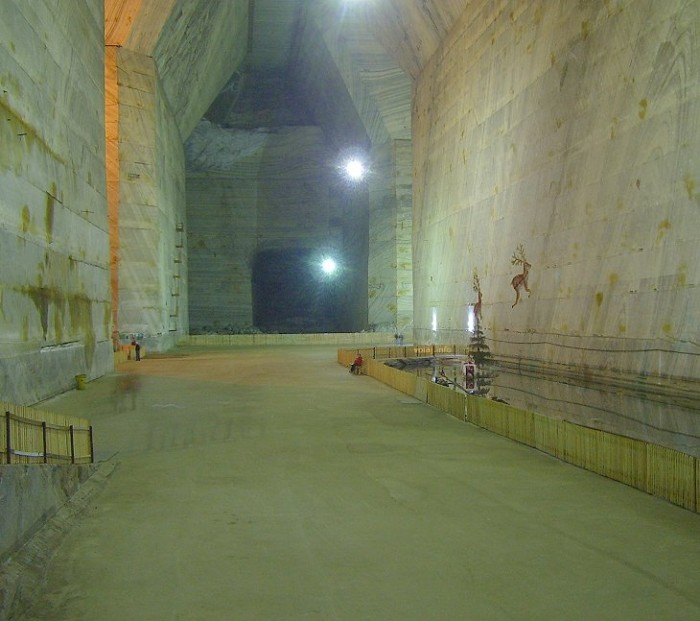
Slănic Prahova Salt Mine
Situata in localitatea Slanic Prahova; lucrarile miniere de deschidere a minei "Unirea" au inceput in anul 1938, iar exploatarea sarii din aceasta mina s-a...
34.1 km

Brasov, Brașov County
Poiana Brașov resort.
Situata la poalele muntelui Postavaru, la 12 km de municipiul Brasov; amplasata la altitudinea de 1.030 m, statiunea turistica Poiana Brasov a fost infiintata...
26.1 km
Brasov, Brașov County
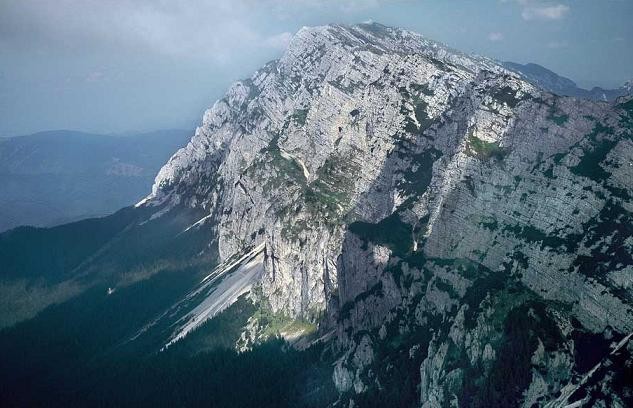
Piatra Craiului National Park
Situat in Carpatii Meridionali;include Creasta Pietrei Craiului in totalitate si spatiile din culoarele intramontane limitrofe, Rucar - Bran si Rucar -...
31.8 km

Brasov, Brașov County
Predeal: Romania's Highest Town and the Carpathian Balcony
Situata pe Valea Prahovei, intre raurile Prahova si Timis, la 25 km de municipiul Brasov; amplasata la 1.100 m, este cea mai inalta asezare urbana din Romania;...
16.4 km
Prahova, Prahova County
Sinaia Casino
Situat in parcul "Dimitrie Ghica" din localitatea Sinaia; reprezinta si astazi unul dintre edificiile - simbol ale statiunii; construit in timp record, intre...
1.0 km
Cultural life and traditions
Events in the Peleș Castle area
Medieval festivals, traditional fairs, concerts and local activities recommended in Muntenia (Wallachia).

History and Royal Architecture

Sinaia, County of Prahova
Days of Royalty and Heritage in the Prahova Valley
Historical conferences open to the public, themed tours of royal architecture, documentary screenings and exhibitions of vintage photographs.
WHEN
May 10-12, 2026


Gastronomy and Oenology
Dealu Mare, County of Prahova
The Prahova Wine Festival on the Wine Route
Guided tastings of Fetească Neagră along the famous Wine Route, visits to historic wineries, and meetings with leading winemakers.
WHEN
Every weekend (September - October)
Hiking and Adventure
Bucegi Mountains, Prahova County
Guided Mountain Tour in the Bucegi Mountains
Guided mountain tours led by mountain rescue personnel to iconic panoramic viewpoints and spectacular alpine waterfalls.
WHEN
Daily during the season (June - October)
On foot, exploration gains depth
Discover the surroundings and local geography
Explore the trails, terrain, and natural landmarks around Peleș Castle.

Guides and practical tips
Useful travel articles
Travel guides, practical recommendations and tourist itineraries for Muntenia (Wallachia).

Tourist guide
Top 5 Atracții Turistice și Trasee Montane în Zona Moieciu - Bran
Descoperă cele mai spectaculoase peisaje carstice, chei adânci și cetăți medievale din imediata apropiere a stațiunii Moieciu.

Tourist guide
Ghid de Drumeție: Traseul Moieciu de Sus spre Platoul Bucegi
Un itinerariu montan de o frumusețe rară ce urcă din Valea Băngăleasa spre Poiana Guțanu și crestele maiestuoase ale Bucegilor.

Tourist guide
Castelul Bran: Istorie, Legende și Secrete Medievale
Află adevărata poveste a fortăreței medievale din Pasul Bran, reședința de suflet a Reginei Maria a României.
THE JOURNEY STARTS WITH AN IDEA
The next story is on the way.
From the first stop to the last stay, make room for a new Romania.
