


CASTLE · MUNTENIA (WALLACHIA)
Pelișor Castle

Prahova, Prahova County
Add location to your trip planner.
Practical access information

VISITING HOURS
Check the local visiting schedule

TICKET PRICE
Information available at the cashier's desk

RECOMMENDED VISIT DURATION
1-2 hours
Sources and external references
Wikipedia Encyclopedia (EN)
Visitor information and guide
 Navigate with Google Maps

ABOUT PELIȘOR CASTLE
A royal jewel in the heart of the Carpathians
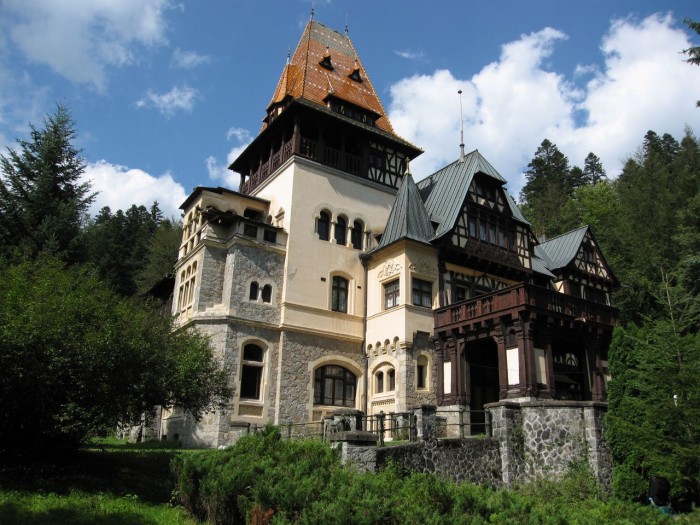
In the mountainous landscape of the Prahova Valley, where beech and fir forests embrace the slopes of the Southern Carpathians, rises, discreet and charming, Pelișor Castle, a construction that seems to have been torn from the pages of a Nordic fairy tale, yet equally breathes the cosmopolitan air of early 20th-century Europe. Located in the heart of the dendrological park of Peleș Castle, on the left bank of the Prahova River, in the city of Sinaia, Prahova County, this edifice represents much more than a simple summer residence; it is the expression of an era when the Romanian monarchy sought its place in the concert of European nations, and the ruling elite dreamed of transforming the Carpathians into a sanctuary of continental refinement. Built between 1899 and 1902, according to the meticulous plans of Czech architect Karel Liman, Pelișor was conceived as an intimate refuge for the crown princes Ferdinand and Maria, becoming, from 1903 onwards, the royal family's favorite place for the summer months, a space where the official etiquette of the court gave way to the poetry of family life and artistic contemplation.
The cultural significance of this monument far exceeds its modest dimensions compared to its magnificent neighbor, Peleș Castle. While Peleș impresses with its Neo-Renaissance pomp and its ambition to rival the most sumptuous residences of Central Europe, Pelișor conquers through delicacy, through a subtle harmony between human scale and royal elegance. It symbolizes the desire of the Hohenzollern-Sigmaringen dynasty to anchor itself not only in the military and Protestant tradition of Prussia, but also in the sensitive world of German romanticism, Viennese Art Nouveau, and the intimate comfort of British aristocracy. Through its 99 rooms, spread over several levels and embraced by a park that gently descends toward the river, the castle offers today's visitor a unique foray into the private universe of a royal family at the crossroads between the old regime and modernity, in a Europe on the brink of the great world conflagration.
Historical roots and major European connections
The construction of Pelișor Castle unfolded in a historically fascinating context, when the Kingdom of Romania, proclaimed independent in 1877 and recognized as such by the Treaty of Berlin in 1878, was consolidating its position within the European alliance system. King Carol I, cousin of German Emperor Wilhelm II and strategic ally of the latter within the Triple Alliance, wanted to offer his son Ferdinand and his wife Maria — Princess Maria of Edinburgh, granddaughter of Queen Victoria of Great Britain and first cousin of Tsar Nicholas II of Russia — a private residence that would reflect their status as future sovereigns, but also the deep dynastic ties with the great royal houses of the continent. This choice was not accidental, but reflected Romania's ambition to present itself as a civilized actor of Europe, capable of assimilating the most refined architectural currents of the time.
The architecture of Pelișor bears the imprint of an era when Europe sought to revive the spirit of late German Renaissance and medieval romanticism. The chosen style — a Neo-Renaissance reinterpretation of half-timbered houses from German lands, Flanders, and the Netherlands — evokes the romantic castles of the Rhine and the Elbe, those constructions that, in the 19th century, inspired poets and painters such as Caspar David Friedrich. Karel Liman, trained in the tradition of the Austro-Czech architectural school, brought to the Carpathians a sensibility that combined the technical precision of German engineering with the decorative character specific to Romanian folk art. This cultural fusion mirrors Romania's geopolitical position at the beginning of the 20th century: a nation located at the intersection of the Austro-Hungarian influences of the Habsburg Empire, the Byzantine Orthodox tradition, and British and French Western modernity.
The dynastic ties that gave birth to Pelișor illustrate the complicated network of European aristocratic marriages. Maria, known in the family as Missy, brought British blood to Romania, being the daughter of Duke Alfred of Saxe-Coburg and Gotha and Grand Duchess Maria Alexandrovna of Russia. Through her marriage to Ferdinand, future king of Romania, a bridge was created between the British crown, the Russian throne, and the Romanian one — a matrimonial alliance that, in the diplomatic theory of the time, was supposed to ensure the stability of the continent. However, history was to take another course, and Pelișor was to become the silent witness of the dramatic transformations that followed, from the outbreak of the First World War to the fall of the monarchy.
Architectural masterpiece, style, and construction details
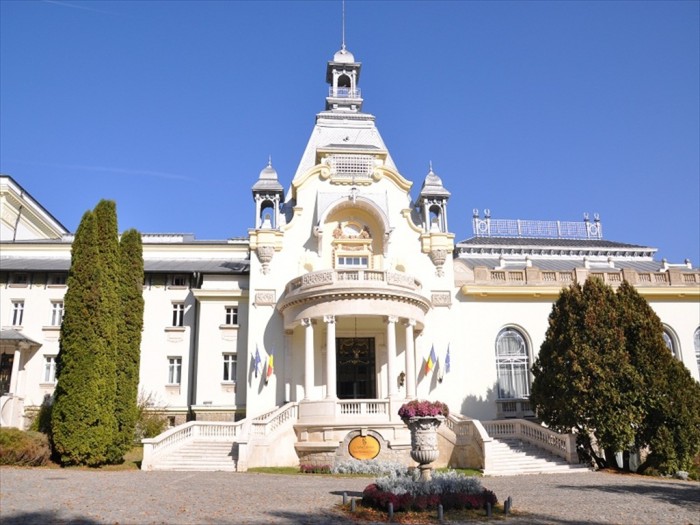
The exterior of Pelișor Castle presents itself as a symphony of wood and stone, a composition that combines the structural elements of traditional Carpathian architecture with the decorative elegance of the late Northern European Renaissance. The façades are dominated by sculpted exposed beams, delicate corbels, and steeply pitched roofs, reminiscent of the houses of wealthy merchants in Hanseatic cities or the residences of nobility in the Netherlands. This architectural choice, far from being merely a stylistic exercise, reflects a true innovation for the Romanian space: the valorization of wood as a decorative structural element, crafted with mastery by local artisans, but according to the conception of a European architect. Oak and fir wood, carved into vegetal and geometric details, creates a play of shadows and lights that wraps the building in a warm, welcoming atmosphere, opposed to the cold solemnity of stone.
Inside, the 99 rooms unfold in an intimate labyrinth, organized according to the principle of the aristocratic holiday residence of 1900, influenced by the Arts and Crafts movement in Great Britain and the Viennese Secession. The Hall of Honor, with its monumental fireplace and carved wooden furniture, opens the way to the private apartments. King Ferdinand's study, austere and functional, reflects the sober and disciplined character of the sovereign, while Queen Maria's personal office, flooded with natural light, reveals a world full of color, books, and art objects. The private chapel, organically integrated into the castle's structure, with its colored stained glass and carved iconostasis, recalls the Byzantine tradition of the domestic sacred space, offering the royal family a place of retreat away from the pomp of the court.
However, the true heart of the castle, the emotional and artistic pivot of the entire ensemble, is the so-called Golden Room. Designed entirely according to the drawings and sketches of Queen Maria, this room represents a declaration of love and cultural identity. The walls are covered with thistle leaf motifs, the historical emblem of Scotland, the sovereign's homeland, painted in gold and silver on a dark green background, creating the atmosphere of a suspended garden. The furniture, carved in gilded linden wood, includes Maria's personal desk, chairs and tables with ivory and mother-of-pearl inlays, all made by renowned craftsmen from Munich and Vienna. Special mention deserves the illuminated manuscript on parchment representing lilies, made by Queen Maria herself and given to King Ferdinand in 1906. This work of art, which combines the medieval illumination tradition — with ornamental initials, gold, and mineral colors — with the modern sensibility of Art Nouveau, testifies to the polymathic talent of the sovereign, who was not only a passionate collector, but also an accomplished artist, capable of wielding brush and pen with equal ease.
The decorative art collection housed in Pelișor's salons includes pieces belonging to the Jugendstil movement, purchased from workshops in Paris, Vienna, Munich, and London. Glass vases by Loetz, patinated bronze candelabras, floral tapestries, and mirrors with frames carved in gilded wood transform each room into a living museum of European secessionism, demonstrating that the Romanian royal family was perfectly synchronized with the artistic pulse of the continent.
Stories, personalities, and turning points
The history of Pelișor Castle is inseparable from the personalities who gave it life and from the dramatic moments that marked Europe's destiny. Queen Maria, with her artistic, unconventional, and deeply human nature, transformed this castle into a sanctuary of creativity. For her, Pelișor was not just a summer house, but a workshop, a library, and a meeting space with artists and intellectuals from all over Europe. Here she wrote pages from her memoirs, painted landscapes of the Prahova Valley, and conceived the sketches for the interior decorations. Her romantic nature, influenced by Victorian literature and Eminescu's poetry, is reflected in every corner of the castle, from the hand-embroidered curtains to the carpets woven in Sinaia's workshops.
King Ferdinand, her husband, although more reserved and attached to study and analysis, found in Pelișor the peace necessary to prepare his speeches and to reflect on the nation's destiny. In this intimate atmosphere, away from the bustle of Bucharest, the two made crucial decisions for Romania's future. When, in August 1916, Romania entered the war on the side of the Entente, Pelișor became the witness of the royal family's last days of peace before the German occupation and forced exile to Iași. After the war, the castle hosted important diplomatic meetings, being the place where the foundations of Greater Romania were laid, and in 1922, after the coronation in Alba Iulia, Ferdinand and Maria returned here as king and queen of a united country.
The interwar period represented the apogee of Pelișor, when it was the center of Sinaia's mondane and intellectual life. Here came politicians, diplomats, writers, and musicians from all over the world. After the death of King Ferdinand in 1927 and Queen Maria in 1938, the castle entered a period of obscurity. Nationalized by the communist regime in 1948, Pelișor was turned into a museum, but many of its valuable collections were dispersed or destroyed. Only after the 1989 Revolution and the meticulous restorations of recent decades did the castle regain its initial splendor, reopening its gates to the general public as an integral part of the Peleș National Museum.
Practical visiting guide and today's tourist experience
Visiting Pelișor Castle constitutes an essential experience for anyone wishing to understand the true human dimension of the Romanian monarchy and to penetrate the intimate atmosphere of a bygone era. Located on Pelișor Street in Sinaia, just a few steps from Peleș Castle, the castle is visited within the museum complex, tickets being available at the ticket office or through the official website of the Peleș National Museum. The visiting schedule varies by season, so it is recommended to consult the updated schedule before traveling, especially during the winter holiday period, when Sinaia becomes a particularly crowded destination.
The tour of the interiors offers a fascinating journey through the 99 rooms, each revealing a different story. The visitor will admire the Hall of Honor with its impressive fireplace, will step into King Ferdinand's office, will contemplate the beauty of the Golden Room with its golden decorations and Scottish motifs, and will withdraw to the private chapel, where the light filtered through the stained glass creates a particularly meditative atmosphere. The personal library, with its shelves full of old volumes and comfortable armchairs, invites daydreaming, while the royal bedrooms reveal intimate details of family life.
Surrounded by an exceptional dendrological park that descends in terraces toward the Prahova Valley, Pelișor also offers a remarkable natural experience. Walking through the park's avenues, among centuries-old trees and ornamental shrubs, offers spectacular panoramic views of the Bucegi Massif and of the city of Sinaia, with its towers and red roofs. This fusion between architecture and nature reflects the European ideal of the romantic garden, in which human construction integrates harmoniously into the Carpathian landscape.
For a complete visit, it is recommended to combine the Pelișor tour with that of Peleș Castle, to understand the contrast between the official pomp of the state residence and the intimacy of the private residence. Also, visitors are encouraged to explore Sinaia Monastery, founded in the 17th century, and the historic center of the city, with its eclectic late 19th-century architecture. A walk through Sinaia, followed by a visit to Pelișor, offers a complete picture of how this pearl of the Carpathians became, as early as the time of Carol I, a symbol of Romania's aspiration toward European civilization.
The journey through Pelișor Castle is not just a visit to a historical monument, but an incursion into a universe suspended in time, where Queen Maria's spirit still floats among the gilded thistle leaves, and the echo of the royal family's footsteps still resounds in the light-filled rooms. It is an experience that enriches the soul and offers a unique perspective on European history, seen through the lens of a family that knew how to combine tradition with modernity, pomp with intimacy, in a corner of paradise in the Carpathians.
Media gallery
Discover Pelișor Castle in pictures

20 photos · Architecture, courtyards and captivating details


Image source: Wikimedia Commons · Public domain photos · Free license
STAY A FEW DAYS, DISCOVER THE MAGIC
Accommodation in the Pelișor Castle area

Holiday resort · 4 stars

Sinaia, Prahova County · 0.1 km
Complex La Tunuri - Vila Economat Sinaia
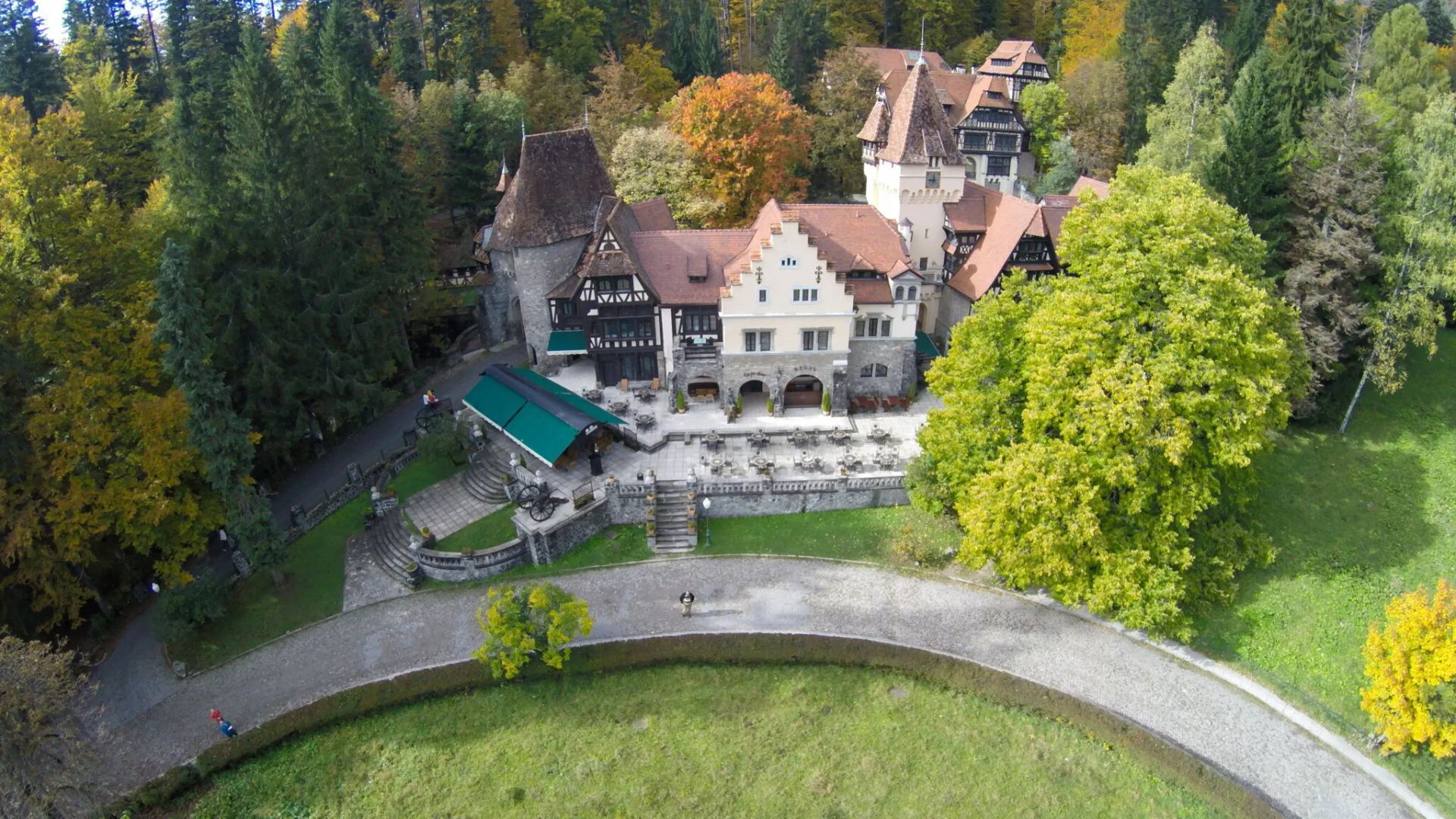
Parcarea pentru biciclete este disponibilă pentru dumneavoastră la Complex La Tunuri - Vila Economat din Sinaia. Unitatea se află pe Domeniul Regal Peleș, în curtea celor două castele celebre, într-un cadru cu arhitectură în stil elvețian. Vă punem la dispoziție restaurant în incintă cu mic dejun à la carte și preparate din bucătăria internațională, bar și cafenea cu terasă deschisă spre castel, Wi-Fi gratuit și seif. Familiile cu copii mici au la dispoziție scaun înalt și pătuț pentru bebeluș. În apropiere puteți vizita Castelul Peleș, Castelul Pelișor, Cazinoul din Sinaia, Castelul Foișor și puteți explora întreaga Stațiune Sinaia, cu aleile dintre castele regale. Vila datează din perioada 1880-1883 și a fost construită în stil elvețian ca fost Corp de Gardă regal, găzduind cândva ofițerii de pază. După renovare, cele 16 spații de cazare oferă vedere spre castel. Pe terasa café-bar-ului se află două tunuri autentice achiziționate de regele Carol I și folosite în Războiul de Independență din 1877. Vă așteptăm pe aleea Peleșului numărul 2.
FROM
490 lei per night

Holiday villa · 3 stars
Sinaia, Prahova County · 0.1 km
Vila Șipot Sinaia
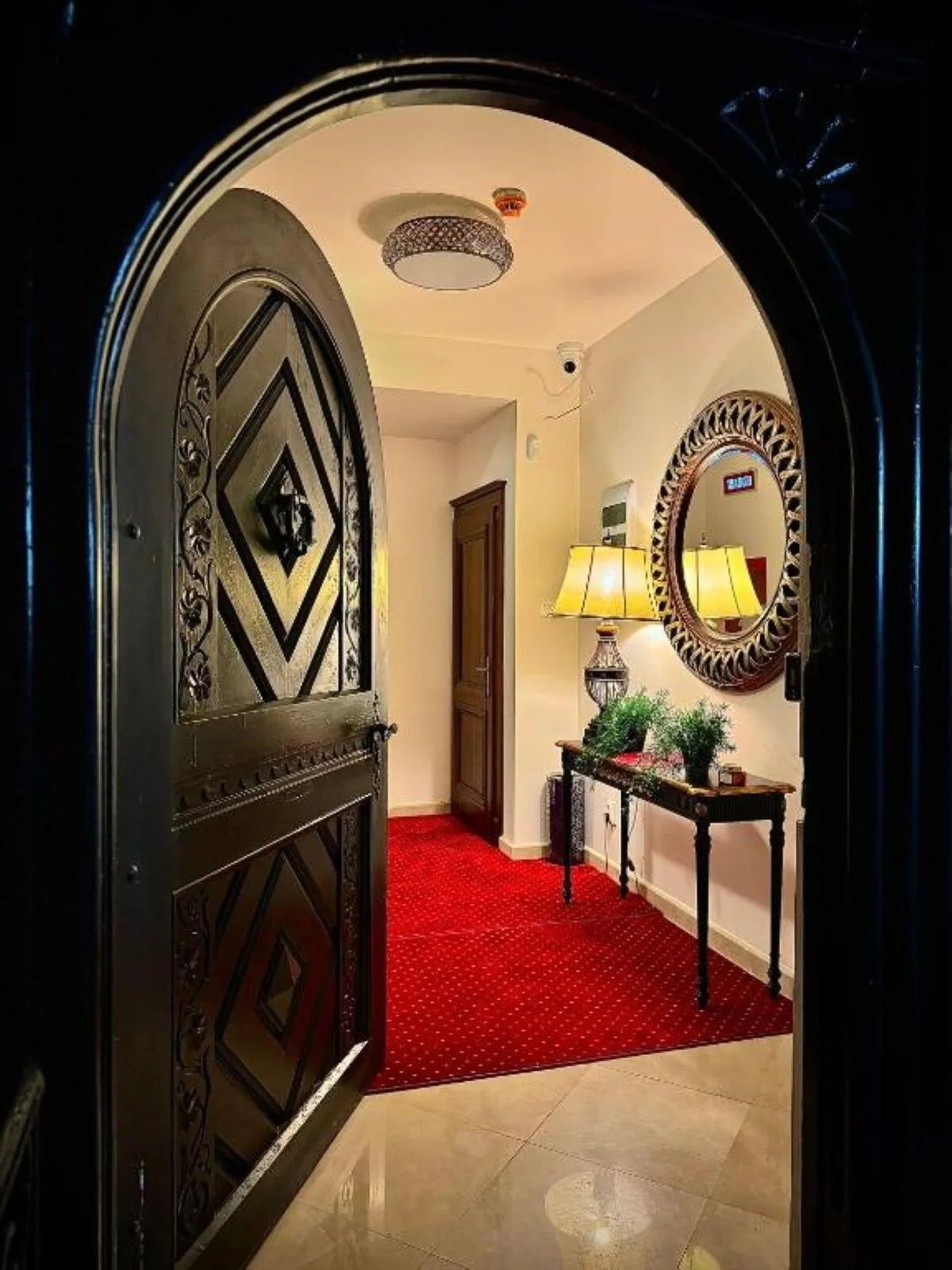
Clădirea istorică proiectată în anul 1900 de arhitectul regal Karel Liman, situată pe Domeniul Regal Peleș în apropierea Castelului Pelișor, reprezintă Vila Șipot din Sinaia. Această vilă monument, renovată complet la standarde moderne, păstrează atmosfera unei reședințe de arhitect din perioada în care a găzduit biroul de arhitectură al domeniului regal și reședința arhitecților. Vila Șipot pune la dispoziția dumneavoastră facilități moderne precum Wi-Fi gratuit și parcare privată gratuită, asigurând un sejur confortabil și relaxant pentru toți oaspeții care doresc să se bucure de liniștea zonei. Poziția sa privilegiată vă permite să vizitați cu ușurință Castelul Peleș, Castelul Pelișor, Castelul Foișor, Cazinoul din Sinaia și să vă bucurați de întreaga Stațiune Sinaia, explorând toate atracțiile sale turistice. Până în anul 1948, vila a funcționat ca birou de arhitectură și reședință a arhitecților Peleșului, oferind acum o experiență de cazare într-un loc încărcat de istorie, într-o vilă cu adevărat regală. Este alegerea potrivită pentru călătorii care doresc să exploreze monumentele regale și atmosfera stațiunii Sinaia într-un cadru istoric autentic.
FROM
280 lei per night
Apartment · 3 stars
Sinaia, Prahova County · 0.3 km
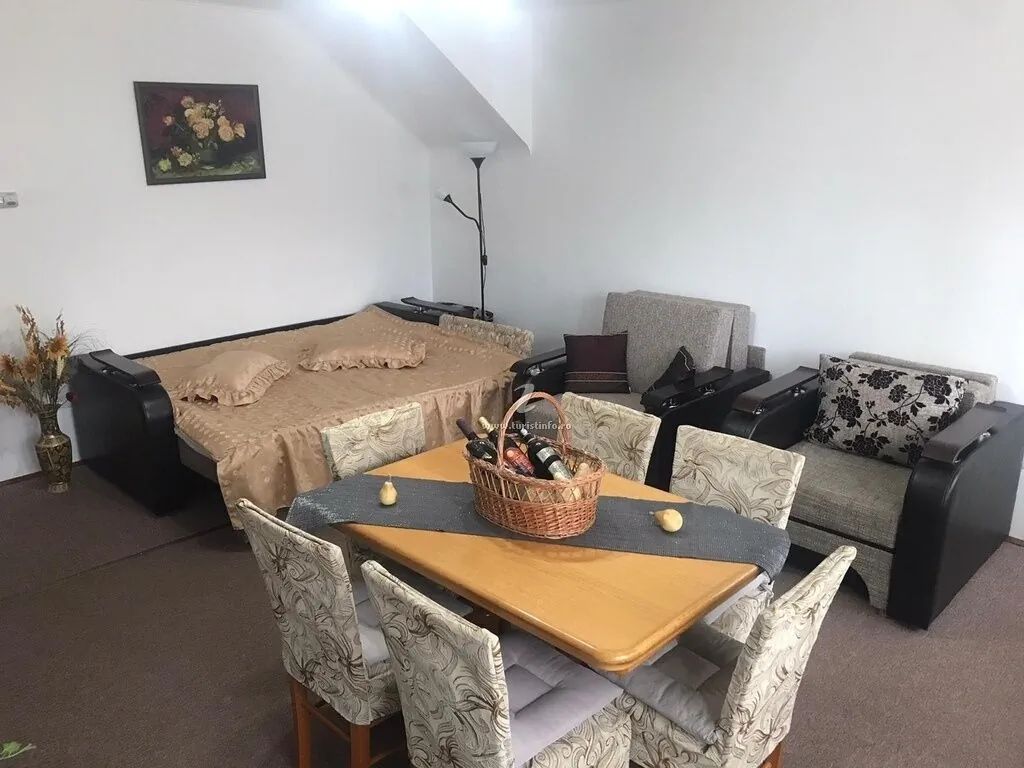
Garsoniera Mikha Sinaia
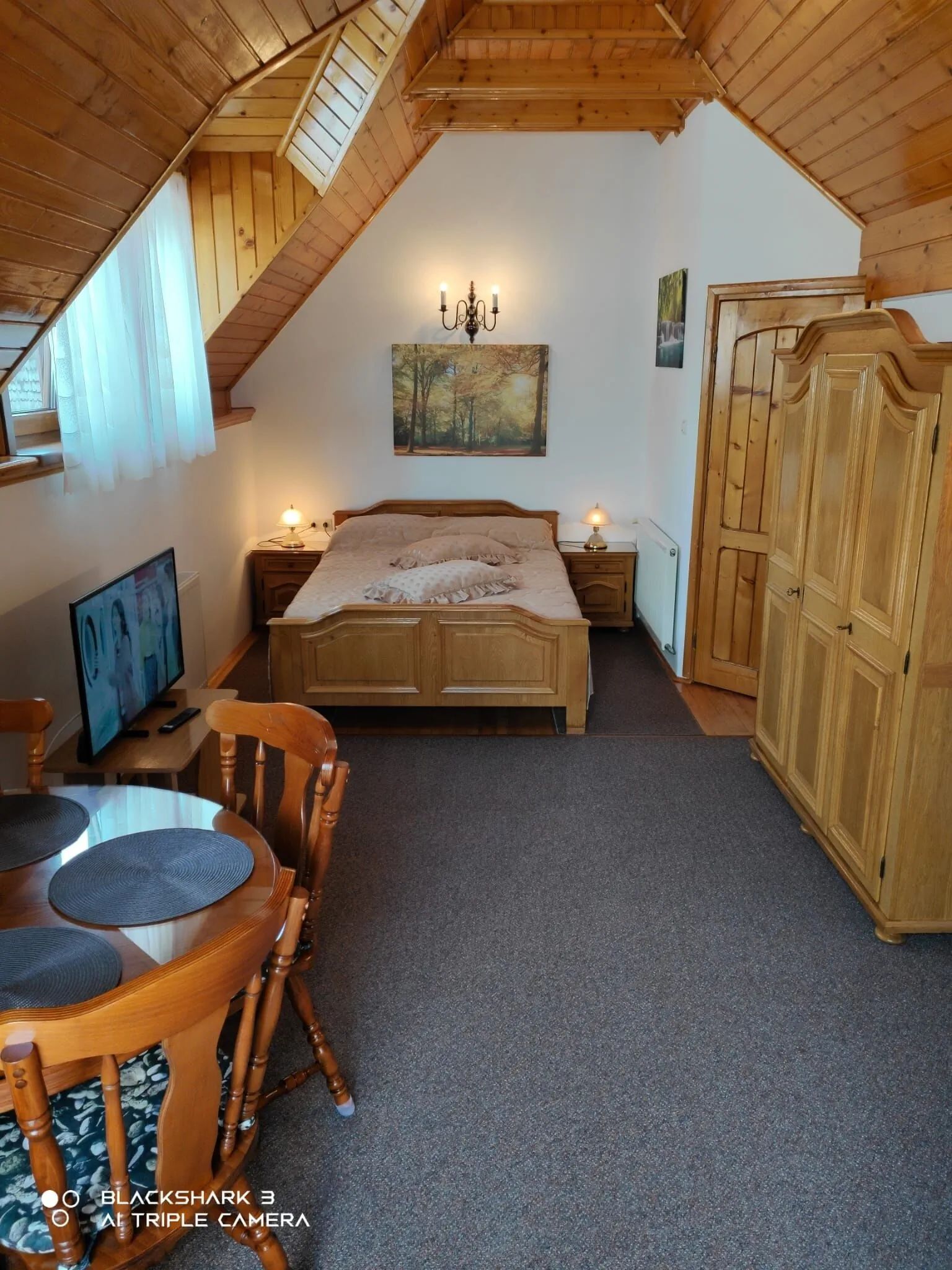
Comfort, relaxation and stunning views, all just steps away from the main attractions.
FROM
230 lei per night
Apartment · 1 star
Sinaia, Prahova County · 0.3 km
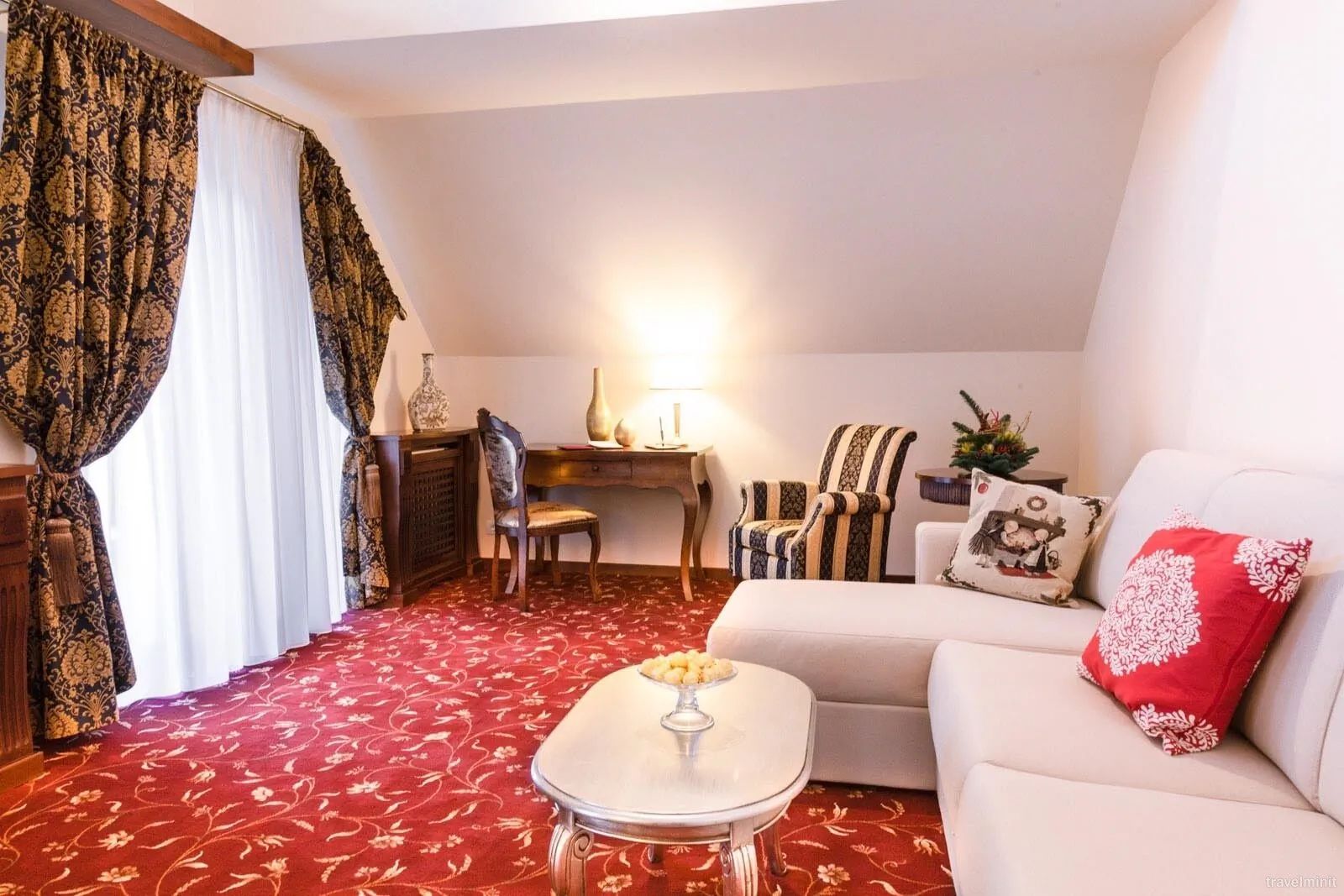
Apartament Mikha Sinaia
Comfort, relaxation and stunning views, all just steps away from the main attractions.
FROM
230 lei per night
Boutique hotel · 4 stars
Sinaia, Prahova County · 0.3 km
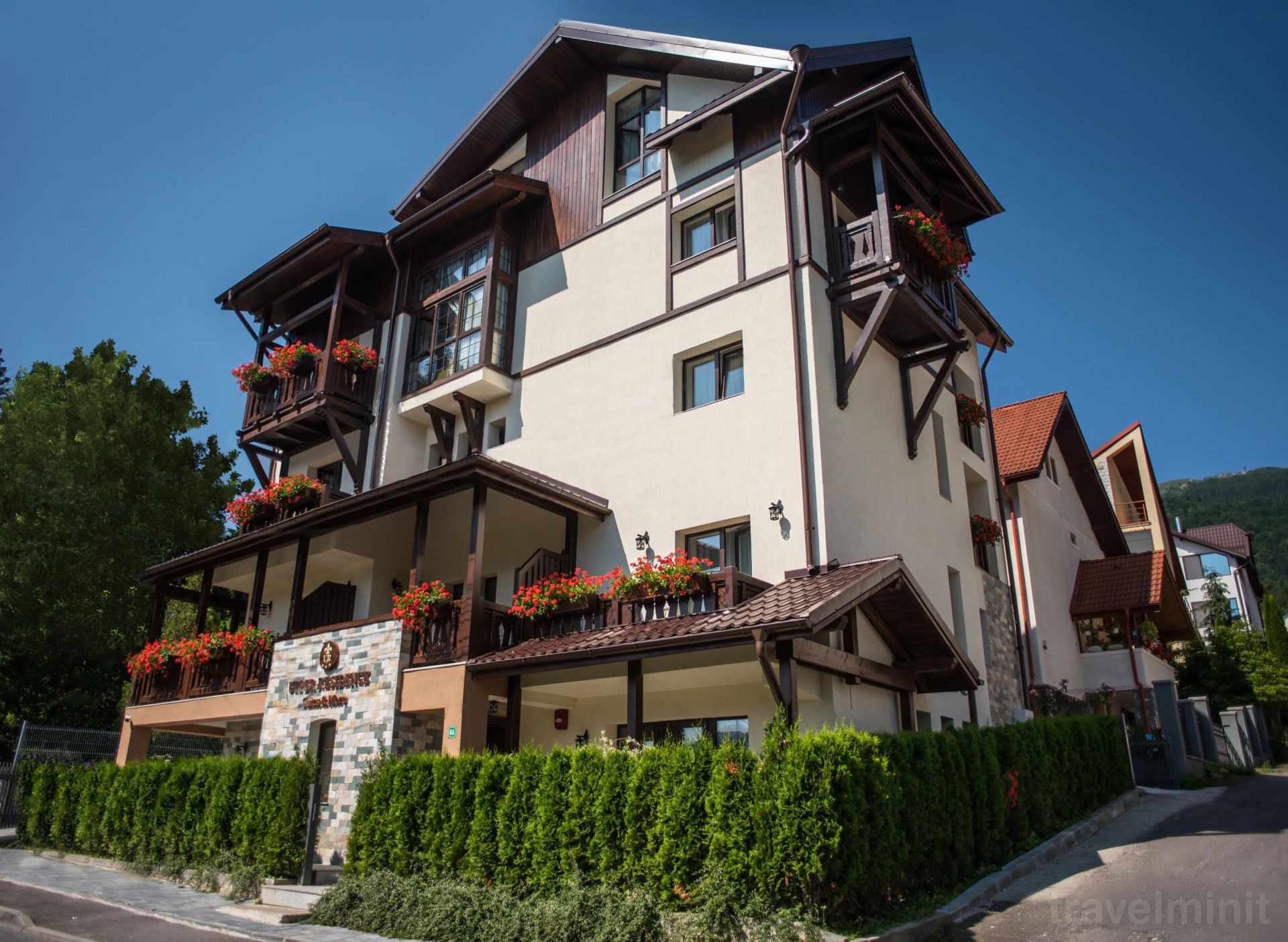
Hotel Boutique Belvedere Sinaia
În Sinaia, pe strada Opler, Hotel Boutique Belvedere Sinaia reprezintă un hotel boutique de patru stele care aduce un standard înalt de ospitalitate în această stațiune montană. Apartamentele spațioase și elegant mobilate sunt bine izolate fonic și oferă două balcoane generoase cu vedere spre munte și pădure, alături de o zonă de relaxare, un dormitor cu dressing propriu și două televizoare. Oaspeții dumneavoastră beneficiază de Wi-Fi gratuit, acces la saună și la jacuzzi sau cadă cu hidromasaj, facilități de preparare ceai sau cafea și un coș cu fructe. Pentru familii, unitatea pune la dispoziție o cameră de joacă pentru copii la interior și un pătuț pentru bebeluș. De asemenea, există acces pentru persoane cu dizabilități, parcare privată gratuită, o curte mare și o grădină amenajată. La cerere, este disponibil și serviciul de transfer în localitate și în afara ei. Micul dejun în sistem bufet suedez include produse de casă și produse premium, iar restaurantul folosește pe cât posibil ingrediente locale și produse românești de calitate, oferind și un meniu special pentru copii. În apropiere puteți vizita Castelul Peleș, Stațiunea Sinaia, Castelul Pelișor, Cazinoul din Sinaia și Rezervația naturală din Masivul Bucegi. Vă așteptăm la Hotel Boutique Belvedere Sinaia.
FROM
420 lei per night
Guesthouse · 3 stars
Sinaia, Prahova County · 0.4 km
Uphill Residence Sinaia
Pe drumul Calea Codrului din Sinaia se află Uphill Residence, o pensiune turistică de trei stele care oferă zece camere modern amenajate și bine întreținute. Fiecare cameră este pregătită cu grijă pentru a vă asigura un sejur plăcut și relaxant în această stațiune montană. Unitatea pune la dispoziția dumneavoastră parcare privată gratuită, acces Wi-Fi gratuit în toate spațiile și în fiecare cameră, precum și un pătuț pentru bebeluș și un depozit special pentru bagaje. Mic dejunul este inclus în prețul camerei, iar anumite camere beneficiază și de aer condiționat pentru un confort sporit. În apropiere puteți vizita Castelul Peleș, Castelul Pelișor, Castelul Foișor, Cazinoul din Sinaia și Stațiunea Sinaia. Aceste obiective turistice pot fi descoperite pe parcursul șederii dumneavoastră în zonă. La recepție se comunică în limba română, iar ziua hotelieră începe la ora 15:00 și se încheie la ora 12:00. Plățile se pot efectua prin numerar, card bancar, transfer bancar sau voucher. Seara, după o zi petrecută la obiectivele din zonă, vă puteți relaxa în camera dumneavoastră folosind conexiunea Wi-Fi gratuită pentru a vă bucura de liniștea serii.
FROM
240 lei per night
BEFORE YOU HIT THE ROAD
Weather conditions in Prahova
Local forecast for Pelișor Castle, Prahova, Prahova

Real-time updated weather data
Much more to explore in this area
Nearby tourist attractions


Bran, Brașov County
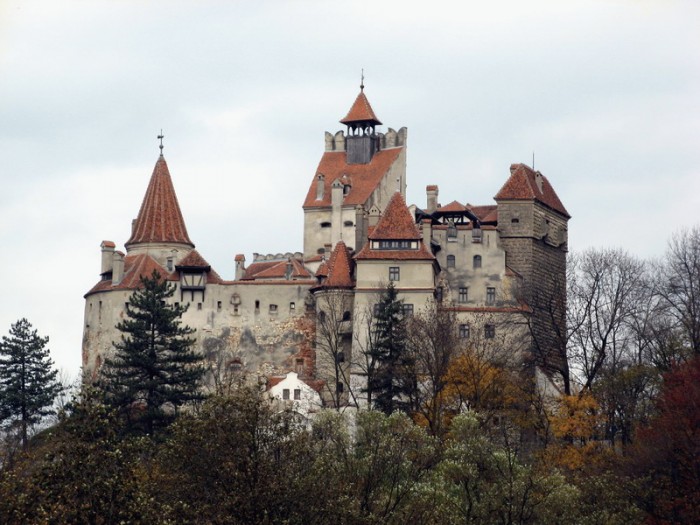
Bran Castle
Situat pe strada General Traian Mosoiu nr. 28 din localitatea Bran, la 30 km de municipiul Brasov; construit in anul 1377 in scop militar; in anul 1395, este...
21.8 km
Sinaia, Prahova County
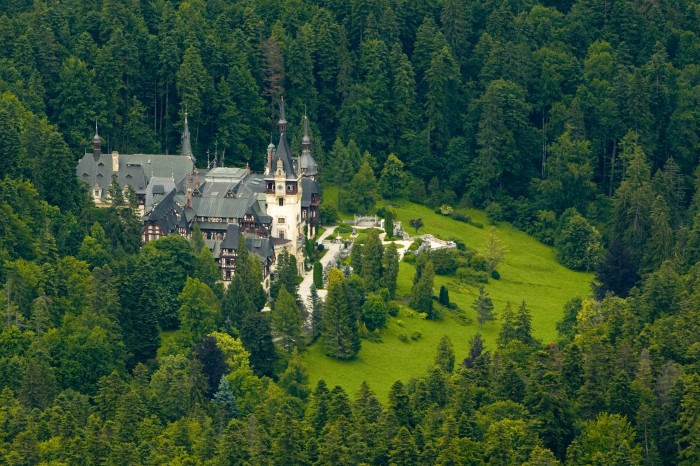
Peleș Castle
Situat pe strada Pelesului din Sinaia; piatra de temelie a castelului se pune in 1873, aici fiind ingropate si cateva zeci de monede de 20 de lei, din aur -...
0.3 km
Prahova, Prahova County
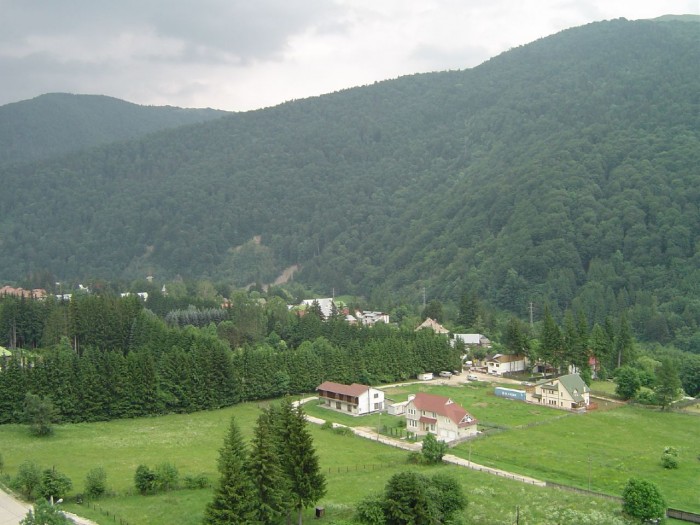
Sinaia Resort
Situata pe valea superioara a Prahovei, la poalele Muntilor Bucegi (Carpatii Meridionali), la o altitudine ce variaza intre 798-971 m; este una din cele mai...
1.2 km
Brasov, Brașov County
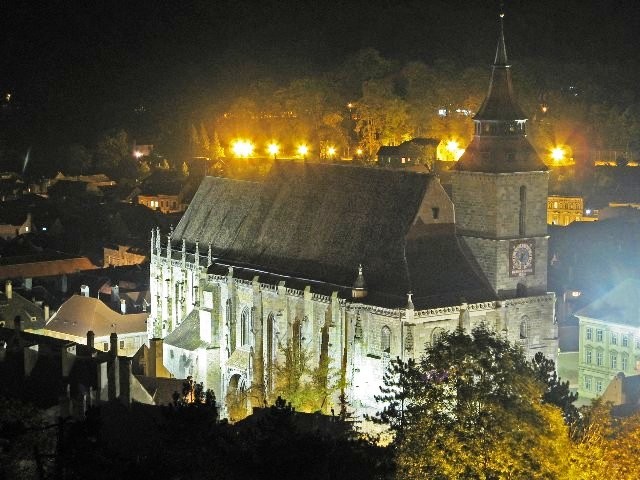
Black Church
Situata in curtea Honterus nr. 2 din municipiul Brasov; construita intre secolele XIV - XV; o inscriptie din interior il atesta ca prim ctitor pe Thomas; din...
32.1 km
Brasov, Brașov County
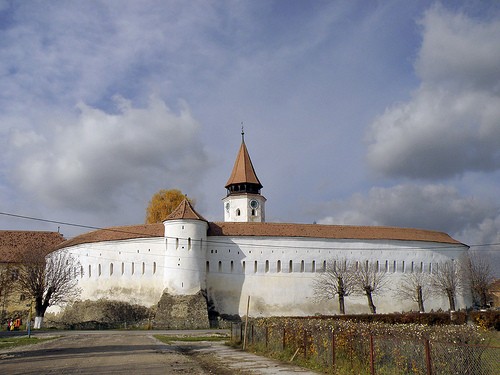
Prejmer Fortified Church
Situata in localitatea Prejmer, la 15 km de municipiul Brasov; cea mai mare biserica fortificata din sud-estul Europei; construita in secolul al XIII-lea; are...
44.2 km
Brasov, Brașov County
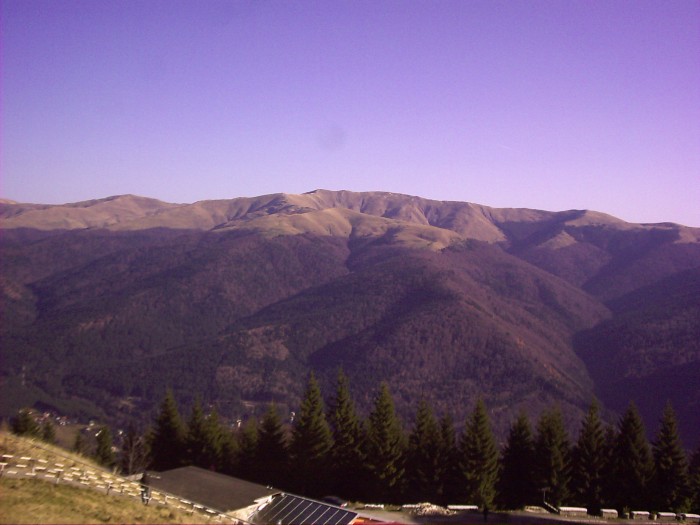
Bucegi Natural Park
Situat in Muntii Bucegi, se intinde pe raza comunelor Rasnov, Bran, Moeciu; zona Muntilor Bucegi a fost propusa pentru protejare in anul 1936, dar initiativa s-...
16.8 km
Râșnov, Brașov County
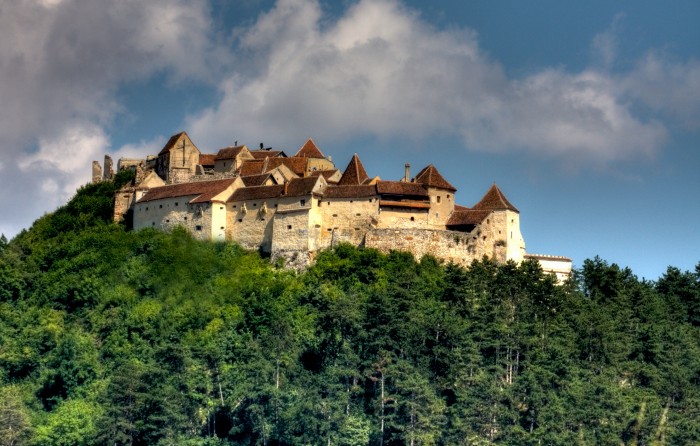
Râșnov Citadel
Situata in orasul Rasnov, la 15 km de municipiul Brasov; construita in secolele XIII - XIV de catre locuitorii zonei, in scopul apararii impotriva atacurilor...
26.2 km
Prahova, Prahova County
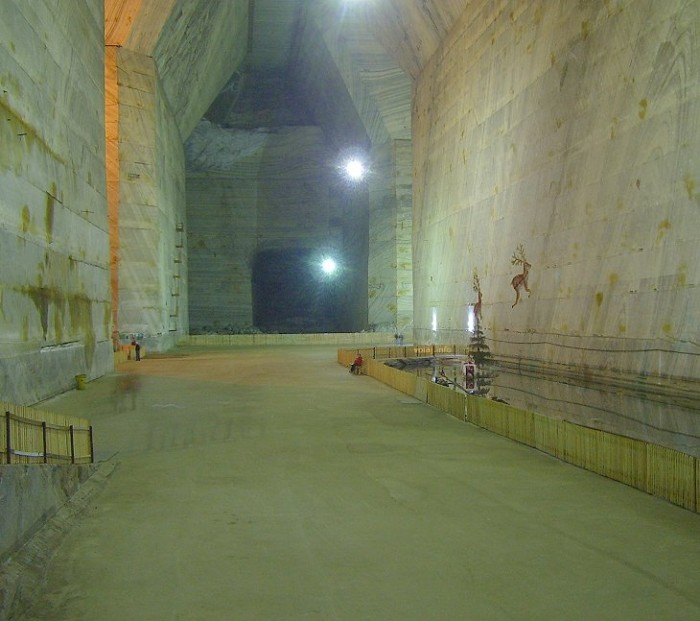
Slănic Prahova Salt Mine
Situata in localitatea Slanic Prahova; lucrarile miniere de deschidere a minei "Unirea" au inceput in anul 1938, iar exploatarea sarii din aceasta mina s-a...
34.4 km

Brasov, Brașov County
Poiana Brașov resort.
Situata la poalele muntelui Postavaru, la 12 km de municipiul Brasov; amplasata la altitudinea de 1.030 m, statiunea turistica Poiana Brasov a fost infiintata...
26.1 km
Brasov, Brașov County
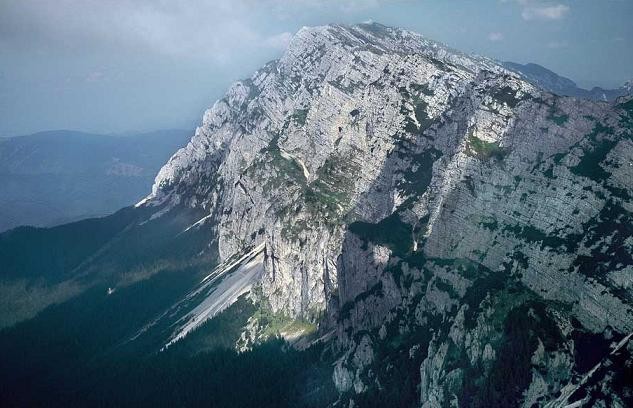
Piatra Craiului National Park
Situat in Carpatii Meridionali;include Creasta Pietrei Craiului in totalitate si spatiile din culoarele intramontane limitrofe, Rucar - Bran si Rucar -...
31.6 km

Brasov, Brașov County
Predeal: Romania's Highest Town and the Carpathian Balcony
Situata pe Valea Prahovei, intre raurile Prahova si Timis, la 25 km de municipiul Brasov; amplasata la 1.100 m, este cea mai inalta asezare urbana din Romania;...
16.4 km
Prahova, Prahova County
Sinaia Casino
Situat in parcul "Dimitrie Ghica" din localitatea Sinaia; reprezinta si astazi unul dintre edificiile - simbol ale statiunii; construit in timp record, intre...
1.3 km
Cultural life and traditions
Events in the Pelișor Castle area
Medieval festivals, traditional fairs, concerts and local activities recommended in Muntenia (Wallachia).

History and Royal Architecture

Prahova, County of Prahova
Days of Royalty and Heritage in the Prahova Valley
Historical conferences open to the public, themed tours of royal architecture, documentary screenings and exhibitions of vintage photographs.
WHEN
May 10-12, 2026


Gastronomy and Oenology
Dealu Mare, County of Prahova
The Prahova Wine Festival on the Wine Route
Guided tastings of Fetească Neagră along the famous Wine Route, visits to historic wineries, and meetings with leading winemakers.
WHEN
Every weekend (September - October)
Hiking and Adventure
Bucegi Mountains, Prahova County
Guided Mountain Tour in the Bucegi Mountains
Guided mountain tours led by mountain rescue personnel to iconic panoramic viewpoints and spectacular alpine waterfalls.
WHEN
Daily during the season (June - October)
On foot, exploration gains depth
Discover the surroundings and local geography
Explore the trails, terrain, and natural landmarks around Pelișor Castle.

Guides and practical tips
Useful travel articles
Travel guides, practical recommendations and tourist itineraries for Muntenia (Wallachia).

Tourist guide
Top 5 Atracții Turistice și Trasee Montane în Zona Moieciu - Bran
Descoperă cele mai spectaculoase peisaje carstice, chei adânci și cetăți medievale din imediata apropiere a stațiunii Moieciu.

Tourist guide
Ghid de Drumeție: Traseul Moieciu de Sus spre Platoul Bucegi
Un itinerariu montan de o frumusețe rară ce urcă din Valea Băngăleasa spre Poiana Guțanu și crestele maiestuoase ale Bucegilor.

Tourist guide
Castelul Bran: Istorie, Legende și Secrete Medievale
Află adevărata poveste a fortăreței medievale din Pasul Bran, reședința de suflet a Reginei Maria a României.
THE JOURNEY STARTS WITH AN IDEA
The next story is on the way.
From the first stop to the last stay, make room for a new Romania.
