


MONUMENT · TRANSYLVANIA
Porolissum Roman Fortress

Sălaj, Sălaj County
Add location to your trip planner.

Practical access information

VISITING HOURS
Monday: 12:00 PM – 5:00 PM · Tuesday–Sunday: 9:00 AM – 5:00 PM (in summer until 8:00 PM)

TICKET PRICE
Adults: 45 RON · Students: 11 RON · Seniors: 23 RON · Guided tour included

RECOMMENDED VISIT DURATION
30-60 minutes
Visitor information and guide
 Navigate with Google Maps

ABOUT POROLISSUM ROMAN FORTRESS
Introduction: Stones That Bear Witness to an Empire
In the heart of northern Transylvania, where the Meseș Mountains rise toward the sky and ancient Roman roads once wound through narrow passes toward the lands of Maramureș and Moldavia, stands one of the most moving testaments to Rome’s imperial expansion in Eastern Europe: the Roman fortress of Porolissum. This stone citadel, whose ruins sprawl across the plateau at Moigrad, just eight kilometers from the town of Jibou, is far more than a mere archaeological monument. It is a true window into the ancient world, a place where Roman civilization left an indelible mark on a territory at the very edge of the empire. Founded between 106 and 108 AD, immediately after the conclusion of the Dacian Wars and the creation of the province of Dacia, Porolissum embodies the ambitious Romanization policy promoted by Emperor Trajan. It is also one of the best-preserved military complexes in former Dacia, comparable to the fortifications on Britain’s Hadrian’s Wall or those along the Rhine.
Today’s visitor who walks the paths of this archaeological site discovers not just stone walls and ancient foundations, but the very atmosphere of an imperial garrison from two millennia ago. Here, at an altitude of over 500 meters, surrounded by beech forests and traditional orchards, Roman legionaries once guarded the northern borders of an empire that stretched from the Atlantic Ocean to Mesopotamia. Porolissum was not merely a military fortification; it was a true multicultural urban center, a strategic commercial hub, and a laboratory of cultural transformations that would define the destiny of Southeastern Europe. In the pages that follow, we will journey through time, exploring the historical roots of this fortress, the architectural genius of its Roman builders, the fascinating stories of those who inhabited it, and the unique experience it offers today’s travelers passionate about global heritage.
Historical Roots: From Trajan’s Conquest to the Empire’s Northern Frontier
The history of Porolissum begins with Emperor Trajan’s ambitious military campaign against the Dacian kingdom of Decebalus, waged between 101–102 AD and 105–106 AD. Following Rome’s decisive victory and the transformation of Dacia into an imperial province in 106 AD, Roman administration faced the enormous challenge of organizing and defending a vast territory rich in mineral resources but exposed to attacks from barbarian populations to the north. In this strategic context, the Fifth Macedonian Legion, one of the most prestigious military units of the imperial army, was tasked with constructing a fortification in the Porolissum Pass, a critical crossing point on the ancient trade route linking Napoca (modern-day Cluj-Napoca) to the northern province and the salt- and gold-rich regions of the Apuseni Mountains.
The fortress’s location was no accident. Porolissum controlled one of the most important gateways to Maramureș and Moldavia, situated at the intersection of ancient roads connecting the province’s administrative center to its peripheral zones. This strategic position recalls the role played by fortifications on Britain’s limes, such as those along Hadrian’s Wall or the Rhine frontier, in securing the empire’s borders. Like Vindobona (modern-day Vienna), Carnuntum (in present-day Austria), or Aquincum (Budapest), Porolissum was part of the defensive network that protected the empire’s heart from incursions by migratory tribes. The garrison here, initially comprising approximately 5,000–6,000 soldiers, played a decisive role in securing trade routes and integrating the region into Rome’s vast economic system, enabling the flow of goods between the Mediterranean basin and the northern lands.
The accelerated Romanization process that Porolissum represented can be understood through comparison with other provincial centers of the empire, such as Lugdunum (Lyon) in Gaul or Augusta Treverorum (Trier) in Germania. Here, imperial administration systematically implemented Roman law, road infrastructure, and urban organization characteristic of the Latin world. The fortress quickly became a symbol of Rome’s power in the Carpathians, and its presence fundamentally transformed the region’s cultural landscape, bringing new agricultural technologies, new forms of social organization, and new religious beliefs to a territory previously dominated by Dacian-Getae culture.
An Architectural Masterpiece: Roman Engineering in the Heart of the Carpathians
The archaeological complex at Porolissum reveals remarkable sophistication in its architectural design and execution, reflecting the highest standards of military and civil engineering in the empire. The fortification itself, initially built of wood and earth, was later reconstructed in stone using techniques specific to Roman military architecture, such as opus mixtum and opus vittatum, with massive perimeter walls featuring defensive towers and monumental gates. These structures faithfully follow models spread throughout the empire, from British fortifications to those in Syria or North Africa, demonstrating the remarkable technological unity of the Roman world.
Inside the enclosure, spatial organization adhered to the strict principles of Roman castramentation, with the main streets (via praetoria and via principalis) intersecting at the center of the fortification, in front of the praetorium. This residence of the garrison commander, built after the model of imperial palaces in Rome or other provincial capitals, housed administrative chambers, the sanctuary of the legion’s standards (sacellum), and the prefect’s quarters. Nearby stood the public baths, an impressive complex that illustrates Roman genius in hygiene and social life. The hypocaust heating system, with floors suspended on brick pillars and channels circulating hot air from underground furnaces, maintained a constant temperature in the bathing rooms (frigidarium, tepidarium, and caldarium). This technology, initially developed in Italy and later spread throughout the empire, is found at Porolissum in a form adapted to the region’s climate, demonstrating Roman engineering’s flexibility.
The granaries (horrea), built on elevated platforms to protect provisions from moisture and rodents, had an impressive capacity, designed to sustain the garrison during prolonged sieges. These structures recall the imperial granaries of Ostia Antica or those in Egypt, underscoring the strategic importance of military supply. Outside the fortification walls, the civilian settlement known as the canabae developed into a true city, with artisan workshops, shops, taverns, and an amphitheater capable of hosting thousands of spectators. This amphitheater, unique in northern Dacia, represents a fascinating adaptation of Mediterranean models to the context of a frontier military community, providing entertainment and strengthening the social cohesion of its inhabitants.
The religious architecture of the complex includes sanctuaries dedicated to the imperial cult, as well as temples honoring deities such as Jupiter, Juno, or Mars, reflecting the religious syncretism characteristic of the empire. The inscriptions discovered here, engraved on stone or bronze, are exceptional epigraphic testimonies that illustrate the administrative, military, and religious organization of the community, offering precise details about social hierarchies and the relationships between Roman authorities and the local population.
A Multicultural Europe at Porolissum: Legions, Merchants, and Natives
Porolissum exemplifies the complex process of Romanization and multiculturalism that characterized the great urban centers of the Roman Empire. The garrison was composed of soldiers recruited from all corners of the empire: Italians from the Italian Peninsula, soldiers from eastern provinces such as Syria or Egypt, and veterans who settled permanently in the area. This ethnic diversity recalls the multiculturalism of imperial metropolises like Rome, Alexandria, or Antioch, where diverse populations coexisted under the aegis of Roman law and culture.
In the canabae, merchants from the empire’s eastern provinces, pottery traders from Gaul or North Africa, metalworkers, and local Dacian-Getae farmers formed a cosmopolitan community. This coexistence led to an intense cultural exchange, where local traditions intertwined with Roman ones, resulting in a rich and original provincial civilization. The local economy was based on nearby salt exploitation, trade in agricultural products, and services provided to the military garrison, integrating the Sălaj region into the vast commercial network linking the Black Sea to the Rhine basin and the Atlantic shores.
The Romanization process was not violent or imposed but gradual, through which the indigenous population gradually adopted the Latin language, Roman religion, urban customs, and the empire’s administrative structures. This transformation recalls a similar evolution in western provinces like Gaul or Hispania, where, after a few generations, local elites became full-fledged Roman citizens, bearing Latin names and actively participating in the empire’s public life. At Porolissum, archaeological discoveries reveal the presence of mixed families, hybrid material cultures, and a society in which the boundaries between "Romans" and "barbarians" gradually blurred in favor of a new provincial identity.
Stories and Personalities: From Trajan to 20th-Century Archaeologists
The story of Porolissum is marked by decisive historical moments and personalities who influenced its destiny. The fortress’s founding between 106 and 108 AD is directly linked to Emperor Trajan’s expansionist policy, whose name remains in history as the ruler who brought Dacia into the Roman civilization. Under direct imperial administration, the Fifth Macedonian Legion built the first fortifications, later followed by other military units such as the First Cohort of Spaniards, which ensured the complex’s security and development.
A crucial turning point in the fortress’s history was Emperor Aurelian’s strategic withdrawal from Dacia in 271 AD. This major political decision, made for strategic and economic reasons, led to the abandonment of the northern Danubian province and the evacuation of military garrisons, including that at Porolissum. The fortress thus entered a long period of oblivion and decay, only to be rediscovered in the 18th century when scholars and historians began to take an interest in the traces of Roman civilization in Transylvania.
Systematic archaeological research, however, only began in the 1930s, under the coordination of archaeologists such as D. M. Teodorescu and later Vasile Christescu, who gradually uncovered the secrets of this forgotten fortress. Their discoveries, including numerous inscriptions, fragments of military diplomas, coins, pottery, and household objects, provided a detailed picture of daily life in the Roman garrison. These investigations transformed Porolissum into one of Romania’s most important archaeological sites, listed as a national monument and proposed for inclusion in the UNESCO World Heritage List due to its exceptional universal value.
Practical Guide: How to Discover the Forgotten Fortress
Visiting the Porolissum archaeological complex is a unique cultural experience, offering the chance to travel back in time within a picturesque natural setting. The site is located approximately eight kilometers from the town of Jibou, along the county road connecting Jibou to Baia Mare, and is easily accessible by car or public transport. Entry is through a modern visitor center, which houses the collections of the Sălaj County Museum of History and Art, displaying the most representative archaeological finds from Porolissum and its surroundings.
Visitors can explore the preserved ruins of the fortification, following marked thematic routes that help understand the spatial organization of the fortress. The foundations of the praetorium, the ruins of the baths with their visible hypocaust system, the perimeter walls, and traces of the monumental gates can all be admired. A particular highlight is the amphitheater in the canabae, one of the few examples of its kind in northern Dacia, offering an impressive perspective on the dimensions of the civilian settlement. Informational panels and audio guides available in several European languages facilitate a deeper understanding of the site.
The visit can be complemented by a stroll through the Jibou Botanical Garden, located nearby. Founded in 1968 by botanist Vasile Fati, this garden is one of Romania’s most important, offering a fascinating contrast between nature and history. It hosts over 7,000 plant species in a remarkably picturesque landscape. The combination of ancient ruins and lush vegetation creates a unique atmosphere, ideal for reflection and photography.
For a complete experience, it is recommended to visit in spring or autumn, when sunlight enhances the textures of the ancient stone and temperatures are pleasant for exploring the site on foot. Nearby, other cultural attractions can be visited, such as the wooden churches of Maramureș or the ethnographic centers of Sălaj, offering a broader perspective on the region’s cultural heritage. The visiting schedule is flexible, and specialized guided tours are available for groups and schools, bringing the history of this frontier fortress of the Roman Empire to life.
Porolissum thus remains an essential reference point for understanding the ancient history of Transylvania and how Roman civilization profoundly shaped the cultural identity of this territory. For European and international travelers passionate about heritage, this site is a must-visit destination, a living testament to the cultural unity of Europe born from the expansion and civilization of ancient Rome, preserved in a picturesque corner of the Romanian Carpathians.
Media gallery
Discover Porolissum Roman Fortress in pictures

1 photos · Architecture, courtyards and captivating details

Image source: Wikimedia Commons · Public domain photos · Free license
STAY A FEW DAYS, DISCOVER THE MAGIC
Accommodation in the Porolissum Roman Fortress area

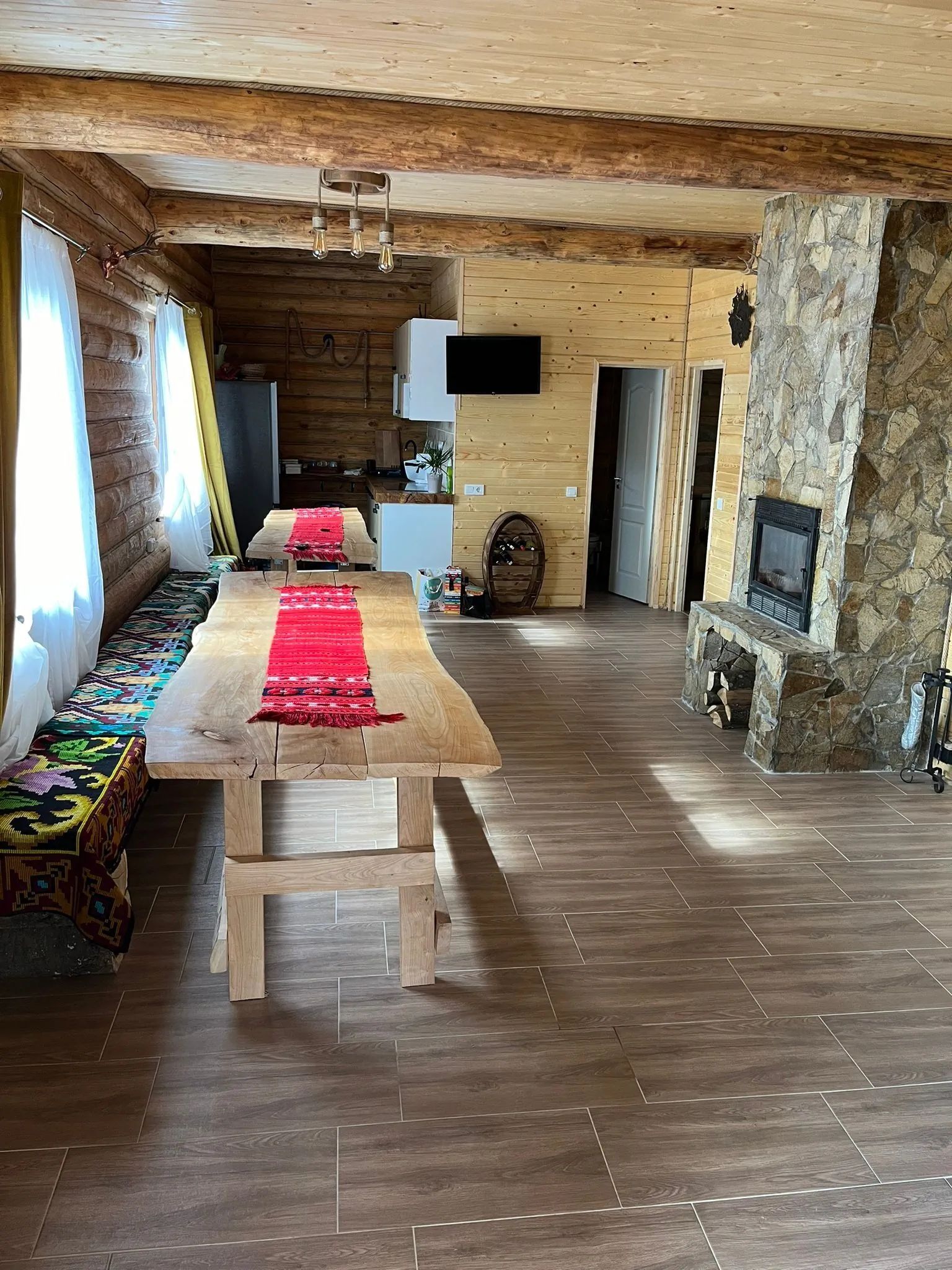
Cabin · 3 stars

Moigrad-Porolissum, Sălaj County · 3.2 km
Cabană Moigrad Moigrad-Porolissum
Comfort, relaxation and stunning views, all just steps away from the main attractions.
FROM
270 lei per night

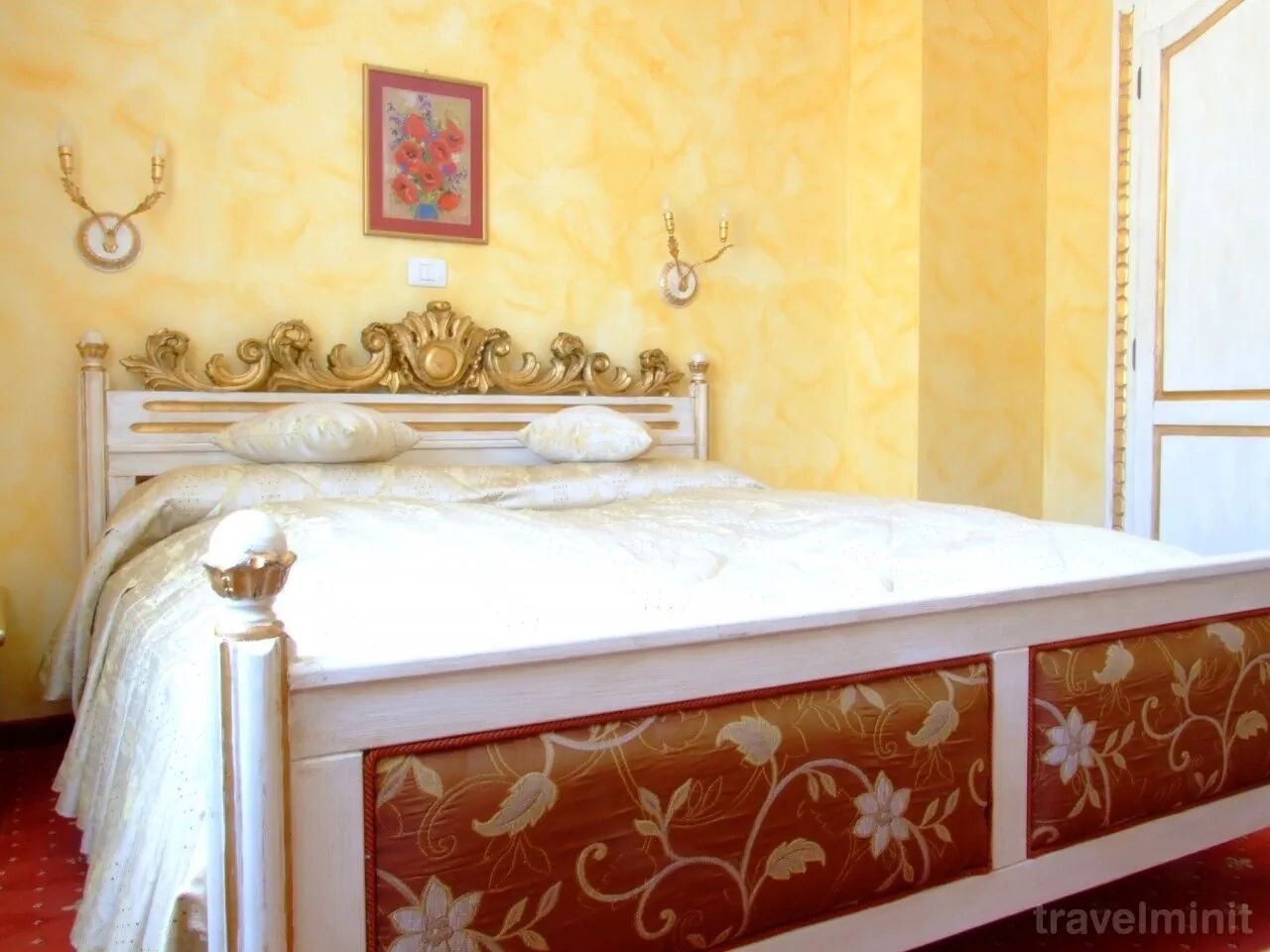
Hotel · 3 stars
Zalău, Sălaj County · 6.3 km
Hotel Royal Zalău
O zi petrecută între grădina amenajată și accesul la Wi-Fi gratuit se transformă într-o experiență plăcută la Hotel Royal Zalău din localitatea Zalău. Unitatea oferă 40 de locuri de cazare în camere single sau duble și în apartamente, fiecare dotată cu televizor, telefon, internet și baie modernă. Oaspeții beneficiază de parcare privată gratuită și de acces facilitat pentru persoane cu dizabilități, iar cei mici se pot juca în siguranță în locul de joacă de la exterior. Curtea mare și grădina amenajată completează spațiul exterior într-un mod primitor pentru toți vizitatorii. În apropiere puteți vizita Orașul Roman Porolissum, Castrul roman Porolissum, Munții Meseș, Lacul Vârșolț și Peștera Cuciulat, fiecare dintre acestea oferind oportunități diferite de explorare a istoriei și naturii din zonă. Pe lângă cazare, aveți la dispoziție restaurant, cramă, pub și terasă, într-un interior decorat clasic cu mobilier realizat la comandă inspirat din perioada anilor 1900, care creează o atmosferă plăcută pentru dumneavoastră. Dimineața, curtea mare și grădina amenajată vă oferă un spațiu liniștit pentru a începe ziua.
FROM
290 lei per night
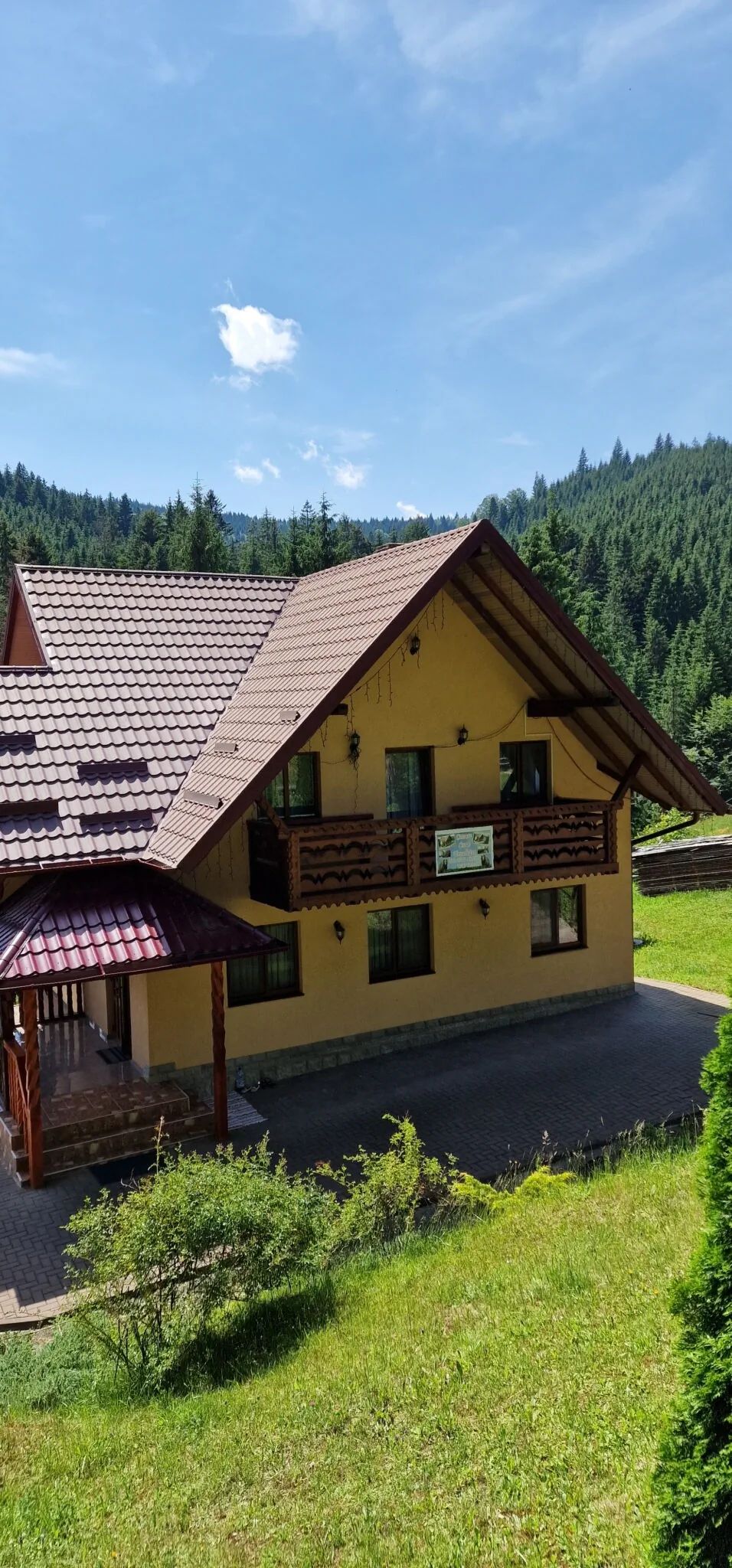
Cabin · 3 stars
Ciumârna, Sălaj County · 6.4 km
Casa Ursuleasa Ciumârna
Comfort, relaxation and stunning views, all just steps away from the main attractions.
FROM
270 lei per night
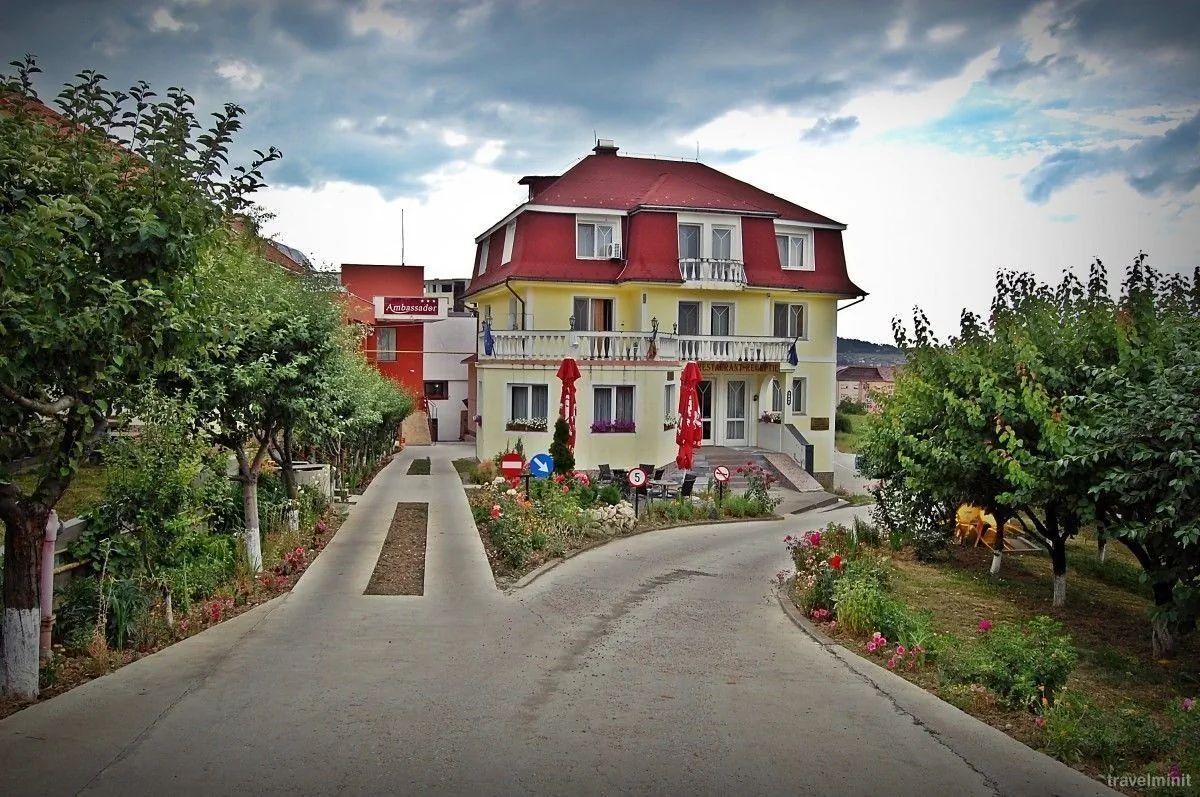
Guesthouse · 3 stars
Zalău, Sălaj County · 6.8 km
Pensiunea Zagor Zalău
Pe strada Corneliu Coposu din Zalău, într-o zonă rezidențială liniștită a orașului, se află Pensiunea Zagor Zalău. Această unitate de cazare de trei stele oferă un refugiu plăcut departe de aglomerația cotidiană, într-un cadru natural primitor situat la poalele Munților Meseș, un punct de plecare excelent pentru explorarea zonei și pentru momente de relaxare departe de stresul urban. Pensiunea dispune de o curte mare și o grădină amenajată, spații generoase unde vă puteți bucura de aer liber departe de zgomotul orașului. Pentru confortul dumneavoastră, unitatea oferă parcare privată gratuită, Wi-Fi gratuit disponibil în întreaga incintă și acces facilitat pentru persoane cu dizabilități. În incintă funcționează un restaurant care prepară meniuri variate, adaptate preferințelor fiecărui oaspete, într-o atmosferă plăcută. În apropiere puteți explora vestigiile istorice ale Orașului Roman Porolissum și ale Castrului roman Porolissum, puteți face drumeții în Munții Meseș, vă puteți plimba pe malul Lacului Vârșolț sau puteți vizita Peștera Cuciulat, toate aceste obiective fiind situate în zona înconjurătoare, oferind numeroase posibilități de vizitare și relaxare în natură. Vă așteptăm cu drag la Pensiunea Zagor Zalău.
FROM
240 lei per night
Hotel · 3 stars
Zalău, Sălaj County · 7.6 km
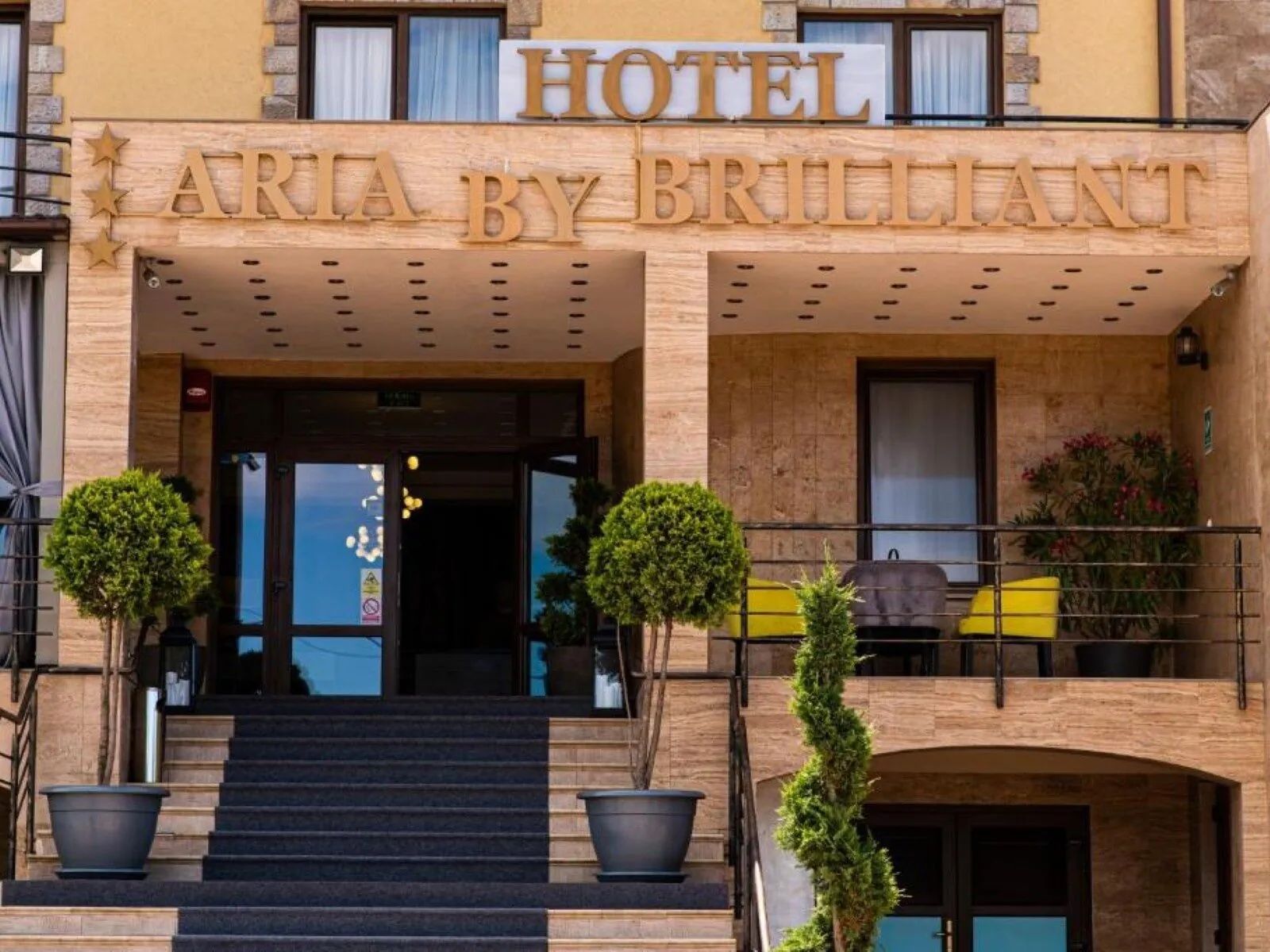
Hotel Aria by Brilliant Zalău
Familiile, cuplurile și grupurile de prieteni se vor simți bineveniți la Hotel Aria by Brilliant din Zalău, un hotel de trei stele situat într-un mediu calm la poalele Munților Meseș, într-un cadru arhitectural modern și plăcut care invită la relaxare. Unitatea pune la dispoziția dumneavoastră un restaurant în incintă, Wi-Fi gratuit și room service pentru confortul complet al șederii. De asemenea, beneficiați de seif, fier de călcat și lift, iar pentru deplasări aveți la dispoziție parcare privată gratuită și o stație de încărcare pentru vehicule electrice. Ambianța primitoare creează condiții excelente atât pentru întâlniri de afaceri și conferințe oficiale, cât și pentru un sejur de vacanță liniștit, departe de aglomerația urbană, într-un spațiu care îmbină funcționalitatea cu confortul. În apropiere puteți descoperi Orașul Roman Porolissum, Castrul roman Porolissum, Munții Meseș, Lacul Vârșolț și Peștera Cuciulat, oferind numeroase posibilități de explorare culturală și relaxare în natură. Vă așteptăm să plecați într-o călătorie de descoperire a Castrului roman Porolissum.
FROM
290 lei per night
Holiday home · 2 stars
Horea, Alba County · 7.6 km
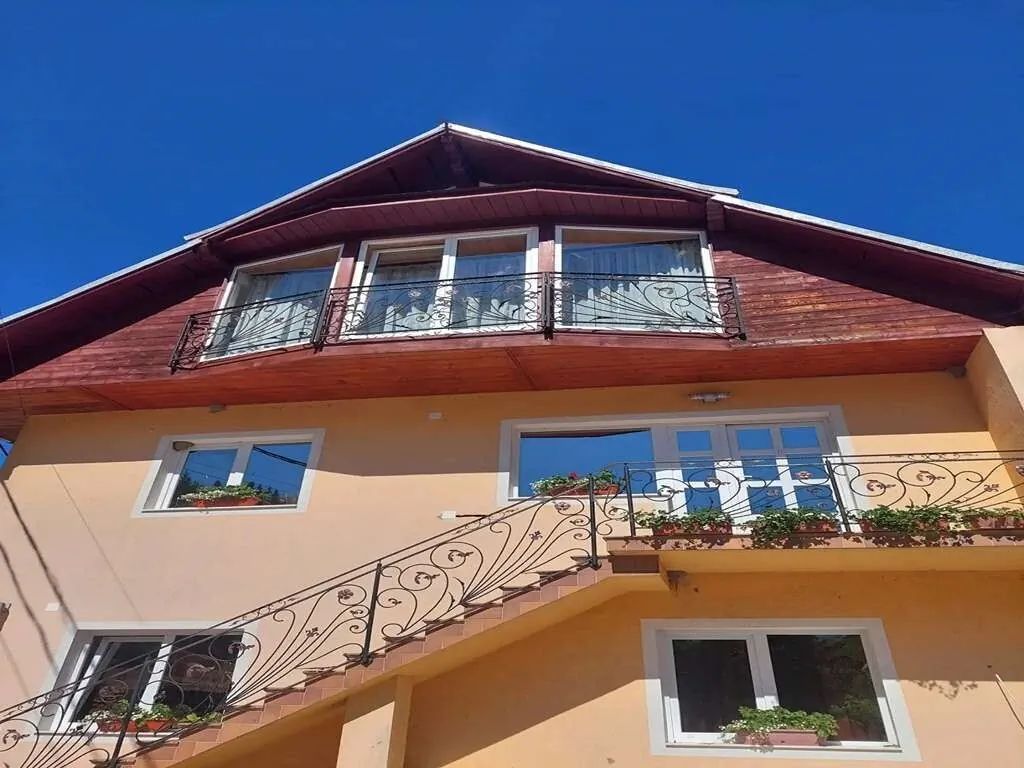
Casa Ioana Horea
Comfort, relaxation and stunning views, all just steps away from the main attractions.
FROM
280 lei per night
BEFORE YOU HIT THE ROAD
Weather conditions in Sălaj
Local forecast for Porolissum Roman Fortress, Sălaj, Sălaj

Real-time updated weather data
Much more to explore in this area
Nearby tourist attractions


balneo-climaterica, Sălaj County
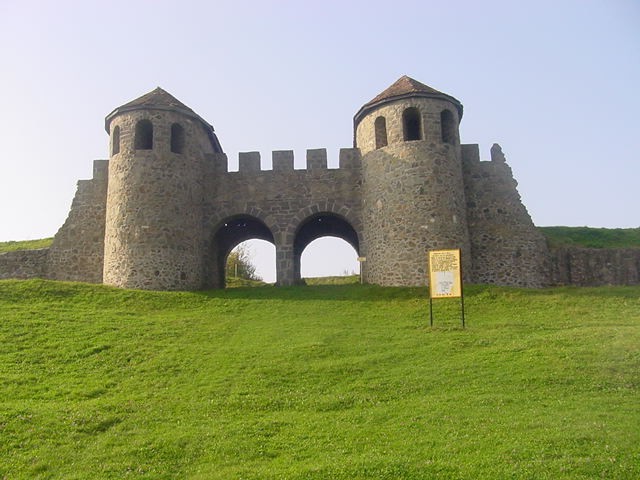
The Roman city of Porolissum.
Situat pe hotarele mai multor sate: Jac, Brebi - comuna Creaca, Moigrad - comuna Mirsid, Ortelec si Stana - suburbii ale municipiului Zalau; accesul spre...
2.8 km
Valeni, Cluj County
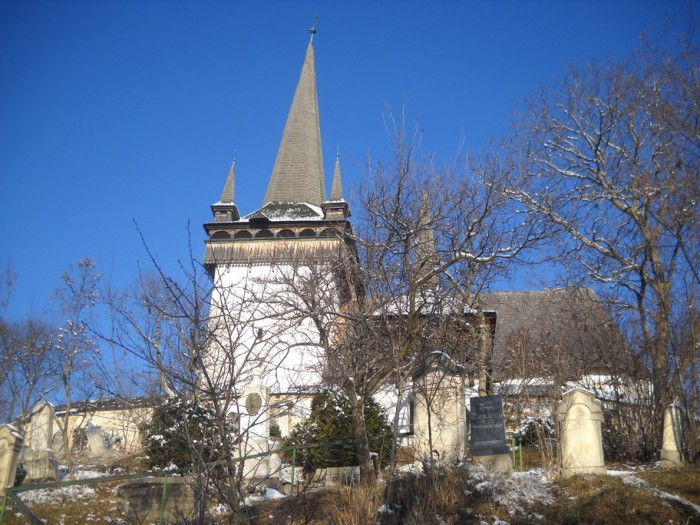
Fortified Church of Văleni
Situata in satul Valeni, judetul Cluj; a fost ridicata in secolul al XIII-lea de calugarii franciscani; este una dintre cele mai frumoase biserici din judetul...
45.0 km
11.5 km
18.2 km

balneo-climaterica, Sălaj County
Cehei Wetland Nature Reserve
Situata in lunca larga a raului Crasna, in apropiere de localitatea Cehei; reprezinta unul din rarele situri naturale cu vegetatie acvatica a judetului; lacul...
30.3 km

Rasca, Cluj County
Râșca Monastery
Situata in satul Rasca, judetul Cluj; manastire calugari; poarta hramul Sfanta Cuvioasa Parascheva; infiintata in 2002; pelerinul care ia drumul acestei...
48.4 km
Maramures, Maramureș County
Chioar Citadel
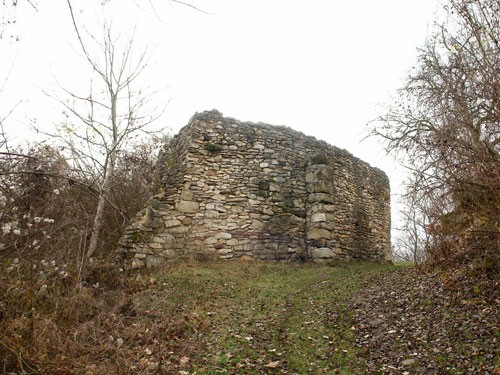
Situata pe raza comunei Remetea Chioarului, pe seaua unui deal inconjurat de apa Lapusului care realizeaza la poale un defileu intre stanci, in judetul...
48.7 km

balneo-climaterica, Sălaj County
Rezervația Naturală Grădina Zmeilor
Situata in apropierea satului Galgaul Almasului, pe teritoriul administrativ al comunei Balan; ocupa o suprafata 3 ha; rezervatie naturala de tip geologic, se...
9.6 km
Ciucea, Cluj County
Mănăstirea Ciucea
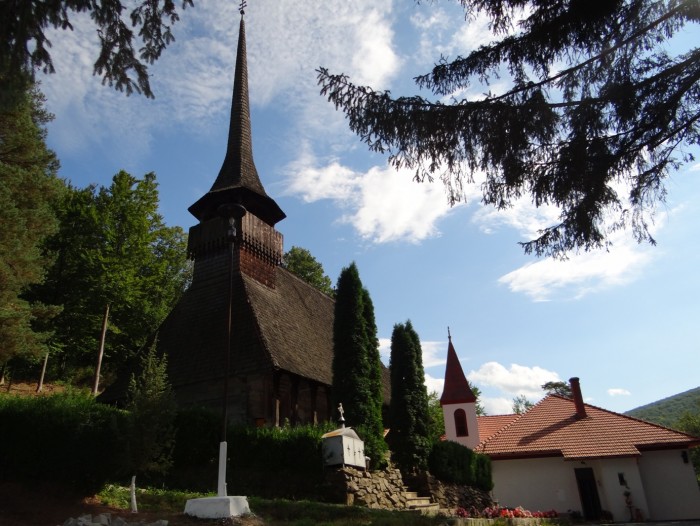
Situata in comuna Ciucea, la 20 km vest de Huedin si 70 km vest de Cluj-Napoca; manastire de maici; poarta hramul "Nasterea Maicii Domnului"; a fost infiintata...
36.5 km

27.6 km
Apahida, Cluj County
Muzeul Goga
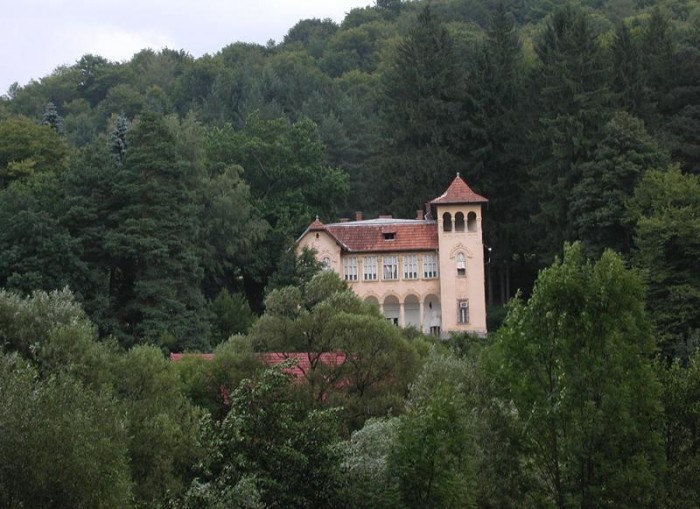
Domeniul de la Ciucea a fost cumparat de catre Octavian Goga in anul 1920 de la Boncza Berta, vaduva poetului maghiar Ady Endre; pe locul vechiului conac, Goga...
36.4 km

balneo-climaterica, Sălaj County
Castelul Beldy din Jibou
Situat in apropierea orasului Jibou; construit la inceputul secolului al XX - lea; este inconjurat de un parc intins, cu suprafata de 4 ha; dupa nationalizarea...
11.6 km
Cultural life and traditions
Events in the Porolissum Roman Fortress area
Medieval festivals, traditional fairs, concerts and local activities recommended in Transylvania.

Heritage and History

Sălaj, County of Sălaj
The Festival of Medieval Fortresses and the Open Doors Days
Guided night tours, traditional crafts workshops and historical re-enactments featuring knights and ladies.
WHEN
May 15-17, 2026


Traditions and Cuisine
Sălaj, County of Sălaj
The Fair of Saxon Traditions and Local Cuisine
Discover local producers, traditional Saxon pastries baked in a wood-fired oven, artisanal syrups, and rhubarb jam.
WHEN
Every weekend (May - October)

Ecotourism and Nature
The hills of Transylvania, County of Sălaj
Guided Hikes on the Transylvanian Hills Trail
Take excursions along unmarked trails through ancient meadows, centuries-old oak trees, and villages with fortified churches that are UNESCO World Heritage sites.
WHEN
Friday – Sunday (Season 2026)
On foot, exploration gains depth
Discover the surroundings and local geography
Explore the trails, terrain, and natural landmarks around Porolissum Roman Fortress.

Guides and practical tips
Useful travel articles
Travel guides, practical recommendations and tourist itineraries for Transylvania.

Tourist guide
Top 5 Atracții Turistice și Trasee Montane în Zona Moieciu - Bran
Descoperă cele mai spectaculoase peisaje carstice, chei adânci și cetăți medievale din imediata apropiere a stațiunii Moieciu.

Tourist guide
Ghid de Drumeție: Traseul Moieciu de Sus spre Platoul Bucegi
Un itinerariu montan de o frumusețe rară ce urcă din Valea Băngăleasa spre Poiana Guțanu și crestele maiestuoase ale Bucegilor.

Tourist guide
Castelul Bran: Istorie, Legende și Secrete Medievale
Află adevărata poveste a fortăreței medievale din Pasul Bran, reședința de suflet a Reginei Maria a României.
THE JOURNEY STARTS WITH AN IDEA
The next story is on the way.
From the first stop to the last stay, make room for a new Romania.
