


MONUMENT · TRANSYLVANIA
The Roman city of Porolissum.

balneo-climaterica, Sălaj County
Add location to your trip planner.
Practical access information

VISITING HOURS
Monday: 12:00 PM – 5:00 PM · Tuesday–Sunday: 9:00 AM – 5:00 PM (in summer until 8:00 PM)

TICKET PRICE
Adults: 45 RON · Students: 11 RON · Seniors: 23 RON · Guided tour included

RECOMMENDED VISIT DURATION
2-3.5 hours
Visitor information and guide
 Navigate with Google Maps

ABOUT THE ROMAN CITY OF POROLISSUM.
An imperial metropolis on the northwestern frontier of the Roman world
When you step onto the high plateau of Pomat Hill, with your gaze encompassing the undulating valleys of Sălaj and the wooded ridges of the Meseș Mountains, you feel the pulse of history in an almost palpable way, as if time itself had stopped here to contemplate the ruins of a vanished civilization. The cool morning air, mingled with the scent of wild grasses and two-thousand-year-old stone, transports you to a world where Roman legions patrolled paved roads, and merchants from the Mediterranean unloaded their goods in the bustling markets of a thriving city. Here, at Porolissum, you are not just facing simple archaeological ruins, but rather standing in the presence of a former imperial metropolis, one of the best-preserved and most fascinating Roman cities in all of Eastern Europe, an impressive testament to Rome's ambition to civilize and defend its northern frontiers.
Built following the conquest of Dacia by Emperor Trajan in 106 AD, this settlement represents an essential part of the vast defensive system of the Limes Daciae, which stretched along the Danube and Carpathians like a belt of stone and military vigilance designed to stop barbarian incursions. Like the famous walls of Hadrian in Britain, like the fortifications on the Rhine in Lower Germany or those in Raetia and Noricum, Porolissum illustrates Roman engineering genius in organizing military and urban space on the edge of the empire, transforming a strategic point into a center of administrative, commercial, and cultural power. Its presence completes the map of the great frontier cities of Europe, alongside Vindobona, Carnuntum, or Aquincum in Pannonia, forming a defensive chain that ensured peace and prosperity for almost two centuries.
From Frontier Fort to Imperial Municipality
The history of Porolissum is inextricably linked to the major events of Roman expansion in Central Europe and the imperial policy of consolidating new provinces. Founded immediately after Trajan's victory over King Decebalus and the defeat of the Dacian kingdom, the settlement experienced rapid development under Hadrian's reign. Between 117 and 138 AD, Hadrian elevated Porolissum to the rank of a municipality, granting it the privileged status of a free city with full civic rights for its inhabitants. This evolution reflects the imperial policy of accelerating the Romanization of newly conquered provinces, similar to that applied in Pannonia or the Gallic provinces, where cities such as Aquincum, Carnuntum, or Vienna experienced comparable prosperity, becoming administrative centers with temples, forums, and public baths.
Located at the intersection of trade routes connecting the Mediterranean basin to the northern regions of Europe and the Black Sea basin, Porolissum had become a vital strategic hub, protected by Legio XIII Gemina, the thirteenth twin legion, one of the most prestigious and oldest military units in the Roman army, with traditions dating back to the time of Octavian Augustus. The presence of this legion, attested by numerous inscriptions, stamps on tiles, and military equipment discovered during excavations, placed the city within the defensive network of the northwestern frontier, in parallel with the defensive systems at Brigetio or Sirmium, forming a chain of fortresses that controlled access to the heart of Central Europe and ensured the security of trade routes essential for supplying the army and urban centers.
Military Architecture and Classical Urbanism
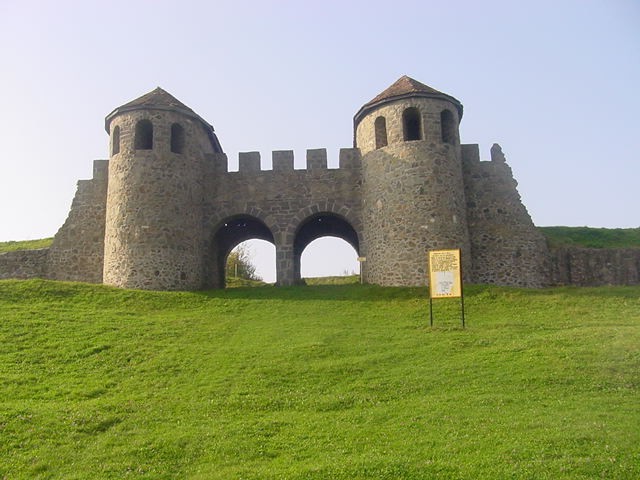
Archaeological research, initiated as early as 1859 by the Hungarian historian and archaeologist János Orbán and continued systematically in the periods of 1939-1940, 1959, and 1977-1983 under the coordination of archaeologist Nicolae Gudea, revealed an urban complex of remarkable regularity and grandeur, reflecting the architectural standards of major urban centers within the empire. The fort on Pomat Hill rigorously adheres to the classical Roman plan, similar to that of fortifications on the Rhine or in Britain, with the Praetorian Gate flanked by two semicircular bastions, ensuring the main access from the valley. The Via Praetoria, paved with massive stone slabs brought from local quarries, creates the central axis of the complex, leading to the command building, while the Via Principalis crosses the fort from west to east, and the Via Decumana completes the orthogonal street network.
In the center of the ensemble stands the Principia, the military and administrative heart of the fortress, an impressive architectural complex that includes the main interior chamber, the sanctuary of the standards where the sacred symbols of the legion were kept, the basilica for tribunal sessions and the administration of justice, as well as the curia for citizen assemblies. The defensive system is completed by the Decuman Gate, the rear access used in case of siege, by the Porta Principalis Dextra and Sinistra, as well as by massive corner towers and a water basin intended to supply soldiers and cavalry horses, all elements that illustrate the principles of Roman military architecture developed in Vitruvius' treatises and skillfully applied by the engineers of the legions.
The Amphitheater: Temple of Imperial Entertainment
The most spectacular and culturally significant element of the complex is the amphitheater, the largest public building known to date from throughout the entire province of Dacia Romana and one of the most impressive constructions of its kind in the entire Balkan region. With impressive dimensions of 84.50 by 73.70 meters and an arena of 66.50 by 51.20 meters, the structure could accommodate up to 5,500 spectators, offering a space comparable to urban theaters in major cities of the Empire, from the famous Colosseum in Rome to the arenas in Ephesus, Athens, Arles or Nîmes in Gaul, or the one in Pula in Istria or Verona in Italy. On festive days, when the sun shone above the Pannonian Plain, gladiatorial shows, venationes with wild animals brought from Africa and Asia, theatrical performances, and even naumachiae were organized here, demonstrating the remarkable vitality of public life in a frontier city located thousands of kilometers from the imperial capital. The structure of the cavea and vomitories reflects the advanced Roman construction technique, adapted to the hilly terrain of the area.
Archaeological Heritage and Cultural Synthesis
Archaeological excavations have brought to light a rich and diverse collection of artifacts that attest to the existence of a developed, cosmopolitan, and well-organized community, reflecting intense contacts with the Mediterranean world. The County Museum of History and Art in Zalău, which preserves most of the discoveries, exhibits household and luxury vessels, including fine terra sigillata pottery brought from workshops in southern Gaul and Italy, bronze and ceramic opaiates, fine gold and silver jewelry, tools for making vessels, iron weapons, knives, keys, and various household utensils, along with bronze items such as fibulae, appliqués, and pendants. The numismatic material is particularly rich, comprising coins from Augustus to Constantine the Great, reflecting the intense monetary circulation on the trade route that linked the Black Sea to the Rhine basin and Adriatic ports.
Epigraphic inscriptions, written in classical Latin, reveal the names of imperial officials, priests of the imperial cult, merchants from eastern provinces such as Syria, Greece, or Egypt, and veterans of the legion, offering a vivid and detailed picture of the social structure and Roman way of life in Dacia. Alongside temples dedicated to Jupiter, Juno, and Mineva, as well as a possible Mithraeum, a temple dedicated to the god Mithras, which was very popular among Roman soldiers, votive altars and bronze statuettes representing deities such as Fortuna or Silvanus have been discovered, suggesting a religious syncretism that combined the official beliefs of the Roman state with traditional local beliefs and Eastern mysteries brought by merchants and soldiers. These discoveries reflect the Western cultural influences brought by colonists from Italy, Gaul, or the Danubian provinces, as well as the specific adaptations to the border area, where Dacian traditions harmoniously intertwined with Mediterranean civilization, creating a unique cultural synthesis in the ancient European landscape.
Stories, Personalities, and Pivotal Moments
The very name Porolissum echoes a past older than the Roman conquest, likely of Dacian or Celtic origin, referring to a gorge or pass, indicating that the area was a strategic point even before the arrival of Trajan's legions. Throughout the 2nd and 3rd centuries AD, the city experienced a period of economic and demographic prosperity, benefiting from the Pax Romana, only to be affected in the 3rd century by the crises of the empire and the incursions of the Carpi and Goths, which tested the defensive lines of the northern frontier. The history of archaeological research at the site is equally fascinating: the first systematic excavations in 1859 were followed by intense campaigns during the interwar period, when scholars such as Coriolan Petranovici and other Transylvanian archaeologists contributed to uncovering the urban structures, while the period from 1977 to 1983 brought the most extensive restoration and conservation work, transforming the site into an exceptional open-air museum.
The period of decline began around 271 AD, when Emperor Aurelian withdrew Roman administration from Dacia, leaving the area in the hands of the local Romanized populations, who continued to use the existing structures, adapting them to the new realities. This transition from imperial city to medieval rural settlement represents a separate chapter in the history of the site, demonstrating the resilience of elements of Roman civilization in the cultural landscape of Transylvania. Every stone in this complex speaks of engineers, architects, soldiers, and merchants who, two millennia ago, built here a window open to the Roman world, leaving behind a legacy that continues to fascinate researchers and visitors from all over the world, being included in the UNESCO World Heritage List as part of the transnational site "Frontiers of the Roman Empire."
A Practical Guide and Contemporary Experience
The archaeological complex can be accessed through the village of Moigrad, in the commune of Mirșid, located near the city of Zalău, where modern roads and tourist signs facilitate access to the main entrance of the site. The hilly terrain of Sălaj, part of the vast historical region of Transylvania, offers a unique natural setting with deciduous forests and meadows that perfectly frame the ancient ruins, creating an atmosphere of profound peace and contemplation. The nearby spa resort adds a therapeutic dimension to the visit, allowing tourists to combine historical exploration with relaxation in beneficial mineral waters. For photography enthusiasts, sunrise and sunset offer spectacular lighting on the stone walls and amphitheater, while hiking lovers can explore the trails in the Meseș Mountains, located in the immediate vicinity.
Each year, in the city of Zalău and within Porolissum, the Roman Days Festival takes place, a large-scale cultural event that lasts three days and revives the glory of the imperial era through impressive historical reconstructions, workshops on ancient crafts such as pottery, blacksmithing, and weaving, gladiator shows, legion parades, and sword fighting demonstrations, offering visitors a unique immersive experience in the ancient world. For a complete experience, it is recommended to visit the County Museum of History and Art in Zalău, located just a few kilometers away, where the most valuable discoveries from Porolissum are exhibited, including the statue of the goddess Fortuna and the impressive collection of jewelry and coins. The area also offers opportunities to visit other cultural attractions nearby, such as the Botanical Garden in Zalău, Bánffy Castle in Bonțida, Wesselényi Castle in Jibou, or the Meseș Gorges. Located at the intersection of Dacian-Roman heritage and the picturesque landscape of northwestern Transylvania, Porolissum represents an essential destination for understanding Roman civilization in Eastern Europe, a window open to the imperial past that profoundly shaped the identity of this corner of the world.
Media gallery
Discover The Roman city of Porolissum. in pictures

7 photos · Architecture, courtyards and captivating details
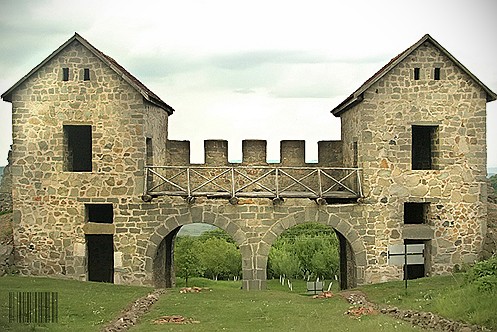
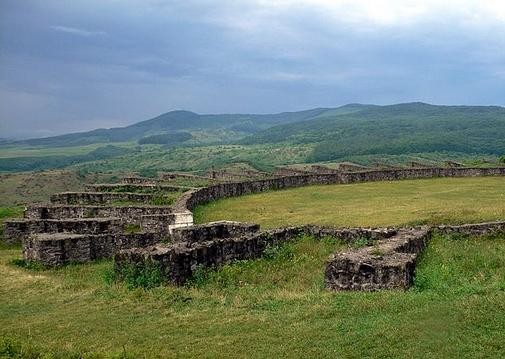


Image source: Wikimedia Commons · Public domain photos · Free license
STAY A FEW DAYS, DISCOVER THE MAGIC
Accommodation in the The Roman city of Porolissum. area

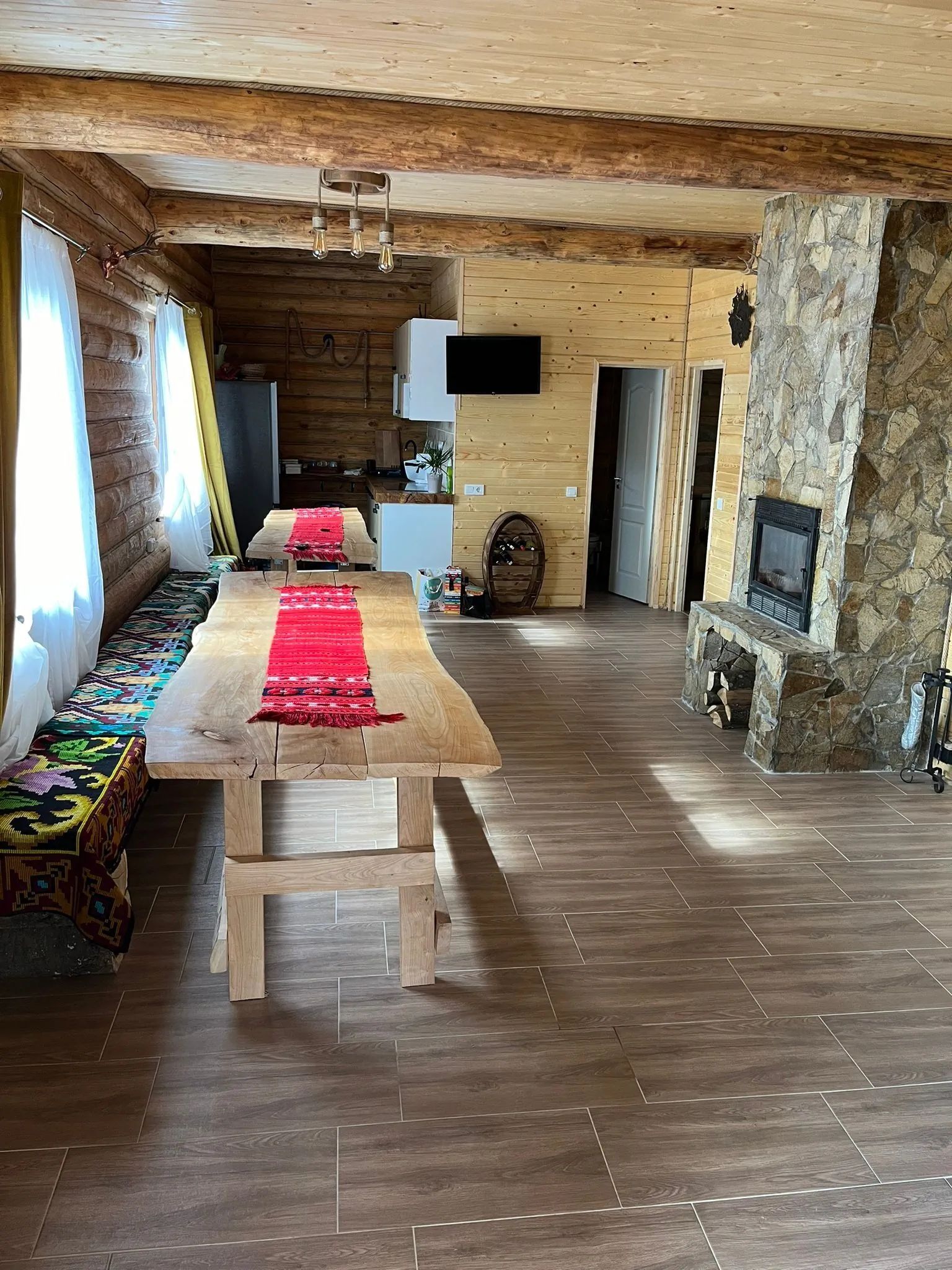
Cabin · 3 stars

Moigrad-Porolissum, Sălaj County · 0.7 km
Cabană Moigrad Moigrad-Porolissum
Comfort, relaxation and stunning views, all just steps away from the main attractions.
FROM
270 lei per night

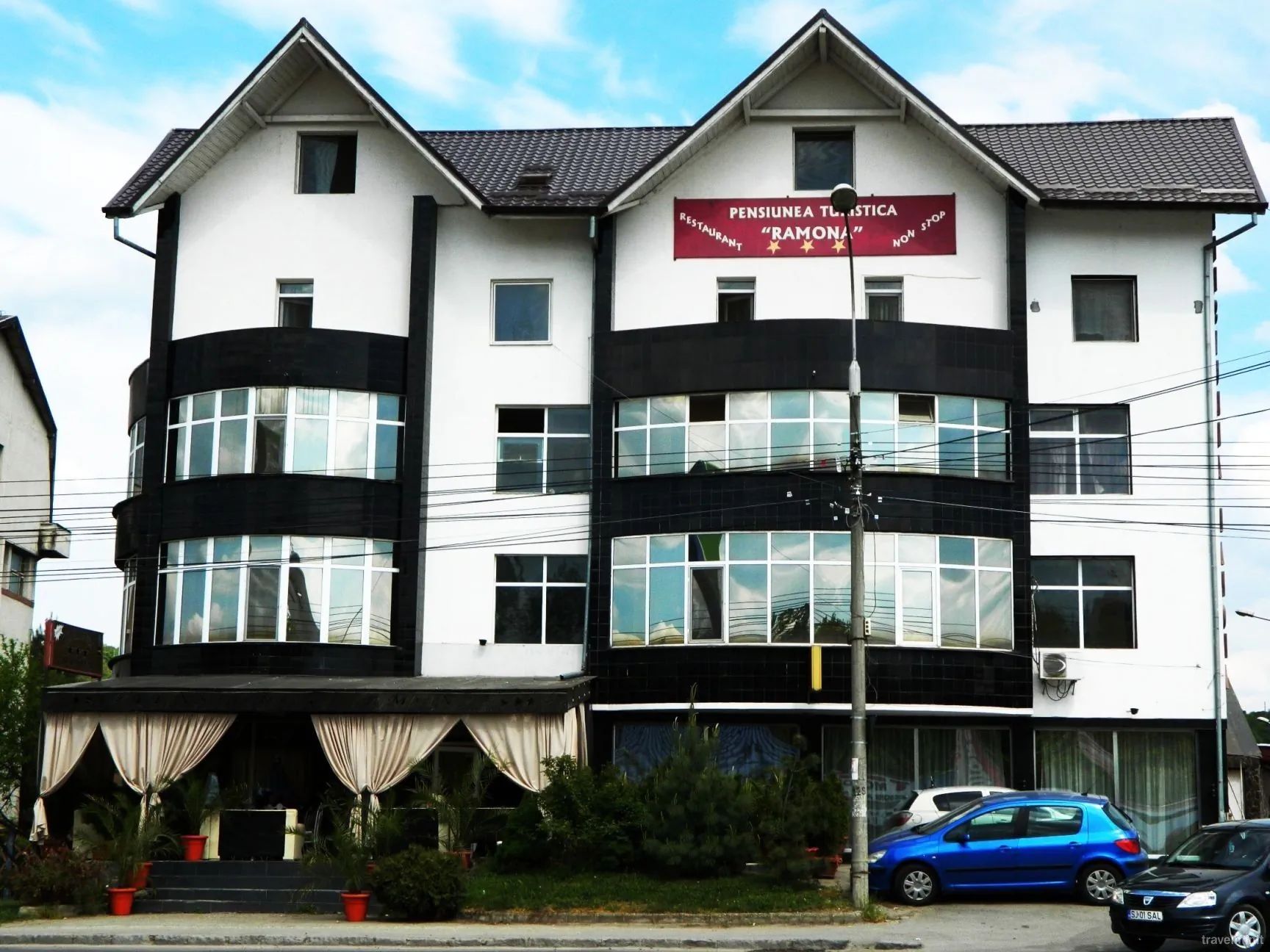
Guesthouse · 3 stars
Zalău, Sălaj County · 6.8 km
Pensiunea Ramona Zalău
Clădirea proaspăt renovată de pe Bulevardul Mihai Viteazul din Zalău găzduiește Pensiunea Ramona, clasificată la trei stele în județul Sălaj. Deschisă în anul 2000 ca una dintre primele pensiuni turistice autorizate din zonă, oferă un cadru modern și primitor. Pensiunea pune la dispoziție 14 spații de cazare renovate recent: șase camere cu pat matrimonial, cinci cu paturi twin, două triple și un apartament cu două camere și patru locuri, ideal pentru familiile cu copii. Pentru relaxare și mese, aveți la dispoziție un restaurant cu 50 de locuri și o terasă acoperită, potrivite și pentru organizarea de evenimente. Recepția este disponibilă non-stop, iar facilitățile includ parcare privată gratuită, Wi-Fi gratuit, supraveghere video, serviciu de apelare taxi și plata cu cardul. În apropiere puteți explora Orașul Roman Porolissum, Castrul roman Porolissum, Munții Meseș, Lacul Vârșolț și Peștera Cuciulat. Vă așteptăm la Pensiunea Ramona, unde parcare gratuită și accesul direct pe Bulevardul Mihai Viteazul fac șederea dumneavoastră cât mai comodă.
FROM
240 lei per night
Hotel · 3 stars
Zalău, Sălaj County · 7.0 km
Hotel Royal Zalău
O zi petrecută între grădina amenajată și accesul la Wi-Fi gratuit se transformă într-o experiență plăcută la Hotel Royal Zalău din localitatea Zalău. Unitatea oferă 40 de locuri de cazare în camere single sau duble și în apartamente, fiecare dotată cu televizor, telefon, internet și baie modernă. Oaspeții beneficiază de parcare privată gratuită și de acces facilitat pentru persoane cu dizabilități, iar cei mici se pot juca în siguranță în locul de joacă de la exterior. Curtea mare și grădina amenajată completează spațiul exterior într-un mod primitor pentru toți vizitatorii. În apropiere puteți vizita Orașul Roman Porolissum, Castrul roman Porolissum, Munții Meseș, Lacul Vârșolț și Peștera Cuciulat, fiecare dintre acestea oferind oportunități diferite de explorare a istoriei și naturii din zonă. Pe lângă cazare, aveți la dispoziție restaurant, cramă, pub și terasă, într-un interior decorat clasic cu mobilier realizat la comandă inspirat din perioada anilor 1900, care creează o atmosferă plăcută pentru dumneavoastră. Dimineața, curtea mare și grădina amenajată vă oferă un spațiu liniștit pentru a începe ziua.
FROM
290 lei per night
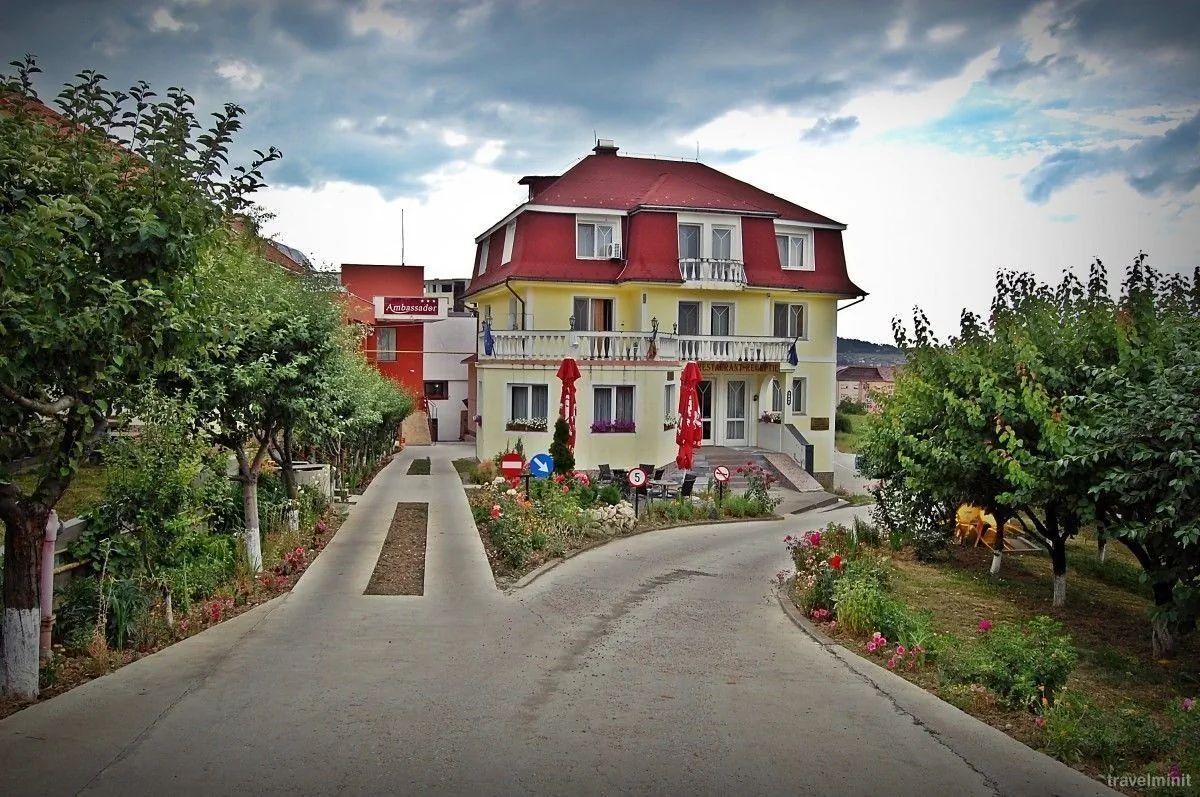
Guesthouse · 3 stars
Zalău, Sălaj County · 7.0 km
Pensiunea Zagor Zalău
Pe strada Corneliu Coposu din Zalău, într-o zonă rezidențială liniștită a orașului, se află Pensiunea Zagor Zalău. Această unitate de cazare de trei stele oferă un refugiu plăcut departe de aglomerația cotidiană, într-un cadru natural primitor situat la poalele Munților Meseș, un punct de plecare excelent pentru explorarea zonei și pentru momente de relaxare departe de stresul urban. Pensiunea dispune de o curte mare și o grădină amenajată, spații generoase unde vă puteți bucura de aer liber departe de zgomotul orașului. Pentru confortul dumneavoastră, unitatea oferă parcare privată gratuită, Wi-Fi gratuit disponibil în întreaga incintă și acces facilitat pentru persoane cu dizabilități. În incintă funcționează un restaurant care prepară meniuri variate, adaptate preferințelor fiecărui oaspete, într-o atmosferă plăcută. În apropiere puteți explora vestigiile istorice ale Orașului Roman Porolissum și ale Castrului roman Porolissum, puteți face drumeții în Munții Meseș, vă puteți plimba pe malul Lacului Vârșolț sau puteți vizita Peștera Cuciulat, toate aceste obiective fiind situate în zona înconjurătoare, oferind numeroase posibilități de vizitare și relaxare în natură. Vă așteptăm cu drag la Pensiunea Zagor Zalău.
FROM
240 lei per night
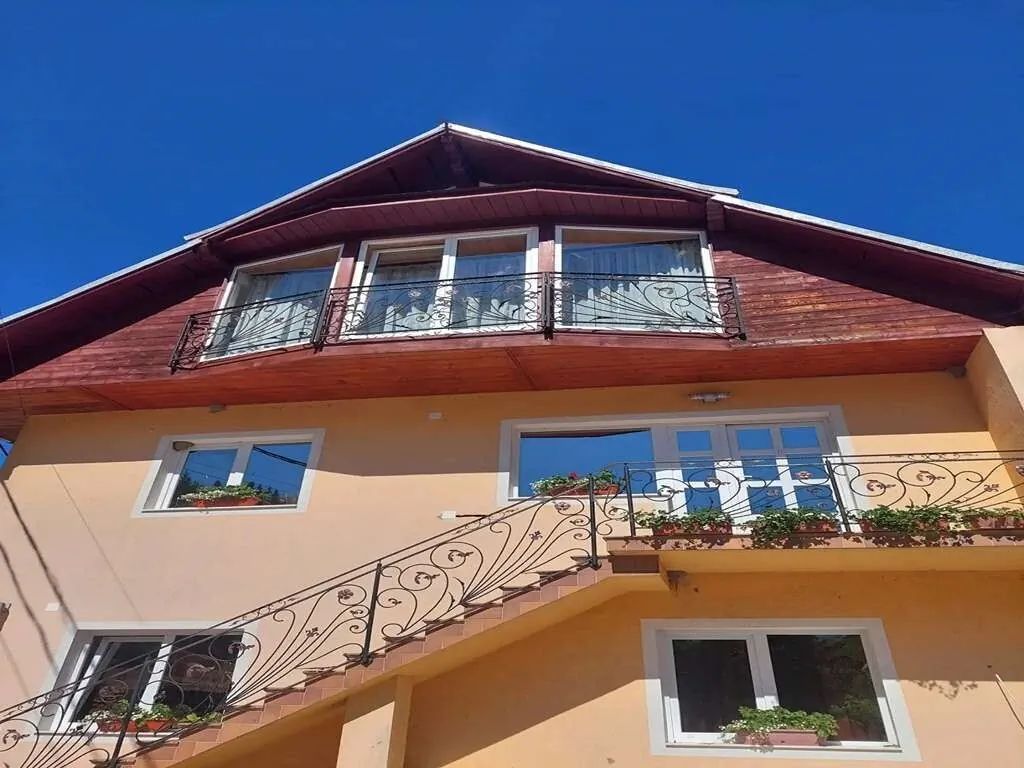
Holiday home · 2 stars
Horea, Alba County · 7.4 km
Casa Ioana Horea
Comfort, relaxation and stunning views, all just steps away from the main attractions.
FROM
280 lei per night
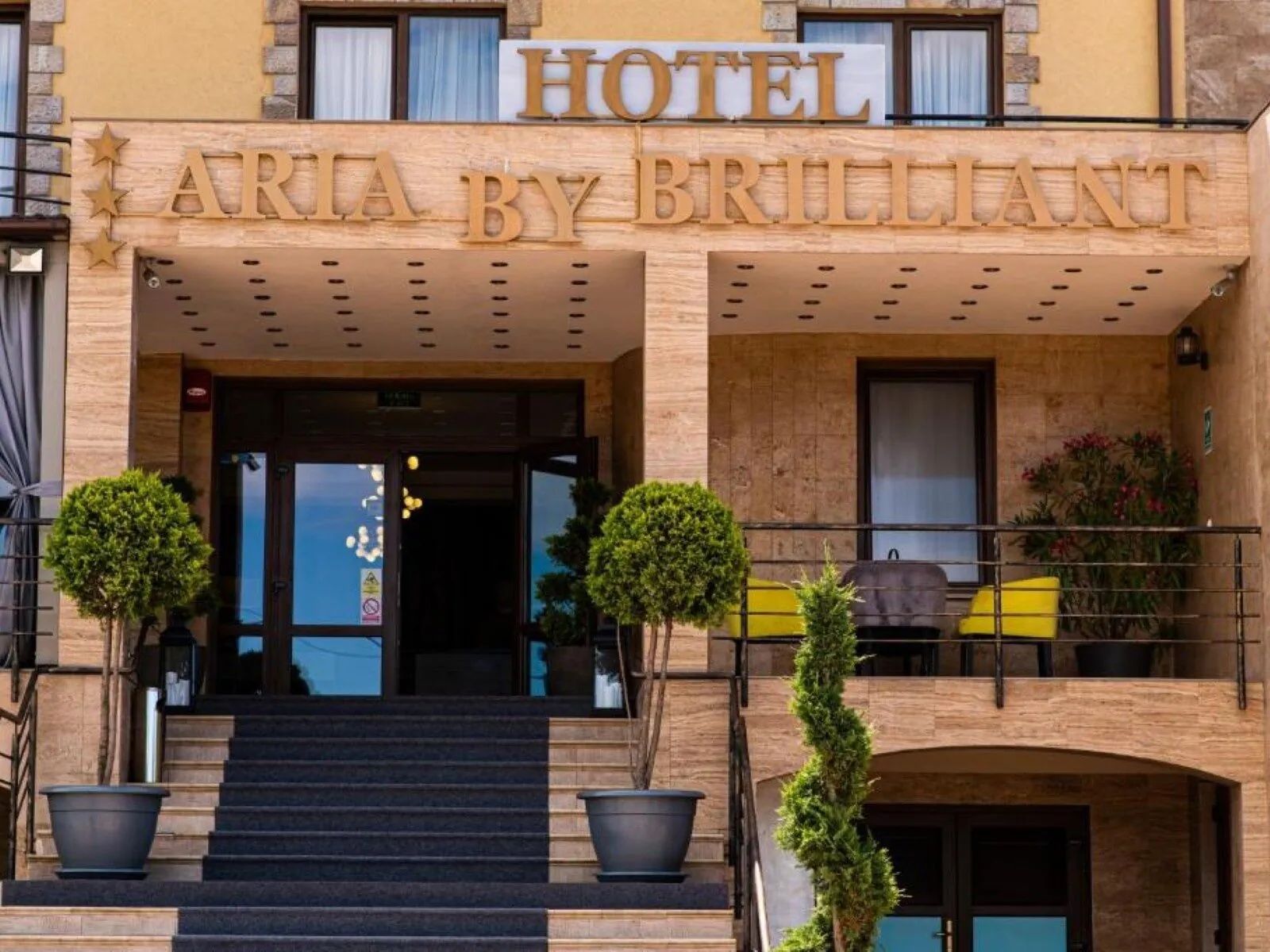
Hotel · 3 stars
Zalău, Sălaj County · 7.6 km
Hotel Aria by Brilliant Zalău
Familiile, cuplurile și grupurile de prieteni se vor simți bineveniți la Hotel Aria by Brilliant din Zalău, un hotel de trei stele situat într-un mediu calm la poalele Munților Meseș, într-un cadru arhitectural modern și plăcut care invită la relaxare. Unitatea pune la dispoziția dumneavoastră un restaurant în incintă, Wi-Fi gratuit și room service pentru confortul complet al șederii. De asemenea, beneficiați de seif, fier de călcat și lift, iar pentru deplasări aveți la dispoziție parcare privată gratuită și o stație de încărcare pentru vehicule electrice. Ambianța primitoare creează condiții excelente atât pentru întâlniri de afaceri și conferințe oficiale, cât și pentru un sejur de vacanță liniștit, departe de aglomerația urbană, într-un spațiu care îmbină funcționalitatea cu confortul. În apropiere puteți descoperi Orașul Roman Porolissum, Castrul roman Porolissum, Munții Meseș, Lacul Vârșolț și Peștera Cuciulat, oferind numeroase posibilități de explorare culturală și relaxare în natură. Vă așteptăm să plecați într-o călătorie de descoperire a Castrului roman Porolissum.
FROM
290 lei per night
BEFORE YOU HIT THE ROAD
Weather conditions in balneo-climaterica
Local forecast for The Roman city of Porolissum., balneo-climaterica, Sălaj

Real-time updated weather data
Much more to explore in this area
Nearby tourist attractions

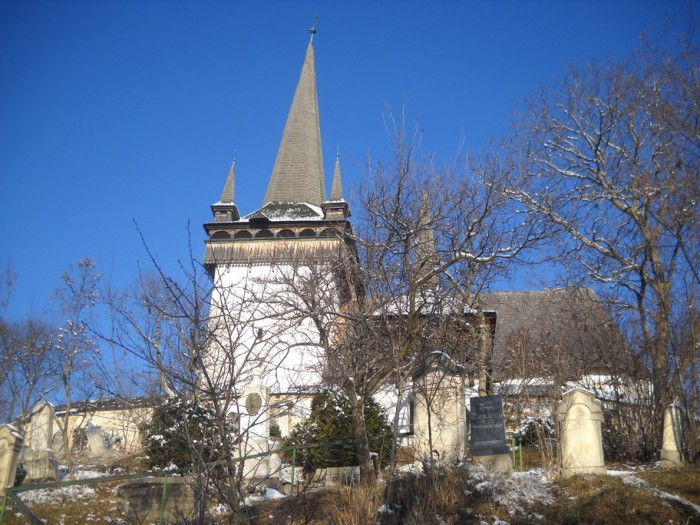

Valeni, Cluj County
Fortified Church of Văleni
Situata in satul Valeni, judetul Cluj; a fost ridicata in secolul al XIII-lea de calugarii franciscani; este una dintre cele mai frumoase biserici din judetul...
47.6 km

2.8 km
12.9 km
17.8 km

balneo-climaterica, Sălaj County
Cehei Wetland Nature Reserve
Situata in lunca larga a raului Crasna, in apropiere de localitatea Cehei; reprezinta unul din rarele situri naturale cu vegetatie acvatica a judetului; lacul...
29.0 km
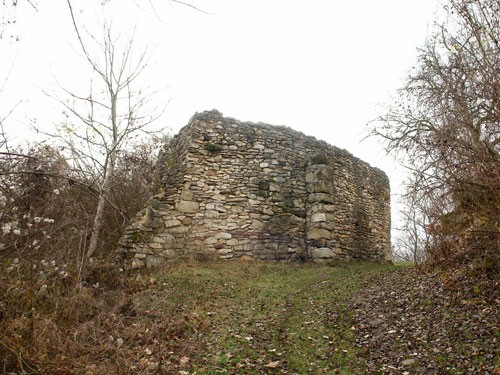
Maramures, Maramureș County
Chioar Citadel
Situata pe raza comunei Remetea Chioarului, pe seaua unui deal inconjurat de apa Lapusului care realizeaza la poale un defileu intre stanci, in judetul...
46.9 km

balneo-climaterica, Sălaj County
Rezervația Naturală Grădina Zmeilor
Situata in apropierea satului Galgaul Almasului, pe teritoriul administrativ al comunei Balan; ocupa o suprafata 3 ha; rezervatie naturala de tip geologic, se...
11.3 km
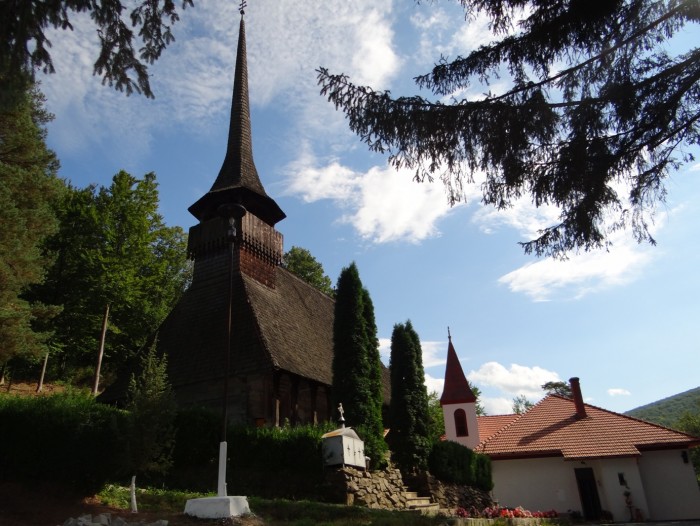
Ciucea, Cluj County
Mănăstirea Ciucea
Situata in comuna Ciucea, la 20 km vest de Huedin si 70 km vest de Cluj-Napoca; manastire de maici; poarta hramul "Nasterea Maicii Domnului"; a fost infiintata...
38.1 km

26.6 km
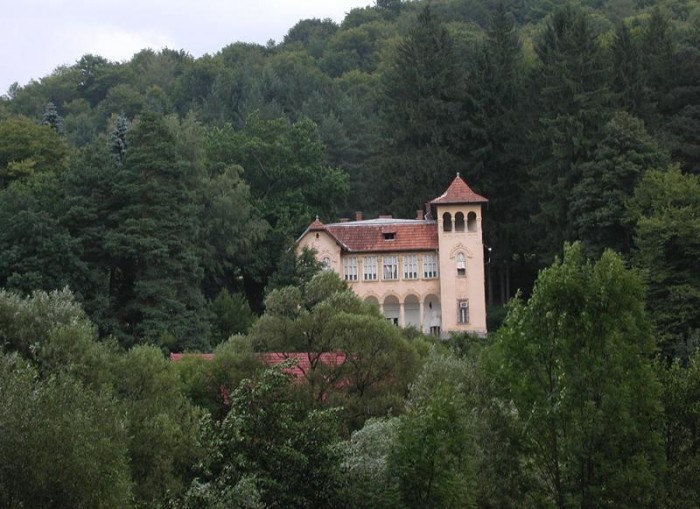
Apahida, Cluj County
Muzeul Goga
Domeniul de la Ciucea a fost cumparat de catre Octavian Goga in anul 1920 de la Boncza Berta, vaduva poetului maghiar Ady Endre; pe locul vechiului conac, Goga...
37.9 km

balneo-climaterica, Sălaj County
Castelul Beldy din Jibou
Situat in apropierea orasului Jibou; construit la inceputul secolului al XX - lea; este inconjurat de un parc intins, cu suprafata de 4 ha; dupa nationalizarea...
10.2 km
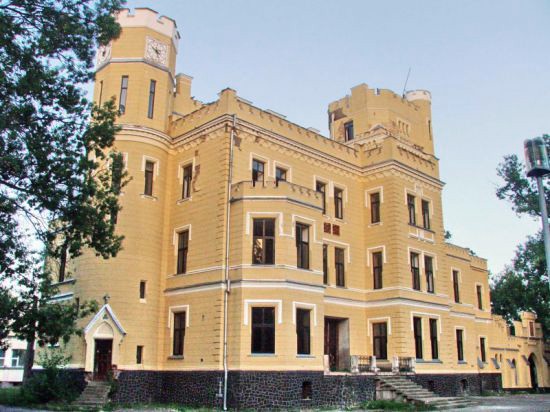
Baile, Bihor County
Castelul Degenfeld de la Bălc
Situat in localitatea Balc;a fost construit in anul 1484 de catre episcopul oradean Pruisz Janos,iar in anul 1896 este reconstruit de catre contesa Emma...
47.6 km
Cultural life and traditions
Events in the The Roman city of Porolissum. area
Medieval festivals, traditional fairs, concerts and local activities recommended in Transylvania.

Heritage and History

balneo-climaterica, County of Sălaj
The Festival of Medieval Fortresses and the Open Doors Days
Guided night tours, traditional crafts workshops and historical re-enactments featuring knights and ladies.
WHEN
May 15-17, 2026


Traditions and Cuisine
balneo-climaterica, County of Sălaj
The Fair of Saxon Traditions and Local Cuisine
Discover local producers, traditional Saxon pastries baked in a wood-fired oven, artisanal syrups, and rhubarb jam.
WHEN
Every weekend (May - October)

Ecotourism and Nature
The hills of Transylvania, County of Sălaj
Guided Hikes on the Transylvanian Hills Trail
Take excursions along unmarked trails through ancient meadows, centuries-old oak trees, and villages with fortified churches that are UNESCO World Heritage sites.
WHEN
Friday – Sunday (Season 2026)
On foot, exploration gains depth
Discover the surroundings and local geography
Explore the trails, terrain, and natural landmarks around The Roman city of Porolissum..

Guides and practical tips
Useful travel articles
Travel guides, practical recommendations and tourist itineraries for Transylvania.

Tourist guide
Top 5 Atracții Turistice și Trasee Montane în Zona Moieciu - Bran
Descoperă cele mai spectaculoase peisaje carstice, chei adânci și cetăți medievale din imediata apropiere a stațiunii Moieciu.

Tourist guide
Ghid de Drumeție: Traseul Moieciu de Sus spre Platoul Bucegi
Un itinerariu montan de o frumusețe rară ce urcă din Valea Băngăleasa spre Poiana Guțanu și crestele maiestuoase ale Bucegilor.

Tourist guide
Castelul Bran: Istorie, Legende și Secrete Medievale
Află adevărata poveste a fortăreței medievale din Pasul Bran, reședința de suflet a Reginei Maria a României.
THE JOURNEY STARTS WITH AN IDEA
The next story is on the way.
From the first stop to the last stay, make room for a new Romania.
