


CASTLE · MUNTENIA (WALLACHIA)
CEC Palace Bucharest

Bucuresti, Bucharest
Add location to your trip planner.
Practical access information

VISITING HOURS
Monday: 12:00 PM – 5:00 PM · Tuesday–Sunday: 9:00 AM – 5:00 PM (in summer until 8:00 PM)

TICKET PRICE
Adults: 45 RON · Students: 11 RON · Seniors: 23 RON · Guided tour included

RECOMMENDED VISIT DURATION
2-3.5 hours
Visitor information and guide
 Navigate with Google Maps

ABOUT CEC PALACE BUCHAREST
An architectural jewel in the heart of Bucharest: the cultural significance of CEC Palace
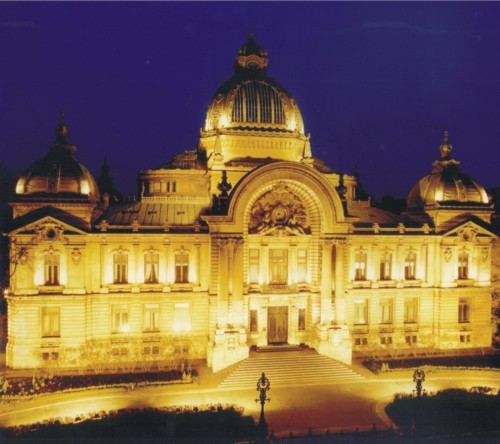
CEC Palace rises at 13 Calea Victoriei as a monument to national ambition and European integration, its imposing presence marking Romania’s economic and cultural flourishing at the end of the 19th century. Built between 1897 and 1900, during an era when Bucharest sought to assert itself as a modern capital worthy of Western metropolises, this palace represents the purest and most ambitious expression of the Savings and Consignment Bank (Casa de Economii și Consemnațiuni), a financial institution founded in 1864 by the scholar and statesman Spiru Haret. Erected on the site of a former church, cemetery, and inn, the construction signifies a radical transformation of the urban landscape, symbolizing the transition from a city rooted in patriarchal traditions and Eastern influences to a modern European capital aligned with the Western models of the Belle Époque.
Its location on Calea Victoriei, an artery that witnessed pivotal moments in Romanian history—from Carol I’s triumphant entry in 1866 to the great democratic demonstrations of the 20th century—grants CEC Palace an additional historical dimension. Like the grand bank headquarters in Vienna, Paris, or Budapest, the building illustrates Romania’s ambition to integrate among the continent’s prosperous nations through monumental architecture, demonstrating that the young kingdom, freshly independent after the 1877 War of Independence, could rival the great empires in culture and financial stability. The palace is not merely a bank but a temple of the national economy, where architecture serves as a language of power and confidence in a prosperous European future.
From independence to prosperity: historical roots and European alignment
The construction of CEC Palace must be understood within the broader context of Romania’s accelerated modernization following its full independence in 1877 and international recognition as a sovereign kingdom. During this period, the country sought to distance itself from centuries of Ottoman influence and align with Western models, particularly French, considered the benchmark of European civilization. The Savings and Consignment Bank, established in 1864 as a state institution to encourage popular savings and finance economic development, required a headquarters that reflected its newfound importance and inspired public confidence.
The selection of French architect Paul Gottereau, winner of the 1897 design competition, underscores the clear cultural orientation toward the French model of the Third Republic, when Paris was the uncontested center of European art and architecture. Gottereau brought with him the experience of Paris’s grand construction sites and the vision of monumental architecture capable of expressing the power of modern financial institutions. The project aligns with the European neoclassical revival, dominant in institutional architecture at the end of the 19th century, akin to the Austrian National Bank in Vienna, the bank buildings in Budapest, or the central headquarters in London and Frankfurt.
The historical context is also marked by competition among the great European powers for influence in the Balkans. Romania, situated at the crossroads of Austro-Hungarian, Russian, and Ottoman interests, constructed its identity through architectural symbols declaring its belonging to the Western world. CEC Palace thus becomes a political and cultural manifesto, demonstrating that the new kingdom was not merely a peripheral province of Europe but a respectable financial actor capable of supporting industrial projects and modern infrastructure, much like those in the German Empire or the United Kingdom.
Paul Gottereau and the neoclassical revival: architectural and symbolic details
The architectural style of CEC Palace represents a sophisticated synthesis of the Italian Renaissance, French neoclassicism, and Byzantine elements, reflecting the eclecticism characteristic of late 19th-century European architecture. The monumental façade is dominated by four tall towers, reminiscent of minarets, framing an impressive central dome that commands the landscape of Calea Victoriei. These towers, with their pyramid-shaped roofs and narrow windows, evoke Oriental influences, a trend widespread in European architecture of the time, from the Ottoman Pavilion at World’s Fairs to bank buildings with exotic accents. The central dome, visible from afar, recalls the Roman Pantheon or the Byzantine domes of Ravenna, suggesting historical continuity and the profound spirituality of the institution.
A fascinating curiosity surrounds the project’s history: it is said that the initial plans were intended for the Romanian Parliament building, and the current Parliament’s location retains the same orientation as CEC Palace. This coincidence—or possible reuse of the design—suggests a coherent urban vision, where the state’s fundamental institutions were to be grouped in a monumental ensemble. The outline guarded by the four towers imaginatively forms an X-shaped cross, known as the Saltire or Saint Andrew’s Cross, imbuing the structure with a deep sacred and symbolic dimension. This form, present in Scottish heraldry and Byzantine art, links divine protection over the financial institution to national identity, suggesting that economic prosperity is under the sign of the cross and faith.
Constructive details include the use of limestone, wrought iron for balconies and windows, and colored glass for the dome, techniques inspired by the great European construction sites of the era. The interior features an impressive central hall with monumental staircases and sculptural decorations reminiscent of Venetian or Florentine palaces, creating an atmosphere of gravitas and respect for the financial institution.
Mihail Simonidy and academic mural art: the interior as a national manifesto
The palace’s interior reveals a unique splendor, largely due to the works of Mihail Simonidy, executed between 1900 and 1913. Trained in the French academic tradition, likely at the École des Beaux-Arts in Paris under masters such as Fernand Cormon, Simonidy brought to the interior decoration the spirit of monumental mural painting, as practiced in the great central banks of Western Europe and the public buildings of the era. The murals, executed in the European academic style, blend classical allegory with representations of post-independence national prosperity, following the iconographic tradition of Cesare Ripa and the allegorical programs of the Paris Opera or the Vienna State Opera.
Works such as Fortuna Distributing Her Wealth to Romania Following Independence and Labor personify economic virtue and industrial progress, comparable to the decorations of the great central banks of Western Europe of the same period, such as those in the Bank of France or the Bank of England. The Fortuna composition depicts the Roman goddess of fortune pouring the cornucopia over a Romanian industrial landscape, with symbols of agriculture and industry, while Labor glorifies human effort and the contribution of workers to national development. These compositions constitute a true artistic manifesto, celebrating CEC’s role in the development of the modern Romanian state and its connection to international financial circuits, much like how mural art in the public buildings of the Austro-Hungarian Empire celebrated the empire’s unity and diversity.
The rich color palette, dominated by gold, blue, and red—the national colors—along with fresco and oil-on-plaster techniques, reflects the influences of French academism and the Munich School. The central hall’s ceiling features compositions evoking an open sky, suggesting the transparency and honesty of the banking institution, while decorative medallions and friezes illustrate scenes from classical mythology and Europe’s economic history.
Stories from the past: from Spiru Haret to the CEC Museum
The history of CEC Palace is closely tied to prominent figures in Romanian history. The institution’s founder, Spiru Haret, a world-renowned mathematician and Minister of Public Instruction, saw CEC as an essential tool for the financial education of the people and the country’s economic development. Under his leadership, the bank grew rapidly, accumulating capital and financing infrastructure, industrial, and agricultural projects. The interwar period represented the institution’s golden age, when CEC Palace was not only the headquarters of a bank but a vital financial center of Southeastern Europe, with branches in all historical provinces and connections to major banks in Paris, London, and Vienna.
Today, the palace’s basements and halls house the CEC Museum, a space preserving the nation’s financial memory for over a century and a half. Visitors can admire original documents of banking transactions from the early years, the Treasury collection with exceptional financial and civil records, and banking products evolving from the late 19th century to the present. Particularly impressive are the safes and "piggy banks" from the interwar period, silent witnesses to an era of intense economic development, when Romania was among the most dynamic economies in the region. Stamps, commemorative medals, badges, and postcards on display illustrate the evolution of the oldest Romanian banking institution’s visual identity, offering a unique perspective on the national economic history and how graphic art served financial propaganda.
The building survived the bombings of World War II, the communist period when the institution was nationalized and transformed, and the post-1989 transition, remaining a symbol of institutional continuity in an ever-changing world. Each historical period left its mark on the structure and atmosphere of the building, from the luxury of the Belle Époque to the austerity of the communist era and the democratic renaissance after 1989.
Visitor’s guide and the contemporary traveler’s experience
CEC Palace remains a must-see landmark on Calea Victoriei, both for its exceptional architectural value and its essential role in preserving Romania’s banking heritage. Located in Sector 1, the monument can be admired both from the outside, for its imposing façade with four towers and central dome gleaming in the sunlight, and from the inside, to explore the galleries decorated with murals and the institution’s museum. Visitors are invited to contemplate the sculptural details of the façade, study the Latin inscriptions, and observe the interplay of light and shadow in the central hall, where monumental columns support the arches and painted ceiling.
The interior visit offers a captivating journey into Romania’s economic history and the spirit of an era when architecture served as a symbol of prosperity, national stability, and the young nation’s European aspirations. The basement museum reveals the secrets of the banking profession through the centuries, from handwritten accounting books to mechanical calculators and armored safes. For the European traveler, CEC Palace represents a bridge between the continent’s financial history and the Romanian specificity, providing a deep understanding of how a young nation built its identity through solid institutions and monumental architecture.
It is recommended to visit the palace in combination with a stroll along Calea Victoriei, passing by the Romanian Athenaeum, the National Museum of Art, and other monuments of the era, to grasp the full urban context of late 19th-century Bucharest. The atmosphere of the place, steeped in history and elegance, offers an authentic experience of a European capital that has preserved its soul despite historical vicissitudes.
Media gallery
Discover CEC Palace Bucharest in pictures

2 photos · Architecture, courtyards and captivating details

Image source: Wikimedia Commons · Public domain photos · Free license
STAY A FEW DAYS, DISCOVER THE MAGIC
Accommodation in the CEC Palace Bucharest area

Boutique hotel · 3 stars

București, Bucharest · 0.2 km
Filitti Boutique Hotel București
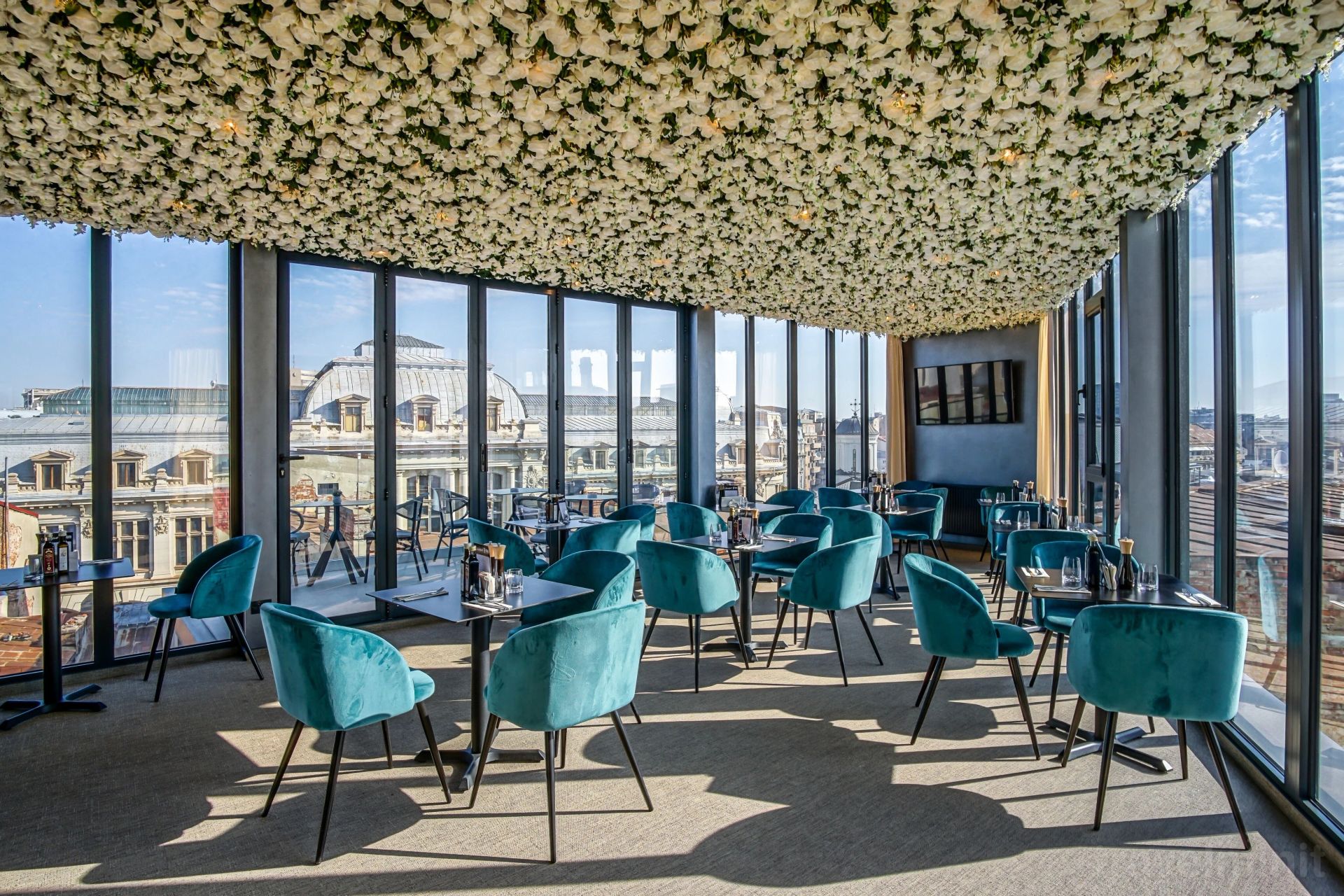
Filitti Boutique Hotel București este alegerea potrivită pentru călătorii care doresc să exploreze capitala într-un ambient plăcut și discret. Situat pe strada Filitti 4, în București, hotelul de trei stele vă pune la dispoziție camere amenajate cu grijă, fiecare echipată cu aer condiționat și grup sanitar propriu, pentru un sejur confortabil și relaxant. Pentru a vă asigura tot confortul necesar pe toată durata șederii, unitatea oferă acces Wi-Fi gratuit în întreaga proprietate, precum și un serviciu de depozit pentru bagaje. Astfel, puteți lăsa lucrurile în siguranță și să vă bucurați de oraș fără nicio grijă. La recepție veți găsi personal care vorbește limba română și engleză, gata să vă ofere informațiile necesare. Locația vă permite să ajungeți rapid la cele mai importante obiective turistice din zonă. Puteți vizita Palatul Parlamentului, Catedrala Mântuirii Neamului, Palatul Regal, Muzeul Național de Istorie Naturală Grigore Antipa și Muzeul Țăranului Român, fiecare oferind o perspectivă unică asupra bogatului patrimoniu cultural al Bucureștiului. Programul de primire a camerei începe la ora 14:00, iar eliberarea se face până la ora 12:00, oferindu-vă flexibilitate în organizarea zilei dumneavoastră. Vă așteptăm la Filitti Boutique Hotel București.
FROM
290 lei per night

Apartment · 5 stars
București, Bucharest · 0.2 km
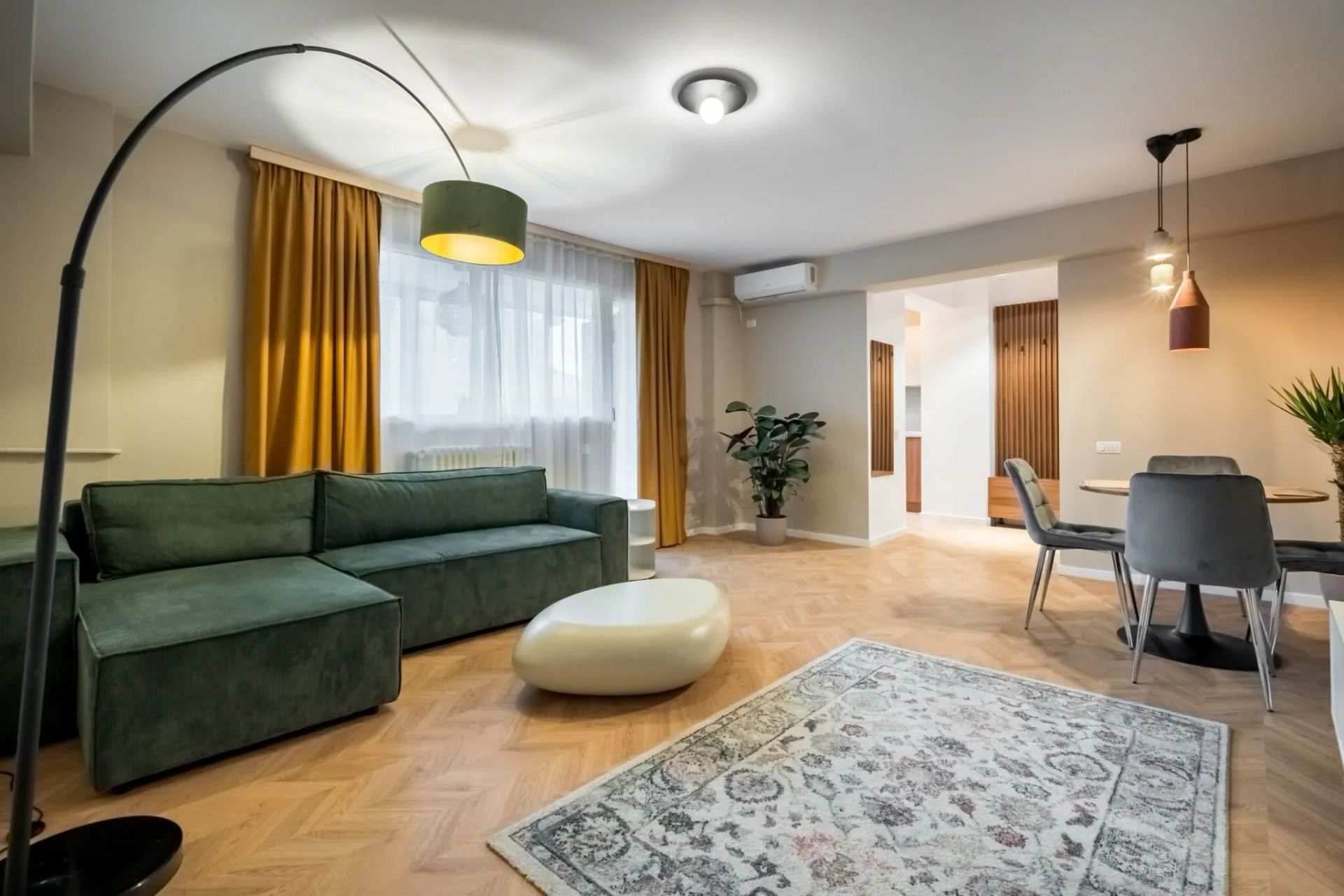
Ultracentral Breeze Apartment Sunny Balcony & Cozy București
Comfort, relaxation and stunning views, all just steps away from the main attractions.
FROM
320 lei per night
Hotel · 3 stars
București, Bucharest · 0.3 km
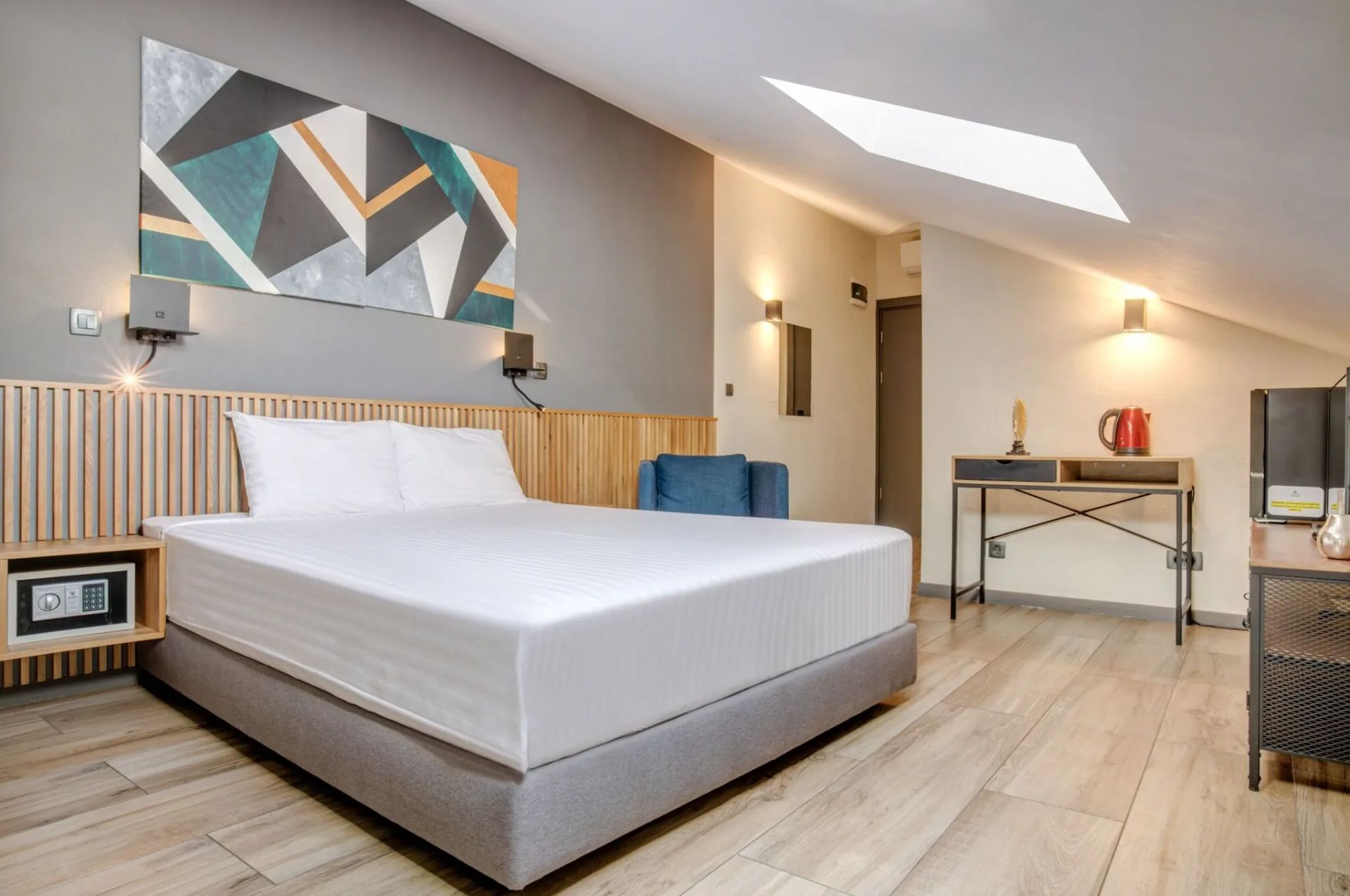
Hotel Forty One București
O zi începe relaxant în curtea mare și grădina amenajată, cu Wi-Fi gratuit pentru planurile dumneavoastră, la Hotel Forty One din București. Unitatea pune la dispoziția dumneavoastră 27 de camere dotate cu bun gust, unele dintre ele având aer condiționat. Pentru un sejur fără griji, beneficiați de depozit pentru bagaje, acces pentru persoane cu dizabilități și, la cerere, de un pătuț pentru bebeluș. Ziua hotelieră începe la ora 15:00 și se încheie la ora 12:00. Personalul comunică în română, engleză și franceză, iar micul dejun este inclus. În vecinătate puteți vizita Palatul Parlamentului, Catedrala Mântuirii Neamului, Palatul Regal, Muzeul Național de Istorie Naturală Grigore Antipa și Muzeul Țăranului Român. Aceste obiective îmbogățesc experiența șederii dumneavoastră în capitală și sunt ușor de accesat pornind de la hotel. Această unitate este potrivită pentru călătorii care doresc să exploreze Bucureștiul într-un mediu accesibil și confortabil, cu facilități pentru întreaga familie, într-un ambient liniștit și primitor.
FROM
290 lei per night
Hotel · 3 stars
București, Bucharest · 0.3 km
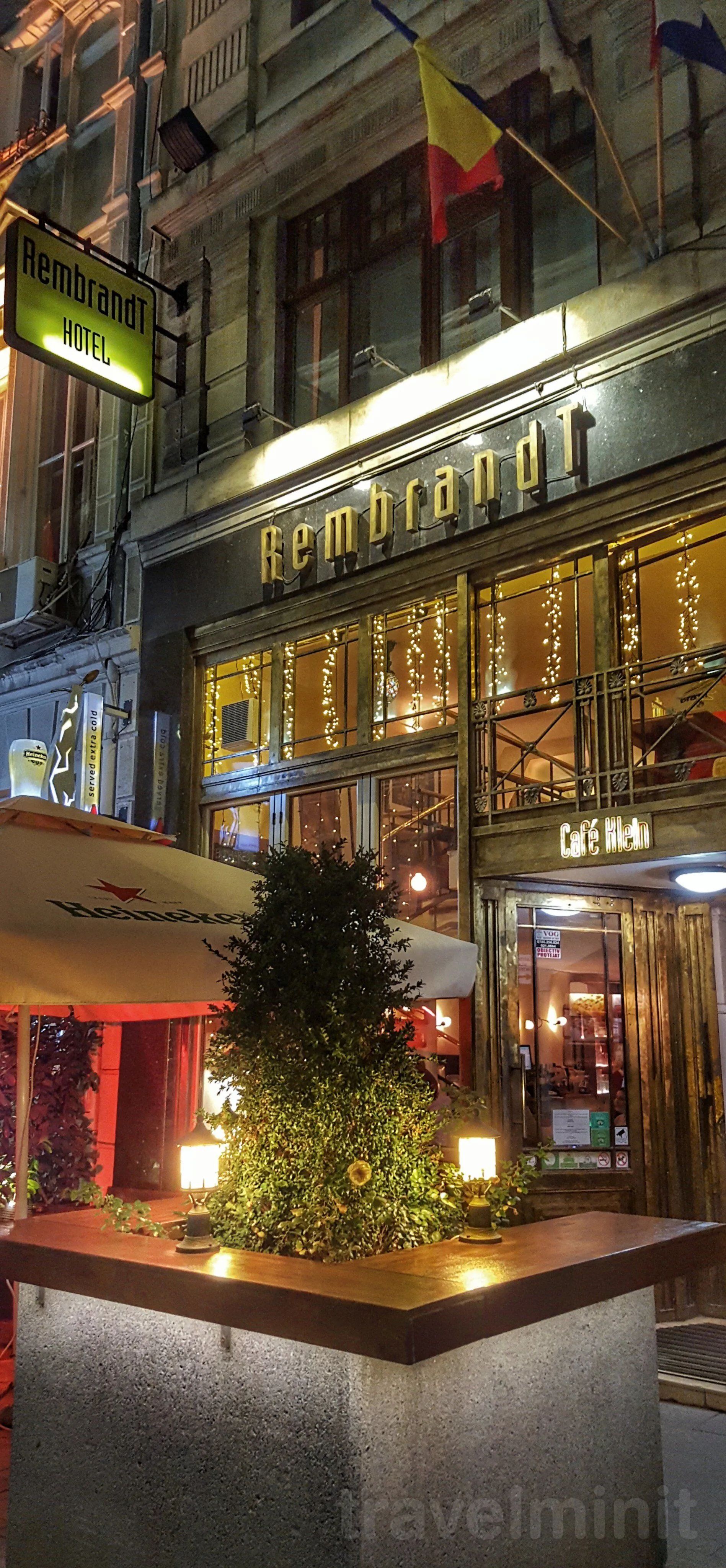
Hotel Rembrandt București
De la Hotel Rembrandt București puteți porni într-o vizită la Palatul Parlamentului. Hotelul de trei stele din București, situat în centrul vechi al capitalei pe strada Smârdan, reprezintă punctul dumneavoastră de plecare pentru a descoperi atmosfera acestui cartier istoric și obiectivele din jur. Hotelul dispune de 16 camere spatioase și pune la dispoziție facilități practice precum Wi-Fi gratuit disponibil în toate spațiile, un depozit pentru bagaje unde vă puteți lăsa lucrurile în siguranță și un pătuț pentru bebeluș. Aceste servicii răspund atât nevoilor călătorilor în interes de serviciu, cât și celor ale familiilor care călătoresc cu copii mici. În zonă se află Catedrala Mântuirii Neamului, Palatul Regal, Muzeul Național de Istorie Naturală Grigore Antipa și Muzeul Țăranului Român. Fiecare dintre aceste obiective oferă ocazia de a descoperi diferite aspecte ale trecutului și prezentului Bucureștiului, toate fiind accesibile pornind din centrul vechi al orașului. Vă așteptăm să vă bucurați de șederea dumneavoastră la Hotel Rembrandt și să porniți apoi spre explorarea Muzeului Țăranului Român.
FROM
290 lei per night
Apartment · 3 stars
București, Bucharest · 0.3 km
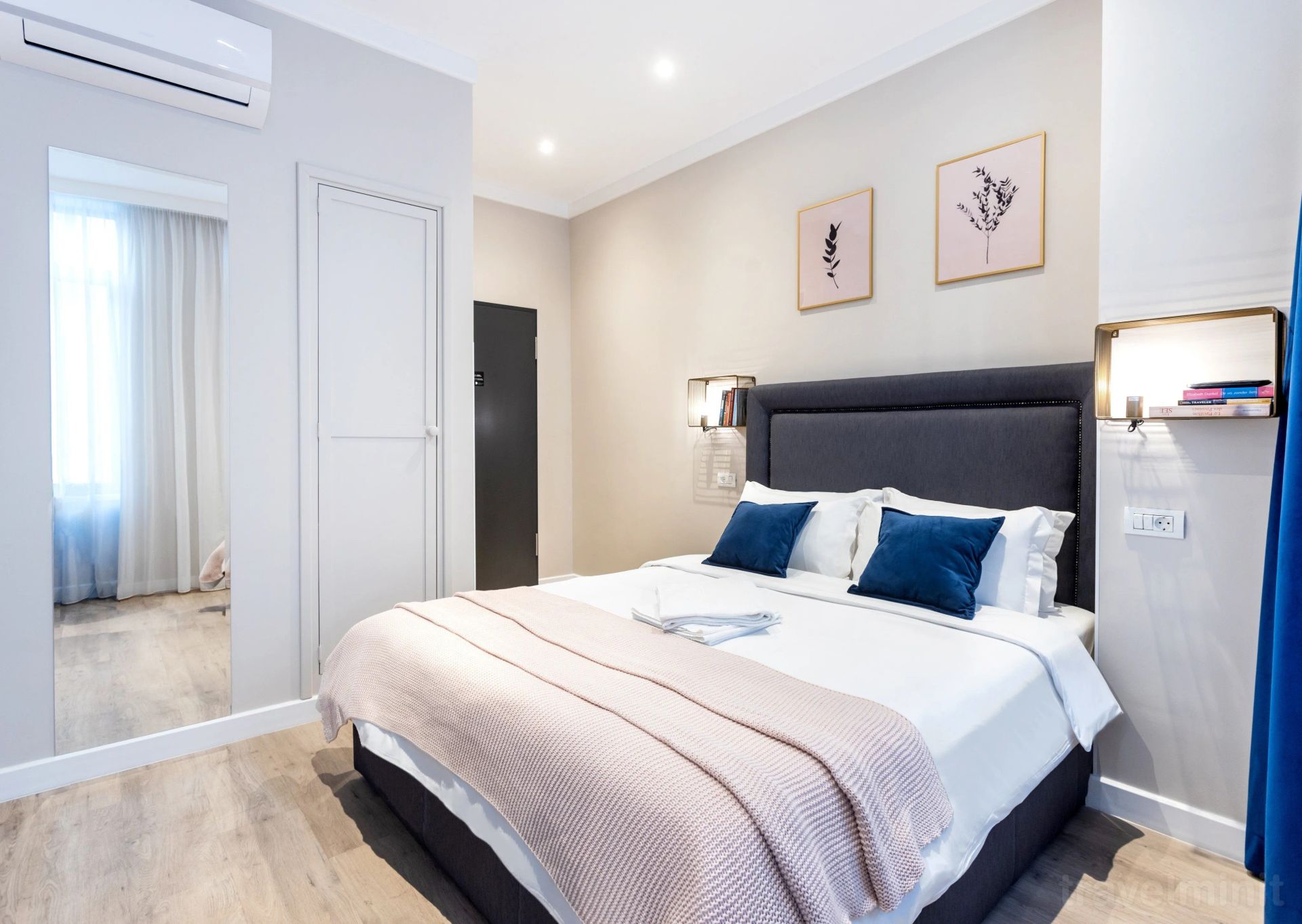
Degoya Studios Oldtown București
Degoya Studios Oldtown București este un apartament de închiriat situat în centrul vechi al Bucureștiului, pe strada Smârdan numărul 7. Această unitate de cazare clasificată cu trei stele vă oferă un spațiu practic și bine organizat în zona istorică a capitalei. Clădirea dispune de doisprezece camere de aproximativ 15 metri pătrați, distribuite pe patru niveluri. Fiecare cameră include un pat dublu matrimonial, o baie cu duș și o mică chicinetă, fiind dotată cu aer condiționat și Wi-Fi gratuit. Pentru un plus de confort, aveți la dispoziție un fier de călcat și un spațiu dedicat pentru depozitarea bagajelor. Poziția centrală în centrul vechi vă permite să ajungeți rapid la cele mai importante obiective turistice din zonă. În apropiere se află Palatul Parlamentului, Catedrala Mântuirii Neamului, Palatul Regal, Muzeul Național de Istorie Naturală Grigore Antipa și Muzeul Țăranului Român, toate fiind ușor accesibile pentru vizitare de la această adresă. Vă așteptăm la Degoya Studios Oldtown București, pe strada Smârdan numărul 7, unde veți găsi condiții potrivite pentru un sejur plăcut în București.
FROM
230 lei per night
Apartment · 3 stars
București, Bucharest · 0.3 km
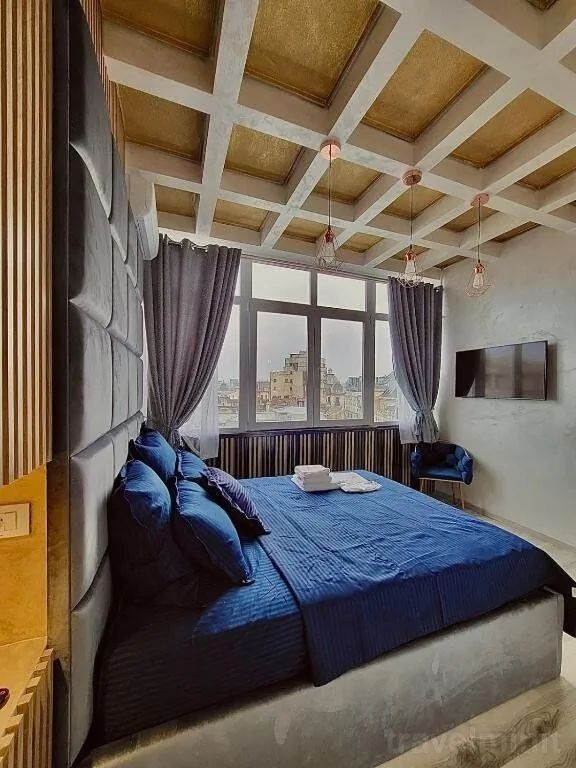
Royalty Apartment București
Accesul persoanelor cu dizabilități reprezintă un atu important pentru Royalty Apartment București, un apartament de închiriat situat în București, pe strada Calea Victoriei, la etajul șapte. Unitatea oferă cazare într-un spațiu amenajat cu grijă pentru confortul dumneavoastră, fiind clasificată cu trei stele. Beneficiați de Wi-Fi gratuit în întregul apartament, de un pătuț pentru bebeluș, de fier de călcat și de un spațiu dedicat pentru depozitarea bagajelor. Liftul facilitează accesul la etajul șapte, iar parcarea pentru biciclete este disponibilă pentru cei care doresc să exploreze capitala pe două roți. În apropiere se află Palatul Parlamentului, Catedrala Mântuirii Neamului, Palatul Regal, Muzeul Național de Istorie Naturală Grigore Antipa și Muzeul Țăranului Român. Aceste obiective turistice pot fi vizitate cu ușurință pornind de la această adresă centrală. Fiecare detaliu este gândit pentru șederea dumneavoastră, de la depozitul pentru bagaje până la accesul facilitat de lift. Seara, după o zi plină de vizite, vă puteți relaxa în apartament folosind conexiunea Wi-Fi gratuită pentru a vă bucura de momente liniștite.
FROM
230 lei per night
BEFORE YOU HIT THE ROAD
Weather conditions in Bucuresti
Local forecast for CEC Palace Bucharest, Bucuresti, București

Real-time updated weather data
Much more to explore in this area
Nearby tourist attractions

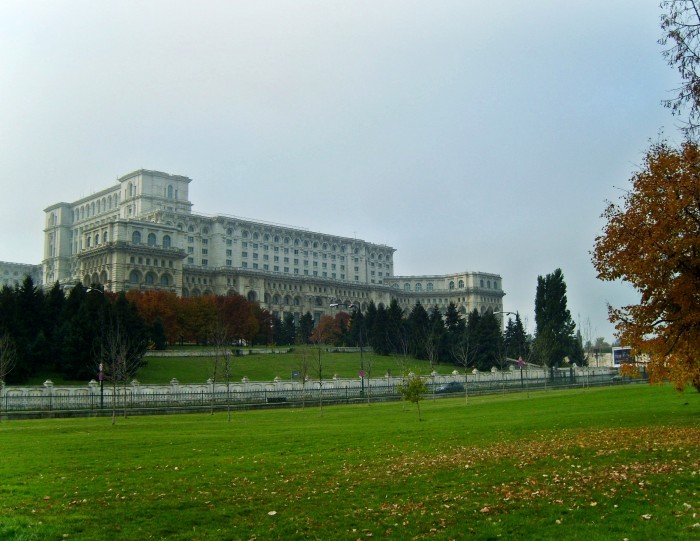

Bucuresti, Bucharest
Palace of the Parliament
Situat pe strada Izvor nr.3, sector 5, localitatea Bucuresti; in perioada comunista a fost cunoscut sub numele de "Casa Poporului"; considerata una dintre cele...
0.9 km

București, Bucharest
People's Salvation Cathedral (National Cathedral of Romania)
Catedrală ortodoxă din București
1.3 km
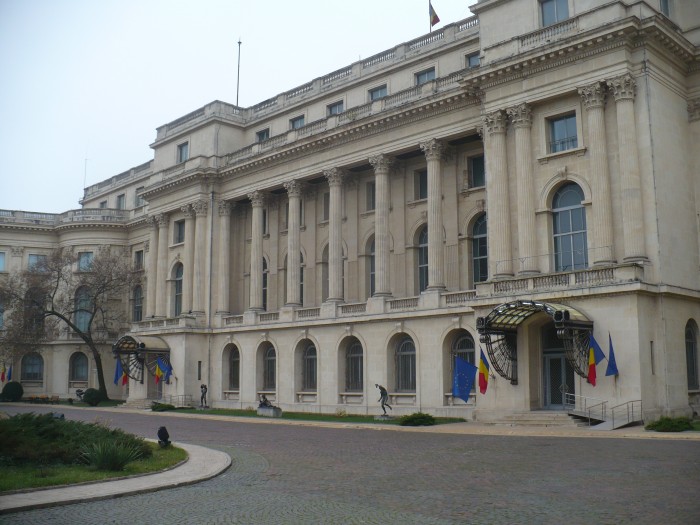
Bucuresti, Bucharest
Royal Palace of Bucharest
Situat pe Calea Victoriei nr. 49-53, sector 1, localitatea Bucuresti; construit intre anii 1812-1815 a apartinut marelui logofat Dinicu Golescu, dar a fost...
0.8 km
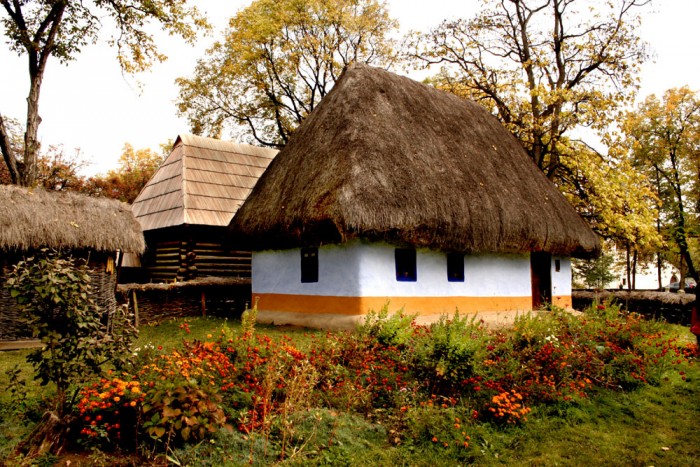
Bucuresti, Bucharest
Dimitrie Gusti National Village Museum
Situat pe Soseaua Kiseleff nr.28-30, sectorul 1; a fost inaugurat in 1936; expozitia permanenta cuprinde 121 de complexe distincte, totalizand 338 de monumente,...
4.7 km

Bucuresti, Bucharest
Romanian Peasant Museum (Muzeul Național al Țăranului Român)
Situat pe soseaua Kiseleff nr.3, sector 1, localitatea Bucuresti; constructia intregului edificiu a durat 29 de ani, fiind finalizat in 1941; cladirea muzeului...
2.8 km

Bucuresti, Bucharest
Cotroceni Palace
Situat pe bulevardul Geniului nr.2, sector 6, localitatea Bucuresti; in anul 1679, domnitorul Serban Cantacuzino incepe constructia unei manastiri; opera sa a...
2.8 km

Bucuresti, Bucharest
Grigore Antipa National Museum of Natural History
Situat pe soseaua Kiseleff nr. 1, sector 1, localitatea Bucuresti; fondat in 1834 la initiativa lui Mihalache Ghica; are un bogat patrimoniu format din...
0.3 km
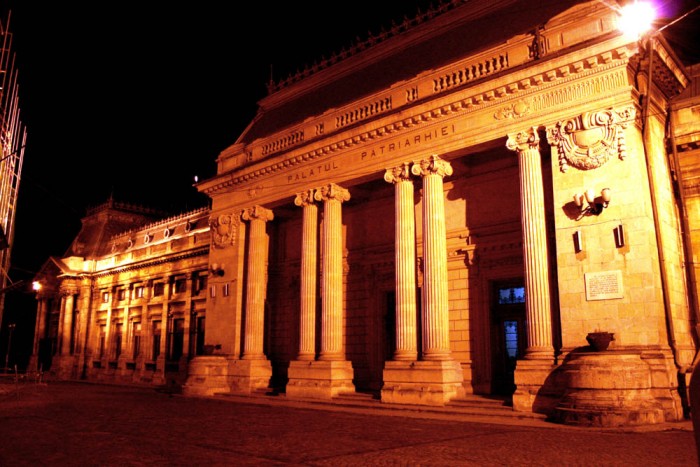
Bucuresti, Bucharest
Patriarchal Palace
Situat pe aleea Dealul Mitropoliei nr.25, sector 4, localitatea Bucuresti; construit de statul roman, la inceputul secolului al XX-lea, pe locul fostei sali a...
0.8 km

Bucuresti, Bucharest
National Museum of Romanian History
Situat pe Calea Victoriei nr.12, sector 3, localitatea Bucuresti; adapostit de Palatul Postelor; a fost inaugurat in anul 1970 fiind cel dintai muzeu de...
0.1 km
Bucuresti, Bucharest
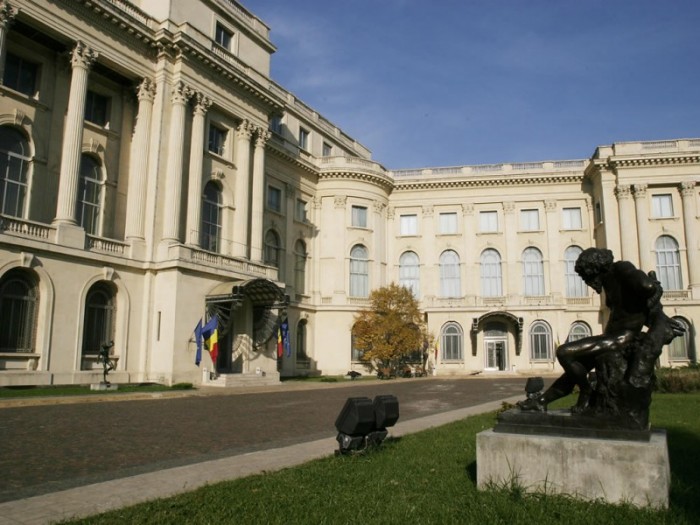
National Museum of Art of Romania
Situat pe Calea Victoriei nr. 49-53, sector 1; deschis in 1948, in vremea lui Alexandru Ioan Cuza;cladirea era pe atunci locuinta domneasca, in timpul lui...
0.8 km

2.2 km
Bucuresti, Bucharest
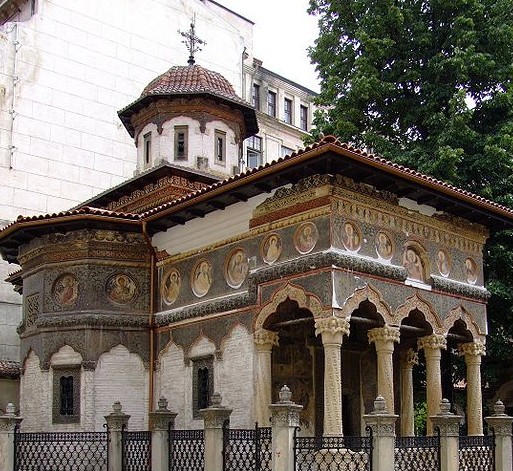
Stavropoleos Monastery Church
Situata pe strada Stavropoleos nr.4, localitatea Bucuresti; poarta hramurile: "Sfintii Arhangheli Mihail si Gavriil", "Sfantul Atanasie cel Mare", "Sfantul...
0.2 km
Cultural life and traditions
Events in the CEC Palace Bucharest area
Medieval festivals, traditional fairs, concerts and local activities recommended in Muntenia (Wallachia).

History and Royal Architecture

Bucuresti, County of București
Days of Royalty and Heritage in the Prahova Valley
Historical conferences open to the public, themed tours of royal architecture, documentary screenings and exhibitions of vintage photographs.
WHEN
May 10-12, 2026


Gastronomy and Oenology
Dealu Mare, County of București
The Prahova Wine Festival on the Wine Route
Guided tastings of Fetească Neagră along the famous Wine Route, visits to historic wineries, and meetings with leading winemakers.
WHEN
Every weekend (September - October)
Hiking and Adventure
Bucegi Mountains, București County
Guided Mountain Tour in the Bucegi Mountains
Guided mountain tours led by mountain rescue personnel to iconic panoramic viewpoints and spectacular alpine waterfalls.
WHEN
Daily during the season (June - October)
On foot, exploration gains depth
Discover the surroundings and local geography
Explore the trails, terrain, and natural landmarks around CEC Palace Bucharest.

Guides and practical tips
Useful travel articles
Travel guides, practical recommendations and tourist itineraries for Muntenia (Wallachia).

Tourist guide
Top 5 Atracții Turistice și Trasee Montane în Zona Moieciu - Bran
Descoperă cele mai spectaculoase peisaje carstice, chei adânci și cetăți medievale din imediata apropiere a stațiunii Moieciu.

Tourist guide
Ghid de Drumeție: Traseul Moieciu de Sus spre Platoul Bucegi
Un itinerariu montan de o frumusețe rară ce urcă din Valea Băngăleasa spre Poiana Guțanu și crestele maiestuoase ale Bucegilor.

Tourist guide
Castelul Bran: Istorie, Legende și Secrete Medievale
Află adevărata poveste a fortăreței medievale din Pasul Bran, reședința de suflet a Reginei Maria a României.
THE JOURNEY STARTS WITH AN IDEA
The next story is on the way.
From the first stop to the last stay, make room for a new Romania.
