


CASTLE · OLTENIA (LESSER WALLACHIA)
Severin Medieval Fortress

Mehedinti, Mehedinți County
Add location to your trip planner.
Practical access information

VISITING HOURS
Monday: 12:00 PM – 5:00 PM · Tuesday–Sunday: 9:00 AM – 5:00 PM (in summer until 8:00 PM)

TICKET PRICE
Adults: 45 RON · Students: 11 RON · Seniors: 23 RON · Guided tour included

RECOMMENDED VISIT DURATION
2-3.5 hours
Visitor information and guide
 Navigate with Google Maps

ABOUT SEVERIN MEDIEVAL FORTRESS
A Fortress at the Crossroads of Civilizations
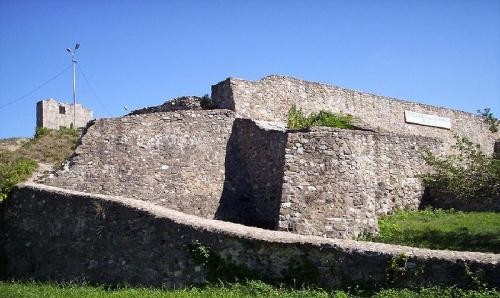
In the heart of Drobeta Turnu-Severin, along Carol I Boulevard within Dragalina Park, rise the imposing ruins of the Severin Medieval Fortress, a monument that stood guard for three centuries at the sensitive border between Western and Eastern Europe. This fortification, whose massive foundations rest directly upon the vestiges of the Roman castrum Drobeta, represents one of the country’s most evocative historical palimpsests, where classical antiquity meets chivalric medievality in a landscape of overwhelming strategic importance for the entire European continent. Built at the confluence of the Carpathians and the Danube, at the entrance to the Iron Gates gorge, the fortress is not merely an archaeological ruin but a silent witness to the great geopolitical movements that shaped Europe’s destiny between the 13th and 16th centuries. Here, on the left bank of the river that has always been the continent’s vital artery, the interests of the Kingdom of Hungary clashed with those of the Byzantine Empire, the chivalric ambitions of the Knights Hospitaller met Ottoman expansion, and Latin Western civilization encountered the Orthodox Eastern world, creating a unique space of interculturality and confrontation.
Imperial Roots and the Legacy of Ancient Rome
Long before the medieval stones reached toward the sky, this site had already been the center of a magnificent civilization. The Roman castrum Drobeta, constructed during the reign of Emperor Trajan in the 2nd century AD, was part of the defensive system of the Danube Limes, a fortified frontier stretching thousands of kilometers from the Black Sea to Bavaria. Its connection to the famous Trajan’s Bridge, whose piers still rise nearby—beneath the waters or along the shore—places the Severin Fortress within an imperial Roman context comparable to fortifications at Vindobona (modern-day Vienna), Aquincum (Budapest), or Singidunum (Belgrade). When, in the 13th century, the Knights Hospitaller decided to build a new fortification on this site, they did not choose it by chance: they capitalized on the massive Roman foundations, utilized the dominant position on the Danube’s bank, and transformed a former imperial garrison into a Christian bastion of medieval Europe.
Construction of the fortress began in 1233, initiated by the Order of the Knights Hospitaller, a pan-European military and religious force that controlled the strategic crossings of the Danube and defended the frontiers of Christendom. This order, founded in Jerusalem in the 11th century and later relocated to Rhodes and then Malta, represented one of the most powerful military entities of medieval Europe, with branches spanning from Portugal to Poland and from Scotland to Hungary. Their arrival in Severin was part of King Béla IV of Hungary’s policy to strengthen the kingdom’s southern frontier following the devastating Mongol invasion of 1241–1242, when the hordes of Batu Khan ravaged Hungarian territory. Like the Teutonic Knights who built fortresses in Prussia and Livonia, or the Templars who defended the frontiers of France and Spain, the Hospitallers erected at Severin a stronghold designed to stem not only the advancing Ottoman attacks but also Byzantine and Bulgarian influence from the south.
Military Architecture and Constructive Innovations
The architecture of the Severin Fortress reflects a fascinating synthesis between Western military tradition and the specific needs of the Danube frontier. The enclosure walls, built from limestone and sandstone quarried locally, rose to impressive heights, flanked by defensive towers with arrow slits and crenellations—elements characteristic of Gothic military architecture from the 13th and 14th centuries. The Gothic style, which in Western Europe manifested in soaring cathedrals like those at Chartres or Reims, was adapted here for defensive purposes, resulting in a robust military architecture with walls over two meters thick and semicircular towers that allowed for sweeping fire against attackers.
Constructive influences came from multiple European sources: Italian masonry techniques brought by craftsmen from the Venetian Republic or the Crusader states, French fortification principles inspired by the castles of the Loire Valley, and Hungarian experience accumulated over centuries in defending the Carpathians. The fortification included a central keep, administrative buildings for the order, a military chapel dedicated to Saint John the Baptist, and sophisticated defensive systems with moats and bastions. Compared to other fortresses on Hungary’s southern frontier, such as those at Orșova or Turnu, the Severin Fortress stands out for its unique position at the Iron Gates, a natural gorge that has always been a strategic barrier between the Balkan world and Central Europe. This location necessitated special architectural solutions, with walls oriented southeast to counter advancing Ottoman artillery, anticipating by centuries the bastion fortification techniques that would later develop in Renaissance Italy.
Centuries of Diplomacy, Trade, and Confrontation at the Iron Gates
For three centuries, between the 13th and 16th centuries, the Severin Fortress functioned as a true gateway between civilizations, facilitating intense trade and diplomacy between Western Christian kingdoms and Eastern powers. Its unique position at the confluence of the Danube and the Carpathians made this fortification the most important military stronghold in the entire historical region of Banat, a bastion that defended not only the borders of the Voivodeship of Severin but also the entire southern frontier of Christian Europe against Ottoman expansion in the Balkans. Under the rule of the Kingdom of Hungary, particularly during the Anjou dynasty and later under Sigismund of Luxembourg, the fortress hosted numerous diplomatic councils and negotiations with the voivodes of Wallachia, such as Mircea the Elder or Vlad the Impaler, as well as representatives of the Byzantine Empire and the Serbian despotate.
Its walls witnessed the passage of trade caravans laden with Eastern spices, Byzantine silk, gold from Transylvanian mines, and salt from Ocna Sibiului, placing the fortress at the center of trade networks connecting the Mediterranean to the heart of Central Europe. Here, Venetian diplomats met Ottoman envoys, Franciscan monks encountered Byzantine travelers, and Genoese merchants traded with Cuman archers and Hungarian knights. Personalities such as Count Nicholas Csáky, Voivode of Severin in the 15th century, or various commanders of the Hospitaller Order governed from this fortress, transforming it into a center of political and economic power. Relations with Wallachia were complex, alternating between alliances against the Ottomans and conflicts for control of the Danube valleys, a situation similar to that in the Transylvanian fortresses of Oradea or Alba Iulia.
The Siege of 1524 and the Fall of an Era
The year 1524 marks a tragic turning point in the history of the fortress and the entire region. After Sultan Suleiman the Magnificent conquered Belgrade in 1521, paving the way toward the heart of Hungary, his attention turned to the fortresses along the Danube. The Severin Fortress, though reinforced and defended by a courageous garrison under the command of Ladislaus Kanizsai or other local captains, withstood a devastating and prolonged siege led by Ottoman armies. After weeks of bombardment with heavy artillery and attacks by janissaries, the fortification fell into the hands of the invaders and was almost entirely destroyed.
This fall represented a crucial moment in the history of Ottoman expansion toward the heart of Europe, opening the path northward and westward and foreshadowing the disaster at Mohács in 1526, when the Hungarian royal army was crushed and the kingdom collapsed. For the fortress, the destruction of 1524 marked the end of its role as a Christian military guardian. Under Ottoman occupation, the area became part of the Vidin Pasha or the Smederevo Sanjak, and the ruins remained as a reminder of a bygone era. For centuries, the fortress’s stones were used as building material for Ottoman structures and later for the modern buildings of the city, until the 19th century, when national Romanticism and interest in medieval heritage spurred the beginning of systematic archaeological research.
Cultural Legacy and European Memory
Though today’s visitors encounter only evocative ruins framed by the paths of Dragalina Park, each stone and fragment of wall preserves the memory of a tense era when Europe defended its gates. The Severin Fortress represents a unique monument in Romania’s and Europe’s heritage landscape, one of the few places where the foundations of an imperial Roman castrum, the walls of a medieval chivalric fortress, and traces of Ottoman destruction can be seen superimposed in the same physical space. This historical stratification places it in a category alongside other European sites such as Carnuntum in Austria, Aquincum in Hungary, or Novae in Bulgaria, offering a living lesson in archaeology and comparative history.
The site’s cultural significance transcends national borders, symbolizing Christian resistance against Ottoman expansion and bearing witness to the complexity of relations between the Latin and Orthodox worlds. Comparable to the Belgrade Fortress, the Nicopolis Fortress, or the Crusader castles of Syria, the Severin Fortress illustrates how Europe’s imperial frontiers were defined and redefined over the centuries. For art historians, it provides valuable insights into the diffusion of the Gothic style in Southeastern Europe, while for archaeologists, it represents an exceptional stratigraphic site where each excavation layer reveals new aspects of daily, military, and commercial life in the Middle Ages.
Visitor’s Guide and Contemporary Experience
The Severin Medieval Fortress can be visited within Dragalina Park, harmoniously integrated into the urban landscape of Drobeta Turnu-Severin along Carol I Boulevard. Access is on foot via the park’s paths, in an atmosphere of tranquility and reflection, far from urban bustle. The ruins, classified as a national historic monument, appear as partially preserved walls with visible traces of towers and entrance gates, surrounded by vegetation that enhances the site’s romanticism. The visit invites a fascinating journey through time across archaeological layers that reveal both the massive foundations of the Roman castrum Drobeta—with traces of administrative and military buildings of the Roman legions—and the superimposed medieval structures, offering a unique perspective on civilizational continuity.
For travelers interested in European heritage, this site provides a profound understanding of how great empires and civilizations met, clashed, and influenced one another over millennia at the edge of the river that has always been the continent’s vital artery. Nearby, the Iron Gates Region Museum displays artifacts discovered at the site, including Roman coins, medieval ceramics, and architectural elements, completing the visitor’s experience. Trajan’s Bridge, whose piers rise nearby, offers the imperial Roman context, while the panorama of the Danube and the Iron Gates evokes the strategic landscape that made this fortress famous.
Visiting is recommended in any season, though spring and autumn offer warmer light for photography and a particularly contemplative atmosphere. For foreign tourists, the Severin Fortress is an essential stop on the cultural circuit of Oltenia, alongside Tismana Monastery, the Cerna Valley Gorges, or the city of Craiova, providing a unique perspective on the historical border between Central and Balkan Europe. Each visit here is an immersion in a broader European story, where the Roman past, chivalric medievality, and the confrontation with the Ottoman Empire meet in a landscape of wild beauty at the Iron Gates of the Danube.
Media gallery
Discover Severin Medieval Fortress in pictures

5 photos · Architecture, courtyards and captivating details
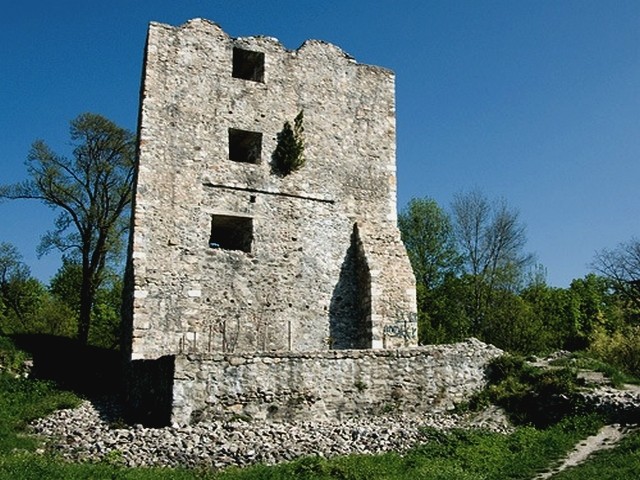


Image source: Wikimedia Commons · Public domain photos · Free license
STAY A FEW DAYS, DISCOVER THE MAGIC
Accommodation in the Severin Medieval Fortress area

Hotel · 4 stars

Drobeta-Turnu Severin, Mehedinți County · 0.4 km
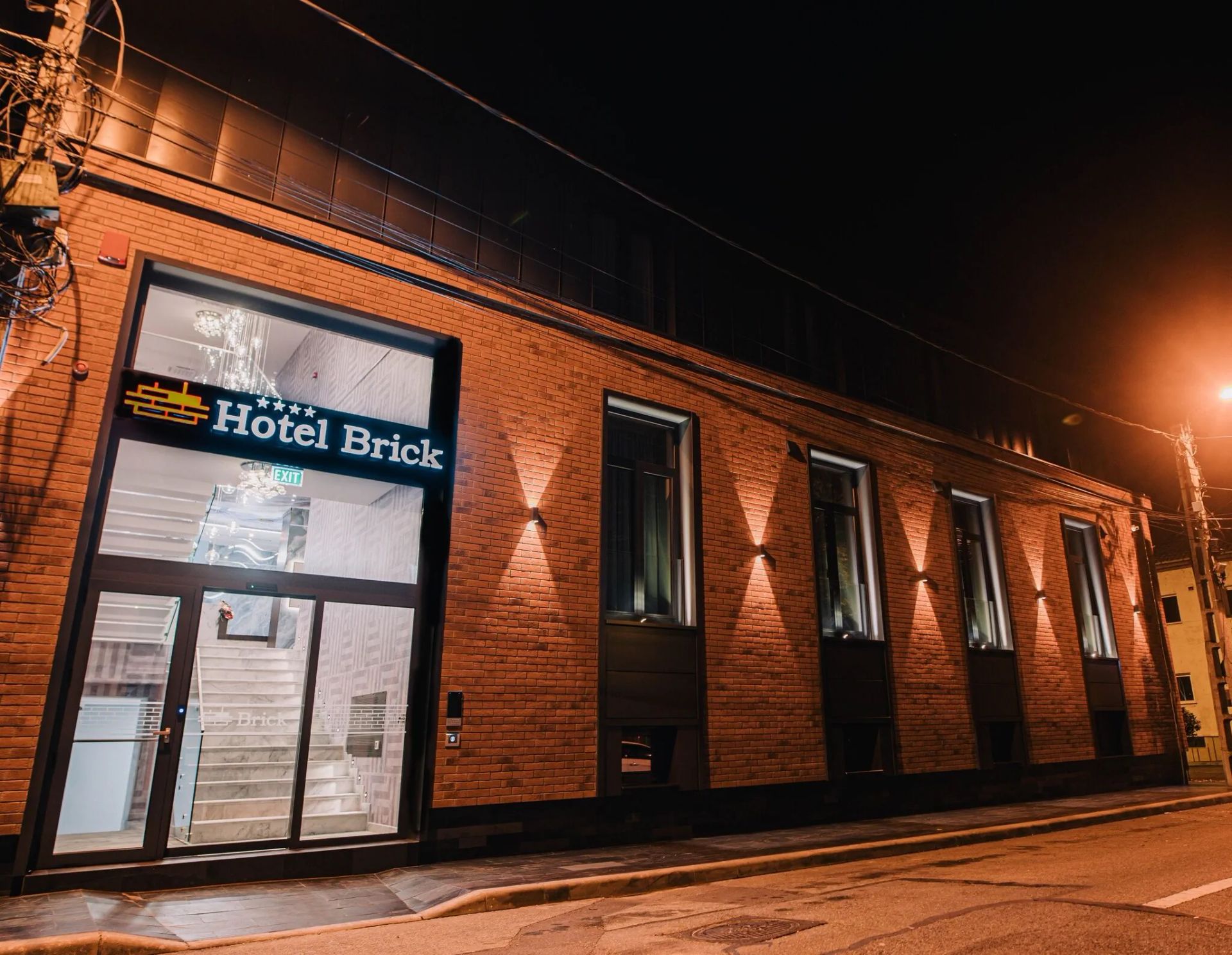
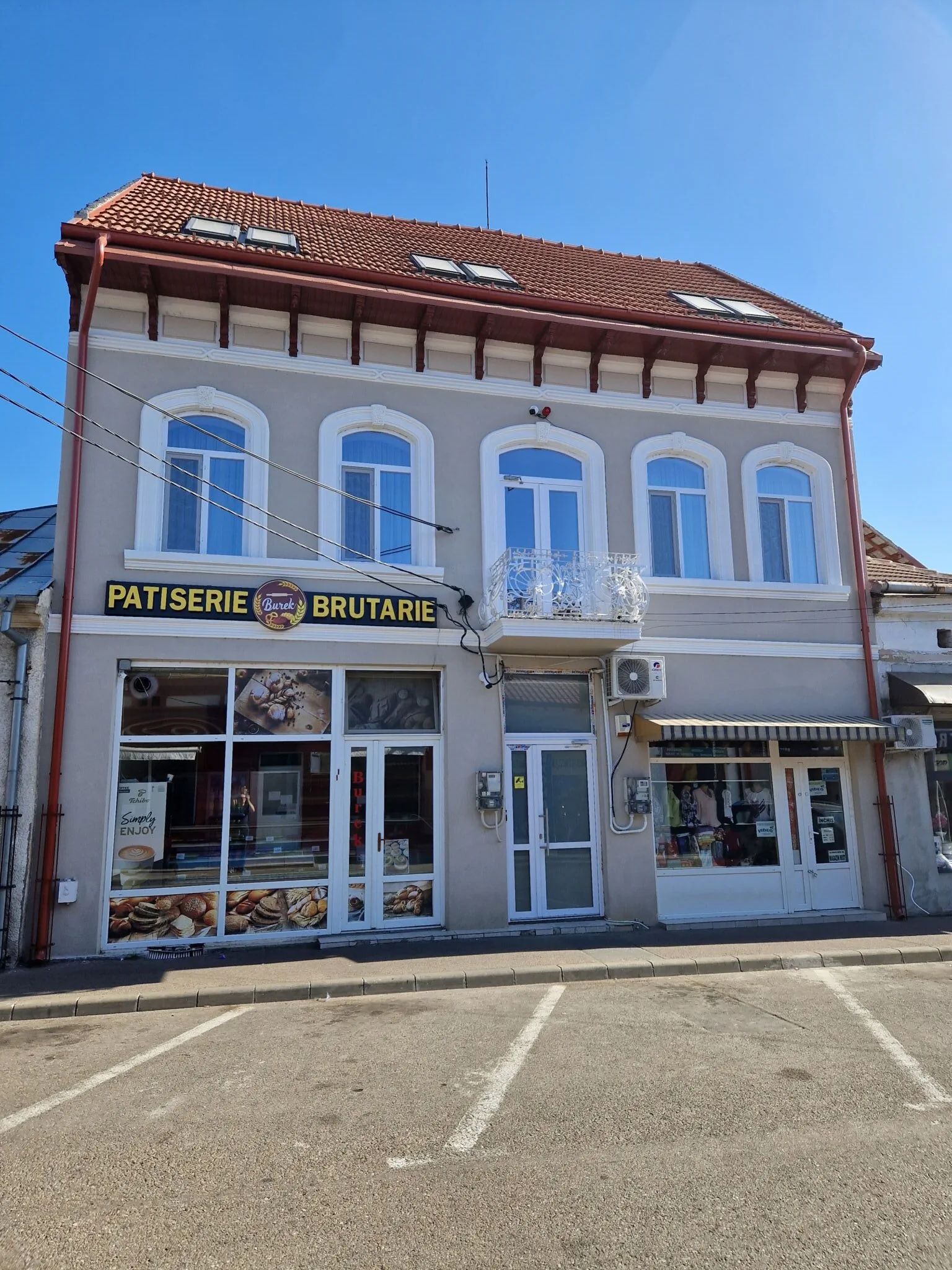
Hotel Brick Drobeta-Turnu Severin
Călătorii care doresc să combine explorarea urbană cu descoperirea naturii se vor simți bine la Hotel Brick din Drobeta-Turnu Severin. Hotelul de patru stele se află în localitatea Drobeta-Turnu Severin din județul Mehedinți. Camerele sunt dotate cu Wi-Fi gratuit, seif și fier de călcat, iar serviciile de room service și depozitul pentru bagaje vă asigură tot confortul necesar pe toată durata șederii. Fiecare detaliu este gândit pentru ca dumneavoastră să vă simțiți bine, să aveți liniște și să vă bucurați de odihnă după activitățile zilei. Pentru momentele de relaxare, unitatea pune la dispoziție un restaurant, un bar și o cafenea în incintă. Aceste spații sunt ideale pentru a savura o masă gustoasă sau o cafea într-un ambient plăcut după o zi petrecută în explorarea orașului și a monumentelor sale. În apropiere puteți vizita Cetatea Medievală a Severinului, Ruinele Podului lui Traian, Castrul Roman Drobeta, Catedrala Episcopală din Drobeta-Turnu Severin și Parcul Natural Porțile de Fier. Aceste obiective oferă oportunități variate de a descoperi istoria și natura zonei. Vă așteptăm la Hotel Brick Drobeta-Turnu Severin.
FROM
420 lei per night

Apartment · 3 stars
Drobeta-Turnu Severin, Mehedinți County · 0.6 km
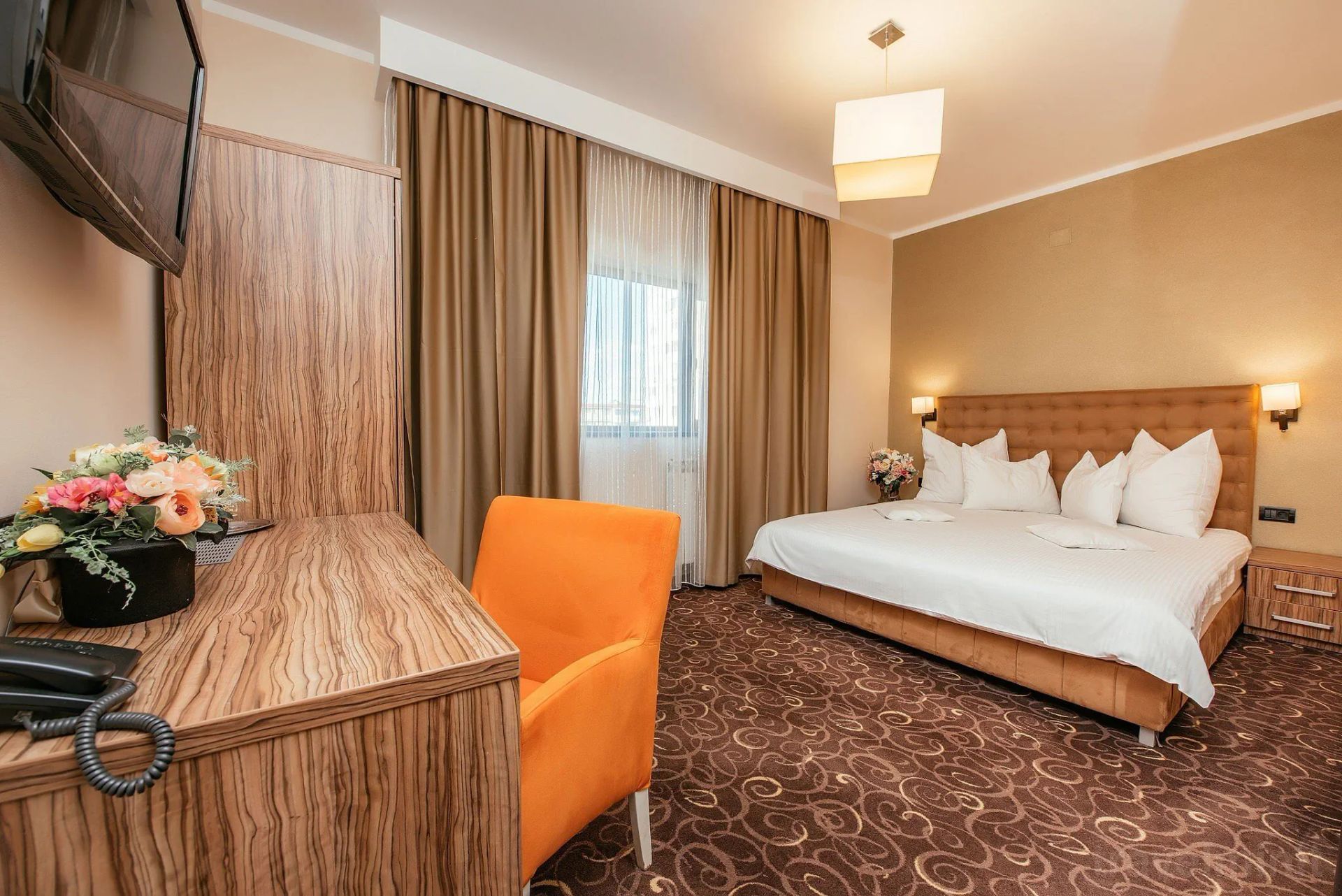
Bizi House Accommodation 2 Drobeta-Turnu Severin
Călătorii care caută un spațiu intim, bine echipat și situat central în Drobeta-Turnu Severin se vor simți bine la Bizi House Accommodation 2. Unitatea oferă apartamente moderne, potrivite atât pentru sejururi de afaceri, cât și pentru vacanțe în familie sau cu prietenii. Fiecare apartament este mobilat și utilat într-un stil contemporan, oferind confort și funcționalitate pentru toți oaspeții. Proprietatea dispune de curte interioară și terase în aer liber, ideale pentru momente de relaxare. În interior nu se fumează, însă există numeroase spații exterioare amenajate special pentru fumători. Pentru un plus de confort, aveți la dispoziție Wi-Fi gratuit, fier de călcat și seif pentru obiectele dumneavoastră de valoare. Aceste facilități vă permit să vă organizați șederea într-un mod cât mai practic și liniștit. În apropiere puteți vizita Cetatea Medievală a Severinului, Ruinele Podului lui Traian, Parcul Natural Porțile de Fier, Castrul Roman Drobeta și Catedrala Episcopală din Drobeta-Turnu Severin. Toate aceste obiective se află la îndemână, oferindu-vă ocazia de a descoperi istoria și peisajele zonei. Vă așteptăm la Bizi House Accommodation 2 pentru un sejur plăcut în Drobeta-Turnu Severin.
FROM
230 lei per night
Holiday home · 3 stars
Drobeta-Turnu Severin, Mehedinți County · 1.7 km
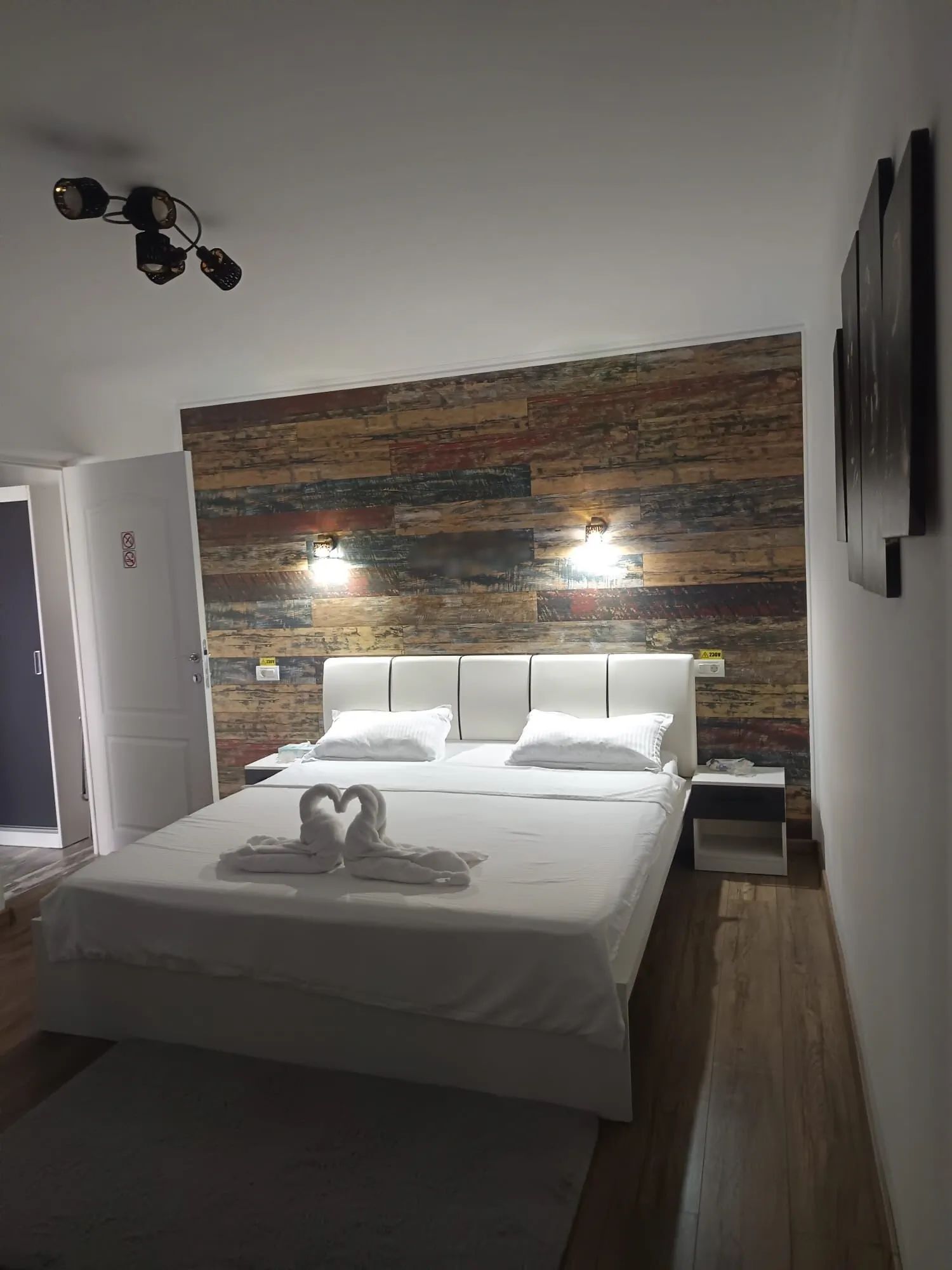
C Guest House Drobeta-Turnu Severin
Familiile și grupurile de prieteni se vor simți bine la C Guest House Drobeta-Turnu Severin, o casă de închiriat integrală situată pe bulevardul Revoluției 16-22 Decembrie 1989 din Drobeta-Turnu Severin, județul Mehedinți. Unitatea beneficiază de o clasificare de trei stele și oferă un spațiu primitor pentru toți cei care doresc să exploreze această regiune istorică. Pentru confortul dumneavoastră, punem la dispoziție Wi-Fi gratuit, saună, închiriere de biciclete, parcare privată gratuită și room service. Fie că doriți să vă relaxați în saună după o zi plină sau să serviți masa direct în cameră, aceste facilități sunt gata să vă întâmpine. De asemenea, aveți posibilitatea de a închiria biciclete pentru a vă deplasa prin oraș în voie. În apropiere puteți vizita Cetatea Medievală a Severinului, Ruinele Podului lui Traian, Parcul Natural Porțile de Fier, Castrul Roman Drobeta și Catedrala Episcopală din Drobeta-Turnu Severin. Aceste obiective turistice vă oferă ocazia de a descoperi istoria antică a zonei, monumente impresionante și peisaje naturale deosebite. Vă așteptăm să vă bucurați de șederea dumneavoastră și apoi să porniți să explorați Cetatea Medievală a Severinului.
FROM
280 lei per night
Apartment · 3 stars
Drobeta-Turnu Severin, Mehedinți County · 1.7 km
Insomnia Studio 2 Drobeta-Turnu Severin
Comfort, relaxation and stunning views, all just steps away from the main attractions.
FROM
230 lei per night
Hotel · 3 stars
Drobeta-Turnu Severin, Mehedinți County · 1.9 km
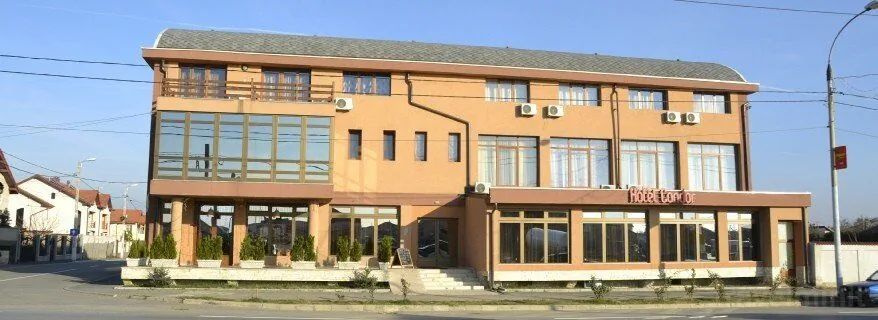
Hotel Condor Drobeta-Turnu Severin
Hotel cu trei stele situat în Drobeta-Turnu Severin, pe bulevardul Aluniș. Unității îi stau la dispoziție dumneavoastră 22 de locuri de cazare, în camere single, duble sau apartamente, dotate cu aer condiționat, televiziune prin cablu, televizor cu plasmă, minibar, uscător de păr, halate și Wi-Fi gratuit. La parter se află un restaurant cu 110 de locuri și un bar unde puteți lua micul dejun. În subsol este amenajat un centru SPA cu saună, cadă de hidromasaj, zonă de odihnă și cabinet de masaj. Parcare privată gratuită este disponibilă pentru dumneavoastră. În apropiere puteți vizita Ruinele Podului lui Traian, Cetatea Medievală a Severinului, Parcul Natural Porțile de Fier, Castrul Roman Drobeta și Catedrala Episcopală din Drobeta-Turnu Severin. Aceste obiective vă oferă ocazia să descoperiți istoria antică și medievală a zonei, alături de peisaje naturale. Vă așteptăm să vă bucurați de ședere și să porniți în explorarea zonei, începând cu Ruinele Podului lui Traian.
FROM
290 lei per night
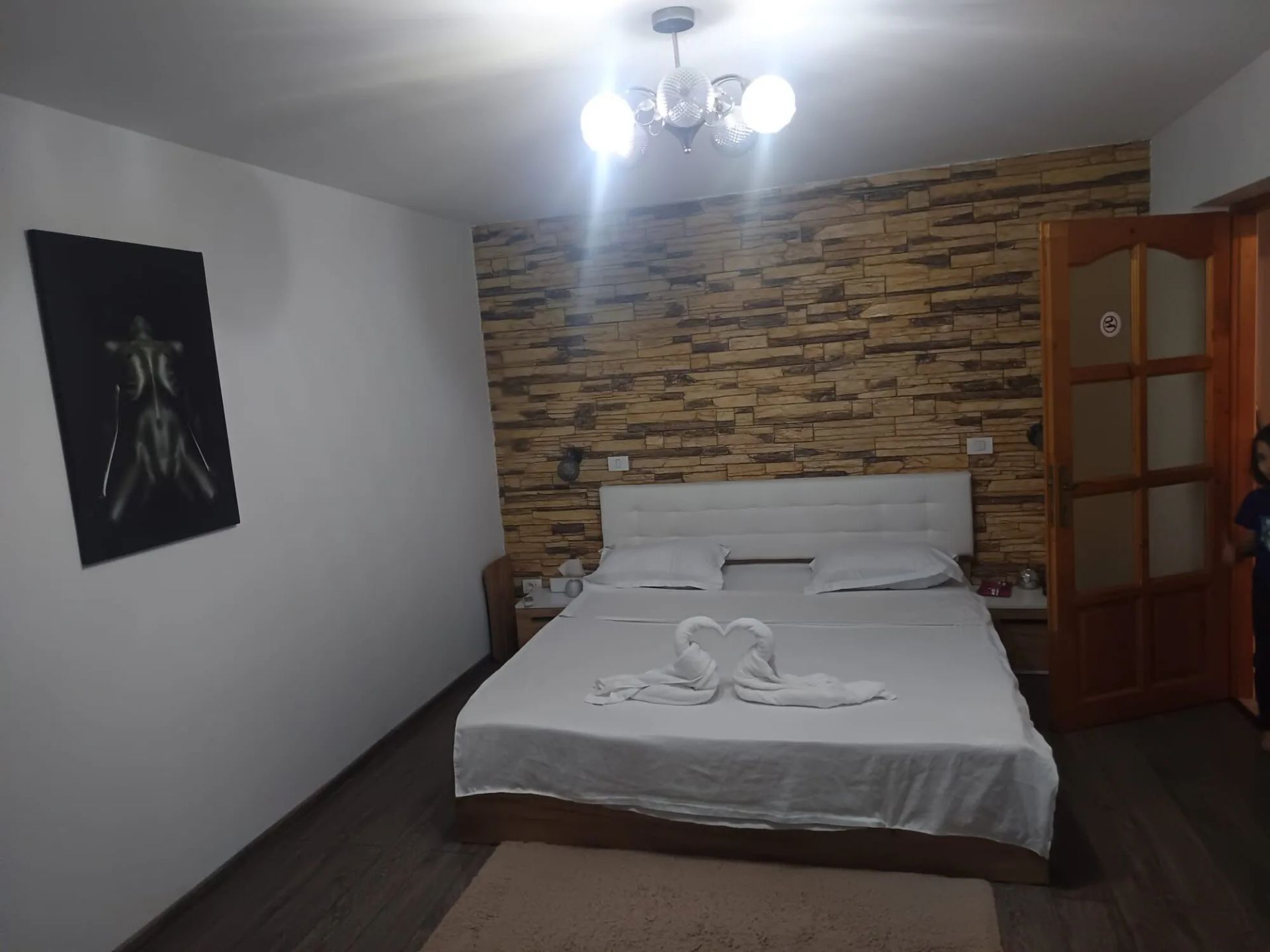
Apartment · 3 stars
Drobeta-Turnu Severin, Mehedinți County · 2.0 km
Insomnia Studio Drobeta-Turnu Severin
O zi petrecută la Insomnia Studio Drobeta-Turnu Severin începe cu navigarea pe internet prin Wi-Fi gratuit și se încheie liniștit, cu bagajele pregătite și hainele proaspăt călcate cu fierul de călcat pus la dispoziție. Unitatea vă așteaptă în Drobeta-Turnu Severin, județul Mehedinți, într-un apartament de închiriat clasificat cu 3 stele, situat pe bulevardul Ion C. Brătianu 22, bloc 3, scara 3. Spațiul este organizat în două camere bine amenajate, fiecare dotată cu grup sanitar propriu, oferind intimitate și confort pentru dumneavoastră și însoțitorii dumneavoastră. Fiecare cameră beneficiază de condiții adecvate pentru un sejur relaxant în oraș. În apropiere puteți vizita Cetatea Medievală a Severinului, Ruinele Podului lui Traian, Parcul Natural Porțile de Fier, Castrul Roman Drobeta și Catedrala Episcopală din Drobeta-Turnu Severin. Aceste obiective turistice îmbogățesc experiența vizitatorilor care aleg să se cazeze aici. Programul de primire începe la ora 12:00, iar predarea apartamentului se face până la ora 10:00, la recepție putând comunica în română, engleză, germană sau franceză, iar plata se poate realiza prin transfer bancar, card de vacanță sau voucher travelminit.
FROM
230 lei per night
BEFORE YOU HIT THE ROAD
Weather conditions in Mehedinti
Local forecast for Severin Medieval Fortress, Mehedinti, Mehedinți

Real-time updated weather data
Much more to explore in this area
Nearby tourist attractions

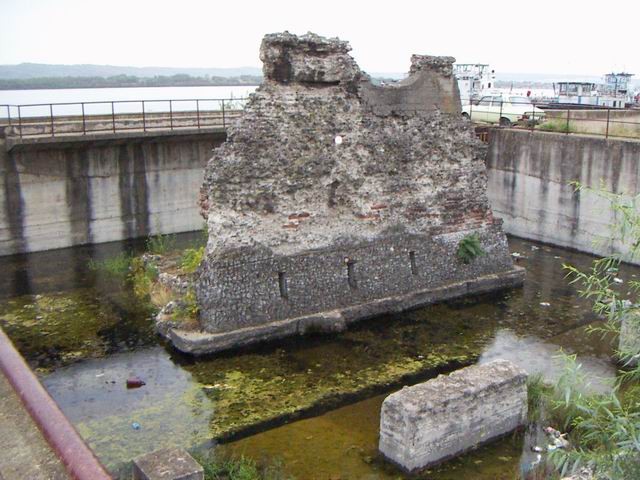

Mehedinti, Mehedinți County
Trajan's Bridge Ruins
Se afla in apropierea orasului Drobeta Turnu Severin, pe Dunarea de jos, la est de Portile de Fier;constructia, capodopera a tehnicii si arhitecturii, a fost...
11.7 km
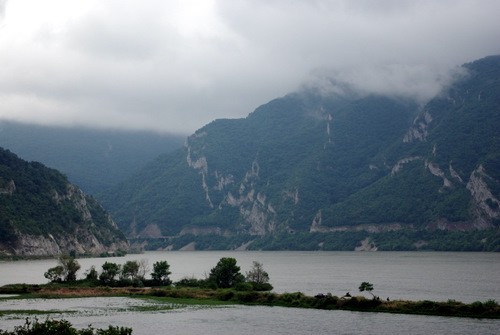
Dubova, Mehedinți County
The Iron Gates Gorges and the Face of Decebalus
Se afla intre Valea Ogradena si Paraul Ogasul Turcului, in perimetrul localitatii Dubova, intre versantii abrupti pe care ii desparte Dunarea, formand niste...
31.5 km
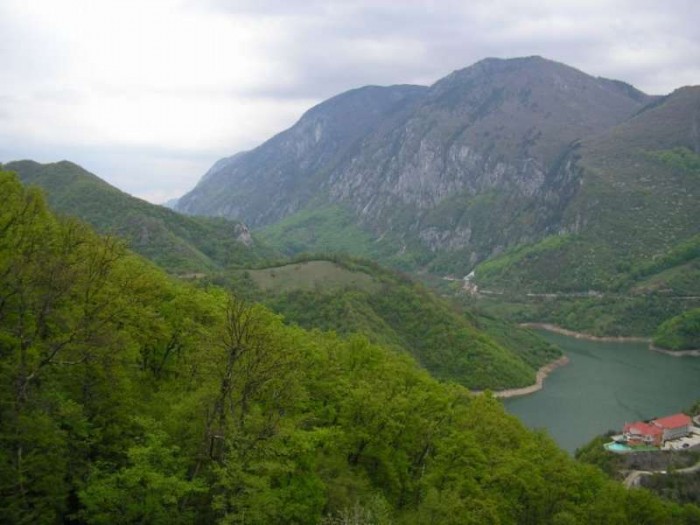
Caras Severin, Caraș-Severin County
Domogled-Valea Cernei National Park
Se intinde pe suprafata a 3 judete - Caras-Severin, Mehedinti si Gorj, peste bazinul raului Cerna, de la obarsie pana la confluenta cu raul Belareca, peste...
43.7 km

Mehedinti, Mehedinți County
Iron Gates Natural Park
Se afla pe malul stang al Dunarii, intre localitatile Buzias si Gura Vaii, judetul Mehedinti, intinzandu-se si pe teritoriul judetului Caras-Severin;din...
10.3 km
Caras Severin, Caraș-Severin County
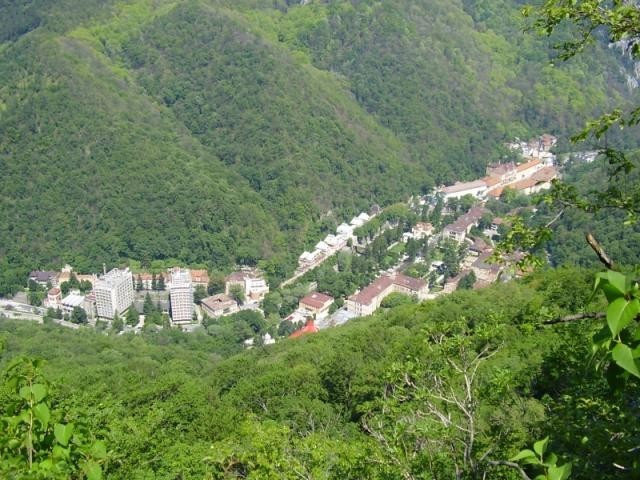
Herculane Baths
Situata pe Valea Cernei, la 5 km de principala artera rutiera ce leaga vestul tarii de Bucuresti si calea ferata internationala Bucuresti - Timisoara -...
34.3 km

42.3 km

Mehedinti, Mehedinți County
God's Bridge Natural Landmark
Se afla la 5 km de localitatea Baia de Arama, in perimetrul comunei Ponoare;face parte din Rezervatia geomorfologica Complexul carstic Ponoare, ce se intinde...
40.2 km
Mehedinti, Mehedinți County
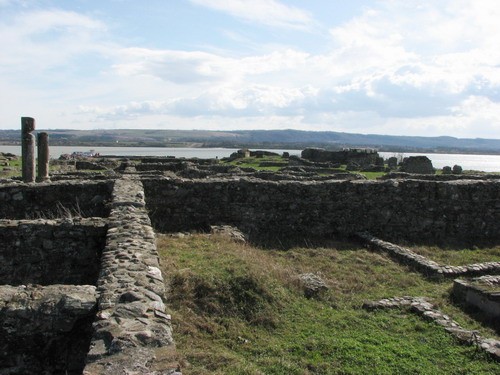
Drobeta Roman Fortress
Situat pe strada Independentei nr.2 din Drobeta Turnu Severin;este prima cetate de piatra ridicata in Dacia de imparatul Traian, intre anii 103 si 105;...
1.3 km
Mehedinti, Mehedinți County
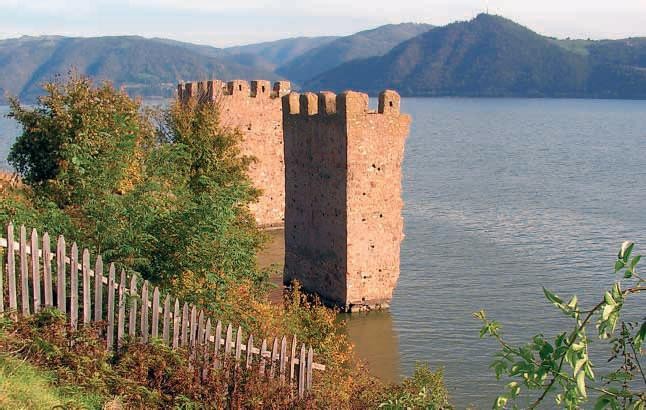
Tricule Fortress
Se afla pe malul stang al Dunarii, la 4 km in aval de localitatea Svinita;dateaza din secolul al XV-lea;a fost ridicata in scop de aparare contra Imperiului...
42.8 km

Drobeta-Turnu Severin, Mehedinți County
Catedrala Episcopală din Drobeta-Turnu Severin
Orthodox cathedral in Drobeta-Turnu Severin
0.5 km
Mehedinti, Mehedinți County
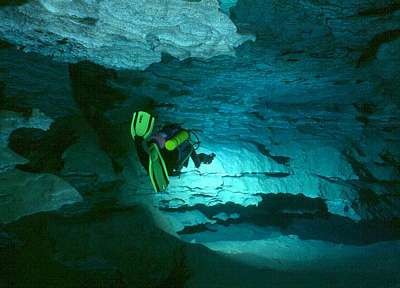
Peștera Izverna
Situata la capatul vestic al comunei Isverna, la poalele muntilor Mehedinti; amplasata la altitudinea de 600 m; explorata pentru prima oara de biospeologul C....
39.1 km
Mehedinti, Mehedinți County
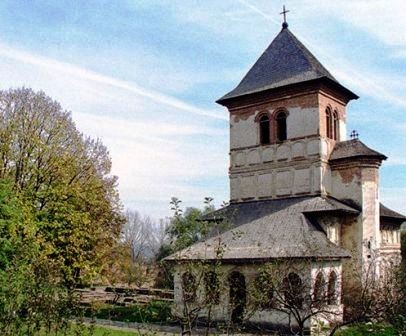
Mănăstirea Strehaia
Se afla aproape de centrul orasului Strehaia;este ctitorita de Matei Basarab;a fost construita in anul 1645 ca manastire de calugari;poarta hramul "Sfanta...
42.9 km
Cultural life and traditions
Events in the Severin Medieval Fortress area
Medieval festivals, traditional fairs, concerts and local activities recommended in Oltenia (Lesser Wallachia).

Traditions and Crafts

Mehedinti, County of Mehedinți
Days of Local Culture and Traditional Tourism
Open workshops featuring pottery, wood carving, and authentic folklore demonstrations by local artisans.
WHEN
May 15-17, 2026


Traditional Cuisine
Mehedinti, County of Mehedinți
The Fair of Traditional Products and Local Cuisine
Traditional products, aged cheeses, mountain honey and local delicacies prepared according to ancient recipes.
WHEN
Every weekend

Culture and Photography
Mehedinti, County of Mehedinți
Themed and Photographic Guided Tour of Cultural Heritage
A guided tour designed for history buffs, nature lovers, and photography enthusiasts, showcasing the most spectacular views in the area.
WHEN
Daily schedule available upon request
On foot, exploration gains depth
Discover the surroundings and local geography
Explore the trails, terrain, and natural landmarks around Severin Medieval Fortress.

Guides and practical tips
Useful travel articles
Travel guides, practical recommendations and tourist itineraries for Oltenia (Lesser Wallachia).

Tourist guide
Top 5 Atracții Turistice și Trasee Montane în Zona Moieciu - Bran
Descoperă cele mai spectaculoase peisaje carstice, chei adânci și cetăți medievale din imediata apropiere a stațiunii Moieciu.

Tourist guide
Ghid de Drumeție: Traseul Moieciu de Sus spre Platoul Bucegi
Un itinerariu montan de o frumusețe rară ce urcă din Valea Băngăleasa spre Poiana Guțanu și crestele maiestuoase ale Bucegilor.

Tourist guide
Castelul Bran: Istorie, Legende și Secrete Medievale
Află adevărata poveste a fortăreței medievale din Pasul Bran, reședința de suflet a Reginei Maria a României.
THE JOURNEY STARTS WITH AN IDEA
The next story is on the way.
From the first stop to the last stay, make room for a new Romania.
