


MUSEUM · MUNTENIA (WALLACHIA)
Cotroceni National Museum

Bucuresti, Bucharest
Add location to your trip planner.

Practical access information

VISITING HOURS
Monday: 12:00 PM – 5:00 PM · Tuesday–Sunday: 9:00 AM – 5:00 PM (in summer until 8:00 PM)

TICKET PRICE
Adults: 45 RON · Students: 11 RON · Seniors: 23 RON · Guided tour included

RECOMMENDED VISIT DURATION
2-3.5 hours
Visitor information and guide
 Navigate with Google Maps

ABOUT COTROCENI NATIONAL MUSEUM
A Royal Legacy at the Crossroads of History and Power
On Geniului Boulevard, number 1, in the heart of Bucharest’s Sector 6, stands the Cotroceni ensemble, an architectural complex of remarkable elegance that houses the Cotroceni National Museum. This monument represents one of the most valuable landmarks of Romania’s cultural heritage, a silent witness to a centuries-old history stretching from the reign of Șerban Cantacuzino to the present day. Located just steps from the capital’s political center, in an area steeped in the memory of Bucharest’s aristocracy, the Cotroceni ensemble serves as a living bridge between the voivodal past, the royal ambitions of the 19th century, and the cultural aspirations of today. The main building, now the royal palace, was constructed between 1888 and 1895 based on the designs of French architect Paul Gottereau for King Carol I. Built in a Neo-Renaissance style with Neo-Baroque influences, it reflects the young Romanian state’s ambition to align itself with Europe’s great courts. Nearby stands the old church, erected in the 17th century, which evokes the site’s Orthodox and Byzantine roots, creating a fascinating dialogue between centuries and architectural styles.
Byzantine Roots and Baroque Transformations: From Cantacuzino to Brâncoveanu
The historical roots of the Cotroceni ensemble trace back to the 17th century, a time when Wallachia sought to assert its identity amid Ottoman and Habsburg dominations. Between 1679 and 1681, Voivode Șerban Cantacuzino, a member of a dynasty of Byzantine origin claiming descent from the Paleologus emperors of Constantinople, built the first princely court at Cotroceni. This included a church dedicated to the Dormition of the Mother of God and a princely palace, both constructed in a style blending Byzantine tradition with Italian Renaissance influences brought to Wallachia by merchants and craftsmen. The church, consecrated in 1682, is a remarkable example of post-Byzantine religious architecture, featuring a trilobate plan typical of the period and exterior decorations reminiscent of the monasteries of Mount Athos. After Șerban’s death, his nephew, the great Voivode Constantin Brâncoveanu, continued to develop the complex, bringing it to its artistic peak. The Brâncovenesc period, characterized by a unique style synthesizing Byzantine, Renaissance, and Baroque elements with Venetian influences visible in the interior decorations, transformed Cotroceni into a premier spiritual and cultural center. Thus, as early as the 17th century, this site was already a symbol of Romania’s openness to the Mediterranean and European worlds, reflecting the aspirations of an elite that looked toward Constantinople, Venice, and Vienna alike.
From Monastery to Royal Residence: The 19th and Early 20th Centuries
After the extinction of the Cantacuzino dynasty and passing through various aristocratic hands, the complex was transformed into a monastery in 1802, gradually losing its character as a princely residence. For over eight decades, the buildings were used as barracks and various military institutions, suffering significant degradation. It was only in the second half of the 19th century, with the arrival of Prince Carol of Hohenzollern-Sigmaringen in 1866 and the proclamation of the Kingdom of Romania in 1881, that Cotroceni regained the attention of the royal family. Carol I, educated in the Prussian military tradition and attached to the splendor of European courts, decided to transform this site into a royal residence worthy of the country’s new status. Between 1888 and 1895, French architect Paul Gottereau, trained at the École des Beaux-Arts in Paris and influenced by the style of the Second French Empire, constructed the current royal palace. Conceived as a miniature replica of Europe’s great palaces, it was comparable to the French Versailles, the Habsburgs’ Schönbrunn in Vienna, or the British royal residences at Windsor, reflecting the new kingdom’s desire to join the concert of continental monarchies.
The 1977 Earthquake and the Rebirth of a National Monument
The modern history of the Cotroceni ensemble was dramatically marked by the devastating earthquake of March 4, 1977, which shook Bucharest and caused the partial collapse of some wings of the palace and severe damage to the church’s structure. In the months and years that followed, extensive consolidation and restoration works were carried out by heritage specialists, successfully saving and restoring this emblematic monument to its former glory. The restoration process was complex, involving modern seismic consolidation techniques and the faithful reconstruction of interior decorations. In 1991, after the fall of the communist regime, the former royal residence was opened to the public as a national museum, marking a new chapter in its history: the transformation from a private space of the monarchy into a public treasure belonging to the entire nation. This opening represented a symbolic gesture of reconciliation with the royal past and an affirmation of democratic and cultural values.
Architecture as a Political Statement: Style, Elegance, and European Influences
The Cotroceni Palace is a masterpiece of European Neo-Renaissance architecture, built during a period when the eclectic style dominated the great capitals. The main façade, with its Corinthian columns, triangular pediments, and elaborate sculptural decorations, recalls the Italian palaces of the late Renaissance, while the opulent interiors, with salons decorated in Louis XVI and Neo-Baroque styles, evoke the splendor of the court of Versailles. Architect Paul Gottereau successfully harmonized these French influences with elements specific to Romanian tradition and the tastes of King Carol I, shaped in the Prussian military environment. The museum’s collections also include furniture and decorative art pieces in the Art Nouveau style, reflecting the European artistic movement of the late 19th and early 20th centuries, similar to the Viennese Secession or the Belgian movement. This stylistic diversity places Cotroceni in continuous dialogue with Europe’s major architectural currents, from the Renaissance and Baroque to Art Nouveau and early modernism. The old church, with its slender tower and interior mural paintings in the post-Byzantine style, completes this picture, offering a spiritual counterpoint to the secular opulence of the royal palace.
Personalities, Diplomacy, and Turning Points
Throughout its existence, Cotroceni has been the stage for high-level diplomatic meetings and has hosted notable figures in European history. King Carol I and his wife, Queen Elisabeth—known in the literary world under the pseudonym Carmen Sylva—transformed the palace into a cultural salon where poets, artists, and statesmen from across Europe gathered. Queen Carmen Sylva, with connections in German and British literary circles, contributed to the promotion of Romanian culture on the continent. Later, King Ferdinand and Queen Marie, the latter a granddaughter of Queen Victoria of Great Britain and a cousin of Tsar Nicholas II of Russia, continued the tradition of receiving representatives of Europe’s royal families at Cotroceni, strengthening the dynastic ties between Romania and the great powers of the time. During the communist period, the palace was used as a protocol residence for foreign guests of the regime, and in December 1989, during the Revolution, the Cotroceni area witnessed dramatic events that marked the end of the dictatorship. After 1989, the palace underwent a process of democratization, becoming a national museum in 1991 and thus returning to the public heritage, accessible to all citizens and tourists.
Artistic Treasures: From Byzantine Icons to Japanese Prints
The Cotroceni National Museum houses an impressive collection of approximately 20,000 objects, accumulated from its founding to the present through institutional transfers, acquisitions, and generous donations. The collections cover multiple artistic and historical domains, offering a comprehensive panorama of the evolution of Romanian and universal material culture. In the religious art section, visitors can admire a remarkable collection of icons on wood from the 18th and 19th centuries, originating from both late Romanian schools and Russian workshops, reflecting the deep spiritual ties between Wallachia and the Orthodox world, from Mount Athos to the Moscow of the tsars. Romanian painting is represented by works from the late 19th century to the present, including pieces influenced by the Barbizon School and French Impressionists, while universal painting features works from the 18th and 19th centuries belonging to German, Austrian, French, and Belgian schools, highlighting the eclectic tastes of Romania’s elite. The graphic arts collection includes drawings, watercolors, engravings from the 19th and 20th centuries, as well as rare Japanese ukiyo-e prints, illustrating the influence of Japanese art on European art during the Japonism period. The sculpture collection brings together works by Romanian and European masters, while the decorative arts stand out through exceptional pieces of furniture, ceramics, glass, metals, and textiles, many of them originating from Viennese, Parisian, or Belgian workshops. The numismatic collection offers a journey through the monetary history of the Carpatho-Danubian region, from Roman and Byzantine coins to Ottoman and Habsburg ones, illustrating the cultural and political diversity of the region over millennia.
Dynastic and Cultural Connections with Europe’s Great Empires
Cotroceni’s position in European history is profound and multifaceted. The Cantacuzino family, the initial founders, was related by blood to the Byzantine dynasty of the Paleologus, bringing to Bucharest an oriental cultural sophistication that blended with Western traditions. The Brâncovenesc style, developed under Constantin Brâncoveanu, represents a unique synthesis of Byzantine art, the Italian Renaissance, and European Baroque, comparable to artistic developments in Venice or Florence of the same period. The arrival of the Hohenzollern-Sigmaringen dynasty in 1866 anchored Romania in the matrimonial and political network of Europe, with Carol I being a cousin of Emperor Wilhelm I of Germany and the British royal family. Queen Marie, through her mother, was a member of the British royal house, and through her marriage, she brought to Cotroceni ties with tsarist Russia and modern Greece. During World War I, decisions made at Cotroceni influenced European alliances, with Romania entering the war alongside the Entente against the Central Powers. The museum thus preserves the memory of an era when Bucharest was a crucial node in European diplomacy, and the royal palace hosted summits that decided the continent’s fate.
Practical Guide to Exploring the Cotroceni Heritage
The Cotroceni National Museum is located at 1 Geniului Boulevard, Sector 6, Bucharest, and is easily accessible by public transportation. The Eroilor metro station is nearby, and numerous bus and trolleybus lines serve the area. The visiting schedule is adapted for international tourists, with the museum open from Wednesday to Sunday. Free admission is available for certain visitor categories, and specialized guided tours are offered in foreign languages. The visit includes both the royal palace with its opulent interiors, the throne room, royal bedrooms, and reception salons, as well as the 17th-century old church with its original mural paintings and characteristic tower, offering a complete cultural experience in an exceptional architectural setting. Nearby attractions include the Botanical Garden of the University of Bucharest, Cotroceni Park, and the Palace of the Parliament, allowing visitors to complement their visit with other major sights of the capital. For a thorough experience, it is recommended to allocate at least two to three hours for a detailed exploration of the museum’s collections and historical interiors. The museum’s guides provide deep historical context to help visitors understand the significance of each room and exhibit.
Media gallery
Discover Cotroceni National Museum in pictures

2 photos · Architecture, courtyards and captivating details


Image source: Wikimedia Commons · Public domain photos · Free license
STAY A FEW DAYS, DISCOVER THE MAGIC
Accommodation in the Cotroceni National Museum area

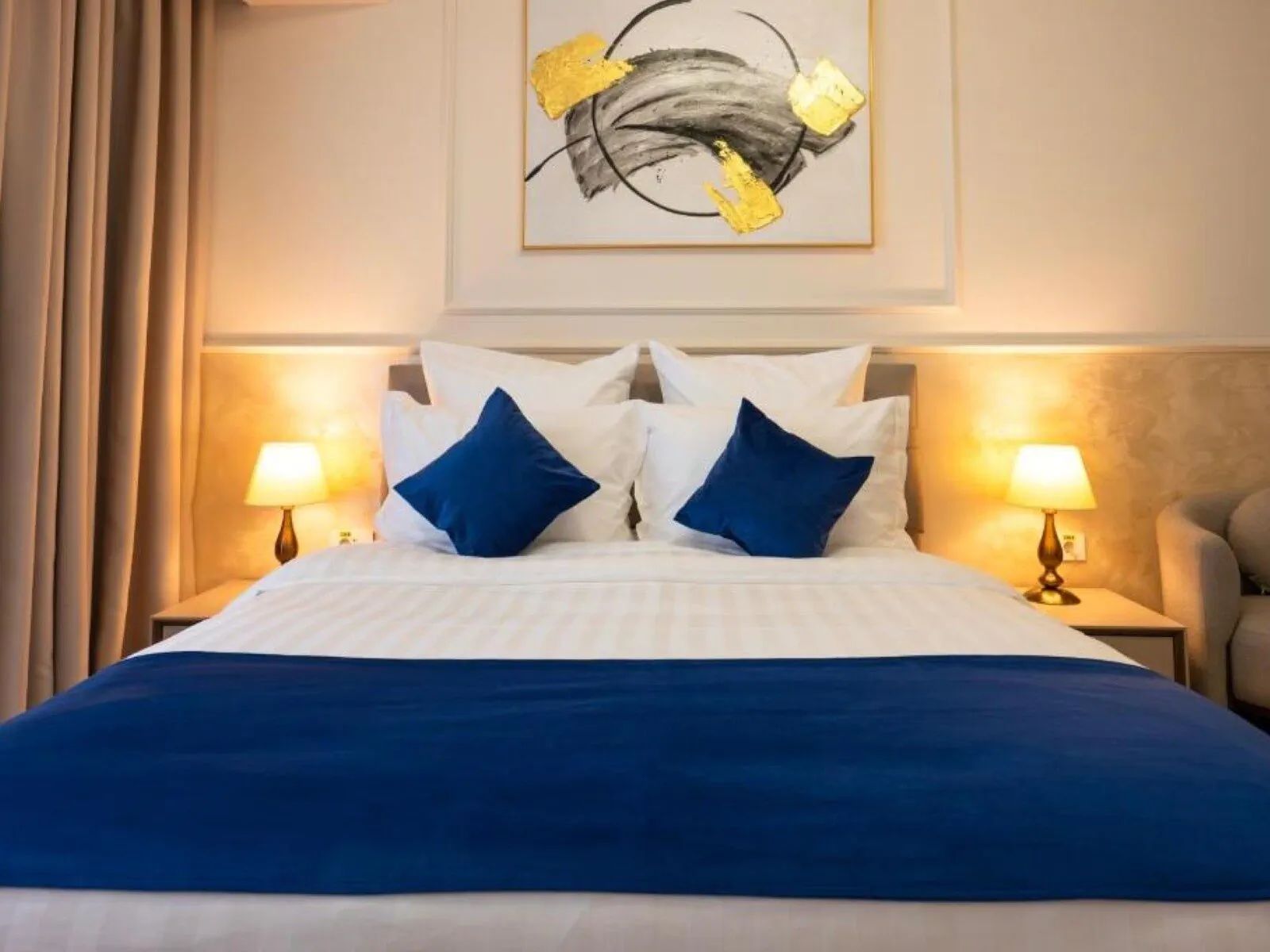
Hotel · 4 stars

București, Bucharest · 0.9 km
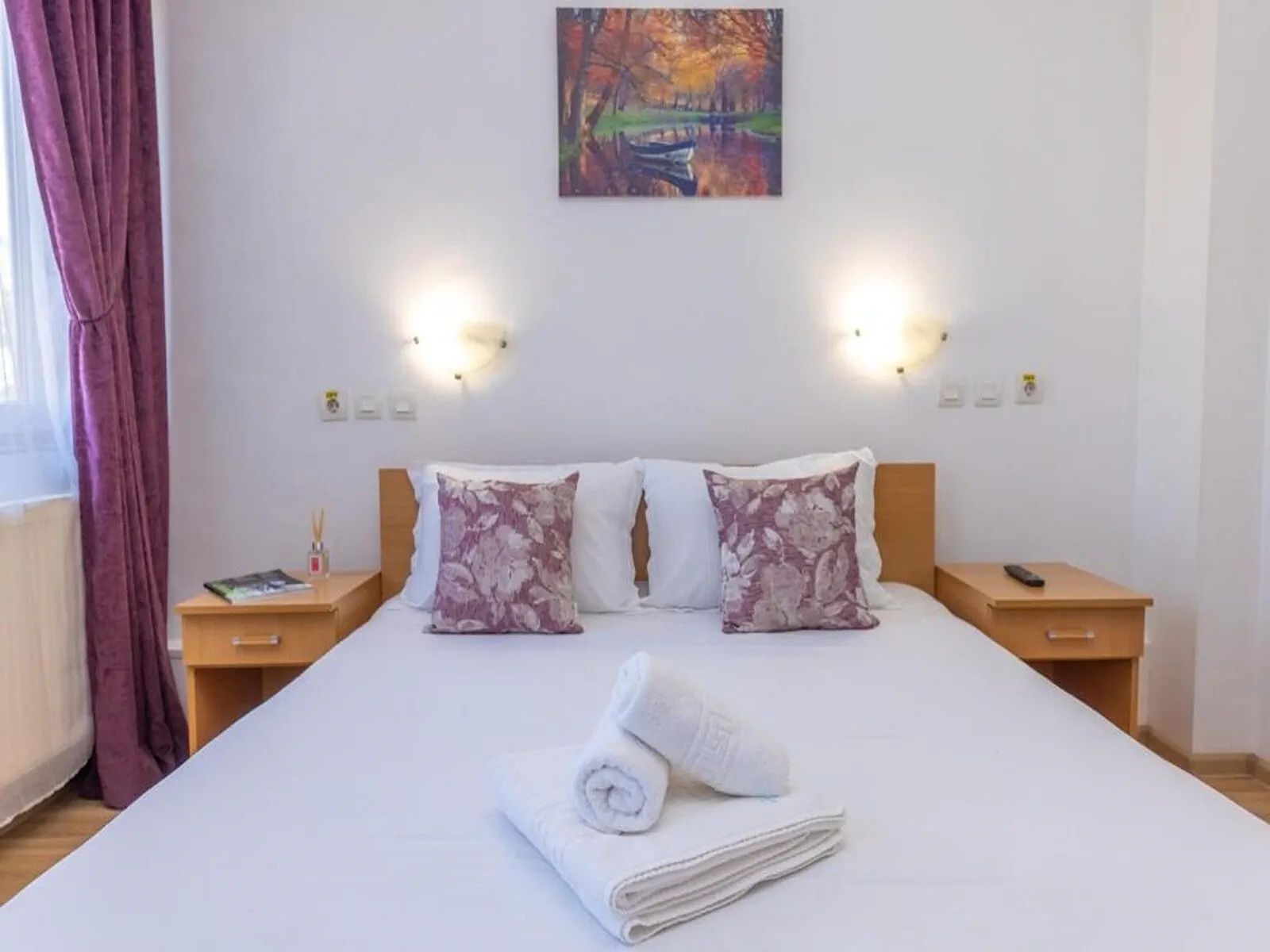
Hotel Le Blanc Cotroceni București
Accesul facil pentru persoanele cu dizabilități reprezintă un atu important al Hotelului Le Blanc Cotroceni din București. Această unitate de patru stele se află pe bulevardul Splaiul Independenței și pune la dispoziția dumneavoastră un spațiu primitor, conceput pentru confortul fiecărui oaspete, indiferent de nevoi. În incintă aveți la dispoziție un restaurant și un bar, iar fiecare cameră beneficiază de Wi-Fi gratuit, seif și fier de călcat. Ascensorul asigură accesul facil pe toate etajele, iar depozitul pentru bagaje vă permite să călătoriți fără griji. Familiile cu copii vor aprecia scaunul înalt și meniul special pus la dispoziție pentru cei mici. Camerele sunt amenajate cu grijă, oferind condiții moderne și un ambient plăcut pentru o ședere relaxantă. Unele dintre acestea oferă priveliști spre râul Dâmbovița, într-un cadru liniștit din cartierul istoric Cotroceni. În apropiere puteți vizita Palatul Parlamentului, Catedrala Mântuirii Neamului, Palatul Cotroceni, Palatul Regal și Muzeul Țăranului Român, obiective aflate la îndemână pentru a descoperi istoria și cultura capitalei. Vă așteptăm la adresa bulevardul Splaiul Independenței numărul 201, într-o locație accesibilă din București.
FROM
420 lei per night

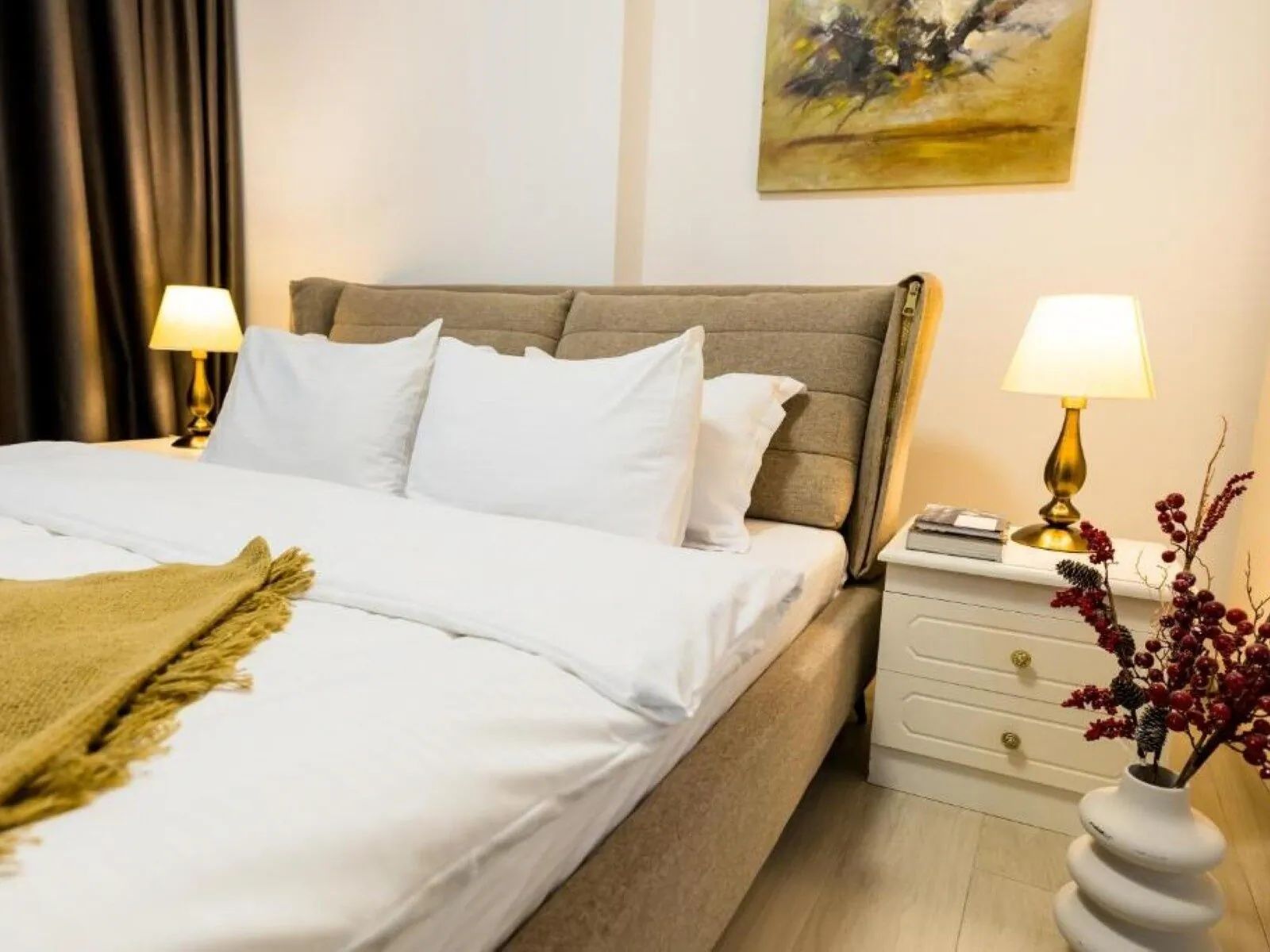
Hotel · 4 stars
București, Bucharest · 1.0 km
Le Blanc Aparthotel București
O zi petrecută aici începe cu un antrenament la sala de fitness și se continuă cu un moment de relaxare într-un apartament modern cu Wi-Fi gratuit, la Le Blanc Aparthotel București, un hotel de patru stele situat pe strada Corvinilor. Unitatea oferă facilități complete pentru confortul dumneavoastră pe toată durata șederii. Aveți la dispoziție lift pentru acces facil între etaje, seif pentru păstrarea în siguranță a obiectelor de valoare, depozit pentru bagaje și fier de călcat. Parcare privată gratuită este disponibilă pentru toți oaspeții, iar accesul persoanelor cu dizabilități este asigurat prin facilități speciale. Pentru cei mai mici călători există pătuț pentru bebeluș, iar sala de gimnastică vă permite să vă mențineți rutina zilnică chiar și în vacanță. În apropiere se află principalele obiective turistice ale capitalei: Palatul Parlamentului, Catedrala Mântuirii Neamului, Palatul Cotroceni, Muzeul Țăranului Român și Palatul Regal. Aceste locuri emblematice vă așteaptă să le descoperiți în timpul șederii dumneavoastră, oferindu-vă numeroase posibilități de explorare culturală și istorică. Seara, într-un apartament cu seif și acces la Wi-Fi gratuit, vă puteți odihni după o zi plină de vizite în oraș.
FROM
420 lei per night
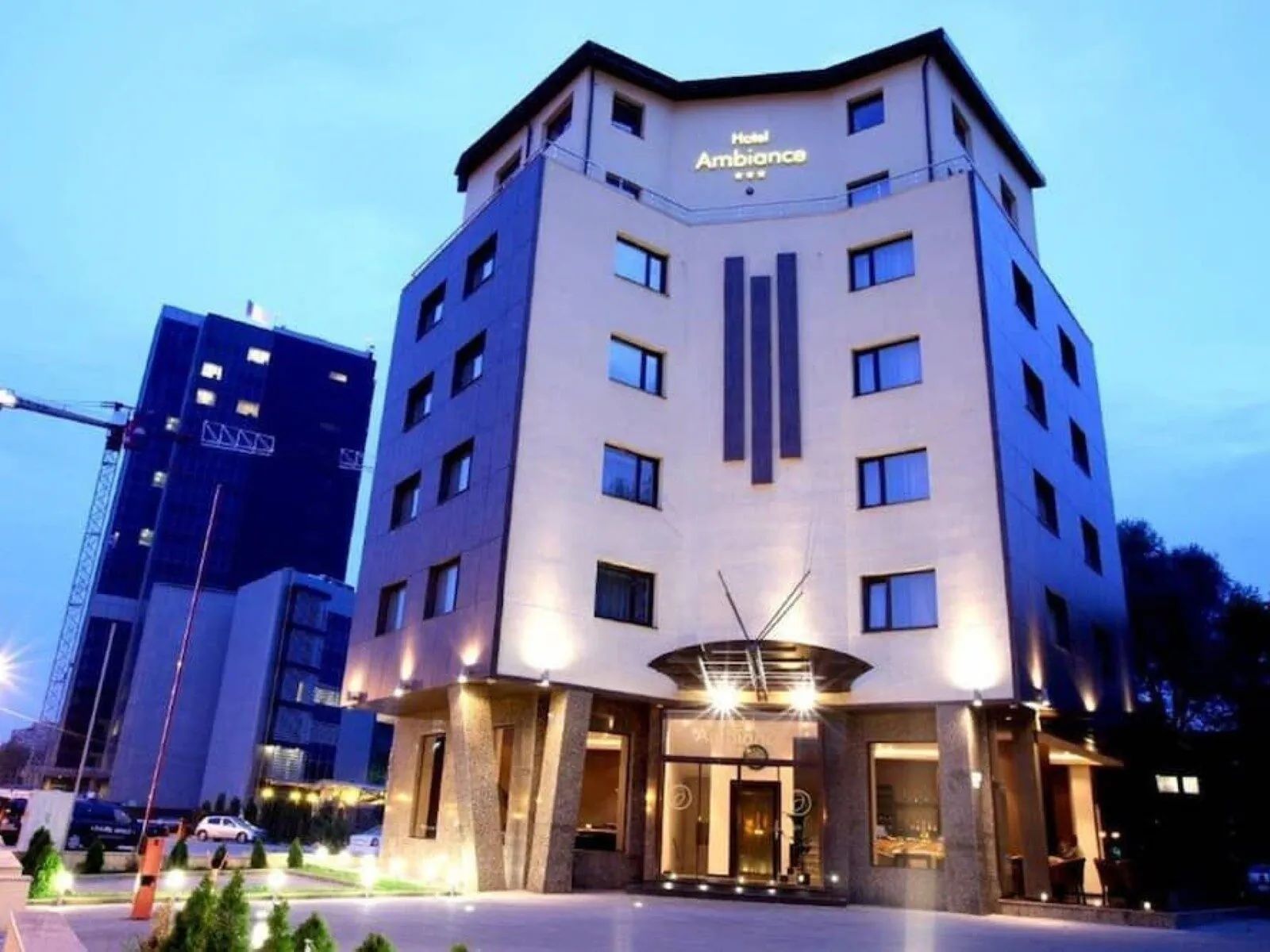
Hotel · 3 stars
București, Bucharest · 1.2 km
Hotel Ambiance București
O curte mare și o grădină amenajată înconjoară Hotelul Ambiance de pe bulevardul Splaiul Independenței din București, oferind o oază de verdeață în oraș. Aici beneficiați de Wi-Fi gratuit în toate spațiile, lift pentru un acces facil între etaje și parcare privată gratuită, astfel încât mașina dumneavoastră să rămână în siguranță pe toată durata șederii. Depozitul pentru bagaje și barul din incintă întregesc lista de facilități puse la dispoziția dumneavoastră. Pentru confortul maxim, camerele sunt dotate cu fier de călcat, iar familiile cu copii mici găsesc la dispoziție scaun înalt și pătuț pentru bebeluș, astfel încât fiecare membru al familiei să se simtă binevenit. De asemenea, parcare pentru biciclete vă permite să explorați orașul în propriul ritm, pe două roți, fără grija parcării. În imediata apropiere se află Palatul Parlamentului, Catedrala Mântuirii Neamului, Palatul Cotroceni, Muzeul Țăranului Român și Palatul Regal, obiective care pot fi vizitate cu ușurință pornind direct de la hotel. Seara, barul din incintă devine un loc plăcut pentru a încheia ziua într-o atmosferă relaxantă.
FROM
290 lei per night
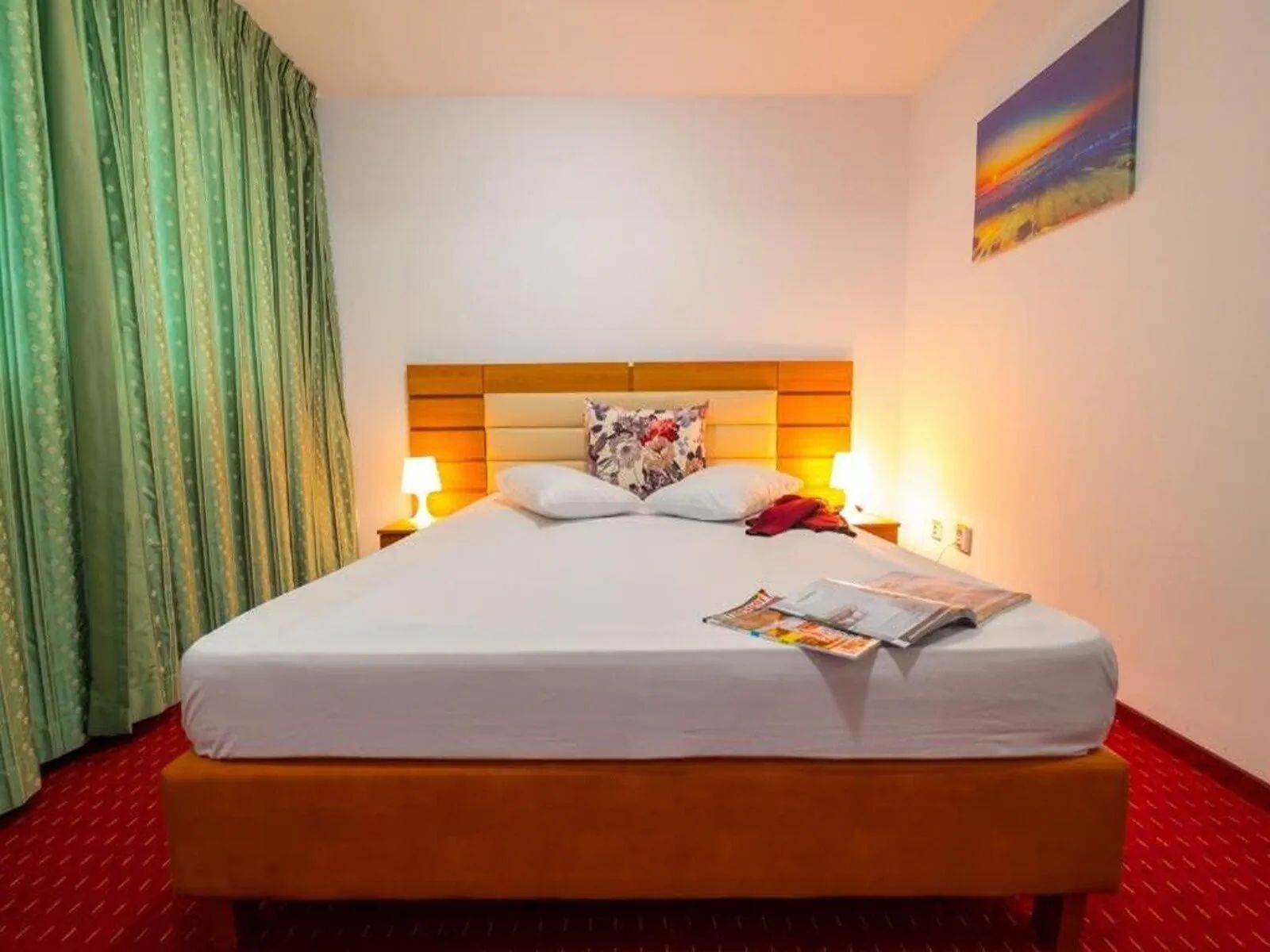
Hotel · 2 stars
București, Bucharest · 1.4 km
Sir Orhideea Hotel București
În București, pe șoseaua Orhideelor, se află Sir Orhideea Hotel București, o unitate de cazare clasificată cu două stele care oferă un punct de plecare practic pentru vizitarea capitalei. Hotelul pune la dispoziție facilități moderne pentru confortul dumneavoastră. Beneficiați de Wi-Fi gratuit în întreaga unitate, iar liftul asigură accesul facil între etaje. Pentru persoanele cu dizabilități există acces special amenajat, iar depozitul pentru bagaje vă permite să păstrați lucrurile în siguranță pe toată durata șederii. Pentru momentele de relaxare după o zi de explorare, aveți la dispoziție o sală de fitness și puteți folosi fierul de călcat pentru a vă pregăti ținutele. Dacă veniți cu mașina electrică, stația de încărcare din incintă vă asigură încărcarea bateriei. În apropiere se află obiective culturale importante: Palatul Parlamentului, Catedrala Mântuirii Neamului, Palatul Cotroceni, Muzeul Țăranului Român și Palatul Regal. Aceste locuri oferă o perspectivă variată asupra istoriei și arhitecturii orașului. Vă așteptăm să porniți în explorarea zonei începând cu Palatul Parlamentului.
FROM
210 lei per night
Hotel · 1 star
București, Bucharest · 1.7 km
Hotel Sir Gara de Nord București
Călătorii de afaceri și turiștii care vin să descopere Bucureștiul se simt bineveniți la Hotel Sir Gara de Nord București. Unitatea se află pe Bulevardul Dinicu Golescu, într-o zonă cu acces facil către principalele mijloace de transport ale capitalei, fiind potrivită pentru orice tip de vizită. Amplasarea strategică lângă Gara de Nord, cel mai important punct feroviar al țării, oferă legături directe cu trenul, metroul, autobuzele și troleibuzele. De aici puteți ajunge rapid în diferite părți ale orașului, iar hotelul se află într-o zonă bine conectată. Pentru confortul dumneavoastră, hotelul pune la dispoziție Wi-Fi gratuit, lift, seif la recepție, fier de călcat și depozit pentru bagaje. Recepția funcționează non-stop, iar personalul vorbește limba engleză pentru a vă ajuta. În apropiere se află obiective importante precum Palatul Parlamentului, Catedrala Mântuirii Neamului, Palatul Regal, Muzeul Țăranului Român și Palatul Cotroceni, toate fiind potrivite pentru o vizită în capitală. Vă așteptăm să vă bucurați de sejur și să porniți la drum pentru a descoperi Palatul Parlamentului.
FROM
210 lei per night
Hotel · 3 stars
București, Bucharest · 1.7 km
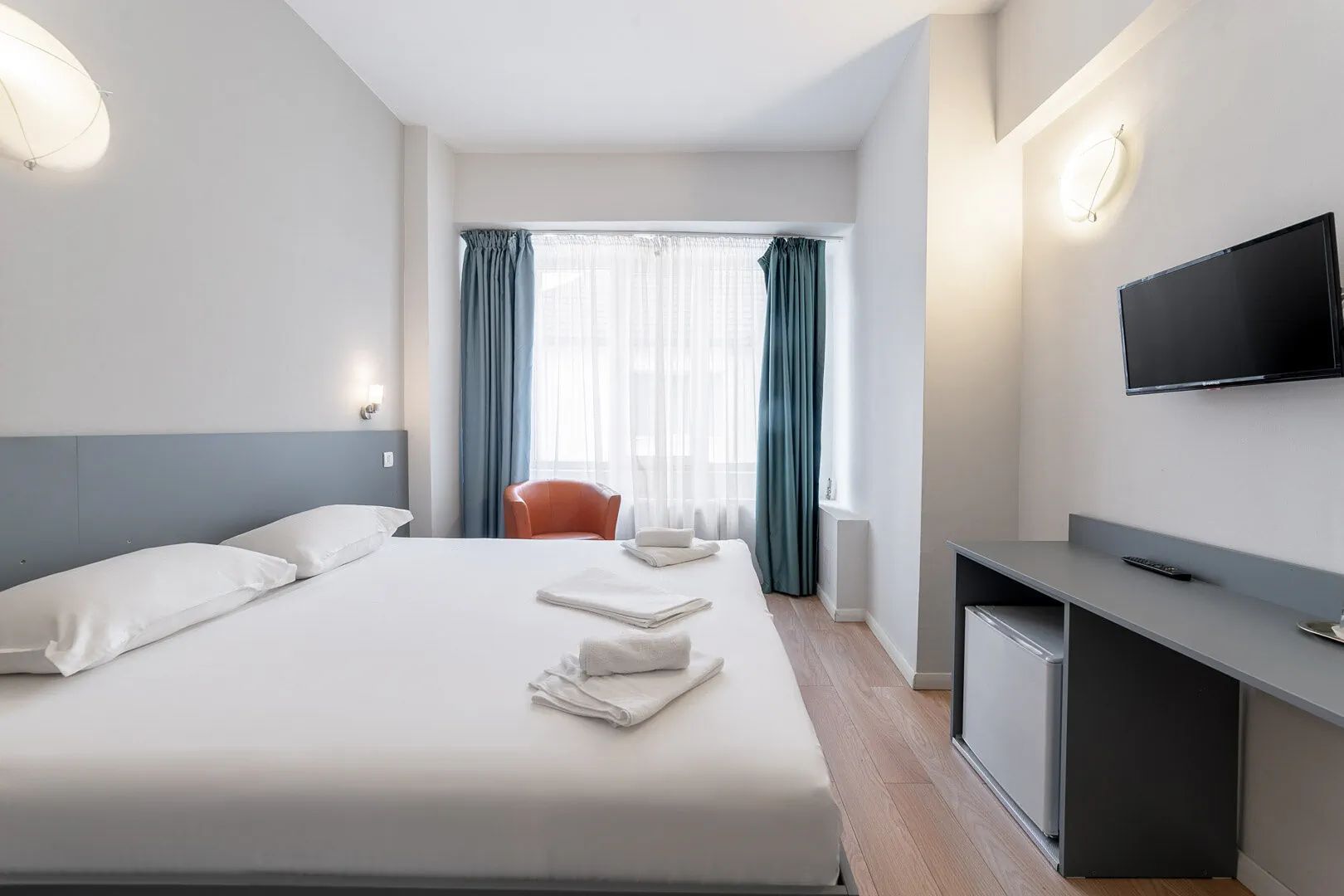
Hotel Elizeu București
O zi petrecută aici poate începe cu un mic dejun savurat la restaurantul în incintă și se poate încheia cu o băutură relaxantă la bar, într-un ambient confortabil cu aer condiționat și Wi-Fi gratuit pentru toate nevoile dumneavoastră. Hotel Elizeu București vă așteaptă în București, pe strada Elizeu 11-13. Pentru confortul dumneavoastră, unitatea pune la dispoziție facilități esențiale precum pătuț pentru bebeluș și scaun înalt pentru copii, utile pentru familiile cu cei mici. De asemenea, aveți la dispoziție fier de călcat, lift și depozit pentru bagaje. Aerul condiționat și Wi-Fi gratuit asigură un sejur plăcut în orice sezon, iar restaurantul în incintă și barul vă oferă posibilitatea de a vă relaxa și de a lua masa fără să părăsiți hotelul, într-o atmosferă primitoare. În apropiere se află obiective turistice importante precum Palatul Parlamentului, Catedrala Mântuirii Neamului, Muzeul Țăranului Român, Palatul Regal și Palatul Cotroceni, pe care le puteți vizita cu ușurință pornind din această zonă a orașului. Hotelul este potrivit pentru călătorii care doresc să exploreze centrul Bucureștiului și pentru familiile cu copii mici.
FROM
290 lei per night
BEFORE YOU HIT THE ROAD
Weather conditions in Bucuresti
Local forecast for Cotroceni National Museum, Bucuresti, București

Real-time updated weather data
Much more to explore in this area
Nearby tourist attractions


Bucuresti, Bucharest
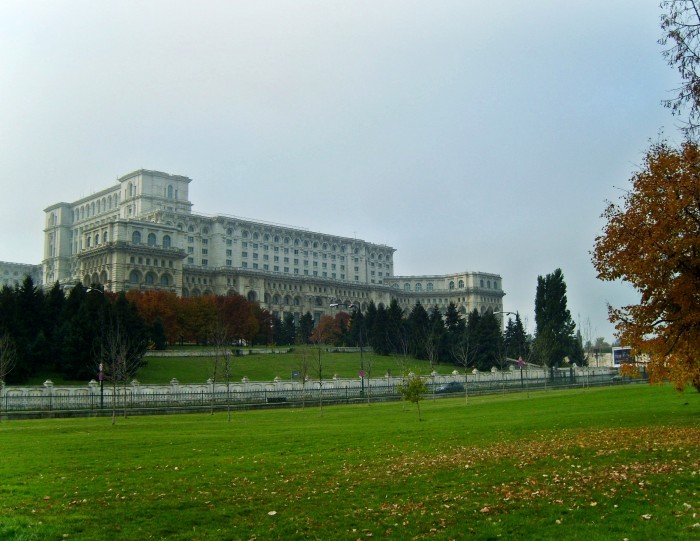
Palace of the Parliament
Situat pe strada Izvor nr.3, sector 5, localitatea Bucuresti; in perioada comunista a fost cunoscut sub numele de "Casa Poporului"; considerata una dintre cele...
2.2 km

București, Bucharest
People's Salvation Cathedral (National Cathedral of Romania)
Catedrală ortodoxă din București
2.0 km
Bucuresti, Bucharest
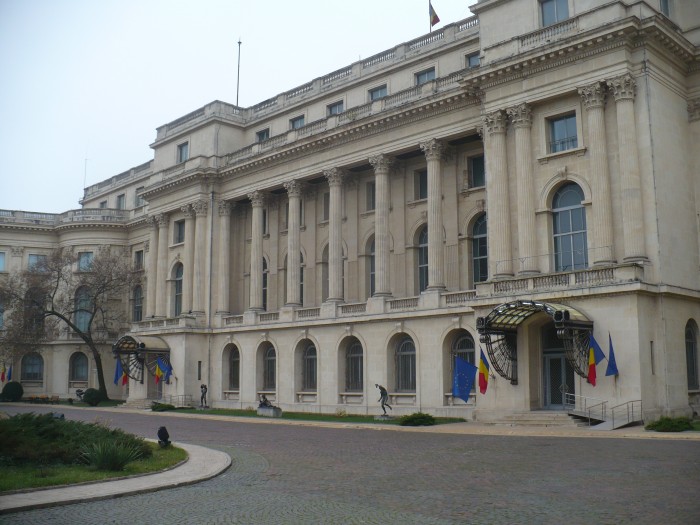
Royal Palace of Bucharest
Situat pe Calea Victoriei nr. 49-53, sector 1, localitatea Bucuresti; construit intre anii 1812-1815 a apartinut marelui logofat Dinicu Golescu, dar a fost...
2.9 km
Bucuresti, Bucharest
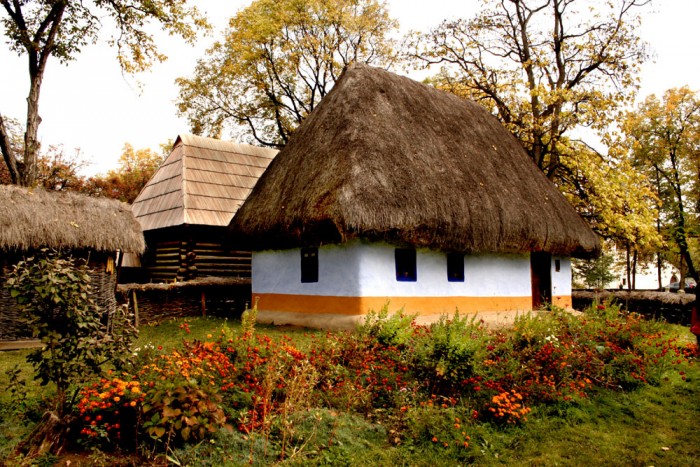
Dimitrie Gusti National Village Museum
Situat pe Soseaua Kiseleff nr.28-30, sectorul 1; a fost inaugurat in 1936; expozitia permanenta cuprinde 121 de complexe distincte, totalizand 338 de monumente,...
4.5 km

Bucuresti, Bucharest
Romanian Peasant Museum (Muzeul Național al Țăranului Român)
Situat pe soseaua Kiseleff nr.3, sector 1, localitatea Bucuresti; constructia intregului edificiu a durat 29 de ani, fiind finalizat in 1941; cladirea muzeului...
3.1 km

Bucuresti, Bucharest
Cotroceni Palace
Situat pe bulevardul Geniului nr.2, sector 6, localitatea Bucuresti; in anul 1679, domnitorul Serban Cantacuzino incepe constructia unei manastiri; opera sa a...
0.2 km

Bucuresti, Bucharest
Grigore Antipa National Museum of Natural History
Situat pe soseaua Kiseleff nr. 1, sector 1, localitatea Bucuresti; fondat in 1834 la initiativa lui Mihalache Ghica; are un bogat patrimoniu format din...
3.2 km
Bucuresti, Bucharest
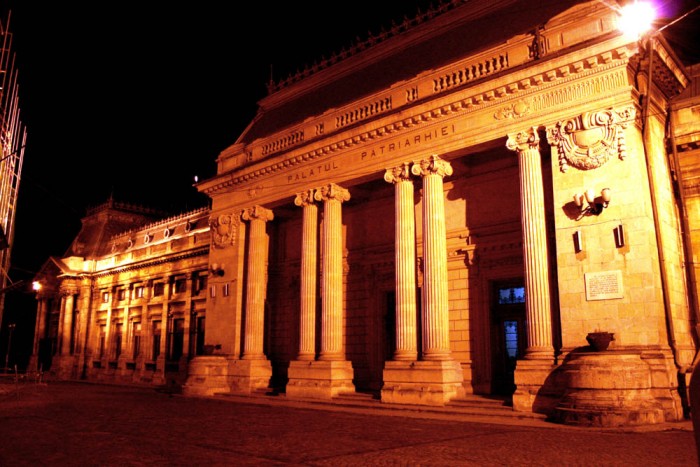
Patriarchal Palace
Situat pe aleea Dealul Mitropoliei nr.25, sector 4, localitatea Bucuresti; construit de statul roman, la inceputul secolului al XX-lea, pe locul fostei sali a...
3.3 km

Bucuresti, Bucharest
National Museum of Romanian History
Situat pe Calea Victoriei nr.12, sector 3, localitatea Bucuresti; adapostit de Palatul Postelor; a fost inaugurat in anul 1970 fiind cel dintai muzeu de...
3.0 km
Bucuresti, Bucharest
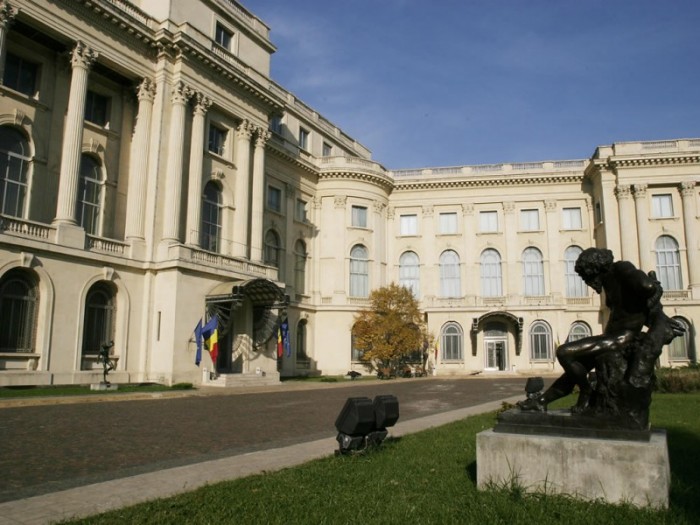
National Museum of Art of Romania
Situat pe Calea Victoriei nr. 49-53, sector 1; deschis in 1948, in vremea lui Alexandru Ioan Cuza;cladirea era pe atunci locuinta domneasca, in timpul lui...
2.9 km

2.5 km
Bucuresti, Bucharest
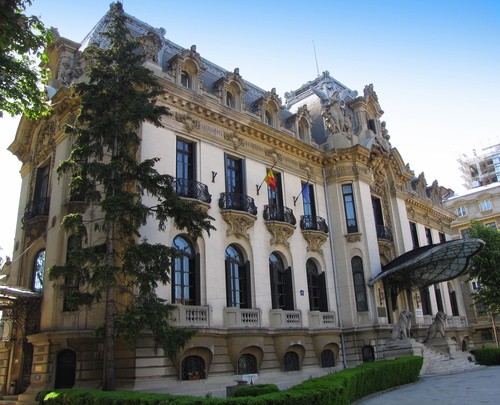
Cantacuzino Palace
Situat pe Calea Victoriei nr.141, sector 1, localitatea Bucuresti; construit intre anii 1898-1900, in stil baroc francez al epocii Ludovic al XVI-lea, pentru...
2.9 km
Cultural life and traditions
Events in the Cotroceni National Museum area
Medieval festivals, traditional fairs, concerts and local activities recommended in Muntenia (Wallachia).

History and Royal Architecture

Bucuresti, County of București
Days of Royalty and Heritage in the Prahova Valley
Historical conferences open to the public, themed tours of royal architecture, documentary screenings and exhibitions of vintage photographs.
WHEN
May 10-12, 2026


Gastronomy and Oenology
Dealu Mare, County of București
The Prahova Wine Festival on the Wine Route
Guided tastings of Fetească Neagră along the famous Wine Route, visits to historic wineries, and meetings with leading winemakers.
WHEN
Every weekend (September - October)
Hiking and Adventure
Bucegi Mountains, București County
Guided Mountain Tour in the Bucegi Mountains
Guided mountain tours led by mountain rescue personnel to iconic panoramic viewpoints and spectacular alpine waterfalls.
WHEN
Daily during the season (June - October)
On foot, exploration gains depth
Discover the surroundings and local geography
Explore the trails, terrain, and natural landmarks around Cotroceni National Museum.

Guides and practical tips
Useful travel articles
Travel guides, practical recommendations and tourist itineraries for Muntenia (Wallachia).

Tourist guide
Top 5 Atracții Turistice și Trasee Montane în Zona Moieciu - Bran
Descoperă cele mai spectaculoase peisaje carstice, chei adânci și cetăți medievale din imediata apropiere a stațiunii Moieciu.

Tourist guide
Ghid de Drumeție: Traseul Moieciu de Sus spre Platoul Bucegi
Un itinerariu montan de o frumusețe rară ce urcă din Valea Băngăleasa spre Poiana Guțanu și crestele maiestuoase ale Bucegilor.

Tourist guide
Castelul Bran: Istorie, Legende și Secrete Medievale
Află adevărata poveste a fortăreței medievale din Pasul Bran, reședința de suflet a Reginei Maria a României.
THE JOURNEY STARTS WITH AN IDEA
The next story is on the way.
From the first stop to the last stay, make room for a new Romania.
