


MUSEUM · MOLDAVIA
Eminescu Memorial House - National Study Centre

Botosani, Botoșani County
Add location to your trip planner.
Practical access information

VISITING HOURS
Monday: 12:00 PM – 5:00 PM · Tuesday–Sunday: 9:00 AM – 5:00 PM (in summer until 8:00 PM)

TICKET PRICE
Adults: 45 RON · Students: 11 RON · Seniors: 23 RON · Guided tour included

RECOMMENDED VISIT DURATION
2-3.5 hours
Visitor information and guide
 Navigate with Google Maps

ABOUT EMINESCU MEMORIAL HOUSE - NATIONAL STUDY CENTRE
In the heart of Moldavia, a sanctuary of immortality
At Ipotești, in the village proudly bearing the name of Romania’s greatest poet, lies a memorial complex of rare spiritual depth—a place where time seems to stand still, listening once more to the immortal voice of poetry. The Eminescu Memorial House – National Study Centre presents itself to visitors not merely as a literary history museum, but as a true sanctuary of universal creation, a convergence point between Moldavian rural spirituality and the great intellectual currents of 19th-century Europe. Here, in the winter of 1850, in an authentic peasant house built in the 18th century, Mihail Eminovici—who would later become Mihai Eminescu—first saw the light of day. He would go on to revolutionise the Romanian language, elevating it to the status of a world-class poetic tongue.
This architectural and cultural ensemble represents far more than a tribute to a national poet. It embodies a philosophy of life rooted in harmony, in the profound connection between humanity and nature, in respect for tradition, and in openness to the universal. Surrounded by the gentle hills of northern Moldavia, by linden forests and meadows that inspired so many immortal verses, the memorial complex invites visitors on an inward journey, a rediscovery of cultural roots in a Europe forever in search of authenticity.
Historical roots and the European context of a literary dynasty
The Eminovici family, belonging to the minor Moldavian nobility, had its roots in a complex geopolitical space at the crossroads of Byzantine, Polish, Hungarian, and Ottoman influences, characteristic of the Principality of Moldavia in the 19th century. Gheorghe Eminovici, the poet’s father, and his wife Raluca, née Jurașcu, embodied the prototype of the rural European intellectual of their time: well-read individuals with a broad worldview, yet deeply attached to their native land and local traditions. Like the gentilshommes of rural France, the yeomen of England, or the Polish szlachta, the Eminovicis combined estate management with intense cultural pursuits, preserving in their home library foundational volumes of world literature.
The historical context of Mihai’s birth on 15 January 1850 was marked by the fervour of national movements in Europe following the 1848 revolutions. Moldavia, under Ottoman suzerainty but animated by unionist aspirations with Wallachia, was undergoing a period of profound cultural transformation. The poet’s childhood in Ipotești, shaped by the simplicity of rural life and intimate contact with nature, mirrors the experiences of other great European Romantic poets: Wordsworth in England’s Lake District, who spent his childhood among the hills and lakes of Cumbria, or Sándor Petőfi in the Hungarian steppes, whose early years in Kiskőrös were equally marked by the native landscape. This bond between biography and territory, between the individual and the landscape, forms the foundation of European Romantic poetry, and Ipotești takes its place in this constellation of places sanctified by creation.
An architectural masterpiece: the house, the church, and the temple of poetry
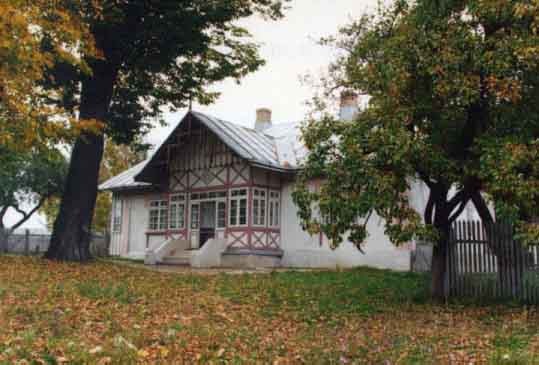
The memorial complex is structured around several architectural components that engage in dialogue with one another, creating a space for continuous reflection. The Eminescu Memorial House, built in the traditional Moldavian style in the second half of the 18th century and renovated by the poet’s family in the 19th century, is a remarkable example of East European vernacular architecture. With its wide veranda supported by carved wooden columns and its high shingle roof, the house reflects the specific features of peasant constructions in the Moldavian plateau, comparable to traditional houses in France’s Provence or England’s Cotswolds, both of which preserve the same essence of harmonious domestic life. The carefully preserved interior features period furniture, handwoven carpets, and personal objects that recreate the intimate atmosphere of a rural intellectual family, offering visitors a vivid glimpse into the poet’s childhood.
Adjacent to the birth house stands the family’s wooden church, a modest yet deeply moving place where the poet’s parents rest for eternity. This spiritual continuity between generations, marked by the presence of graves in close proximity to the family home, recalls the European tradition of private cemeteries attached to noble estates—from the Wordsworth family cemetery at Grasmere to the rural family tombs of Tuscany. Nearby rises the Church of the Holy Archangels Michael and Gabriel, a commemorative edifice built between 1989 and 1990, which houses a monumental interior painting depicting the poet. The architecture of this church, with its neo-Byzantine elements, aligns with the tradition of sacred constructions in Eastern Europe, evoking the wooden churches of Maramureș as well as the Eastern Orthodox influences that shaped Moldavian spirituality.
The intellectual heart of the ensemble, however, is the National Poetry Library "Mihai Eminescu", established in 1991—a unique institution in the world due to its exclusive specialisation. The library’s modern building, with contemporary architectural lines that harmoniously integrate into the rural landscape, houses around 17,000 volumes—a bibliographic treasure without equal, dedicated to universal poetic creation. This collection, which gathers first editions, manuscripts, and translations of poetry from around the world, places Ipotești among Europe’s great specialised cultural centres, alongside Ireland’s National Poetry Library (dedicated to Yeats) or the literary collections at Goethe’s House in Weimar. The Memorial Museum, with its exhibition halls, displays original manuscripts, from the notebook containing The Evening Star (Luceafărul) to the poet’s correspondence, offering an insight into the creative process of the man who transformed the Romanian language into an exceptional poetic instrument.
To the southeast of the complex lies an open-air amphitheatre, a natural scenic space surrounded by lush vegetation, benefiting from remarkable acoustics due to the terrain’s configuration. This open-air theatre, used for theatrical performances and poetry recitals, evokes the ancient Greek theatres integrated into the landscape, as well as the open-air performance spaces in the Baroque gardens of Europe, such as those at Versailles or Schönbrunn.
Stories, manuscripts, and turning points
Every room in the Memorial House preserves traces of the poet’s presence, from the bed in which he was born to the furniture he used in childhood. Among the priceless exhibits are the original manuscripts of Eminescu’s works, including the notebook in which the poet sketched the first verses of The Evening Star, the most celebrated creation of Romanian lyric poetry. These documents, silent witnesses to creative genius, are displayed in an atmosphere of contemplation, protected in special showcases, offering visitors the unique sensation of being in the physical presence of the manuscript that gave birth to immortal verses.
The development of the memorial complex itself is a fascinating story of cultural perseverance. Initiated in the 1960s, when the birth house was transformed into a museum, the project underwent major expansion in the post-1989 period, culminating in the establishment of the National Poetry Library in 1991. This evolution reflects the profound transformations of Romanian society and its perception of cultural heritage, shifting from a simple commemorative museum to a living centre of research and cultural dialogue. The personalities who contributed to the development of this place—from literary historians to contemporary poets—worked together to create a space that not only preserves memory but reactivates it through educational programmes, international symposia, and artist residencies.
The atmosphere of the place is imbued with the poet’s spiritual presence, especially in the summer months when the fragrance of blooming lindens fills the air, creating a sensory symphony that evokes the verses of Evening on the Hill (Sara pe deal). Visitors can feel the connection between the poet and his native land, understanding why Eminescu was so profoundly influenced by the Moldavian landscape, by the ancient forests and the starry skies of summer nights. Each season casts a different light on the complex, from the snow covering the house’s roof in January, evoking the poet’s birth, to the lush greenery of summer when the amphitheatre hosts the Eminescu Days festival.
A European legacy: Eminescu in dialogue with continental Romanticism
Mihai Eminescu does not belong solely to Romanian cultural heritage; he is part of the great constellation of European Romanticism, a true ambassador of universal poetry. Intellectually formed in Vienna, the capital of the Habsburg Empire, between 1869 and 1872, Eminescu absorbed the influences of German philosophy—Kant, Schopenhauer, Hegel—as well as the spirit of French lyricism represented by Victor Hugo and Alphonse de Lamartine. This multicultural education places him among the great Romantic poets of the continent, alongside Giacomo Leopardi in Italy, Adam Mickiewicz in Poland, and Sándor Petőfi in Hungary, all of whom were shaped by the cultural milieu of Europe’s great empires and developed works that transcended national boundaries.
Eminescu’s oeuvre engages deeply with the major themes of European Romanticism: nature as a mirror of the human soul, tragic love, meditation on time and the cosmos, and the search for the absolute. The Evening Star, considered by many critics to be one of the most profound philosophical poems in world literature, can be read alongside Goethe’s Faust or Hölderlin’s Hyperion, all of which explore the human condition through poetry. The memorial at Ipotești preserves and celebrates this European dimension, serving as a place of pilgrimage not only for Romanians but for all poetry lovers in Europe and beyond who seek the roots of modern creation.
Compared to other memorial houses of great European poets—Goethe’s House in Weimar, Wordsworth’s home in Grasmere, Petőfi’s house in Kiskőrös, or Leopardi’s house in Recanati—the Eminescu Memorial House offers a unique experience through its preservation of rural authenticity and the harmonious integration of traditional and modern elements. Like these places, Ipotești functions as a genius loci, a site imbued with spirituality where the creative genius can still be felt alive. The Mihai Eminescu Study Centre organises international conferences, symposia, and colloquia that place the poet’s work in the context of comparative literature, highlighting the reciprocal influences between Romanian Romanticism and other European national literatures.
A practical guide for cultural pilgrims
The Eminescu Memorial Complex is located approximately eight kilometres northeast of the city of Botoșani, in a picturesque rural landscape, easily accessible by car via well-maintained asphalt roads or by regular bus services from central Botoșani. For travellers coming from Iași or Suceava, access is via the county road connecting these cities, with Ipotești situated on the route to northern Moldavia.
The visiting hours are daily from 9:00 AM to 5:00 PM, except on public holidays, and during the summer season, the schedule may be extended until 6:00 PM or 7:00 PM to allow visitors to enjoy the soft evening light. Entry to the complex is free or subject to a nominal fee, and guided tours, available in Romanian, English, and French, provide essential details about the poet’s biography, the historical context of his era, and the significance of the exhibited works. A complete visit to the ensemble takes approximately two to three hours and can be complemented by a walk through the village of Ipotești, which preserves authentic Moldavian traditions, well-conserved rural architecture, and a tranquil atmosphere.
The journey can be extended with a visit to the city of Botoșani, a historic centre with a rich architectural heritage and a Jewish community that profoundly influenced local culture, including during Eminescu’s childhood. Nearby are the Agapia and Văratec monasteries, masterpieces of Moldavian religious architecture, offering a complete cultural circuit of the region. For those wishing to attend special events, June brings the Eminescu Days, a festival of poetry and music in the open-air amphitheatre, where verses come to life under the open sky, and poetry becomes a shared act of creation and reception. Accommodation is available in the city of Botoșani, which offers modern facilities, or in rural guesthouses in the surrounding area, allowing for a full immersion in the authentic atmosphere of Moldavia.
Media gallery
Discover Eminescu Memorial House - National Study Centre in pictures

2 photos · Architecture, courtyards and captivating details

Image source: Wikimedia Commons · Public domain photos · Free license
STAY A FEW DAYS, DISCOVER THE MAGIC
Accommodation in the Eminescu Memorial House - National Study Centre area

Guesthouse · 3 stars

Botoșani, Botoșani County · 7.5 km
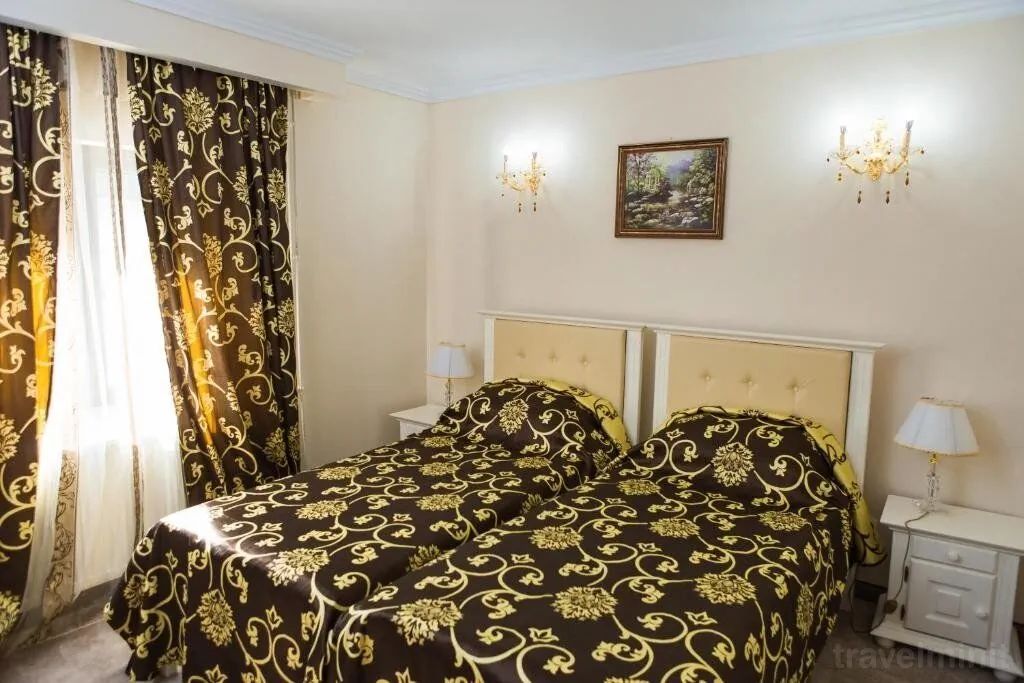
Pensiunea Dallas Botoșani
Pe strada Aleea Scipione Badescu din Botoșani se află Pensiunea Dallas, o unitate de cazare clasificată cu trei stele care oferă dumneavoastră un sejur confortabil într-un mediu primitor și bine organizat. Unitatea pune la dispoziție Wi-Fi gratuit, aer condiționat în toate camerele și parcare privată gratuită, iar accesul este asigurat și pentru persoanele cu dizabilități. În incintă funcționează un restaurant, un bar și o cafenea, iar serviciile includ room service, depozit pentru bagaje și parcare pentru biciclete. Camerele sunt dotate cu televizor cu ecran plat, birou, seif, fier de călcat și baie proprie cu duș, articole de toaletă gratuite și uscător de păr. Pentru familii sunt disponibile meniuri pentru copii, scaune înalte pentru copii și preparate pentru diete speciale. În apropiere se pot vizita Muzeul Județean, atât Secția de Istorie și Arheologie, cât și Secția de Etnografie, Memorialul Ipotești - Centrul Național de Studii, Galeriile de artă Ștefan Luchian și Casa memorială Nicolae Iorga, oferind o varietate de obiective culturale pentru explorare. Vă așteptăm la Pensiunea Dallas, de unde puteți porni în explorarea Casei memoriale Nicolae Iorga.
FROM
240 lei per night

Hotel · 3 stars
Botoșani, Botoșani County · 8.0 km
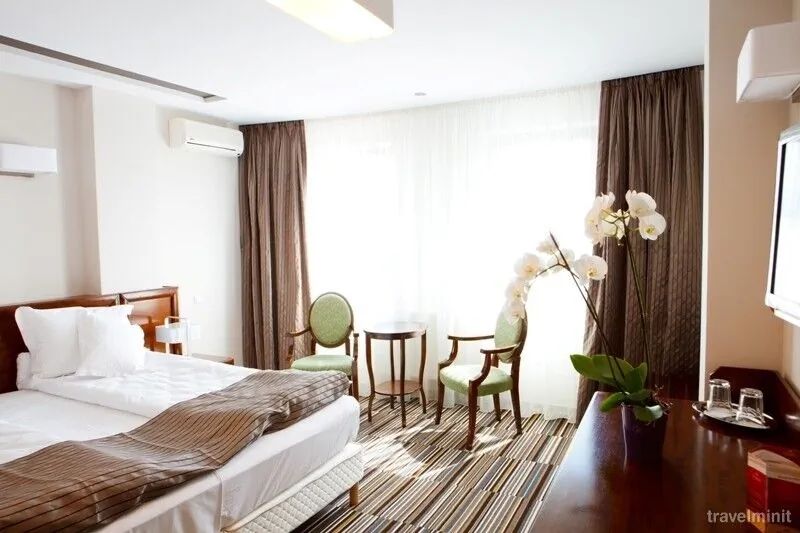
Hotel Belvedere Botoșani
Pe strada Mihai Eminescu din Botoșani, în apropierea parcului cu același nume, se află Hotel Belvedere Botoșani. Această unitate de trei stele oferă cazare într-un cadru plăcut și accesibil pentru toți vizitatorii care doresc să exploreze orașul. Camerele sunt dotate cu aer condiționat și oferă acces la Wi-Fi gratuit. Pentru familiile cu copii mici este disponibil un pătuț pentru bebeluș, iar dumneavoastră beneficiați de parcare privată gratuită dacă veniți cu mașina. De asemenea, accesul persoanelor cu dizabilități este asigurat în întreaga unitate. În apropiere se pot vizita Muzeul Județean prin secțiile sale de Istorie și Arheologie și de Etnografie, Memorialul Ipotești Centrul Național de Studii, Galeriile de artă Ștefan Luchian și Casa memorială Nicolae Iorga. Aceste obiective culturale oferă ocazia de a descoperi în profunzime istoria și arta specifică zonei Botoșaniului. Vă așteptăm să vă bucurați de un sejur confortabil într-o locație practică pentru a explora atracțiile orașului. Este alegerea potrivită pentru călătorii interesați de patrimoniul cultural și istoria locală, care caută o bază confortabilă, bine situată și accesibilă în Botoșani.
FROM
290 lei per night
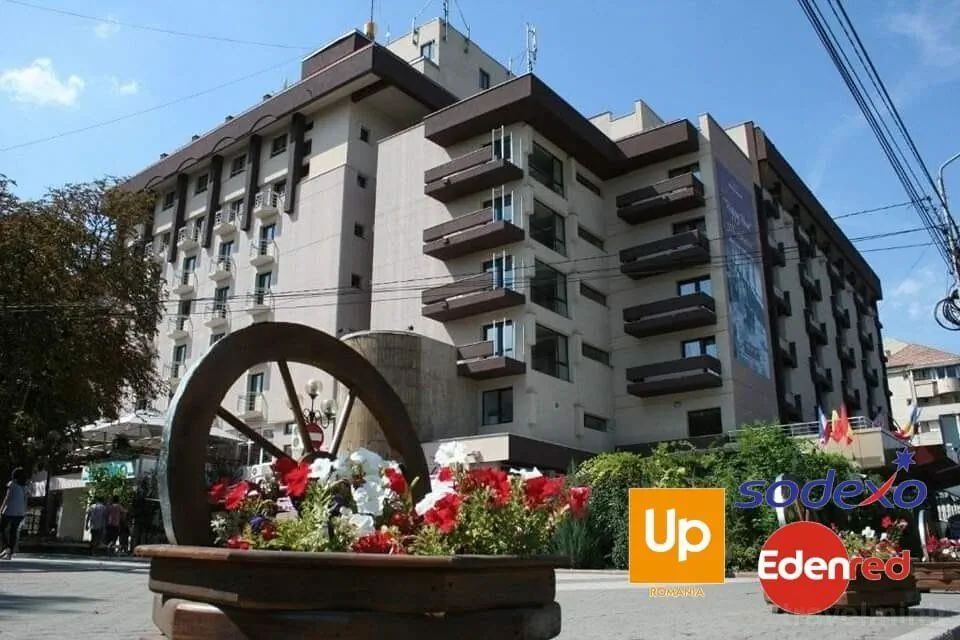
Hotel · 3 stars
Botoșani, Botoșani County · 8.1 km
Hotel Rapsodia City Center Botoșani
Accesul persoanelor cu dizabilități reprezintă un atu important al Hotelului Rapsodia City Center Botoșani din Botoșani. Cele 88 de camere confortabile și plăcut amenajate vă așteaptă cu facilități precum pătuț pentru bebeluș, lift, seif în cameră și depozit pentru bagaje, iar o parte dintre ele beneficiază de aer condiționat pentru a satisface nevoile celor mai exigenți oaspeți. Restaurantul din incintă servește diverse preparate culinare tradiționale, în timp ce room service-ul și conexiunea Wi-Fi gratuită vă stau la dispoziție pe întreaga durată a șederii. Se admit și animale de companie, iar parcare privată gratuită este pusă la dispoziția dumneavoastră. În apropiere puteți descoperi Muzeul Județean (Secția de Istorie și Arheologie), Muzeul Județean (Secția de Etnografie), Memorialul Ipotești - Centrul Național de Studii, Galeriile de artă Ștefan Luchian și Casa memorială Nicolae Iorga, toate reprezentând puncte de interes cultural esențiale pentru vizitatorii orașului. Intrarea în unitate se face începând cu ora 14:00, iar ieșirea până la ora 12:00, personalul de la recepție fiind disponibil în limbile română și engleză.
FROM
290 lei per night
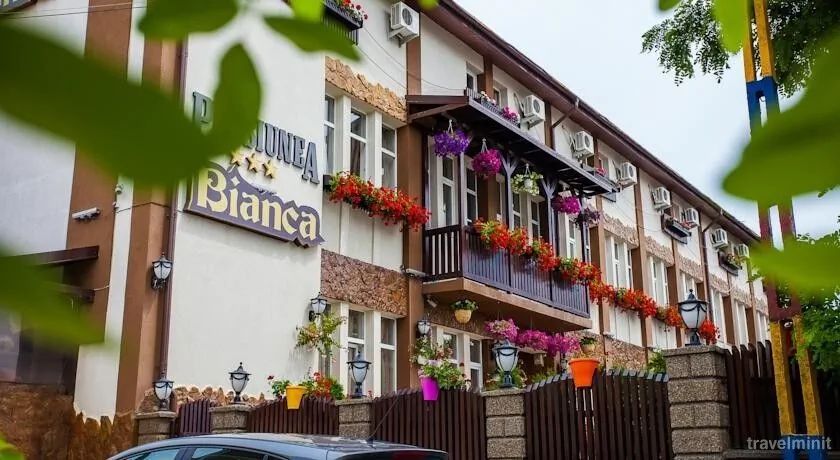
Guesthouse · 3 stars
Botoșani, Botoșani County · 9.6 km
Pensiunea Bianca Botoșani
Pensiunea Bianca Botoșani este o pensiune turistică de 3 stele situată în orașul Botoșani, pe strada Ion Luca Caragiale nr. 11. Unitatea pune la dispoziția dumneavoastră un restaurant, un bar și o terasă în aer liber, spații potrivite pentru servirea mesei sau pentru momente de relaxare în aer liber. Recepția funcționează nonstop, iar parcarea este gratuită pentru oaspeți. De asemenea, micul dejun poate fi servit contra cost, la cerere. Familiile care călătoresc cu copii vor găsi facilități dedicate celor mici: cameră de joacă amenajată la interior, pătuț pentru bebeluși și scaun înalt pentru copii. Pentru activități de recreere și relaxare, aveți la dispoziție sală de fitness sau gimnastică, tenis de masă și masă de biliard. În zona învecinată puteți descoperi Muzeul Județean prin secțiile de etnografie și de istorie cu arheologie, Memorialul Ipotești - Centrul Național de Studii, Galeriile de artă Ștefan Luchian și Casa memorială Nicolae Iorga. Pensiunea Bianca Botoșani reprezintă o opțiune potrivită pentru turiști, oameni de afaceri aflați în vacanță sau în tranzit, precum și pentru cei care participă la diverse evenimente organizate în oraș.
FROM
240 lei per night
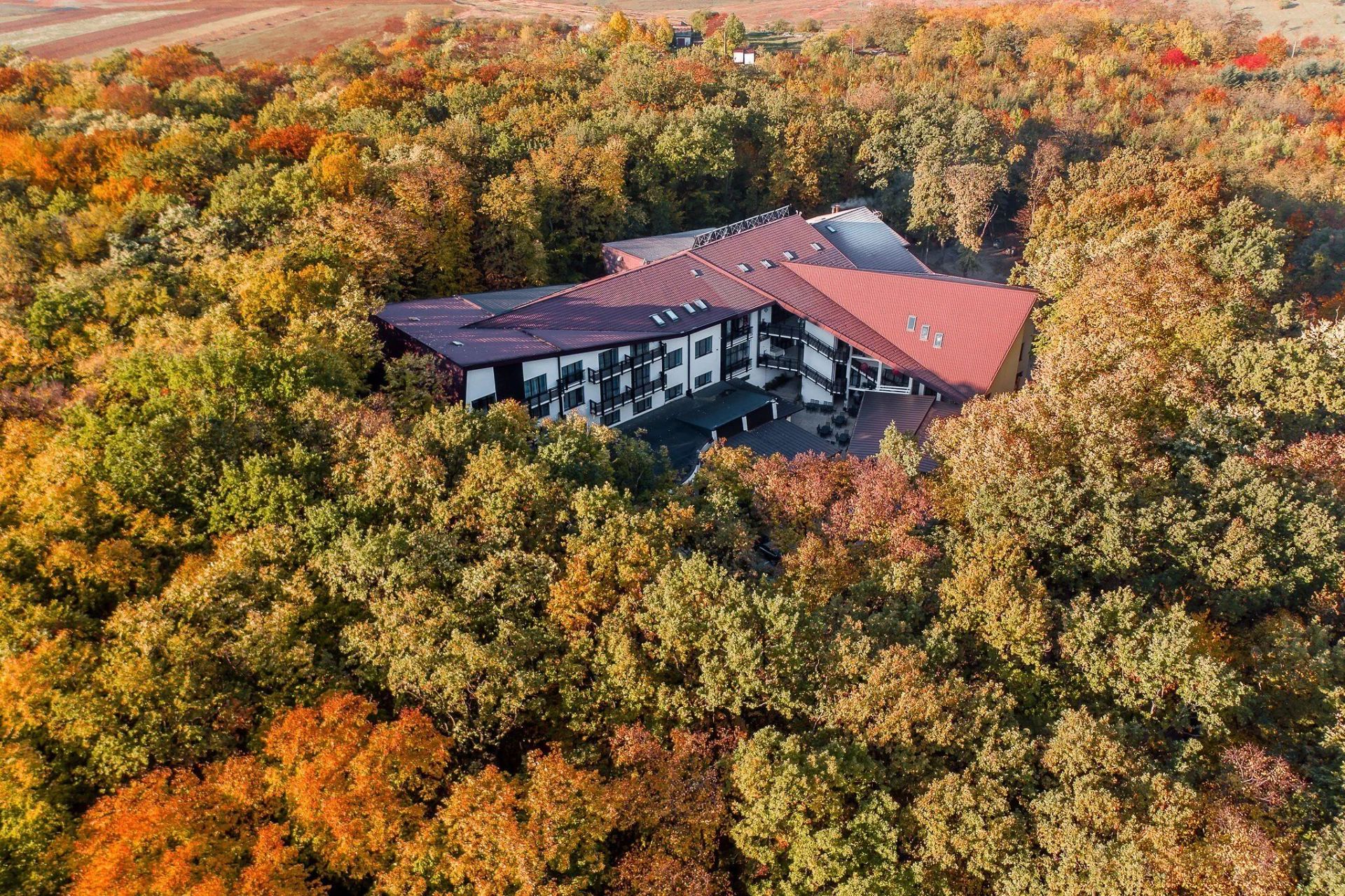
Hotel · 4 stars
Botoșani, Botoșani County · 11.9 km
Rediu Hotel & Restaurant Botoșani
O zi petrecută aici înseamnă relaxare în curtea mare și grădina amenajată, urmată de acces la Wi-Fi gratuit pentru planificarea vizitelor, toate oferite de Rediu Hotel Restaurant Botoșani din Botoșani. Cele 32 de camere sunt dotate cu bun gust, iar anumite dintre ele beneficiază de aer condiționat pentru confortul dumneavoastră. Aveți la dispoziție parcare privată gratuită, acces pentru persoane cu dizabilități, depozit pentru bagaje, fier de călcat și, la cerere, pătuț pentru bebeluș, astfel încât șederea să fie cât mai comodă. În apropiere puteți vizita Muzeul Județean, atât Secția de etnografie, cât și Secția de Istorie și Arheologie, Memorialul Ipotești - Centrul Național de Studii, Galeriile de artă Ștefan Luchian și Casa memorială Nicolae Iorga, oferindu-vă ocazia de a cunoaște în profunzime patrimoniul cultural al zonei. Este alegerea potrivită pentru călători care doresc să exploreze atracțiile Botoșaniului într-un cadru elegant și accesibil, beneficiind de toate facilitățile necesare unui sejur reușit.
FROM
420 lei per night
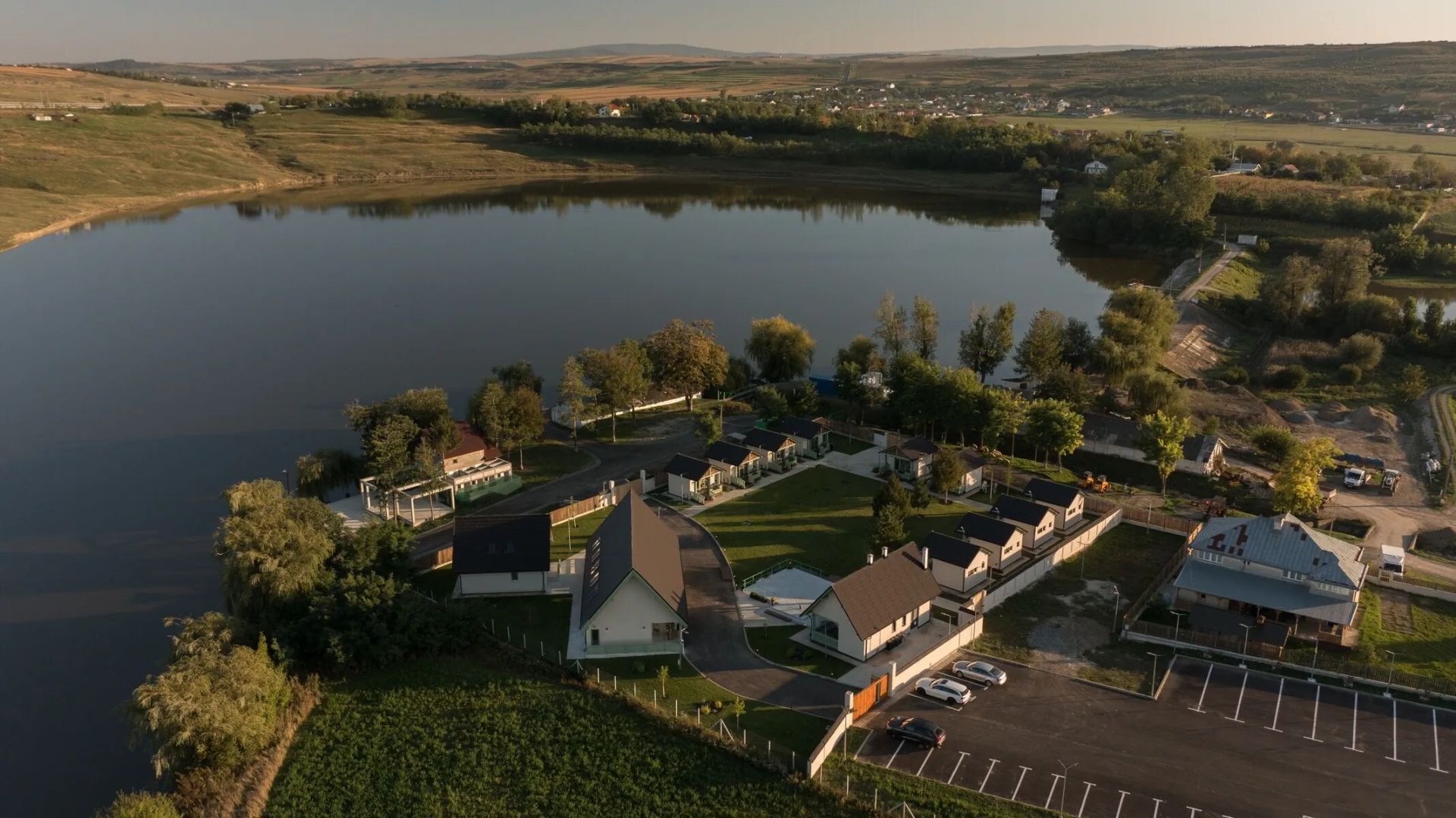
Cabin · 2 stars
Stăuceni, Botoșani County · 15.6 km
Colțul Pescarului Stăuceni
Comfort, relaxation and stunning views, all just steps away from the main attractions.
FROM
270 lei per night
BEFORE YOU HIT THE ROAD
Weather conditions in Botosani
Local forecast for Eminescu Memorial House - National Study Centre, Botosani, Botoșani

Real-time updated weather data
Much more to explore in this area
Nearby tourist attractions


Suceava, Suceava County
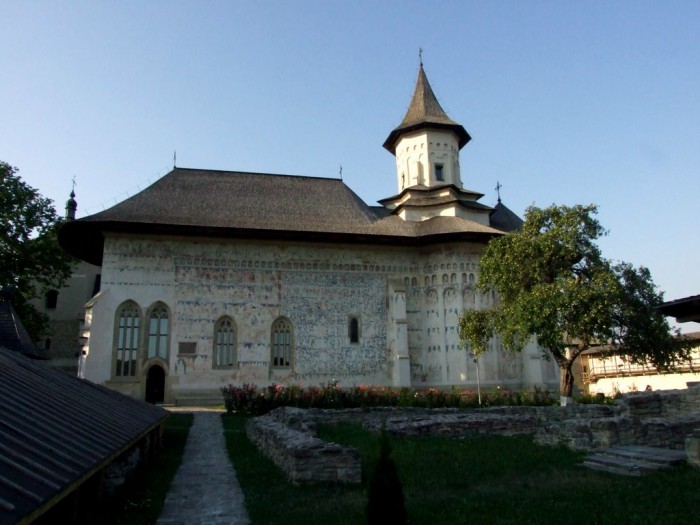
Saint John the New Monastery of Suceava
Situata pe strada Ion Voda Viteazul nr. 2, Suceava; inceputa de voievodul Bogdan al III-lea, fiul lui Stefan cel Mare, in 1514, constructia a fost terminata in...
26.5 km
Probota, Suceava County
Probota Monastery
Situata in satul Probota, oras Dolhasca, la 27 km sud-est de Falticeni; accesul se face din Falticeni spre Dolhasca, pe DJ208, 25 km, apoi dreapta in Dolhasca...
44.2 km
Suceava, Suceava County
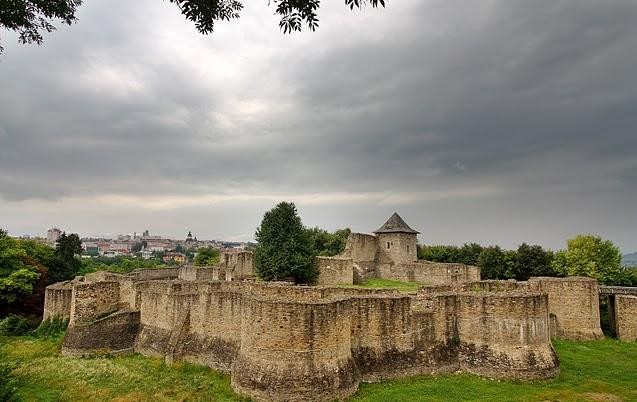
Suceava Princely Fortress
Situata la capatul Aleei Cetatii, municipiul Suceava; mentionata pentru prima data la 10 februarie 1388, intr-un document al voievodului Petru I Musat;...
25.8 km
Arbore, Suceava County
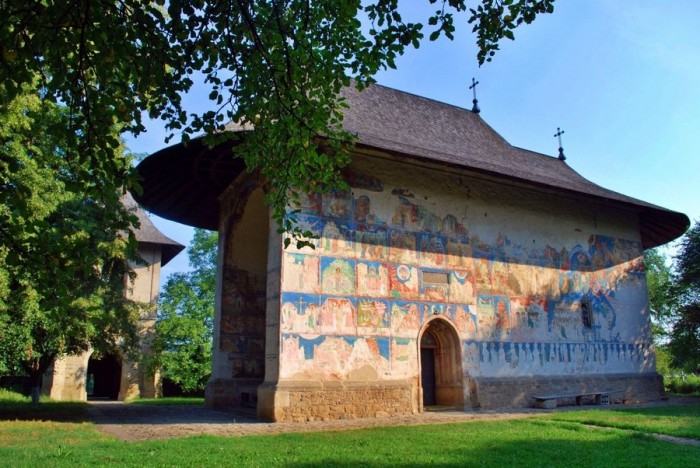
Arbore Church
Situata in comuna Arbore; ridicata in anul 1503, de catre Hatmanul Luca Arbore, unul dintre marii boieri ai lui Stefan cel Mare, sfetnicul lui Bogdan al III-lea...
47.1 km
Patrauti, Suceava County
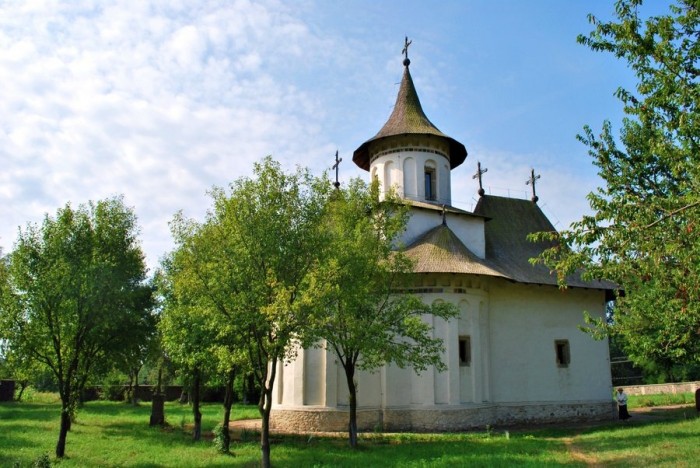
Church of the Former Patrauti Monastery
Situata in comuna Patrauti; inaltata in 1487, a fost prima ctitorie a lui Stefan cel Mare; este cea mai redusa ca dimensiune dintre ctitoriile domnitorului si...
28.5 km

Suceava, Suceava County
Bucovina Museum Complex in Suceava
Situat pe strada Stefan cel Mare nr. 33 din municipiul Suceava; a fost infiintat la 7 noiembrie 1899, sub forma unei asociatii numite "Muzeul" si era filiala a...
26.9 km

Suceava, Suceava County
Bukovina Museum in Suceava
Situat pe strada Stefan cel Mare, nr. 33, municipiul Suceava; construita intre anii 1902 -1903; planurile au fost realizate de catre arhitecul J. Bochner; din...
26.9 km
Botosani, Botoșani County
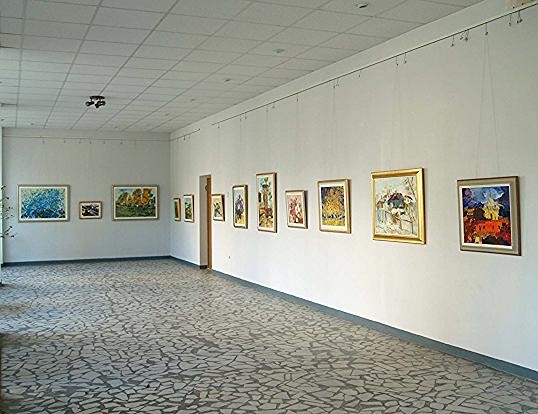
Ștefan Luchian Art Galleries
Situate pe Calea Nationala nr. 162, Botosani, judetul Botosani;reprezinta Sectia de Arta a Muzeului Judetean; aici este valorificat patrimoniul artistic...
5.6 km

Mitocul, Suceava County
Dragomirna Monastery
Manastirea Dragomirna este situata in comuna Mitocul Dragomimei, la 12 km de Suceava; accesul se face din Suceava, pe E85, spre Cernauti, 1 km, apoi dreapta pe...
24.8 km

Suceava, Suceava County
The Nativity of the Lord Cathedral in Suceava
Romanian Orthodox church in Suceava, Suceava County, Bukovina, Romania
27.1 km

27.1 km
Suceava, Suceava County
Mihail Sadoveanu Memorial House
Situata pe strada Ion Creanga nr. 68 din municipiul Falticeni;construita dupa planurile marelui scriitor in anul 1908; a fost inaugurata in anul 1987; Mihail...
39.7 km
Cultural life and traditions
Events in the Eminescu Memorial House - National Study Centre area
Medieval festivals, traditional fairs, concerts and local activities recommended in Moldavia.

History and Voivodeship Heritage

Botosani, County of Botoșani
The Medieval Festival of Neamț Fortress
Re-enactments of Ștefan’s battles, archery demonstrations with traditional bows, displays of courtly guards, and performances of old court music.
WHEN
July 3-5, 2026


Prehistoric Crafts and Art
Botosani, County of Botoșani
The National Pottery Fair “Cucuteni 5000”
The most skilled ceramic artists recreate the spectacular motifs of Europe’s oldest civilisation.
WHEN
June 26-28, 2026

Gastronomy and Wines
Botosani, County of Botoșani
The Traditional Festival of Moldovan Wine
A fair featuring wine tastings from the vineyards of Cotnari, Bucium and Panciu, “poale-n brau” pies, and roasted meats cooked on a spit.
WHEN
October 2-4, 2026
On foot, exploration gains depth
Discover the surroundings and local geography
Explore the trails, terrain, and natural landmarks around Eminescu Memorial House - National Study Centre.

Guides and practical tips
Useful travel articles
Travel guides, practical recommendations and tourist itineraries for Moldavia.

Tourist guide
Top 5 Atracții Turistice și Trasee Montane în Zona Moieciu - Bran
Descoperă cele mai spectaculoase peisaje carstice, chei adânci și cetăți medievale din imediata apropiere a stațiunii Moieciu.

Tourist guide
Ghid de Drumeție: Traseul Moieciu de Sus spre Platoul Bucegi
Un itinerariu montan de o frumusețe rară ce urcă din Valea Băngăleasa spre Poiana Guțanu și crestele maiestuoase ale Bucegilor.

Tourist guide
Castelul Bran: Istorie, Legende și Secrete Medievale
Află adevărata poveste a fortăreței medievale din Pasul Bran, reședința de suflet a Reginei Maria a României.
THE JOURNEY STARTS WITH AN IDEA
The next story is on the way.
From the first stop to the last stay, make room for a new Romania.
