


CASTLE · MUNTENIA (WALLACHIA)
Mogoșoaia Palace

Ilfov, Ilfov County
Add location to your trip planner.
Practical access information

VISITING HOURS
Monday: 12:00 PM – 5:00 PM · Tuesday–Sunday: 9:00 AM – 5:00 PM (in summer until 8:00 PM)

TICKET PRICE
Adults: 45 RON · Students: 11 RON · Seniors: 23 RON · Guided tour included

RECOMMENDED VISIT DURATION
2-3.5 hours
Visitor information and guide
 Navigate with Google Maps

ABOUT MOGOȘOAIA PALACE
A Legacy of European Cultural Synthesis at Bucharest’s Gates
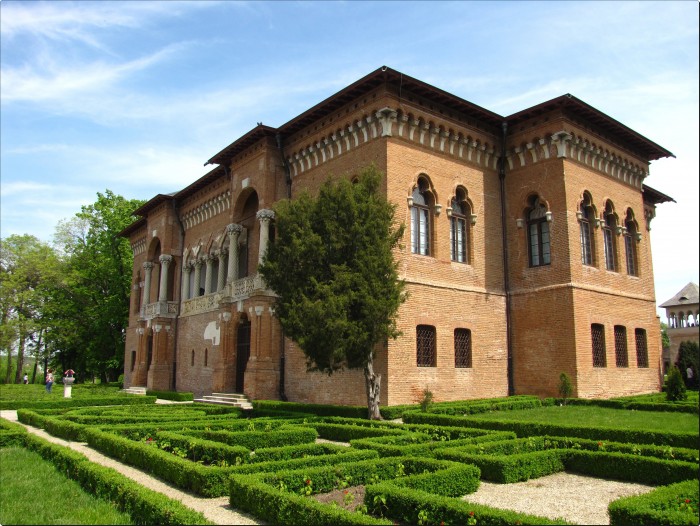
In the cultural landscape of Southeastern Europe, just fifteen kilometers from Romania’s capital, stands Mogoșoaia Palace, a monument that embodies the cosmopolitan spirit of the 18th century and represents one of the most valuable achievements of civil architecture in the entire Danube basin. Commissioned in 1702 by Constantin Brâncoveanu, the last great native voivode of Wallachia before the establishment of the Phanariot regime, this palace is not merely a noble residence but an architectural manifesto of a principality situated at the crossroads of the Ottoman Empire, the Habsburg Monarchy, and the Venetian Republic. The complex extends across an estate acquired from the widow of the boyar Mogoș, from whom it derives its name, set within a landscape reminiscent of the Renaissance villas of Tuscany or the Venetian palaces along the lagoon, yet adapted to the geographical and spiritual specificity of the Wallachian Plain.
The significance of this monument far exceeds national borders, placing it among the great princely residences of Baroque Europe. The Brâncovenesc style, internationally recognized as a distinct expression of late Oriental Baroque, blends Byzantine grandeur with the refinement of the Venetian Renaissance and the subtleties of Ottoman art, creating a unique synthesis that reflects Wallachia’s position as a bridge between East and West. Once martyred in Constantinople in 1714 alongside his four sons and canonized by the Romanian Orthodox Church as Saint Voivode Martyr Constantin Brâncoveanu, the founder left behind not just stone and mortar but a living testament to an era when Romanian culture aspired to engage as an equal with the great courts of Europe.
Historical Context: A Principality Between Empires
The century in which the palace was built marked a period of profound transformation in the history of Southeastern Europe. Following the fall of Constantinople in 1453 and the expansion of the Ottoman Empire into the Balkans, Wallachia found itself in a delicate position, navigating between vassalage to the Sublime Porte and alliances with European Christian powers. Constantin Brâncoveanu, who ruled between 1688 and 1714, was a master of diplomacy, managing to maintain the principality’s autonomy through a policy of balance between Vienna, Venice, and Poland, while his court in Bucharest and Târgoviște fostered a sophisticated culture influenced by contacts with Italian merchants, Habsburg diplomats, and monks from Mount Athos.
The period following his martyrdom, known as the Phanariot era, brought Greek princes from the Phanar district of Constantinople to the throne of Wallachia, installed by the Sublime Porte to ensure loyalty to the sultan. This shift marked a new chapter in the palace’s history, as it passed through the hands of several noble families, including the Bibescu dynasty, which had roots in the local boyar class and matrimonial ties to European royal houses. In this context, Mogoșoaia Palace remained a symbol of aristocratic continuity, a place where the Brâncovenesc tradition survived political and dynastic changes, preserving its aura as a cultural and spiritual center.
Architecture: A Dialogue Between the Italian Renaissance and Byzantine Tradition
The palace’s architecture reflects the cosmopolitan vision of a ruling elite that looked to the West while remaining rooted in the East. The main façade, facing the lake, impresses with its central tower topped by a dome and open arcades, elements reminiscent of Venetian palaces such as Ca' d'Oro or the Florentine palaces of the Medici period. The rear of the building features a Venetian loggia and two elegant balconies, evoking the grandeur of Italian Renaissance palaces from the 15th and 16th centuries, such as Villa Farnese or Palazzo Pitti. These Western influences are not mere imitations but are filtered through the prism of Byzantine tradition and local craftsmanship, resulting in a hybrid style that defines the specificity of Brâncovenesc architecture.
Inside, the distribution of spaces follows the strict hierarchy of Central European princely courts: the ground floor housed the servants' quarters and kitchens, while the first floor, known as the piano nobile, contained the apartments of the princely family. These rooms were furnished with the luxury typical of the aristocratic residences of the time, featuring terracotta stoves inspired by Viennese or Italian models, marble floors, and stucco decorations reminiscent of the interiors of Habsburg palaces in Vienna or Prague. The construction details reveal remarkable technical skill: arched windows, stone-carved columns, ornamental frames, and a sloping roof with dormer windows were crafted by local artisans who had learned techniques from Italy and the Ottoman Empire, creating an architectural language now recognized as part of Europe’s cultural heritage.
Technical Innovations and Daily Life at Court
A fascinating aspect of the palace is its Brâncovenesc kitchen, located in the inner courtyard and equipped with four characteristic ventilation towers, similar to those found in the kitchens of Ottoman palaces like Topkapı or in the noble residences of Transylvania. These ingenious structures ensured ventilation and smoke removal, allowing meals to be prepared for a large court in an era when hygiene and comfort were major concerns for the elite. Even more impressive is the underground icehouse, a deep, thermally insulated space used to store ice brought from Lake Mogoșoaia during winter. This technique, akin to Persian yakhchals or the icehouses of Western European nobility in France or England, provided the necessary coolness during the scorching summer months, enabling the preservation of food and the preparation of refreshing drinks for distinguished guests.
These technical innovations illustrate how the Brâncovenesc court adopted the most advanced technologies of the time, connected to Europe’s networks of knowledge and trade. The palace was not just a space for representation but also an efficient administrative center where decisions influencing the destinies of the entire principality were made. The presence of such facilities demonstrates the high level of civilization of an elite that considered itself an integral part of the European world.
The Sacred Complex and Spiritual Dimension
The entire ensemble is framed by a remarkable dendrological park, designed in the style of Italian Renaissance gardens, with lime tree alleys, ancient columns recovered from Roman ruins, classical statues, and sculpted hedges. This park, which slopes down to the lakeshore, creates an atmosphere of Mediterranean serenity, inviting contemplation and strolls, much like the gardens of Villa d'Este in Tivoli or Boboli in Florence.
Beyond the palace walls stands the Church of "Saint George," commissioned by the same Constantin Brâncoveanu and completed in 1688, two decades before the palace. This religious monument reflects Serbian and Byzantine influences, with a Greek cross plan and an open porch. Inside, the church houses valuable mural paintings depicting the voivode alongside his four sons, martyrs of the faith, an emotional representation of the sacrifice for Orthodoxy that has marked the Romanian national consciousness. The church also contains the tomb of George Valentin Bibescu, the last male descendant of the family to own the estate in the 19th century.
The Gheorghe Bibescu Chapel, built after 1880 in the Neo-Romanian style, houses the necropolis of the Bibescu family and the princes Mihai and George Basarab-Brâncoveanu. This chapel, with its solemn architecture and stained-glass windows, completes the complex’s profound spiritual dimension, offering a space for reflection and meditation. In the palace basement, the "Lapidarium" presents a remarkable collection of architectural relics, carved stones, and sculptural elements recovered from various historical monuments across the country, from Roman columns to Gothic and Baroque fragments, providing visitors with a captivating journey through the history of Romanian craftsmanship and the evolution of artistic styles over the centuries.
Martyrdom and Memory: From Constantinople to Canonization
The date of August 15, 1714, remains a tragic turning point in the history of Southeastern Europe. In front of the Topkapı Palace in Constantinople, Constantin Brâncoveanu, along with his four sons—Ștefan, Constantin, Radu, and Matei—was beheaded by order of Sultan Ahmed III for refusing to renounce his Orthodox faith to save his life. This martyrdom, comparable in significance to that of other Christian princes in the Balkans or the royal executions in European history, transformed the voivode into a symbol of spiritual resistance and national identity. His canonization by the Romanian Orthodox Church in 1992, nearly three centuries after his death, officially consecrated his sanctity, and Mogoșoaia Palace became a place of pilgrimage for the faithful from the entire Orthodox world, a sanctuary of memory where the princely past meets the sacred dimension.
Martha Bibescu and the Interwar Renaissance
In the 1920s, Princess Martha Bibescu, an emblematic figure of the Romanian interwar elite and one of Europe’s first female aviators, restored the palace after the damage suffered during World War I. Born in 1886, Martha Bibescu was the granddaughter of Gheorghe Bibescu and the wife of Prince George Valentin Bibescu. She was celebrated for her courage in aviation, comparable to that of Amelia Earhart or other female pioneers of European aviation, and for her role in the development of Romanian civil aviation. She transformed Mogoșoaia into a high-society cultural salon, frequented by artists, diplomats, writers, and intellectuals of the time, such as Marcel Proust, Colette, and members of European royal families. This salon represented a bridge between European aristocratic tradition and interwar modernity, a space where literary ideas were discussed, chamber music was performed, and celebrations were held in an atmosphere of cosmopolitan refinement, similar to the literary salons of Paris or London.
From Princely Residence to Temple of Contemporary Culture
Since 1957, the complex has functioned as the Brâncovenesc Museum, housing exceptional collections of old and modern Romanian paintings, wood and stone sculptures, rare books, medieval manuscripts, silverware, and traditional Romanian embroidery. These collections, comparable in value to those of museums in Budapest, Prague, or Vienna, offer a comprehensive view of the evolution of Romanian art from the Brâncovenesc period to the present day. Temporary exhibitions, classical music concerts performed by international artists, theatrical performances, and high-level cultural events transform the palace into a vibrant center of European artistic life. The luxury restaurant within the premises continues the tradition of Brâncovenesc hospitality, offering a refined gastronomic experience in a unique historical setting.
Today, Mogoșoaia Palace represents not only an exceptional architectural monument recognized across Europe but also a living witness to Romanian cultural continuity, a solid bridge between the princely past and the European cultural present, a place where history, art, and spirituality converge in perfect harmony.
Practical Visitor’s Guide and the European Traveler’s Experience
For the European traveler seeking to discover this hidden treasure at Bucharest’s gates, Mogoșoaia Palace offers a complete experience that can be enjoyed over the course of a full day. The complex is open to the public from Tuesday to Sunday, with extended hours during the summer season, and is accessible by car or public transport from Bucharest, located just twenty minutes from the city center. Visitors are encouraged to join the guided tour of the palace, which reveals the secrets of its architecture and the stories of each room, from the Brâncovenesc kitchen to the apartments on the piano nobile.
An ideal visit includes exploring the dendrological park, a stroll along the shores of Lake Mogoșoaia, contemplating the church and chapel, and visiting the Lapidarium. For those interested in cultural experiences, the concert and performance schedule offers the opportunity to listen to classical music in the palace’s historic halls, creating an emotional atmosphere beneath the 18th-century vaults. The on-site restaurant serves dishes from traditional Romanian cuisine reimagined in a modern style, within a setting that evokes the opulence of princely feasts.
For a comprehensive experience, a visit to Mogoșoaia can be combined with other nearby attractions: the Palace of the Parliament in Bucharest, the Village Museum, the Botanical Garden, or Snagov Monastery, located on the opposite shore of the lake. The ideal seasons for visiting are spring and autumn, when the park is adorned with spectacular colors, though each season offers a distinct atmosphere. For history and art lovers, Mogoșoaia Palace is an essential destination, a place where one can better understand the complexity and cultural richness of a region at the frontier between East and West, a living testament to an era when Romania was an integral part of the great European culture.
Media gallery
Discover Mogoșoaia Palace in pictures

13 photos · Architecture, courtyards and captivating details
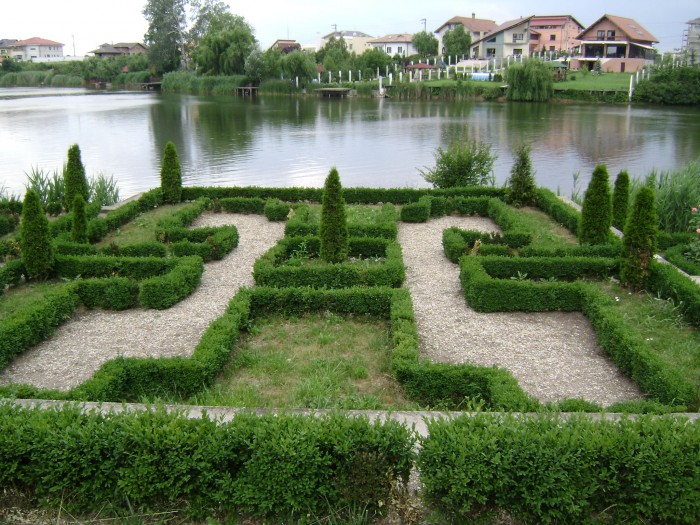
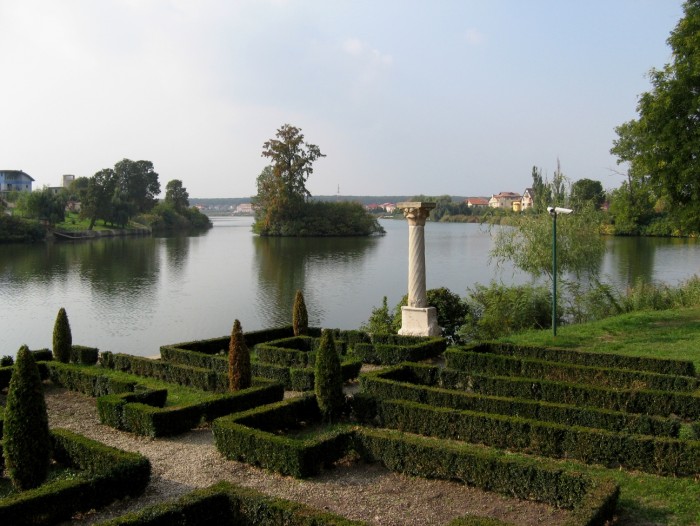
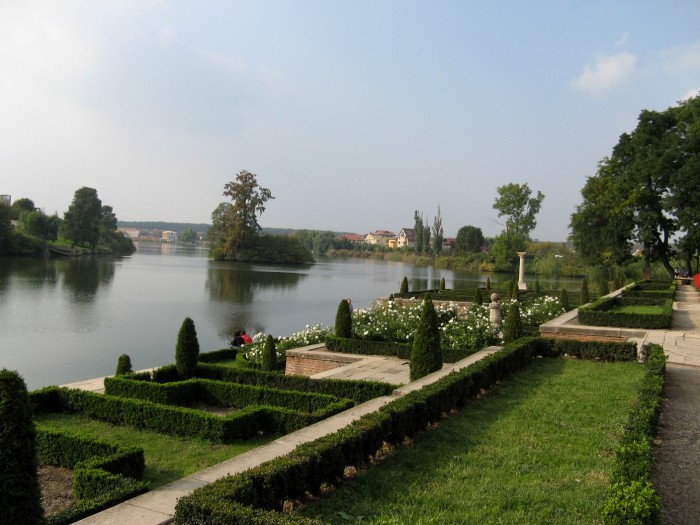
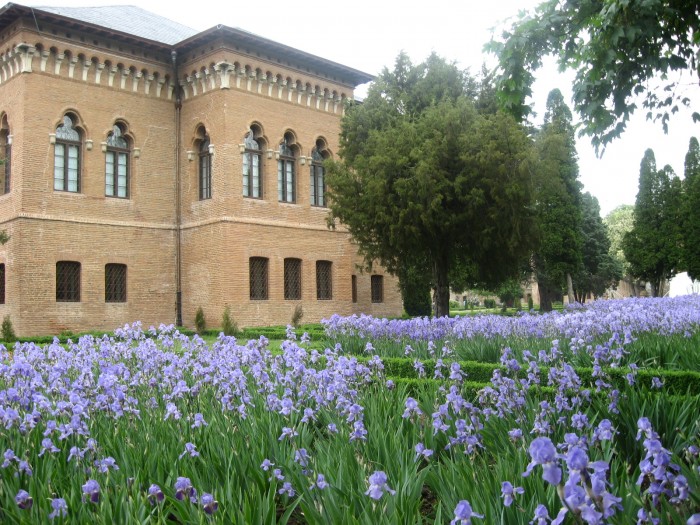
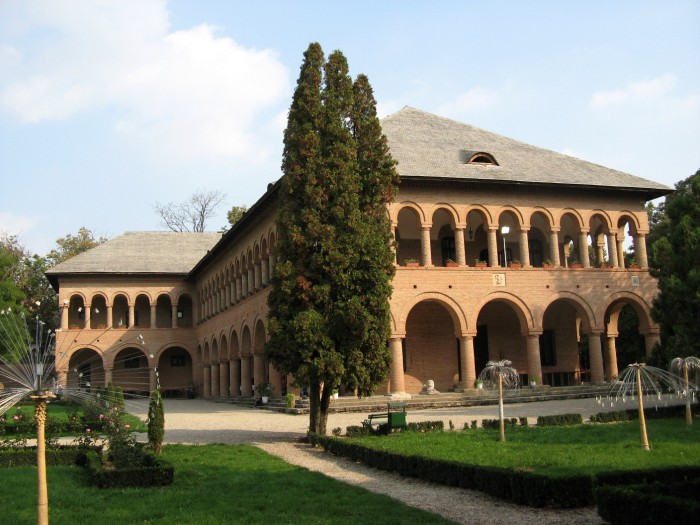


Image source: Wikimedia Commons · Public domain photos · Free license
STAY A FEW DAYS, DISCOVER THE MAGIC
Accommodation in the Mogoșoaia Palace area

Hotel · 4 stars

București, Bucharest · 3.0 km
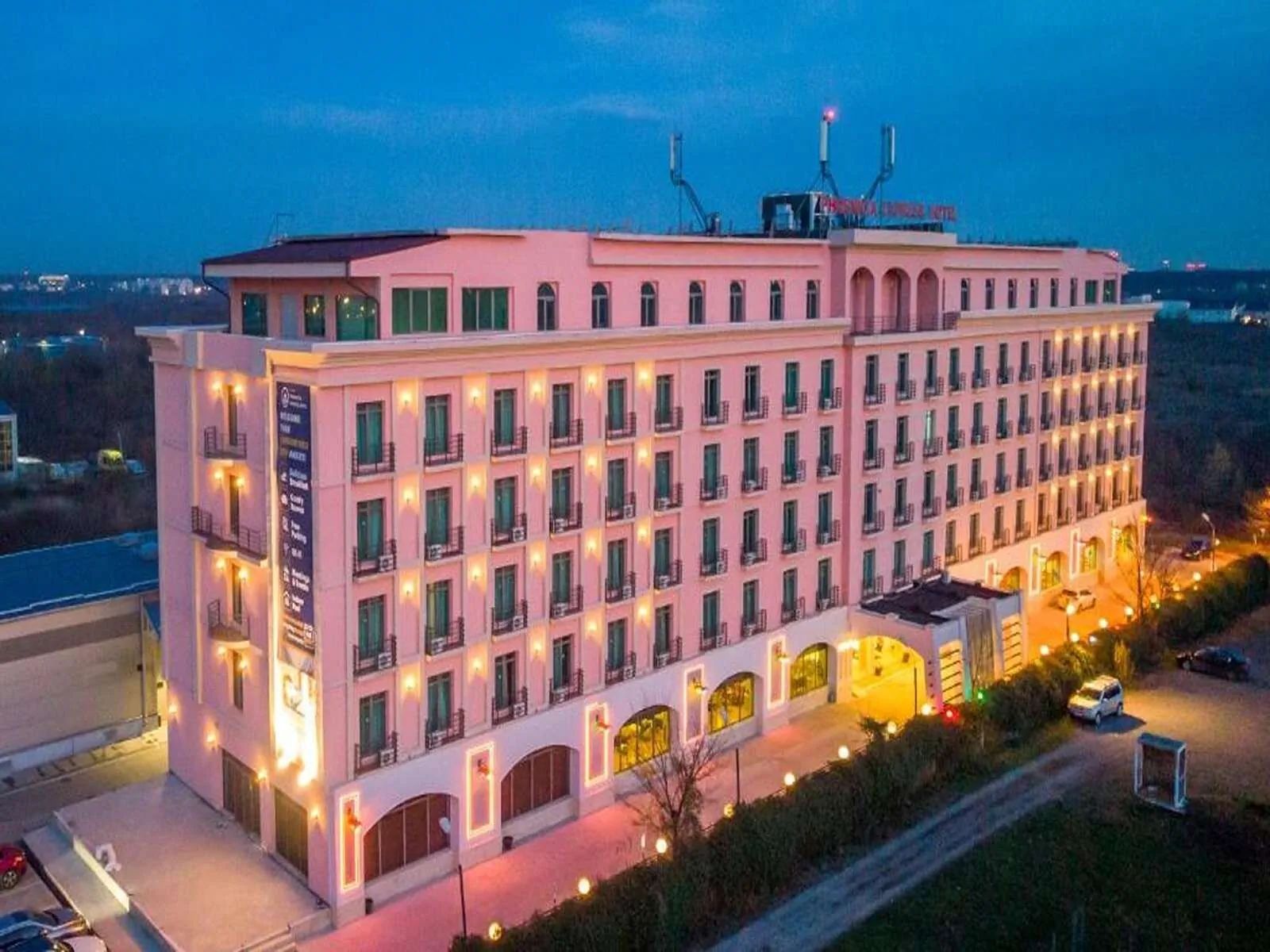
Hotel Phoenicia Comfort București
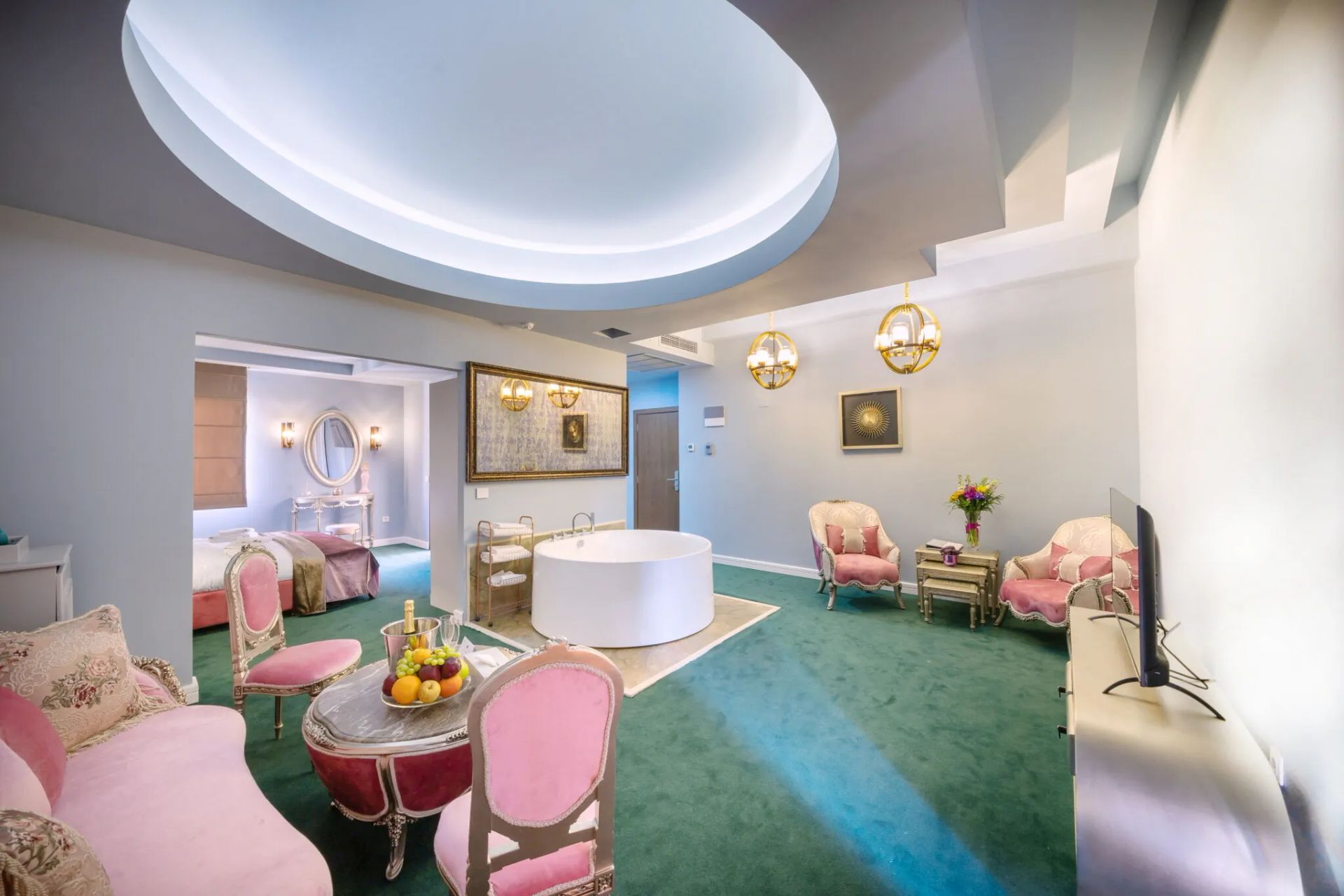
Hotel Phoenicia Comfort este un hotel de patru stele situat în București, într-o zonă care oferă acces rapid către diverse puncte de interes ale orașului. Unitatea pune la dispoziție facilități complete pentru un sejur confortabil și lipsit de griji. Aveți acces la Wi-Fi gratuit în toate spațiile, restaurant și bar în incintă, precum și servicii de room service pentru momentele în care doriți să luați masa în cameră. Parcare privată gratuită este disponibilă pentru toți oaspeții, iar clădirea este dotată cu lift și acces special pentru persoane cu dizabilități. Pentru comoditatea dumneavoastră, există și depozit pentru bagaje, fier de călcat în camere și pătuț pentru bebeluș. Cele 27 de camere sunt amenajate cu grijă la fiecare detaliu, oferind spații generoase și un decor elegant care asigură atât funcționalitate, cât și intimitate. Atmosfera liniștită și atenția pusă pe confort vă garantează o ședere relaxantă. În apropiere puteți vizita Palatul Parlamentului, Muzeul Național al Satului Dimitrie Gusti, Muzeul Țăranului Român, Catedrala Mântuirii Neamului și Palatul Brâncovenesc de la Mogoșoaia, obiective care completează perfect sejurul dumneavoastră în capitală. Vă așteptăm la Hotel Phoenicia Comfort, situat pe șoseaua București - Târgoviște 16A, unde parcare privată gratuită vă stă la dispoziție pe toată durata șederii.
FROM
420 lei per night

Hotel · 4 stars
București, Bucharest · 3.0 km
Hotel Phoenicia Express București
Familiile cu copii mici și călătorii de afaceri se vor simți bineveniți la Hotel Phoenicia Express din București, un hotel de patru stele situat pe șoseaua Odăii, într-o zonă bine conectată a capitalei. Unitatea oferă condiții moderne de cazare, cu acces gratuit la internet Wi-Fi în toate spațiile și televiziune prin cablu. Vă puteți relaxa la saună sau vă puteți bucura de o cafea proaspătă la cafeneaua din incintă ori de cocktailuri la barul hotelului. Pentru confortul dumneavoastră sunt disponibile parcare privată gratuită, stație de încărcare pentru vehicule electrice, lift, seif în cameră și depozit pentru bagaje. Hotelul asigură și facilități pentru accesul persoanelor cu dizabilități. Pentru cei mici sunt puse la dispoziție pătuțuri pentru bebeluși și scaune înalte pentru copii, iar fierul de călcat din cameră vă ajută să vă pregătiți îmbrăcămintea pentru orice ocazie, fie că este vorba de o întâlnire de afaceri sau de o plimbare prin oraș. În apropiere puteți descoperi Palatul Parlamentului, Muzeul Național al Satului Dimitrie Gusti, Muzeul Țăranului Român, Palatul Brâncovenesc de la Mogoșoaia și Catedrala Mântuirii Neamului. Vă așteptăm să porniți în explorarea Bucureștiului, începând cu o vizită la Muzeul Național al Satului Dimitrie Gusti.
FROM
420 lei per night
Apartment · 3 stars
București, Bucharest · 3.6 km
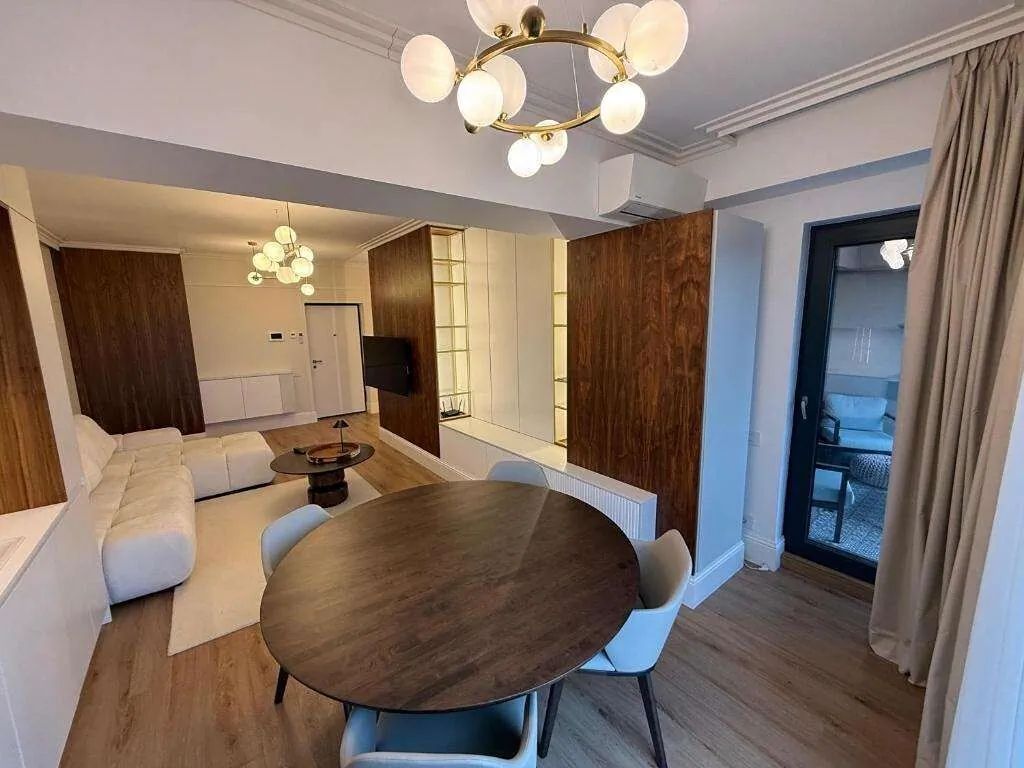
Apartament Baneasa Panorama Lake București
Pe șoseaua București - Târgoviște 4A din București vă așteaptă Apartament Baneasa Panorama Lake, un apartament de închiriat clasificat cu 3 stele, situat într-o zonă liniștită și bine conectată a capitalei, potrivit atât pentru sejururi de relaxare, cât și pentru călătorii de afaceri sau medicale. Locuința beneficiază de o curte mare și o grădină amenajată, oferind un spațiu generos pentru relaxare în aer liber. În curte găsiți un foișor potrivit pentru momente de liniște, iar accesul în clădire este facilitat de lift. De asemenea, dispuneți de parcare privată gratuită și de un fier de călcat, astfel încât să aveți parte de confort deplin pe toată durata șederii dumneavoastră. Zona în care se află apartamentul oferă acces facil către principalele obiective turistice ale orașului. Puteți vizita Palatul Parlamentului, Muzeul Național al Satului Dimitrie Gusti, Muzeul Țăranului Român, Catedrala Mântuirii Neamului sau Palatul Regal, fiecare dintre acestea oferind o perspectivă unică asupra istoriei, arhitecturii și culturii Bucureștiului. Vă așteptăm să vă bucurați de șederea dumneavoastră și să porniți apoi în explorarea Palatului Parlamentului.
FROM
230 lei per night
Hotel · 3 stars
Otopeni, Ilfov County · 4.2 km
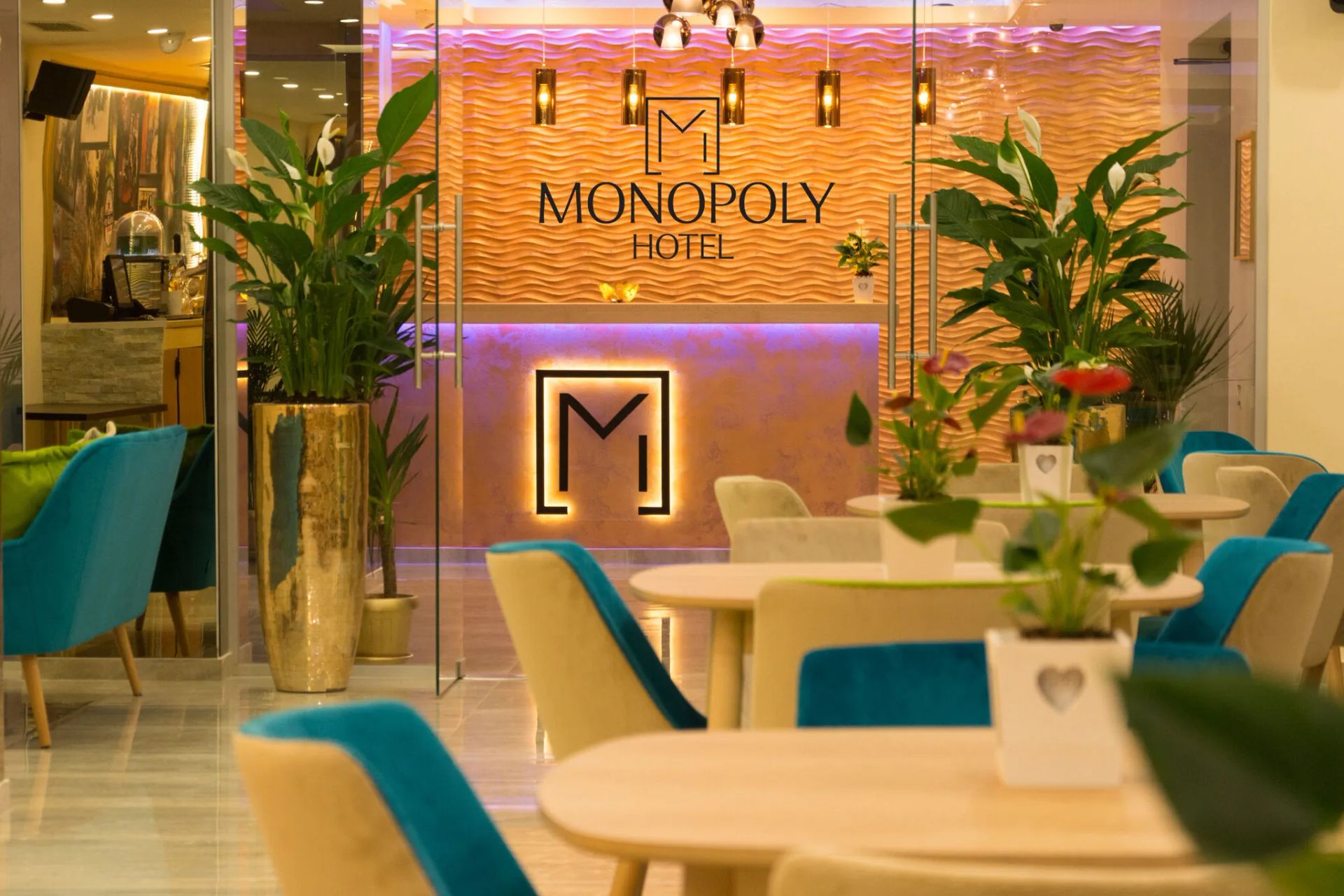
Hotel Monopoly Otopeni
O curte mare și o grădină amenajată completează oferta Hotel Monopoly Otopeni din localitatea Otopeni, județul Ilfov, oferindu-vă un spațiu generos în care să vă relaxați după o zi plină de activități. Unitatea oferă cazare confortabilă la trei stele într-o locație practică pentru călătorii care vizitează zona București-Ilfov. În interior beneficiați de Wi-Fi gratuit, ascensor și fier de călcat, iar pentru momentele de relaxare aveți la dispoziție restaurant, bar și cafenea în incintă. Parcare privată gratuită este disponibilă pentru oaspeții care vin cu mașina. Pentru familiile cu copii mici sunt puse la dispoziție pătuț pentru bebeluș și scaun înalt, iar bucătăria pregătește și meniuri pentru diete speciale atunci când aveți nevoie. În apropiere puteți vizita Palatul Parlamentului, Muzeul Național al Satului Dimitrie Gusti, Muzeul Țăranului Român, Palatul Brâncovenesc de la Mogoșoaia și Catedrala Mântuirii Neamului. Seara, după ce vă întoarceți de la obiectivele turistice, vă puteți bucura de o cină liniștită în restaurantul hotelului.
FROM
290 lei per night
Holiday villa · 3 stars
Otopeni, Ilfov County · 4.3 km
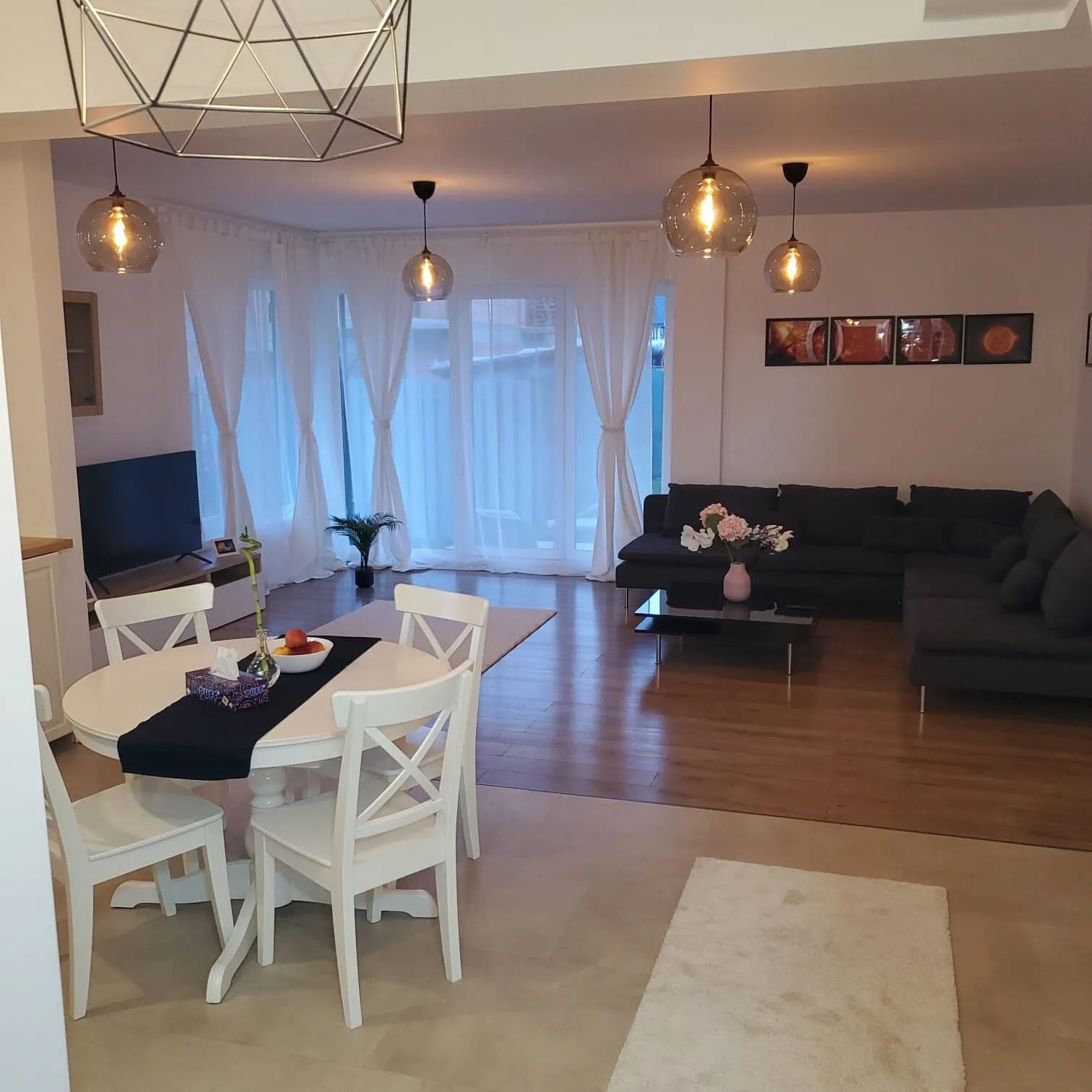
Galaxy Residence Villa Otopeni
Comfort, relaxation and stunning views, all just steps away from the main attractions.
FROM
280 lei per night
Holiday villa · 3 stars
Otopeni, Ilfov County · 4.3 km
Beautiful Colors Residence Villa Otopeni
Comfort, relaxation and stunning views, all just steps away from the main attractions.
FROM
280 lei per night
BEFORE YOU HIT THE ROAD
Weather conditions in Ilfov
Local forecast for Mogoșoaia Palace, Ilfov, Ilfov

Real-time updated weather data
Much more to explore in this area
Nearby tourist attractions


Bucuresti, Bucharest
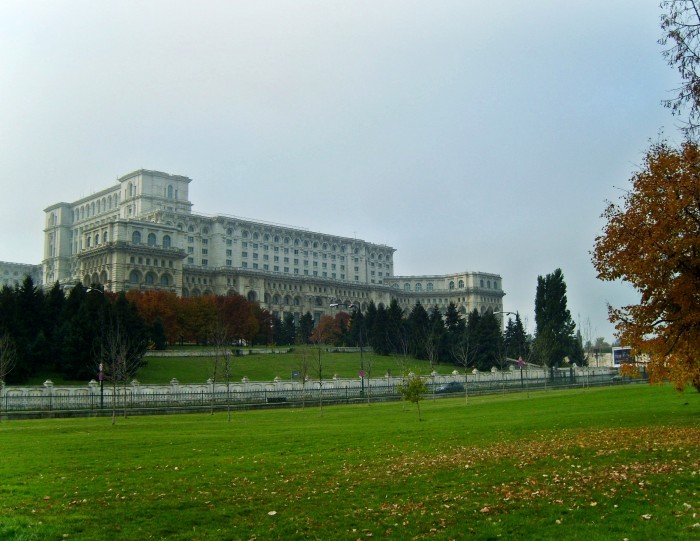
Palace of the Parliament
Situat pe strada Izvor nr.3, sector 5, localitatea Bucuresti; in perioada comunista a fost cunoscut sub numele de "Casa Poporului"; considerata una dintre cele...
13.4 km

București, Bucharest
People's Salvation Cathedral (National Cathedral of Romania)
Catedrală ortodoxă din București
13.3 km
Bucuresti, Bucharest
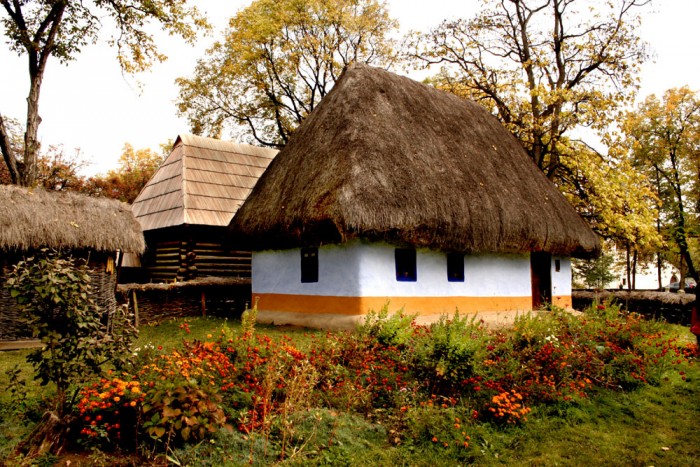
Dimitrie Gusti National Village Museum
Situat pe Soseaua Kiseleff nr.28-30, sectorul 1; a fost inaugurat in 1936; expozitia permanenta cuprinde 121 de complexe distincte, totalizand 338 de monumente,...
9.1 km
Bucuresti, Bucharest
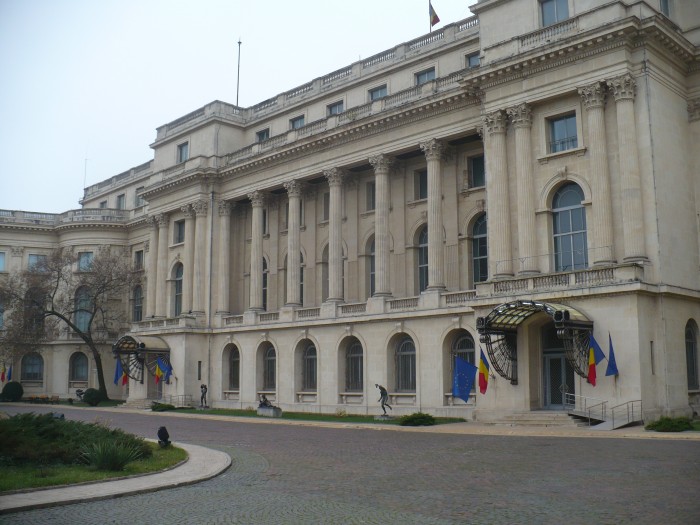
Royal Palace of Bucharest
Situat pe Calea Victoriei nr. 49-53, sector 1, localitatea Bucuresti; construit intre anii 1812-1815 a apartinut marelui logofat Dinicu Golescu, dar a fost...
12.7 km

Bucuresti, Bucharest
Romanian Peasant Museum (Muzeul Național al Țăranului Român)
Situat pe soseaua Kiseleff nr.3, sector 1, localitatea Bucuresti; constructia intregului edificiu a durat 29 de ani, fiind finalizat in 1941; cladirea muzeului...
10.8 km

Bucuresti, Bucharest
Cotroceni Palace
Situat pe bulevardul Geniului nr.2, sector 6, localitatea Bucuresti; in anul 1679, domnitorul Serban Cantacuzino incepe constructia unei manastiri; opera sa a...
11.7 km

Bucuresti, Bucharest
Grigore Antipa National Museum of Natural History
Situat pe soseaua Kiseleff nr. 1, sector 1, localitatea Bucuresti; fondat in 1834 la initiativa lui Mihalache Ghica; are un bogat patrimoniu format din...
13.5 km
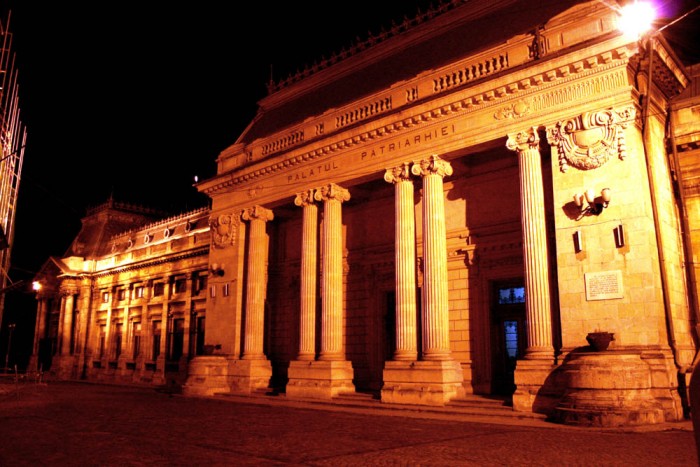
Bucuresti, Bucharest
Patriarchal Palace
Situat pe aleea Dealul Mitropoliei nr.25, sector 4, localitatea Bucuresti; construit de statul roman, la inceputul secolului al XX-lea, pe locul fostei sali a...
14.1 km

Bucuresti, Bucharest
National Museum of Romanian History
Situat pe Calea Victoriei nr.12, sector 3, localitatea Bucuresti; adapostit de Palatul Postelor; a fost inaugurat in anul 1970 fiind cel dintai muzeu de...
13.5 km
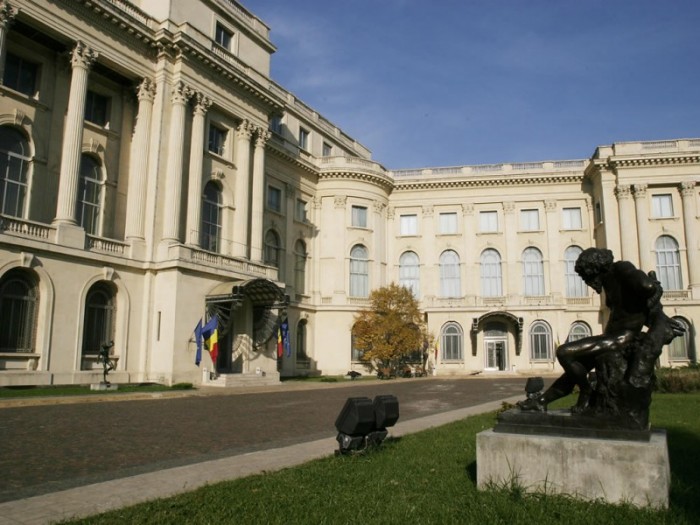
Bucuresti, Bucharest
National Museum of Art of Romania
Situat pe Calea Victoriei nr. 49-53, sector 1; deschis in 1948, in vremea lui Alexandru Ioan Cuza;cladirea era pe atunci locuinta domneasca, in timpul lui...
12.8 km

11.2 km
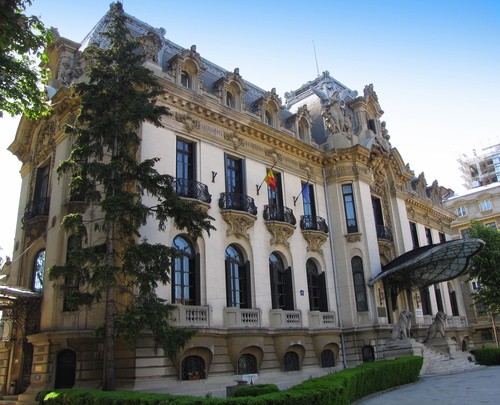
Bucuresti, Bucharest
Cantacuzino Palace
Situat pe Calea Victoriei nr.141, sector 1, localitatea Bucuresti; construit intre anii 1898-1900, in stil baroc francez al epocii Ludovic al XVI-lea, pentru...
12.5 km
Cultural life and traditions
Events in the Mogoșoaia Palace area
Medieval festivals, traditional fairs, concerts and local activities recommended in Muntenia (Wallachia).

History and Royal Architecture

Ilfov, County of Ilfov
Days of Royalty and Heritage in the Prahova Valley
Historical conferences open to the public, themed tours of royal architecture, documentary screenings and exhibitions of vintage photographs.
WHEN
May 10-12, 2026


Gastronomy and Oenology
Dealu Mare, County of Ilfov
The Prahova Wine Festival on the Wine Route
Guided tastings of Fetească Neagră along the famous Wine Route, visits to historic wineries, and meetings with leading winemakers.
WHEN
Every weekend (September - October)
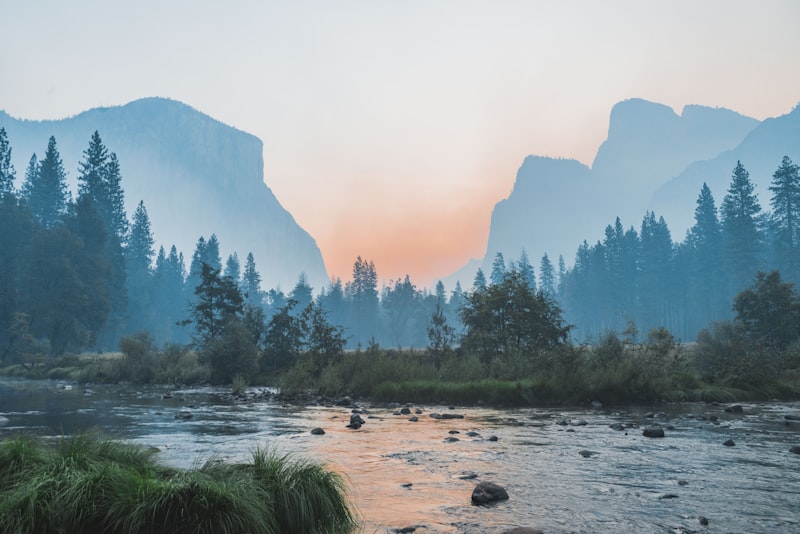
Hiking and Adventure
Bucegi Mountains, Ilfov County
Guided Mountain Tour in the Bucegi Mountains
Guided mountain tours led by mountain rescue personnel to iconic panoramic viewpoints and spectacular alpine waterfalls.
WHEN
Daily during the season (June - October)
On foot, exploration gains depth
Discover the surroundings and local geography
Explore the trails, terrain, and natural landmarks around Mogoșoaia Palace.

Guides and practical tips
Useful travel articles
Travel guides, practical recommendations and tourist itineraries for Muntenia (Wallachia).

Tourist guide
Top 5 Atracții Turistice și Trasee Montane în Zona Moieciu - Bran
Descoperă cele mai spectaculoase peisaje carstice, chei adânci și cetăți medievale din imediata apropiere a stațiunii Moieciu.

Tourist guide
Ghid de Drumeție: Traseul Moieciu de Sus spre Platoul Bucegi
Un itinerariu montan de o frumusețe rară ce urcă din Valea Băngăleasa spre Poiana Guțanu și crestele maiestuoase ale Bucegilor.

Tourist guide
Castelul Bran: Istorie, Legende și Secrete Medievale
Află adevărata poveste a fortăreței medievale din Pasul Bran, reședința de suflet a Reginei Maria a României.
THE JOURNEY STARTS WITH AN IDEA
The next story is on the way.
From the first stop to the last stay, make room for a new Romania.
