


PLACE OF WORSHIP · BUKOVINA
Moldovița Monastery

Suceava, Suceava County
Add location to your trip planner.
Practical access information

VISITING HOURS
Daily: 8:30 AM - 7:00 PM

TICKET PRICE
Adults: 10 RON, Students: 5 RON

RECOMMENDED VISIT DURATION
1 - 1.5 hours


Visitor information and guide
 Navigate with Google Maps

ABOUT MOLDOVIȚA MONASTERY
A fortress of faith and an open-air gallery under the Bukovina sky
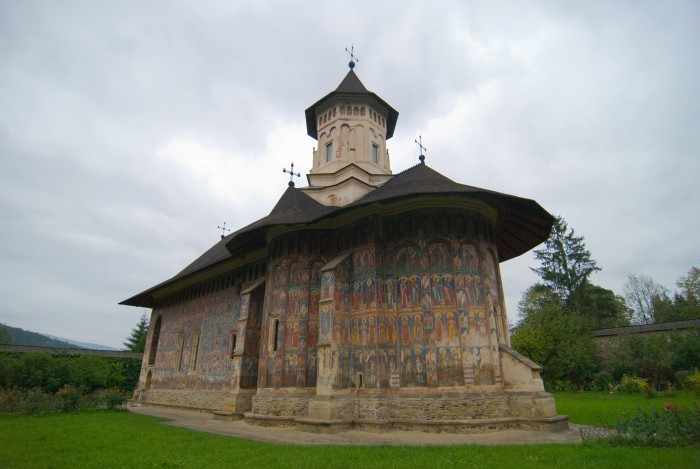
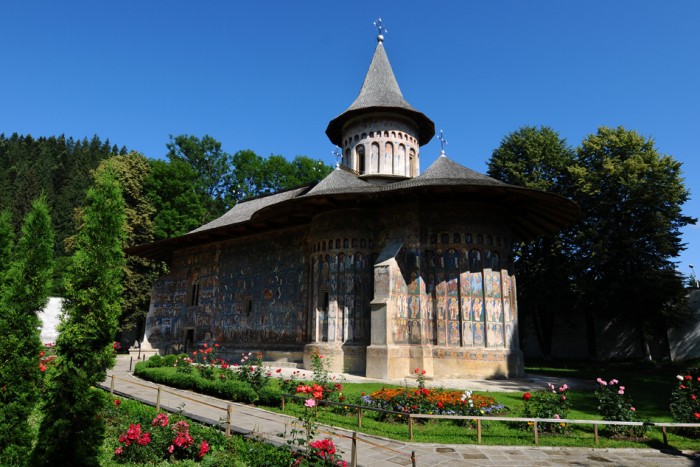
In the green heart of Bukovina, where the Obcine Mountains unfold like a natural wooded amphitheater, twenty-seven kilometers north of Câmpulung Moldovenesc and fifteen kilometers from Vama, rises Moldovița Monastery like a precious stone set into the Carpathian landscape. Built in 1532 by voivode Petru Rareș, son of the legendary Stephen the Great, this foundation represents one of the most perfect expressions of Romanian medieval art, inscribed since 1993 on the prestigious UNESCO World Heritage List alongside seven other painted churches of northern Moldova. What impresses from the first approach is the fascinating duality of the ensemble: on one hand, the slender silhouette of the Annunciation church, rising toward the sky with remarkable grace, and on the other, the fortified enclosure with massive walls and defensive towers, transforming the complex into a true fortress of the spirit. Moldovița is not just a place of worship, but a living monument where Byzantine art meets late Transylvanian Gothic, where Eastern Orthodox tradition dialogues with European Renaissance humanism, creating a unique cultural universe in the European landscape of the 16th century.
From Alexander the Good to Petru Rareș: historical foundations and European echoes
The history of this holy place has its roots more than a century before Petru Rareș's foundation, in the time of Alexander the Good's reign, when between 1402 and 1410 a first stone church was built on higher ground, about five hundred meters from the current construction. This first church, later collapsed due to landslides, testifies to the early ambition of Moldavian voivodes to anchor the country's spirituality in the Byzantine tradition, in a period when the new Moldavian state sought to consolidate itself between the influences of the Ottoman Empire to the south and those of the Kingdom of Hungary to the west. Alexander the Good, laying these foundations, established the basis of a monastic tradition that would flourish under his successors, and the remaining ruins today stand as silent witnesses to an era of pioneering.
When Petru Rareș, a ruler with ambitious cultural visions and son of the greatest voivode of Moldova, Stephen the Great, decided in 1532 to build a new foundation, he consciously chose lower ground, safer from landslides, but equally charged with spiritual significance. His decision reflects not only military prudence, but also a profound artistic consciousness, for Petru Rareș was a true Renaissance prince on the throne of Moldova, a patron who understood that art and architecture are essential instruments for affirming the identity of a state situated at the frontier between Eastern Christian and Western civilization. In the geopolitical context of the time, when Moldavia found itself in a fragile balance between increasing Ottoman pressure and the growing influence of the Habsburg Monarchy in Transylvania, the foundation at Moldovița becomes an act of cultural resistance and affirmation of a distinct, Orthodox identity, yet open to the artistic innovations of Europe.
Architecture: the synthesis between Byzantine tradition and Transylvanian Gothic
The architecture of the Annunciation Church faithfully continues the Moldavian style crystallized in the time of Stephen the Great, but adds more generous dimensions, an accentuated tendency toward height and a remarkable slenderness reminiscent of Gothic aspirations toward verticality. The church plan, with the spacious naos, the narthex and the porch (clisarnița) added later, follows the classic pattern of Moldavian churches, but the proportions are more ambitious, reflecting the founder's desire to create a monument that could rival the great cathedrals of Europe. The thick walls, built of local limestone, offer solidity and resistance, while the tall windows, with broken and tracery arches, allow light to penetrate in a subtle play of shadows and brilliance that transforms the interior into a floating sacred space.
What particularly distinguishes the architecture at Moldovița is the presence of late Gothic elements, specific to Transylvanian architecture, suggesting the participation in the construction of stonemasons coming from Transylvania, then part of the Kingdom of Hungary. These influences manifest themselves through elegant buttresses, through the window decoration and through certain details of the bell tower, creating a fascinating dialogue between the Byzantine tradition of the inscribed cross and Western Gothic verticality. The enclosure with high walls and defensive towers, including the gate tower and the bell tower, gives the ensemble the appearance of a small fortress, an essential architectural characteristic for Moldavian monasteries of the period of the Musat dynasty's apogee. This conception of the monastery as a fortress of faith recalls the fortified monasteries of Poland, such as Jasna Góra at Częstochowa, or the Saxon church-fortresses of Transylvania, underlining the dual role of these places: both of prayer and refuge in times of hardship. Between 1610 and 1612, Bishop Efrem of Rădăuți built the porch on the foundations of older cells, thus completing the ensemble and preserving the tradition of the school of copyists and miniaturists established since the time of Alexander the Good.
The fresco: dialogue between Renaissance humanism and Orthodox spirituality
The painting at Moldovița represents an exceptional artistic document of the era, executed in the al fresco technique in 1537, only five years after the completion of the construction, and largely attributed to the school led by the famous Toma of Suceava, the court painter of Petru Rareș. The interior frescoes are distinguished by a revolutionary tendency for the art of the time: the humanization of sacred figures and the presence of deeply human feelings in the scenes of the evangelical cycle. Unlike traditional Byzantine hieratic rigidity, saints and biblical characters acquire lively expressions, natural gestures and an almost palpable presence, reflecting the influence of Italian and Northern Renaissance humanism, which placed man at the center of divine creation. The Crucifixion scene in the naos is considered the most valuable achievement on this theme in all of Bukovinian religious architecture, a composition of impressive drama that rivals the great representations of this subject in Western art, such as those by Giotto in Padua or Grünewald.
The exterior painting, also executed in the al fresco technique on wet plaster, impresses through its chromatic richness and the diversity of represented scenes, transforming the church walls into an open-air gallery under the sky, accessible to believers and travelers alike. The specific blue color, a deep and luminous blue known in specialist literature as \"Moldovița blue\", derives from pigments brought along distant trade routes, possibly from mining areas in Central Europe or even from Afghanistan, underlining the commercial and cultural openness of Moldavia of the era. On the south wall, the best preserved due to less aggressive exposure to weather, unfolds the cycle of the Akathist Hymn, a profound theological composition linked to the Byzantine tradition of great Marian hymns, alongside historical scenes such as the Siege of Constantinople, which evokes the memory of the Byzantine Empire and Christian resistance in the face of Ottoman expansion. But the most surprising presence on this wall is the representation of the ancient philosophers Pythagoras, Plato, Aristotle and Sophocles, harmoniously integrated into the Christian iconographic program. This inclusion of pagan sages in an Orthodox sacred space is a clear manifestation of cultural openness to the classical world, specific to the European Renaissance, recalling Raphael's School of Athens in the Vatican or the humanist programs in Italian libraries and chapels of the time, demonstrating that Moldavian artists were perfectly connected to the great intellectual currents of Europe.
On the east facade, on either side of the main entrance, unfolds the Last Judgment, a monumental composition that crowns the exterior iconographic program and recalls the tympana of the great French Gothic cathedrals of Autun or Conques, but with a sensitivity specific to Eastern spirituality. This scene, with open heavens, with the dead rising from their graves and with the scales of divine justice, creates an eschatological tension that calls for reflection and repentance.
The living treasure: manuscripts, thrones and princely memory
Beyond the pictorial splendor of the walls, Moldovița Monastery preserves in its museum an invaluable cultural treasure that illustrates the continuity of intellectual and artistic life over the centuries. Between 1610 and 1612, with the construction of the porch by Bishop Efrem of Rădăuți, the tradition of the school of copyists and miniaturists was continued and developed, preserving manuscripts from the 15th century that testify to the activity of the scriptorium established since the time of Alexander the Good. These codices, adorned with ornate initials and delicate miniatures, reflect the Byzantine influences of the school of Mount Athos, but also the contacts with Western manuscript art, creating an artistic hybrid specific to medieval Romanian art.
Among the museum's masterpieces are the embroideries donated by Stephen the Great, true masterpieces of Byzantine textile art, made in gold thread and silk, which illustrate the refinement of the Musat princely court. But the most valuable piece of carved furniture preserved in Moldova and present here is the princely throne from the 16th century belonging to Petru Rareș. This throne carved in yew or oak wood, decorated with vegetal and figurative motifs, represents the symbol of voivodal power and compares with other famous European royal thrones, such as the throne of Charlemagne at Aachen or the Danish royal throne at Copenhagen, underlining the status of European monarchy of Petru Rareș's rule. Also, the ensemble preserves an original set of carved furniture made immediately after the completion of the construction in 1532, and the church is one of the last Bukovinian monasteries that still preserves the open porch, along with unique architectural elements such as the tainita, a hidden room in the thickness of the wall, and the semi-basement around the building, details that speak of the ingenuity of the builders and the need for functional spaces in a self-sufficient monastic community. The recognition of the universal value of this heritage was confirmed by the awarding of the International Pomme d'Or Prize for excellence in world heritage conservation, a distinction that places Moldovița Monastery in the elite of humanity's cultural monuments.
Pilgrimage and contemplation: guide for the contemporary visitor
Today, Moldovița Monastery functions as a convent of nuns, keeping alive the tradition of unceasing prayer and monastic life in a setting of special beauty, surrounded by beech and fir forests that give it an atmosphere of profound peace and seclusion. Visitors are received daily between 08:30 and 19:00, being invited to respect the sacred character of the place and to adopt decent attire, appropriate for visiting an active place of worship. The entrance fee is accessible: ten lei for adults and five lei for pupils and students, thus allowing a wide public to discover the treasures of this place.
Access can be made on national road DN17A, either from Câmpulung Moldovenesc, traveling twenty-three kilometers through spectacular mountain landscapes, or from Rădăuți, on the same road passing through the localities of Marginea and Sucevița, over a distance of forty-seven kilometers. For those who wish to complete their experience, nearby are the ruins of the first church founded by Alexander the Good, only five hundred meters from the current ensemble, offering a historical perspective on the evolution of this holy place. Visiting Moldovița Monastery naturally fits into a larger circuit of the painted monasteries of Bukovina, alongside Voroneț, Humor, Sucevița and Arbore, each of these offering a distinct nuance of Romanian artistic heritage. For a full appreciation of the exterior paintings, visiting in the morning hours is recommended, when the sun's light falls directly on the south facade, revealing in all its splendor the cycle of the Akathist Hymn and the figures of the ancient philosophers, while the afternoon offers the best light for contemplating the Last Judgment on the east facade. More practical information and details about the liturgical program are available on the monastery's official website, manastireamoldovita.ro. A visit to Moldovița is not just a cultural excursion, but an encounter with the living history of Europe, a moment of reflection on the way in which faith, art and power intertwined over the centuries to create a monument that continues to breathe and inspire, at the border between East and West.
Media gallery
Discover Moldovița Monastery in pictures

33 photos · Architecture, courtyards and captivating details


Image source: Wikimedia Commons · Public domain photos · Free license
STAY A FEW DAYS, DISCOVER THE MAGIC
Accommodation in the Moldovița Monastery area

Guesthouse · 3 stars

Vatra Moldoviţei, Suceava County · 3.9 km
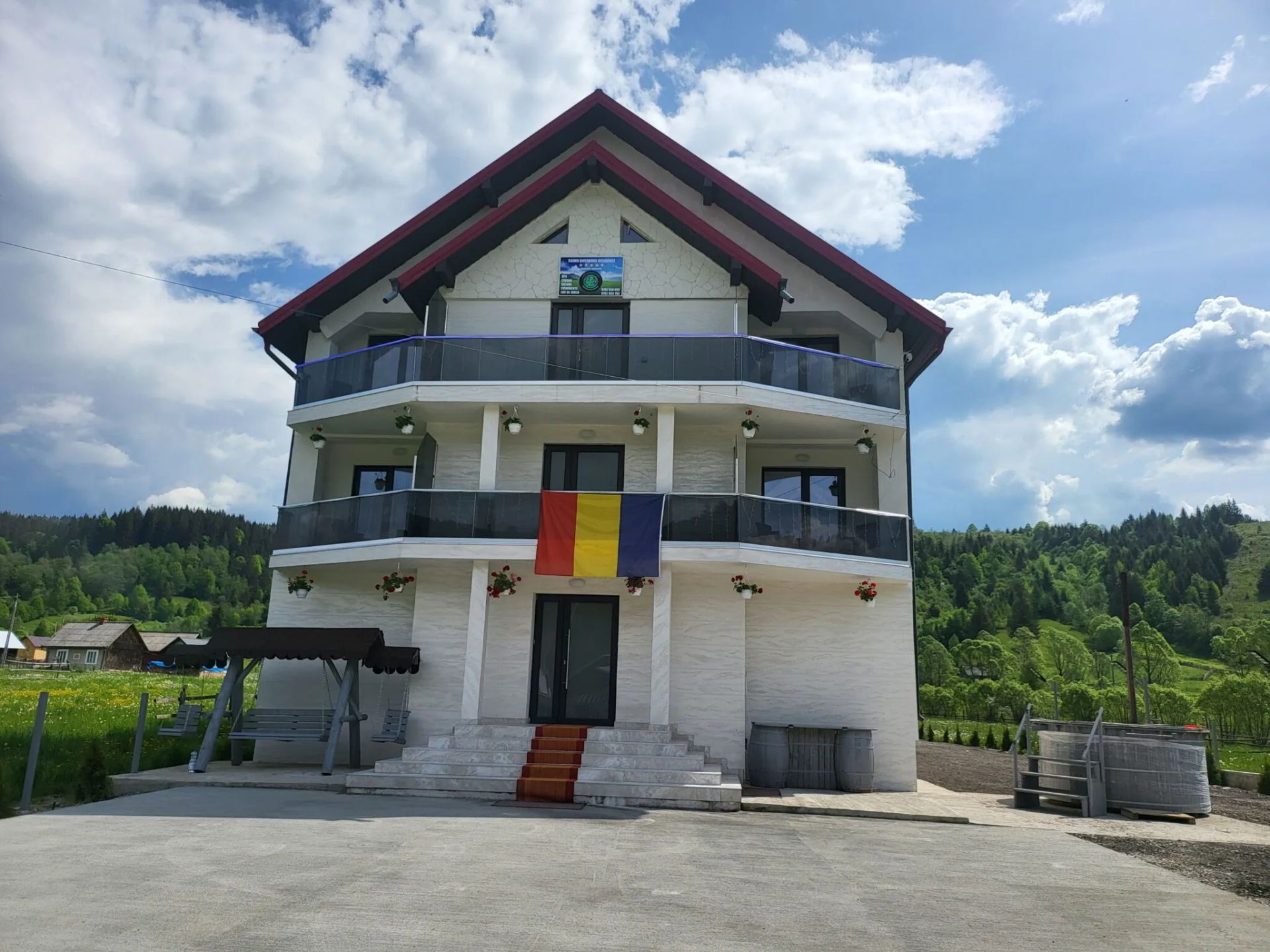
Pensiunea Șoimii Bucovinei Residence Vatra Moldoviţei
Ciubărul din lemn tradițional vă așteaptă la Pensiunea Șoimii Bucovinei Residence din Vatra Moldoviței, județul Suceava, pentru momente de relaxare după zile pline de explorare în Bucovina. Unitatea oferă Wi-Fi gratuit, parcare privată gratuită și parcare pentru biciclete, împreună cu o curte mare și grădină amenajată. În incintă găsiți cafenea, bar, foișor, loc de joacă pentru copii la exterior și teren amenajat de sport sau fotbal. Pentru mese în aer liber aveți la dispoziție grătar, barbeque și ceaun pentru gătit. De asemenea, puteți închiria biciclete pentru a descoperi împrejurimile pe două roți. Cele 14 camere sunt mobilate cu gust și dotate cu fier de călcat și seif. La recepție aveți posibilitatea de a lăsa bagajele în siguranță în depozit, iar pentru cei mici sunt disponibile scaun înalt pentru copii. Personalul vorbește română și engleză, fiind pregătit să vă ajute cu orice informație necesară pe durata șederii. În apropiere puteți vizita Mănăstirea Moldovița, Mănăstirea Sucevița, Mănăstirea Voroneț, Mănăstirea Humor și Stațiunea Gura Humorului, destinații reprezentative pentru patrimoniul și natura Bucovinei. Check-in-ul se realizează începând cu ora 14:00, iar check-out-ul până la ora 11:00, iar parcarea privată este disponibilă gratuit pentru toți oaspeții.
FROM
240 lei per night

Holiday villa · 3 stars
Moldoviţa, Suceava County · 4.1 km
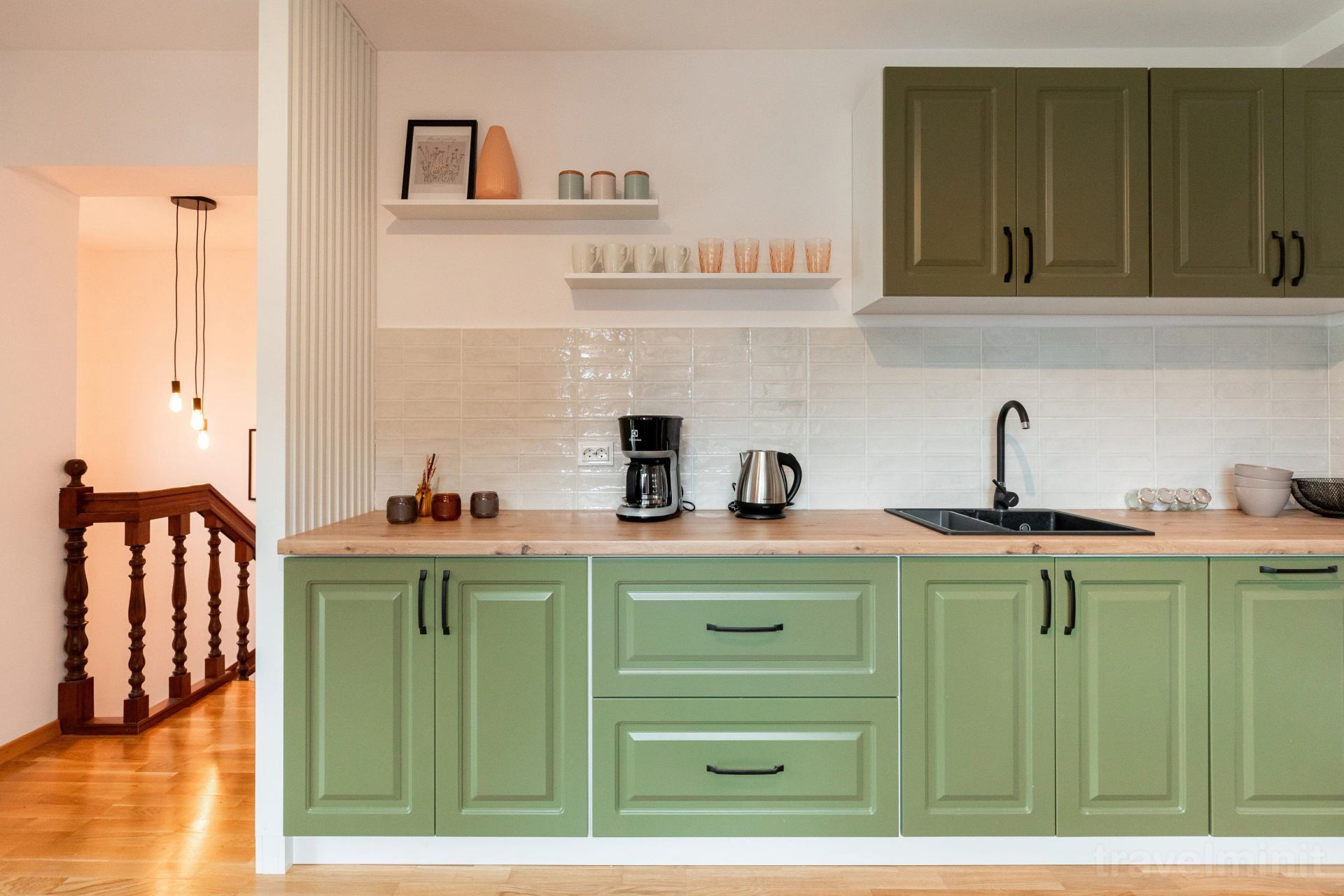
Vila La Moldo Moldovița
Comfort, relaxation and stunning views, all just steps away from the main attractions.
FROM
280 lei per night
Guesthouse · 3 stars
Vatra Moldoviţei, Suceava County · 4.2 km
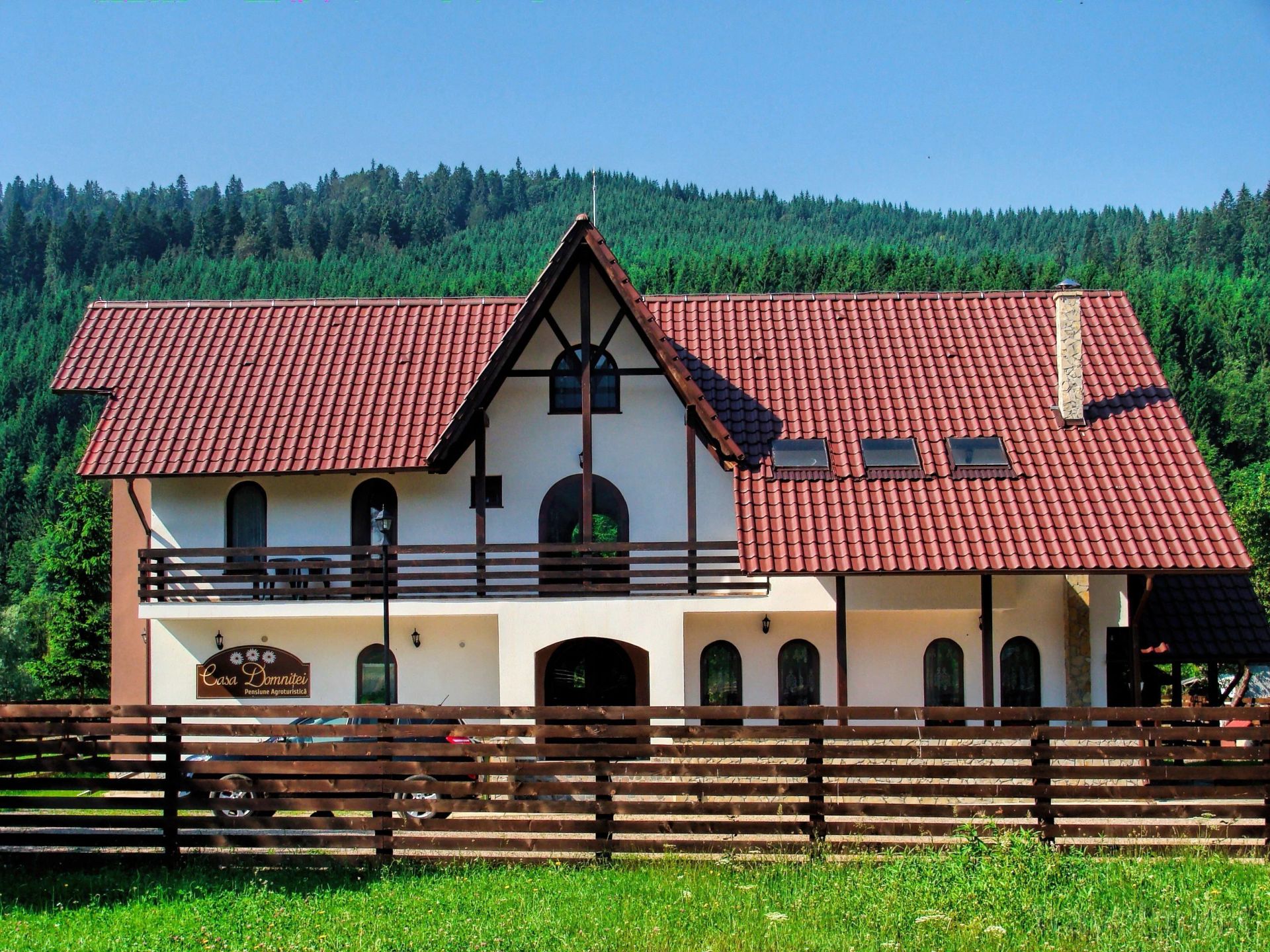
Pensiunea Casa Domnitei Vatra Moldoviței
Pensiunea Casa Domnitei din Vatra Moldoviței este destinată în special familiilor cu copii, cărora le pune la dispoziție un loc de joacă amenajat în aer liber, alături de o curte mare și o grădină îngrijită. Unitatea clasificată cu trei stele din județul Suceava oferă cinci camere dotate cu băi proprii, conexiune Wi-Fi gratuită și parcare privată fără taxe suplimentare, astfel încât dumneavoastră să vă simțiți confortabil încă de la sosire. Pentru momente de relaxare în aer liber, aveți la dispoziție un grătar pentru prepararea frigăruițelor, un ceaun tradițional pentru gătit direct în curte și o masă de tenis de masă pentru competiții amicale între membrii familiei sau prieteni. Aceste facilități fac din șederea dumneavoastră o experiență plăcută, mai ales în zilele călduroase de vară când puteți lua masa în aer liber în grădină. În apropiere puteți vizita Mănăstirea Moldovița, Mănăstirea Voroneț, Mănăstirea Sucevița, Mănăstirea Humor și Stațiunea Gura Humorului, destinații culturale și de relaxare care completează perfect sejurul dumneavoastră în această zonă a Bucovinei. Vă așteptăm cu drag la Pensiunea Casa Domnitei din Vatra Moldoviței.
FROM
240 lei per night
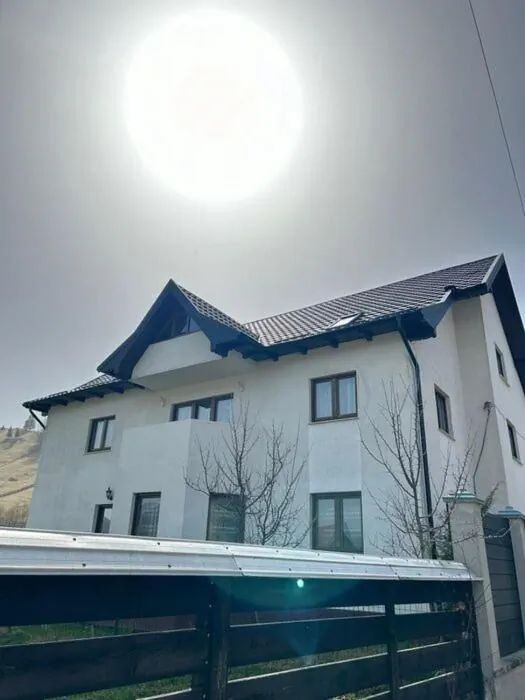
Holiday villa · 2 stars
Moldoviţa, Suceava County · 4.3 km
Moldovița Residence Moldovița
Comfort, relaxation and stunning views, all just steps away from the main attractions.
FROM
280 lei per night
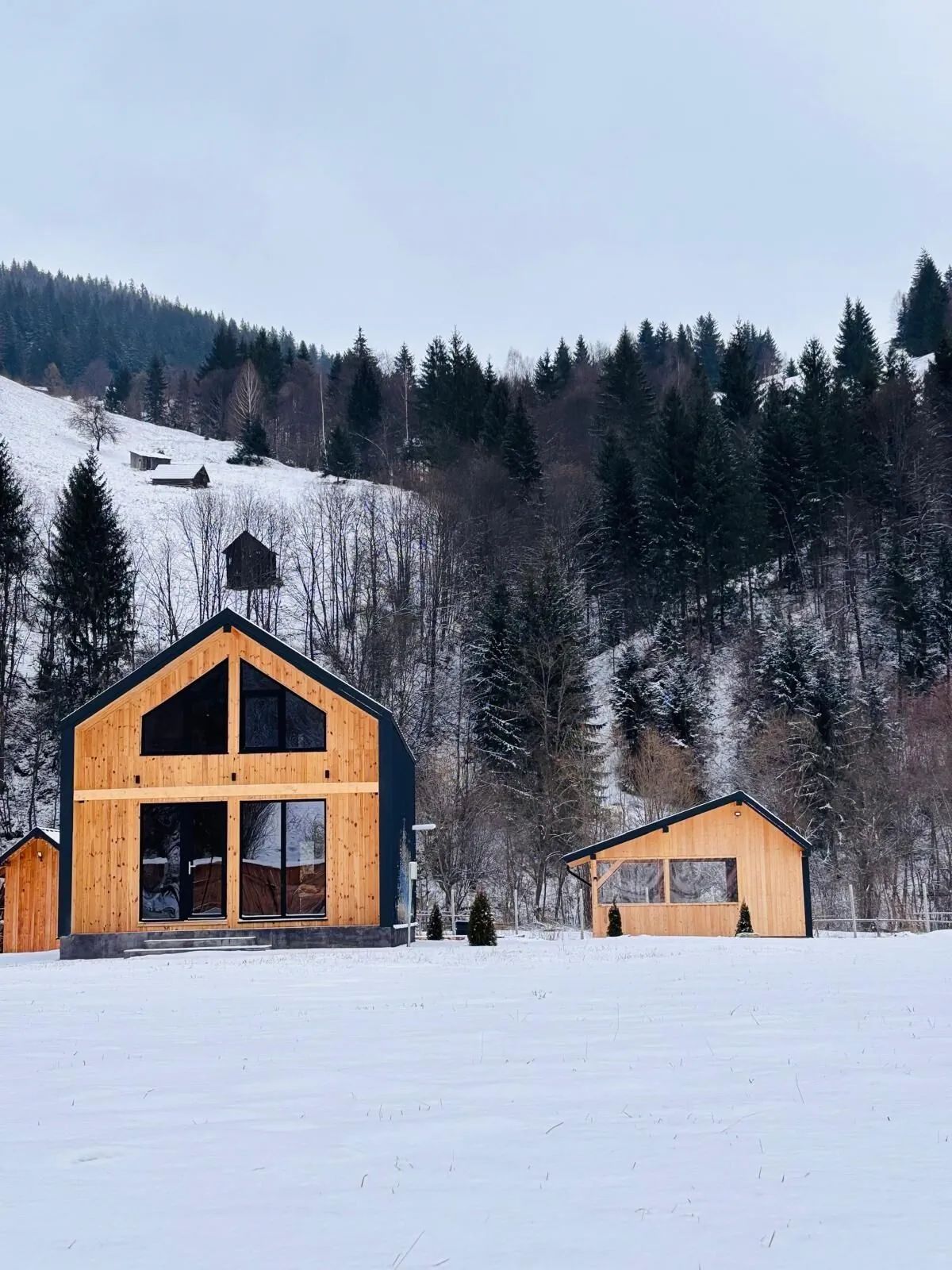
Cabin · 3 stars
Dragoșa, Suceava County · 5.2 km
Cabana The Black Barn Dragoșa
În localitatea Dragoșa din județul Suceava, situată pe strada Dragosa numărul 1, se află Cabana The Black Barn Dragoșa, o cabană clasificată cu trei stele care oferă o experiență autentică în mijlocul naturii. Unitatea se distinge prin amplasarea sa într-un cadru rural liniștit, departe de aglomerația urbană, pe un teren generos de aproximativ 3600 de metri pătrați care garantează intimitate totală și priveliști minunate spre pădure și munte. Cabana poate primi până la opt persoane și pune la dispoziție un ciubăr din lemn tradițional, ideal pentru momente de relaxare după zile pline de activități în aer liber. Personalul de la recepție vorbește limba română și engleză, iar programul de cazare începe la ora 14:00, cu eliberarea camerelor până la ora 13:00. Atmosfera caldă și primitoare face din acest loc un refugiu potrivit pentru cei care caută odihnă într-un mediu confortabil. În apropiere veți găsi numeroase obiective culturale și turistice deosebite care merită explorate. Puteți vizita Mănăstirea Moldovița, Mănăstirea Voroneț, Mănăstirea Sucevița, Mănăstirea Humor sau Stațiunea Gura Humorului, fiecare oferind o perspectivă unică asupra patrimoniului și peisajelor din această regiune. Vă așteptăm să plecați de aici într-o excursie spre Mănăstirea Sucevița.
FROM
270 lei per night
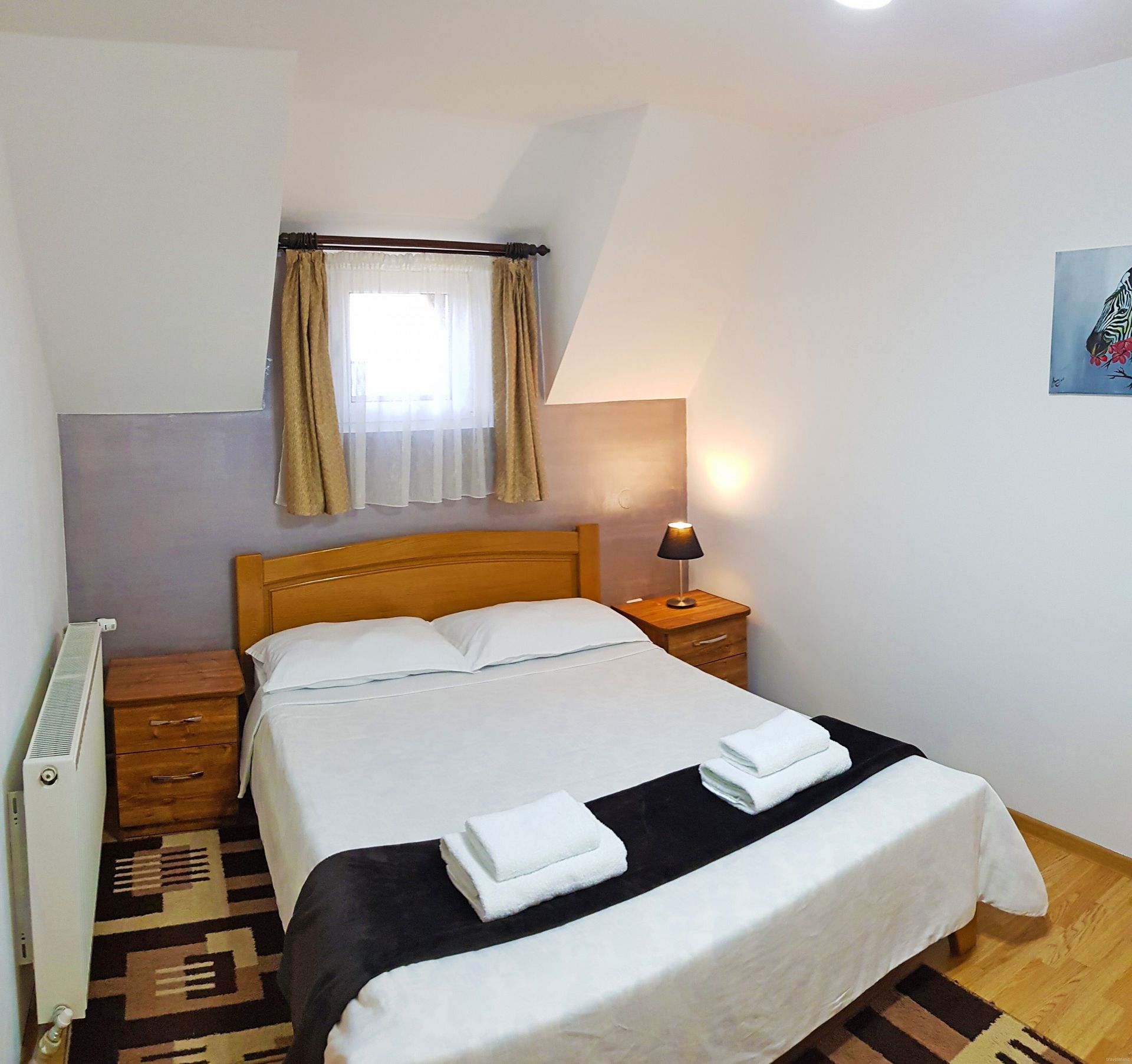
Guesthouse · 3 stars
Frumosu, Suceava County · 5.5 km
DMC House Frumosu
Pe strada Principală din localitatea Frumosu, județul Suceava, se află DMC House Frumosu, o pensiune turistică clasificată cu trei stele care oferă cazare într-un cadru liniștit. Unitatea pune la dispoziția dumneavoastră cinci camere mobilate și confortabile, primind cu drag și animalele de companie fără niciun cost suplimentar. Beneficiați de parcare privată gratuită și de conexiune Wi-Fi gratuită în întreaga proprietate. Camera poate fi ocupată de la ora 14:00, iar predarea se face până la ora 12:00. Pentru iubitorii de natură, zona oferă acces direct la drumeții montane și la diverse trasee în natură care dezvăluie peisaje spectaculoase. De asemenea, puteți organiza un grătar sau un barbecue în aer liber, într-un spațiu amenajat special pentru dumneavoastră. În apropiere se află mănăstirile Moldovița, Voroneț, Sucevița și Humor, precum și stațiunea Gura Humorului, oferind numeroase posibilități de vizitare și relaxare. Vă așteptăm să vă bucurați de șederea dumneavoastră aici, iar de aici puteți porni într-o excursie către Mănăstirea Sucevița.
FROM
240 lei per night
BEFORE YOU HIT THE ROAD
Weather conditions in Suceava
Local forecast for Moldovița Monastery, Suceava, Suceava

Real-time updated weather data
Much more to explore in this area
Nearby tourist attractions


Suceava, Suceava County
Voroneț Monastery
Situata in localitatea Voronet, la cca. 4 km de Gura Humorului si 35 km de Suceava; accesul se face din Gura Humorului, pe DJ177D; ctitorie a lui Stefan cel...
26.9 km
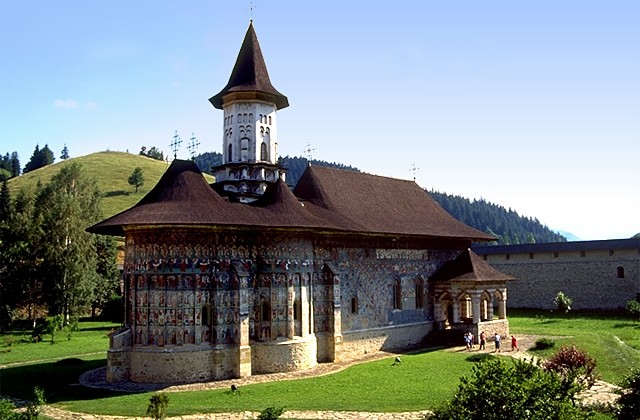
Sucevita, Suceava County
Sucevița Monastery
Situata in comuna Sucevita, la 19 km sud-vest de Radauti si 37 km nord-vest de Suceava; accesul se poate face din Suceava, spre Radauti, pe DN2/E85, 35 km,...
17.0 km
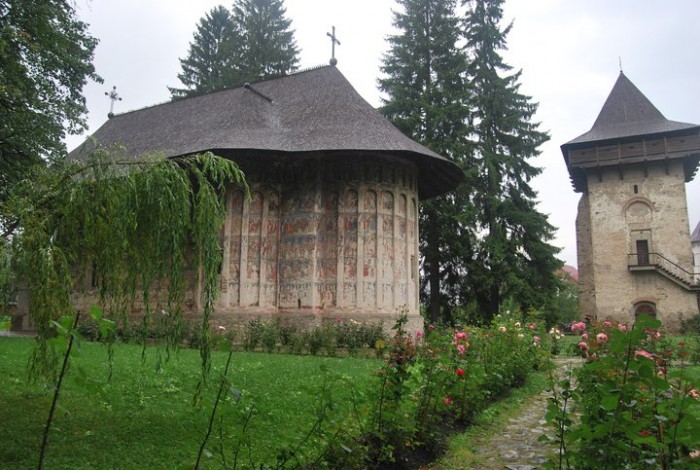
Suceava, Suceava County
Humor Monastery.
Situata in localitatea Manastirea Humorului, la aproximativ 5 km de orasul Gura Humorului, pe DJ177; prima biserica a Manastirii a fost constuita in timpul lui...
22.4 km

Putna, Suceava County
Putna Monastery
Situata in comuna Putna, la 72 km de Suceava; accesul se face din Radauti, pe DJ178C, spre nord, 24 km, stanga in Vicovul de Sus, pe DN2H, 12 km, pana in Putna;...
23.3 km

Suceava, Suceava County
Gura Humorului Resort
Situata in partea estica a Obcinilor Bucovinei, in depresiunea cu acelasi nume; amplasata la altitudinea de 470 m; prima mentionare documentara dateaza din 26...
26.5 km
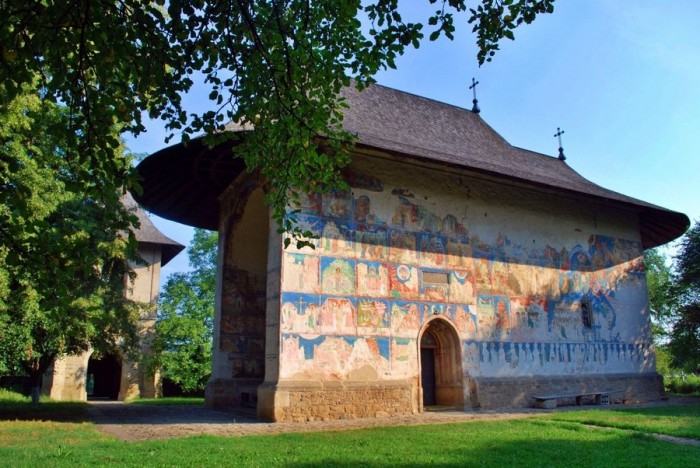
Arbore, Suceava County
Arbore Church
Situata in comuna Arbore; ridicata in anul 1503, de catre Hatmanul Luca Arbore, unul dintre marii boieri ai lui Stefan cel Mare, sfetnicul lui Bogdan al III-lea...
28.5 km
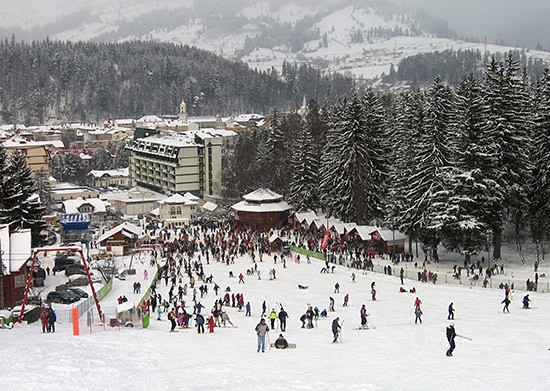
Suceava, Suceava County
Vatra Dornei Health Resort
Situata in Depresiunea Dornelor, la 112 km de municipiul Suceava si 89 km de Bistrita Nasaud, la confluenta Bistritei Aurii cu Dorna; amplasata la altitudinea...
38.1 km
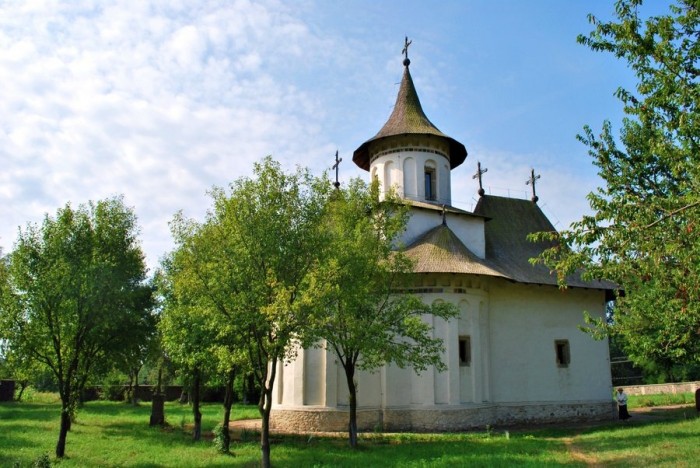
Patrauti, Suceava County
Church of the Former Patrauti Monastery
Situata in comuna Patrauti; inaltata in 1487, a fost prima ctitorie a lui Stefan cel Mare; este cea mai redusa ca dimensiune dintre ctitoriile domnitorului si...
46.7 km

24.5 km
37.6 km
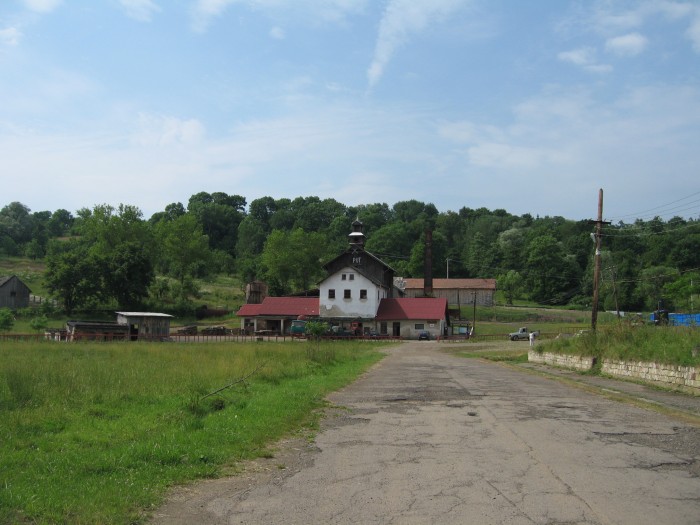
Suceava, Suceava County
Cacica Salt Mine
Situata in localitatea Cacica, la 18 km de localitatea Gura Humorului si la 40 km de municipiul Suceava; primele zacaminte de sare au fost descoperite in anul...
27.8 km
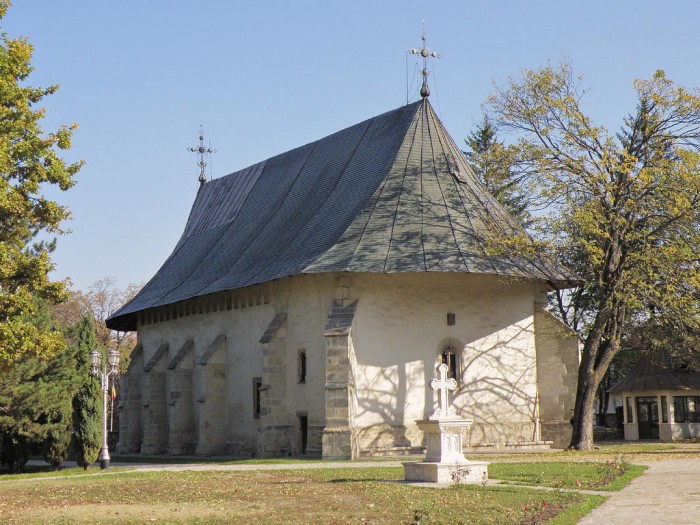
Suceava, Suceava County
Bogdana Monastery
Situata pe strada Bogdan Voda nr. 6, Radauti; ridicata intre 1359-1364 de catre voievodul Bogdan I, biserica este prima constructie religioasa de piatra din...
33.1 km
Cultural life and traditions
Events in the Moldovița Monastery area
Medieval festivals, traditional fairs, concerts and local activities recommended in Bukovina.

History and Voivodeship Heritage

Suceava, County of Suceava
The Medieval Festival of Neamț Fortress
Re-enactments of Ștefan’s battles, archery demonstrations with traditional bows, displays of courtly guards, and performances of old court music.
WHEN
July 3-5, 2026


Prehistoric Crafts and Art
Suceava, County of Suceava
The National Pottery Fair “Cucuteni 5000”
The most skilled ceramic artists recreate the spectacular motifs of Europe’s oldest civilisation.
WHEN
June 26-28, 2026

Gastronomy and Wines
Suceava, County of Suceava
The Traditional Festival of Moldovan Wine
A fair featuring wine tastings from the vineyards of Cotnari, Bucium and Panciu, “poale-n brau” pies, and roasted meats cooked on a spit.
WHEN
October 2-4, 2026
On foot, exploration gains depth
Discover the surroundings and local geography
Explore the trails, terrain, and natural landmarks around Moldovița Monastery.

Guides and practical tips
Useful travel articles
Travel guides, practical recommendations and tourist itineraries for Bukovina.

Tourist guide
Top 5 Atracții Turistice și Trasee Montane în Zona Moieciu - Bran
Descoperă cele mai spectaculoase peisaje carstice, chei adânci și cetăți medievale din imediata apropiere a stațiunii Moieciu.

Tourist guide
Ghid de Drumeție: Traseul Moieciu de Sus spre Platoul Bucegi
Un itinerariu montan de o frumusețe rară ce urcă din Valea Băngăleasa spre Poiana Guțanu și crestele maiestuoase ale Bucegilor.

Tourist guide
Castelul Bran: Istorie, Legende și Secrete Medievale
Află adevărata poveste a fortăreței medievale din Pasul Bran, reședința de suflet a Reginei Maria a României.
THE JOURNEY STARTS WITH AN IDEA
The next story is on the way.
From the first stop to the last stay, make room for a new Romania.
