


MUSEUM · MUNTENIA (WALLACHIA)
National Military Museum King Ferdinand I

Bucuresti, Bucharest
Add location to your trip planner.
Practical access information

VISITING HOURS
Monday: 12:00 PM – 5:00 PM · Tuesday–Sunday: 9:00 AM – 5:00 PM (in summer until 8:00 PM)

TICKET PRICE
Adults: 45 RON · Students: 11 RON · Seniors: 23 RON · Guided tour included

RECOMMENDED VISIT DURATION
2-3.5 hours
Visitor information and guide
 Navigate with Google Maps

ABOUT NATIONAL MILITARY MUSEUM KING FERDINAND I
Introduction: A Temple of Memory in the Heart of Europe
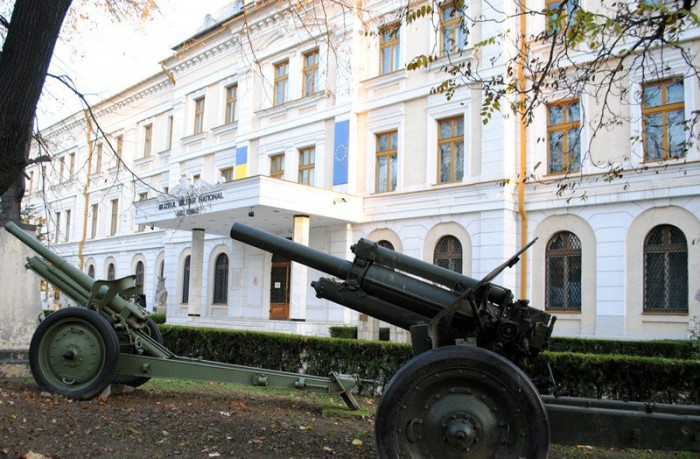
In the heart of Bucharest, on Mircea Vulcanescu Street, within a complex of buildings that breathe centuries of military history, lies the National Military Museum King Ferdinand I, a unique sanctuary of Romania’s and Europe’s collective memory. The institution preserves over three hundred thousand tangible testimonies of the nation’s military evolution, from the first swords of the voivodes to 20th-century technology. Officially founded by royal decree in 1923 under the reign of King Ferdinand I, the museum represents far more than a mere collection of exhibits; it is a monument to cultural continuity in a region situated at the crossroads of Europe’s great empires. Its location in the former Army Arsenal places visitors within an urban setting that evokes Romania’s modernizing ambitions of the 19th century, when the young national state sought to align itself with the continent’s great powers through the organization of modern military institutions.
Historical Roots and Continental Heritage
The genesis of this patrimonial treasure dates back to 1865, when Prince Alexandru Ioan Cuza, in the midst of modernizing the country following the Union of the Principalities, ordered the preservation of decommissioned military items at the Army Arsenal. This initiative was not isolated but part of a broader European movement of military museography that swept the continent in the 19th century. While Paris developed the collection at Hôtel des Invalides and Emperor Franz Joseph I inaugurated the Museum of Military History in Vienna in 1869—the oldest military museum in continental Europe—Romania was building its own cultural foundation. The royal decree of 1923, signed by Ferdinand I, who would unite Transylvania with the Old Kingdom following World War I, officially established this institution, placing it among Europe’s prestigious military museums such as those in Berlin, London, and Saint Petersburg. Thus, the Bucharest museum became a reference point in the network of institutions preserving the continent’s military memory, reflecting Romania’s strategic position at the border of the Ottoman Empire, the Habsburg Monarchy, and Western influences.
Architecture and Built Heritage
The museum complex unfolds within a group of buildings located in the old Arsenal district, near the Cotroceni Palace, the neoclassical royal residence constructed at the end of the 19th century under Carol I. The architecture of this military quarter reflects Romania’s modernizing ambition during the late 19th century, a period when the capital transformed into a European urban center influenced by Parisian and Viennese models. The buildings that now house the museum’s collections were primarily constructed during the reign of Carol I, initially designed as military warehouses and workshops. Their spacious interiors, with impressive heights and adapted industrial structures, allow for the display of large-scale items, from cannons and armored vehicles to complex models. This 19th-century industrial architecture provides an authentic and evocative setting for the collections, creating an atmosphere reminiscent of Europe’s great military halls, from the Army Museum in Paris to the Bundeswehr Military History Museum in Dresden.
The Arsenal of Arms: A Dialogue Between Civilizations
At the heart of the permanent exhibition is the collection of bladed and firearms, comprising over 11,650 items that illustrate the technological evolution of military weaponry over the centuries. This collection represents a fascinating intercultural dialogue between Western and Eastern military traditions, reflecting Romania’s strategic geographical position at the intersection of empires. Visitors discover here masterpieces of European military craftsmanship, from the ceremonial swords of the Habsburg aristocracy to English hunting rifles, alongside Balkan and African weapons that attest to the military and commercial relations of the Romanian Principalities with the Ottoman world and Mediterranean regions. Among the exceptional pieces that inspire admiration are the sword of Voivode Constantin Brâncoveanu, a silent witness to Romanian cultural resistance against Ottoman expansion and the martyrdom of 1714; the 1895 infantry officer’s sword belonging to King Carol I, the first monarch of modern Romania from the House of Hohenzollern-Sigmaringen; and the Mannlicher Model 1903 automatic pistol, caliber 7.65 mm, which belonged to King Ferdinand I. This latter object symbolizes the transition from Ottoman dominance to the unified national state, reflecting dynastic alliances with the German Empire and Romania’s participation in World War I alongside the Entente Powers. The collection also includes regulation, hunting, civilian, and sporting weapons, offering a comprehensive view of military life and social status in Europe’s past centuries.
Three-Dimensional Reconstructions and Military Art
Alongside the arms collection, the museum houses an impressive array of models that reconstruct military landscapes with remarkable precision, including relief plans of fortifications, artillery pieces, armored vehicles, aviation, naval exhibits, and horse-drawn transport. These three-dimensional displays follow the European tradition of military dioramas, developed in the 19th century by museums in Vienna and Paris, providing visitors with a unique perspective on defensive strategies and technological evolution. Among the most representative are the model of the princely fortress of Suceava from the 15th century, evoking Moldavia’s defense against Ottoman expansion under Stephen the Great; the model of the royal yacht Ștefan cel Mare from 1866, symbolizing the naval ambitions of the young Romanian nation on the Danube and the Black Sea; and the mountain hunters’ combat vehicle, illustrating the modernization of elite troops in the interwar period, influenced by French and German models. These reconstructions are not mere toys but sophisticated didactic tools that enable an understanding of the complexity of warfare and European military architecture.
Ancient Roots and European Cultural Continuity
The Ancient History exhibition reveals the deep layers of civilization on Romanian territory, illustrating the Stone, Bronze, and Iron Ages within a broader European context. Among the main attractions are Neolithic anthropomorphic idols, such as the idol from Resca belonging to the Cucuteni culture, attesting to the spirituality of agricultural communities seven thousand years ago; the bronze votive plaque discovered at Polovragi—the oldest representation of the Thracian Horseman motif in the country, a testament to Thracian military spirituality and its intersections with the Scythian and Celtic worlds of Central Europe. This representation bears striking parallels with Iron Age art from the Rhine basin and the Hallstatt region, demonstrating that Thracian military spirituality was part of a shared European cultural current. Additionally, Hellenistic Tanagra-type statuettes discovered at Callatis (Mangalia) attest to the openness of Dobrogea’s ports to the Hellenistic world and cultural exchanges in the Black Sea basin, connecting Romanian heritage with the great cultural centers of antiquity from Athens to Alexandria. These discoveries place the civilization of Romanian lands in continuous dialogue with Europe’s major artistic and spiritual currents, from the European Neolithic to Mediterranean Hellenism.
The Library and Archive: The Written Memory of Wars
The National Military Museum’s library houses two essential collections that form a living archive of European military history: a current collection of 36,856 volumes, mostly on military themes published from 1866 onward, and periodicals comprising 22,056 volumes. Among these are unique works of inestimable value, such as Monitorul Oastei for the period 1860–1946, the Anuarul Ofițerilor Armatei Române from 1874 to 1940, newspapers from the War of Independence (1877–1878), publications like Dorobanțul and Războiul, as well as journals of the main military branches and foreign publications from the two world wars. These documents offer a unique perspective on the evolution of European military press, comparable to the collections of the British Library in London or the National Library of France, and illustrate Romania’s decisive role in continental conflicts. The archive preserves military correspondence, campaign journals, and strategic reports that influenced the fate of Southeastern Europe, from the Balkan Wars to the ideological confrontations of the 20th century.
Personalities and Turning Points
The history of the institution is inextricably linked to the great figures of Romanian and European history. Alexandru Ioan Cuza, the spiritual founder of the collection in 1865, understood that preserving military heritage was essential for building national identity in a Europe undergoing industrial transformation. Carol I, the first king of Romania, personally contributed to enriching the collection through royal donations, including his 1895 officer’s sword, reflecting dynastic ties with Prussia and admiration for German military traditions. Ferdinand I, under whose reign the founding decree was issued in 1923, was the monarch who united the nation in the Great War, and his personal Mannlicher pistol stands as testimony to Romania’s participation in the war effort alongside France, Great Britain, and Russia. Over time, the museum has weathered turbulent periods, including the years of World War II and the communist era, when collections were ideologically reorganized, only to return after 1989 to its authentic mission of preserving historical memory within a European context.
Practical Guide and Visitor Experience
The National Military Museum King Ferdinand I is located at 125–127 Mircea Vulcanescu Street, in Sector 6 of the capital, within an area rich in urban and military history. The visiting schedule is tailored to the needs of international visitors, and access is facilitated by public transportation in central Bucharest. Visitors are invited to follow a chronological route beginning with prehistoric and ancient eras, continuing through the medieval and modern periods, and culminating in exhibitions dedicated to the 20th century, offering a complete journey through centuries of military history. Nearby attractions include the Cotroceni Palace, the former royal residence and current seat of the Romanian Presidency; Carol Park, with the Heroes’ Monument; and other cultural sites that complement the experience of visitors interested in European history. The museum also organizes temporary exhibitions, conferences, and educational programs that bring the public closer to Europe’s shared military heritage, inviting reflection on how nations construct their collective memory in an increasingly interconnected continental context. A visit here represents not only an incursion into Romania’s military past but also a profound understanding of its place in the grand narrative of Europe, from the borders of ancient empires to contemporary alliances.
Media gallery
Discover National Military Museum King Ferdinand I in pictures

17 photos · Architecture, courtyards and captivating details
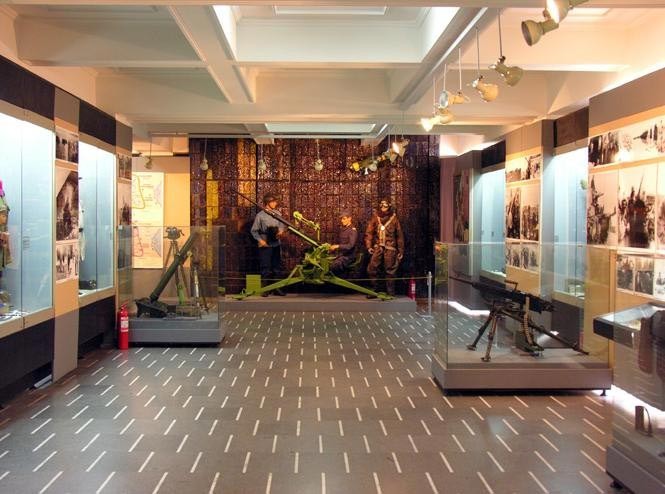
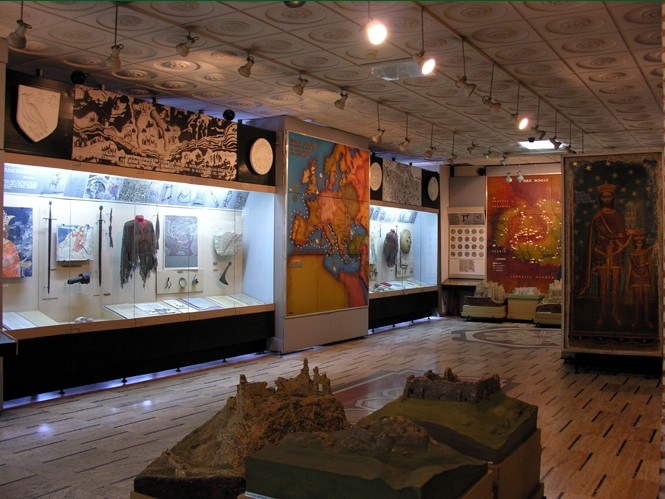
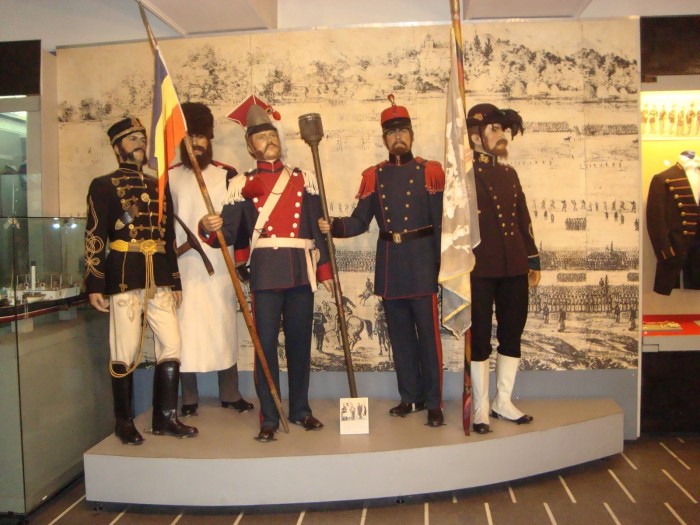
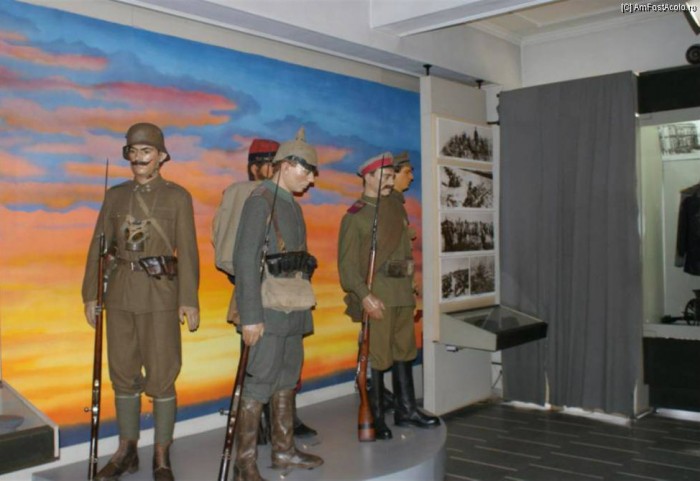
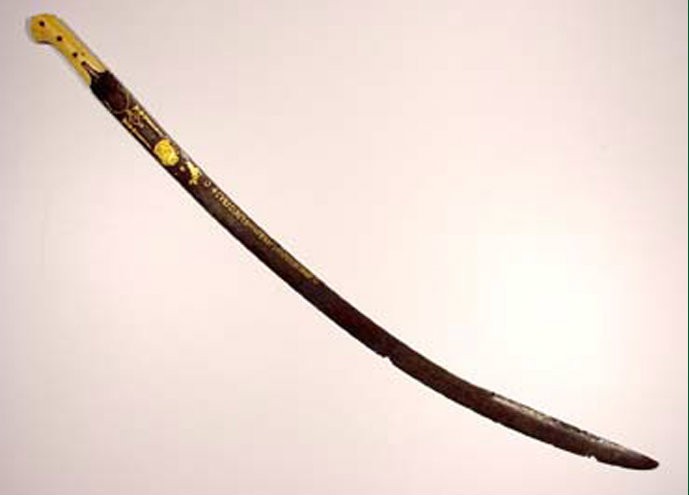
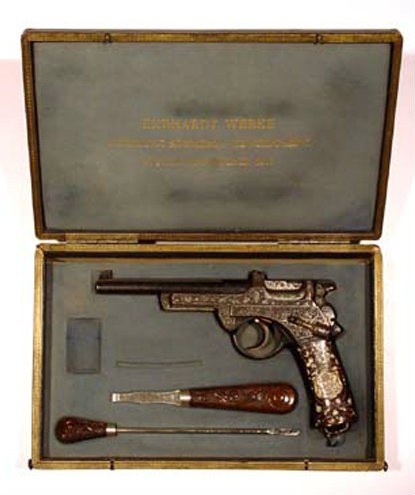
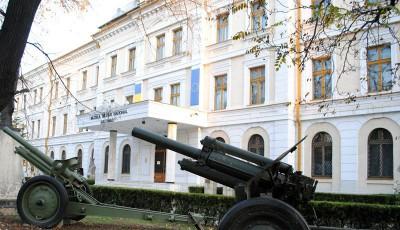


Image source: Wikimedia Commons · Public domain photos · Free license
STAY A FEW DAYS, DISCOVER THE MAGIC
Accommodation in the National Military Museum King Ferdinand I area

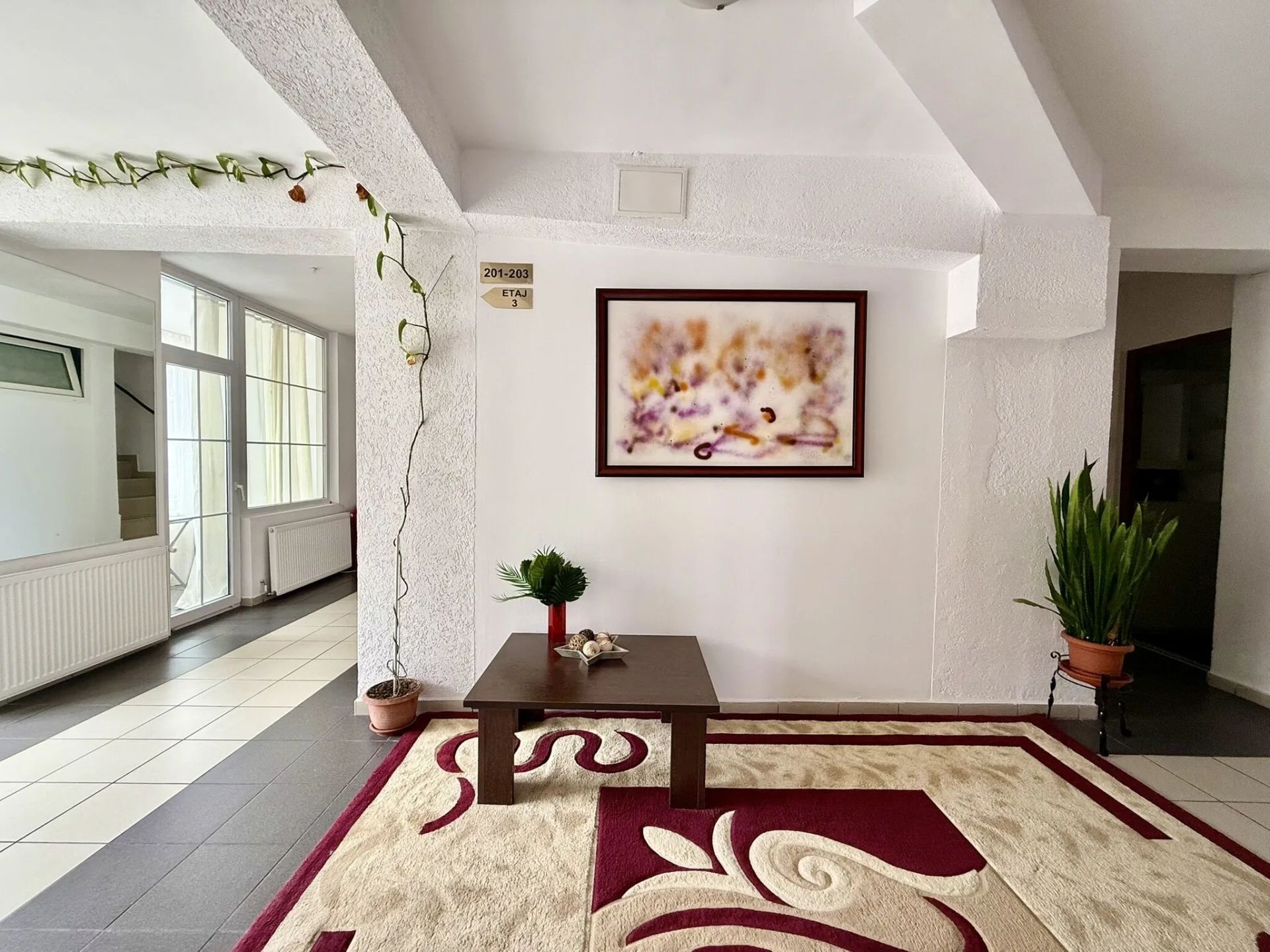
Hotel · 3 stars

București, Bucharest · 0.2 km
Tranzzit E.D. Boutique București
Într-o zonă liniștită a capitalei, la câțiva pași de Gara de Nord, Tranzzit E.D. Boutique București își așteaptă oaspeții într-un spațiu cu grădină și terasă, potrivit atât pentru călătoriile de afaceri, cât și pentru cele turistice. Clădirea oferă un cadru plăcut pentru relaxare după o zi petrecută în oraș, într-o atmosferă discretă și primitoare. Camerele sunt dotate cu climatizare, televizor cu ecran plat și baie proprie cu duș, articole de toaletă gratuite și uscător de păr. Pentru confortul dumneavoastră, unitatea pune la dispoziție Wi-Fi gratuit în întregul spațiu și un depozit pentru bagaje, astfel încât să vă puteți deplasa fără griji prin oraș între întâlniri sau vizite. În apropiere se află Palatul Parlamentului, Catedrala Mântuirii Neamului, Palatul Regal, Muzeul Țăranului Român și Palatul Cotroceni, obiective culturale și istorice importante pe care le puteți vizita cu ușurință pornind de la hotel. Accesul este facil, fiind situat la nouă minute de mers pe jos de Gara de Nord și la mai puțin de un kilometru de stația de metrou Gara de Nord. Aeroportul internațional București Băneasa - Aurel Vlaicu se află la șapte kilometri de unitate. Vă așteptăm la strada Lipova 24, 010888 București, pentru un sejur confortabil în capitală.
FROM
290 lei per night

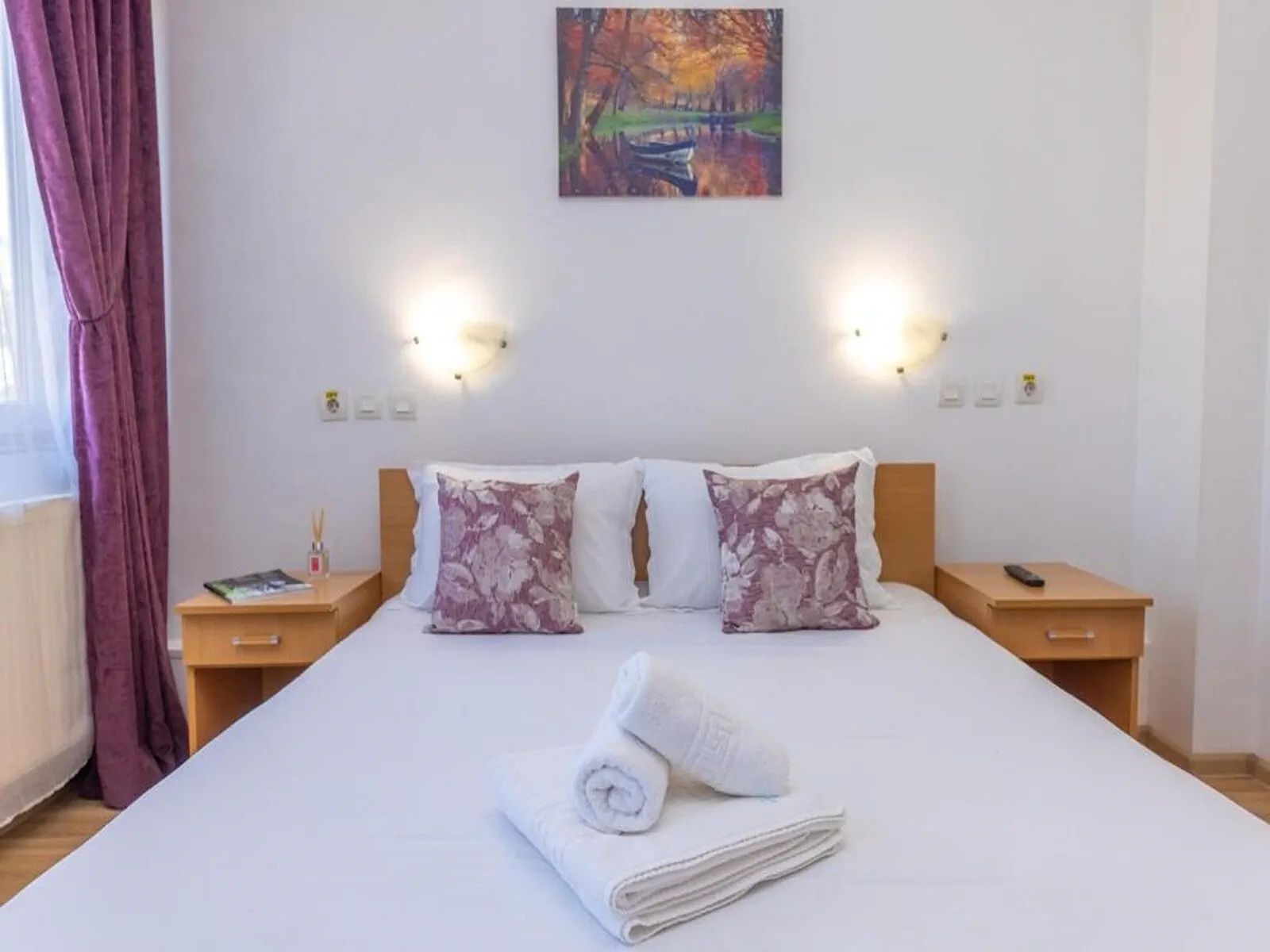
Hotel · 1 star
București, Bucharest · 0.4 km
Hotel Sir Gara de Nord București
Călătorii de afaceri și turiștii care vin să descopere Bucureștiul se simt bineveniți la Hotel Sir Gara de Nord București. Unitatea se află pe Bulevardul Dinicu Golescu, într-o zonă cu acces facil către principalele mijloace de transport ale capitalei, fiind potrivită pentru orice tip de vizită. Amplasarea strategică lângă Gara de Nord, cel mai important punct feroviar al țării, oferă legături directe cu trenul, metroul, autobuzele și troleibuzele. De aici puteți ajunge rapid în diferite părți ale orașului, iar hotelul se află într-o zonă bine conectată. Pentru confortul dumneavoastră, hotelul pune la dispoziție Wi-Fi gratuit, lift, seif la recepție, fier de călcat și depozit pentru bagaje. Recepția funcționează non-stop, iar personalul vorbește limba engleză pentru a vă ajuta. În apropiere se află obiective importante precum Palatul Parlamentului, Catedrala Mântuirii Neamului, Palatul Regal, Muzeul Țăranului Român și Palatul Cotroceni, toate fiind potrivite pentru o vizită în capitală. Vă așteptăm să vă bucurați de sejur și să porniți la drum pentru a descoperi Palatul Parlamentului.
FROM
210 lei per night
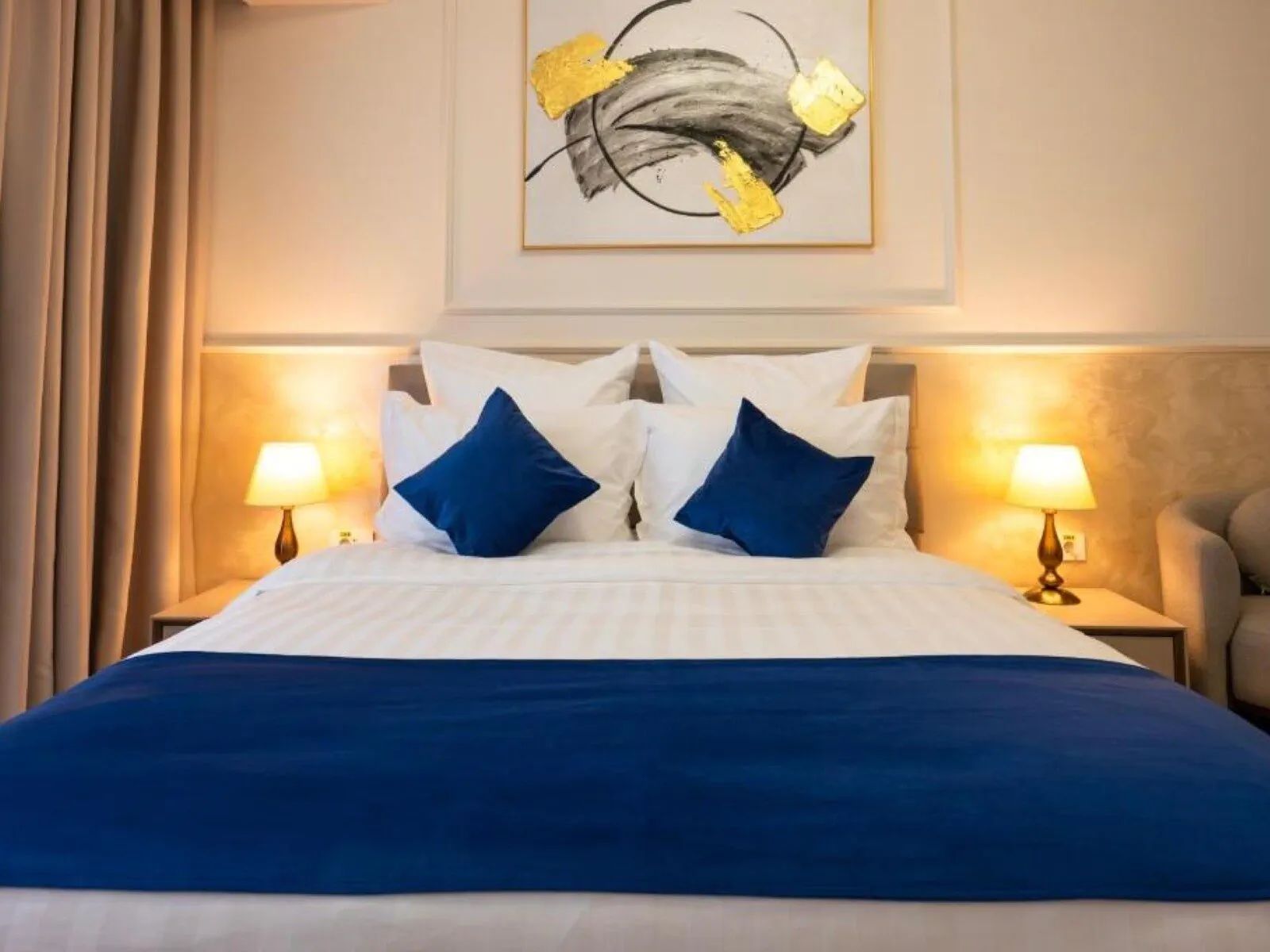
Hotel · 4 stars
București, Bucharest · 0.7 km
Hotel Le Blanc Cotroceni București
Accesul facil pentru persoanele cu dizabilități reprezintă un atu important al Hotelului Le Blanc Cotroceni din București. Această unitate de patru stele se află pe bulevardul Splaiul Independenței și pune la dispoziția dumneavoastră un spațiu primitor, conceput pentru confortul fiecărui oaspete, indiferent de nevoi. În incintă aveți la dispoziție un restaurant și un bar, iar fiecare cameră beneficiază de Wi-Fi gratuit, seif și fier de călcat. Ascensorul asigură accesul facil pe toate etajele, iar depozitul pentru bagaje vă permite să călătoriți fără griji. Familiile cu copii vor aprecia scaunul înalt și meniul special pus la dispoziție pentru cei mici. Camerele sunt amenajate cu grijă, oferind condiții moderne și un ambient plăcut pentru o ședere relaxantă. Unele dintre acestea oferă priveliști spre râul Dâmbovița, într-un cadru liniștit din cartierul istoric Cotroceni. În apropiere puteți vizita Palatul Parlamentului, Catedrala Mântuirii Neamului, Palatul Cotroceni, Palatul Regal și Muzeul Țăranului Român, obiective aflate la îndemână pentru a descoperi istoria și cultura capitalei. Vă așteptăm la adresa bulevardul Splaiul Independenței numărul 201, într-o locație accesibilă din București.
FROM
420 lei per night
Holiday home · 3 stars
București, Bucharest · 0.7 km
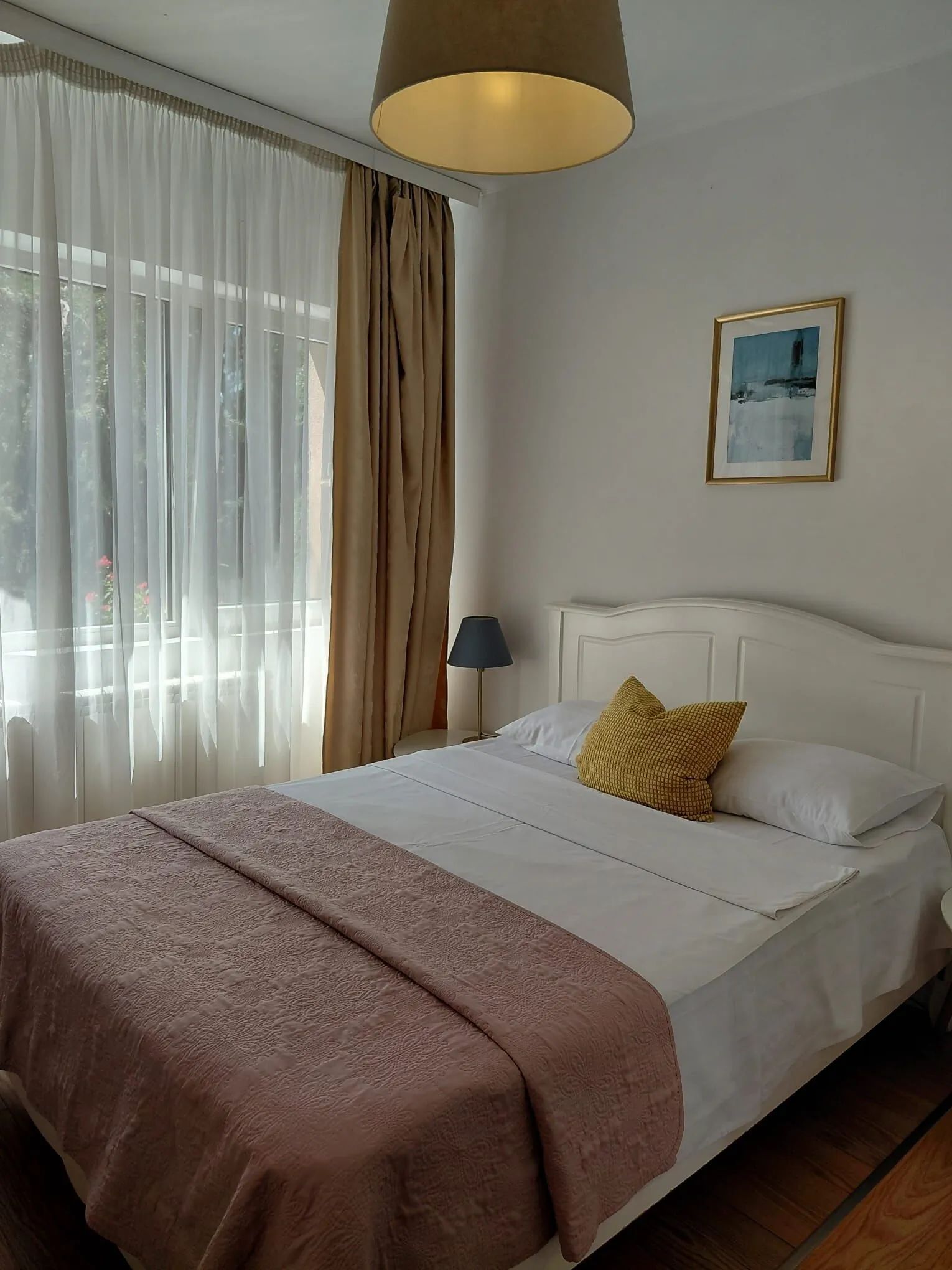
Camere de închiriat Smart Rooms București
București, pe strada Stirbei Vodă, la numărul 130, găzduiește Camere de închiriat Smart Rooms București, o unitate de cazare clasificată cu trei stele, într-o zonă centrală care facilitează accesul rapid către principalele atracții ale orașului. Această casă de închiriat vă pune la dispoziție întreaga proprietate pentru un sejur confortabil și intim, oferindu-vă intimitatea unei locuințe private chiar în mijlocul capitalei. Camerele sunt dotate cu aer condiționat și beneficiază de Wi-Fi gratuit, iar fierul de călcat este pus la dispoziție pentru a vă menține garderoba impecabilă pe toată durata șederii. În exterior, curtea mare și grădina amenajată oferă un spațiu liniștit unde vă puteți relaxa după o zi plină. Pentru bagajele dumneavoastră, există un depozit special amenajat, astfel încât să vă simțiți liniștiți. În vecinătate puteți vizita Palatul Parlamentului, Catedrala Mântuirii Neamului, Palatul Regal, Muzeul Țăranului Român și Palatul Cotroceni, fiecare dintre acestea oferind o experiență culturală distinctă și memorabilă. Vă așteptăm cu drag să vă bucurați de șederea dumneavoastră și să porniți într-o plimbare către Palatul Parlamentului pentru a descoperi mai multe despre istoria capitalei.
FROM
280 lei per night
Hotel · 3 stars
București, Bucharest · 0.7 km
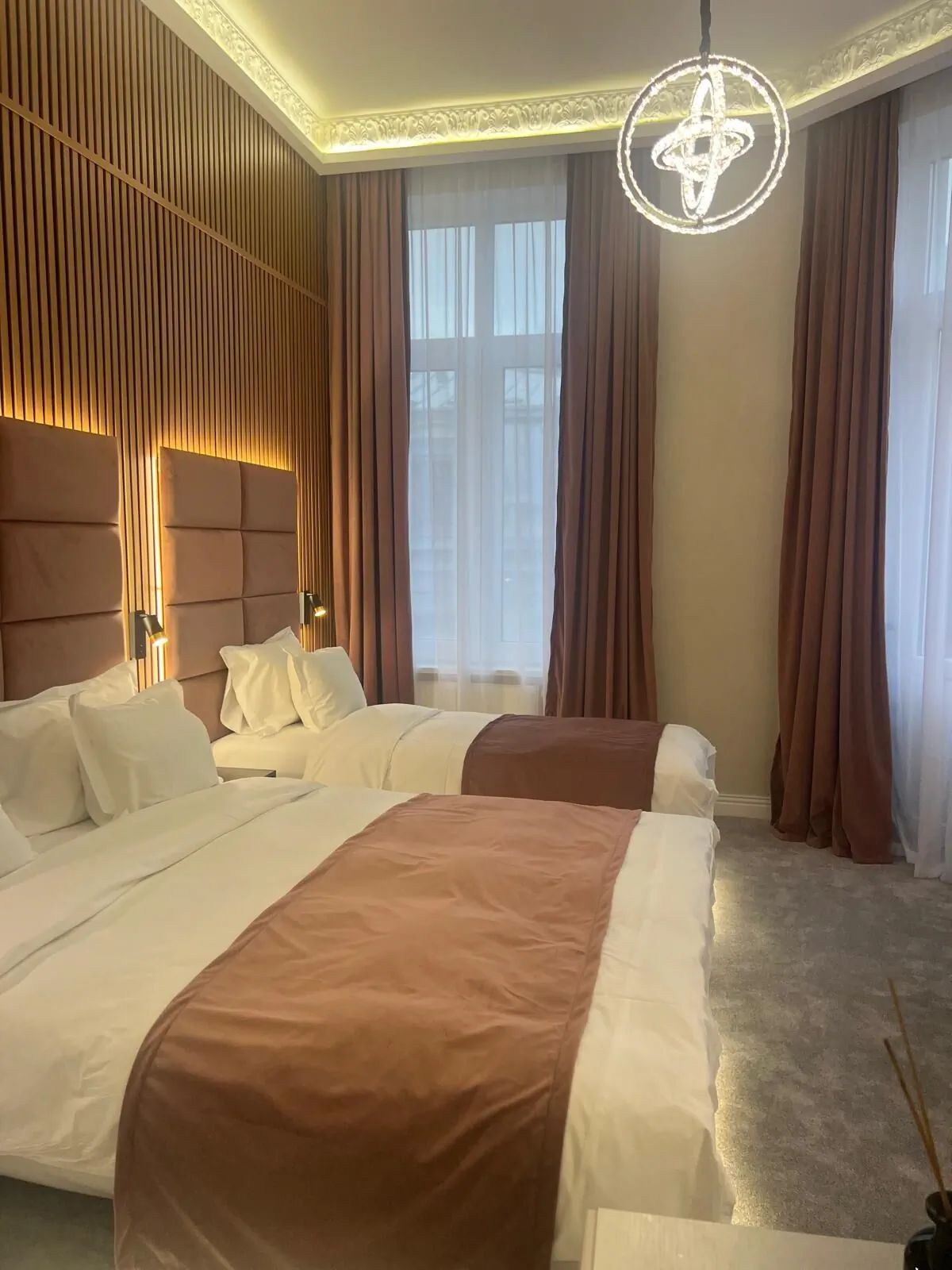
Hotel Bucharest Downtown Inn București
În apropiere puteți vizita Palatul Parlamentului, unul dintre cele mai mari edificii administrative din lume, care impresionează prin sălile sale monumentale și expozițiile permanente. Hotelul Bucharest Downtown Inn din București reprezintă un punct de plecare potrivit pentru explorarea capitalei și pentru descoperirea celor mai importante obiective culturale din zonă. Camerele oferă Wi-Fi gratuit pentru a vă menține conectat pe toată durata sejurului, iar fiecare cameră este dotată cu seif și fier de călcat pentru un plus de confort și siguranță. Pentru familiile care călătoresc cu copii mici sunt disponibile pătuț pentru bebeluș și scaun înalt. De asemenea, aveți la dispoziție parcare pentru biciclete și un spațiu de depozitare pentru bagaje, astfel încât să vă bucurați de o ședere liniștită. În vecinătate se află și Catedrala Mântuirii Neamului, Palatul Regal, Muzeul Țăranului Român și Muzeul Național al Satului Dimitrie Gusti. Aceste obiective completează oferta turistică a zonei și pot fi vizitate cu ușurință pornind de la hotel. Vă așteptăm la Hotel Bucharest Downtown Inn București.
FROM
290 lei per night
Apartment · 3 stars
București, Bucharest · 0.7 km
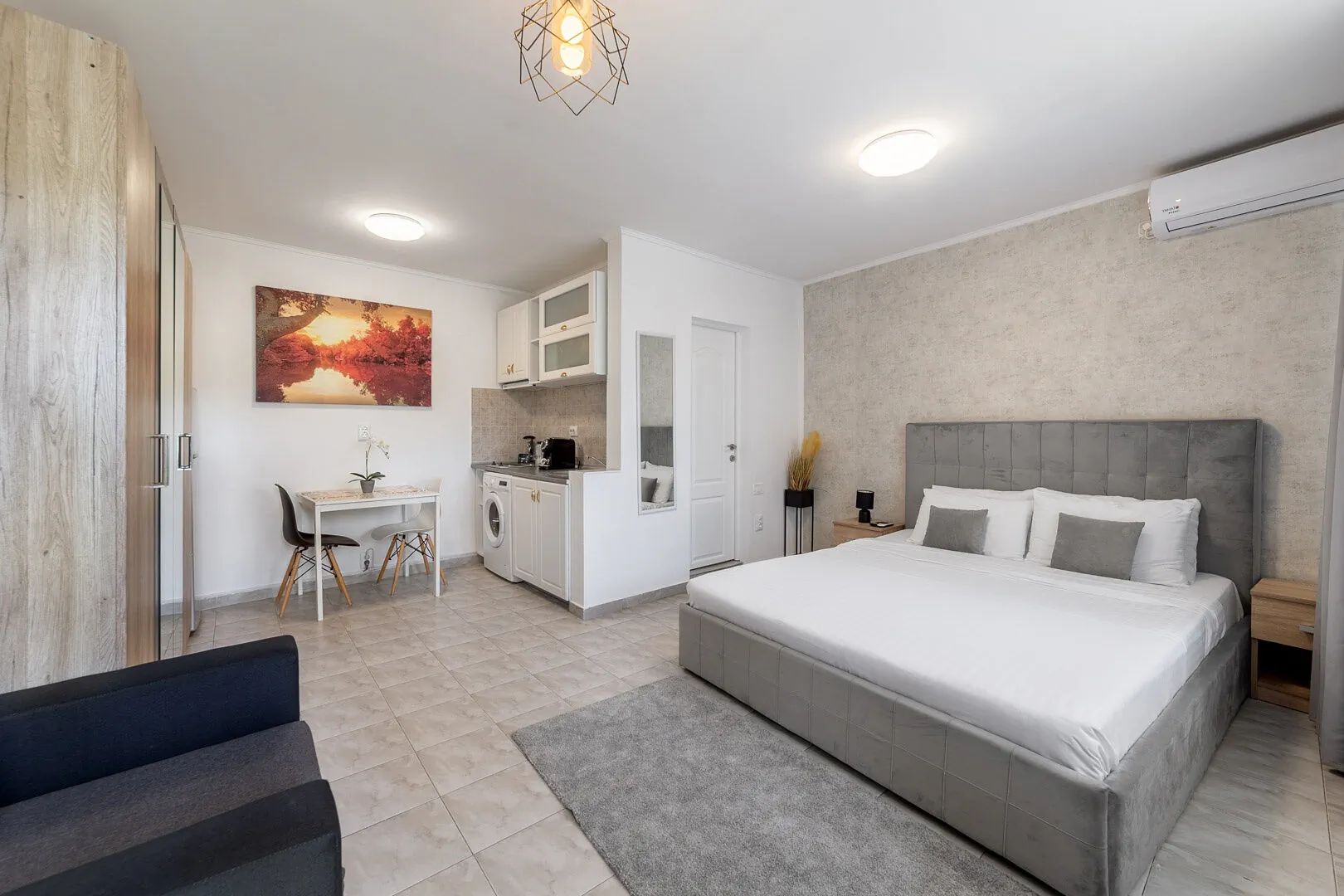
Downtown Victoria Studios București
Pe aleea Strada Buzesti din București se află Downtown Victoria Studios București, un apartament de închiriat clasificat cu trei stele. Unitatea oferă cazare într-un cadru urban accesibil, situat într-o zonă centrală a capitalei, potrivit atât pentru călătorii de afaceri, cât și pentru turiști. Camerele sunt dotate cu bun gust, iar o parte dintre acestea dispun de aer condiționat pentru confortul dumneavoastră pe timpul verii. Beneficiați de Wi-Fi gratuit în întreaga unitate și de acces la o curte mare cu grădină amenajată, un spațiu plăcut pentru momente de relaxare în aer liber. În apropiere se pot vizita Palatul Parlamentului, Catedrala Mântuirii Neamului, Palatul Regal, Muzeul Țăranului Român și Muzeul Național al Satului Dimitrie Gusti. Aceste obiective culturale și istorice importante completează experiența șederii dumneavoastră în această zonă a orașului. Preluarea camerei se efectuează începând cu ora 15:00, iar eliberarea se face până la ora 11:00. Personalul de la recepție comunică fluent în limba română și în limba engleză, fiind pregătit să vă ajute cu informațiile necesare. Plata se poate realiza prin transfer bancar, cu card de vacanță sau prin voucher. Vă așteptăm la Downtown Victoria Studios București pentru un sejur plăcut în București.
FROM
230 lei per night
BEFORE YOU HIT THE ROAD
Weather conditions in Bucuresti
Local forecast for National Military Museum King Ferdinand I, Bucuresti, București

Real-time updated weather data
Much more to explore in this area
Nearby tourist attractions


Bucuresti, Bucharest
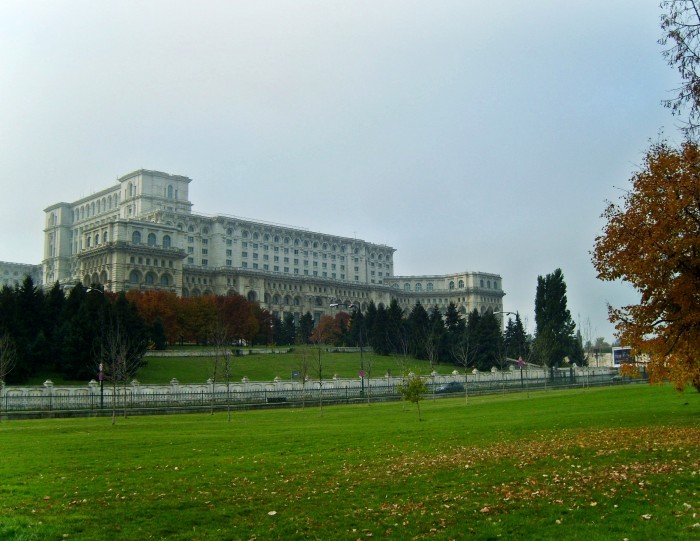
Palace of the Parliament
Situat pe strada Izvor nr.3, sector 5, localitatea Bucuresti; in perioada comunista a fost cunoscut sub numele de "Casa Poporului"; considerata una dintre cele...
1.7 km

București, Bucharest
People's Salvation Cathedral (National Cathedral of Romania)
Catedrală ortodoxă din București
1.8 km
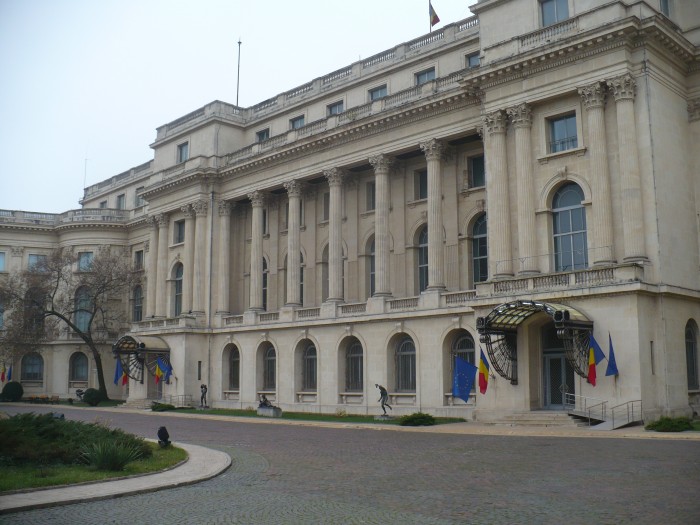
Bucuresti, Bucharest
Royal Palace of Bucharest
Situat pe Calea Victoriei nr. 49-53, sector 1, localitatea Bucuresti; construit intre anii 1812-1815 a apartinut marelui logofat Dinicu Golescu, dar a fost...
1.5 km
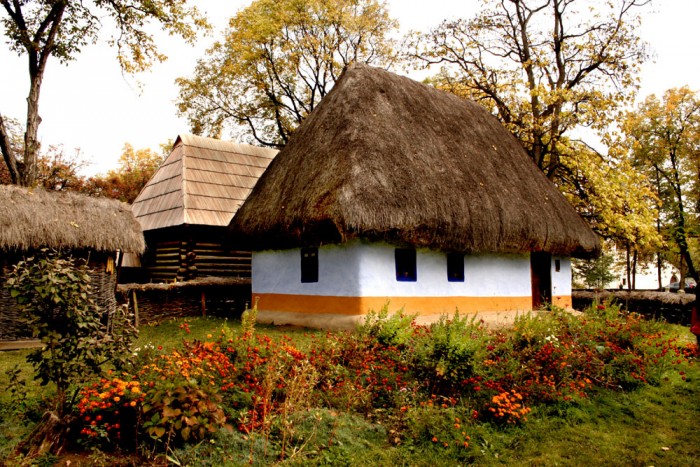
Bucuresti, Bucharest
Dimitrie Gusti National Village Museum
Situat pe Soseaua Kiseleff nr.28-30, sectorul 1; a fost inaugurat in 1936; expozitia permanenta cuprinde 121 de complexe distincte, totalizand 338 de monumente,...
3.4 km

Bucuresti, Bucharest
Romanian Peasant Museum (Muzeul Național al Țăranului Român)
Situat pe soseaua Kiseleff nr.3, sector 1, localitatea Bucuresti; constructia intregului edificiu a durat 29 de ani, fiind finalizat in 1941; cladirea muzeului...
1.6 km

Bucuresti, Bucharest
Cotroceni Palace
Situat pe bulevardul Geniului nr.2, sector 6, localitatea Bucuresti; in anul 1679, domnitorul Serban Cantacuzino incepe constructia unei manastiri; opera sa a...
1.4 km

Bucuresti, Bucharest
Grigore Antipa National Museum of Natural History
Situat pe soseaua Kiseleff nr. 1, sector 1, localitatea Bucuresti; fondat in 1834 la initiativa lui Mihalache Ghica; are un bogat patrimoniu format din...
2.1 km
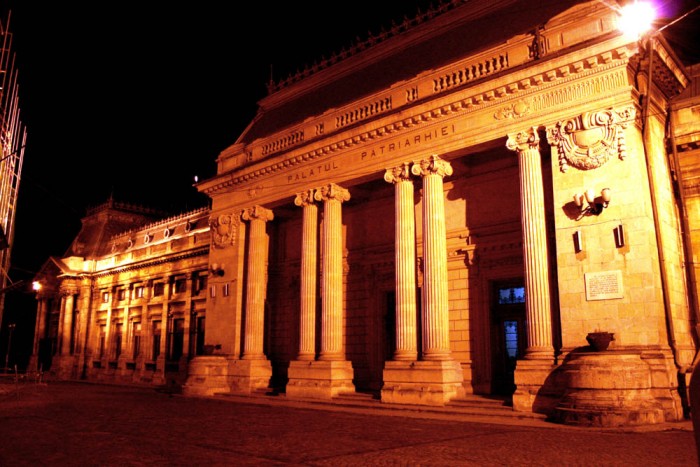
Bucuresti, Bucharest
Patriarchal Palace
Situat pe aleea Dealul Mitropoliei nr.25, sector 4, localitatea Bucuresti; construit de statul roman, la inceputul secolului al XX-lea, pe locul fostei sali a...
2.5 km

Bucuresti, Bucharest
National Museum of Romanian History
Situat pe Calea Victoriei nr.12, sector 3, localitatea Bucuresti; adapostit de Palatul Postelor; a fost inaugurat in anul 1970 fiind cel dintai muzeu de...
2.0 km
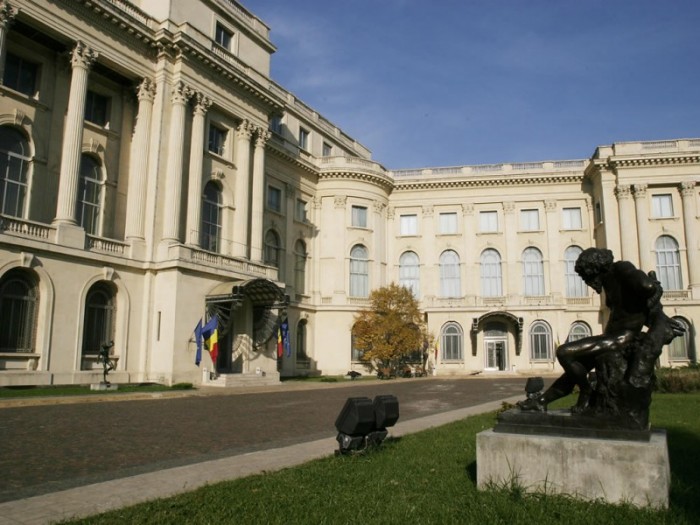
Bucuresti, Bucharest
National Museum of Art of Romania
Situat pe Calea Victoriei nr. 49-53, sector 1; deschis in 1948, in vremea lui Alexandru Ioan Cuza;cladirea era pe atunci locuinta domneasca, in timpul lui...
1.6 km

1.0 km
Bucuresti, Bucharest
Cantacuzino Palace
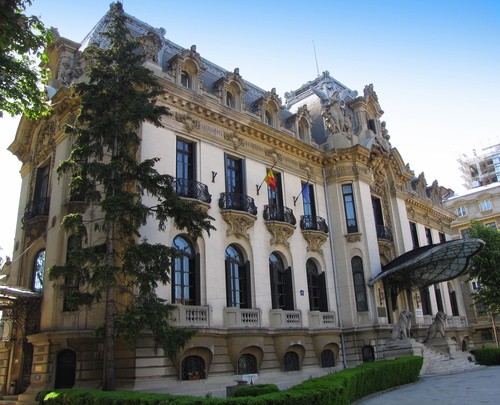
Situat pe Calea Victoriei nr.141, sector 1, localitatea Bucuresti; construit intre anii 1898-1900, in stil baroc francez al epocii Ludovic al XVI-lea, pentru...
1.4 km
Cultural life and traditions
Events in the National Military Museum King Ferdinand I area
Medieval festivals, traditional fairs, concerts and local activities recommended in Muntenia (Wallachia).

History and Royal Architecture

Bucuresti, County of București
Days of Royalty and Heritage in the Prahova Valley
Historical conferences open to the public, themed tours of royal architecture, documentary screenings and exhibitions of vintage photographs.
WHEN
May 10-12, 2026


Gastronomy and Oenology
Dealu Mare, County of București
The Prahova Wine Festival on the Wine Route
Guided tastings of Fetească Neagră along the famous Wine Route, visits to historic wineries, and meetings with leading winemakers.
WHEN
Every weekend (September - October)
Hiking and Adventure
Bucegi Mountains, București County
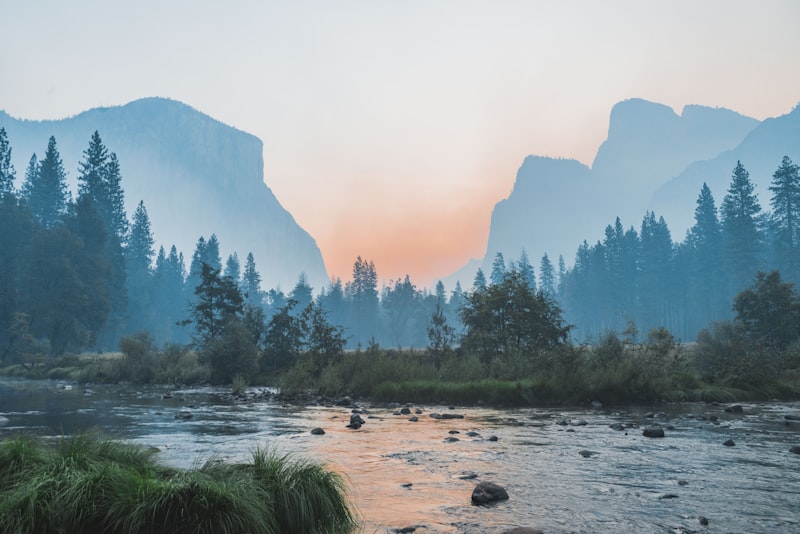
Guided Mountain Tour in the Bucegi Mountains
Guided mountain tours led by mountain rescue personnel to iconic panoramic viewpoints and spectacular alpine waterfalls.
WHEN
Daily during the season (June - October)
On foot, exploration gains depth
Discover the surroundings and local geography
Explore the trails, terrain, and natural landmarks around National Military Museum King Ferdinand I.

Guides and practical tips
Useful travel articles
Travel guides, practical recommendations and tourist itineraries for Muntenia (Wallachia).

Tourist guide
Top 5 Atracții Turistice și Trasee Montane în Zona Moieciu - Bran
Descoperă cele mai spectaculoase peisaje carstice, chei adânci și cetăți medievale din imediata apropiere a stațiunii Moieciu.

Tourist guide
Ghid de Drumeție: Traseul Moieciu de Sus spre Platoul Bucegi
Un itinerariu montan de o frumusețe rară ce urcă din Valea Băngăleasa spre Poiana Guțanu și crestele maiestuoase ale Bucegilor.

Tourist guide
Castelul Bran: Istorie, Legende și Secrete Medievale
Află adevărata poveste a fortăreței medievale din Pasul Bran, reședința de suflet a Reginei Maria a României.
THE JOURNEY STARTS WITH AN IDEA
The next story is on the way.
From the first stop to the last stay, make room for a new Romania.
