


MUSEUM · MUNTENIA (WALLACHIA)
National Museum of Romanian History

Bucuresti, Bucharest
Add location to your trip planner.

Practical access information

VISITING HOURS
Monday: 12:00 PM – 5:00 PM · Tuesday–Sunday: 9:00 AM – 5:00 PM (in summer until 8:00 PM)

TICKET PRICE
Adults: 45 RON · Students: 11 RON · Seniors: 23 RON · Guided tour included

RECOMMENDED VISIT DURATION
2-3.5 hours
Visitor information and guide
 Navigate with Google Maps

ABOUT NATIONAL MUSEUM OF ROMANIAN HISTORY
A Temple of National Memory in the Heart of Europe
On Victory Avenue, the secular artery that witnessed the passage of royal carriages, Ottoman troops, democratic demonstrations and military parades, stands the imposing Palace of the Post Office, home to the National Museum of Romanian History. Here, in the pulsating center of Bucharest, in a building that breathes the Belle Époque air of the great European capitals, unfolds one of the most impressive depositions of cultural continuity in the south-east of the continent. The institution, inaugurated in the early 1970s, represents not only the first museum of archaeology and history in Romania in terms of representativeness, but a true temple of national memory, where the past is not only preserved, but becomes palpable through objects that have survived barbarian invasions, devastating earthquakes, world wars and radical political transformations. Stepping into this palace, the visitor enters a space sacralized by time, where monumental columns and decorative frescoes of the 19th century embrace millennial artifacts, creating an emotional dialogue between epochs and civilizations.
This museum is more than a simple collection of artifacts; it is a solid bridge between the civilizations that succeeded one another on these lands and the great cultural currents of Europe. From the Neolithic tribes that raised megalithic temples in Dobruja, to the princely court of Constantin Brâncoveanu and the salons of the constitutional monarchy, each exhibition hall reveals deep layers of a history that is intimately intertwined with that of the Roman Empire, Byzantium, the medieval kingdoms of Central Europe and the great modern empires. The visitor who steps into this palace enters a fascinating chronological journey, similar to that offered by the British Museum in London, the Louvre in Paris or the Kunsthistorisches Museum in Vienna, but with the profound specificity of a nation that built its identity on the border between East and West, in a space where Latin, Byzantine, Slavic and Ottoman influences melted into a unique civilization.
Historical Roots and Dialogue with Major European Museums
The genesis of the National Museum of Romanian History is lost in the mists of the 19th century, in an era when Europe witnessed the birth of great modern museum institutions and the democratization of access to knowledge. While the Louvre opened its doors to the public in 1793, and the British Museum in 1753, Romania, barely emerged from Ottoman shadow and asserting its national identity, was gradually building its cultural infrastructure. The roots of the institution are found in the National Museum of Antiquities founded in 1864 in Bucharest, under the aegis of historian Dimitrie Onciul, and in the collections of the Saint Sava School, which gathered the first archaeological vestiges discovered on the territory of the United Principalities. These early beginnings reflected the desire of a young nation to affirm its historical continuity in a European context dominated by the great Habsburg, Ottoman and Russian empires.
Throughout the 19th century and the beginning of the 20th century, the collections were enriched through royal donations, systematic acquisitions inspired by the practices of Viennese and Parisian museums, and archaeological campaigns led by personalities such as Vasile Pârvan, who revealed the complexity of Dacian civilization and its links with the Mediterranean world. In the interwar period, when Bucharest aspired to become the 'Little Paris' of the Balkans, the museum experienced a period of flourishing, accumulating treasures that rivaled those of major European cultural centers such as the Pergamon Museum in Berlin or the Vatican Museums. The official inauguration of the museum in its current form, in the early 1970s, coincided with an era of cultural opening and affirmation of national heritage on the international stage, placing the institution in continuous dialogue with museums in Vienna, Prague, Budapest or Moscow, centers of empires that once shared the same territories or had major interests in this part of Europe.
The Palace of the Post Office, Architectural Jewel of the Belle Époque
The building that houses the museum is itself an exceptional monument, a masterpiece of civil architecture from the Belle Époque period, illustrating the ambition of an era fascinated by grandeur and historical continuity. Built between 1894 and 1899 according to the plans of architect Alexandru Săvulescu, former Minister of Public Works and a prominent personality of Romanian public life, the Palace of the Post Office represents the apotheosis of a vision in which modern functionality intertwines with artistic splendor. The eclectic style of the building harmoniously combines neo-Baroque elements with Art Nouveau accents, creating a monumental facade that recalls the administrative palaces of Vienna, the public buildings of Paris or those of Brussels, cities that in turn asserted their status as cultural capitals of Europe.
Architect Săvulescu conceived a truly royal construction, with an imposing central body flanked by two symmetrical wings, decorated with elaborate allegorical sculptures representing the genius of commerce and communications, and with floral ornaments specific to the new art. The main entrance, marked by a grand portal with Corinthian columns, opens onto a vast central hall, a true sanctuary of the museum, dominated by the impressive replica of Trajan's Column. This replica, made in the interwar period when fascination with Roman antiquity experienced a revival throughout Europe, evokes the original monument in Rome, erected by Emperor Trajan in the 2nd century to celebrate the conquest of Dacia. The placement of this copy in the heart of Bucharest underlines the deep links between the Carpathian-Danubian space and the Roman Empire, recalling other similar monuments in Central Europe that evoke Roman heritage, such as the Column of Marcus Aurelius also in Rome or various replicas and evocations of Roman art in Vienna, Budapest or Prague.
The interior of the palace impresses through the use of noble materials: Carrara marble for pavements and stairs, elaborate polished stucco on ceilings, wrought iron balustrades with Art Nouveau vegetal motifs, and tall windows that flood the spaces with natural light. The facade of the building, with its wide windows and sloping roof covered with slate, with decorative turrets and sculpted pediment, fits perfectly into the urban ensemble of Victory Avenue, alongside the CEC Palace, the Romanian Athenaeum and other emblematic buildings of the era, forming one of the most coherent architectural ensembles in South-Eastern Europe.
Treasures That Have Crossed Millennia and Civilizations
The museum's collections exceed 670,000 pieces, organized in over 60 exhibition halls, comprising sections dedicated to prehistoric, Dacian, Greek, Roman and medieval archaeology, history, numismatics, as well as an impressive National Treasure, a unique lapidarium, state-of-the-art restoration laboratories and a specialized library with over 300,000 volumes. Among the world-renowned exhibits stands out the Hen with Golden Chicks, masterpiece of the Pietroasele treasure, discovered in 1837 in Buzău County and dating from the 4th century. This piece, made of solid gold and precious stones such as garnets, amethysts and pearls, belongs to the period of the migrations of peoples and has close parallels in European barbarian art of the same era, resembling the discoveries from Sutton Hoo in England, the Gepid and Hunnic treasures from the Pannonian basin or Scythian art from the North Pontic steppes. The Hen with Golden Chicks represents not only a jewel of exceptional technique, but a symbol of fertility and continuity of life in a turbulent period of European history, when empires were collapsing and new peoples were entering the continent.
Alongside this, the Dacian gold collection, with spiral bracelets ending in snake heads, zoomorphic caskets and ceremonial helmets, reveals the refinement of a civilization that interacted intensely with the Mediterranean world, with the Scythians from the North Pontic steppes and with the Celts of Central Europe. These pieces have direct parallels in Celtic art from Ireland and Scotland, as well as in Scythian treasures from Ukraine and southern Russia, demonstrating the circulation of ideas and artisan craftsmen along European trade routes. The numismatic collection, one of the most complete in South-Eastern Europe, comprises over 500,000 coins, offering an exceptional monetary panorama: Roman denarii and aurei that circulated in Dacia, Byzantine folles from Constantinople, Ottoman akçe from Istanbul, Habsburg thalers from Vienna and cruzeiros of the Romanian principalities, each piece being a testimony to the circulation of goods, economic influences and imperial borders that succeeded one another on these lands over two millennia.
The medieval art section presents Byzantine icons on wood and canvas from the 14th-17th centuries, illuminated manuscripts with miniatures of remarkable finesse, and Orthodox cult objects, reflecting the influence of the Byzantine Empire and the artistic tradition of the Balkans, with parallels in the collections of Mount Athos, Venice or Kiev. The lapidarium, with numerous Roman, Greek and medieval inscriptions, milestones from Roman roads and funerary stones, offers a unique perspective on Latin and Greek epigraphy in the region, comparable to similar collections in the museums of Rome, Vienna or Paris, and demonstrates the integration of the territory into the administrative and cultural network of ancient and medieval Europe.
Personalities, Discoveries and Decisive Historical Moments
The history of the museum is closely linked to the destiny of prominent personalities of Romanian and European culture and science. Alexandru Săvulescu, the architect of the palace, was not only a construction technician, but a visionary who understood the importance of public architecture in affirming national identity and Romania's European status. Dimitrie Onciul, founder of Romanian archaeology and first director of the Museum of Antiquities, laid the foundations of the first systematic collections, while Vasile Pârvan, through his excavations at Histria, Tomis and the Dacian fortresses of the Orăștie Mountains, revealed to the world the depth of the indigenous civilization and its links with the Hellenistic and Roman world. The discovery of the Pietroasele treasure in 1837 by two peasants, Ion Năstase and his brother, represented a crucial moment for European heritage, and the rapid acquisition of this treasure by the Romanian state marked the beginning of a world-class treasure collection, comparable to those of the British Museum or the Louvre.
The museum went through dramatic moments that marked its history and European heritage. The devastating earthquake of March 4, 1977 caused significant damage to the historic building and endangered the collections, requiring years of meticulous restoration and heroic efforts by the staff to save the artifacts. The events of December 1989 brought new challenges, but also an unprecedented opening to the world, the museum becoming a center of research and education open to the international public and organizing traveling exhibitions in major European capitals such as Paris, London, Vienna or Rome. Over the decades, dedicated directors and curators have enriched the heritage through strategic acquisitions, by organizing reference exhibitions that placed Romania on the cultural map of Europe and by developing modern educational programs, comparable to those of major Western museum institutions.
Victory Avenue and the Complete Cultural Experience
Located at 12 Victory Avenue, in Sector 3, the museum benefits from an exceptional central position, easily accessible both by public transport (University metro station or Unirii Square, numerous bus and tram lines), as well as on foot from the historic center of the capital. Victory Avenue, one of the oldest and most elegant arteries of Bucharest, with its historic buildings in neoclassical and eclectic style, with literary cafes and luxury shops, offers the perfect setting for a full cultural visit that combines material heritage with the specific urban atmosphere. Visitors can start the day with a walk along this secular street, have coffee at one of the terraces overlooking the CEC Palace or the Telephone Palace and then step into the Palace of the Post Office to discover the hidden treasures in its vast halls.
The museum tour is organized chronologically and thematically, beginning with prehistoric and Paleolithic epochs, continuing with ancient civilizations, the medieval period, the modern era and ending with the contemporary period and recent history, each section offering a broad perspective on the contribution of different civilizations to the formation of Romanian identity in a European context. The generous spaces, adequate lighting that highlights both the interior architecture and the displayed artifacts, and modern thematic presentations facilitate the exploration of national heritage in a setting that impresses through grandeur. Nearby are other major cultural objectives: the Royal Palace, today the National Museum of Art of Romania, the Romanian Athenaeum, Stavropoleos Church, the National Military Museum and the Old Town with its pedestrian streets, allowing the visit to be completed with an incursion into the bohemian and cosmopolitan atmosphere of historic Bucharest.
For international visitors, the museum offers audio guides in English, French, German and Italian, periodically organized thematic guided tours, access to the specialized library for researchers and a bookshop where catalogs and specialized publications can be purchased. The solemn yet welcoming atmosphere of the exhibition halls, combined with the architectural grandeur of the palace and the exceptional diversity of the collections, creates a memorable experience that fully illustrates Romania's belonging to the great family of European civilizations. A visit to the National Museum of Romanian History is not only an incursion into the past, but a profound journey through the soul of a nation that knew how to preserve and assert its identity over the millennia, in a continuous and fertile dialogue with the history of all Europe.
Media gallery
Discover National Museum of Romanian History in pictures

2 photos · Architecture, courtyards and captivating details


Image source: Wikimedia Commons · Public domain photos · Free license
STAY A FEW DAYS, DISCOVER THE MAGIC
Accommodation in the National Museum of Romanian History area

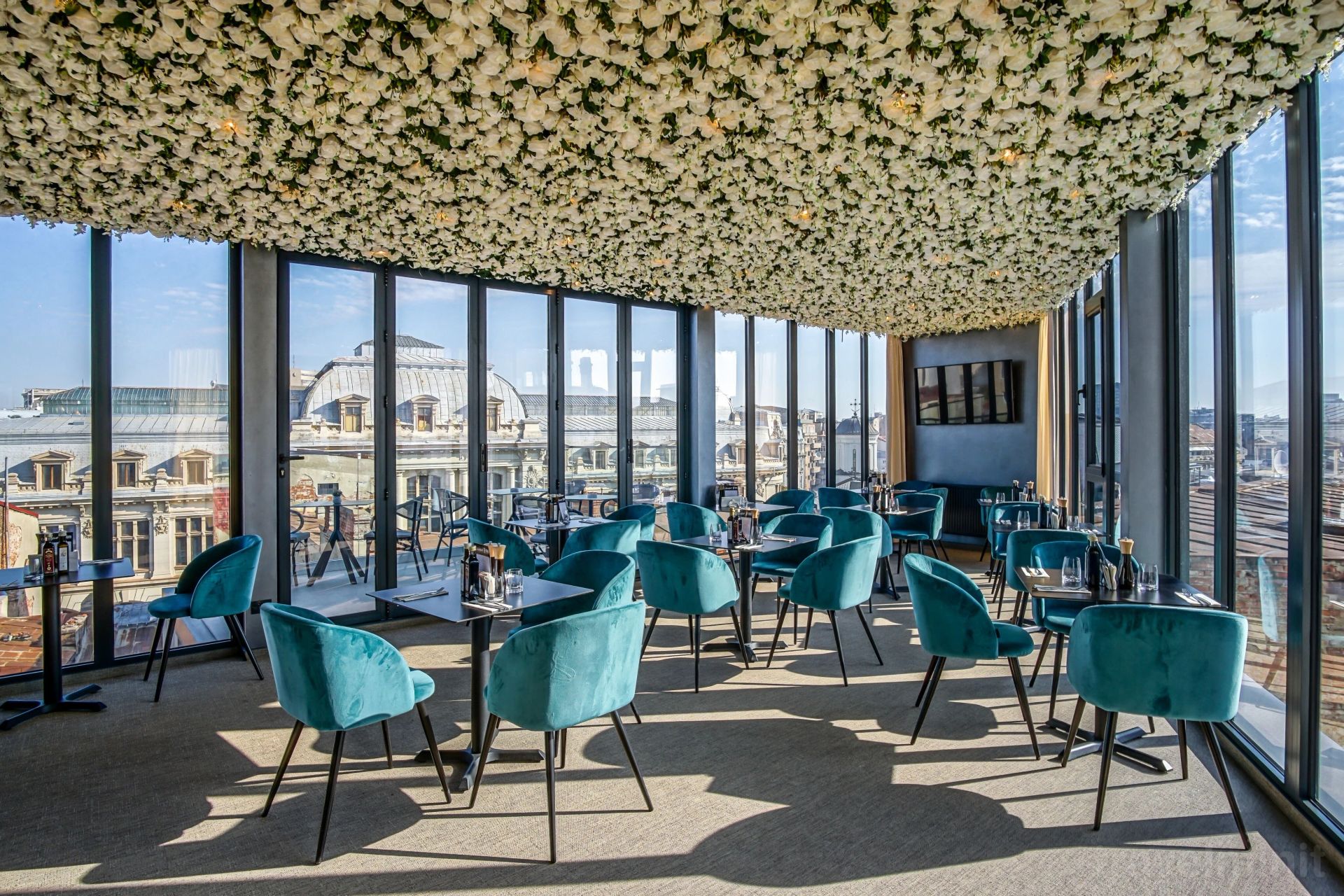
Boutique hotel · 3 stars

București, Bucharest · 0.1 km
Filitti Boutique Hotel București
Filitti Boutique Hotel București este alegerea potrivită pentru călătorii care doresc să exploreze capitala într-un ambient plăcut și discret. Situat pe strada Filitti 4, în București, hotelul de trei stele vă pune la dispoziție camere amenajate cu grijă, fiecare echipată cu aer condiționat și grup sanitar propriu, pentru un sejur confortabil și relaxant. Pentru a vă asigura tot confortul necesar pe toată durata șederii, unitatea oferă acces Wi-Fi gratuit în întreaga proprietate, precum și un serviciu de depozit pentru bagaje. Astfel, puteți lăsa lucrurile în siguranță și să vă bucurați de oraș fără nicio grijă. La recepție veți găsi personal care vorbește limba română și engleză, gata să vă ofere informațiile necesare. Locația vă permite să ajungeți rapid la cele mai importante obiective turistice din zonă. Puteți vizita Palatul Parlamentului, Catedrala Mântuirii Neamului, Palatul Regal, Muzeul Național de Istorie Naturală Grigore Antipa și Muzeul Țăranului Român, fiecare oferind o perspectivă unică asupra bogatului patrimoniu cultural al Bucureștiului. Programul de primire a camerei începe la ora 14:00, iar eliberarea se face până la ora 12:00, oferindu-vă flexibilitate în organizarea zilei dumneavoastră. Vă așteptăm la Filitti Boutique Hotel București.
FROM
290 lei per night

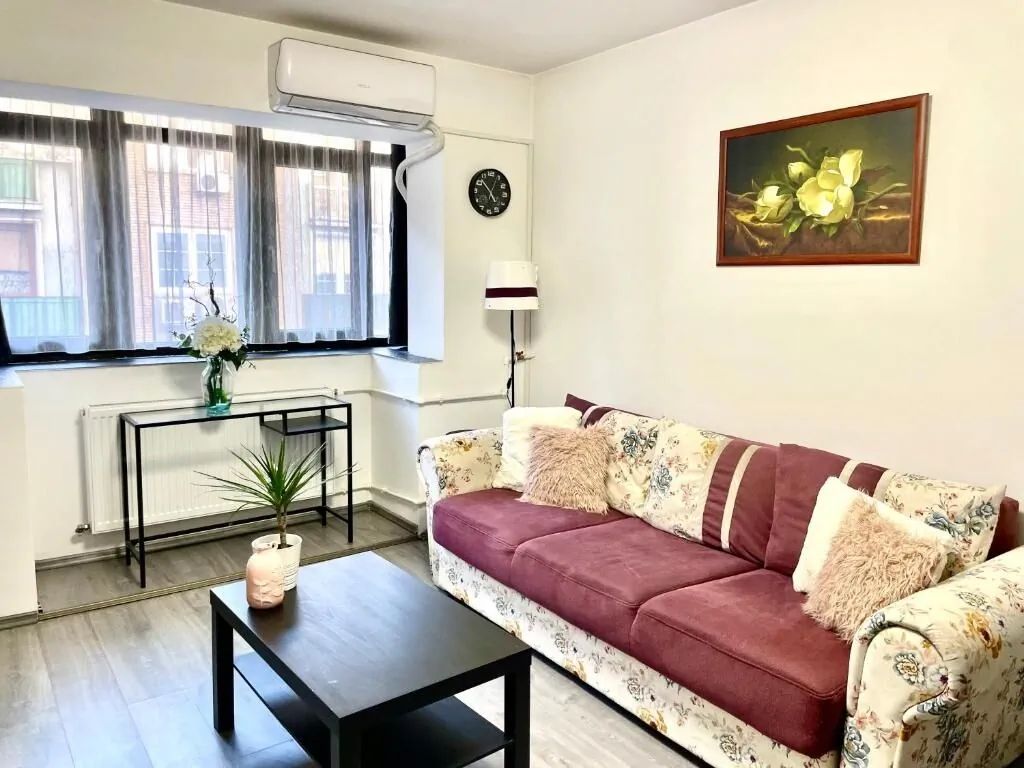
Apartment · 3 stars
București, Bucharest · 0.3 km
Apartament Tower Old City București
Comfort, relaxation and stunning views, all just steps away from the main attractions.
FROM
230 lei per night
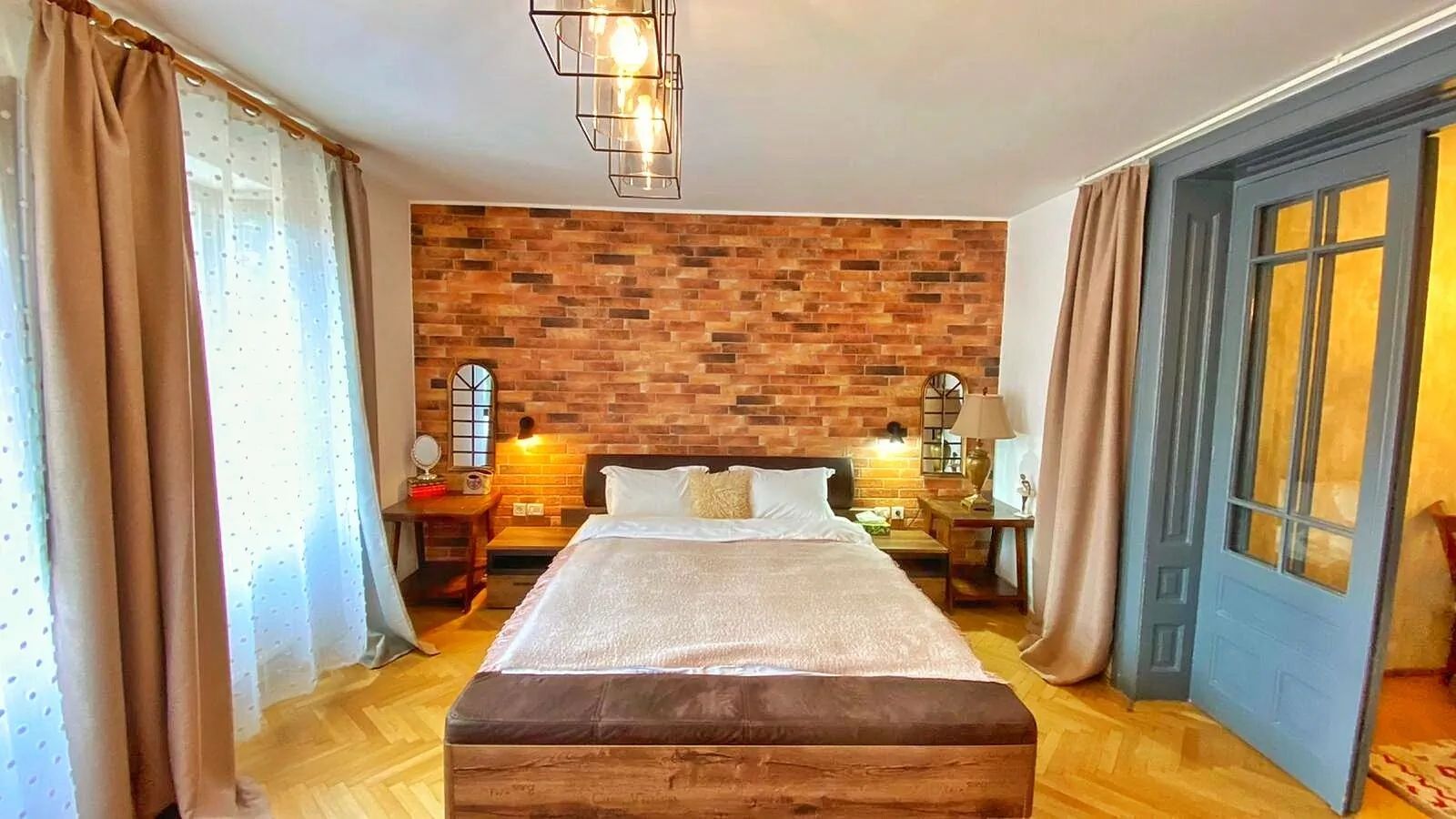
Apartment · 3 stars
București, Bucharest · 0.3 km
Apartament City Center Bed and Beyond București
În apropiere puteți vizita Palatul Parlamentului, una dintre cele mai impresionante construcții administrative din lume. Apartamentul City Center Bed and Beyond din București reprezintă punctul dumneavoastră de plecare pentru a explora capitala României și toate atracțiile sale. Această unitate de cazare de 3 stele, situată pe strada Franceză, oferă un spațiu confortabil și bine mobilat. Camera este dotată cu aer condiționat și baie privată, iar accesul la Wi-Fi gratuit vă permite să rămâneți conectați pe toată durata șederii dumneavoastră. Pentru familiile care călătoresc cu copii mici, pătuțul pentru bebeluș este pus la dispoziție, iar fierul de călcat vă ajută să vă mențineți ținutele îngrijite. Personalul de la recepție comunică în română, engleză și spaniolă. Check-in-ul se realizează începând cu ora 16:00, iar eliberarea camerei se face până la ora 11:00. În zonă puteți descoperi și Catedrala Mântuirii Neamului, Palatul Regal, Muzeul Național de Istorie Naturală Grigore Antipa sau Palatul Patriarhal, toate reprezentând repere culturale și istorice importante ale orașului. Vă așteptăm să vă bucurați de o ședere plăcută în București.
FROM
230 lei per night
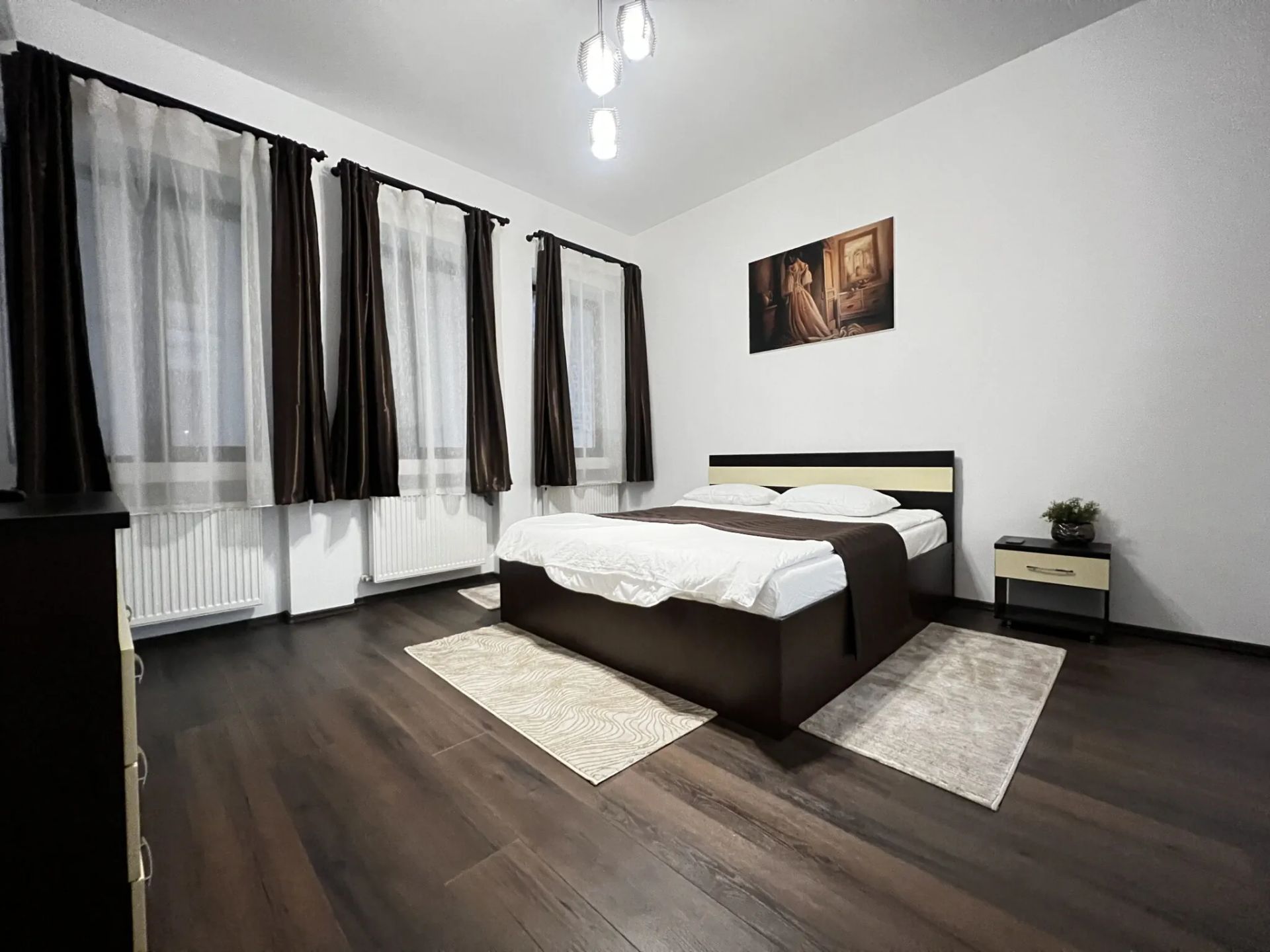
Apartment · 2 stars
București, Bucharest · 0.3 km
Apartament Old City București
Familiile și grupurile de prieteni se vor simți bine în Apartament Old City București, situat pe strada Franceza în centrul capitalei. Spațiul oferă trei dormitoare cu paturi duble, două băi complete și o toaletă separată, fiind potrivit pentru șederi mai lungi sau călătorii în grup. La intrare, un hol separă camerele de bucătărie și băi. Bucătăria este complet echipată și include mașină de espresso, cuptor și aragaz pe gaz, alături de câteva ingrediente de bază. Lenjeria de pat este de calitate hotelieră, schimbată înainte de fiecare sosire, iar prosoapele, șamponul, gelul de duș și uscătorul de păr sunt puse la dispoziție. Conexiunea Wi-Fi gratuită asigură acces la internet pe toată durata șederii. În apropiere se află Palatul Parlamentului, Catedrala Mântuirii Neamului, Palatul Regal, Muzeul Național de Istorie Naturală Grigore Antipa și Palatul Patriarhal, astfel încât puteți explora cu ușurință cele mai importante puncte de interes ale orașului. Vă așteptăm în Apartament Old City București pentru un sejur plăcut în centrul Bucureștiului.
FROM
230 lei per night
Hotel · 3 stars
București, Bucharest · 0.3 km
Hotel Forty One București
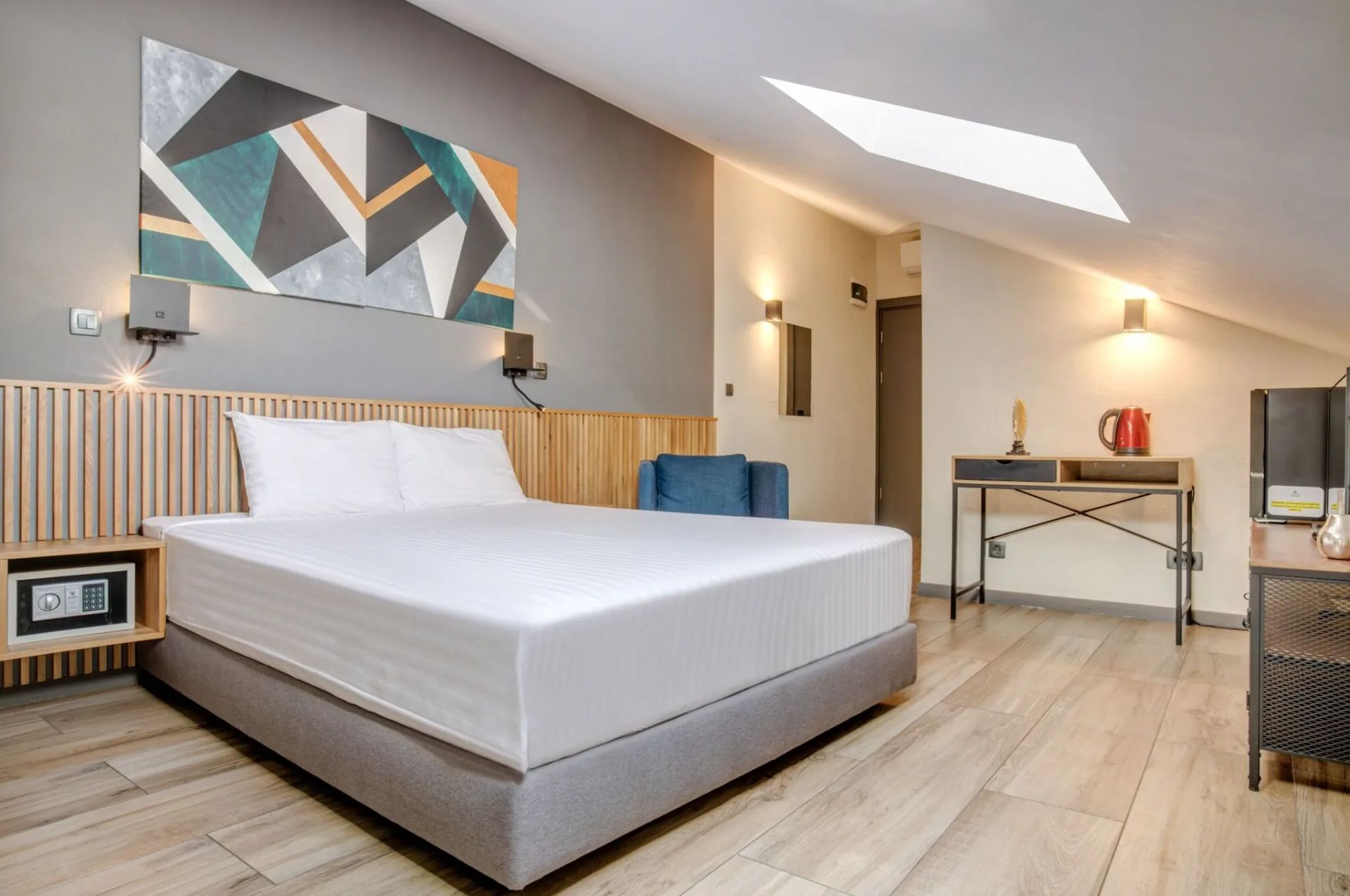
O zi începe relaxant în curtea mare și grădina amenajată, cu Wi-Fi gratuit pentru planurile dumneavoastră, la Hotel Forty One din București. Unitatea pune la dispoziția dumneavoastră 27 de camere dotate cu bun gust, unele dintre ele având aer condiționat. Pentru un sejur fără griji, beneficiați de depozit pentru bagaje, acces pentru persoane cu dizabilități și, la cerere, de un pătuț pentru bebeluș. Ziua hotelieră începe la ora 15:00 și se încheie la ora 12:00. Personalul comunică în română, engleză și franceză, iar micul dejun este inclus. În vecinătate puteți vizita Palatul Parlamentului, Catedrala Mântuirii Neamului, Palatul Regal, Muzeul Național de Istorie Naturală Grigore Antipa și Muzeul Țăranului Român. Aceste obiective îmbogățesc experiența șederii dumneavoastră în capitală și sunt ușor de accesat pornind de la hotel. Această unitate este potrivită pentru călătorii care doresc să exploreze Bucureștiul într-un mediu accesibil și confortabil, cu facilități pentru întreaga familie, într-un ambient liniștit și primitor.
FROM
290 lei per night
Hotel · 3 stars
București, Bucharest · 0.3 km
Hotel Selari Chambre București
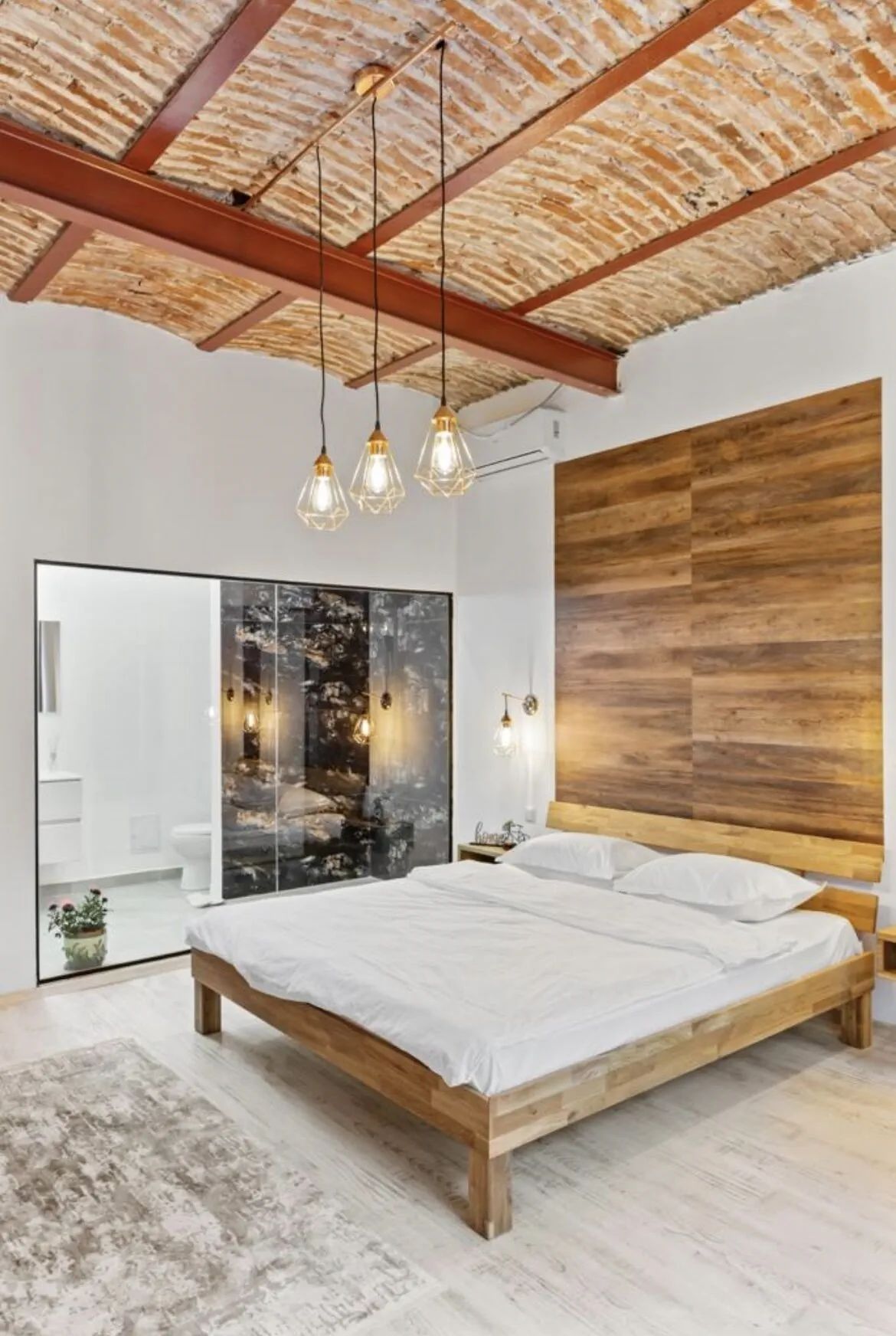
Pe strada Selari numărul 20 din București se află Hotel Selari Chambre, o unitate de cazare situată într-o zonă centrală care oferă acces facil către principalele atracții ale capitalei. Hotelul pune la dispoziția dumneavoastră facilități esențiale pentru un sejur confortabil. Aveți acces la Wi-Fi gratuit în toate spațiile, puteți păstra bagajele în siguranță la recepție și aveți la dispoziție un fier de călcat pentru pregătirea ținutelor. Restaurantul din incintă vă permite să serviți masa fără să părăsiți hotelul, fiind o opțiune practică pentru dimineața sau seara. Camerele sunt amenajate pentru a asigura un mediu plăcut de odihnă după o zi petrecută în explorarea orașului. Poziția pe strada Selari face ca deplasările către diferite obiective turistice să fie rapide și ușoare, permițându-vă să profitați din plin de timpul petrecut în București. În vecinătate puteți vizita Palatul Parlamentului, Catedrala Mântuirii Neamului, Palatul Regal, Muzeul Național de Istorie Naturală Grigore Antipa și Muzeul Țăranului Român, fiecare oferind o perspectivă interesantă asupra istoriei și culturii locale. Vă așteptăm la Hotel Selari Chambre.
FROM
290 lei per night
BEFORE YOU HIT THE ROAD
Weather conditions in Bucuresti
Local forecast for National Museum of Romanian History, Bucuresti, București

Real-time updated weather data
Much more to explore in this area
Nearby tourist attractions


Bucuresti, Bucharest
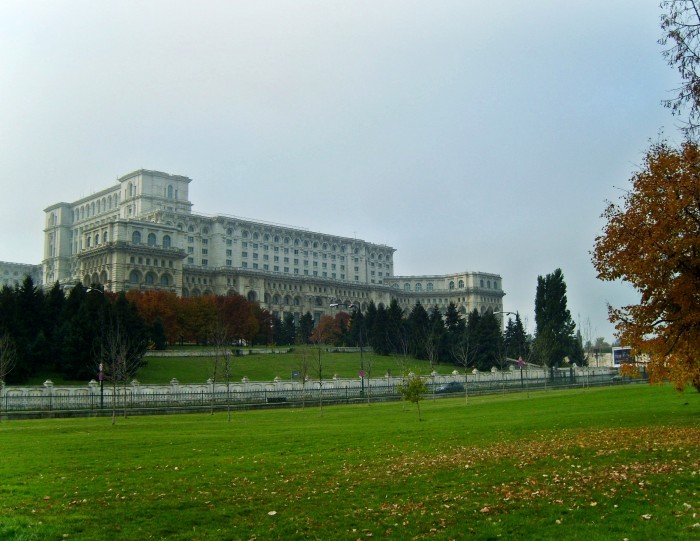
Palace of the Parliament
Situat pe strada Izvor nr.3, sector 5, localitatea Bucuresti; in perioada comunista a fost cunoscut sub numele de "Casa Poporului"; considerata una dintre cele...
1.0 km

București, Bucharest
People's Salvation Cathedral (National Cathedral of Romania)
Catedrală ortodoxă din București
1.3 km
Bucuresti, Bucharest
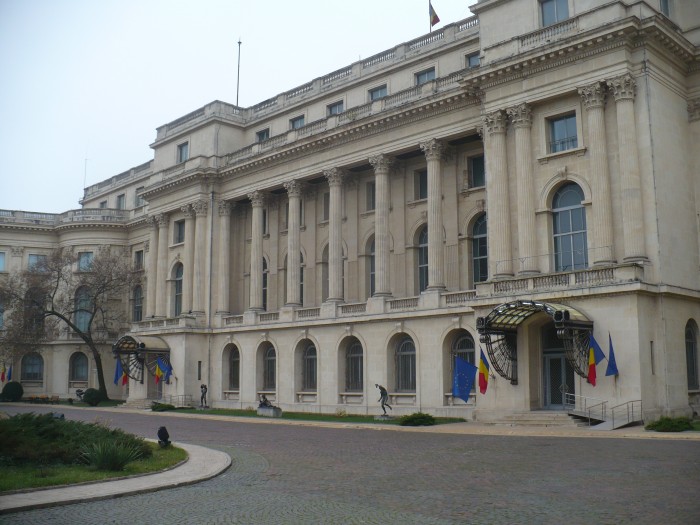
Royal Palace of Bucharest
Situat pe Calea Victoriei nr. 49-53, sector 1, localitatea Bucuresti; construit intre anii 1812-1815 a apartinut marelui logofat Dinicu Golescu, dar a fost...
0.9 km
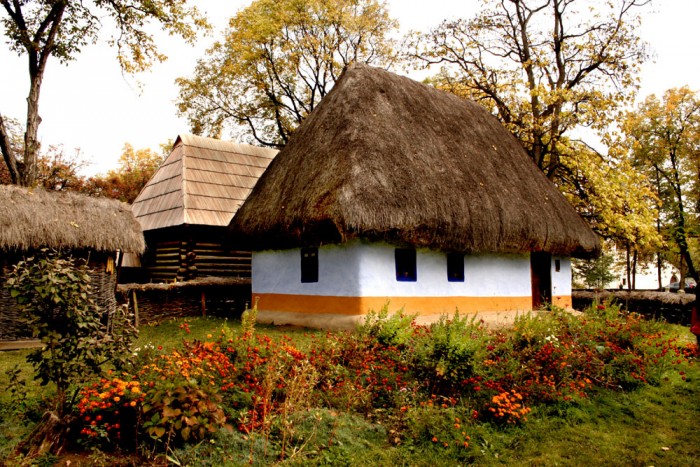
Bucuresti, Bucharest
Dimitrie Gusti National Village Museum
Situat pe Soseaua Kiseleff nr.28-30, sectorul 1; a fost inaugurat in 1936; expozitia permanenta cuprinde 121 de complexe distincte, totalizand 338 de monumente,...
4.8 km

Bucuresti, Bucharest
Romanian Peasant Museum (Muzeul Național al Țăranului Român)
Situat pe soseaua Kiseleff nr.3, sector 1, localitatea Bucuresti; constructia intregului edificiu a durat 29 de ani, fiind finalizat in 1941; cladirea muzeului...
2.9 km

Bucuresti, Bucharest
Cotroceni Palace
Situat pe bulevardul Geniului nr.2, sector 6, localitatea Bucuresti; in anul 1679, domnitorul Serban Cantacuzino incepe constructia unei manastiri; opera sa a...
2.8 km

Bucuresti, Bucharest
Grigore Antipa National Museum of Natural History
Situat pe soseaua Kiseleff nr. 1, sector 1, localitatea Bucuresti; fondat in 1834 la initiativa lui Mihalache Ghica; are un bogat patrimoniu format din...
0.3 km
Bucuresti, Bucharest
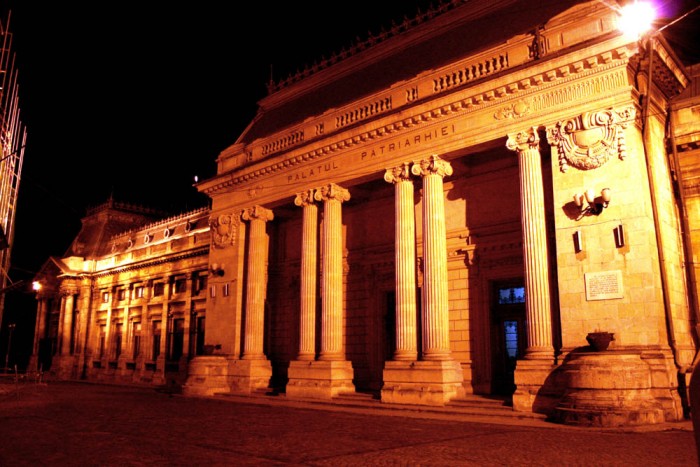
Patriarchal Palace
Situat pe aleea Dealul Mitropoliei nr.25, sector 4, localitatea Bucuresti; construit de statul roman, la inceputul secolului al XX-lea, pe locul fostei sali a...
0.7 km
Bucuresti, Bucharest
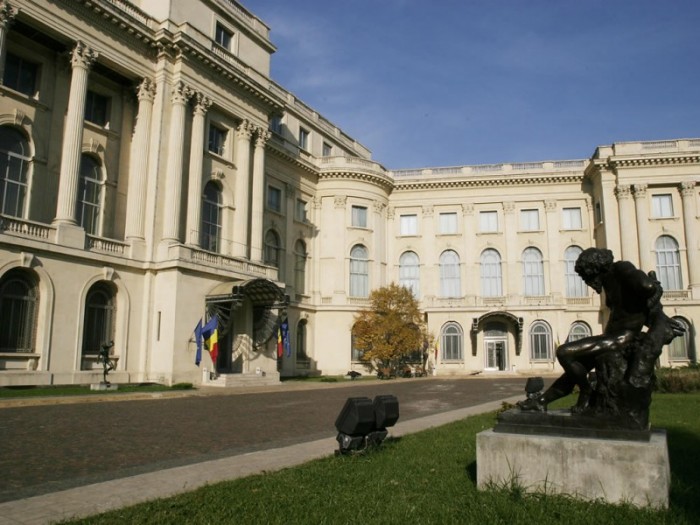
National Museum of Art of Romania
Situat pe Calea Victoriei nr. 49-53, sector 1; deschis in 1948, in vremea lui Alexandru Ioan Cuza;cladirea era pe atunci locuinta domneasca, in timpul lui...
0.9 km

2.3 km
Bucuresti, Bucharest
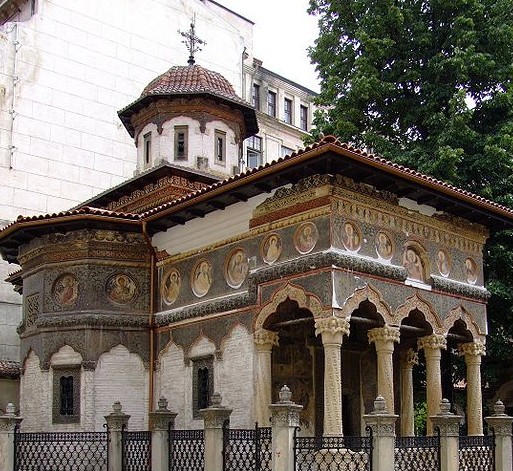
Stavropoleos Monastery Church
Situata pe strada Stavropoleos nr.4, localitatea Bucuresti; poarta hramurile: "Sfintii Arhangheli Mihail si Gavriil", "Sfantul Atanasie cel Mare", "Sfantul...
0.1 km
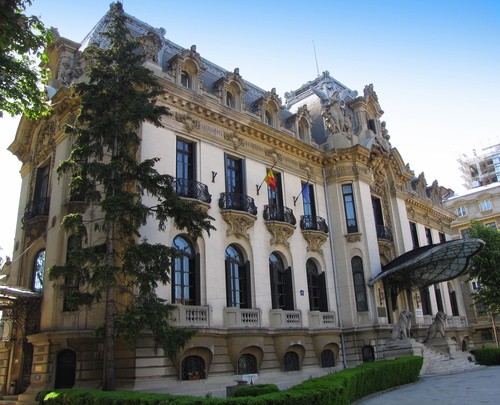
Bucuresti, Bucharest
Cantacuzino Palace
Situat pe Calea Victoriei nr.141, sector 1, localitatea Bucuresti; construit intre anii 1898-1900, in stil baroc francez al epocii Ludovic al XVI-lea, pentru...
1.2 km
Cultural life and traditions
Events in the National Museum of Romanian History area
Medieval festivals, traditional fairs, concerts and local activities recommended in Muntenia (Wallachia).

History and Royal Architecture

Bucuresti, County of București
Days of Royalty and Heritage in the Prahova Valley
Historical conferences open to the public, themed tours of royal architecture, documentary screenings and exhibitions of vintage photographs.
WHEN
May 10-12, 2026


Gastronomy and Oenology
Dealu Mare, County of București
The Prahova Wine Festival on the Wine Route
Guided tastings of Fetească Neagră along the famous Wine Route, visits to historic wineries, and meetings with leading winemakers.
WHEN
Every weekend (September - October)
Hiking and Adventure
Bucegi Mountains, București County
Guided Mountain Tour in the Bucegi Mountains
Guided mountain tours led by mountain rescue personnel to iconic panoramic viewpoints and spectacular alpine waterfalls.
WHEN
Daily during the season (June - October)
On foot, exploration gains depth
Discover the surroundings and local geography
Explore the trails, terrain, and natural landmarks around National Museum of Romanian History.

Guides and practical tips
Useful travel articles
Travel guides, practical recommendations and tourist itineraries for Muntenia (Wallachia).

Tourist guide
Top 5 Atracții Turistice și Trasee Montane în Zona Moieciu - Bran
Descoperă cele mai spectaculoase peisaje carstice, chei adânci și cetăți medievale din imediata apropiere a stațiunii Moieciu.

Tourist guide
Ghid de Drumeție: Traseul Moieciu de Sus spre Platoul Bucegi
Un itinerariu montan de o frumusețe rară ce urcă din Valea Băngăleasa spre Poiana Guțanu și crestele maiestuoase ale Bucegilor.

Tourist guide
Castelul Bran: Istorie, Legende și Secrete Medievale
Află adevărata poveste a fortăreței medievale din Pasul Bran, reședința de suflet a Reginei Maria a României.
THE JOURNEY STARTS WITH AN IDEA
The next story is on the way.
From the first stop to the last stay, make room for a new Romania.
