


PLACE OF WORSHIP · MOLDAVIA
Neamț Monastery

Neamt, Neamț County
Add location to your trip planner.
Practical access information

VISITING HOURS
Monday: 12:00 PM – 5:00 PM · Tuesday–Sunday: 9:00 AM – 5:00 PM (in summer until 8:00 PM)

TICKET PRICE
Adults: 45 RON · Students: 11 RON · Seniors: 23 RON · Guided tour included

RECOMMENDED VISIT DURATION
2-3.5 hours
Visitor information and guide
 Navigate with Google Maps

ABOUT NEAMȚ MONASTERY
The Jerusalem of Neamț: A Fortress of Prayer Between the Carpathians and Europe’s History
Amid the gentle hills of the Moldavian Subcarpathians, where oak and beech forests descend toward the Ozana River valley, Neamț Monastery rises in silent grandeur. From a distance, its grey stone walls, towering spires, and gleaming domes evoke a medieval fortress lost in time—a place where earth and heaven converge in eternal communion. Rightly dubbed the "Jerusalem of Neamț" and the "Athos of Romania," this lavra is not merely a religious monument but a true sanctuary of European Orthodox civilization, a meeting point between East and West, between the millennia-old Byzantine tradition and the innovative spirit of the Renaissance.
Founded in the heart of a fairy-tale landscape, just 15 kilometers northwest of Târgu Neamț in the commune of Vânători-Neamț, the monastery unfolds as a monumental complex unique in Romania, encircled by fortified walls reminiscent of the medieval citadels of Central Europe. Here, beneath the soaring vaults of the main church and in the quiet seclusion of the forest hermitages, a vital chapter of Europe’s spiritual history has been written, from the 14th century to the present day.
Historical Roots in Europe’s Great Empires
While local tradition, preserved sacredly by monks over the centuries, attributes the founding of a wooden hermitage—known as the "White Church"—to monks arriving from the Danube region as early as the 14th century, the first definitive documentary evidence dates to 1407. That year, Alexander the Good, Voivode of Moldavia (1400–1432) and one of the most diplomatic and cultivated rulers of Southeastern Europe at the time, erected the first stone church here. A vassal of the Kingdom of Poland yet maintaining his autonomy, married to a Hungarian princess, and a defender of Christianity against Ottoman expansion, Alexander recognized the strategic and spiritual importance of this site, situated at the border between forests and plains, between the Carpathian world and the steppe.
Before Alexander, Petru I Mușat (1375–1391), founder of the Mușat dynasty, is mentioned in tradition as the builder of an earlier structure, now lost, placing the monastery’s origins in a period when Moldavia was consolidating its identity as an independent state, surrounded by greater powers: the Kingdom of Hungary to the west, Poland to the north, and the Ottoman Empire to the south. This geographical position made Neamț not only a place of prayer but also a bastion of Orthodoxy in a Europe under the pressure of competing empires.
The monastery’s true flourishing, however, began under Stephen the Great (1457–1504), one of medieval Europe’s greatest voivodes, who between 1496 and 1504 built the present church dedicated to the Ascension of the Lord. Stephen, nicknamed the "Athlete of Christ," was a military strategist who successfully resisted Ottoman pressure, as well as a master patron influenced by Byzantine art and the Italian humanist currents with which he corresponded. The church he erected represents the perfect synthesis of Eastern Orthodox tradition and elements of late European Gothic, reflecting Moldavia’s ambition to join the cultural circuit of Europe’s great courts, alongside Venice, Florence, and the royal court of Hungary.
An Architectural Masterpiece: Between Byzantium and Central Europe
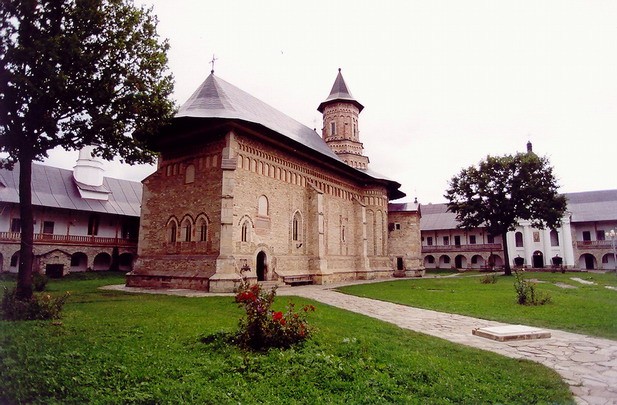
The monastic complex of Neamț impresses with its sobriety and grandeur, standing as a remarkable example of 15th-century Moldavian architecture. The main church, founded by Stephen the Great, is distinguished by its trilobate plan, characteristic of Byzantine architecture, with three semicircular apses oriented eastward, symbolizing the Holy Trinity. The towering height of the nave, supported by four massive columns, and the spacious narthex create a sacred space that invites contemplation, while light filtered through narrow windows bathes the interior in golden reflections.
Though the church’s exterior is relatively austere—unlike the famous painted monasteries of Bucovina such as Voroneț or Sucevița, Neamț lacks exterior frescoes—its interior conceals an artistic treasure of inestimable value. The mural paintings, created during Stephen the Great’s reign and later completed, form an iconographic cycle of rare beauty, influenced by Constantinopolitan Byzantine art and late European Gothic, with elegant figures and a rich chromatic palette. The iconostasis, carved in wood and gilded, separates the altar from the nave, upholding Orthodox tradition, while the fresco of the "Last Judgment" on the western wall recalls the apocalyptic themes common in medieval European art.
Adjacent to the main church, the complex includes the Church of Saint George, ingeniously incorporated into the enclosure wall—a architectural solution reminiscent of monastic fortifications in Greece or Transylvania, where churches were integrated into defensive systems. The bell tower, over 40 meters tall, houses eleven bells, some cast in the 17th and 18th centuries, whose peals echo across the surrounding valleys, calling the faithful to prayer for centuries.
Within the monastery’s cemetery stands the Church of the Theologian, built in 1835 in a neoclassical style with Baroque influences, reflecting the monastery’s openness to 19th-century European art, when Transylvania and Bucovina were part of the Habsburg Empire, and Western influences increasingly permeated Romanian religious architecture. At the main entrance, the circular aghiasmatarion (holy water font), used for blessing water on the feast day, offers a graceful simplicity—a place where pilgrims pause to cross themselves before stepping into the sacred precinct.
A Center of European Culture and Spirituality
While the walls and churches speak of the founders’ power, the monastery’s library and printing press reveal the power of the spirit. In the 15th and 16th centuries, under the patronage of Stephen the Great and his successors, Neamț became one of Southeastern Europe’s most important centers of scribes, calligraphers, and miniaturists. The monastery’s workshops produced illuminated manuscripts of rare beauty, influenced by Byzantine art and the typographic innovations beginning to spread through Eastern Europe.
The monastery’s library, the largest and oldest monastic library in Romania, houses over 18,000 volumes, including illuminated manuscripts from the 15th to 18th centuries, rare books printed in Venice, Vienna, Leipzig, and Kiev, and historical documents of inestimable value. This collection places Neamț alongside Europe’s great libraries, such as the Vatican Library, the Austrian National Library, or the Monastery of Saint Gerasimos in Jerusalem, preserving the tradition of book culture in an era when manuscripts were copied by hand in scriptoria, much like those of Mount Athos or medieval Irish monasteries.
A turning point in the monastery’s cultural history came in the 17th century under the guidance of Metropolitan Dosoftei Barilă (1632–1693), a European-educated scholar, poet, translator, and printer. In 1684, Dosoftei established the first printing press in Moldavia here, an endeavor of overwhelming importance for the entire Orthodox world. This press, operating in a specially designated cell, disseminated prayer books, psalters, and patristic texts in Romanian, connecting local tradition with Europe’s great printing centers, such as Venice—home to the famous Aldine Press—or Kiev, the cultural capital of the Eastern Slavic world. Dosoftei translated from Greek, Church Slavonic, and Latin, bringing the ideas of European humanism to Moldavia and contributing to the formation of an intellectual elite capable of engaging with Europe’s great courts.
The monastery’s true consecration as a spiritual center of European significance occurred in the 18th century under Abbot Paisius Velichkovsky (1722–1794), a monk from Mount Athos. Paisius, a learned theologian and brilliant organizer, transformed the monastery into a center of the Hesychast revival, attracting monks from across the Orthodox world: Greeks, Russians, Ukrainians, Serbs, and Romanians. Under his leadership, Neamț became a true "Athos in the Carpathians," a place where the spiritual air of Athonite monasticism was breathed, with strict ascetic rules and remarkable intellectual openness. Paisius, together with his disciple Nicodemus of the Holy Mountain, translated and published the Philokalia, a collection of texts by the Desert Fathers that profoundly influenced Orthodox spirituality in Russia, Greece, and all of Eastern Europe, later translated into all major European languages. Thus, in the 18th century, when Europe was divided between the Ottoman Empire, the Habsburg Monarchy, and the Russian Empire, Neamț became a spiritual convergence point, a "little Vatican" of Orthodoxy, where Byzantine tradition, Russian reformism under Peter the Great, and the Greek cultural renaissance intersected.
Sacred Treasures, Relics, and Holy Figures
The main church of Neamț preserves sacred treasures that draw pilgrims from across the Christian world. Among these is an icon of the Mother of God, traditionally believed to have been painted in the year 665 in the Holy Land, at Jerusalem, and considered miracle-working. This remarkably ancient icon belongs to the Byzantine iconographic tradition, related to the acheiropoieta (icons not made by human hands) venerated in Constantinople and other Orthodox centers, bringing a ray of early Christian spirituality to Moldavia.
Another unique treasure is the depiction of the Three-Handed Virgin, preserved in the smaller church of the complex. This rare iconography, linked to the Byzantine tradition of Saint John of Damascus and the apocryphal cult of the "Tricheirousa," recalls medieval European legends about Saint John of Damascus, the 8th-century theologian and defender of icons, whose hand was miraculously healed by the Mother of God. Such representations are found in only a few places worldwide, such as Kykkos Monastery in Cyprus or certain churches in Rome, placing Neamț within a transnational sacred network.
In the tomb chamber, located beneath the altar of the main church, rests Voivode Stephen, son of Alexander the Good—a haunting historical presence in a holy place. The narthex also houses the relics of an unknown saint, discovered in 1986 during paving work in the monastery courtyard, an archaeological find that added a mystical dimension to the connection between earth and heaven, reminiscent of the discovery of holy relics in the Roman catacombs or medieval European monasteries.
A more recent but equally significant chapter was written in 1933, when the young Ioan Iacob, from the nearby village of Hozeva, joined the monastery’s community. He would later become Saint Ioan Iacob the Romanian of Hozeva, canonized by the Romanian Orthodox Church in 2018—a saint of the diaspora and of unceasing prayer, whose ascetic life has inspired thousands of believers across Europe and the world. His presence in the monastery’s recent history demonstrates Neamț’s enduring spiritual vitality, its ability to nurture saints even in the 20th century, a Europe marked by wars and totalitarian ideologies.
The Constellation of Hermitages: A Spiritual Network in the Forest
Surrounding the main enclosure, scattered through the beech and oak forests, are five subordinate hermitages: Procov, Saint Anthony (Old Icon), Vovidenia, the Infirmary, and New Icon. These hermitages, some centuries old, form a unique spiritual constellation in the Romanian monastic landscape, reflecting the hierarchical organization typical of Athonite monasteries, with which Neamț maintained close ties over time.
Each hermitage has its own small wooden or stone church, cells for monks, and an atmosphere of perfect tranquility. Procov, the oldest, shelters a 17th-century wooden church, while Old Icon and New Icon preserve miracle-working icons that attract pilgrims. The Infirmary Hermitage, with its tradition of caring for the sick, recalls the social role of medieval European monasteries, akin to monastic hospitals in France or Italy. These hermitages are not mere annexes but true "islands" of isolated prayer, where monks live in seclusion, preserving the ascetic tradition of the early Desert Fathers and the Hesychasts of Mount Athos.
A Practical Guide for the European Traveler
Visiting Neamț Monastery is a profound experience that requires time, respect, and spiritual openness. For the European traveler, access is straightforward: the monastery is located approximately 15 kilometers from Târgu Neamț, a town reachable by train or car from Iași (about 60 km), Suceava, or Piatra Neamț. From Bucharest, the route via Bacău and Târgu Neamț offers an impressive journey through historical Moldavia, passing by the remnants of medieval citadels and villages with ancient traditions.
Upon arrival, visitors are greeted by the massive gates of the enclosure, and the first encounter with the circular aghiasmatarion offers a moment of spiritual preparation. Women are advised to cover their heads with a scarf, and all visitors should dress modestly and decently, respecting the sacred nature of the site—a etiquette similar to that of the Vatican, Mount Athos, or the monasteries of Meteora.
Inside, the main church can be visited freely, allowing admiration of the mural paintings, iconostasis, and the tomb of Voivode Stephen. The Museum of Ecclesiastical Art, located within the enclosure, houses an exceptional collection of icons, embroideries, manuscripts, and liturgical objects from the 15th to 19th centuries, providing a comprehensive view of the evolution of Romanian sacred art in its European context. Though access to the library is restricted for the general public, it can be visited by prior appointment, offering the chance to see rare volumes and editiones principes.
The Theological Seminary "Veniamin Costache," still active, preserves the tradition of training the clerical elite, while the former printing press hall recalls Dosoftei Barilă’s contribution to written culture. The bell tower can be climbed for a spectacular panorama of the Eastern Carpathians and the Ozana Valley.
For a complete experience, visiting the surrounding hermitages is recommended, accessible via forest paths, each offering a distinct atmosphere of tranquility and prayer. Accommodation is available in pilgrim cells, allowing participation in night services and immersion in the monastic rhythm of life, with midnight prayers and morning liturgies.
The most impressive time to visit is during the feast of the Ascension, when thousands of pilgrims gather for the blessing of water at the aghiasmatarion and solemn processions. Additionally, the feasts of Saint Ioan Iacob (August 5) and Saint Paisius Velichkovsky (November 15) draw crowds of believers from across Europe.
Nearby, travelers can visit Neamț Citadel, Stephen the Great’s medieval fortress perched on a rocky hill overlooking the valley, or the village of Humulești, home to the memorial house of Ion Creangă, Romania’s great storyteller, offering a glimpse into authentic Moldavian rural life.
Neamț Monastery thus remains not only an architectural and artistic monument but a living place where Europe’s history—from Byzantium to Tsarist Russia, from the printing presses of Venice to the Hesychast Athos—converges in a symphony of prayer, culture, and sanctity, offering the modern traveler a window into the spiritual wisdom of centuries past.
Media gallery
Discover Neamț Monastery in pictures

2 photos · Architecture, courtyards and captivating details


Image source: Wikimedia Commons · Public domain photos · Free license
STAY A FEW DAYS, DISCOVER THE MAGIC
Accommodation in the Neamț Monastery area

Holiday villa · 3 stars

Nemțișor, Neamț County · 5.7 km
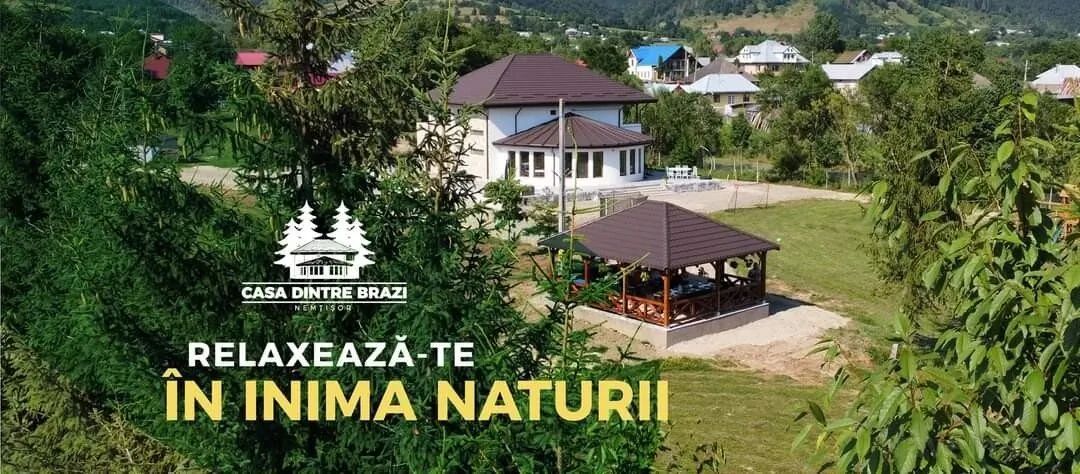
Casa Dintre Brazi Nemțișor
Comfort, relaxation and stunning views, all just steps away from the main attractions.
FROM
280 lei per night

Cabin · 1 star
Râşca, Cluj County · 9.3 km
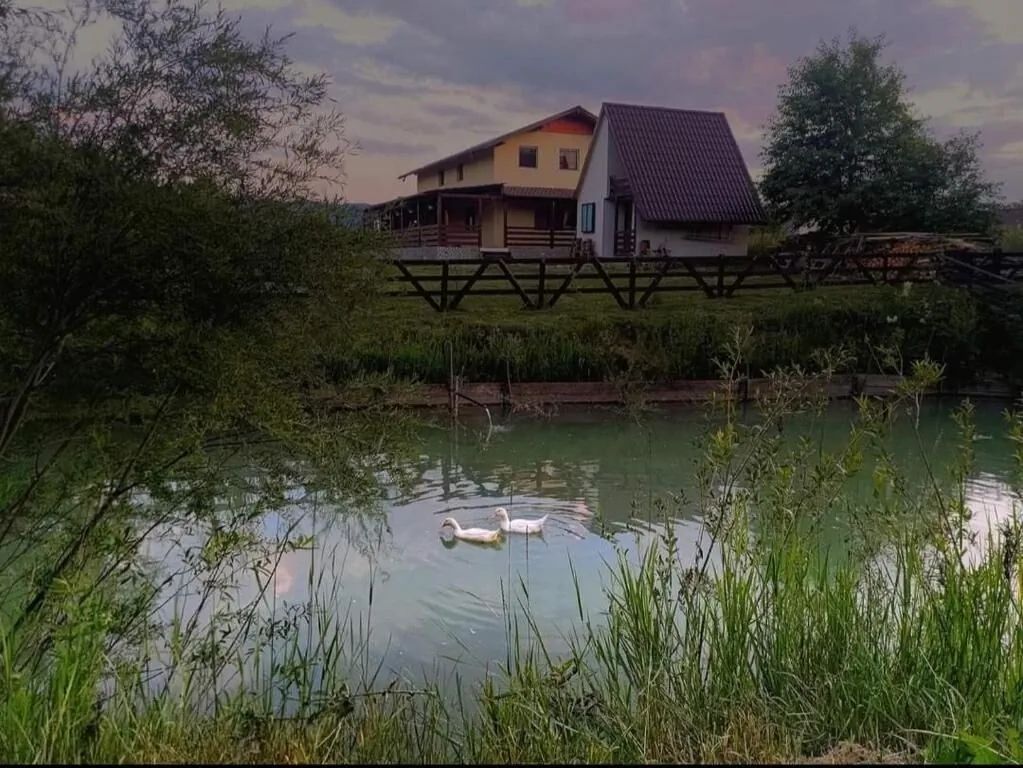
Căsuța de la Râu Râșca
Comfort, relaxation and stunning views, all just steps away from the main attractions.
FROM
270 lei per night
Farm guesthouse · 3 stars
Agapia, Neamț County · 11.8 km
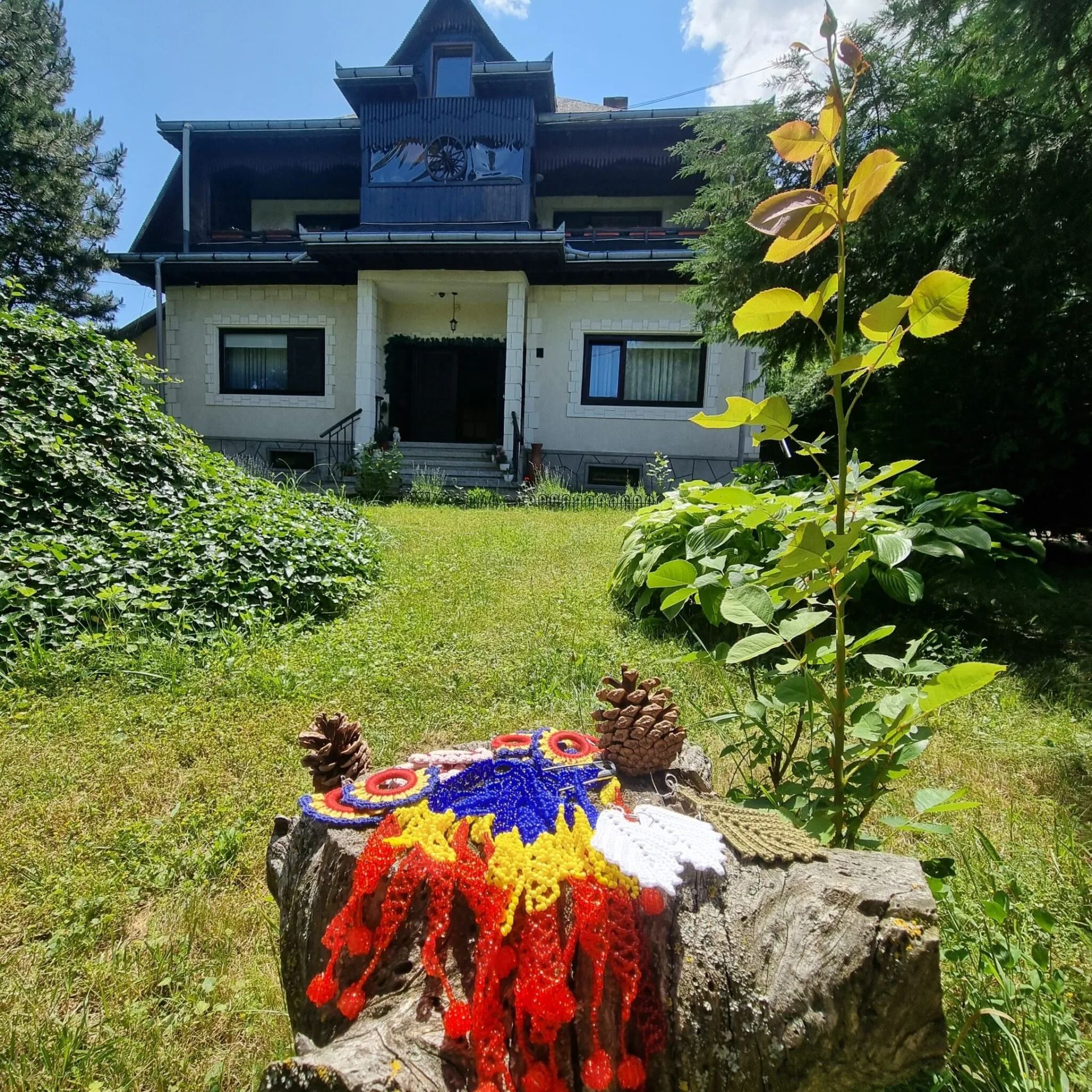
Pensiunea Agroturistica Casa Dintre Pini Agapia
Pensiune agroturistică de 3 stele în Agapia, județul Neamț, vă oferă un sejur autentic în mijlocul naturii, într-un cadru rural liniștit și primitor, departe de aglomerația urbană. Beneficiați de Wi-Fi gratuit, parcare privată gratuită și acces pentru persoane cu dizabilități. Curtea mare și grădina amenajată includ un foișor, teren amenajat de sport sau fotbal, loc de joacă pentru copii la exterior și vatră de foc în aer liber, ideale pentru seri liniștite sub cerul deschis. Pentru confortul familiilor sunt disponibile scaun înalt pentru copii și pătuț pentru bebeluș, iar în interior găsiți fier de călcat și depozit pentru bagaje. Puteți organiza mese în aer liber la grătar sau la ceaun, profitând de spațiul generos al curții pentru momente relaxante împreună cu cei dragi. În apropiere puteți vizita Mănăstirea Agapia, Cetatea Neamț, Mănăstirea Neamț, Muzeul Memorial Ion Creangă din Humulești și Casa Memorială Mihail Sadoveanu, descoperind astfel bogăția culturală și istorică a zonei. Vă așteptăm la Pensiunea Agroturistică Casa Dintre Pini Agapia.
FROM
240 lei per night
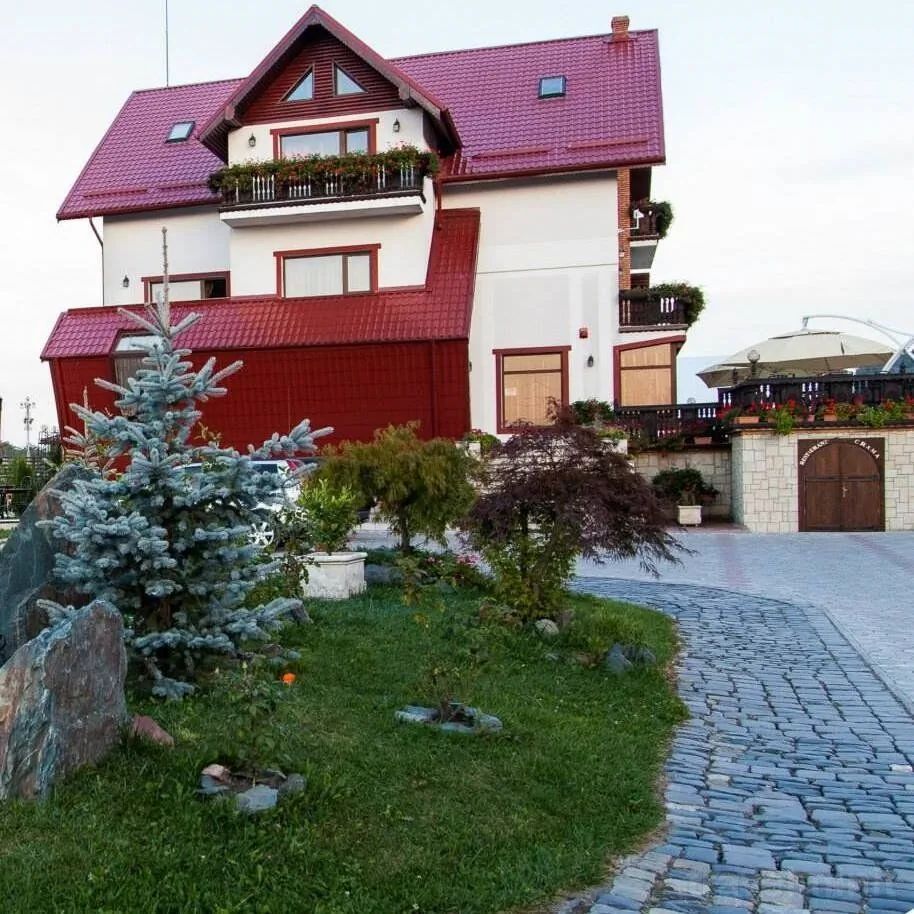
Guesthouse · 3 stars
Oglinzi, Neamț County · 12.1 km
Cabană turistică Băile Oglinzi
Cabană turistică Băile Oglinzi este o pensiune turistică de 3 stele situată în localitatea Oglinzi din județul Neamț. Aici vă așteaptă un ambient plăcut pentru un sejur relaxant departe de aglomerația urbană. Unitatea dispune de Wi-Fi gratuit, parcare privată gratuită și acces facilitat pentru persoane cu dizabilități. Vă puteți bucura de curtea mare și grădina amenajată, iar copiii au la dispoziție un loc de joacă în aer liber. Pentru activități sportive, aveți un teren amenajat de fotbal, iar pentru momente de relaxare în natură, un ceaun pentru gătit și un grătar pentru preparate la foc deschis. În apropiere se află obiective culturale și spirituale importante: Cetatea Neamț, Mănăstirea Agapia, Muzeul Memorial Ion Creangă din Humulești, Mănăstirea Neamț și Casa Memorială „Mihail Sadoveanu”. Aceste locuri vă permit să descoperiți istoria și tradițiile autentice ale zonei. Seara, după o zi petrecută la Mănăstirea Neamț, vă puteți bucura de un grătar în curtea mare a unității.
FROM
240 lei per night
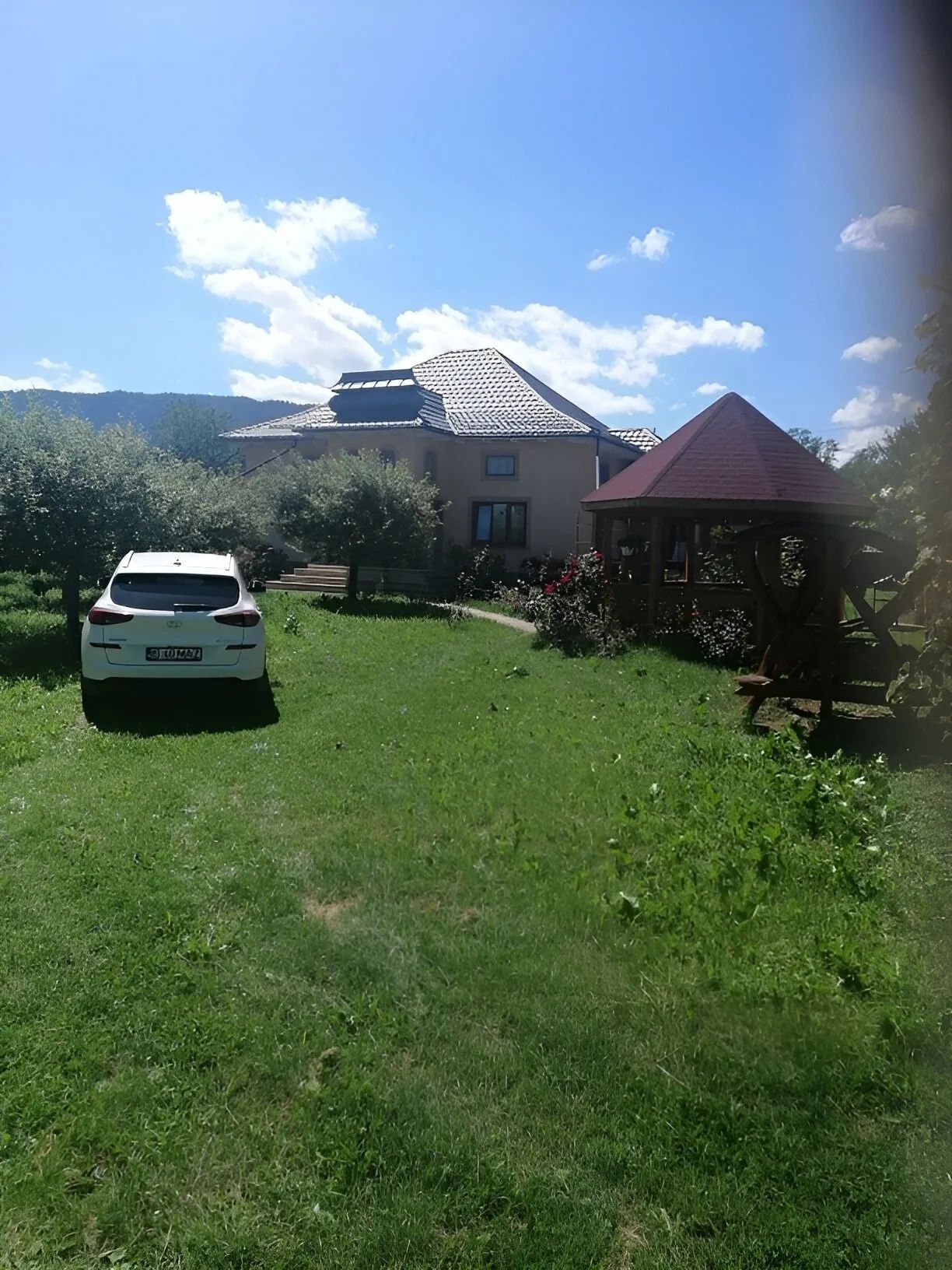
Holiday home · 3 stars
Agapia, Neamț County · 12.4 km
Casa Ilea Agapia
Familiile cu copii și grupurile de prieteni care caută liniște și aer curat se vor simți bine la Casa Ilea din Agapia, județul Neamț. Această vilă integrală, clasificată cu trei stele, oferă intimitate într-un cadru tradițional, departe de aglomerație. Unitatea dispune de o curte mare și o grădină amenajată, cu foișor, grătar, vatră de foc în aer liber și un loc de joacă pentru cei mici. De asemenea, aveți la dispoziție un teren amenajat de sport, parcare privată gratuită și parcare pentru biciclete, iar accesul persoanelor cu dizabilități este asigurat. În interior puteți folosi fierul de călcat și beneficiați de un spațiu pentru depozitarea bagajelor. În imediata apropiere se află Mănăstirea Agapia, Cetatea Neamț, Mănăstirea Neamț, Muzeul Memorial Ion Creangă din Humulești și Casa Memorială Mihail Sadoveanu, oferindu-vă numeroase opțiuni de explorare culturală și spirituală. Vă așteptăm să vă bucurați de sejurul dumneavoastră, iar când doriți să descoperiți zona, porniți într-o vizită la Mănăstirea Agapia.
FROM
280 lei per night
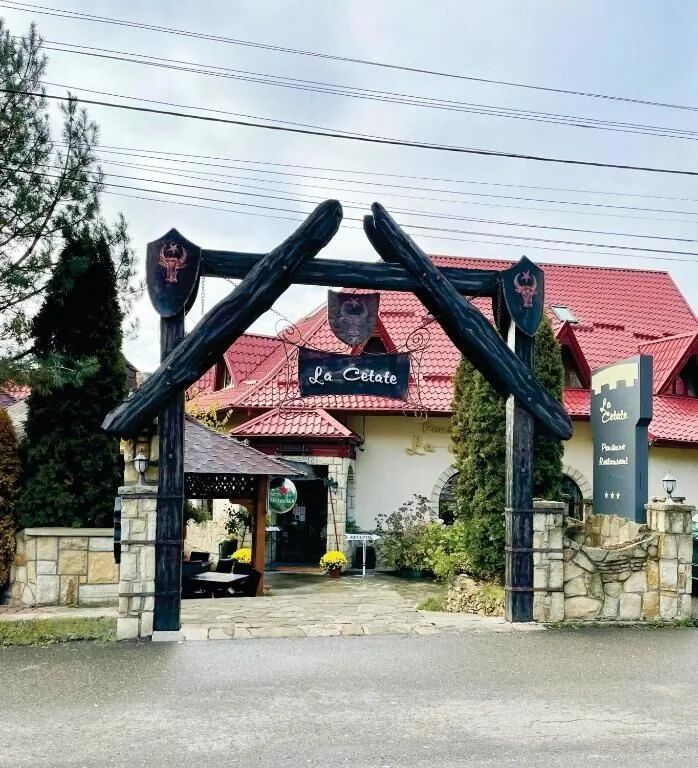
Guesthouse · 3 stars
Târgu Neamţ, Neamț County · 12.6 km
Pensiunea La Cetate Târgu Neamţ
Pensiunea La Cetate Târgu Neamţ este o pensiune turistică situată în orașul Târgu Neamţ, județul Neamț. Vă punem la dispoziție camere confortabile pentru șederea dumneavoastră, împreună cu un restaurant în incintă și un bar unde puteți savura băuturi într-o atmosferă relaxantă. Bucătăria noastră prepară atât mâncare tradițională românească, cât și specialități din bucătăria internațională. De asemenea, oferim Wi-Fi gratuit în întreaga unitate și parcare privată gratuită pentru toți oaspeții. Pentru familiile cu copii mici, punem la dispoziție scaun înalt la cerere. În apropiere puteți vizita Cetatea Neamț, Muzeul Memorial Ion Creangă din Humulești, Mănăstirea Agapia, Mănăstirea Neamț și Casa Memorială „Mihail Sadoveanu”. Zona oferă, de asemenea, acces la drumeții montane și trasee în natură, ideale pentru iubitorii de mișcare în aer liber. Puteți organiza evenimente precum nunți, aniversări sau petreceri, având la dispoziție un restaurant cu 200 de locuri și servicii de cazare și masă pentru grupuri. Vă așteptăm pe strada Cetatii numărul 33, unde veți beneficia de parcare gratuită pe toată durata șederii dumneavoastră.
FROM
240 lei per night
BEFORE YOU HIT THE ROAD
Weather conditions in Neamt
Local forecast for Neamț Monastery, Neamt, Neamț

Real-time updated weather data
Much more to explore in this area
Nearby tourist attractions

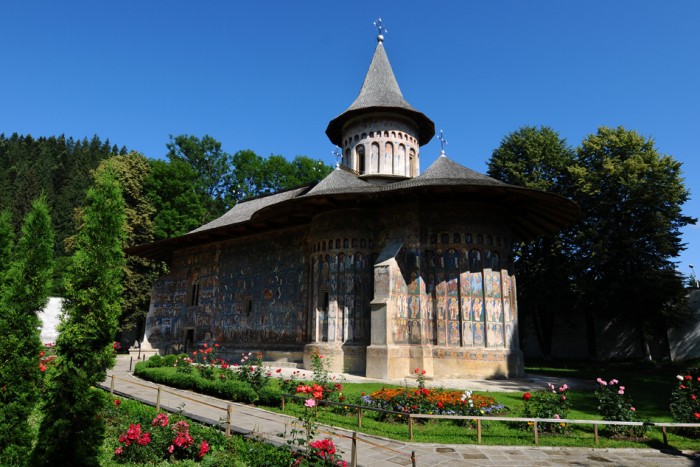

Suceava, Suceava County
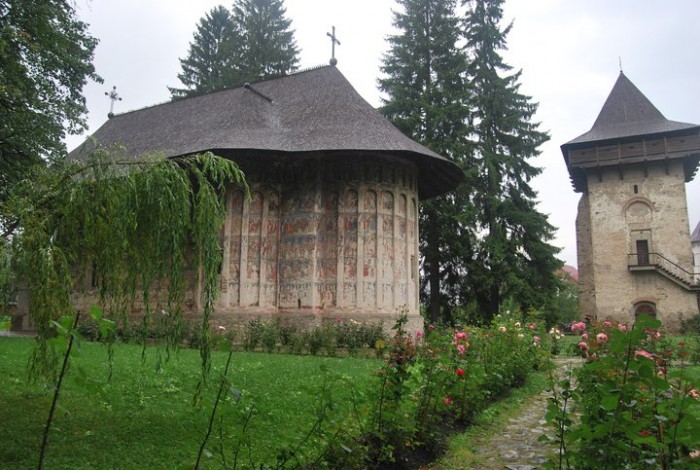
Voroneț Monastery
Situata in localitatea Voronet, la cca. 4 km de Gura Humorului si 35 km de Suceava; accesul se face din Gura Humorului, pe DJ177D; ctitorie a lui Stefan cel...
37.5 km
Neamt, Neamț County
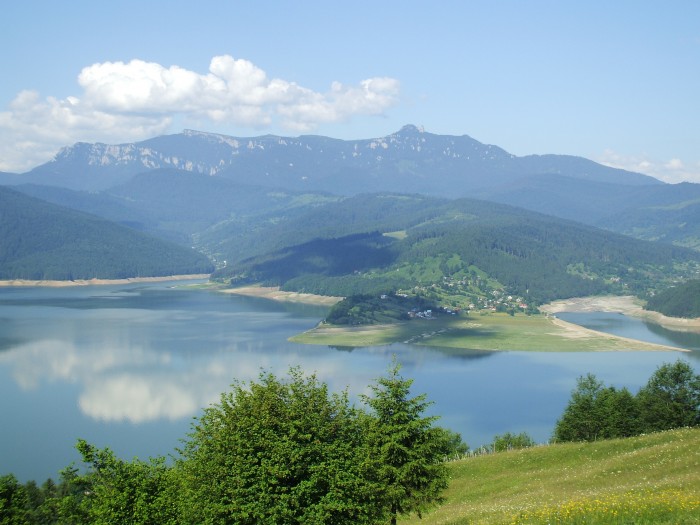
Ceahlău National Park
Situat la 10 km de Bicaz, in vestul judetului; incadrat in cuprinsul Masivului Ceahlau, localizat in grupa centrala a Carpatilor Orientali, in partea de sud-est...
37.2 km
Suceava, Suceava County
Humor Monastery.
Situata in localitatea Manastirea Humorului, la aproximativ 5 km de orasul Gura Humorului, pe DJ177; prima biserica a Manastirii a fost constuita in timpul lui...
44.5 km
Neamt, Neamț County
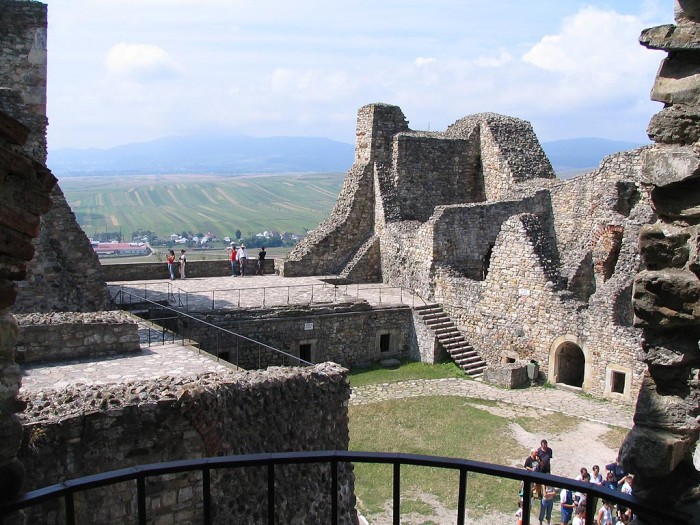
Neamț Fortress
Situata pe strada Arcasului nr. 1, pe un platou al dealului Plesu, la 480 m altitudine, in apropierea orasului Targu Neamt, in partea de nord-est a judetului;...
12.4 km

România, Transylvania
Vârful Toaca, Masivul Ceahlău
Vârful Toaca, Masivul Ceahlău (munte sau masiv) în județul România.
38.3 km
România, Transylvania
Vârful Ocolașul Mare, Munții Ceahlău
Vârful Ocolașul Mare, Munții Ceahlău (munte sau masiv) în județul România.
40.1 km

Suceava, Suceava County
Saint John the New Monastery of Suceava
Situata pe strada Ion Voda Viteazul nr. 2, Suceava; inceputa de voievodul Bogdan al III-lea, fiul lui Stefan cel Mare, in 1514, constructia a fost terminata in...
41.6 km
Neamt, Neamț County
Agapia Monastery (New Agapia or Agapia in the Valley)
Manastirea Agapia este situata pe valea paraului Agapia, la poalele culmii Magura, pe raza comunei Agapia, localizata la 12 km sud de municipiul Targu Neamt;...
11.6 km
Probota, Suceava County
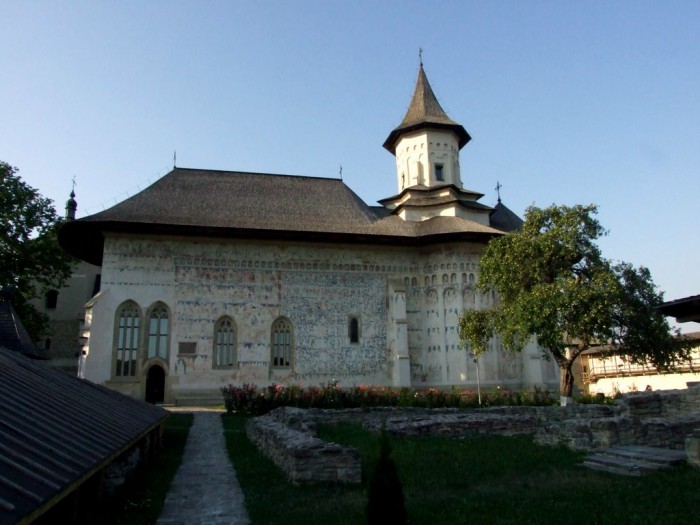
Probota Monastery
Situata in satul Probota, oras Dolhasca, la 27 km sud-est de Falticeni; accesul se face din Falticeni spre Dolhasca, pe DJ208, 25 km, apoi dreapta in Dolhasca...
33.9 km
Neamt, Neamț County
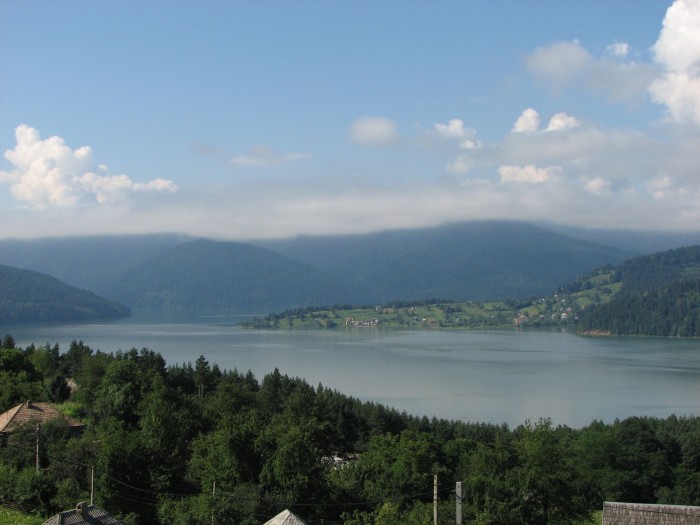
Lake Izvorul Muntelui (Bicaz Lake)
Situat la poalele Ceahlaului, pe cursul superior al raului Bistrita, la 4 km de orasul Bicaz; cunoscut si sub numele de "Lacul Bicaz", este cel mai mare lac...
30.1 km

Suceava, Suceava County
Gura Humorului Resort
Situata in partea estica a Obcinilor Bucovinei, in depresiunea cu acelasi nume; amplasata la altitudinea de 470 m; prima mentionare documentara dateaza din 26...
39.4 km
Suceava, Suceava County
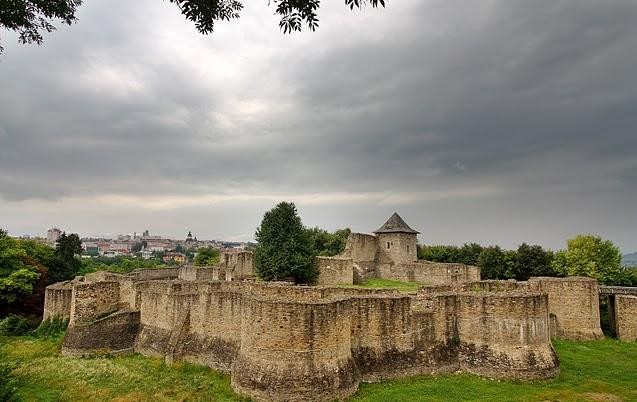
Suceava Princely Fortress
Situata la capatul Aleei Cetatii, municipiul Suceava; mentionata pentru prima data la 10 februarie 1388, intr-un document al voievodului Petru I Musat;...
42.0 km
Cultural life and traditions
Events in the Neamț Monastery area
Medieval festivals, traditional fairs, concerts and local activities recommended in Moldavia.

History and Voivodeship Heritage

Neamt, County of Neamț
The Medieval Festival of Neamț Fortress
Re-enactments of Ștefan’s battles, archery demonstrations with traditional bows, displays of courtly guards, and performances of old court music.
WHEN
July 3-5, 2026


Prehistoric Crafts and Art
Neamt, County of Neamț
The National Pottery Fair “Cucuteni 5000”
The most skilled ceramic artists recreate the spectacular motifs of Europe’s oldest civilisation.
WHEN
June 26-28, 2026

Gastronomy and Wines
Neamt, County of Neamț
The Traditional Festival of Moldovan Wine
A fair featuring wine tastings from the vineyards of Cotnari, Bucium and Panciu, “poale-n brau” pies, and roasted meats cooked on a spit.
WHEN
October 2-4, 2026
On foot, exploration gains depth
Discover the surroundings and local geography
Explore the trails, terrain, and natural landmarks around Neamț Monastery.

Guides and practical tips
Useful travel articles
Travel guides, practical recommendations and tourist itineraries for Moldavia.

Tourist guide
Top 5 Atracții Turistice și Trasee Montane în Zona Moieciu - Bran
Descoperă cele mai spectaculoase peisaje carstice, chei adânci și cetăți medievale din imediata apropiere a stațiunii Moieciu.

Tourist guide
Ghid de Drumeție: Traseul Moieciu de Sus spre Platoul Bucegi
Un itinerariu montan de o frumusețe rară ce urcă din Valea Băngăleasa spre Poiana Guțanu și crestele maiestuoase ale Bucegilor.

Tourist guide
Castelul Bran: Istorie, Legende și Secrete Medievale
Află adevărata poveste a fortăreței medievale din Pasul Bran, reședința de suflet a Reginei Maria a României.
THE JOURNEY STARTS WITH AN IDEA
The next story is on the way.
From the first stop to the last stay, make room for a new Romania.
