


NATURE AND WILDLIFE · BANAT
Nera Gorge

Caras Severin, Caraș-Severin County
Add location to your trip planner.
Practical access information

VISITING HOURS
Check the local visiting schedule

TICKET PRICE
Information available at the cashier's desk

RECOMMENDED VISIT DURATION
1-2 hours
Sources and external references
Wikipedia Encyclopedia (EN)
Visitor information and guide
 Navigate with Google Maps

ABOUT NERA GORGE
A Geological Spectacle of Continental Significance and Its Heritage Value
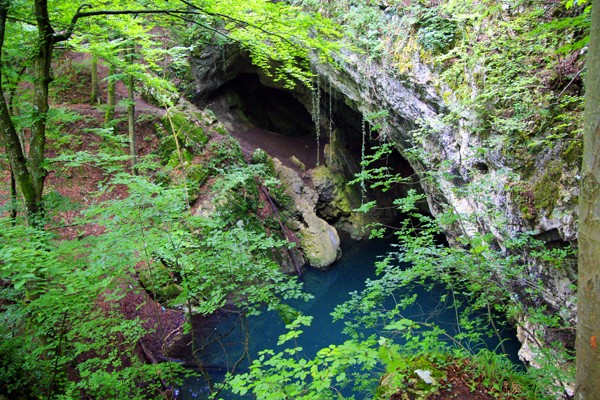
In the heart of the Banat Mountains, where the Anina Mountains meet the northern slopes of the Locva Mountains, one of Romania’s most extraordinary natural landmarks unfolds over nearly twenty kilometers: the longest gorge in the country, named after the Nera River. This awe-inspiring defile is not merely a protected area but a true sanctuary of continental wilderness, classified as a Category IV IUCN mixed-type nature reserve. Located within the territories of Sasca Montană and Șopotu Nou in Caraș-Severin County, Nera Gorge stands as one of Southeast Europe’s most impressive natural monuments. Here, the tumultuous waters of the Nera River have sculpted over millennia a narrow, deep corridor with limestone walls rising dramatically to heights of up to two hundred meters, creating a landscape of rare wild beauty reminiscent of the Dinaric Alps in Slovenia and Croatia or the untamed gorges of the Austrian Carpathians. This nationally significant protected area, an integral part of the Nera Gorge-Beușnița National Park, serves as a living bridge between Romania’s natural heritage and Europe’s network of protected areas. Included in the Natura 2000 sites, it reflects the country’s commitment to conserving biodiversity at continental standards.
Historical Roots in the Heart of a European Crossroads
The Banat region, with its deep roots in the multicultural history of the Habsburg Empire and the Austro-Ottoman frontier tradition, preserves within Nera Gorge the imprint of a civilization that lived for centuries in harmony with wild nature. This geographical space has long served as a bridge between East and West. Situated at the intersection of Romanian, Serbian, Hungarian, and German traditions, these lands have witnessed eras in which transhumant pastoralism, forestry, and mining shaped the local cultural identity, much like in other frontier regions of Central Europe, such as Tyrol or Carinthia in the Austro-Hungarian Empire. Since antiquity, the area has been traversed by Roman roads connecting the fortress of Dierna to those in the Banat region, while in the Middle Ages, under the administration of the Kingdom of Hungary, these valleys served as trade routes and passageways for merchants and travelers crossing the Carpathians. The Ottoman period brought a new dimension, as the region became part of the Habsburg military frontier—a buffer zone against Ottoman expansion—where military and pastoral traditions coexisted uniquely. Habsburg colonization in the 18th and 19th centuries brought German, Czech, and Hungarian settlers to the area, contributing to the development of a mixed economy based on mining and agriculture. This legacy is still visible today in the wooden churches and traditional houses of Sasca Montană and Șopotu Nou.
A Geological Masterpiece: A European Karst Heritage
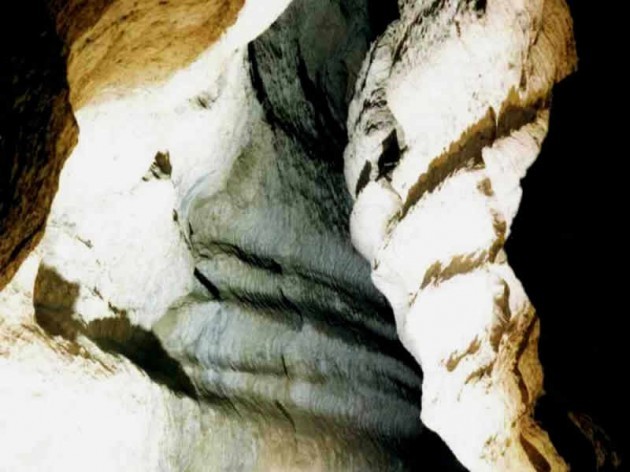
Geologically, Nera Gorge represents a remarkable example of fluvial erosion in a Mesozoic limestone massif, a process akin to those that shaped the spectacular landscapes of the Dinaric Karst, Plitvice Lakes, or the Julian Alps. Over millions of years, the Nera River, with its variable flow and erosive power, carved a deep canyon reaching up to two hundred meters, revealing geological strata that tell the story of an ancient vanished sea. Karst processes have created a complex landscape of sinkholes, caves, karst springs, and rock formations reminiscent of those in Slovenia’s Kras region or Triglav National Park, offering a valuable study site for European geologists. The sheer limestone walls, in shades of gray and beige, are traversed by fissures and grottoes that shelter unique ecosystems. The interplay between water and rock has given rise to remarkable hydrological phenomena, such as suspended mountain lakes and waterfalls cascading directly into the riverbed. This geomorfological diversity places Nera Gorge in a distinct category of European natural heritage, comparable to Montenegro’s Tara River Gorge or France’s Verdon Gorge, though on a more intimate and less touristy scale, preserving the feel of an authentic, unspoiled destination.
The Cultural Landscape of a Frontier Region
The cultural landscape surrounding Nera Gorge reflects centuries of coexistence among diverse communities, where traditional architecture blends seamlessly with wild nature. The villages of Sasca Montană and Șopotu Nou preserve the imprint of rural architecture specific to the Banat Mountains, with stone and wood houses, steep roofs, and courtyards enclosed by wooden fences, evoking the style of Austrian alpine villages or Croatia’s Istria region. Wooden churches, some dating back to the 17th and 18th centuries, stand as cultural heritage monuments illustrating the religious syncretism between Orthodox and Roman Catholic traditions, bearing witness to an era when confessional boundaries were more permeable than political ones. The region’s traditional economy relied on transhumant pastoralism, the exploitation of beech and oak forests, and, beginning in the 18th century, mining in the nearby Anina coal basin. This industry, developed under Habsburg influence and continued during the communist era, profoundly shaped the local identity, leaving behind historic industrial infrastructure and a population with a distinct technical culture, similar to that of mining basins in Silesia or Wales.
Biodiversity and Unique Karst Phenomena
The karst landscape of the gorge harbors remarkable biological diversity, with ecosystems specific to wetlands, limestone cliffs, and beech and oak forests covering the mountain slopes. Along the nearly twenty kilometers of the gorge itself, the waters of the Nera and its tributaries have carved mountain lakes, narrow canyons, caves with spectacular stalactite and stalagmite formations, and impressive waterfalls that gradually reveal themselves to hikers. Among the most notable natural attractions are Devil’s Lake, located in the eastern upstream section, with its emerald-green waters framed by sheer cliffs that mirror perfectly on the calm surface—a visual phenomenon akin to the glacial lakes of the Swiss Alps or the Dolomites. The spectacular Beușnița Waterfalls, along with the mysterious Blue Eye Lake, a karst spring with intensely blue waters accessible from the western side, are other jewels of this landscape, offering vistas reminiscent of Slovenia’s karst caves and springs. Additionally, the Valea Rea Canyon completes this exceptional natural tableau, providing unique perspectives on the geological processes that have shaped this region over the ages and sheltering endemic plant and animal species adapted to the specific conditions of the karst environment.
Legends, Personalities, and Turning Points
Between the stone walls of the gorge, numerous legends and stories have emerged, enriching the local folklore and transforming this space into a realm of myths as fascinating as those of the mountains of Greece or Scotland. Devil’s Lake owes its name to a popular legend claiming that a treasure guarded by a dragon or devil lies in its depths—a recurring theme in Balkan mythology reflecting an ancestral fear of nature’s dark abysses. Over the centuries, these narrow valleys served as a refuge for outlaws and smugglers crossing the Austro-Ottoman border, leaving behind tales of courage and cunning from those who knew every twist of the defile. Historical figures such as 19th-century scholars and foreign travelers, influenced by European Romanticism and the fashion for nature expeditions, described these lands as among the wildest and most authentic in Central Europe, helping to create an image that later attracted the first tourists and mountaineers. The establishment of the Nera Gorge-Beușnița National Park in 2000, protecting an area of 36,364.8 hectares encompassing six declared reserves and one proposed reserve, marked a turning point in Romania’s nature conservation history, reflecting the country’s commitment to integrating into the European Union’s protected area networks and preserving its natural heritage for future generations.
European Connections and Integration into Continental Hiking Networks
Exploring Nera Gorge is possible via a marked hiking trail that traverses its entire length, though completing the full route requires wading directly through the Nera River—a challenge that demands appropriate equipment, waterproof footwear, and a certain level of physical fitness, similar to river crossings in Bosnia and Herzegovina’s Sutjeska National Park or Montenegro’s Durmitor region. The trail offers the chance to discover landscapes strongly reminiscent of those in Slovenia, Croatia, or Austria, regions with similar traditions in exploring karst terrain. It holds potential for integration into European long-distance hiking networks such as the Via Dinarica, which spans the entire Dinaric mountain range from Slovenia to Albania. Each turn of the gorge reveals new perspectives on the millennia-old interaction between water and rock, in an environment that retains the feel of a world almost untouched by modern civilization, offering an authentic nature experience comparable to Slovenia’s Triglav National Park or Austria’s Salzkammergut region. This affiliation with European nature exploration traditions places Nera Gorge within the broader context of sustainable tourism in Europe, highlighting Romania’s role as a guardian of wild landscapes that have disappeared in many other parts of the continent.
Practical Guide for the Contemporary Visitor and Exploration Experience
Access to Nera Gorge is from the villages of Sasca Montană or Șopotu Nou, located near the towns of Anina, Bozovici, Oravița, or other nearby settlements such as Lăpușnic, Moceriș, or Cărbunari. These are easily reachable via national and county roads connecting to the European transport network. Visiting fees are available at the local ticket office, and the visiting schedule should be checked in advance, considering the seasonal specifics and mountainous weather conditions, which can vary significantly depending on altitude and time of year. Visitors are advised to equip themselves with water-resistant footwear, trekking poles for stability on slippery terrain, and to carry water and food supplies, as there are no major tourist facilities along the twenty-kilometer trail. The optimal visiting period is late spring and early summer, when the river’s flow is moderate and allows for safe crossings, or autumn, when the beech forests turn shades of copper and fire, offering a stunning visual spectacle. It is essential to respect the trail markings and avoid periods of high river flow caused by heavy rains or snowmelt to ensure both personal safety and the protection of the reserve’s fragile ecosystem. For a complete experience, visitors can combine exploring the gorge with visits to the historic town of Oravița, Romania’s first theater city, the Caraș Gorge, or the Iron Gates tourist complex, creating a cultural and natural itinerary that reflects the richness of southwestern Romania’s heritage.
Media gallery
Discover Nera Gorge in pictures

19 photos · Architecture, courtyards and captivating details


Image source: Wikimedia Commons · Public domain photos · Free license
STAY A FEW DAYS, DISCOVER THE MAGIC
Accommodation in the Nera Gorge area

Holiday home · 2 stars

Dubova, Mehedinți County · 4.8 km
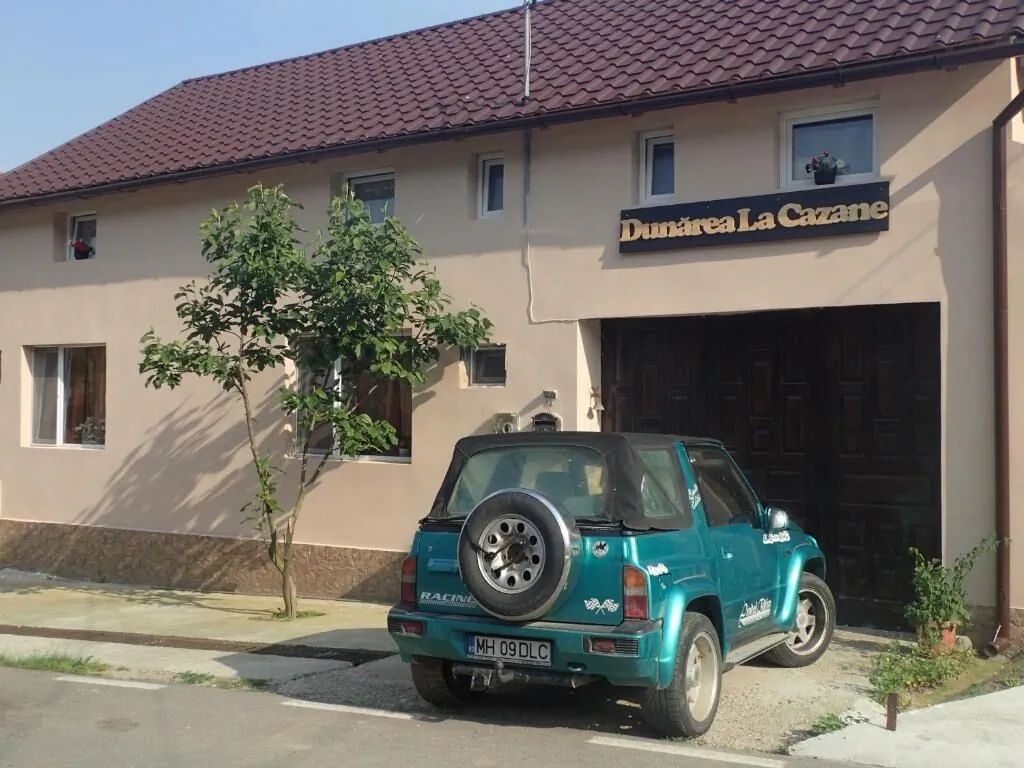
Casa de oaspeți Dunarea la Cazane Dubova
Familiile numeroase și grupurile de prieteni se vor simți bine la Casa de oaspeți Dunarea la Cazane din Dubova, județul Mehedinți. Această vilă integrală, clasificată cu două stele, oferă șapte camere confortabile și plăcut amenajate într-un cadru natural liniștit, departe de aglomerația urbană, fiind potrivită pentru un sejur relaxant în mijlocul naturii. Unitatea pune la dispoziția dumneavoastră Wi-Fi gratuit, parcare privată gratuită și acces facilitat pentru persoane cu dizabilități. Unele camere sunt prevăzute cu aer condiționat pentru confortul dumneavoastră pe tot parcursul șederii. În curtea mare și grădina amenajată puteți organiza mese în aer liber, folosind grătarul sau ceaunul pus la dispoziție pentru gătit. Foișorul din curte reprezintă locul perfect pentru relaxare și conversații după o zi plină de activități în natură. În apropiere puteți vizita Lacul Ochiul Beiului, Parcul Natural Porțile de Fier, Cheile Nerei, Lacul Dracului din Caraș-Severin și Izbucul Bigăr. Traseele montane și drumețiile în natură disponibile în zonă sunt ideale pentru iubitorii de activități în aer liber și explorare a peisajelor sălbatice din această regiune unică. Vă așteptăm la Casa de oaspeți Dunarea la Cazane Dubova.
FROM
280 lei per night

Guesthouse · 3 stars
Sasca Română, Caraș-Severin County · 7.4 km
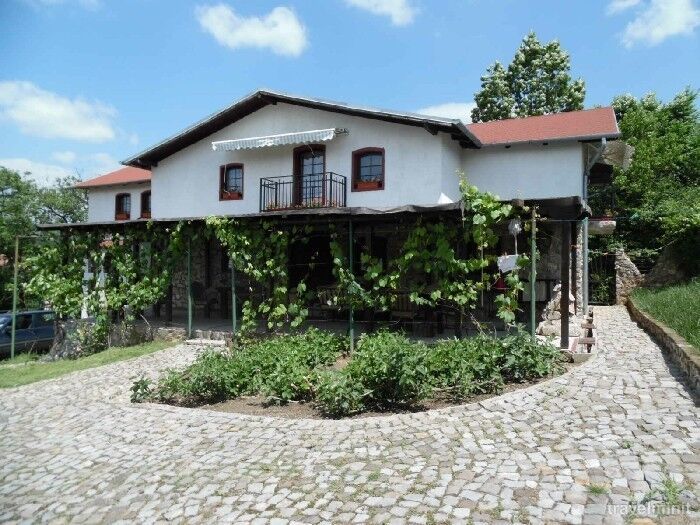
Casa Dolly Sasca Română
Cheile Nerei, Parcul Natural Porțile de Fier sau Cascadele Beușniței sunt doar câteva dintre obiectivele naturale pe care le puteți vizita pornind de la Casa Dolly Sasca Română. Situată în localitatea Sasca Română din județul Caraș-Severin, această pensiune turistică de 3 stele reprezintă punctul de plecare pentru explorarea acestor locuri. Proprietatea vă pune la dispoziție facilități practice pentru un sejur relaxant: parcare privată gratuită, acces Wi-Fi gratuit în toată unitatea și o curte mare cu grădină amenajată unde vă puteți bucura de aer curat și liniște. Pentru momentele de relaxare în aer liber, aveți la dispoziție grătar sau barbeque, dar și un ceaun tradițional pentru preparate gătite direct în natură. Cele șase camere modern mobilate asigură condiții bune de odihnă după zilele de explorare. La momentul efectuării rezervării puteți alege între mai multe opțiuni de masă, inclusiv mic dejun, demipensiune sau pensiune completă, în funcție de preferințele dumneavoastră. Personalul de la recepție comunică fluent în română, germană și sârbă, fiind pregătit să vă sprijine cu orice informație pe toată durata șederii. Vă așteptăm la Casa Dolly Sasca Română.
FROM
240 lei per night
Holiday home · 3 stars
Sasca Montană, Caraș-Severin County · 7.7 km
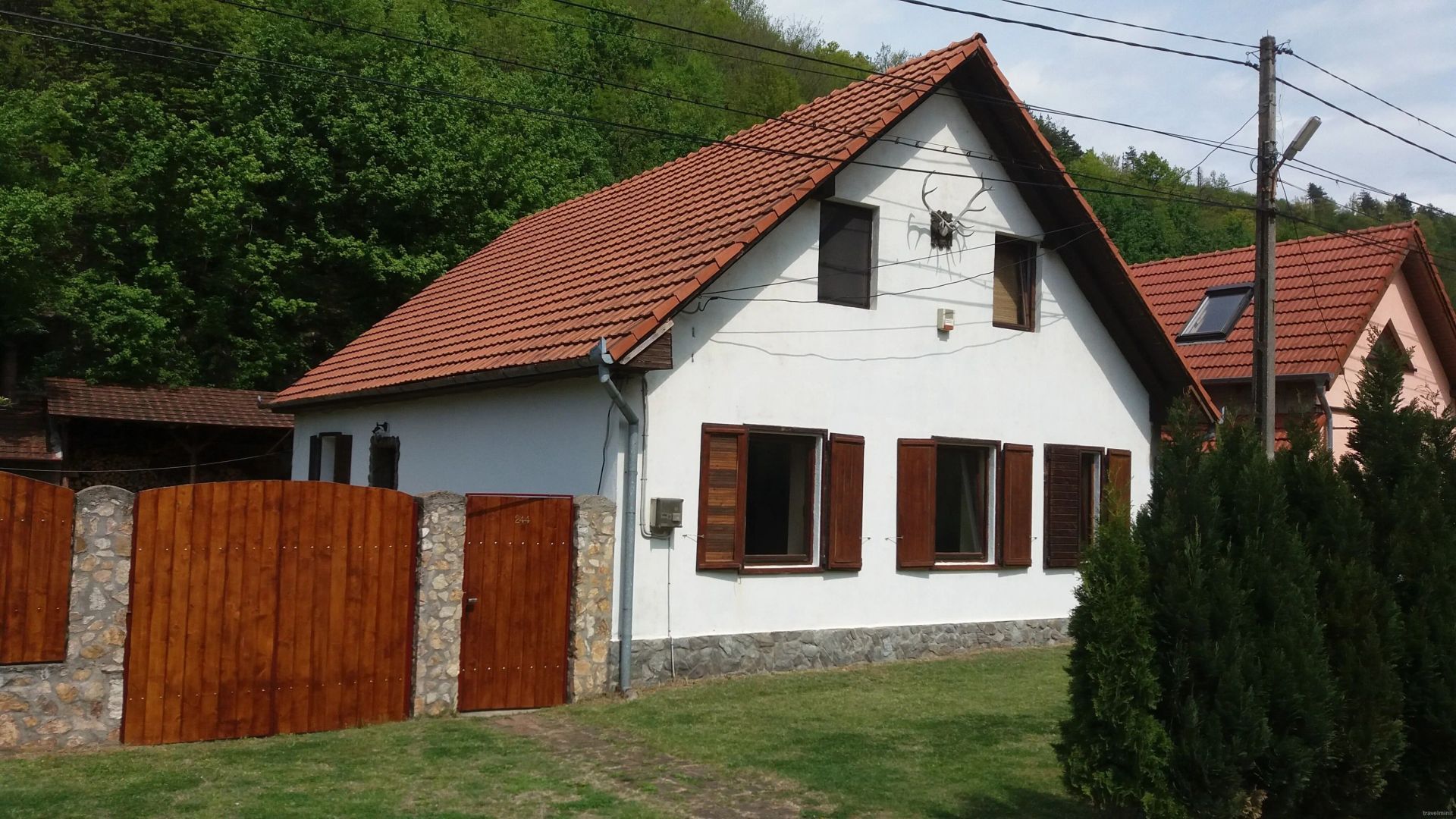
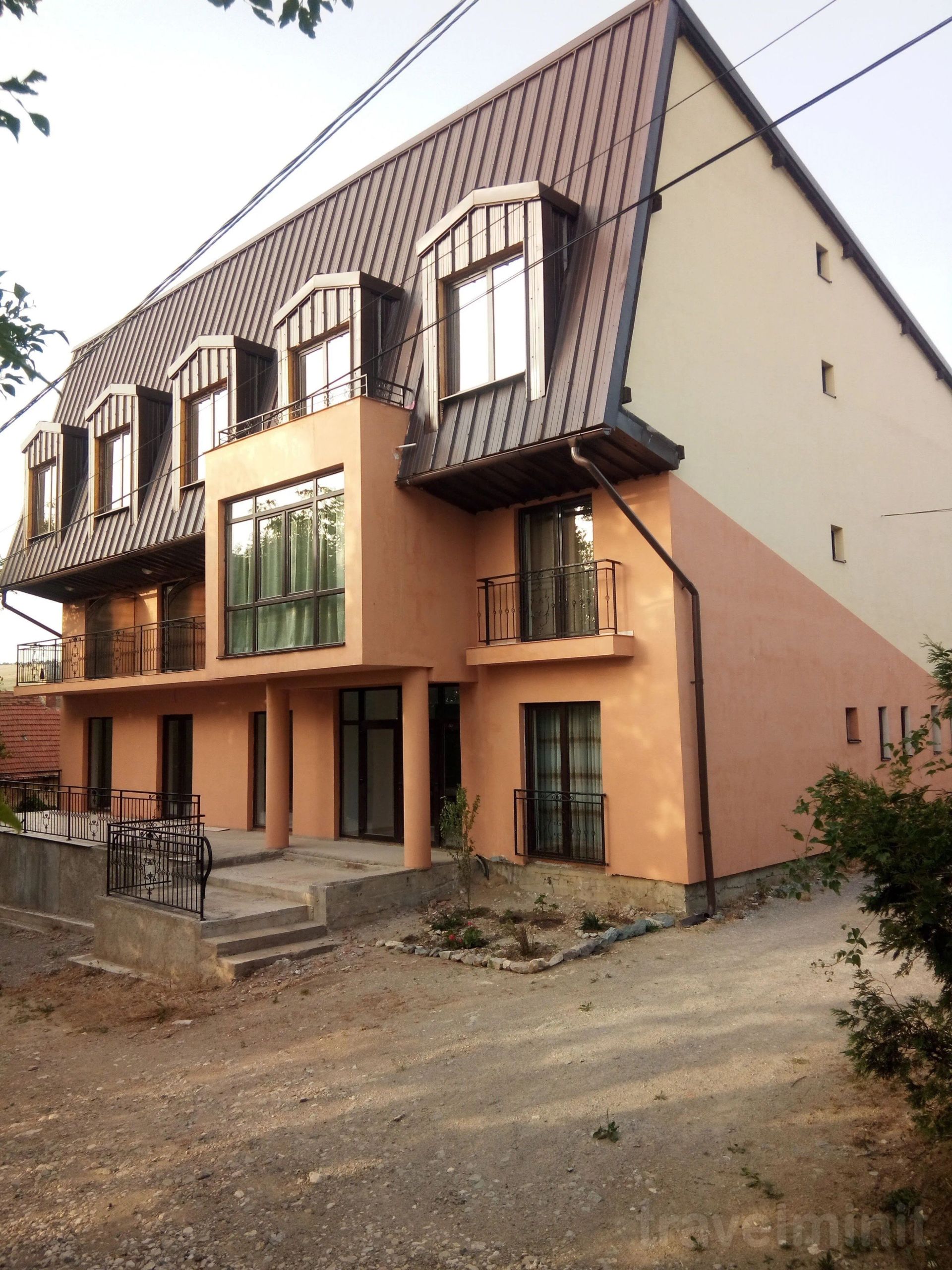
Casa de vacanță Nagy Sándor Sasca Montană
Comfort, relaxation and stunning views, all just steps away from the main attractions.
FROM
280 lei per night
Guesthouse · 3 stars
Socolari, Caraș-Severin County · 11.7 km
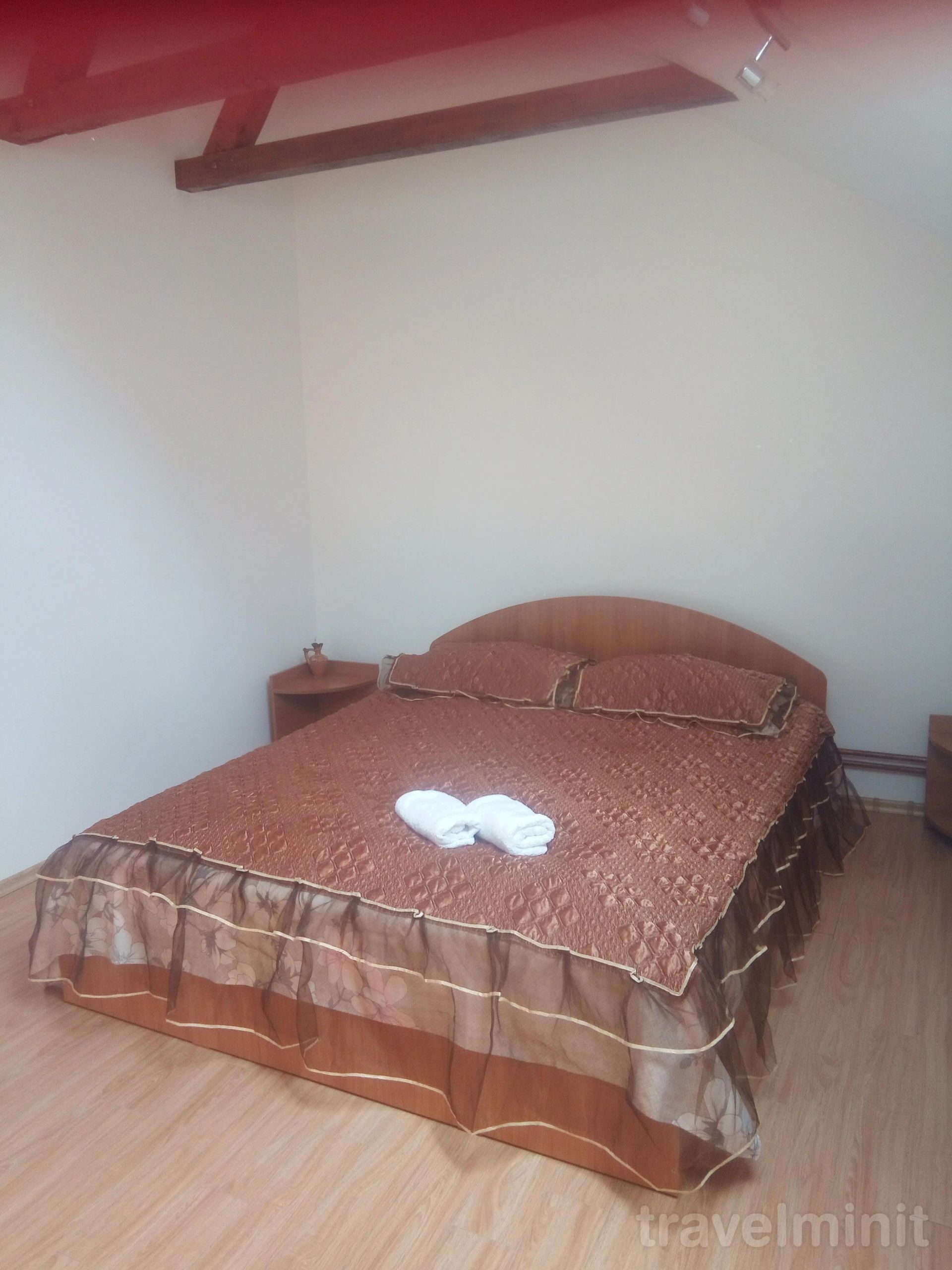
Pensiunea Valea Beiului Socolari
O zi petrecută aici poate începe cu drumeții pe traseele montane și în natură și se poate încheia cu un grătar în curtea mare amenajată. Pensiunea Valea Beiului din Socolari oferă nouă camere frumos amenajate într-un cadru liniștit din județul Caraș-Severin. Pentru confortul dumneavoastră, punem la dispoziție Wi-Fi gratuit în întreaga proprietate și parcare privată gratuită. Grădina amenajată și curtea spațioasă sunt perfecte pentru relaxare după o zi plină de activități în aer liber, oferindu-vă un spațiu generos pentru a vă bucura de aerul curat. În apropiere puteți vizita Lacul Ochiul Beiului, Parcul Natural Porțile de Fier, Cascadele Beușniței, Cheile Nerei și Lacul Dracului din Caraș-Severin. Aceste obiective naturale oferă numeroase posibilități de explorare și relaxare în mijlocul naturii, fiind potrivite pentru iubitorii de drumeții. Check-in-ul se efectuează de la ora 16:00, iar check-out-ul până la ora 11:00, iar personalul de la recepție comunică în limba română. Vă așteptăm să vă bucurați de șederea dumneavoastră în această locație.
FROM
240 lei per night
Holiday home · 3 stars
Socolari, Caraș-Severin County · 11.8 km
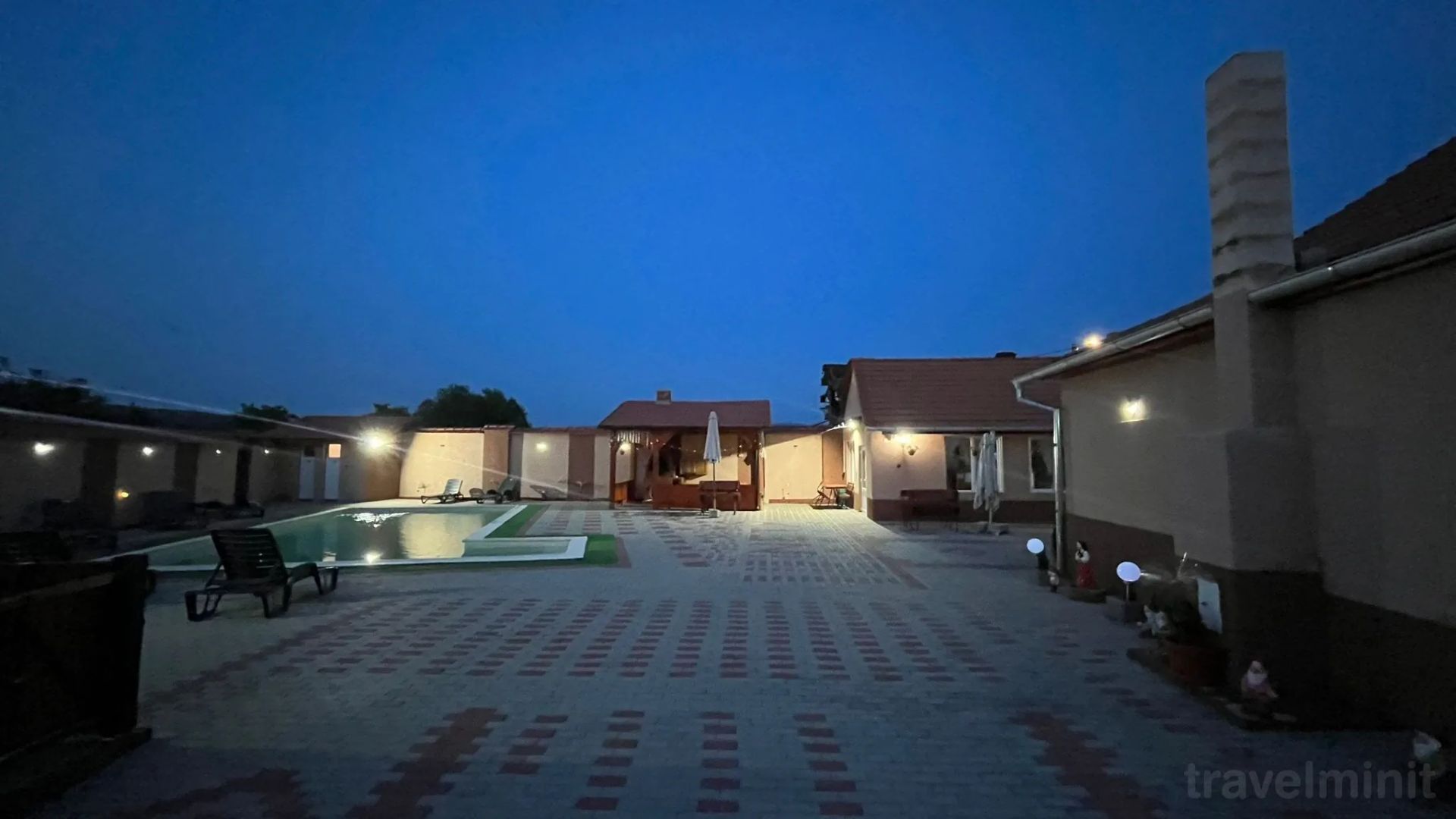
Casa de vacanță Violeta Socolari
Comfort, relaxation and stunning views, all just steps away from the main attractions.
FROM
280 lei per night
Guesthouse · 2 stars
Bozovici, Caraș-Severin County · 17.2 km
Pensiunea La Nety Bozovici
O zi petrecută aici începe pe terasa la soare, savurând cafeaua dimineața în timp ce priviți spre grădina amenajată, și continuă cu momente relaxante la grătar seara. Pensiunea La Nety Bozovici din Bozovici vă așteaptă cu șase camere pregătite cu atenție pentru dumneavoastră. Beneficiați de Wi-Fi gratuit în întreaga incintă, parcare privată gratuită și acces facilitat pentru persoanele cu dizabilități. Copiii se distrează în siguranță la locul de joacă de la exterior, iar barul din incintă vă oferă băuturi răcoritoare după activități în aer liber. Curtea mare și grădina amenajată creează un cadru plăcut pentru relaxare și socializare. În apropiere puteți descoperi Izbucul Bigăr, Rezervația mulinologică Rudăria, Munții Banatului, Cheile Rudăriei și Lacul Ochiul Beiului. Aceste atracții naturale și culturale transformă fiecare ieșire într-o experiență memorabilă în județul Caraș-Severin, oferindu-vă ocazia de a explora peisaje spectaculoase. Vă așteptăm la Pensiunea La Nety Bozovici, unde parcare privată gratuită și accesul pentru persoane cu dizabilități asigură un sejur confortabil și fără griji pentru toți oaspeții.
FROM
190 lei per night
BEFORE YOU HIT THE ROAD
Weather conditions in Caras Severin
Local forecast for Nera Gorge, Caras Severin, Caraș-Severin

Real-time updated weather data
Much more to explore in this area
Nearby tourist attractions


Caras Severin, Caraș-Severin County
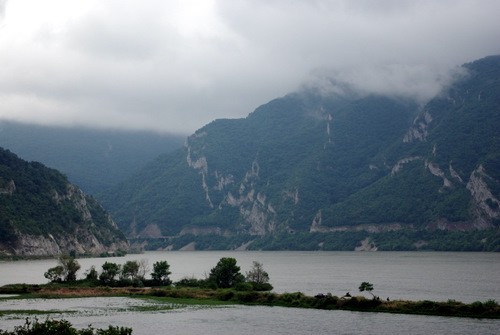
Bigăr Waterfall
Situat pe Valea Minisului, in Muntii Aninei; izvor puternic alimentat de un curs de apa subteran care strabate pestera cu acelasi nume; la aproximativ 200 m...
21.1 km
Dubova, Mehedinți County
The Iron Gates Gorges and the Face of Decebalus
Se afla intre Valea Ogradena si Paraul Ogasul Turcului, in perimetrul localitatii Dubova, intre versantii abrupti pe care ii desparte Dunarea, formand niste...
44.0 km
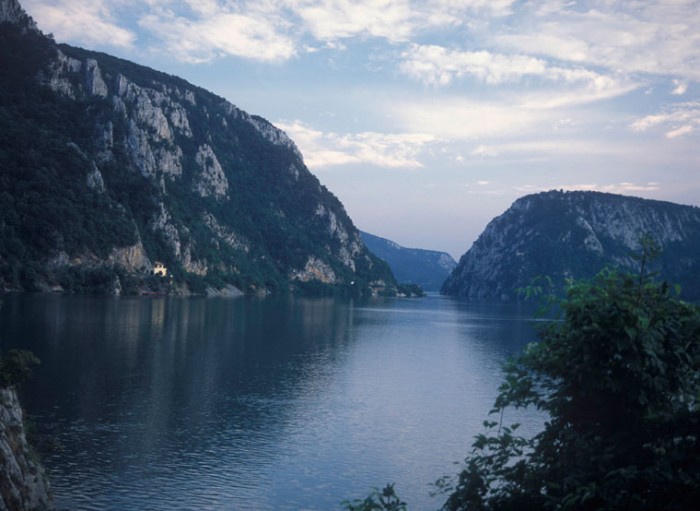
Caras Severin, Caraș-Severin County
Iron Gates Natural Park
Este situat in judetele Caras-Severin si Mehedinti, ocupand partial teritorii apartinand judetelor Caras-Severin si Mehedinti in partea sudica a Muntilor...
4.4 km
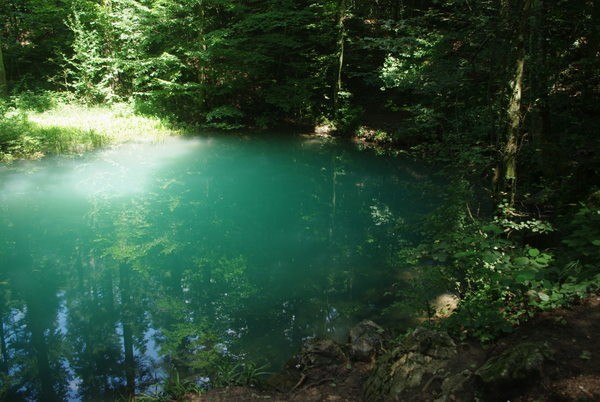
Caras Severin, Caraș-Severin County
Blue Eye Lake
Se afla in Parcul National Cheile Nerei Beusnita, protejat de muntii Aninei si Locvei; se spune ca aceste locuri au fost stapanite de un pasa hain care avea un...
9.6 km
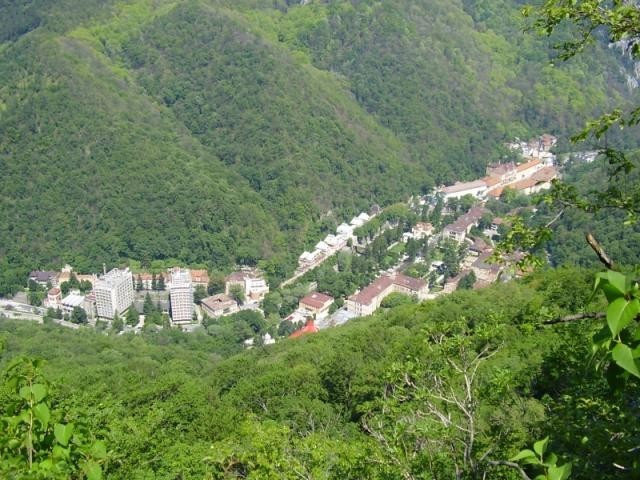
Caras Severin, Caraș-Severin County
Herculane Baths
Situata pe Valea Cernei, la 5 km de principala artera rutiera ce leaga vestul tarii de Bucuresti si calea ferata internationala Bucuresti - Timisoara -...
48.5 km
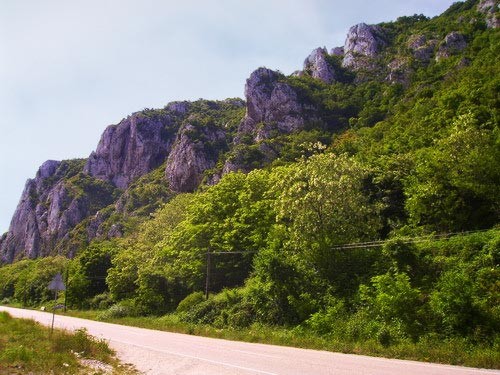
Caras Severin, Caraș-Severin County
Rudăria Gorge and Water Mills
Situate in zona muntoasa a judetului Caras Severin, pe raza localitatii Eftimie Murgu (fosta Rudaria);accesul se face de pe drumul E70 Caransebes - Oravita, pe...
25.1 km
Caras Severin, Caraș-Severin County
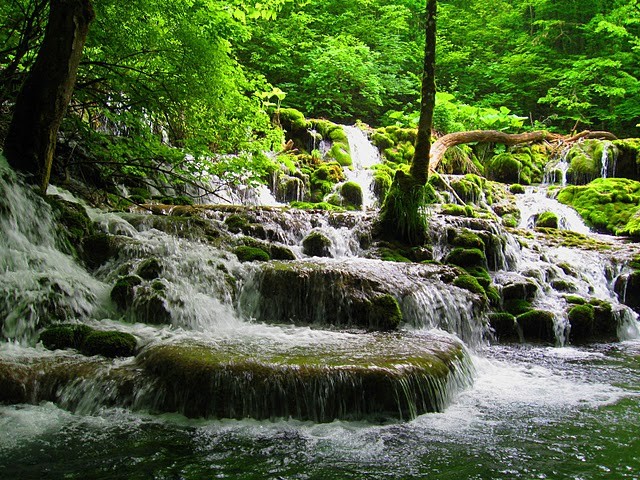
Nera Gorge-Beușnița National Park
Este situat in sud-vestul tarii in judetul Caras-Severin acoperind intreaga zona sudica a Muntilor Aninei si o parte din zona nordica a Muntilor Locvei; in...
16.9 km

19.0 km
Caras Severin, Caraș-Severin County
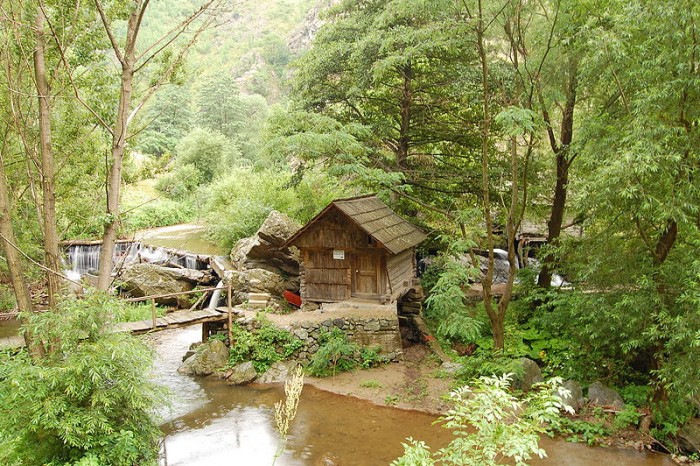
Rudăria Water Mill Reserve
Situata pe Valea Rudariei, din satul Eftimie Murgu; cuprinde un numar de 22 de mori cu ciutura, asezate de-a lungul cursului apei, pe o lungime de 3 km, o...
23.4 km
Caras Severin, Caraș-Severin County
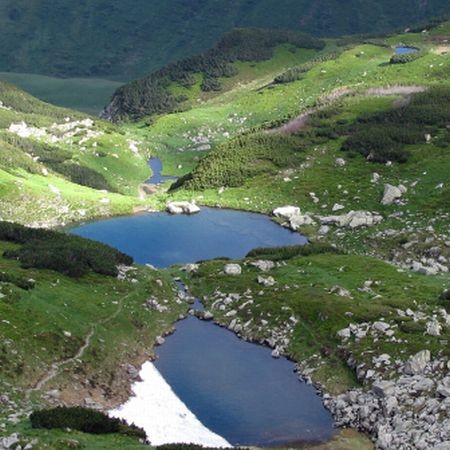
Semenic-Caraș Gorge National Park
Este situat in centrul judetului Caras - Severin, in sud-vestul Romaniei; principalele intrari in parc sunt in localitatile Resita, Iabalcea, Carasova, Anina,...
27.6 km
Caras Severin, Caraș-Severin County
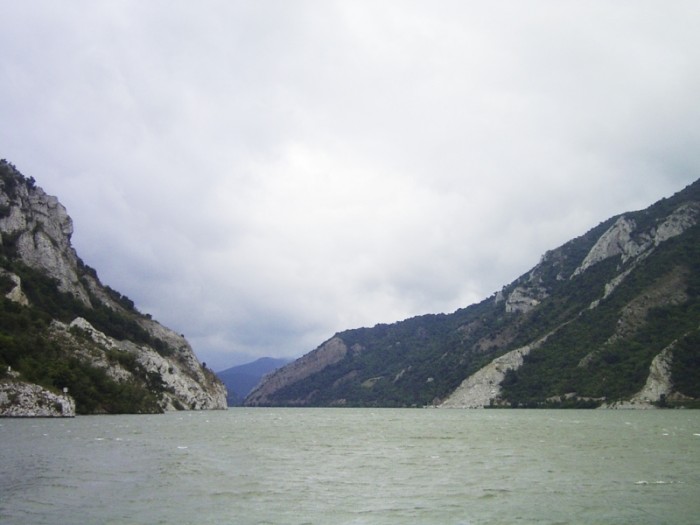
Iron Gates Gorge
Defileul ocupa partial teritorii apartinand judetelor Caras-Severin si Mehedinti, in partea sudica a Muntilor Locvei si Almajului si in sud-vestul Podisului...
26.2 km
Caras Severin, Caraș-Severin County
Racoviță Cave
Se afla situata in Cheile Carasului din Muntii Aninei, judetul Caras-Severin; pestera are doua intrari, cea mai vizibila dintre ele, se poate zari din chei...
38.3 km
Cultural life and traditions
Events in the Nera Gorge area
Medieval festivals, traditional fairs, concerts and local activities recommended in Banat.

Traditions and Crafts

Caras Severin, County of Caraș-Severin
Days of Local Culture and Traditional Tourism
Open workshops featuring pottery, wood carving, and authentic folklore demonstrations by local artisans.
WHEN
May 15-17, 2026


Traditional Cuisine
Caras Severin, County of Caraș-Severin
The Fair of Traditional Products and Local Cuisine
Traditional products, aged cheeses, mountain honey and local delicacies prepared according to ancient recipes.
WHEN
Every weekend

Culture and Photography
Caras Severin, County of Caraș-Severin
Themed and Photographic Guided Tour of Cultural Heritage
A guided tour designed for history buffs, nature lovers, and photography enthusiasts, showcasing the most spectacular views in the area.
WHEN
Daily schedule available upon request
On foot, exploration gains depth
Discover the surroundings and local geography
Explore the trails, terrain, and natural landmarks around Nera Gorge.

Guides and practical tips
Useful travel articles
Travel guides, practical recommendations and tourist itineraries for Banat.

Tourist guide
Castelul Bran: Istorie, Legende și Secrete Medievale
Află adevărata poveste a fortăreței medievale din Pasul Bran, reședința de suflet a Reginei Maria a României.

Tourist guide
Top 5 Atracții Turistice și Trasee Montane în Zona Moieciu - Bran
Descoperă cele mai spectaculoase peisaje carstice, chei adânci și cetăți medievale din imediata apropiere a stațiunii Moieciu.

Tourist guide
Ghid de Drumeție: Traseul Moieciu de Sus spre Platoul Bucegi
Un itinerariu montan de o frumusețe rară ce urcă din Valea Băngăleasa spre Poiana Guțanu și crestele maiestuoase ale Bucegilor.
THE JOURNEY STARTS WITH AN IDEA
The next story is on the way.
From the first stop to the last stay, make room for a new Romania.
