


PLACE OF WORSHIP · MUNTENIA (WALLACHIA)
Patriarchal Cathedral of Bucharest

Bucuresti, Bucharest
Add location to your trip planner.
Practical access information

VISITING HOURS
Monday: 12:00 PM – 5:00 PM · Tuesday–Sunday: 9:00 AM – 5:00 PM (in summer until 8:00 PM)

TICKET PRICE
Adults: 45 RON · Students: 11 RON · Seniors: 23 RON · Guided tour included

RECOMMENDED VISIT DURATION
2-3.5 hours
Visitor information and guide
 Navigate with Google Maps

ABOUT PATRIARCHAL CATHEDRAL OF BUCHAREST
The Hill That Gave Birth to a Spiritual Capital: An Introduction to the Heart of Romanian Orthodoxy
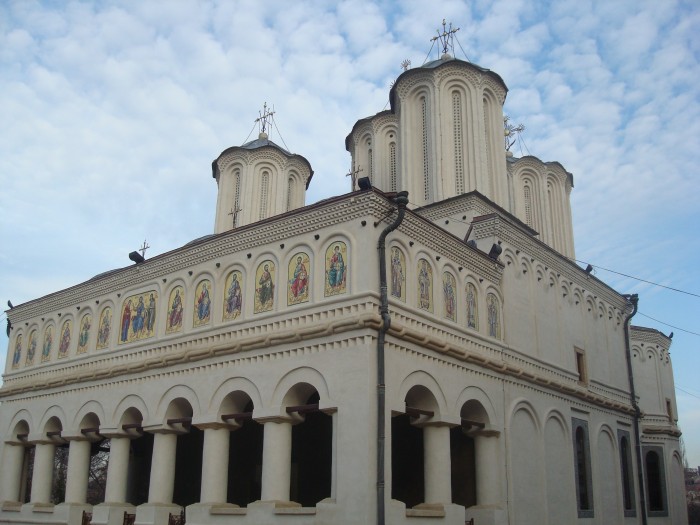
In the urban landscape of Bucharest, where modern skyscrapers rise alongside interwar buildings and old merchant houses, there exists a place deeply rooted in the soil of history, imbued with a sacred tranquility that starkly contrasts the hustle and bustle of the surrounding streets. This is Mitropoliei Hill, a modest elevation in height but monumental in significance, carrying its legacy for nearly four centuries. Here, at 21 Aleea Dealul Mitropoliei, stands the Patriarchal Cathedral, known by multiple names that reflect its historical evolution: the Metropolitan Cathedral, the Church of the Holy Emperors Constantine and Helena, or simply, the Patriarchate. This ensemble represents not only the supreme administrative and liturgical center of the Romanian Orthodox Church but also a true bastion of Byzantine tradition in Southeastern Europe, a silent witness to the transformations of a nation from a medieval principality to a modern kingdom and, later, to a democracy.
For the European traveler accustomed to the great Gothic cathedrals of Western Europe or the Baroque splendor of Vienna and Prague, the Patriarchal Cathedral offers a distinctly different yet equally impressive aesthetic experience. Here, architecture does not soar skyward with the same aggressive verticality as Notre-Dame in Paris or Cologne Cathedral. Instead, it unfolds in horizontal harmony, with slender spires that seem to dance above the rooftops in a unique style known as Brâncovenesc, representing a brilliant synthesis of the ancient Byzantine tradition and Renaissance influences brought to Wallachia by Italian and Greek craftsmen. Mitropoliei Hill thus functions as a spiritual Acropolis of Romania, a place where faith, art, and national history engage in a continuous dialogue with the great cultural currents of the continent.
Voivodal Roots and the Continuity of Brâncovenesc Tradition
The history of this sacred place begins in the mid-17th century, a period of cultural and political flourishing for Wallachia, when the Basarab rulers sought to consolidate the identity of a state situated at the crossroads of the Ottoman Empire, the Habsburg Monarchy, and the Kingdom of Poland. In 1658, under the reign of Voivode Constantin Șerban Basarab, son of Matei Basarab and grandson of Radu Șerban, the main church of the ensemble was consecrated on land already dedicated to monastic life since the time of Mircea Ciobanul. The edifice exhibits striking architectural affinities with the Curtea de Argeș Monastery, founded by Neagoe Basarab in the 16th century, suggesting a profound continuity of dynastic tradition and a keen awareness of voivodal identity. This connection is no coincidence but reflects Constantin Șerban’s ambition to replicate, in the heart of the capital, the spiritual splendor of the old royal residence at Argeș, thus creating a center to rival the great monasteries of the time.
From a European perspective, the construction fits into the broader context of the late Renaissance permeating the Balkans, brought by Italian craftsmen such as Chiriaco of Ancona or Greek architects trained in Byzantine schools. The Brâncovenesc style, which would reach its zenith under Constantin Brâncoveanu (1688–1714), was born here, on Mitropoliei Hill, as an original expression of Orthodoxy that assimilates Western elements without losing its Eastern essence. The harmonious proportions, the tall and slender spires, and the rich stone decorations framing the windows and main portal evoke the silhouette of the church at Curtea de Argeș, as well as influences from monasteries on Mount Athos or medieval Serbia (such as Studenica), placing the monument in a fertile dialogue with the religious architecture of the entire Orthodox Balkan and Slavic world.
Transformations and the Patriarchal Renaissance: The 19th and 20th Centuries
Over the centuries, the place of worship has undergone numerous transformations, major restorations, and reconstructions, driven by earthquakes, the urban evolution of Bucharest, and the needs of a continuously developing ecclesiastical institution. Today, the structure no longer retains its original 1658 form entirely, having undergone extensive reconstruction work between 1906 and 1907 under the guidance of architect Dimitrie Maimarolu. Trained in the French architectural tradition and influenced by the Neoclassical and Beaux-Arts movements dominating Europe at the turn of the 20th century—from Haussmann’s renovations of Paris to the reconstruction of imperial Berlin—Maimarolu reinforced the structure, added new decorative elements, and adapted the interior to the requirements of a modern patriarchal cathedral while preserving the profound essence of Eastern Orthodox tradition. The bell tower, added during this period, stands out for its classical elegance, reminiscent of Italian campaniles, yet harmoniously integrated into the Brâncovenesc landscape.
The supreme turning point in the history of this monument occurred on November 4, 1925, when the Holy Synod of the Romanian Orthodox Church, led by Metropolitan Miron Cristea, proclaimed the elevation of the Romanian Church to the rank of Patriarchate, recognized by all other autocephalous Orthodox Churches worldwide. This historic decision, taking place in the context of the Great Union of 1918 and the consolidation of the modern Romanian national state, placed the Cathedral on Mitropoliei Hill among the great patriarchal seats of Eastern Christianity, alongside the Ecumenical Patriarchate of Constantinople (Istanbul), the Patriarchates of Moscow, Jerusalem, and Antioch. Miron Cristea became the first Patriarch of Romania, and the cathedral became the supreme spiritual seat of an entire nation, not just of an ecclesiastical province. This moment marked the definitive entry of Romanian Orthodoxy into the concert of Europe’s great spiritual powers, after centuries of canonical dependence on Constantinople.
An Architectural Masterpiece: Between Byzantium and Brâncovenesc
The architecture of the Patriarchal Cathedral represents a remarkable synthesis of the ancient Byzantine tradition and the innovations of the Brâncovenesc style. The cruciform plan, with an open porch (pronaos), a central nave covered by an imposing dome, and the altar in the east, adheres to the canons of Eastern Orthodox architecture, reminiscent of the great churches of Constantinople or Mount Athos. However, the proportions, the accentuated verticality of the spires, and the richness of the stone carvings—featuring vegetal, geometric, and figurative motifs inspired by Romanian folk art and Byzantine ornamentation—are specific to the Brâncovenesc genius. The main façade, with its two symmetrical spires flanking the entrance and the tracery stone decorations (resembling lacework), creates a play of light and shadow that captivates the eye, evoking both solidity and spirituality.
The cathedral’s interior houses an iconostasis of rare beauty, crafted from carved and gilded wood, which separates the nave from the altar according to Orthodox tradition. It also features numerous old and new icons, mural frescoes that envelop the walls in an atmosphere of continuous prayer, and exceptional liturgical furniture. A particularly valuable element is the silver reliquary containing the relics of Saint Demetrius Basarabov, a Baroque masterpiece attesting to cultural ties with the Western world (similar to reliquaries in the cathedrals of Vienna or Prague) and the Byzantine tradition of venerating holy relics. The interior lighting, with crystal chandeliers and votive lamps, creates an intimate atmosphere of communion, distinct from the cold splendor of some Western cathedrals, and closer to the spirituality of monasteries in Greece or Russia.
The Relics of Saint Demetrius and the European Pilgrimage
At the spiritual heart of the cathedral, preserved in an impressive silver reliquary, lie the relics of Saint Demetrius Basarabov, also known as Saint Demetrius the New, to distinguish him from Saint Demetrius of Thessaloniki. This saint, who lived in the 13th century in the village of Basarabovo (now in Bulgaria, near Ruse), was discovered in 1708, and his relics were brought to Bucharest in 1774, during the Russo-Turkish wars and the upheavals in the Balkans, finding their final resting place here. Saint Demetrius is considered the protector of Bucharest and the entire country, and his presence in the Patriarchal Cathedral transforms this site into an important pilgrimage center, attracting thousands of faithful annually from Romania, the Republic of Moldova, Bulgaria, and the entire Romanian diaspora.
From a European perspective, the pilgrimage to the relics of Saint Demetrius is part of the tradition of the continent’s great pilgrimage centers—from Santiago de Compostela in Spain to Lourdes in France or Fátima in Portugal—but with the profound Orthodox specificity of saint veneration and relics. The feast day of Saint Demetrius, on October 26, draws an impressive multitude of believers to Mitropoliei Hill, creating an atmosphere of spiritual communion that transcends confessional boundaries, offering a moment of reflection on the shared Christian values in a diverse Europe. The silver reliquary, crafted in the Baroque style with Rococo influences, represents a masterpiece of 18th-century European decorative art, similar to reliquaries in the cathedrals of Salzburg or the monasteries of Bavaria, yet bearing the distinct imprint of Romanian and Bulgarian craftsmen.
Monastic Life and the Patriarchal Complex
The patriarchal ensemble on Mitropoliei Hill is not limited to the cathedral but encompasses an entire monastic and administrative complex reflecting the central role of the Church in Romania’s cultural and social life. Here, two distinct monastic communities operate with complementary spiritual roles: the brotherhood of monks, consisting of hieromonks and hierodeacons, who ensure liturgical continuity in the cathedral and the chapel, serving the Divine Liturgy and other canonical rites daily, and the sisterhood of nuns, who carry out their spiritual activities in the neighboring monastery, contributing through prayer and charitable works to the Church’s mission. This duality reflects the Byzantine monastic tradition, similar to that of Mount Athos or monasteries in Russia and Serbia, where cenobitic male and female monastic life coexist in harmony.
In the immediate vicinity of the cathedral stands the Patriarchal Residence, an imposing palace built between 1907 and 1908, also under the guidance of architect Dimitrie Maimarolu, in the Neo-Romanian style with Neoclassical elements. It houses the offices of the patriarchal administration, ceremonial halls, and the patriarchal library, one of the country’s most valuable, preserving ancient manuscripts and incunabula. Nearby is the Patriarchal Chapel, a smaller church dedicated to Saint George and Saint Parascheva, offering an intimate space for prayer for the monastic community and the faithful. The entire complex is surrounded by well-tended gardens, providing an oasis of tranquility amid the urban bustle, akin to the monastic gardens of Central Europe, such as those at Stift Heiligenkreuz in Austria or the monasteries of Tuscany.
Dialogue with Europe: Orthodoxy in the Continental Christian Concert
From a European perspective, the Patriarchal Cathedral represents a true bastion of Byzantine tradition in Southeastern Europe, reflecting the deep historical ties between Wallachia and the Byzantine Empire, as well as with the Ecumenical Patriarchate of Constantinople, with which the Romanian Church maintained uninterrupted canonical relations for centuries, even during the Ottoman period. The elevation to the rank of Patriarchate in 1925 placed the Romanian Church among the great autocephalous Orthodox Churches of Europe, alongside those of Russia, Serbia, Bulgaria, Greece, and Georgia, consolidating Bucharest’s role as a major spiritual center of the continent. Today, the Romanian Patriarchate plays an active role in the European ecumenical dialogue, being a member of the World Council of Churches and maintaining fraternal relations with the Roman Catholic Church, Protestant churches, and the Anglican Communion, contributing to overcoming the historical East-West schism.
Its architecture, with Brâncovenesc and Byzantine influences, positions it in a fertile dialogue with similar monuments across the Balkans, Russia, and the entire Eastern Orthodox world—from the cathedrals of Kiev and Moscow to the monasteries of Mount Athos and Serbia. At the same time, its presence in Bucharest, alongside the Roman Catholic Cathedral of Saint Joseph and other places of worship belonging to various denominations, creates a unique religious landscape in Europe, a true spiritual mosaic reflecting the diversity and religious tolerance of the Romanian capital. The Patriarchal Cathedral thus functions as a bridge between Eastern Orthodox tradition and the democratic and humanist values of contemporary Europe, affirming Romanian cultural identity in an increasingly integrated European context.
Visitor’s Guide: A Spiritual Experience in the Heart of Bucharest
Located at 21 Aleea Dealul Mitropoliei, in Sector 5, near the historic center of Bucharest (the Lipscani and Calea Victoriei areas), the Patriarchal Cathedral is open daily to both the faithful and tourists, with free admission. Visitors are kindly requested to observe a modest dress code appropriate for an Orthodox place of worship: women should wear skirts or long pants and cover their heads with a scarf, while men should wear long pants, avoiding shorts and sleeveless shirts. Photography inside is permitted in certain areas but without flash, so as not to disturb prayer, and is prohibited during services.
The most profound experience is offered by attending the Sunday morning Divine Liturgy, when the cathedral choir disperses the harmonies of Byzantine music throughout the sacred space, and the solemn atmosphere, combined with the architectural splendor and the presence of the saint’s relics, provides a deeply moving connection to Orthodox tradition and national heritage. For those interested in history and art, it is recommended to visit the silver reliquary containing the relics of Saint Demetrius, the carved iconostasis, the interior frescoes, and the bell tower, from which an impressive panorama of the city unfolds. The Patriarchal Chapel and the inner courtyard are also worth visiting, where the tranquility of the monastic gardens offers a welcome contrast to the bustle of the neighboring streets.
A visit to the Patriarchal Cathedral can be excellently combined with a stroll through the Old Town of Bucharest, a visit to Stavropoleos Monastery (just a few minutes’ walk away), Manuc’s Inn, or the National Museum of Romanian History. Nearby is also the Palace of the Parliament, offering a stark contrast between the country’s spiritual past and political present. For a complete experience, it is recommended to visit on feast days: May 21 (Holy Emperors Constantine and Helena, the main feast day), October 26 (Saint Demetrius the New), April 23 (Saint George), or October 14 (Saint Parascheva), when the cathedral becomes a true spiritual magnet, attracting pilgrims from all corners of the country and Europe.
The Cornerstone of a European Identity
The Patriarchal Cathedral of Bucharest stands as a monumental testament to the enduring spiritual and cultural heritage of Romania, a place where the sacred and the historical intertwine to narrate the story of a nation’s faith and resilience. As the heart of Romanian Orthodoxy, it not only preserves the traditions of Byzantium and the Brâncovenesc legacy but also serves as a living bridge between the past and the present, inviting visitors from around the world to explore the depth of its significance in the broader European context.
Media gallery
Discover Patriarchal Cathedral of Bucharest in pictures

2 photos · Architecture, courtyards and captivating details

Image source: Wikimedia Commons · Public domain photos · Free license
STAY A FEW DAYS, DISCOVER THE MAGIC
Accommodation in the Patriarchal Cathedral of Bucharest area

Apartment · 3 stars

București, Bucharest · 0.2 km
Prince Residence Apartments București
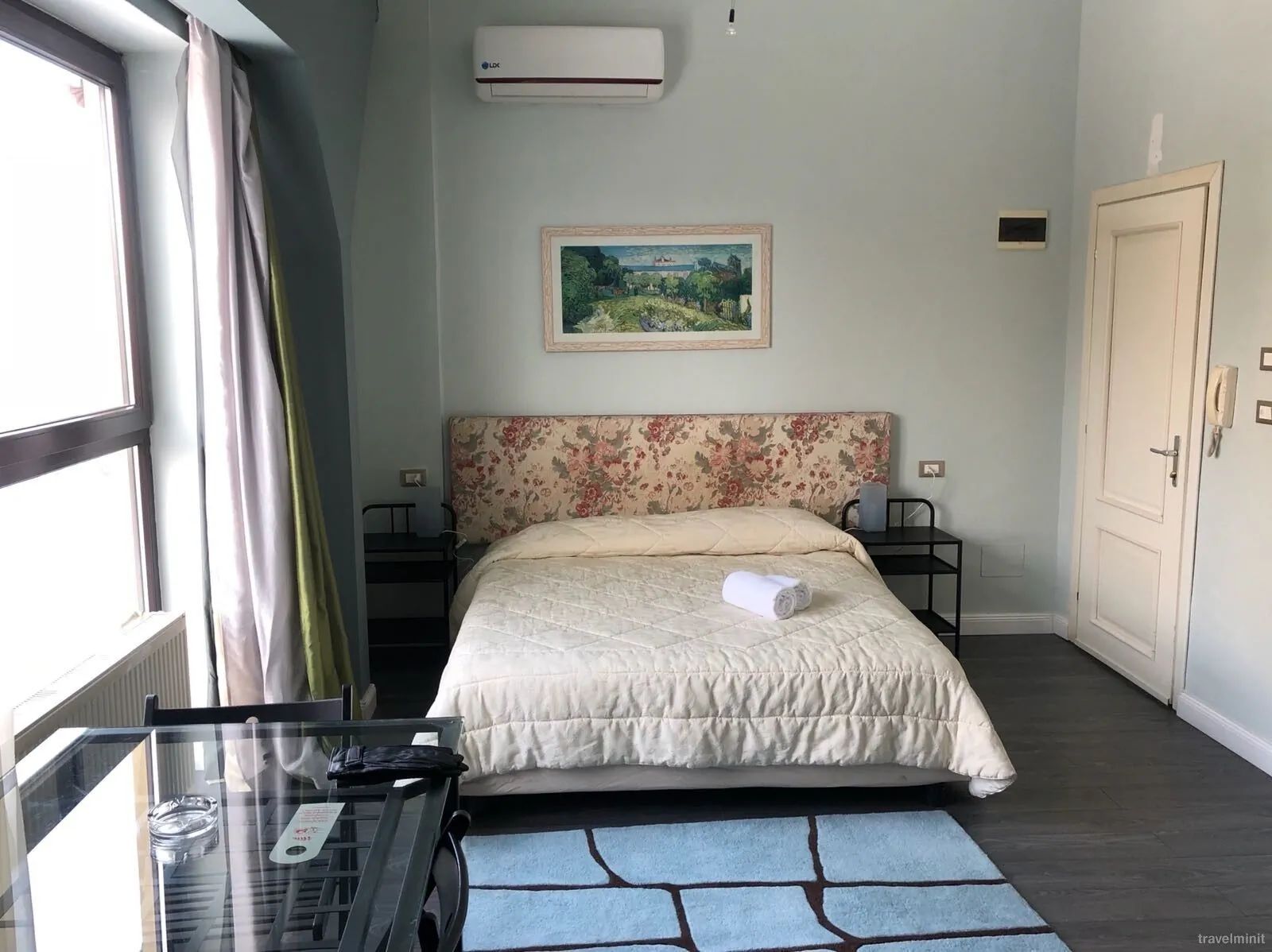
Prince Residence Apartments București este un apartament de închiriat clasificat cu trei stele, situat în București, pe strada Principatele Unite, într-o zonă centrală a orașului. Unitatea pune la dispoziția dumneavoastră facilități moderne pentru un sejur confortabil: Wi-Fi gratuit în toate spațiile, lift pentru acces facil, precum și intrare adaptată pentru persoane cu dizabilități. Veți găsi o curte mare și o grădină amenajată, un loc plăcut pentru relaxare în aer liber, alături de parcare pentru biciclete și un spațiu dedicat depozitării bagajelor. Pentru familiile cu copii mici sunt disponibile pătuț pentru bebeluș, iar fierul de călcat vă ajută să vă mențineți hainele îngrijite pe toată durata șederii. În apropiere puteți vizita Palatul Parlamentului, Catedrala Mântuirii Neamului, Palatul Regal, Palatul Patriarhal și Muzeul Național de Istorie Naturală Grigore Antipa. Această unitate de cazare este potrivită pentru călătorii care doresc să exploreze atracțiile capitalei într-un cadru intim, fiind o alegere potrivită atât pentru familiile cu copii mici, cât și pentru persoanele cu mobilitate redusă care au nevoie de acces facil.
FROM
230 lei per night

Holiday villa · 3 stars
București, Bucharest · 0.5 km
Vila Carol Boutique București
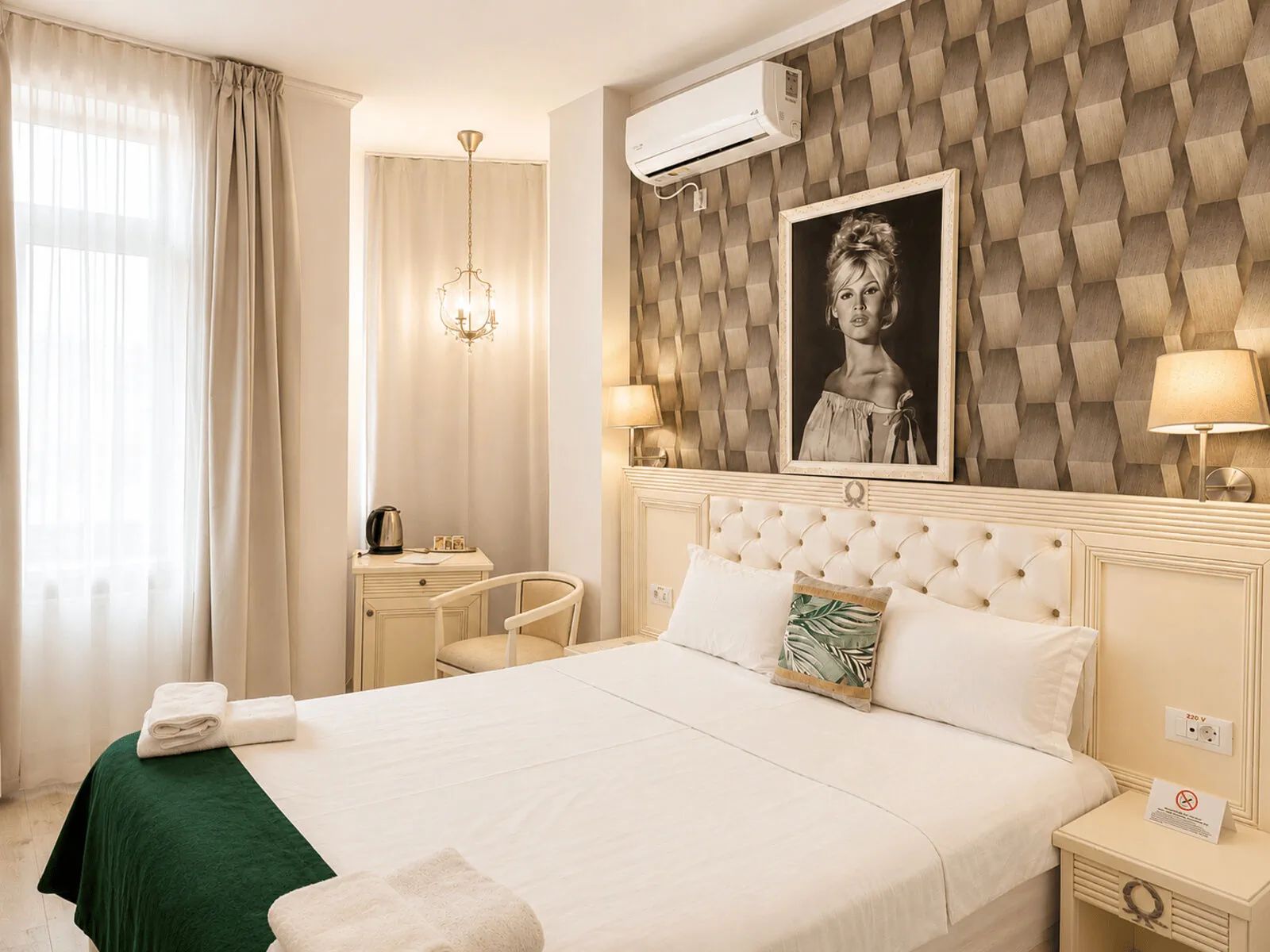
Pe strada Cornelia din București se află Vila Carol Boutique, o vilă turistică de 3 stele situată într-o zonă liniștită a orașului, într-un cadru plăcut pentru un sejur relaxant, departe de aglomerația urbană. Camerele oferă confort modern prin Wi-Fi gratuit, aer condiționat și baie privată în fiecare încăpere. Pentru familiile cu copii sunt disponibile o cameră de joacă la interior și un scaun înalt. Oaspeții beneficiază de servicii de masaj, saună umedă sau baie de aburi pentru relaxare, iar pentru siguranța bunurilor există seif și depozit pentru bagaje. Fierul de călcat este pus la dispoziție pentru confortul dumneavoastră. În incintă vă așteaptă un restaurant, o cafenea și un bar, alături de o curte mare și o grădină amenajată, perfecte pentru momente de liniște sau seri în aer liber. Parcarea privată este gratuită, iar pentru biciclete există un spațiu special amenajat. În apropiere puteți vizita Palatul Parlamentului, Catedrala Mântuirii Neamului, Palatul Regal, Palatul Patriarhal și Muzeul Național de Istorie Naturală Grigore Antipa. Vă așteptăm la Vila Carol Boutique.
FROM
280 lei per night
Apartment · 3 stars
București, Bucharest · 0.5 km
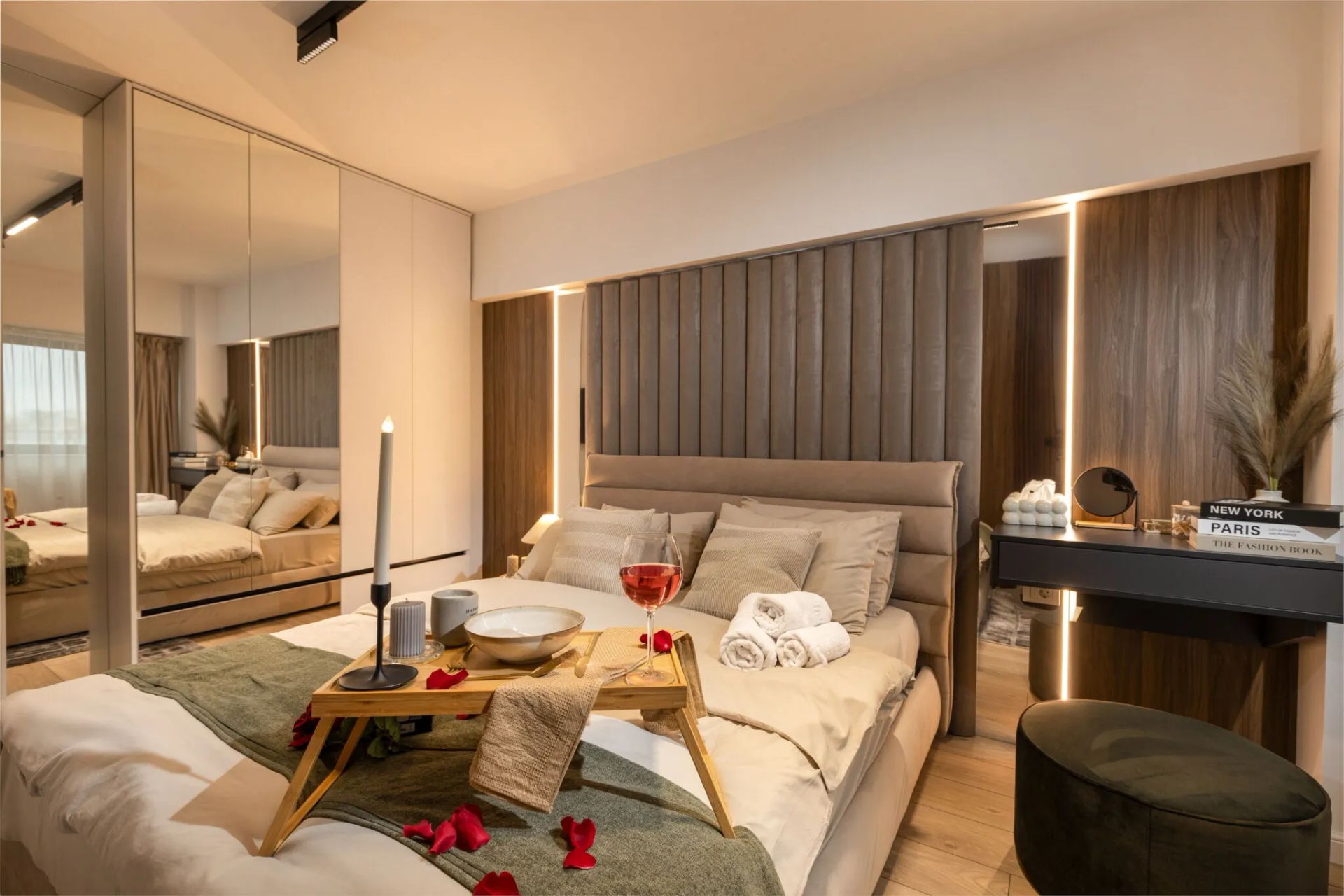
Apartament Fountain Bloom București
Apartament de închiriat clasificat cu 3 stele, situat în București, pe strada Bibescu Vodă 1. Spațiul poate găzdui până la patru persoane și include două dormitoare matrimoniale, un living cu zonă pentru luat masa, o bucătărie echipată complet și o baie. Cele trei balcoane oferă vedere spre Fântâna Centrală, adăugând lumină naturală și aer proaspăt în încăperi. Această configurație face locuința potrivită atât pentru familii cu copii, cât și pentru grupuri de prieteni sau călători în interes de afaceri care doresc să exploreze orașul. Pentru confortul dumneavoastră, unitatea pune la dispoziție Wi-Fi gratuit, acces persoane cu dizabilități, lift sau ascensor, parcare privată gratuită, fier de călcat și pătuț pentru bebeluș. Aceste facilități asigură o ședere comodă și fără griji pentru toți oaspeții, indiferent de durata vizitei. În apropiere se află Palatul Parlamentului, Catedrala Mântuirii Neamului, Palatul Regal, Palatul Patriarhal și Muzeul Național de Istorie Naturală Grigore Antipa. Aceste obiective turistice importante pot fi vizitate cu ușurință pornind din această locație. Vă așteptăm la Apartament Fountain Bloom București.
FROM
230 lei per night
Hotel · 5 stars
București, Bucharest · 0.6 km
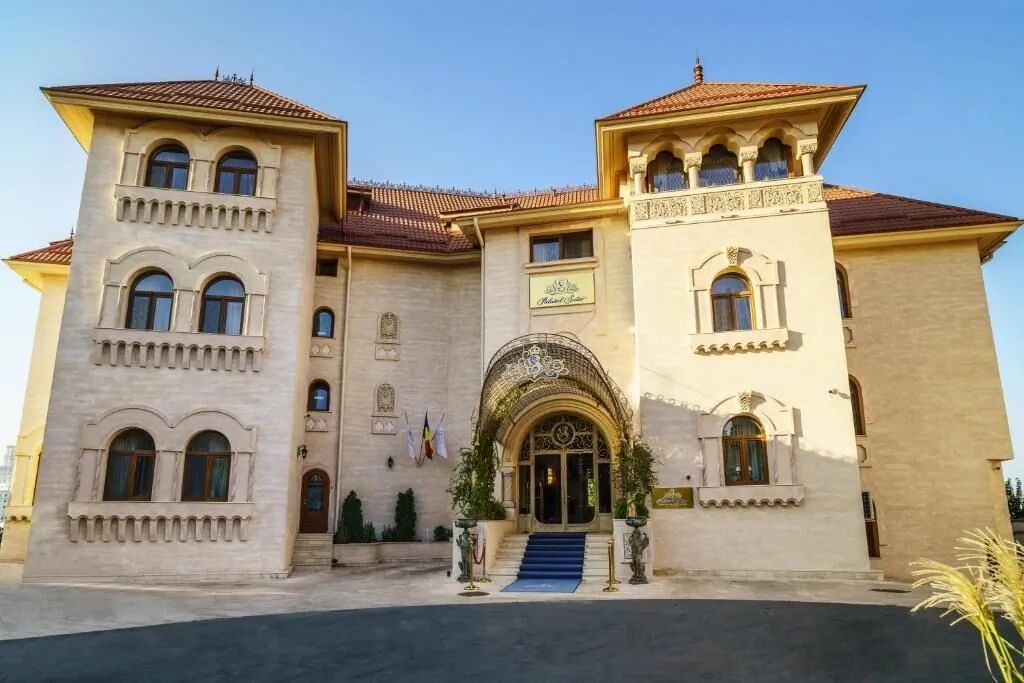
Hotel Suter Palace București
În grădina amenajată a hotelului, liniștea se împletește cu verdele curții mari, oferind un refugiu liniștit în mijlocul Bucureștiului. Hotel Suter Palace București vă primește cu cele 17 camere frumos amenajate, într-un cadru elegant de cinci stele situat pe Aleea Suter. Unitatea pune la dispoziția dumneavoastră un restaurant unde puteți savura preparate excelente, alături de o cafenea și un bar în incintă. Pentru relaxare și îngrijire personală, aveți acces la saună, servicii de masaj și o sală de fitness sau gimnastică. Confortul dumneavoastră este completat de Wi-Fi gratuit, room service, parcare privată gratuită și depozit pentru bagaje. Camerele sunt echipate cu seif și fier de călcat, iar liftul asigură un acces facil între etaje. Vă așteptăm să vă bucurați de toate aceste facilități într-un ambient primitor. În apropiere puteți vizita Palatul Parlamentului, Catedrala Mântuirii Neamului, Palatul Regal, Palatul Patriarhal și Palatul Cotroceni, obiective care completează experiența unei șederi în capitală. Seara, după o zi plină de descoperiri, vă puteți retrage în grădina hotelului pentru a vă bucura de liniștea serii într-un ambient plăcut.
FROM
580 lei per night
Hotel · 4 stars
București, Bucharest · 0.6 km
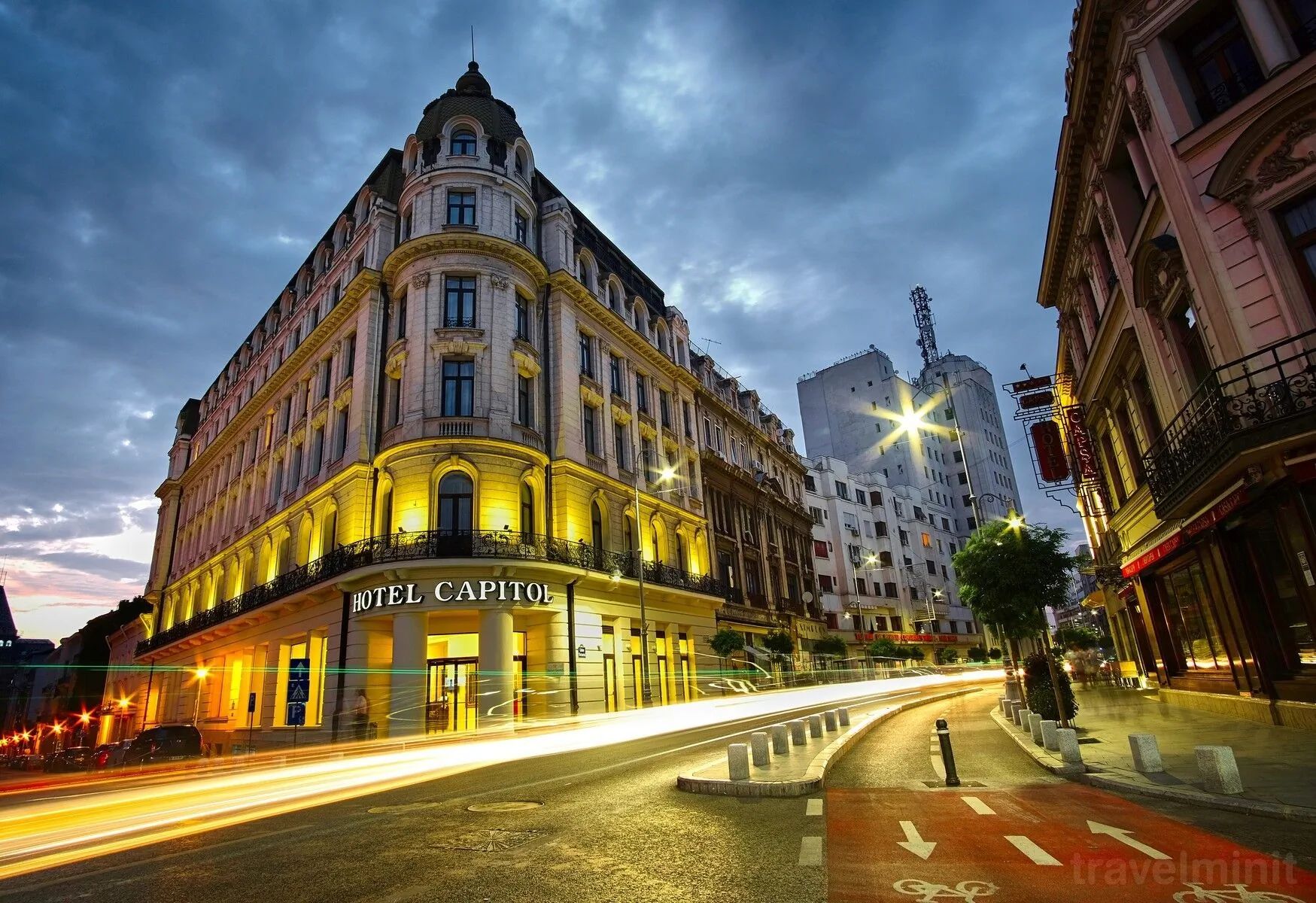
Hotel Capitol București
În apropiere de Palatul Parlamentului, Hotel Capitol București reprezintă un punct de plecare confortabil pentru a descoperi capitala. Cu patru stele și situat pe bulevardul Calea Victoriei, hotelul vă așteaptă cu o atmosferă primitoare pentru șederea dumneavoastră în București. Beneficiați de o curte mare și o grădină amenajată, ideale pentru momente de relaxare în aer liber. În incintă găsiți un bar și o cafenea, iar parcarea privată este gratuită. Wi-Fi-ul gratuit este disponibil în întregul hotel, iar liftul facilitează accesul la toate etajele clădirii. Camerele sunt dotate cu aer condiționat, seif și fier de călcat. Room service-ul și depozitul pentru bagaje vă asigură confortul pe toată durata șederii. De asemenea, aveți la dispoziție parcare pentru biciclete și acces special pentru persoanele cu dizabilități. Pentru familiile cu copii mici, hotelul pune la dispoziție pătuț pentru bebeluș și scaun înalt. Astfel, fiecare membru al familiei se va simți binevenit. De la Hotel Capitol București, porniți în explorarea zonei și vizitați Catedrala Mântuirii Neamului, un reper important din apropiere.
FROM
420 lei per night
Apartment · 3 stars
București, Bucharest · 0.6 km
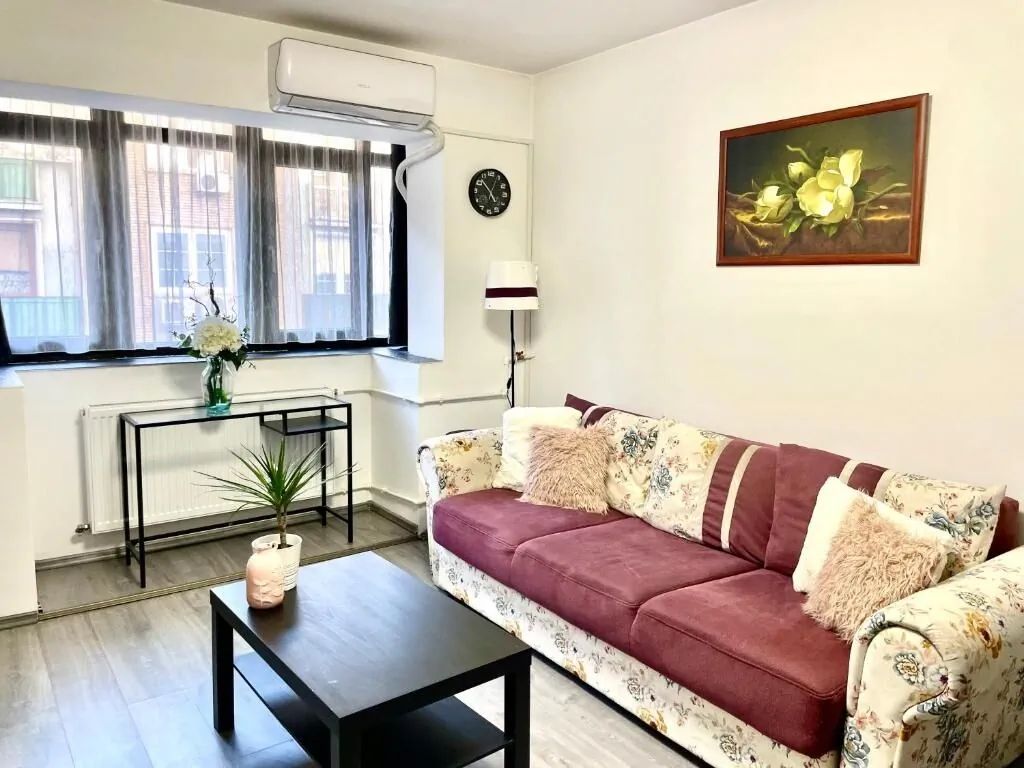
Apartament Tower Old City București
Comfort, relaxation and stunning views, all just steps away from the main attractions.
FROM
230 lei per night
BEFORE YOU HIT THE ROAD
Weather conditions in Bucuresti
Local forecast for Patriarchal Cathedral of Bucharest, Bucuresti, București

Real-time updated weather data
Much more to explore in this area
Nearby tourist attractions

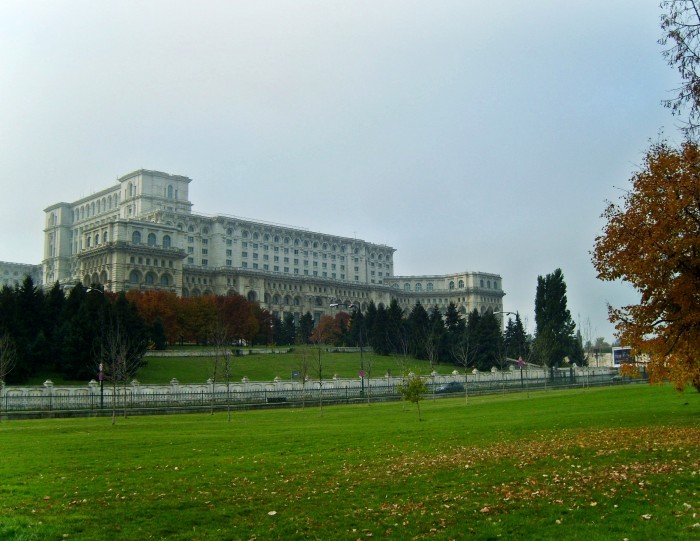

Bucuresti, Bucharest
Palace of the Parliament
Situat pe strada Izvor nr.3, sector 5, localitatea Bucuresti; in perioada comunista a fost cunoscut sub numele de "Casa Poporului"; considerata una dintre cele...
0.9 km

București, Bucharest
People's Salvation Cathedral (National Cathedral of Romania)
Catedrală ortodoxă din București
1.2 km
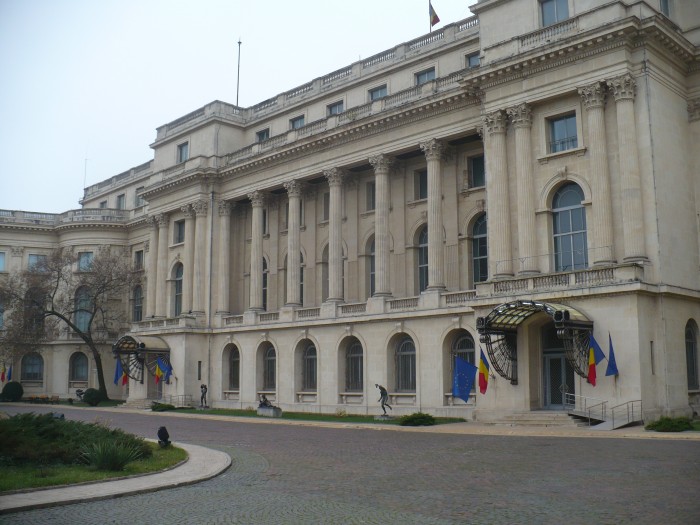
Bucuresti, Bucharest
Royal Palace of Bucharest
Situat pe Calea Victoriei nr. 49-53, sector 1, localitatea Bucuresti; construit intre anii 1812-1815 a apartinut marelui logofat Dinicu Golescu, dar a fost...
1.7 km
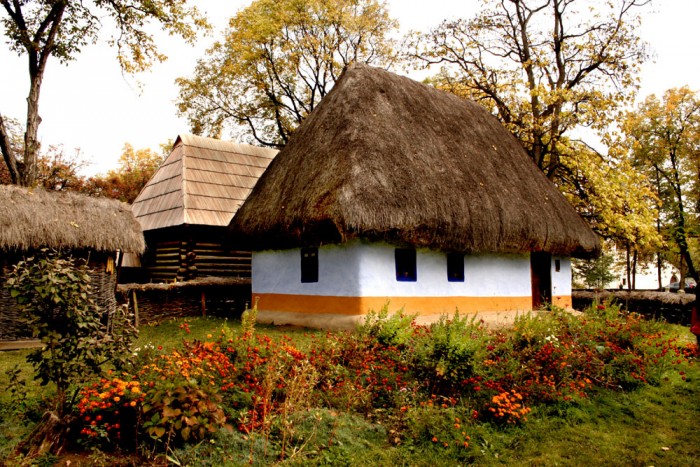
Bucuresti, Bucharest
Dimitrie Gusti National Village Museum
Situat pe Soseaua Kiseleff nr.28-30, sectorul 1; a fost inaugurat in 1936; expozitia permanenta cuprinde 121 de complexe distincte, totalizand 338 de monumente,...
5.6 km

Bucuresti, Bucharest
Romanian Peasant Museum (Muzeul Național al Țăranului Român)
Situat pe soseaua Kiseleff nr.3, sector 1, localitatea Bucuresti; constructia intregului edificiu a durat 29 de ani, fiind finalizat in 1941; cladirea muzeului...
3.7 km

Bucuresti, Bucharest
Cotroceni Palace
Situat pe bulevardul Geniului nr.2, sector 6, localitatea Bucuresti; in anul 1679, domnitorul Serban Cantacuzino incepe constructia unei manastiri; opera sa a...
3.0 km

Bucuresti, Bucharest
Grigore Antipa National Museum of Natural History
Situat pe soseaua Kiseleff nr. 1, sector 1, localitatea Bucuresti; fondat in 1834 la initiativa lui Mihalache Ghica; are un bogat patrimoniu format din...
1.1 km
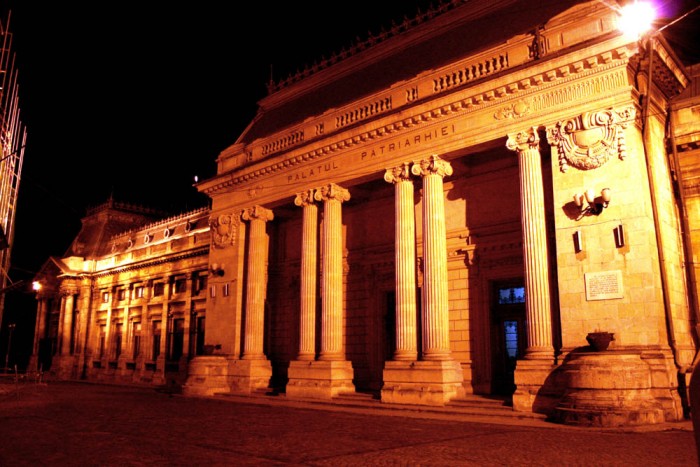
Bucuresti, Bucharest
Patriarchal Palace
Situat pe aleea Dealul Mitropoliei nr.25, sector 4, localitatea Bucuresti; construit de statul roman, la inceputul secolului al XX-lea, pe locul fostei sali a...
0.2 km

Bucuresti, Bucharest
National Museum of Romanian History
Situat pe Calea Victoriei nr.12, sector 3, localitatea Bucuresti; adapostit de Palatul Postelor; a fost inaugurat in anul 1970 fiind cel dintai muzeu de...
0.9 km
Bucuresti, Bucharest
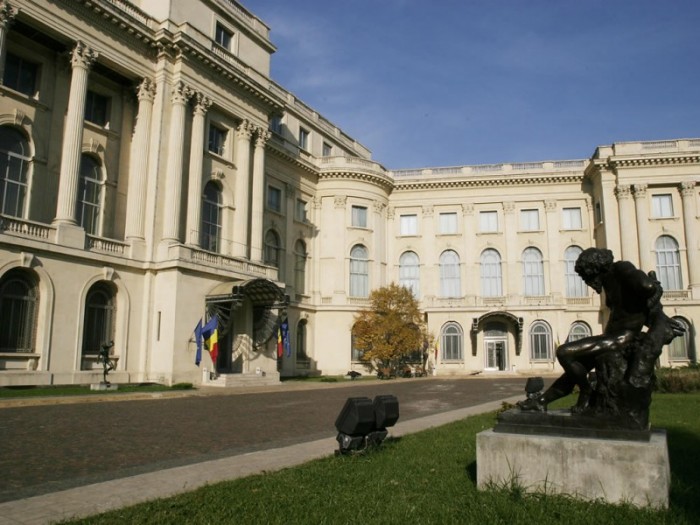
National Museum of Art of Romania
Situat pe Calea Victoriei nr. 49-53, sector 1; deschis in 1948, in vremea lui Alexandru Ioan Cuza;cladirea era pe atunci locuinta domneasca, in timpul lui...
1.7 km

3.0 km
Bucuresti, Bucharest
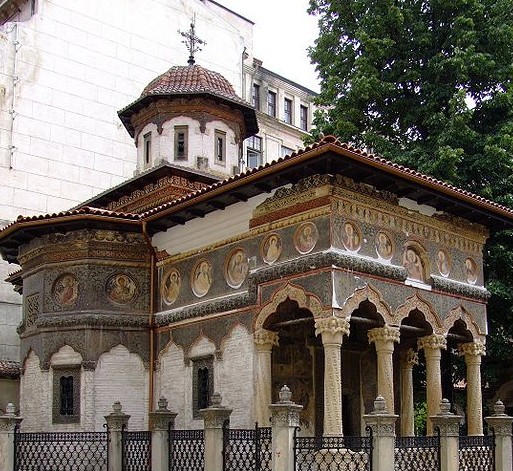
Stavropoleos Monastery Church
Situata pe strada Stavropoleos nr.4, localitatea Bucuresti; poarta hramurile: "Sfintii Arhangheli Mihail si Gavriil", "Sfantul Atanasie cel Mare", "Sfantul...
0.9 km
Cultural life and traditions
Events in the Patriarchal Cathedral of Bucharest area
Medieval festivals, traditional fairs, concerts and local activities recommended in Muntenia (Wallachia).

History and Royal Architecture

Bucuresti, County of București
Days of Royalty and Heritage in the Prahova Valley
Historical conferences open to the public, themed tours of royal architecture, documentary screenings and exhibitions of vintage photographs.
WHEN
May 10-12, 2026


Gastronomy and Oenology
Dealu Mare, County of București
The Prahova Wine Festival on the Wine Route
Guided tastings of Fetească Neagră along the famous Wine Route, visits to historic wineries, and meetings with leading winemakers.
WHEN
Every weekend (September - October)

Hiking and Adventure
Bucegi Mountains, București County
Guided Mountain Tour in the Bucegi Mountains
Guided mountain tours led by mountain rescue personnel to iconic panoramic viewpoints and spectacular alpine waterfalls.
WHEN
Daily during the season (June - October)
On foot, exploration gains depth
Discover the surroundings and local geography
Explore the trails, terrain, and natural landmarks around Patriarchal Cathedral of Bucharest.

Guides and practical tips
Useful travel articles
Travel guides, practical recommendations and tourist itineraries for Muntenia (Wallachia).

Tourist guide
Top 5 Atracții Turistice și Trasee Montane în Zona Moieciu - Bran
Descoperă cele mai spectaculoase peisaje carstice, chei adânci și cetăți medievale din imediata apropiere a stațiunii Moieciu.

Tourist guide
Ghid de Drumeție: Traseul Moieciu de Sus spre Platoul Bucegi
Un itinerariu montan de o frumusețe rară ce urcă din Valea Băngăleasa spre Poiana Guțanu și crestele maiestuoase ale Bucegilor.

Tourist guide
Castelul Bran: Istorie, Legende și Secrete Medievale
Află adevărata poveste a fortăreței medievale din Pasul Bran, reședința de suflet a Reginei Maria a României.
THE JOURNEY STARTS WITH AN IDEA
The next story is on the way.
From the first stop to the last stay, make room for a new Romania.
