


CASTLE · MUNTENIA (WALLACHIA)
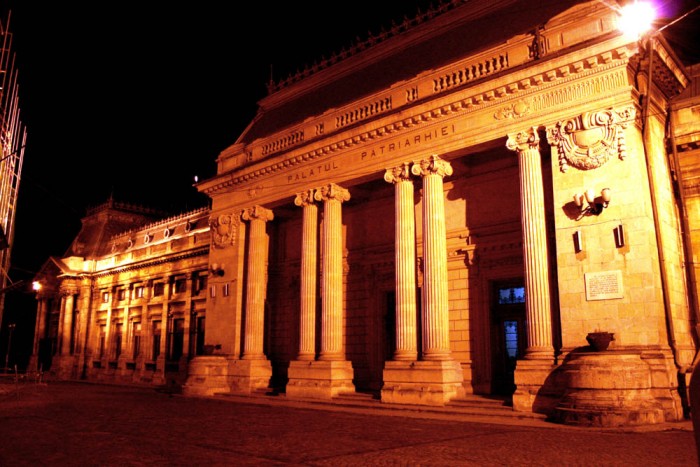
Patriarchal Palace

Bucuresti, Bucharest
Add location to your trip planner.
Practical access information

VISITING HOURS
Monday: 12:00 PM – 5:00 PM · Tuesday–Sunday: 9:00 AM – 5:00 PM (in summer until 8:00 PM)

TICKET PRICE
Adults: 45 RON · Students: 11 RON · Seniors: 23 RON · Guided tour included

RECOMMENDED VISIT DURATION
2-3.5 hours
Visitor information and guide
 Navigate with Google Maps

ABOUT PATRIARCHAL PALACE
A Legacy of Stone and Faith on Metropolitan Hill
Atop the summit that dominates the historic heart of Bucharest, where Metropolitan Hill rises like a spiritual acropolis above the urban bustle, the Patriarchal Palace stands as a monument of national dignity in an era of profound European transformations. Built between 1906 and 1908, at the height of the Belle Époque period, when the continent's capitals were reshaping their urban centers with monumental ambitions, this edifice represents far more than a simple administrative residence: it is the architectural expression of a young nation with millennial roots seeking its place in Europe's cultural concert. At a time when Vienna, Budapest, Prague, and Warsaw were asserting their identities through grandiose public buildings in national revivalist styles, the Patriarchal Palace distinguishes itself as a unique synthesis between the Byzantine tradition of Eastern Christianity and the technological innovation of the industrial West, placing itself alongside great patriarchal complexes such as the Vatican for the Catholic world or the Kremlin for Russian Orthodoxy, while retaining an unmistakable Romanian imprint.
Historical Roots and Major European Connections
The history of the site where the Patriarchal Palace stands today is laden with centuries of spiritual and political continuity. Metropolitan Hill was, from the medieval period, the religious center of Wallachia, housing the old Metropolitanate and the princes' residence, in a continuity that recalls the bond between secular and ecclesiastical power in the Byzantine Empire, where Constantinople was both imperial capital and patriarchal see. In the 19th century, after the Union of the Principalities and the proclamation of the Kingdom in 1881, Bucharest sought to assert itself as a European capital worthy of that status, and the construction of the Patriarchal Palace, on the site of the former Hall of the Assembly of Deputies, marks the symbolic transition from legislative to spiritual power, in a context where the Romanian Orthodox Church was consolidating its status as an Autocephalous Church recognized in 1925.
Architect Dimitrie Maimaroiu, trained in the tradition of the École des Beaux-Arts in Paris, designed a building that perfectly illustrates the national architectural renaissance movement that swept Eastern Europe at the beginning of the 20th century. Like the Secession movement in Hungary and the Austro-Hungarian Empire, the Zakopane style in Poland, or the Russian revival, the Neo-Romanian architecture of the Palace represents a conscious search for an authentic identity, freed from the domination of classical Western styles. Yet the Patriarchal Palace surpasses these tendencies through revolutionary technical innovation: it is the first reinforced concrete construction built on Romanian territory, an achievement that places the country among the European pioneers of modern civil engineering, alongside Hennebique's France or the great structural innovations of Imperial Germany. This fusion between tradition and modernity, between Byzantine spirituality and European industrial technology, makes the Palace a symbol of a Romania capable of dialogue on equal terms with the continent's great powers.
Architectural Masterpiece, Style, and Construction Details
The architecture of the Patriarchal Palace constitutes a remarkable synthesis between Neo-Romanian style, Byzantine elements, and Brâncovenesc traditions, creating a unique artistic language that speaks of the cultural continuity of the Romanian people from the Dacians and Romans to the present. The imposing facade, with tall windows and sculptural decorations inspired by Romanian folk art, rises with a classical dignity reminiscent of Italian Renaissance palaces or Austrian Baroque ones, yet with specific ornamentation in which vegetal and geometric motifs of folk art intertwine with columns and pediments of Western influence. The use of reinforced concrete, an absolute novelty for Romania of those years, allowed the creation of generous and luminous interior spaces, freed from the structural constraints of traditional masonry, similar to the innovations seen at the Paris Universal Exhibitions or in the modern buildings of Secessionist Vienna.
The interior of the palace reveals extraordinary artistic richness, each hall being conceived as a reception space worthy of the most prestigious European courts. The Nicolae Iorga Hall, a tribute to the great Romanian historian and man of culture, evokes through its decor the spirit of the Italian Renaissance and French classicism, while the Great Hall, the most impressive room in the complex, with a capacity of 900 seats, impresses through its grandeur comparable to the great ceremonial halls of royal palaces in Central Europe. The Byzantine-style frescoes and stuccoes, created by Romanian masters trained in the tradition of the Buzău school or influenced by the iconographic art of Mount Athos, create a sacred atmosphere that combines Byzantine aesthetics with modern European artistic sensibility. The central dome, initially a symbol of heaven materialized in stone and concrete, was destroyed in the devastating earthquake of November 10, 1940, a tragic moment that marked the history of the capital in the midst of war, and the subsequent reconstruction demonstrated the resilience and capacity for restoration of this monument in the face of historical vicissitudes, like the European cathedrals rebuilt after the bombings of World War II.
Stories, Personalities, and Turning Points
Throughout its existence, the Patriarchal Palace has been the witness and stage of decisive moments in the spiritual and political history of Romania and Eastern Europe. Under the patriarchate of Miron Cristea, the first Patriarch of the Romanian Orthodox Church after the elevation to Patriarchate in 1925, the palace became the center of a new era for Romanian Orthodoxy, hosting historic synods and meetings with representatives of other Orthodox Churches from the Balkans and Russia. During the communist period, under the patriarchate of Justinian Marina, the Palace navigated troubled waters, serving as a meeting place between Orthodox hierarchs from the Soviet world and Western diplomats, in a period when ecumenical dialogue had become a subtle form of cultural diplomacy in the midst of the Cold War, like the meetings in Geneva or Vienna.
The culminating moment in the palace's recent history was the period of Patriarch Teoctist's patriarchate, when, in December 1989, the building was a silent witness to the Romanian Revolution, and its bells rang for the spiritual freedom of the Romanian people. Under Patriarch Daniel, the current leader of the Romanian Orthodox Church, the Patriarchal Palace has become a vital center of international theological dialogue, hosting the historic visit of Ecumenical Patriarch Bartholomew I of Constantinople, as well as that of Patriarch Alexei II of Moscow, transforming Bucharest into a meeting point between the Byzantine and Slavic traditions, like the great ecumenical councils in the history of Christianity. The Nicolae Iorga Hall constantly reminds of the bond between Church and culture, of the contribution of Romanian intellectuals to the European heritage, while the Great Hall has hosted theological congresses, sacred music concerts, and meetings with representatives of the Anglican and Catholic Churches, demonstrating the openness of Romanian Orthodoxy to the wider Christian world.
Practical Visitor Guide and Today's Tourist Experience
Located in Sector 4 of the capital, at 25 Metropolitan Hill Avenue, in an area that concentrates the spiritual and political power of Romania, the Patriarchal Palace is in the immediate vicinity of the Unirii or Izvor metro stations, being easily accessible for both foreign tourists and pilgrims. Visiting this monument offers a profound experience that combines architectural admiration with spiritual living, in a setting that harmoniously complements the Metropolitan Hill ensemble, alongside the Patriarchal Cathedral dedicated to Saints Constantine and Helena and the old Parliament Palace, today the Parliament Museum. Tourists are invited to respect a decent dress code, appropriate for a place of worship, and to inquire in advance about the visiting schedule, which is coordinated with the liturgical and administrative activity of the Romanian Patriarchate.
For the European visitor, the Patriarchal Palace offers a unique perspective on how a nation builds its spiritual identity in relation to the great Christian traditions of the continent. The atmosphere of the place, with its wide corridors, Byzantine frescoes, and tall domes, evokes the solemnity of St. Peter's Basilica in Rome or the Gothic cathedrals of France, yet retains a specific warmth, Mediterranean-Oriental, characteristic of Balkan Orthodoxy. It is recommended to combine the visit with a walk through Bucharest's Old Town, only a few minutes' walk away, and with an excursion into the immense Palace of the Parliament, built in the communist period a few steps away, to understand the contrast between two visions of power: the spiritual one, centuries old, and the secular one, brutally imposed in the 20th century. Those who visit the Palace during the Easter or Christmas holidays will have the privilege of attending impressive liturgies in the Patriarchal Cathedral, experiencing Byzantine choral music and the rituals of a tradition two millennia old, in an architectural setting that combines avant-garde engineering innovation with deep respect for Europe's sacred heritage.
Media gallery
Discover Patriarchal Palace in pictures

2 photos · Architecture, courtyards and captivating details
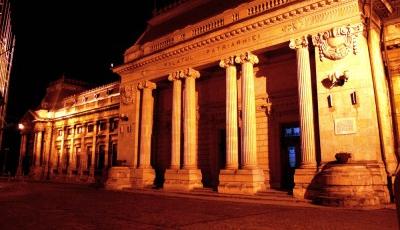

Image source: Wikimedia Commons · Public domain photos · Free license
STAY A FEW DAYS, DISCOVER THE MAGIC
Accommodation in the Patriarchal Palace area

Apartment · 3 stars

București, Bucharest · 0.3 km
Prince Residence Apartments București
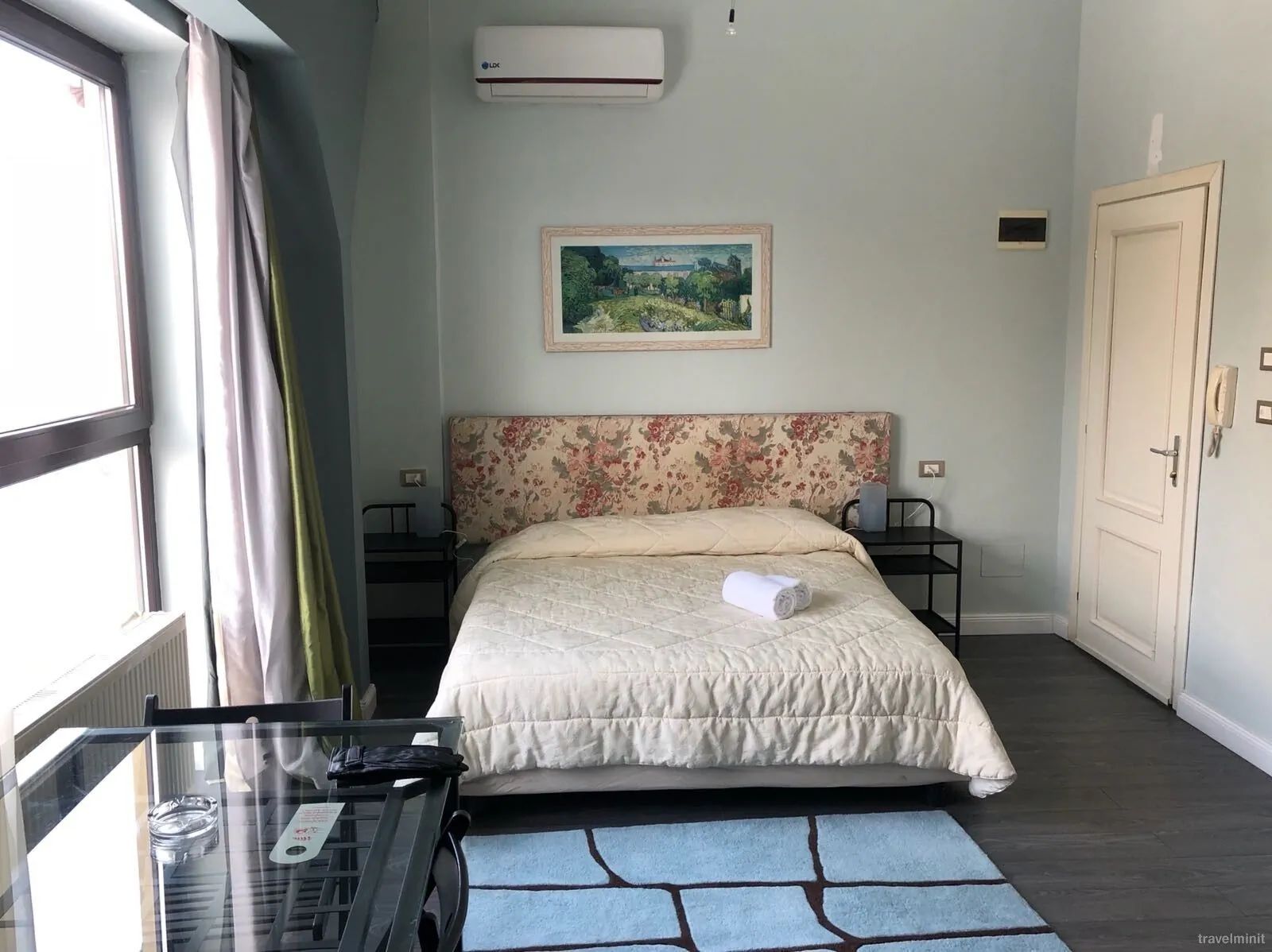
Prince Residence Apartments București este un apartament de închiriat clasificat cu trei stele, situat în București, pe strada Principatele Unite, într-o zonă centrală a orașului. Unitatea pune la dispoziția dumneavoastră facilități moderne pentru un sejur confortabil: Wi-Fi gratuit în toate spațiile, lift pentru acces facil, precum și intrare adaptată pentru persoane cu dizabilități. Veți găsi o curte mare și o grădină amenajată, un loc plăcut pentru relaxare în aer liber, alături de parcare pentru biciclete și un spațiu dedicat depozitării bagajelor. Pentru familiile cu copii mici sunt disponibile pătuț pentru bebeluș, iar fierul de călcat vă ajută să vă mențineți hainele îngrijite pe toată durata șederii. În apropiere puteți vizita Palatul Parlamentului, Catedrala Mântuirii Neamului, Palatul Regal, Palatul Patriarhal și Muzeul Național de Istorie Naturală Grigore Antipa. Această unitate de cazare este potrivită pentru călătorii care doresc să exploreze atracțiile capitalei într-un cadru intim, fiind o alegere potrivită atât pentru familiile cu copii mici, cât și pentru persoanele cu mobilitate redusă care au nevoie de acces facil.
FROM
230 lei per night

Apartment · 3 stars
București, Bucharest · 0.3 km
Apartament Fountain Bloom București
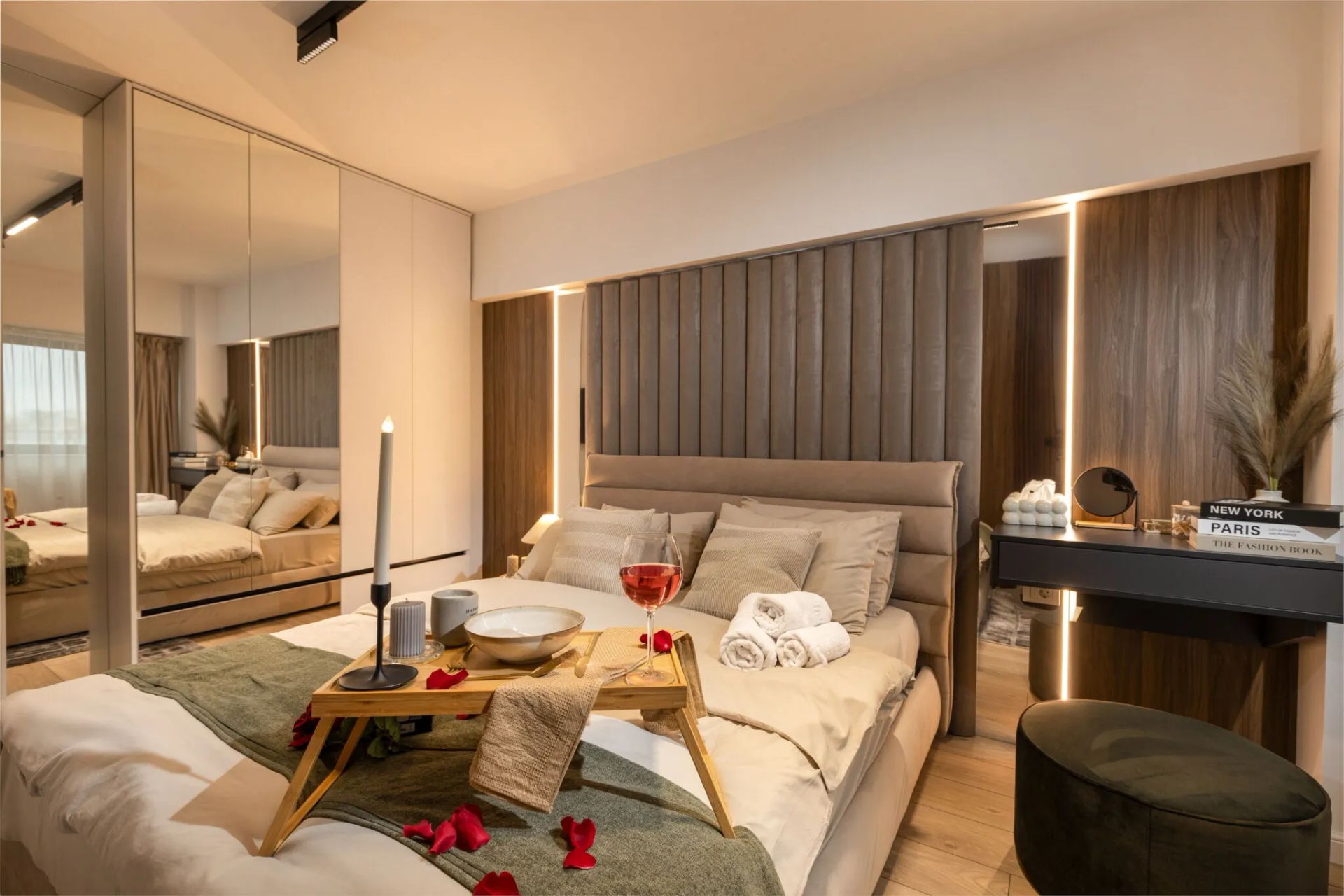
Apartament de închiriat clasificat cu 3 stele, situat în București, pe strada Bibescu Vodă 1. Spațiul poate găzdui până la patru persoane și include două dormitoare matrimoniale, un living cu zonă pentru luat masa, o bucătărie echipată complet și o baie. Cele trei balcoane oferă vedere spre Fântâna Centrală, adăugând lumină naturală și aer proaspăt în încăperi. Această configurație face locuința potrivită atât pentru familii cu copii, cât și pentru grupuri de prieteni sau călători în interes de afaceri care doresc să exploreze orașul. Pentru confortul dumneavoastră, unitatea pune la dispoziție Wi-Fi gratuit, acces persoane cu dizabilități, lift sau ascensor, parcare privată gratuită, fier de călcat și pătuț pentru bebeluș. Aceste facilități asigură o ședere comodă și fără griji pentru toți oaspeții, indiferent de durata vizitei. În apropiere se află Palatul Parlamentului, Catedrala Mântuirii Neamului, Palatul Regal, Palatul Patriarhal și Muzeul Național de Istorie Naturală Grigore Antipa. Aceste obiective turistice importante pot fi vizitate cu ușurință pornind din această locație. Vă așteptăm la Apartament Fountain Bloom București.
FROM
230 lei per night
Hotel · 4 stars
București, Bucharest · 0.3 km
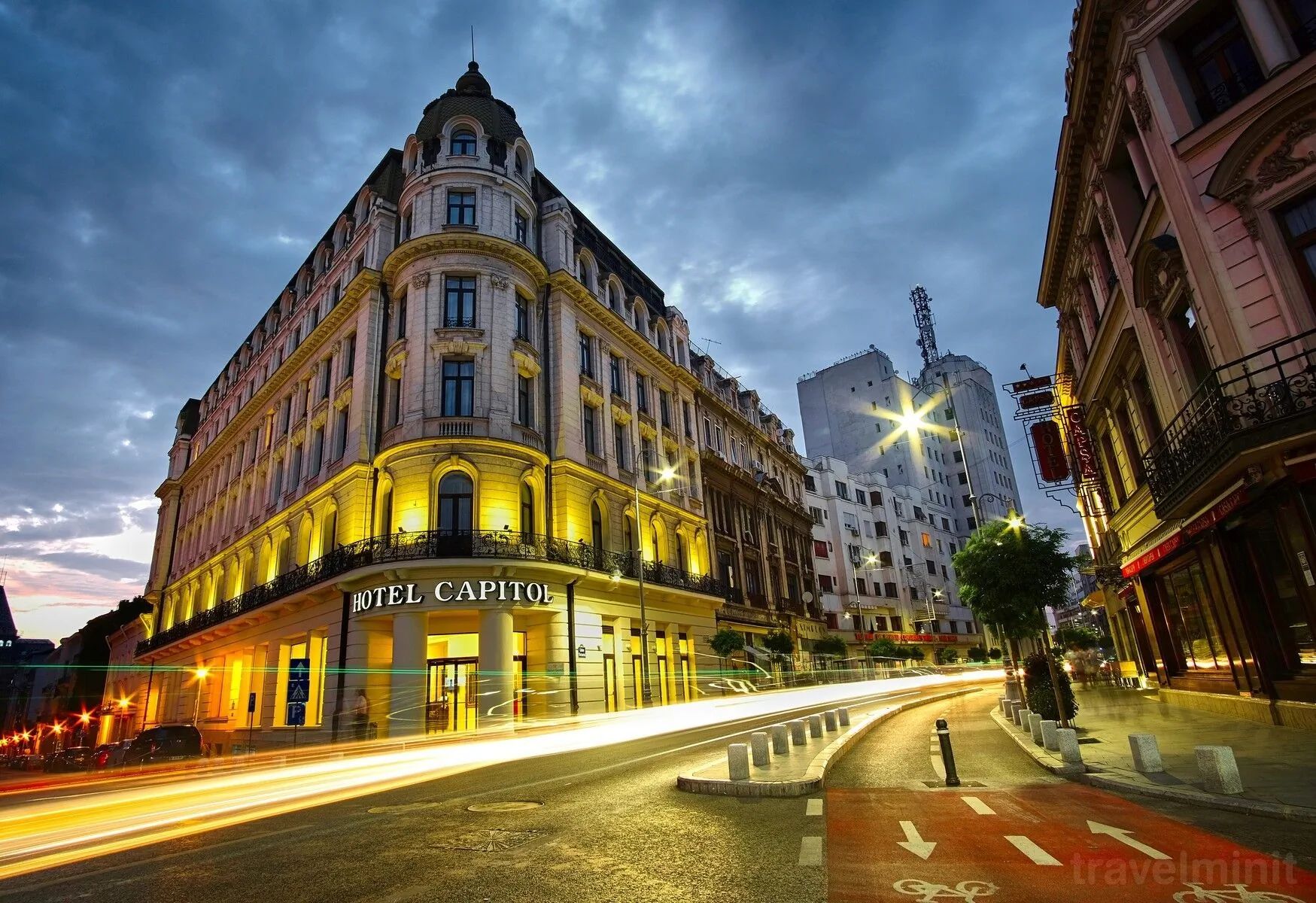
Hotel Capitol București
În apropiere de Palatul Parlamentului, Hotel Capitol București reprezintă un punct de plecare confortabil pentru a descoperi capitala. Cu patru stele și situat pe bulevardul Calea Victoriei, hotelul vă așteaptă cu o atmosferă primitoare pentru șederea dumneavoastră în București. Beneficiați de o curte mare și o grădină amenajată, ideale pentru momente de relaxare în aer liber. În incintă găsiți un bar și o cafenea, iar parcarea privată este gratuită. Wi-Fi-ul gratuit este disponibil în întregul hotel, iar liftul facilitează accesul la toate etajele clădirii. Camerele sunt dotate cu aer condiționat, seif și fier de călcat. Room service-ul și depozitul pentru bagaje vă asigură confortul pe toată durata șederii. De asemenea, aveți la dispoziție parcare pentru biciclete și acces special pentru persoanele cu dizabilități. Pentru familiile cu copii mici, hotelul pune la dispoziție pătuț pentru bebeluș și scaun înalt. Astfel, fiecare membru al familiei se va simți binevenit. De la Hotel Capitol București, porniți în explorarea zonei și vizitați Catedrala Mântuirii Neamului, un reper important din apropiere.
FROM
420 lei per night
Apartment · 3 stars
București, Bucharest · 0.5 km
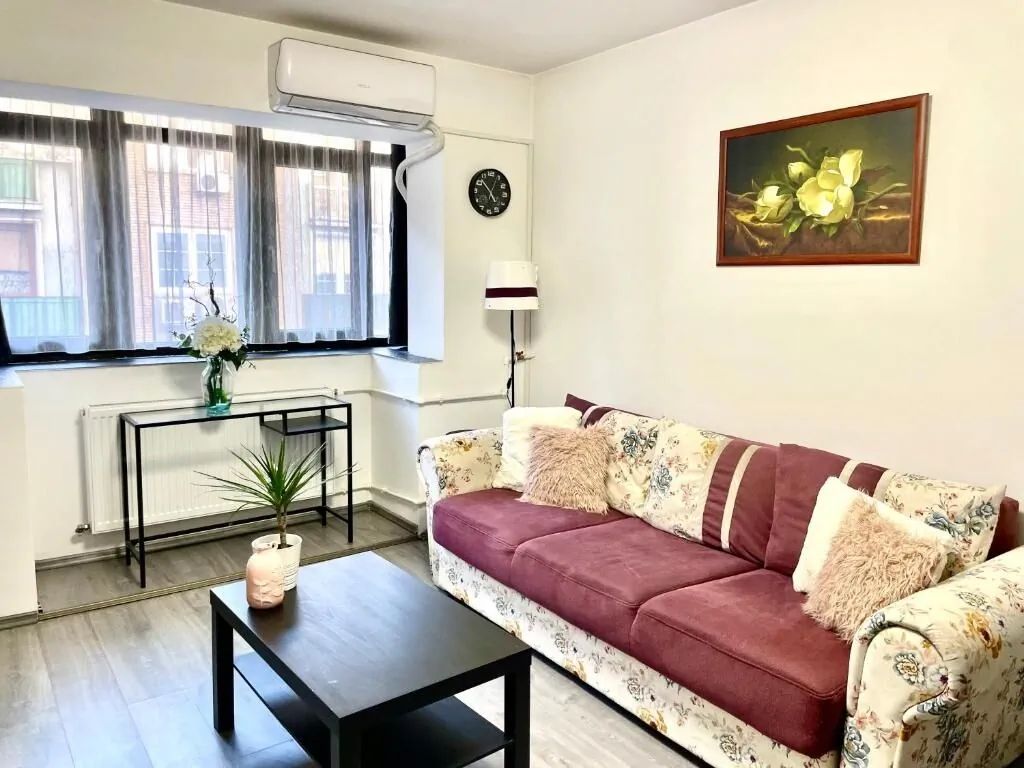
Apartament Tower Old City București
Comfort, relaxation and stunning views, all just steps away from the main attractions.
FROM
230 lei per night
Apartment · 3 stars
București, Bucharest · 0.5 km
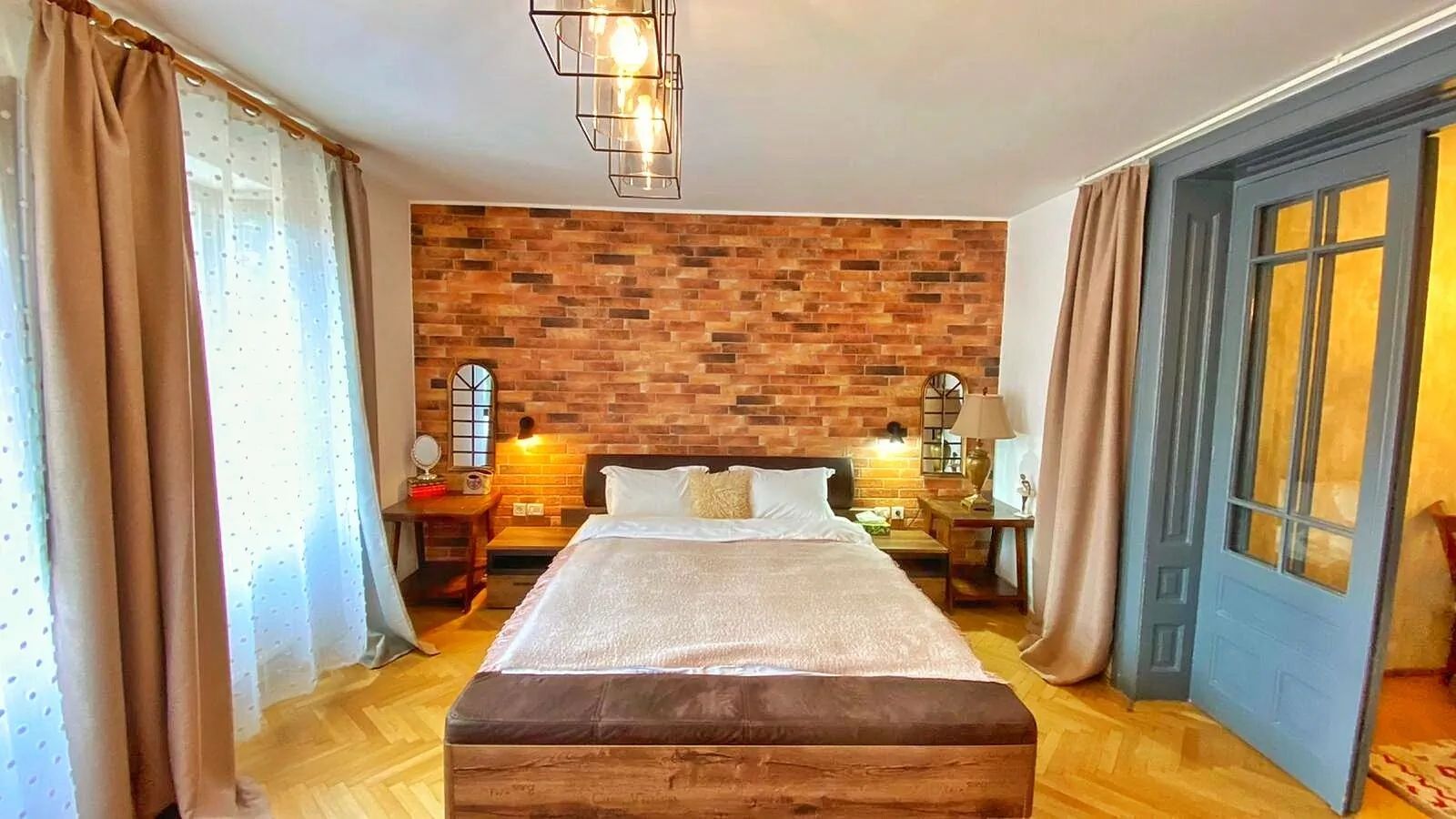
Apartament City Center Bed and Beyond București
În apropiere puteți vizita Palatul Parlamentului, una dintre cele mai impresionante construcții administrative din lume. Apartamentul City Center Bed and Beyond din București reprezintă punctul dumneavoastră de plecare pentru a explora capitala României și toate atracțiile sale. Această unitate de cazare de 3 stele, situată pe strada Franceză, oferă un spațiu confortabil și bine mobilat. Camera este dotată cu aer condiționat și baie privată, iar accesul la Wi-Fi gratuit vă permite să rămâneți conectați pe toată durata șederii dumneavoastră. Pentru familiile care călătoresc cu copii mici, pătuțul pentru bebeluș este pus la dispoziție, iar fierul de călcat vă ajută să vă mențineți ținutele îngrijite. Personalul de la recepție comunică în română, engleză și spaniolă. Check-in-ul se realizează începând cu ora 16:00, iar eliberarea camerei se face până la ora 11:00. În zonă puteți descoperi și Catedrala Mântuirii Neamului, Palatul Regal, Muzeul Național de Istorie Naturală Grigore Antipa sau Palatul Patriarhal, toate reprezentând repere culturale și istorice importante ale orașului. Vă așteptăm să vă bucurați de o ședere plăcută în București.
FROM
230 lei per night
Apartment · 2 stars
București, Bucharest · 0.5 km
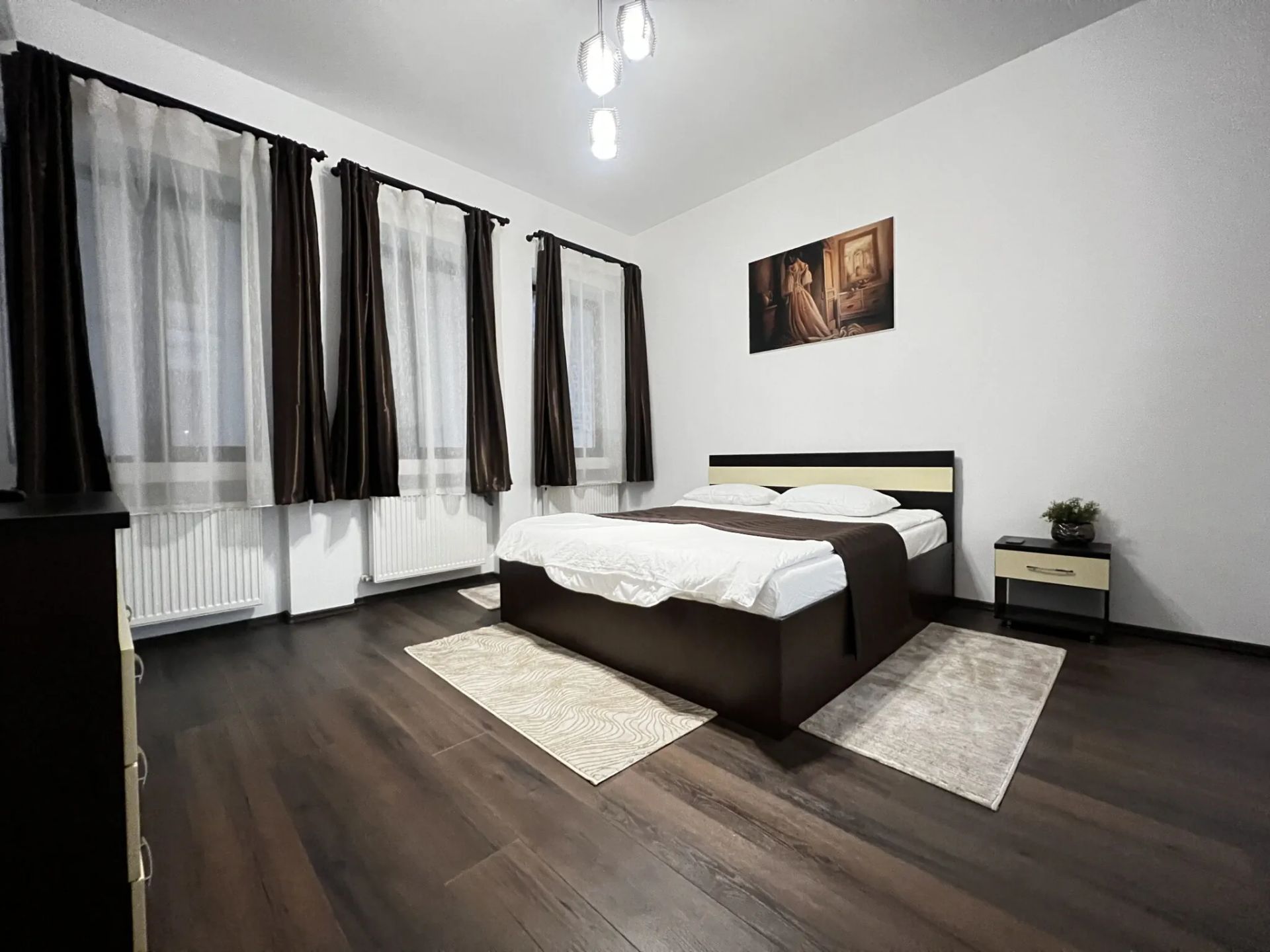
Apartament Old City București
Familiile și grupurile de prieteni se vor simți bine în Apartament Old City București, situat pe strada Franceza în centrul capitalei. Spațiul oferă trei dormitoare cu paturi duble, două băi complete și o toaletă separată, fiind potrivit pentru șederi mai lungi sau călătorii în grup. La intrare, un hol separă camerele de bucătărie și băi. Bucătăria este complet echipată și include mașină de espresso, cuptor și aragaz pe gaz, alături de câteva ingrediente de bază. Lenjeria de pat este de calitate hotelieră, schimbată înainte de fiecare sosire, iar prosoapele, șamponul, gelul de duș și uscătorul de păr sunt puse la dispoziție. Conexiunea Wi-Fi gratuită asigură acces la internet pe toată durata șederii. În apropiere se află Palatul Parlamentului, Catedrala Mântuirii Neamului, Palatul Regal, Muzeul Național de Istorie Naturală Grigore Antipa și Palatul Patriarhal, astfel încât puteți explora cu ușurință cele mai importante puncte de interes ale orașului. Vă așteptăm în Apartament Old City București pentru un sejur plăcut în centrul Bucureștiului.
FROM
230 lei per night
BEFORE YOU HIT THE ROAD
Weather conditions in Bucuresti
Local forecast for Patriarchal Palace, Bucuresti, București

Real-time updated weather data
Much more to explore in this area
Nearby tourist attractions

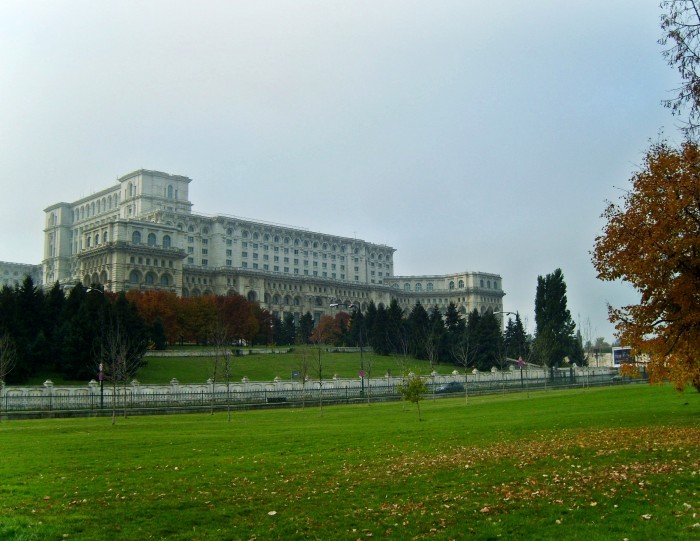

Bucuresti, Bucharest
Palace of the Parliament
Situat pe strada Izvor nr.3, sector 5, localitatea Bucuresti; in perioada comunista a fost cunoscut sub numele de "Casa Poporului"; considerata una dintre cele...
1.0 km

București, Bucharest
People's Salvation Cathedral (National Cathedral of Romania)
Catedrală ortodoxă din București
1.3 km
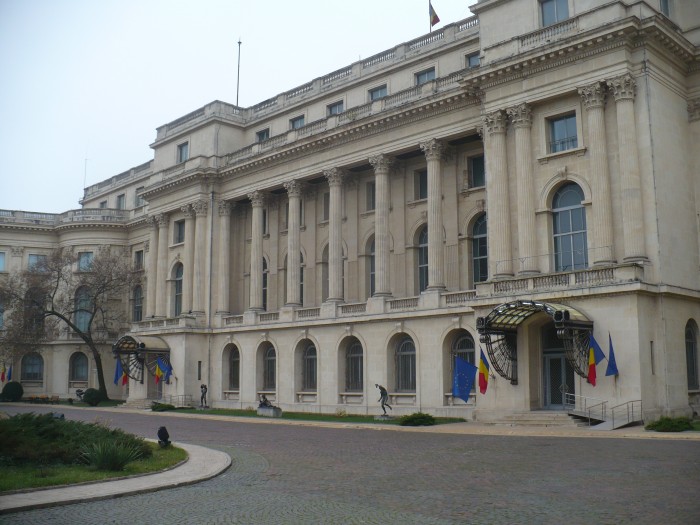
Bucuresti, Bucharest
Royal Palace of Bucharest
Situat pe Calea Victoriei nr. 49-53, sector 1, localitatea Bucuresti; construit intre anii 1812-1815 a apartinut marelui logofat Dinicu Golescu, dar a fost...
1.6 km
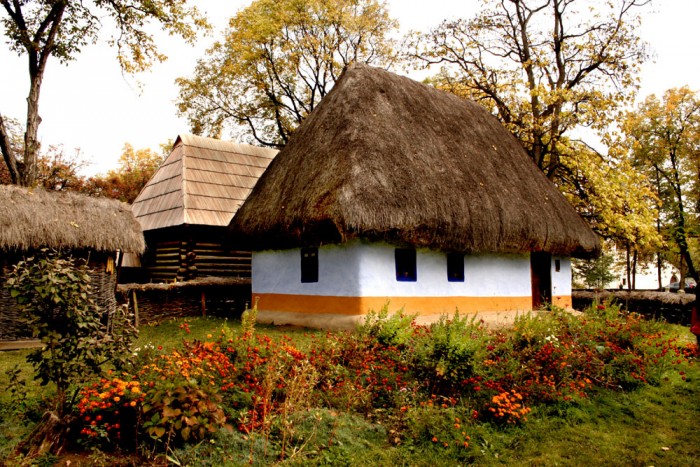
Bucuresti, Bucharest
Dimitrie Gusti National Village Museum
Situat pe Soseaua Kiseleff nr.28-30, sectorul 1; a fost inaugurat in 1936; expozitia permanenta cuprinde 121 de complexe distincte, totalizand 338 de monumente,...
5.5 km

Bucuresti, Bucharest
Romanian Peasant Museum (Muzeul Național al Țăranului Român)
Situat pe soseaua Kiseleff nr.3, sector 1, localitatea Bucuresti; constructia intregului edificiu a durat 29 de ani, fiind finalizat in 1941; cladirea muzeului...
3.6 km

Bucuresti, Bucharest
Cotroceni Palace
Situat pe bulevardul Geniului nr.2, sector 6, localitatea Bucuresti; in anul 1679, domnitorul Serban Cantacuzino incepe constructia unei manastiri; opera sa a...
3.1 km

Bucuresti, Bucharest
Grigore Antipa National Museum of Natural History
Situat pe soseaua Kiseleff nr. 1, sector 1, localitatea Bucuresti; fondat in 1834 la initiativa lui Mihalache Ghica; are un bogat patrimoniu format din...
0.9 km

Bucuresti, Bucharest
National Museum of Romanian History
Situat pe Calea Victoriei nr.12, sector 3, localitatea Bucuresti; adapostit de Palatul Postelor; a fost inaugurat in anul 1970 fiind cel dintai muzeu de...
0.7 km
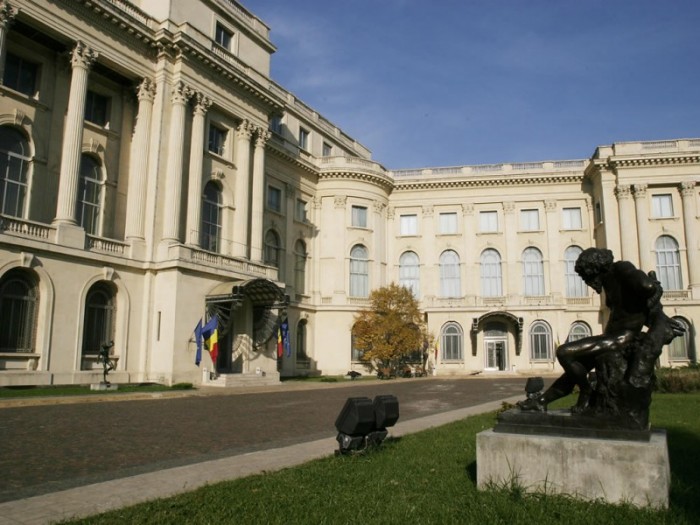
Bucuresti, Bucharest
National Museum of Art of Romania
Situat pe Calea Victoriei nr. 49-53, sector 1; deschis in 1948, in vremea lui Alexandru Ioan Cuza;cladirea era pe atunci locuinta domneasca, in timpul lui...
1.6 km

3.0 km
Bucuresti, Bucharest
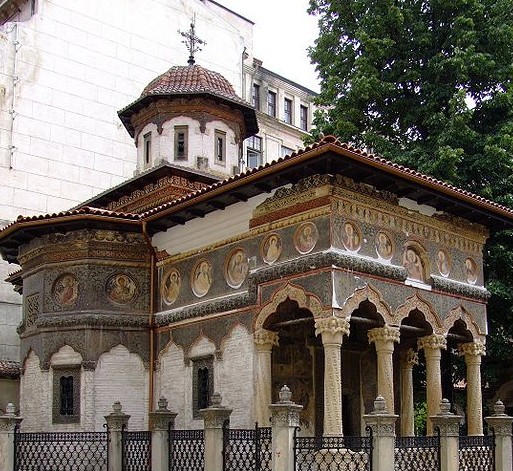
Stavropoleos Monastery Church
Situata pe strada Stavropoleos nr.4, localitatea Bucuresti; poarta hramurile: "Sfintii Arhangheli Mihail si Gavriil", "Sfantul Atanasie cel Mare", "Sfantul...
0.8 km
Bucuresti, Bucharest
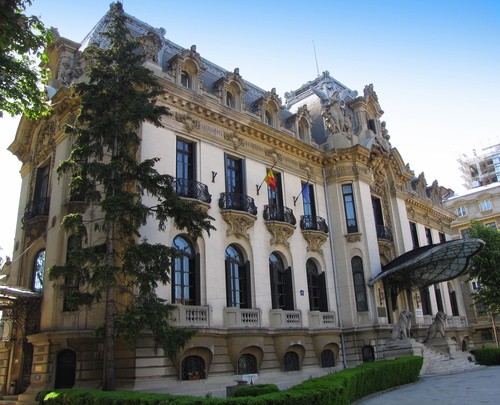
Cantacuzino Palace
Situat pe Calea Victoriei nr.141, sector 1, localitatea Bucuresti; construit intre anii 1898-1900, in stil baroc francez al epocii Ludovic al XVI-lea, pentru...
1.9 km
Cultural life and traditions
Events in the Patriarchal Palace area
Medieval festivals, traditional fairs, concerts and local activities recommended in Muntenia (Wallachia).

History and Royal Architecture

Bucuresti, County of București
Days of Royalty and Heritage in the Prahova Valley
Historical conferences open to the public, themed tours of royal architecture, documentary screenings and exhibitions of vintage photographs.
WHEN
May 10-12, 2026


Gastronomy and Oenology
Dealu Mare, County of București
The Prahova Wine Festival on the Wine Route
Guided tastings of Fetească Neagră along the famous Wine Route, visits to historic wineries, and meetings with leading winemakers.
WHEN
Every weekend (September - October)

Hiking and Adventure
Bucegi Mountains, București County
Guided Mountain Tour in the Bucegi Mountains
Guided mountain tours led by mountain rescue personnel to iconic panoramic viewpoints and spectacular alpine waterfalls.
WHEN
Daily during the season (June - October)
On foot, exploration gains depth
Discover the surroundings and local geography
Explore the trails, terrain, and natural landmarks around Patriarchal Palace.

Guides and practical tips
Useful travel articles
Travel guides, practical recommendations and tourist itineraries for Muntenia (Wallachia).

Tourist guide
Top 5 Atracții Turistice și Trasee Montane în Zona Moieciu - Bran
Descoperă cele mai spectaculoase peisaje carstice, chei adânci și cetăți medievale din imediata apropiere a stațiunii Moieciu.

Tourist guide
Ghid de Drumeție: Traseul Moieciu de Sus spre Platoul Bucegi
Un itinerariu montan de o frumusețe rară ce urcă din Valea Băngăleasa spre Poiana Guțanu și crestele maiestuoase ale Bucegilor.

Tourist guide
Castelul Bran: Istorie, Legende și Secrete Medievale
Află adevărata poveste a fortăreței medievale din Pasul Bran, reședința de suflet a Reginei Maria a României.
THE JOURNEY STARTS WITH AN IDEA
The next story is on the way.
From the first stop to the last stay, make room for a new Romania.
