


PLACE OF WORSHIP · BUKOVINA
Probota Monastery

Probota, Suceava County
Add location to your trip planner.
Practical access information

VISITING HOURS
Monday: 12:00 PM – 5:00 PM · Tuesday–Sunday: 9:00 AM – 5:00 PM (in summer until 8:00 PM)

TICKET PRICE
Adults: 45 RON · Students: 11 RON · Seniors: 23 RON · Guided tour included

RECOMMENDED VISIT DURATION
2-3.5 hours
Visitor information and guide
 Navigate with Google Maps

ABOUT PROBOTA MONASTERY
A Sanctuary of the Mușat Dynasty in the Heart of Bucovina
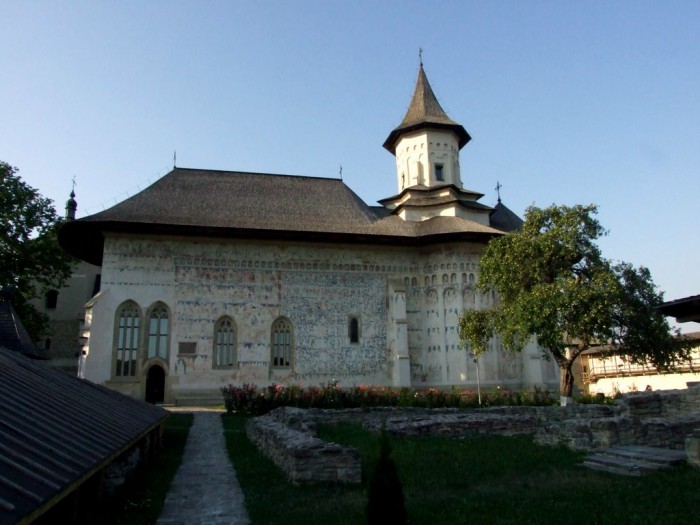
Amidst the rolling landscapes of Bucovina, where gentle hills rise toward the Carpathian Mountains and beech forests blend their green hues with autumn’s gold, Probota Monastery stands as a spiritual fortress embodying the aspirations of a young nation toward eternity. Located in the village of the same name, within Dolhasca commune, just 27 kilometers southeast of Fălticeni, this foundation of Voivode Petru Rareș is not merely a religious monument but a true treasure of European cultural heritage, proudly inscribed on the prestigious UNESCO World Heritage List since 1993. Historically known as Pobrata—a Slavonic term evoking the idea of "brotherhood" or "fraternal community"—the monastery gradually reveals its mystery to the attentive visitor, offering a profound journey into the fascinating world of the 16th century, an era when the Principality of Moldavia asserted its autonomy between the great empires of the time: the Ottoman to the south, the Habsburg to the west, and the Polish-Lithuanian Union to the north.
From the Meadows of the Siret to Petru Rareș’s Foundation: Layers of History
The spiritual roots of this place stretch deep into the mists of history, long before stone was brought to these lands. As early as 1391, in the nearby meadows of the Siret, there stood a small wooden church, a modest house of prayer marking the presence of Orthodox Christianity in a region at the frontier between Byzantine and Latin civilizations. A century later, Alexandru cel Bun (Alexander the Good), one of the wisest founders of the Mușat dynasty, erected a stone church here, a symbol of stability and the emerging central power. Ștefan cel Mare (Stephen the Great), the great voivode who transformed Moldavia into a leading military and cultural state, rebuilt this foundation, investing considerable resources and the dream of a strong monarchy capable of resisting external pressures.
Yet history is capricious. A devastating landslide, likely occurring in the following centuries, destroyed Stephen the Great’s construction, leaving behind only archaeological traces approximately 300 meters from the current complex. These silent ruins bear witness to the fragility of human creations in the face of nature, but also to the perseverance of faith, which always sought to rise from its own ashes. In 1530, Petru Rareș, the son of Stephen the Great and one of Moldavia’s most controversial yet talented rulers, decided to build a new monastery—not just as a place of prayer, but as the supreme expression of dynastic power and piety in an era of asserting the principality’s autonomy. His reign, spanning two distinct periods (1527–1538 and 1541–1546), unfolded in an extremely tense geopolitical context, with Moldavia caught between the expansionist ambitions of the Ottoman Empire, the growing influence of the Habsburg Monarchy, and the rivalry with the Kingdom of Poland. In this setting, the foundation at Probota became an act of political resistance—cultural and spiritual—a declaration of independence expressed through stone and color, much like the great princely families of the Italian Renaissance—such as the Medici in Florence or the Sforza in Milan—asserted their power through the construction of churches and palaces.
Architecture and Fortification: The Fortress of Faith in an Age of Invasions
The monastic complex at Probota represents a remarkable synthesis between the Byzantine architectural tradition and the innovations specific to the Moldavian school during the golden age of post-Byzantine art. Classified as a Category A historical monument, the ensemble comprises six distinct elements that together form a complex architectural organism: the church dedicated to "Saint Hierarch Nicholas," the refectory (monks’ quarters), the ruins of the princely houses, the ruins of 16th–17th-century structures within the enclosure, the 16th-century corner towers, and the imposing enclosure wall built in 1550. This last component—the fortification—reflects the dramatic realities of the era, when Moldavian monasteries had to serve defensive functions against frequent Ottoman raids, much like the fortified monasteries of Transylvania (such as Cârța) or those in Dalmatia, under pressure from the same empire.
The church’s plan follows the Byzantine typology, with a porch, narthex, nave, and altar, but its proportions and construction details belong to a distinct Moldavian school, blending influences from Constantinople with local traditions and technical innovations. The high vaults, pointed arches, and exterior decoration—now largely lost—illustrate the ambition to create a sacred space rivaling the great cathedrals of Western Europe while preserving Orthodox specificity. The corner towers, serving both decorative and military roles, evoke the military architecture of the time, when the borders of Christendom had to be defended not only spiritually but also physically against Ottoman expansion threatening all of Southeastern Europe.
The Frescoes of Probota: The Masterpiece That Inaugurated the Era of Bucovina’s Exterior Painting
The element that grants Probota Monastery a unique place in the world heritage is undoubtedly its interior mural painting, created in 1532, just two years after the church’s consecration. This fresco, covering the interior vault, is not only a masterpiece of the Moldavian school of painting but also the starting point of the famous cycle of exterior paintings that characterize the churches of Bucovina, included in the UNESCO heritage. Technically, the frescoes were executed in the al secco technique on plaster, using mineral pigments of remarkable brilliance that have withstood centuries of humidity, smoke, and successive restorations.
Between 1996 and 2001, under UNESCO’s auspices, an extensive research and restoration process succeeded in revealing the original fresco, severely damaged over time by multiple, more or less inspired, restoration attempts. The result was astonishing: beneath layers of overpainting and retouching, the vivid colors of the 16th century reemerged, unveiling a world of unique beauty, with monumental figures, dramatic compositions, and a chromatic palette reminiscent of the Byzantine tradition from Mount Athos or the Chora Monastery in Constantinople, yet with a distinctly Moldavian sensibility.
The iconographic program includes scenes from the life of the Savior, the Akathist cycle, the Last Judgment, and numerous figures of saints, archangels, and martyrs, all arranged in a compositional harmony that guides the faithful’s gaze from the entrance toward the altar. However, the true jewel of this ensemble is the votive tableau on the southwestern wall of the nave, depicting the founder, Petru Rareș, together with his family in an attitude of religious humility and princely dignity. This representation, similar to donor portraits in Byzantine churches or the private chapels of Italian nobility during the Renaissance, captures the essence of power and faith in a single gesture.
The Tragedy of Iliaș and the Dynastic Memory in Stone and Color
Within this votive tableau, a unique and haunting historical detail draws the attention of researchers and visitors alike: the face of Petru Rareș’s son, Iliaș Rareș, who would later become Voivode of Moldavia between 1546 and 1551. Initially painted with distinct features, the young prince’s face was intentionally blackened after his conversion to Islam, a dramatic political and religious event for 16th-century Southeastern Europe. Known after his conversion as Mehmed, Iliaș became a vassal of the Ottoman Empire, breaking ties with the Christian tradition of the Mușat dynasty in a gesture that shocked his contemporaries and remained in historical memory as a symbol of the tensions between the Christian and Muslim worlds.
This "erasure" of the face from the fresco represents a unique historical document, a visual testimony to the symbolic punishments applied to faith traitors in the Byzantine and post-Byzantine world, as well as how religious art recorded political events. While in Western Europe such religious conflicts were resolved through civil wars and Protestant reforms, in 16th-century Moldavia, they were reflected in the blackening of a face in a fresco, thus preserving the memory of a dynastic drama. This defamed, "ghostly" image contrasts sharply with the imposing figure of Petru Rareș, underscoring the fragility of earthly power in the face of personal choices and geopolitical pressures.
Princely Necropolis and Cultural Treasure: Tombs, Gravestones, and Legacy
Beyond its painted walls, Probota Monastery has served over the centuries as the sacred necropolis of Moldavia, a sanctuary of eternal rest for members of the Mușat dynasty and, later, the local nobility. Here lie Petru Rareș himself, the founder, alongside his son Ștefan Rareș, who ruled between 1551 and 1552, Lady Elena, the founder’s second wife, and, remarkably, Lady Oltea, the mother of Stephen the Great, whose presence here underscores the spiritual continuity of the dynasty. This concentration of princely tombs in one place reflects the Byzantine tradition of burial within the precincts of founded monasteries, a practice also seen at Mount Athos or in the imperial monasteries of Constantinople, adapted to the Moldavian context.
Later, the monastery became a noble necropolis, currently preserving 21 epitaphic gravestones of exceptional documentary and artistic value, dating from 1464 to 1640. These funerary monuments illustrate the evolution of funerary art in Moldavia, from late Gothic and Byzantine influences to Renaissance and Baroque elements that penetrated in the 16th and 17th centuries, reflecting the principality’s cultural contacts with Central and Western Europe. Inscriptions in Church Slavonic, Greek, and Old Romanian provide valuable information about genealogies, matrimonial alliances, and social hierarchies, transforming the necropolis into a true stone archive.
As a monastery of monks, Probota also functioned as a valuable center of medieval Romanian culture, hosting a school of calligraphers and copyists, a library with precious manuscripts, and workshops of religious art. Today, the museum housed in the restored refectory displays a remarkable collection of objects from the 15th to 18th centuries, illustrating the spiritual and artistic richness of this place: icons on wood and glass, fragments of carved furniture, liturgical textiles embroidered with gold and silver thread, ceremonial church vestments, precious metal liturgical vessels, silver filigree oil lamps, processional crosses, old liturgical books with leather and metal bindings, coins, and jewelry—many of these resulting from archaeological excavations within the precinct. These pieces, comparable to the treasures of other European monasteries such as those in Austria, Poland, or Italy, offer a complete picture of monastic life and religious luxury in early modern Moldavia.
Visitor’s Guide: How to Discover Probota Monastery
To reach this unique sanctuary, the contemporary traveler departs from the city of Fălticeni, an important historical center of Bucovina, and heads toward Dolhasca commune via county road DJ208, covering a distance of 25 kilometers through an authentic rural landscape of picturesque villages and traditional wooden churches. In Dolhasca, the road continues to the right on DJ208S for an additional 6 kilometers, arriving in the village of Probota. Even from a distance, the monastic complex impresses with its imposing silhouette: the fortified enclosure walls, with corner towers still standing after nearly five centuries, profile themselves against the sky, offering a first lesson on the defensive function these "prayer fortresses" served in turbulent times.
Upon entering the precinct, the visitor is greeted by the tranquil atmosphere of a stone-paved inner courtyard, surrounded by buildings with sloping roofs and the evocative ruins of old cells and princely houses. The Church of "Saint Hierarch Nicholas" rises at the center of the ensemble, and upon entering the nave, the gaze is immediately drawn to the painted vault, where light filtering through narrow windows models the faces of saints and founders in a fascinating interplay of shadows and colors. It is advisable to visit the monastery in the morning hours, when sunlight, filtered through the Gothic windows, falls directly on the interior frescoes, revealing details invisible at other times of the day. The votive tableau on the southwestern wall, with the blackened face of Prince Iliaș, constitutes a point of maximum historical and emotional interest, a direct encounter with the troubled past of a dynasty marked by ambition and tragedy.
After visiting the church, the traveler can explore the ruins of the princely houses and the structures within the enclosure, imagining the daily life of monks and distinguished guests in the 16th and 17th centuries. The museum in the refectory offers the opportunity to admire liturgical textiles, icons, and sacred objects up close, while the inner courtyard, with its old gravestones scattered on the ground, invites reflection on the passage of time and the permanence of faith. For a complete experience, a visit to Probota can be combined with the discovery of other painted monasteries in Bucovina—Voroneț, Sucevița, Moldovița, Humor, or Arbore—all included in the UNESCO heritage, forming an exceptional cultural circuit that provides a comprehensive image of the artistic and spiritual genius of medieval Moldavia.
Probota Monastery thus remains an essential reference point for understanding European cultural heritage, a place where history, art, and spirituality intertwine in a captivating narrative of power, faith, and survival, within an architectural framework that has withstood invasions, earthquakes, and the passage of centuries, offering the modern traveler a window into the fascinating world of the 16th century.
Media gallery
Discover Probota Monastery in pictures

13 photos · Architecture, courtyards and captivating details

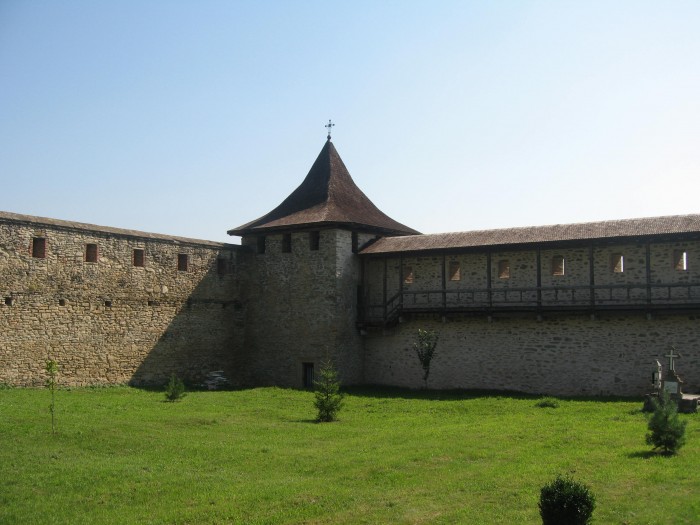


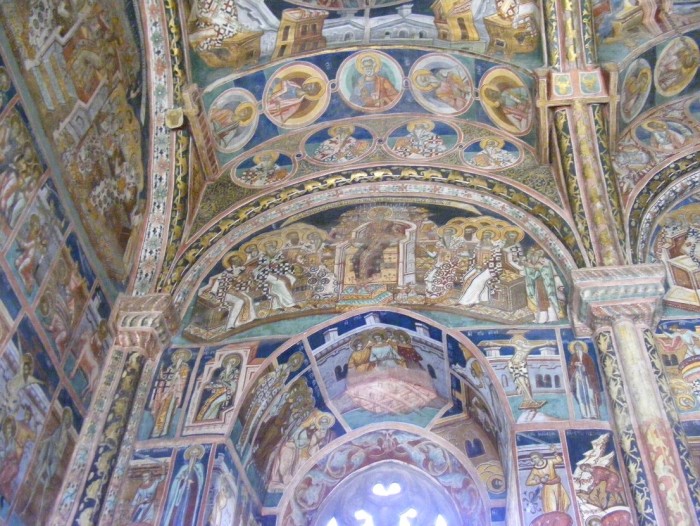


Image source: Wikimedia Commons · Public domain photos · Free license
STAY A FEW DAYS, DISCOVER THE MAGIC
Accommodation in the Probota Monastery area

Hotel · 3 stars

Paşcani, Iași County · 15.6 km
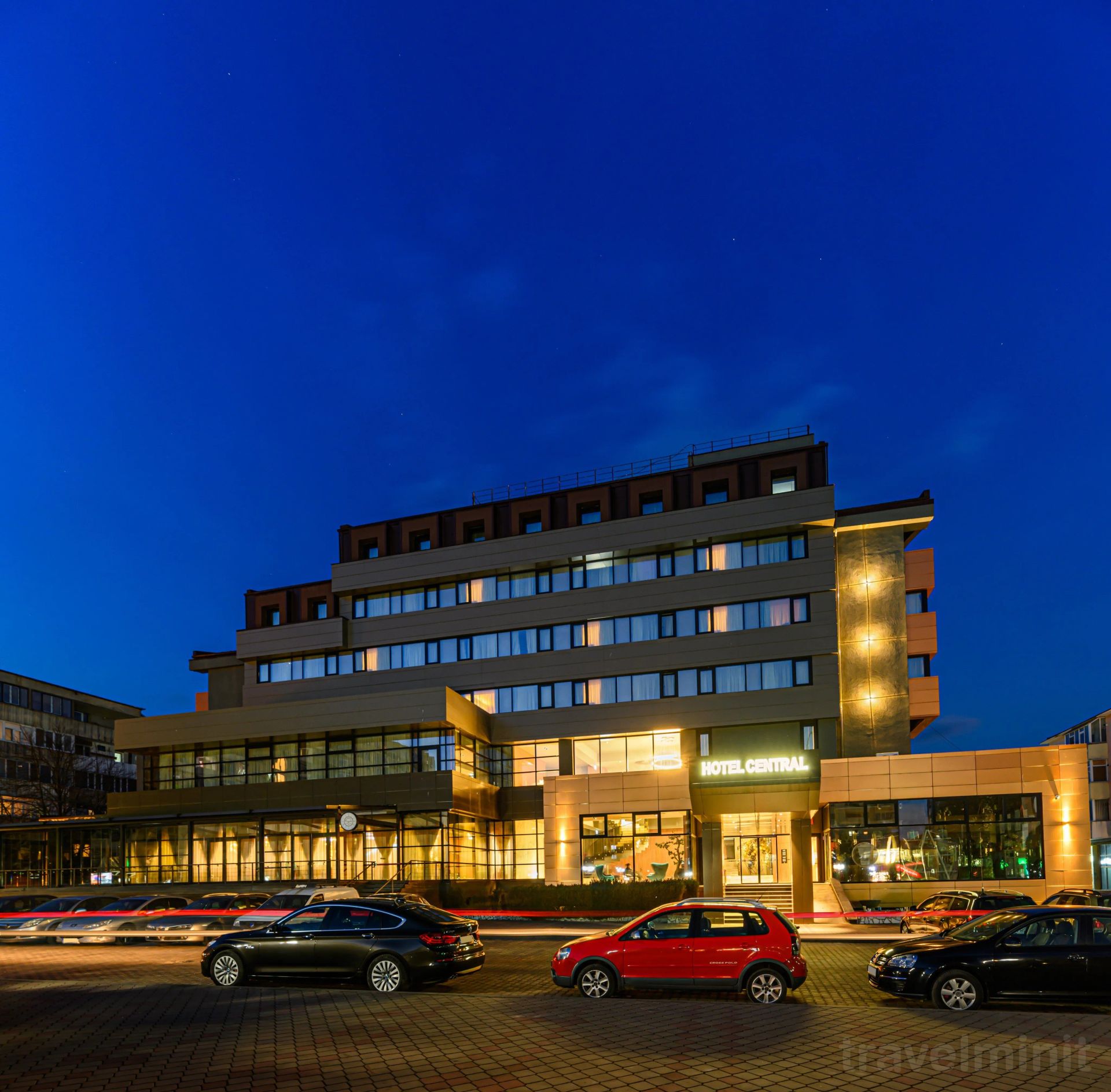
Hotel Central Pașcani
O zi petrecută aici se desfășoară între parcare privată gratuită și conexiune Wi-Fi gratuită, într-un ambient plăcut oferit de Hotel Central Pașcani din Pașcani, un hotel cu trei stele situat pe strada Moldovei numărul 2. Unitatea pune la dispoziția dumneavoastră 56 de camere amenajate cu grijă, unele dintre acestea fiind dotate cu aer condiționat pentru un confort sporit. Beneficiați de internet wireless în întreaga locație, de parcare privată gratuită pentru vehiculul dumneavoastră, de un spațiu de depozit pentru bagaje și, pentru familiile cu copii mici, de pătuț pentru bebeluș. Mic dejun este inclus în oferta dumneavoastră, iar la recepție se vorbesc limbile română și engleză. Camera poate fi ocupată de la ora 14:00, iar predarea se face până la ora 12:00. În apropiere puteți descoperi Mănăstirea Probota, Situl arheologic Cucuteni, Cetatea Neamț, Mănăstirea Războieni și Muzeul Memorial Ion Creangă din Humulești, fiecare dintre acestea oferind o experiență culturală și istorică distinctă într-o regiune cu tradiții bogate. Seara, după o zi plină de explorare a zonei, vă puteți conecta la Wi-Fi gratuit pentru a vă planifica cu ușurință următoarele aventuri.
FROM
290 lei per night

Guesthouse · 3 stars
Târgu Neamţ, Neamț County · 24.9 km
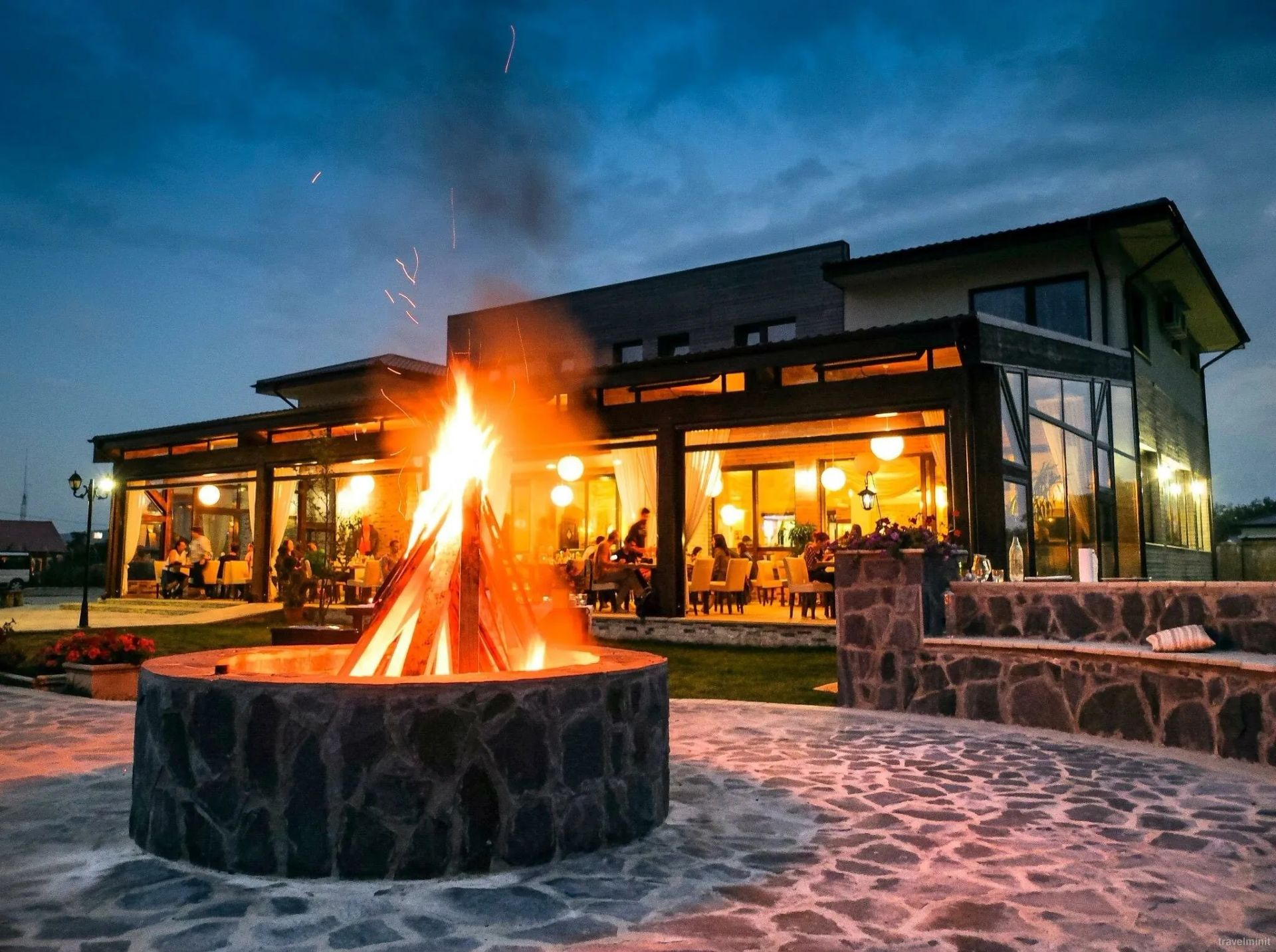
Pensiunea Armonia by Aristocratis Târgu Neamț
Pensiunea Armonia by Aristocratis este o pensiune turistică de trei stele situată în Târgu Neamț, județul Neamț, pe strada Ștefan Cel Mare. Camerele confortabile și bine amenajate vă asigură odihna necesară după o zi de explorare. Unitarea dispune de facilități de wellness precum saună și baie de aburi, sală de fitness și teren de sport pentru activități în aer liber. Familiile cu copii se pot bucura de locul de joacă exterior, în timp ce curtea mare și grădina amenajată oferă un cadru plăcut pentru momente de relaxare. Accesul persoanelor cu dizabilități este asigurat, iar pentru confortul dumneavoastră sunt disponibile Wi-Fi gratuit, parcare privată gratuită, room service și pătuț pentru bebeluș. Unele camere beneficiază de aer condiționat. În vecinătate puteți descoperi Cetatea Neamț, Muzeul Memorial Ion Creangă din Humulești, Mănăstirea Agapia, Mănăstirea Neamț și Casa Memorială „Mihail Sadoveanu”. Aceste obiective turistice vă oferă ocazia de a cunoaște istoria și spiritualitatea zonei, fiind situate în apropierea pensiunii. La recepție personalul vorbește română, engleză, spaniolă și italiană, iar accesul cu animale de companie este permis contra cost. Vă așteptăm la Pensiunea Armonia by Aristocratis, unde veți găsi parcare privată gratuită și servicii adaptate nevoilor dumneavoastră.
FROM
240 lei per night
Guesthouse · 3 stars
Răuceşti, Neamț County · 25.9 km
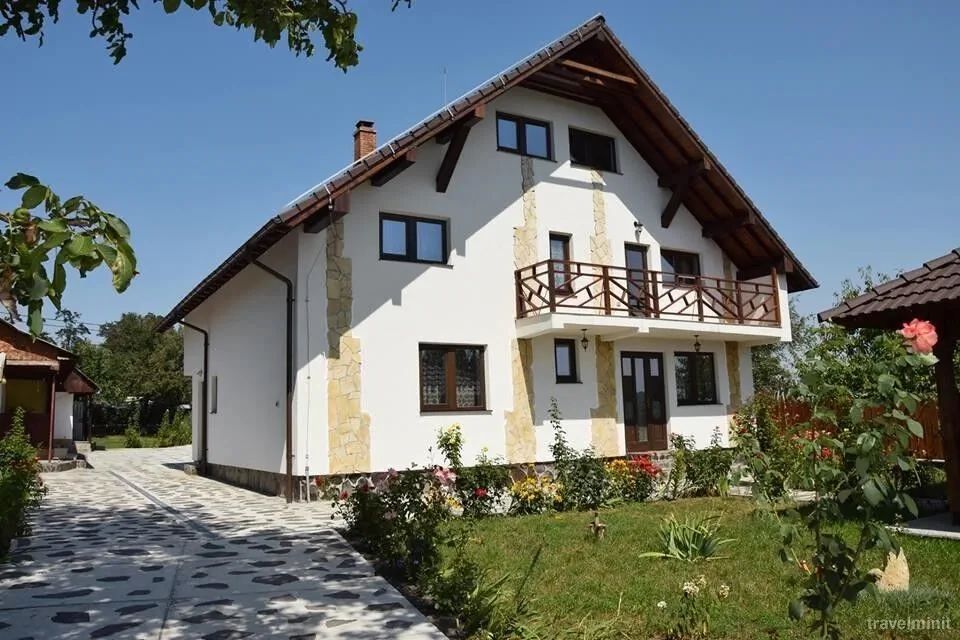
Pensiunea Georgiana Răucești
Pensiunea Georgiana Răucești este o pensiune turistică clasificată cu 3 stele, situată în localitatea Răucești din județul Neamț. Adresa unității este drumul Băile oglinzii 44, iar amplasamentul oferă un cadru liniștit și primitor pentru sejurul dumneavoastră în această zonă. Pentru confortul dumneavoastră, unitatea pune la dispoziție parcare privată gratuită și acces Wi-Fi gratuit în toate zonele. Curtea mare și grădina amenajată reprezintă un spațiu generos pentru relaxare și plimbări, în timp ce copiii se pot juca în siguranță în locul de joacă special amenajat la exterior. Pentru seri plăcute petrecute împreună cu familia sau prietenii, aveți la dispoziție un grătar sau barbeque, precum și un ceaun pentru prepararea mesei în aer liber. În apropiere se află numeroase obiective turistice deosebite care merită vizitate în timpul șederii dumneavoastră: Cetatea Neamț, Muzeul Memorial Ion Creangă din Humulești, Mănăstirea Agapia, Mănăstirea Neamț și Casa Memorială „Mihail Sadoveanu”. Aceste atracții oferă oportunități variate de explorare culturală și istorică în această parte a țării. Vă așteptăm cu drag la Pensiunea Georgiana Răucești.
FROM
240 lei per night
Hotel · 3 stars
Fălticeni, Suceava County · 25.9 km
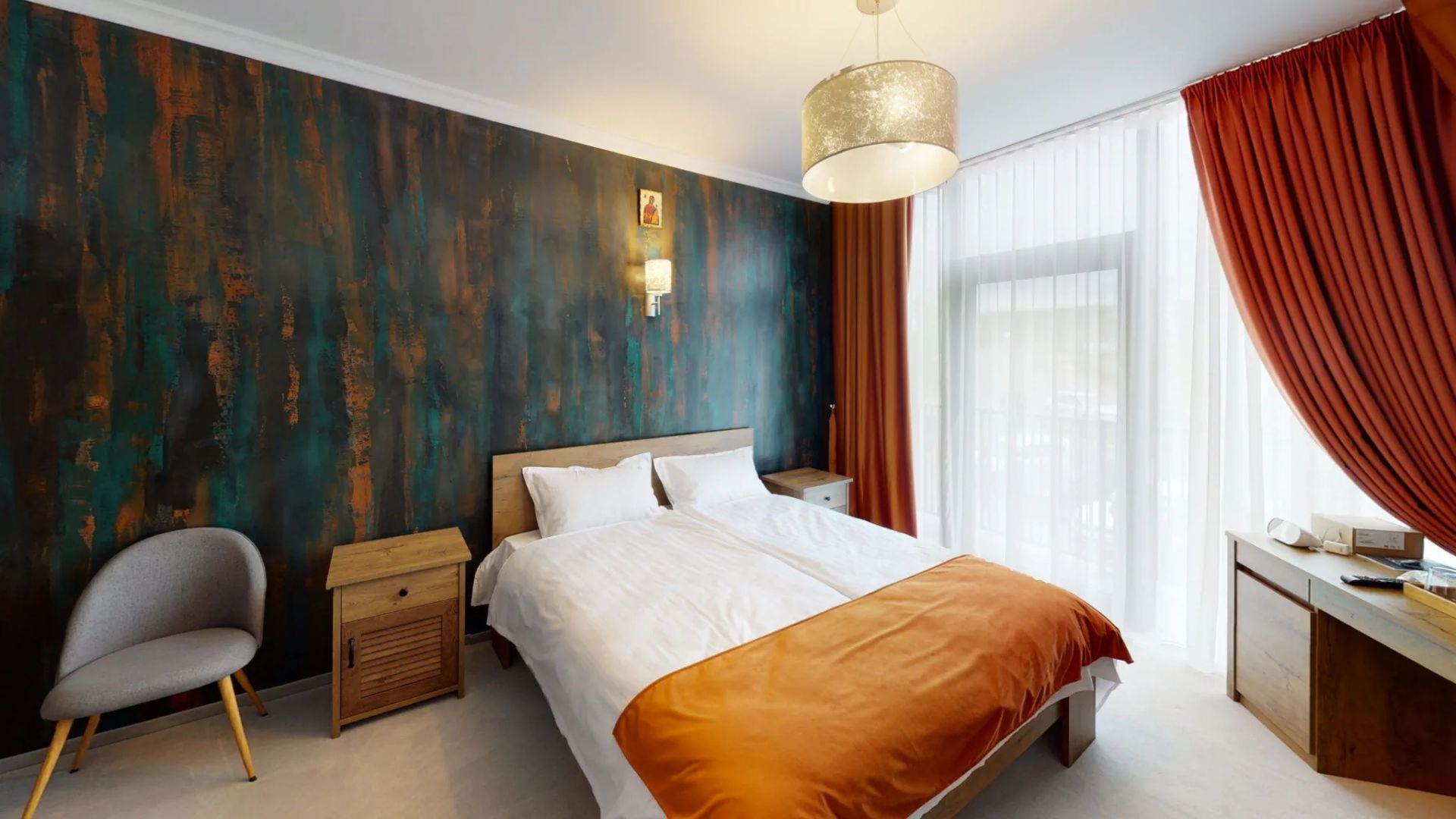
Hotel Angel Sofia Fălticeni
Pe balconul cu vedere spre oraș sau pe terasă, vă puteți bucura de liniștea din Fălticeni. Hotel Angel Sofia se află în Fălticeni, județul Suceava. Unitatea oferă condiții moderne pentru un sejur confortabil. Aveți la dispoziție Wi-Fi gratuit, parcare privată gratuită și acces pentru persoane cu dizabilități. În interior găsiți bar, cafenea și restaurant, iar pentru cei mici există loc de joacă la exterior, cameră de joacă la interior, meniu pentru copii și scaun înalt. Serviciile includ room service, masaj, depozit pentru bagaje, seif și stație de încărcare pentru vehicule electrice. De asemenea, aveți la dispoziție fier de călcat și parcare pentru biciclete. Camerele dispun de televizor, frigider și baie proprie. Pentru momente de relaxare în aer liber, puteți folosi grătarul, barbeque-ul, ceaunul pentru gătit sau vatra de foc ori șemineul. Se oferă și servicii pentru familiile cu bebeluși, precum pătuț pentru bebeluș, și meniuri pentru diete speciale. În apropiere puteți vizita Casa memorială Mihail Sadoveanu, Muzeul de artă Ion Irimescu, Mănăstirea Neamț, Mănăstirea Sfântul Ioan cel Nou din Suceava și Cetatea de Scaun a Sucevei. Vă așteptăm la Hotel Angel Sofia, unde parcare privată gratuită și accesul facil vă asigură un sejur fără griji.
FROM
290 lei per night
Apartment · 3 stars
Târgu Neamţ, Neamț County · 26.1 km
Apartament Manu Târgu Neamț
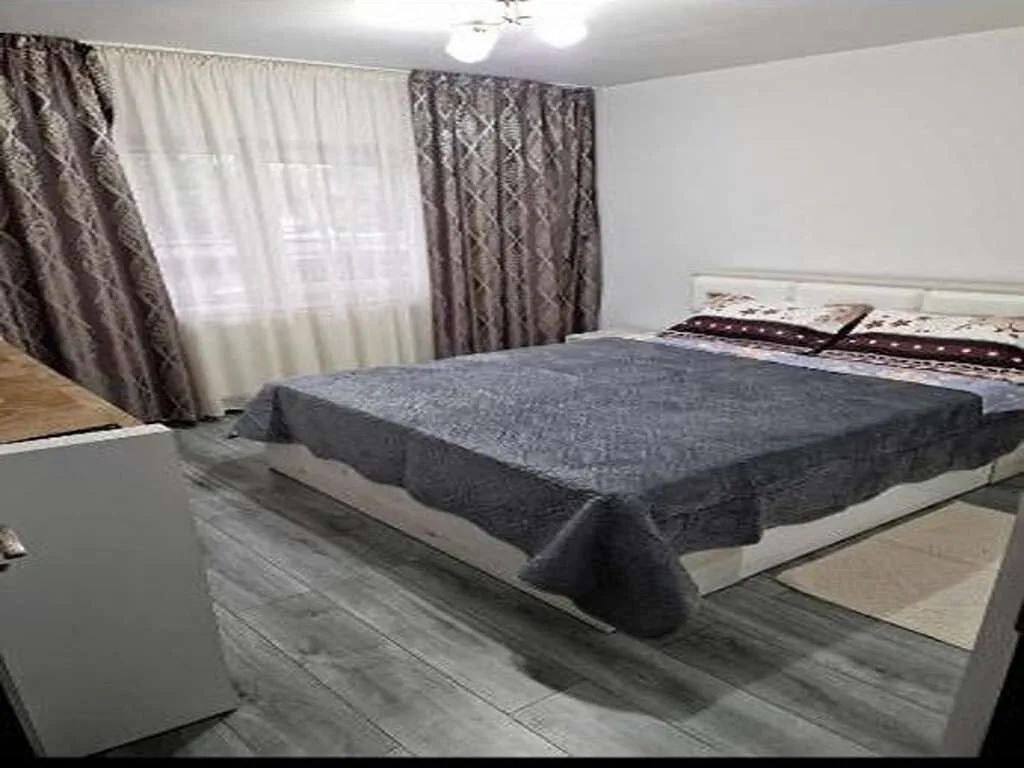
De pe terasa apartamentului, priveliștea se deschide larg peste acoperișurile orașului Târgu Neamț, oferind un punct de plecare plăcut pentru explorarea zonei. Apartament Manu Târgu Neamț vă așteaptă în această localitate din județul Neamț, fiind clasificat cu trei stele pentru un sejur confortabil și relaxant. Spațiul de cazare include două dormitoare separate și un living primitor, fiind potrivit atât pentru familii cu copii, cât și pentru grupuri de prieteni. Bucătăria este complet utilată, având frigider și plită pentru prepararea zilnică a meselor, iar televizorul cu ecran plat împreună cu conexiunea Wi-Fi gratuită vă asigură momente de relaxare după o zi de vizitat. Baia este dotată cu duș modern, iar prosoapele și lenjeria de pat curate sunt puse la dispoziția dumneavoastră. În împrejurimi puteți descoperi Cetatea Neamț, Muzeul Memorial Ion Creangă din Humulești, Mănăstirea Agapia, Mănăstirea Neamț și Casa Memorială „Mihail Sadoveanu”, obiective culturale și istorice variate care îmbogățesc experiența dumneavoastră culturală în această regiune pitorească a Moldovei. Unitatea se află pe bulevardul Stefan Cel Mare M3, asigurând acces facil și rapid către toate atracțiile turistice menționate.
FROM
230 lei per night
Guesthouse · 3 stars
Oglinzi, Neamț County · 26.1 km
Cabană turistică Băile Oglinzi
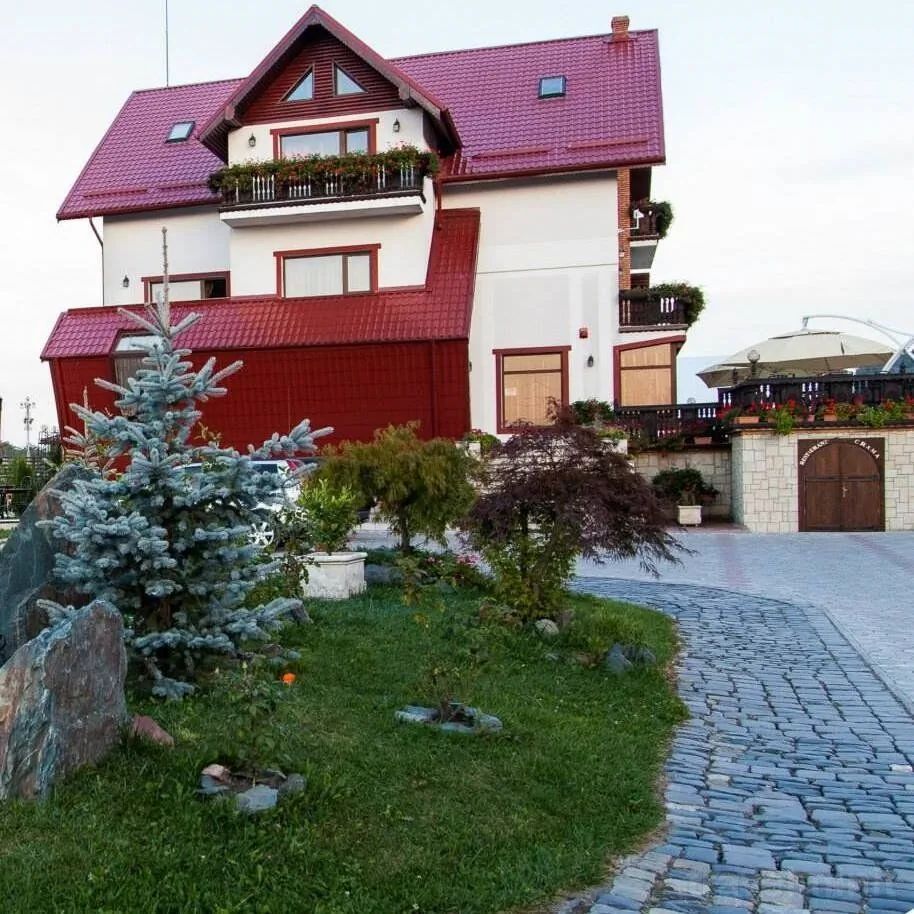
Cabană turistică Băile Oglinzi este o pensiune turistică de 3 stele situată în localitatea Oglinzi din județul Neamț. Aici vă așteaptă un ambient plăcut pentru un sejur relaxant departe de aglomerația urbană. Unitatea dispune de Wi-Fi gratuit, parcare privată gratuită și acces facilitat pentru persoane cu dizabilități. Vă puteți bucura de curtea mare și grădina amenajată, iar copiii au la dispoziție un loc de joacă în aer liber. Pentru activități sportive, aveți un teren amenajat de fotbal, iar pentru momente de relaxare în natură, un ceaun pentru gătit și un grătar pentru preparate la foc deschis. În apropiere se află obiective culturale și spirituale importante: Cetatea Neamț, Mănăstirea Agapia, Muzeul Memorial Ion Creangă din Humulești, Mănăstirea Neamț și Casa Memorială „Mihail Sadoveanu”. Aceste locuri vă permit să descoperiți istoria și tradițiile autentice ale zonei. Seara, după o zi petrecută la Mănăstirea Neamț, vă puteți bucura de un grătar în curtea mare a unității.
FROM
240 lei per night
BEFORE YOU HIT THE ROAD
Weather conditions in Probota
Local forecast for Probota Monastery, Probota, Suceava

Real-time updated weather data
Much more to explore in this area
Nearby tourist attractions


Neamt, Neamț County
Neamț Fortress
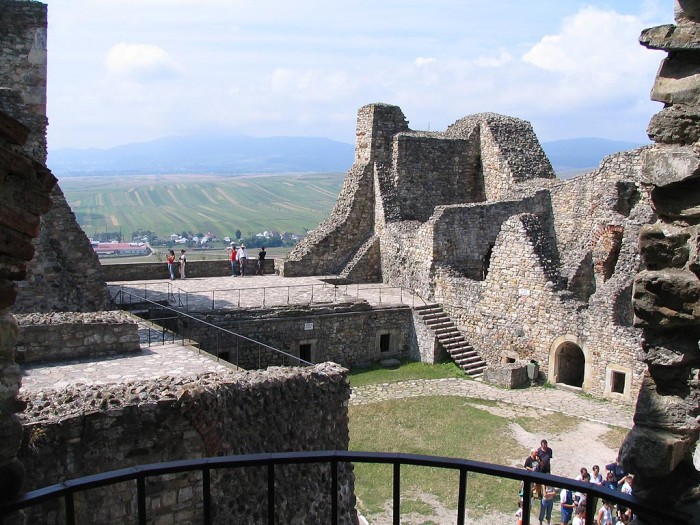
Situata pe strada Arcasului nr. 1, pe un platou al dealului Plesu, la 480 m altitudine, in apropierea orasului Targu Neamt, in partea de nord-est a judetului;...
27.7 km
Neamt, Neamț County
Neamț Monastery
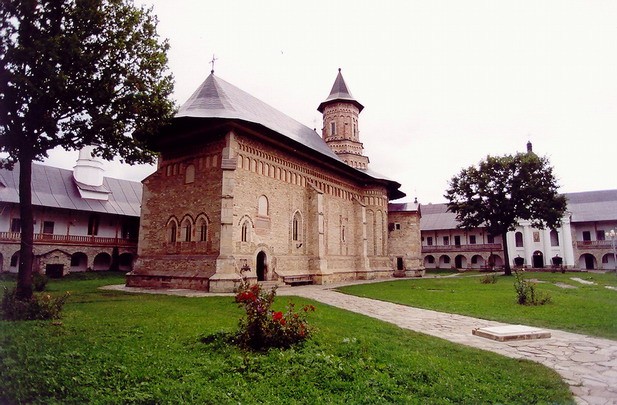
Situata pe raza comunei Vanatori-Neamt, la 15 km nord-vest de Targu Neamt; atestata documentar pentru prima data in 1407, pe vremea lui Alexandru cel Bun; in...
33.9 km

Suceava, Suceava County
Saint John the New Monastery of Suceava
Situata pe strada Ion Voda Viteazul nr. 2, Suceava; inceputa de voievodul Bogdan al III-lea, fiul lui Stefan cel Mare, in 1514, constructia a fost terminata in...
40.1 km

România, Transylvania
Vârful Toaca, Masivul Ceahlău
Vârful Toaca, Masivul Ceahlău (munte sau masiv) în județul România.
49.3 km
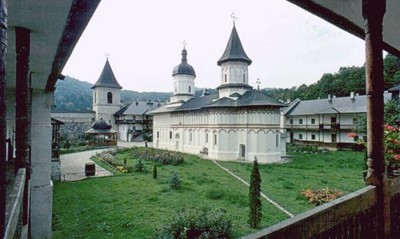
Neamt, Neamț County
Agapia Monastery (New Agapia or Agapia in the Valley)
Manastirea Agapia este situata pe valea paraului Agapia, la poalele culmii Magura, pe raza comunei Agapia, localizata la 12 km sud de municipiul Targu Neamt;...
37.4 km
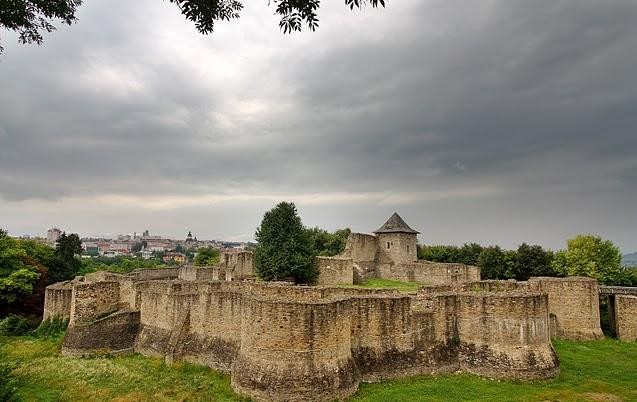
Suceava, Suceava County
Suceava Princely Fortress
Situata la capatul Aleei Cetatii, municipiul Suceava; mentionata pentru prima data la 10 februarie 1388, intr-un document al voievodului Petru I Musat;...
40.0 km
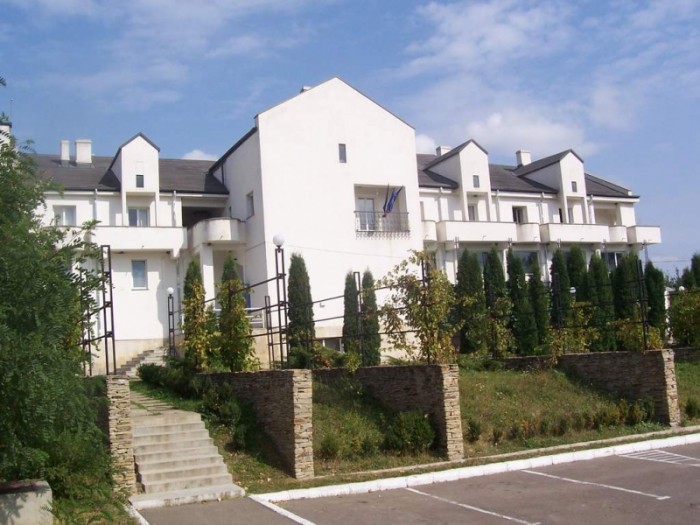
Botosani, Botoșani County
Eminescu Memorial House - National Study Centre
Situat in Ipotesti;acesta cuprinde: Casa memoriala "Mihai Eminescu", locul unde s-a nascut genialul poet, bisericuta familiei, langa care se afla mormintele...
44.2 km

Iasi, Iași County
Cucuteni Archaeological Site
Situat la 500 m de localitatea Cucuteni, pe soseaua Baiceni - Cucuteni; vestigiile dateaza din secolul al IV-lea i. Hr.(Latene timpuriu) ; cele mai importante...
25.1 km

33.9 km

Suceava, Suceava County
Bucovina Museum Complex in Suceava
Situat pe strada Stefan cel Mare nr. 33 din municipiul Suceava; a fost infiintat la 7 noiembrie 1899, sub forma unei asociatii numite "Muzeul" si era filiala a...
40.4 km

Suceava, Suceava County
Bukovina Museum in Suceava
Situat pe strada Stefan cel Mare, nr. 33, municipiul Suceava; construita intre anii 1902 -1903; planurile au fost realizate de catre arhitecul J. Bochner; din...
40.4 km
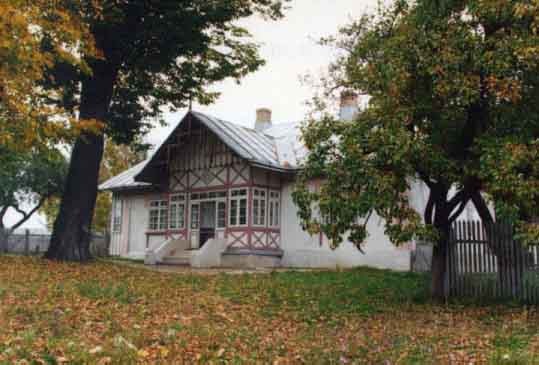
Suceava, Suceava County
Mihail Sadoveanu Memorial House
Situata pe strada Ion Creanga nr. 68 din municipiul Falticeni;construita dupa planurile marelui scriitor in anul 1908; a fost inaugurata in anul 1987; Mihail...
27.5 km
Cultural life and traditions
Events in the Probota Monastery area
Medieval festivals, traditional fairs, concerts and local activities recommended in Bukovina.

History and Voivodeship Heritage

Probota, County of Suceava
The Medieval Festival of Neamț Fortress
Re-enactments of Ștefan’s battles, archery demonstrations with traditional bows, displays of courtly guards, and performances of old court music.
WHEN
July 3-5, 2026


Prehistoric Crafts and Art
Probota, County of Suceava
The National Pottery Fair “Cucuteni 5000”
The most skilled ceramic artists recreate the spectacular motifs of Europe’s oldest civilisation.
WHEN
June 26-28, 2026

Gastronomy and Wines
Probota, County of Suceava
The Traditional Festival of Moldovan Wine
A fair featuring wine tastings from the vineyards of Cotnari, Bucium and Panciu, “poale-n brau” pies, and roasted meats cooked on a spit.
WHEN
October 2-4, 2026
On foot, exploration gains depth
Discover the surroundings and local geography
Explore the trails, terrain, and natural landmarks around Probota Monastery.

Guides and practical tips
Useful travel articles
Travel guides, practical recommendations and tourist itineraries for Bukovina.

Tourist guide
Top 5 Atracții Turistice și Trasee Montane în Zona Moieciu - Bran
Descoperă cele mai spectaculoase peisaje carstice, chei adânci și cetăți medievale din imediata apropiere a stațiunii Moieciu.

Tourist guide
Ghid de Drumeție: Traseul Moieciu de Sus spre Platoul Bucegi
Un itinerariu montan de o frumusețe rară ce urcă din Valea Băngăleasa spre Poiana Guțanu și crestele maiestuoase ale Bucegilor.

Tourist guide
Castelul Bran: Istorie, Legende și Secrete Medievale
Află adevărata poveste a fortăreței medievale din Pasul Bran, reședința de suflet a Reginei Maria a României.
THE JOURNEY STARTS WITH AN IDEA
The next story is on the way.
From the first stop to the last stay, make room for a new Romania.
