


NATURE AND WILDLIFE · TRANSYLVANIA
Red Lake Nature Reserve

Harghita, Harghita County
Add location to your trip planner.
Practical access information

VISITING HOURS
Check the local visiting schedule

TICKET PRICE
Information available at the cashier's desk

RECOMMENDED VISIT DURATION
1-2 hours
Visitor information and guide
 Navigate with Google Maps

ABOUT RED LAKE NATURE RESERVE
The Emerald Mirror of the Eastern Carpathians: Introduction to the World of Red Lake
In the heart of the Eastern Carpathians, where the forested slopes of the Hășmașul Mare massif meet the narrow bed of the Bicaz Valley, stretches the largest natural mountain lake in Romania, a geological jewel of exceptional rarity in the European landscape. Located at an altitude of 983 meters, in the immediate vicinity of the resort of the same name and the city of Gheorgheni, this natural dam lake represents a natural monument with a dramatic geological history and a profound cultural resonance in the Transylvanian landscape, at the intersection of Romanian, Hungarian, and Saxon traditions of the area. As an integral part of the Red Lake Nature Reserve, declared a protected area of national importance, this lacustrine ecosystem represents not only a geological curiosity, but a symbol of harmony between the primordial force of nature and the millennial cultural heritage of Central Europe.
Heritage Significance and Geological Context in the European Landscape
The formation of Red Lake dates back to 1837, when a massive flank of Mount Ghilcos collapsed spectacularly, blocking the course of the Bicaz Valley and thus creating an impressive natural dam through the accumulation of waters. This unique geological event, similar to other natural catastrophes that gave rise to famous lakes in the Swiss Alps or in the Polish Tatra Mountains, gave birth to a lake basin with remarkable dimensions for a mountain lake in Eastern Europe: a perimeter of 2,830 meters, a surface area of 114,676 square meters, and a volume of 587,503 cubic meters of crystalline water. From a geological point of view, Red Lake represents a classic example of a natural dam lake, a phenomenon also found in other mountainous areas of the continent, such as the glacial lakes in the Pyrenees or those formed by landslides in the Italian Dolomites, but its particularity lies in the relatively young age of the formation and in the exceptional conservation of the surrounding ecosystem.
The evocative name Red Lake originates from the Red Stream (Pârâul Roșu), which crosses geological strata rich in iron oxides and hydroxides, coloring the waters in warm shades of copper and blood-red that reflect on the lake's surface at sunset. This coloring phenomenon, caused by the presence of ferrous minerals in the rock, recalls certain alpine lakes in Central Europe, such as those in the Tyrol region or in the Slovak Carpathians, where water chemistry creates spectacular chromatic effects. The lake is constantly fed by four notable streams, Vereșcheul, Licosul, Suhardul, and Valea Bii, to which are added twelve temporary watercourses that descend in bursts from the forested slopes of Hășmaș, giving it a dynamic character and a complex ecology similar to that of the lakes in Retezat National Park or in the Bucegi Massif.
Historical Roots and Connections with the Great European Empires
The territory where Red Lake is located, known as the Ciuc Land (Ținutul Ciucului), represents a historical point of convergence between the great empires and kingdoms that shaped the destiny of Central Europe over the centuries. In the Middle Ages, this region was part of the Kingdom of Hungary, and later, starting from the 17th century, it came under the influence of the Habsburg Monarchy, becoming part of the Austro-Hungarian Empire until 1918. This belonging to the Germanic and Hungarian cultural space left deep traces in toponymy and local traditions, reflected also in the German name of the lake, Mörder See, translated as Murderer's Lake, a name that evokes both the mystery of the place and the linguistic heritage of the Saxon settlers from Transylvania.
The Saxon colonization in the 12th-13th centuries, encouraged by the kings of Hungary to defend the eastern borders of the kingdom, brought Western agricultural techniques and architectural traditions to this area, influencing the way local communities interacted with the mountain landscape. In parallel, the presence of the Székelys, a people of Hungarian origin with special status within the Transylvanian feudal system, contributed to the formation of a hybrid cultural identity, where Romanian pastoral traditions intertwined with Hungarian and Saxon ones. This multicultural heritage places Red Lake in a broader European context, similar to the border regions of Tyrol, Slovakia, or Poland, where ethnic diversity has created unique cultural landscapes, recognized today as European intangible heritage.
The tourist development of the area began in the Austro-Hungarian period, when the spa and mountain resorts in the Carpathians experienced a period of flourishing, similar to the development of the Swiss Alps or the resorts in Bavaria. In the 19th century, after the formation of the lake in 1837, the area attracted the attention of European naturalists and geologists, who studied the landslide phenomenon and the newly formed ecosystem, contributing to the recognition of the scientific value of this place. In the interwar period, when Transylvania was part of Greater Romania, Red Lake became a sought-after destination for Bucharest and foreign tourists, benefiting from the infrastructure developed during the Habsburg period, while after 1945, in the communist period, the area was included in the state's network of nature reserves, being protected as a natural monument of national importance.
Natural Masterpiece: Landscape Architecture and Biodiversity
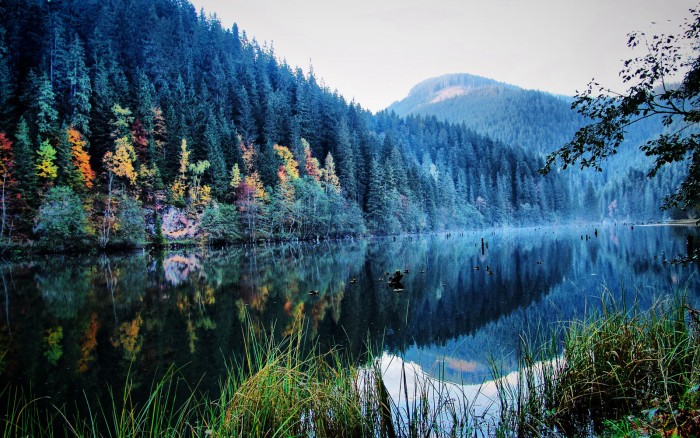
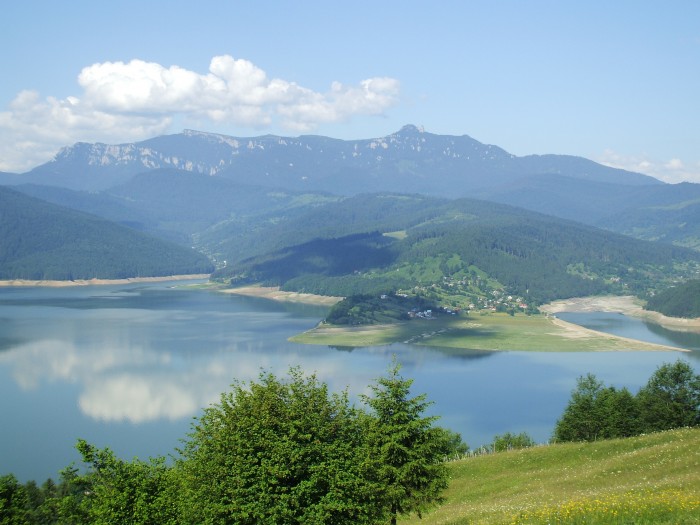
From a landscape point of view, Red Lake represents a masterpiece of nature, framed by the Hășmașul Mare massif, whose limestone ridges offer a majestic backdrop for the water mirror. The surrounding relief, characterized by steep slopes and dense forests of conifers and deciduous trees, creates an atmosphere of profound tranquility and remarkable biodiversity, comparable to that found in the national parks of the Austrian Alps or the Slovak Carpathians. The vegetation around the lake is represented by spruce, fir, and beech forests, with a rich undergrowth of rare alpine plant species, constituting a protected habitat for numerous bird and mammal species specific to the mountain ecosystems of Central Europe.
The lacustrine ecosystem hosts diverse flora and fauna, including species protected at the European level, which places Red Lake in the category of protected areas of community interest, similar to the lakes in the Natura 2000 network in other European countries. The crystalline waters, with a visibility that can reach several meters in favorable periods, shelter fish species specific to mountain waters, while the lake shores offer habitat for amphibians and rare invertebrates. This biological richness, combined with the dramatic landscape of the Bicaz Gorge located in the immediate vicinity, transforms the area into a natural complex of exceptional value, representing an example of natural heritage conservation in the European context of biodiversity protection.
The natural architecture of the place is complemented by the tourist infrastructure developed over time, which includes marked hiking trails, viewpoints, and facilities for tourists, all harmoniously integrated into the landscape without affecting the ecological balance. The tourist trails surrounding the lake allow visitors to admire the chromatic of the waters from multiple angles and to explore the surrounding area, including the slopes of Hășmașul Mare, offering perspectives similar to those in the established alpine resorts of Western Europe.
Stories, Legends, and Personalities: The Multicultural Heritage
The distinctive chromatic of Red Lake has also inspired a disturbing legend, transmitted orally from generation to generation in the Székely and Saxon communities of Ciuc Land: it is said that the mountain collapse of 1837 would have buried a shepherd together with his entire flock of sheep, transforming the lake into a place of tragic memory and respect for the forces of nature. This story, with roots in European pastoral folklore, recalls similar legends associated with lakes in the Swiss Alps, Scotland, or the Nordic Countries, where deep and mysterious water is often linked to myths about treasure, divine punishment, or collective memory. The German name Mörder See, Murderer's Lake, reflects this perception of the place as a space of mystery and the incomprehensible forces of nature, a perception common in 19th-century European culture, when literary and artistic Romanticism sought in nature sublime and terrifying elements.
Over time, Red Lake has attracted the attention of prominent personalities of European culture and science. Austro-Hungarian geologists and geographers of the 19th century documented the formation of the lake, contributing to the knowledge of geological phenomena in the Carpathians, while Romantic writers and travelers, influenced by the fashion of nature travel promoted in Western Europe, described the wild beauty of the area. In the contemporary period, the lake continues to inspire artists, photographers, and poets, being a frequent subject in Romanian and international landscape art, representing a symbol of untouched nature in an increasingly urbanized Europe.
The multicultural heritage of the area is also reflected in the local gastronomy and traditions, where Hungarian, Saxon, and Romanian influences meet in the traditional dishes served in the guesthouses of the area, offering tourists an authentic cultural experience, similar to that encountered in the border regions of South Tyrol or eastern Slovakia, where cultural diversity is celebrated through cuisine and local customs.
Practical Visitor Guide and the Contemporary Traveler's Experience
For European and international travelers who wish to explore Red Lake, the experience begins at the resort of the same name, located only a few kilometers from the city of Gheorgheni, an important cultural and historical center of Ciuc Land. Access is via well-maintained roads, either on DN12C from Gheorgheni or on local roads from the resort, offering spectacular perspectives on the Bicaz Valley and the Hășmaș massif. Information regarding entrance fees to the reserve and the visiting schedule is available at the local ticket office, and visitors are encouraged to consult the local schedule to benefit from the best visiting conditions, especially in the summer season when the area is fully open.
The tourist experience at Red Lake offers diverse exploration opportunities, from contemplative walks on its shore, where the water mirror reflects the ridges of Hășmaș and the open sky, to mountain hikes in the surrounding area, including towards the Bicaz Gorge, one of the most spectacular limestone gorges in Eastern Europe. For nature lovers, the lake offers possibilities for observing fauna specific to alpine ecosystems, recreational fishing in permitted areas, and landscape photography, benefiting from the special light of sunset when the waters take on intense reddish hues. The visiting season extends throughout the year, each period offering a distinct character: summer brings the intense green of the forests and the possibility of bathing in the cool waters, autumn colors the landscape in shades of copper and gold, winter transforms the lake into a frozen surface framed by snow, and spring reveals the blooming flora and migratory birds.
Accommodation is available in the Red Lake resort and in Gheorgheni, offering everything from traditional guesthouses with local character to modern hotels, allowing tourists to enjoy the tranquility of the mountains and the clean air of the Carpathians. Recommendations for visitors include respecting environmental protection rules, keeping the reserve clean, and appreciating the value of the natural and cultural heritage of the area. Whether admired for its unique geological phenomena, its contemplative tranquility, or the legends that envelop it in an air of mystery, Red Lake remains a symbol of the wild beauty of the Carpathians and a reference destination for sustainable ecological tourism in the heart of Europe, offering an authentic experience in a protected natural setting, in accordance with European standards of natural heritage conservation.
Media gallery
Discover Red Lake Nature Reserve in pictures

24 photos · Architecture, courtyards and captivating details


Image source: Wikimedia Commons · Public domain photos · Free license
STAY A FEW DAYS, DISCOVER THE MAGIC
Accommodation in the Red Lake Nature Reserve area

Holiday villa · 3 stars

Lacu Roşu, Neamț County · 2.4 km
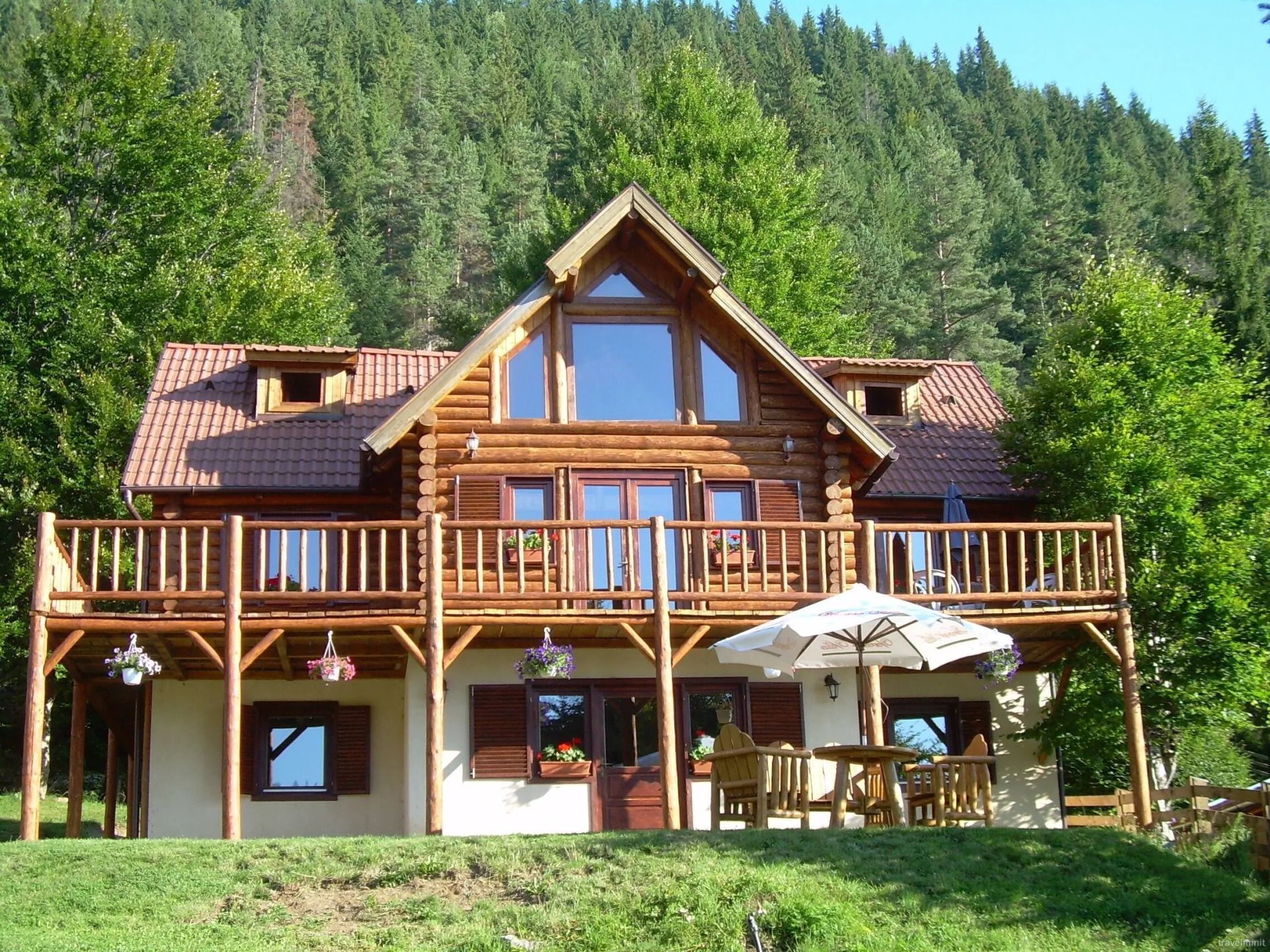
Vila Vereskő Lacu Roșu
Comfort, relaxation and stunning views, all just steps away from the main attractions.
FROM
280 lei per night

Cabin · 3 stars
Lacu Roşu, Neamț County · 3.2 km
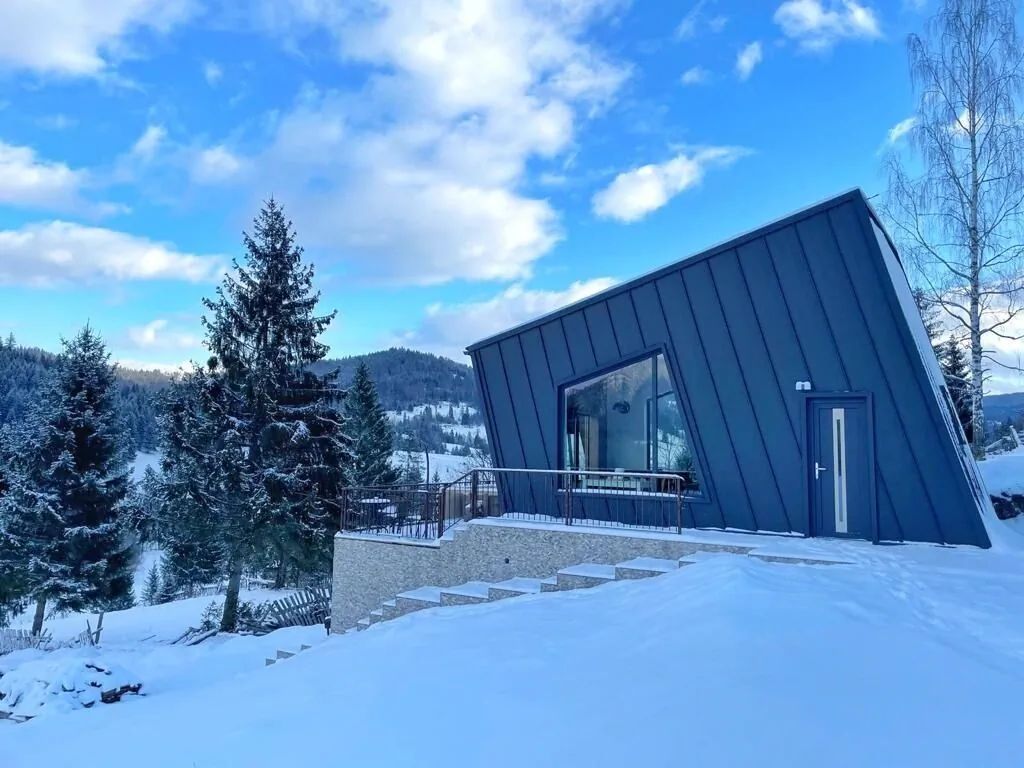
Tiny One cu Jacuzzi Lacu Roşu
Comfort, relaxation and stunning views, all just steps away from the main attractions.
FROM
270 lei per night
Guesthouse · 3 stars
Lacu Roşu, Neamț County · 3.2 km
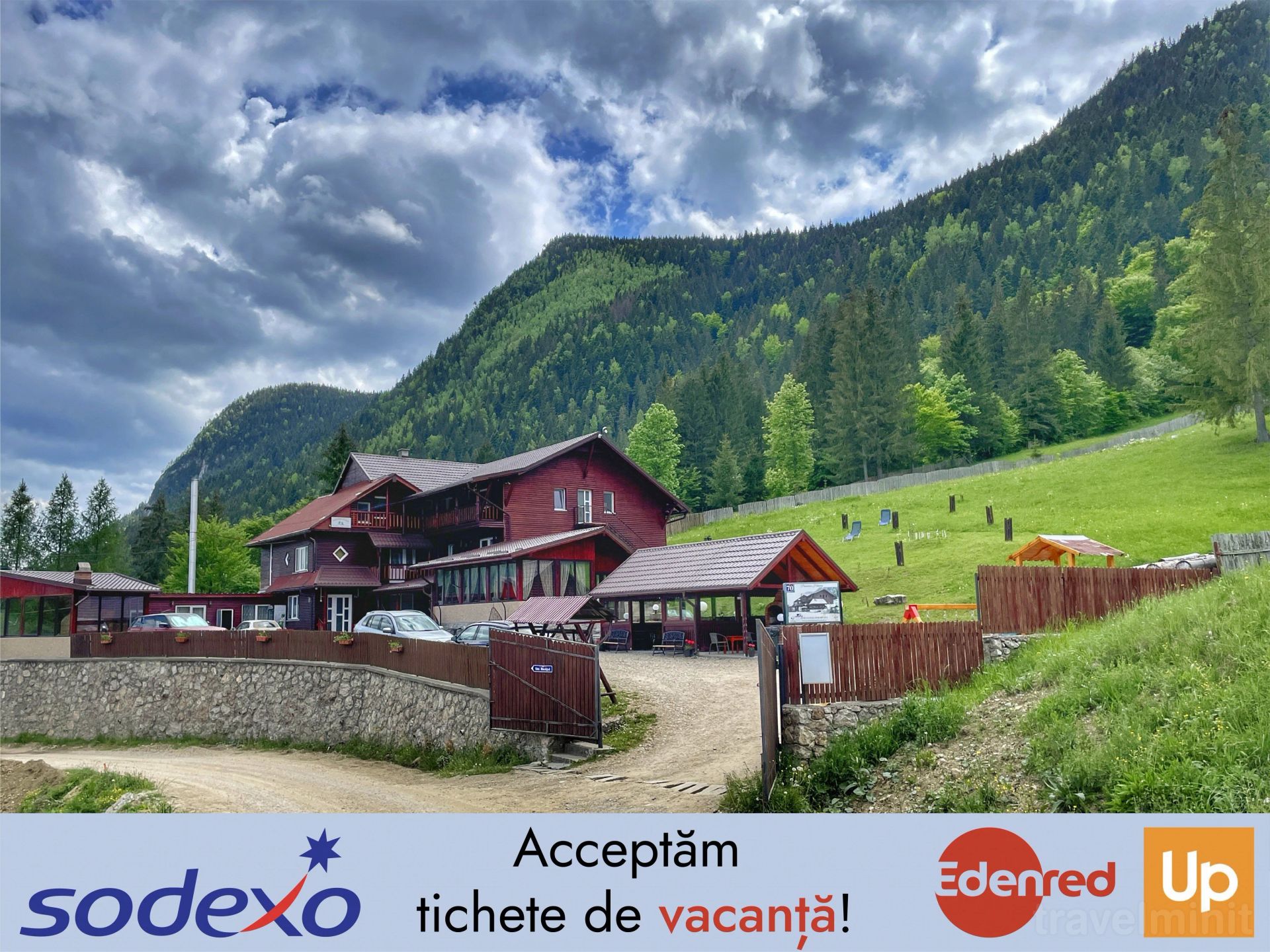
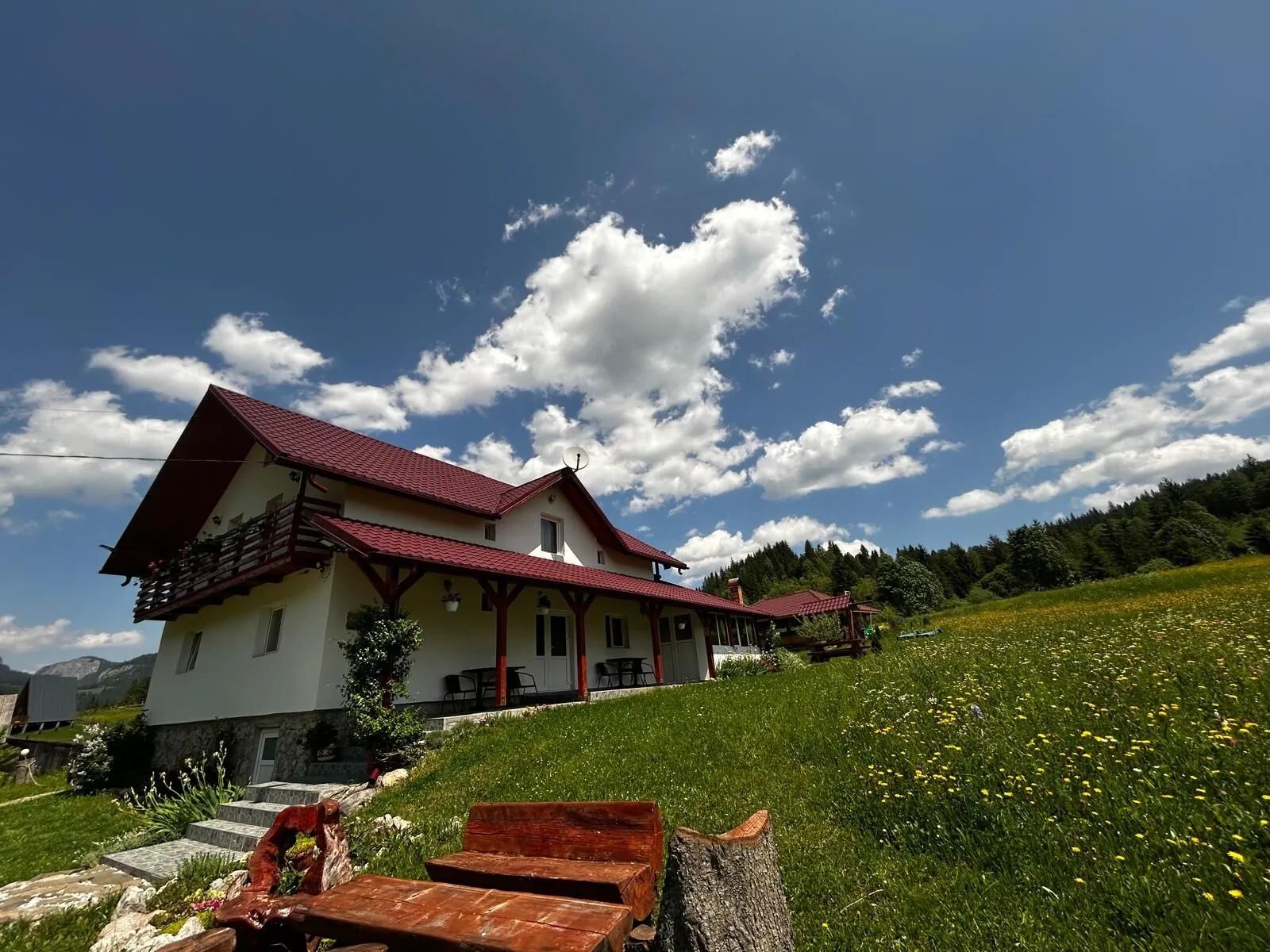
Pensiunea Hășmaș Lacu Roșu
O zi petrecută aici poate începe cu cafeaua de la cafeneaua din incintă și se poate încheia cu un grătar preparat în curtea mare. Pensiunea Hășmaș din Lacu Roșu oferă condiții confortabile pentru turiștii care ajung în această zonă montană din județul Neamț. Pensiunea pune la dispoziția dumneavoastră Wi-Fi gratuit, parcare privată gratuită și parcare pentru biciclete. În curtea mare și grădina amenajată veți găsi un foișor, un loc de joacă pentru copii la exterior și un bar unde vă puteți relaxa după o zi de explorare. De asemenea, aveți la dispoziție fier de călcat și depozit pentru bagaje. În apropiere se află Lacul Roșu, Cheile Bicazului, Munții Hășmaș, Lacu Roșu și Cheile Șugăului. De la unitate puteți porni în drumeții montane sau pe trasee în natură, explorând peisajele spectaculoase ale zonei și bucurându-vă de aerul curat al munților. Această pensiune este potrivită pentru familii cu copii, grupuri de prieteni și iubitori de natură care doresc să descopere frumusețea Munților Hășmaș într-un cadru liniștit și primitor.
FROM
240 lei per night
Cabin · 3 stars
Lacu Roşu, Neamț County · 4.0 km
Casa Chindea Lacul Roșu
Comfort, relaxation and stunning views, all just steps away from the main attractions.
FROM
270 lei per night
Holiday home · 3 stars
Bicaz-Chei, Neamț County · 7.4 km
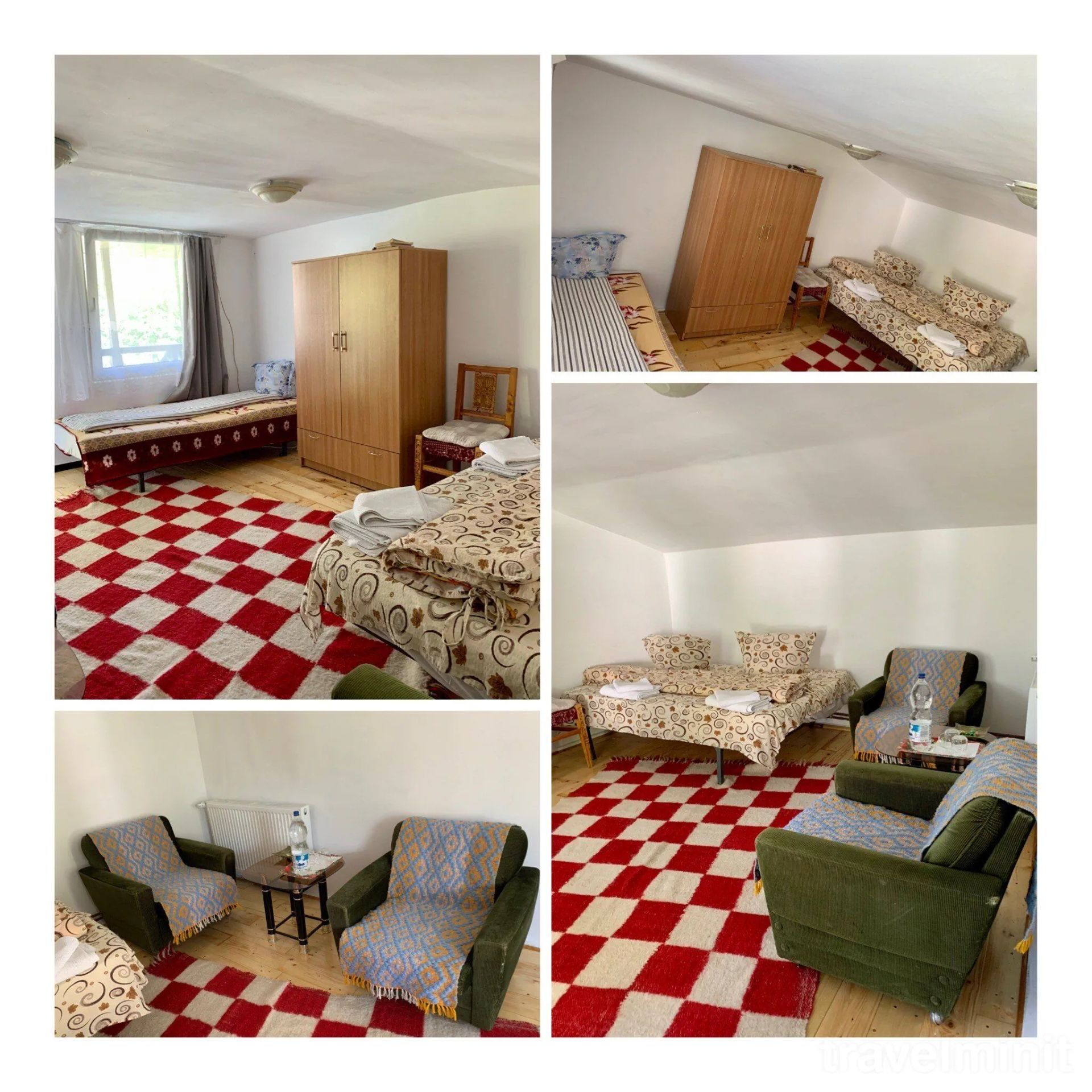
Acasa in Bicaz-Chei
Acasa in Bicaz-Chei este o casă de închiriat integrală, clasificată cu 3 stele, situată pe strada Speranței numărul 3 în localitatea Bicaz-Chei din județul Neamț, într-un peisaj montan liniștit. Vă așteptăm să vă bucurați de atmosfera autentică a zonei. Pentru confortul dumneavoastră pe toată durata șederii, unitatea pune la dispoziție Wi-Fi gratuit, parcare privată gratuită și parcare pentru biciclete. De asemenea, aveți la dispoziție un fier de călcat pentru a vă simți cu adevărat ca acasă. În exterior, curtea mare și grădina amenajată oferă un foișor primitor și un spațiu echipat cu grătar, ideale pentru momente petrecute în aer liber împreună cu cei dragi sau pentru seri liniștite sub cerul deschis. În apropiere se află Lacul Roșu, Cheile Bicazului, Cheile Șugăului, Vârful Ocolașul Mare din Munții Ceahlău și Munții Hășmaș. De asemenea, aveți acces direct la drumeții montane și trasee în natură, iar proprietarii vă pot oferi informații detaliate despre rutele din împrejurimi. După o zi petrecută explorând traseele montane din zonă, seara vă puteți relaxa în liniștea foișorului din curtea mare.
FROM
280 lei per night
Cabin · 3 stars
Gheorgheni, Harghita County · 8.8 km
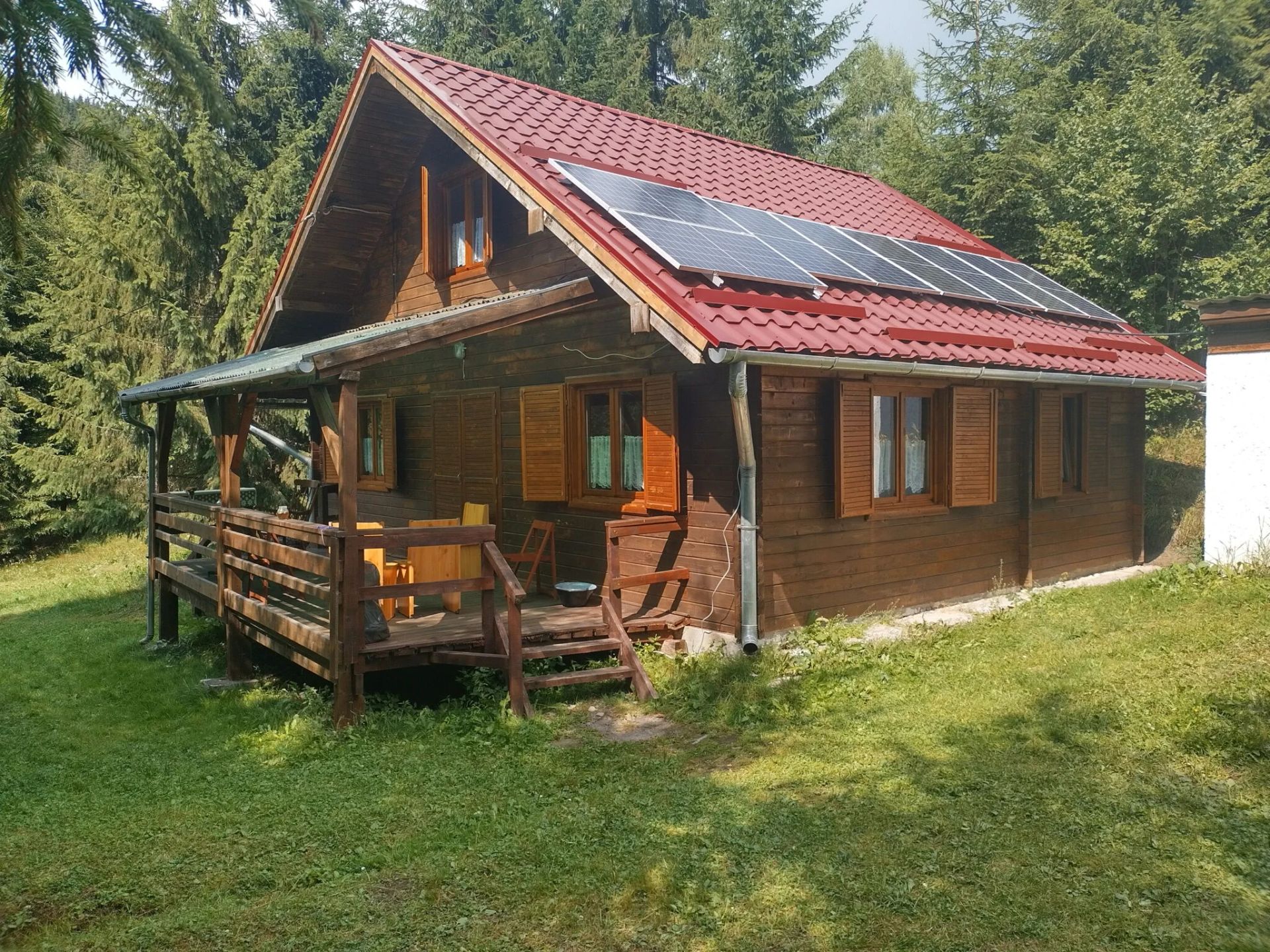
Cabana BeyKay Gheorgheni
În Gheorgheni, pe drumul DN 12C la kilometru 7, într-o vale înconjurată de munți și liniște, se află Cabana BeyKay Gheorgheni. Această cabană clasică de trei stele oferă un refugiu autentic într-un cadru natural liniștit, la doar 100 de metri de drumul național, într-o zonă montană perfectă pentru odihnă. Interiorul este amenajat pentru grupuri numeroase, oferind cinci camere pentru 11-12 persoane, un living spațios de 40 de metri pătrați, terasă și bucătărie complet utilată. Apa caldă este permanentă, iar încălzirea este asigurată prin centrală termică. Pentru momente de relaxare în aer liber, aveți la dispoziție parcare privată gratuită în curte, un loc de joacă pentru copii, grădină amenajată, grătar și ceaun pentru gătit. De asemenea, există un loc special amenajat pentru foc de tabără, cu lemnele necesare incluse. În apropiere puteți vizita Lacul Roșu, Munții Hășmaș, Cheile Bicazului, Lacu Roșu și Stațiunea Borsec, destinații care oferă peisaje spectaculoase și oportunități de drumeții. Vă așteptăm la Cabana BeyKay Gheorgheni!
FROM
270 lei per night
BEFORE YOU HIT THE ROAD
Weather conditions in Harghita
Local forecast for Red Lake Nature Reserve, Harghita, Harghita

Real-time updated weather data
Much more to explore in this area
Nearby tourist attractions

0.3 km

Harghita, Harghita County
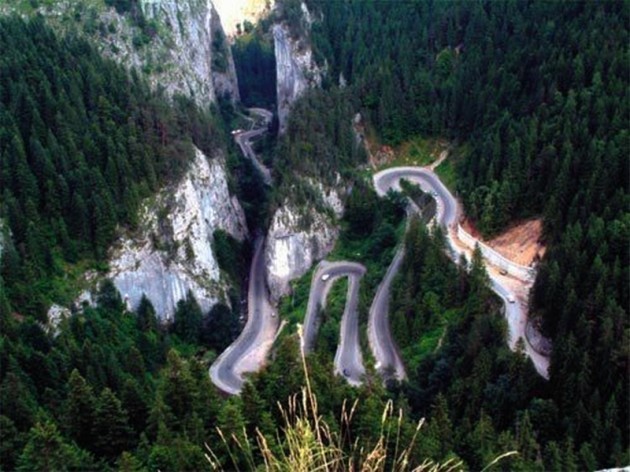
Bicaz Gorge
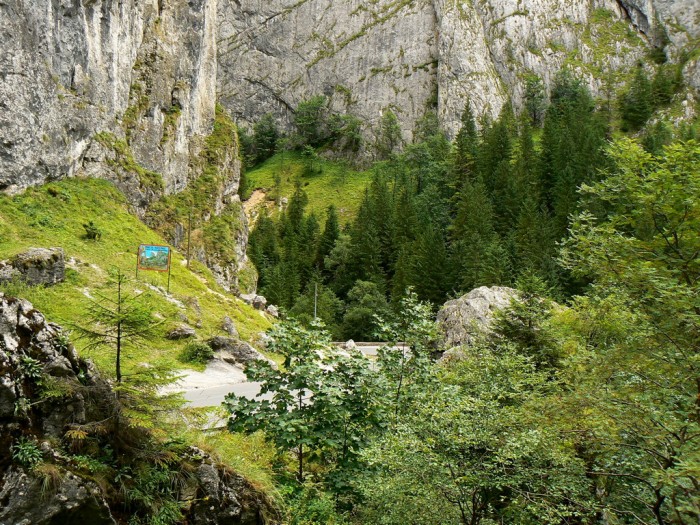
Cheile Bicazului sunt situate la 27 km sud-vest de orasul Bicaz, in Muntii Hasmas/Haghimas (grupa centrala a Carpatilor Orientali), in zona central-nord-estica...
3.7 km

Harghita, Harghita County
Borsec Spa Resort
Situata in depresiunea Borsec, la 26 km de orasul Toplita, pe DN Toplita - Piatra Neamt; amplasata la altitudinea de 900 m; efectele terapeutice ale apelor din...
25.6 km
Neamt, Neamț County
Ceahlău National Park
Situat la 10 km de Bicaz, in vestul judetului; incadrat in cuprinsul Masivului Ceahlau, localizat in grupa centrala a Carpatilor Orientali, in partea de sud-est...
25.1 km
Harghita, Harghita County
Bicaz Gorge National Park - Hășmaș Mountains
Situat la 27 km sud-vest de orasul Bicaz, in Muntii Hasmas/Haghimas (grupa centrala a Carpatilor Orientali), in zona central-nord-estica a Romaniei, pe raza...
3.8 km

Harghita, Harghita County
Șumuleu Ciuc Franciscan Monastery
Situata pe strada Szek, municipiul Miercurea Ciuc; construita in cea de a doua jumatate a secolului al XVIII - lea; la inceout avea o singura aripa, cu coridor...
45.7 km

Harghita, Harghita County
The church within the Baroque complex of Şumuleu Ciuc.
Situata in nord - estul municipiului Miercurea Ciuc, la poalele dealului Sumuleul Mic; construita intre anii 1804 - 1834, este cel mai imprtant loc de...
45.7 km

România, Transylvania
Vârful Ocolașul Mare, Munții Ceahlău
Vârful Ocolașul Mare, Munții Ceahlău (munte sau masiv) în județul România.
22.2 km
Neamt, Neamț County
Lake Izvorul Muntelui (Bicaz Lake)
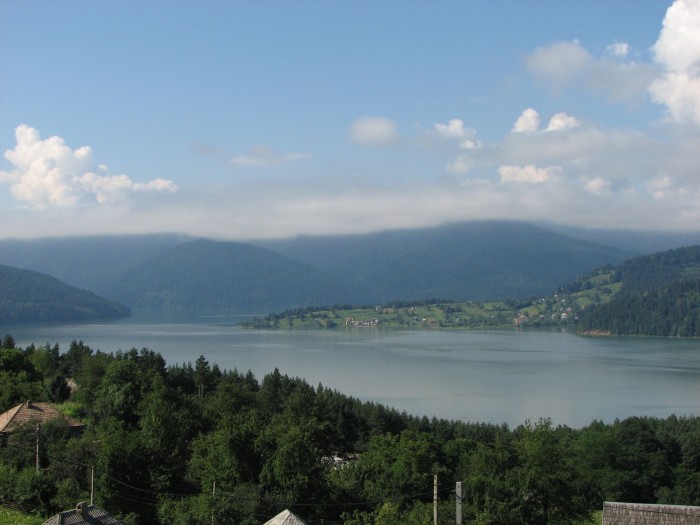
Situat la poalele Ceahlaului, pe cursul superior al raului Bistrita, la 4 km de orasul Bicaz; cunoscut si sub numele de "Lacul Bicaz", este cel mai mare lac...
32.8 km
5.0 km
31.8 km
36.2 km
Cultural life and traditions
Events in the Red Lake Nature Reserve area
Medieval festivals, traditional fairs, concerts and local activities recommended in Transylvania.

Heritage and History

Harghita, County of Harghita
The Festival of Medieval Fortresses and the Open Doors Days
Guided night tours, traditional crafts workshops and historical re-enactments featuring knights and ladies.
WHEN
May 15-17, 2026


Traditions and Cuisine
Harghita, County of Harghita
The Fair of Saxon Traditions and Local Cuisine
Discover local producers, traditional Saxon pastries baked in a wood-fired oven, artisanal syrups, and rhubarb jam.
WHEN
Every weekend (May - October)

Ecotourism and Nature
The hills of Transylvania, County of Harghita
Guided Hikes on the Transylvanian Hills Trail
Take excursions along unmarked trails through ancient meadows, centuries-old oak trees, and villages with fortified churches that are UNESCO World Heritage sites.
WHEN
Friday – Sunday (Season 2026)
On foot, exploration gains depth
Discover the surroundings and local geography
Explore the trails, terrain, and natural landmarks around Red Lake Nature Reserve.

Guides and practical tips
Useful travel articles
Travel guides, practical recommendations and tourist itineraries for Transylvania.

Tourist guide
Top 5 Atracții Turistice și Trasee Montane în Zona Moieciu - Bran
Descoperă cele mai spectaculoase peisaje carstice, chei adânci și cetăți medievale din imediata apropiere a stațiunii Moieciu.

Tourist guide
Ghid de Drumeție: Traseul Moieciu de Sus spre Platoul Bucegi
Un itinerariu montan de o frumusețe rară ce urcă din Valea Băngăleasa spre Poiana Guțanu și crestele maiestuoase ale Bucegilor.

Tourist guide
Castelul Bran: Istorie, Legende și Secrete Medievale
Află adevărata poveste a fortăreței medievale din Pasul Bran, reședința de suflet a Reginei Maria a României.
THE JOURNEY STARTS WITH AN IDEA
The next story is on the way.
From the first stop to the last stay, make room for a new Romania.
