


PLACE OF WORSHIP · TRANSYLVANIA
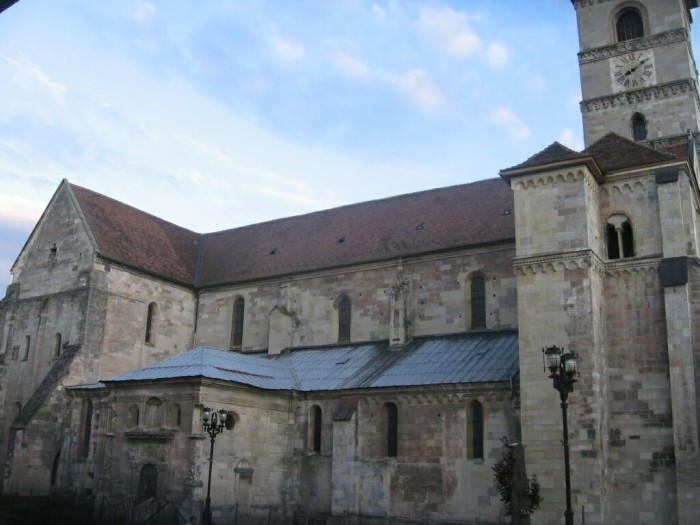
St. Michael's Roman Catholic Cathedral in Alba Iulia

Alba, Alba County
Add location to your trip planner.
Practical access information

VISITING HOURS
Monday: 12:00 PM – 5:00 PM · Tuesday–Sunday: 9:00 AM – 5:00 PM (in summer until 8:00 PM)

TICKET PRICE
Adults: 45 RON · Students: 11 RON · Seniors: 23 RON · Guided tour included

RECOMMENDED VISIT DURATION
2-3.5 hours
Visitor information and guide
 Navigate with Google Maps

ABOUT ST. MICHAEL'S ROMAN CATHOLIC CATHEDRAL IN ALBA IULIA
A Captivating Introduction and European Heritage Significance
In the heart of Transylvania, where the imperial roads of Central Europe intersect with the ancient pathways of the Danube, rises St. Michael's Roman Catholic Cathedral in Alba Iulia—a sanctuary that breathes eight centuries of history and bears the imprint of Europe’s great artistic movements and empires in its very stone. Built upon the ruins of an 11th-century basilica, this cathedral is not only the oldest Christian place of worship in the region but also a true architectural palimpsest, where the Romanesque of the Rhine, Central European Gothic, Italian Renaissance, and Habsburg Baroque converge. For the cultivated European traveler, stepping into the nave of this cathedral is akin to traversing the foundational epochs of Western civilization within a single monument—from the Christianization of Hungary under St. Stephen to the opulence of the courts of Vienna and Budapest. Situated within the third enceinte of the Alba Carolina Fortress, the cathedral stands as a testament to the spiritual resilience of a place that was once the seat of Transylvanian princes, a bastion of the Reformation, and later a frontier stronghold of the Habsburg Empire. It preserves the memory of a multiconfessional Europe and a dynastic history that links Transylvania to the thrones of France, Poland, and Austria.
Historical Roots and Connections to Europe’s Great Empires
The cornerstone of the present cathedral was laid in the second half of the 13th century, during the reign of King Charles I of Anjou, a representative of the French dynasty that ascended to the Hungarian throne in 1308. He brought with him artistic and political influences from the court of Naples, along with dynastic ties to Poland and the Kingdom of Sicily. This Angevin foundation placed Alba Iulia on the map of Europe’s great medieval cultural networks, at a time when the Kingdom of Hungary, under Charles I and later his son Louis the Great, was transforming into a centralized state inspired by Western models, open to Italian and German influences. The earlier church, built in the 11th century, had been erected during the reign of Hungary’s first Christian king, St. Stephen, marking the beginning of the official Christianization of the Carpathian Basin and the region’s integration into the Latin world of Europe—distinct from the Greek Byzantine sphere or the Ottoman influences pressing at the continent’s gates.
Over the 14th and 15th centuries, the cathedral underwent a significant Gothic transformation, reflecting the rise of the Luxembourg dynasty on the Hungarian throne under Sigismund of Luxembourg, the same Holy Roman Emperor who held the crown of Bohemia and aspired to the throne of Poland. During this era, when Flamboyant Gothic flourished from Prague to Cologne and from Kraków to Venice, Alba Iulia received a transept and a choir with pointed arches and ribbed vaults, engaging in a stylistic dialogue with the great cathedral construction sites of Central Europe. The 16th century brought Renaissance elements, influences from Italian courts that reached the heart of Transylvania through Italian craftsmen and papal diplomacy, while the 17th and 18th centuries, under Habsburg rule, transformed the interior into a lavish Baroque temple, reflecting the spirit of the Counter-Reformation and the dynastic ties between the House of Habsburg and the Holy See in Rome. Thus, the cathedral became a symbol of the continuity of Catholicism in a region that, from the mid-16th century onward, experienced profound confessional upheavals, remaining a bastion of Latin tradition in a Principality of Transylvania that was predominantly Reformed and Orthodox.
An Architectural Masterpiece: Stylistic Synthesis and Dialogue with European Architecture
Unique in the Romanian architectural landscape for its ability to harmoniously blend four major epochs of European sacred art, St. Michael’s Cathedral offers a lesson in architectural history within a single monument, comparable to the great cathedrals of the Rhine or the Danube Basin. The Romanesque core, preserved especially in the southern tower—massive and austere, with narrow windows and rounded arcades—evokes the spiritual solidity of the 13th century and presents direct parallels with the imperial cathedrals of the Rhine region, such as those in Speyer, Worms, or Mainz, as well as Lombard influences that penetrated the Carpathian Basin through monastic orders and Italian master builders.
In the 14th and 15th centuries, under the influence of Late Gothic, the transept and choir were added, featuring elegant pointed arches and ribbed vaults that open the space to light, engaging in a stylistic dialogue with Gothic architecture from Central Europe—from St. Vitus Cathedral in Prague to St. Stephen’s Cathedral in Vienna or Wawel in Kraków. The Renaissance elements, visible in the rounded windows and ornamental details of the 16th century, bring a note of classical elegance and proportional balance, reflecting the influences of Italian courts and European humanism that reached Transylvania through the Hungarian nobility and princely chancelleries. Finally, the northern tower and the Baroque interior decorations from the 17th and 18th centuries reflect the spirit of the Counter-Reformation and the opulence of the Habsburg era, with elaborate stuccowork, Corinthian columns, and gilded altars that evoke the great Baroque churches of Salzburg, Vienna, or Rome, placing the monument in stylistic continuity with the artistic center of Catholic Europe.
A particular treasure is the "Madonna of the Beautiful Door" (Porta Pulchra), a Late Gothic artwork with pronounced Byzantine influences, illustrating the synthesis between Eastern iconographic tradition and Western sculptural technique. This representation of the Virgin Mary, with Byzantine features framed in a Gothic setting, recalls the cultural heritage of the Byzantine Empire and the commercial and diplomatic ties between Venice, Constantinople, and the Christian kingdoms of Eastern Europe, demonstrating that Alba Iulia stood at the crossroads between East and West.
The Episcopal Necropolis and Transylvanian Dynastic Memory
Beneath the Gothic vaults of the cathedral lies one of Romania’s most significant ecclesiastical and dynastic necropolises, transforming the sacred space into a mausoleum of European historical memory. Over the centuries, the interior of the monument has served as the burial place for notable figures of the era, and in the southern crypt, the sarcophagi of the Roman Catholic bishops of Alba Iulia from the last two hundred years are preserved, crafted in various styles from Classicism to Neo-Gothic, forming a veritable museum of Transylvanian religious memory.
However, the most impressive funerary presence is that of King Matthias Corvinus (Matthias Corvinus), one of Europe’s greatest Renaissance monarchs, who died in 1490 and was buried in this cathedral. The son of John Hunyadi, the governor of Hungary who defeated the Ottomans at Belgrade in 1456, Matthias Corvinus was King of Hungary and Croatia, a claimant to the Bohemian throne, and ruler of a Renaissance court that rivaled that of Lorenzo de’ Medici in Florence, hosting his famous library and artists such as Francesco Rossellino. His presence in the cathedral’s necropolis definitively links Transylvania to the great European courts of the Renaissance, demonstrating the central role of this city in the politics of Central Europe. Alongside him rest other members of the princely and episcopal elite, whose funerary monuments provide valuable insights into the ecclesiastical hierarchy and the dynastic ties between Transylvania and the Catholic courts of Europe, from Vienna to Rome and from Kraków to Naples.
Stories, Personalities, and Turning Points in History
The history of the cathedral is punctuated by decisive moments for the fate of Central Europe, bearing witness to numerous ecclesiastical synods and princely diets that shaped the political and religious life of the Principality of Transylvania. In the 16th century, when the Protestant Reformation had swept across much of Transylvania, the cathedral remained a bastion of Catholicism, likely hosting crucial theological debates and keeping the flame of Latin tradition alive in a region that had adopted Calvinism and Unitarianism. This spiritual resilience meant that, during the Habsburg reconquest of the 17th century, the cathedral was restored and once again became a center of official religious life, a symbol of the restoration of imperial and ecclesiastical authority.
A pivotal moment came with the construction of the Alba Carolina Fortress in the 18th century, under the guidance of the Italian architect Giovanni Morando Visconti and inspired by the fortification system of Vauban. The city was transformed into a first-rate bastion fortress of the Habsburg Empire. In this context, the cathedral was saved from demolition and integrated into the new enceinte, becoming the royal chapel of the imperial garrison and witnessing the passage of Austrian, Hungarian, and even Russian troops through Transylvania. Over time, the cathedral hosted princely coronations and military ceremonies, and in the 19th century, it became the seat of a bishopric that played a diplomatic role between the Court of Vienna and the Catholic communities of Transylvania, maintaining ties with the Holy See and other dioceses of the Austro-Hungarian Empire.
Practical Visitor’s Guide and the Contemporary Traveler’s Experience
For today’s European traveler, St. Michael’s Cathedral unfolds as a profound heritage experience, situated at the heart of the third enceinte of the Alba Carolina Fortress—a unique bastion complex in Southeastern Europe, with seven star-shaped bastions built according to the principles of 18th-century French military art. Access is gained through the Third Gate of the fortress, after the traveler crosses the stone bridge over the defensive moats, entering a space that preserves the atmosphere of a 17th-century princely capital.
The optimal time to visit is early morning or late afternoon, when light filters through the Gothic stained glass and the massive towers, illuminating the austere Romanesque architecture of the southern tower and the Baroque opulence of the interior altars in different ways. Visitors can explore the episcopal crypt, where the marble and stone sarcophagi of Catholic bishops lie beneath the Gothic vaults, admire the "Madonna of the Beautiful Door," and traverse the central nave, understanding the historical stratification of a place that witnessed events decisive for Europe’s destiny. It is recommended to combine the visit with that of the nearby Coronation Orthodox Cathedral, built in 1921 as a symbol of national unity and confessional coexistence, offering a complete perspective on the city’s religious heritage. In the immediate vicinity are the National Union Museum and the Roman Catholic Episcopal Palace, completing a cultural itinerary that allows for a deep understanding of Alba Iulia’s role as a political, spiritual, and artistic center of Transylvania over the centuries, at the border between the Western Latin world and the unique cultural identity of Transylvania.
Media gallery
Discover St. Michael's Roman Catholic Cathedral in Alba Iulia in pictures

2 photos · Architecture, courtyards and captivating details

Image source: Wikimedia Commons · Public domain photos · Free license
STAY A FEW DAYS, DISCOVER THE MAGIC
Accommodation in the St. Michael's Roman Catholic Cathedral in Alba Iulia area

Apartment · 3 stars

Alba Iulia, Alba County · 0.5 km
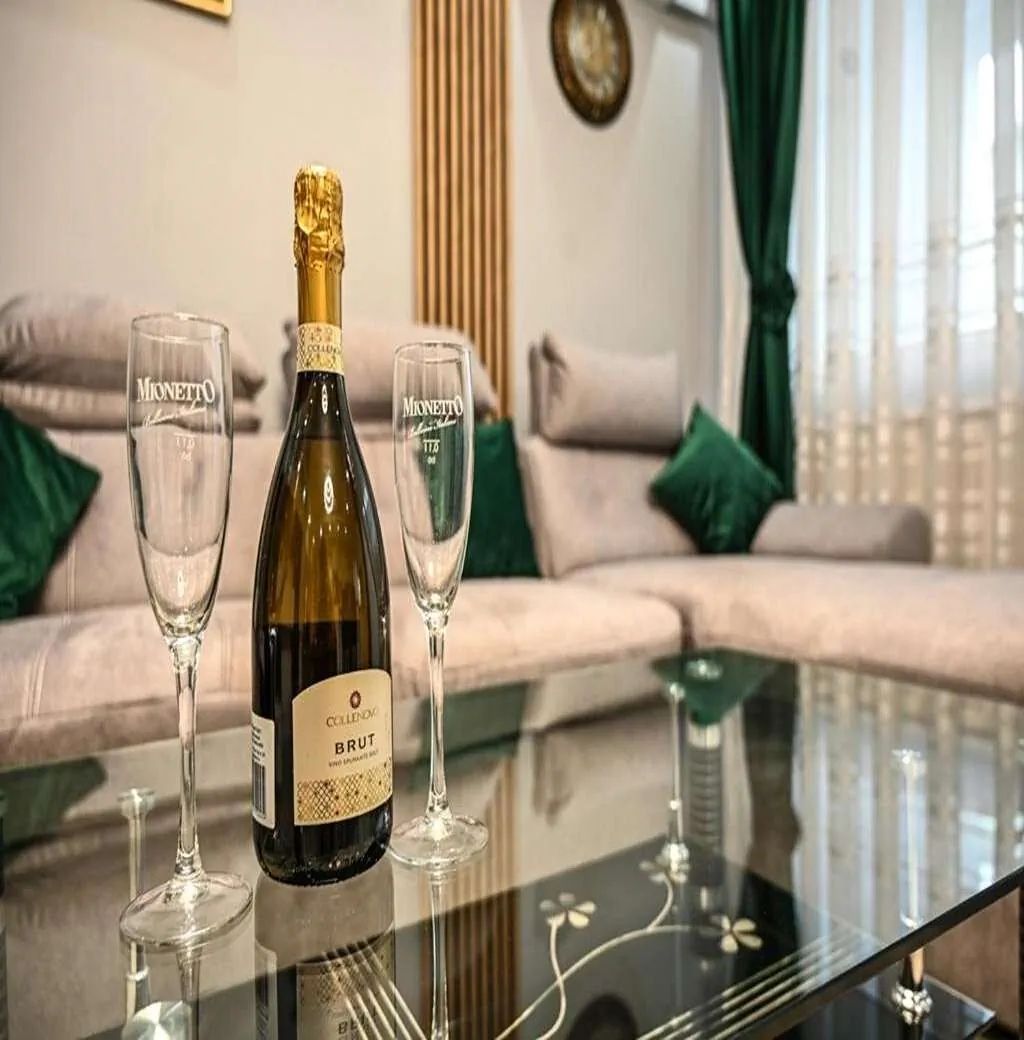
Apartament Domus Regis Cetate Alba Iulia
Comfort, relaxation and stunning views, all just steps away from the main attractions.
FROM
230 lei per night

Hotel · 3 stars
Alba Iulia, Alba County · 0.6 km
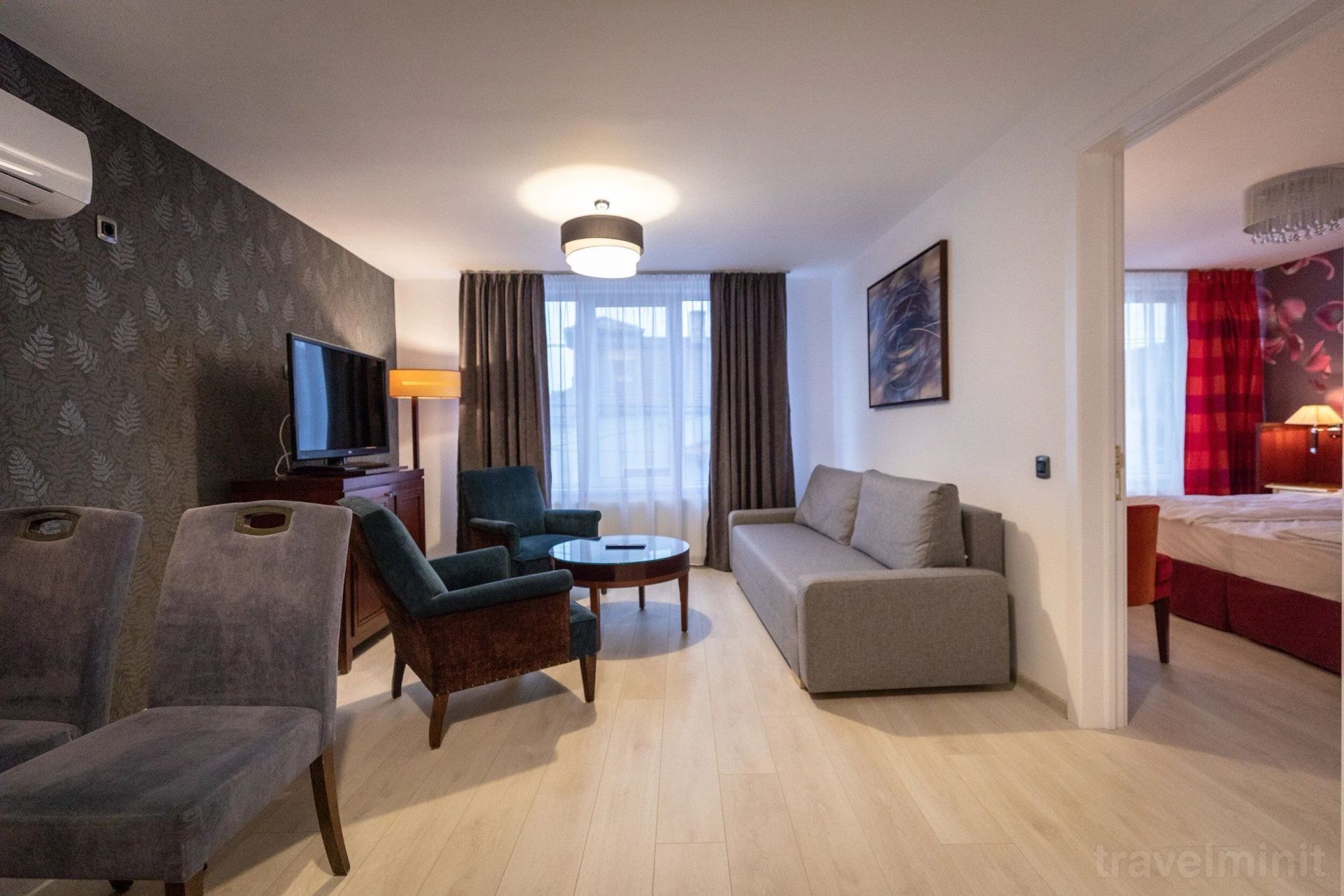
Derby ApartHotel Alba Iulia
Parcarea privată gratuită reprezintă un avantaj real pentru Derby ApartHotel Alba Iulia din Alba Iulia, mai ales pentru dumneavoastră dacă veniți cu mașina. Unitatea se află pe bulevardul Octavian Goga și oferă cazare într-un cadru modern și primitor. Pe lângă parcare, aveți la dispoziție Wi-Fi gratuit în toate spațiile. Hotelul pune la dispoziție cinci camere mobilate modern, fiecare dotată cu baie privată, iar unele dintre ele beneficiază și de aer condiționat pentru a vă asigura confortul necesar pe tot parcursul șederii. În apropiere puteți vizita Cetatea Alba Carolina, Catedrala Romano-Catolică Sfântul Mihail din Alba Iulia, Palatul Principi, Muzeul Național al Unirii din Alba Iulia și Catedrala Reîntregirii. Aceste obiective istorice și culturale fac din șederea dumneavoastră una bogată în experiențe. Check-in-ul se efectuează de la ora 14:00, iar check-out-ul până la ora 12:00. Personalul vorbește numeroase limbi străine, inclusiv engleză, germană, franceză și maghiară, iar plata cazării se poate realiza prin numerar, card bancar sau transfer bancar. Vă așteptăm la Derby ApartHotel Alba Iulia, unde parcarea privată gratuită și accesul facil pe bulevardul Octavian Goga vă asigură un sejur confortabil.
FROM
290 lei per night
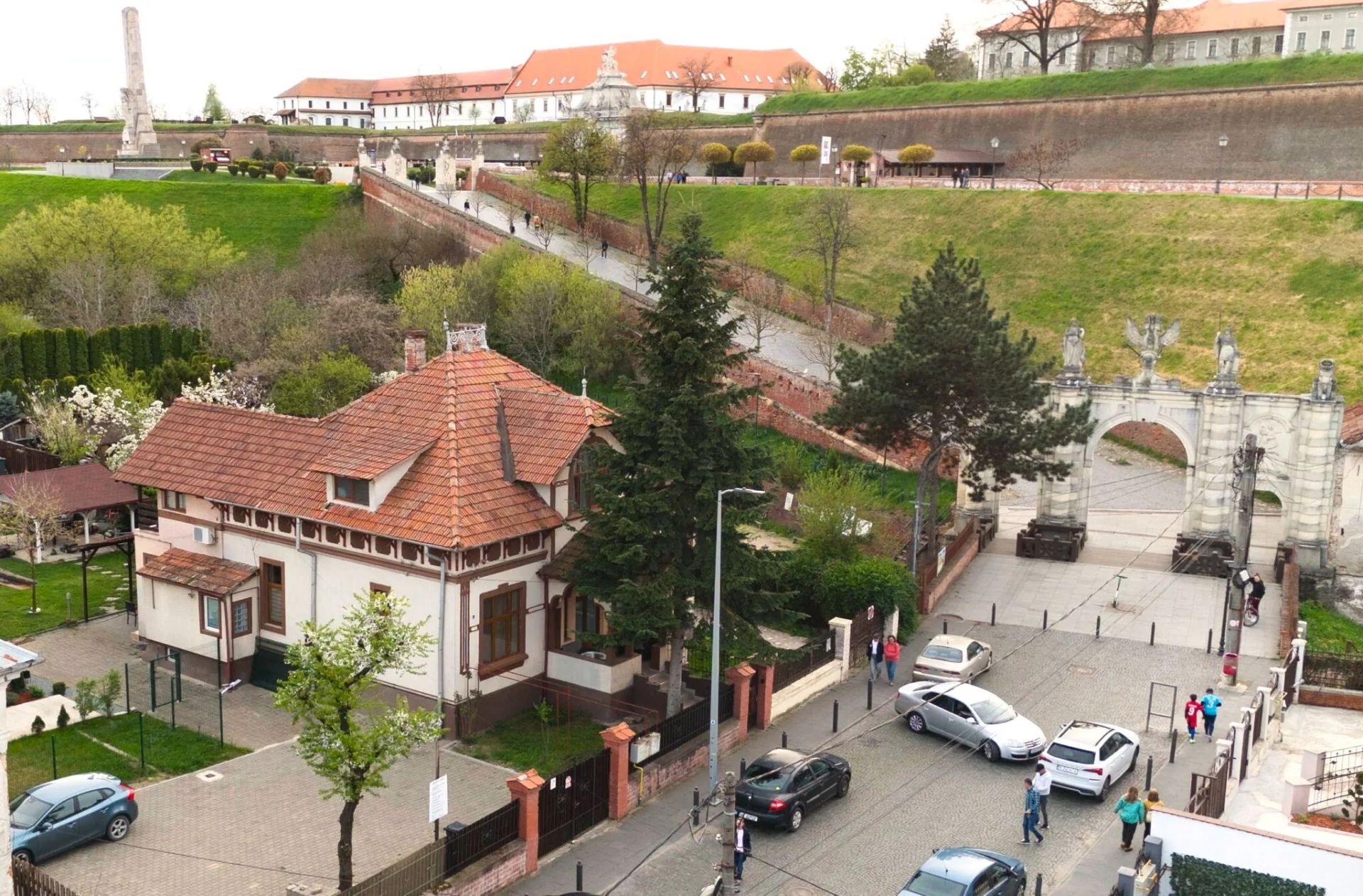
Apartment · 3 stars
Alba Iulia, Alba County · 0.6 km
La Poarta Cetății Alba Iulia
La Poarta Cetății Alba Iulia este un apartament de închiriat clasificat cu 3 stele, situat în municipiul Alba Iulia, pe strada Mihai Viteazul. Apartamentul oferă acces gratuit la internet Wi-Fi și parcare privată gratuită, fiind potrivit pentru cei care călătoresc cu mașina. Oaspeții beneficiază de un teren amenajat de sport pentru fotbal, de un teren de tenis și de posibilitatea de a închiria biciclete pentru a explora împrejurimile. Pentru confort și siguranță, proprietatea dispune de seif, depozit pentru bagaje și fier de călcat, iar familiile cu copii mici găsesc un pătuț pentru bebeluș. Există și parcare pentru biciclete, iar drumețiile montane și traseele în natură pornesc chiar din această zonă, oferind ocazii de relaxare în aer liber. În apropiere se află principalele obiective turistice ale orașului: Cetatea Alba Carolina, Palatul Principi, Catedrala Romano-Catolică Sfântul Mihail, Muzeul Național al Unirii și Catedrala Reîntregirii. Toate aceste monumente istorice sunt accesibile ușor pe jos din locația apartamentului. Seara, după o zi de vizitat monumente istorice, vă puteți relaxa pe terenul de tenis sau puteți organiza un meci de fotbal pe terenul amenajat, profitând de aerul curat al serii și de liniștea zonei.
FROM
230 lei per night
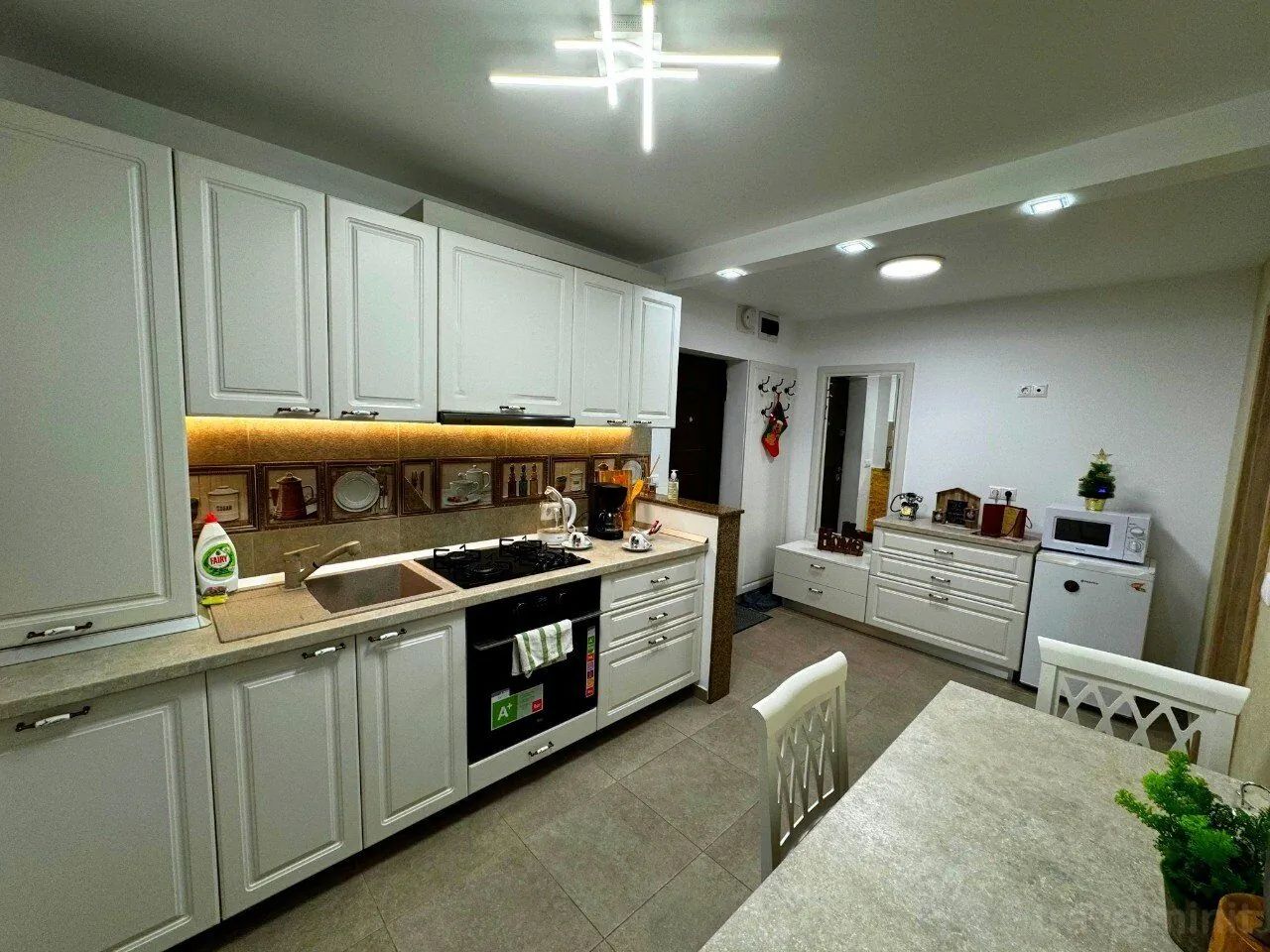
Apartment · 3 stars
Alba Iulia, Alba County · 0.6 km
Boulevard Flat Alba Iulia
Renovat recent și modernizat cu grijă, apartamentul se află pe strada Arnsberg din Alba Iulia, în apropierea Bulevardului Transilvania. Boulevard Flat Alba Iulia vă întâmpină cu un spațiu luminos, modern și primitor, potrivit pentru un sejur confortabil în oraș. Interiorul oferă o bucătărie complet echipată pentru prepararea meselor zilnice, un dormitor matrimonial confortabil și o baie dotată cu prosoape, săpun și hârtie igienică. Aveți la dispoziție și produse de curățenie pentru întreținere, iar conexiunea Wi-Fi gratuit asigură acces rapid la internet pe toată durata șederii. Pentru serile liniștite petrecute acasă, puteți alege dintre cărți, rezolvarea de puzzle-uri sau vizionarea de filme pe Netflix. Este un spațiu călduros și primitor unde vă puteți simți bine după o zi plină de descoperiri în oraș. În apropiere se află principalele obiective turistice ale zonei: Cetatea Alba Carolina, Catedrala Romano-Catolică Sfântul Mihail, Palatul Principi, Muzeul Național al Unirii și Catedrala Reîntregirii, toate ușor de vizitat. Vă așteptăm cu drag la Boulevard Flat Alba Iulia, cu loc de parcare dedicat pentru mașina dumneavoastră.
FROM
230 lei per night
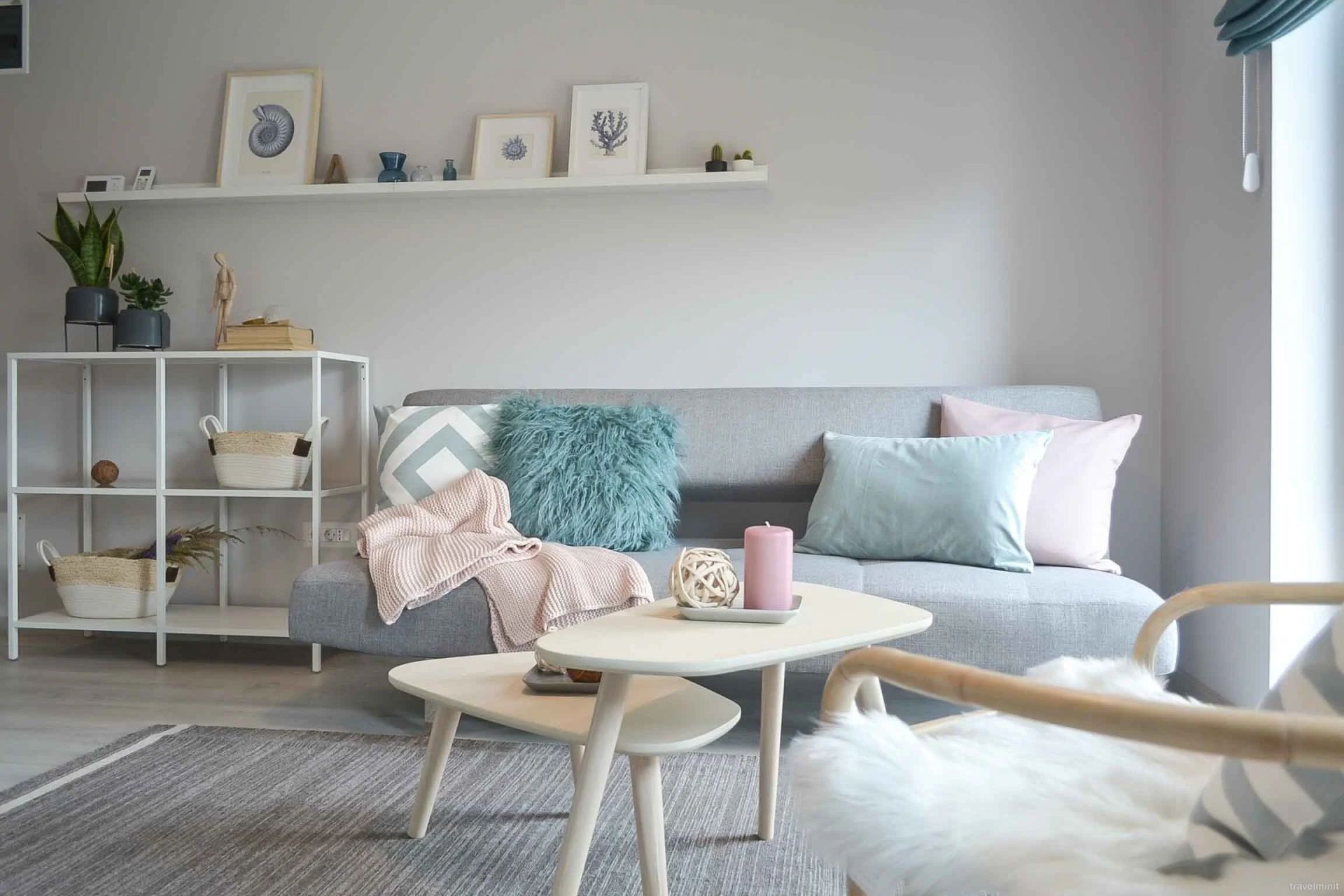
Holiday villa · 3 stars
Alba Iulia, Alba County · 0.7 km
Vila White Tulip Alba Iulia
Vila White Tulip este o vilă turistică situată în Alba Iulia. Vă punem la dispoziție patru camere confortabile și plăcut amenajate, fiecare dotată cu baie proprie. Aerul condiționat asigură un climat plăcut în orice sezon, iar conexiunea Wi-Fi gratuită vă permite să rămâneți conectați pe toată durata șederii dumneavoastră. De asemenea, beneficiați de parcare privată gratuită, astfel încât mașina dumneavoastră rămâne în siguranță pe întreaga perioadă a cazării. În apropiere puteți vizita Cetatea Alba Carolina, Catedrala Romano-Catolică Sfântul Mihail din Alba-Iulia, Palatul Principi, Muzeul Național al Unirii din Alba Iulia și Catedrala Reîntregirii. Aceste monumente istorice și lăcașuri de cult importante completează experiența culturală pe care orașul o oferă fiecărui vizitator. La recepție veți fi întâmpinați în limba română, engleză sau italiană. Ziua de cazare începe la ora 15:00, iar eliberarea camerei se face până la ora 11:00. Plata se poate efectua prin numerar, card bancar, transfer bancar, card de vacanță, avans travelminit sau voucher travelminit. Seara, după o zi petrecută printre obiectivele orașului, vă puteți relaxa în cameră beneficiind de răcoarea aerului condiționat și de accesul la internet prin Wi-Fi.
FROM
280 lei per night
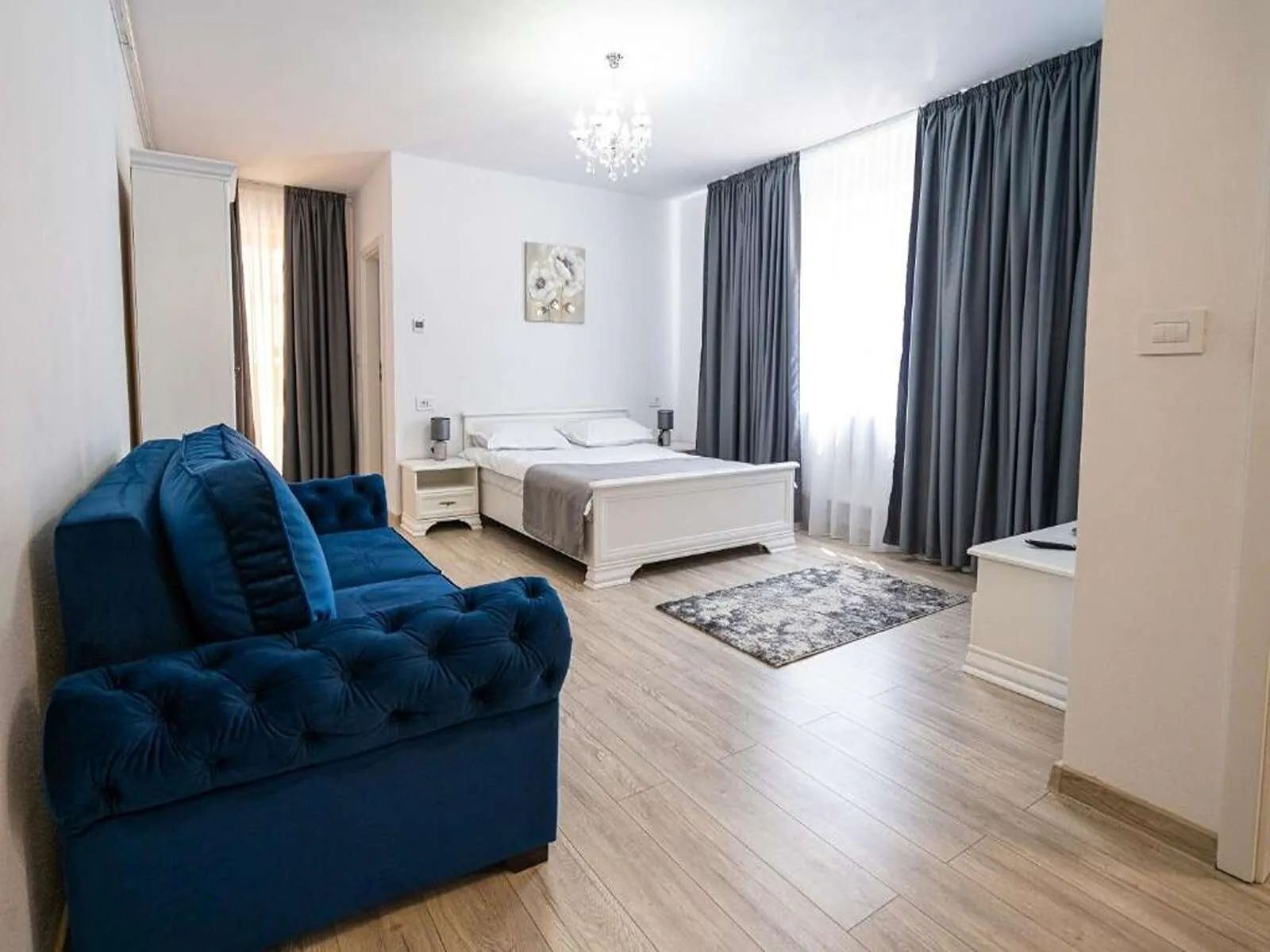
Hotel · 3 stars
Alba Iulia, Alba County · 0.9 km
Armada Apart Hotel Alba Iulia
Armada Apart Hotel Alba Iulia este un hotel de 3 stele situat pe strada Ștefan cel Mare 8, într-un imobil nou și modern din orașul Alba Iulia. Unitatea pune la dispoziția dumneavoastră cinci suite, dintre care un apartament și patru studio-uri, fiecare amenajat pentru un sejur confortabil. În fiecare spațiu de cazare veți regăsi lenjerii de pat, prosoape, o bucătărie complet utilată și un pat matrimonial. De asemenea, aveți la dispoziție balcon, Smart TV, acces la Netflix și conexiune WiFi. Amplasarea hotelului vă oferă acces facil către principalele puncte de interes din oraș. În apropiere puteți vizita Cetatea Alba Carolina, Palatul Principi, Catedrala Romano-Catolică Sfântul Mihail, Muzeul Național al Unirii și Catedrala Reîntregirii. Toate aceste monumente istorice și instituții culturale vă așteaptă să le descoperiți pe parcursul șederii dumneavoastră, de la fortificațiile cetății până la lăcașurile de cult. Pentru deplasările cu autoturismul, beneficiați de parcare privată gratuită și supravegheată video, direct la unitate, astfel încât vehiculul dumneavoastră să rămână în siguranță pe toată durata șederii.
FROM
290 lei per night
BEFORE YOU HIT THE ROAD
Weather conditions in Alba
Local forecast for St. Michael's Roman Catholic Cathedral in Alba Iulia, Alba, Alba

Real-time updated weather data
Much more to explore in this area
Nearby tourist attractions


Alba, Alba County
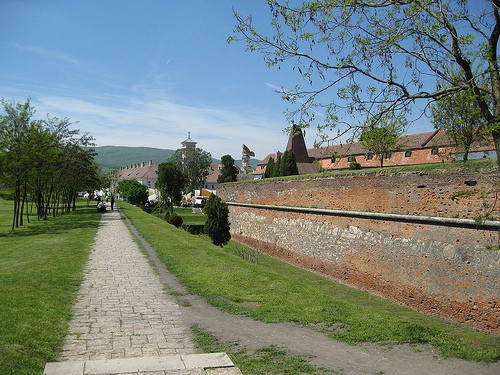
Alba Carolina Citadel
Aflata in partea de sud-vest a cetatii Alba Iulia; se numara printre cele sapte minuni ale Romaniei;considerata cea mai reprezentativa fortificatie bastionara...
0.3 km
Hunedoara, Hunedoara County
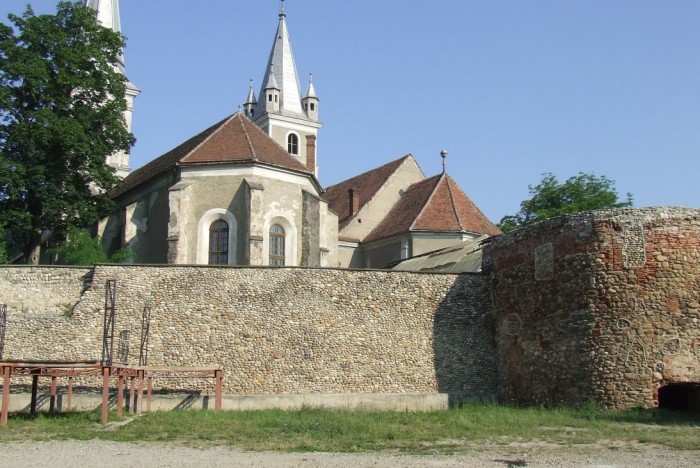
Orăștie Citadel
Situata pe strada N. Balcescu, municipiul Orastie, judetul Hunedoara; construita in preajma anului 1300; atestata documentar in 1544 de catre Sebastian Munster,...
38.6 km
Alba, Alba County
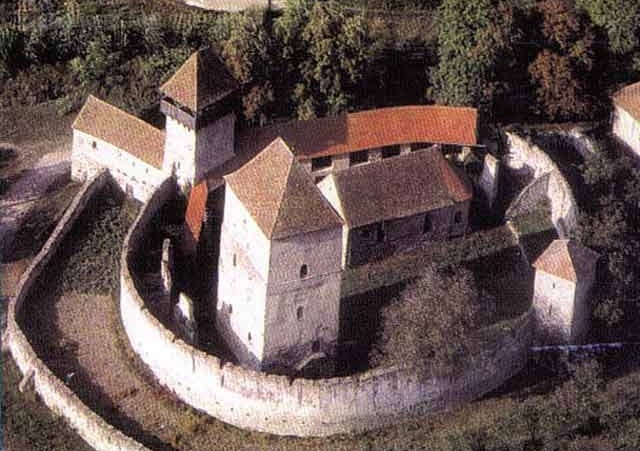
Călnic Citadel
Se gaseste in satul cu acelasi nume, pe drumul dintre Sibiu si Sebes;este unul dintre monumentele de arhitectura cele mai interesante din Romania, ocupand un...
21.2 km
Alba, Alba County
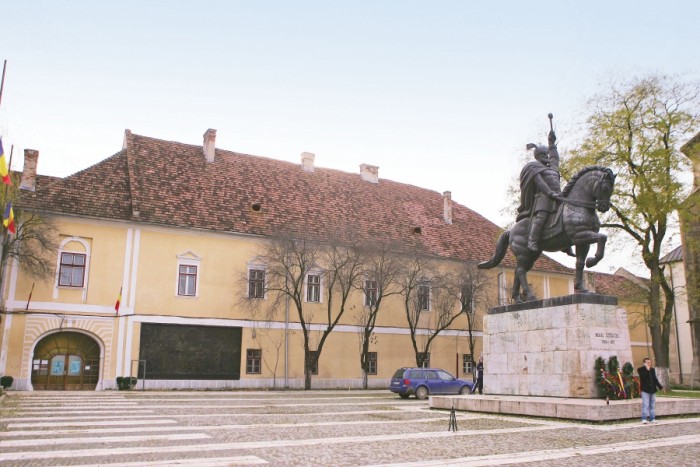
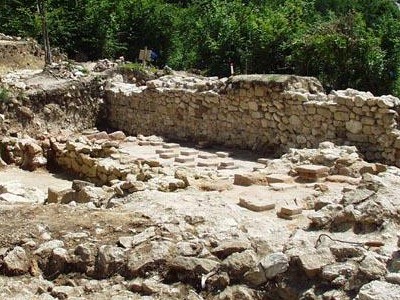
Princely Palace (Voivodal Palace of Alba Iulia)
Este situat in vecinatatea Catedralei Romano-Catolice, localitatea Alba-Iulia, a fost construit in secolul al XV-lea, avand rolul de resedinta a principilor...
0.3 km
Alba, Alba County
Alburnus Maior Fortress
Situata in localitatea Rosia Montana, pe Dealul Cetatii, in apropierea fostelor exploatari romane;a reprezentat punctul de aparare al localitatii si al...
42.9 km

30.0 km
31.8 km
44.0 km

Alba, Alba County
National Union Museum in Alba Iulia
Situat pe strada Mihai Viteazul, nr. 12 - 14, municipiul Alba Iulia; se numara printre cele mai importante institutii muzeale din Romania, atat din punct de...
0.1 km
Alba, Alba County
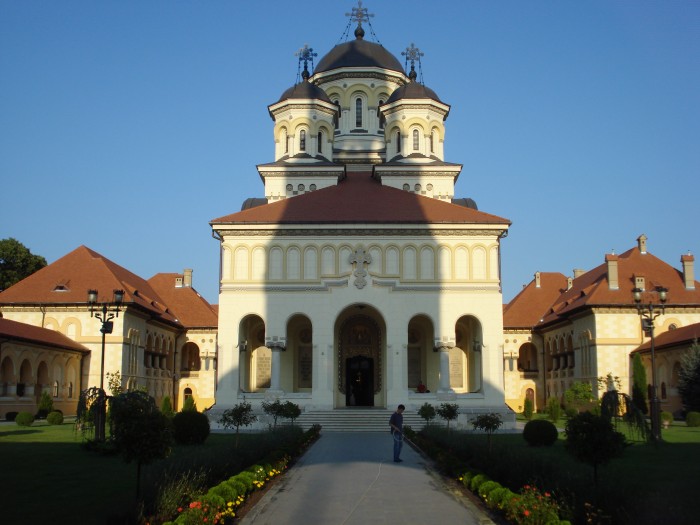
Coronation Cathedral
Situata pe strada Mihai Viteazul, localitatea Alba Iulia;constituie simbolul unitatii noastre nationale realizata prin actul din 1918; arhitectura sa este...
0.1 km
Alba, Alba County
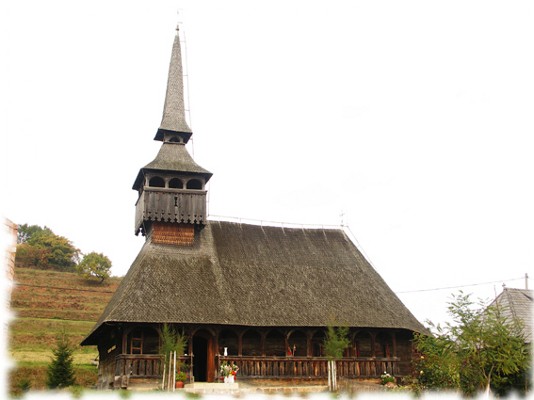
Saint John the Baptist Monastery in Alba Iulia
Situata in zona Valea Popii, municipiul Alba Iulia; construita in anul 1937; poarta hramul "Nasterea Sfantului Ioan Botezatorul"; in anul 1966 a fost...
0.7 km
Alba, Alba County
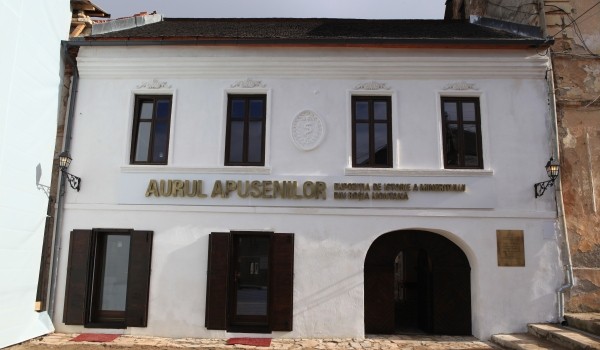
Roșia Montană Gold Mining Museum
Situat pe strada Principala nr.178 din localitatea Rosia Montana; este poate cel mai autentic document de ilustrare a activitatii mineresti in Muntii Apuseni,...
43.1 km
Cultural life and traditions
Events in the St. Michael's Roman Catholic Cathedral in Alba Iulia area
Medieval festivals, traditional fairs, concerts and local activities recommended in Transylvania.

Heritage and History

Alba, County of Alba
The Festival of Medieval Fortresses and the Open Doors Days
Guided night tours, traditional crafts workshops and historical re-enactments featuring knights and ladies.
WHEN
May 15-17, 2026


Traditions and Cuisine
Alba, County of Alba
The Fair of Saxon Traditions and Local Cuisine
Discover local producers, traditional Saxon pastries baked in a wood-fired oven, artisanal syrups, and rhubarb jam.
WHEN
Every weekend (May - October)

Ecotourism and Nature
The hills of Transylvania, County of Alba
Guided Hikes on the Transylvanian Hills Trail
Take excursions along unmarked trails through ancient meadows, centuries-old oak trees, and villages with fortified churches that are UNESCO World Heritage sites.
WHEN
Friday – Sunday (Season 2026)
On foot, exploration gains depth
Discover the surroundings and local geography
Explore the trails, terrain, and natural landmarks around St. Michael's Roman Catholic Cathedral in Alba Iulia.

Guides and practical tips
Useful travel articles
Travel guides, practical recommendations and tourist itineraries for Transylvania.

Tourist guide
Top 5 Atracții Turistice și Trasee Montane în Zona Moieciu - Bran
Descoperă cele mai spectaculoase peisaje carstice, chei adânci și cetăți medievale din imediata apropiere a stațiunii Moieciu.

Tourist guide
Ghid de Drumeție: Traseul Moieciu de Sus spre Platoul Bucegi
Un itinerariu montan de o frumusețe rară ce urcă din Valea Băngăleasa spre Poiana Guțanu și crestele maiestuoase ale Bucegilor.

Tourist guide
Castelul Bran: Istorie, Legende și Secrete Medievale
Află adevărata poveste a fortăreței medievale din Pasul Bran, reședința de suflet a Reginei Maria a României.
THE JOURNEY STARTS WITH AN IDEA
The next story is on the way.
From the first stop to the last stay, make room for a new Romania.
