


PLACE OF WORSHIP · MUNTENIA (WALLACHIA)
Stavropoleos Monastery Church

Bucuresti, Bucharest
Add location to your trip planner.
Practical access information

VISITING HOURS
Monday: 12:00 PM – 5:00 PM · Tuesday–Sunday: 9:00 AM – 5:00 PM (in summer until 8:00 PM)

TICKET PRICE
Adults: 45 RON · Students: 11 RON · Seniors: 23 RON · Guided tour included

RECOMMENDED VISIT DURATION
2-3.5 hours
Visitor information and guide
 Navigate with Google Maps

ABOUT STAVROPOLEOS MONASTERY CHURCH
A Spiritual Oasis in the Heart of Bucharest
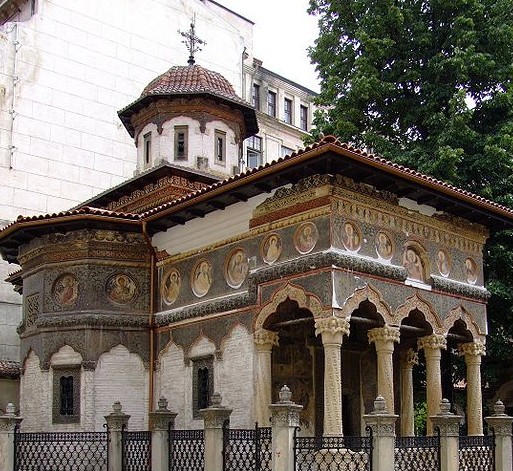
In the historic center of Romania’s capital, where the bustling commercial energy of Lipscani Street meets the quiet charm of the old merchant district, the Stavropoleos Monastery Church stands at 4 Stavropoleos Street as a hidden treasure in a city undergoing constant urban transformation. This place of worship is one of the most precious and refined monuments of post-Brâncovenesc architecture in Romania, a true jewel of Southeast European heritage that uniquely fuses Byzantine spiritual tradition with openness to Western artistic currents. For a European traveler familiar with the continent’s great historic cities, the church appears as a silent dialogue between East and West—between profound Orthodox spirituality and Baroque elegance—at a time when Wallachia found itself at the crossroads of trade routes linking the Ottoman Empire with Habsburg monarchies and Italian republics.
The cultural significance of this monument extends far beyond national borders, placing it within the broader context of Europe’s religious heritage. Unlike the grand Gothic cathedrals of Western Europe or the Baroque churches of Austria, Stavropoleos offers a distinct experience, characteristic of Romanian architecture from the post-Brâncovenesc period, when local craftsmen skillfully assimilated diverse influences into their own artistic language, recognizable for its delicate details and harmonious proportions. The church serves as an essential reference point for understanding the stylistic evolution of Wallachia in the early 18th century, a period marked by growing openness to Western cultural influences and the strengthening of ties with the Byzantine world, reflecting the complex identity of a region situated at the frontier between empires.
Between Byzantium and Baroque: Historical Context and European Connections
Built in 1724 during the second reign of Nicolae Mavrocordat in Wallachia, the Stavropoleos Monastery Church has its roots in an era of profound political and economic transformation. The Phanariot period, when the throne of Wallachia was occupied by princes brought from the Phanar district of Constantinople, represented an age of intense cultural contact between the Greek, Ottoman, and Western worlds. During this time, Bucharest evolved into a vital commercial hub of Southeast Europe, a cosmopolitan city where Greek, Armenian, Jewish, and Romanian merchants constructed inns and churches that reflected the prosperity and spiritual aspirations of their communities.
The church’s founder, the Greek merchant Ioanichie—also known as Ioan Caragea—embodied the archetype of the philanthropic trader of that era, akin to merchant families from Venice, Florence, or the Hanseatic cities of Germany, who invested their wealth in the construction of places of worship and charitable institutions. Originally, the monastic complex was designed as a self-sufficient economic enclave, a two-story inn whose revenues were dedicated exclusively to supporting the spiritual life of a small monastic community. This economic model, where a commercial complex funded a religious community, recalls similar practices from Mount Athos or Benedictine monasteries in Central Europe, where land and commercial property ensured the spiritual independence of monastic communities.
In 1726, the church was named Stavropoleos, after the ancient metropolis of the same name in Constantinople, located near the patriarchal palace in the former Byzantine capital. This choice was not coincidental but expressed Wallachia’s close ties with the Balkan Orthodox tradition and the shared heritage of Eastern Christianity. The Stavropoleos Metropolis in Constantinople, founded in the 16th century, was an important spiritual center of the Ecumenical Patriarchate, and by adopting this name, the Bucharest founder intended to place the new foundation within a transnational cultural circuit that transcended the borders of the principality. This connection to Constantinople positioned the church within a network of similar foundations across the Orthodox world, from monasteries in Greece and Serbia to those in Russia and the Middle East, in an era when trade and spirituality transcended imperial borders, creating a true republic of Orthodox faith.
The European context of 1724 was marked by tensions between the Habsburg and Ottoman Empires, the commercial expansion of Italian republics, and the dawn of the Baroque era, which was transforming the continent’s religious architecture. While Western Europe saw the construction of palaces and churches in Baroque or Rococo styles, Wallachia developed a post-Brâncovenesc style that sought to assimilate these Western influences while preserving the specificity of the Byzantine tradition. The Stavropoleos Church represents a turning point in this evolution, built just a few years after the martyrdom of Constantin Brâncoveanu in 1714, the last great patron of the classical Brâncovenesc style, suggesting both continuity and transformation in the local artistic language.
A Masterpiece of Artistic Synthesis: Architecture and Visual Heritage
The Stavropoleos Church exemplifies the remarkable synthesis between Byzantine tradition and Western Baroque influences, characteristic of the late Brâncovenesc style. Its cruciform plan, with an open porch and an elegantly proportioned bell tower, reflects both the spiritual continuity of Orthodoxy—emphasizing verticality and transcendence—and openness to the artistic currents of the era, which promoted spatial dynamism and rich ornamentation. The porch, a specific element of Romanian architecture from the 16th to 18th centuries, is treated here in a special manner, with sculpted columns and a decorated pediment reminiscent of Venetian or Florentine palace facades, yet interpreted through a Byzantine sensibility.
The stone sculptural decor, crafted from local limestone, features delicate vegetal and geometric motifs that adorn the facades and entrance gates in an exquisite architectural lacework. These sculptures, with acanthus leaves, rosettes, and Byzantine interlacings, approach the quality of ornaments found at Horezu Monastery or the palaces of Constantin Brâncoveanu, but also show influences of Austrian Baroque, possibly brought by foreign craftsmen working in Wallachia at the time. The bell tower, with its slender silhouette and bulbous roof, evokes Ottoman minarets and Byzantine domes, creating a unique architectural hybrid in the European landscape.
The church’s interior is a treasure trove of 18th-century religious art, bearing witness to a period of cultural flourishing that placed Wallachia on the artistic map of Southeast Europe. The interior mural paintings, executed in fresco technique on plaster, depict biblical scenes and saintly figures with a sensitivity that combines the hieratic lines and symbolic colors of Byzantine iconography with the more realistic perspectives and volumes of Western Baroque art. The iconostasis, carved in wood and gilded, separates the nave from the altar in a manner specific to Orthodox worship, yet features decorative details reminiscent of the furnishings of Catholic churches in Austria or Italy, reflecting the circulation of ideas and craftsmen between different confessions and cultures of Central Europe.
The interventions by architect Ion Mincu in 1897 brought a new dimension to the complex, integrating elements of traditional Romanian architecture with influences from European Art Nouveau, known in Romania as Secession or the 1900 style. During this period, national architecture sought to define its own identity in dialogue with major continental currents, and Mincu, an emblematic figure of modern Romanian architecture, succeeded in reconstructing and expanding the monastic complex while preserving the spirit of the place but adding a modern dimension. The buildings surrounding the church, part of this restoration and construction project, feature windows with sculpted frames, stucco decorations, and metal details reminiscent of Viennese or Budapest architecture of the same period, demonstrating the openness of Romania’s cultural elites to Western Europe at the end of the 19th century.
Founders, Restorers, and Witnesses to History
The story of the Stavropoleos Church is inseparable from the figure of its founder, Ioanichie, a Greek merchant who transformed commercial prosperity into enduring spiritual heritage. In the Orthodox tradition, the founder of a church was not merely a financier but a true spiritual father of the community, and Ioanichie understood this role by constructing a complex that ensured not only prayer but also education and care for the poor, in a spirit reminiscent of the pious foundations of medieval Europe. The two-story inn, now lost in its original form but evoked in the historical memory of the place, functioned as an economic center that supported monastic life, providing steady income for the church’s upkeep and philanthropic activities.
Over the centuries, the church has witnessed numerous turning points in Romanian and European history. In the 19th century, as Bucharest gradually transformed from an Oriental city into a modern European capital, influenced by French and Austro-Hungarian architecture and urbanism, Stavropoleos remained a bastion of tradition. During the communist era, when many churches in central Bucharest were demolished to make way for concrete apartment blocks and systematized boulevards, this church survived almost miraculously, surrounded by destruction yet preserving its integrity—a symbol of spiritual resilience in the face of materialist ideologies.
The 1897 restoration led by Ion Mincu represents another crucial moment, situated in the period of cultural effervescence before World War I, when Romania sought its place among the civilized nations of Europe. Mincu did not limit himself to a simple restoration but conceived a coherent ensemble that integrated the old church into a modern architectural context, creating a dialogue between centuries that is still visible to the attentive visitor today. In the 20th century, the church continued to function as a place of worship and cultural center, hosting Byzantine music concerts and spiritual events that attracted both Orthodox faithful and art lovers from across Europe, contributing to the preservation of a living tradition in a constantly changing world.
The church is dedicated to the Holy Archangels Michael and Gabriel, Saint Athanasius the Great, Saint Justin the Martyr and Philosopher, and Saint Haralambos, reflecting the spiritual diversity of the community that founded it and those who maintained it over time. This combination of saints, which includes both protective archangels and Christian martyrs and philosophers, suggests an open spirituality capable of responding to the varied needs of a cosmopolitan community, similar to the religious diversity of great European port cities like Venice, Trieste, or Thessaloniki, where different confessions and traditions coexisted and influenced one another.
Visitor’s Guide: How to Discover Stavropoleos Today
The Stavropoleos Church can be visited daily, offering a refuge of tranquility and contemplation amidst the urban bustle of Bucharest’s historic center. Access is easy and pleasant, located just a few minutes’ walk from Lipscani Street, near the Universitate and Unirii metro stations. For the European traveler accustomed to the continent’s great historic cities, the journey to Stavropoleos is a voyage through time, transitioning from the cosmopolitan and commercial atmosphere of the Lipscani area, with its modern cafes and restaurants, to the quiet of an inner courtyard that seems plucked from another era.
Visitors are invited to first admire the church’s exterior, where the stone sculptural decor reveals fascinating details with every careful glance. The columns of the porch, carved with delicate vegetal motifs, and the pediments decorated with rosettes and geometric interlacings offer an open-air art spectacle that can rival the facades of Italian or Austrian palaces. Sunlight, especially in the early morning or late afternoon, enhances the texture of the stone and the shadows of the sculptures, creating striking visual effects for photographers and art lovers.
Stepping inside, the visitor discovers a sacred space of surprising intimacy for a church located in the heart of such a large city. The 18th-century mural paintings cover the walls in a symphony of warm colors, while the carved and gilded iconostasis creates a symbolic barrier between the profane and sacred worlds, inviting prayer and reflection. The interior atmosphere, cool and quiet even on sweltering summer days, contrasts sharply with the heat and noise of the street outside, offering a rare meditative experience in a major European capital.
The inner courtyard, a space for contemplation rarely found in the heart of the capital, is perhaps the most precious surprise for the visitor. Here, surrounded by the buildings restored by Ion Mincu that evoke traditional Romanian architecture with Art Nouveau influences, one can truly feel the essence of this place as a spiritual oasis. The wooden benches, carefully tended vegetation, and profound silence create an environment conducive to rest and contemplation, an emotional contrast to the hustle and energy of the adjacent commercial center.
For a complete visit, it is recommended to combine the exploration of the Stavropoleos Church with the discovery of other monuments in Bucharest’s historic area, such as Manuc’s Inn, Saint Anthony’s Church, the Zlătari Church, or the ruins of the Old Court, the former residence of Wallachia’s princes. This walk through the old center allows for an understanding of the urban context in which Stavropoleos is situated, revealing the historical layers of a city that for centuries served as a meeting point between the cultures of Eastern, Southern, and Western Europe.
Visitors should respect the sacred nature of the place by wearing modest attire and maintaining silence inside the church. Photography is permitted in the exterior and inner courtyard, but discretion is advised inside the place of worship out of respect for the faithful at prayer. The liturgical schedule includes daily services, and on feast days, when the church celebrates the Holy Archangels, Saint Athanasius, or Saint Haralambos, the atmosphere becomes particularly solemn and moving, attracting worshippers from across the city and offering visitors the opportunity to participate in a living tradition that connects the present with centuries of Christian history.
Thus, the Stavropoleos Church remains not only an architectural monument but a living space, a meeting point between past and present, between profound Orthodox tradition and openness to the contemporary world—an invitation to the European traveler to discover the spiritual and artistic beauty of a region at the crossroads of the continent’s great historical paths.
Media gallery
Discover Stavropoleos Monastery Church in pictures

2 photos · Architecture, courtyards and captivating details
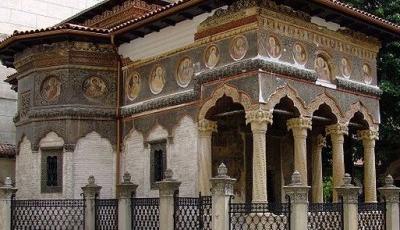

Image source: Wikimedia Commons · Public domain photos · Free license
STAY A FEW DAYS, DISCOVER THE MAGIC
Accommodation in the Stavropoleos Monastery Church area

Hotel · 3 stars

București, Bucharest · 0.1 km
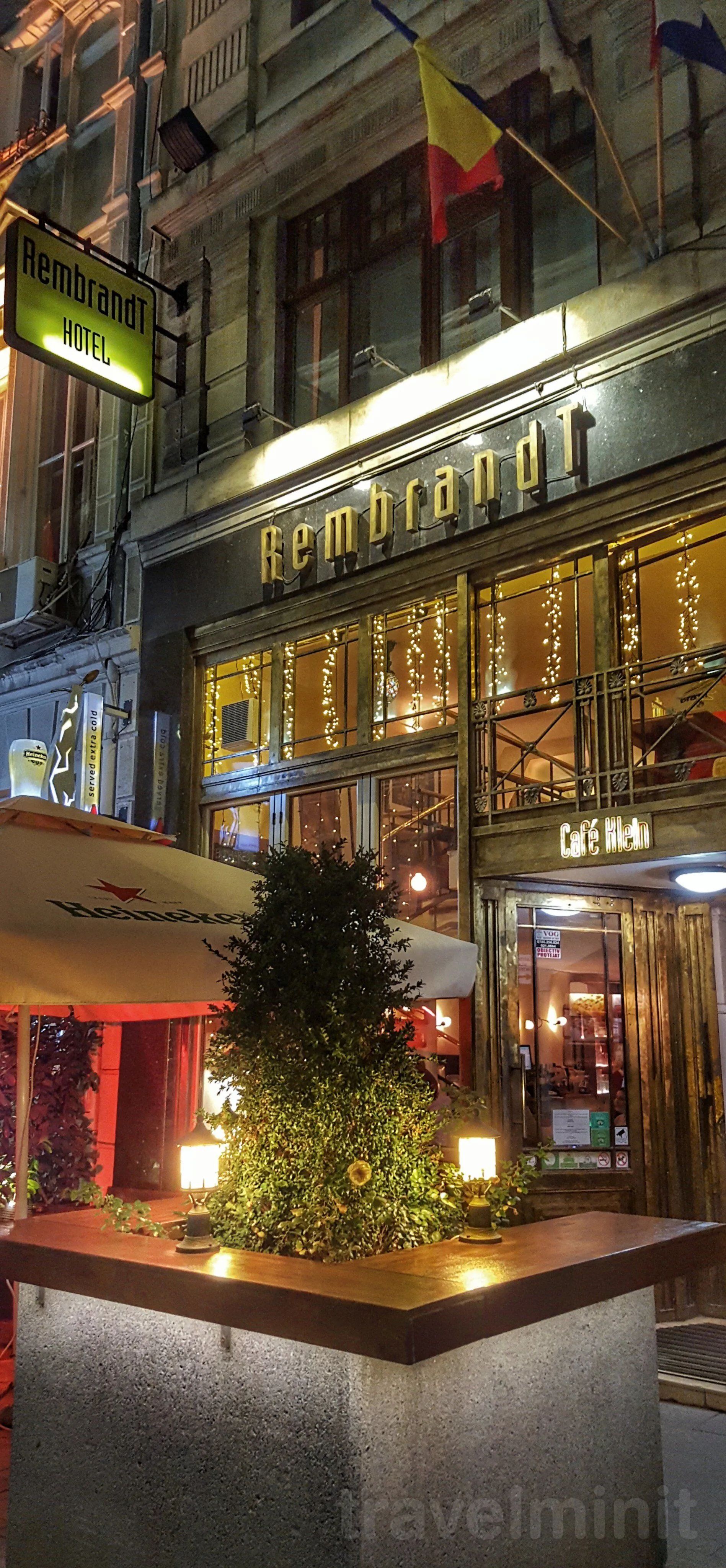
Hotel Rembrandt București
De la Hotel Rembrandt București puteți porni într-o vizită la Palatul Parlamentului. Hotelul de trei stele din București, situat în centrul vechi al capitalei pe strada Smârdan, reprezintă punctul dumneavoastră de plecare pentru a descoperi atmosfera acestui cartier istoric și obiectivele din jur. Hotelul dispune de 16 camere spatioase și pune la dispoziție facilități practice precum Wi-Fi gratuit disponibil în toate spațiile, un depozit pentru bagaje unde vă puteți lăsa lucrurile în siguranță și un pătuț pentru bebeluș. Aceste servicii răspund atât nevoilor călătorilor în interes de serviciu, cât și celor ale familiilor care călătoresc cu copii mici. În zonă se află Catedrala Mântuirii Neamului, Palatul Regal, Muzeul Național de Istorie Naturală Grigore Antipa și Muzeul Țăranului Român. Fiecare dintre aceste obiective oferă ocazia de a descoperi diferite aspecte ale trecutului și prezentului Bucureștiului, toate fiind accesibile pornind din centrul vechi al orașului. Vă așteptăm să vă bucurați de șederea dumneavoastră la Hotel Rembrandt și să porniți apoi spre explorarea Muzeului Țăranului Român.
FROM
290 lei per night

Apartment · 3 stars
București, Bucharest · 0.1 km
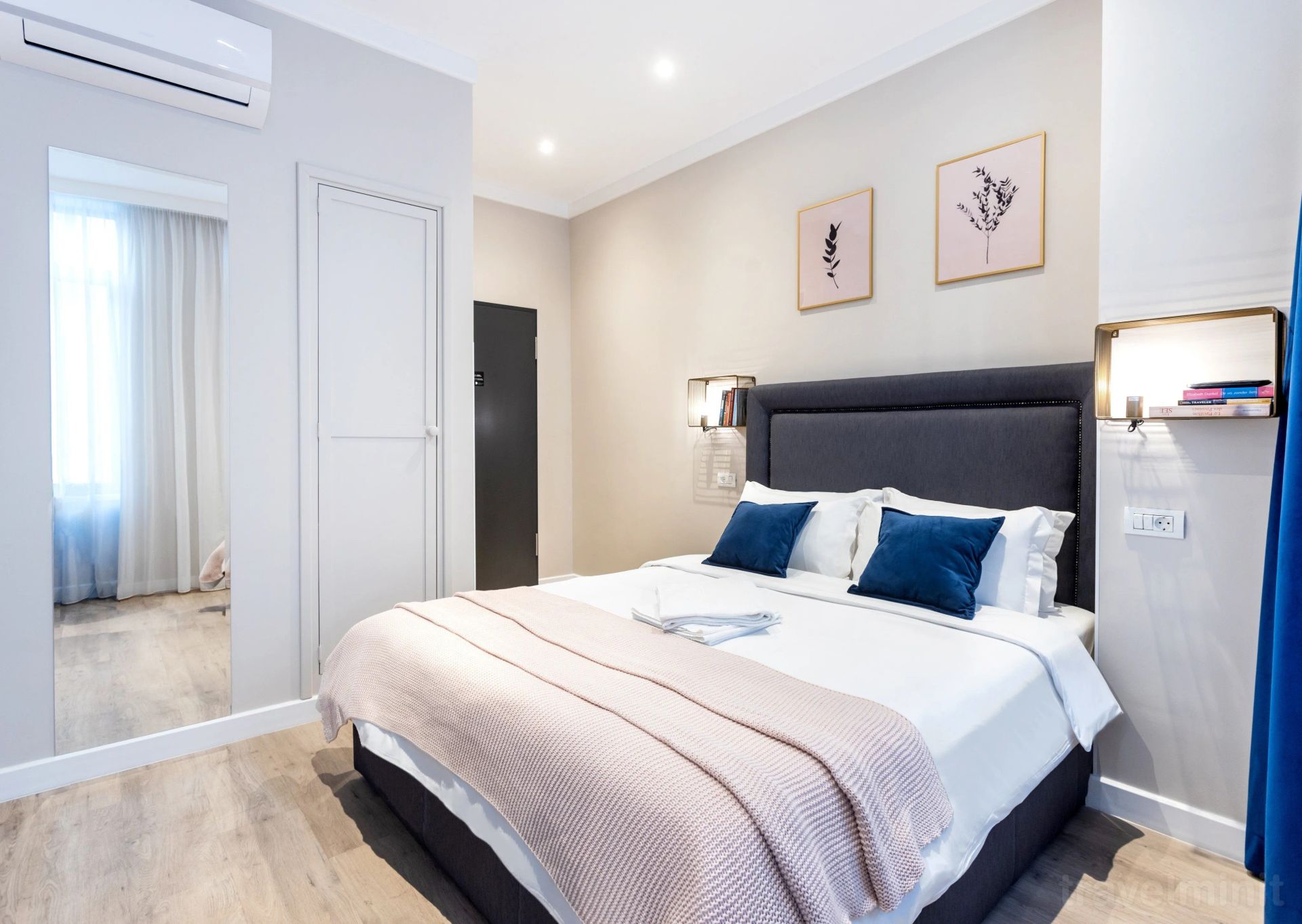
Degoya Studios Oldtown București
Degoya Studios Oldtown București este un apartament de închiriat situat în centrul vechi al Bucureștiului, pe strada Smârdan numărul 7. Această unitate de cazare clasificată cu trei stele vă oferă un spațiu practic și bine organizat în zona istorică a capitalei. Clădirea dispune de doisprezece camere de aproximativ 15 metri pătrați, distribuite pe patru niveluri. Fiecare cameră include un pat dublu matrimonial, o baie cu duș și o mică chicinetă, fiind dotată cu aer condiționat și Wi-Fi gratuit. Pentru un plus de confort, aveți la dispoziție un fier de călcat și un spațiu dedicat pentru depozitarea bagajelor. Poziția centrală în centrul vechi vă permite să ajungeți rapid la cele mai importante obiective turistice din zonă. În apropiere se află Palatul Parlamentului, Catedrala Mântuirii Neamului, Palatul Regal, Muzeul Național de Istorie Naturală Grigore Antipa și Muzeul Țăranului Român, toate fiind ușor accesibile pentru vizitare de la această adresă. Vă așteptăm la Degoya Studios Oldtown București, pe strada Smârdan numărul 7, unde veți găsi condiții potrivite pentru un sejur plăcut în București.
FROM
230 lei per night
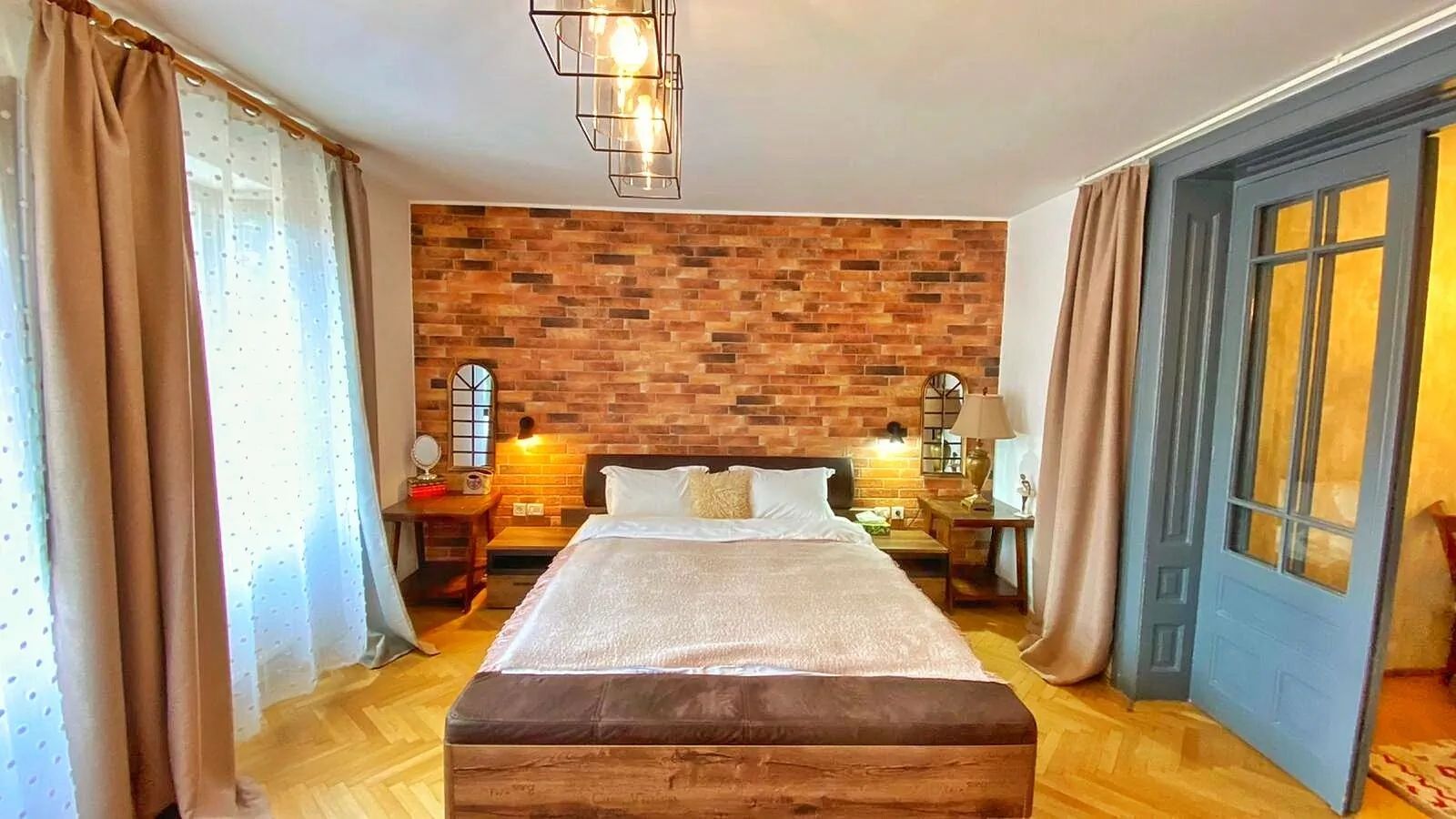
Apartment · 3 stars
București, Bucharest · 0.2 km
Apartament City Center Bed and Beyond București
În apropiere puteți vizita Palatul Parlamentului, una dintre cele mai impresionante construcții administrative din lume. Apartamentul City Center Bed and Beyond din București reprezintă punctul dumneavoastră de plecare pentru a explora capitala României și toate atracțiile sale. Această unitate de cazare de 3 stele, situată pe strada Franceză, oferă un spațiu confortabil și bine mobilat. Camera este dotată cu aer condiționat și baie privată, iar accesul la Wi-Fi gratuit vă permite să rămâneți conectați pe toată durata șederii dumneavoastră. Pentru familiile care călătoresc cu copii mici, pătuțul pentru bebeluș este pus la dispoziție, iar fierul de călcat vă ajută să vă mențineți ținutele îngrijite. Personalul de la recepție comunică în română, engleză și spaniolă. Check-in-ul se realizează începând cu ora 16:00, iar eliberarea camerei se face până la ora 11:00. În zonă puteți descoperi și Catedrala Mântuirii Neamului, Palatul Regal, Muzeul Național de Istorie Naturală Grigore Antipa sau Palatul Patriarhal, toate reprezentând repere culturale și istorice importante ale orașului. Vă așteptăm să vă bucurați de o ședere plăcută în București.
FROM
230 lei per night
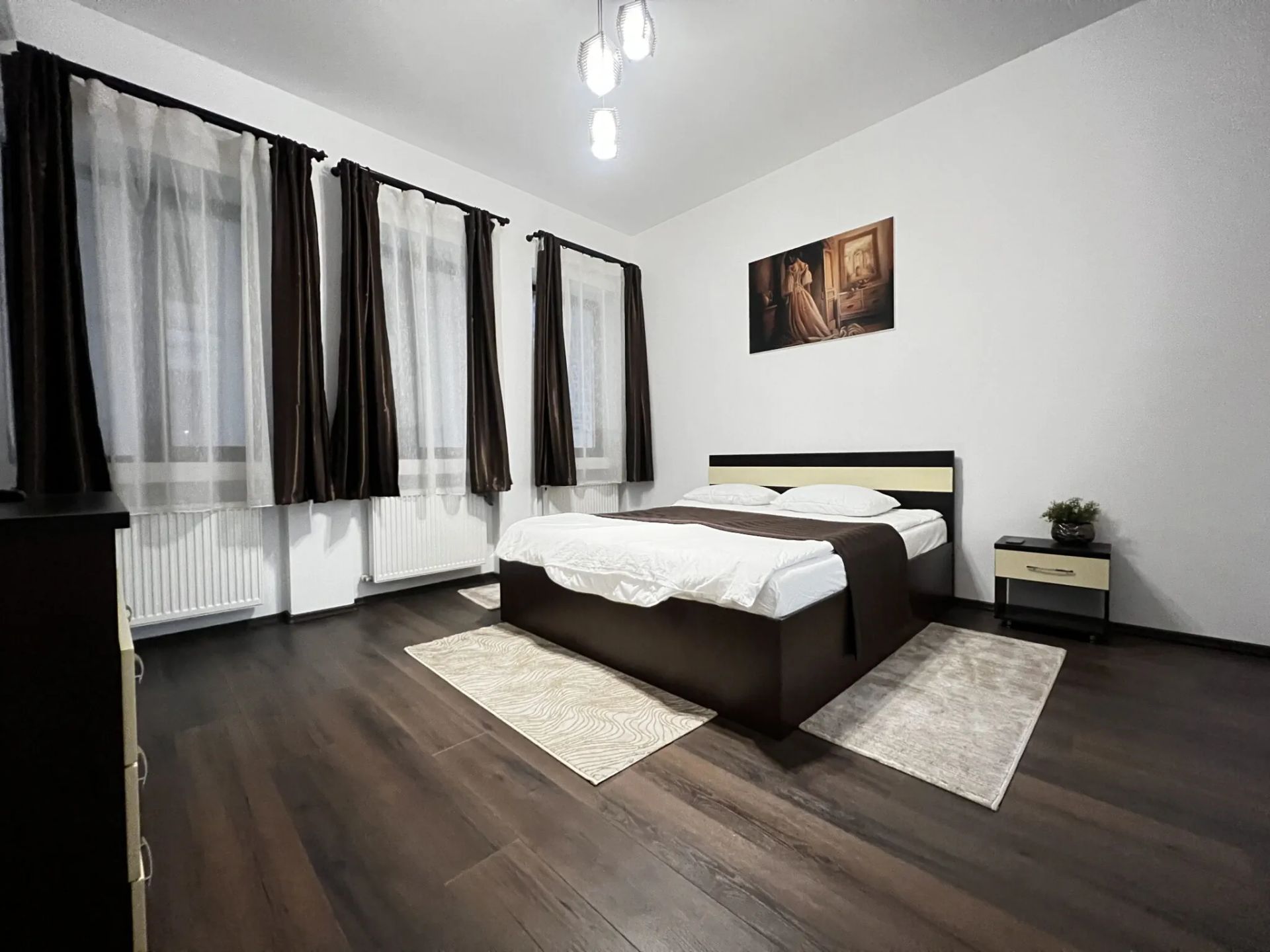
Apartment · 2 stars
București, Bucharest · 0.2 km
Apartament Old City București
Familiile și grupurile de prieteni se vor simți bine în Apartament Old City București, situat pe strada Franceza în centrul capitalei. Spațiul oferă trei dormitoare cu paturi duble, două băi complete și o toaletă separată, fiind potrivit pentru șederi mai lungi sau călătorii în grup. La intrare, un hol separă camerele de bucătărie și băi. Bucătăria este complet echipată și include mașină de espresso, cuptor și aragaz pe gaz, alături de câteva ingrediente de bază. Lenjeria de pat este de calitate hotelieră, schimbată înainte de fiecare sosire, iar prosoapele, șamponul, gelul de duș și uscătorul de păr sunt puse la dispoziție. Conexiunea Wi-Fi gratuită asigură acces la internet pe toată durata șederii. În apropiere se află Palatul Parlamentului, Catedrala Mântuirii Neamului, Palatul Regal, Muzeul Național de Istorie Naturală Grigore Antipa și Palatul Patriarhal, astfel încât puteți explora cu ușurință cele mai importante puncte de interes ale orașului. Vă așteptăm în Apartament Old City București pentru un sejur plăcut în centrul Bucureștiului.
FROM
230 lei per night
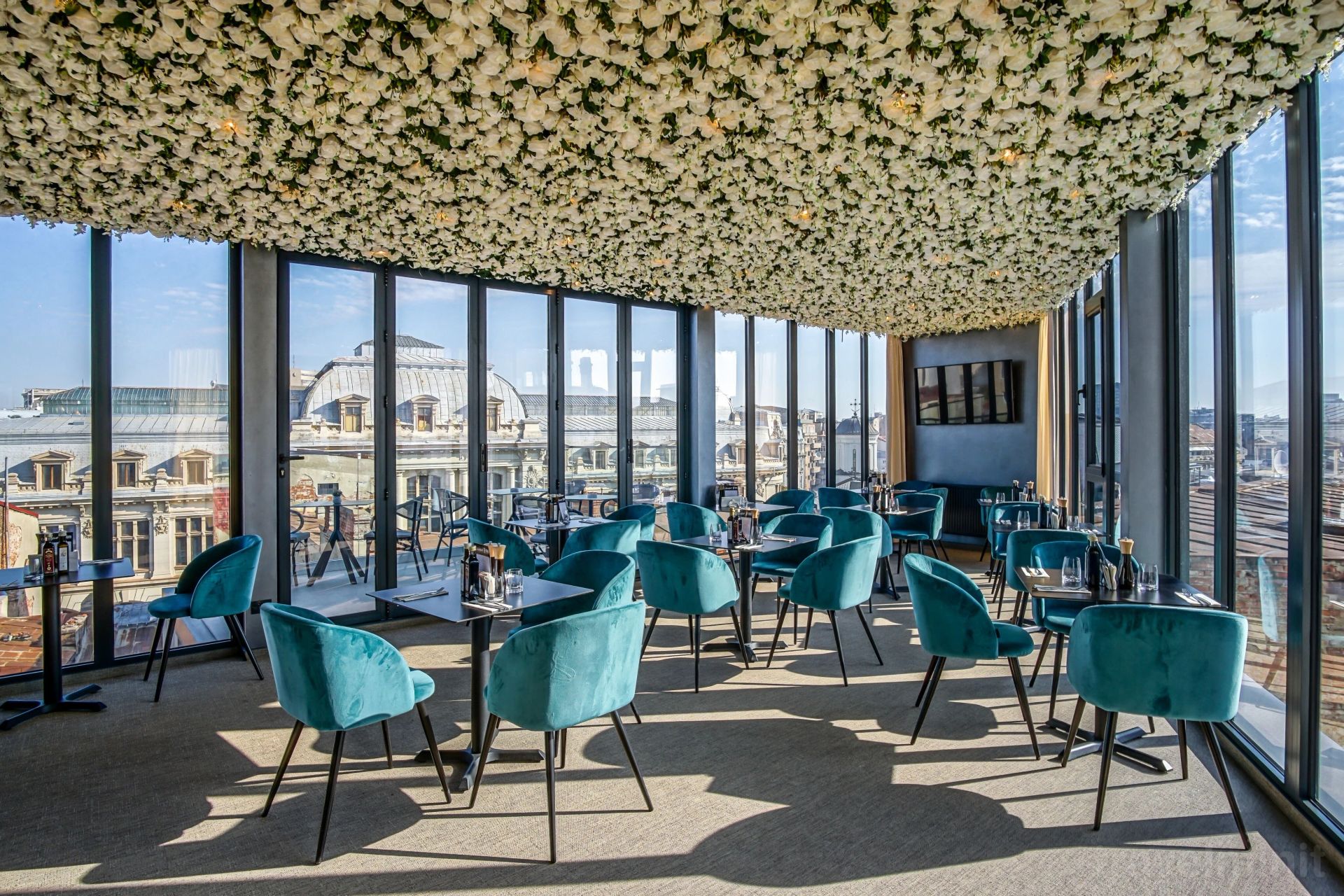
Boutique hotel · 3 stars
București, Bucharest · 0.2 km
Filitti Boutique Hotel București
Filitti Boutique Hotel București este alegerea potrivită pentru călătorii care doresc să exploreze capitala într-un ambient plăcut și discret. Situat pe strada Filitti 4, în București, hotelul de trei stele vă pune la dispoziție camere amenajate cu grijă, fiecare echipată cu aer condiționat și grup sanitar propriu, pentru un sejur confortabil și relaxant. Pentru a vă asigura tot confortul necesar pe toată durata șederii, unitatea oferă acces Wi-Fi gratuit în întreaga proprietate, precum și un serviciu de depozit pentru bagaje. Astfel, puteți lăsa lucrurile în siguranță și să vă bucurați de oraș fără nicio grijă. La recepție veți găsi personal care vorbește limba română și engleză, gata să vă ofere informațiile necesare. Locația vă permite să ajungeți rapid la cele mai importante obiective turistice din zonă. Puteți vizita Palatul Parlamentului, Catedrala Mântuirii Neamului, Palatul Regal, Muzeul Național de Istorie Naturală Grigore Antipa și Muzeul Țăranului Român, fiecare oferind o perspectivă unică asupra bogatului patrimoniu cultural al Bucureștiului. Programul de primire a camerei începe la ora 14:00, iar eliberarea se face până la ora 12:00, oferindu-vă flexibilitate în organizarea zilei dumneavoastră. Vă așteptăm la Filitti Boutique Hotel București.
FROM
290 lei per night
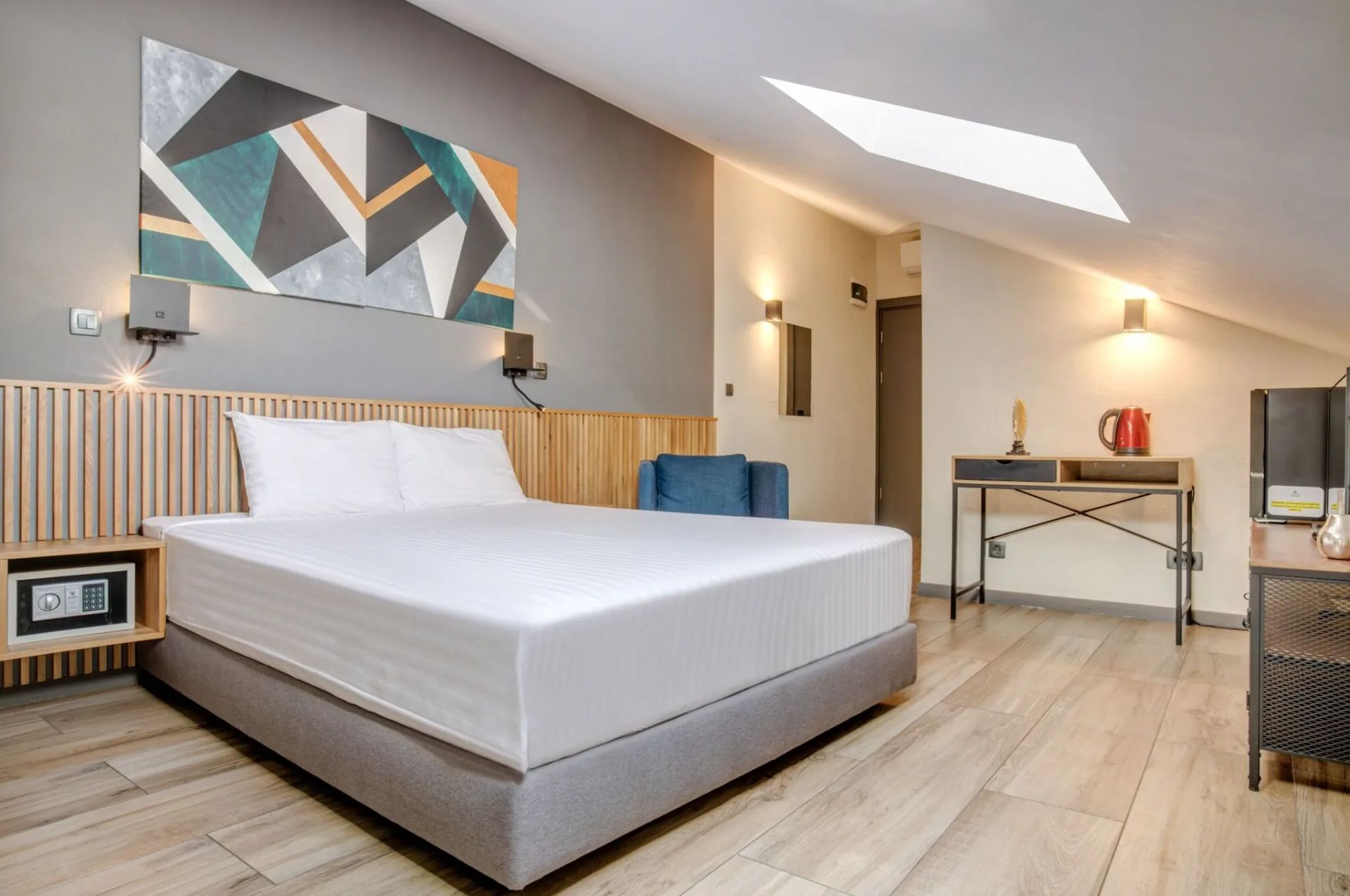
Hotel · 3 stars
București, Bucharest · 0.2 km
Hotel Forty One București
O zi începe relaxant în curtea mare și grădina amenajată, cu Wi-Fi gratuit pentru planurile dumneavoastră, la Hotel Forty One din București. Unitatea pune la dispoziția dumneavoastră 27 de camere dotate cu bun gust, unele dintre ele având aer condiționat. Pentru un sejur fără griji, beneficiați de depozit pentru bagaje, acces pentru persoane cu dizabilități și, la cerere, de un pătuț pentru bebeluș. Ziua hotelieră începe la ora 15:00 și se încheie la ora 12:00. Personalul comunică în română, engleză și franceză, iar micul dejun este inclus. În vecinătate puteți vizita Palatul Parlamentului, Catedrala Mântuirii Neamului, Palatul Regal, Muzeul Național de Istorie Naturală Grigore Antipa și Muzeul Țăranului Român. Aceste obiective îmbogățesc experiența șederii dumneavoastră în capitală și sunt ușor de accesat pornind de la hotel. Această unitate este potrivită pentru călătorii care doresc să exploreze Bucureștiul într-un mediu accesibil și confortabil, cu facilități pentru întreaga familie, într-un ambient liniștit și primitor.
FROM
290 lei per night
BEFORE YOU HIT THE ROAD
Weather conditions in Bucuresti
Local forecast for Stavropoleos Monastery Church, Bucuresti, București

Real-time updated weather data
Much more to explore in this area
Nearby tourist attractions

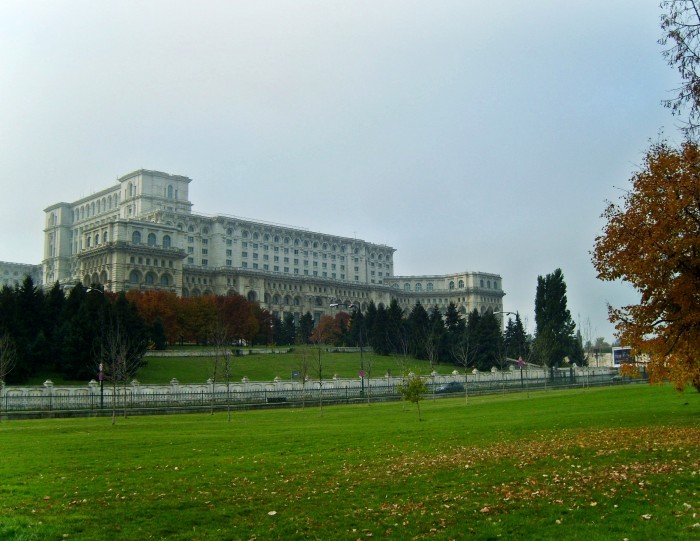

Bucuresti, Bucharest
Palace of the Parliament
Situat pe strada Izvor nr.3, sector 5, localitatea Bucuresti; in perioada comunista a fost cunoscut sub numele de "Casa Poporului"; considerata una dintre cele...
1.1 km

București, Bucharest
People's Salvation Cathedral (National Cathedral of Romania)
Catedrală ortodoxă din București
1.5 km
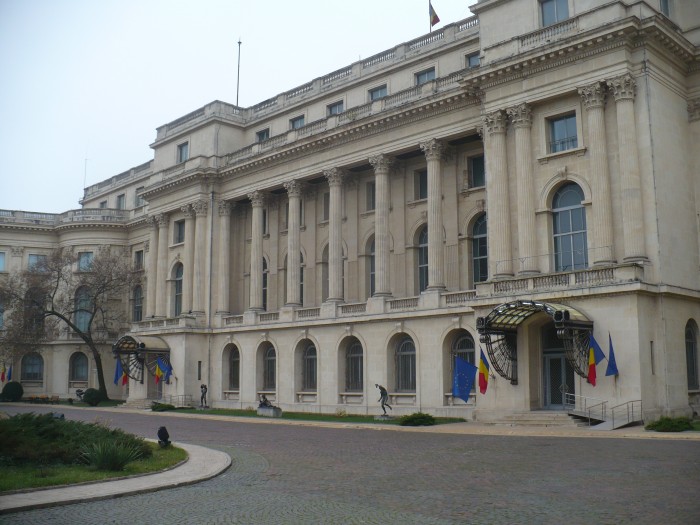
Bucuresti, Bucharest
Royal Palace of Bucharest
Situat pe Calea Victoriei nr. 49-53, sector 1, localitatea Bucuresti; construit intre anii 1812-1815 a apartinut marelui logofat Dinicu Golescu, dar a fost...
0.9 km
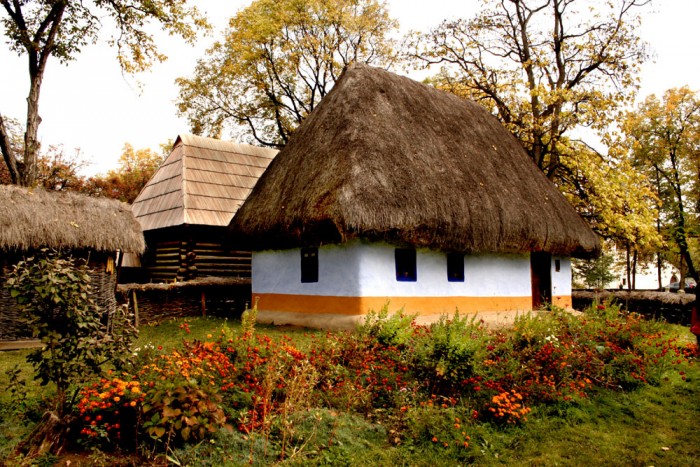
Bucuresti, Bucharest
Dimitrie Gusti National Village Museum
Situat pe Soseaua Kiseleff nr.28-30, sectorul 1; a fost inaugurat in 1936; expozitia permanenta cuprinde 121 de complexe distincte, totalizand 338 de monumente,...
4.8 km

Bucuresti, Bucharest
Romanian Peasant Museum (Muzeul Național al Țăranului Român)
Situat pe soseaua Kiseleff nr.3, sector 1, localitatea Bucuresti; constructia intregului edificiu a durat 29 de ani, fiind finalizat in 1941; cladirea muzeului...
2.9 km

Bucuresti, Bucharest
Cotroceni Palace
Situat pe bulevardul Geniului nr.2, sector 6, localitatea Bucuresti; in anul 1679, domnitorul Serban Cantacuzino incepe constructia unei manastiri; opera sa a...
3.0 km

Bucuresti, Bucharest
Grigore Antipa National Museum of Natural History
Situat pe soseaua Kiseleff nr. 1, sector 1, localitatea Bucuresti; fondat in 1834 la initiativa lui Mihalache Ghica; are un bogat patrimoniu format din...
0.2 km
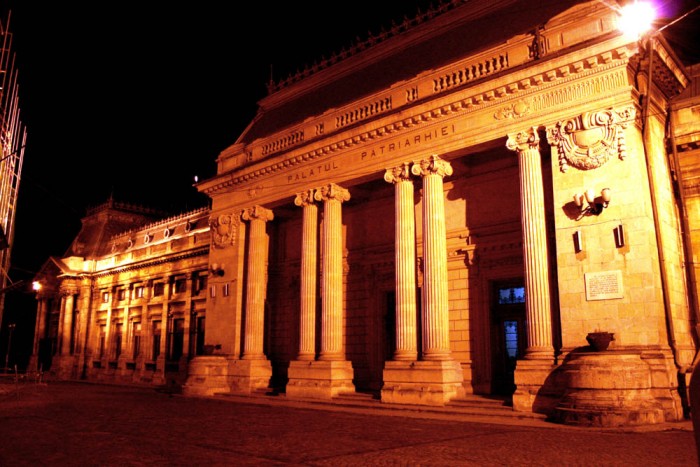
Bucuresti, Bucharest
Patriarchal Palace
Situat pe aleea Dealul Mitropoliei nr.25, sector 4, localitatea Bucuresti; construit de statul roman, la inceputul secolului al XX-lea, pe locul fostei sali a...
0.8 km

Bucuresti, Bucharest
National Museum of Romanian History
Situat pe Calea Victoriei nr.12, sector 3, localitatea Bucuresti; adapostit de Palatul Postelor; a fost inaugurat in anul 1970 fiind cel dintai muzeu de...
0.1 km
Bucuresti, Bucharest
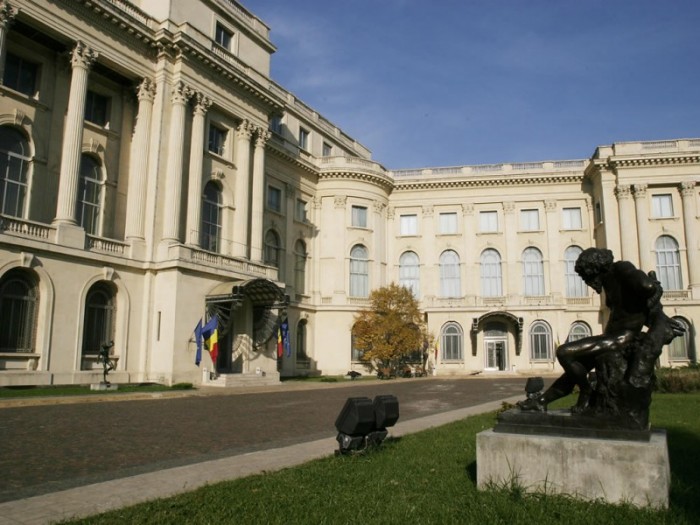
National Museum of Art of Romania
Situat pe Calea Victoriei nr. 49-53, sector 1; deschis in 1948, in vremea lui Alexandru Ioan Cuza;cladirea era pe atunci locuinta domneasca, in timpul lui...
0.8 km

2.3 km
Bucuresti, Bucharest
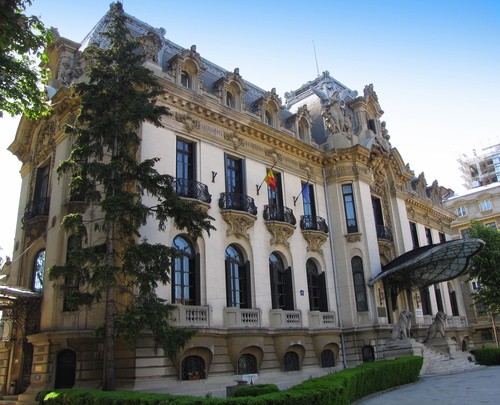
Cantacuzino Palace
Situat pe Calea Victoriei nr.141, sector 1, localitatea Bucuresti; construit intre anii 1898-1900, in stil baroc francez al epocii Ludovic al XVI-lea, pentru...
1.1 km
Cultural life and traditions
Events in the Stavropoleos Monastery Church area
Medieval festivals, traditional fairs, concerts and local activities recommended in Muntenia (Wallachia).

History and Royal Architecture

Bucuresti, County of București
Days of Royalty and Heritage in the Prahova Valley
Historical conferences open to the public, themed tours of royal architecture, documentary screenings and exhibitions of vintage photographs.
WHEN
May 10-12, 2026


Gastronomy and Oenology
Dealu Mare, County of București
The Prahova Wine Festival on the Wine Route
Guided tastings of Fetească Neagră along the famous Wine Route, visits to historic wineries, and meetings with leading winemakers.
WHEN
Every weekend (September - October)
Hiking and Adventure
Bucegi Mountains, București County
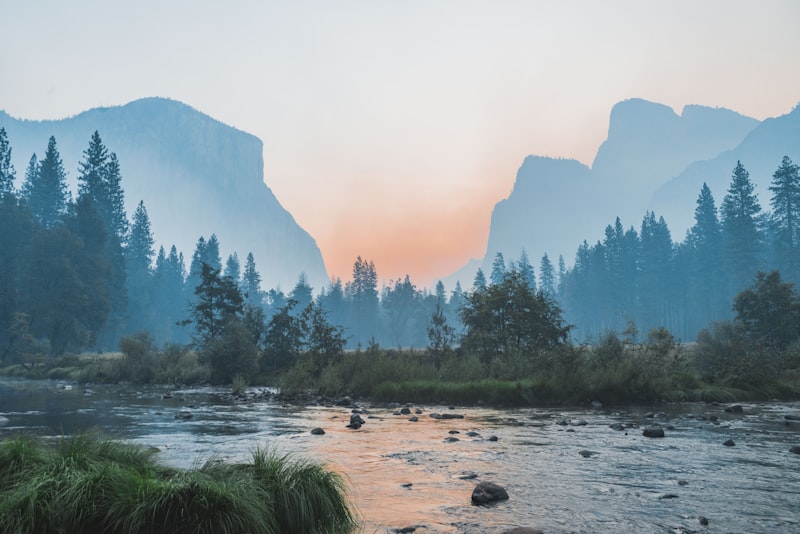
Guided Mountain Tour in the Bucegi Mountains
Guided mountain tours led by mountain rescue personnel to iconic panoramic viewpoints and spectacular alpine waterfalls.
WHEN
Daily during the season (June - October)
On foot, exploration gains depth
Discover the surroundings and local geography
Explore the trails, terrain, and natural landmarks around Stavropoleos Monastery Church.

Guides and practical tips
Useful travel articles
Travel guides, practical recommendations and tourist itineraries for Muntenia (Wallachia).

Tourist guide
Top 5 Atracții Turistice și Trasee Montane în Zona Moieciu - Bran
Descoperă cele mai spectaculoase peisaje carstice, chei adânci și cetăți medievale din imediata apropiere a stațiunii Moieciu.

Tourist guide
Ghid de Drumeție: Traseul Moieciu de Sus spre Platoul Bucegi
Un itinerariu montan de o frumusețe rară ce urcă din Valea Băngăleasa spre Poiana Guțanu și crestele maiestuoase ale Bucegilor.

Tourist guide
Castelul Bran: Istorie, Legende și Secrete Medievale
Află adevărata poveste a fortăreței medievale din Pasul Bran, reședința de suflet a Reginei Maria a României.
THE JOURNEY STARTS WITH AN IDEA
The next story is on the way.
From the first stop to the last stay, make room for a new Romania.
