


CASTLE · MUNTENIA (WALLACHIA)
Știrbei Palace

Bucuresti, Bucharest
Add location to your trip planner.
Practical access information

VISITING HOURS
Monday: 12:00 PM – 5:00 PM · Tuesday–Sunday: 9:00 AM – 5:00 PM (in summer until 8:00 PM)

TICKET PRICE
Adults: 45 RON · Students: 11 RON · Seniors: 23 RON · Guided tour included

RECOMMENDED VISIT DURATION
2-3.5 hours
Visitor information and guide
 Navigate with Google Maps

ABOUT ȘTIRBEI PALACE
Heritage Significance and the Fascination of a Transformative Era
On Calea Victoriei, the avenue that was once the pride of Bucharest and its aspiration to become the Paris of the East, Știrbei Palace rises as a quiet yet eloquent testament to an era of profound metamorphosis. Built in 1835, at a time when the Romanian Principalities were gradually emerging from the millennial shadow of Ottoman domination to carve a path toward modernity and European recognition, this edifice represents far more than a mere aristocratic residence. It is the physical expression of the ambition of a boyar elite that, after centuries of isolation, looked with open eyes toward the great courts of Western Europe, embracing the philosophy of the Enlightenment and the neoclassical aesthetics that were conquering the continent from Saint Petersburg to Lisbon. Știrbei Palace is not just a building; it is a historical document in stone, a symbol of the transition from the Phanariot world to the modern era, a bridge between indigenous tradition and the cosmopolitan aspirations of a nation in the making. In its façade, marked by the scars of time and contemporary neglect, the entire drama of 19th-century Bucharest is reflected: the desire for emancipation, contact with Western models, and the struggle for identity in a Europe undergoing reconfiguration after the fall of Napoleon and the establishment of the order following the Congress of Vienna.
Historical Roots and Dialogue with Europe’s Great Empires
The year 1835 marks a crucial moment in the history of Wallachia, then under Ottoman suzerainty but already governed by the Organic Regulation, which introduced administrative reforms inspired by Western models. Within this complex geopolitical context, the Grand Logothete Dimitrie Știrbei, a member of a boyar dynasty with deep roots in the country’s history and considerable wealth derived from the vineyards of Drăgășani and vast agricultural estates, commissioned the construction of this palace not merely as a personal residence but as a political and cultural statement. The chosen neoclassical architecture speaks of admiration for the Greco-Roman antiquity revived in Europe after the Napoleonic Wars, as well as the desire to align with the great metropolises of the time, which were rebuilding in the spirit of classicism. Unlike the Oriental, Byzantine, or Ottoman opulence of the old Phanariot courts, Știrbei Palace borrowed lines from Renaissance Italian palaces such as those in Vicenza or Florence, as well as from the hôtels particuliers of Paris during the Restoration period, placing itself in direct dialogue with the aristocratic residences of Vienna, Berlin, Saint Petersburg, or Copenhagen. The Western education of its founder, acquired through extensive travels and direct contact with Europe’s intellectual circles, is reflected in every detail of the construction, suggesting a cosmopolitan vision that far exceeded the boundaries of the principality. This stylistic choice situates the palace within a broader network of European influences, alongside similar buildings erected in Athens—the new capital of the Kingdom of Greece founded in 1832—in Belgrade, or in Sofia, all seeking to affirm their modernity and belonging to Western civilization through the universal language of classical architecture.
Architectural Masterpiece and the Metamorphoses of a Façade
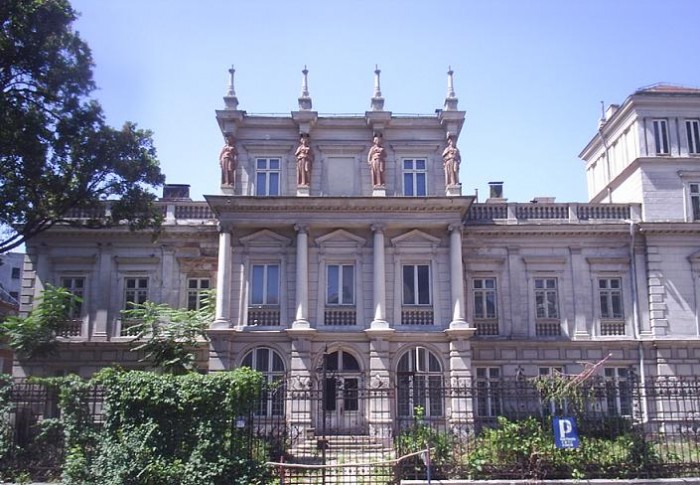
Over nearly two centuries of existence, Știrbei Palace has undergone several phases of transformation, endowing it with the complex and layered personality it possesses today. Initially conceived in a pure neoclassical style, with sober, symmetrical lines and a balanced composition inspired by ancient temples and Palladian palaces, the edifice presented an austere façade dominated by a recessed central body and two lateral wings, with regular windows and restrained decoration based on moldings and triangular pediments. This initial appearance reflected the classicist ideal of order and reason, in contrast to the chaos of the Baroque or the ostentation of the Orient. The palace underwent its first restoration in 1852, likely to repair damage caused by the frequent earthquakes in Bucharest or to adapt the structure to the evolving tastes of the era and the expansion of the family. The architectural turning point, however, came in 1882, when Alexandru Știrbei, the son of the ruler and heir to a considerable fortune, decided on a major and spectacular transformation of the façade facing Calea Victoriei. At that time, the imposing tower with a pitched roof and the caryatid-adorned floor were added, elements that directly evoke the Caryatid Porch of the Athenian Acropolis, the masterpiece of the architect Mnesicles, and which place the palace in profound conversation with Europe’s classical heritage. These caryatids, sculpted with grace and precision to support the upper balcony, represent a declaration of affiliation with the values of Greco-Roman antiquity, at a time when philhellenism dominated the salons of the continental aristocracy, from London to Vienna and from Paris to Saint Petersburg, following Greece’s War of Independence. The added tower evokes the medieval towers of Venetian palaces or the manors of the Low Countries, providing a verticality that breaks the horizontal monotony of neoclassical architecture. Behind the monumental façade once stretched a luxuriant garden, a rare green space in the dense urban center, inspired by English gardens or French parks, while the vaulted basement, with its brick arches, housed impressive cellars where wine from the family’s vineyards was stored. This viticultural tradition, inherited from ancestral boyar practices, was adapted to the entrepreneurial spirit of the European industrial era, reminiscent of the great châteaux of Bordeaux, the cellars of Tokaj, or those of the Rhine Valley, transforming the palace into a sophisticated agricultural production center alongside its residential function.
The Știrbei Dynasty, Court Intrigues, and Political Turning Points
Știrbei Palace witnessed crucial and dramatic moments in Romania’s political history. Dimitrie Știrbei, its visionary founder, would become the ruler of Wallachia during two distinct and turbulent periods, between 1849 and 1853 and again from 1854 to 1856, an era marked by the 1848 revolution, temporary Russian occupation, and increasingly intense efforts toward union with Moldavia. During this time, the palace functioned as an official princely residence and center of political life, hosting lavish diplomatic receptions, high-society balls, and gatherings of Bucharest’s intellectual elite who were shaping the nation’s future. The Știrbei court was renowned throughout Eastern Europe for its exceptional refinement, its collections of Italian and French art, and its impressive library, which assembled rare volumes from Europe’s great libraries, all reflecting an aspiration toward a Western aristocratic lifestyle akin to that of the princely courts of Monaco, the small German states of the German Confederation, or the Italian principalities before unification. Though politically conservative, Prince Dimitrie was compelled to navigate between the pressures of the Ottoman Empire, which maintained its suzerainty, and those of the Russian Empire, which exerted its protective influence, in a complex diplomatic game similar to that played by other Balkan dynasties. After the prince’s premature death in 1856, the palace remained in the Știrbei family’s possession, retaining its aura of luxury and prestige, hosting generations of aristocrats and cultural figures until the fateful year of 1948, when the communist regime established in Romania confiscated the property through forced nationalization, brutally severing the continuous thread of noble history and transforming a symbol of independence and refinement into a mere administrative headquarters. This transition from princely splendor to industrial and bureaucratic use represents a profound symbolic rupture, mirroring the tragic fate of many aristocratic residences in Eastern Europe, from the palaces of Poland and Czechoslovakia to the manors of Russia and Ukraine, all subjected to the violent process of nationalization and functional redefinition under communist regimes.
From Boyar Residence to Temple of Folk Arts and Glass
The communist period brought with it an unexpected and paradoxical cultural reconversion for Știrbei Palace. After housing the headquarters of the Wine Industrialization Enterprise, a technical institution that used the noble spaces for offices and storage, the building entered a phase of progressive degradation and abandonment, gradually losing its initial splendor and becoming a ruin in the heart of the capital. However, the 1970s and 1980s marked a partial cultural renaissance with the establishment of prestigious museum institutions that gave new life to its interiors. Between 1954 and 1977, the palace hosted the Museum of Folk Art, a space dedicated to preserving and presenting Romania’s traditional heritage, as part of the regime’s effort to assert national identity through culture and to showcase the creative richness of the Romanian people to the international community, in a European context where similar museums across Eastern Europe sought to present local specificity in counterpoint to official socialist art. Subsequently, from 1980 to 1994, the Museum of Ceramics and Glass operated here, a specialized institution highlighting the richness of traditional techniques, from Horezu pottery to the glassworks of Poiana Codrului, presenting an art of materials rooted in millennia-old craft traditions. These periods transformed the former princely residence into a temple of folk and material culture, a metamorphosis reflecting the broader European trend of democratizing access to culture and valorizing intangible and industrial heritage, albeit within the specific context of Romania’s communist regime. Though affected by the passage of time and previous uses incompatible with its noble structure, the building continued to play a central role in the capital’s cultural life, adapting to the new demands of the era and offering the public access to artistic treasures within an exceptional architectural setting.
Endangered Heritage and Restoration Prospects in a European Context
Today, Știrbei Palace is in an advanced state of decay, a silent yet painful and visible testament to the passage of time, the devastating earthquakes that struck Bucharest in 1940, 1977, and 1986, and decades of administrative neglect that have marked the post-communist period. The façade, once resplendent and well-maintained, now shows visible signs of deterioration, with cracked plaster, broken or inappropriately replaced windows, while the once-lavish interiors, decorated with stucco and murals, await a complex restoration that seems endlessly delayed due to lack of funds and political will. Nevertheless, its strategic location on Calea Victoriei, at number 107, in one of the capital’s most dynamic, historically rich, and architecturally valuable neighborhoods, keeps alive the hope of a complete revitalization. Projects discussed in recent years regarding the construction of a modern commercial and office complex on this site have sparked essential and heated debates about preserving Bucharest’s architectural memory and the fragile balance between contemporary urban development and the conservation of historical heritage. In this critical context, Știrbei Palace becomes a powerful symbol of the vanished Bucharest, an emblem of the city that was once rightfully called the Little Paris and which could be so again if collective will, international expertise, and financial resources allowed for the salvation and restoration of this unique monument. Comparisons with other European capitals that have successfully saved, restored, and integrated such architectural treasures into the contemporary urban fabric—from Lisbon to Prague, from Vienna to Budapest—offer hope that Bucharest, too, can reclaim this jewel of its past, transforming it into a vibrant cultural center, a luxury hotel, or an international museum institution, rather than leaving it to fall prey to oblivion and destruction.
Practical Visitor’s Guide and the Contemporary Traveler’s Experience
For the cultured European traveler in Bucharest, Știrbei Palace is an essential and obligatory stop on Calea Victoriei, the historic artery connecting Victory Square to Union Square and concentrating the most important architectural and cultural monuments of the Romanian capital. Located at number 107, between the imposing CEC Palace with its neorenaissance façade and the splendor of the National Museum of Art, the former royal residence, the edifice can currently be admired only from the outside. Its façade, however, offers a remarkable and moving architectural spectacle, particularly due to the sculpted caryatids and the tower that gracefully dominates the surrounding urban landscape. For the best photographic and contemplative experience, a visit is recommended in the late afternoon hours, especially during late autumn or spring, when the warm, golden light of the setting sun enhances the sculptural details of the façade, creates dramatic shadows on the columns and caryatids, and highlights the textures of the materials worn by time. In the immediate vicinity, just a few minutes’ walk away, the traveler can continue their cultural exploration by visiting the National Museum of Art, which houses remarkable collections of Romanian and European art, the CEC Palace, an architectural jewel from 1895–1900, the Romanian Athenaeum, the temple of symphonic music with its impressive dome, or by exploring the narrow streets of the Old Town, with its historic cafés and restaurants in the Lipscani area. The University and Roman Square metro stations provide easy access, and the walk along Calea Victoriei itself constitutes an unforgettable cultural experience. Though the interior is not currently open to the public, simply standing before this monument—a silent witness to such different eras, from princely opulence to communist austerity and postmodern chaos—offers a profound experience of connection with European history and the spirit of a city that was once the pride of the Balkans and which still retains, despite all vicissitudes, the soul of a truly European capital.
Media gallery
Discover Știrbei Palace in pictures

2 photos · Architecture, courtyards and captivating details

Image source: Wikimedia Commons · Public domain photos · Free license
STAY A FEW DAYS, DISCOVER THE MAGIC
Accommodation in the Știrbei Palace area

Apartment · 3 stars

București, Bucharest · 0.1 km
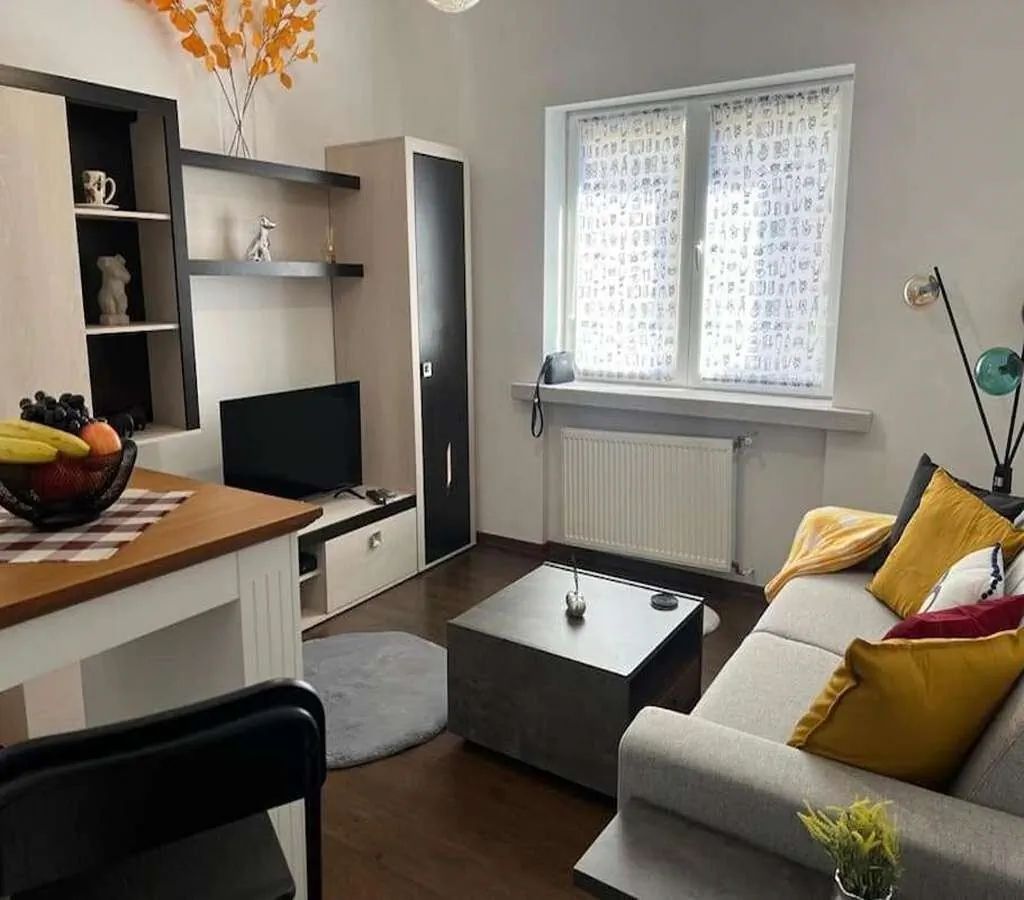
Lovely 1 bedroom Studio București
O zi petrecută aici începe cu accesul comod pe lift și continuă cu explorarea orașului pornind direct de la parcare pentru biciclete. Lovely 1 bedroom Studio București este un apartament de închiriat clasificat cu trei stele, situat pe strada Calea Victoriei 91-93, într-o zonă centrală și bine conectată a capitalei. Camera este amenajată confortabil și dispune de baie proprie. Check-in-ul se poate efectua de la ora 15:00, iar predarea camerei se face până la ora 11:00. Personalul de la recepție comunică în limba română și în limba engleză. Plata se poate realiza prin transfer bancar. Vă rugăm să rețineți că bucătăria nu este dotată cu ustensile sau echipamente de gătit și că tarifele camerelor nu includ servicii de masă. În vecinătate se află Palatul Parlamentului, Palatul Regal, Catedrala Mântuirii Neamului, Muzeul Țăranului Român și Muzeul Național al Satului Dimitrie Gusti, obiective culturale și istorice care pot fi vizitate cu ușurință din acest punct central al Bucureștiului. Această unitate de cazare este potrivită pentru călătorii care doresc să descopere centrul istoric al orașului într-un apartament practic, bine poziționat și accesibil pentru explorări urbane.
FROM
230 lei per night

Hotel · 3 stars
București, Bucharest · 0.2 km
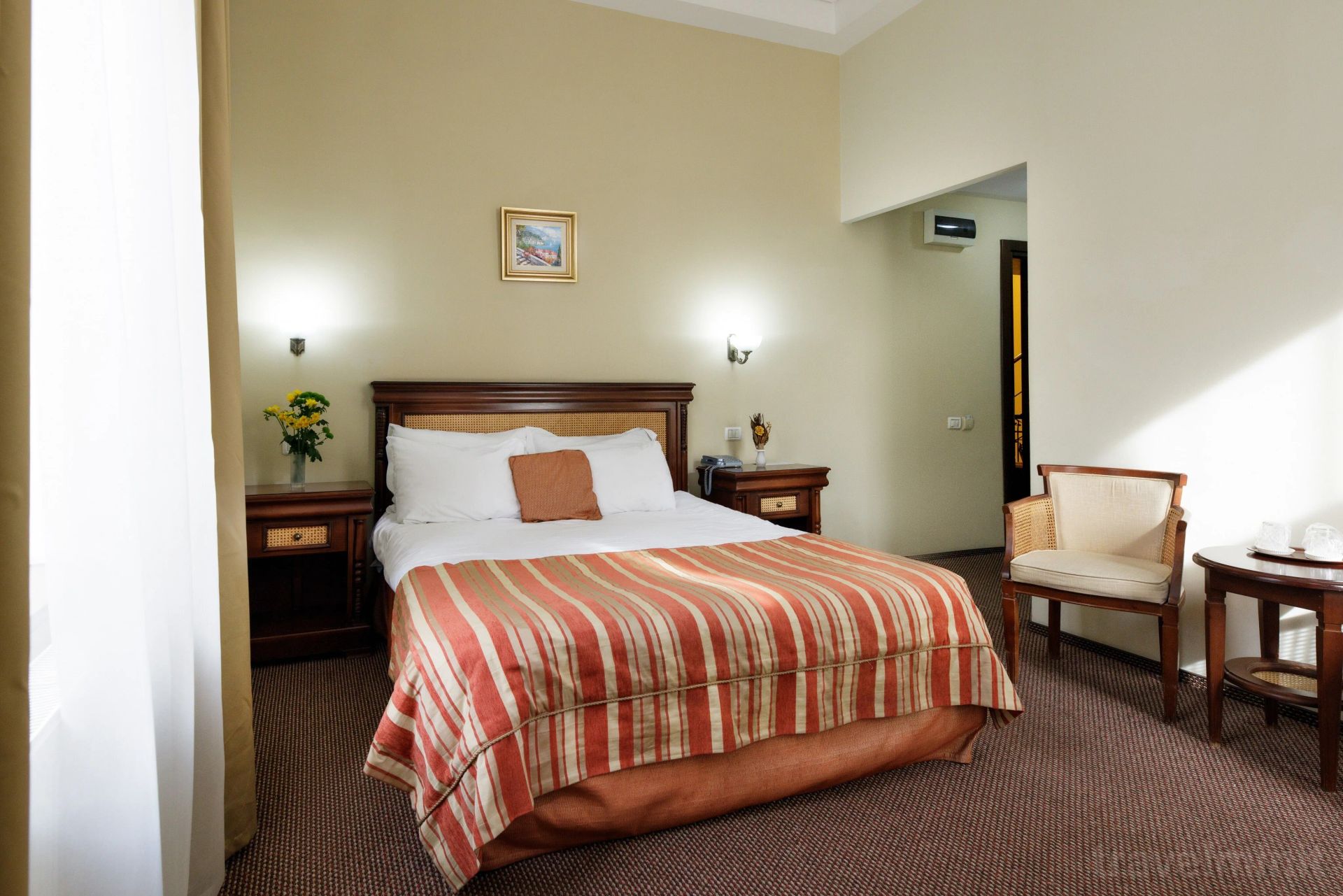
Atrium Hotel Ateneu City Center București
Atrium Hotel Ateneu City Center este un hotel de 3 stele situat în București, pe strada Piata Amzei 8. Imobilul datează din anul 1912 și găzduiește un hotel boutique gestionat în regim privat, aflat la doar câțiva pași de Calea Victoriei. Camerele sunt dotate cu aer condiționat, televizor cu ecran plat și programe prin cablu, minibar, grup sanitar propriu cu uscător de păr și spațiu de relaxare. Aveți la dispoziție Wi-Fi gratuit în întregul hotel. Micul dejun este oferit zilnic, iar barul funcționează non-stop. Pentru întâlniri, sala pentru conferințe poate primi până la 50 de participanți. Vă punem la dispoziție parcare privată gratuită, parcare pentru biciclete și stație de încărcare pentru vehicule electrice. Alte facilități includ lift, curte mare cu grădină amenajată, cafenea în incintă, depozit pentru bagaje, seif și fier de călcat. Pentru familiile cu copii sunt disponibile pătuț pentru bebeluș și scaun înalt. Toate acestea sunt puse la dispoziția dumneavoastră pentru un sejur plăcut. În apropiere puteți vizita Palatul Parlamentului, Palatul Regal, Catedrala Mântuirii Neamului, Muzeul Țăranului Român și Muzeul Național al Satului Dimitrie Gusti. Vă așteptăm la Atrium Hotel Ateneu City Center.
FROM
290 lei per night
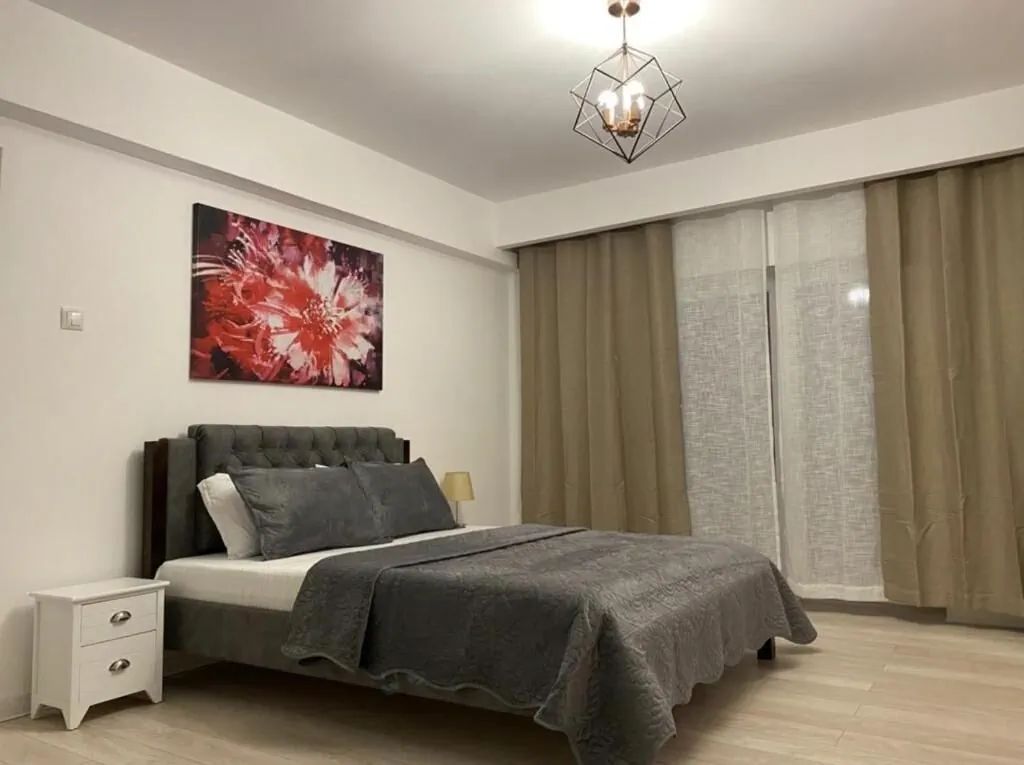
Apartment · 2 stars
București, Bucharest · 0.2 km
Luxury City Center Apartment - Amzei Romana București
Apartament de închiriat cu clasificare de 2 stele, situat în București, pe strada Piața Amzei 7-9. Această unitate reprezintă o opțiune practică și accesibilă pentru cei care doresc să își petreacă timpul în centrul capitalei, într-o zonă bine conectată. Pentru un sejur confortabil, aveți la dispoziție Wi-Fi gratuit și acces cu liftul, iar pentru deplasările cu bicicleta există parcare special amenajată. De asemenea, sunt disponibile un fier de călcat, un spațiu de depozitare pentru bagaje și un pătuț pentru bebeluș, astfel încât să aveți la îndemână tot ce vă este necesar pe toată durata șederii dumneavoastră. În apropiere se află mai multe obiective turistice importante care merită vizitate: Palatul Parlamentului, Palatul Regal, Catedrala Mântuirii Neamului, Muzeul Țăranului Român și Muzeul Național al Satului Dimitrie Gusti. Aceste puncte de interes pot fi descoperite cu ușurință pornind de la această adresă, oferindu-vă ocazia de a explora centrul orașului și de a vă bucura de atmosfera capitalei. Vă așteptăm să vă bucurați de șederea dumneavoastră și să porniți apoi la descoperirea Palatului Parlamentului.
FROM
230 lei per night
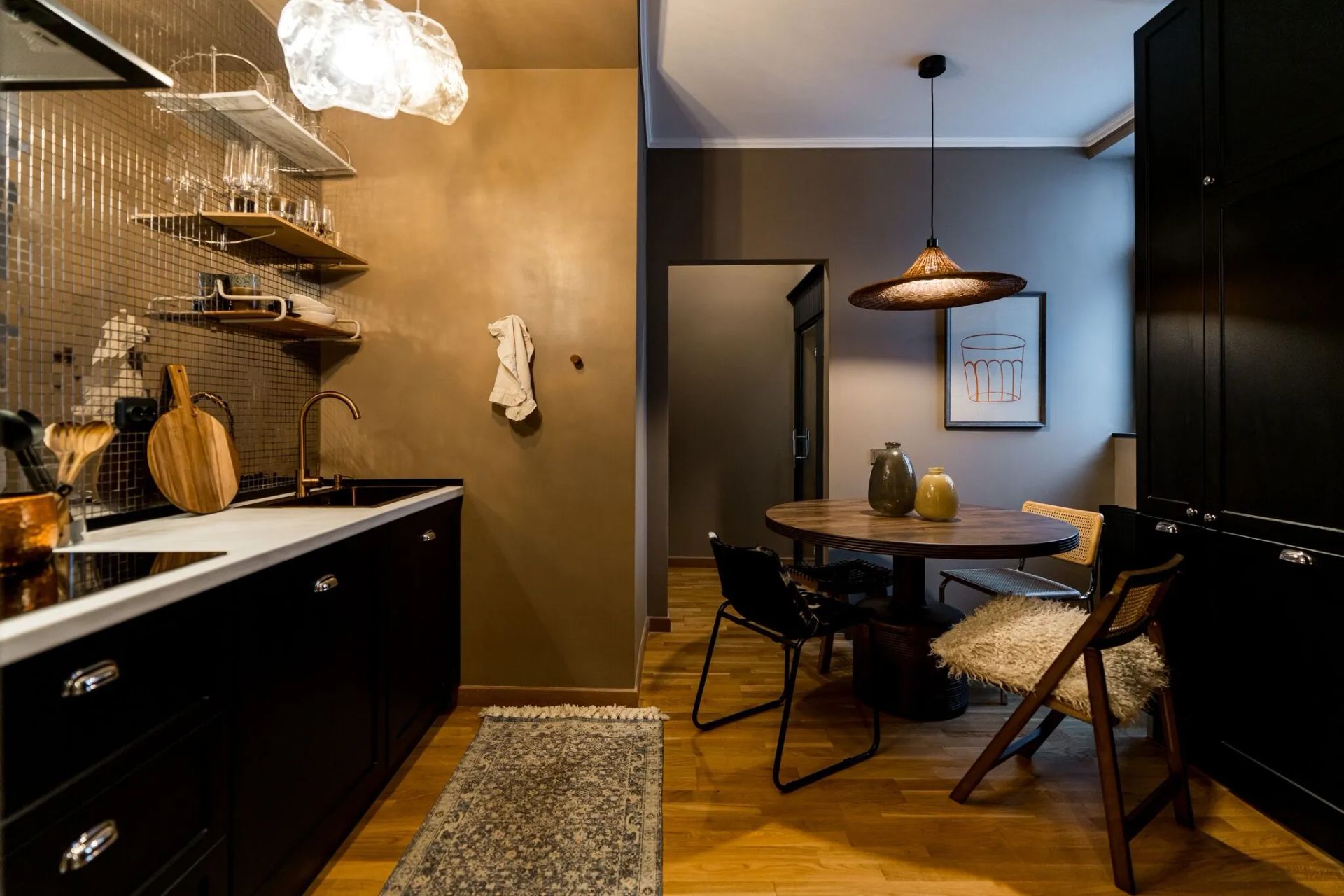
Apartment · 3 stars
București, Bucharest · 0.4 km
Urban Deluxe Apartments București
Cuplurile și călătorii în interes de serviciu se vor simți bine la Urban Deluxe Apartments București, situat pe strada Calea Victoriei din capitală. Acest apartament de trei stele oferă saună și cadă cu hidromasaj pentru momente de relaxare profundă, alături de Wi-Fi gratuit, lift și fier de călcat. Spațiul este dotat cu pat matrimonial, lenjerie fină, bucătărie dotată complet și zonă dedicată pentru lucru, iar accesul se face autonom pentru confortul dumneavoastră. Curtea mare și grădina amenajată aduc un plus de liniște în mijlocul aglomerației urbane, oferind un spațiu generos pentru odihnă în aer liber. Televizorul smart cu servicii de streaming este disponibil pentru serile relaxante, iar asistența rapidă din partea gazdei asigură o experiență fără griji pe toată durata șederii. În vecinătate puteți vizita Palatul Parlamentului, Palatul Regal, Catedrala Mântuirii Neamului, Muzeul Țăranului Român și Muzeul Național de Istorie Naturală Grigore Antipa. Locația de pe Calea Victoriei vă permite să ajungeți ușor la aceste obiective turistice și să explorați centrul orașului. Vă așteptăm la Urban Deluxe Apartments București.
FROM
230 lei per night
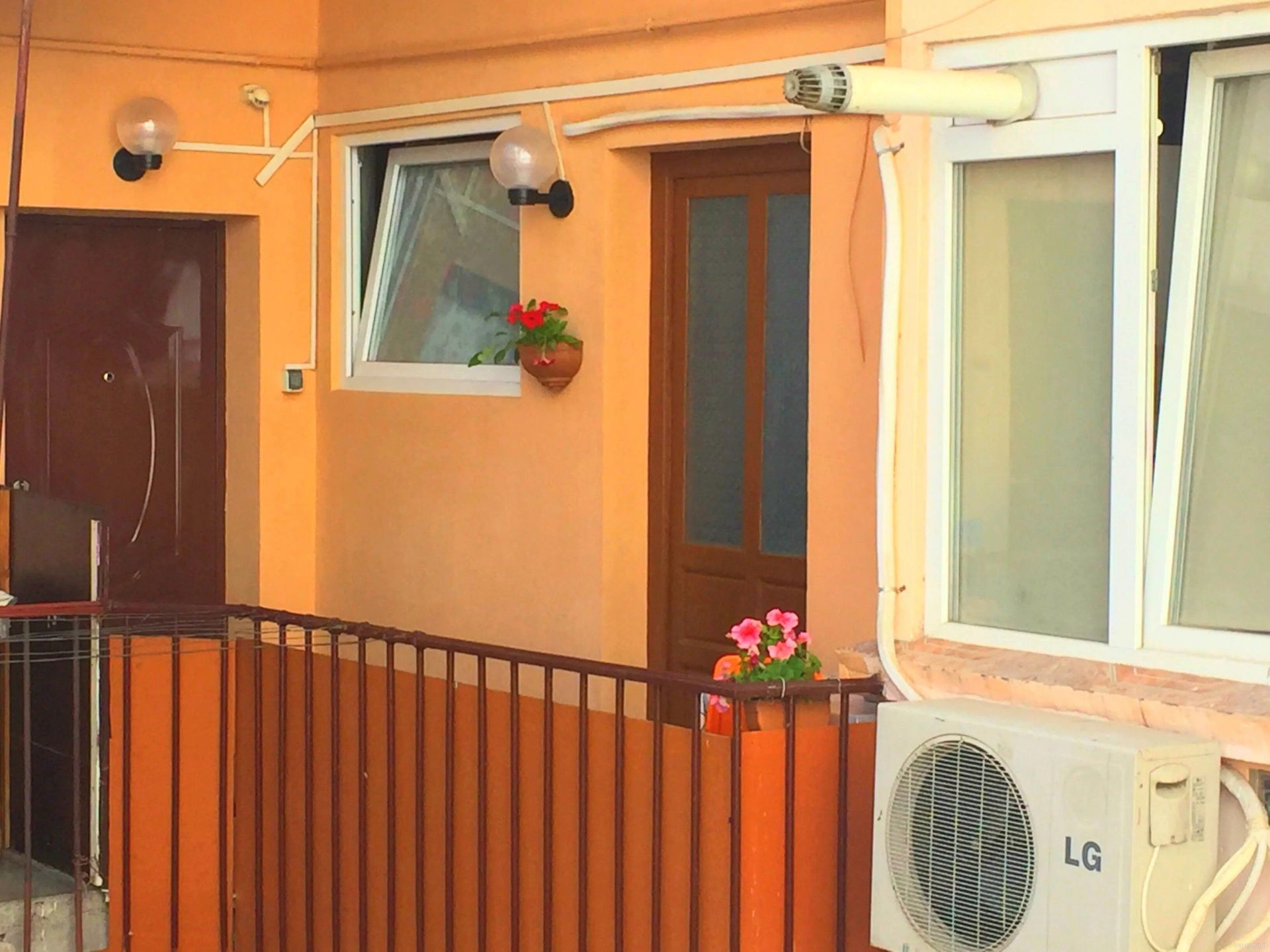
Apartment · 3 stars
București, Bucharest · 0.4 km
Garsoniera Amzei București
Comfort, relaxation and stunning views, all just steps away from the main attractions.
FROM
230 lei per night
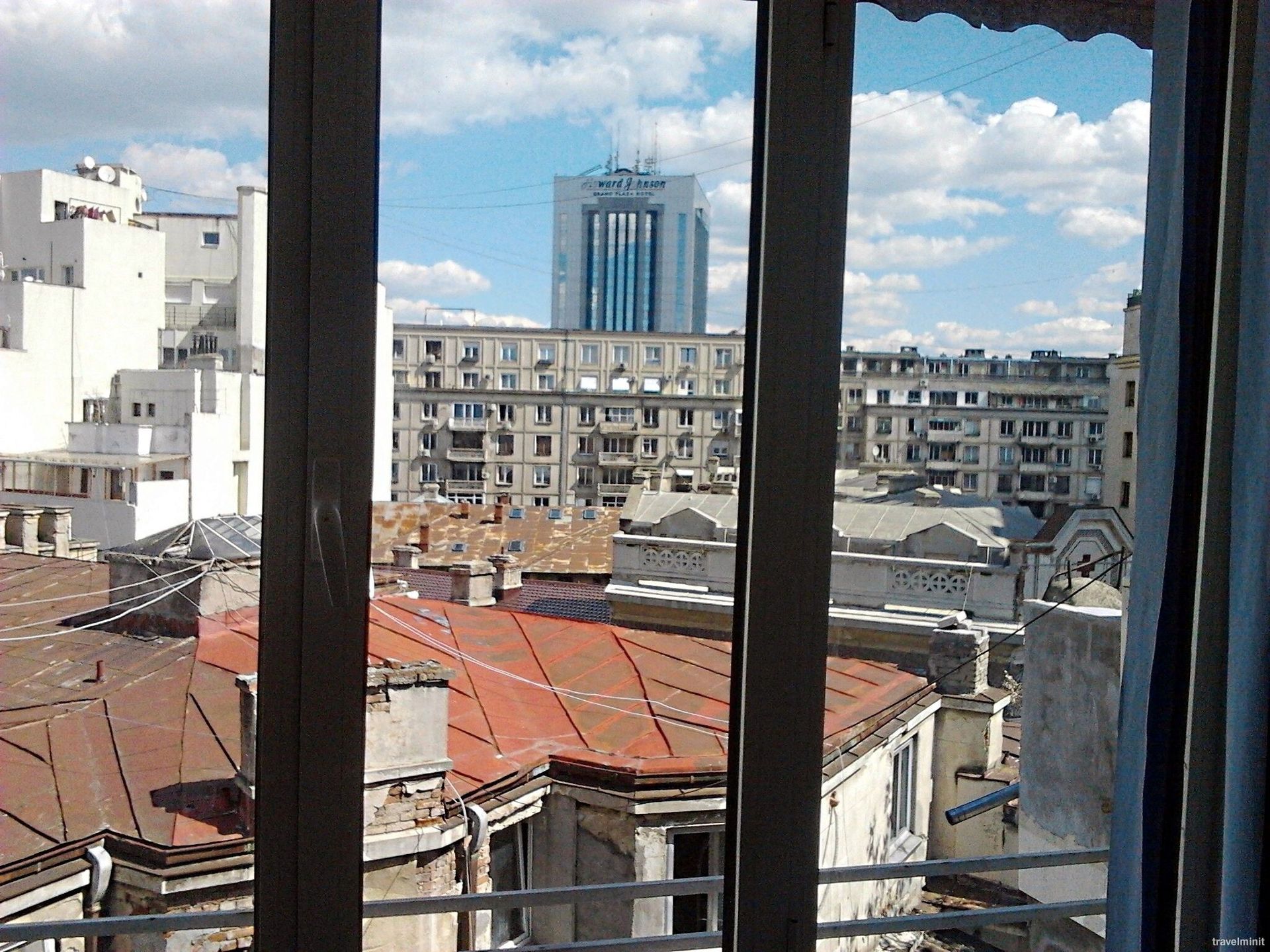
Apartment · 3 stars
București, Bucharest · 0.4 km
Garsoniera Ambasada Franței București
Comfort, relaxation and stunning views, all just steps away from the main attractions.
FROM
230 lei per night
BEFORE YOU HIT THE ROAD
Weather conditions in Bucuresti
Local forecast for Știrbei Palace, Bucuresti, București

Real-time updated weather data
Much more to explore in this area
Nearby tourist attractions

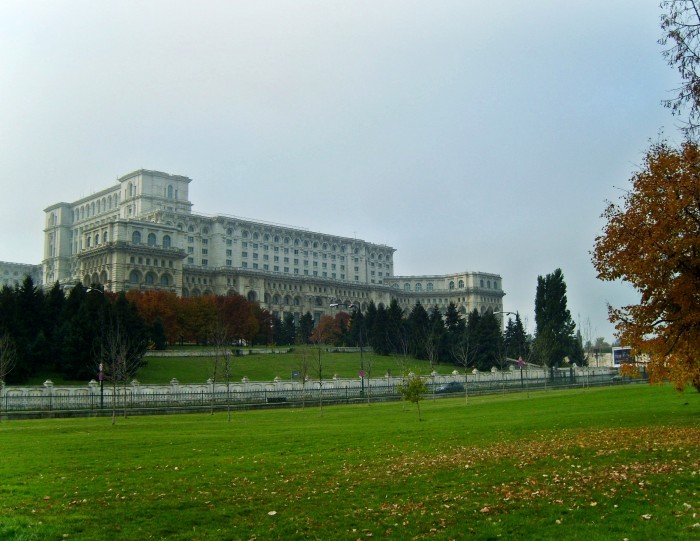

Bucuresti, Bucharest
Palace of the Parliament
Situat pe strada Izvor nr.3, sector 5, localitatea Bucuresti; in perioada comunista a fost cunoscut sub numele de "Casa Poporului"; considerata una dintre cele...
1.9 km

București, Bucharest
People's Salvation Cathedral (National Cathedral of Romania)
Catedrală ortodoxă din București
2.1 km
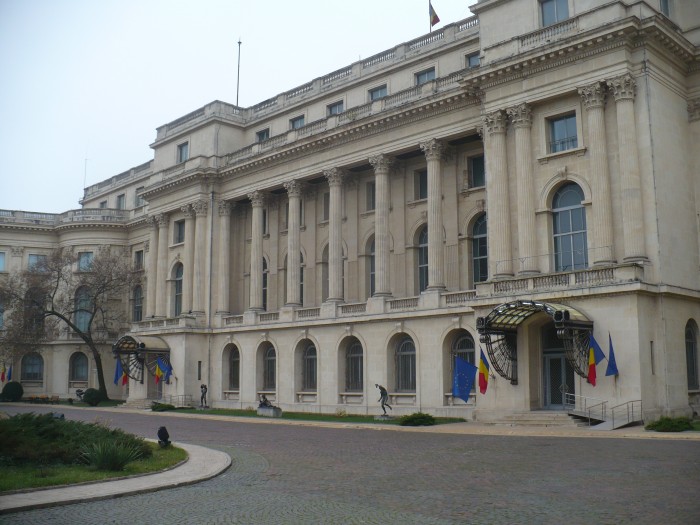
Bucuresti, Bucharest
Royal Palace of Bucharest
Situat pe Calea Victoriei nr. 49-53, sector 1, localitatea Bucuresti; construit intre anii 1812-1815 a apartinut marelui logofat Dinicu Golescu, dar a fost...
0.6 km
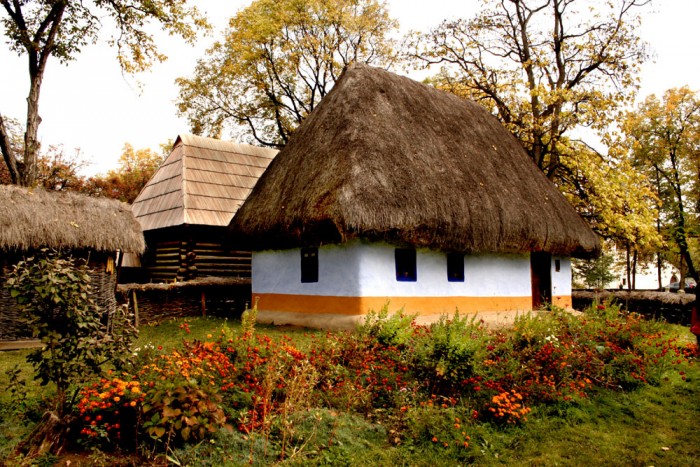
Bucuresti, Bucharest
Dimitrie Gusti National Village Museum
Situat pe Soseaua Kiseleff nr.28-30, sectorul 1; a fost inaugurat in 1936; expozitia permanenta cuprinde 121 de complexe distincte, totalizand 338 de monumente,...
3.3 km

Bucuresti, Bucharest
Romanian Peasant Museum (Muzeul Național al Țăranului Român)
Situat pe soseaua Kiseleff nr.3, sector 1, localitatea Bucuresti; constructia intregului edificiu a durat 29 de ani, fiind finalizat in 1941; cladirea muzeului...
1.5 km

Bucuresti, Bucharest
Cotroceni Palace
Situat pe bulevardul Geniului nr.2, sector 6, localitatea Bucuresti; in anul 1679, domnitorul Serban Cantacuzino incepe constructia unei manastiri; opera sa a...
2.6 km

Bucuresti, Bucharest
Grigore Antipa National Museum of Natural History
Situat pe soseaua Kiseleff nr. 1, sector 1, localitatea Bucuresti; fondat in 1834 la initiativa lui Mihalache Ghica; are un bogat patrimoniu format din...
1.3 km
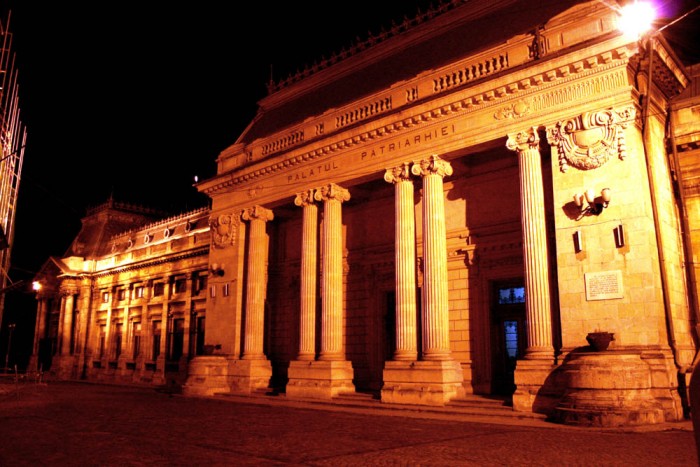
Bucuresti, Bucharest
Patriarchal Palace
Situat pe aleea Dealul Mitropoliei nr.25, sector 4, localitatea Bucuresti; construit de statul roman, la inceputul secolului al XX-lea, pe locul fostei sali a...
2.1 km

Bucuresti, Bucharest
National Museum of Romanian History
Situat pe Calea Victoriei nr.12, sector 3, localitatea Bucuresti; adapostit de Palatul Postelor; a fost inaugurat in anul 1970 fiind cel dintai muzeu de...
1.4 km
Bucuresti, Bucharest
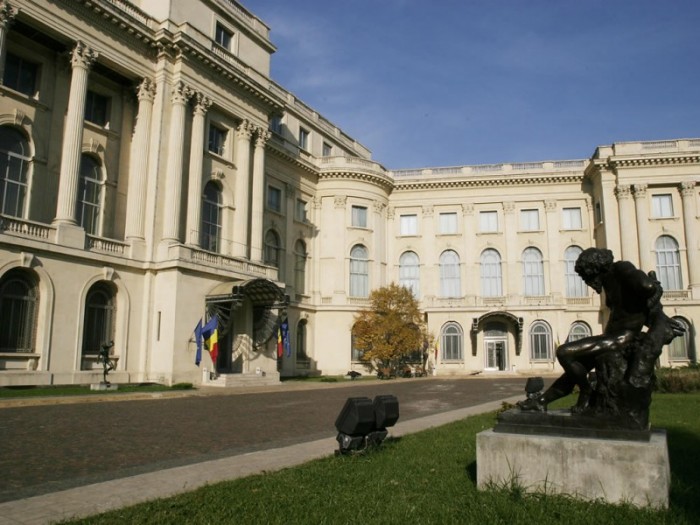
National Museum of Art of Romania
Situat pe Calea Victoriei nr. 49-53, sector 1; deschis in 1948, in vremea lui Alexandru Ioan Cuza;cladirea era pe atunci locuinta domneasca, in timpul lui...
0.6 km

1.0 km
Bucuresti, Bucharest
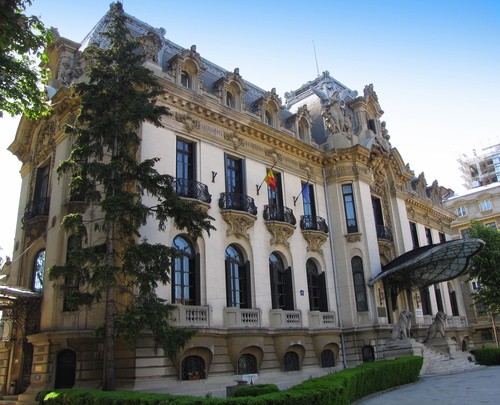
Cantacuzino Palace
Situat pe Calea Victoriei nr.141, sector 1, localitatea Bucuresti; construit intre anii 1898-1900, in stil baroc francez al epocii Ludovic al XVI-lea, pentru...
0.3 km
Cultural life and traditions
Events in the Știrbei Palace area
Medieval festivals, traditional fairs, concerts and local activities recommended in Muntenia (Wallachia).

History and Royal Architecture

Bucuresti, County of București
Days of Royalty and Heritage in the Prahova Valley
Historical conferences open to the public, themed tours of royal architecture, documentary screenings and exhibitions of vintage photographs.
WHEN
May 10-12, 2026


Gastronomy and Oenology
Dealu Mare, County of București
The Prahova Wine Festival on the Wine Route
Guided tastings of Fetească Neagră along the famous Wine Route, visits to historic wineries, and meetings with leading winemakers.
WHEN
Every weekend (September - October)
Hiking and Adventure
Bucegi Mountains, București County
Guided Mountain Tour in the Bucegi Mountains
Guided mountain tours led by mountain rescue personnel to iconic panoramic viewpoints and spectacular alpine waterfalls.
WHEN
Daily during the season (June - October)
On foot, exploration gains depth
Discover the surroundings and local geography
Explore the trails, terrain, and natural landmarks around Știrbei Palace.

Guides and practical tips
Useful travel articles
Travel guides, practical recommendations and tourist itineraries for Muntenia (Wallachia).

Tourist guide
Top 5 Atracții Turistice și Trasee Montane în Zona Moieciu - Bran
Descoperă cele mai spectaculoase peisaje carstice, chei adânci și cetăți medievale din imediata apropiere a stațiunii Moieciu.

Tourist guide
Ghid de Drumeție: Traseul Moieciu de Sus spre Platoul Bucegi
Un itinerariu montan de o frumusețe rară ce urcă din Valea Băngăleasa spre Poiana Guțanu și crestele maiestuoase ale Bucegilor.

Tourist guide
Castelul Bran: Istorie, Legende și Secrete Medievale
Află adevărata poveste a fortăreței medievale din Pasul Bran, reședința de suflet a Reginei Maria a României.
THE JOURNEY STARTS WITH AN IDEA
The next story is on the way.
From the first stop to the last stay, make room for a new Romania.
