


CASTLE · MUNTENIA (WALLACHIA)
The Old Court

Bucuresti, Bucharest
Add location to your trip planner.
Practical access information

VISITING HOURS
Monday: 12:00 PM – 5:00 PM · Tuesday–Sunday: 9:00 AM – 5:00 PM (in summer until 8:00 PM)

TICKET PRICE
Adults: 45 RON · Students: 11 RON · Seniors: 23 RON · Guided tour included

RECOMMENDED VISIT DURATION
2-3.5 hours
Visitor information and guide
 Navigate with Google Maps

ABOUT THE OLD COURT
A Stone Foundation in the Heart of Old Bucharest
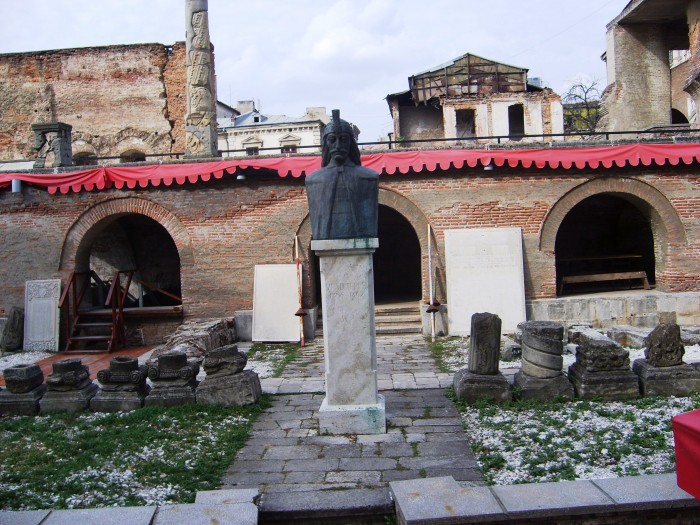
On French Street, deep within the Old Town, where medieval Bucharest still seems to hold its breath before transforming into a modern metropolis, stand the ruins of the Old Court. This is not just a simple archaeological site; it is the true cradle of the capital, the place where the city ceased to be an ordinary trading post and became a royal residence, the center of a power that would shape the destiny of all of Wallachia. From the moment you enter the grounds, visitors can feel the weight of centuries: the red brick walls, the massive foundations of the former Royal Palace, and the silhouette of the Good News Church outline an architectural landscape that has survived fires, earthquakes, and urban neglect, preserving intact the memory of Bucharest’s first steps as a city-state. In the quiet of the inner courtyard, where the echo of footsteps once resonated beneath the vaults, time seems to have stopped, offering a rare contemplative experience in a city that is constantly on the move.
The cultural significance of this complex extends far beyond local boundaries. The Old Court represents the oldest architectural complex with royal characteristics in the capital, a silent witness to the transformation of a settlement on the banks of the Dâmbovița River into a political center of European importance. Here, decisions were made that changed the course of Romanian history; here, foreign envoys were received and churches were built, and today’s ruins tell their story in the language of silence, inviting travelers to delve into the intimacy of a bygone era, deeply rooted in national identity. This is where the idea of a capital was born, where the first centralized administration of Wallachia took shape, and where architecture began to speak the language of power.
Historical Roots and Founders Lost in the Mists of Time
Although oral tradition and later chronicles attribute the initiative to build the first fortified enclosure on this site to Mircea the Elder as early as the 15th century, historical reality points to a much more controversial and fascinating figure: Vlad the Impaler. Documents unequivocally attest that around 1459, Prince Vlad III, known as Vlad the Impaler, decided to move the capital of Wallachia from Târgoviște to Bucharest, choosing this location closer to the Danube and easier to defend against Ottoman expansion. Thus, Curtea Veche became, under his rule, the first true princely residence of the city, a center of military and administrative power that allowed Vlad to more effectively control trade routes and resist Ottoman pressures. Strategically positioned between the Dâmbovița River and the hills to the north, the enclosure offered natural protection and easy control over access to the city.
The strategic importance of this location is masterfully highlighted in 1476, when Stephen the Great, ruler of Moldavia, entered Wallachia with his army and forcibly conquered Curtea Veche. This episode, which took place in the context of the anti-Ottoman wars, demonstrates that the enclosure on French Street was not just a palace, but an essential fortress for the survival of the medieval Romanian state. Stephen the Great placed his ally, Basarab Laiotă the Elder, on the throne, transforming Curtea Veche into a theater of regional diplomacy and a symbol of Christian resistance against the Ottoman Empire. After the turbulent period of Vlad the Impaler, the complex experienced a period of prosperity under the rule of Mircea Ciobanul in the 16th century. This prince, who came from the ranks of shepherds, managed to transform Curtea Veche into an impressive complex, building here, between 1558 and 1559, the church of the Annunciation, which was to become the chapel of the palace and the place of worship for the dynasty.
Later, Vlad the Monk, another ruler with a mysterious biography, contributed to expanding and consolidating the structures by adding new wings and fortifications. However, the architectural peak of the Old Court is associated with the name of Constantin Brâncoveanu, the great founder of the 17th century, who, although he built his new residence on Mitropoliei Hill, did not neglect the old enclosure, allowing it to shine through the enrichment of its decorations and domestic facilities. The 18th century, however, brought about its definitive decline. The Phanariote period, marked by political instability, saw the progressive neglect of the old residence. The devastating fire of 1718, which consumed a large part of Bucharest, also struck the Old Court, destroying entire wings of the palace and the offices where the boyars carried out their activities. Twenty years later, the earthquake of 1738, one of the strongest in the city’s history, caused the collapse of already weakened structures. Although partial reconstructions were attempted, the royal residence was definitively moved to the New Court, and the old enclosure fell into obscurity, preserving only the church and a few fragments of the palace as testaments to a bygone era.
Architecture, Art, and the Spirit of Place
The Old Court complex, as it appeared during its period of glory, was a true miniature citadel, surrounded by thick walls over a meter in height and equipped with defensive towers that dominated the urban landscape. The architecture reflected a remarkable synthesis between Byzantine tradition, inherited from centuries of Byzantine influence on Wallachia, and Gothic elements brought by Italian and German craftsmen who worked at the royal courts of that era. The Voivodal Palace spanned several levels, with vaulted halls featuring broken arches, open galleries leading to the inner courtyard, and rooms adorned with frescoes and stucco work that evoked the grandeur of the imperial Byzantine courts. Around the palace stretched magnificent gardens, with stone paths, ornamental fountains, and summer pavilions, designed to offer the voivodes and their guests a refuge of tranquility and refinement.
At the center of this complex stood the Church of the Annunciation, known today as the Old Court Church. Originally built in the 16th century by Mircea Ciobanul, the church underwent numerous transformations over time. After the earthquake of 1838, which severely damaged its structure, it was rebuilt in the Brâncovenesc style, a distinctly Romanian architectural style that combines Byzantine, Renaissance, and Baroque elements into a perfect harmony. Today, visitors enter its nave and admire the iconostasis carved from linden wood, a work of art that filters light and creates an atmosphere of contemplation. The interior mural paintings, meticulously restored in the 20th century, reveal impressive biblical scenes and votive portraits of the founders, created by Wallachian schools of painting that followed the Byzantine tradition but incorporated Western influences. The church's bell tower, with its pyramid-shaped roof, still dominates the streetscape, reminding us of the spiritual role of this place.
In the courtyard of the church, the ruins of the old palace walls rise like stone ghosts. These massive foundations, with traces of Gothic windows and entrance gates, are marked with information plaques that help visitors imagine the grandeur of the lost buildings. The museum building, adjacent to the complex, houses exceptional archaeological collections: fine ceramics from Italian and Ottoman workshops, gold and silver coins minted in Venetian, Hungarian, or Ottoman mints, fragments of frescoes detached from the palace walls, and household tools that tell stories about the daily life of the courtiers. These artifacts, discovered during systematic archaeological excavations in the 20th century, offer a silent but eloquent glimpse into the material world of the 15th to 18th centuries, revealing the level of civilization and luxury of a royal court located at the crossroads between East and West.
Stories, Legends, and Pivotal Moments
Every stone of the Old Court seems to whisper stories filled with mystery and drama. The most famous legend is associated with Vlad the Impaler, the voivode who made this place the center of his power. Although many of the atrocities attributed to him are exaggerations of Ottoman propaganda and German chronicles, popular tradition keeps alive the memory of summary trials held in the palace courtyard and a subterranean prison where political enemies were thrown. It is said that Vlad used to receive his foreign guests in the throne room, under the Gothic vaults of the palace, impressing them with the oriental splendor of his court, but also with the severity with which he treated his adversaries. There are also legends about treasures hidden in the foundations of the palace, which the voivode supposedly buried before leaving the city in the face of the Ottoman invasion, a treasure that has never been discovered and continues to fuel the imagination of adventure seekers.
A historical turning point occurred in the summer of 1476, when Stephen the Great's army entered Bucharest. The siege of the Old Court was one of the bloodiest episodes of the Moldavian campaign, and after the conquest of the city, Stephen the Great partially burned the buildings to ensure his safe retreat, leaving behind smoking ruins. This destruction, although dramatic, did not mean the end of the Old Court, but only a pause in its tumultuous history. Later, in the 16th century, Mircea Ciobanu built the church and transformed the courtyard into a place of spirituality and artistic flourishing, bringing Italian craftsmen to decorate the palace with frescoes and stucco. Life at the Old Court was marked by lavish boyar receptions, dances, and lute music, but also by political intrigues and palace conspiracies. The 17th and 18th centuries brought an atmosphere of decadence and the end of an era: the fire of 1718 destroyed not only the buildings but also the princely archives, and the earthquake of 1738, which toppled the spires of many churches in the city, finally struck the structure of the palace, leading to the definitive relocation of the court.
Practical Guide for Visitors and Tourist Recommendations
To truly discover the magic of Curtea Veche, visitors should set aside several hours on a quiet day, preferably in the morning, when sunlight gently falls upon the stone ruins and before the crowds in the Old Town reach their peak. The complex is located on Strada Franceză, just a few steps from Piața Sfântul Anton and the Church of St. Anthony, the oldest church in Bucharest, built in 1559. It can be easily accessed by metro to the Unirii or Izvor station, or by buses serving the Old Town area, followed by a ten-minute walk along the cobbled streets of Lipscani. The visiting hours are usually from Tuesday to Sunday, between 10:00 and 18:00, with Mondays closed, and admission is reasonably priced in accordance with the museum policy of the Municipality of Bucharest.
The actual visit consists of three essential moments: entering the Curtea Veche Church to admire the carved iconostasis and murals, exploring the Curtea Veche Museum, where archaeological exhibits reveal the secrets of medieval daily life, and strolling through the churchyard among the ruins of the palace, where information panels help visitors mentally reconstruct the original complex. For organized groups, themed guided tours can be arranged to explore specific aspects of the site's history, from Brâncovenesc architecture to the legends of Vlad the Impaler. Visitors are advised to respect the tranquility of the place, as it is a sacred space and a particularly sensitive historical site, and photography inside the church should be done without flash, out of respect for the sanctity of the space.
After visiting Curtea Veche, the itinerary can continue with a walk to Stavropoleos Monastery, just five minutes away, another architectural gem of Old Bucharest, featuring a portico carved in a unique Brâncovenesc style. Also nearby is Hanul lui Manuc, the oldest commercial inn in the capital, offering the opportunity to enjoy coffee in an authentic historical setting. A walk along the recently renovated banks of the Dâmbovița River allows visitors to contemplate the urban landscape that has inspired generations of poets and painters. For photography enthusiasts, Curtea Veche offers stunning photo opportunities, especially at sunset, when warm light bathes the red walls of the ruins and the church, creating an emotional contrast between past and present. Comfortable shoes are recommended for walking on the gravel in the courtyard, and it is best to explore the area during cooler seasons, when the melancholic atmosphere of the ruins is more pronounced. A visit here is not just a journey into history, but a profound encounter with the original soul of Bucharest, that core of stone and spirit that gave birth to a capital city.
Media gallery
Discover The Old Court in pictures

5 photos · Architecture, courtyards and captivating details
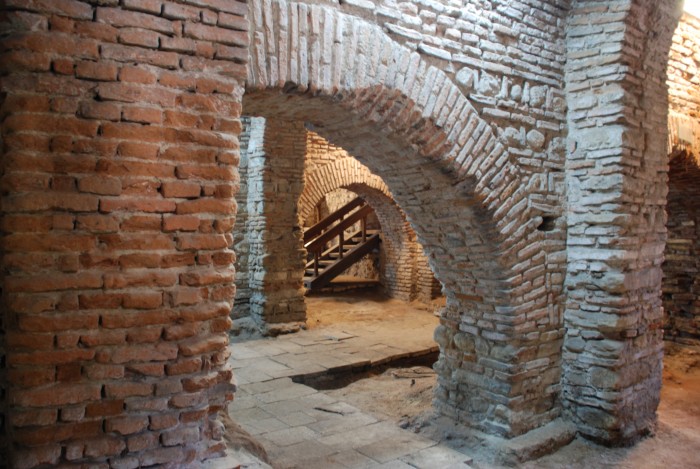


Image source: Wikimedia Commons · Public domain photos · Free license
STAY A FEW DAYS, DISCOVER THE MAGIC
Accommodation in the The Old Court area

Apartment · 3 stars

București, Bucharest · 0.1 km
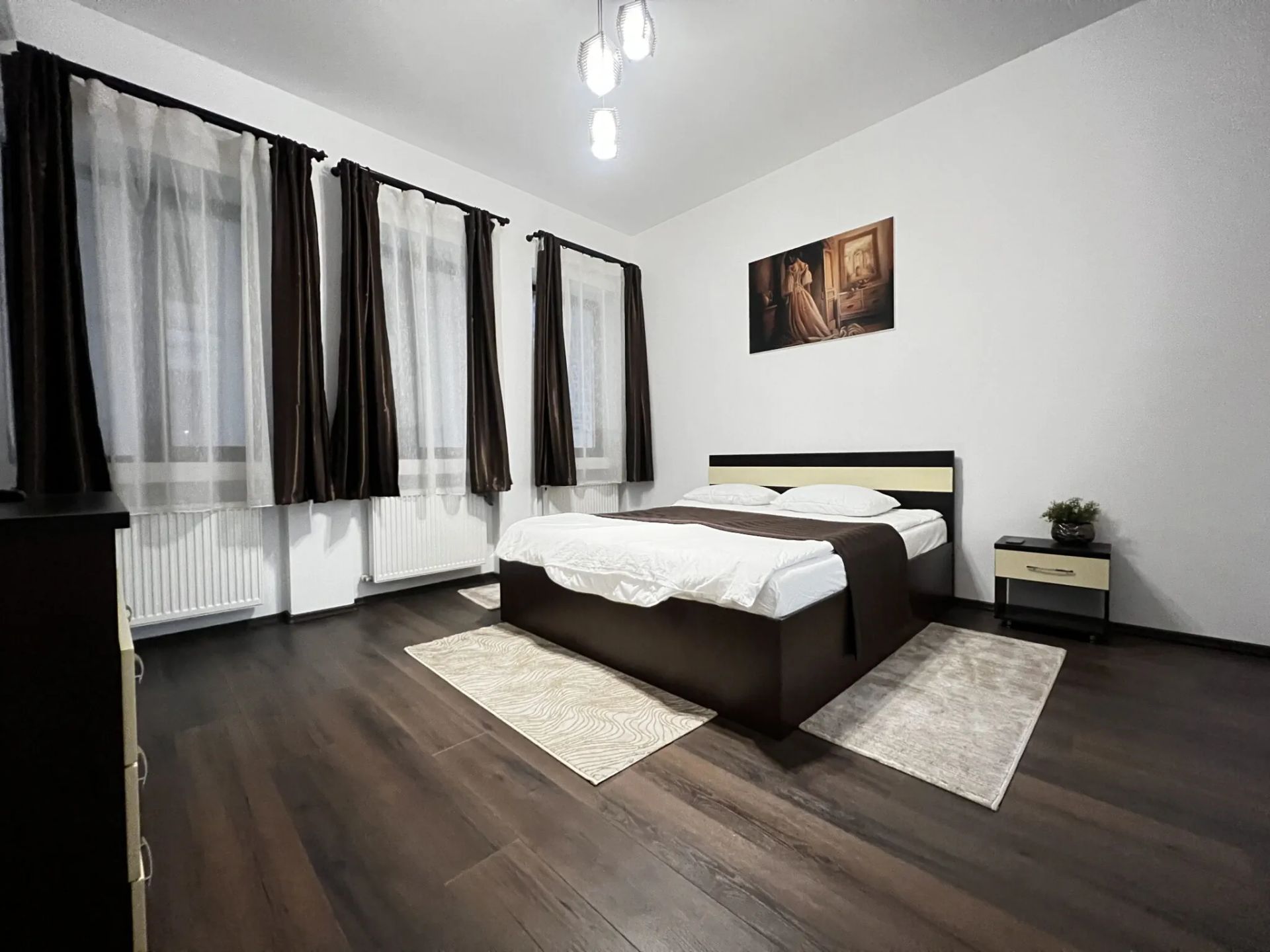
Apartament City Center Bed and Beyond București
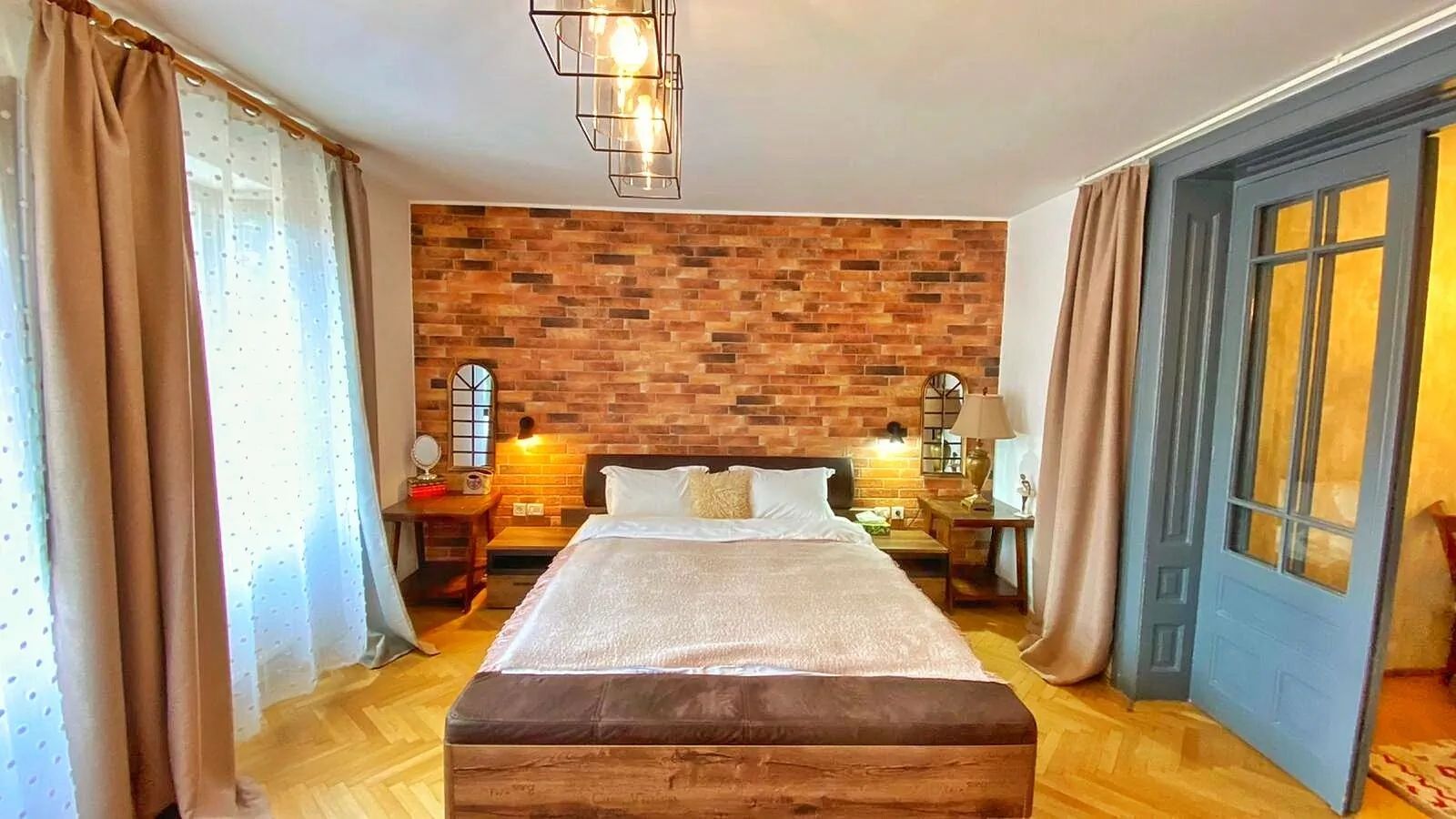
În apropiere puteți vizita Palatul Parlamentului, una dintre cele mai impresionante construcții administrative din lume. Apartamentul City Center Bed and Beyond din București reprezintă punctul dumneavoastră de plecare pentru a explora capitala României și toate atracțiile sale. Această unitate de cazare de 3 stele, situată pe strada Franceză, oferă un spațiu confortabil și bine mobilat. Camera este dotată cu aer condiționat și baie privată, iar accesul la Wi-Fi gratuit vă permite să rămâneți conectați pe toată durata șederii dumneavoastră. Pentru familiile care călătoresc cu copii mici, pătuțul pentru bebeluș este pus la dispoziție, iar fierul de călcat vă ajută să vă mențineți ținutele îngrijite. Personalul de la recepție comunică în română, engleză și spaniolă. Check-in-ul se realizează începând cu ora 16:00, iar eliberarea camerei se face până la ora 11:00. În zonă puteți descoperi și Catedrala Mântuirii Neamului, Palatul Regal, Muzeul Național de Istorie Naturală Grigore Antipa sau Palatul Patriarhal, toate reprezentând repere culturale și istorice importante ale orașului. Vă așteptăm să vă bucurați de o ședere plăcută în București.
FROM
230 lei per night

Apartment · 2 stars
București, Bucharest · 0.1 km
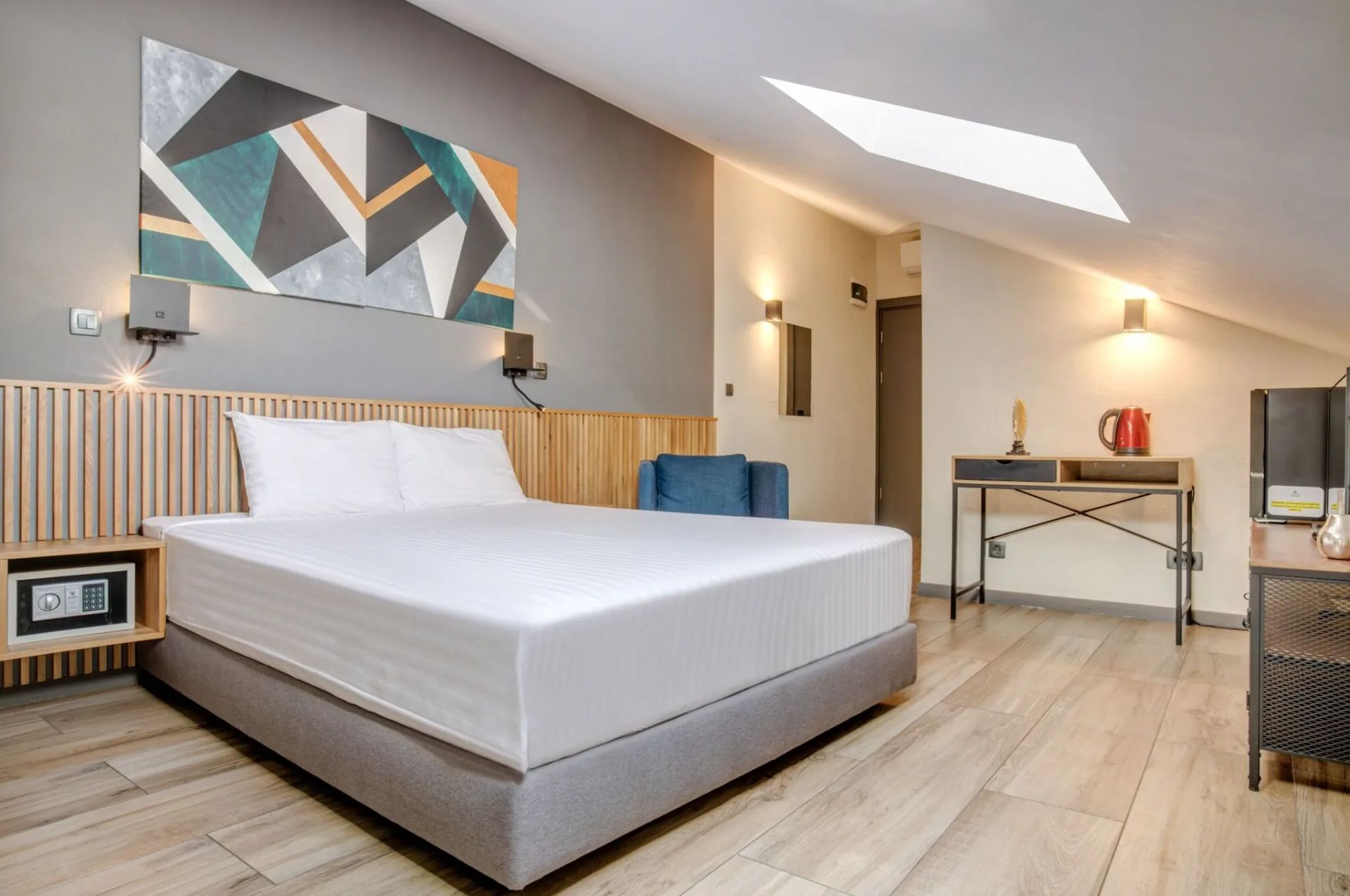
Apartament Old City București
Familiile și grupurile de prieteni se vor simți bine în Apartament Old City București, situat pe strada Franceza în centrul capitalei. Spațiul oferă trei dormitoare cu paturi duble, două băi complete și o toaletă separată, fiind potrivit pentru șederi mai lungi sau călătorii în grup. La intrare, un hol separă camerele de bucătărie și băi. Bucătăria este complet echipată și include mașină de espresso, cuptor și aragaz pe gaz, alături de câteva ingrediente de bază. Lenjeria de pat este de calitate hotelieră, schimbată înainte de fiecare sosire, iar prosoapele, șamponul, gelul de duș și uscătorul de păr sunt puse la dispoziție. Conexiunea Wi-Fi gratuită asigură acces la internet pe toată durata șederii. În apropiere se află Palatul Parlamentului, Catedrala Mântuirii Neamului, Palatul Regal, Muzeul Național de Istorie Naturală Grigore Antipa și Palatul Patriarhal, astfel încât puteți explora cu ușurință cele mai importante puncte de interes ale orașului. Vă așteptăm în Apartament Old City București pentru un sejur plăcut în centrul Bucureștiului.
FROM
230 lei per night
Hotel · 3 stars
București, Bucharest · 0.1 km
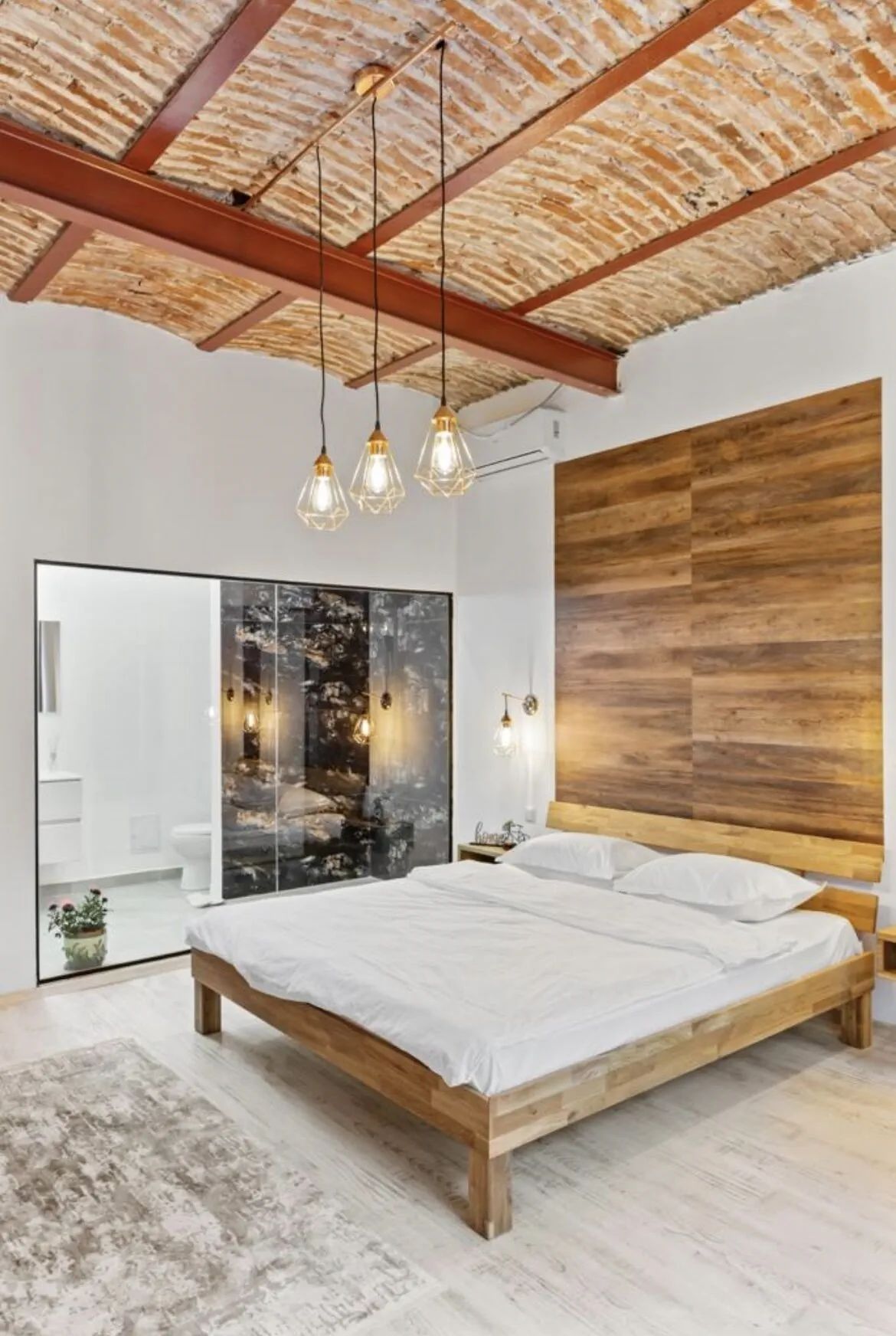
Hotel Forty One București
O zi începe relaxant în curtea mare și grădina amenajată, cu Wi-Fi gratuit pentru planurile dumneavoastră, la Hotel Forty One din București. Unitatea pune la dispoziția dumneavoastră 27 de camere dotate cu bun gust, unele dintre ele având aer condiționat. Pentru un sejur fără griji, beneficiați de depozit pentru bagaje, acces pentru persoane cu dizabilități și, la cerere, de un pătuț pentru bebeluș. Ziua hotelieră începe la ora 15:00 și se încheie la ora 12:00. Personalul comunică în română, engleză și franceză, iar micul dejun este inclus. În vecinătate puteți vizita Palatul Parlamentului, Catedrala Mântuirii Neamului, Palatul Regal, Muzeul Național de Istorie Naturală Grigore Antipa și Muzeul Țăranului Român. Aceste obiective îmbogățesc experiența șederii dumneavoastră în capitală și sunt ușor de accesat pornind de la hotel. Această unitate este potrivită pentru călătorii care doresc să exploreze Bucureștiul într-un mediu accesibil și confortabil, cu facilități pentru întreaga familie, într-un ambient liniștit și primitor.
FROM
290 lei per night
Hotel · 3 stars
București, Bucharest · 0.1 km
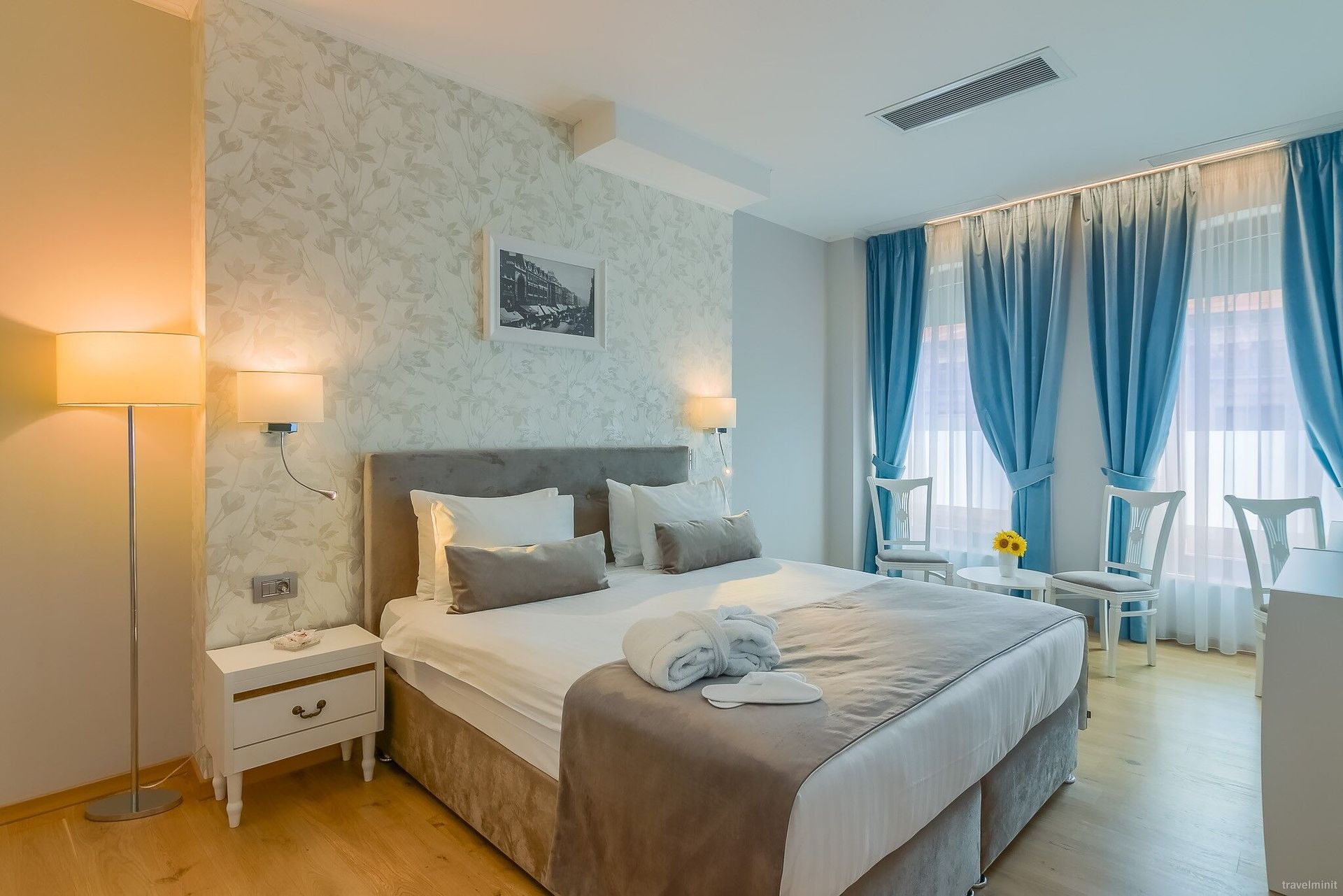
Hotel Selari Chambre București
Pe strada Selari numărul 20 din București se află Hotel Selari Chambre, o unitate de cazare situată într-o zonă centrală care oferă acces facil către principalele atracții ale capitalei. Hotelul pune la dispoziția dumneavoastră facilități esențiale pentru un sejur confortabil. Aveți acces la Wi-Fi gratuit în toate spațiile, puteți păstra bagajele în siguranță la recepție și aveți la dispoziție un fier de călcat pentru pregătirea ținutelor. Restaurantul din incintă vă permite să serviți masa fără să părăsiți hotelul, fiind o opțiune practică pentru dimineața sau seara. Camerele sunt amenajate pentru a asigura un mediu plăcut de odihnă după o zi petrecută în explorarea orașului. Poziția pe strada Selari face ca deplasările către diferite obiective turistice să fie rapide și ușoare, permițându-vă să profitați din plin de timpul petrecut în București. În vecinătate puteți vizita Palatul Parlamentului, Catedrala Mântuirii Neamului, Palatul Regal, Muzeul Național de Istorie Naturală Grigore Antipa și Muzeul Țăranului Român, fiecare oferind o perspectivă interesantă asupra istoriei și culturii locale. Vă așteptăm la Hotel Selari Chambre.
FROM
290 lei per night
Hotel · 4 stars
București, Bucharest · 0.1 km
New Era Hotel București
În apropierea Palatului Parlamentului, New Era Hotel București reprezintă un punct de plecare confortabil pentru a explora capitala. Acest hotel de patru stele din București, situat pe strada Selari, vă pune la dispoziție condiții moderne și servicii adaptate nevoilor dumneavoastră pentru un sejur plăcut. Camerele sunt dotate cu aer condiționat, iar în fiecare cameră găsiți seif pentru păstrarea obiectelor de valoare în siguranță. Hotelul oferă Wi-Fi gratuit în toate spațiile, lift pentru un acces facil între etaje, fier de călcat și facilități pentru persoane cu dizabilități. De asemenea, aveți la dispoziție pătuț pentru bebeluș și un spațiu special pentru depozitarea bagajelor, astfel încât să călătoriți fără griji și să vă bucurați de fiecare moment al șederii. În apropiere puteți vizita Catedrala Mântuirii Neamului, Palatul Regal, Muzeul Național de Istorie Naturală Grigore Antipa și Muzeul Țăranului Român. Toate aceste obiective se află în zona centrală a orașului și pot fi explorate cu ușurință pornind de la hotel, fiind ideale pentru o zi plină de descoperiri culturale. Vă așteptăm la New Era Hotel București pentru a vă bucura de un sejur confortabil în centrul Bucureștiului.
FROM
420 lei per night
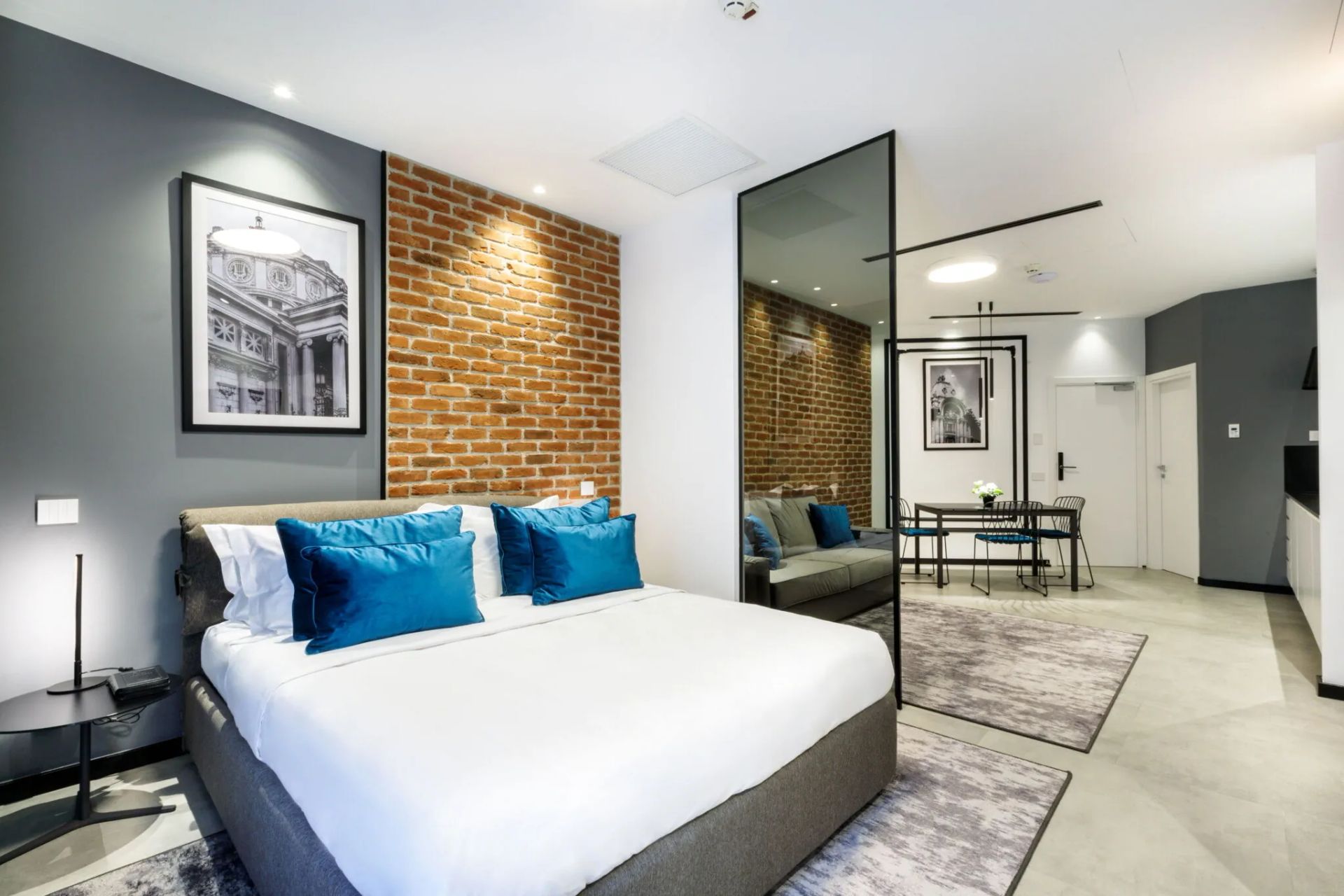
Apartment · 3 stars
București, Bucharest · 0.2 km
Old Town Snail Design Apartments București
Apartamente de închiriat clasificate cu 3 stele, situate în București, pe strada Gabroveni 35-37. Clădirea istorică, renovată cu respect pentru trecut, oferă un cadru autentic în centrul vechi al capitalei, într-o zonă plină de viață și energie urbană. Fiecare unitate pune la dispoziția dumneavoastră facilități practice pentru un sejur confortabil și lipsit de griji. Veți beneficia de Wi-Fi gratuit în întreg spațiul, lift pentru acces facil la etajele superioare, seif pentru păstrarea în siguranță a obiectelor de valoare, fier de călcat și, la cerere, pătuț pentru bebeluș. Aceste dotări moderne răspund nevoilor călătorilor care apreciază atât confortul zilnic, cât și liniștea necesară odihnei. Poziția centrală facilitează accesul rapid către principalele atracții turistice ale orașului. În apropiere se află Palatul Parlamentului, Catedrala Mântuirii Neamului, Palatul Regal, Muzeul Național de Istorie Naturală Grigore Antipa și Muzeul Țăranului Român, oferind oportunități diverse de explorare culturală. Vă așteptăm să descoperiți atmosfera autentică a centrului vechi bucureștean din acest apartament cu 3 stele, într-un spațiu gândit pentru confortul dumneavoastră. Plecarea spre explorarea zonei poate începe cu o vizită la Palatul Parlamentului.
FROM
230 lei per night
BEFORE YOU HIT THE ROAD
Weather conditions in Bucuresti
Local forecast for The Old Court, Bucuresti, București

Real-time updated weather data
Much more to explore in this area
Nearby tourist attractions

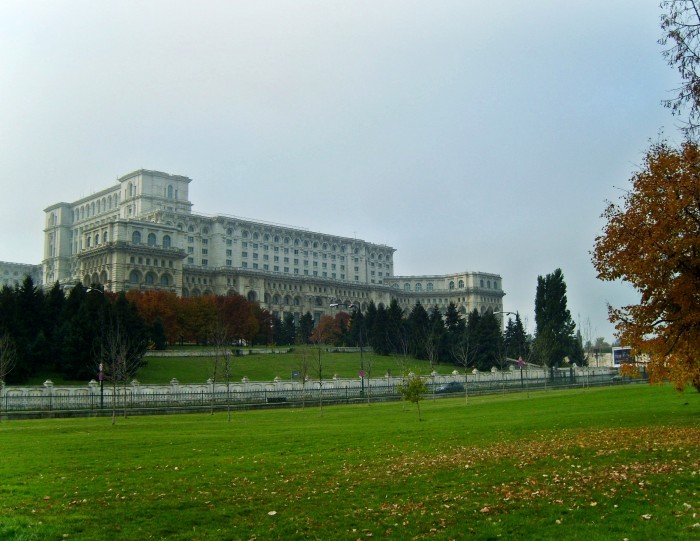

Bucuresti, Bucharest
Palace of the Parliament
Situat pe strada Izvor nr.3, sector 5, localitatea Bucuresti; in perioada comunista a fost cunoscut sub numele de "Casa Poporului"; considerata una dintre cele...
1.2 km

București, Bucharest
People's Salvation Cathedral (National Cathedral of Romania)
Catedrală ortodoxă din București
1.6 km
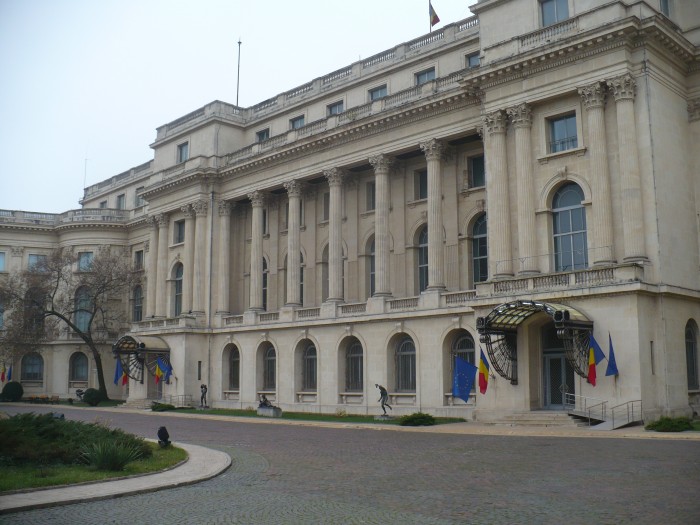
Bucuresti, Bucharest
Royal Palace of Bucharest
Situat pe Calea Victoriei nr. 49-53, sector 1, localitatea Bucuresti; construit intre anii 1812-1815 a apartinut marelui logofat Dinicu Golescu, dar a fost...
1.1 km
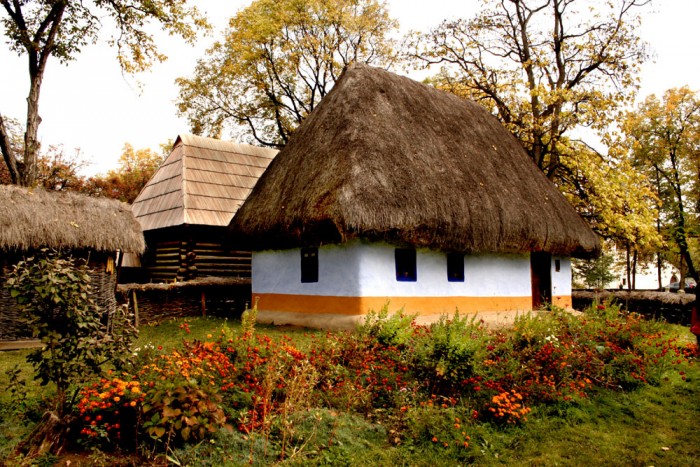
Bucuresti, Bucharest
Dimitrie Gusti National Village Museum
Situat pe Soseaua Kiseleff nr.28-30, sectorul 1; a fost inaugurat in 1936; expozitia permanenta cuprinde 121 de complexe distincte, totalizand 338 de monumente,...
5.0 km

Bucuresti, Bucharest
Romanian Peasant Museum (Muzeul Național al Țăranului Român)
Situat pe soseaua Kiseleff nr.3, sector 1, localitatea Bucuresti; constructia intregului edificiu a durat 29 de ani, fiind finalizat in 1941; cladirea muzeului...
3.1 km

Bucuresti, Bucharest
Cotroceni Palace
Situat pe bulevardul Geniului nr.2, sector 6, localitatea Bucuresti; in anul 1679, domnitorul Serban Cantacuzino incepe constructia unei manastiri; opera sa a...
3.2 km

Bucuresti, Bucharest
Grigore Antipa National Museum of Natural History
Situat pe soseaua Kiseleff nr. 1, sector 1, localitatea Bucuresti; fondat in 1834 la initiativa lui Mihalache Ghica; are un bogat patrimoniu format din...
0.4 km
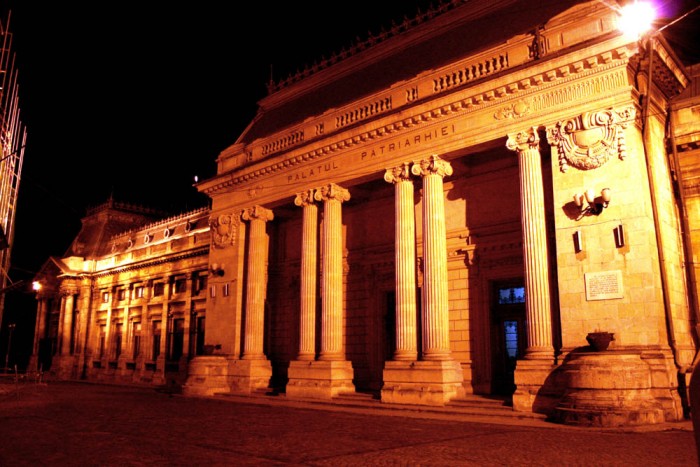
Bucuresti, Bucharest
Patriarchal Palace
Situat pe aleea Dealul Mitropoliei nr.25, sector 4, localitatea Bucuresti; construit de statul roman, la inceputul secolului al XX-lea, pe locul fostei sali a...
0.6 km

Bucuresti, Bucharest
National Museum of Romanian History
Situat pe Calea Victoriei nr.12, sector 3, localitatea Bucuresti; adapostit de Palatul Postelor; a fost inaugurat in anul 1970 fiind cel dintai muzeu de...
0.4 km
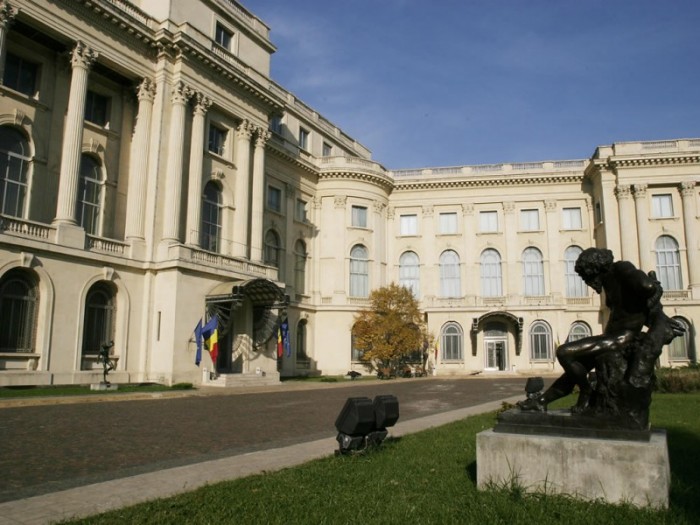
Bucuresti, Bucharest
National Museum of Art of Romania
Situat pe Calea Victoriei nr. 49-53, sector 1; deschis in 1948, in vremea lui Alexandru Ioan Cuza;cladirea era pe atunci locuinta domneasca, in timpul lui...
1.1 km

2.6 km
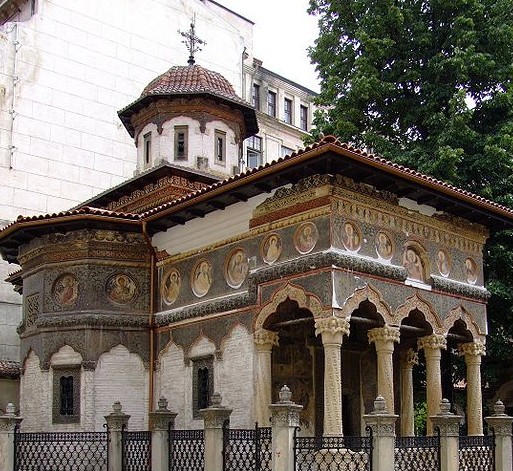
Bucuresti, Bucharest
Stavropoleos Monastery Church
Situata pe strada Stavropoleos nr.4, localitatea Bucuresti; poarta hramurile: "Sfintii Arhangheli Mihail si Gavriil", "Sfantul Atanasie cel Mare", "Sfantul...
0.3 km
Cultural life and traditions
Events in the The Old Court area
Medieval festivals, traditional fairs, concerts and local activities recommended in Muntenia (Wallachia).

History and Royal Architecture

Bucuresti, County of București
Days of Royalty and Heritage in the Prahova Valley
Historical conferences open to the public, themed tours of royal architecture, documentary screenings and exhibitions of vintage photographs.
WHEN
May 10-12, 2026


Gastronomy and Oenology
Dealu Mare, County of București
The Prahova Wine Festival on the Wine Route
Guided tastings of Fetească Neagră along the famous Wine Route, visits to historic wineries, and meetings with leading winemakers.
WHEN
Every weekend (September - October)

Hiking and Adventure
Bucegi Mountains, București County
Guided Mountain Tour in the Bucegi Mountains
Guided mountain tours led by mountain rescue personnel to iconic panoramic viewpoints and spectacular alpine waterfalls.
WHEN
Daily during the season (June - October)
On foot, exploration gains depth
Discover the surroundings and local geography
Explore the trails, terrain, and natural landmarks around The Old Court.

Guides and practical tips
Useful travel articles
Travel guides, practical recommendations and tourist itineraries for Muntenia (Wallachia).

Tourist guide
Top 5 Atracții Turistice și Trasee Montane în Zona Moieciu - Bran
Descoperă cele mai spectaculoase peisaje carstice, chei adânci și cetăți medievale din imediata apropiere a stațiunii Moieciu.

Tourist guide
Ghid de Drumeție: Traseul Moieciu de Sus spre Platoul Bucegi
Un itinerariu montan de o frumusețe rară ce urcă din Valea Băngăleasa spre Poiana Guțanu și crestele maiestuoase ale Bucegilor.

Tourist guide
Castelul Bran: Istorie, Legende și Secrete Medievale
Află adevărata poveste a fortăreței medievale din Pasul Bran, reședința de suflet a Reginei Maria a României.
THE JOURNEY STARTS WITH AN IDEA
The next story is on the way.
From the first stop to the last stay, make room for a new Romania.
