


PLACE OF WORSHIP · MUNTENIA (WALLACHIA)
Văcărești Monastery

București, Bucharest
Add location to your trip planner.

Practical access information

VISITING HOURS
Monday: 12:00 PM – 5:00 PM · Tuesday–Sunday: 9:00 AM – 5:00 PM (in summer until 8:00 PM)

TICKET PRICE
Adults: 45 RON · Students: 11 RON · Seniors: 23 RON · Guided tour included

RECOMMENDED VISIT DURATION
30-60 minutes
Sources and external references
Wikipedia Encyclopedia (EN)
Visitor information and guide
 Navigate with Google Maps

ABOUT VĂCĂREȘTI MONASTERY
A Foundation Between Waters and Oblivion
In the heart of Bucharest, where the Dâmbovița River carves its path toward the Danube, lies a silent tale of one of the most ambitious monastic foundations in the history of Wallachia. Văcărești Monastery, erected in 1716 by Prince Nicolae Mavrocordat, no longer exists physically after four decades, yet its spiritual and architectural presence continues to shape the collective memory of the capital and provoke profound reflections on the relationship between modernity and tradition in Southeastern Europe. Demolished in 1986 during the Ceaușescu era to make way for the Civic Center, this monastery represents both the apogee of late Brâncovenesc architecture and an open wound in European heritage—a symbol of the losses suffered by urban culture in the 20th century. Located in a marshy area known as "between waters," on the right bank of the river, Mavrocordat’s foundation was conceived as a sacred city in miniature, an island of spirituality isolated from the commercial tumult of the Ottoman capital, akin to the great lavras of Mount Athos or the Ionian islands of Greece.
Phanariotes, Enlightenment, and the Opening to Major European Currents
The founding of Văcărești must be understood within the broader context of the Phanariote dynasty, the Greek aristocracy that ruled the Romanian Principalities from the 17th century until the first half of the 19th century, rooted deeply in the Byzantine world of the Ottoman Empire. Nicolae Mavrocordat, son of the great scholar and prince Constantin Mavrocordat, represented the pinnacle of this era of cultural openness, when Romanian elites aspired to integrate into the intellectual circuit of Enlightenment Europe. The monastery was not merely a place of prayer but an expression of the ambition to bring the spirit of Europe’s great academies—whether in Padua, Paris, or Vienna—to Wallachia. Its connections with the Greek world of Constantinople, the monasteries of Thessaly and Epirus, and the Baroque currents transforming the architectural landscape of Central Europe—from Austrian abbeys to Venetian palaces—gave Văcărești a cosmopolitan dimension rarely seen in the religious history of the Balkans. Educated in the tradition of Greek scholars and influenced by contact with Western diplomacy, Prince Mavrocordat envisioned this foundation as a center of spiritual radiance that would rival the great monastic complexes of the Orthodox world, from the Lavra of Saint Sergius in Russia to the monasteries of Jerusalem.
The Apogee of Brâncovenesc Architecture in an Urban Setting
The architecture of Văcărești Monastery represents the supreme expression of the late Brâncovenesc style, a unique synthesis of Byzantine tradition, Romanian indigenous elements, and Western Baroque influences that penetrated the Romanian Principalities through Venetian merchants, Italian architects, and artistic currents brought by Habsburg diplomacy. The central church, with its trefoil plan and imposing bell tower, dominated the urban landscape of the 18th century, rising majestically above the waters of the Dâmbovița like a replica of the great Gothic cathedrals of Central Europe, yet bearing the distinct imprint of Brâncovenesc ornamentation—its sculpted columns, undulating pediments, and stone decorations blending Byzantine vegetal motifs with the Baroque accents of the time. The cells, arranged around an enclosed inner courtyard, the fortified gate tower, and the massive enclosure walls formed an ensemble reminiscent of the great Benedictine abbeys of Germany or Austria, such as Melk or Einsiedeln, yet adapted to Orthodox specifics and the marshy terrain. The construction was carried out by stonemasons and bricklayers brought from Greece and the Romanian Principalities, under the supervision of architects trained in Italian schools, while the interior decoration—Byzantine-style mural paintings and limewood furniture—reflected the ambition to create a sacred space rivaling the splendor of Western cathedrals. The bell tower, over forty meters high, was visible for kilometers, dominating Bucharest’s skyline alongside the spires of the historic center’s churches, and its great bronze bell, cast in Sibiu, resonated over the waters like a call to prayer for the entire urban community.
A Monastic Academy in Dialogue with Europe’s Great Cultural Centers
For two and a half centuries, Văcărești functioned as one of the most important spiritual and cultural centers of Wallachia, a true hub of Enlightenment in Southeastern Europe, comparable to the great universities of Salamanca, Coimbra, or the Jesuit academies of Prague and Vienna. Here operated one of Bucharest’s first and most productive printing presses in the Orthodox world, printing books in Romanian, Greek, Church Slavonic, and even Arabic, decisively contributing to the dissemination of Enlightenment ideas, the translation of works by Voltaire and Rousseau, and the consolidation of a distinct cultural identity in the Balkan region. The monastic school, attended by monks and young men from boyar families, offered education in classical languages, theology, and the exact sciences—mathematics and astronomy—preparing generations of intellectuals who would become diplomats of the Ottoman Porte or advisors to the princes. The monastery’s library housed thousands of manuscripts and rare books, including incunabula brought from Italy and France, Byzantine texts, and works by Western scholars, forming a bibliographic treasure that rivaled the libraries of Russia’s or Greece’s great monasteries. The translation of European theological and philosophical works, as well as correspondence with scholars in Paris, Vienna, and Saint Petersburg, transformed this place into a true center of intellectual radiance, a meeting point between Eastern Orthodox tradition and Western modern thought, akin to the great cultural centers of the Renaissance.
Destruction and Memory: A European Lesson on the Fragility of Heritage
The year 1986 marks a tragic moment in the urban history of Bucharest and Europe as a whole, fitting into the long series of religious heritage destructions that occurred in the 20th century, from the systematic demolitions during World War II to the urban systematization policies of the communist era. As part of the ambitious project to transform the capital into a monumental socialist city, the Ceaușescu regime decided to demolish Văcărești Monastery, deeming it an obstacle to the construction of the Civic Center and the new monumental axis inspired by Soviet and North Korean models. Between 1986 and 1987, bulldozers and excavators erased from the face of the earth a complex that included over a hundred cells, the main church with its imposing tower, the bell tower, the enclosure walls, and the outbuildings, leaving behind only stone foundations and fragments of masonry, often flooded by the waters of the Dâmbovița or overgrown with spontaneous vegetation. The fate of Văcărești is part of the broader context of European heritage losses in the modern era: like the Church of Saint Nicholas in Leipzig, dynamited by the East German communist regime in 1968, or the churches of Dresden destroyed in the 1945 bombings, or the monasteries abolished in Soviet-era Poland and Hungary, Văcărești represents an irreversible loss to world heritage but also a symbol of the resilience of collective memory. Brâncovenesc architecture, included in the UNESCO heritage through the ensemble at Horezu, found in Văcărești a unique urban expression, prematurely lost, and the disappearance of this foundation represented a rupture in the spiritual continuity of a community that had found here, for centuries, an essential identity landmark.
In the Footsteps of the Lost: A Contemporary Exploration Guide and Memorial Significance
Today, although the monastery can no longer be visited as an intact monument, its traces can be discovered in the area of Unirii Square, on the banks of the Dâmbovița, near the metro station of the same name, in a landscape reminiscent of the ancient ruins of the Mediterranean or the archaeological sites of Rome and Athens. The massive stone foundations and fragments of masonry, sometimes visible during droughts when water levels drop, bear witness to the lost grandeur, while the surrounding area has been transformed into an urban green space. Nearby, the Văcărești Nature Park offers a fascinating contrast between wild nature and recent urban history. Visitors interested in the site’s history can participate in themed guided tours organized by cultural associations and historians, consult archives and period photographs available at the National Museum of Romanian History, the National Archives, or Bucharest libraries, or meditate on this symbol of old Bucharest, where water and stone still preserve the memory of a vanished spirituality. Currently, the site serves as a place for profound reflection on the relationship between modernity and tradition, integrated into the capital’s tourist circuit as a memorial to the past and a warning about the fragility of heritage in the face of political ambitions. For the cultivated European traveler, a visit to Văcărești offers a unique experience of pilgrimage to a lost place, an opportunity to understand the complexity of Bucharest’s history and to discover how a people’s memory can survive even when its stones have been destroyed, in an ongoing dialogue with the great stories of European culture.
Media gallery
Discover Văcărești Monastery in pictures

1 photos · Architecture, courtyards and captivating details

Image source: Wikimedia Commons · Public domain photos · Free license
STAY A FEW DAYS, DISCOVER THE MAGIC
Accommodation in the Văcărești Monastery area

Apartment · 4 stars

București, Bucharest · 0.8 km
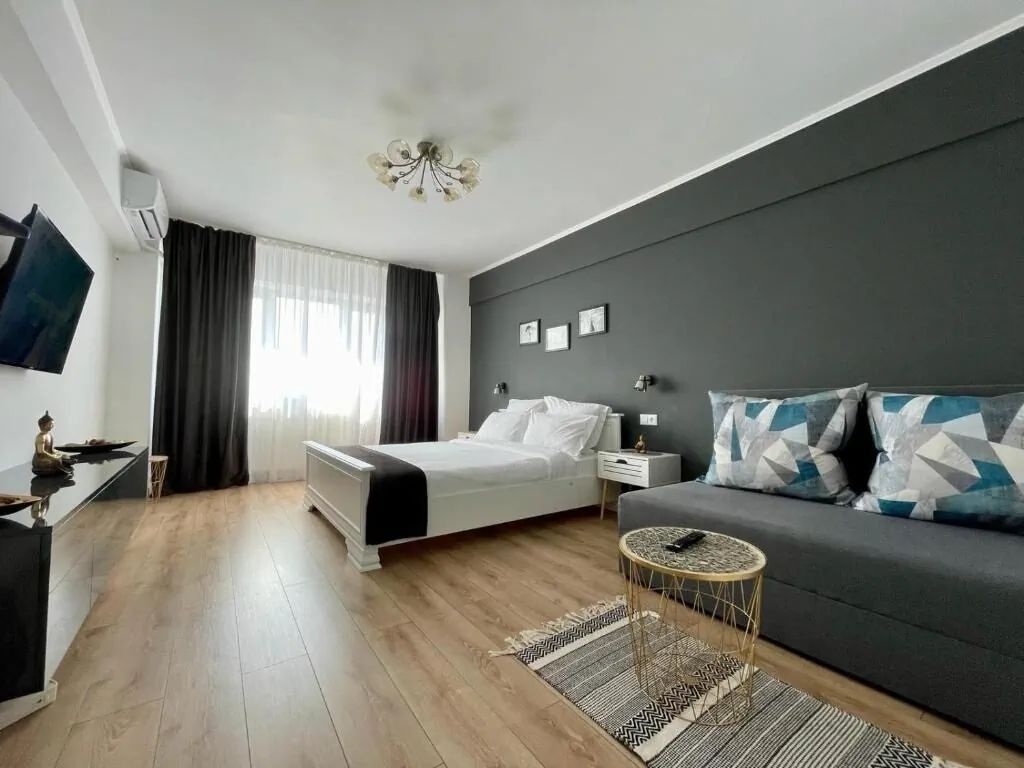
Apartment Luxury Studio București
În apropierea unității puteți descoperi Palatul Parlamentului, unul dintre cele mai impresionante monumente ale capitalei. Apartment Luxury Studio București, un apartament de închiriat clasificat cu 4 stele și situat în București, reprezintă punctul dumneavoastră de plecare pentru explorarea capitalei și a numeroaselor sale atracții. Spațiul de cazare pune la dispoziția dumneavoastră facilități esențiale pentru un sejur confortabil și lipsit de griji. Beneficiați de Wi-Fi gratuit în întreaga unitate, acces adaptat pentru persoane cu dizabilități, lift pentru deplasare facilă între etaje și parcare privată gratuită. De asemenea, aveți la dispoziție un fier de călcat, astfel încât să vă bucurați de libertatea de a vă organiza bagajele după propriile preferințe și să vă simțiți cu adevărat ca acasă. În zona înconjurătoare puteți vizita și alte obiective culturale semnificative precum Catedrala Mântuirii Neamului, Palatul Regal, Palatul Patriarhal sau Muzeul Național de Istorie Naturală Grigore Antipa. Aceste locații oferă numeroase posibilități de petrecere a timpului liber, de descoperire a bogatei istorii și culturi a orașului și de explorare a patrimoniului local. Vă așteptăm la Apartment Luxury Studio București.
FROM
320 lei per night

Hotel · 3 stars
București, Bucharest · 1.0 km
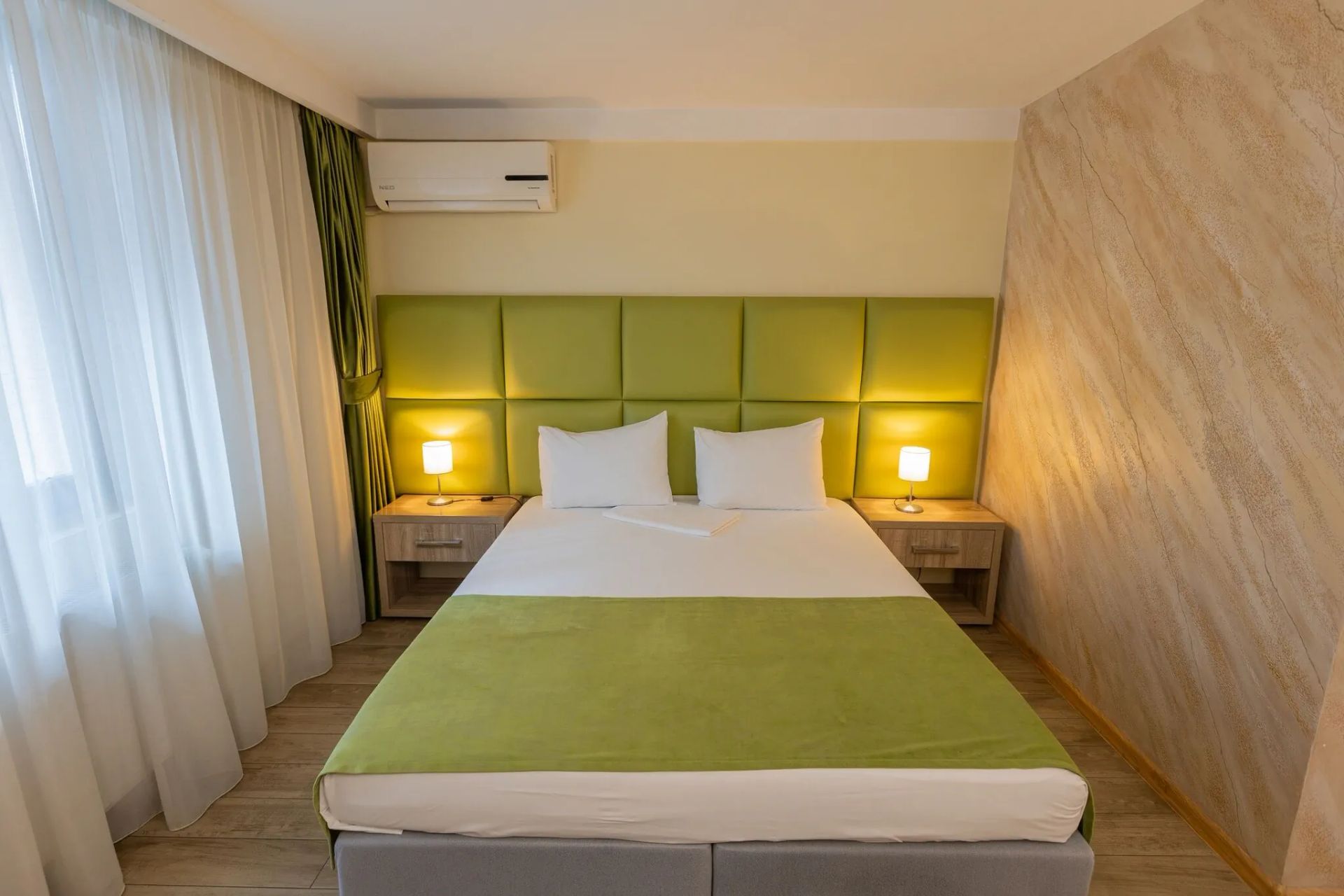
Hotel Corvaris București
Hotelul Corvaris, clasificat cu trei stele, se află în București, pe șoseaua Olteniței, într-o zonă bine conectată. Unitatea oferă cazare în 26 de camere amenajate cu grijă, pregătite să primească oaspeți atât pentru sejururi de afaceri, cât și pentru perioade de relaxare în capitală. Camerele beneficiază de aer condiționat și acces la internet wireless gratuit. Pentru confortul și siguranța dumneavoastră, fiecare cameră dispune de seif, iar în unitate sunt disponibile fier de călcat și parcare pentru biciclete. Accesul este facilitat și pentru persoanele cu dizabilități. În incintă funcționează un bar unde vă puteți bucura de băuturi, iar serviciul de room service vă permite să luați masa direct în cameră. Hotelul pune la dispoziție și un spațiu dedicat pentru depozitarea bagajelor. Personalul de la recepție comunică în română, engleză și italiană. Poziția hotelului facilitează explorarea unor obiective semnificative din București. În apropiere se află Palatul Parlamentului, Catedrala Mântuirii Neamului, Palatul Regal, Palatul Patriarhal și Muzeul Național de Istorie Naturală Grigore Antipa. Vă așteptăm la Hotel Corvaris București.
FROM
290 lei per night
Cabin · 3 stars
Rașca, Suceava County · 1.4 km
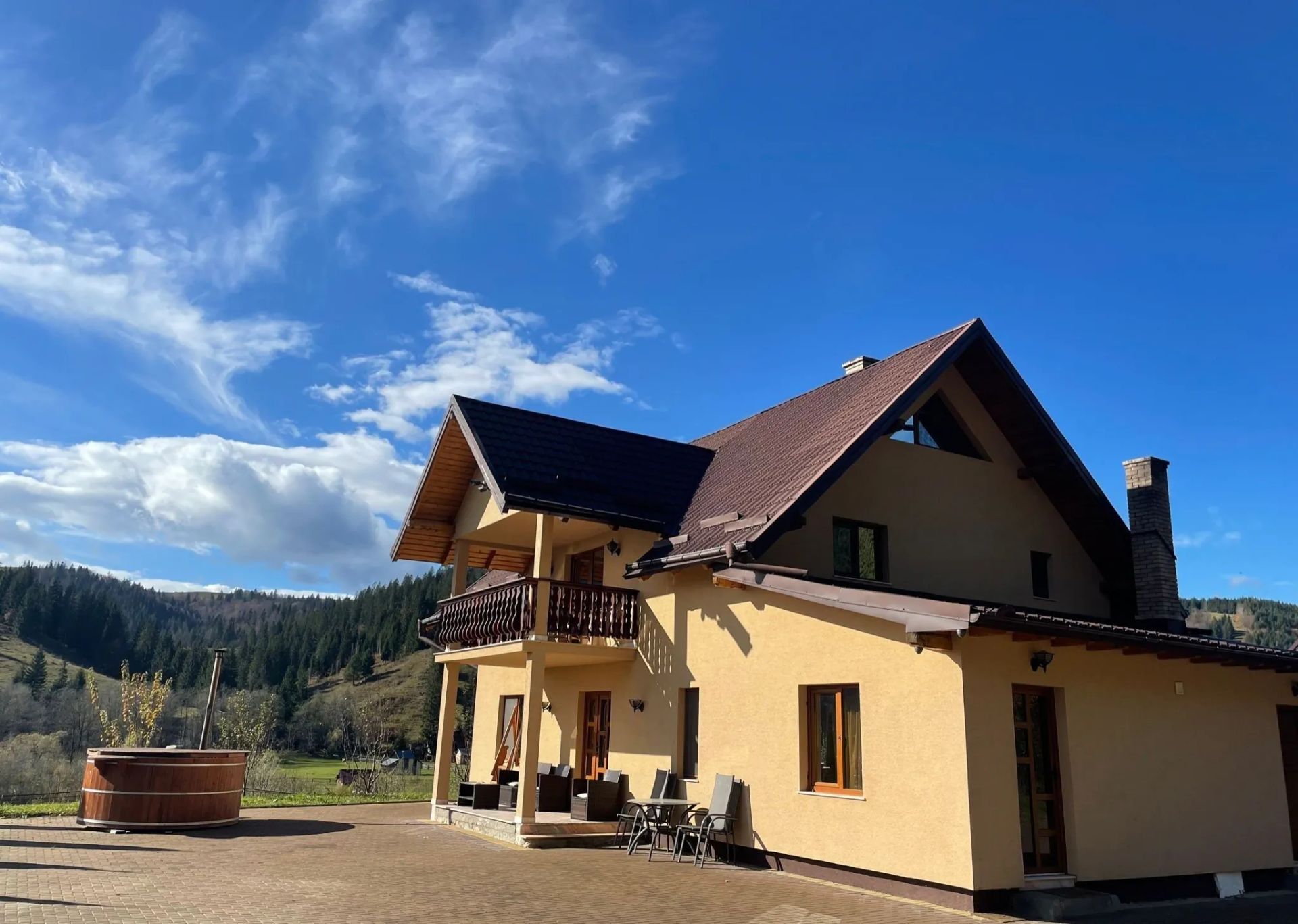
Cabana Vânătorului Moldoviţa
Comfort, relaxation and stunning views, all just steps away from the main attractions.
FROM
270 lei per night
Apartment · 1 star
București, Bucharest · 1.8 km
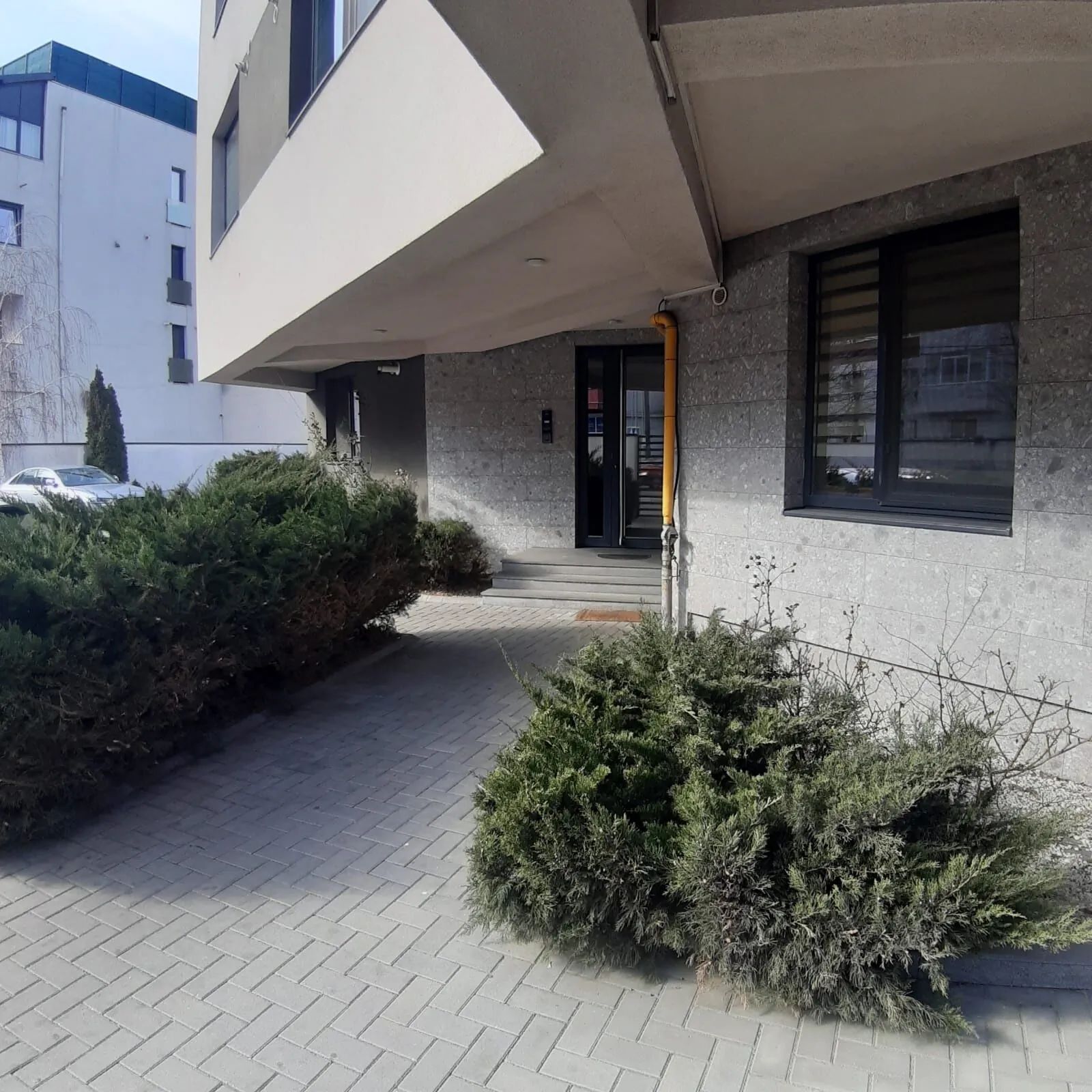
Apartament Casa Sara București
Apartamentul Casa Sara este un apartament de închiriat situat în București, pe strada Ramasagului. Spațiul oferă condiții confortabile pentru șederea dumneavoastră, incluzând aer condiționat, balcon cu vedere la grădină și Wi-Fi gratuit. Aveți la dispoziție o parcare privată gratuită, parcare pentru biciclete și un depozit pentru bagaje. În incintă beneficiați de o curte mare și o grădină amenajată, precum și de acces la o sală de fitness sau gimnastică. Interiorul cuprinde un dormitor, o bucătărie echipată cu frigider și cuptor, și o baie cu duș. Sunt puse la dispoziție articole de toaletă gratuite, mașină de spălat, prosoape și lenjerie de pat. De asemenea, aveți acces la o terasă și un fier de călcat pentru confortul dumneavoastră. În apropiere puteți vizita Palatul Parlamentului, Catedrala Mântuirii Neamului, Palatul Regal, Palatul Cotroceni și Palatul Patriarhal, obiective care reflectă istoria și cultura capitalei. Această unitate este potrivită pentru călătorii care doresc să descopere centrul Bucureștiului într-un cadru liniștit și bine poziționat.
FROM
230 lei per night
Hotel · 3 stars
București, Bucharest · 1.8 km
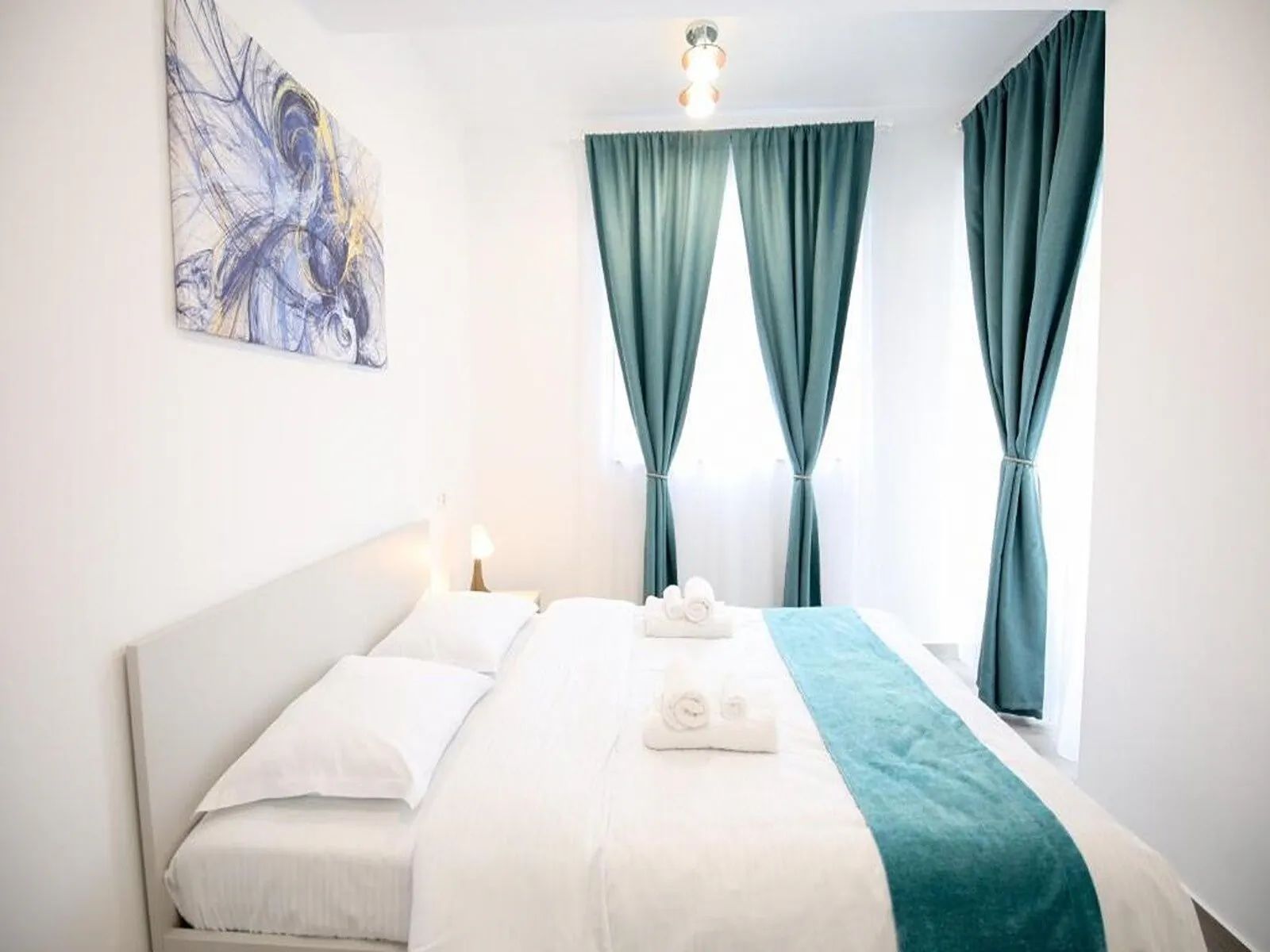
ApartHotel Vitan Central Oasis - Self Check-in București
Priveliștea panoramică spre oraș, fie de pe balconul privat, fie de pe terasa comună de pe acoperiș, completează atmosfera liniștită a unei curți mari și a unei grădini amenajate. ApartHotel Vitan Central Oasis - Self Check-in din București vă oferă un spațiu bine întreținut, potrivit atât pentru călătorii de afaceri, cât și pentru turiști. Oaspeții beneficiază de Wi-Fi gratuit și parcare privată gratuită, iar liftul și accesul pentru persoane cu dizabilități asigură confort pentru toată lumea. Pentru deplasări pe două roți există parcare pentru biciclete, iar sala de fitness vă ajută să vă mențineți forma. Fiecare spațiu este gândit pentru autonomie, cu bucătărie echipată și zone de relaxare, iar fierul de călcat vă ajută să aveți ținute impecabile. În apropiere puteți vizita Palatul Parlamentului, Catedrala Mântuirii Neamului, Palatul Regal, Palatul Patriarhal și Muzeul Național de Istorie Naturală Grigore Antipa, monumente emblematice ale capitalei care îmbogățesc fiecare zi petrecută în București. Check-in-ul se realizează automat, fără așteptare, iar poziția de pe strada Moților 20 oferă legături rapide cu întregul oraș. Vă așteptăm să vă bucurați de șederea dumneavoastră.
FROM
290 lei per night

Hotel · 2 stars
București, Bucharest · 1.9 km
Hotel FunnyTime București
Accesul persoanelor cu dizabilități reprezintă un atu important pentru Hotel FunnyTime din București, fiind un spațiu în care fiecare oaspete se simte bine primit și poate călători fără griji. Această facilitate, împreună cu celelalte servicii disponibile, asigură un sejur confortabil și adaptat nevoilor dumneavoastră. Parcare privată gratuită și parcare pentru biciclete vă permit să vă deplasați ușor prin oraș, indiferent de mijlocul de transport ales. În camere aveți aer condiționat, Wi-Fi gratuit, seif pentru păstrarea obiectelor personale și fier de călcat. De asemenea, depozitul pentru bagaje vă oferă flexibilitate în organizarea sejurului, iar sala de fitness vă ajută să vă mențineți energia pe tot parcursul zilei. Hotelul se află într-o zonă cu acces rapid către cele mai importante obiective turistice din București. Puteți vizita Palatul Parlamentului, Catedrala Mântuirii Neamului, Palatul Regal, Muzeul Național de Istorie Naturală Grigore Antipa și Palatul Patriarhal, toate fiind la îndemână pentru a vă completa experiența în capitală. Dimineața, după odihnă, vă puteți bucura de aerul proaspăt din camera dotată cu aer condiționat înainte de a porni spre noi descoperiri.
FROM
210 lei per night
BEFORE YOU HIT THE ROAD
Weather conditions in București
Local forecast for Văcărești Monastery, București, București

Real-time updated weather data
Much more to explore in this area
Nearby tourist attractions


Bucuresti, Bucharest
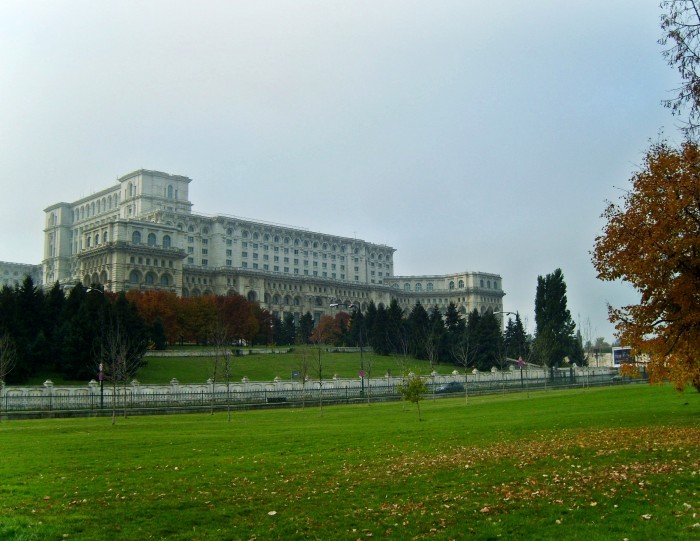
Palace of the Parliament
Situat pe strada Izvor nr.3, sector 5, localitatea Bucuresti; in perioada comunista a fost cunoscut sub numele de "Casa Poporului"; considerata una dintre cele...
4.6 km

București, Bucharest
People's Salvation Cathedral (National Cathedral of Romania)
Catedrală ortodoxă din București
4.7 km
Bucuresti, Bucharest
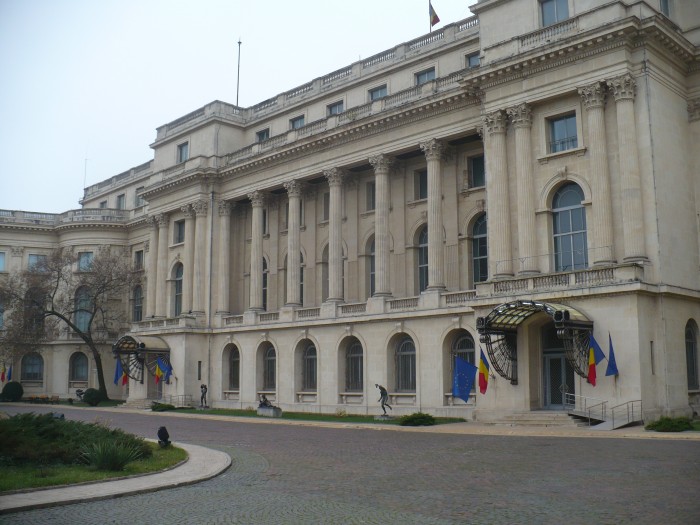
Royal Palace of Bucharest
Situat pe Calea Victoriei nr. 49-53, sector 1, localitatea Bucuresti; construit intre anii 1812-1815 a apartinut marelui logofat Dinicu Golescu, dar a fost...
5.3 km
Bucuresti, Bucharest
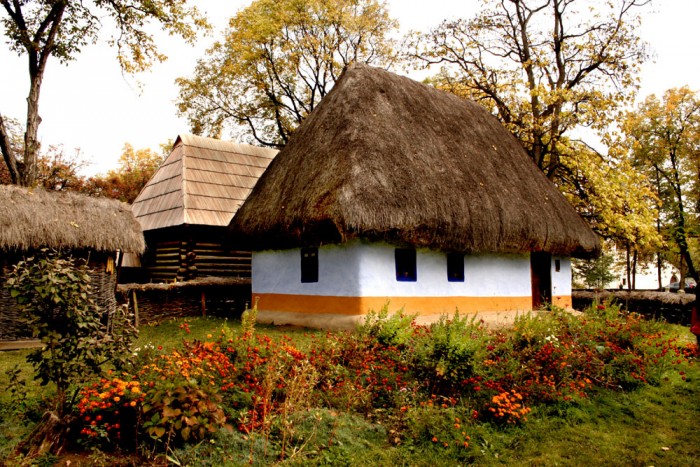
Dimitrie Gusti National Village Museum
Situat pe Soseaua Kiseleff nr.28-30, sectorul 1; a fost inaugurat in 1936; expozitia permanenta cuprinde 121 de complexe distincte, totalizand 338 de monumente,...
9.2 km

Bucuresti, Bucharest
Romanian Peasant Museum (Muzeul Național al Țăranului Român)
Situat pe soseaua Kiseleff nr.3, sector 1, localitatea Bucuresti; constructia intregului edificiu a durat 29 de ani, fiind finalizat in 1941; cladirea muzeului...
7.3 km

Bucuresti, Bucharest
Cotroceni Palace
Situat pe bulevardul Geniului nr.2, sector 6, localitatea Bucuresti; in anul 1679, domnitorul Serban Cantacuzino incepe constructia unei manastiri; opera sa a...
6.5 km

Bucuresti, Bucharest
Grigore Antipa National Museum of Natural History
Situat pe soseaua Kiseleff nr. 1, sector 1, localitatea Bucuresti; fondat in 1834 la initiativa lui Mihalache Ghica; are un bogat patrimoniu format din...
4.6 km
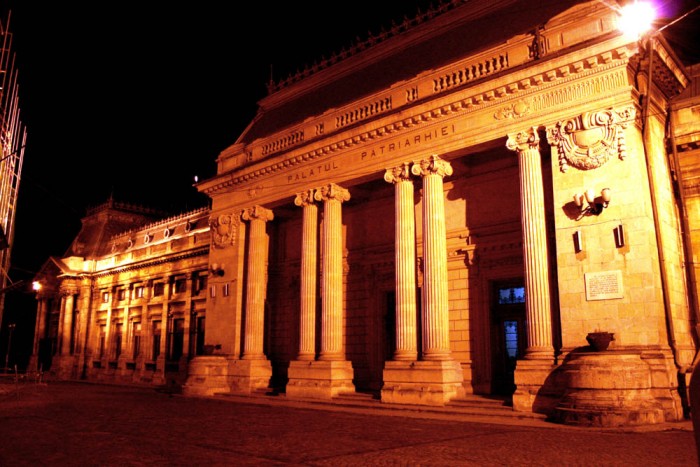
Bucuresti, Bucharest
Patriarchal Palace
Situat pe aleea Dealul Mitropoliei nr.25, sector 4, localitatea Bucuresti; construit de statul roman, la inceputul secolului al XX-lea, pe locul fostei sali a...
3.8 km

Bucuresti, Bucharest
National Museum of Romanian History
Situat pe Calea Victoriei nr.12, sector 3, localitatea Bucuresti; adapostit de Palatul Postelor; a fost inaugurat in anul 1970 fiind cel dintai muzeu de...
4.5 km
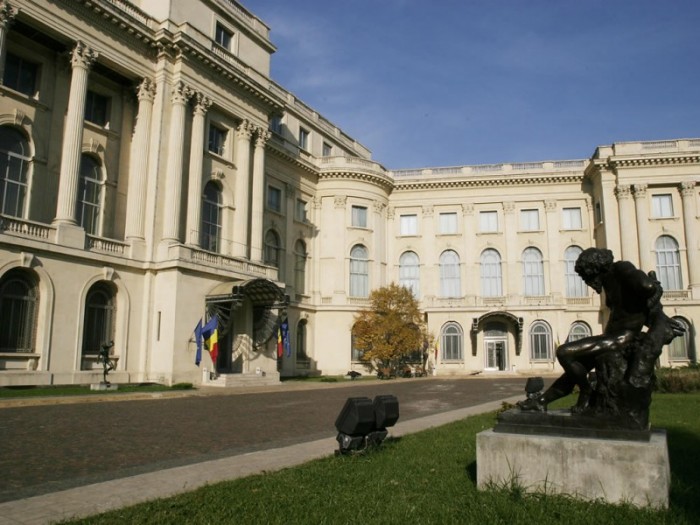
Bucuresti, Bucharest
National Museum of Art of Romania
Situat pe Calea Victoriei nr. 49-53, sector 1; deschis in 1948, in vremea lui Alexandru Ioan Cuza;cladirea era pe atunci locuinta domneasca, in timpul lui...
5.3 km

6.8 km
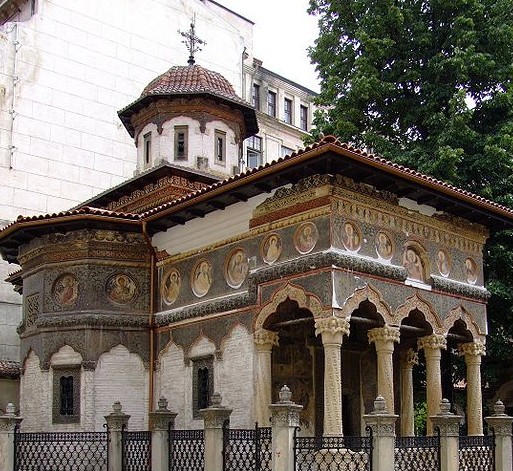
Bucuresti, Bucharest
Stavropoleos Monastery Church
Situata pe strada Stavropoleos nr.4, localitatea Bucuresti; poarta hramurile: "Sfintii Arhangheli Mihail si Gavriil", "Sfantul Atanasie cel Mare", "Sfantul...
4.5 km
Cultural life and traditions
Events in the Văcărești Monastery area
Medieval festivals, traditional fairs, concerts and local activities recommended in Muntenia (Wallachia).

History and Royal Architecture

București, County of București
Days of Royalty and Heritage in the Prahova Valley
Historical conferences open to the public, themed tours of royal architecture, documentary screenings and exhibitions of vintage photographs.
WHEN
May 10-12, 2026


Gastronomy and Oenology
Dealu Mare, County of București
The Prahova Wine Festival on the Wine Route
Guided tastings of Fetească Neagră along the famous Wine Route, visits to historic wineries, and meetings with leading winemakers.
WHEN
Every weekend (September - October)
Hiking and Adventure
Bucegi Mountains, București County
Guided Mountain Tour in the Bucegi Mountains
Guided mountain tours led by mountain rescue personnel to iconic panoramic viewpoints and spectacular alpine waterfalls.
WHEN
Daily during the season (June - October)
On foot, exploration gains depth
Discover the surroundings and local geography
Explore the trails, terrain, and natural landmarks around Văcărești Monastery.

Guides and practical tips
Useful travel articles
Travel guides, practical recommendations and tourist itineraries for Muntenia (Wallachia).

Tourist guide
Top 5 Atracții Turistice și Trasee Montane în Zona Moieciu - Bran
Descoperă cele mai spectaculoase peisaje carstice, chei adânci și cetăți medievale din imediata apropiere a stațiunii Moieciu.

Tourist guide
Ghid de Drumeție: Traseul Moieciu de Sus spre Platoul Bucegi
Un itinerariu montan de o frumusețe rară ce urcă din Valea Băngăleasa spre Poiana Guțanu și crestele maiestuoase ale Bucegilor.

Tourist guide
Castelul Bran: Istorie, Legende și Secrete Medievale
Află adevărata poveste a fortăreței medievale din Pasul Bran, reședința de suflet a Reginei Maria a României.
THE JOURNEY STARTS WITH AN IDEA
The next story is on the way.
From the first stop to the last stay, make room for a new Romania.
