


CASTLE · TRANSYLVANIA
Sighișoara Medieval Citadel

Sighișoara, Mureș County
Add location to your trip planner.

Practical access information

VISITING HOURS
Cetatea este deschisă non-stop; Muzeul de Istorie din Turnul cu Ceas: Marți - Duminică 09:00 - 17:30

TICKET PRICE
Acces gratuit în cetate; Turnul cu Ceas: 20 RON adulți, 5 RON elevi; Biserica din Deal: 10 RON

RECOMMENDED VISIT DURATION
3 - 5 ore (sau o zi completă)


Visitor information and guide
 Navigate with Google Maps

ABOUT SIGHIȘOARA MEDIEVAL CITADEL
Captivating Introduction and Universal Value
On a rocky promontory dominating the meanders of the Târnava Mare River, in the heart of Transylvania, rises one of the best-preserved and most moving medieval citadels in Europe: the Sighișoara Citadel, known in the past by its German name Schäßburg and in Hungarian as Segesvár. This citadel is not merely an exceptional architectural monument, but a true living witness to European history, a place where the destinies of empires, kingdoms, and cultures that shaped the continent over more than eight centuries meet and intertwine.
In 1999, UNESCO inscribed the Historic Centre of Sighișoara on the World Heritage List, recognizing the exceptional universal value of this site as one of the best-preserved inhabited medieval towns in South-Eastern Europe. Unlike other European medieval citadels that were abandoned, transformed into romantic ruins, or museumified, Sighișoara continues to be a living community, where people live, work, and celebrate within the fortified walls, offering visitors an authentic, unaltered experience of time's passage.
The citadel is distinguished by a unique silhouette, dominated by the 64-meter-high Clock Tower, whose Baroque roof with five turrets and onion-shaped domes rises above the red-tiled roofs of the bourgeois houses. The curtain walls, 950 meters long and up to 14 meters high, enclose a labyrinth of cobblestone streets, stepped-gable houses, and defensive towers that once belonged to craft guilds. Nine of the original fourteen towers survive to this day, each bearing the imprint of a specific trade: the tailors' tower, the shoemakers' tower, the blacksmiths' tower, the tanners' tower, the butchers' tower, the furriers' tower, the rope-makers' tower, the jewelers' tower, and, of course, the impressive Clock Tower, which has been and remains the symbol of the town.
The universal value of Sighișoara lies precisely in this exceptional continuity: it is one of the few places in Europe where German medieval architecture, the Central European guild system, Lutheran spirituality, and Romanian and Hungarian traditions have coexisted and influenced each other for centuries, creating a cultural heritage of remarkable diversity.
Historical Roots and Major European Connections
The history of Sighișoara begins long before the arrival of the first German colonists, in the depths of antiquity. Beneath the citadel plateau, archaeologists have discovered the ruins of a Dacian fortress called Sandava, and later, in the Roman period, the military post Castrum Stenarum was established here, part of the defensive system of the Transylvanian Limes that protected the province of Dacia from barbarian invasions. These ancient roots place Sighișoara in a broader European context, as part of the eastern frontier of the Roman Empire, analogous to other fortifications on the Rhine or Danube.
The founding moment of the medieval town occurs in the 12th century, within a complex European political context. King Géza II of Hungary (1141–1162), of the Árpád dynasty, invited German colonists — coming mainly from the regions of the Rhine, Moselle, Luxembourg, and Flanders — to settle in Transylvania to defend the eastern borders of the Kingdom of Hungary against the Byzantine Empire and the Golden Horde, to develop mining, and to stimulate the regional economy. These colonists, later called "Transylvanian Saxons," had no direct connection with the Saxons of northern Germany, but were mostly Franks and Flemings, bringing with them architectural and organizational traditions from the Holy Roman Empire.
The privileges granted to these colonists were enshrined in 1224 through the Diploma Andreanum (in German Der Goldener Freibrief der Siebenbürger Sachsen — "The Golden Bull of the Transylvanian Saxons"), issued by King Andrew II of Hungary. This document represents one of the oldest and most important acts of regional autonomy in medieval Europe, granting the Saxons the right to self-govern, to elect their own judges and priests, and to hold land as "royal land" (Fundus regius or Königsboden). These privileges were later confirmed and extended by King Matthias Corvinus in 1486, when the "Saxon University" (Universitas Saxonum) was established, a self-governing body that functioned until 1876, ensuring the Saxons remarkable autonomy within the Principality of Transylvania.
The first documentary attestation of the settlement dates from 1280, when it is mentioned under the Latin name Castrum Sex ("The Fortress of Six"), referring to the irregular hexagonal shape of the fortification. In 1298 the first mention of the German name Schespurg appears, and in 1367 King Louis I the Great of Hungary granted the settlement the status of "free royal town" (Civitas de Segusvar), a status similar to that enjoyed by the free cities of the Holy Roman Empire, such as Nuremberg, Rothenburg ob der Tauber, or the Hanseatic cities. This status conferred extensive commercial rights and administrative autonomy, placing Sighișoara in a network of European medieval towns that shared the same legal and economic traditions.
Throughout the centuries, Sighișoara witnessed the great conflicts that shook Europe. In the 15th century, the citadel was the theater of events that marked the history of the entire continent. Between 1431 and 1435, Vlad Dracul (Vlad II), voivode of Wallachia and father of Vlad Țepeș, was hosted in exile in Sighișoara, waiting for the opportune moment to ascend to the throne of Wallachia. Here, in the citadel, Vlad Țepeș was born in 1431, the historical figure who would become the source of inspiration for the Irishman Bram Stoker's novel "Dracula," published in 1897. This connection with universal literature and vampire mythology places Sighișoara in a global cultural context, connecting it with Great Britain and the entire Anglo-Saxon world.
The citadel was subjected throughout history to numerous sieges and invasions that reflect the great European conflicts. In 1241, before the fortification of the citadel, the Tatars of Batu Khan devastated Transylvania, an event that paralyzed all of Central and Eastern Europe. The construction of the curtain wall began in 1350, as a response to the growing threat represented by the Ottoman Empire, which was advancing toward the heart of Europe. In the 15th century, the walls were raised by another 3–4 meters, and the defensive system was completed with 14 towers and 4 bastions, each tower belonging to a craft guild — an organizational system similar to that found in the cities of the Hanseatic League or in the free cities of the Swiss Confederation.
In the 17th century, Sighișoara was the theater of conflicts that marked the history of Central Europe. In 1600, the troops of Michael the Brave attacked the citadel, followed by those of the Habsburg general Giorgio Basta, who plundered the town after the payment of a ransom of 50,000 florins. In 1603, Moise Székely, supported by the Ottomans, besieged the citadel, and in 1605 the troops of Stephen Bocskai, in 1657 those of Francisc Rhédei, and in 1662 those of John Kemény attempted to conquer the town. These events reflect the strategic position of Sighișoara as a bastion of Christendom against Ottoman expansion, similar to the role played by Vienna, Belgrade, or other frontier citadels.
A major turning point in European history took place in 1630, when George Rákóczi I was elected Prince of Transylvania in Sighișoara, followed by Francisc Rhédei in 1657 and Ákos Barcsay in 1658. These elections illustrate the political importance of the citadel within the Principality of Transylvania, a buffer state between the Ottoman Empire and the Habsburg Monarchy.
The most tragic chapter in the recent history of the citadel is represented by the Battle of Segesvár (also known as the Battle of Albești or Fehéregyháza) of July 31, 1849, during the Hungarian Revolution of 1848. The Hungarian revolutionary army led by the Polish general Józef Bem confronted on the plain between Sighișoara and Albești the Tsarist Russian army led by General Alexander von Lüders, allied with the Austrian troops of General Eduard Clam-Gallas. The battle ended with the victory of the Russo-Austrian army, and in this conflict the Hungarian national poet Sándor Petőfi, author of the anthem "Nemzeti dal" ("Song of the Nation"), reportedly met his death, having been seen for the last time entering the battle. A monument erected in 1897 at Albești commemorates this tragedy, placing Sighișoara in the collective memory of Europe as the place where the revolutionary voice of an entire nation was extinguished.
In 1849, the town was successively occupied by the troops of General Forró and then by those of Józef Bem, reflecting the political chaos of post-Napoleonic Europe. After the First World War, following the Treaty of Trianon (1920), Transylvania, including Sighișoara, passed from the Austro-Hungarian Empire to the Kingdom of Romania, closing a chapter of more than seven centuries of belonging to the Hungarian and Habsburg Central European world.
Architectural Masterpiece and Artistic Heritage
The architecture of the Sighișoara Citadel represents a remarkable synthesis between late Central European Gothic tradition, Renaissance and Baroque influences, and the local specificity of fortified constructions in Transylvania. The urban ensemble is organized on two levels: the Upper Citadel (Oberstadt), built on the hill plateau and intended for habitation and defense, and the Lower Town (Unterstadt), situated in the Târnava Mare valley and intended for commerce and production.
The fortification system is one of the most complete and best-preserved in South-Eastern Europe. The curtain wall, 950 meters long, was built between the 14th and 17th centuries, reaching a height of 14 meters in some sections. Initially, the wall was only 4 meters high, being later raised in response to the evolution of siege techniques and the appearance of artillery. The defensive system originally comprised 14 towers and 4 bastions, of which today 9 towers and 3 bastions are preserved. Each tower belonged to a craft guild, which was responsible for its maintenance and defense — an organizational system found also in German cities such as Rothenburg ob der Tauber, Nuremberg, or Regensburg, and which reflects the social and economic structure of European medieval towns.
The preserved towers include: the Tailors' Tower (Schneider Turm), the Shoemakers' Tower (Schuster Turm), the Blacksmiths' Tower (Schmiede Turm), the Tanners' Tower (Gerber Turm), the Butchers' Tower (Fleischer Turm — hexagonal), the Furriers' Tower (Kürschner Turm), the Tin-smiths' Tower (Zinngießer Turm), the Rope-makers' Tower (Seiler Turm — one of the oldest, dating from the 13th century), and the Jewelers' Tower. Each of these towers presents distinct architectural characteristics, from the hexagonal shape of the Butchers' Tower to the four levels of the Furriers' Tower, rebuilt after the fire of 1676.
The most impressive construction of the citadel is, without doubt, the Clock Tower (Turnul cu Ceas or der Stundturm), 64 meters high, which constitutes the main entrance to the Upper Citadel. The construction of the tower began at the end of the 13th century and was completed in the 14th century as a simple gate tower with two upper levels. The walls at the base are 2.35 meters thick, made of sandstone and river stone, with corners reinforced with basalt slabs. In the 16th century, the old roof was demolished and two brick floors, a gallery, and a new roof were added. After the great fire of 1676, which destroyed 624 houses and 7 defensive towers, the tower was rebuilt between March and September 1677 by three traveling masters: Veit Gruber from Tyrol, Philip Bong from Salzburg, and the carpenter Valentinus "the foreigner" (der Ausländer), for the sum of 650 florins. The current Baroque roof, with five turrets and onion-shaped domes (Zwiebelhauben), represents a masterpiece of Transylvanian Baroque architecture, reminiscent of the clock towers of Austrian and Bavarian cities, such as those in Salzburg or Vienna.
The most fascinating element of the Clock Tower is the clock mechanism with sculpted figures, unique in Romania and in the entire region. Initially, in 1648, the wooden mechanism was replaced with a metal one, and the groups of linden wood statuettes, representing the days of the week and associated pagan deities, were added in the same year. These figurines — which personify the days of the week through pagan deities such as Diana, Mars, Mercury, Jupiter, Venus, Saturn, and the Sun/Moon — emerge every hour to mark the passage of time, offering a mechanical spectacle that has fascinated visitors for centuries. The tower functioned as the seat of public administration until 1656, and since 1899 it houses the Sighișoara History Museum.
Inside the tower, the visitor can explore a museum organized on four levels, which presents archaeological collections, guild tools and symbols, medieval furniture, musical instruments, Saxon ceramics from the 14th–20th centuries, old clock mechanisms, and two clock tower mechanisms, one wooden and one metal, Sighișoara having a long tradition in this field. The upper floor offers a 360-degree panoramic observation platform over the entire citadel, the Târnava Mare valley, and the surrounding hills, having been in the past the observation point for detecting fires and directing firefighting teams toward the nine water sources in the town.
Above the Upper Citadel, on the highest point of School Hill (Schulberg), rises the Church on the Hill (Biserica din Deal or Bergkirche), the most important religious construction of Sighișoara and one of the largest Gothic churches in Transylvania. The church was built between 1429 and 1488 (with later additions until 1525), on the site of a previous Romanesque basilica, under the patronage of Saint Nicholas. The architecture is of the Hallenkirche (hall church) type in late Gothic style, with two naves and two rows of pillars, characteristic of the German architectural school of the 14th–15th centuries. The exterior is deliberately simple, devoid of rich ornamentation, because the Saxon churches had to be fortifications as well, while the interior houses artistic treasures of exception.
The interior of the Church on the Hill shelters fresco fragments from the 14th–16th centuries, considered among the most valuable mural paintings in Transylvania. These frescoes, created by several masters of Gothic and Renaissance painting, include representations of Saint George fighting the dragon in three scenes, the Archangel Michael weighing a soul, the Evangelist Matthew, Veronica's Veil with the image of Jesus carried by two angels, the Mother of God, and the Last Judgment. A unique fresco, dating from 1488 and attributed to a certain Valentin (possibly the mayor of the town at that time), presents the Holy Trinity represented as an entity with three faces, with the Holy Spirit represented in feminine form — a rare and fascinating theological representation. The church also preserves the only old crypt in Transylvania, 60 stone sarcophagi, monumental wooden benches carved with vegetal and zoomorphic motifs, and an altar with four wooden sculptures representing the four evangelists.
Access to the Church on the Hill is via the Covered Staircase (Scara Acoperită or Scara Școlarilor), a wooden tunnel with 175 steps built in 1642 (some sources indicate 1662) to protect the students and teachers of the School on the Hill from the elements on their way to school and church. The staircase, with its wooden walls and ceiling, offers a unique atmospheric experience, and at its end opens the Evangelical Saxon cemetery, with centuries-old graves, inscriptions in the German language, and an atmosphere of profound peace, with a spectacular panorama over the Târnava Mare valley.
In Citadel Square (Piața Cetății), the commercial and social center of the medieval town, rise bourgeois houses with Gothic, Renaissance, and Baroque architecture. Among these stand out the Venetian House (Casa Venețiană or Casa Verde), built in the 16th century and restored in Venetian Gothic style with trilobed windows, reflecting the commercial links of Sighișoara with the Venetian Republic and with Italy; the House with the Deer (Casa cu Cerb), with a beautiful Renaissance portal; and the Vlad Dracul House, the oldest civil stone construction in the town, dating from the 15th century, with a cylindrical stone vault made of river stone on the ground floor.
The guild system of Sighișoara deserves special attention, representing a mirror of the socio-economic organization of medieval towns throughout Europe. The 19 craft guilds, whose first statutes date from 1376, were based on older laws and customs, modeled after those of the cities of the Holy Roman Empire. The guilds strictly regulated product quality, the number of employees, the procurement of raw materials, and prices, ensuring a balance between competition and cooperation. Competition between guilds from different towns was fierce: if, for example, the locksmiths from Brașov brought "bad locks and bolts" to the fair in Sighișoara, the Sighișoara locksmiths had the right to confiscate them. Prosperous craftsmen came to have representatives on the town council, a phenomenon that reflects the social ascent of the craft bourgeoisie, similar to developments in Italian cities such as Florence or Venice, or in Hanseatic cities such as Lübeck or Hamburg.
The School on the Hill, mentioned for the first time in 1522, is one of the oldest schools in Transylvania and one of the oldest high schools in South-Eastern Europe, reflecting the educational tradition of the Saxons, who placed great value on learning. The school was attended by personalities such as Hermann Oberth, the pioneer of astronautics, and formed generations of Transylvanian intellectuals.
Legends, Personalities, and Turning Points
Sighișoara is steeped in legends and cultural associations that connect it with European and world history and mythology. The best known of these is the connection with Vlad Țepeș (Vlad III Dracula), voivode of Wallachia, whose father, Vlad Dracul, lived in exile in Sighișoara between 1431 and 1435. According to tradition, during this period Vlad Țepeș was born in Sighișoara, in the house known today as "Vlad Dracul House," located at 1 Cositorarilor Street, between Citadel Square and the Clock Tower. This house, the oldest civil stone structure in the town, today houses a medieval-style restaurant and a small weapons museum on the upper floor.
Vlad Țepeș became voivode of Wallachia in three distinct periods (1448, 1456–1462, 1476), and his brutal methods of punishing enemies — especially impalement — brought him notoriety throughout 15th-century Europe. The Germans of Nuremberg and Vienna published illustrated broadsheets (Flugblätter) that presented Vlad's cruelties, contributing to the formation of a terrifying image of "the Impaler" in the European consciousness. More than four centuries later, in 1897, the Irish writer Bram Stoker published the novel "Dracula," drawing partly on the stories about Vlad Țepeș and on the name "Dracula" (son of the dragon, derived from "Dracul," his father's title, member of the Order of the Dragon instituted by King Sigismund of Luxembourg). Although Stoker never visited Romania, and the connection between Vlad Țepeș and vampirism is a literary invention, this association transformed Sighișoara into a point of world attraction, connecting the town with Great Britain and the entire Anglo-Saxon culture.
Another personality of world stature connected to Sighișoara is Hermann Oberth (1894–1989), considered one of the founding fathers of rocketry and astronautics, alongside Konstantin Tsiolkovsky (Russia), Robert Goddard (United States), and Robert Esnault-Pelterie (France). Although born in Sibiu, Oberth attended primary school and high school in Sighișoara, where he graduated in 1912. In 1915, during the First World War, he was assigned as a military doctor to a hospital in Sighișoara (Segesvár), where he found time to conduct experiments on weightlessness and to resume his rocket projects. In 1917, he presented to the Prussian Ministry of War the project of a liquid-fuel rocket with a range of 290 km. His book "Wege zur Raumschiffahrt" ("Ways to Space Travel") of 1929 won the first international prize for astronautics, and his doctoral thesis, rejected in Germany, was accepted at the University of Cluj in 1923. Oberth later worked with Wernher von Braun at Peenemünde, contributing to the development of the V-2 rocket, and continued to work in Switzerland, Italy, and the United States, where he collaborated with NASA. A monument and a commemorative plaque in Sighișoara honor this son of the town who opened the way to space exploration.
Other notable personalities include Michael von Melas (1729–1806), Austrian general born in Sighișoara, who defeated Napoleon at Marengo in 1800, a crucial moment in the Napoleonic Wars; Johannes Brahms, who visited Sighișoara as part of a concert tour and played the organ of the Church on the Hill; and numerous Saxon intellectuals such as the chronicler Georg Kraus (1607–1679), whose notes are an essential source for the history of 17th-century Transylvania; the philologist and folklorist Josef Haltrich (1822–1886), collector of Saxon folk legends in the style of the Brothers Grimm; and the Lutheran bishop Georg Daniel Teutsch (1817–1893).
The turning point that marked Sighișoara's passage into the modern era was the Battle of Segesvár of 1849 and the presumed death of the poet Sándor Petőfi, an event that entered the collective memory of Europe as a symbol of sacrifice for freedom. After 1918, with the union of Transylvania with Romania, Sighișoara experienced a period of cultural flowering, but also of profound demographic transformations, including the gradual emigration of the Saxon community to Germany, especially after 1989.
Practical Visiting Guide and Today's Tourist Experience
Visiting the Sighișoara Citadel is an experience that unfolds over several hours, with a full day recommended to fully savor the medieval atmosphere. Access to the Upper Citadel is free, the citadel being open non-stop, 24 hours a day, 7 days a week, offering the possibility to explore the cobblestone streets and admire the architecture by moonlight or at sunrise, when the mist rises above the Târnava Mare valley.
To visit the Clock Tower and the History Museum, the visiting schedule for 2026 is as follows: in the summer period (May 15 – September 15), from Tuesday to Friday between 09:00 and 18:30, and Saturday and Sunday between 10:00 and 17:30; in the winter period (September 16 – May 14), from Tuesday to Sunday between 09:00 and 15:30. The updated fees for 2026 are: 50 lei for adults and 15 lei for pupils and students for the Clock Tower (History Museum), 20 lei/5 lei for the Medieval Weapons Collection, and 15 lei/4 lei for the Torture Chamber, with a combined ticket for all three objectives at the price of 70 lei. The Church on the Hill has an entrance fee of approximately 10 lei, being open daily between 10:00 and 18:00.
The recommended itinerary begins at the Clock Tower, the main entrance to the citadel, where one can admire the clock mechanism and climb to the observation platform. From there, one descends toward Citadel Square, where one can admire the colorful bourgeois houses, the Vlad Dracul House, and the Venetian House. From Citadel Square, one climbs the Covered Staircase, the 175 covered wooden steps, up to the Church on the Hill and the Evangelical cemetery. Comfortable footwear without heels is recommended, as the streets are paved with original medieval cobblestones, and the stairs are steep.
For a complete experience, visiting in July is recommended, when the "Sighișoara Medieval" Festival takes place — the oldest and most authentic medieval festival in Romania. The XXXI edition of the festival in 2026 will take place during July 24–26, under the High Patronage of Her Majesty Margareta, Custodian of the Romanian Crown. For three days, the citadel comes alive with concerts, medieval combat demonstrations, music, theater, and medieval dance, street performers, and activities for all ages. The main stage is set up in Citadel Square, and on the streets and in the square the public meets knights, ladies, minstrels, drummers, and other characters who bring the citadel to life. The program includes the Mercenaries of Asserculis, the Citadel Drummer of Sighișoara, Silentium — the Guardian of the Citadel and His Guard, the Knights of the Forests, the Pilgrims, the Ladies of the XXXI Seal, Funny Art, the United Guilds, and the Dragon Company. Entry to the festival is free.
Other cultural events include the Blues Festival in February, the Film Festival in June, the ProEtnica Festival in August (which celebrates the ethnic diversity of Romania), the Sighișoara Academy festival, the brass band festival in September, and the Christmas Market in December.
For accommodation, there are numerous options inside the citadel, from boutique hotels in restored historic houses to traditional guesthouses, offering the possibility to truly experience life in an inhabited medieval citadel. Advance booking is recommended, especially during the medieval festival period.
Sighișoara is located approximately 90 km southeast of Sibiu and 100 km southwest of Brașov, being easily accessible by car, train, or bus. The nearest airports are those of Târgu Mureș (60 km) and Sibiu (90 km). The town is also an ideal starting point for visiting the villages with fortified churches in Transylvania included in the UNESCO heritage — Biertan, Viscri, Saschiz, Prejmer, Câlnic, Valea Viilor, and Dârjiu — together forming an exceptional cultural circuit that illustrates the diversity and richness of the Transylvanian Saxon heritage.
In conclusion, the Sighișoara Medieval Citadel represents much more than a simple tourist attraction: it is a window open to the past of Europe, a place where the history of the Kingdom of Hungary, the Habsburg Empire, the Ottoman Empire, Transylvania, and Romania meet and intertwine, where German Gothic architecture dialogues with Orthodox and Reformed spirituality, and where the literary legends of the Anglo-Saxon world have their roots in a historical truth. For the cultivated European visitor, Sighișoara offers a profound experience of reconnection with the common roots of European civilization, in an authentic and moving setting, which remains in the traveler's memory long after leaving the citadel walls.
Media gallery
Discover Sighișoara Medieval Citadel in pictures

12 photos · Architecture, courtyards and captivating details


Image source: Wikimedia Commons · Public domain photos · Free license
STAY A FEW DAYS, DISCOVER THE MAGIC
Stays near Sighișoara Medieval Citadel

Pensiune · 3 stars

Sighișoara, Sighișoara County · 0.0 km
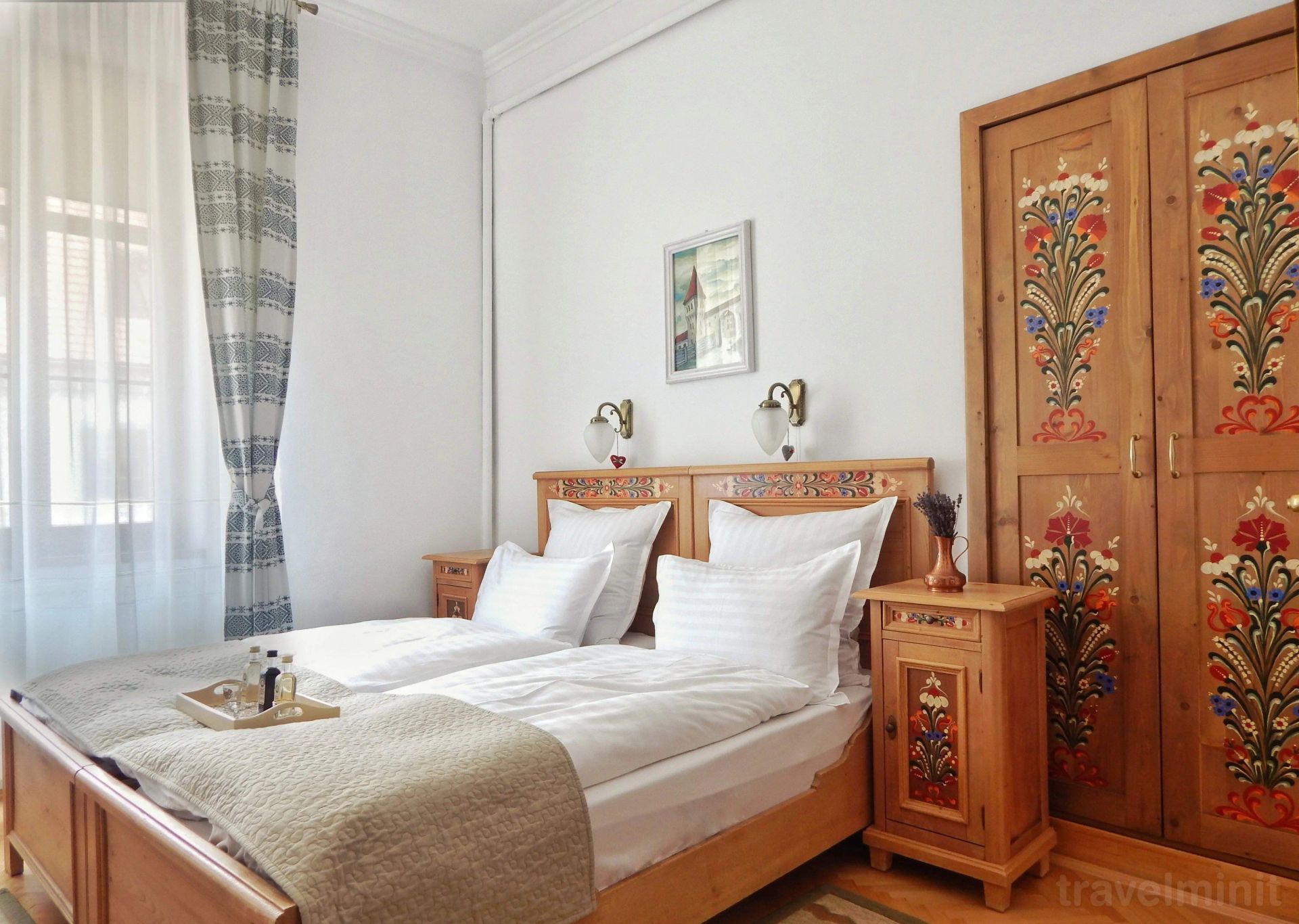
Pensiunea și Pivnița La Teo Sighișoara
Camere, serviciiPensiunea și Pivnița La Teo Sighișoara Sighișoara ofera 6 camere dotate cu bun gust. Anumite camere sunt echipate cu aer conditionat, pentru a va asigura tot confortul cuvenit pe perioada sejurului. (Pentru mai multe informatii consultati la fiecare tip de camera rubrica "detalii"). Va puteti conecta la internet prin reteaua wireless disponibila in pensiune Camerele sunt echipate cu bai proprii. Daca doriti sa obtineti mai multe informatii despre serviciile disponibile (inclusiv cele contra cost) in cadrul unitatii de cazare si despre echiparea camerelor, consultati fisa de mai jos. LocațiaMănăstire se gaseste la o distanta de 200 m , . Servicii de masăTarifele contin numai cazare. PlatăPlata o puteti efectua cu/prin: numerar, card bancar, transfer bancar, card de vacanță, avans travelminit, voucher travelminit. Rezervarea se considera finalizata numai dupa plata unui avans de 100%. Sosire, programIntrarea se face incepand cu ora 14:00 si iesirea pana la ora 10:00. Personalul de la receptie vorbeste limba: maghiară, engleză, germană, română.
FROM
240 RON / night

Apartament · 3 stars
Sighișoara, Sighișoara County · 0.0 km
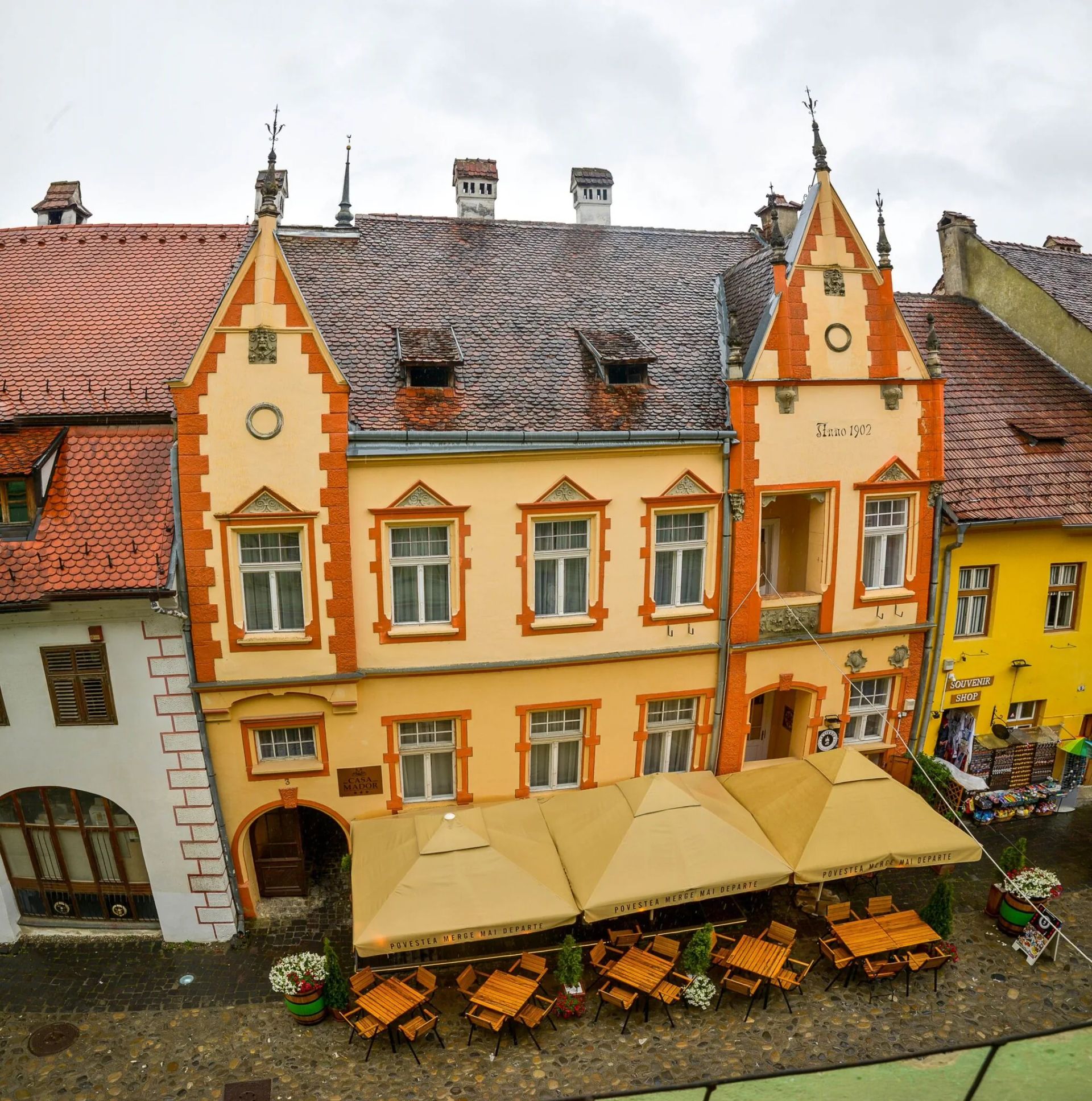
An Der Holztreppe Sighișoara
An der Holztreppe este amenajată într-o clădire de epocă din centrul Sighișoarei și oferă camere si apartamente cu WiFi gratuit și TV-uri cu ecran plat. Toate camerele si apartamentele au baie proprie cu uscător de păr și articole de toaletă gratuite. Puteți să vă parcați mașina în apropiere, la baza Cetății. Aeroportul Târgu Mureș este situat la 40 km de proprietate.
FROM
230 RON / night
Pensiune · 3 stars
Sighișoara, Sighișoara County · 0.0 km
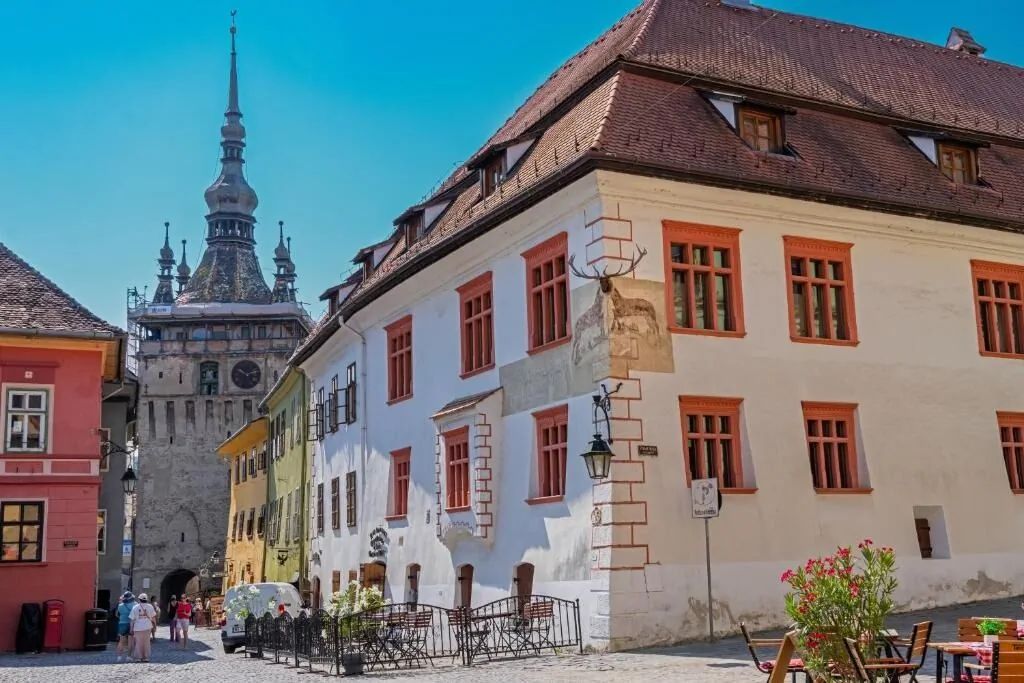
Casa cu Cerb Sighișoara
Bine ați venit la Casa cu Cerb, un loc de poveste situat în inima cetății medievale Sighișoara, unde tradiția și confortul modern se îmbină armonios. Aici, veți descoperi o experiență unică de cazare ce vă va transporta în timp, permițându-vă să explorați frumusețea și istoria unuia dintre cele mai bine păstrate orașe medievale din Europa. Vă oferim camere elegante și un restaurant ce vă răsfață cu preparate autentice transilvănene, toate la doar câțiva pași de atracțiile fascinante ale Sighișoarei. Atmosfera noastră primitoare și decorul istoric creează un cadru perfect pentru a savura preparate delicioase, pregătite cu ingrediente locale de cea mai bună calitate. Vă așteptăm să vă bucurați de o experiență culinară de neuitat,însoțită de vinuri alese și servicii impecabile.
FROM
240 RON / night
Apartament · 3 stars
Sighișoara, Sighișoara County · 0.0 km
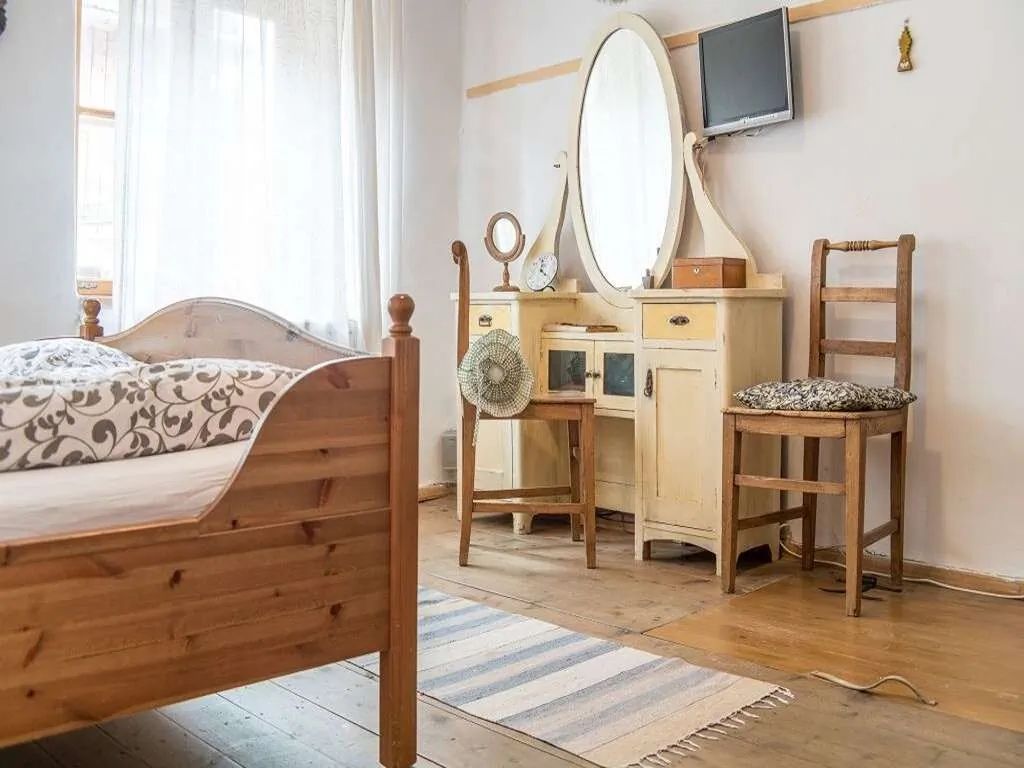
Dominic Boutique Tâmplarilor Sighișoara
Parte a Casei „Klein & Klemenzy” și, pentru pasionații de istorie, a doua cladire ca vechime încă în picioare (priviți fresca inscripționată cu anul 1576 pe peretele clădirii), această casă de oaspeți este situată pe Strada Tâmplarilor, foarte aproape de Turnul Croitorilor, care este intrarea secundară în Cetate și în Piațeta Cetății.Acest apartament este mobilat cu decorațiuni transilvănene autentice vechi. Este compus dintr-o camera principală cu un pat queen size din lemn, rețea WiFi, TV prin cablu, aer condiționat, DVD, CD player, o chicinetă, o cameră mică cu o canapea de două persoane și o baie cu duș. Pentru o bună de relaxare, aveați la dispoziție o terasă umbrită de o boltă de viță-de-vie. Nu în ultimul rând, alegând această locație veți avea ocazia să cunoașteți și să interacționați cu locuitorii Cetații.
FROM
230 RON / night
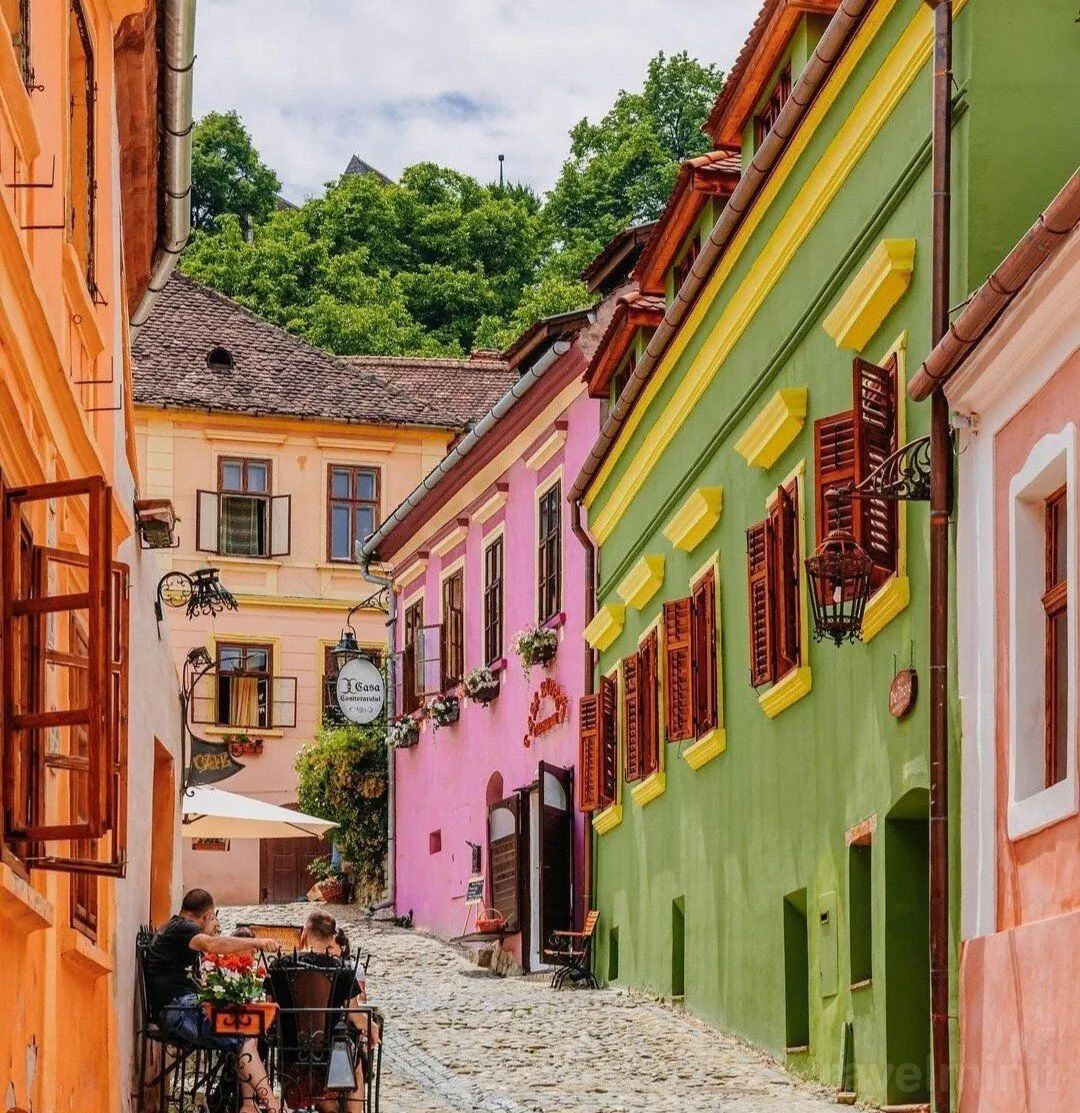
Boutique Hotel · 3 stars
Sighișoara, Sighișoara County · 0.1 km
The Throne Boutique Hotel Sighișoara
Camere, serviciiThe Throne Boutique Hotel Sighișoara Sighișoara dispune de 14 camere mobilate cu gust. Este o unitate perfecta pentru relaxare deoarece se ofera servicii wellness. Pentru informatii consultati pagina de date. Pentru a satisface nevoile si celor mai exigenti clienti, anumite camere sunt dotate cu aer conditionat. (Pentru mai multe informatii consultati la fiecare tip de camera rubrica "detalii"). Acces la internet wireless este disponibil la hotel. Daca doriti sa obtineti mai multe informatii despre serviciile disponibile (inclusiv cele contra cost) in cadrul unitatii de cazare si despre echiparea camerelor, consultati fisa de mai jos. LocațiaBiserica Sfânta Treime se situeaza la o distanta de 600 m , . Servicii de masăTarifele camerelor nu includ nici o masa. La efectuarea rezervarii puteti comanda mic dejun contra cost. PlatăPlata se poate efectua prin urmatoarele modalitati: numerar, card bancar, transfer bancar, card de vacanță, avans travelminit, voucher travelminit. Pentru finalizarea rezervarii se achita un avans de 30%. Sosire, programIntrarea se face incepand cu ora 13:00 si iesirea pana la ora 12:00. La receptie se vorbeste limba: engleză, franceză, română.
FROM
290 RON / night
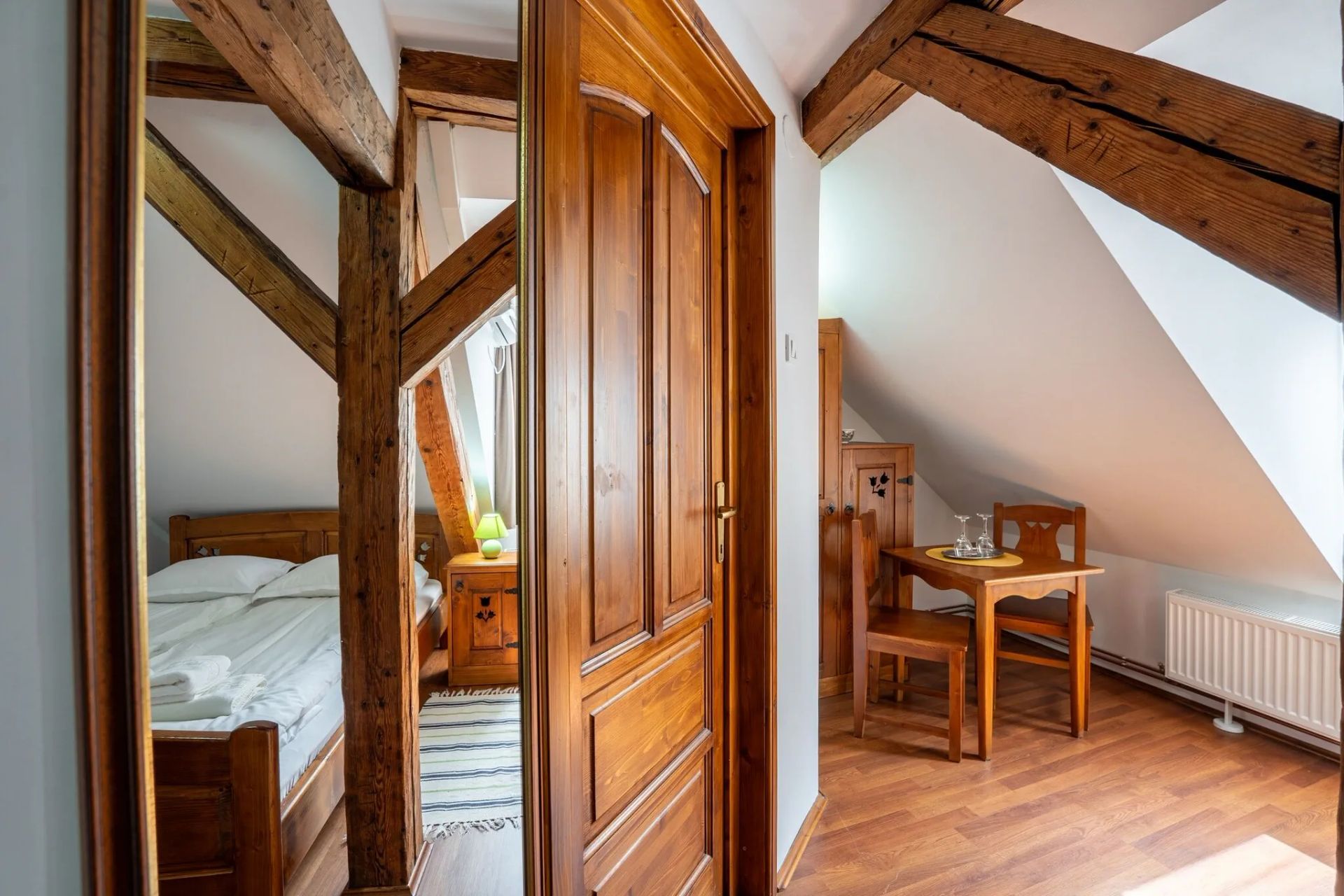
Pensiune · 4 stars
Sighișoara, Sighișoara County · 0.1 km
Pensiunea Bastion - La Strada - Sighisoara
Camere, serviciiPensiunea Bastion - La Strada - Sighisoara Sighișoara ofera cazare in 8 camere placut mobilate si confortabile. La restaurant puteti servi preparate culinare traditionale. Unitatea ofera si cateva camere prevazute cu aer conditionat. (Pentru mai multe informatii consultati la fiecare tip de camera rubrica "detalii"). Fiecare camera are grup sanitar propriu. Pentru a obtine mai multe detalii despre facilitatile locatiei (inclusiv cele contra cost) si despre dotarile camerelor, va rugam consultati fisa de mai jos. LocațiaCatedrala Sf. Iosif este la o distanta de 300 m , . Servicii de masăTarifele afisate se refera numai la cazare. PlatăModalitate de plata acceptata: transfer bancar. Sosire, programZiua hoteliera incepe de la ora 15:00 si se termina la ora 11:00. La receptie se vorbeste limba: engleză, română.
FROM
310 RON / night
BEFORE YOU HIT THE ROAD
Weather conditions in Sighișoara
Local forecast for Sighișoara Medieval Citadel, Sighișoara, Mureș

Real-time updated weather data
Much more to explore in this area
Nearby tourist attractions


Harghita, Harghita County
Praid Salt Mine
Situata in depresiunea Praid, pe valea raului Tarnava Mica, la 9 km de statiunea Sovata; amplasata la altitudinea de 580 m; prima mentiune referitoare la...
45.2 km

Harghita, Harghita County
Praid Salt Mine
Situata la 10 km de statiunea balneoclimaterica Sovata; accesul in interiorul muntelui se face cu autobuzul, printr-un tunel de 1.500 m lungime, iar in salina...
45.3 km

Brasov, Brașov County
Viscri Fortified Church
Situata in localitate Viscri; construita in secolul al XIII-lea; din punct de vedere arhitectural apartine stilului romanic; are un plan de tip sala romanica;...
29.3 km

Harghita, Harghita County
Dârjiu Fortified Church
Situata in localitatea Darjiu; construita intre secolele XIV - XV; initial, a fost ridicata in stil romanic, iar apoi a fost transformata in stil gotic; a...
31.4 km

Sibiu, Sibiu County
Biertan Fortified Church
Situata in localitatea Biertan; construita pe locul unei alte biserici, intre 1492-1516, in stil gotic tarziu, cu elemente de arhitectura renascentista in...
22.9 km

22.9 km

Brașov, Brașov County
Black Church of Brașov (Evangelical Fortified Church Ensemble)
Heritage site in Braşov County, Romania
26.7 km

Danes, Mureș County
Turnul cu ceas Sighișoara
Situat in partea de est a platoului inferior al Cetatii Sighisoara; construit in preajma secolului al XIV-lea, pentru a proteja poarta principala a orasului si...
0.0 km

Danes, Mureș County
Biserica fortificată Saschiz
Situata in localitatea Saschiz;construita pe locul unde in trecut exista o bazilica romanica;inaltata in anul 1493, in onoarea regelui Stefan I al Ungariei;din...
13.1 km

33.7 km

Sibiu, Sibiu County
Biserica Fortificată din Valea Viilor
Situata in localitatea Valea Viilor; a fost construita in secolul al XII-lea, urmand sa fie fortificata in secolul al XV-lea si al XVI-lea; inconjurata de o...
42.3 km

Danes, Mureș County
Stațiunea balneoclimaterică Sovata
Situata la poalele dinspre sud - vest ale Muntilor Gurghiu din Carpatii Orientali, la 60 de km est de municipiul Targu Mures; amplasata la altitudinea de 475 -...
47.1 km
Cultural life and traditions
Events near Sighișoara Medieval Citadel
Medieval festivals, traditional fairs, concerts and recommended local activities in Transylvania.

Patrimoniu și Istorie

Sighișoara, Jud. Mureș
Festivalul Cetăților Medievale și Zilele Porților Deschise
Tururi ghidate nocturne, ateliere de meșteșuguri tradiționale și reconstituiri istorice cu cavaleri și domnițe.
WHEN
15 - 17 Mai 2026

Tradiții și Gastronomie
Sighișoara, Jud. Mureș
Târgul Tradițiilor Săsești și Gastronomie Locală
Descoperă producătorii locali, plăcintele săsești coapte pe vatră, siropurile artizanale și dulceața de rubarbă.
WHEN
În fiecare weekend (Mai - Octombrie)

Ecoturism și Natură
Colinele Transilvaniei, Jud. Mureș
Drumeții Ghidate pe Traseul Colinele Transilvaniei
Excursii pe poteci nemarcate printre fânețe seculare, stejari multiseculari și sate cu biserici fortificate UNESCO.
WHEN
Vineri - Duminică (Sezon 2026)
On foot, exploration gains depth
Discover the surroundings and local geography
Explore trails, terrain and natural landmarks around Sighișoara Medieval Citadel.

Guides and practical tips
Useful travel articles
Travel guides, practical tips and itineraries for Transylvania.

Travel guide
Top 5 Atracții Turistice și Trasee Montane în Zona Moieciu - Bran
Descoperă cele mai spectaculoase peisaje carstice, chei adânci și cetăți medievale din imediata apropiere a stațiunii Moieciu.

Travel guide
Ghid de Drumeție: Traseul Moieciu de Sus spre Platoul Bucegi
Un itinerariu montan de o frumusețe rară ce urcă din Valea Băngăleasa spre Poiana Guțanu și crestele maiestuoase ale Bucegilor.

Travel guide
Castelul Bran: Istorie, Legende și Secrete Medievale
Află adevărata poveste a fortăreței medievale din Pasul Bran, reședința de suflet a Reginei Maria a României.
THE JOURNEY STARTS WITH AN IDEA
The next story is on the way.
From the first stop to the last stay, make room for a new Romania.
