


PLACE OF WORSHIP · BUKOVINA
Arbore Church

Arbore, Suceava County
Add location to your trip planner.
Practical access information

VISITING HOURS
Monday: 12:00 PM – 5:00 PM · Tuesday–Sunday: 9:00 AM – 5:00 PM (in summer until 8:00 PM)

TICKET PRICE
Adults: 45 RON · Students: 11 RON · Seniors: 23 RON · Guided tour included

RECOMMENDED VISIT DURATION
2-3.5 hours
Visitor information and guide
 Navigate with Google Maps

ABOUT ARBORE CHURCH
A Founding at the Crossroads of East and West: Arbore Church, Witness to Moldavia’s Golden Age
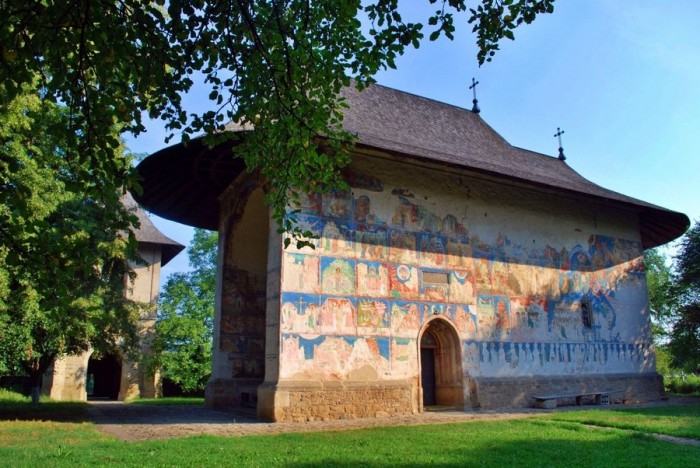
In the heart of Bucovina, in a village that still echoes the splendor of a vanished boyar residence, stands the Church of the former Arbore Monastery, a monument that captures in a single glance the entire drama and grandeur of early 16th-century Moldavia. Built in 1503 as a private chapel for the court of Hetman Luca Arbore, this church represents far more than a simple place of worship: it is a living page of European history, a unique synthesis of Byzantine Orthodox spirituality and the artistic innovations of the Western Renaissance, inscribed on the UNESCO World Cultural Heritage List alongside the other painted churches of Bucovina. Here, beneath its sober vaults and on its façade covered in radiant frescoes, the tragic fate of a great boyar converges with the genius of anonymous court painters, in a cultural dialogue that places this foundation among the most valuable monuments of Renaissance Europe.
Historical Roots and Major European Connections
The context in which Hetman Luca Arbore decided to build this church in 1503 can only be understood within the broader political and cultural map of Eastern Europe at the beginning of the 16th century. Moldavia, ruled with an iron fist by Stephen the Great until 1504, found itself in a fragile balance between Ottoman expansion from the southeast and the ambitions of the Kingdom of Poland and Christian Hungary from the west. Luca Arbore, one of the most influential boyars of the era, a close advisor to the great voivode and tutor to the future ruler Ștefăniță Vodă, embodied Moldavia’s openness to the Western world. His foundation at Arbore, constructed as a private chapel for his boyar court, reflects the European fashion of the 15th and 16th centuries, when great nobles built private chapels in their residences, much like the chapels of the Medici Palace in Florence or the Habsburg castles in Tyrol.
The tragic fate of the founder, executed in 1523 by order of Ștefăniță Vodă, adds a dramatic dimension that resonates with the bloody intrigues of European courts of the time, from the Wars of the Roses in England to the dynastic conflicts in France and the Holy Roman Empire. This execution, viewed in the context of the increasing Ottoman pressure on the Romanian Principalities, reflects the political turbulence of an era in which loyalty to the dynasty could mean a death sentence, much like the political condemnations in the Byzantine Empire or the Italian states of the Renaissance. At the same time, the period in which the church was painted, in 1541 under the rule of Petru Rareș, son of Stephen the Great, marks the apogee of Moldavian art, when humanist currents gradually penetrated the Carpathian region, bringing with them technical and thematic innovations from Italy and the Low Countries, just as was happening at the same time in the courts of Prague, Vienna, or Kraków.
Architectural Masterpiece, Artistic Style, and Constructive Details
The architecture of Arbore Church stands out for a particularity that places it in a category of its own within the Romanian sacred landscape: as a boyar foundation rather than a monastic one, it lacks the turrets characteristic of prestigious monastic architecture of the time, yet it retains the harmonious proportions and sober silhouette typical of 16th-century Moldavian churches. Its trilobate plan, with a pronaos, naos, and altar, follows the Byzantine tradition, but the execution of its constructive details reveals Western influences, particularly in the pronaos, where the founder’s tomb chest is located. The latter is considered the most valuable Gothic-style funerary monument in all of Bucovina, a rare example of late Gothic funerary art in the Romanian space, comparable to the funerary monuments in German cathedrals or medieval Poland, when local craftsmen assimilated elements of Western Gothic within an Orthodox context.
The supreme artistic treasure of the church, however, is its mural painting, created in 1541 by the court painters’ school, possibly under the direction of master Dragoș Coman, an emblematic figure of Moldavian art during the reign of Petru Rareș. The interior and exterior frescoes represent a remarkable synthesis of Eastern and Western elements, reflecting Moldavia’s cultural openness to the artistic currents of the early Renaissance. The technique used is the traditional Byzantine fresco-secco, but the composition, perspective, and treatment of the human figure reveal knowledge of Western art, likely influenced by prints and engravings brought from Italy or Germany. The west façade, entirely painted with a series of detailed miniatures, is considered the finest work of the entire mural painting of the Stephen the Great and Petru Rareș era, distinguished by the precision of its composition, its chromatic richness—particularly the intense blue known as "Arbore blue"—and the finesse of its drawing, comparable to the pictorial cycles of the Sistine Chapel or the Tuscan monasteries.
In the upper register of the apse, there appears a unique and unusual image for the Moldavian space: Saint Christopher carrying the Christ Child on his shoulder, a representation specific to Western Catholic art from the Germanic and Italian countries, evidence of direct influences and artistic contacts with Western cultural centers. This iconographic presence, rare in Orthodox churches of the period, testifies to the universality of the Christian message and to the ability of Moldavian artists to integrate European innovations within their own spiritual framework. Although the interior painting was severely damaged in the 17th and 18th centuries, when the building remained roofless for several decades, likely due to military conflicts or neglect, the remarkable preservation of the exterior frescoes still allows for the admiration of the artistic genius of the Moldavian school and its capacity to assimilate and transform European influences into a unique, local expression.
Stories, Legends, Personalities, and Turning Points
The history of Arbore Church is inseparable from the tumultuous biography of its founder, Hetman Luca Arbore, a figure who embodies the ideal of the Renaissance boyar: scholar, diplomat, and military commander. A trusted advisor to Stephen the Great and tutor to the young Ștefăniță, Arbore played a crucial role in Moldavia’s foreign policy, negotiating alliances with Poland and maintaining a fragile balance against the Ottoman Empire. The construction of the church in 1503 can be interpreted as an act of spiritual gratitude or as an assertion of his noble status, much like the way great Italian patrons commissioned private chapels. However, his tragic fate, sealed in 1523 when the young ruler, advised by rival boyars, ordered the execution of his former tutor, transforms the church into an anticipated funerary monument, a silent witness to a Shakespearean drama unfolding in the heart of Eastern Europe.
The culmination of the monument’s artistic history came in 1541, nearly two decades after the founder’s death, when the court painters’ school under Petru Rareș covered the church walls with frescoes of rare beauty. These anonymous masters, likely trained in contact with Italian and German art, created an iconographic cycle that reflects both the Byzantine tradition and the novelties of the Renaissance, at a time when Moldavia was asserting its cultural identity on the European stage. Of the entire monastic and boyar complex, only the church survives today, the boyar court having been destroyed by a devastating fire in the 19th century, an episode that mirrors the fate of many noble residences across Europe, destroyed by wars or the passage of time, leaving only the church as a witness to a vanished splendor. The rediscovery of the monument’s artistic value in the 20th century and its inclusion in 1993 on the UNESCO World Heritage List, as part of the "Painted Churches of Bucovina" ensemble, represents a moment of cultural renaissance, placing Arbore alongside other European masterpieces such as the monasteries of Meteora or the frescoes of Cappadocia.
Practical Visitor’s Guide and the Traveler’s Experience Today
For the European traveler seeking to discover the profound connections between Moldavian art and the continent’s cultural heritage, Arbore Church is an essential destination, located in the commune of Arbore, Suceava County, in the heart of historical Bucovina, just a few kilometers from Sucevița Monastery and approximately 30 kilometers from the city of Suceava. Access is possible either via the "Ștefan cel Mare" International Airport in Suceava, followed by a scenic road journey through the hills of Bucovina, or via Suceava train station, from which local buses connect the city to the commune of Arbore. Once in the village, the church reveals itself as a sanctuary surrounded by nature, in a setting of profound tranquility that invites contemplation, far from urban crowds.
Today’s visitor has the rare opportunity to witness an extensive restoration and conservation process, both inside and outside the church, funded by European programs for the protection of cultural heritage. This allows for the observation of contemporary fresco restoration techniques, similar to those used in Venice or Florence. To fully appreciate the mastery of the exterior frescoes, particularly the west façade, a morning visit is recommended, when sunlight falls directly on the painted walls, revealing chromatic and compositional details that would otherwise remain imperceptible. In the pronaos, the Gothic tomb chest of Luca Arbore offers a moment of reflection on the passage of time and the human condition, while the church’s dedication, "The Beheading of Saint John the Baptist," serves as a reminder of supreme sacrifice and unwavering faith.
The itinerary can be complemented by a visit to Sucevița Monastery, located just five kilometers away, renowned for its "Ladder of Virtues" fresco, and to the other painted churches in the area—Humor, Voroneț, Moldovița—forming a cultural circuit that illustrates the flourishing of Byzantine art in the Carpathian region and its openness to Western art. For accommodation, travelers can choose from traditional guesthouses in Gura Humorului or hotels in Suceava, enjoying Bucovina’s specific cuisine, with dishes such as cabbage rolls, polenta with cheese and sour cream, or mushroom pies. The experience of visiting Arbore Church remains profoundly moving: here, in the silence of a unique boyar church in Europe, the traveler discovers not only a masterpiece of religious art but also a living bridge between East and West, between past and present, in one of the most authentic and least crowded corners of Europe’s heritage.
Media gallery
Discover Arbore Church in pictures

5 photos · Architecture, courtyards and captivating details
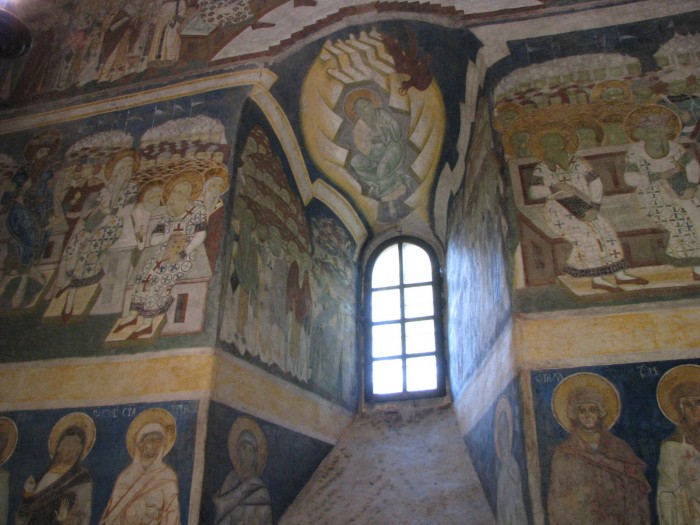


Image source: Wikimedia Commons · Public domain photos · Free license
STAY A FEW DAYS, DISCOVER THE MAGIC
Accommodation in the Arbore Church area

Holiday home · 3 stars

Solca, Suceava County · 7.5 km
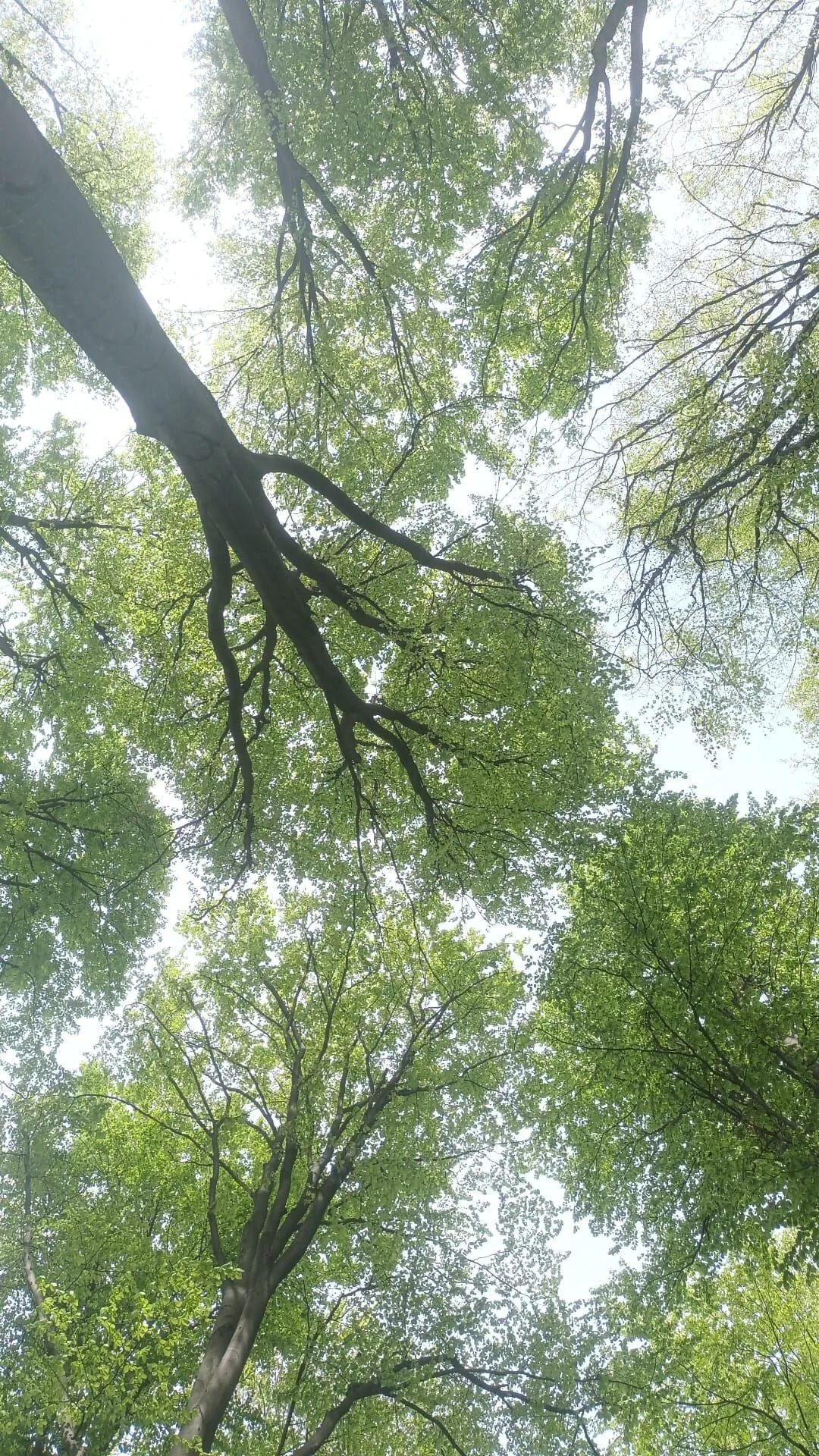
Casa de oaspeți Home by YLY Solca
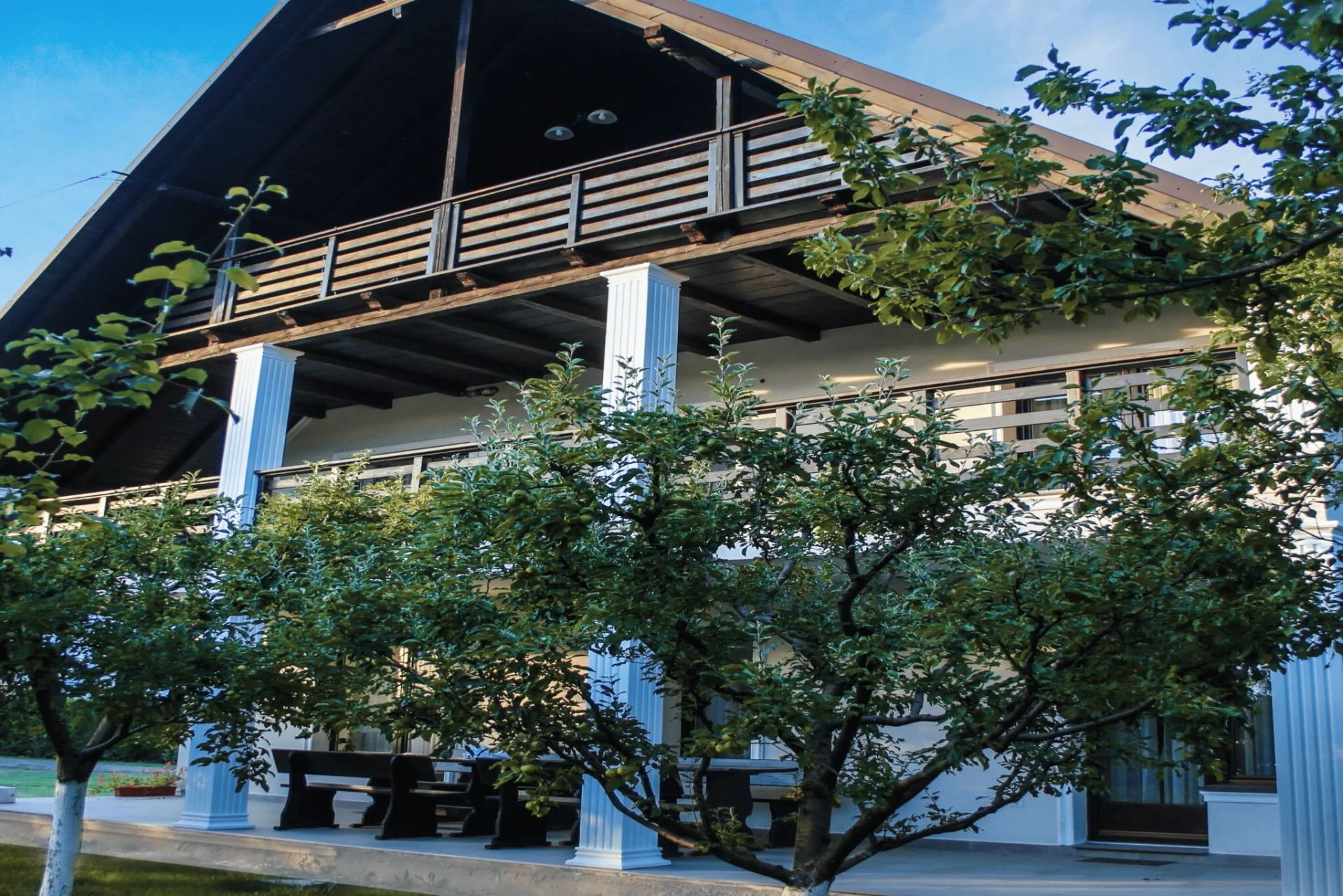
Într-un peisaj liniștit și pitoresc din Solca, Casa de oaspeți Home by YLY vă așteaptă într-o vilă integrală de trei stele, situată pe strada Avram Iancu numărul 6. Locuința oferă o atmosferă calmă și confortabilă, departe de zgomotul urban, într-un mediu care îmbină eleganța cu simplitatea naturală a zonei. Curtea mare și grădina amenajată reprezintă locul perfect pentru momente de relaxare în aer liber. Aveți la dispoziție un grătar sau barbeque pentru preparate gustoase, o vatră de foc ori șemineu în aer liber pentru seri răcoroase, precum și un ceaun pentru gătit în aer liber. Pentru activități recreative, puteți juca tenis de masă, iar parcarea privată gratuită și cea pentru biciclete vă asigură confortul deplasărilor. Conexiunea Wi-Fi gratuită vă permite să rămâneți conectați oriunde în casă. În plus, zona oferă numeroase posibilități de drumeții montane și trasee în natură, ideale pentru explorarea peisajelor din jur. În apropiere puteți vizita Mănăstirea Sucevița, Biserica fostei Mănăstiri Arbore, Mănăstirea Humor, Mănăstirea Voroneț și Salina Cacica, obiective care completează perfect șederea dumneavoastră. Dimineața, după micul dejun servit în curtea grădinii, vă puteți bucura de aerul proaspăt al zonei înainte de a porni spre drumeții.
FROM
280 lei per night

Holiday home · 3 stars
Volovăţ, Suceava County · 8.2 km
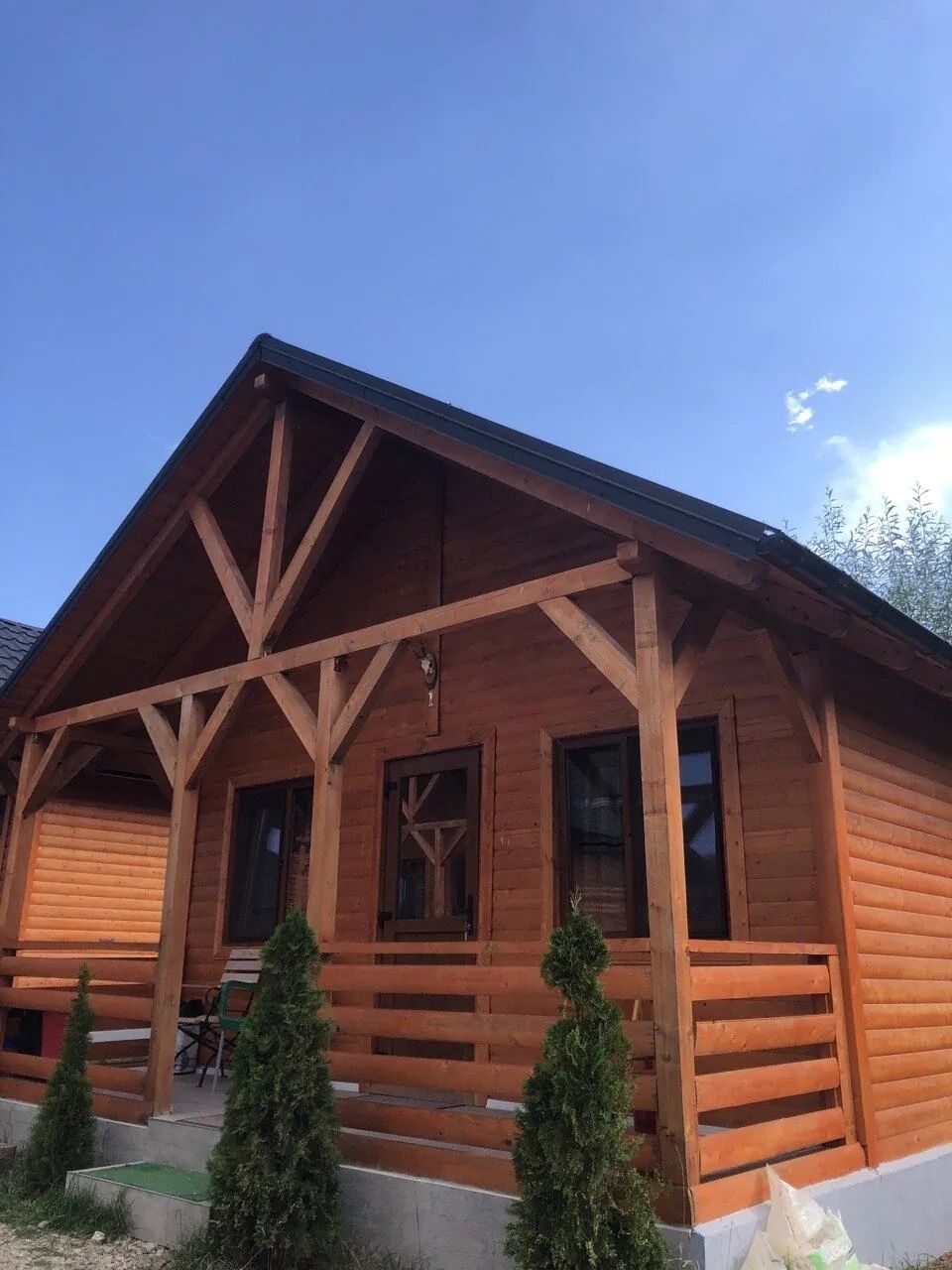
Căsuța Bunicilor Volovăț
Căsuța Bunicilor Volovăț este o casă de închiriat integrală, clasificată cu 3 stele, situată în localitatea Volovăț, județul Suceava. Aceasta reprezintă o alegere potrivită pentru cei care doresc să petreacă timp într-un mediu liniștit, departe de aglomerația urbană. Interiorul oferă o cameră tradițională, trei dormitoare duble, un living spațios, bucătărie și baie. Unitatea pune la dispoziția dumneavoastră o curte mare și o grădină amenajată, un loc perfect pentru relaxare în aer liber. Beneficiați de Wi-Fi gratuit în întreaga proprietate și de parcare privată gratuită. Pentru momentele petrecute în aer liber, aveți la dispoziție un spațiu de grătar sau barbeque, dar și un ceaun pentru prepararea mâncărurilor direct în curte. În apropiere puteți vizita mai multe obiective de patrimoniu cultural și religios: Mănăstirea Sucevița, Biserica fostei Mănăstiri Arbore, Mănăstirea Bogdana din Rădăuți, Catedrala Pogorârea Sfântului Duh din Rădăuți și Mănăstirea Humor. Acestea oferă oportunități excelente pentru excursii de o zi în zonă. Vă așteptăm la Căsuța Bunicilor Volovăț.
FROM
280 lei per night
Cabin · 3 stars
Cacica, Suceava County · 11.2 km
Cabanele Daniel Cacica
Cabanele Daniel Cacica reprezintă o cabană clasică de 3 stele situată în localitatea Cacica, județul Suceava. Complexul este format din șase cabane, fiecare cu două încăperi spațioase și baie proprie, oferind cazare pentru grupuri de 12 până la 25 de persoane adulte. Fiecare unitate de cazare este dotată cu frigider, aer condiționat și încălzire prin pardoseală, iar bucătăria este complet utilată pentru prepararea meselor. În exterior, oaspeții au la dispoziție o curte mare și o grădină amenajată, cu foișor pentru mese în aer liber, loc de joacă pentru copii, grătar, vatră de foc în aer liber și ceaun. De asemenea, sunt disponibile Wi-Fi gratuit, parcare privată gratuită, parcare pentru biciclete și acces pentru persoanele cu dizabilități. Pentru activități recreative, puteți folosi sala de fitness, puteți juca tenis de masă sau biliard. În plus, împrejurimile oferă posibilitatea de a parcurge drumeții montane și trasee în natură. În apropiere se află obiective de patrimoniu și natură precum Mănăstirea Voroneț, Mănăstirea Humor, Salina Cacica, Stațiunea Gura Humorului și Biserica fostei Mănăstiri Arbore. Vă așteptăm la Cabanele Daniel Cacica.
FROM
270 lei per night
Guesthouse · 3 stars
Rădăuți, Suceava County · 11.8 km
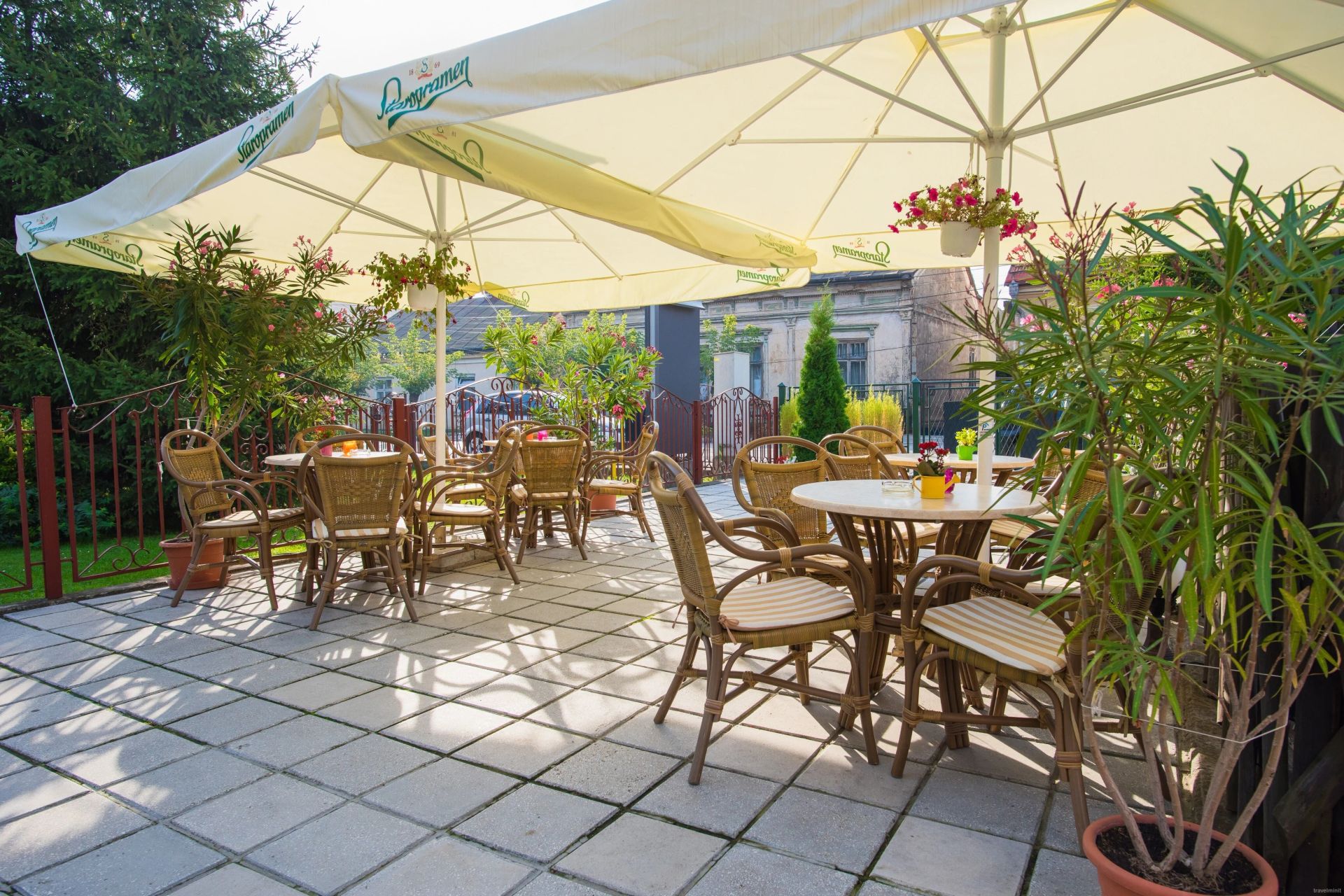
Pensiune Turistica Fast Rădăuți
O zi la Pensiunea Turistică Fast Rădăuți începe cu micul dejun servit în cafeneaua din incintă și se continuă cu momente de relaxare în curtea mare și grădina amenajată. Această unitate de 3 stele din orașul Rădăuți, județul Suceava, oferă condiții moderne pentru un sejur plăcut în regiunea Bucovina. Pentru confortul dumneavoastră, aveți la dispoziție Wi-Fi gratuit în întreaga proprietate, parcare privată gratuită și parcare pentru biciclete, astfel încât deplasările prin zonă devin simple. În incintă se află și un bar, iar pentru siguranța bunurilor sunt disponibile seif și depozit pentru bagaje. Fierul de călcat vă stă la dispoziție pentru pregătirea bagajelor. Cele 10 camere oferă confort sporit, fiind dotate cu grup sanitar propriu, televizor cu televiziune prin cablu, aer conditionat și mobilier modern. Șapte dintre acestea au două paturi twin, iar trei dispun de pat matrimonial, astfel încât fiecare călător găsește varianta potrivită nevoilor sale. În apropiere se pot vizita Mănăstirea Sucevița, Mănăstirea Bogdana din Rădăuți, Biserica fostei Mănăstiri Arbore, Catedrala Pogorârea Sfântului Duh din Rădăuți și Mănăstirea Putna, oferind ocazia de a descoperi patrimoniul spiritual și istoric al zonei în timpul șederii dumneavoastră. Este alegerea potrivită pentru turiști și călători de business care caută un punct de plecare comod pentru explorarea monumentelor din Bucovina.
FROM
240 lei per night
Guesthouse · 3 stars
Cacica, Suceava County · 12.1 km
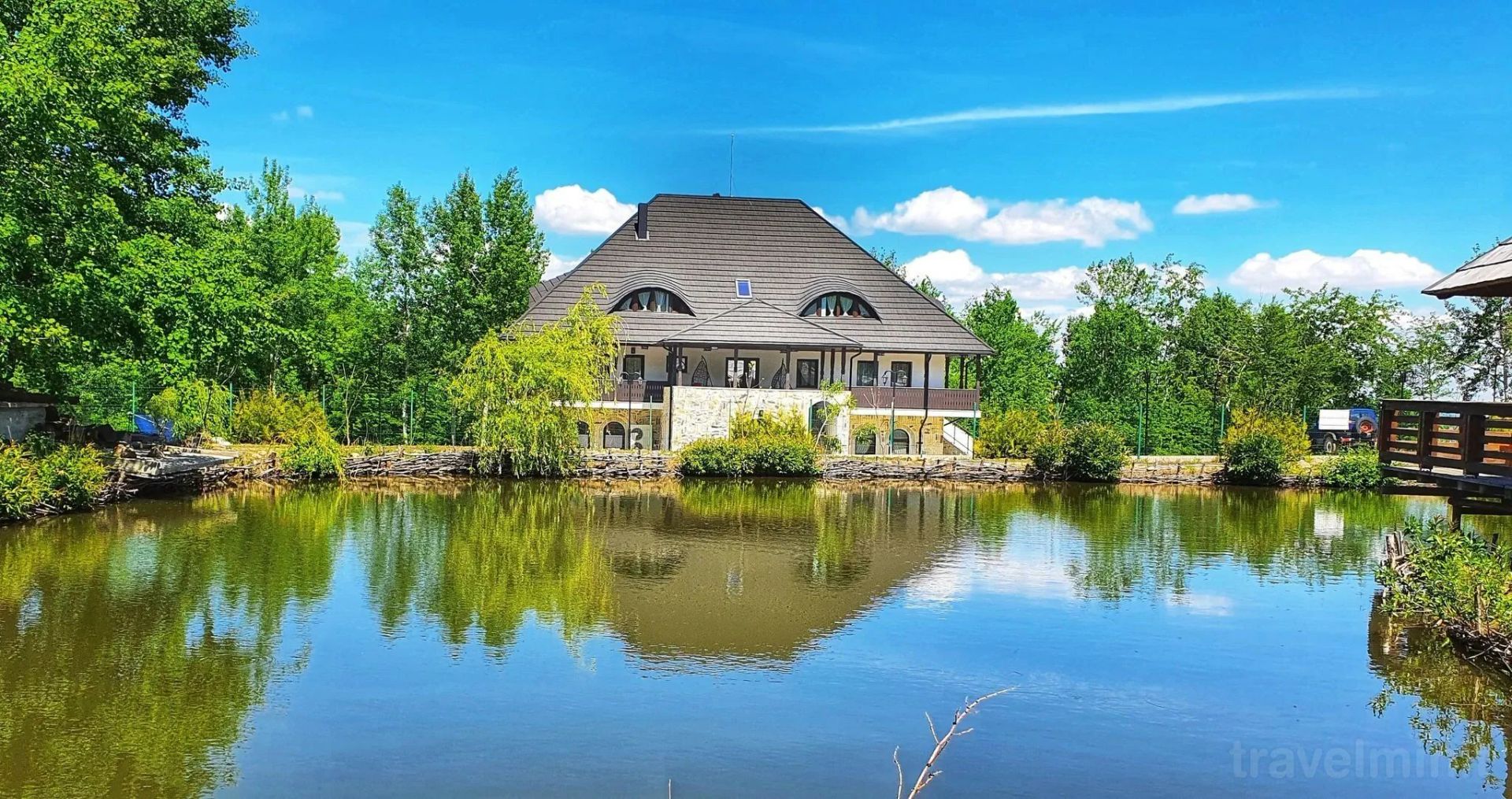
Pensiunea Vatra Boiereasca Cacica
Pensiunea Vatra Boiereasca din Cacica, județul Suceava, este o pensiune turistică de trei stele situată pe Dealul Salinei, într-un cadru natural deosebit. Vă așteptăm într-o curte mare și o grădină amenajată, cu un foișor primitor, dar și cu un grătar, o vatră de foc în aer liber și un ceaun pentru gătit în aer liber. Pentru momente de relaxare aveți la dispoziție saună, ciubăr din lemn tradițional și acces direct la lac cu ponton. În incintă funcționează o cafenea și un bar, iar serviciile includ room service, Wi-Fi gratuit și parcare privată gratuită, astfel încât șederea dumneavoastră să fie cât mai confortabilă. Familiile cu copii se vor bucura de facilitățile dedicate celor mici: loc de joacă la exterior, cameră de joacă la interior, scaun înalt și pătuț pentru bebeluș, pentru ca întreaga familie să se simtă bine. În apropiere puteți vizita Mănăstirea Voroneț, Mănăstirea Humor, Stațiunea Gura Humorului, Salina Cacica și Biserica fostei Mănăstiri Arbore, obiective care completează perfect un sejur în Bucovina. Este potrivită pentru cei care caută liniște, natură și tradiții bucovinene într-un cadru autentic, departe de aglomerația orașelor.
FROM
240 lei per night
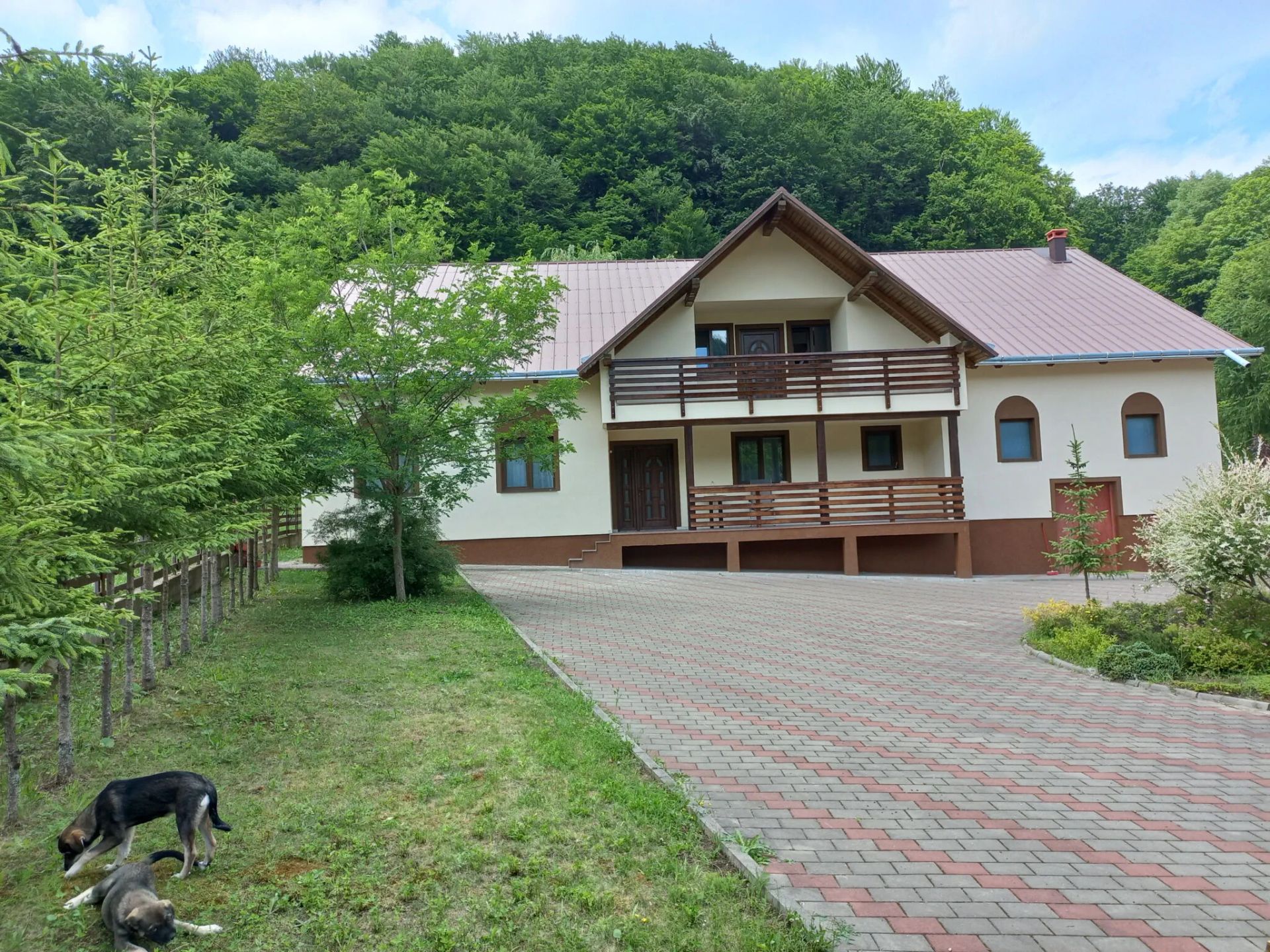
Holiday home · 3 stars
Marginea, Suceava County · 12.3 km
Casă de vacanță Loja Montana Marginea
Comfort, relaxation and stunning views, all just steps away from the main attractions.
FROM
280 lei per night
BEFORE YOU HIT THE ROAD
Weather conditions in Arbore
Local forecast for Arbore Church, Arbore, Suceava

Real-time updated weather data
Much more to explore in this area
Nearby tourist attractions

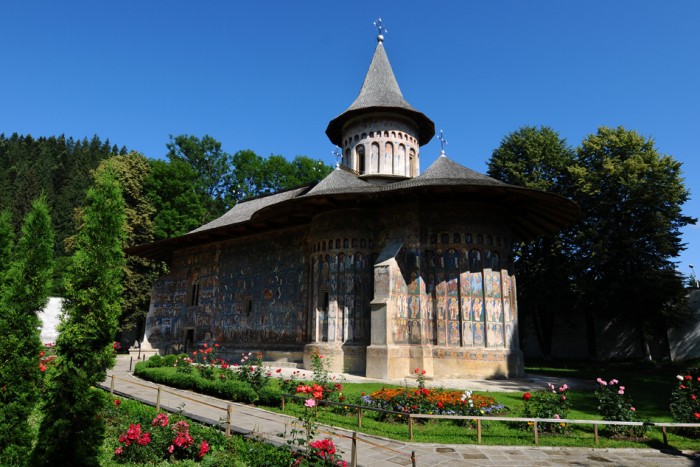

Suceava, Suceava County
Voroneț Monastery
Situata in localitatea Voronet, la cca. 4 km de Gura Humorului si 35 km de Suceava; accesul se face din Gura Humorului, pe DJ177D; ctitorie a lui Stefan cel...
24.8 km
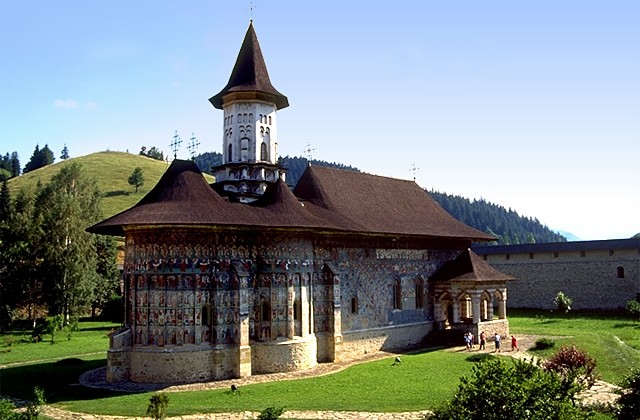
Sucevita, Suceava County
Sucevița Monastery
Situata in comuna Sucevita, la 19 km sud-vest de Radauti si 37 km nord-vest de Suceava; accesul se poate face din Suceava, spre Radauti, pe DN2/E85, 35 km,...
17.2 km
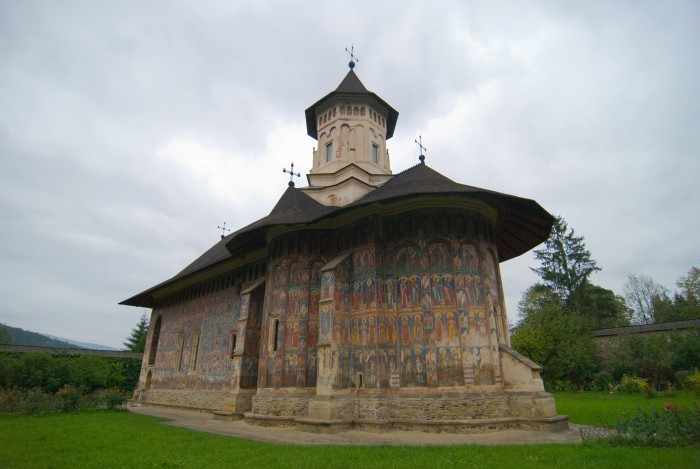
Suceava, Suceava County
Moldovița Monastery
Situata in localitatea Vatra Moldovitei, la 27 km nord de Campulung Moldovenesc; accesul se poate face din Campulung Moldovenesc, pe DN17A, 23km, sau din...
28.5 km
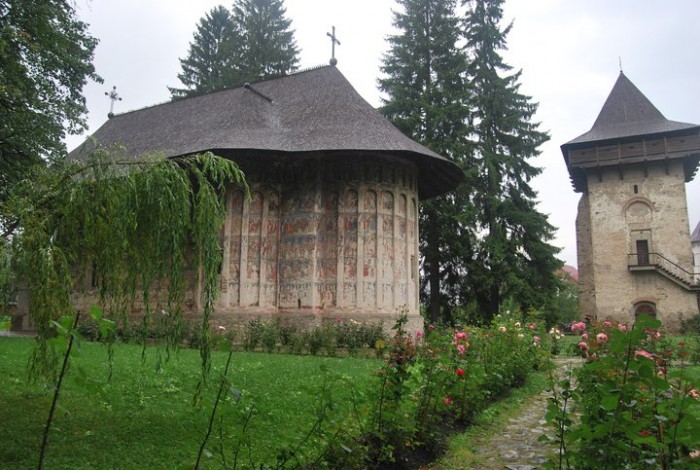
Suceava, Suceava County
Humor Monastery.
Situata in localitatea Manastirea Humorului, la aproximativ 5 km de orasul Gura Humorului, pe DJ177; prima biserica a Manastirii a fost constuita in timpul lui...
16.9 km

Suceava, Suceava County
Saint John the New Monastery of Suceava
Situata pe strada Ion Voda Viteazul nr. 2, Suceava; inceputa de voievodul Bogdan al III-lea, fiul lui Stefan cel Mare, in 1514, constructia a fost terminata in...
26.8 km

Putna, Suceava County
Putna Monastery
Situata in comuna Putna, la 72 km de Suceava; accesul se face din Radauti, pe DJ178C, spre nord, 24 km, stanga in Vicovul de Sus, pe DN2H, 12 km, pana in Putna;...
29.0 km

Suceava, Suceava County
Gura Humorului Resort
Situata in partea estica a Obcinilor Bucovinei, in depresiunea cu acelasi nume; amplasata la altitudinea de 470 m; prima mentionare documentara dateaza din 26...
20.5 km
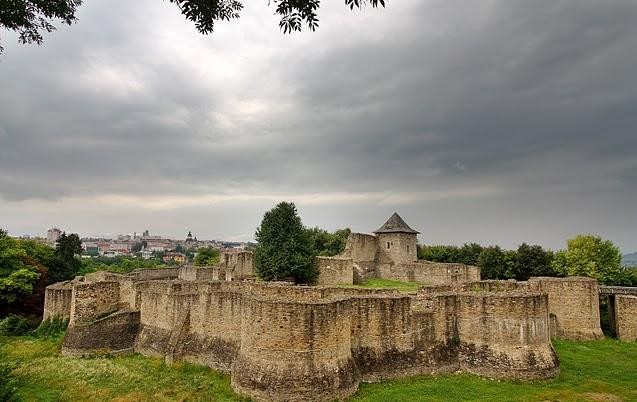
Suceava, Suceava County
Suceava Princely Fortress
Situata la capatul Aleei Cetatii, municipiul Suceava; mentionata pentru prima data la 10 februarie 1388, intr-un document al voievodului Petru I Musat;...
27.2 km
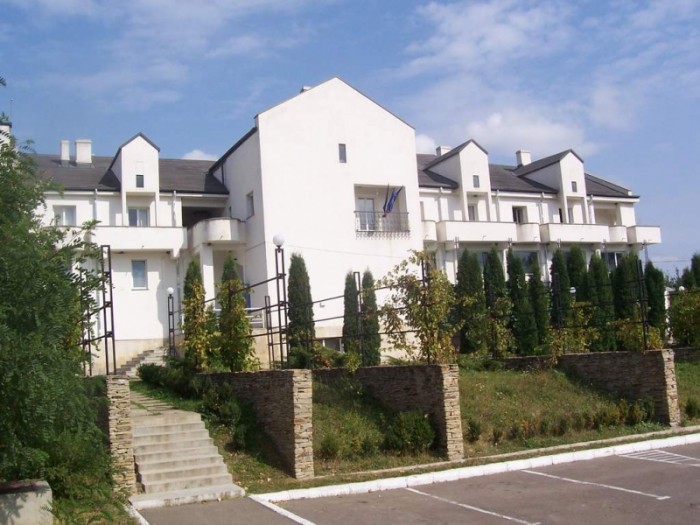
Botosani, Botoșani County
Eminescu Memorial House - National Study Centre
Situat in Ipotesti;acesta cuprinde: Casa memoriala "Mihai Eminescu", locul unde s-a nascut genialul poet, bisericuta familiei, langa care se afla mormintele...
47.1 km
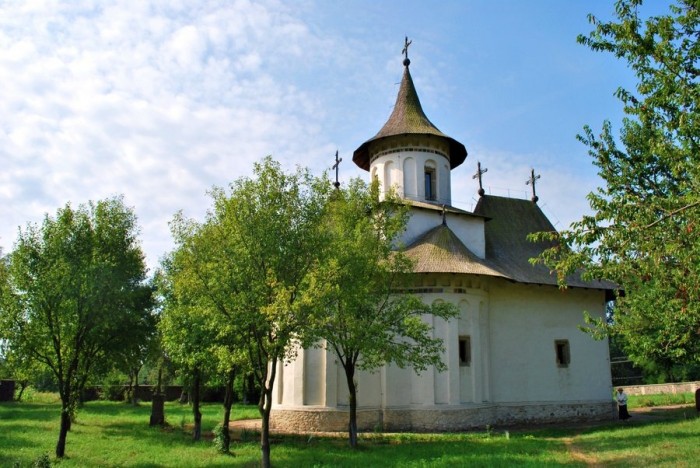
Patrauti, Suceava County
Church of the Former Patrauti Monastery
Situata in comuna Patrauti; inaltata in 1487, a fost prima ctitorie a lui Stefan cel Mare; este cea mai redusa ca dimensiune dintre ctitoriile domnitorului si...
19.1 km

Suceava, Suceava County
Bucovina Museum Complex in Suceava
Situat pe strada Stefan cel Mare nr. 33 din municipiul Suceava; a fost infiintat la 7 noiembrie 1899, sub forma unei asociatii numite "Muzeul" si era filiala a...
26.5 km

Suceava, Suceava County
Bukovina Museum in Suceava
Situat pe strada Stefan cel Mare, nr. 33, municipiul Suceava; construita intre anii 1902 -1903; planurile au fost realizate de catre arhitecul J. Bochner; din...
26.5 km
Cultural life and traditions
Events in the Arbore Church area
Medieval festivals, traditional fairs, concerts and local activities recommended in Bukovina.

History and Voivodeship Heritage

Arbore, County of Suceava
The Medieval Festival of Neamț Fortress
Re-enactments of Ștefan’s battles, archery demonstrations with traditional bows, displays of courtly guards, and performances of old court music.
WHEN
July 3-5, 2026


Prehistoric Crafts and Art
Arbore, County of Suceava
The National Pottery Fair “Cucuteni 5000”
The most skilled ceramic artists recreate the spectacular motifs of Europe’s oldest civilisation.
WHEN
June 26-28, 2026

Gastronomy and Wines
Arbore, County of Suceava
The Traditional Festival of Moldovan Wine
A fair featuring wine tastings from the vineyards of Cotnari, Bucium and Panciu, “poale-n brau” pies, and roasted meats cooked on a spit.
WHEN
October 2-4, 2026
On foot, exploration gains depth
Discover the surroundings and local geography
Explore the trails, terrain, and natural landmarks around Arbore Church.

Guides and practical tips
Useful travel articles
Travel guides, practical recommendations and tourist itineraries for Bukovina.

Tourist guide
Top 5 Atracții Turistice și Trasee Montane în Zona Moieciu - Bran
Descoperă cele mai spectaculoase peisaje carstice, chei adânci și cetăți medievale din imediata apropiere a stațiunii Moieciu.

Tourist guide
Ghid de Drumeție: Traseul Moieciu de Sus spre Platoul Bucegi
Un itinerariu montan de o frumusețe rară ce urcă din Valea Băngăleasa spre Poiana Guțanu și crestele maiestuoase ale Bucegilor.

Tourist guide
Castelul Bran: Istorie, Legende și Secrete Medievale
Află adevărata poveste a fortăreței medievale din Pasul Bran, reședința de suflet a Reginei Maria a României.
THE JOURNEY STARTS WITH AN IDEA
The next story is on the way.
From the first stop to the last stay, make room for a new Romania.
