


PLACE OF WORSHIP · MUNTENIA (WALLACHIA)
Princely Church of Saint Nicholas in Curtea de Argeș

Albestii, Argeș County
Add location to your trip planner.
Practical access information

VISITING HOURS
Monday: 12:00 PM – 5:00 PM · Tuesday–Sunday: 9:00 AM – 5:00 PM (in summer until 8:00 PM)

TICKET PRICE
Adults: 45 RON · Students: 11 RON · Seniors: 23 RON · Guided tour included

RECOMMENDED VISIT DURATION
2-3.5 hours
Visitor information and guide
 Navigate with Google Maps

ABOUT PRINCELY CHURCH OF SAINT NICHOLAS IN CURTEA DE ARGEȘ
Captivating Introduction and Heritage Significance
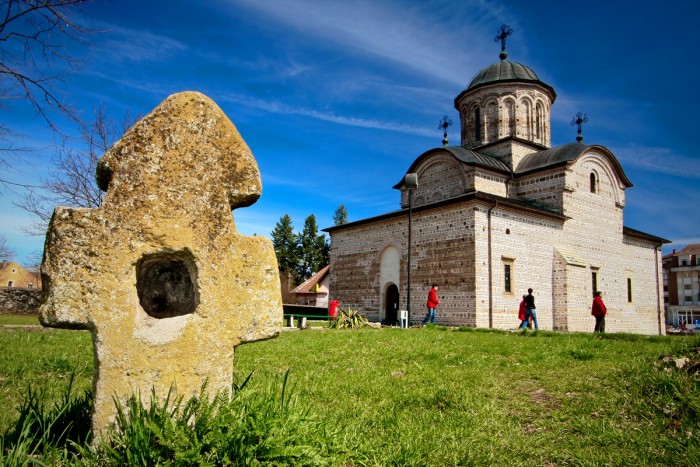
In the historic heart of Curtea de Argeș, where the old and the new converge, stands a church whose very stones bear the imprint of Romania’s statehood beginnings. The Princely Church of Saint Nicholas, commissioned by Voivode Basarab I in 1352, is far more than a place of worship—it is a living testament to the birth of Wallachia and the oldest preserved stone construction in the entire Romanian historical space south of the Carpathians. While tourists are often drawn to the neo-Gothic and neo-Byzantine splendor of the imposing Saint Nicholas Cathedral built in the 19th century nearby, this medieval church remains a sanctuary of authenticity, a place where the 14th and 15th centuries meet the present in a quiet yet profound dialogue.
For the European traveler accustomed to the grand Gothic cathedrals of Western Europe or the Byzantine opulence of Hagia Sophia in Constantinople, this monument offers a unique revelation. Here, at the southeastern edge of the continent, at the crossroads of Byzantine influences, the pressures of the Kingdom of Hungary, and the early Ottoman expansion, a distinctive architecture emerged—one capable of expressing the identity of a newly formed people deeply rooted in Eastern Christian traditions. The Church of Saint Nicholas in Curtea de Argeș is thus not merely a religious monument but a historical document in stone, a masterpiece of Balkan medieval architecture deserving of patient and respectful contemplation.
Historical Roots and the European Context of the 14th Century
To fully grasp the significance of this foundation, we must return to the year 1330, when, at Posada in the Carpathian Mountains, Voivode Basarab I decisively defeated the army of King Charles Robert of Anjou of Hungary. This victory was not an isolated military episode but a turning point that marked the emergence of a new autonomous political entity in Southeastern Europe: Wallachia. In the following decades, Basarab I consolidated this state in the face of Hungarian pressures, seeking to assert its legitimacy through monumental foundations that could rival those of its powerful neighbors.
The construction of the church in 1352 must be viewed within this complex geopolitical context. The 14th century in Europe witnessed profound transformations: the Byzantine Empire, under the Palaiologos dynasty, struggled to survive after the disaster of the Fourth Crusade in 1204, while in the Balkans, the Serbian Empire of Stefan Dušan reached its zenith (Dušan was crowned emperor in 1346 in Skopje), and the Second Bulgarian Empire, under Ivan Alexander, attempted to resist the growing Ottoman pressures. Amid this tumultuous landscape, the emergence of a new princely capital at Curtea de Argeș, marked by this church, signaled Wallachia’s definitive entry onto the political map of medieval Europe.
Basarab I chose to build this sanctuary within the precincts of an old 13th-century princely residence, transforming a secular space of power into a sacred one. This demonstrated the fusion of princely and religious authority, a fundamental principle of medieval European states. The church was conceived as a spiritual and political center, a place where the Basarab dynasty could assert its continuity and where the memory of its founder would be preserved for eternity.
An Architectural Masterpiece and the Byzantine-Carpathian Synthesis
Architecturally, the Church of Saint Nicholas represents a remarkable synthesis of Byzantine tradition and local Carpathian specificity. Its Greek-cross plan, with four equal arms intersecting beneath a central dome, reflects the Orthodox conception of sacred space, where the cross symbolizes Christ’s victory and the inscribed square suggests divine unity and perfection. This configuration, derived from the great Byzantine architecture of Constantinople and the monasteries of Mount Athos, was adapted for the first time on Romanian territory, marking the beginning of a tradition that would culminate in the grand Brâncovenesc foundations of the 15th and 16th centuries.
Constructed from local limestone, the church demonstrates superior craftsmanship for its time, contrasting with the more modest wooden or adobe structures that predominated in the region. Its compact volume, devoid of the massive towers typical of Gothic architecture in Central Europe, expresses a different spirituality—more introspective and contemplative, characteristic of the Orthodox world. The façades, adorned with discreet sculptural elements and an impressive entrance portal, reflect influences from the Serbian architectural school of Raška, contemporary with churches such as Žiča or Studenica Monasteries, as well as echoes of late Byzantine art, known as the Palaiologan Renaissance.
Inside, the liturgical space unfolds in a surprising harmony, with original frescoes adorning the walls, offering a rare window into the pictorial art of Wallachia’s early period. These fragments of fresco, preserved despite centuries of vicissitudes, illustrate a nascent local school of painting, influenced by Byzantine art but gradually developing its own characteristics that would define Romanian medieval art.
The Art of Frescoes and the Painting School of the First Voivodes
The mural paintings that adorn the interior of the church constitute an artistic treasure of inestimable value, representing the oldest known examples of religious art in Wallachia. Created by anonymous masters, likely brought from Byzantine artistic centers or trained in the tradition of Balkan schools, these frescoes depict the classic iconographic program of Orthodox churches: scenes from the life of Jesus Christ, figures of saints and angels, and the portrait of the founder in a posture of prayer—a tradition inspired by 14th-century Byzantine art.
The style of these paintings reflects the influence of Byzantine art from the period before the fall of Constantinople, when, under the Palaiologos dynasty, art experienced a final flourishing, seeking to blend tradition with new naturalistic tendencies inspired by the Italian art of Giotto. The subdued colors, the predominance of ochre and red, and the elegant lines of the figures create an atmosphere of solemnity and profound spirituality. These frescoes are all the more precious as most 14th-century churches in the region have lost their original paintings, having been repainted or destroyed in subsequent centuries.
The preservation of these fragments offers researchers and visitors a unique perspective on how Byzantine art was received and adapted in the new Romanian state, marking the beginning of an artistic tradition that would reach its zenith during the reigns of Neagoe Basarab and Mircea the Elder, when monasteries such as Cozia would receive pictorial decorations of exceptional value.
The Mausoleum of the Basarab Dynasty and Princely Memory
One of the most fascinating elements of the church is the presence of the tomb of Radu I Basarab, the son and successor of the founder, whose earthly remains rest beneath a glass-protected stone slab in the nave. This princely burial, one of the oldest preserved in Romanian territory, transforms the church into a true mausoleum of the dynasty, symbolizing the continuity of power and faith in the nascent Romanian state. Radu I’s sarcophagus, who reigned between 1377 and 1383, predates by nearly a century the famous royal necropolis of the Curtea de Argeș Cathedral, where later great voivodes such as Neagoe Basarab and Michael the Brave would be interred.
The presence of this tomb inside the church reflects funerary practices specific to the medieval Byzantine and Balkan world, where emperors and voivodes were often buried in places of worship, ensuring their eternal memory and divine protection. For today’s visitor, the sarcophagus represents a tangible link to the first rulers of Wallachia, a bridge between the 14th century and the present, and physical evidence that here, in this modest yet grandly significant church, the foundations of a state were laid—a state that would endure and develop despite numerous historical challenges.
Legacy and Dialogue with Modernity
Over the centuries, the Church of Saint Nicholas has survived earthquakes, Ottoman invasions, and urban transformations, remaining a spiritual landmark for the local community. In the 19th century, when European Romanticism rediscovered and revalued medieval heritage, this church was recognized as a monument of primordial historical importance and underwent conservation work that ensured the preservation of its structure and frescoes.
The construction of the new Saint Nicholas Cathedral between 1875 and 1886, a monumental edifice in neo-Gothic and neo-Byzantine style that houses the tombs of Romania’s kings, did not overshadow the old church. Instead, it highlighted the fascinating contrast between the Middle Ages and the modern era. Today, the two churches coexist in a unique architectural dialogue: the old church offers an authentic, contemplative experience, while the new cathedral impresses with its splendor and grandeur. This juxtaposition allows visitors to traverse the history of Romanian architecture and spirituality from its beginnings to the contemporary era in a single location.
Practical Visitor’s Guide and Traveler’s Experience
The Princely Church of Saint Nicholas is located at 2 Negru Vodă Street, in the historic center of Curtea de Argeș, Argeș County, within the precincts of the former Princely Court. For the European traveler seeking to discover the true roots of Romanian civilization, a visit to this monument is an essential stop, perfectly complementing the exploration of the renowned nearby Cathedral or the ruins of the Voivodal Palace.
The atmosphere of the place is profoundly contemplative, distinct from the tourist crowds that typically surround grand cathedrals. Here, silence is broken only by the sound of bells and the footsteps of visitors on stones seven centuries old. It is recommended to pay special attention to the architectural details of the entrance portal, examine the fresco fragments with the aid of a flashlight or natural light streaming through the narrow windows, and contemplate Radu I’s sarcophagus, which offers a palpable dimension to dynastic history.
In the immediate vicinity lie the ruins of the Princely Court, where the first voivodes resided, as well as the Argeș County Museum, which houses complementary archaeological and medieval art collections. For those traveling along the Transfăgărășan Highway or visiting the monasteries of northern Oltenia, Curtea de Argeș and this church represent an ideal starting point for understanding the historical context in which the country’s great monastic centers developed.
The best time to visit is late spring or autumn, when the gentle light enhances the colors of the frescoes and the crisp Carpathian air envelops the town in an atmosphere of profound tranquility. For the cultured European traveler, the Church of Saint Nicholas in Curtea de Argeș offers not just a history lesson but an authentic spiritual experience—a place where one can feel the pulse of a nation’s beginnings, a nation that, seven centuries ago, first asserted its right to exist on the stage of European history.
Media gallery
Discover Princely Church of Saint Nicholas in Curtea de Argeș in pictures

2 photos · Architecture, courtyards and captivating details

Image source: Wikimedia Commons · Public domain photos · Free license
STAY A FEW DAYS, DISCOVER THE MAGIC
Accommodation in the Princely Church of Saint Nicholas in Curtea de Argeș area

Guesthouse · 3 stars

Curtea de Argeș, Argeș County · 0.7 km
Pensiunea Geostar Curtea de Argeș
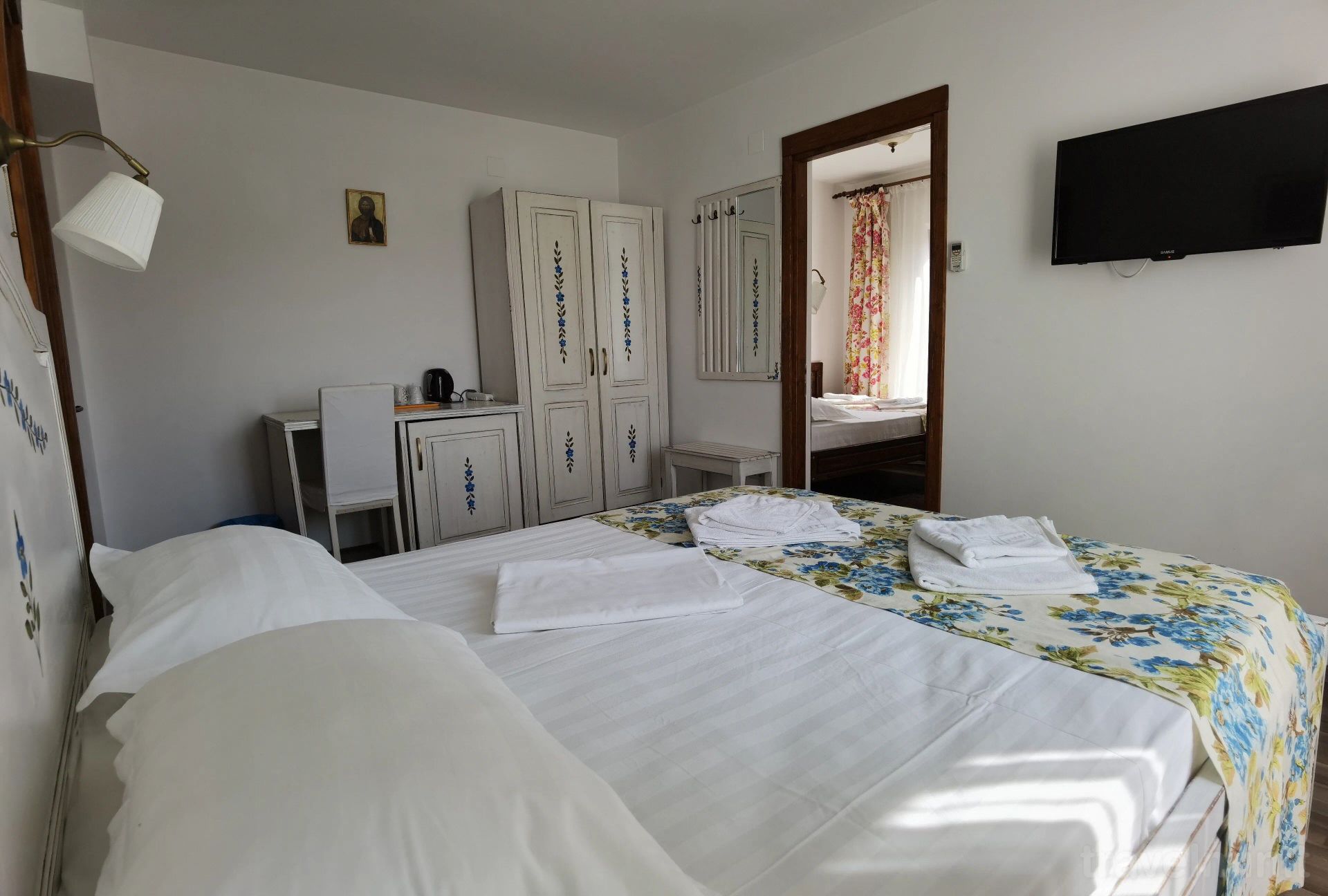
Pe strada Negru Vodă din Curtea de Argeș se află Pensiunea Geostar, o unitate de cazare clasificată cu trei stele care pune la dispoziție 15 camere amenajate cu grijă pentru a vă oferi un sejur confortabil și relaxant în acest oraș cu tradiție. Fiecare cameră este mobilată plăcut, iar anumite dintre ele beneficiază de aer condiționat pentru a asigura temperatura potrivită în zilele călduroase de vară. Pentru confortul dumneavoastră, unitatea oferă Wi-Fi gratuit în toate spațiile, parcare privată gratuită pentru autoturisme și, la cerere, un pătuț pentru bebeluș, astfel încât întreaga familie să se simtă binevenită. Spațiile sunt întreținute cu atenție pentru a vă oferi condiții bune de odihnă după o zi petrecută în explorarea orașului. În apropiere puteți vizita monumente istorice și de cult deosebite: Catedrala Regală din Curtea de Argeș, Mănăstirea Curtea de Argeș, Biserica domnească Sfântul Nicolae din Curtea de Argeș, Colecția Muzeală a Mănăstirii Ortodoxe Curtea de Argeș și Biserica Episcopală „Adormirea Maicii Domnului”. Toate aceste obiective se află la îndemâna dumneavoastră. Vă așteptăm cu drag la Pensiunea Geostar pentru a vă bucura de o ședere plăcută în Curtea de Argeș.
FROM
240 lei per night

Hotel · 3 stars
Curtea de Argeș, Argeș County · 0.7 km
THR Center Hotel Curtea de Argeș
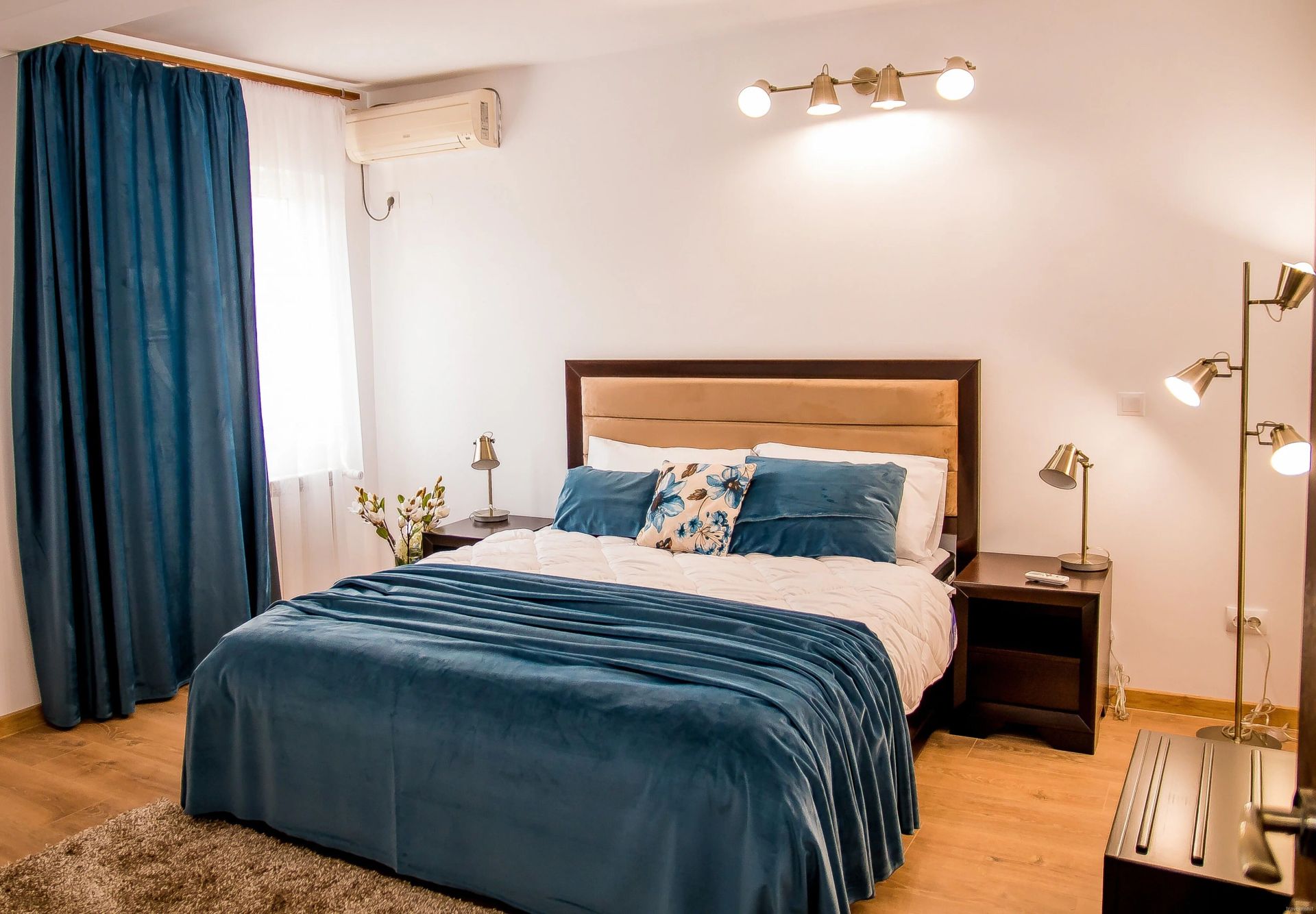
THR Center Hotel Curtea de Argeș este un hotel cu trei stele situat în localitatea Curtea de Argeș, județul Argeș, pe bulevardul Basarabilor numărul 125. Pentru confortul dumneavoastră, unitatea pune la dispoziție Wi-Fi gratuit, parcare privată gratuită și un restaurant în incintă, facilități care contribuie la o ședere plăcută și lipsită de griji. Toate camerele beneficiază de balcon propriu și baie privată modernă, prevăzută cu cabină de sticlă și baterie de duș tropical. Fiecare cameră este dotată cu televizor cu ecran plat și telefon, fiind mobilată într-un stil clasico-modern care satisface cerințele și celor mai pretențioși clienți. Hotelul oferă o vedere către centrul orașului Curtea de Argeș și se află în apropierea unor importante obiective istorice și religioase, printre care Catedrala Regală din Curtea de Argeș, Mănăstirea Curtea de Argeș, Colecția Muzeală a Mănăstirii Ortodoxe Curtea de Argeș, Biserica domnească Sfântul Nicolae din Curtea de Argeș și Biserica Episcopală „Adormirea Maicii Domnului”. Vă așteptăm la THR Center Hotel Curtea de Argeș.
FROM
290 lei per night
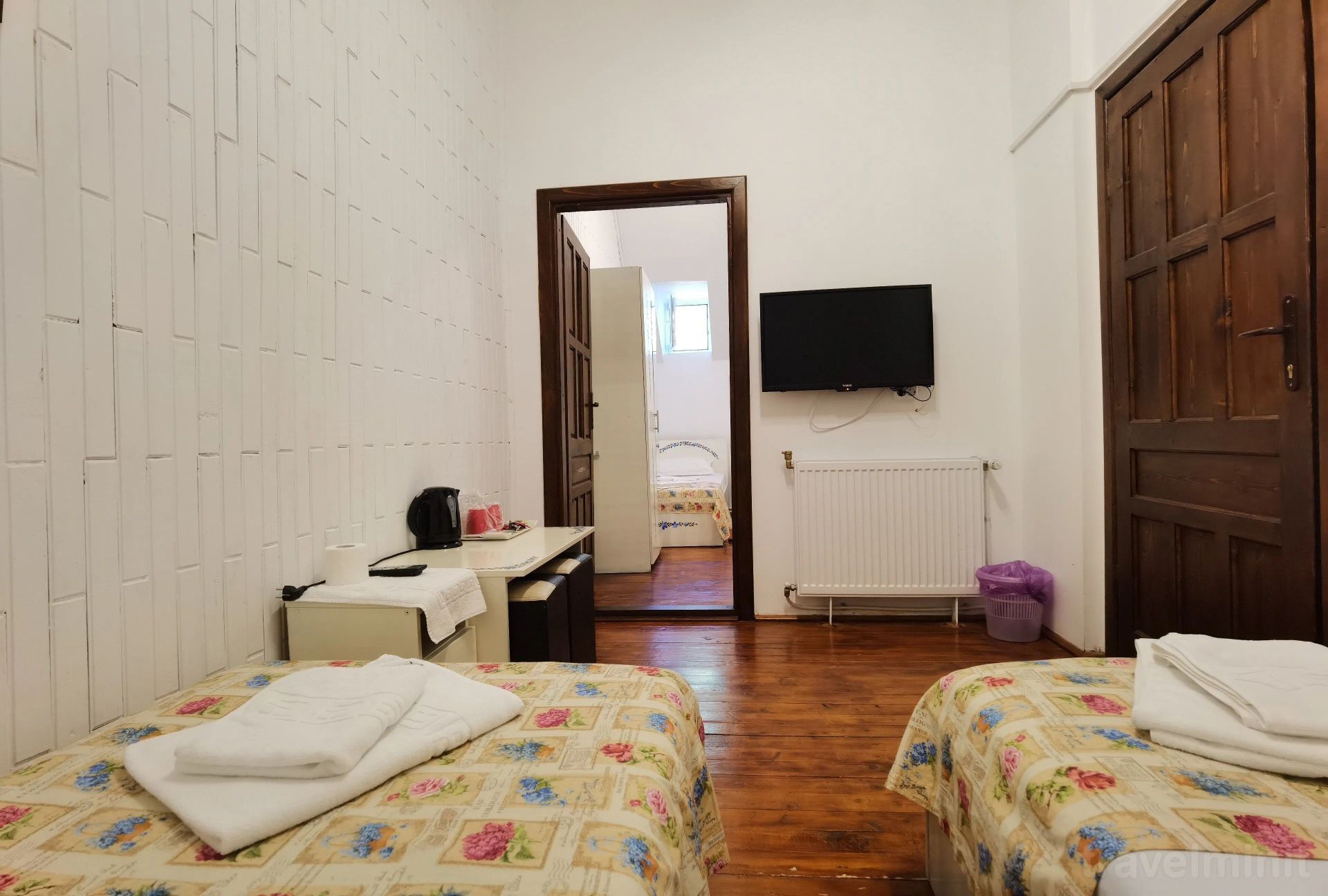
Guesthouse · 3 stars
Curtea de Argeș, Argeș County · 0.8 km
Pensiunea Geostar 2 Curtea de Argeș
Pensiunea Geostar 2 Curtea de Argeș este o pensiune turistică de 3 stele situată în orașul Curtea de Argeș din județul Argeș, pe strada Negru Vodă numărul 93. Unitatea dispune de șapte camere modern mobilate și confortabile, dintre care unele beneficiază de aer condiționat. Vă punem la dispoziție Wi-Fi gratuit în toate spațiile și parcare privată gratuită, astfel încât deplasarea cu mașina personală să fie cât mai simplă și fără griji. Programul de primire începe la ora 14:00, iar eliberarea camerelor se face până la ora 11:30. Personalul de la recepție comunică în limbile română, engleză, franceză și italiană, fiind pregătit să răspundă solicitărilor dumneavoastră pe parcursul întregului sejur. În apropiere puteți vizita Catedrala Regală din Curtea de Argeș, Mănăstirea Curtea de Argeș, Biserica domnească Sfântul Nicolae din Curtea de Argeș, Colecția Muzeală a Mănăstirii Ortodoxe Curtea de Argeș și Biserica Episcopală „Adormirea Maicii Domnului”. Aceste monumente religioase și istorice reprezintă puncte de interes esențiale pentru oricine dorește să descopere patrimoniul cultural și spiritual al orașului Curtea de Argeș și al împrejurimilor sale. Vă așteptăm la Pensiunea Geostar 2 Curtea de Argeș.
FROM
240 lei per night
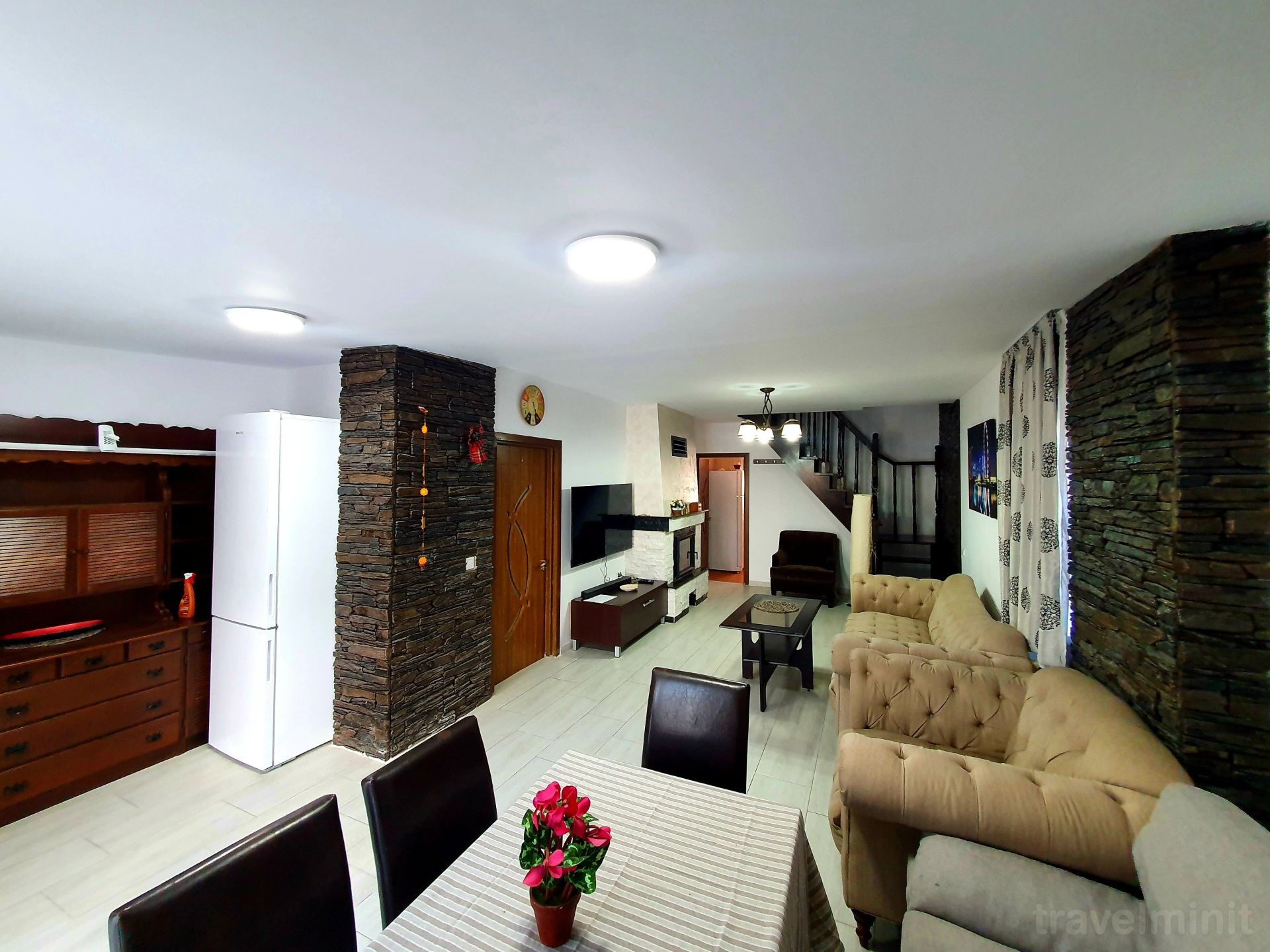
Holiday villa · 3 stars
Curtea de Argeș, Argeș County · 0.9 km
Casa de vacanță Daria Curtea de Argeș
Casa de vacanță Daria din Curtea de Argeș vă pune la dispoziție un ceaun pentru gătit în aer liber, alături de un grătar, astfel încât să vă bucurați de mese preparate chiar în curtea casei. Vila oferă cinci camere confortabile și bine amenajate, potrivite pentru un sejur relaxant în această localitate. Pentru confortul dumneavoastră, unitatea dispune de parcare privată gratuită, Wi-Fi gratuit și un spațiu dedicat pentru depozitarea bagajelor. Astfel, vă puteți deplasa fără griji în zonă și puteți păstra lucrurile personale în siguranță pe toată durata șederii. În apropiere se află Catedrala Regală din Curtea de Argeș, Mănăstirea Curtea de Argeș, Biserica domnească Sfântul Nicolae, Colecția Muzeală a Mănăstirii Ortodoxe Curtea de Argeș și Biserica Episcopală „Adormirea Maicii Domnului”. Aceste obiective istorice și religioase pot fi vizitate cu ușurință în timpul șederii dumneavoastră. Preluarea camerei se face de la ora 15:00, iar eliberarea până la ora 11:00. Personalul vorbește limba română și engleză, iar plata se poate efectua prin numerar, card bancar sau transfer bancar. Pentru garantarea rezervării este necesar un avans de 30%. Seara, după o zi petrecută la obiectivele istorice din zonă, vă puteți relaxa pregătind cina la ceaun în aer liber.
FROM
280 lei per night
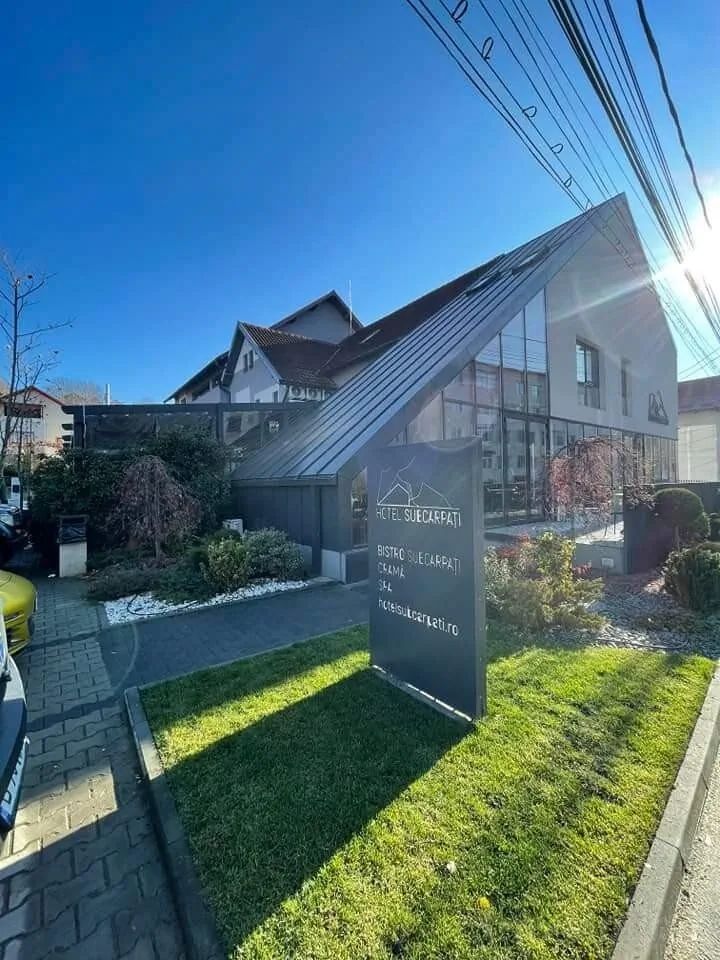
Hotel · 4 stars
Curtea de Argeș, Argeș County · 1.3 km
Hotel Subcarpati Curtea de Argeș
O zi petrecută aici poate începe cu o plimbare pe biciclete închiriate prin împrejurimile orașului și se poate încheia într-o atmosferă de relaxare completă, fie într-o cadă cu hidromasaj din cameră, fie în grădina amenajată, la Hotel Subcarpati din Curtea de Argeș. Cele 19 de camere sunt dotate cu aer condiționat, iar conexiunea Wi-Fi gratuită vă permite să rămâneți conectați. Mic dejunul este inclus, iar parcare privată gratuită este disponibilă pentru dumneavoastră. Pătuțul pentru bebeluși și locul de joacă pentru copii la exterior fac șederea mai confortabilă pentru familii. Curtea mare și grădina amenajată oferă un spațiu generos pentru relaxare în aer liber. În apropiere puteți vizita Catedrala Regală din Curtea de Argeș, Mănăstirea Curtea de Argeș, Colecția Muzeală a Mănăstirii Ortodoxe Curtea de Argeș, Biserica domnească Sfântul Nicolae din Curtea de Argeș și Biserica Episcopală „Adormirea Maicii Domnului”. Unitatea este potrivită atât pentru familii cu copii, cât și pentru călători care doresc să exploreze obiectivele istorice și religioase din Curtea de Argeș.
FROM
420 lei per night
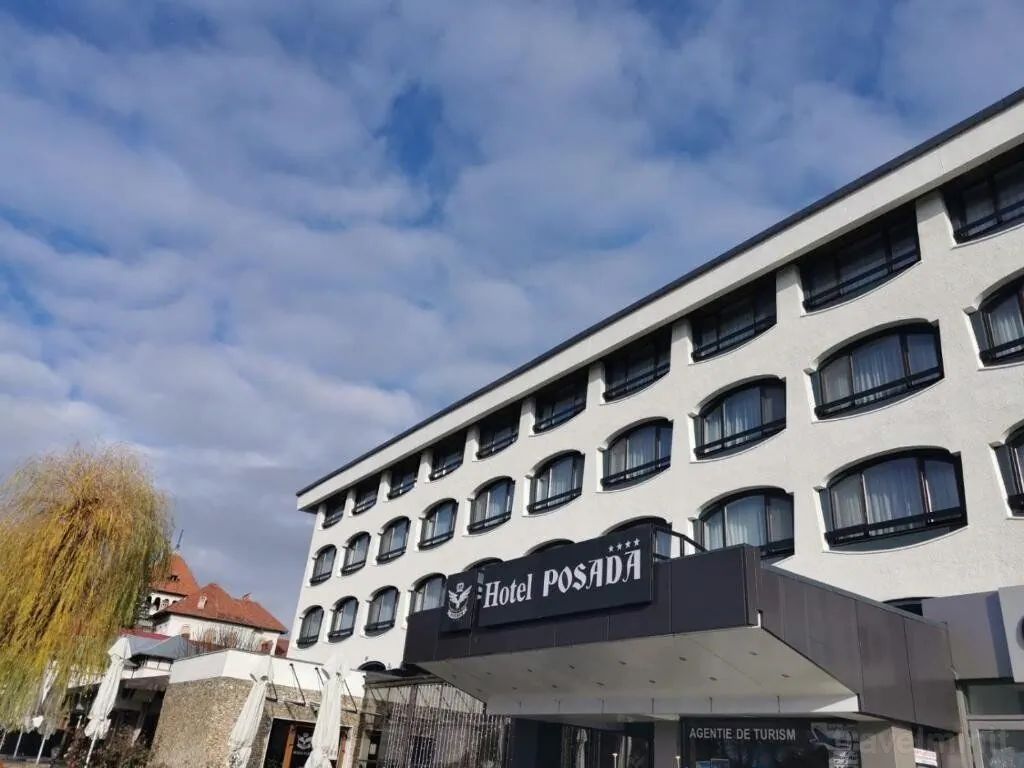
Hotel · 4 stars
Curtea de Argeș, Argeș County · 1.3 km
Hotel Posada Curtea de Argeș
Comfort, relaxation and stunning views, all just steps away from the main attractions.
FROM
420 lei per night
BEFORE YOU HIT THE ROAD
Weather conditions in Albestii
Local forecast for Princely Church of Saint Nicholas in Curtea de Argeș, Albestii, Argeș

Real-time updated weather data
Much more to explore in this area
Nearby tourist attractions


Curtea de Argeș, Argeș County
The Royal Cathedral in Curtea de Argeș.
Catedrala din Curtea de Argeș, România
1.4 km
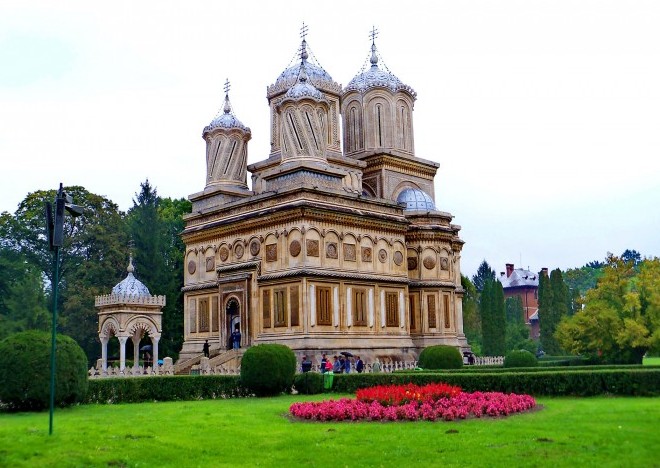
Albestii, Argeș County
Curtea de Argeș Monastery
Situata pe strada Basarabilor nr. 1, in apropierea centrului orasului Curtea de Arges; construita intre 1515-1517, de catre Neagoe Basarab, pe locul vechii...
1.6 km

Albestii, Argeș County
Vidraru Lake and Dam
Situat intre Muntii Fruntii si Masivul Ghitu; lac de acumulare creat in anul 1965; construirea barajului Vidraru a durat cinci ani si jumatate; suprafata...
25.2 km
Albestii, Argeș County
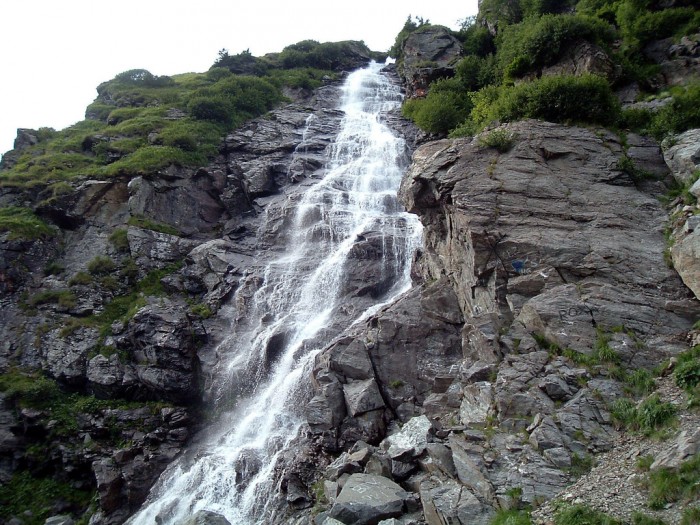
Goat Waterfall on the Transfăgărășan Highway
Situata in apropiere de cota 2.000, pe versantul sudic al Muntilor Fagaras, chiar langa soseaua Transfagarasan, intre cabana Capra si Lacul Balea, pe DN7C;cunos...
49.4 km
Mateias, Argeș County
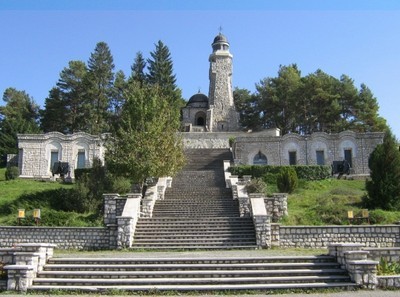
Mateiaș Heroes' Mausoleum
Situat in comuna Mateias, judetul Arges;dedicat eroilor din Razboiul de Intregire Nationala dintre anii 1916-1918; ridicat intre anii 1928-1935, de catre...
40.0 km
Albestii, Argeș County
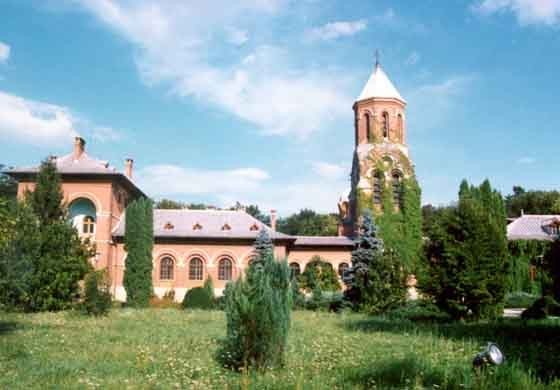
Museum Collection of Curtea de Argeș Monastery
Situata pe bulevardul Basarabilor nr. 1, Curtea de Arges; pune in valoare cele trei biserici de lemn, cruci in lemn, fresca legendei Mesterului Manole in sala "...
0.8 km

Valcea, Vâlcea County
Govora Spa
Situata in nord-estul Olteniei, intr-o depresiune subcarpatica, la 21 de km de Ramnicu Valcea;este traversata de raul Hinta si inconjurata de dealuri acoperite...
39.5 km

27.0 km
România, Transylvania
Grupa montană Iezer-Păpușa-Făgăraș
Subgroup of the Southern Carpathian mountains in central Romania
49.1 km
49.1 km
Valcea, Vâlcea County
Olănești Spa
Se afla in partea de nord-est a Olteniei, pe Valea raului Olanesti, la 18 km de Ramnicu Valcea, in zona subcarpatica a Muntilor Capatanii, judetul Valcea;locali...
34.6 km
Albestii, Argeș County
Negru Vodă Cave Monastery
Asezata pe piscul unui munte de pe Valea Dambovitei, intre satele Cetateni si Cotenesti, la 22 km sud-est de Campulung; cunoscuta cu denumirea de "Schitul...
42.7 km
Cultural life and traditions
Events in the Princely Church of Saint Nicholas in Curtea de Argeș area
Medieval festivals, traditional fairs, concerts and local activities recommended in Muntenia (Wallachia).

History and Royal Architecture

Albestii, County of Argeș
Days of Royalty and Heritage in the Prahova Valley
Historical conferences open to the public, themed tours of royal architecture, documentary screenings and exhibitions of vintage photographs.
WHEN
May 10-12, 2026


Gastronomy and Oenology
Dealu Mare, County of Argeș
The Prahova Wine Festival on the Wine Route
Guided tastings of Fetească Neagră along the famous Wine Route, visits to historic wineries, and meetings with leading winemakers.
WHEN
Every weekend (September - October)
Hiking and Adventure
Bucegi Mountains, Argeș County
Guided Mountain Tour in the Bucegi Mountains
Guided mountain tours led by mountain rescue personnel to iconic panoramic viewpoints and spectacular alpine waterfalls.
WHEN
Daily during the season (June - October)
On foot, exploration gains depth
Discover the surroundings and local geography
Explore the trails, terrain, and natural landmarks around Princely Church of Saint Nicholas in Curtea de Argeș.

Guides and practical tips
Useful travel articles
Travel guides, practical recommendations and tourist itineraries for Muntenia (Wallachia).

Tourist guide
Top 5 Atracții Turistice și Trasee Montane în Zona Moieciu - Bran
Descoperă cele mai spectaculoase peisaje carstice, chei adânci și cetăți medievale din imediata apropiere a stațiunii Moieciu.

Tourist guide
Ghid de Drumeție: Traseul Moieciu de Sus spre Platoul Bucegi
Un itinerariu montan de o frumusețe rară ce urcă din Valea Băngăleasa spre Poiana Guțanu și crestele maiestuoase ale Bucegilor.

Tourist guide
Castelul Bran: Istorie, Legende și Secrete Medievale
Află adevărata poveste a fortăreței medievale din Pasul Bran, reședința de suflet a Reginei Maria a României.
THE JOURNEY STARTS WITH AN IDEA
The next story is on the way.
From the first stop to the last stay, make room for a new Romania.
