


MUSEUM · MUNTENIA (WALLACHIA)
Mateiaș Heroes' Mausoleum

Mateias, Argeș County
Add location to your trip planner.
Practical access information

VISITING HOURS
Monday: 12:00 PM – 5:00 PM · Tuesday–Sunday: 9:00 AM – 5:00 PM (in summer until 8:00 PM)

TICKET PRICE
Adults: 45 RON · Students: 11 RON · Seniors: 23 RON · Guided tour included

RECOMMENDED VISIT DURATION
2-3.5 hours
Visitor information and guide
 Navigate with Google Maps

ABOUT MATEIAȘ HEROES' MAUSOLEUM
A Cathedral of Memory in Argeș Stone
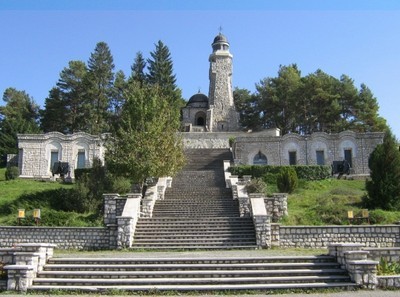
Erected between 1928 and 1935 on the rolling hills of Mateiaș in Argeș County, the Heroes' Mausoleum represents one of the most impressive achievements of Romanian commemorative architecture—a sanctuary of eternal gratitude dedicated to the supreme sacrifice of the Great War for the Unification of the Nation. In an era when Romania, recently unified through the historic act of December 1, 1918, sought to crystallize its national identity through monuments of stone and bronze, this mausoleum emerged as a profound spiritual landmark for the entire South-Muntenia region, as well as a symbol of the resilience of a young nation. Strategically positioned on one of the hills overlooking the ancient trade route connecting Câmpulung to Brașov, the monument gazes with dignity over the plain where, in the autumn of 1916, decisive battles for the fate of the country unfolded.
Here, at the border between the Old Kingdom and Transylvania, one of the most dramatic chapters in Eastern Europe’s military history was written, and the stone of the mausoleum was chosen to preserve the memory of those days of fire and blood. For the European traveler traversing the Carpathian roads, this site offers a deeply moving experience—a silent dialogue between past and present, between sacrifice and hope. While the rural landscape of Argeș appears tranquil and pastoral today, with apple orchards and traditional villages scattered across the valleys, the monument serves as a reminder that these hills were once the stage for confrontations that decided the destiny of a nation and contributed to reshaping Europe’s political map.
Historical Roots and Major European Connections
The historical context of this mausoleum’s construction is inseparably linked to the European drama of World War I and Romania’s entry into the conflict on August 27, 1916, alongside the Allied Powers. While bloody battles of attrition, such as those at Verdun and the Somme, raged on the Western Front, on the Eastern Front, in the Eastern and Southern Carpathians, the armies of the German Empire and the Austro-Hungarian Monarchy advanced toward the heart of Romania. The Mateiaș area, located near the Dragoslavele Pass, became the theater of particularly violent military confrontations from the earliest days of the war in August 1916, when Romanian troops attempted to halt the advance of the Central Powers toward Câmpulung and further toward Brașov and Transylvania, a territory then under Habsburg rule.
The Battle of Dragoslavele, fought between August 26 and 28, 1916, marked the beginning of Romania’s military campaign and represented a turning point in the region’s history. The soldiers who fell in these battles, along with those from the subsequent engagements in the Leaota Mountains and Piatra Craiului, were brought and buried here, transforming Mateiaș Hill into sacred ground. The mausoleum thus belongs to a broader European movement of commemorating the victims of the Great War, alongside famous necropolises and memorials such as those at Verdun and Douaumont in France, Tyne Cot and Menin Gate in Belgian Flanders, or Vimy Ridge in Canada. Like these monuments, which redefined Europe’s cultural landscape after 1918, the Mateiaș Mausoleum responds to the continent’s need to provide a physical space for collective mourning and to honor the memory of over 2,300 fallen soldiers.
This affiliation with the European tradition of funerary monuments is also reflected in its institutional organization: just as the Imperial War Graves Commission, established in 1917 by the British Empire to care for the graves of fallen soldiers, or the French associations that created the network of national necropolises like Douaumont, interwar Romania developed a commemorative infrastructure to rival the most advanced Western models. The mausoleum’s architecture reflects the major aesthetic currents of interwar Europe, when nations sought to reconstruct their identities through a retour aux sources, whether it was the solemn neoclassicism practiced in France and Britain for commemorative monuments, German expressionism, or the traditionalist architecture promoted in the newly formed states of Central and Eastern Europe. In this context, the project conceived by architect Dumitru Ionescu-Berechet represents a remarkable synthesis between the European classical tradition and Romanian national specificity, in an era when architecture sought to express the permanence and gravity of sacrifice through monumental forms.
An Architectural Masterpiece: Style and Constructive Details
Built primarily from Albești limestone, a local stone that lends it a warm, almost golden hue in the autumn sunlight, the monument presents itself as a bifacial architectural composition of solemn elegance. The horizontal body, resting on a massive base, houses the sacred ossuary—a space for reflection and meditation whose walls are clad in white marble slabs inscribed with the names of the fallen soldiers in bronze or stone letters. This interior space, accessible through a monumental portal, invites visitors into profound silence, an intimate confrontation with the price of freedom. The 31 crypts shelter the remains of over 2,300 Romanian soldiers, transforming each niche into a personal altar of sacrifice and each marble slab into a miniature monument.
Above this horizontal body, symbolizing the connection to the earth and to death, rises the vertical structure—a tower with a belvedere that dominates the Argeș landscape and can be reached via a spiral staircase ascending through the interior of the construction. This verticality, inspired by medieval watchtowers but reinterpreted in a neoclassical key, offers an impressive panoramic view of the plain where the decisive battles of autumn 1916 unfolded, as well as of the silhouette of the Carpathian Mountains, silent witnesses to the supreme sacrifice. The tower’s architecture, with its narrow windows and sloping roof, evokes both the medieval fortifications of the region and the bell towers of Orthodox churches in Argeș, creating a spiritual continuity between the distant past and the tragic present.
Architect Ionescu-Berechet’s style fully reflects the traditionalist current of the interwar period, when Romanian architecture sought to free itself from the eclecticism of the 19th century to find pure forms inspired by folk art and national history. The classical columns, triangular pediments, and symmetry of the composition recall great European mausoleums, such as the one at Douaumont or the Canadian memorial at Vimy, while the decorative details and proportions suggest influences from the vernacular architecture of Muscel. The execution, carried out by the contractor De Nicolo between 1928 and 1935, required exceptional techniques for transporting and assembling the limestone blocks on the hill, demonstrating the skill of Romanian builders of the period. The tower with its belvedere is not merely an aesthetic element but also a symbol of eternal vigilance, of a watchful gaze over the past to protect the future, in a manner that resonates with the spirit of European commemorative monuments erected after the Great War.
Stories, Personalities, and Turning Points
The project for this mausoleum originated from the decision of the Historical Monuments Commission to eternalize the memory of the heroes who fell in the battles for the defense of the Great Union, at a time when the Romanian state was heavily investing in cultural and commemorative infrastructure. Architect Dumitru Ionescu-Berechet, a prominent figure in interwar Romanian architecture known for major projects such as the Palace of the Ministry of Agriculture and the National Library, saw this monument as an opportunity to create a work that transcended its purely commemorative function, becoming a symbol of national identity. His vision was to build not just a tomb, but a true secular cathedral—a place where the stone itself would speak of courage and devotion, following the European model of the "Tomb of the Unknown Soldier" inaugurated at Westminster Abbey in 1920 and at the Arc de Triomphe in Paris in 1921.
The contractor De Nicolo faced technical challenges posed by the hillside location, transporting materials along rural roads and ensuring the stability of the foundations on the limestone terrain. In 1935, when the monument was completed and consecrated, the local community of Mateiaș participated in impressive ceremonies, while war veterans and the families of the fallen came to see the names of their loved ones inscribed in marble. Over the decades, the mausoleum has witnessed various historical periods: during World War II, it stood as a silent observer of new conflicts; in the communist era, it was integrated into official commemorative rituals while preserving its spiritual essence; and after 1989, it was rediscovered as a place of European memory, part of the broader network of commemorative heritage on the continent.
Among the 2,300 heroes buried here are soldiers of all ages and social backgrounds, from officers with military training to peasants hastily enlisted in August 1916, each with a personal story of sacrifice. Their names, listed on the marble slabs, form a register of humanity in a time of dehumanization, reminding visitors that behind military statistics lie individual destinies, shattered families, and extinguished hopes. Each year, on the day commemorating the heroes, locals and tourists lay wreaths of flowers, perpetuating the tradition of caring for this sacred place—a ritual that mirrors similar ceremonies in British military cemeteries in France and Belgium or in German cemeteries managed by the Volksbund Deutsche Kriegsgräberfürsorge.
Practical Visitor’s Guide and Today’s Experience
The mausoleum is located in the village of Mateiaș, approximately 15 kilometers northeast of the town of Câmpulung Muscel, and is easily accessible from National Road DN73, which connects Pitești to Brașov via the Rucăr-Bran Pass. For European travelers visiting Romania, access is straightforward: from Henri Coandă International Airport in Bucharest, the journey takes about two and a half hours, passing through Pitești and Câmpulung, towns rich in medieval history. Upon arriving in Mateiaș, the road to the mausoleum gently ascends the hill, offering the first glimpses of the monument silhouetted against the sky, dominating the landscape like a spiritual presence.
The visit begins with an exploration of the ossuary, where the atmosphere of silence and reflection is profoundly moving. The light filtering through the narrow windows casts shadows on the marble slabs bearing the names of the heroes, inviting contemplation on the price of freedom. Climbing the spiral staircase to the tower’s belvedere offers both a physical and spiritual experience, each step bringing the visitor closer to the sky, to the panoramic view of the historic plain, and to the ridges of the Carpathians. From above, the vista encompasses not only the site of the 1916 battles but also the rural landscape of Argeș, with its traditional villages and apple orchards framing the monument.
The complex is surrounded by a landscaped dendrological park, with shady paths and benches where visitors can rest and reflect. A specialized guide provides detailed information about the history of each crypt, the architecture of the monument, and the European historical context of the years 1916–1918. For a complete experience, it is recommended to combine the visit to the mausoleum with a walk through Câmpulung Muscel, the former capital of Wallachia, with its Princely Church and nearby monasteries, as well as an excursion to Curtea de Argeș, home to St. Ana’s Cathedral and the tombs of Romania’s kings. The Mateiaș Heroes' Mausoleum thus remains a silent witness to the courage of the generation that made Greater Romania possible—a place where stone speaks of sacrifice and where Europe’s 20th-century memory finds one of its most moving sanctuaries, a bridge between the continent’s tragic past and the hope of a united Europe in diversity.
Media gallery
Discover Mateiaș Heroes' Mausoleum in pictures

2 photos · Architecture, courtyards and captivating details

Image source: Wikimedia Commons · Public domain photos · Free license
STAY A FEW DAYS, DISCOVER THE MAGIC
Accommodation in the Mateiaș Heroes' Mausoleum area

Holiday villa · 3 stars

Șelari, Argeș County · 3.2 km
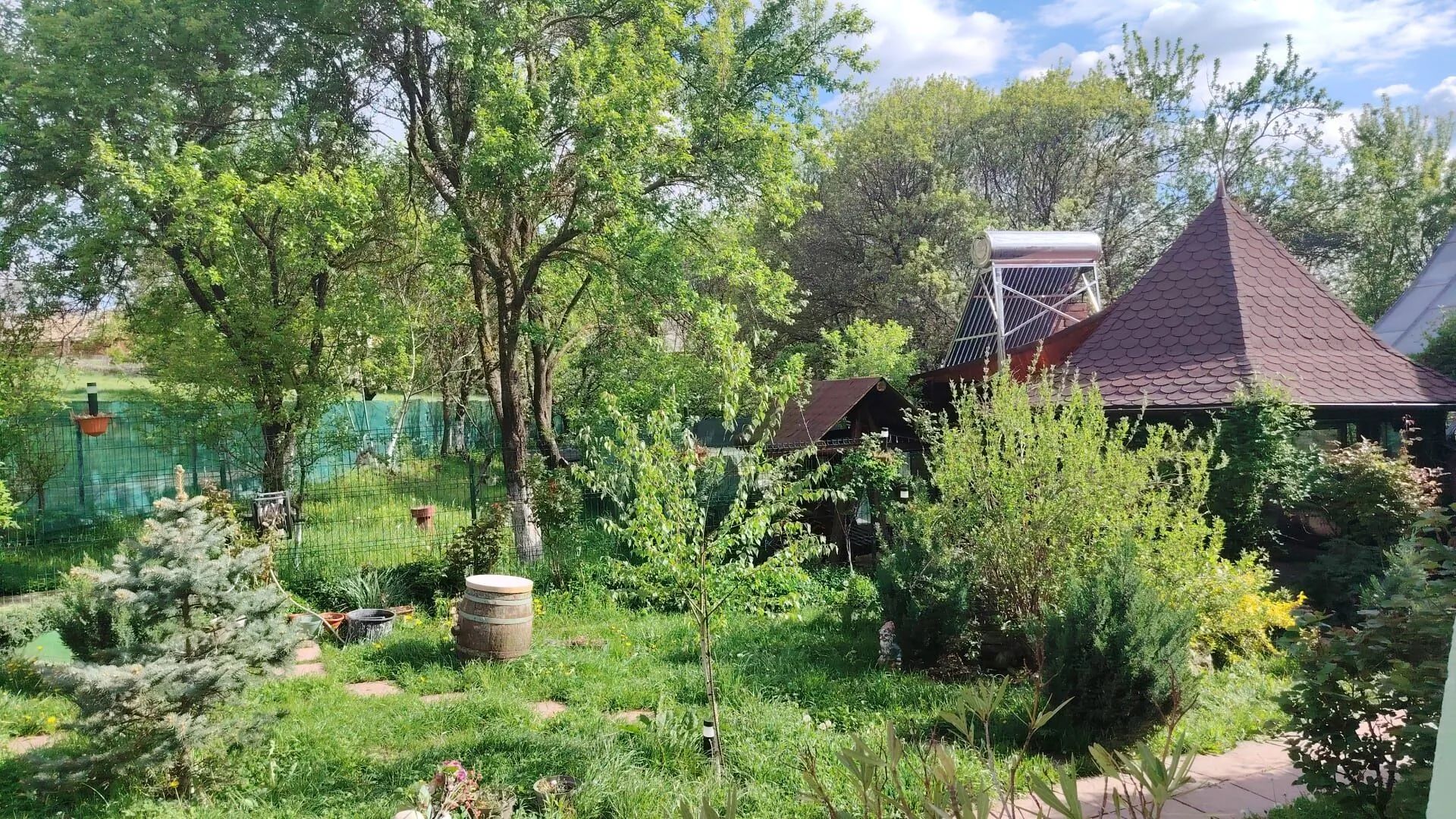
Vila Eden House Șelari
Comfort, relaxation and stunning views, all just steps away from the main attractions.
FROM
280 lei per night

Cabin · 1 star
Valea Mare Pravăț, Argeș County · 4.2 km
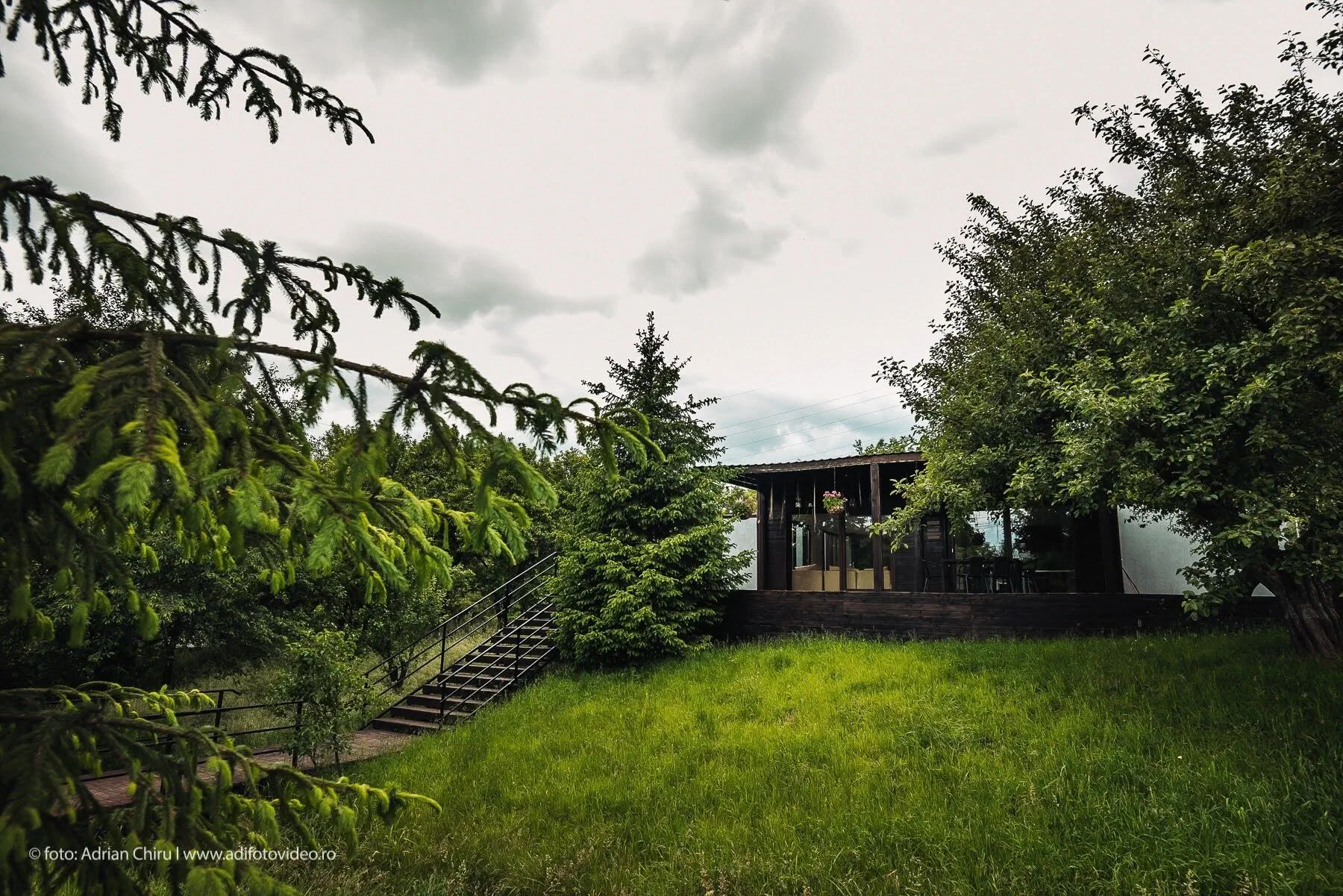
Ethereal Chalet Valea Mare Pravăț
Comfort, relaxation and stunning views, all just steps away from the main attractions.
FROM
270 lei per night
Cabin · 3 stars
Câmpulung, Argeș County · 4.3 km
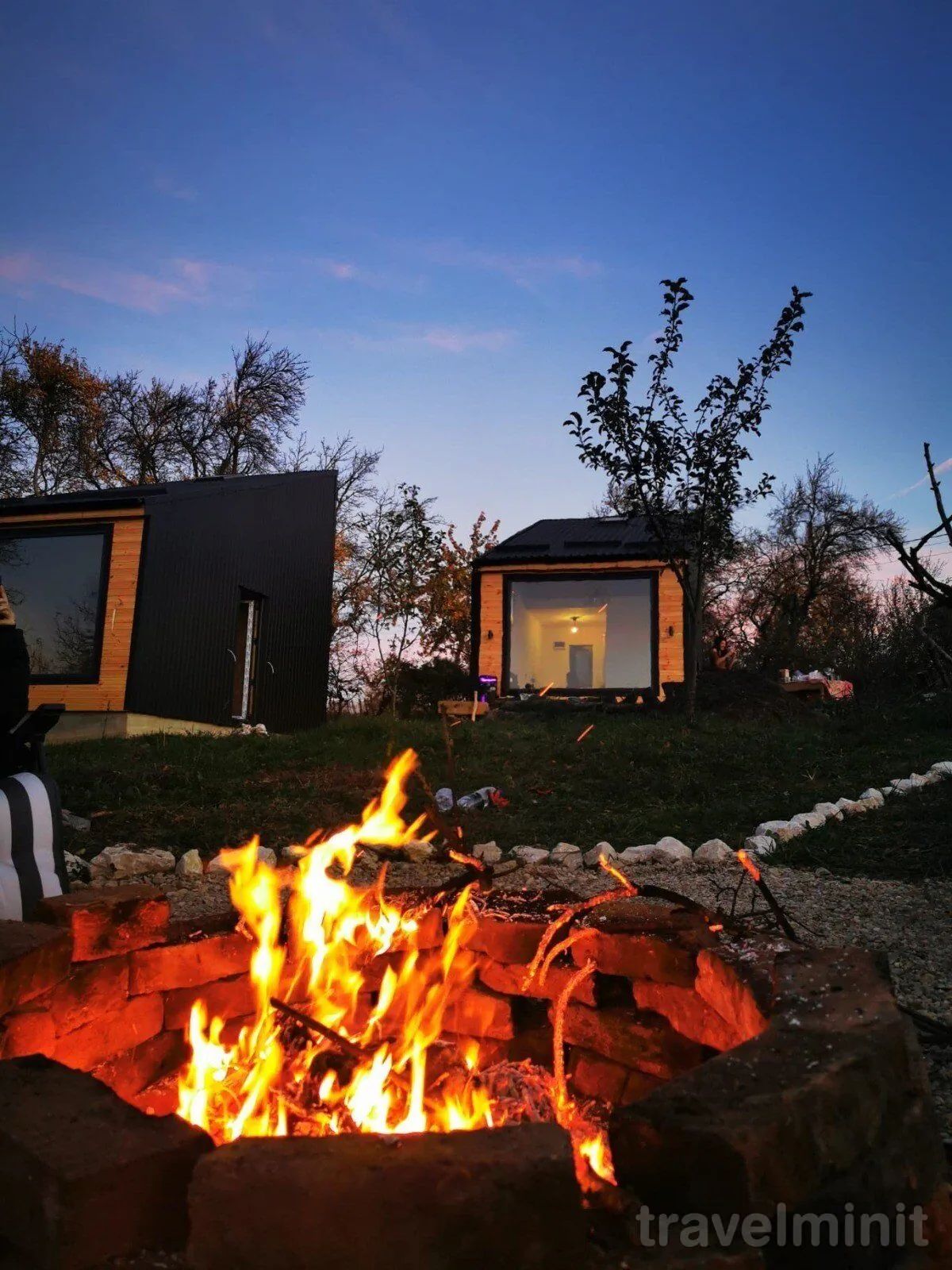
Campolongo Tiny Chalet Câmpulung
Dacă doriți să vizitați Mausoleul de la Măteiaș, Campolongo Tiny Chalet Câmpulung reprezintă punctul de plecare potrivit pentru o cabană clasică de trei stele situată în orașul Câmpulung din județul Argeș. Această locație oferă un cadru liniștit și primitor pentru explorarea zonei. Unitatea pune la dispoziția dumneavoastră două camere amenajate cu atenție, fiecare dotată cu aer condiționat pentru confort pe tot parcursul zilei. Veți avea acces la Wi-Fi gratuit în întreaga proprietate și la o parcare privată gratuită, astfel încât să vă bucurați de ședere fără nicio grijă. Spațiile exterioare includ o curte mare și o grădină amenajată, ideale pentru momente de relaxare în aer liber. Pentru cine dorește să pregătească masa în natură, sunt disponibile un grătar sau barbeque și un ceaun pentru gătit în aer liber. După o zi activă, vă puteți destinde într-o cadă cu hidromasaj sau jacuzzi. În apropiere puteți descoperi și alte obiective culturale și religioase: Mănăstirea Nămaiești, Mănăstirea Negru Vodă, Muzeul Municipal din Câmpulung și Biserica Sfântul Spiridon-Șubești din Câmpulung. Vă așteptăm la Campolongo Tiny Chalet Câmpulung.
FROM
270 lei per night
Guesthouse · 3 stars
Dragoslavele, Argeș County · 4.9 km
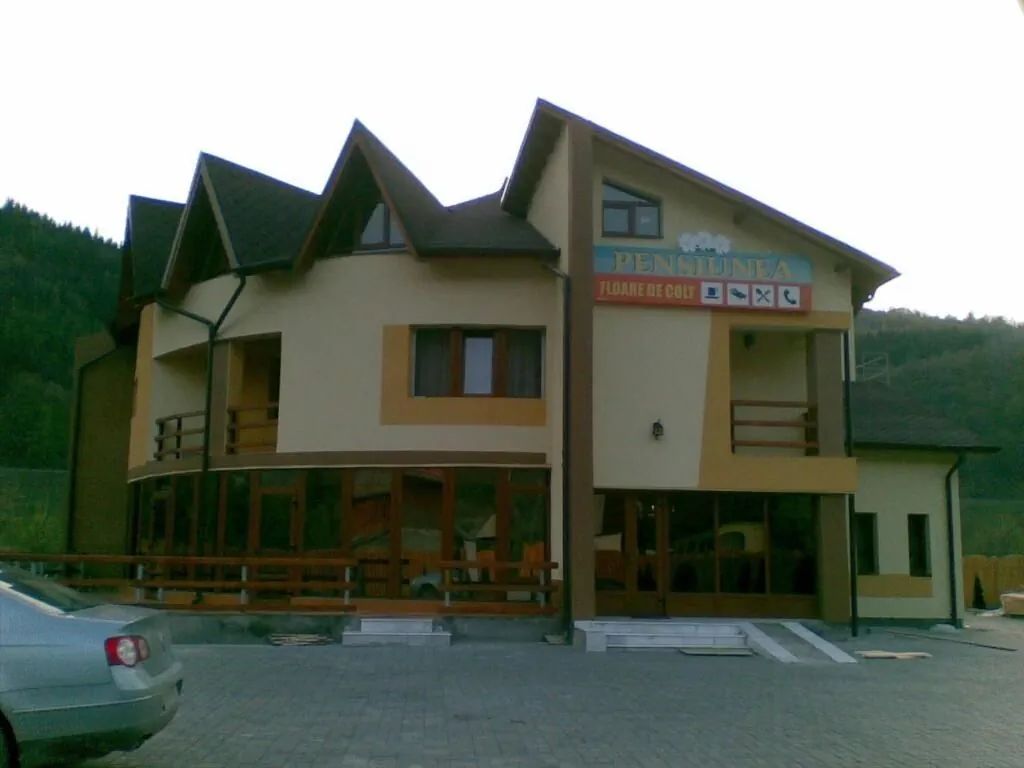
Pensiunea Floare de Colț Dragoslavele
În curtea largă și grădina amenajată a Pensiunii Floare de Colț din Dragoslavele, județul Argeș, aerul proaspăt de munte se amestecă cu liniștea specifică satului. Priveliștea spre dealurile înconjurătoare și pădurile din zonă vă întâmpină încă de la primele ore ale dimineții. Vă punem la dispoziție Wi-Fi gratuit, parcare privată gratuită și un restaurant în incintă unde puteți savura preparate din bucătăria locală, inclusiv meniuri pentru copii sau pentru diete speciale. Copiii se pot juca în siguranță la locul de joacă de afară sau în camera de joacă interioară, iar dumneavoastră aveți la dispoziție pătuț pentru bebeluși și scaun înalt. Vă puteți relaxa în barul sau cafeneaua din incintă, în timp ce cei mici se distrează în grădina amenajată. Pentru iubitorii de natură, oferim posibilitatea de pescuit, călărie în zonă, drumeții montane pe trasee din apropiere sau grătar în aer liber. Bagajele dumneavoastră pot fi păstrate în siguranță în depozitul special amenajat, astfel încât să porniți ușor spre explorare. În vecinătate puteți vizita Mausoleul de la Măteiaș, Mănăstirea Nămaiești, Castelul Bran, Munții Leaota și Cetatea Orăția. Seara, după o zi petrecută explorând traseele montane, grătarul din curte vă oferă cadrul pentru a savura cina în aer liber.
FROM
240 lei per night
Holiday home · 3 stars
Voinești, Argeș County · 5.2 km
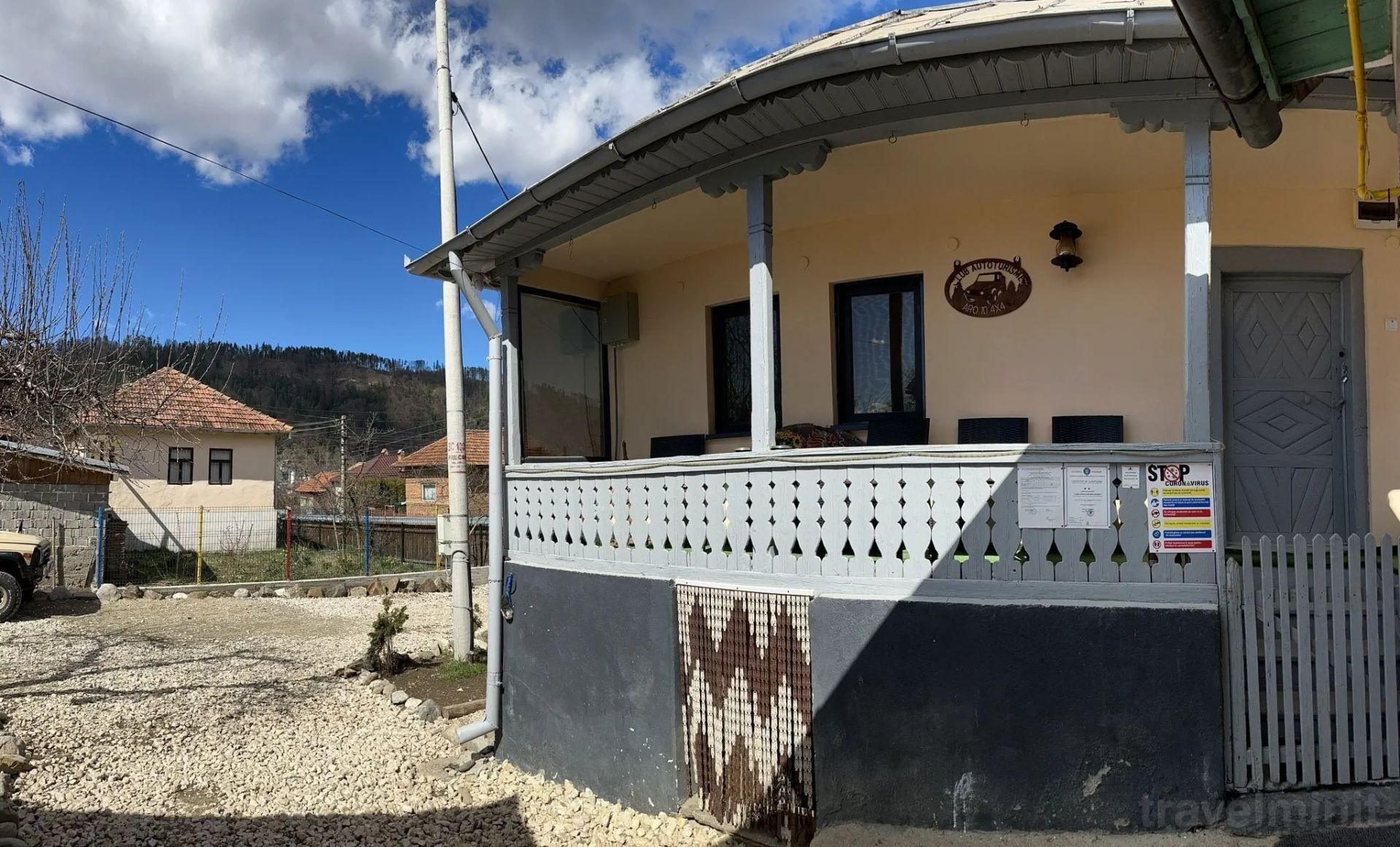
Casa Bunicilor Leresti
Comfort, relaxation and stunning views, all just steps away from the main attractions.
FROM
280 lei per night
Guesthouse · 4 stars
Lereşti, Argeș County · 5.4 km
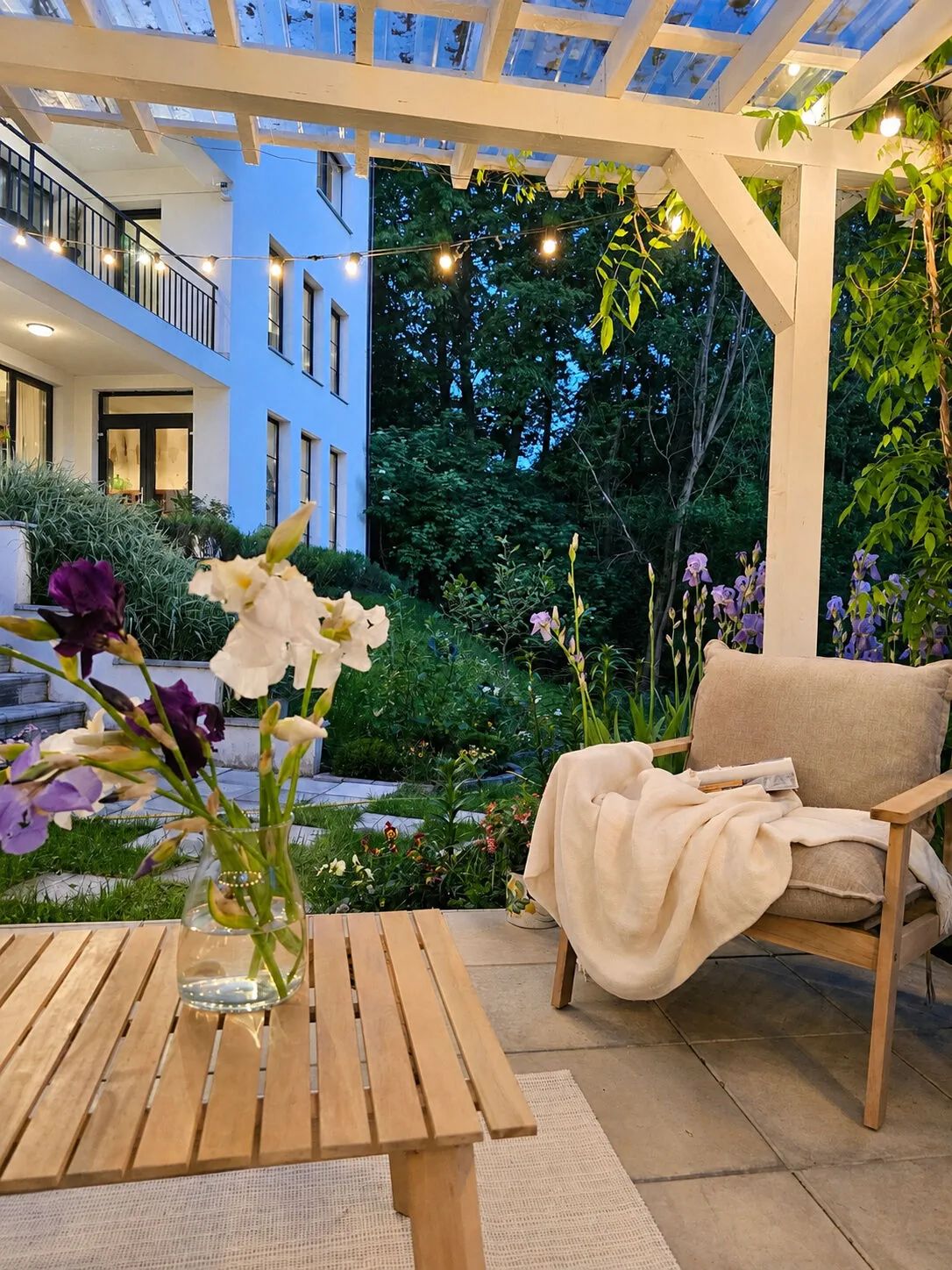
The Baker's House Lerești
The Baker's House Lerești este o pensiune turistică de 4 stele situată în localitatea Lerești din județul Argeș. Beneficiați de Wi-Fi gratuit și parcare privată gratuită, într-o proprietate care dispune de o curte mare și o grădină amenajată, unde un foișor vă oferă un spațiu plăcut de relaxare în aer liber. Printre facilitățile disponibile se numără fier de călcat, depozit pentru bagaje și stație de încărcare pentru vehicule electrice, astfel încât șederea dumneavoastră să fie cât mai confortabilă. Restaurantul din incintă pregătește meniuri pentru diete speciale și meniuri pentru copii, iar pentru cei mici este disponibil și un scaun înalt. În aer liber puteți participa la sesiuni de yoga și aerobic, puteți parcurge drumeții montane sau puteți explora diverse trasee în natură. În apropiere aveți posibilitatea de a vizita Mausoleul de la Măteiaș, Mănăstirea Nămaiești, Mănăstirea Negru Vodă, Muzeul Municipal din Câmpulung și Castelul Bran. Această pensiune se adresează călătorilor care doresc să se bucure de liniște, facilități complete și acces facil la atracții culturale și naturale din zonă, într-un cadru intim și primitor.
FROM
310 lei per night
BEFORE YOU HIT THE ROAD
Weather conditions in Mateias
Local forecast for Mateiaș Heroes' Mausoleum, Mateias, Argeș

Real-time updated weather data
Much more to explore in this area
Nearby tourist attractions

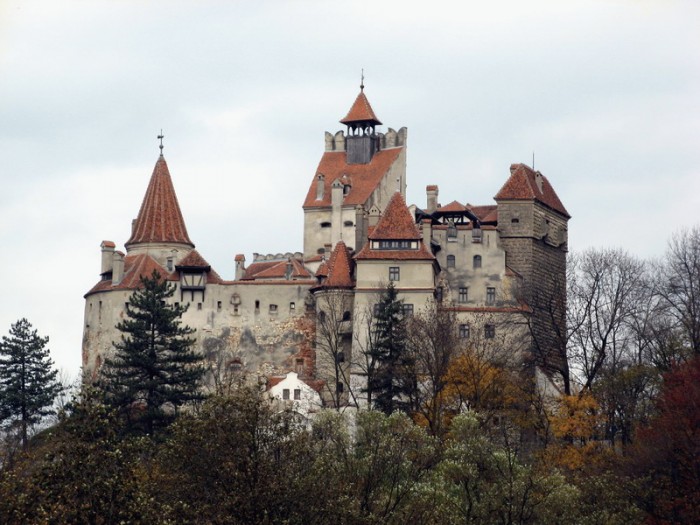

Bran, Brașov County
Bran Castle
Situat pe strada General Traian Mosoiu nr. 28 din localitatea Bran, la 30 km de municipiul Brasov; construit in anul 1377 in scop militar; in anul 1395, este...
30.5 km
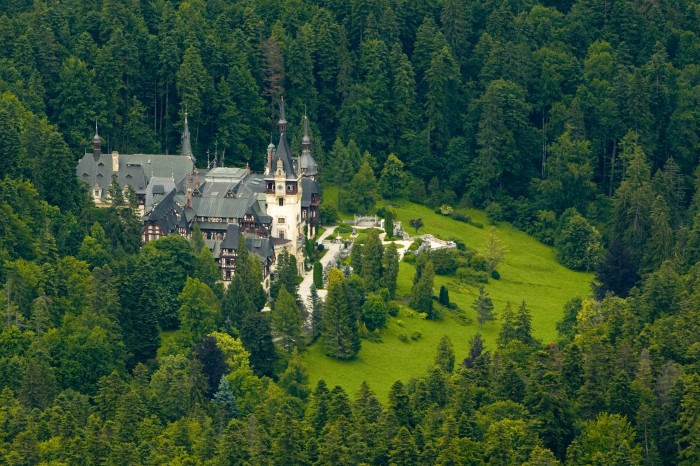
Sinaia, Prahova County
Peleș Castle
Situat pe strada Pelesului din Sinaia; piatra de temelie a castelului se pune in 1873, aici fiind ingropate si cateva zeci de monede de 20 de lei, din aur -...
32.4 km
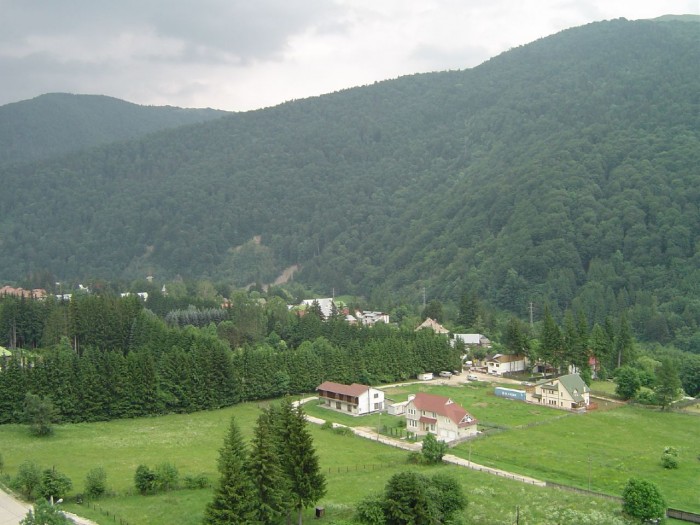
Prahova, Prahova County
Sinaia Resort
Situata pe valea superioara a Prahovei, la poalele Muntilor Bucegi (Carpatii Meridionali), la o altitudine ce variaza intre 798-971 m; este una din cele mai...
32.8 km
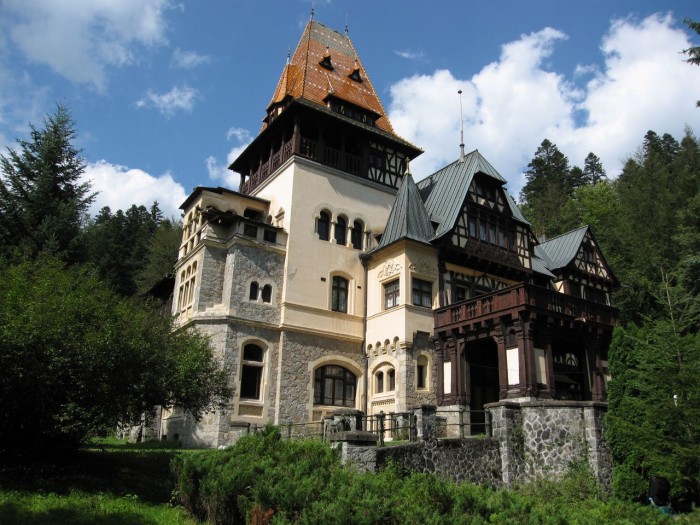
Prahova, Prahova County
Pelișor Castle
Situat in parcul Castelului Peles, pe Valea Prahovei; ridicat intre anii 1899 si 1902; in 1903 a devenit resedinta de vara a principilor mostenitori;...
32.2 km
Brasov, Brașov County
Bucegi Natural Park
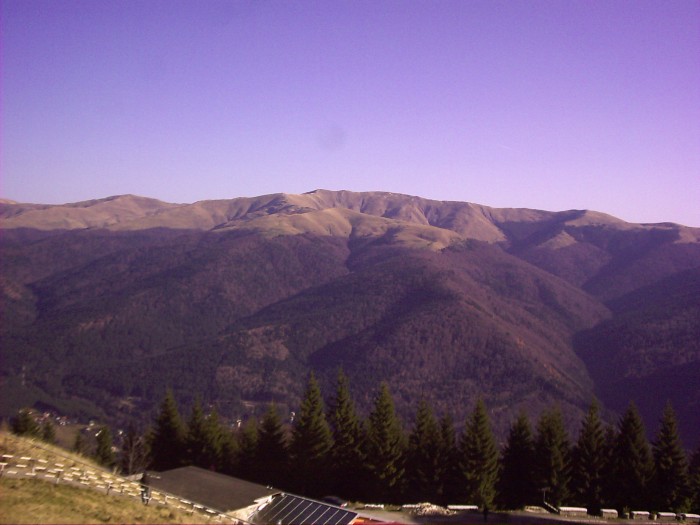
Situat in Muntii Bucegi, se intinde pe raza comunelor Rasnov, Bran, Moeciu; zona Muntilor Bucegi a fost propusa pentru protejare in anul 1936, dar initiativa s-...
28.3 km
Râșnov, Brașov County
Râșnov Citadel
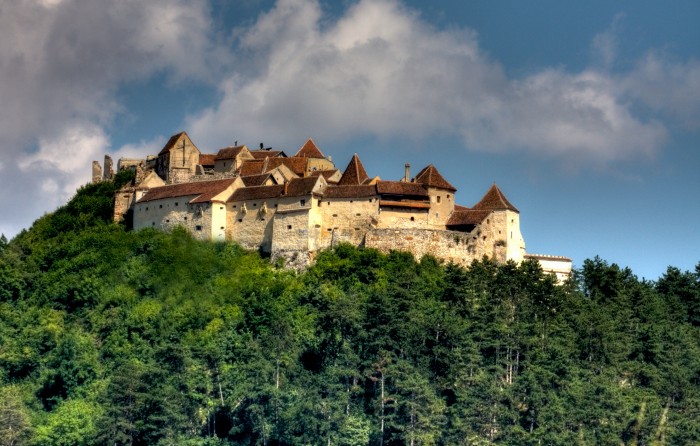
Situata in orasul Rasnov, la 15 km de municipiul Brasov; construita in secolele XIII - XIV de catre locuitorii zonei, in scopul apararii impotriva atacurilor...
42.0 km

Brasov, Brașov County
Poiana Brașov resort.
Situata la poalele muntelui Postavaru, la 12 km de municipiul Brasov; amplasata la altitudinea de 1.030 m, statiunea turistica Poiana Brasov a fost infiintata...
46.7 km
Brasov, Brașov County
Piatra Craiului National Park
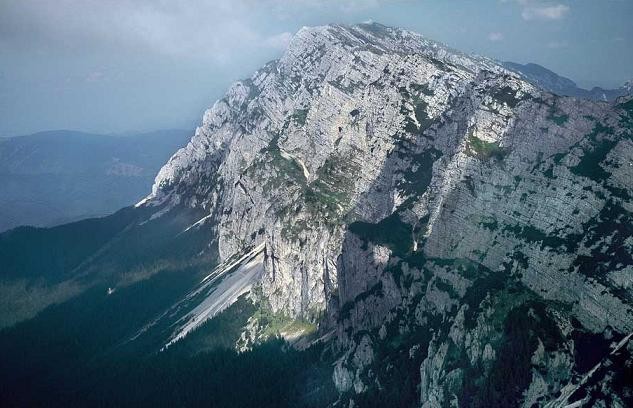
Situat in Carpatii Meridionali;include Creasta Pietrei Craiului in totalitate si spatiile din culoarele intramontane limitrofe, Rucar - Bran si Rucar -...
29.2 km
Albestii, Argeș County
Curtea de Argeș Monastery
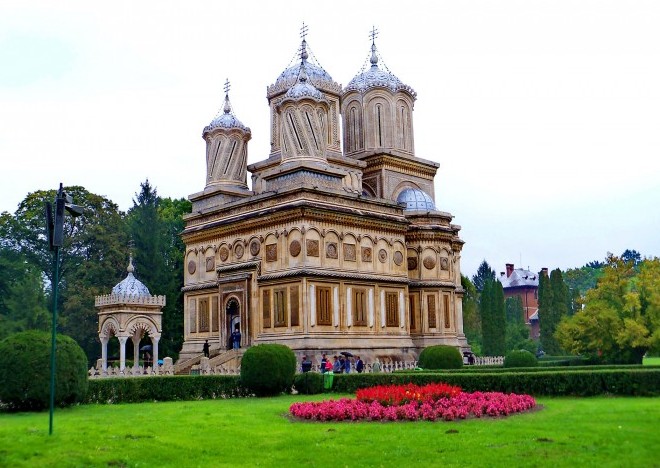
Situata pe strada Basarabilor nr. 1, in apropierea centrului orasului Curtea de Arges; construita intre 1515-1517, de catre Neagoe Basarab, pe locul vechii...
39.3 km

Curtea de Argeș, Argeș County
The Royal Cathedral in Curtea de Argeș.
Catedrala din Curtea de Argeș, România
39.3 km

Brasov, Brașov County
Predeal: Romania's Highest Town and the Carpathian Balcony
Situata pe Valea Prahovei, intre raurile Prahova si Timis, la 25 km de municipiul Brasov; amplasata la 1.100 m, este cea mai inalta asezare urbana din Romania;...
41.7 km
Prahova, Prahova County
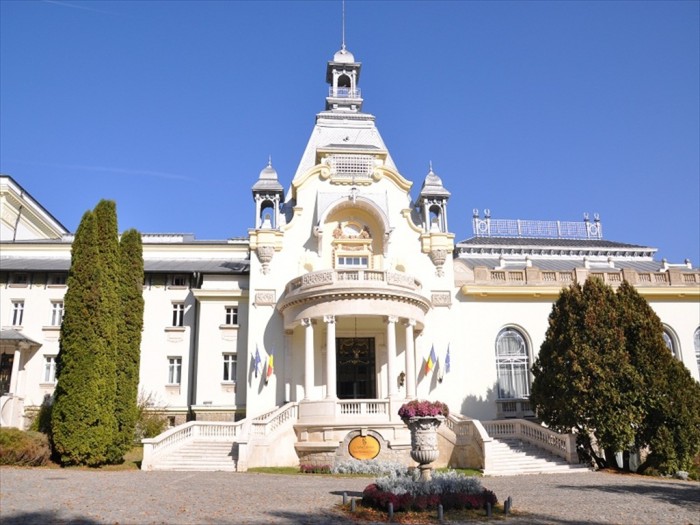
Sinaia Casino
Situat in parcul "Dimitrie Ghica" din localitatea Sinaia; reprezinta si astazi unul dintre edificiile - simbol ale statiunii; construit in timp record, intre...
33.2 km
Cultural life and traditions
Events in the Mateiaș Heroes' Mausoleum area
Medieval festivals, traditional fairs, concerts and local activities recommended in Muntenia (Wallachia).

History and Royal Architecture

Mateias, County of Argeș
Days of Royalty and Heritage in the Prahova Valley
Historical conferences open to the public, themed tours of royal architecture, documentary screenings and exhibitions of vintage photographs.
WHEN
May 10-12, 2026


Gastronomy and Oenology
Dealu Mare, County of Argeș
The Prahova Wine Festival on the Wine Route
Guided tastings of Fetească Neagră along the famous Wine Route, visits to historic wineries, and meetings with leading winemakers.
WHEN
Every weekend (September - October)
Hiking and Adventure
Bucegi Mountains, Argeș County
Guided Mountain Tour in the Bucegi Mountains
Guided mountain tours led by mountain rescue personnel to iconic panoramic viewpoints and spectacular alpine waterfalls.
WHEN
Daily during the season (June - October)
On foot, exploration gains depth
Discover the surroundings and local geography
Explore the trails, terrain, and natural landmarks around Mateiaș Heroes' Mausoleum.

Guides and practical tips
Useful travel articles
Travel guides, practical recommendations and tourist itineraries for Muntenia (Wallachia).

Tourist guide
Top 5 Atracții Turistice și Trasee Montane în Zona Moieciu - Bran
Descoperă cele mai spectaculoase peisaje carstice, chei adânci și cetăți medievale din imediata apropiere a stațiunii Moieciu.

Tourist guide
Ghid de Drumeție: Traseul Moieciu de Sus spre Platoul Bucegi
Un itinerariu montan de o frumusețe rară ce urcă din Valea Băngăleasa spre Poiana Guțanu și crestele maiestuoase ale Bucegilor.

Tourist guide
Castelul Bran: Istorie, Legende și Secrete Medievale
Află adevărata poveste a fortăreței medievale din Pasul Bran, reședința de suflet a Reginei Maria a României.
THE JOURNEY STARTS WITH AN IDEA
The next story is on the way.
From the first stop to the last stay, make room for a new Romania.
