


PLACE OF WORSHIP · MUNTENIA (WALLACHIA)
The Royal Cathedral in Curtea de Argeș.

Curtea de Argeș, Argeș County
Add location to your trip planner.

Practical access information

VISITING HOURS
Monday: 12:00 PM – 5:00 PM · Tuesday–Sunday: 9:00 AM – 5:00 PM (in summer until 8:00 PM)

TICKET PRICE
Adults: 45 RON · Students: 11 RON · Seniors: 23 RON · Guided tour included

RECOMMENDED VISIT DURATION
30-60 minutes
Sources and external references
Wikipedia Encyclopedia (EN)
Visitor information and guide
 Navigate with Google Maps

ABOUT THE ROYAL CATHEDRAL IN CURTEA DE ARGEȘ.
A Captivating Introduction and its European Heritage Significance
Standing majestically on the right bank of the Argeș River, amidst a landscape of wooded hills reminiscent of Tuscany or Provence, the Metropolitan Cathedral in Curtea de Argeș, known as the Royal Cathedral and officially dedicated to the Feast of the Dormition of the Theotokos, represents far more than just an Orthodox place of worship. It is a true cornerstone of Romanian national identity and a monument that directly engages with the great royal cathedrals of Europe, such as Saint-Denis in France, the Cathedral of Aachen, or the Monastery of El Escorial in Spain. Built between 1512 and 1517, during the height of the late European Renaissance, this edifice marks the moment when Wallachia asserted its ambition to position itself as a sovereign state, capable of creating its own symbols of power and spirituality, at a time when Constantinople, which fell under Ottoman rule in 1453, could no longer offer the same status as the spiritual capital of Eastern Christendom. The Cathedral thus becomes not only the metropolitan seat of the Diocese of Argeș and Muscel but also the coronation church of the rulers, a sacred space where political legitimacy is inextricably linked with divine authority, reflecting the aspirations of an elite that looked towards the West, towards the great royal courts of Europe, while maintaining its deep roots in Byzantine tradition.
Historical Roots and Connections to Major European Movements
The historical context surrounding the construction of this cathedral is deeply rooted in the turmoil of the 16th century, an era marked by Ottoman expansion in the Balkans, rivalries between the Habsburg Empire and the Ottoman Empire for control of Central Europe, and the cultural effervescence of the Italian Renaissance. Voivode Neagoe Basarab (1512-1521), the enlightened founder of this monument, reigned during a period of relative political stability for Wallachia, benefiting from Ottoman protection while maintaining internal autonomy that allowed him to develop an ambitious artistic program. Neagoe, a true Renaissance Prince, corresponded with the Dutch humanist Erasmus of Rotterdam and was influenced by the intellectual currents of Florence and Venice, transforming Curtea de Argeș into a cultural center that rivaled those in Krakow, Prague, or Buda. In this context, the decision to build a cathedral that would surpass the grandeur of the old metropolitan church in Târgoviște reflects the desire to shift the political and spiritual center of gravity of the country, preceding by several decades the rise of Bucharest and establishing a tradition of patronage that would influence Romanian art for centuries.
From a cultural perspective, the cathedral is part of a fascinating dialogue with the Serbian-Moravian architectural school, which flourished in medieval Serbia after the Battle of Kosovo (1389), when Serbian craftsmen sought new centers of artistic expression in neighboring regions. Structural similarities with the monasteries at Ravanica or Manasija, built under Despot Stefan Lazarević, suggest either the presence of craftsmen trained in Serbian workshops or the direct influence of Moravian models that circulated throughout the Balkan region. Furthermore, connections with Mount Athos, the spiritual center of Eastern Orthodoxy, are evident in the iconographic tradition and fresco technique, as the Athonites, after the fall of Constantinople, took on the role of preserving the pure Byzantine tradition. Thus, the cathedral in Curtea de Argeș becomes a meeting point between the Byzantine heritage, the Serbian-Moravian tradition, Italian Renaissance influences, and the indigenous artistic character, creating a unique cultural hybrid in the European landscape of the era.
Architectural Masterpiece and Stylistic Synthesis
The cathedral's architecture represents a remarkable achievement of 16th-century engineering and art, presenting a classic tripartite plan for Orthodox churches, but treated with an originality that distinguishes it from traditional Byzantine models. The structure follows the typical Greek cross plan, with a spacious narthex intended for the spiritual preparation of worshippers, a bright nave dominated by an impressive central dome, and a sanctuary separated by a carved iconostasis, all crowned by an exterior silhouette that impresses with its verticality and elegance. The dome, supported by four massive pillars, evokes the grandeur of Byzantine domes from Hagia Sophia or the Pantocrator Monastery, but it is treated with a structural lightness specific to the period, allowing light to penetrate in a subtle play of shadows and highlights that transforms the interior into a transcendent space.
The anonymous master builder, possibly trained in Athonite workshops or influenced by the construction site of the recently fallen Constantinople, succeeded in combining Byzantine tradition with elements of the Moravian school, visible in the side towers with their spiral staircases embedded in the walls, in the decorative blind arcades, and in the polychrome ceramic friezes that adorned the exterior of the building. These architectural details, borrowed from Serbian art of the 14th-15th centuries, surprisingly combine with Western Gothic influences that entered the region through commercial relations with Venice or through contact with Transylvanian art, resulting in a cosmopolitan architectural language. The stone sculptures that adorn the facades, representing vegetal motifs, fantastic animals, and religious figures, recall the decoration of Gothic portals in French or German cathedrals, while the overall proportions of the building rather evoke the classical sobriety of Italian Renaissance architecture than the Baroque splendor that was to follow.
Mural Painting and Renaissance Artistic Heritage
The interior of the cathedral houses a treasure trove of mural paintings dating back to the early 16th century, representing one of the most valuable collections of post-Byzantine art in Southeastern Europe. Anonymous masters of the Romanian school, trained in the Athonite iconographic tradition but open to Italian Renaissance influences, created iconographic cycles that combine Byzantine theological rigor with a new sensitivity to perspective, anatomical proportions, and facial expressiveness. These frescoes, although partially restored over the centuries and affected by earthquakes or humidity, still retain fragments of astonishing chromatic intensity, using mineral pigments that have lasted for four centuries, offering a rare glimpse into the artistic patronage of the early Renaissance in the Romanian space. The paintings depict scenes from the life of the Virgin Mary, the Passion cycle of Christ, and figures of patron saints of the Basarab dynasty, all executed in a style reminiscent of post-Byzantine Cretan art, but with a distinct originality, reflecting Neagoe Basarab's ambition to create a court worthy of the great European dynasties.
The iconostasis, carved from linden wood and gilded, represents another masterpiece of Romanian art, featuring biblical scenes in relief and icons of rare beauty. The votive portraits of the founder, Neagoe Basarab, and his wife, Despina Milica, painted inside the porch, offer a unique insight into the fashion and attire of the Romanian prince, influenced by Byzantine fashion as well as Western elements, showing a ruler who saw himself as part of the civilized European world. These representations constitute valuable historical documents, as do the inscriptions in Old Church Slavonic that accompany the paintings, forming a corpus that places the cathedral among the great monuments of Christian art from this period.
The Royal Necropolis and the Dynasty's Legacy
The cathedral functions as the royal necropolis of the Basarab dynasty, housing the solemn tombs of the most important rulers of Wallachia, transforming the sacred space into a Pantheon of Romanian state continuity. Here lies Neagoe Basarab himself, the founder, alongside his beloved wife Despina Milica, daughter of the Serbian despot Đurađ Branković, whose presence underscores the matrimonial alliances with major families in the Balkans and the ambition to place Wallachia within the power network of Southeastern Europe. Alongside them are the tombs of Radu I and, according to tradition, that of the legendary founder of the dynasty, Basarab I, whose presence here symbolizes the deep roots of Romanian statehood, evoking the myth of the founders who link the present with the medieval origins of the nation.
Unlike the royal necropolis at Westminster Abbey or that of Saint-Denis, which were designed in Gothic or Baroque styles, the tombs at Curtea de Argeș retain a Byzantine sobriety, with stone sarcophagi carved in the specific style of the 16th century, adorned with inscriptions in Old Church Slavonic and decorative motifs inspired by late Byzantine art. This funerary ensemble reflects the medieval and Renaissance conception of the dynasty's legacy as an instrument of political legitimation, each tomb being not only a place of eternal rest but also a monument that affirms the continuity and divine right of the Basarab dynasty to rule Wallachia.
The Legend of Master Manole and the Mythology of Construction
No presentation of the cathedral would be complete without mentioning the legend of Master Manole, one of the most profound and moving folk ballads in European cultural heritage. According to tradition, the construction of the cathedral faced insurmountable difficulties; the walls collapsed each time they were built until Master Manole, inspired by a prophetic dream or divine revelation, realized that the foundations had to be consecrated through human sacrifice. Thus, he walled up his wife, Ana, alive within the thickness of the walls, thereby ensuring the stability of the building against earthquakes and the passage of time. This legend, which has parallels in the folklore of other European peoples, such as the story of the bridge builder in German folklore or similar legends related to the construction of Gothic cathedrals, reflects the deep-seated belief in the necessity of sacrifice for the realization of a supreme spiritual and artistic ideal. Manole's ballad, sung for centuries throughout the country and translated into literary works by Eminescu or into the music of Ciprian Porumbescu, transforms the cathedral into a symbol of sacrifice for beauty and faith, a monument where art and human sacrifice meet in a tragic and sublime dimension.
Pivotal Moments and Historical Transformations
Throughout its five centuries of existence, the cathedral has experienced numerous periods of hardship and rebirth, surviving devastating earthquakes that affected the region, such as the one in 1802 which severely damaged the dome’s structure, or the earthquake in 1940 which required urgent reinforcement work. In the 17th century, under the reign of Matei Basarab, the cathedral was repaired and expanded, receiving new decorative elements in the Brâncovenesc style that enriched the monastic complex. The communist period brought another phase of conservation, with the monument being restored in the 1960s and 1970s, when the original frescoes were highlighted and the copper roof was rebuilt, now gleaming in the sun. These transformations reflect Romania’s tumultuous history, from independence from the Ottomans to the interwar period, to Soviet domination and the post-communist revival, with the cathedral remaining a silent but eloquent witness to the spiritual and cultural resilience of the Romanian people.
A Practical Guide to Visiting and Experiencing the Cathedral
Located in the historical heart of Curtea de Argeș, just steps away from the ruins of the Royal Court and the County Museum of Archaeology and History, the cathedral is easily accessible to tourists arriving from Bucharest. It is approximately 150 kilometers north of the capital, along the picturesque route of DN7C Transfăgărășan or DN7. Visitors are welcome throughout the year with free admission and are encouraged to contribute through voluntary donations to the preservation of this cultural treasure. The dress code requires modest attire, with shoulders and knees covered, as a sign of respect for the sacredness of the place and for the liturgical life that continues here. The cathedral is both an active place of worship and a historical monument of national and European importance.
The cathedral complex includes the episcopal residence and offers visitors guided tours in Romanian, English, French, and German, allowing them to explore in depth the royal necropolis, the unique fresco cycles, and the architectural details that reveal the multiple influences that contributed to the creation of this monument. It is recommended to combine a visit to the cathedral with a walk through the old town, a stop at the Old Curtea de Argeș Monastery, built by Neagoe Basarab in 1512, and an excursion to Poenari Citadel, Vlad the Impaler's fortress located on a rocky peak above the Argeș Valley. For a complete experience, visitors can attend the Vespers service or the Sunday Liturgy, listening to the church choir in the unique atmosphere of this space where history, art, and spirituality meet in a symphony of light, stone, and prayer, offering a profound insight into the pivotal role of the cathedral in the cultural story of Romania and Southeastern Europe.
Media gallery
Discover The Royal Cathedral in Curtea de Argeș. in pictures

1 photos · Architecture, courtyards and captivating details

Image source: Wikimedia Commons · Public domain photos · Free license
STAY A FEW DAYS, DISCOVER THE MAGIC
Accommodation in the The Royal Cathedral in Curtea de Argeș. area

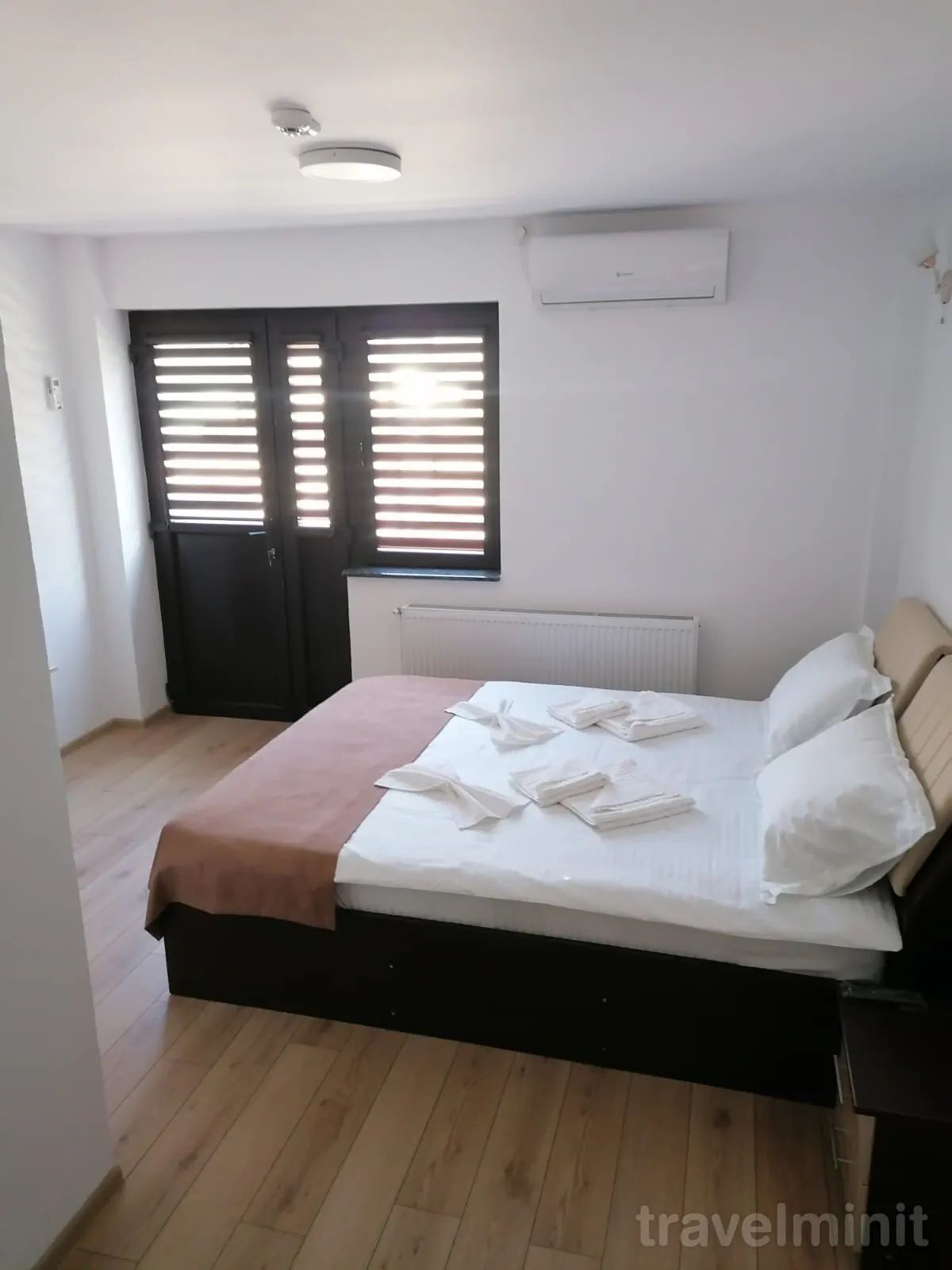
Guesthouse · 3 stars

Curtea de Argeș, Argeș County · 0.2 km
Casa Sapte din Sapte Curtea de Argeș
O zi începe în liniște în curtea mare și grădina amenajată, unde vă puteți bucura de aer liber și de soare, iar apoi vă puteți conecta la Wi-Fi gratuit pentru a vă organiza programul. Casa Sapte din Sapte din Curtea de Argeș vă oferă și parcare privată gratuită, astfel încât să vă simțiți confortabil încă de la sosire, fără grija găsirii unui loc de parcare. Facilitățile unității sunt gândite pentru confortul dumneavoastră pe toată durata șederii. Accesul este facilitat și pentru persoanele cu dizabilități, iar spațiile verzi din jur creează o atmosferă relaxantă, departe de aglomerația urbană. Fie că veniți pentru odihnă sau pentru explorare, veți găsi aici condiții adecvate pentru un sejur plăcut și liniștit. Poziția centrală a pensiunii vă permite să ajungeți rapid la cele mai importante obiective turistice din zonă. Puteți vizita Mănăstirea Curtea de Argeș, Catedrala Regală din Curtea de Argeș, Colecția Muzeală a Mănăstirii Ortodoxe Curtea de Argeș, Biserica domnească Sfântul Nicolae din Curtea de Argeș și Biserica Episcopală „Adormirea Maicii Domnului”, fiecare dintre acestea oferind o experiență culturală și spirituală deosebită. Această pensiune este potrivită pentru turiști care doresc să combine relaxarea într-un mediu natural și primitor cu vizitarea monumentelor istorice și religioase din Curtea de Argeș.
FROM
240 lei per night

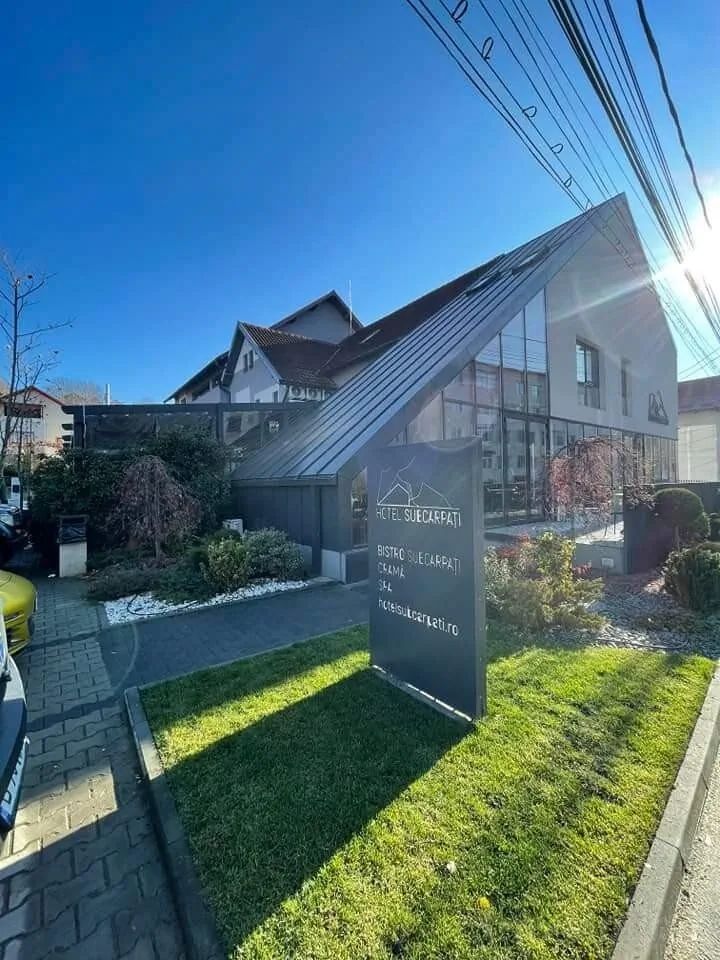
Hotel · 4 stars
Curtea de Argeș, Argeș County · 0.5 km
Hotel Subcarpati Curtea de Argeș
O zi petrecută aici poate începe cu o plimbare pe biciclete închiriate prin împrejurimile orașului și se poate încheia într-o atmosferă de relaxare completă, fie într-o cadă cu hidromasaj din cameră, fie în grădina amenajată, la Hotel Subcarpati din Curtea de Argeș. Cele 19 de camere sunt dotate cu aer condiționat, iar conexiunea Wi-Fi gratuită vă permite să rămâneți conectați. Mic dejunul este inclus, iar parcare privată gratuită este disponibilă pentru dumneavoastră. Pătuțul pentru bebeluși și locul de joacă pentru copii la exterior fac șederea mai confortabilă pentru familii. Curtea mare și grădina amenajată oferă un spațiu generos pentru relaxare în aer liber. În apropiere puteți vizita Catedrala Regală din Curtea de Argeș, Mănăstirea Curtea de Argeș, Colecția Muzeală a Mănăstirii Ortodoxe Curtea de Argeș, Biserica domnească Sfântul Nicolae din Curtea de Argeș și Biserica Episcopală „Adormirea Maicii Domnului”. Unitatea este potrivită atât pentru familii cu copii, cât și pentru călători care doresc să exploreze obiectivele istorice și religioase din Curtea de Argeș.
FROM
420 lei per night
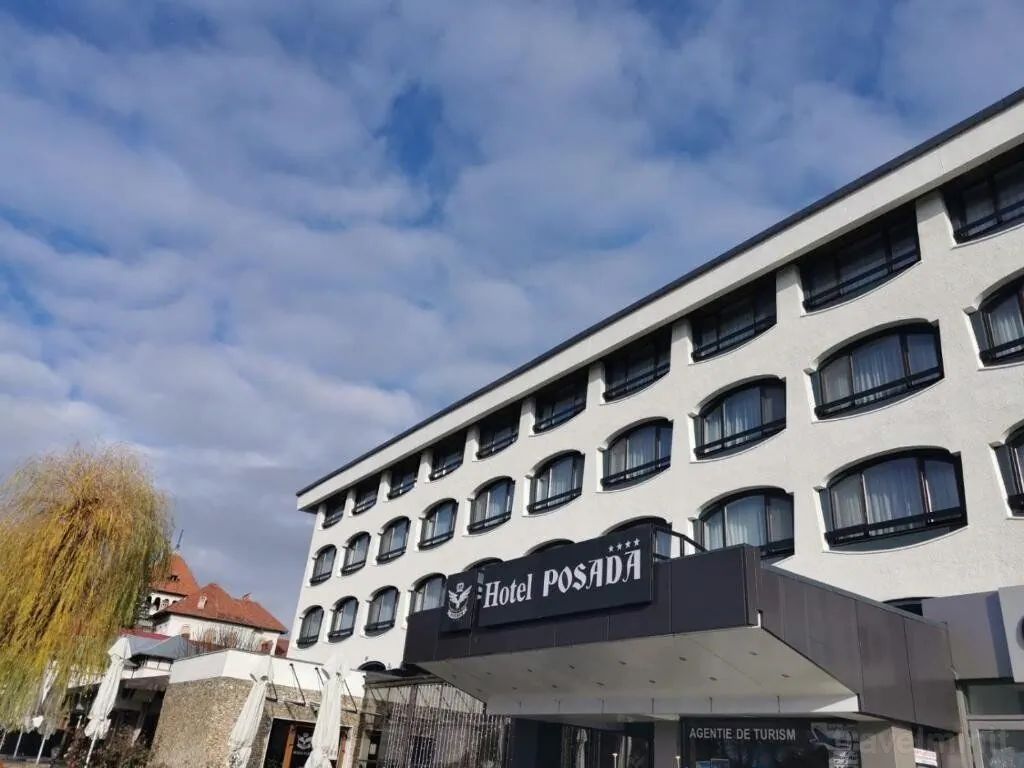
Hotel · 4 stars
Curtea de Argeș, Argeș County · 0.5 km
Hotel Posada Curtea de Argeș
Comfort, relaxation and stunning views, all just steps away from the main attractions.
FROM
420 lei per night
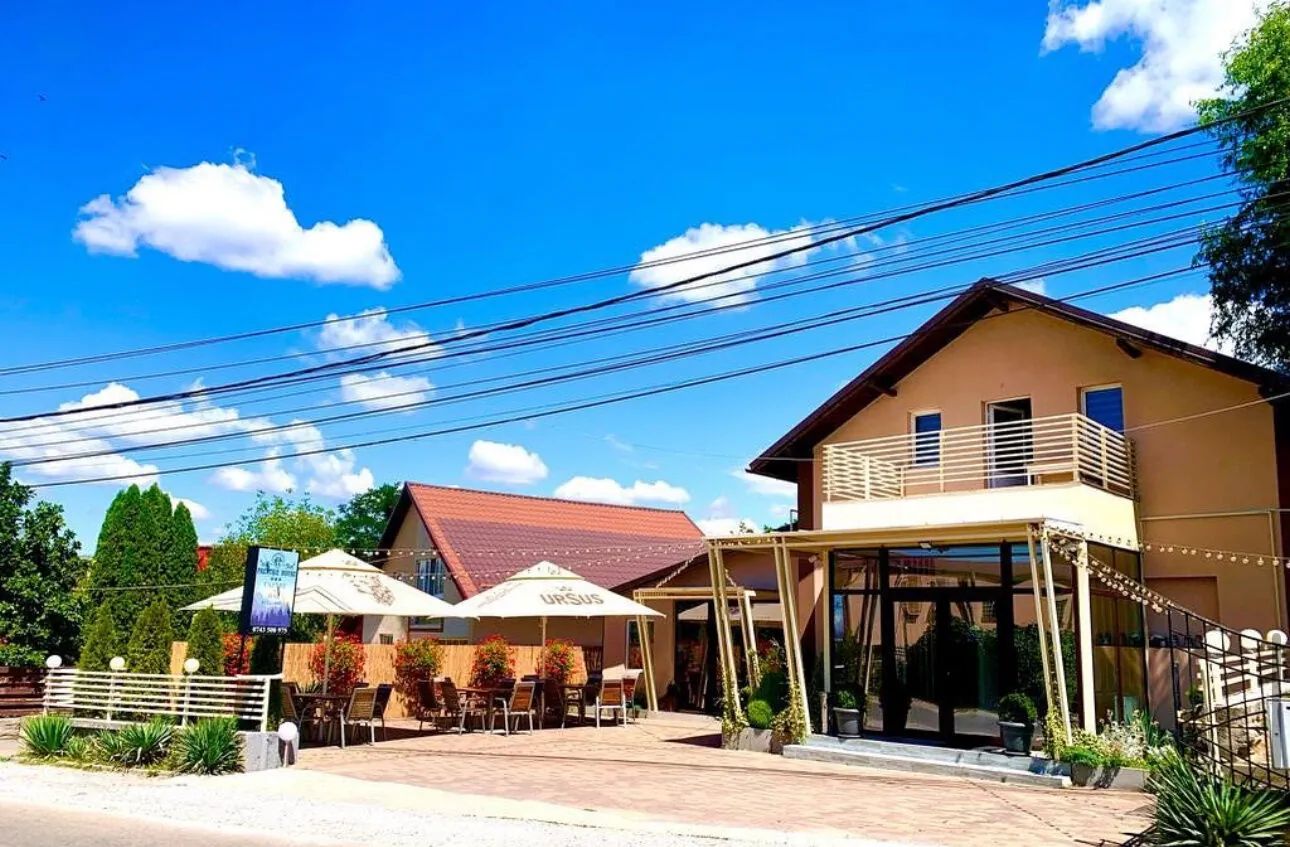
Guesthouse · 3 stars
Curtea de Argeș, Argeș County · 0.5 km
Prestige House Delux Curtea de Argeș
Comfort, relaxation and stunning views, all just steps away from the main attractions.
FROM
240 lei per night
Hotel · 3 stars
Curtea de Argeș, Argeș County · 0.7 km
THR Center Hotel Curtea de Argeș
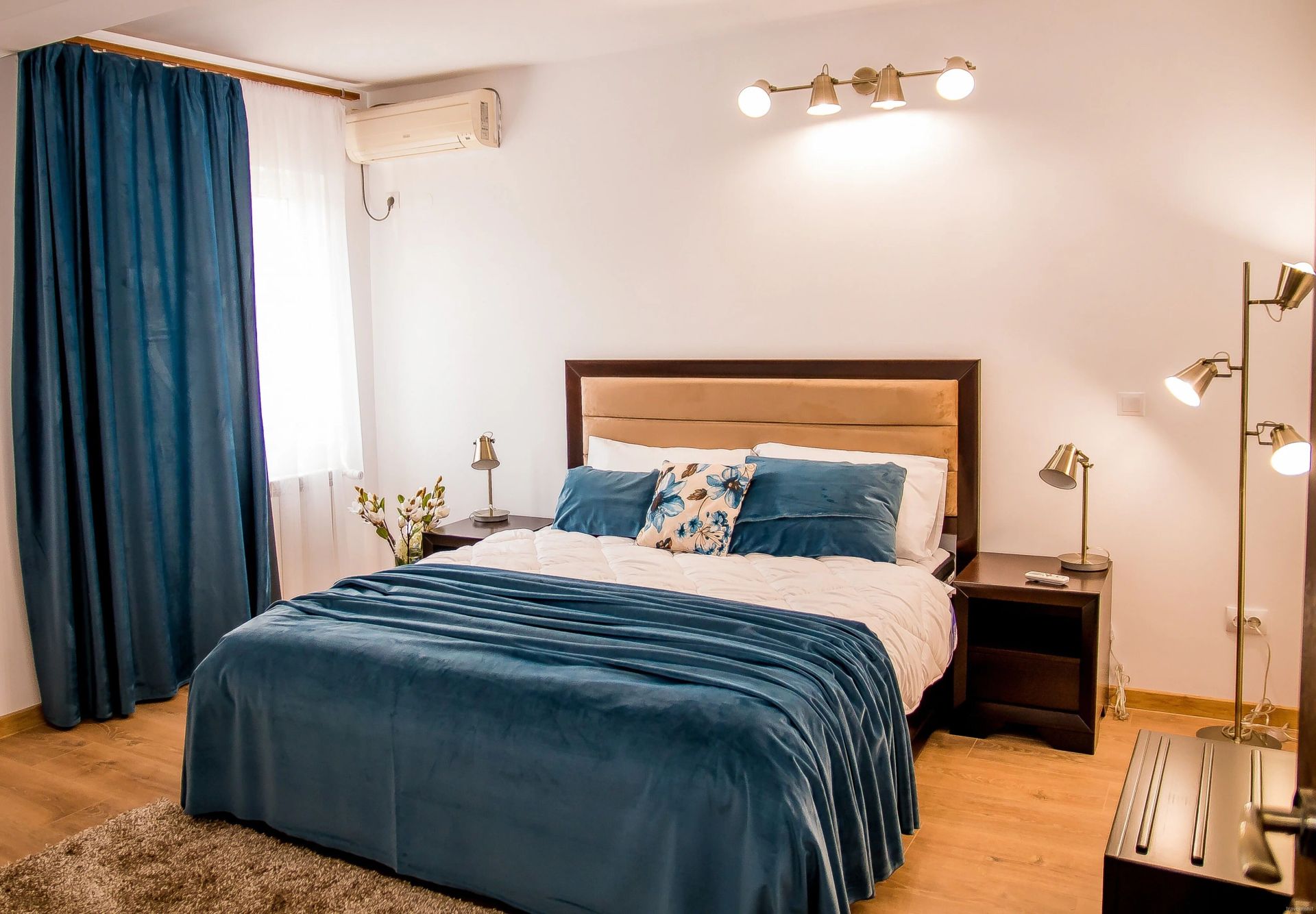
THR Center Hotel Curtea de Argeș este un hotel cu trei stele situat în localitatea Curtea de Argeș, județul Argeș, pe bulevardul Basarabilor numărul 125. Pentru confortul dumneavoastră, unitatea pune la dispoziție Wi-Fi gratuit, parcare privată gratuită și un restaurant în incintă, facilități care contribuie la o ședere plăcută și lipsită de griji. Toate camerele beneficiază de balcon propriu și baie privată modernă, prevăzută cu cabină de sticlă și baterie de duș tropical. Fiecare cameră este dotată cu televizor cu ecran plat și telefon, fiind mobilată într-un stil clasico-modern care satisface cerințele și celor mai pretențioși clienți. Hotelul oferă o vedere către centrul orașului Curtea de Argeș și se află în apropierea unor importante obiective istorice și religioase, printre care Catedrala Regală din Curtea de Argeș, Mănăstirea Curtea de Argeș, Colecția Muzeală a Mănăstirii Ortodoxe Curtea de Argeș, Biserica domnească Sfântul Nicolae din Curtea de Argeș și Biserica Episcopală „Adormirea Maicii Domnului”. Vă așteptăm la THR Center Hotel Curtea de Argeș.
FROM
290 lei per night
Holiday villa · 3 stars
Curtea de Argeș, Argeș County · 1.7 km
Casa de vacanță Daria Curtea de Argeș
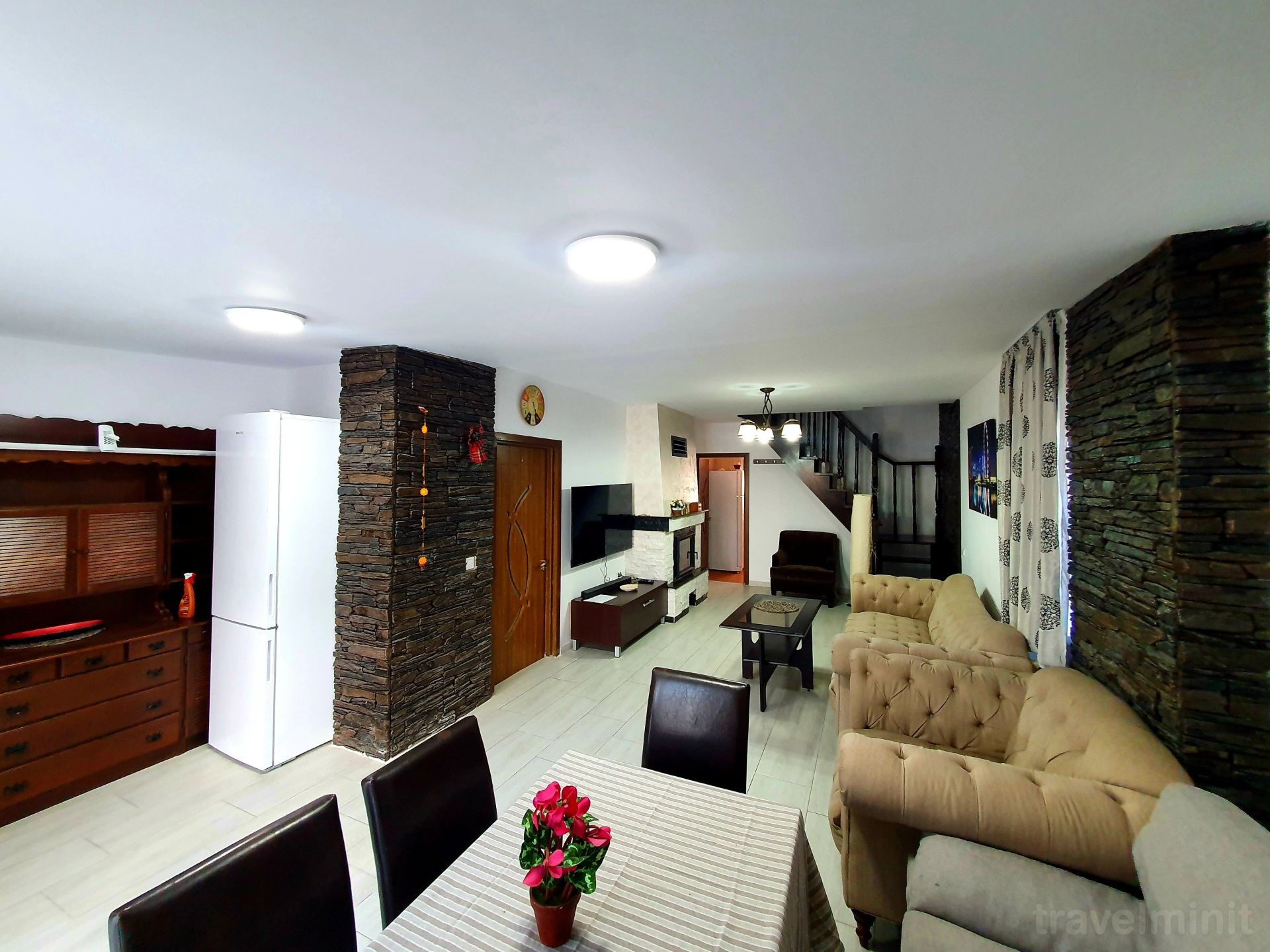
Casa de vacanță Daria din Curtea de Argeș vă pune la dispoziție un ceaun pentru gătit în aer liber, alături de un grătar, astfel încât să vă bucurați de mese preparate chiar în curtea casei. Vila oferă cinci camere confortabile și bine amenajate, potrivite pentru un sejur relaxant în această localitate. Pentru confortul dumneavoastră, unitatea dispune de parcare privată gratuită, Wi-Fi gratuit și un spațiu dedicat pentru depozitarea bagajelor. Astfel, vă puteți deplasa fără griji în zonă și puteți păstra lucrurile personale în siguranță pe toată durata șederii. În apropiere se află Catedrala Regală din Curtea de Argeș, Mănăstirea Curtea de Argeș, Biserica domnească Sfântul Nicolae, Colecția Muzeală a Mănăstirii Ortodoxe Curtea de Argeș și Biserica Episcopală „Adormirea Maicii Domnului”. Aceste obiective istorice și religioase pot fi vizitate cu ușurință în timpul șederii dumneavoastră. Preluarea camerei se face de la ora 15:00, iar eliberarea până la ora 11:00. Personalul vorbește limba română și engleză, iar plata se poate efectua prin numerar, card bancar sau transfer bancar. Pentru garantarea rezervării este necesar un avans de 30%. Seara, după o zi petrecută la obiectivele istorice din zonă, vă puteți relaxa pregătind cina la ceaun în aer liber.
FROM
280 lei per night
BEFORE YOU HIT THE ROAD
Weather conditions in Curtea de Argeș
Local forecast for The Royal Cathedral in Curtea de Argeș., Curtea de Argeș, Argeș

Real-time updated weather data
Much more to explore in this area
Nearby tourist attractions


Sibiu, Sibiu County
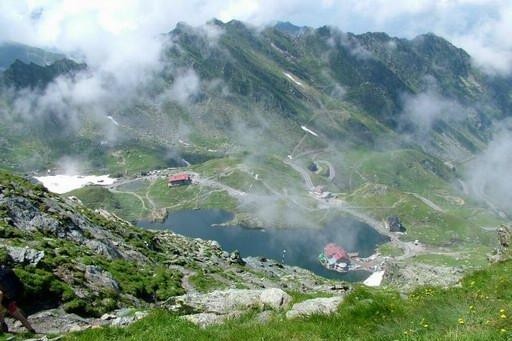
Bâlea Lake
Situat in Muntii Fagaras, la Obarsia Cartisoarei, care se afla la o altitudine de 2.034 metri, langa soseaua Transfagarasan din judetul Sibiu; in perioada...
50.0 km
Albestii, Argeș County
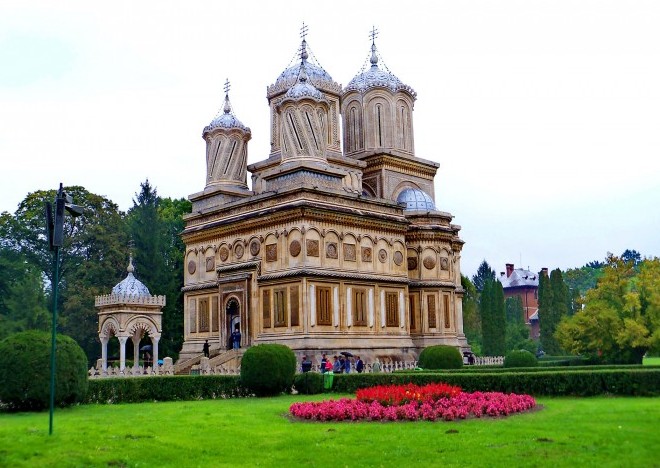
Curtea de Argeș Monastery
Situata pe strada Basarabilor nr. 1, in apropierea centrului orasului Curtea de Arges; construita intre 1515-1517, de catre Neagoe Basarab, pe locul vechii...
0.1 km

Albestii, Argeș County
Vidraru Lake and Dam
Situat intre Muntii Fruntii si Masivul Ghitu; lac de acumulare creat in anul 1965; construirea barajului Vidraru a durat cinci ani si jumatate; suprafata...
23.7 km
Albestii, Argeș County
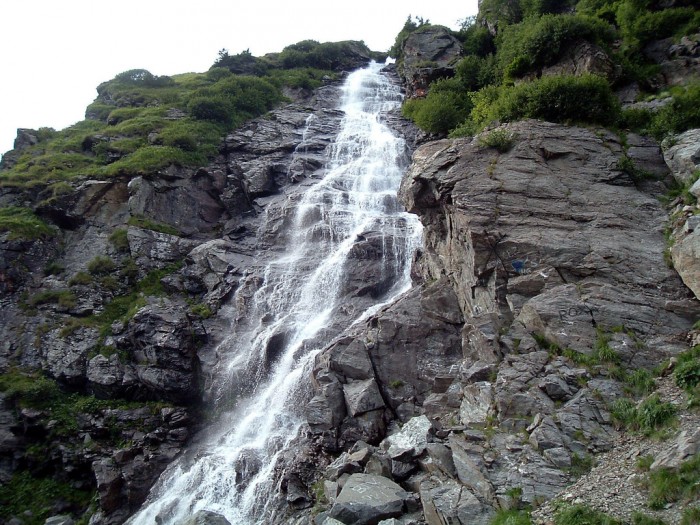
Goat Waterfall on the Transfăgărășan Highway
Situata in apropiere de cota 2.000, pe versantul sudic al Muntilor Fagaras, chiar langa soseaua Transfagarasan, intre cabana Capra si Lacul Balea, pe DN7C;cunos...
48.0 km
Mateias, Argeș County
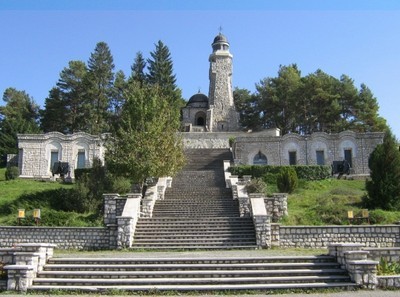
Mateiaș Heroes' Mausoleum
Situat in comuna Mateias, judetul Arges;dedicat eroilor din Razboiul de Intregire Nationala dintre anii 1916-1918; ridicat intre anii 1928-1935, de catre...
39.3 km
Albestii, Argeș County
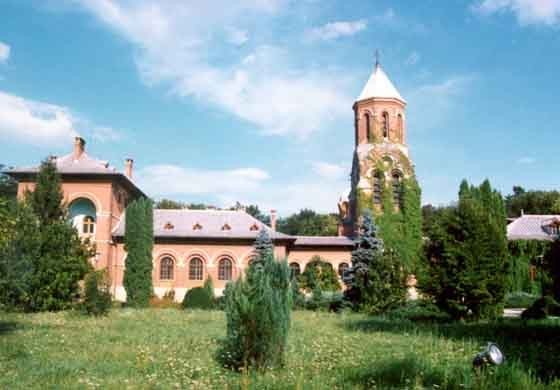
Museum Collection of Curtea de Argeș Monastery
Situata pe bulevardul Basarabilor nr. 1, Curtea de Arges; pune in valoare cele trei biserici de lemn, cruci in lemn, fresca legendei Mesterului Manole in sala "...
0.7 km
Albestii, Argeș County
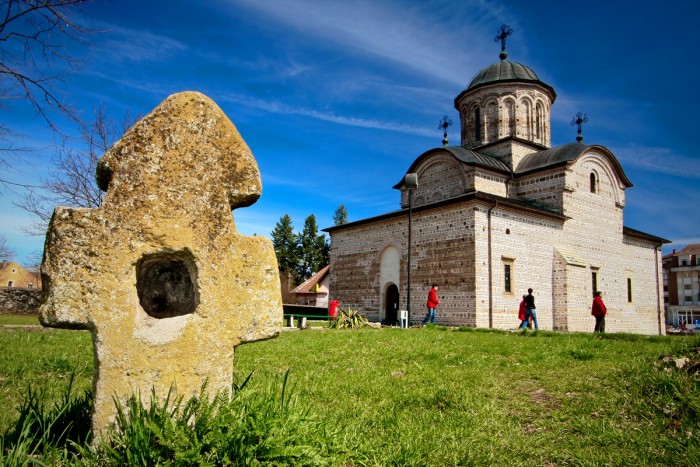
Princely Church of Saint Nicholas in Curtea de Argeș
Situata pe strada Negru Voda nr. 2, Curtea de Arges;ctitorita in anul 1352, in timpul domnitorului Basarab I, se numara printre cele mai maiestuoase monumente...
1.4 km

Valcea, Vâlcea County
Govora Spa
Situata in nord-estul Olteniei, intr-o depresiune subcarpatica, la 21 de km de Ramnicu Valcea;este traversata de raul Hinta si inconjurata de dealuri acoperite...
39.8 km

25.5 km
România, Transylvania
Grupa montană Iezer-Păpușa-Făgăraș
Subgroup of the Southern Carpathian mountains in central Romania
47.6 km
47.7 km
49.4 km
Cultural life and traditions
Events in the The Royal Cathedral in Curtea de Argeș. area
Medieval festivals, traditional fairs, concerts and local activities recommended in Muntenia (Wallachia).

History and Royal Architecture

Curtea de Argeș, County of Argeș
Days of Royalty and Heritage in the Prahova Valley
Historical conferences open to the public, themed tours of royal architecture, documentary screenings and exhibitions of vintage photographs.
WHEN
May 10-12, 2026


Gastronomy and Oenology
Dealu Mare, County of Argeș
The Prahova Wine Festival on the Wine Route
Guided tastings of Fetească Neagră along the famous Wine Route, visits to historic wineries, and meetings with leading winemakers.
WHEN
Every weekend (September - October)
Hiking and Adventure
Bucegi Mountains, Argeș County
Guided Mountain Tour in the Bucegi Mountains
Guided mountain tours led by mountain rescue personnel to iconic panoramic viewpoints and spectacular alpine waterfalls.
WHEN
Daily during the season (June - October)
On foot, exploration gains depth
Discover the surroundings and local geography
Explore the trails, terrain, and natural landmarks around The Royal Cathedral in Curtea de Argeș..

Guides and practical tips
Useful travel articles
Travel guides, practical recommendations and tourist itineraries for Muntenia (Wallachia).

Tourist guide
Top 5 Atracții Turistice și Trasee Montane în Zona Moieciu - Bran
Descoperă cele mai spectaculoase peisaje carstice, chei adânci și cetăți medievale din imediata apropiere a stațiunii Moieciu.

Tourist guide
Ghid de Drumeție: Traseul Moieciu de Sus spre Platoul Bucegi
Un itinerariu montan de o frumusețe rară ce urcă din Valea Băngăleasa spre Poiana Guțanu și crestele maiestuoase ale Bucegilor.

Tourist guide
Castelul Bran: Istorie, Legende și Secrete Medievale
Află adevărata poveste a fortăreței medievale din Pasul Bran, reședința de suflet a Reginei Maria a României.
THE JOURNEY STARTS WITH AN IDEA
The next story is on the way.
From the first stop to the last stay, make room for a new Romania.
