


NATURE AND WILDLIFE · MUNTENIA (WALLACHIA)
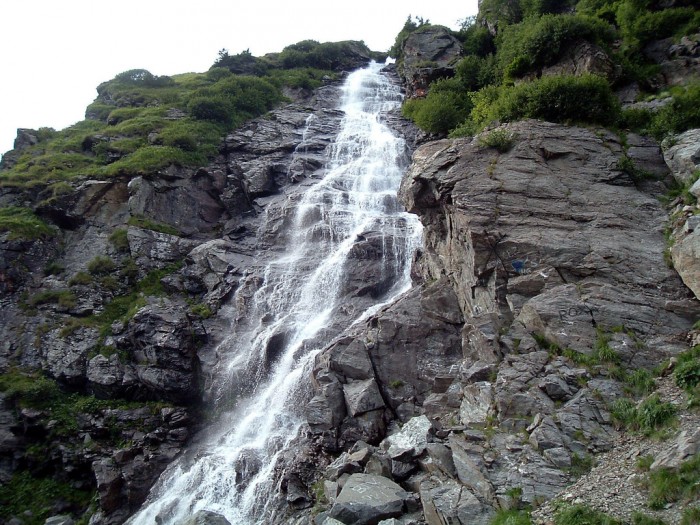
Goat Waterfall on the Transfăgărășan Highway

Albestii, Argeș County
Add location to your trip planner.
Practical access information

VISITING HOURS
The Piatra Neagră – Bâlea Lake – Bâlea Waterfall section is officially open between July 1st and October 31st

TICKET PRICE
Free road access; Bâlea Cascadă – Bâlea Lac cable car: 50 RON per trip (adults), 25 RON per trip (children)

RECOMMENDED VISIT DURATION
4-6 hours (complete road trip with stops)


Visitor information and guide
 Navigate with Google Maps

ABOUT GOAT WATERFALL ON THE TRANSFĂGĂRĂȘAN HIGHWAY
An Alpine Jewel on Southeast Europe’s Most Strategic Road
In the heart of the Southern Carpathians, where the sky seems to descend to rest upon the granite crests of the Făgăraș Mountains, Goat Waterfall unfolds with millennia-old grace on the southern slope of the massif, at an impressive altitude of approximately 2,000 meters. Also known by its poetic name, Iezer Waterfall, this 35-meter-high cascade is far more than a simple natural phenomenon; it is a liquid symphony that tells the story of the meeting between two distinct historical worlds: Wallachia and Transylvania, two provinces separated for centuries by this imposing mountain ridge. Located in the commune of Albești, Argeș County, right beside the legendary DN7C Transfăgărășan Highway, the waterfall offers modern travelers a contemplative pause on a route that has, in recent decades, become one of Europe’s most celebrated alpine roads, attracting automotive enthusiasts, tourists, and adventurers from around the globe.
The cultural significance of this place transcends the physical boundaries of geography. Goat Waterfall is a symbol of nature’s resilience in the face of human ambition, a silent witness to history flowing as swiftly as its waters over rocks millions of years old. It represents the culmination of a tourist experience that blends the sublimity of the glacial landscape with the thrill of traversing Romania’s highest paved road, creating an atmosphere of mystery and reverence comparable to that found in the alpine sanctuaries of Switzerland, Austria, or Northern Italy.
Historical Roots and Major European Connections
To fully grasp the grandeur of Goat Waterfall and the road that accompanies it, we must look back in time to the deep layers of European history that have shaped this region. The Făgăraș Mountains, with their towering peaks reaching 2,544 meters at Moldoveanu, Romania’s highest point, have always been a natural barrier and, at the same time, a strategic passage. Since antiquity, when the legions of the Roman Empire traversed Dacia, these ridges represented both a defensive frontier and an essential communication route between the imperial provinces. The road now known as the Transfăgărășan Highway has its roots in ancient Dacian and Roman paths, later followed by the medieval trails of shepherds and merchants who crossed the Carpathians to connect the Romanian lands with the commercial centers of Central Europe.
During the medieval period, the border between Wallachia and Transylvania—then under the influence of the Kingdom of Hungary and later the Habsburg Monarchy—ran along these very crests. The Bâlea Pass and its surrounding areas witnessed numerous conflicts and alliances between Wallachian voivodes and Hungarian or Austrian nobility. Unlike the alpine roads of the Austro-Hungarian Empire, built for commercial and tourist purposes in the 19th century, such as the Stelvio Pass or the Grossglockner High Alpine Road, the Transfăgărășan was conceived in a completely different era, marked by the tensions of the Cold War. Officially inaugurated on September 20, 1974, in the presence of Nicolae Ceaușescu, this road represents a distinct chapter in the history of European infrastructure, constructed as a direct strategic response to the Soviet invasion of Czechoslovakia in August 1968, when Warsaw Pact troops crushed the Prague Spring.
The Transfăgărășan project, carried out between 1970 and 1974 by the engineering troops of the Romanian Army, is part of a European tradition of military engineering rooted in the construction of ancient Roman roads, such as the Via Appia or Via Militaris, but adapted to the atomic age and the Cold War. Like the great European alpine roads—such as the Stelvio Pass in the Italian Alps, built between 1820 and 1825 under Austrian rule, or the Grossglockner High Alpine Road in Austria, opened in the 1930s—the Transfăgărășan traverses landscapes of rare wilderness. However, its particularity lies in its military dimension and the human sacrifice involved. Over 830 bridges and 27 viaducts support the highway over a length of approximately 90 kilometers, with the most spectacular engineering feats including the Bâlea-Capra Tunnel, 887 meters long, the longest road tunnel in Romania, which pierces the ridge beneath the Bâlea Pass at an altitude of 2,042 meters.
A Masterpiece of Engineering and Constructivist Poetry
The architecture of the Transfăgărășan Highway and its associated infrastructure, including the area around Goat Waterfall, reflects a brutalist aesthetic specific to the 1970s, when reinforced concrete and dynamite were transformed into tools for conquering nature. The construction required the displacement of millions of tons of rock and the use of 6,520 tons of dynamite, including 20 tons for the Bâlea-Capra Tunnel alone. These impressive figures, in terms of human effort, place the Romanian project within a broader European context of major 20th-century infrastructure works, comparable to the construction of the Panama Canal or Swiss dams, though its purpose was eminently military and strategic.
The "Meeting Gate" monument, located at an altitude of 1,600 meters, is a remarkable architectural and commemorative landmark, marking the spot where, on August 16, 1971, two military engineering subunits, working from opposite directions on the northern and southern slopes of the mountain, first met, definitively breaking through the stone barrier. This moment, encapsulated in a concrete monument evoking the form of a triumphal arch, symbolizes humanity’s victory over nature and, at the same time, national unity during a period of international isolation for Romania. The human cost of the construction remains a subject of historical debate: while the official toll records 40 deaths, eyewitnesses and subsequent research suggest much greater losses, possibly even hundreds of lives, sacrificed in the name of a geopolitical ambition that far exceeded the civilian needs of the population.
Stories, Personalities, and Turning Points
The story of Goat Waterfall is inseparable from the legends surrounding the construction of the road above it. Locals from the Albești area and the Capra Valley preserve in their collective memory the stories of military workers, many of them young recruits, who labored in extreme conditions, at temperatures as low as minus 20 degrees Celsius, with rudimentary equipment, dynamite in their pockets, and hope for a better future. Every hairpin turn of the road, every cubic meter of concrete poured into the Bâlea-Capra Tunnel bears the imprint of these anonymous individuals, unsung heroes of an era that left behind both national pride and sorrow.
Another notable figure in the recent history of this place is British presenter Jeremy Clarkson, who, in a BBC Top Gear episode, described the Transfăgărășan as "the best road in the world." This international recognition transformed Goat Waterfall and its surroundings from a simple stopping point into a pilgrimage destination for automotive enthusiasts across Europe, from German BMW fans to French and Italian tourists seeking adventure. Visiting the waterfall has thus become a cultural ritual, a moment of respite on a journey that tests the limits of both cars and human courage.
The moment of the official inauguration, on September 20, 1974, when Nicolae Ceaușescu cut the ribbon at the entrance to the Bâlea Tunnel, remains an episode laden with political symbolism. The communist leader’s presence turned an engineering achievement into a propaganda tool, demonstrating the regime’s ability to mobilize national resources for large-scale projects. Over time, however, the Transfăgărășan Highway and Goat Waterfall have transcended the political context of their creation, becoming part of Europe’s shared natural and cultural heritage, a place where history meets nature in an ongoing dialogue.
Natural Heritage and European Biodiversity
Goat Waterfall draws its waters from Lake Capra, a glacial lake situated in the heart of the Făgăraș Massif, the highest and wildest mountain range in Romania. The formation of this lake, like the entire glacial landscape of the area, dates back to the Quaternary period, when alpine glaciers sculpted U-shaped valleys and left behind moraines and glacial cirques. The lake’s waters freeze only in extremely harsh winters, due to the constant flow and the protection offered by the surrounding slopes, creating a unique microclimate at over 2,000 meters altitude. Nearby rise the peaks of Iezerul Caprei, at 2,414 meters, and Paltinul, at 2,398 meters, both offering views that rival those of the Swiss or French Alps.
The area is part of the Făgăraș Mountains Alpine Meadows Natural Reserve, a biodiversity sanctuary unique in Southeast Europe. Here live protected species such as the chamois, brown bear, wolf, and lynx, alongside a remarkable alpine flora with over 400 plant species, many of them endemic or rare. Compared to the alpine ecosystems of Austria, Switzerland, or France, the Făgăraș Mountains still preserve vast areas of unspoiled wilderness, providing a habitat for wildlife that has disappeared from many other regions of Europe. Goat Waterfall, with its constant murmur and air rich in negative ions, contributes to creating a natural therapeutic environment, recognized in traditional medicine for its beneficial effects on the respiratory and nervous systems.
Practical Guide for the European Traveler
For the discerning traveler seeking to fully experience the magic of Goat Waterfall, careful planning is essential. The high-altitude section between Piscu Negru, Bâlea Lake, and Bâlea Waterfall is open to vehicular traffic only between July 1 and October 31, depending on weather conditions and snow cover. Access to the DN7C is free, but during the summer season, the road imposes nighttime restrictions between 10:00 PM and 6:00 AM, and the recommended speed is 40 km/h due to dangerous hairpin turns and significant altitude changes. Travelers are advised to set out early in the morning to avoid crowds and to enjoy the best light for photography, when the sun’s rays pierce the morning mist and create rainbow effects in the waterfall’s spray.
In winter, when snow covers the ridge and the road becomes impassable, the waterfall remains accessible via the Bâlea Cascadă – Bâlea Lac cable car. This modern installation, with heated cabins, offers a spectacular 10-minute journey above a frozen landscape, at affordable rates: 50 RON for adults and 25 RON for children, per trip. Visitors who choose this option can admire the polar landscape of the frozen waterfall, a spectacle of ice and slowly moving water that starkly contrasts with the warmth of summer. Parking near Bâlea Lake is paid, approximately 10 RON per hour, and tourists are advised to wear clothing suitable for temperatures above 2,000 meters, where summer temperatures can drop below 10 degrees Celsius, and the wind can blow strongly.
For a complete experience, visitors can combine a stop at Goat Waterfall with a hike to Capra Hut or a walk around Bâlea Lake, another glacial lake of exceptional beauty. There is also the possibility of climbing the neighboring peaks, though this requires appropriate equipment and mountaineering experience. Regardless of the season, Goat Waterfall remains a place of encounter between humanity and nature, between past and present, between Eastern and Western Europe, inviting reflection on the power of waters that have flowed ceaselessly for millennia and the roads that connect peoples in a shared European destiny.
Media gallery
Discover Goat Waterfall on the Transfăgărășan Highway in pictures

20 photos · Architecture, courtyards and captivating details


Image source: Wikimedia Commons · Public domain photos · Free license
STAY A FEW DAYS, DISCOVER THE MAGIC
Accommodation in the Goat Waterfall on the Transfăgărășan Highway area

Hotel · 3 stars

Arefu, Argeș County · 0.4 km
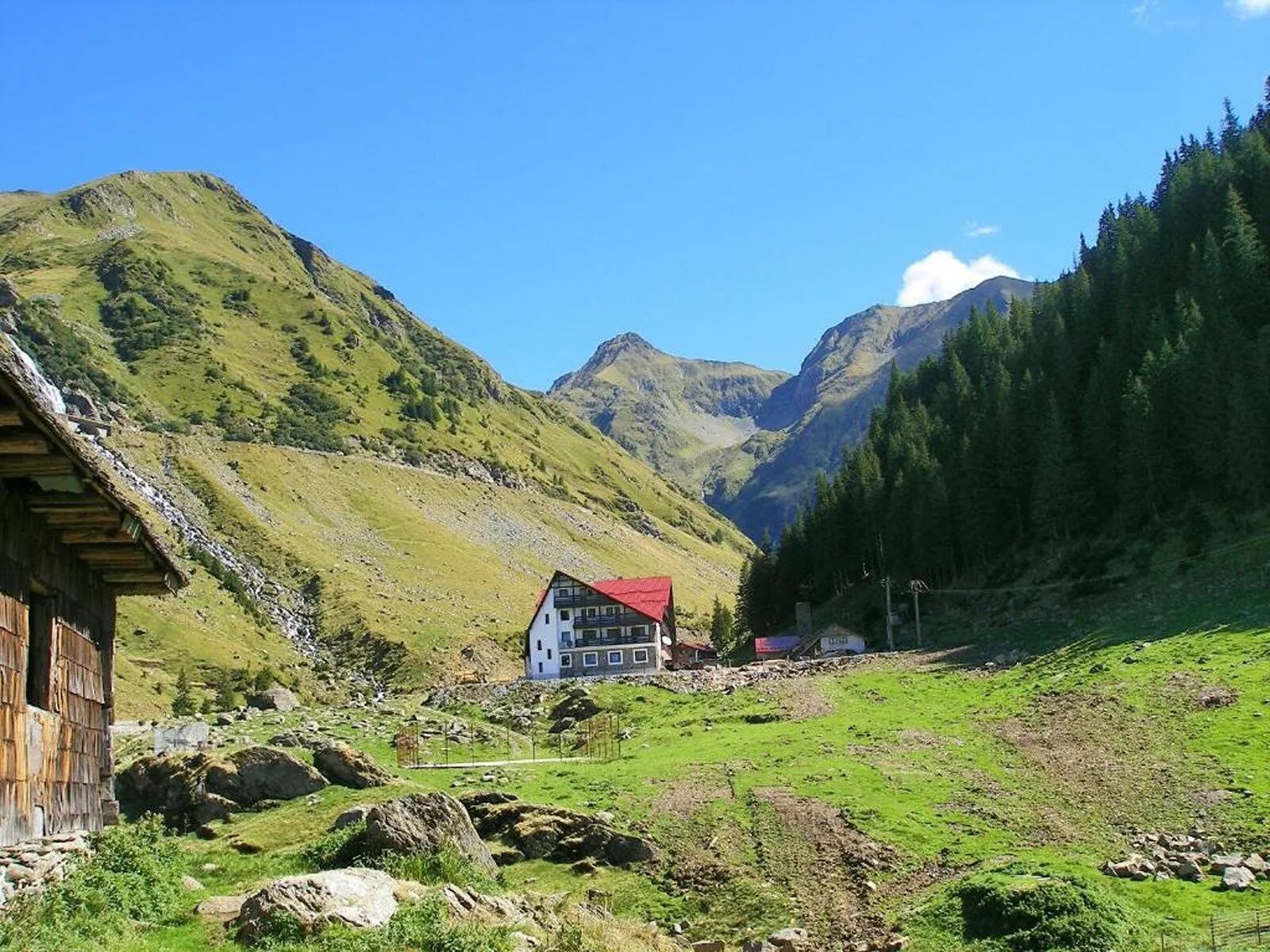
Hotel Pârâul Capra Arefu
Familiile cu copii și iubitorii de natură se vor simți bineveniți la Hotel Pârâul Capra din Arefu, județul Argeș. Situată pe Transfăgărășan, unitatea oferă un cadru potrivit pentru relaxare în mijlocul munților, cu aer curat și priveliști spectaculoase care invită la plimbări lungi și la explorarea împrejurimilor montane de pe acest drum celebru. Pentru confortul dumneavoastră, hotelul dispune de un loc de joacă pentru copii la exterior, de o curte mare și o grădină amenajată unde întreaga familie se poate bucura de timpul petrecut în aer liber. De asemenea, beneficiați de parcare privată gratuită pentru vehiculul dumneavoastră și de Wi-Fi gratuit, astfel încât să vă bucurați de o ședere confortabilă și fără nicio grijă. În apropiere puteți vizita Lacul Bâlea, Cascada Bâlea și Cascada Capra de pe Transfăgărășan, puteți urca spre Vârful Lespezi din Munții Făgăraș sau puteți explora Grupa montană Iezer-Păpușa-Făgăraș. Aceste obiective naturale oferă oportunități variate pentru drumeții, fotografii și descoperirea frumuseților autentice ale zonei montane, într-un cadru natural deosebit. Vă așteptăm la Hotel Pârâul Capra Arefu.
FROM
290 lei per night

Cabin · 3 stars
Arefu, Argeș County · 2.4 km
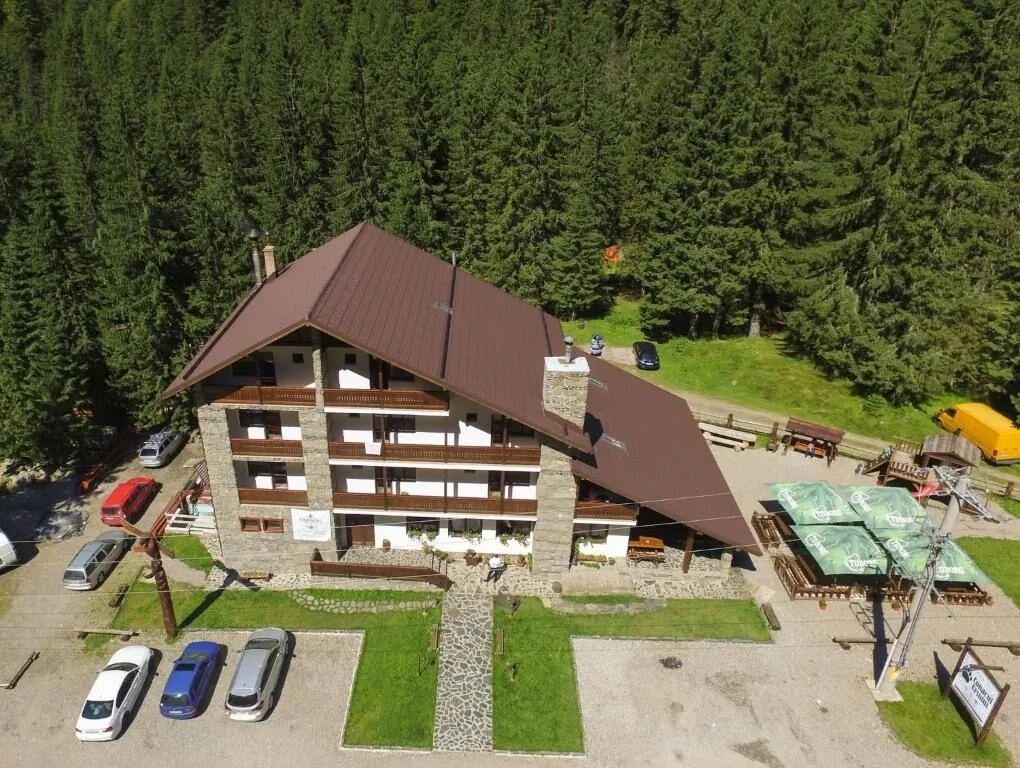
Cabana Conacul Ursului Arefu
O zi începută cu cafea în barul din incintă și încheiată cu o cină preparată în restaurantul cu bucătărie tradițională se desfășoară într-un cadru montan autentic la Cabana Conacul Ursului din Arefu, o cabană clasificată cu trei stele situată pe drumul principal Transfăgărășan la km 104. Spațiile de cazare asigură confortul necesar pentru un sejur plăcut, iar familiile cu copii beneficiază de un loc de joacă amenajat la exterior și de scaun înalt pentru cei mici. Conexiunea Wi-Fi gratuit funcționează în întreaga incintă, iar curtea mare și grădina amenajată oferă spațiu generos pentru relaxare și activități în aer liber. De aici pornesc drumeții montane și trasee în natură care conduc spre peisaje impresionante. În apropiere se află Lacul Bâlea, Cascada Bâlea, Cascada Capra de pe Transfăgărășan, Vârful Lespezi din Munții Făgăraș și Grupa montană Iezer-Păpușa-Făgăraș, obiective care completează experiența montană. Pentru acces, urmați drumul principal Transfăgărășan până la km 104, venind dinspre Curtea de Argeș sau, între iulie și noiembrie, dinspre Sibiu prin Cârțișoara, iar vă așteptăm să vă bucurați de șederea dumneavoastră.
FROM
270 lei per night
Hotel · 3 stars
Cârţişoara, Sibiu County · 2.4 km
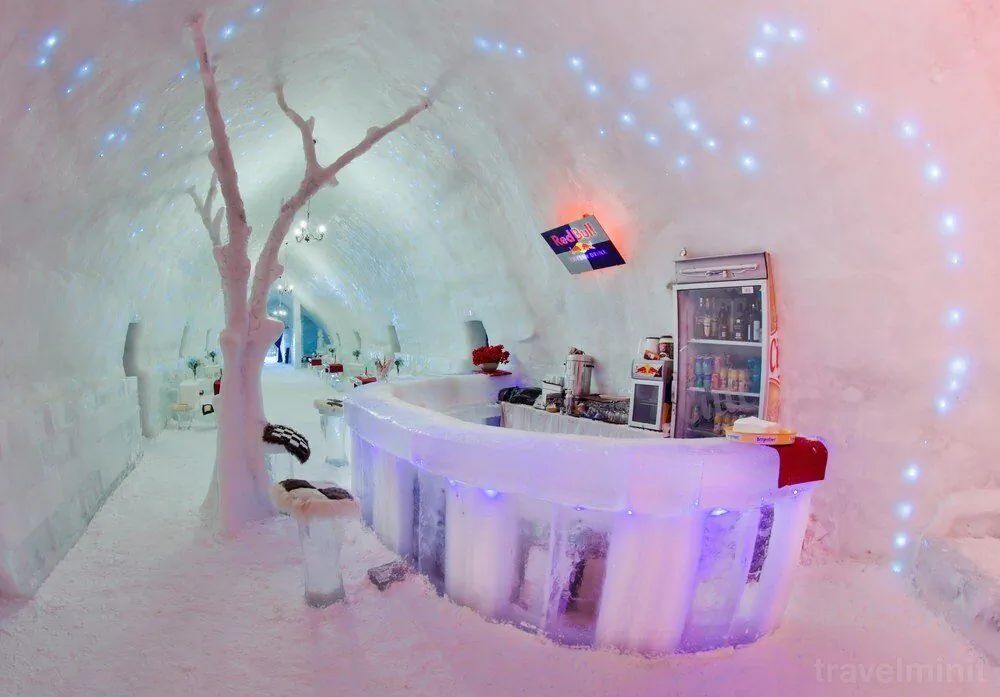
Hotel of Ice Cârțișoara
Pe traseul Bâlea Lac din localitatea Cârțișoara, județul Sibiu, se află Hotel of Ice Cârțișoara, o unitate de cazare de trei stele cu o arhitectură aparte. Construit în fiecare sezon din blocuri masive de gheață extrase direct din Lacul Bâlea și fixate cu zăpadă de pe versanți, hotelul reprezintă o experiență unică în turismul românesc. Fiecare iarnă aduce o nouă poveste, transpusă într-o structură cu design diferit pentru camere și spațiile comune. În incinta unității funcționează un restaurant unde oaspeții pot savura preparatele într-un cadru aparte, realizat integral din gheață și zăpadă. Pe lângă cazare, complexul oferă și alte spații amenajate pentru momente de liniște sau pentru organizarea unor evenimente speciale, toate construite din materiale oferite de natură. În apropiere se pot vizita Lacul Bâlea, Cascada Bâlea, Cascada Capra de pe Transfăgărășan, Vârful Lespezi din Munții Făgăraș și Stațiunea Bâlea. Aceste obiective naturale completează perfect șederea dumneavoastră, oferind peisaje spectaculoase și numeroase oportunități de explorare în aer liber. Vă așteptăm la Hotel of Ice Cârțișoara.
FROM
290 lei per night
Hotel · 3 stars
Arefu, Argeș County · 4.0 km
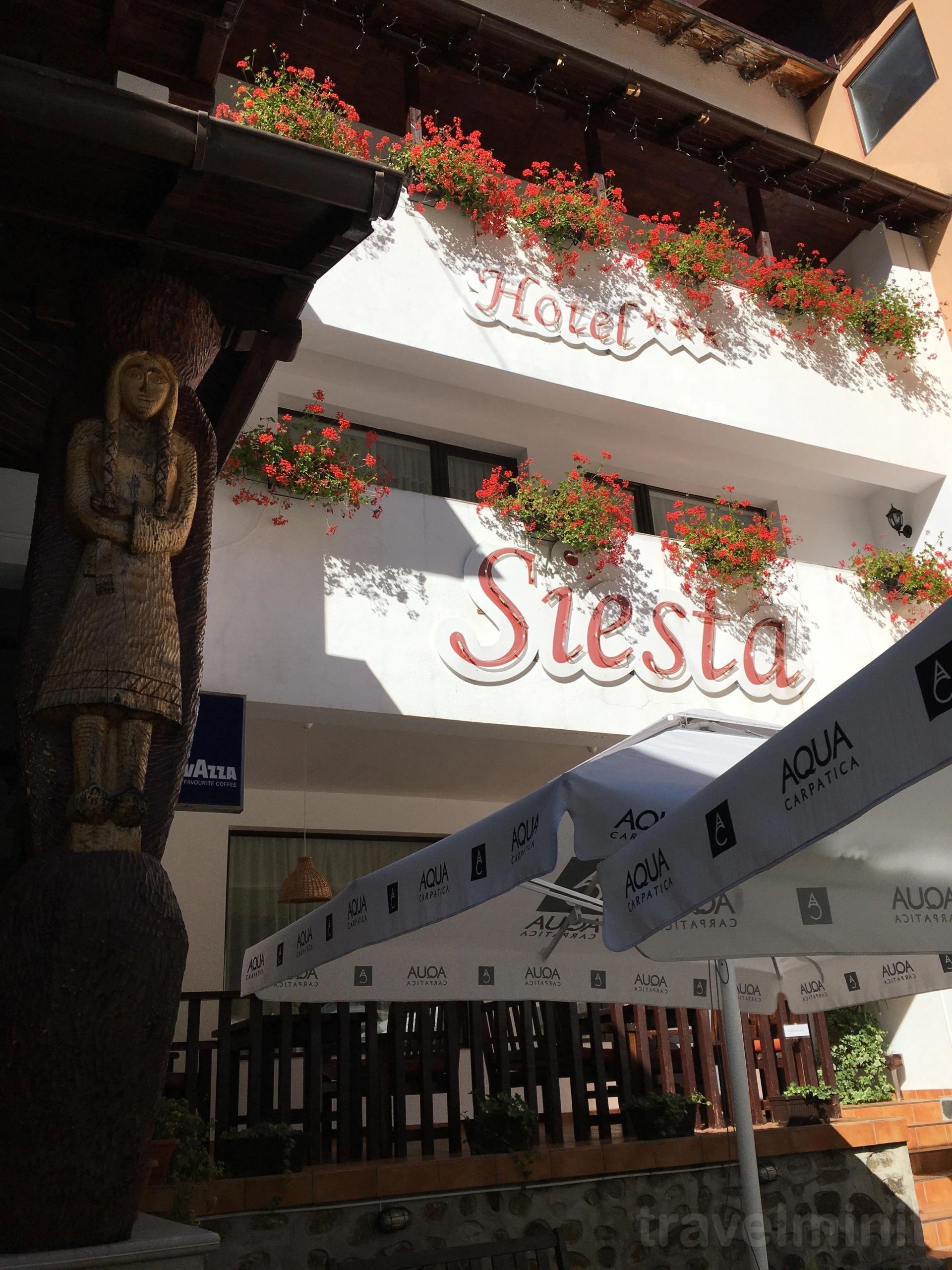
Hotel Siesta Arefu
Hotel Siesta Arefu este un hotel de trei stele situat în localitatea Arefu, județul Argeș, chiar pe drumul Transfăgărășanului DN7C. Cu cele 21 de camere ale sale, unitatea oferă cazare confortabilă într-un cadru montan pitoresc, la altitudine. Beneficiați de Wi-Fi gratuit în toate spațiile, parcare privată gratuită și o curte mare cu grădină amenajată unde vă puteți relaxa. Pentru familii, există un loc de joacă pentru copii la exterior și pătuț pentru bebeluși. Pentru seri plăcute în aer liber, aveți la dispoziție grătar sau barbeque, iar room service vă stă la dispoziție pentru confortul dumneavoastră. Poziția pe drumul Transfăgărășanului face din hotel un punct de plecare excelent către atracțiile naturale din Munții Făgăraș. În apropiere puteți vizita Lacul Bâlea, Cascada Bâlea, Cascada Capra de pe Transfăgărășan, Vârful Lespezi și Lacul Avrig. Vă așteptăm la Hotel Siesta Arefu, accesibil direct de pe drumul Transfăgărășanului, cu parcare privată gratuită disponibilă pentru dumneavoastră.
FROM
290 lei per night
Hotel · 3 stars
Arefu, Argeș County · 4.2 km
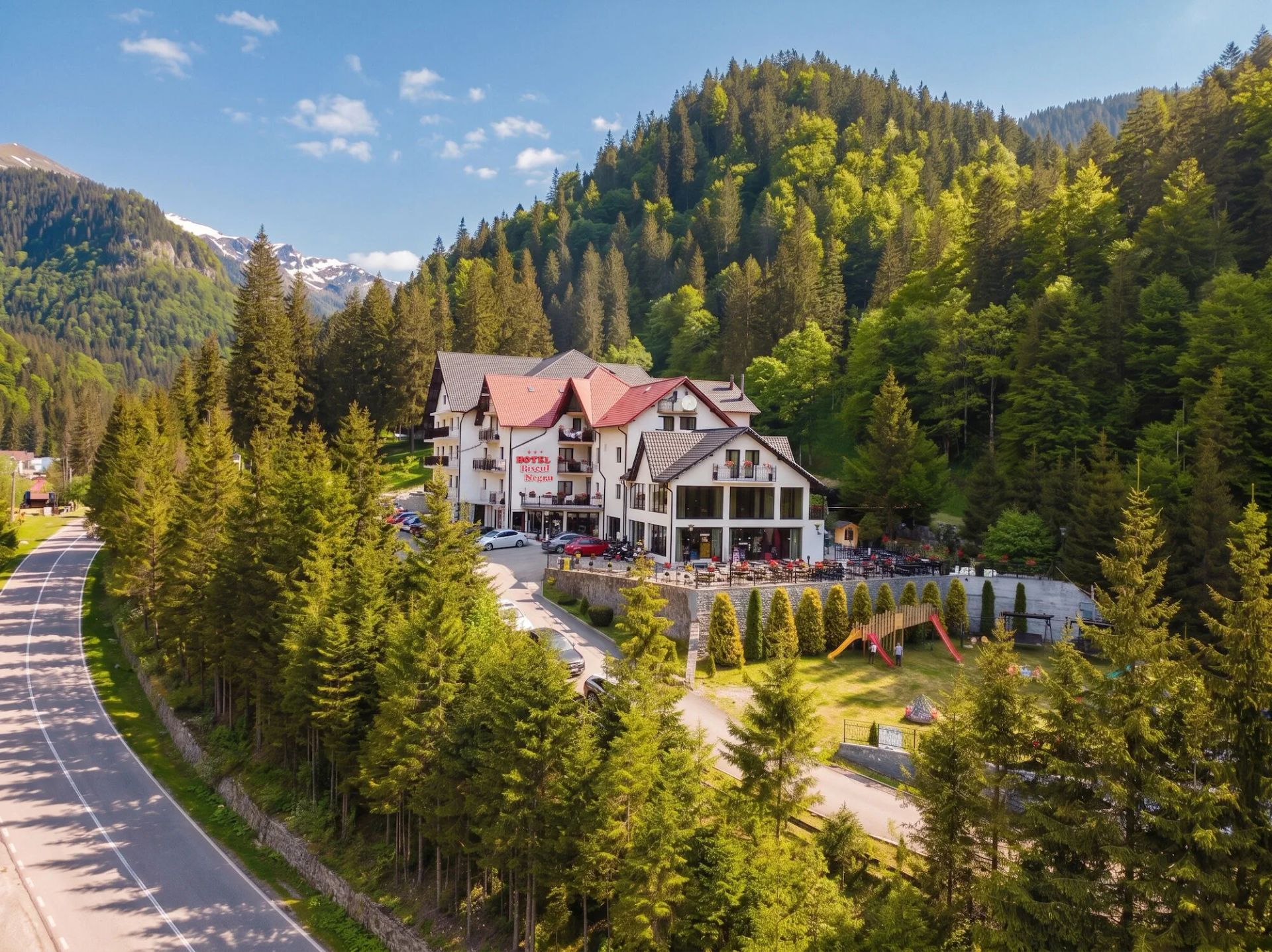
Hotel Piscul Negru Arefu
Familiile cu copii și iubitorii de natură se vor simți bine la Hotel Piscul Negru din Arefu, amplasat direct pe Transfăgărășan. Hotelul de trei stele oferă un cadru liniștit în mijlocul lanțului montan Făgăraș, potrivit pentru cei care doresc să se bucure de aer curat și peisaje montane autentice. Camerele beneficiază de aer condiționat și acces gratuit la Wi-Fi. Pentru cei mai mici oaspeți sunt disponibile pătuțuri pentru bebeluși și scaune înalte, iar în exterior există un loc de joacă special amenajat pentru copii. Grădina îngrijită și curtea mare oferă spațiu pentru plimbări și relaxare, în timp ce restaurantul din incintă servește preparate din bucătăria tradițională românească. Parcare privată gratuită este asigurată pentru confortul dumneavoastră. În vecinătate puteți descoperi Lacul Bâlea, Cascada Bâlea, Cascada Capra de pe Transfăgărășan, Vârful Lespezi din Munții Făgăraș și Lacul Avrig. Aceste puncte de interes vă permit să explorați peisaje spectaculoase și să vă bucurați de natura sălbatică a Carpaților în timpul șederii dumneavoastră, fiind ideale pentru activități în aer liber. Vă așteptăm la Hotel Piscul Negru.
FROM
290 lei per night
Cabin · 3 stars
Porumbacu de Sus, Sibiu County · 8.2 km
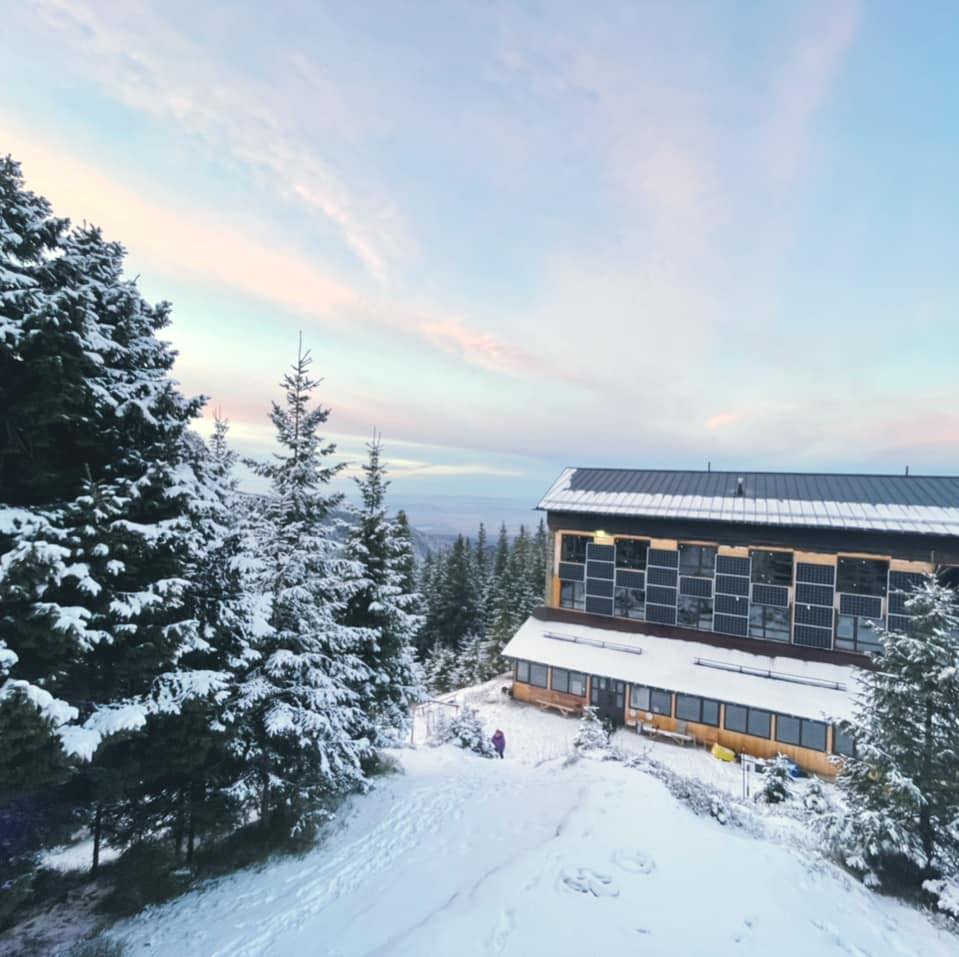
Cabana Negoiu
Cabana Negoiu se află la 1546 m altitudine, pe versantul nordic al Munților Făgăraș, pe Piscul Șerbotei, și este popasul celor care urcă spre Vârful Negoiu, Vârful Șerbota și creasta principală. La cabană se ajunge doar pe jos: mașina se lasă în zona Carierei de Marmură, la capătul drumului forestier din Porumbacu de Sus, apoi se urcă pe poteca marcată cu triunghi albastru. Cabana nouă are încălzire centralizată, camere cu baie proprie la mansardă și camere de 2 până la 10 locuri cu baie comună pe palier, iar cabana veche oferă condiții obișnuite de cabană montană. Oaspeții au la dispoziție restaurant cu șemineu, terasă, saună uscată și două terase mari la etaje, unde pot lua masa cu alimentele proprii. În interior se umblă în papuci, proprii sau oferiți de cabană. Istoria locului începe în 1881, când Asociația Carpatică Transilvană (SKV) din Sibiu a ridicat aici prima cabană. Clădirea de azi a fost construită între 1957 și 1962, inaugurată în 1963 și modernizată după 2017.
FROM
270 lei per night
BEFORE YOU HIT THE ROAD
Weather conditions in Albestii
Local forecast for Goat Waterfall on the Transfăgărășan Highway, Albestii, Argeș

Real-time updated weather data
Much more to explore in this area
Nearby tourist attractions


Cârțișoara, Sibiu County
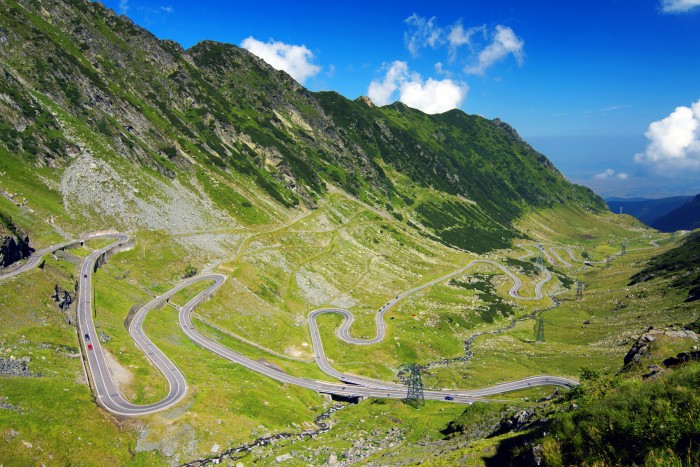
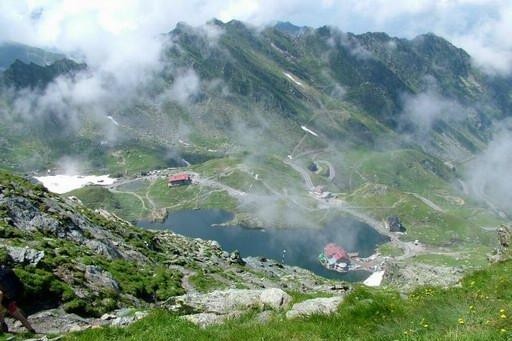
Transfăgărășan Highway and Bâlea Lake
Incepe in comuna Bascov din judetul Arges de langa orasul Pitesti, in directia orasului Curtea de Arges si se termina la intersectia cu drumul DN1 intre Sibiu...
16.4 km
Sibiu, Sibiu County
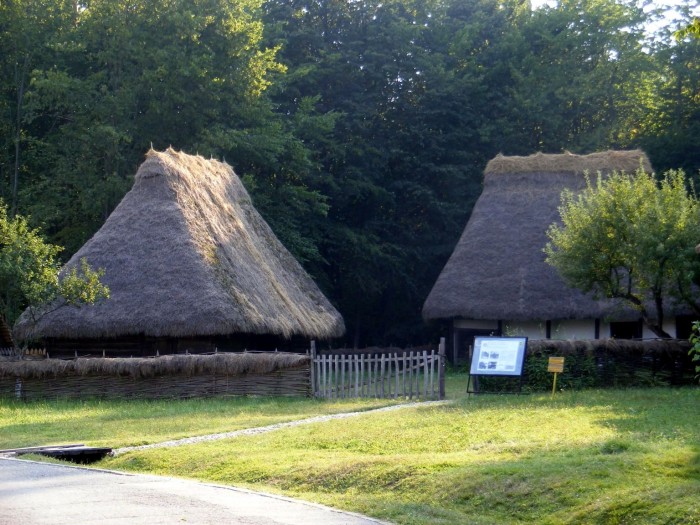
Bâlea Lake
Situat in Muntii Fagaras, la Obarsia Cartisoarei, care se afla la o altitudine de 2.034 metri, langa soseaua Transfagarasan din judetul Sibiu; in perioada...
2.2 km

4.6 km
Sibiu, Sibiu County
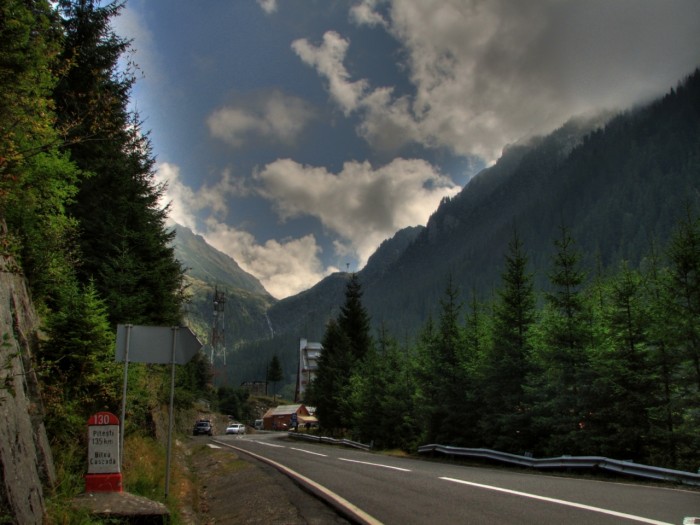
ASTRA Museum of Traditional Folk Civilization
Situat pe Calea Rasinari din localitatea Sibiu; este un muzeu in aer liber; a fost organizat cu incepere din anul 1963, sub denumirea de Muzeul Tehnicii...
44.3 km
Sibiu, Sibiu County
Bâlea Lake Resort
Situata in aria comunei Cartisoara din masivul Fagaras; se intinde pana la altitudinea de 2.500 m; include relieful alpin, lacul, flora si fauna din circul...
16.5 km
Sibiu, Sibiu County
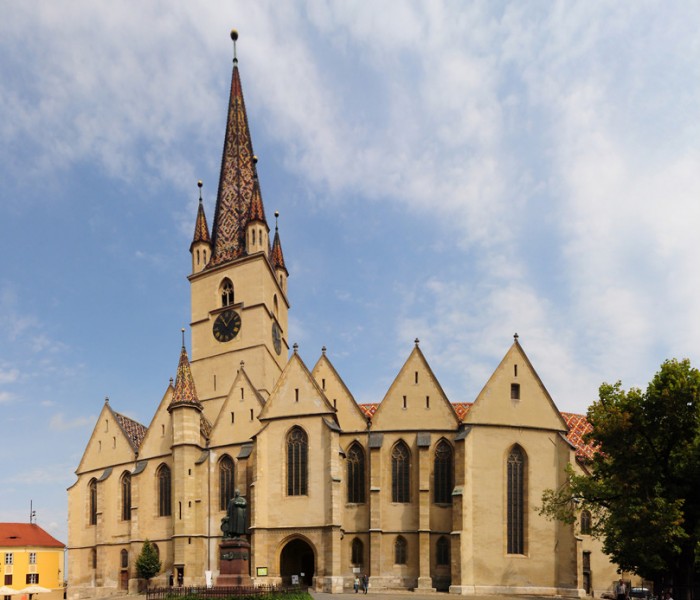
St. Mary's Evangelical Church
Situata in Piata Huet, localitatea Sibiu; a fost ridicata in secolul al-XIV-lea, pe locul unde exista o veche biserica inca din secolul al-XII-lea; cladirea...
44.2 km

Sibiu, Sibiu County
Brukenthal National Museum
Situat in Piata Mare nr.4-5; colectiile baronului von Brukenthal au luat nastere in principal intre anii 1759-1774, perioada pe care acesta a petrecut-o la...
44.1 km
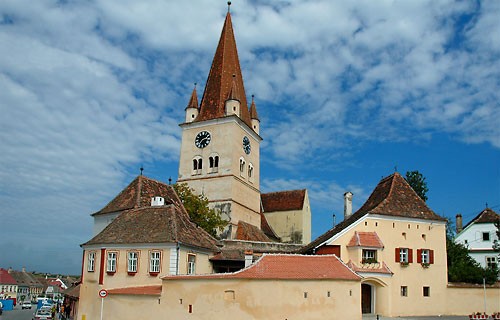
Sibiu, Sibiu County
The Fortified Evangelical Church of Cisnădie.
Situata pe strada Cetatii nr.1-3, localitatea Cisnadie; construita in secolul al XIII-lea; fortificata dupa atacul turcesc din 1493: turnul central a fost...
39.9 km
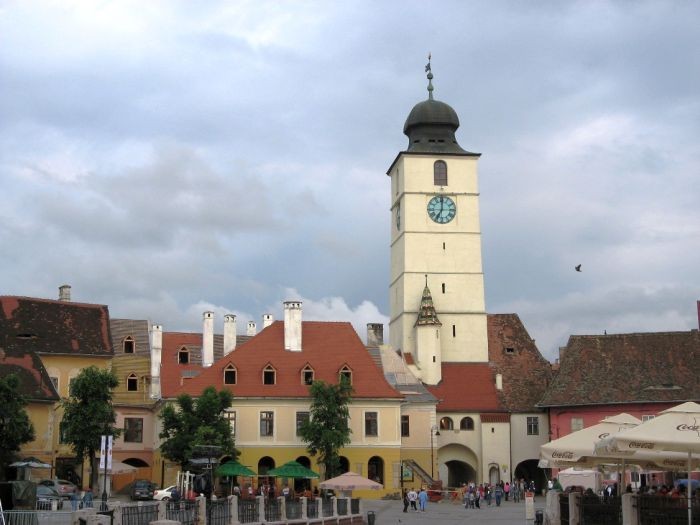
Sibiu, Sibiu County
The Council Tower
Situat in Piata Mica nr.1, localitatea Sibiu; construit deodata cu cea de-a doua incinta fortificata, intre anii 1224 si 1241; este considerat simbol al...
44.1 km
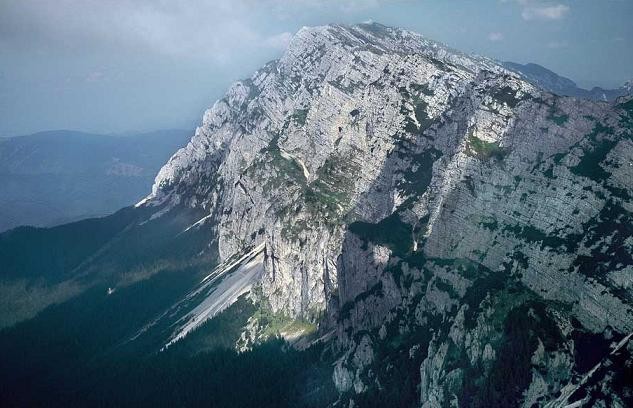
Brasov, Brașov County
Piatra Craiului National Park
Situat in Carpatii Meridionali;include Creasta Pietrei Craiului in totalitate si spatiile din culoarele intramontane limitrofe, Rucar - Bran si Rucar -...
47.1 km
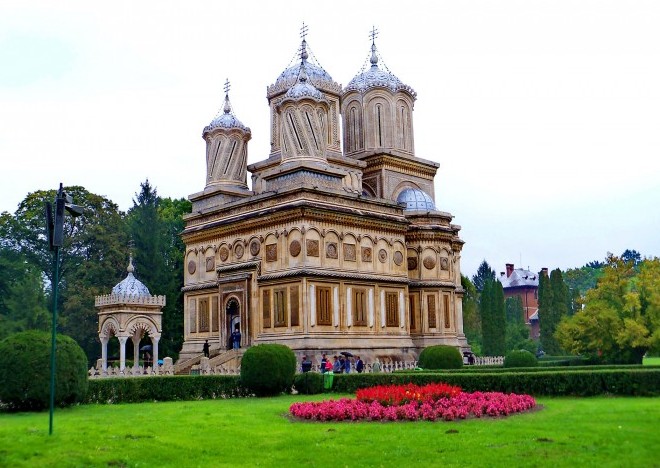
Albestii, Argeș County
Curtea de Argeș Monastery
Situata pe strada Basarabilor nr. 1, in apropierea centrului orasului Curtea de Arges; construita intre 1515-1517, de catre Neagoe Basarab, pe locul vechii...
47.8 km

Curtea de Argeș, Argeș County
The Royal Cathedral in Curtea de Argeș.
Catedrala din Curtea de Argeș, România
48.0 km
Cultural life and traditions
Events in the Goat Waterfall on the Transfăgărășan Highway area
Medieval festivals, traditional fairs, concerts and local activities recommended in Muntenia (Wallachia).

History and Royal Architecture

Albestii, County of Argeș
Days of Royalty and Heritage in the Prahova Valley
Historical conferences open to the public, themed tours of royal architecture, documentary screenings and exhibitions of vintage photographs.
WHEN
May 10-12, 2026


Gastronomy and Oenology
Dealu Mare, County of Argeș
The Prahova Wine Festival on the Wine Route
Guided tastings of Fetească Neagră along the famous Wine Route, visits to historic wineries, and meetings with leading winemakers.
WHEN
Every weekend (September - October)
Hiking and Adventure
Bucegi Mountains, Argeș County
Guided Mountain Tour in the Bucegi Mountains
Guided mountain tours led by mountain rescue personnel to iconic panoramic viewpoints and spectacular alpine waterfalls.
WHEN
Daily during the season (June - October)
On foot, exploration gains depth
Discover the surroundings and local geography
Explore the trails, terrain, and natural landmarks around Goat Waterfall on the Transfăgărășan Highway.

Guides and practical tips
Useful travel articles
Travel guides, practical recommendations and tourist itineraries for Muntenia (Wallachia).

Tourist guide
Top 5 Atracții Turistice și Trasee Montane în Zona Moieciu - Bran
Descoperă cele mai spectaculoase peisaje carstice, chei adânci și cetăți medievale din imediata apropiere a stațiunii Moieciu.

Tourist guide
Ghid de Drumeție: Traseul Moieciu de Sus spre Platoul Bucegi
Un itinerariu montan de o frumusețe rară ce urcă din Valea Băngăleasa spre Poiana Guțanu și crestele maiestuoase ale Bucegilor.

Tourist guide
Castelul Bran: Istorie, Legende și Secrete Medievale
Află adevărata poveste a fortăreței medievale din Pasul Bran, reședința de suflet a Reginei Maria a României.
THE JOURNEY STARTS WITH AN IDEA
The next story is on the way.
From the first stop to the last stay, make room for a new Romania.
