


PLACE OF WORSHIP · TRANSYLVANIA
Fortified Church of Merghindeal

Merghindeal, Transylvania
Add location to your trip planner.

Practical access information

VISITING HOURS
Monday: 12:00 PM – 5:00 PM · Tuesday–Sunday: 9:00 AM – 5:00 PM (in summer until 8:00 PM)

TICKET PRICE
Adults: 45 RON · Students: 11 RON · Seniors: 23 RON · Guided tour included

RECOMMENDED VISIT DURATION
30-60 minutes
Sources and external references
Wikipedia Encyclopedia (EN)
Visitor information and guide
 Navigate with Google Maps

ABOUT FORTIFIED CHURCH OF MERGHINDEAL
A fortress of faith in the heart of Transylvania: The Fortified Church of Merghindeal
Winding along the serpentine country roads of southern Transylvania, amidst the gentle hills of the Târnava Plateau and the blooming orchards of Sibiu County, the imposing silhouette of the Fortified Church of Merghindeal inevitably captures the traveler’s gaze. Built in the late 15th century during a period marked by uncertainty and the growing threat of Ottoman expansion into Central Europe, this structure represents one of the best-preserved and most emblematic examples of fortified sacred architecture in the entire region. As an integral part of the cultural landscape of the Transylvanian Saxon villages, the monument stands as a testament to the ingenuity, resilience, and communal spirit of a population that had to defend both its faith and its physical existence in a turbulent era of invasions and political instability. The church in Merghindeal is not merely a place of worship but a true symbol of a civilization’s survival, a site where Gothic spirituality intertwines with the defensive pragmatism of the early Renaissance, creating a unique ensemble in the European landscape.
Historical roots and genesis in the context of Central Europe
The construction of the Fortified Church of Merghindeal reflects a particularly complex historical moment when Transylvania, as part of the Kingdom of Hungary, faced a new geopolitical reality. The Saxon community, colonized from the Rhine, Moselle, and Flanders regions beginning in the 12th century, benefited from special privileges granted by Hungarian kings, particularly Géza II, which allowed them to organize their settlements according to the model of their cities of origin. By the late 15th century, the economic prosperity of these agricultural and craft communities enabled the construction of impressive sacred edifices. The church in Merghindeal was built between 1483 and 1488 on the foundations of an older Romanesque church, reflecting both the spiritual continuity of the site and the desire to mark a new stage in the community’s development.
The historical context of its construction is essential to understanding its fortified character. Following the fall of Constantinople in 1453 and the Ottoman advance toward the heart of Europe, Transylvania became a buffer zone between the Ottoman Empire and the Kingdom of Hungary, and later between the latter and the Habsburg Monarchy. Ottoman and Tatar raids, along with the political instability caused by conflicts between the Hungarian throne and various claimants, compelled the Saxon communities to take drastic defensive measures. Thus, in the first half of the 16th century, amid the Protestant Reformation that swept through these lands, the church complex was transformed into a true fortress. The construction of a massive stone enclosure, tall and equipped with four corner towers and firing galleries, reflects not only the fear of invasions but also the solidarity of a community that had to defend itself together. This evolution from church to spiritual fortress perfectly illustrates the adaptability of Saxon society to the challenges of the era, in a manner similar to that observed in other regions of Central Europe affected by Ottoman pressure, such as Croatia or southern Hungary.
An architectural masterpiece: From late Gothic to Renaissance fortifications
The architecture of the church in Merghindeal represents a remarkable synthesis between the Western late Gothic tradition and the defensive necessities specific to Southeastern Europe. Built in the late Gothic style, the structure features the characteristics of a hall church with three naves, an architectural type widespread in the German lands, particularly in Franconia and Bavaria, where the influences of Flamboyant Gothic met local traditions. The massive tower located in the western part, known as the westwerk, served not only as a bell tower but also as a strategic observation point and a final refuge in case of siege. This tower, with its walls over a meter thick and narrow windows, recalls the Carolingian and Ottonian tradition of defensive towers associated with places of worship, adapted to the techniques and materials available in Transylvania.
The fortification process in the 16th century radically transformed the ensemble, adding a stone enclosure that surrounds both the church and the inner courtyard. Four strategically placed corner towers, along with firing galleries in the enclosure walls, create a complex defensive system capable of withstanding attacks with firearms, at a time when artillery was beginning to change the nature of warfare. This military-religious architecture presents fascinating parallels with the seven fortified churches of Transylvania included in the UNESCO World Heritage list, as well as with numerous Wehrkirchen (fortified churches) in Austria, Germany, and Switzerland, such as those in Styria, Carinthia, or Franconia. However, the church in Merghindeal stands out for the way it organically integrates the sacred function with the military one, without compromising the aesthetics or spirituality of the place. The materials used—local stone and brick—were chosen for their durability, and the construction techniques reflect the influences of master craftsmen from larger Saxon cities like Sibiu or Sighișoara, who brought with them knowledge of late Gothic architecture and early bastion fortifications.
The sacred interior: Medieval frescoes, Baroque furnishings, and spirituality
Stepping inside the church reveals a spiritual world of rare richness, where the medieval past meets later Baroque influences. The interior walls preserve precious fragments of medieval frescoes from the 15th and 16th centuries, likely created by itinerant master painters influenced by the late Gothic art of Central Europe. These murals, though partially damaged by time and humidity, depict Christological scenes, representations of protective saints, and vegetal motifs characteristic of the sacred art of the period. The style of these frescoes recalls the tradition of mural painting in churches of southern Germany or the Tyrol, highlighting the close cultural ties between the Transylvanian Saxon community and the Germanic world.
The Baroque altar, likely added in the 17th or 18th century, represents another important stage in the evolution of the church’s interior. It reflects the influences of Austrian and Hungarian Baroque art, brought to Transylvania during the period of Habsburg consolidation, and illustrates the transition from Gothic austerity to the decorative opulence of the Counter-Reformation or the post-Ottoman reconstruction era. The liturgical furnishings, including the pews for the faithful, the priest’s stall, and various sacred objects, preserve the atmosphere of an era when faith was closely intertwined with the physical survival of the entire community. The organ, if present, would represent another valuable element, a musical instrument that accompanied the liturgy over the centuries, whether in the Roman Catholic rite or, after the Protestant Reformation, in the Evangelical Lutheran rite. The interior atmosphere, with light filtered through narrow Gothic windows and the echo of footsteps on centuries-old stones, offers visitors an authentic experience of medieval and Renaissance spirituality.
Turning points, personalities, and the story of survival
The history of the church in Merghindeal is marked by numerous moments of hardship that tested the resilience of both the community and the edifice. Throughout the 16th and 17th centuries, when Ottoman invasions and conflicts between Transylvanian princes and the Habsburg or Ottoman powers were frequent, the fortified church served as a refuge for the entire village population. The towers and enclosure walls sheltered hundreds of people, animals, and supplies, transforming the sacred space into a bastion of communal life. During this period, local figures such as the village judges (Hahn) and parish priests played crucial roles in organizing the defense and maintaining the community’s morale.
A major turning point was the Protestant Reformation in the 16th century, which profoundly affected the spiritual life of the Saxon community. Like most Saxon churches in Transylvania, the one in Merghindeal adopted the Evangelical Lutheran rite, which involved modifications to the liturgical furnishings and the organization of the interior space, though the essential architectural elements were preserved. The 20th century brought other dramatic challenges: the passage of Soviet troops through the area in 1944–1945, followed by the mass emigration of the Saxon population to Germany beginning in the 1990s after the fall of communism. These events left the church in a state of preservation but also in a process of rediscovering its heritage value. The year 1993 marked a moment of international recognition through its inclusion in the UNESCO World Heritage list, alongside six other fortified churches in Saxon villages, acknowledging the exceptional universal value of this unique architectural phenomenon.
European connections and universal cultural significance
The Fortified Church of Merghindeal is part of a particularly interesting European architectural phenomenon: that of fortified churches or Wehrkirchen, found in regions such as Franconia, Swabia, Austria, Switzerland, and, to a lesser extent, other areas of Central and Eastern Europe. These structures represent a unique form of communal and defensive organization, specific to the late medieval and early modern periods, when rural communities had to defend themselves against external threats such as Ottoman invasions, Tatar raids, or internal feudal conflicts. By its inclusion in the UNESCO World Heritage list in 1993 under the designation "Villages with Fortified Churches in Transylvania," the church in Merghindeal becomes part of a European cultural network that illustrates the diversity and richness of the continent’s built heritage.
Its architecture reflects Western Gothic influences, also found in fortified churches in the German lands, Austria, or Switzerland, while simultaneously expressing a distinct cultural identity—that of the Transylvanian Saxons. These monuments represent a rare architectural phenomenon in Europe, demonstrating how rural communities developed ingenious defensive solutions in the face of danger while preserving the sacred function of the place of worship. A comparison with other similar sites, such as those in Biertan, Viscri, Câlnic, Dârjiu, Saschiz, and Valea Viilor, highlights both the unity of principle of this phenomenon and the specificity of each construction. In the broader European context, the church in Merghindeal can be compared to religious fortifications in the Balkans or monastery-fortresses in Russia, but its particularity lies in the synthesis between Western Gothic sacred architecture and a defensive system adapted to the specific threats of the Ottoman era in Southeastern Europe. Thus, this monument represents not only a treasure of Romanian heritage but also an important chapter in the history of defensive and sacred architecture in Europe.
Practical visitor’s guide and contemporary experience
Located in the village of Merghindeal, approximately 15 kilometers southeast of the city of Sibiu, the fortified church is easily accessible via the county road connecting Sibiu to Agnita and Mediaș, making it an ideal stop for travelers exploring southern Transylvania. Visitors can explore both the interior of the church, with its rich mural paintings and sacred furnishings that evoke the atmosphere of bygone centuries, and the impressive external fortification system. The corner towers and massive enclosure walls offer a complete perspective on how the entire community took shelter in times of hardship, allowing visitors to understand the practical and human dimension of this heritage. The keys to the church are usually kept by local community representatives, the parish priest, or authorized guides in the area, and it is recommended to contact the local administration, the Merghindeal town hall, or a specialized guide in Saxon heritage beforehand.
For a complete and authentic experience, it is recommended to visit the church in Merghindeal as part of a broader tour of the Saxon villages in southern Transylvania, alongside other UNESCO-listed monuments such as Biertan, just a few kilometers away, or Viscri, located in a particularly picturesque rural landscape. Additionally, the city of Sighișoara, with its UNESCO-listed medieval citadel, is nearby, offering the opportunity to combine a visit to Merghindeal with an exploration of the best-preserved inhabited medieval town in Eastern Europe. Foreign tourists are encouraged to spend time in the village, admire the traditional architecture of Saxon houses, sample local cuisine, and interact with the community, however small it may be, to gain a deeper understanding of the spirit of this place. Each fortified church in this region tells its own story of resilience, cultural continuity, and harmony with the Transylvanian landscape, and Merghindeal represents an essential chapter in this European narrative of faith, defense, and identity.
Media gallery
Discover Fortified Church of Merghindeal in pictures

1 photos · Architecture, courtyards and captivating details

Image source: Wikimedia Commons · Public domain photos · Free license
STAY A FEW DAYS, DISCOVER THE MAGIC
Accommodation in the Fortified Church of Merghindeal area

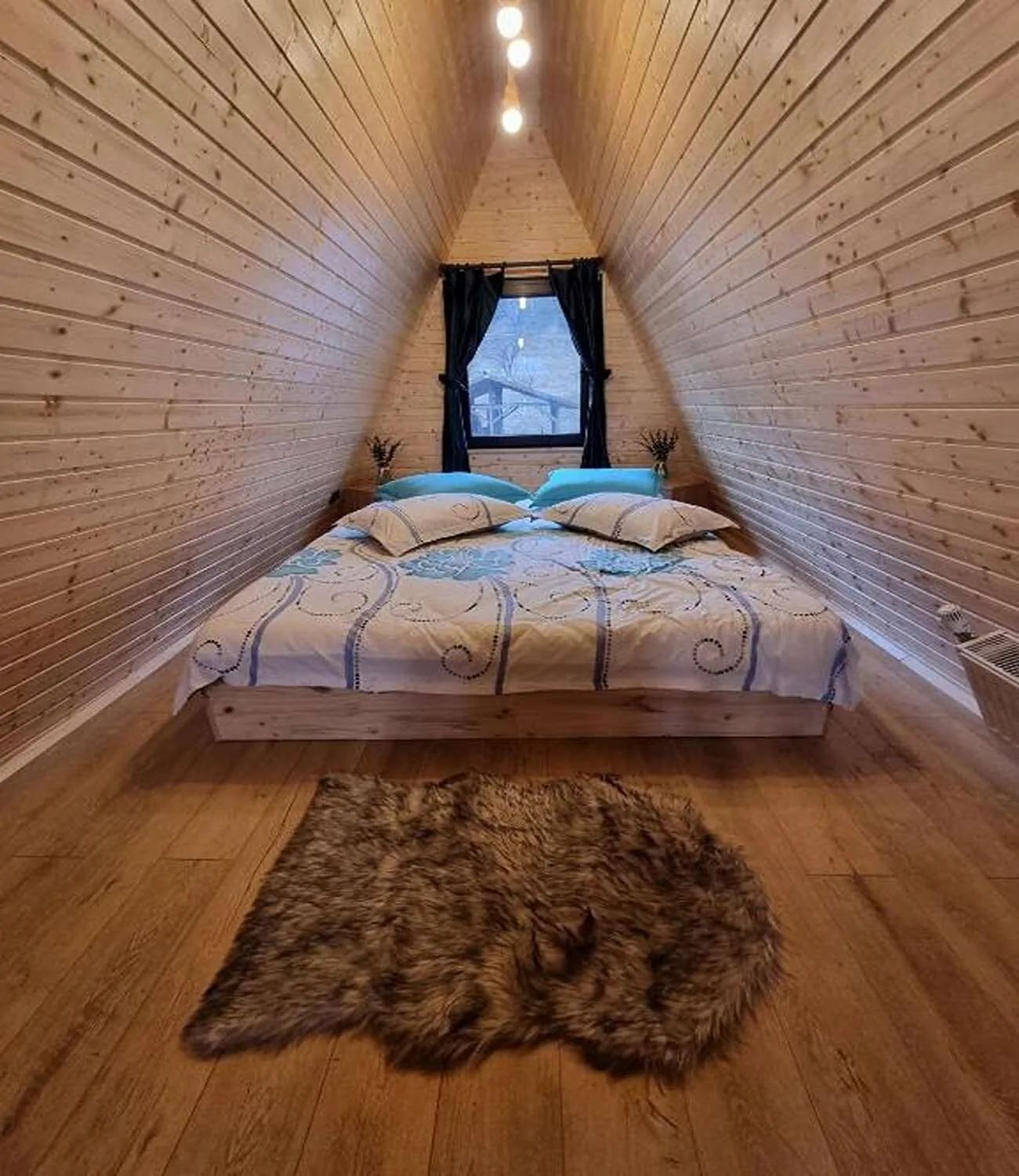
Cabin · 3 stars

Chirlești, Buzău County · 3.7 km
Căsuțele EliMar Chirlești
Două căsuțe din Chirlești își deschid ușile într-un cadru liniștit și îngrijit. Vă așteptăm la Căsuțele EliMar Chirlești, o cabană clasificată cu trei stele din județul Buzău, care oferă două camere amenajate cu grijă și dotate cu bun gust. Fiecare cameră beneficiază de aer condiționat pentru un confort sporit în orice sezon și oferă conexiune Wi-Fi gratuită. În exterior, curtea mare cu grădină amenajată și foișorul creează un ambient plăcut pentru momente de relaxare în aer liber, iar parcarea privată gratuită asigură un loc sigur pentru mașina dumneavoastră pe toată durata șederii. În apropiere puteți vizita bisericile fortificate din Merghindeal, Dealu Frumos, Biertan și Agnita, alături de Ansamblul bisericii evanghelice fortificate, monumente deosebite care păstrează istoria și arhitectura specifică acestor locuri. Personalul de la recepție comunică fluent în română și engleză și vă poate oferi informații complete despre toate facilitățile și serviciile disponibile în unitate. Sosirea se realizează de la ora 14:00, iar predarea camerei se face până la ora 11:00. Pentru garantarea rezervării se percepe un avans de 15%, plata se poate efectua în numerar sau prin transfer bancar, iar accesul se face pe Calea Ardealului numărul 18.
FROM
270 lei per night

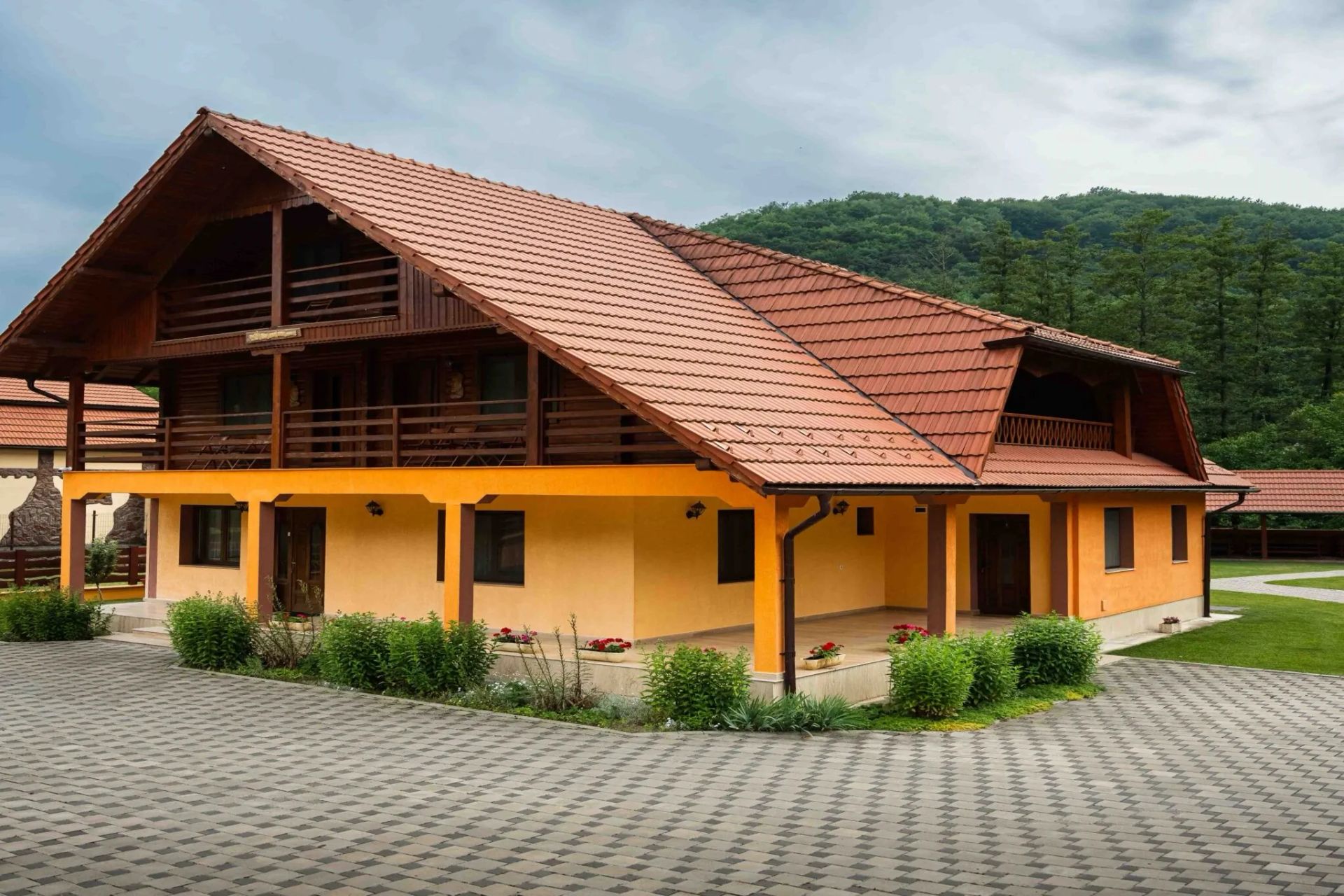
Guesthouse · 3 stars
Costești, Hunedoara County · 3.7 km
Cabana Sargeția Costești
Accesul facilitat pentru persoane cu dizabilități reprezintă un atu important al Cabanei Sargeția Costești din Costești, județul Hunedoara. Pensiunea de trei stele, situată pe strada Orăștioara de Sus, vă așteaptă într-un spațiu adaptat nevoilor tuturor oaspeților. Unitatea dispune de parcare privată gratuită și oferă Wi-Fi gratuit în toate zonele. Copiii se pot distra în siguranță la locul de joacă amenajat în exterior, iar curtea mare și grădina invită la relaxare în aer liber. Pentru preparate tradiționale, aveți la dispoziție grătar, barbeque și ceaun pentru gătit în aer liber. În vecinătate puteți descoperi Biserica fortificată din Merghindeal, Biserica fortificată din Dealu Frumos, Biserica fortificată de la Biertan, Biserica fortificată Agnita și Ansamblul bisericii evanghelice fortificate. Camera este modernă și confortabilă, dotată cu baie proprie. De asemenea, pensiunea oferă servicii de wellness. Tarifele nu includ masa, iar plata se poate efectua cu cardul bancar sau în numerar. Cazarea începe la ora 14:00, iar plecarea se face până la ora 11:00. La recepție se vorbește limba română. Cabana Sargeția Costești este alegerea potrivită pentru cei care doresc să viziteze monumentele istorice din zonă într-un mediu accesibil și liniștit.
FROM
240 lei per night
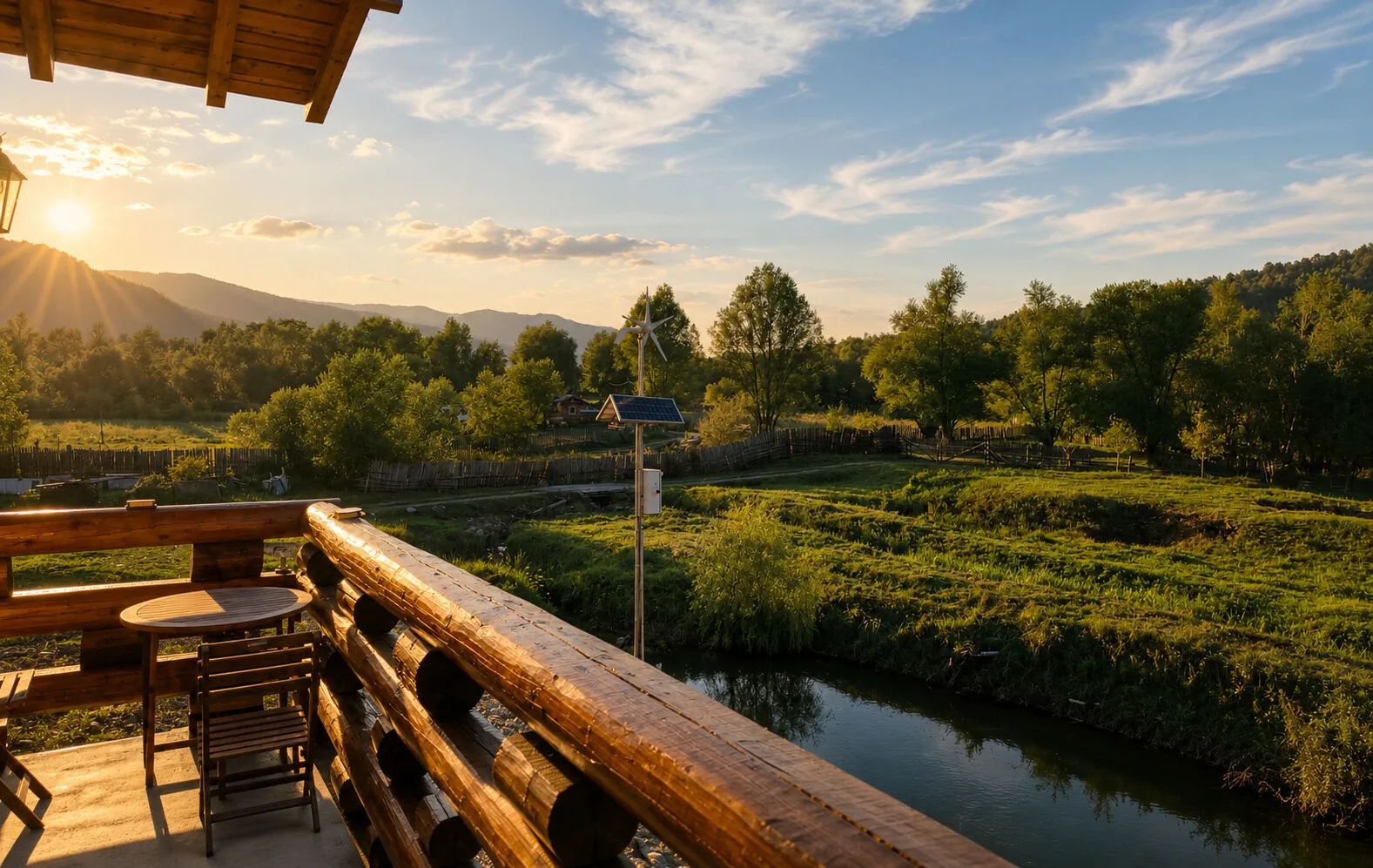
Guesthouse · 2 stars
Agăş, Agăş · 3.7 km
Cabana Moșia Trotuș Agăş
Comfort, relaxation and stunning views, all just steps away from the main attractions.
FROM
190 lei per night
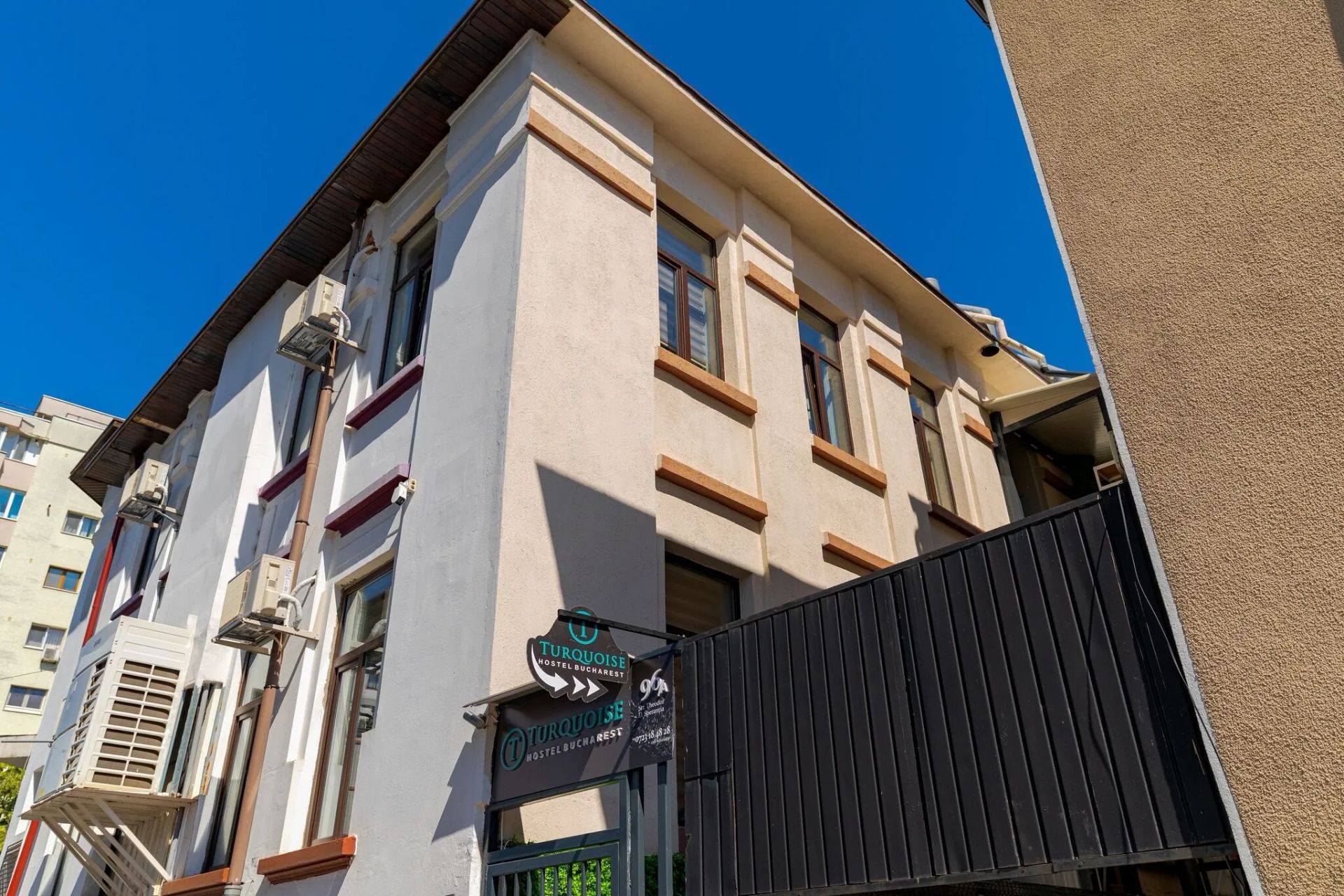
Hostel · 1 star
Bucureştii Noi, Bucharest · 3.7 km
Turquoise Hostel Bucureştii Noi
Familiile cu copii și grupurile de prieteni se vor simți bine la Turquoise Hostel Bucureştii Noi, situat pe aleea Theodor D.Sperantia din cartierul Bucureştii Noi. Unitatea de cazare, clasificată cu o stea, oferă un mediu prietenos și practic pentru călătorii care doresc să exploreze capitala într-un mod accesibil și relaxat. Pentru confortul dumneavoastră, hostelul pune la dispoziție Wi-Fi gratuit în toate spațiile, parcare privată gratuită și parcare pentru biciclete. În incintă funcționează un restaurant și o cafenea, iar facilitățile includ fier de călcat, seif și depozit pentru bagaje. Meniurile disponibile cuprind opțiuni pentru copii și pentru diete speciale, astfel încât fiecare oaspete să găsească preparate potrivite preferințelor sale. Toate aceste servicii contribuie la o ședere confortabilă. De aici puteți organiza excursii către obiective culturale remarcabile, vizitând Biserica fortificată din Merghindeal, Biserica fortificată din Dealu Frumos, Biserica fortificată de la Biertan, Biserica fortificată Agnita și Ansamblul bisericii evanghelice fortificate. Vă așteptăm cu drag la Turquoise Hostel Bucureştii Noi pentru un sejur plăcut.
FROM
170 lei per night
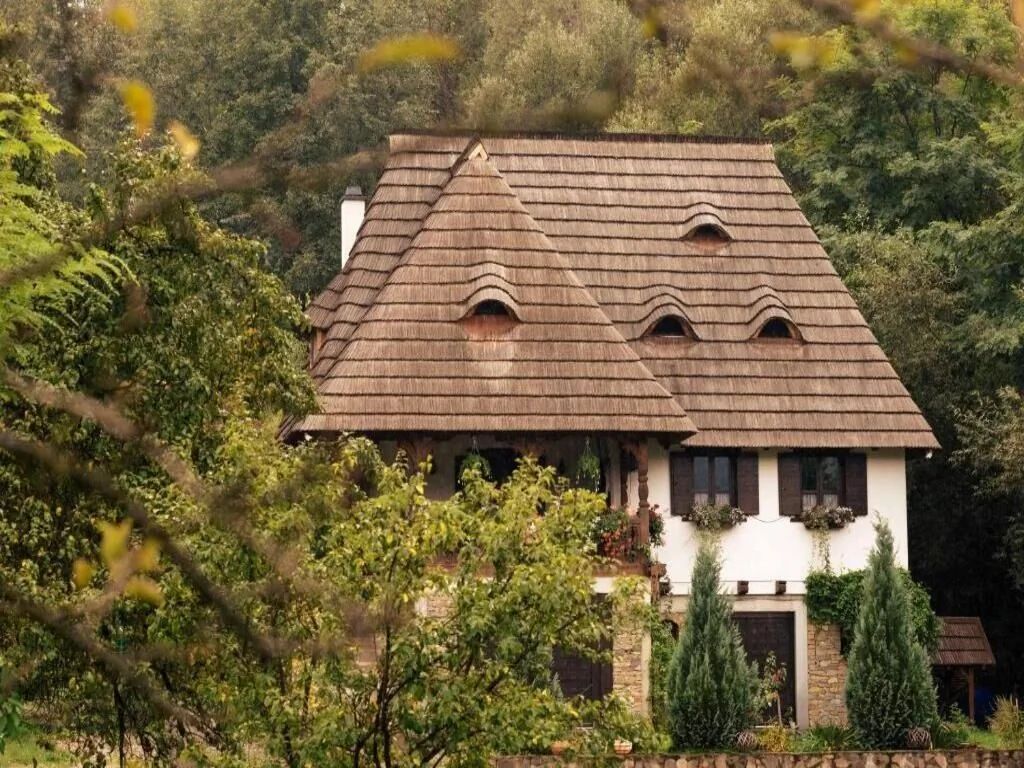
Holiday home · 3 stars
Vişeu de Jos, Maramureș County · 3.7 km
Casa River Song Inn Vișeu de Jos
Comfort, relaxation and stunning views, all just steps away from the main attractions.
FROM
280 lei per night
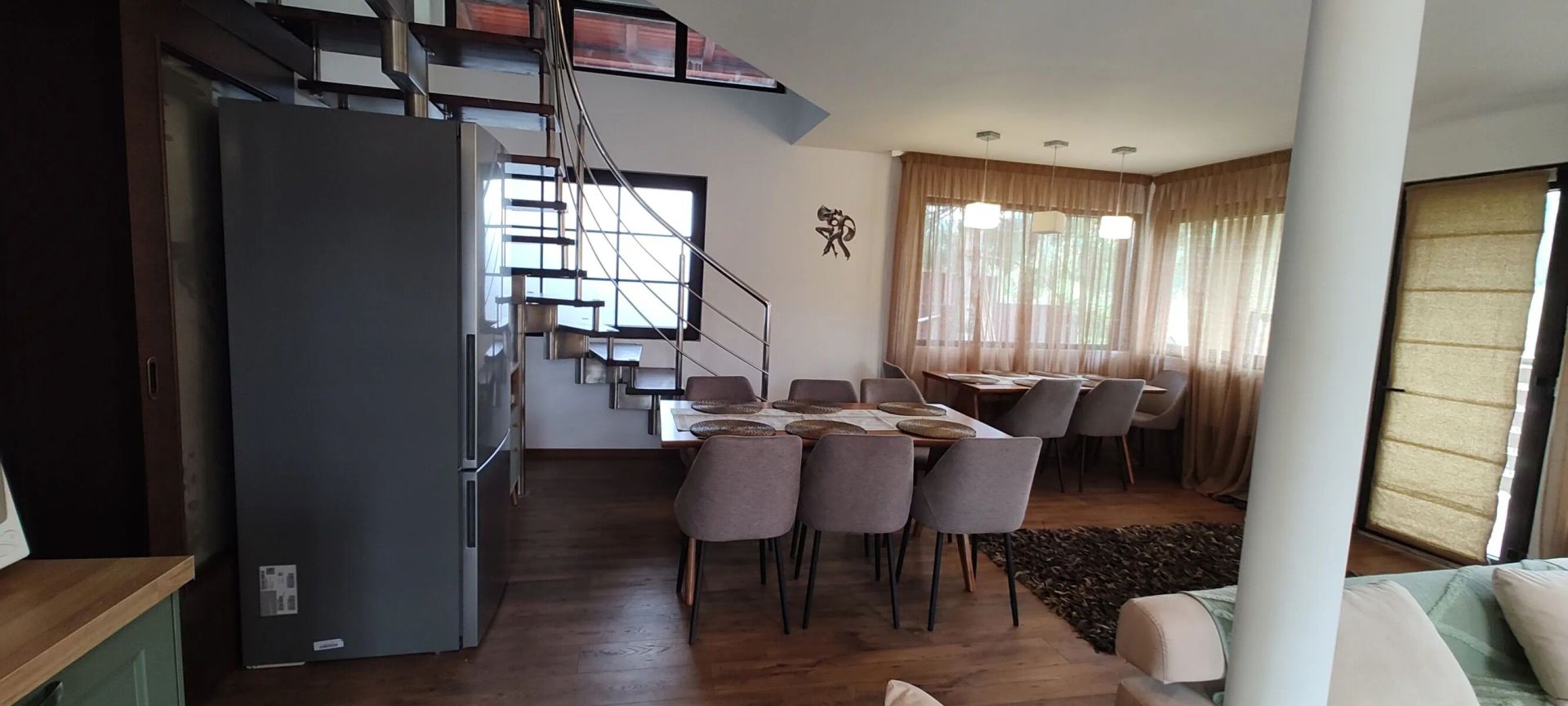
Holiday home · 3 stars
Greşu, Greşu · 3.7 km
Casa Verde Viu Greșu
Comfort, relaxation and stunning views, all just steps away from the main attractions.
FROM
280 lei per night
BEFORE YOU HIT THE ROAD
Weather conditions in Merghindeal
Local forecast for Fortified Church of Merghindeal, Merghindeal, Merghindeal

Real-time updated weather data
Much more to explore in this area
Nearby tourist attractions

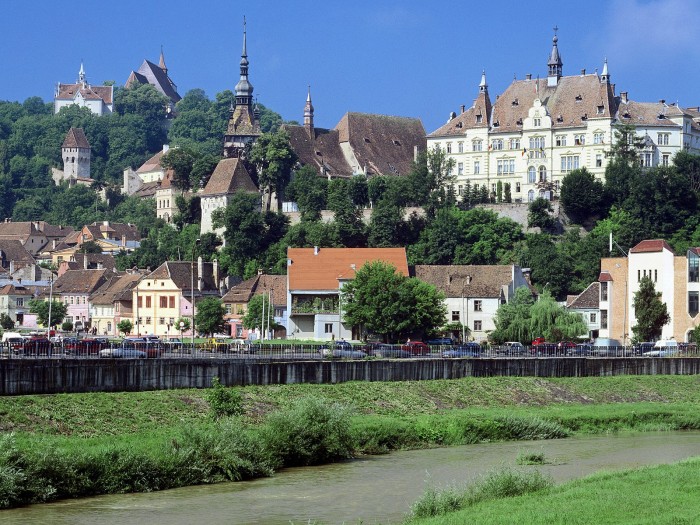

Sighișoara, Mureș County
Sighișoara Medieval Citadel
Situata in centrul municipiul Sighisoara; inca din secolul al III-lea i.Hr. a existat pe acest teritoriu o cetate dacica, numita Sandava; romanii au ridicat...
28.9 km
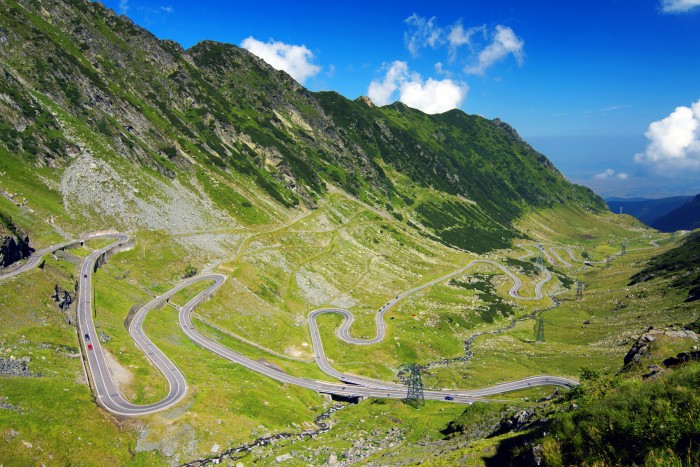
Cârțișoara, Sibiu County
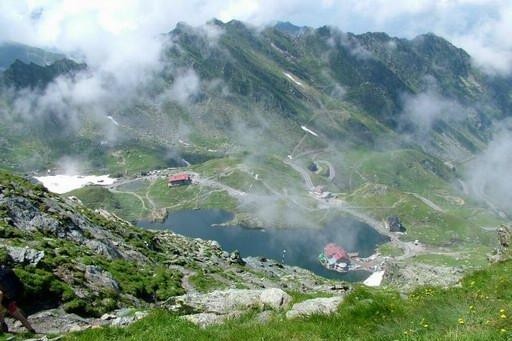
Transfăgărășan Highway and Bâlea Lake
Incepe in comuna Bascov din judetul Arges de langa orasul Pitesti, in directia orasului Curtea de Arges si se termina la intersectia cu drumul DN1 intre Sibiu...
28.8 km
Sibiu, Sibiu County
Bâlea Lake
Situat in Muntii Fagaras, la Obarsia Cartisoarei, care se afla la o altitudine de 2.034 metri, langa soseaua Transfagarasan din judetul Sibiu; in perioada...
41.0 km
Brasov, Brașov County
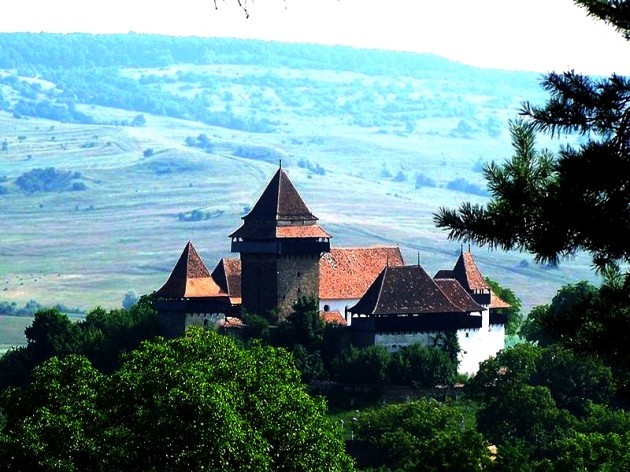
Viscri Fortified Church
Situata in localitate Viscri; construita in secolul al XIII-lea; din punct de vedere arhitectural apartine stilului romanic; are un plan de tip sala romanica;...
29.9 km

38.7 km
Sibiu, Sibiu County
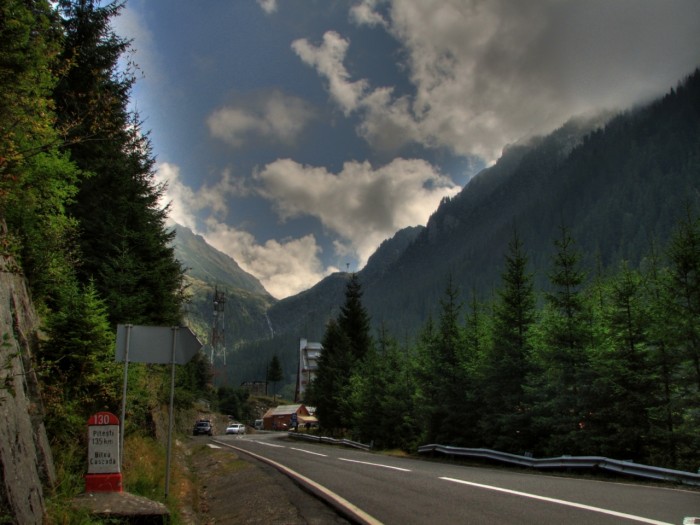
Bâlea Lake Resort
Situata in aria comunei Cartisoara din masivul Fagaras; se intinde pana la altitudinea de 2.500 m; include relieful alpin, lacul, flora si fauna din circul...
28.5 km
Harghita, Harghita County
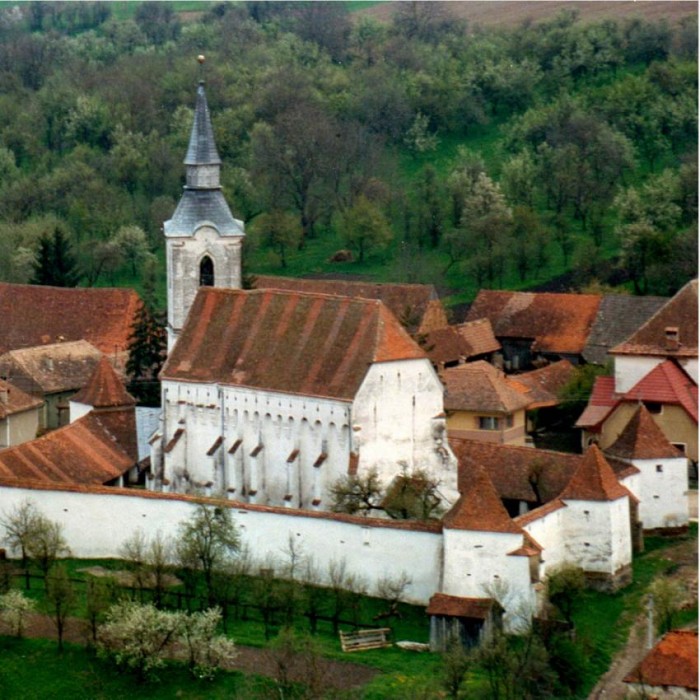
Dârjiu Fortified Church
Situata in localitatea Darjiu; construita intre secolele XIV - XV; initial, a fost ridicata in stil romanic, iar apoi a fost transformata in stil gotic; a...
45.2 km

Brașov, Brașov County
Black Church of Brașov (Evangelical Fortified Church Ensemble)
Heritage site in Braşov County, Romania
15.5 km

24.6 km
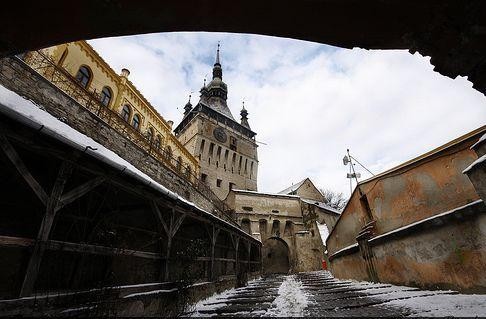
Danes, Mureș County
Sighișoara Clock Tower
Situat in partea de est a platoului inferior al Cetatii Sighisoara; construit in preajma secolului al XIV-lea, pentru a proteja poarta principala a orasului si...
28.9 km
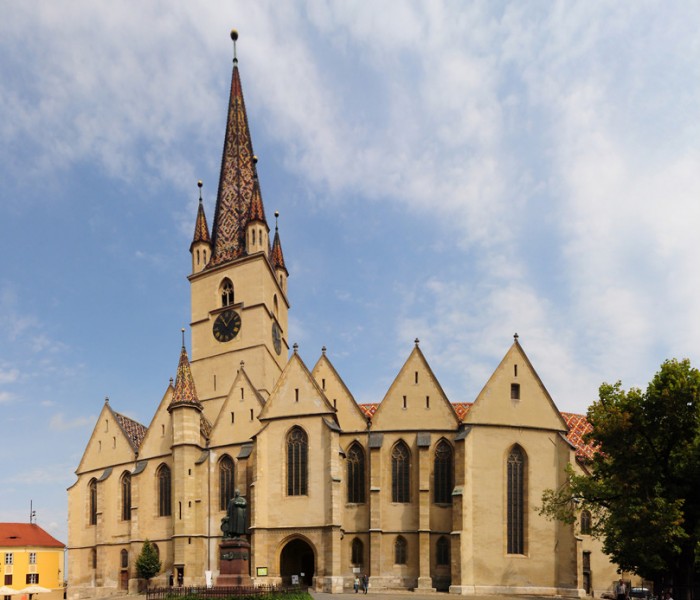
Sibiu, Sibiu County
St. Mary's Evangelical Church
Situata in Piata Huet, localitatea Sibiu; a fost ridicata in secolul al-XIV-lea, pe locul unde exista o veche biserica inca din secolul al-XII-lea; cladirea...
48.1 km

Sibiu, Sibiu County
Brukenthal National Museum
Situat in Piata Mare nr.4-5; colectiile baronului von Brukenthal au luat nastere in principal intre anii 1759-1774, perioada pe care acesta a petrecut-o la...
48.2 km
Cultural life and traditions
Events in the Fortified Church of Merghindeal area
Medieval festivals, traditional fairs, concerts and local activities recommended in Transylvania.

Heritage and History

Merghindeal, County of Merghindeal
The Festival of Medieval Fortresses and the Open Doors Days
Guided night tours, traditional crafts workshops and historical re-enactments featuring knights and ladies.
WHEN
May 15-17, 2026


Traditions and Cuisine
Merghindeal, County of Merghindeal
The Fair of Saxon Traditions and Local Cuisine
Discover local producers, traditional Saxon pastries baked in a wood-fired oven, artisanal syrups, and rhubarb jam.
WHEN
Every weekend (May - October)

Ecotourism and Nature
The hills of Transylvania, County of Merghindeal
Guided Hikes on the Transylvanian Hills Trail
Take excursions along unmarked trails through ancient meadows, centuries-old oak trees, and villages with fortified churches that are UNESCO World Heritage sites.
WHEN
Friday – Sunday (Season 2026)
On foot, exploration gains depth
Discover the surroundings and local geography
Explore the trails, terrain, and natural landmarks around Fortified Church of Merghindeal.

Guides and practical tips
Useful travel articles
Travel guides, practical recommendations and tourist itineraries for Transylvania.

Tourist guide
Top 5 Atracții Turistice și Trasee Montane în Zona Moieciu - Bran
Descoperă cele mai spectaculoase peisaje carstice, chei adânci și cetăți medievale din imediata apropiere a stațiunii Moieciu.

Tourist guide
Ghid de Drumeție: Traseul Moieciu de Sus spre Platoul Bucegi
Un itinerariu montan de o frumusețe rară ce urcă din Valea Băngăleasa spre Poiana Guțanu și crestele maiestuoase ale Bucegilor.

Tourist guide
Castelul Bran: Istorie, Legende și Secrete Medievale
Află adevărata poveste a fortăreței medievale din Pasul Bran, reședința de suflet a Reginei Maria a României.
THE JOURNEY STARTS WITH AN IDEA
The next story is on the way.
From the first stop to the last stay, make room for a new Romania.
