


MONUMENT · TRANSYLVANIA
Transfăgărășan Highway and Bâlea Lake

Cârțișoara, Sibiu County
Add location to your trip planner.
Practical access information

VISITING HOURS
The Piatra Neagră – Bâlea Lake – Bâlea Waterfall section is officially open between July 1st and October 31st

TICKET PRICE
Free road access; Bâlea Cascadă – Bâlea Lac cable car: 50 RON per trip (adults), 25 RON per trip (children)

RECOMMENDED VISIT DURATION
4-6 hours (complete road trip with stops)


Visitor information and guide
 Navigate with Google Maps

ABOUT TRANSFĂGĂRĂȘAN HIGHWAY AND BÂLEA LAKE
Transfăgărășan Highway and Bâlea Lake – The Road Among the Clouds, a Symbol of Mountain Europe
Captivating Introduction and Universal Value
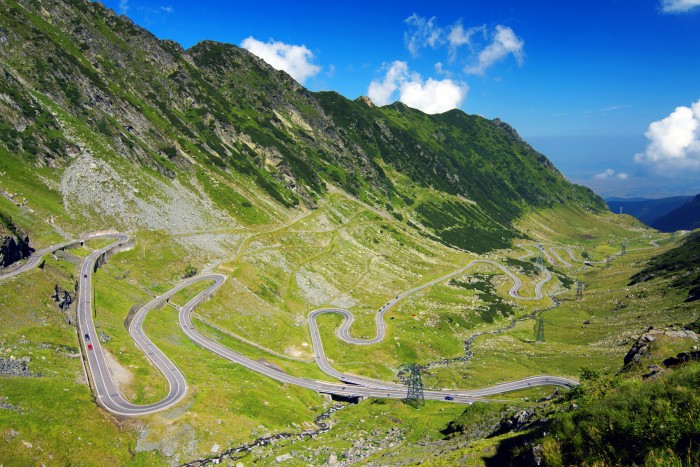
There are places on the map of Europe where human engineering meets the grandeur of nature in such a perfect dialogue that the result transcends the boundaries of functionality to become art. The Transfăgărășan, the highway that crosses the heart of the Făgăraș Mountains, is such a place. Along the 151 kilometres of National Road 7C, from Bascov commune near Pitești to the intersection with DN1 between Sibiu and Brașov, the traveller crosses not only the highest mountain range in Romania, but also one of the most spectacular infrastructure achievements in Eastern Europe. With a maximum altitude of 2,042 metres near the tunnel at Bâlea Lake, the Transfăgărășan ranks second in the hierarchy of paved alpine roads in the country, while at the same time being ranked by the car rental company Avis, in a study presented by Euronews Travel, sixth in the top of the most spectacular roads in Europe, surpassing established routes such as the Susten Pass in Switzerland, the Route des Grandes Alpes, or the Col du Tourmalet in France.
What gives this road its universal value, recognised even by personalities such as Jeremy Clarkson, the British presenter who, in the 2009 Top Gear episode, designated it as "the best road in the world", comparing it to the legendary Stelvio Pass in Italy and declaring, at the wheel of an Aston Martin, that "every corner of every great racetrack in the world has been tied together to create this grey, unbroken ribbon of driving perfection". Bâlea Lake, the glacial mirror of the heights, completes this experience with an almost mythical dimension: situated at 2,034 metres altitude, in a glacial cirque protected since 1932 as a scientific reserve, the lake harbours each winter one of the few ice hotels in Eastern Europe, a modern igloo sculpted from ice blocks extracted from its own frozen waters.
For the European traveller, the Transfăgărășan represents a bridge between civilisations and eras: it connects the historical region of Muntenia with Transylvania, territories that, over the centuries, belonged to different state formations – from the medieval Romanian voivodeships, to the Principality of Transylvania as a vassal of the Ottoman Empire, to the Habsburg province and, finally, to Greater Romania. The road thus crosses not only mountains, but also historical frontiers, passing by the vestiges of vanished worlds: the medieval Poenari Citadel, associated with Vlad Țepeș, the Vidraru Dam – a masterpiece of European hydroelectric engineering from the 1960s – and Bâlea Lake, silent witness of the glacial era.
Historical Roots and Major European Connections
The history of the Transfăgărășan is closely intertwined with the great upheavals of 20th-century Europe. Although the idea of a road connection over the Făgăraș Mountains existed as early as the interwar period, when the Bâlea area was already a sanctuary for mountaineers and a refuge for gold seekers and shepherds, the actual realisation of the road was determined by the geopolitical context of the Cold War. The invasion of Czechoslovakia in August 1968 by Warsaw Pact troops, led by the Soviet Union, generated profound strategic panic in communist Romania. Nicolae Ceaușescu, who had just publicly condemned the Soviet intervention in Palace Square in Bucharest, was aware that the existing passes between Transylvania and Muntenia – with one single exception – followed the course of narrow valleys, easily blocked or attacked by an invading army. By the decision of the Council of Ministers of 10 December 1969, the "Transfăgărășan strategic objective" was approved, a road to connect the military garrisons of Pitești and Sibiu, capable of allowing the rapid movement of troops and military equipment in an invasion scenario similar to that of Czechoslovakia.
This decision places the Transfăgărășan in a broader category of European military infrastructures built in the context of Cold War tensions. The parallel with strategic alpine roads built by NATO powers and the Warsaw Pact in areas such as the Italian Alps, the Austro-Italian border, or the mountainous zones of Norway and Finland is evident. Just as the Grossglockner High Alpine Road in Austria or the Timmelsjoch between Austria and Italy had, alongside their tourist role, military dimensions in the context of Alpine defence, the Transfăgărășan was conceived as a vertical "Maginot Line", a mobile barrier against a possible Soviet advance towards the centre of Europe.
From a historical point of view, the area traversed by the road has much deeper roots. The Făgăraș Mountains represented for centuries a natural border between two worlds: Wallachia and Transylvania. In the Middle Ages, the Land of Făgăraș (in German Altland) was a semi-autonomous territory, part of the defence system of the Kingdom of Hungary against Ottoman expansion, then part of the Principality of Transylvania, vassal of the Sublime Porte, and from 1711, a province of the Habsburg Empire. Făgăraș Citadel, built starting in 1310, was for centuries an essential control point on the trade route between the two regions. The mountain passes were guarded by "grăniceri" – militarised communities tasked with defending the border against Ottoman, Tatar, or later, Habsburg invasions.
Before the construction of the Vidraru Dam (1960-1966) and the Transfăgărășan, the area was traversed only by mountain paths and a narrow-gauge forestry railway line connecting Căpățâneni commune with Cumpăna village – today covered by the waters of the reservoir. This narrow-gauge railway was part of the network of narrow-gauge forestry railways, similar to those in the Austrian Alps, Bavaria, or Switzerland, developed in the 19th century for the exploitation of coniferous forests. Thus, the Transfăgărășan fits into a broader European tradition of mountain infrastructure: from the Roman roads in Dacia (such as those crossing the Carpathians towards Sarmizegetusa), to the Napoleonic roads over the Alps, to the alpine railways built in the 19th century under the impulse of the Industrial Revolution, to the modern alpine motorways of Switzerland, Austria, and Italy.
The construction of the Vidraru Dam, begun in 1960 and inaugurated on 9 December 1966, represents another chapter of European connection. With a height of 166.6 metres, a crest length of 307 metres, and a volume of 465 million cubic metres of water in the reservoir, the double-arch concrete dam was, at the time of inauguration, the fifth highest in Europe and the ninth in the world. The underground hydroelectric power station, located 103 metres below the bed of the Argeș River, was a "technical jewel" comparable to the great hydroelectric developments in Switzerland, France, or Norway. Designed to be controlled even from Bucharest, the Vidraru hydroelectric plant (initially named "Gheorghe Gheorghiu-Dej") represented the ambition of the Romanian communist regime to align with European technological standards, in a period when the "iron curtain" divided the continent.
Architectural Masterpiece and Artistic Heritage
The Transfăgărășan is, above all, a demonstration of the strength of engineering and human tenacity in the face of an extremely hostile relief. Over the approximately 91 kilometres of the mountain section – from the Vidraru Dam to Cârțișoara – the road traverses an alpine terrain characterised by deep valleys, rocky ridges, and glacial cirques. For its realisation, between 1970 and 1974, approximately 3 million tonnes of rock were dislodged, 830 culverts and cross works were built, 27 viaducts and bridges, and 6,520 tonnes of dynamite were used – of which 20 tonnes only for the Capra-Bâlea tunnel – alongside 3,573 tonnes of cement and 290,000 cubic metres of masonry.
The central element of this engineering masterpiece is the Capra-Bâlea Tunnel, the longest road tunnel in Romania, with a length of 887 metres. Situated at an altitude of 2,042 metres, between the peaks of Iezerul Caprei (2,414 m) and Paltinul (2,398 m), the tunnel pierces the main ridge of the Făgăraș Mountains, creating the physical connection between the southern slope (Argeș County) and the northern one (Sibiu County). With an interior height of 4.4 metres, a width of 6 metres, and a 1-metre sidewalk, the tunnel is electrically lit and naturally ventilated, offering the traveller the sensation of passing through a gate between two worlds: at one end, Muntenia with its wide valleys and medieval citadels; at the other, Transylvania with its enchanting depressions and Saxon towns. For the realisation of this tunnel, over 41,000 cubic metres of rock were excavated, and the two galleries – dug simultaneously from both sides – met with remarkable precision inside the mountain, an engineering feat worthy of the tradition of the European military engineering school.
Along the route, the road is protected against avalanches and rockfalls by over 20 massive concrete sheds (polate), true "roofs" built on the steepest slopes of the Făgăraș. These structures, together with the retaining walls, grid barriers, and drainage channels, demonstrate the scale of the effort made to master the forces of nature. The viaducts and bridges – including those on the Valea lui Stan or those at the entrance to the Bâlea cirque – integrate organically into the landscape, while offering exceptional viewpoints over the deep valleys of over 1,000 metres.
The natural landscape traversed by the road is itself a heritage of European value. The Făgăraș Mountains harbour the highest peaks in Romania: Moldoveanu (2,544 m), the highest point in the country, and Negoiu (2,535 m), second in height, the "pole of atmospheric instability" of the Carpathians. Between these summits stretches the Bâlea Glacial Cirque, a natural amphitheatre formed by Quaternary glaciers, in the centre of which lies Bâlea Lake. This glacial lake, with a surface area of 46,508 square metres, a length of 360 metres, and a maximum depth of 11.35 metres, is surrounded by almost vertical walls and jagged ridges reaching 2,500 metres. Its declaration as a scientific reserve as early as 1932 – a first for Romania – reflects an early ecological consciousness, comparable to the early protection of national parks in Switzerland (established in 1914) or Sweden.
Bâlea Waterfall, also known as the "Roar of Bâlea", completes the natural tableau with a stepped waterfall of approximately 60-68 metres, the largest stepped waterfall in Romania, situated at an altitude of about 1,230 metres, at the lower step of the Bâlea glacial cirque. On the southern slope, the Capra Waterfall (or Iezer Waterfall), located at nearly 1,960 metres altitude, offers a similar spectacle, fed by the meltwaters of snows and the underground springs of the massif.
The Vidraru Dam, with its 307-metre-long concrete arch and 166.6-metre height, represents another engineering masterpiece. Built from 22 vertical concrete plots in double curvature, with a thickness of 6 metres at the crest and 25 metres at the base, the dam rests on the slopes of the Pleașa and Vidraru mountains, forming a reservoir of nearly 900 hectares. The underground power station, dug 103 metres below the bed of the Argeș River, houses state-of-the-art turbines and generators at the time of inauguration (1966), being designed to be remotely controlled from Bucharest – a technological innovation that placed it at the forefront of European hydropower. The Statue of Prometheus, a 9-metre monument situated on the lake shore, symbolises man's domination over the forces of nature, recalling classical European mythology in a landscape of brutal modernity.
Legends, Personalities, and Turning Points
The construction of the Transfăgărășan was marked by human sacrifices and historical turning points that transformed an infrastructure project into a national epic. The works officially began on 10 March 1970, when the 52nd Engineer Regiment from Alba Iulia started working from the north, and the 1st Engineer Regiment "Alexandru Ioan Cuza" from Râmnicu Vâlcea from the south. These two units, initially led by Lieutenant General Vasile Șlicariu (until 1972) and succeeded by General Emil Andriescu, mobilised approximately 3,000 soldiers of all ranks, alongside civilian workers, engineers, geologists, and even political prisoners from communist jails. Colonel Nicolae Mazilu, commander of the 52nd Engineer Regiment Alba Iulia and the main architect of the works on the northern section, would later become brigadier general and one of the emblematic figures of the Romanian engineer corps.
On 16 August 1971, at elevation 1,600 metres, the two engineer detachments working from opposite directions met inside the mountain. This moment, celebrated by the erection of the "Gate of Meeting" monument, was one of the most emotional episodes of the construction. Lower down, at elevation 1,200, on the northern slope, lies the "Gate of the Engineers", a rocky corner pierced by the road, which commemorates the opening of the area in March 1971, when the engineer troops succeeded, "stronger than the rock", in opening the first sector of the road. These monuments, inaugurated in 1974 and restored in 2009 by the 136th Engineer Battalion "Apulum" on the 35th anniversary of the highway's inauguration, bear witness to the human sacrifice brought to this project.
The official toll of the construction speaks of approximately 40 dead and as many wounded, but eyewitnesses and former participants claim that the real number of victims would have been much higher, reaching, according to some testimonies, up to several hundred lives lost. The working conditions were extreme: at over 1,600 metres altitude, with strong winds, abundant blizzards, and temperatures frequently dropping below -20°C, normal work was possible only 4-5 months a year. Soldiers and workers slept in improvised barracks, ate food brought with difficulty on forestry roads, and risked their lives daily handling explosives – 6 million kilograms of dynamite were used in total – on steep slopes where the fall of a stone could be fatal. The story of a bulldozer buried in the road structure after a rock of over 700 tonnes broke loose on a winter night remains one of the dark legends of the construction.
The official inauguration took place on 20 September 1974, in the presence of Nicolae Ceaușescu, on the Bâlea Lake plateau, at elevation 2,042 metres. Although the road was officially opened on that day, paving and related works continued until 1980. On this occasion, 553 officers, master soldiers, non-commissioned officers, gradates, and soldiers were decorated with orders and medals. Interestingly, the initial project provided for the road to bear the name "Transfăgărășan Nicolae Ceaușescu Road", but the dictator himself refused this honour, a sign that, in September 1974, the personality cult had not yet become law.
Another legend associated with the Bâlea area concerns the avalanche of 1977, considered the most serious mountain accident in Romanian history, when an enormous mass of snow broke away from the slopes and covered the hut area, causing loss of human life. In memory of the victims, the area was declared a natural reserve, and winter access was strictly regulated. The story of Badea Cârțan, the shepherd who, in the 1960s, brought to Bâlea the first hut – built in 1904, burned and rebuilt several times – adds a pastoral, almost arcadian dimension to this alpine realm.
In 2009, with the moment when BBC Top Gear filmed in Romania, the Transfăgărășan experienced a new dimension of international celebrity. Jeremy Clarkson, at the wheel of an Aston Martin DBS Volante, drove the road's hairpin bends and, upon reaching Bâlea Lake, exclaimed: "I was wrong! This is better than Stelvio... This is the best road in the world! Romania, thank you for having this road. Can we stay here forever?" This television episode, watched by millions of viewers worldwide, transformed the Transfăgărășan into a global symbol of automotive adventure, placing it alongside established routes such as the Stelvio Pass (Italy), Grossglockner (Austria), or Trollstigen (Norway).
Practical Visiting Guide and Today's Tourist Experience
For the contemporary traveller, the Transfăgărășan remains an essential experience, but one that requires planning and respect for the mountain. The high-altitude section, between Piscu Negru (km 104, Argeș County) and Bâlea Cascadă (km 131, Sibiu County), is open to road traffic only in the warm season. In 2026, CNAIR reopened the alpine section on 12 June, with traffic permitted daily between 07:00 and 21:00. The winter closure usually takes place around 20 October, but may be brought forward depending on weather conditions. At night, between 21:00 and 07:00, traffic is prohibited on the entire mountain sector, due to the extreme danger posed by the numerous bends and hairpin curves, devoid of reflective elements. The recommended speed is 40 km/h, and drivers are advised to drive with maximum caution, especially when descending, when brakes can be overstressed.
Road access on the Transfăgărășan is free. Along the entire route there are no fuel stations on the ridge section, so refuelling must be done before the ascent – either in Curtea de Argeș or in Cârțișoara. Parking in the Bâlea Lake area is paid, around 10 RON/hour. It is essential that visitors are adequately equipped: at over 2,000 metres altitude, temperatures can be 10-15 degrees lower than in lowland areas, and the weather can change abruptly, from sun to fog or snow, even in the height of summer. A wind jacket and suitable footwear are mandatory.
During winter, when the Transfăgărășan is closed to road traffic on the alpine section, access to Bâlea Lake is exclusively by the Bâlea Cascadă – Bâlea Lake cable car. This installation, which covers a route of 3,700 metres and climbs from an altitude of 1,234 metres (Bâlea Cascadă) to 2,034 metres (Bâlea Lake) in approximately 15 minutes, operates throughout the year, with the exception of periods of strong wind or extreme weather conditions. The 2026 fares are approximately 50 RON/way for adults and 25 RON/way for children, although travellers are advised to check updated fares before visiting, as these may vary. The cable car usually departs at 09:00, and the schedule may be influenced by weather conditions – strong wind being the main factor for stopping.
Once at Bâlea Lake, visitors can enjoy multiple experiences. The Bâlea Lake Chalet, built on a peninsula jutting into the lake, offers accommodation and traditional meals, being a starting point for numerous mountain trails. The trail to Bâlea Waterfall, marked with a red dot, takes approximately 50 minutes and offers a picturesque walk through forest and alongside the Bâlea River. From Bâlea Lake also start more ambitious trails, such as the one to Vânătoarea lui Buteanu Peak (2,507 m), the one to Capra Lake (about one hour's walk, marked with a blue triangle), or trails to the main ridge of the Făgăraș, towards Moldoveanu or Negoiu Peaks, reserved only for experienced mountaineers.
In the cold season, when the lake is covered by a thick blanket of ice, the Bâlea Lake Ice Hotel rises in the area, the first ice hotel in Eastern Europe, built starting with the winter of 2006 in the form of an igloo with 16 beds. It is rebuilt each year from ice blocks extracted from Bâlea Lake, offering a unique accommodation experience, at interior temperatures of approximately -2°C, with furniture sculpted in ice and beds covered with reindeer hides. The Ice Hotel was included by Fodor's publication in the top of the most interesting ice and snow-sculpted accommodation places in the world, alongside the ice hotels of Scandinavia (Jukkasjärvi in Sweden, Kirkenes in Norway) and Quebec (Canada).
On the southern slope, the traveller can visit the Vidraru Dam, accessible also in winter, with an impressive panorama over the concrete arch and the reservoir. From there, only a few kilometres away, rises Poenari Citadel, the medieval fortress associated with Vlad Țepeș, which offers a spectacular view over the Argeș Valley and the Făgăraș Mountains. The town of Curtea de Argeș, with the Curtea de Argeș Monastery – necropolis of the kings of Romania – and with the mythical traces of Master Manole, completes an exceptional cultural itinerary.
The European traveller who drives the Transfăgărășan thus discovers more than a road: they discover a fresco of the continent's history, from the Quaternary glaciers that sculpted the glacial cirques, to the Roman roads of Dacia, to the medieval border citadels, to the military strategies of the Cold War and the engineering ambitions of the 20th century. It is a place where Eastern Europe reveals its Alpine soul, where each hairpin bend reveals a new chapter of a story still unfolding, and each view from 2,000 metres altitude reminds us that, beyond borders and turbulent histories, mountains remain the oldest and most authentic monuments of a common Europe.
Media gallery
Discover Transfăgărășan Highway and Bâlea Lake in pictures

28 photos · Architecture, courtyards and captivating details


Image source: Wikimedia Commons · Public domain photos · Free license
STAY A FEW DAYS, DISCOVER THE MAGIC
Accommodation in the Transfăgărășan Highway and Bâlea Lake area

Guesthouse · 3 stars

Cârţişoara, Sibiu County · 0.2 km
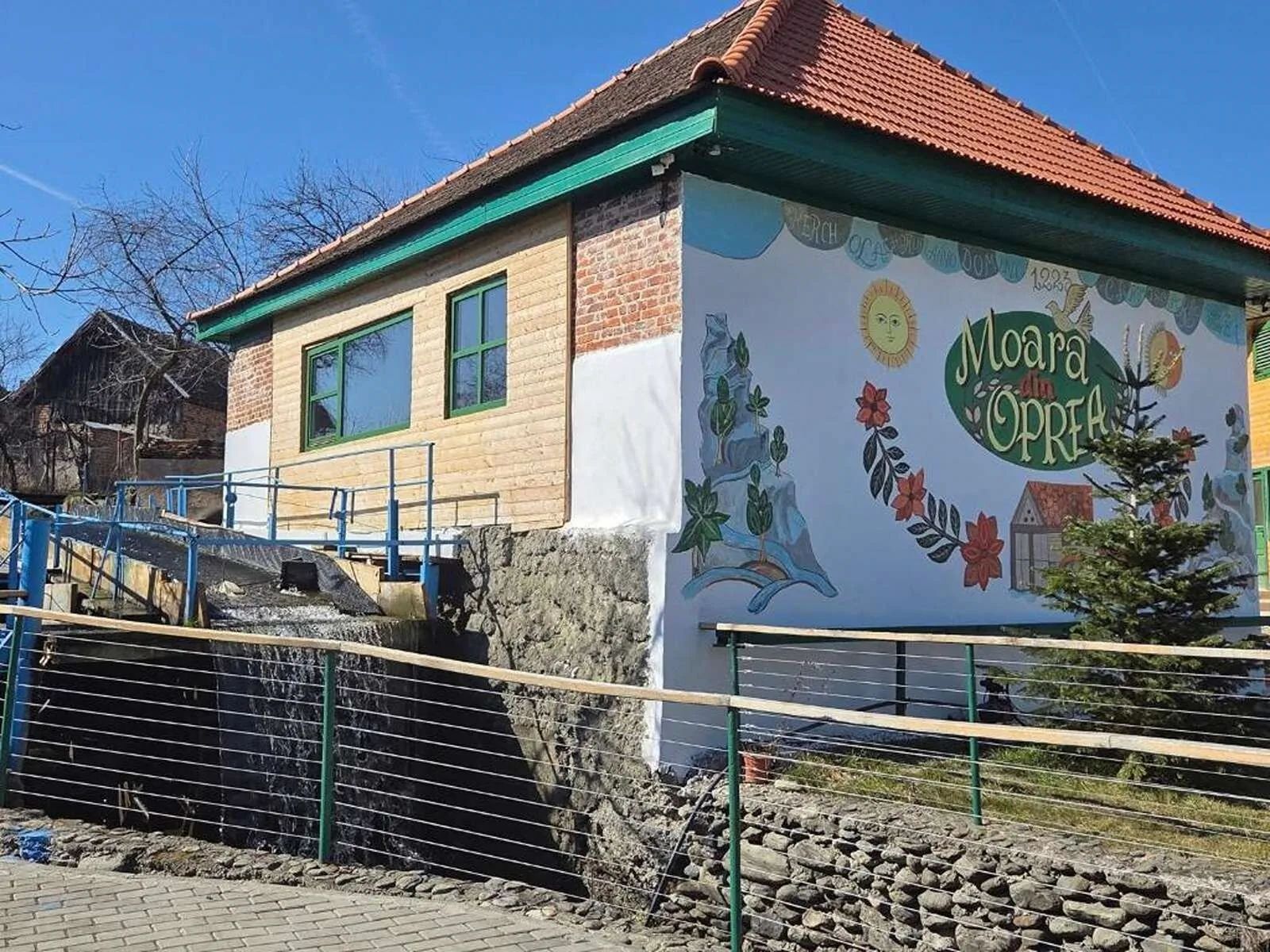
La Casa Morarului Cârţişoara
O zi petrecută aici poate începe cu o cafea savurată în cafeneaua din incintă și se poate încheia cu focul aprins în vatră sau șemineul din aer liber la La Casa Morarului din Cârţişoara. Pensiunea oferă doar trei camere într-un spațiu intim și liniștit, dedicat în special familiilor. Curtea mare și grădina amenajată reprezintă locul potrivit pentru ca dumneavoastră să vă relaxați, iar grătarul și ceaunul pentru gătit în aer liber permit organizarea unei mese gustoase sub cerul liber. De asemenea, aveți la dispoziție teren amenajat pentru sport sau fotbal, parcare privată gratuită și parcare pentru biciclete. În interior beneficiați de Wi-Fi gratuit, seif pentru păstrarea obiectelor dumneavoastră de valoare, fier de călcat și depozit pentru bagaje. Pentru confortul copiilor dumneavoastră este disponibil un scaun înalt, iar serviciile de masaj vă ajută să vă destindeți după o zi plină de activități. Puteți închiria biciclete pentru a explora împrejurimile. În apropiere puteți vizita Transfăgărășanul și Lacul Bâlea, Stațiunea Bâlea, Cascada Bâlea, Mănăstirea Cisterciană de la Cârța și Cascada Capra de pe Transfăgărășan. De asemenea, drumețiile montane și traseele în natură pornesc chiar din această zonă. Seara, după o zi petrecută în aer liber, vă puteți bucura de liniștea grădinii amenajate.
FROM
240 lei per night

Guesthouse · 3 stars
Cârţişoara, Sibiu County · 0.2 km
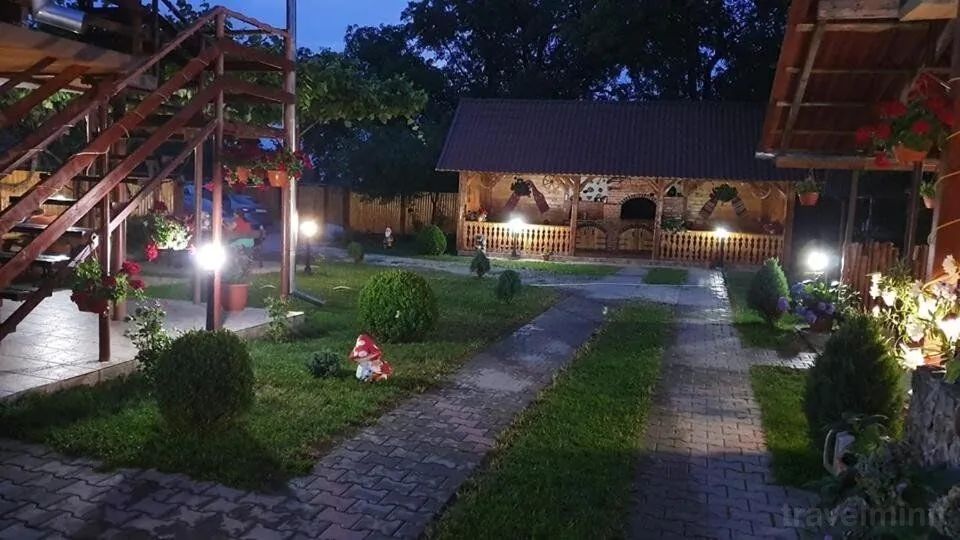
Pensiunea Casa Floare De Colț Cârțișoara
Familiile cu copii, grupurile de prieteni și iubitorii de natură se vor simți bine la Pensiunea Casa Floare De Colț din Cârțișoara. Clasificată cu trei stele, unitatea pune la dispoziție opt camere amenajate cu grijă, într-un cadru liniștit din județul Sibiu, situată direct pe drumul Transfăgărășanului. Pentru confortul dumneavoastră, pensiunea oferă Wi-Fi gratuit și parcare privată gratuită. Curtea mare și grădina amenajată invită la momente de relaxare în aer liber, în timp ce grătarul și masa de tenis de masă aduc distracție pentru toți oaspeții. De asemenea, accesul este facilitat și pentru persoanele cu dizabilități. Toate aceste facilități fac șederea plăcută pentru fiecare vizitator. În apropiere puteți descoperi Transfăgărășanul și Lacul Bâlea, Stațiunea Bâlea, Cascada Bâlea, Mănăstirea Cisterciană de la Cârța și Mănăstirea Cărțișoara. Aceste obiective completează în mod natural experiența șederii în această zonă montană. Vă așteptăm la Pensiunea Casa Floare De Colț pentru un sejur plăcut în Cârțișoara.
FROM
240 lei per night
Guesthouse · 3 stars
Cârţişoara, Sibiu County · 0.3 km
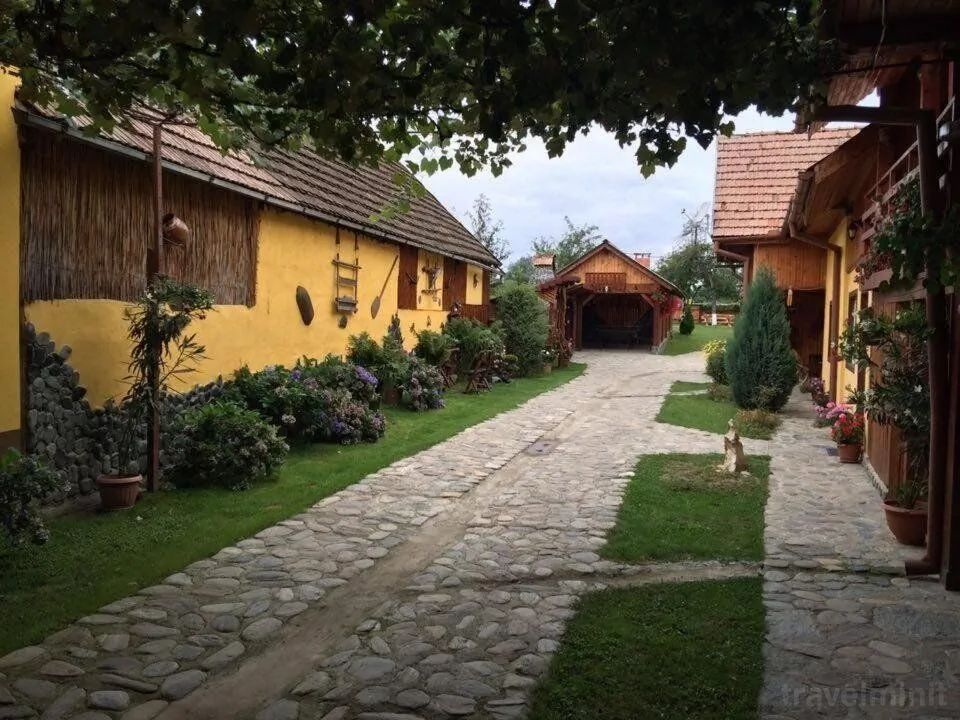
Pensiunea Bujor de Munte Cârțișoara
De la Pensiunea Bujor de Munte din Cârțișoara puteți porni direct spre Transfăgărășan și Lacul Bâlea. Această pensiune turistică de trei stele din județul Sibiu reprezintă un punct de plecare confortabil pentru a descoperi frumusețile naturale ale zonei montane. Unitatea pune la dispoziție șase camere confortabile, fiecare având baie proprie. Veți beneficia de Wi-Fi gratuit și de parcare privată gratuită pe toată durata șederii dumneavoastră, astfel încât să vă simțiți cât mai bineveniți. În curtea mare și grădina amenajată puteți organiza mese plăcute în aer liber. Aveți la dispoziție grătar sau barbeque și un ceaun pentru gătit în aer liber, iar accesul este facilitat și pentru persoanele cu dizabilități. În apropiere veți găsi Stațiunea Bâlea, Cascada Bâlea, Mănăstirea Cisterciană de la Cârța și Mănăstirea Cărțișoara, obiective turistice importante pe care le puteți vizita cu ușurință pornind de la această locație. Vă așteptăm să vă bucurați de timpul petrecut aici, iar când doriți să explorați împrejurimile, puteți pleca direct spre Mănăstirea Cisterciană de la Cârța.
FROM
240 lei per night
Guesthouse · 3 stars
Cârţişoara, Sibiu County · 0.4 km
Casa Moșului Transfăgărășan Cârțișoara
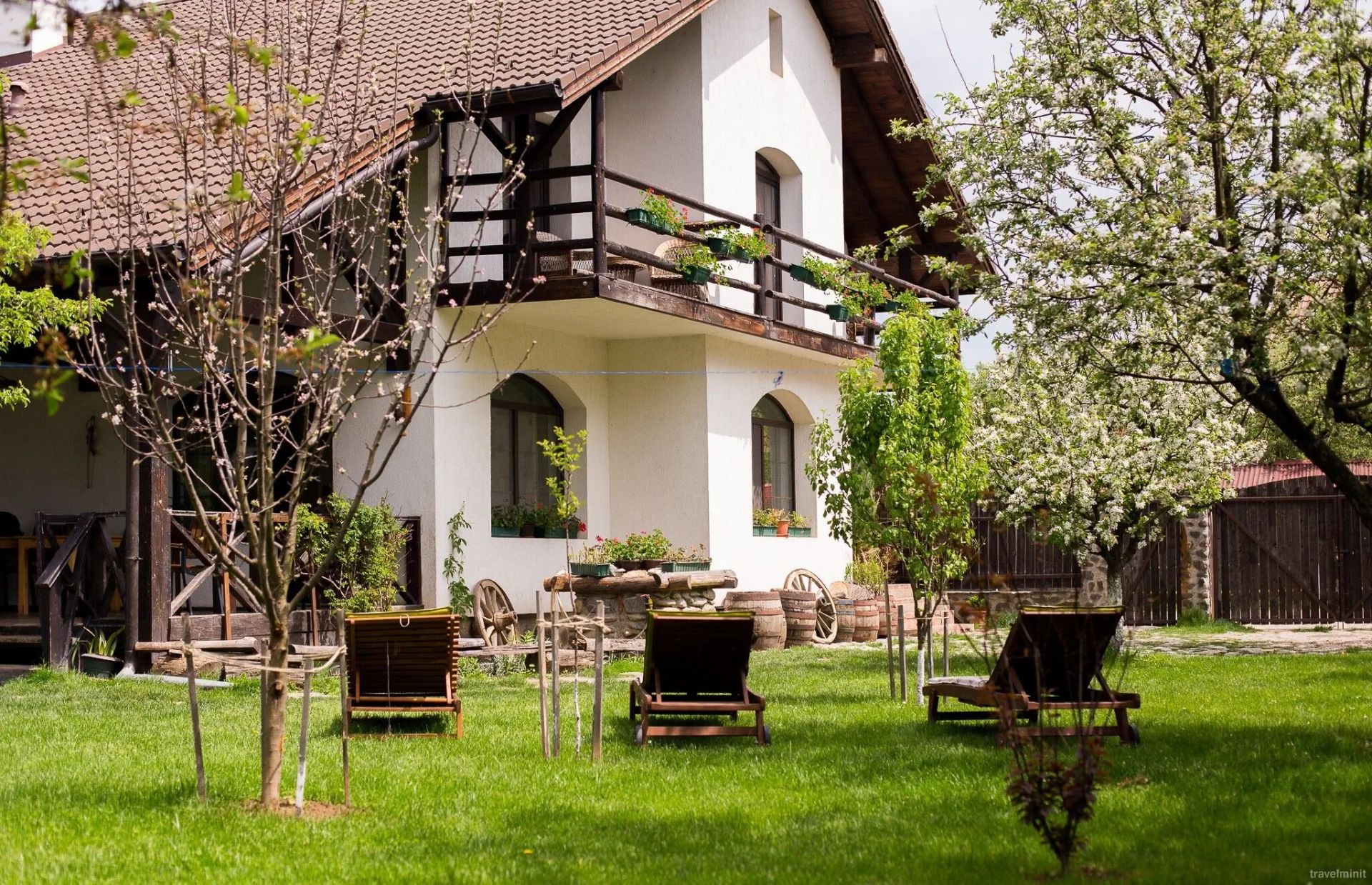
Construită din lemn și piatră aduse de pe văile Făgărașului, Casa Moșului Transfăgărășan din Cârțișoara păstrează atmosfera unui sat vechi plin de povești. Clădirea este decorată cu obiecte tradiționale adunate din zonă, iar în sufragerie puteți simți căldura unui șemineu în care mocnește focul, alături de o masă mare pregătită pentru mese gustoase servite într-un cadru primitor. Unitatea pune la dispoziție un restaurant și o cafenea în incintă, un loc de joacă pentru copii în aer liber și scaun înalt pentru cei mici. Curtea mare și grădina amenajată includ un foișor plăcut pentru relaxare, iar accesul este adaptat și pentru persoanele cu dizabilități. De asemenea, beneficiați de Wi-Fi gratuit, parcare privată gratuită, fier de călcat și depozit pentru bagaje, toate gândite pentru confortul dumneavoastră. În vecinătate se află Transfăgărășanul și Lacul Bâlea, Stațiunea Bâlea, Cascada Bâlea, Mănăstirea Cisterciană de la Cârța și Cascada Capra de pe Transfăgărășan, oferind numeroase posibilități de explorare a peisajelor montane din zonă. Această pensiune este potrivită pentru familiile cu copii, pentru cuplurile care caută relaxare într-un cadru natural autentic și pentru iubitorii de drumeții pe Transfăgărășan.
FROM
240 lei per night
Holiday home · 3 stars
Cârţişoara, Sibiu County · 2.6 km
Family Mountain Cottage Cârţişoara
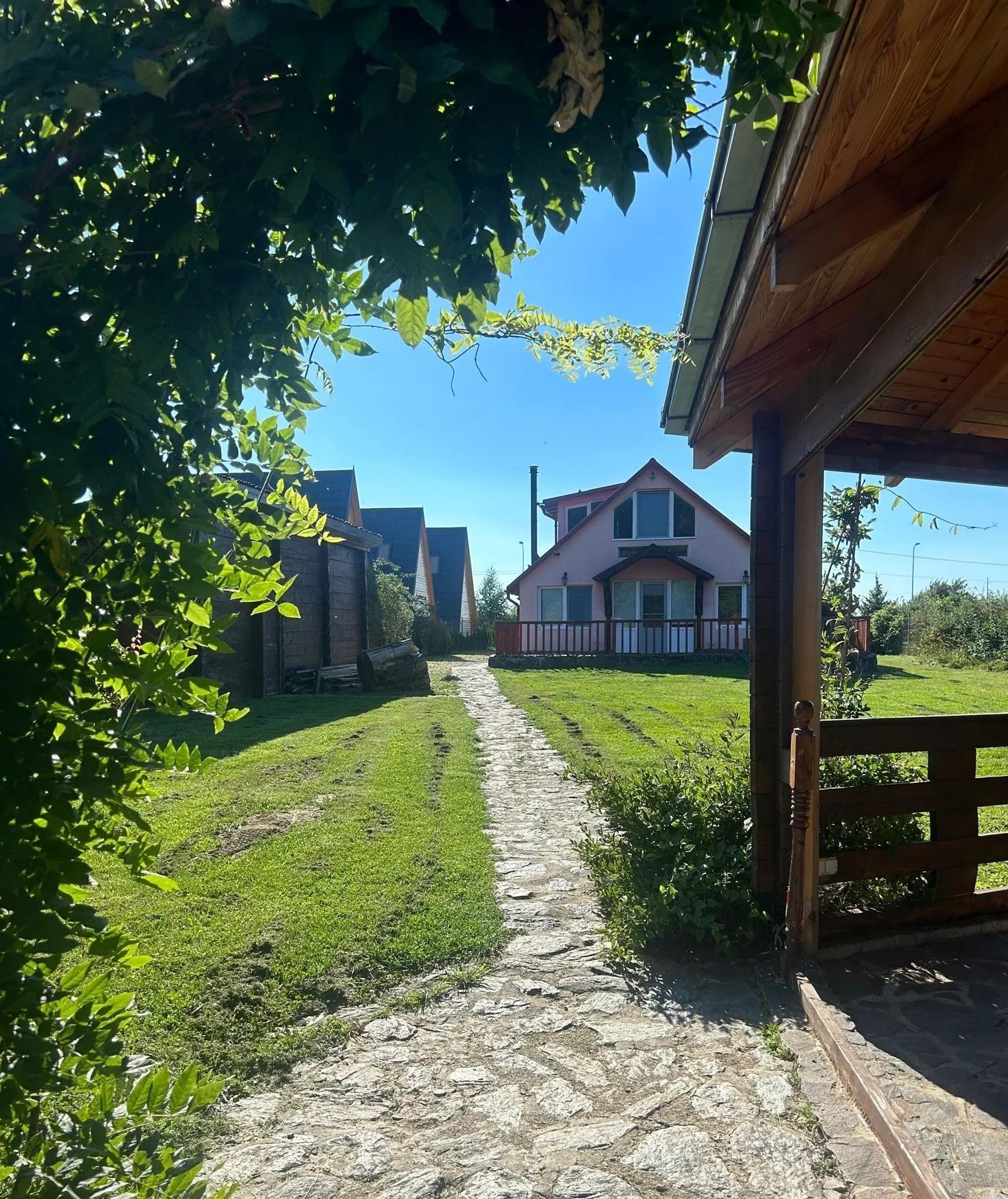
Înconjurată de Munții Făgăraș și situată pe malul râului Bâlea, Family Mountain Cottage din Cârţişoara îmbină lemnul și piatra naturală într-un concept open space care invită la relaxare. Priveliștea spre vârfurile impunătoare ale munților completează atmosfera caldă și rustică a locuinței. Unitatea pune la dispoziția dumneavoastră Wi-Fi gratuit, parcare privată gratuită și o saună pentru momente de răsfăț după zile petrecute în aer liber. Bucătăria complet utilată și încălzirea în pardoseală asigură confortul necesar indiferent de sezon. Curtea mare amenajată, grădina și foișorul oferă spațiul perfect pentru seri liniștite în aer liber, iar grătarul vă permite să pregătiți mese gustoase împreună cu cei dragi. Traseele montane din apropiere sunt ideale pentru drumeții și explorarea naturii. În vecinătate puteți vizita Transfăgărășanul și Lacul Bâlea, Stațiunea Bâlea, Cascada Bâlea, Cascada Capra de pe Transfăgărășan sau Mănăstirea Cisterciană de la Cârța, descoperind astfel frumusețile zonei. Family Mountain Cottage este potrivită pentru familiile care doresc să se bucure de liniștea muntelui și de facilități moderne într-un cadru natural autentic.
FROM
280 lei per night
Cabin · 3 stars
Cârţişoara, Sibiu County · 3.5 km
Cabana Liniștea Muntilor Cârţişoara
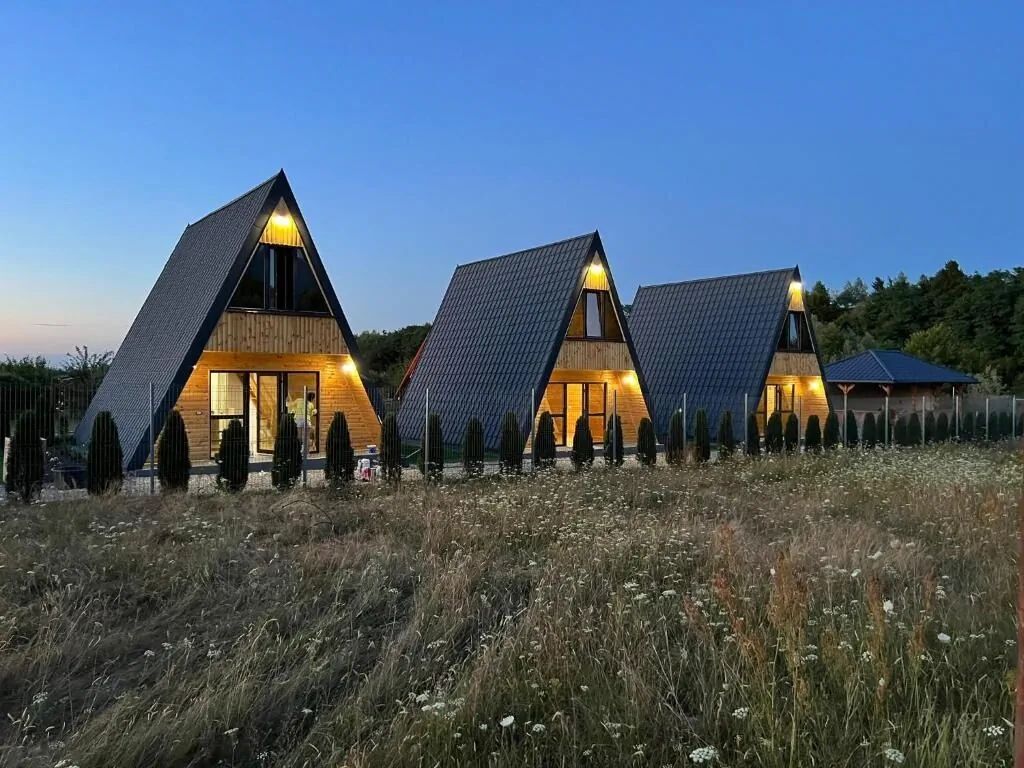
Ciubărul din lemn tradițional vă așteaptă la Cabana Liniștea Muntilor Cârţişoara din localitatea Cârţişoara, județul Sibiu, pentru momente de relaxare după zile petrecute în natură. Această cabană clasică clasificată cu trei stele oferă cazare confortabilă în trei camere mobilate plăcut, într-un cadru liniștit de munte. În curtea mare și grădina amenajată puteți organiza mese la grătar sau puteți prepara mâncăruri tradiționale în ceaun, în aer liber. Foișorul din curte oferă un loc perfect pentru odihnă, iar cei mici se pot distra în siguranță pe locul de joacă exterior, având la dispoziție și un scaun înalt pentru mese. Conexiunea Wi-Fi gratuită și cafeneaua din incintă vă pun la dispoziție servicii moderne, în timp ce parcarea privată gratuită vă asigură accesul facil cu mașina. Din acest punct puteți porni spre cele mai importante atracții din zonă. Veți găsi în apropiere Transfăgărășan și Lacul Bâlea, Stațiunea Bâlea, Cascada Bâlea, Cascada Capra de pe Transfăgărășan, dar și Mănăstirea Cisterciană de la Cârța, fiecare oferind experiențe unice în această zonă montană. Cabana este potrivită pentru familiile cu copii, pentru grupurile de prieteni și pentru toți cei care caută o bază confortabilă pentru a explora frumusețile zonei Cârţişoara.
FROM
270 lei per night
BEFORE YOU HIT THE ROAD
Weather conditions in Cârțișoara
Local forecast for Transfăgărășan Highway and Bâlea Lake, Cârțișoara, Sibiu

Real-time updated weather data
Much more to explore in this area
Nearby tourist attractions


Sibiu, Sibiu County
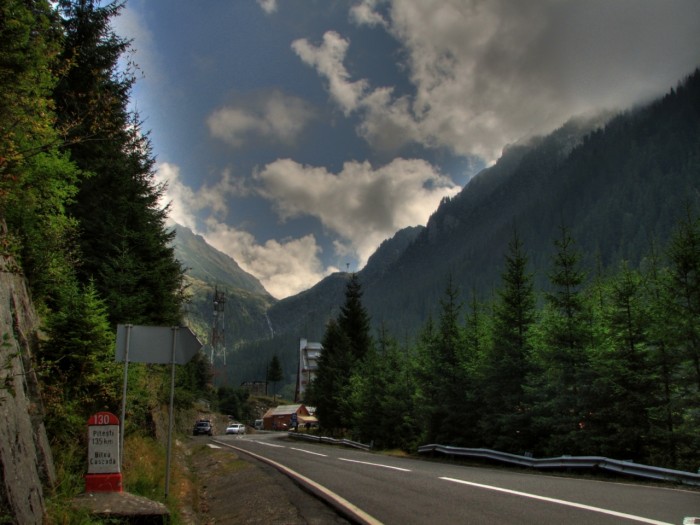
Bâlea Lake
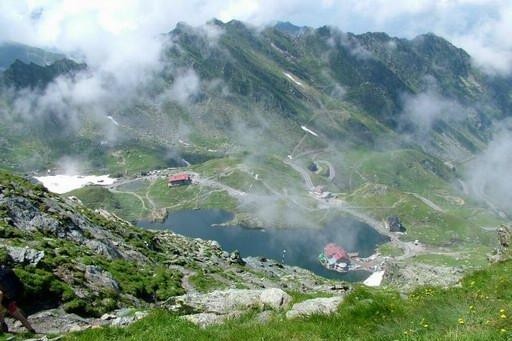
Situat in Muntii Fagaras, la Obarsia Cartisoarei, care se afla la o altitudine de 2.034 metri, langa soseaua Transfagarasan din judetul Sibiu; in perioada...
14.2 km

11.8 km
Sibiu, Sibiu County
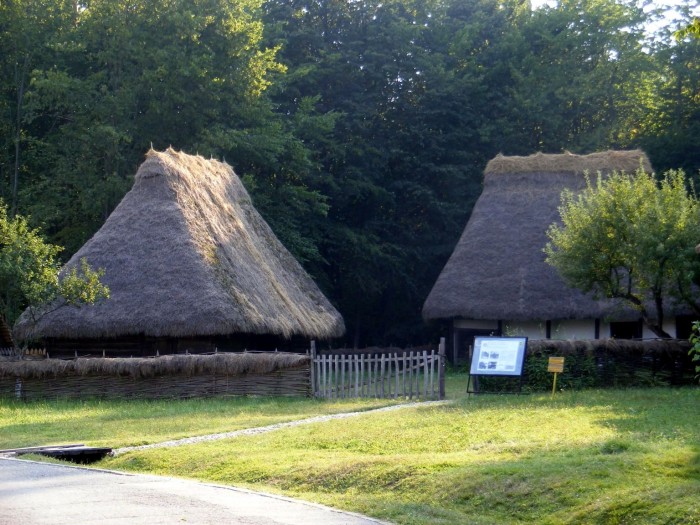
ASTRA Museum of Traditional Folk Civilization
Situat pe Calea Rasinari din localitatea Sibiu; este un muzeu in aer liber; a fost organizat cu incepere din anul 1963, sub denumirea de Muzeul Tehnicii...
35.7 km
Sibiu, Sibiu County
Bâlea Lake Resort
Situata in aria comunei Cartisoara din masivul Fagaras; se intinde pana la altitudinea de 2.500 m; include relieful alpin, lacul, flora si fauna din circul...
0.2 km

Brașov, Brașov County
Black Church of Brașov (Evangelical Fortified Church Ensemble)
Heritage site in Braşov County, Romania
40.1 km

45.5 km
Sibiu, Sibiu County
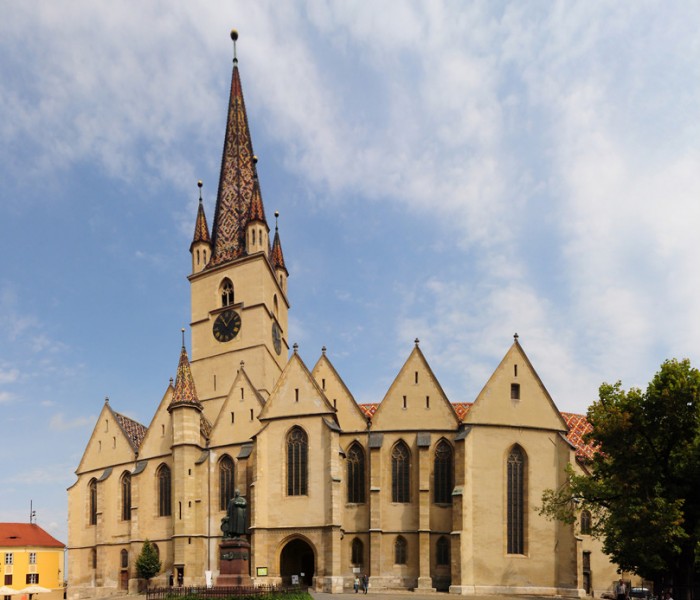
St. Mary's Evangelical Church
Situata in Piata Huet, localitatea Sibiu; a fost ridicata in secolul al-XIV-lea, pe locul unde exista o veche biserica inca din secolul al-XII-lea; cladirea...
33.8 km

Sibiu, Sibiu County
Brukenthal National Museum
Situat in Piata Mare nr.4-5; colectiile baronului von Brukenthal au luat nastere in principal intre anii 1759-1774, perioada pe care acesta a petrecut-o la...
33.7 km

42.8 km
Sibiu, Sibiu County
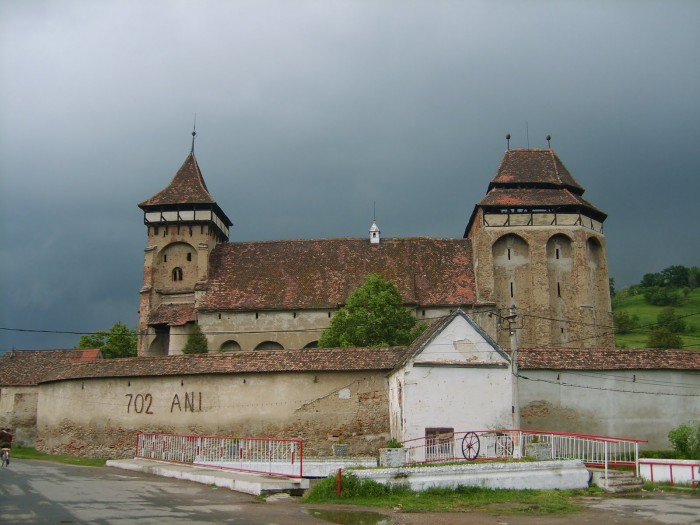
Valea Viilor Fortified Church
Situata in localitatea Valea Viilor; a fost construita in secolul al XII-lea, urmand sa fie fortificata in secolul al XV-lea si al XVI-lea; inconjurata de o...
45.8 km
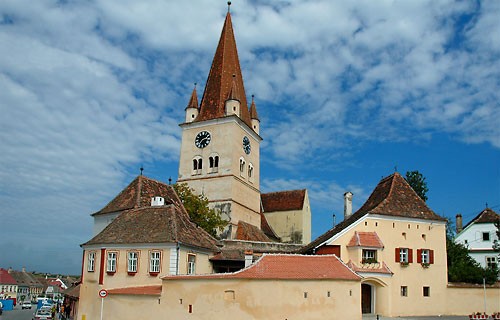
Sibiu, Sibiu County
The Fortified Evangelical Church of Cisnădie.
Situata pe strada Cetatii nr.1-3, localitatea Cisnadie; construita in secolul al XIII-lea; fortificata dupa atacul turcesc din 1493: turnul central a fost...
32.8 km
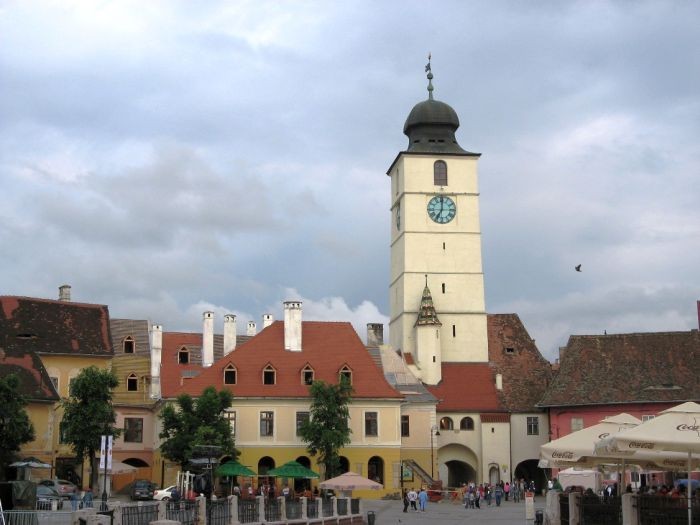
Sibiu, Sibiu County
The Council Tower
Situat in Piata Mica nr.1, localitatea Sibiu; construit deodata cu cea de-a doua incinta fortificata, intre anii 1224 si 1241; este considerat simbol al...
33.6 km
Cultural life and traditions
Events in the Transfăgărășan Highway and Bâlea Lake area
Medieval festivals, traditional fairs, concerts and local activities recommended in Transylvania.

Heritage and History

Cârțișoara, County of Sibiu
The Festival of Medieval Fortresses and the Open Doors Days
Guided night tours, traditional crafts workshops and historical re-enactments featuring knights and ladies.
WHEN
May 15-17, 2026


Traditions and Cuisine
Cârțișoara, County of Sibiu
The Fair of Saxon Traditions and Local Cuisine
Discover local producers, traditional Saxon pastries baked in a wood-fired oven, artisanal syrups, and rhubarb jam.
WHEN
Every weekend (May - October)

Ecotourism and Nature
The hills of Transylvania, County of Sibiu
Guided Hikes on the Transylvanian Hills Trail
Take excursions along unmarked trails through ancient meadows, centuries-old oak trees, and villages with fortified churches that are UNESCO World Heritage sites.
WHEN
Friday – Sunday (Season 2026)
On foot, exploration gains depth
Discover the surroundings and local geography
Explore the trails, terrain, and natural landmarks around Transfăgărășan Highway and Bâlea Lake.

Guides and practical tips
Useful travel articles
Travel guides, practical recommendations and tourist itineraries for Transylvania.

Tourist guide
Top 5 Atracții Turistice și Trasee Montane în Zona Moieciu - Bran
Descoperă cele mai spectaculoase peisaje carstice, chei adânci și cetăți medievale din imediata apropiere a stațiunii Moieciu.

Tourist guide
Ghid de Drumeție: Traseul Moieciu de Sus spre Platoul Bucegi
Un itinerariu montan de o frumusețe rară ce urcă din Valea Băngăleasa spre Poiana Guțanu și crestele maiestuoase ale Bucegilor.

Tourist guide
Castelul Bran: Istorie, Legende și Secrete Medievale
Află adevărata poveste a fortăreței medievale din Pasul Bran, reședința de suflet a Reginei Maria a României.
THE JOURNEY STARTS WITH AN IDEA
The next story is on the way.
From the first stop to the last stay, make room for a new Romania.
