


MUSEUM · TRANSYLVANIA
Brukenthal National Museum

Sibiu, Sibiu County
Add location to your trip planner.

Practical access information

VISITING HOURS
Monday: 12:00 PM – 5:00 PM · Tuesday–Sunday: 9:00 AM – 5:00 PM (in summer until 8:00 PM)

TICKET PRICE
Adults: 45 RON · Students: 11 RON · Seniors: 23 RON · Guided tour included

RECOMMENDED VISIT DURATION
2-3.5 hours
Visitor information and guide
 Navigate with Google Maps

ABOUT BRUKENTHAL NATIONAL MUSEUM
A European Heritage in the Heart of Sibiu
In the historic center of Sibiu, where the Great Square unfolds its majestic medieval market surrounded by Gothic towers and houses with roof-eyes, stands the Brukenthal Palace, a Baroque building that houses the oldest museum institution in Romania and in the entire Southeast Europe. Open to the public since 1790, more than a quarter of a century before the Parisian Louvre opened its gates or before the British Museum came into existence, the complex represents a living bridge between the golden centuries of European art and the Transylvanian cultural tradition. Founded by Baron Samuel von Brukenthal, governor of Transylvania during the Habsburg period and an enlightened statesman, the museum is not merely a repository of artworks, but a manifesto of the cosmopolitan spirit of 18th-century Central Europe. In the context of Sibiu being designated European Capital of Culture in 2007, and its historic center distinguished by architecture unique in Romania, the Brukenthal National Museum presents itself as a sanctuary of dialogue between the civilizations of Central Europe, those of the Balkans, and the great imperial courts of the West, offering the visitor a captivating journey through the cultural history of the continent.
Historical Roots and Dialogue with the Great European Courts
The genesis of the Brukenthal Museum is inseparable from the personal trajectory of its founder, Baron Samuel von Brukenthal (1721-1803), an emblematic figure of Habsburg Enlightenment in Transylvania. Appointed governor of the Principality of Transylvania in 1762, Brukenthal spent his period of formation and cultural accumulation in the imperial capital Vienna, where he held high administrative positions within the Habsburg monarchy's administration. This Viennese experience, carried out mainly between 1759 and 1774, gave the collector an unusual cosmopolitan openness for that era in the Transylvanian region, placing him in direct contact with the great artistic currents of Central Europe and the collecting networks of the imperial aristocracy. While the Medici family in Florence, the British royal family in London, or the collectors at the court of Louis XIV in Versailles accumulated treasures to assert their prestige, Brukenthal conceived the revolutionary idea of creating a public institution, destined not only for elites but for the entire community.
His vision crystallized at a moment when the Enlightenment spirit was penetrating Eastern Europe, and Transylvania, under Habsburg administration, was experiencing a period of relative prosperity and openness to Western models. The Baron's collections came into being through systematic acquisitions from great Viennese collectors, through donations received in his capacity as a high imperial dignitary, and through commissions addressed to European artistic workshops. Thus, Sibiu, a commercial city located at the intersection of routes between the Ottoman Empire and the Habsburg Monarchy, between the Kingdom of Hungary and the Romanian Lands, became in the 18th century a cultural center of European scope, in permanent dialogue with Vienna, Prague, or Dresden. The opening of the museum in 1790, almost two decades before the Napoleonic era of public museums, places the Sibiu institution among the first public museum foundations in the world, alongside the Ashmolean Museum in Oxford (1683) or the Uffizi collections in Florence, although the latter were initially private.
Architectural Masterpiece: The Brukenthal Palace between Baroque and Enlightenment
The main building of the museum complex, located at numbers 4 and 5 in the Great Square, represents one of the most important late Baroque architectural achievements in Romania and the entire Carpathian region. The building was constructed between 1778 and 1788, according to the plans of the Viennese architect Johann Samuel Neuhauser, a representative of the Austrian architectural school who brought to Transylvania the influences of Viennese Baroque and early Classicism. The main facade, with its sober and elegant lines, is distinguished by classical symmetry, tall windows framed by sculpted surrounds, and discrete plastic decorations that evoke the grandeur of the imperial palaces of Vienna, such as the Belvedere or Schönbrunn, although at a more intimate scale, adapted to the medieval urban specific of Sibiu.
The most spectacular architectural element is the inner arcaded courtyard, an enclosed space reminiscent of Italian Renaissance courtyards or monastic cloisters, but reinterpreted through the prism of Austrian Baroque. This courtyard, with its open galleries and massive columns, served not only as a distribution element of spaces, but also as a place for promenade and meeting for the cultural elite of Sibiu, evoking the atmosphere of Viennese salons or Italian gardens. The construction was made of stone and brick, with steeply pitched roofs, specific to Central European architecture, and the interiors were fitted with stuccoes, mirrors, and paneling that reflected the taste for luxury and refinement of the era. The Brukenthal Palace integrates organically into the urban ensemble of the Great Square, dialoguing with the tower houses from the 15th-16th centuries, creating a fascinating contrast between the late Gothic of the Saxon merchants and the Enlightenment Baroque of the imperial administration.
European Painting: A Panorama of Western Art
The valuable core of the Brukenthal heritage is constituted by the European painting collection, comprising approximately 1,200 works from the 15th-18th centuries, which offers a complete panorama of the evolution of Western art from the Early Renaissance to the Enlightenment. Arranged in the generous halls of the palace, with natural light filtered through the tall windows, these works illustrate the cultural cohesion of Europe in its golden ages, when artists traveled between Venice, Antwerp, Amsterdam, and Vienna, exchanging techniques and influences. The Flemish and Dutch school is represented by masterpieces of masters such as Jan van Eyck, the pioneer of oil painting, Hans Memling with his delicate portraits, and later by the genius of Peter Paul Rubens, whose dramatic compositions and vibrant colors influenced the entire European Baroque art. Alongside these, the Italian school shines through works by Titian Vecellio, the Venetian master of color and light, whose portraits and mythological scenes defined the Renaissance ideal of beauty.
The German and Austrian school completes this picture with works reflecting the late Gothic tradition and Italian influences on art in the German space, while the presence of Rembrandt van Rijn brings to the collection the psychological depth and the "chiaroscuro" technique specific to the Amsterdam School. This selection is not accidental, but reflects the educated taste of a collector who understood art as a universal language, capable of transcending the political borders of empires. The presentation of these works in the context of the Baroque palace, in halls with original decorations, creates a special museographic experience, close to the concept of the 18th-century "Kunstkammer" or cabinet of curiosities, but organized according to the modern principles of artistic display.
The Print Room and the Graphic Memory of Transylvania
Alongside painting, the Print Room of the Brukenthal Museum houses treasures of European engraving that complete the founder's artistic vision. The collection was significantly enriched in 1834 through the acquisition of 160 prints from the painter Franz Neuhauser, descendant of the palace architect, constituting a valuable core of the graphic heritage. Particularly precious is the Transylvanian graphic collection, which brings together over 3,000 drawings, watercolors, and engravings from the 18th-19th centuries, representing an essential documentary source for understanding the historical, architectural, and ethnographic evolution of the region. These works, created by traveling artists such as those from the Viennese or German schools, capture fortresses, churches, traditional costumes, and landscapes, offering a vivid image of Transylvania during the Habsburg domination.
Acquisitions and donations from the second half of the 20th century added significant works by masters of Romanian art, consolidating the national dimension of the heritage within a European framework. European engravings, from those of Albrecht Dürer to those of Dutch masters, illustrate the way the image circulated on the continent, diffusing artistic models and cultural ideas from major urban centers to peripheral regions. Thus, the Print Room functions as a visual archive of European memory, where each engraved line preserves the trace of a civilization concerned with transmitting knowledge through image.
Romanian Art and the Splendor of Decorative Arts
The Romanian Art Gallery presents a complete evolution of indigenous creation, from Byzantine tradition painting and the Transylvanian school to modern and contemporary art, covering the period from the 15th century to the present. This collection reflects the synthesis between the local Orthodox tradition and Western influences, characteristic of the Transylvanian cultural elite that knew how to assimilate European models without losing its identity. In parallel, the decorative art collection brings together exceptional pieces that illustrate the luxury and refinement of the princely and aristocratic courts of Central Europe: carved altars, secular and religious silverware from the 15th-18th centuries, Bohemian and Venetian glassware, Oriental carpets brought along Ottoman trade routes, and furniture pieces in the Louis XV or Empire style.
These objects are not mere decorations, but material witnesses of a cosmopolitan lifestyle, in which Sibiu, as a commercial node between East and West, received goods from all corners of Europe and the Ottoman Empire. Nuremberg silverware, Meissen porcelain, Murano glassware, and Persian or Anatolian carpets form an ensemble that evokes the atmosphere of Viennese salons or Hungarian palaces, demonstrating that 18th-century Transylvania was an integral part of the European economy and culture, not an isolated region on the edge of the continent.
The Brukenthal Library: The Treasure of Incunabula and Written Heritage
The Brukenthal Library, with approximately 280,000 volumes, represents an exceptional bibliographic treasure that places the institution among the most important cultural centers of Eastern and Central Europe. Founded on the basis of the Baron's personal library, which numbered over 9,000 volumes at his death, the collection grew through systematic acquisitions and donations throughout the 19th and 20th centuries. Among these volumes, 442 titles totaling 382 copies represent incunabula, books printed before the year 1501, witnesses of the Gutenberg Revolution and the diffusion of knowledge in the Renaissance period. These books, printed in workshops in Mainz, Venice, Paris, or Nuremberg, contain fundamental works of Latin literature, sacred texts, historical chronicles, and scientific treatises, offering researchers access to the first forms of the printed book.
The collection also includes medieval manuscripts, rare books from the 16th-18th centuries, historical periodicals, and documentary archives that reflect the evolution of Enlightenment ideas, exact sciences, and literature in the Central European space. The Library keeps alive the memory of the first European printing workshops and the way ideas circulated on the continent, from Italian printing houses to German ones, influencing the development of written culture in Transylvania. Through the richness and diversity of its holdings, the Brukenthal Library stands alongside the great national libraries of Europe, such as the Austrian National Library in Vienna or the Bodleian Library in Oxford, offering a unique study framework for historians, philologists, and researchers of cultural heritage.
The Story of an Enlightened Collector and Turning Points
The life of Baron Samuel von Brukenthal is itself a story of cultural ambition in an era of transition. Born in 1721 into a family of Saxon nobles from Transylvania, Brukenthal climbed the steps of the Habsburg imperial hierarchy to the position of governor, accumulating not only political power but also considerable wealth that he invested in art and learning. Through his will of 1803, he left the entire collection to the Saxon community of Sibiu, on the condition that it be opened to the public, a gesture that transformed the palace into a true temple of knowledge accessible to all, not just a privileged elite.
Over time, the institution went through numerous turning points. The 19th century brought extensions and reorganizations of the collections, while the 20th century, with its political turmoil, world wars, and communist period, put the preservation of the heritage to the test, although the museum continued to function and develop. A dramatic moment occurred in August 2019, when a fire affected the palace roof, threatening the integrity of the historic building. The rapid intervention of the firefighters and subsequent restoration efforts demonstrated the resilience of this institution and the commitment of the local and international community to preserving this heritage. The restoration, carried out with respect for historical authenticity and with European support, restored the splendor of the palace, allowing the complete reopening of the museum spaces and consolidating the status of the Brukenthal Museum as a symbol of cultural continuity in Sibiu.
Practical Guide: How to Discover the Brukenthal Museum
Visiting the Brukenthal National Museum represents a complete experience of Transylvanian cultural heritage in a European context, located in the historic heart of Sibiu, in the Great Square at numbers 4 and 5. Visitors are invited to explore both the interior spaces of the Baroque palace, with its halls decorated in the 18th-century style, and the inner arcaded courtyard, a space of tranquility and contemplation in the midst of urban bustle. The optimal itinerary includes visiting the European Painting Gallery, where one can admire masterpieces by Flemish, Italian, and German masters, followed by the Print Room and the Romanian Art Gallery, which offers a perspective on the evolution of indigenous creation.
The Brukenthal Library, although access is more restricted for the general public, can be visited within special tours or temporary exhibitions, offering the opportunity to see incunabula and rare books in an authentic setting. The museum also houses other sections, such as the Natural History Museum and the Pharmacy History Museum, completing the cultural offer of the complex. For a complete experience, it is recommended to allocate at least three to four hours for the visit, allowing time for contemplating the works and for walking through the inner courtyard.
The context of the visit is essential: the Brukenthal Museum is located near the main attractions of Sibiu, such as the Bridge of Lies, the Small Square, and the Council Tower, allowing its integration into a broader cultural itinerary of the city. The fact that Sibiu was European Capital of Culture in 2007 brought added international visibility to this city, and the Brukenthal Museum remains one of the most important points of attraction, offering visitors not only universally valuable works of art, but also the atmosphere of an era when Sibiu was a living bridge between East and West, and enlightened collectors contributed to the formation of European cultural identity. Each hall, each work, and each volume in the library tells of a past in which the borders between nations dissolved in the face of the common passion for beauty, truth, and knowledge.
Media gallery
Discover Brukenthal National Museum in pictures

2 photos · Architecture, courtyards and captivating details


Image source: Wikimedia Commons · Public domain photos · Free license
STAY A FEW DAYS, DISCOVER THE MAGIC
Accommodation in the Brukenthal National Museum area

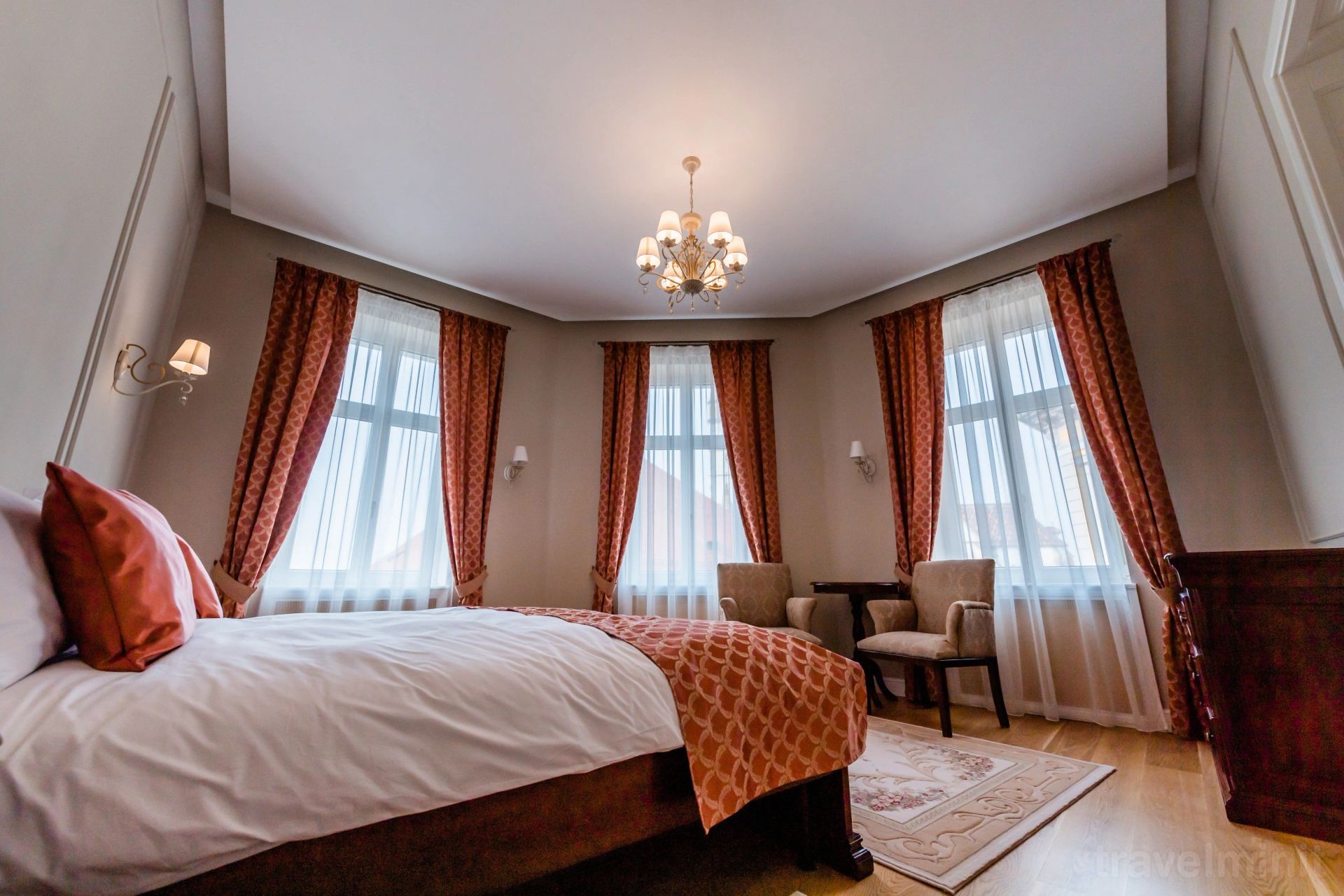
Guesthouse · 3 stars

Sibiu, Sibiu County · 0.0 km
Pensiunea Casa Petra Sibiu
Familiile cu copii mici și călătorii cu nevoi speciale de mobilitate se vor simți bineveniți la Pensiunea Casa Petra din Sibiu. Unitatea oferă condiții adaptate pentru confortul dumneavoastră într-un cadru plăcut, situat în apropierea centrului istoric al orașului. Pensiunea pune la dispoziție Wi-Fi gratuit în întreaga locație, un pătuț pentru bebeluș, fier de călcat, ascensor și acces facilitat pentru persoanele cu dizabilități. Aceste facilități asigură un sejur relaxant și comod pentru toți oaspeții, indiferent de vârstă sau nevoi specifice. Cele opt camere sunt amenajate cu atenție la detalii și dotate cu aer condiționat și baie proprie. Fiecare cameră oferă un spațiu confortabil și liniștit pentru odihnă după o zi petrecută explorând străzile orașului, iar personalul de la recepție vorbește limba română și engleză. În apropiere puteți descoperi Muzeul Civilizației Populare Tradiționale ASTRA, Biserica Parohială Evanghelică Sfânta Maria din Sibiu, Muzeul Brukenthal, Turnul Sfatului și Podul Minciunilor, obiective care completează experiența culturală a zonei. Vă așteptăm la Pensiunea Casa Petra din Sibiu pentru un sejur plăcut.
FROM
240 lei per night

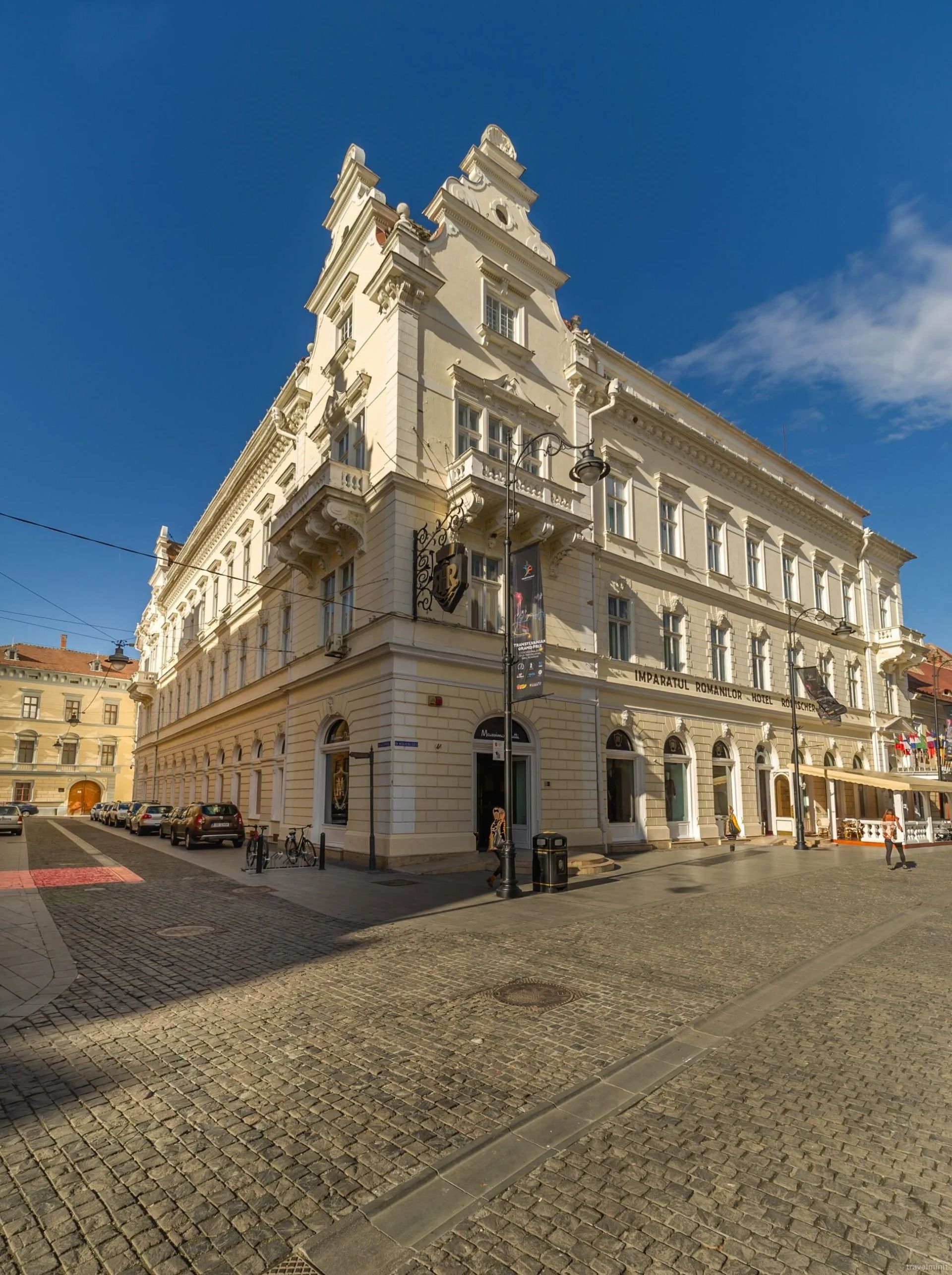
Hotel · 4 stars
Sibiu, Sibiu County · 0.1 km
Hotel Imparatul Romanilor Sibiu
Hotel de patru stele situat în Sibiu, pe strada Nicolae Bălcescu numărul 4. Unitatea oferă cazare în camere confortabile și bine amenajate, care asigură un sejur plăcut și odihnitor în oraș. Oaspeții dumneavoastră beneficiază de parcare privată gratuită și acces la internet wireless fără cost în toate spațiile hotelului. Pentru relaxare și îngrijire personală, aveți la dispoziție sală de fitness, saună, saună umedă și cadă cu hidromasaj. Serviciile includ room service și depozit pentru bagaje, iar pentru confortul dumneavoastră sunt disponibile facilități pentru persoanele cu dizabilități și fier de călcat în fiecare cameră. În apropiere se află importante obiective turistice și culturale: Muzeul Civilizației Populare Tradiționale ASTRA, Biserica Parohială Evanghelică Sfânta Maria din Sibiu, Muzeul Brukenthal, Turnul Sfatului și Podul Minciunilor. Aceste puncte de interes pot fi explorate cu ușurință pornind direct de la hotel, oferindu-vă ocazia de a descoperi atmosfera specifică zonei. Vă așteptăm să descoperiți frumusețile orașului începând cu Turnul Sfatului.
FROM
420 lei per night
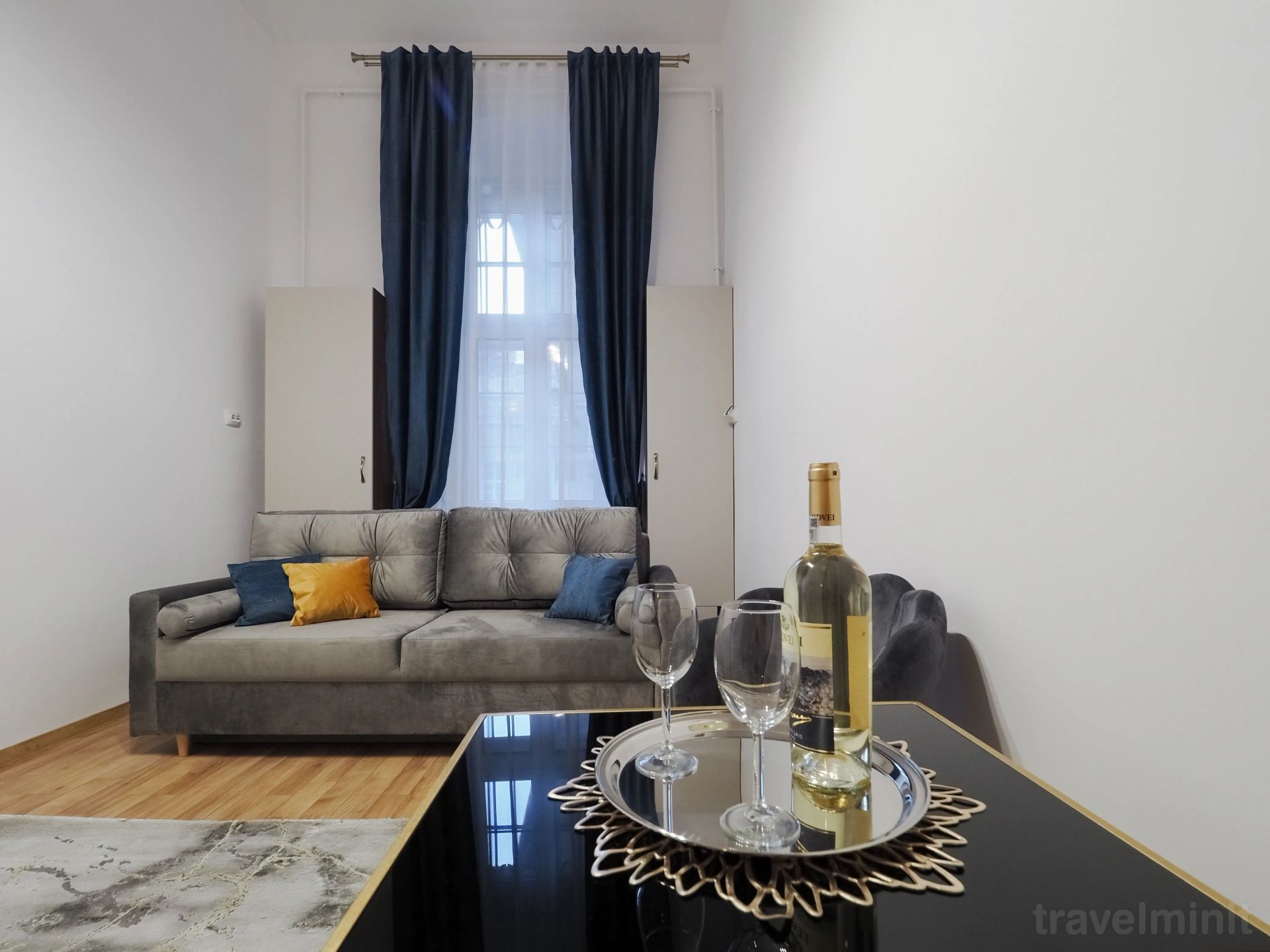
Holiday home · 3 stars
Sibiu, Sibiu County · 0.1 km
Elisabeth Home Piața Mare Sibiu
O zi în care ajungeți cu mașina și parcați fără cost, apoi vă conectați imediat la internet de oriunde din casă, se desfășoară confortabil la Elisabeth Home Piața Mare din Sibiu. Această unitate de tip vilă integrală vă oferă două camere amenajate cu atenție, fiecare dotată cu baie proprie, într-un spațiu care vă aparține în întregime pe durata șederii dumneavoastră. Beneficiați de Wi-Fi gratuit în toate încăperile și de parcare privată gratuită chiar în incinta proprietății, facilități care vă asigură libertatea de mișcare și conectivitate pe tot parcursul vizitei. Atmosfera liniștită și intimitatea unei case întregi vă permit să vă simțiți bineveniți, departe de aglomerația specifică hotelurilor clasice din zonă. Poziționarea chiar în Piața Mare vă pune la îndemână cele mai importante obiective ale orașului. Puteți explora Muzeul Civilizației Populare Tradiționale ASTRA, Biserica Parohială Evanghelică Sfânta Maria din Sibiu, Muzeul Brukenthal, Turnul Sfatului și Podul Minciunilor, toate fiind accesibile prin plimbări plăcute prin centrul istoric al orașului. Dimineața, după ce vă treziți liniștiți în camera dumneavoastră, vă puteți conecta la Wi-Fi gratuit pentru a verifica vremea și a vă planifica traseul spre obiectivele pe care doriți să le vizitați în acea zi.
FROM
280 lei per night
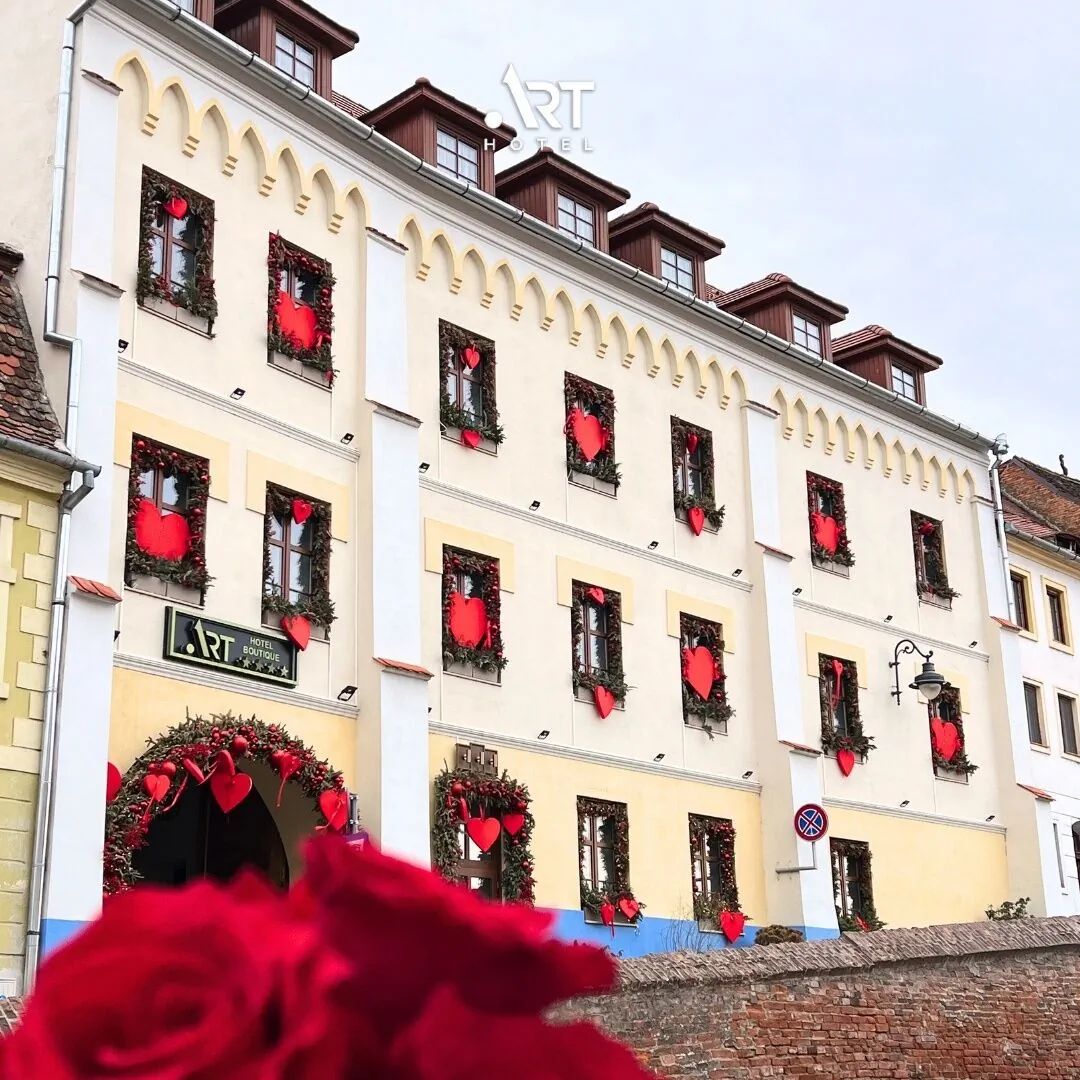
Hotel · 4 stars
Sibiu, Sibiu County · 0.1 km
Art Hotel Sibiu
Art Hotel Sibiu este un hotel de patru stele situat în orașul Sibiu, pe strada Centumvirilor. Unitatea dispune de 27 de unități de cazare spațioase și luminoase, dintre care 22 de camere și 5 apartamente, într-un cadru care îmbină texturi și materiale tradiționale cu cele contemporane, oferind o atmosferă aparte pentru fiecare oaspete. Pentru confortul dumneavoastră, hotelul oferă Wi-Fi gratuit în întreaga incintă, lift, bar și cafenea, precum și o curte mare cu grădină amenajată. De asemenea, aveți la dispoziție servicii de masaj, seif în fiecare unitate de cazare, depozit pentru bagaje, scaun înalt pentru copii și pătuț pentru bebeluș, astfel încât șederea dumneavoastră să fie cât mai plăcută și lipsită de griji. În apropiere se află Muzeul Civilizației Populare Tradiționale ASTRA, Biserica Parohială Evanghelică Sfânta Maria din Sibiu, Muzeul Brukenthal, Turnul Sfatului și Podul Minciunilor, obiective culturale și istorice importante pe care le puteți explora cu ușurință pornind din acest punct central al orașului. Seara, după vizitele la obiectivele din apropiere, vă puteți relaxa în grădina amenajată sau la barul din incintă.
FROM
420 lei per night
Apartment · 3 stars
Sibiu, Sibiu County · 0.1 km
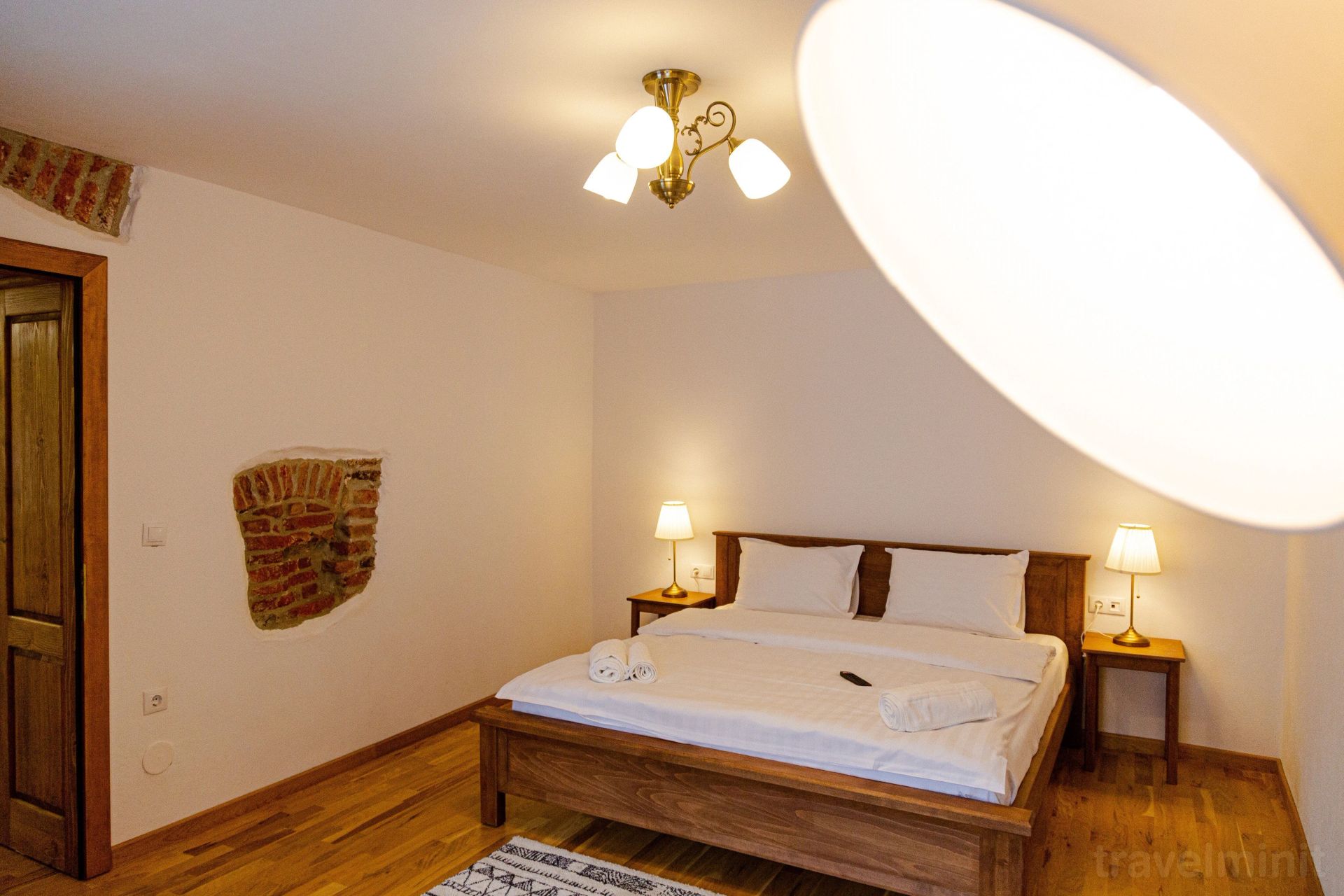
Stone Way Apartment Sibiu
O zi petrecută aici poate începe cu o cafea savurată în curtea mare și grădina amenajată, urmată de conectare la Wi-Fi gratuit pentru a planifica vizitele din oraș. Stone Way Apartment Sibiu vă primește într-un apartament generos situat pe strada Centumvirilor, într-o zonă liniștită a orașului. Spațiul este compus din două dormitoare, o bucătărie complet utilată și o baie, oferind intimitate și confort pentru întreaga familie sau grupul de prieteni. Pentru siguranța celor mici aveți la dispoziție un scaun înalt, iar bagajele pot fi păstrate în siguranță în depozitul special amenajat. De asemenea, accesul este facilitat pentru persoanele cu dizabilități, iar fierul de călcat vă permite să vă mențineți hainele impecabile pe toată durata șederii. Apartamentul se află pe una dintre cele mai vechi străzi ale Sibiului, pe o cale pietruită cu circulație redusă, departe de aglomerația urbană. În apropiere puteți descoperi Muzeul Civilizației Populare Tradiționale ASTRA, Biserica Parohială Evanghelică Sfânta Maria din Sibiu, Muzeul Brukenthal, Turnul Sfatului și Podul Minciunilor, toate fiind la îndemână pentru vizitare. Este o alegere potrivită pentru călătorii care doresc să exploreze monumentele istorice ale Sibiului într-un cadru liniștit, beneficiind de toate facilitățile necesare pentru un sejur confortabil și relaxant.
FROM
230 lei per night
Apartment · 3 stars
Sibiu, Sibiu County · 0.1 km
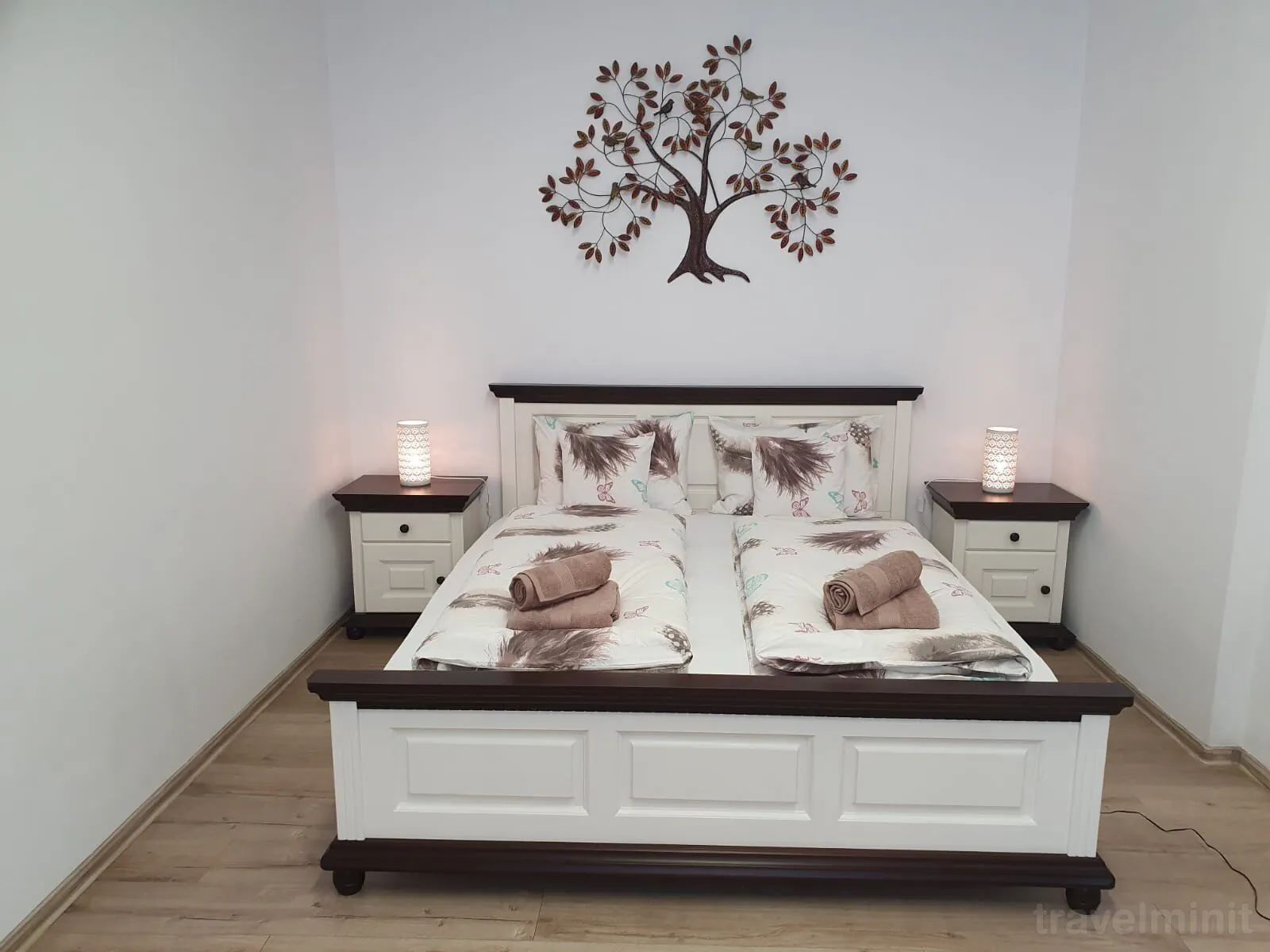
Apartament Smiley Central Sibiu
Comfort, relaxation and stunning views, all just steps away from the main attractions.
FROM
230 lei per night
BEFORE YOU HIT THE ROAD
Weather conditions in Sibiu
Local forecast for Brukenthal National Museum, Sibiu, Sibiu

Real-time updated weather data
Much more to explore in this area
Nearby tourist attractions


Cârțișoara, Sibiu County
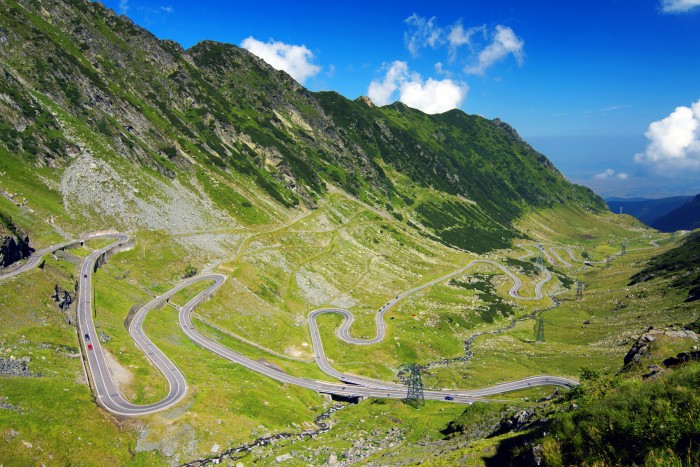
Transfăgărășan Highway and Bâlea Lake
Incepe in comuna Bascov din judetul Arges de langa orasul Pitesti, in directia orasului Curtea de Arges si se termina la intersectia cu drumul DN1 intre Sibiu...
33.7 km
Sibiu, Sibiu County
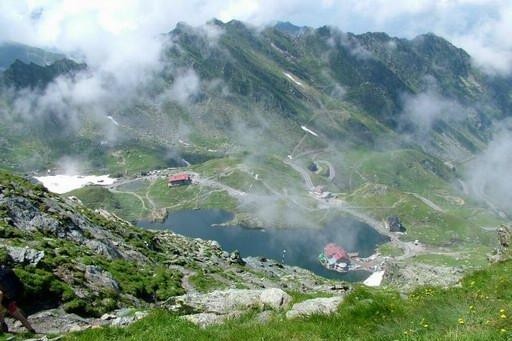
Bâlea Lake
Situat in Muntii Fagaras, la Obarsia Cartisoarei, care se afla la o altitudine de 2.034 metri, langa soseaua Transfagarasan din judetul Sibiu; in perioada...
42.1 km

40.7 km
Sibiu, Sibiu County
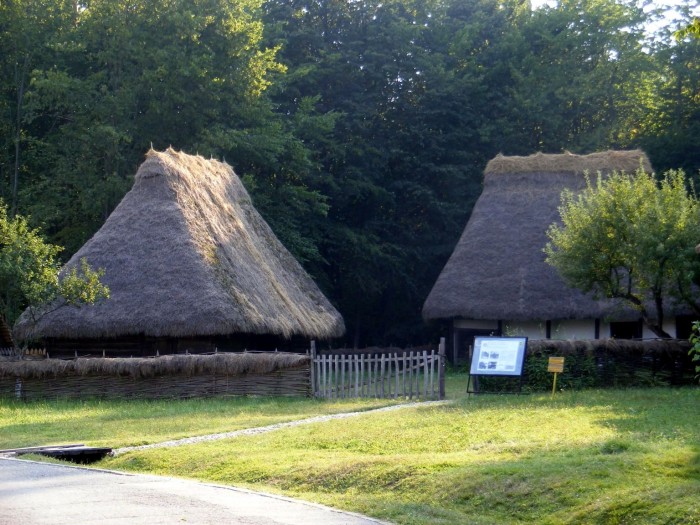
ASTRA Museum of Traditional Folk Civilization
Situat pe Calea Rasinari din localitatea Sibiu; este un muzeu in aer liber; a fost organizat cu incepere din anul 1963, sub denumirea de Muzeul Tehnicii...
5.3 km
Sibiu, Sibiu County
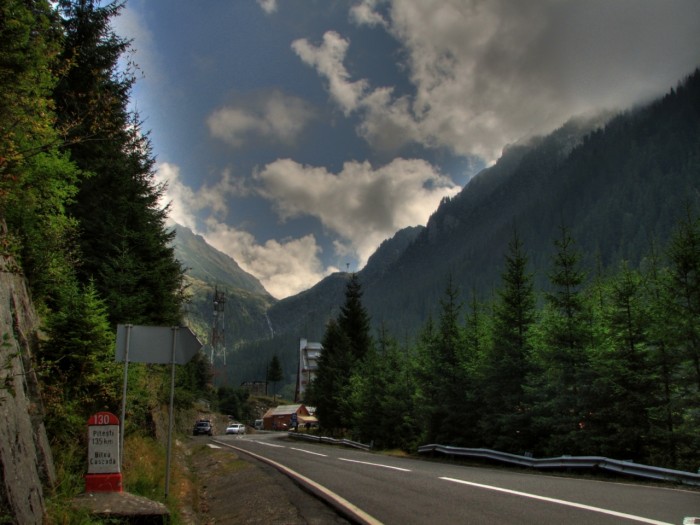
Bâlea Lake Resort
Situata in aria comunei Cartisoara din masivul Fagaras; se intinde pana la altitudinea de 2.500 m; include relieful alpin, lacul, flora si fauna din circul...
33.8 km

47.3 km
Sibiu, Sibiu County
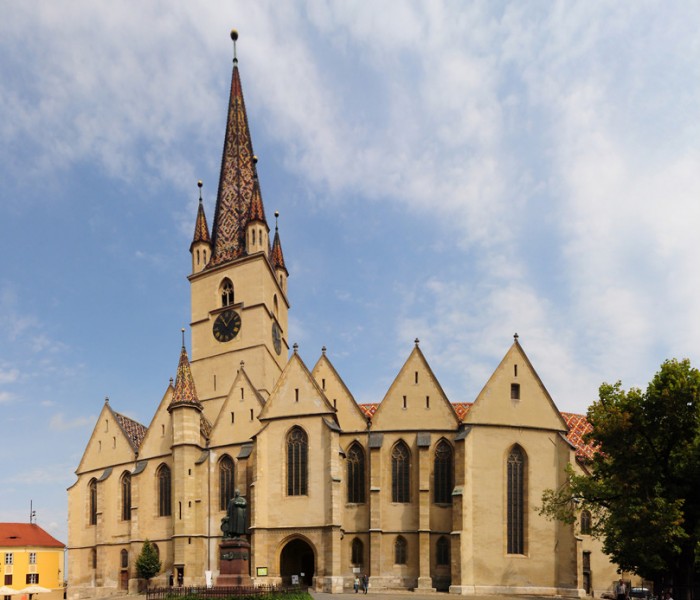
St. Mary's Evangelical Church
Situata in Piata Huet, localitatea Sibiu; a fost ridicata in secolul al-XIV-lea, pe locul unde exista o veche biserica inca din secolul al-XII-lea; cladirea...
0.1 km
Sibiu, Sibiu County
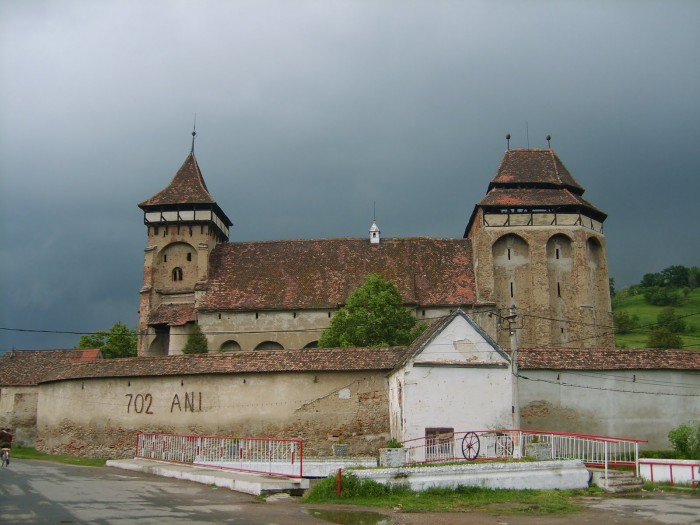
Valea Viilor Fortified Church
Situata in localitatea Valea Viilor; a fost construita in secolul al XII-lea, urmand sa fie fortificata in secolul al XV-lea si al XVI-lea; inconjurata de o...
33.5 km

37.9 km
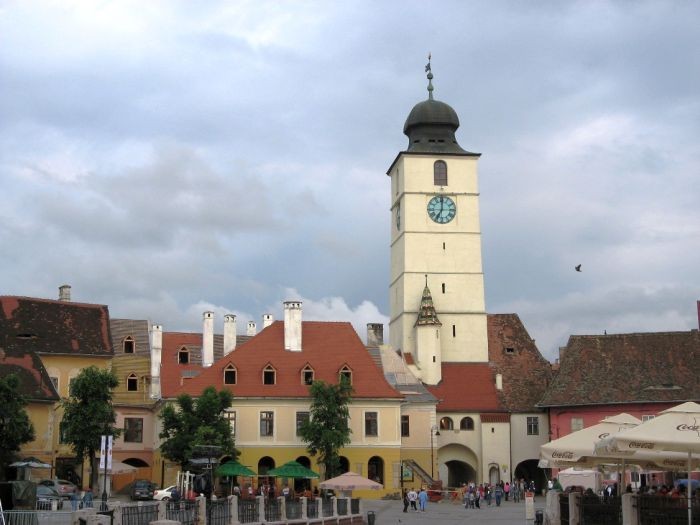
Sibiu, Sibiu County
The Council Tower
Situat in Piata Mica nr.1, localitatea Sibiu; construit deodata cu cea de-a doua incinta fortificata, intre anii 1224 si 1241; este considerat simbol al...
0.2 km
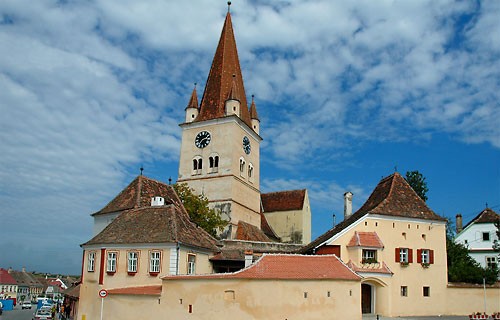
Sibiu, Sibiu County
The Fortified Evangelical Church of Cisnădie.
Situata pe strada Cetatii nr.1-3, localitatea Cisnadie; construita in secolul al XIII-lea; fortificata dupa atacul turcesc din 1493: turnul central a fost...
9.3 km
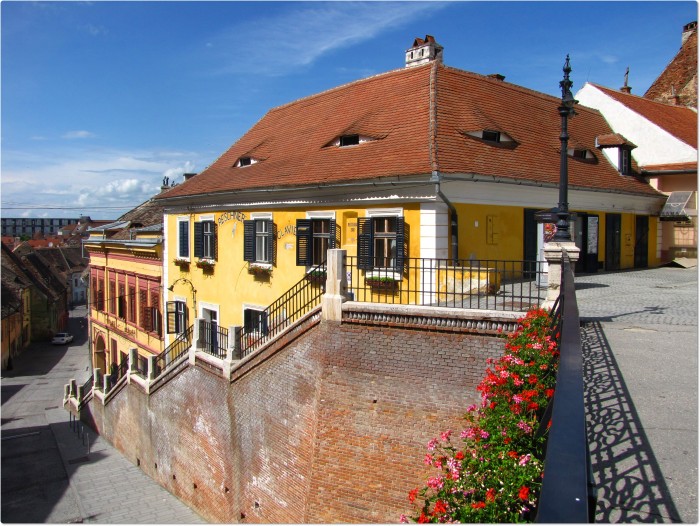
Sibiu, Sibiu County
The Bridge of Lies
Face legatura dintre Piata Mica si Piata Huet din Sibiu; a fost turnat in Laubach si montat in Sibiu in anul 1859; este primul pod din fonta din Romania;...
0.2 km
Cultural life and traditions
Events in the Brukenthal National Museum area
Medieval festivals, traditional fairs, concerts and local activities recommended in Transylvania.

Heritage and History

Sibiu, County of Sibiu
The Festival of Medieval Fortresses and the Open Doors Days
Guided night tours, traditional crafts workshops and historical re-enactments featuring knights and ladies.
WHEN
May 15-17, 2026


Traditions and Cuisine
Sibiu, County of Sibiu
The Fair of Saxon Traditions and Local Cuisine
Discover local producers, traditional Saxon pastries baked in a wood-fired oven, artisanal syrups, and rhubarb jam.
WHEN
Every weekend (May - October)

Ecotourism and Nature
The hills of Transylvania, County of Sibiu
Guided Hikes on the Transylvanian Hills Trail
Take excursions along unmarked trails through ancient meadows, centuries-old oak trees, and villages with fortified churches that are UNESCO World Heritage sites.
WHEN
Friday – Sunday (Season 2026)
On foot, exploration gains depth
Discover the surroundings and local geography
Explore the trails, terrain, and natural landmarks around Brukenthal National Museum.

Guides and practical tips
Useful travel articles
Travel guides, practical recommendations and tourist itineraries for Transylvania.

Tourist guide
Top 5 Atracții Turistice și Trasee Montane în Zona Moieciu - Bran
Descoperă cele mai spectaculoase peisaje carstice, chei adânci și cetăți medievale din imediata apropiere a stațiunii Moieciu.

Tourist guide
Ghid de Drumeție: Traseul Moieciu de Sus spre Platoul Bucegi
Un itinerariu montan de o frumusețe rară ce urcă din Valea Băngăleasa spre Poiana Guțanu și crestele maiestuoase ale Bucegilor.

Tourist guide
Castelul Bran: Istorie, Legende și Secrete Medievale
Află adevărata poveste a fortăreței medievale din Pasul Bran, reședința de suflet a Reginei Maria a României.
THE JOURNEY STARTS WITH AN IDEA
The next story is on the way.
From the first stop to the last stay, make room for a new Romania.
