


PLACE OF WORSHIP · MOLDAVIA
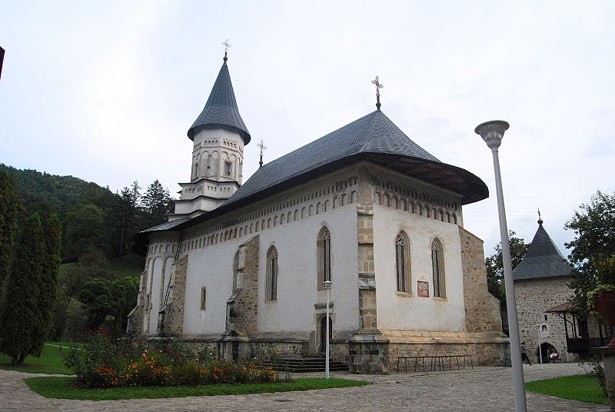
Bistrița Monastery

Neamt, Neamț County
Add location to your trip planner.
Practical access information

VISITING HOURS
Monday: 12:00 PM – 5:00 PM · Tuesday–Sunday: 9:00 AM – 5:00 PM (in summer until 8:00 PM)

TICKET PRICE
Adults: 45 RON · Students: 11 RON · Seniors: 23 RON · Guided tour included

RECOMMENDED VISIT DURATION
2-3.5 hours
Visitor information and guide
 Navigate with Google Maps

ABOUT BISTRIȚA MONASTERY
Introduction: A Fortress of Faith in the Heart of Moldavia
Amidst the undulating landscape of the Moldavian Subcarpathians, just eight kilometers west of the city of Piatra Neamț, rises Bistrița Monastery, a spiritual fortress born of stone and faith. This monastic complex, founded during a time when Southeastern Europe sought balance between declining empires and emerging powers, represents far more than a simple place of worship. It is a silent witness to Byzantine diplomacy, princely ambitions, and an art that continually engaged with the great cultural currents of the continent. Though today it exudes an aura of contemplative tranquility, surrounded by ancient forests and gentle hills, Bistrița was once a strategic center of medieval Moldavia—a place where destinies were decided, Byzantine envoys were received, and the future of a nation was shaped. Visitors who step through its gates enter a world where Byzantine architecture meets the need for defense, where the frescoes of the Moldavian school shine with the same intensity as those of the Byzantine capital, and where tombstones conceal the legends of personalities who marked the history of Eastern Europe. Bistrița Monastery is not merely a religious monument; it is a living page of European heritage, a place where Orthodox spirituality, medieval diplomacy, and high art intertwine in a unique manner, offering the cultivated traveler a profound and memorable experience worthy of the continent’s most prestigious cultural destinations.
Historical Roots and Ties to Imperial Courts
The history of Bistrița Monastery begins in the tumultuous period of the Moldavian state’s formation, when Petru I Mușat, the voivode who laid the foundations of the Mușatin dynasty, erected a modest wooden church in these lands toward the end of the 14th century. However, the true foundation of the stone complex belongs to his son, Alexandru cel Bun (Alexander the Good), who in 1402 replaced the old church with an imposing structure, establishing a monastic complex destined to become one of Moldavia’s most influential spiritual centers. Alexandru cel Bun was not merely a religious founder but a master of diplomacy, a voivode who navigated between the interests of the Kingdom of Hungary, Poland, and the Ottoman Empire while seeking to strengthen ties with the Byzantine Empire—the last bastion of Eastern Christianity before the fall of Constantinople. These diplomatic connections materialized in exceptional spiritual gifts, such as icons presented by Byzantine emperors, attesting that Bistrița was integrated into the network of Christian elites of Southeastern Europe, alongside the courts of Serbia, Wallachia, and Mount Athos, forming a true chain of Orthodox solidarity in the face of external threats.
Over a century later, around 1498, Ștefan cel Mare (Stephen the Great), Moldavia’s greatest voivode, added a chapel-tower to the complex, preserved to this day as the oldest structure within the current precinct. This construction reflects the new geopolitical reality of Europe: the need for defense against Ottoman expansion, which threatened the borders of Christendom. Ștefan cel Mare, the hero who halted the Turkish advance at Vaslui in 1475, transformed Moldavian monasteries into true fortresses of faith, akin to the fortified monasteries of medieval Serbia, such as Studenica or Manasija, or those of Mount Athos. Between 1541 and 1546, Petru Rareș, the son of Ștefan cel Mare—a voivode educated at the Polish court in Kraków and familiar with the humanist ideas of the European Renaissance—undertook extensive restoration works. He rebuilt the enclosure wall with its entrance tower, where he established a chapel, restored the Princely House and adorned it with frescoes, expanded the chapel in the belfry built by his father, and founded a princely school, which today houses the monastery’s museum. These interventions place Bistrița within the context of Europe’s great Renaissance courts, such as those of the Medici in Florence or the Valois in France, where education and culture were as important as military defense. In 1554, Alexandru Lăpușneanu undertook a complete renovation of the entire complex, further consolidating the monastery’s status as a spiritual and cultural power center of Moldavia.
Architecture: The Fusion of Byzantine Style and Defensive Necessity
The monastery’s church impresses with its richly ornamented Byzantine style, preserving to this day its original entrance door, a silent witness to centuries of history and the resilience of materials against time. The inscribed-cross plan and central dome evoke the great basilicas of Justinian’s Constantinople, adapted to the local scale and architectural tradition. However, what distinguishes Bistrița from other Byzantine monasteries is its spiritual-defensive duality, reflected in Ștefan cel Mare’s chapel-tower and the fortified walls erected by Petru Rareș. These architectural elements align it with the fortified monasteries of the Balkan Peninsula, from Serbia to Montenegro, as well as with the residence-fortresses of the Hungarian and Polish nobility, where spirituality and security went hand in hand. The enclosure walls, built from local limestone and brick, feature a complex defensive system with battlements and narrow arrow slits, similar to the defensive systems of medieval Transylvanian fortresses or the fortified monasteries of the Balkans.
The chapel-tower, serving a dual role as both belfry and elevated place of prayer, represents a unique architectural innovation, suggesting a synthesis between Orthodox monastic tradition and the military necessities of a turbulent era. The entrance tower, added by Petru Rareș, functioned both as an access gate and a chapel, an architectural concept reflecting the need to combine security with spirituality within a sacred space. The Princely House, restored by Petru Rareș, houses frescoes attributed to the 16th-century Moldavian school, a precious example of Romanian religious art in dialogue with the Byzantine and post-Byzantine artistic currents of the Balkan Peninsula. These mural paintings, created during a period when the Italian Renaissance influenced all of Europe, present a remarkable synthesis between traditional Orthodox iconography and new stylistic elements from the West, such as perspective and spatial representation. Thus, the Bistrița complex is part of the great tradition of European monastic architecture, alongside monasteries like Montecassino, Cluny, or those of the Loire Valley, demonstrating that medieval Moldavia was an integral part of European civilization.
Artistic Treasures and Dialogue with Byzantine Art
Bistrița Monastery houses a remarkable collection of medieval art, icons, and liturgical objects, among which two miracle-working icons stand out, bearing an authentic European dimension. The first, depicting the Mother of God, was gifted by Anna, the mother of Byzantine Emperor John VIII Palaiologos, while the second, portraying Saint Anne, was presented by Emperor Manuel II Palaiologos to Alexandru cel Bun around 1420. These sacred objects are not mere liturgical items but true diplomatic documents, attesting to the close ties between the princely court of Moldavia and the Byzantine Empire in the period preceding the fall of Constantinople in 1453. They place Bistrița within a broad European context, alongside the great imperial courts of the time, from Vienna and Buda to Moscow and Constantinople, where the exchange of religious gifts was an essential instrument of diplomacy. The icon of the Mother of God, of the Hodegetria type, features an iconographic calligraphy specific to the Palaiologan period, with an emotional expressiveness reminiscent of the art of 14th-century Constantinople, while the icon of Saint Anne reflects the Byzantine hagiographic tradition. Both were created in high-class artistic workshops, possibly even in the imperial capital before 1453.
The style of these icons belongs to the post-Byzantine current known as the Palaiologan Renaissance, which influenced the art of the entire Balkan Peninsula and Southeastern Europe in the 14th and 15th centuries. The frescoes in the Princely House, attributed to the 16th-century Moldavian school, represent another essential chapter of the monastery’s artistic heritage. Created under the patronage of Petru Rareș, these paintings reflect not only the Byzantine iconographic tradition but also the influences of the Italian Renaissance and the art of the Low Countries, brought to Moldavia through relations with Poland and other European courts. The museum’s collection, housed in the former princely school, includes illuminated manuscripts, liturgical vestments, and metalwork objects, offering a comprehensive view of the monastery’s cultural richness. These treasures place Bistrița among the great cultural centers of Eastern Europe, alongside the monasteries of Mount Athos, Meteora, or Ohrid, demonstrating that Moldavian art was an integral part of the great Eastern Christian tradition.
The Founders’ Pantheon and Literary Legacy
Within the monastery’s precinct lie the eternal resting places of personalities fundamental to the history of the Romanians and Southeastern Europe. Here are the tombs of the founder Alexandru cel Bun and his wife Ana, as well as that of Alexandru, the son of Ștefan cel Mare, who fell in the struggles for the throne. However, the most moving presence is that of the renowned chronicler Grigore Ureche, buried here in 1647. Ureche, the author of the oldest chronicle in the Romanian language from Moldavia, Letopisețul Țării Moldovei (The Chronicle of the Land of Moldavia), chose this place as his final resting spot, forever linking the monastery’s spiritual heritage to the beginnings of national literature. His work, written between 1642 and 1647, belongs to the tradition of European chroniclers like Froissart in France or the German chroniclers, offering a vision of Moldavian history that transcends local boundaries and addresses an international audience. Alongside these figures, the tomb of Grigore Ureche represents a meeting point between spirituality and culture, for the chronicler, who wrote in Romanian at a time when Latin dominated European chancelleries, demonstrated that Moldavia had its own literary voice, capable of competing with the national literatures of Hungary, Poland, or France. The necropolis at Bistrița thus functions as a true pantheon of Moldavian statehood, akin to Westminster Abbey or the Basilica of Saint-Denis, yet imbued with the specific spirituality of Orthodoxy.
Spiritual Life and Monastic Tradition
Bistrița Monastery functions today as a monastery for monks, preserving the tradition of Orthodox monastic life in an unbroken continuity of over six centuries. The daily rhythm of the community is marked by prayer, work, and hospitality, offering visitors an authentic experience of Eastern spirituality, influenced by the Athonite and Basilian traditions. The main feast days are the Dormition of the Mother of God, celebrated on August 15, when the monastery becomes a major pilgrimage center, attracting thousands of faithful from across the country and the diaspora, much like the great Orthodox sanctuaries of Greece, Russia, or Jerusalem, and The Healing Spring, observed on the first Friday after Easter, a local tradition involving the blessing of waters and prayers for healing. This feast reflects the Orthodox tradition of water blessing, present throughout the Eastern Christian world but particularized by the Moldavian-Neamț specificity. The atmosphere at Bistrița is one of profound tranquility and reflection, where the sound of bells blends with the song of birds from the surrounding forest, offering an escape from the hustle of the modern world into sacred time.
Practical Guide for Visitors
Located in a picturesque natural setting in the northeastern region, just eight kilometers from Piatra Neamț, Bistrița Monastery is easily accessible by car or public transport, making it an ideal starting point for exploring the Neamț Land. Visitors are invited to admire the main church with its original door and Byzantine architecture, Ștefan cel Mare’s chapel-tower, the fortified walls and entrance tower, as well as the Princely House with its frescoes and the museum housing the monastery’s treasures. The necropolis, with the tombs of the voivodes and Grigore Ureche, offers a moment of profound reflection on the past. The best time to visit is in spring or autumn, when nature surrounds the complex in a spectacular chromatic palette, or during the feast day of August 15, to participate in the patronal service. Nearby attractions include the city of Piatra Neamț, with its cable car and medieval citadel, the Ceahlău Massif, considered a sacred mountain of the Dacians, and other renowned monasteries such as Agapia, Văratec, or Neamț, also known as Secu Monastery. Visitors are kindly asked to respect the rules of monastic life, wear modest clothing, and maintain silence within the precinct, thus contributing to the preservation of the sacred atmosphere of this unique place. Bistrița Monastery is an exceptional historical and religious architectural monument, inviting pilgrims and tourists to discover a site where the medieval history of Moldavia, Byzantine art, and Orthodox spirituality converge in perfect harmony, offering a high-caliber cultural experience worthy of Europe’s most prestigious destinations.
Media gallery
Discover Bistrița Monastery in pictures

2 photos · Architecture, courtyards and captivating details

Image source: Wikimedia Commons · Public domain photos · Free license
STAY A FEW DAYS, DISCOVER THE MAGIC
Accommodation in the Bistrița Monastery area

Guesthouse · 3 stars

Piatra Neamț, Neamț County · 2.9 km
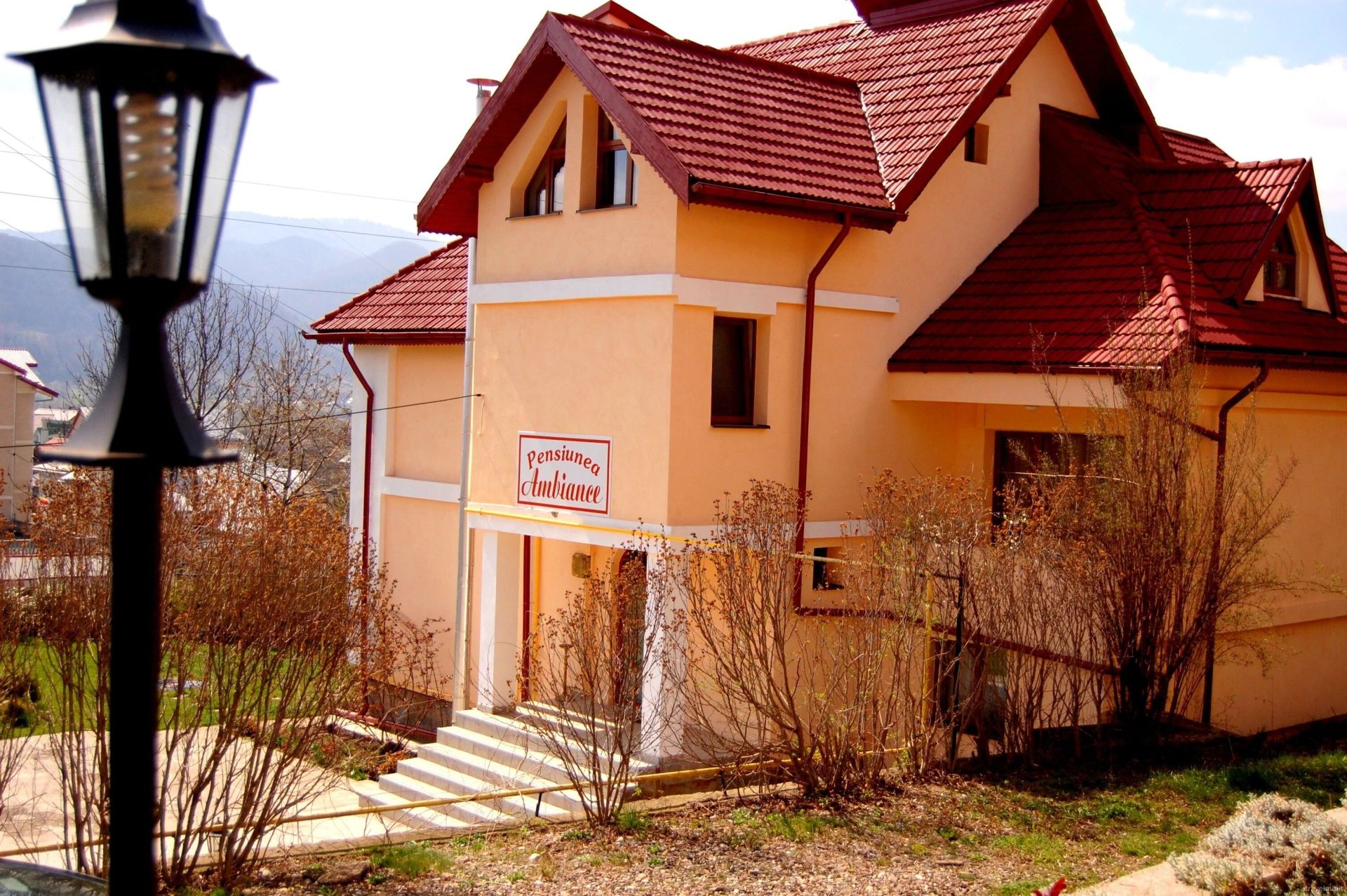
Pensiunea Ambiance Piatra-Neamț
Pensiunea Ambiance este o pensiune turistică de trei stele situată în Piatra Neamț, județul Neamț. Beneficiați de parcare privată gratuită și de acces Wi-Fi gratuit în întreaga unitate. Curtea mare și grădina amenajată oferă un spațiu generos pentru relaxare, iar foișorul din curte este perfect pentru mese în aer liber împreună cu cei dragi. Pentru familiile cu copii sunt disponibile un loc de joacă în aer liber, scaun înalt și pătuț pentru bebeluș, astfel încât cei mici să se simtă bineveniți și în siguranță. De asemenea, puteți veni cu animale de companie, fără costuri suplimentare. În apropiere puteți vizita Vârful Toaca din Masivul Ceahlău, Mănăstirea Bistrița, Ansamblul Curții Domnești din Piatra Neamț, Cetatea dacică de la Batca Doamnei și Mănăstirea Bisericani, descoperind astfel frumusețile zonei. Unitatea pune la dispoziție și un grătar sau barbeque pentru prepararea mesei în aer liber, fier de călcat și un depozit pentru bagaje, astfel încât șederea dumneavoastră să fie cât mai confortabilă și lipsită de griji zilnice. Seara, după o zi plină de explorare a obiectivelor din zonă, grădina amenajată vă așteaptă pentru un moment de liniște sub cerul deschis.
FROM
240 lei per night

Guesthouse · 3 stars
Piatra Neamț, Neamț County · 3.0 km
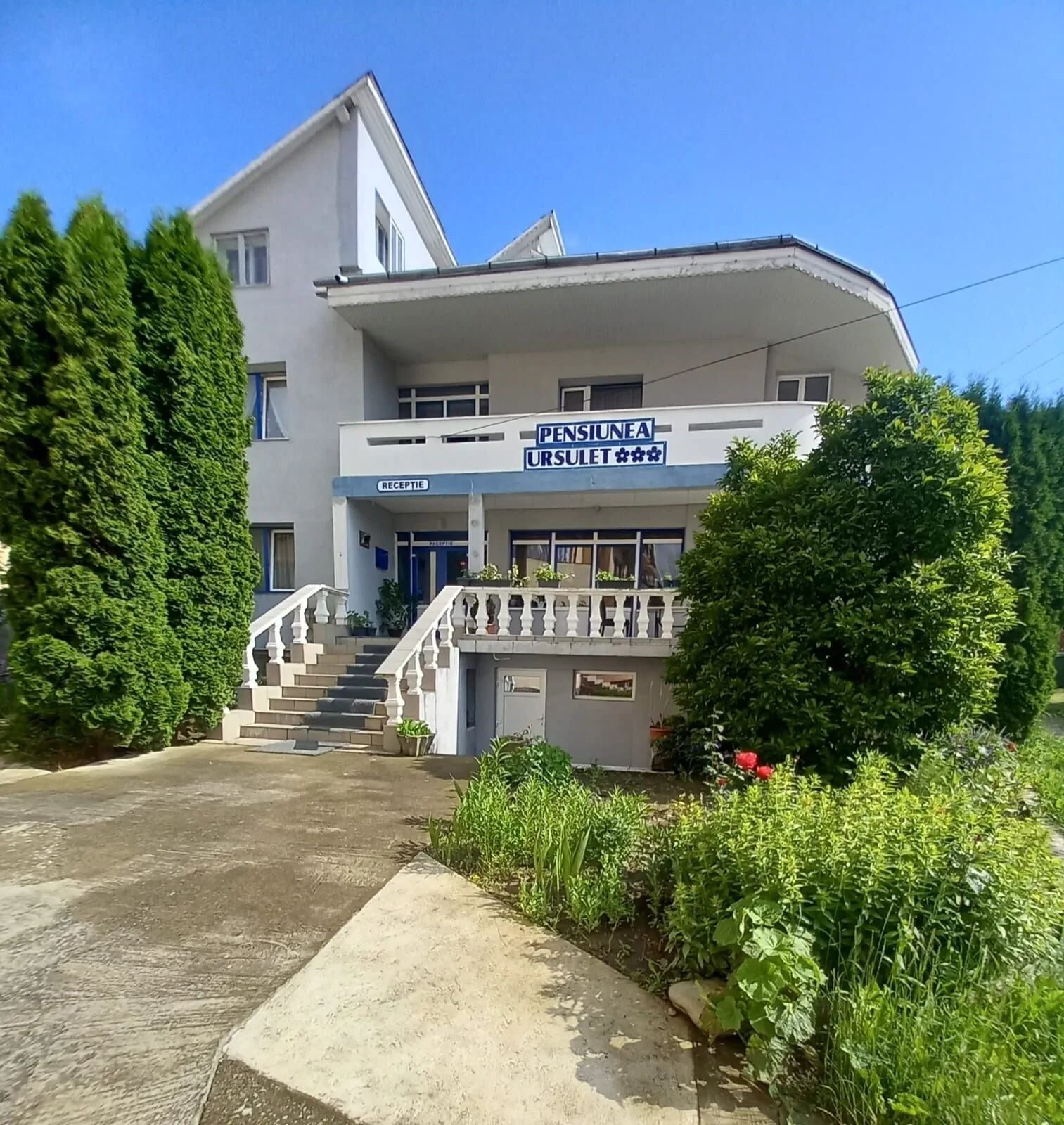
Pensiunea Ursuleț Piatra-Neamț
La Pensiunea Ursuleț din Piatra Neamț, vă așteaptă o vatră de foc în aer liber, într-un cadru natural plăcut, împreună cu acces facilitat pentru persoanele cu dizabilități. Unitatea, clasificată cu trei stele, se află pe strada DN15 200a și vă pune la dispoziție toate condițiile necesare unui sejur relaxant, într-o atmosferă liniștită și primitoare. Beneficiați de parcare privată gratuită, Wi-Fi gratuit și parcare pentru biciclete. Curtea mare și grădina amenajată includ un foișor confortabil, un grătar pentru preparate la aer liber și un loc de joacă pentru copii în aer liber. În interior aveți la dispoziție fier de călcat, iar pentru bagaje există un depozit special amenajat, astfel încât să vă simțiți ca acasă. În apropiere puteți explora Vârful Toaca din Masivul Ceahlău, Mănăstirea Bistrița, Ansamblul Curții Domnești din Piatra Neamț, Cetatea dacică de la Batca Doamnei și Mănăstirea Bisericani, toate fiind obiective turistice deosebite pe care le puteți vizita cu ușurință pornind din acest punct. Vă așteptăm la Pensiunea Ursuleț, unde parcare privată gratuită, accesul pentru persoane cu dizabilități și serviciile oferite vă asigură un sejur confortabil și fără griji.
FROM
240 lei per night
Guesthouse · 3 stars
Piatra Neamț, Neamț County · 3.2 km
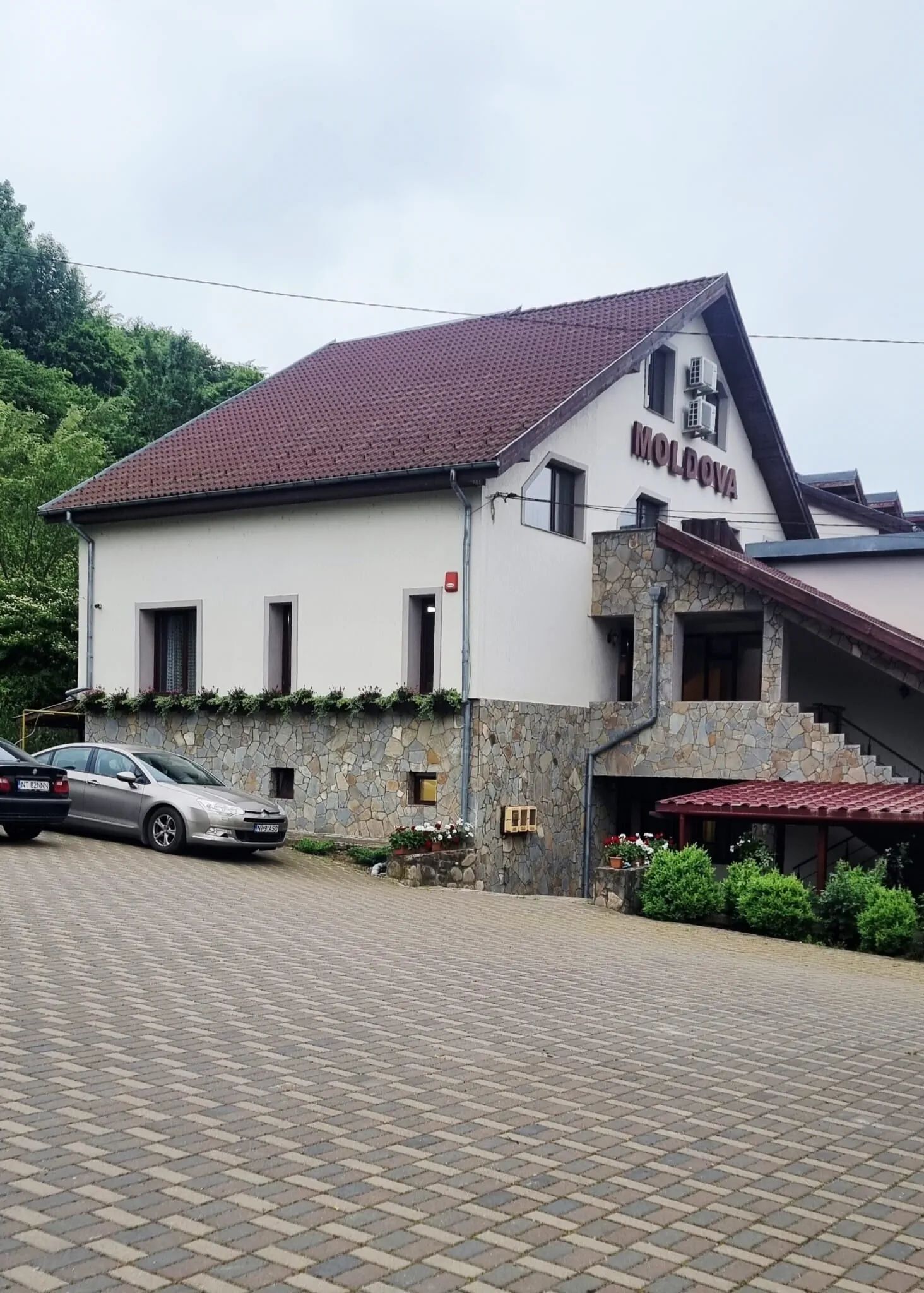
Pensiunea Moldova Piatra-Neamț
De pe dealul unde este așezată, Pensiunea Moldova din Piatra Neamț oferă o priveliște deschisă spre Lacul Batca Doamnei, într-un cadru liniștit, ferit de zgomotul și praful traficului intens. Această unitate de cazare vă primește într-un mediu natural, potrivit atât pentru relaxare, cât și pentru explorarea zonei montane. Curtea mare și grădina amenajată vă invită să vă bucurați de aerul curat, în timp ce parcarea privată gratuită asigură un loc sigur pentru mașina dumneavoastră. Beneficiați de Wi-Fi gratuit, room service și un depozit pentru bagaje, iar pentru cei mici există un loc de joacă la exterior și scaun înalt disponibil. În incintă găsiți cafenea și bar, un foișor pentru momente liniștite în aer liber, precum și parcare pentru biciclete. Fierul de călcat este la dispoziția dumneavoastră pentru confortul șederii. De la Pensiunea Moldova puteți porni spre Vârful Toaca din Masivul Ceahlău, spre Mănăstirea Bistrița, Ansamblul Curții Domnești din Piatra Neamț, Cetatea dacică de la Batca Doamnei sau Mănăstirea Bisericani, toate aflându-se în apropiere. Vă așteptăm la Pensiunea Moldova, unde veți găsi toate condițiile pentru un sejur plăcut, cu acces facil din strada Petru Movilă.
FROM
240 lei per night
Holiday home · 3 stars
Agârcia, Neamț County · 3.6 km
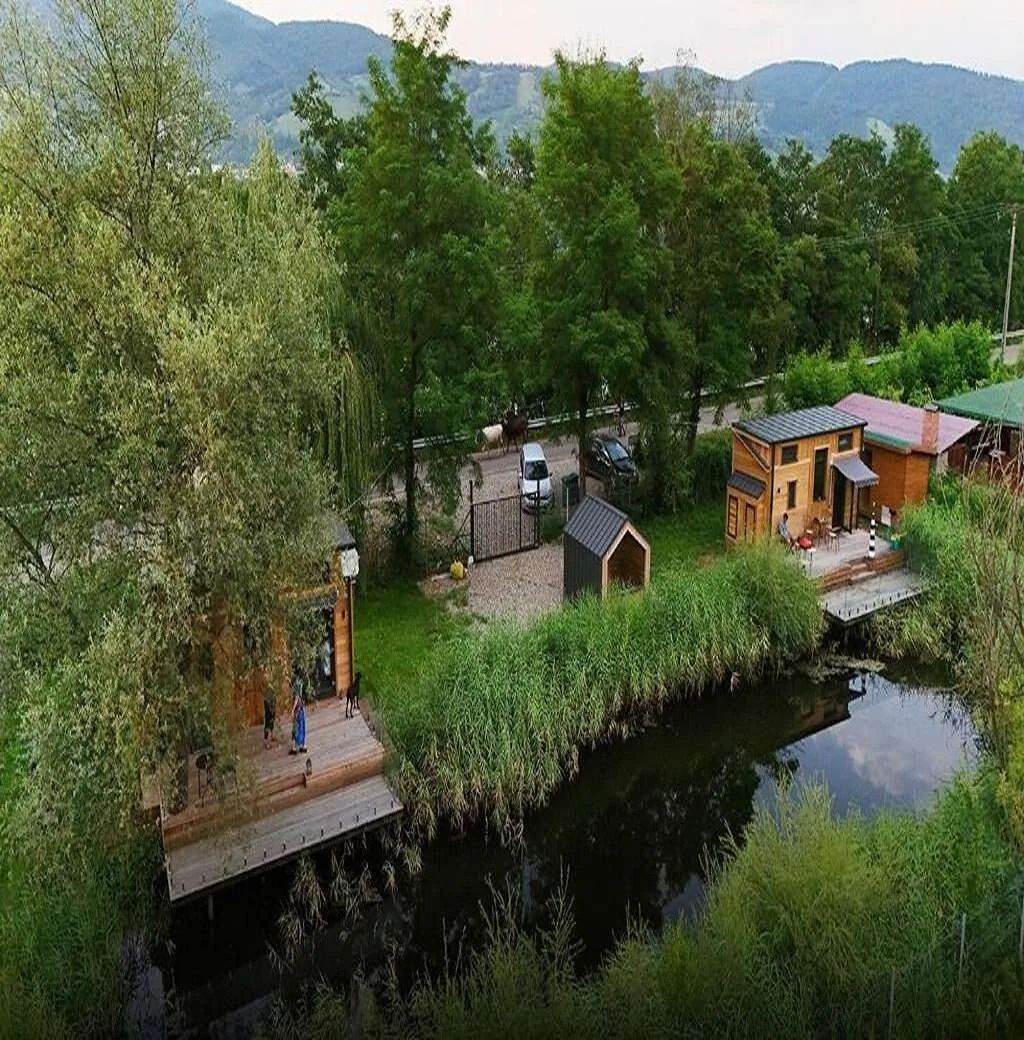
Two Tiny House Agârcia
Pe strada Petrodava din Agârcia, județul Neamț, Two Tiny House Agârcia vă oferă o experiență de cazare liniștită, într-un cadru natural autentic. Ca vilă integrală clasificată cu trei stele, aflată la numărul 122A, reprezintă o alegere potrivită pentru cei care doresc să se retragă departe de aglomerația urbană, într-un spațiu dedicat relaxării și intimității. Beneficiați de Wi-Fi gratuit, parcare privată gratuită și acces facilitat pentru persoane cu dizabilități. Curtea mare și grădina amenajată, împreună cu terasa la soare, creează un ambient plăcut pentru momentele de odihnă. Aveți la dispoziție și depozit pentru bagaje, servicii de masaj, saună, precum și posibilitatea de a pescui sau de a organiza un grătar în aer liber. Accesul direct la lac sau ponton, alături de traseele montane și drumețiile în natură, completează oferta pentru iubitorii de activități în aer liber. În apropiere puteți descoperi Vârful Toaca din Masivul Ceahlău, Mănăstirea Bistrița, Cetatea dacică de la Batca Doamnei, Ansamblul Curții Domnești din Piatra Neamț și Mănăstirea Bisericani, oferindu-vă numeroase opțiuni de explorare culturală și spirituală în zonă. Vă așteptăm la Two Tiny House Agârcia.
FROM
280 lei per night
Guesthouse · 2 stars
Piatra, Maramureș County · 4.7 km
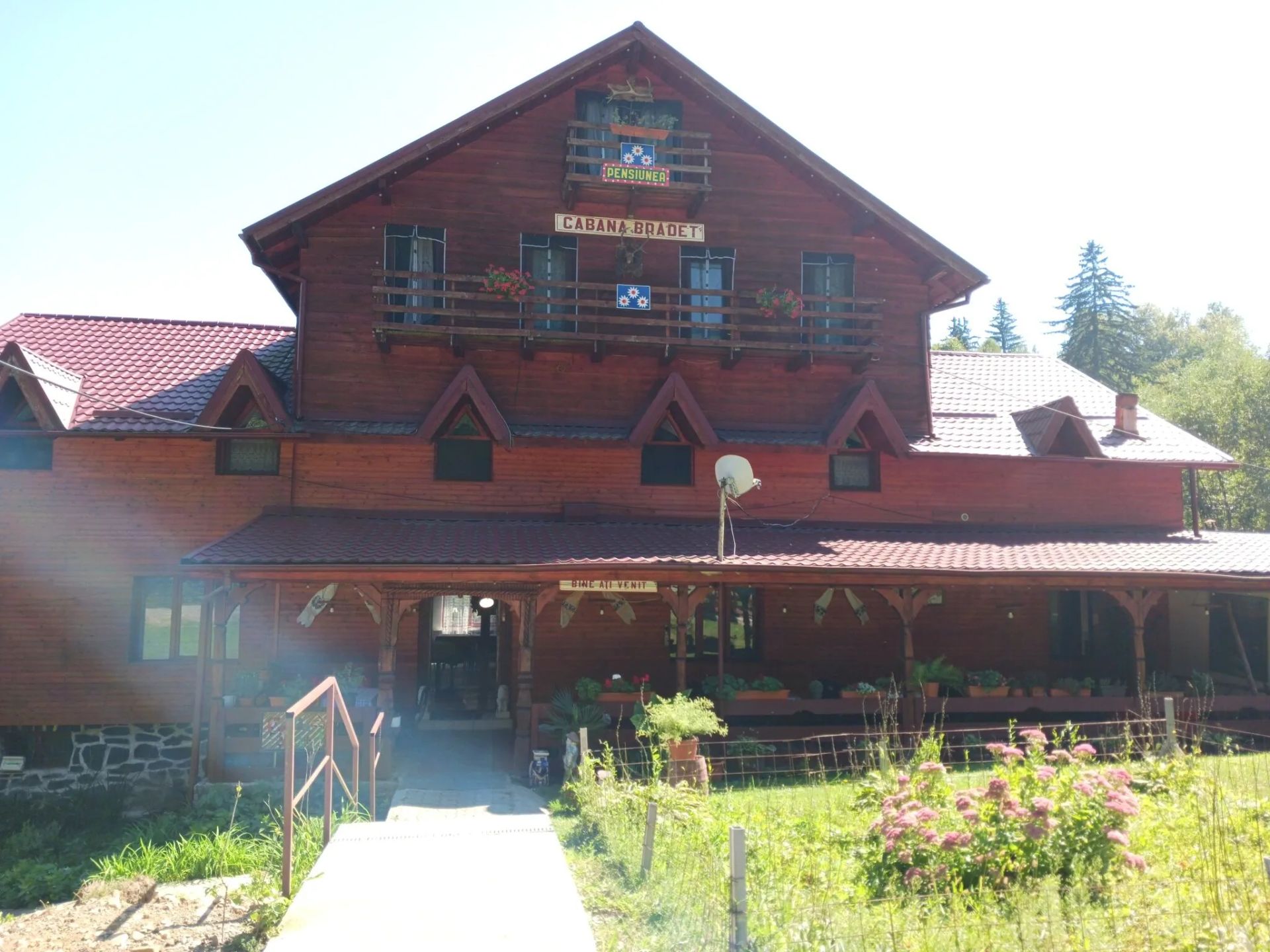
Cabana Brădet Piatra
În apropiere se află Vârful Toaca din Masivul Ceahlău, un reper important pentru iubitorii de drumeții montane. Cabana Brădet Piatra, o pensiune turistică de două stele situată în localitatea Piatra din județul Maramureș, reprezintă un punct de plecare potrivit pentru a explora frumusețile zonei. Unitatea pune la dispoziția dumneavoastră o curte mare și o grădină amenajată, spații ideale pentru relaxare în aer liber alături de familie sau prieteni. În incintă funcționează un restaurant, o cafenea și un bar, astfel încât puteți lua masa fără să părăsiți locația. Pentru cei mici sunt disponibile un loc de joacă la exterior și un scaun înalt. Pentru momente petrecute în natură, curtea oferă un foișor, o vatră de foc sau șemineu în aer liber, un grătar și un ceaun pentru prepararea mesei în aer liber. Aveți la dispoziție parcare privată gratuită pentru mașină și parcare pentru biciclete. De asemenea, beneficiați de Wi-Fi gratuit, depozit pentru bagaje și fier de călcat. Pe lângă Vârful Toaca, puteți vizita Mănăstirea Bistrița, Ansamblul Curții Domnești din Piatra Neamț, Cetatea dacică de la Batca Doamnei și Muzeul de Istorie și Arheologie din Piatra Neamț. Vă așteptăm la Cabana Brădet Piatra pentru un sejur liniștit.
FROM
190 lei per night
Glamping · 4 stars
Piatra Neamț, Neamț County · 5.2 km
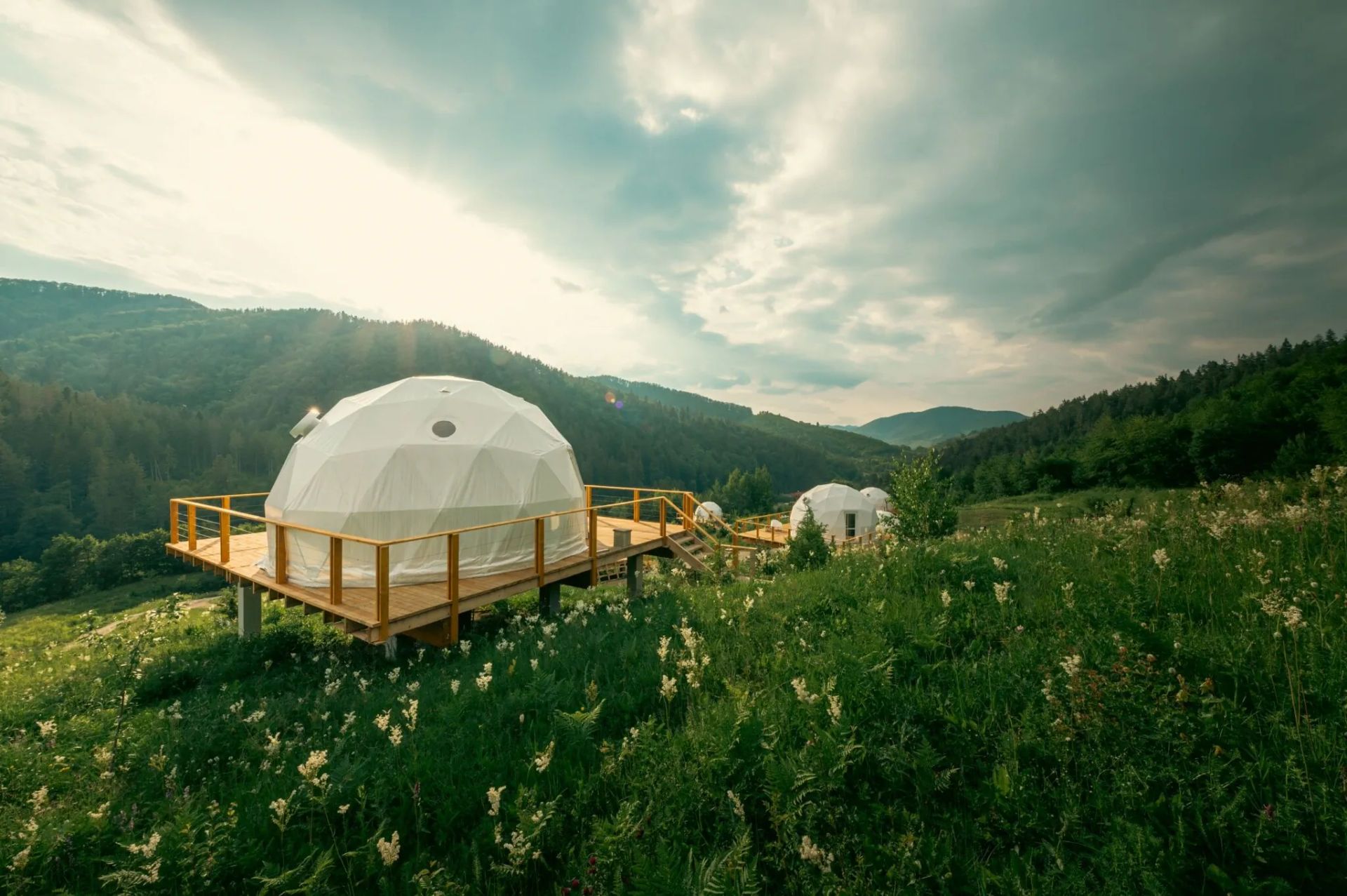
Zenzia Glamping Piatra Neamț
Ciubărul din lemn tradițional de la Zenzia Glamping din Piatra Neamț reprezintă punctul culminant al unei șederi în natură, într-un dom geodezic care îmbină luxul discret cu aerul liber. Fiecare unitate, destinată exclusiv adulților, oferă baie interioară complet echipată și poate găzdui doi adulți, fiind funcțională în toate anotimpurile. Unitatea pune la dispoziția dumneavoastră saună, șemineu în aer liber, grătar, parcare privată gratuită și stație de încărcare pentru vehicule electrice. Veți găsi Wi-Fi gratuit, seif, fier de călcat, depozit pentru bagaje și acces pentru persoane cu dizabilități. Curtea mare și grădina amenajată completează spațiul, alături de parcare pentru biciclete și posibilitatea de a închiria bărci sau de a urma trasee montane și pârtii de schi din zonă. În apropiere puteți vizita Vârful Toaca din Masivul Ceahlău, Mănăstirea Bistrița, Ansamblul Curții Domnești din Piatra Neamț, Cetatea dacică de la Batca Doamnei și Muzeul de Istorie și Arheologie din Piatra Neamț. Seara, după o zi petrecută în aer liber, vă puteți relaxa în ciubărul din lemn tradițional.
FROM
450 lei per night
BEFORE YOU HIT THE ROAD
Weather conditions in Neamt
Local forecast for Bistrița Monastery, Neamt, Neamț

Real-time updated weather data
Much more to explore in this area
Nearby tourist attractions


42.5 km
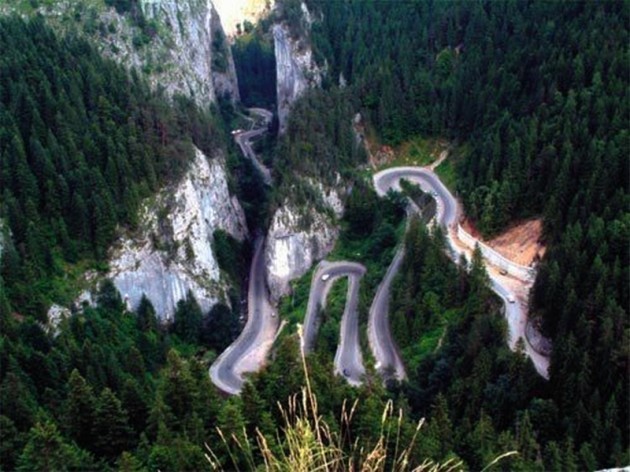

Harghita, Harghita County
Bicaz Gorge
Cheile Bicazului sunt situate la 27 km sud-vest de orasul Bicaz, in Muntii Hasmas/Haghimas (grupa centrala a Carpatilor Orientali), in zona central-nord-estica...
39.3 km
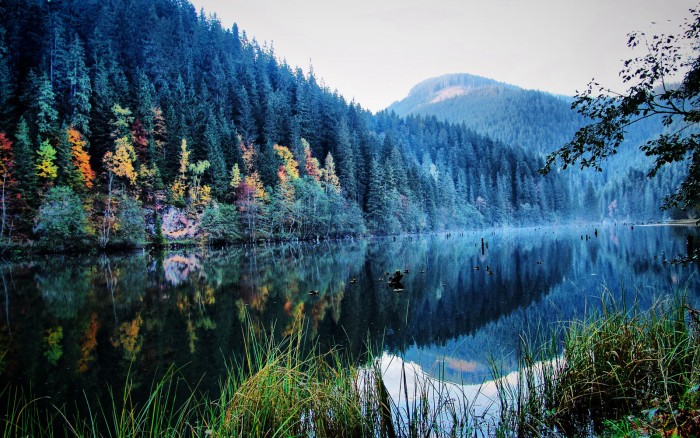
Harghita, Harghita County
Red Lake Nature Reserve
Situat in apropierea statiunii Lacul Rosu si a orasului Gheorgheni, langa Cheile Bicazului, la poalele Hasmasului Mare; amplasat la altitudinea de 983 m; s-a...
42.9 km
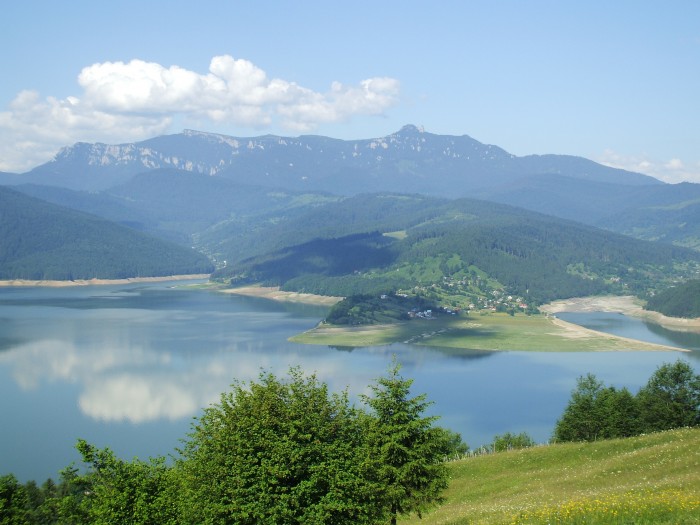
Neamt, Neamț County
Ceahlău National Park
Situat la 10 km de Bicaz, in vestul judetului; incadrat in cuprinsul Masivului Ceahlau, localizat in grupa centrala a Carpatilor Orientali, in partea de sud-est...
27.5 km
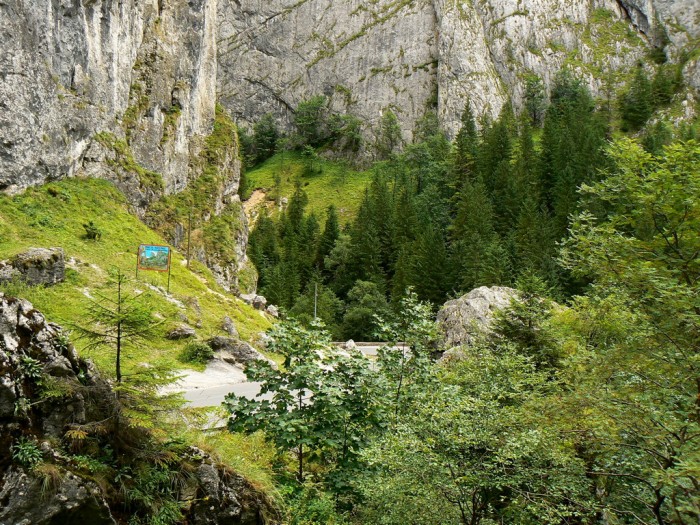
Harghita, Harghita County
Bicaz Gorge National Park - Hășmaș Mountains
Situat la 27 km sud-vest de orasul Bicaz, in Muntii Hasmas/Haghimas (grupa centrala a Carpatilor Orientali), in zona central-nord-estica a Romaniei, pe raza...
39.2 km

România, Transylvania
Vârful Toaca, Masivul Ceahlău
Vârful Toaca, Masivul Ceahlău (munte sau masiv) în județul România.
9.3 km
România, Transylvania
Vârful Ocolașul Mare, Munții Ceahlău
Vârful Ocolașul Mare, Munții Ceahlău (munte sau masiv) în județul România.
26.1 km
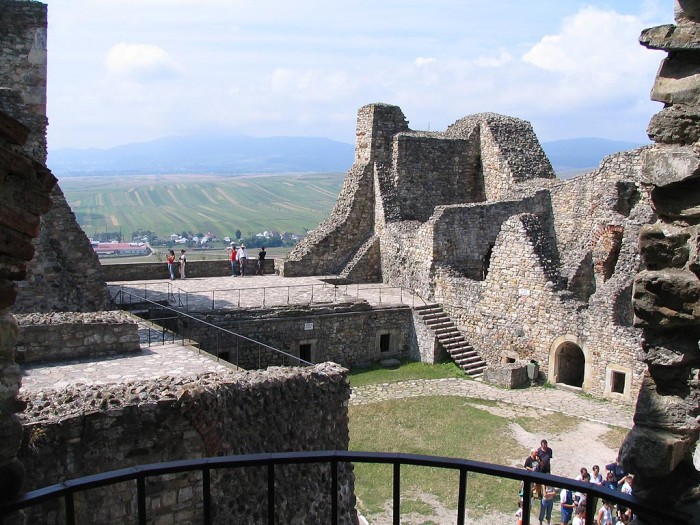
Neamt, Neamț County
Neamț Fortress
Situata pe strada Arcasului nr. 1, pe un platou al dealului Plesu, la 480 m altitudine, in apropierea orasului Targu Neamt, in partea de nord-est a judetului;...
28.8 km
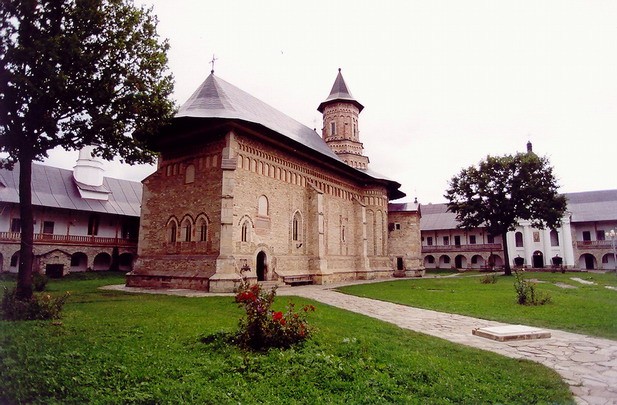
Neamt, Neamț County
Neamț Monastery
Situata pe raza comunei Vanatori-Neamt, la 15 km nord-vest de Targu Neamt; atestata documentar pentru prima data in 1407, pe vremea lui Alexandru cel Bun; in...
35.3 km
Neamt, Neamț County
Agapia Monastery (New Agapia or Agapia in the Valley)
Manastirea Agapia este situata pe valea paraului Agapia, la poalele culmii Magura, pe raza comunei Agapia, localizata la 12 km sud de municipiul Targu Neamt;...
23.7 km
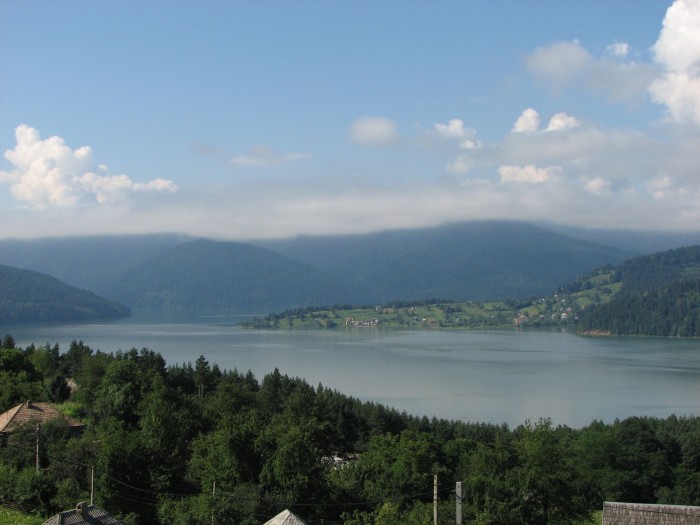
Neamt, Neamț County
Lake Izvorul Muntelui (Bicaz Lake)
Situat la poalele Ceahlaului, pe cursul superior al raului Bistrita, la 4 km de orasul Bicaz; cunoscut si sub numele de "Lacul Bicaz", este cel mai mare lac...
19.0 km
20.9 km
Cultural life and traditions
Events in the Bistrița Monastery area
Medieval festivals, traditional fairs, concerts and local activities recommended in Moldavia.

History and Voivodeship Heritage

Neamt, County of Neamț
The Medieval Festival of Neamț Fortress
Re-enactments of Ștefan’s battles, archery demonstrations with traditional bows, displays of courtly guards, and performances of old court music.
WHEN
July 3-5, 2026


Prehistoric Crafts and Art
Neamt, County of Neamț
The National Pottery Fair “Cucuteni 5000”
The most skilled ceramic artists recreate the spectacular motifs of Europe’s oldest civilisation.
WHEN
June 26-28, 2026

Gastronomy and Wines
Neamt, County of Neamț
The Traditional Festival of Moldovan Wine
A fair featuring wine tastings from the vineyards of Cotnari, Bucium and Panciu, “poale-n brau” pies, and roasted meats cooked on a spit.
WHEN
October 2-4, 2026
On foot, exploration gains depth
Discover the surroundings and local geography
Explore the trails, terrain, and natural landmarks around Bistrița Monastery.

Guides and practical tips
Useful travel articles
Travel guides, practical recommendations and tourist itineraries for Moldavia.

Tourist guide
Top 5 Atracții Turistice și Trasee Montane în Zona Moieciu - Bran
Descoperă cele mai spectaculoase peisaje carstice, chei adânci și cetăți medievale din imediata apropiere a stațiunii Moieciu.

Tourist guide
Ghid de Drumeție: Traseul Moieciu de Sus spre Platoul Bucegi
Un itinerariu montan de o frumusețe rară ce urcă din Valea Băngăleasa spre Poiana Guțanu și crestele maiestuoase ale Bucegilor.

Tourist guide
Castelul Bran: Istorie, Legende și Secrete Medievale
Află adevărata poveste a fortăreței medievale din Pasul Bran, reședința de suflet a Reginei Maria a României.
THE JOURNEY STARTS WITH AN IDEA
The next story is on the way.
From the first stop to the last stay, make room for a new Romania.
