


NATURE AND WILDLIFE · MOLDAVIA
Ceahlău National Park

Neamt, Neamț County
Add location to your trip planner.
Practical access information

VISITING HOURS
Check the local visiting schedule

TICKET PRICE
Information available at the cashier's desk

RECOMMENDED VISIT DURATION
1-2 hours
Sources and external references
Wikipedia Encyclopedia (EN)
Visitor information and guide
 Navigate with Google Maps

ABOUT CEAHLĂU NATIONAL PARK
The Significance of a Continental Sanctuary: Ceahlău as the Olympus of Moldavia
In the heart of the Eastern Carpathians, at the precise intersection of the 47th parallel with the 26th meridian, the Ceahlău Massif rises majestically as a natural sanctuary of 290 square kilometers, of which 7,742.5 hectares constitute the central reserve of the National Park, established to protect an ecosystem unique in Europe. This distinction is not merely administrative, but profoundly philosophical and cultural: Ceahlău is the only mountain in Romania that bears its own church feast day, that of the Transfiguration of the Lord, celebrated each year on August 6, a uniqueness that places it in a category apart among the sacred mountains of the continent. This religious dedication, unique in the Carpathian landscape, brings it close to other sacred European peaks such as Mont Blanc, associated with Christian spirituality since the Middle Ages, or the peaks of the Pyrenees consecrated to the Holy Virgin. In Romanian popular tradition, this massif has always been perceived as an "Olympus of Moldavia," a locus sacer where heaven meets earth in a mystical communion, reflecting Europe's profound fascination with mountains laden with spirituality, such as Mount Athos in Greece, with its rock-hewn monasteries, Meteora with its stone pillars upon which places of worship rise, Montserrat in Catalonia, the Benedictine sanctuary, or even Greek Olympus, the cradle of classical mythology. Located just ten kilometers from the town of Bicaz, in the west of Neamț County, on the historic border between Moldavia and Transylvania, Ceahlău represents a pole of spirituality that has attracted for centuries seekers of inner peace, hesychast monks, romantic poets, and, in the modern era, mountaineers and tourists eager to discover a landscape of overwhelming beauty, protected as natural heritage of European interest and included in the Natura 2000 network.
Geological Roots and the Historical Memory of Europe
From a geological standpoint, Ceahlău is a work of the Cretaceous, formed approximately 100 million years ago from sedimentary rocks such as marls, clays, sandstones, and conglomerates, in a tectonic process of folding and uplift that gave birth to the Carpathian chain, similar to the orogeny of the Alps, though more recent, unfolding in the Tertiary era. The sedimentary layers, visible in the massif's escarpments, tell of the warm seas that covered this region millions of years ago, before tectonic forces lifted these mountains toward the sky, similar to the processes that formed the Alps or the Apennines. This geological structure, sculpted by millennia of glacial, fluvial, and periglacial erosion, has created a landscape of particular drama, with two major summits dominating the horizon: Ocolașul Mare, with an altitude of 1,907 meters in the southern part, and Toaca, with 1,904 meters in the north, united by a high plateau of about five kilometers, a configuration reminiscent of the massifs in the Dolomites or the Pyrenees. Historically, this territory witnessed migrations and civilizations that traversed Eastern Europe over the millennia. In antiquity, the area was inhabited by Dacian tribes, and later became part of the Roman province of Dacia, with roads crossing the Carpathians, similar to those in the Alps or the Iberian Peninsula, facilitating trade and the movement of imperial troops. In the Middle Ages, Ceahlău marked the border between the Principality of Moldavia and the Kingdom of Hungary, later between Moldavia and the Habsburg Monarchy, being a disputed and strategic border territory, similar to other mountainous areas in Central Europe such as the Northern Carpathians or the border between Poland and Slovakia, where imperial interests met. The 19th century brought a new perception of mountains, within the European Romantic movement that saw in nature sublimity and spirituality, similar to the fascination with the Alps expressed by poets such as Wordsworth or painters such as Caspar David Friedrich. The Durău resort, developed at the north-western foothills of the massif, became in that period, under Austro-Hungarian administration, a place of climatotherapy and rest, similar to the Swiss resorts of Davos or St. Moritz, or those in Romania such as Sinaia and Bușteni, attracting the European elite in search of clean air and grandiose landscapes, contributing to the opening of Moldavia to international tourism.
The Sacred Architecture of the Landscape and the Monastic Tradition
The Ceahlău landscape is itself a natural stone cathedral, where rocks and escarpments have been interpreted for centuries as sacred architecture, rising toward heaven like natural Gothic columns. The rock formations such as Călugării, Detunatele, or Piatra Lată a Dochiei, shrouded in mist for 70% of the days of the year, create a mystical and contemplative atmosphere, comparable to that of the monasteries of Meteora, where human architecture blends with the dizzying verticality of the rocks, or with the sacred landscapes of Cappadocia. The rock called Călugării, with its silhouettes that appear to be monks in prayer, or Detunatele, with their forms broken by time, are perceived as petrifications of holy lives, similar to the rocks in the Egyptian Thebaid Desert where the first Christian hermits lived. At the foot of these escarpments stretches a scree slope covered by dark coniferous forests, a boreal ecosystem reminiscent of the forests of Scandinavia or those of the northern Carpathians, offering a dramatic contrast between stone and vegetation. Beyond nature, Ceahlău is profoundly marked by spiritual human presence and the monastic architectural tradition. In the 17th-18th centuries, in the full European Baroque era, when sacred architecture in Central and Eastern Europe experienced a period of flourishing, numerous sketes flourished on its slopes, forming a network of places of prayer and ascetic meditation. Among these is the Silvestru Skete, known today as Hangu Skete, founded by the hieromonk Silvestru, who had been tonsured into monasticism at Neamț Monastery, one of the most important spiritual centers of Romanian Orthodoxy, similar to the monasteries of Mount Athos or those of medieval Russia such as the Holy Trinity Lavra of St. Sergius of Radonezh. The architecture of these sketes, built mainly of fir and spruce wood, reflects the tradition of Byzantine and post-Byzantine sacred architecture adapted to local materials and conditions, with cruciform plans and sloping roofs, similar to the wooden churches of Maramureș, included in the UNESCO heritage, or to the cells of Athos. These constructions, though modest, represented centers of intense ascetic life, connected to the great spiritual currents of the era, influenced by Byzantine hesychasm and the reforms of Elder Paisius of Neamț, who brought the Athonite tradition to Moldavia in the 18th century, creating close ties with the monasteries of Greece, Serbia, and Russia, in an effort of Orthodox spiritual renaissance in the face of Ottoman pressures and Western influences.
Stories, Personalities, and Moments of Spiritual Turning Points
One of the most moving figures associated with Ceahlău is Saint Venerable Mavra, born Maria at the end of the 17th century in the Bistrița Valley and departed to eternal life at the beginning of the 18th century, being canonized by the Holy Synod of the Romanian Orthodox Church on July 1, 2025, with her feast established on May 4. This canonization represents a turning point in Romania's recent spiritual history, being one of the few women saints canonized in the last century in the Romanian Orthodox Church, bringing to the attention of the Orthodox world a life of sacrifice and holiness rarely encountered. Her life story is unforgettable: after being tonsured into monasticism at "Schitișor," she withdrew into solitude at Poiana Ponoare, known today as Poiana Maicilor, where, together with her disciples, she raised a small wooden church with the feast of the Transfiguration. This female community, organized according to the model of hesychast cells, reflects a rare tradition in Eastern Orthodoxy, similar to the nunneries of early Christian Egypt or the female monastic communities of medieval Western Europe, such as the beguinages of the Low Countries. The relics of Saint Mavra are kept with reverence at Hangu Skete, becoming a place of pilgrimage for believers from across the country and the diaspora, in a tradition reminiscent of the medieval pilgrimages to Santiago de Compostela or to Rome. The legend of Dochia, the tragic heroine of Romanian folklore who was allegedly petrified together with her flock of sheep on the summit bearing the same name, has profound parallels in Balkan mythologies, recalling the tragic tales of Serbian or Bulgarian folklore, as well as tragic female myths throughout Europe, from the Greeks' Antigone to the legends of the "White Lady" in Western folklore. This story, transmitted orally for generations, underlines the profound bond between man and mountain, between community and nature, a recurring theme in European culture since Romanticism, reflected in the works of Goethe or in the painting of Caspar David Friedrich.
Biodiversity as European Natural Heritage
Ceahlău National Park hosts scientific reserves of European importance, such as the "Ocolașul Mare" reserve and the "Polita cu Crini" botanical reserve, alongside natural monuments such as the Duruitoarea Waterfall, with a drop of over 30 meters, and the Avenul Mare, an impressive karst cave. The flora is remarkable for the presence of rare and endemic species, such as the edelweiss, larch, the only deciduous conifer in the country, gentian, bloodwort, and the lady's slipper, a protected wild orchid. These species, adapted to extreme climatic conditions, with 208.8 days of precipitation annually, half of which in the form of snow, and 193 days with temperatures below zero degrees Celsius on the summits, have created fragile alpine habitats, with a microclimate similar to that of subarctic areas in Scotland or Norway, essential for the conservation of Carpathian biodiversity. These ecosystems are comparable to those in the Alps, the Pyrenees, or the mountains of Scotland, representing refuges for species that have disappeared from other areas of Europe due to climate change and intensive human activity. In addition to large mammals such as the brown bear, wolf, and lynx, species protected at European level through the Bern Convention and the Habitats Directive, the massif also shelters smaller species such as the Alpine marmot and the chamois, while in the fast-flowing waters of the streams lives the bullhead, an indicator of clean water, similar to ecosystems in the Alps or the Southern Carpathians. The presence of these species transforms Ceahlău into a sanctuary of wildlife, an integral part of the Natura 2000 network, contributing significantly to continental efforts to conserve biodiversity and maintain ecological balances in the Carpathians.
Practical Guide for the Contemporary European Traveler
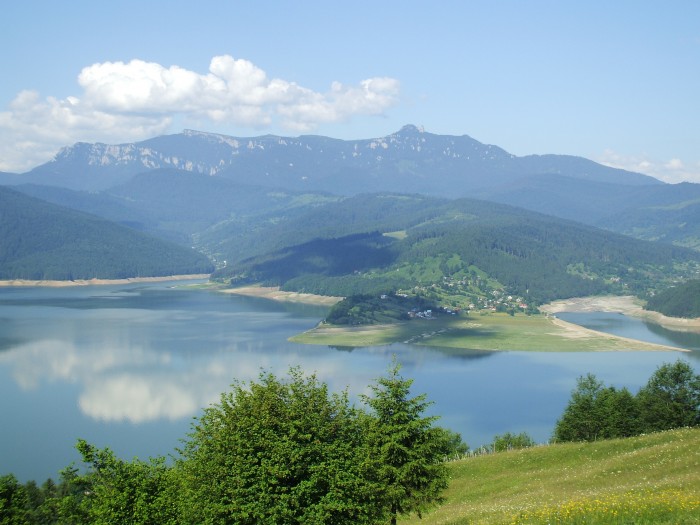
The Ceahlău Massif is accessible via five modernized trans-Carpathian roads, the main entry points being the Durău resort, located on the north-western slope at approximately 1,000 meters altitude, and the Izvorul Muntelui cabin, on the eastern slope, to which is added the Bicazul Ardelean – Bistra – Poiana Stănile route. The Durău resort, initially developed as a climatic resort in the Austro-Hungarian period and expanded in the communist era with ski facilities and cable car, offers modern accommodation facilities, restaurants, and equipment rental centers, being the starting point for the most popular mountain trails, similar to resorts in Zakopane in Poland or Brașov in Romania. The entrance fee to the park is 7 lei, and updated information regarding fees and visiting hours is available at the entrance ticket offices, it being essential to consult the local schedule to avoid crowds. Camping is allowed only in specially designated areas, after paying an additional fee, without open fires, and dogs must be kept on a leash for the protection of wildlife and visitor safety. Lake Izvorul Muntelui, the largest artificial dam lake on the interior rivers of Romania, built in the communist period as part of the national hydroelectric system, offers an exceptional complementary setting for visitors, similar to other reservoir lakes in Europe such as those in the Alps or the Pyrenees, being ideal for boat rides, sport fishing, and relaxation on its shores. The marked, well-maintained trails lead to the Toaca and Ocolașul Mare summits, passing by the legendary rocks of Dochia and Detunatele, offering breathtaking panoramic views over the Hășmaș Mountains, the Giurgeu Mountains, and, on clear autumn days, as far as the border with Ukraine. In autumn, the beech and spruce forests transform into a spectacle of color, yellow and red, offering ideal conditions for photography and hiking, while in winter, the slopes at Durău become a skiing ground comparable to that of Austrian or Swiss resorts. The mist, present on 70% of the days of the year, lends the massif a mystical and contemplative aura, transforming each hike into a journey through a fairy-tale landscape, where the boundary between reality and legend becomes fluid, inviting the European traveler to discover a corner of the world where wild nature and millennial spirituality have remained unchanged for centuries, offering an authentic experience of reconnection with the essences of Europe.
Media gallery
Discover Ceahlău National Park in pictures

4 photos · Architecture, courtyards and captivating details



Image source: Wikimedia Commons · Public domain photos · Free license
STAY A FEW DAYS, DISCOVER THE MAGIC
Accommodation in the Ceahlău National Park area

Guesthouse · 3 stars

Durău, Neamț County · 0.9 km
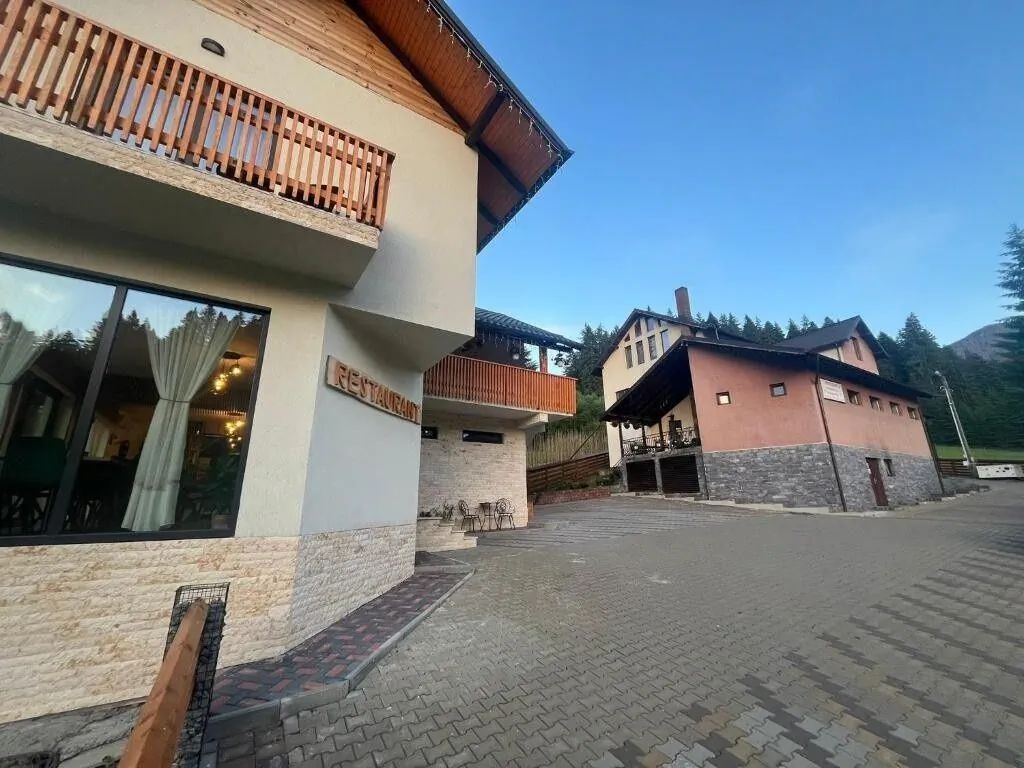
Pensiunea Georgiana Durău
Pensiunea Georgiana Durău este o pensiune turistică de trei stele situată în localitatea Durău, județul Neamț. Unitatea dispune de unsprezece camere confortabile și pune la dispoziția dumneavoastră numeroase facilități pentru un sejur plăcut. Vă puteți bucura de un ciubăr din lemn tradițional, de un teren amenajat pentru sport sau fotbal, de bowling, tenis de masă și biliard. În aer liber aveți la dispoziție un loc de joacă pentru copii, grătar, barbeque și un ceaun pentru gătit. Curtea mare și grădina amenajată, împreună cu foișorul și barul din incintă, creează un ambient relaxant. De asemenea, aveți acces la Wi-Fi gratuit, parcare privată gratuită, depozit pentru bagaje și un restaurant în incintă care servește preparate delicioase și oferă un meniu special pentru copii. Mic dejunul este inclus în tariful camerei, iar personalul de la recepție vorbește română și engleză. Pentru activități în natură, puteți practica pescuitul, puteți închiria o barcă pe lac sau puteți folosi pârtia de schi din zonă. În apropiere se află Parcul Național Ceahlău, Vârful Ocolașul Mare din Munții Ceahlău, Mănăstirea Durău și Lacul Izvorul Muntelui, oferind oportunități diverse de explorare și relaxare în mijlocul naturii. Pensiunea Georgiana Durău este potrivită pentru familii cu copii, grupuri de prieteni și iubitori de natură care doresc să se bucure de liniștea zonei montane și de facilitățile oferite.
FROM
240 lei per night

Holiday villa · 3 stars
Durău, Neamț County · 0.9 km
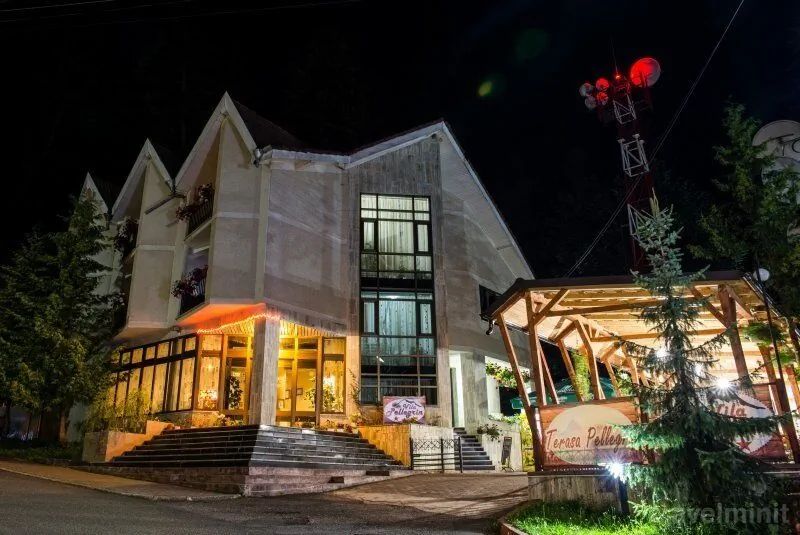
Vila Pellegrin Durău
În curtea Vilei Pellegrin din Durău vă așteaptă un foișor primitor, perfect pentru momentele de relaxare în aer liber. Această vilă turistică de trei stele, situată în județul Neamț, vă oferă șapte camere confortabile și plăcut mobilate, pregătite să vă primească cu căldură. Beneficiați de Wi-Fi gratuit în întreaga unitate și de parcare privată gratuită pentru autoturism, astfel încât șederea dumneavoastră să fie cât mai comodă. Pentru familiile cu copii mici sunt disponibile scaune înalte la masă, iar pentru bagaje aveți la dispoziție un depozit special amenajat. De asemenea, aveți acces la un grătar în curte pentru prepararea mesei în aer liber, fier de călcat, seif pentru păstrarea obiectelor personale și parcare pentru biciclete, astfel încât să vă simțiți cu adevărat ca acasă. În apropiere puteți vizita Parcul Național Ceahlău cu peisajele sale spectaculoase, Vârful Ocolașul Mare din Munții Ceahlău, Mănăstirea Durău, Lacul Izvorul Muntelui și puteți descoperi și pitorescul localității Durău. Seara, după o zi petrecută în natură, vă puteți retrage în foișorul din curte pentru a vă bucura de liniștea zonei.
FROM
280 lei per night
Cabin · 3 stars
Durău, Neamț County · 0.9 km
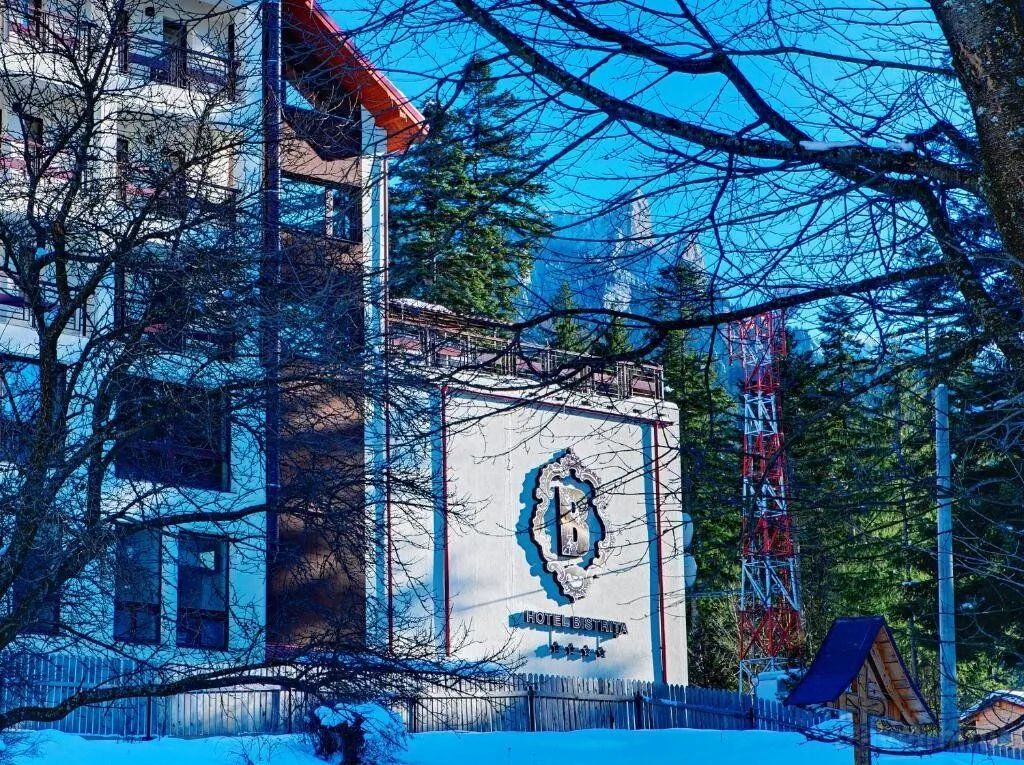
Cabana Bistriţa Durău
Cabana Bistriţa Durău din Durău este alegerea potrivită pentru familii cu copii, grupuri de prieteni sau iubitori de natură care doresc să se bucure de aer curat și de numeroase posibilități de petrecere a timpului liber în zonă. Beneficiați de servicii complete și confort: Wi-Fi gratuit în întreaga unitate, restaurant și bar în incintă, room service pentru seri liniștite în cameră, precum și parcare privată gratuită. Pentru relaxare aveți la dispoziție saună, iar pentru activități sportive puteți folosi terenul de fotbal, terenul de tenis, masa de biliard sau puteți juca tenis de masă. Copiii se vor distra în camera de joacă amenajată la interior, iar părinții pot solicita pătuț pentru bebeluș. Unității i se adaugă facilități practice precum depozit pentru bagaje, seif în cameră, fier de călcat, parcare pentru biciclete și acces facilitat pentru persoane cu dizabilități, inclusiv prin lift. În apropiere puteți vizita Parcul Național Ceahlău, Vârful Ocolașul Mare din Munții Ceahlău, Mănăstirea Durău, Lacul Izvorul Muntelui și puteți explora și localitatea Durău. Vă așteptăm la Cabana Bistriţa Durău.
FROM
270 lei per night
Guesthouse · 2 stars
Durău, Neamț County · 1.1 km
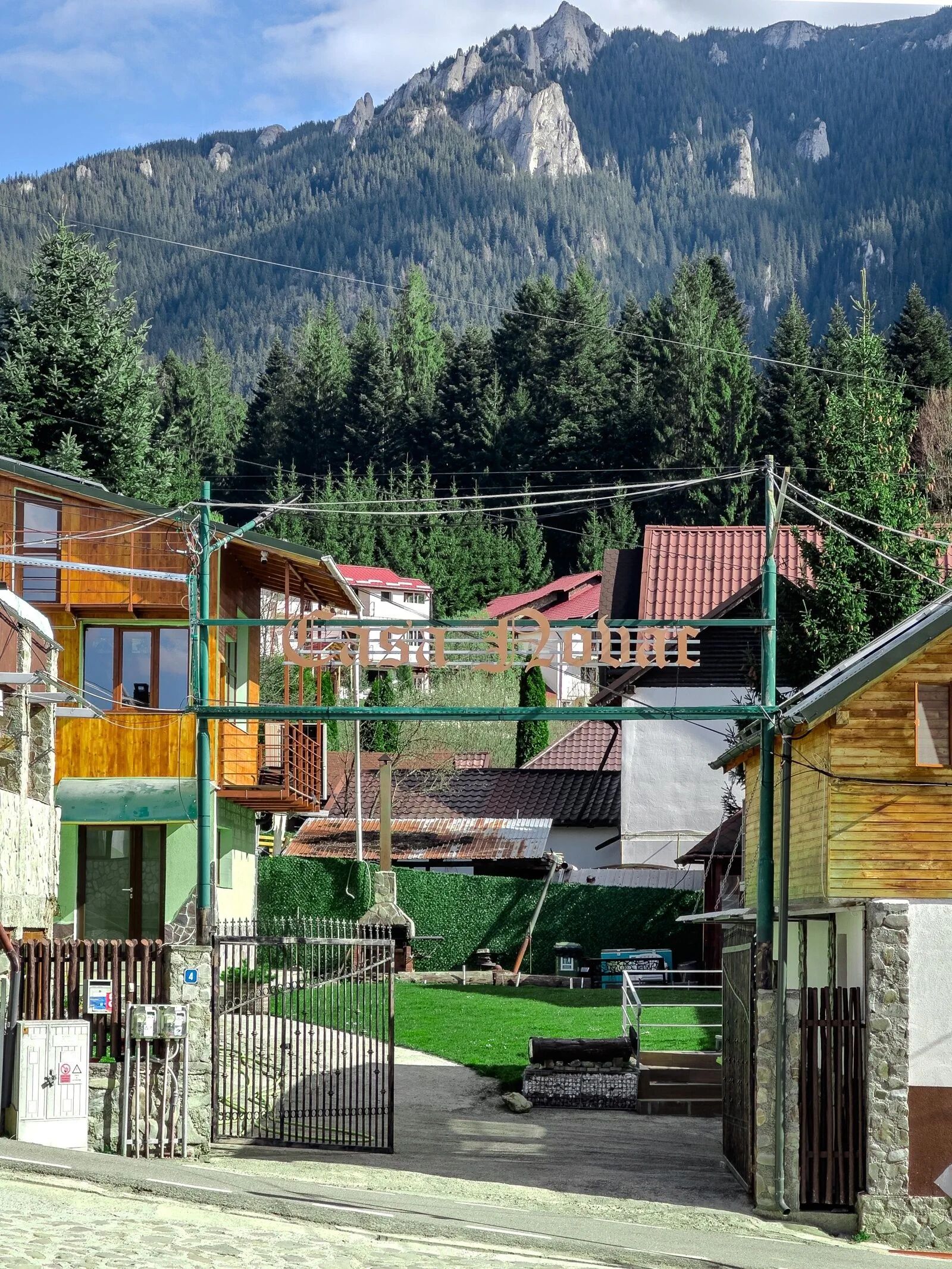
Casa Novac Durău
Cei care iubesc muntele și caută zile de relaxare departe de aglomerația orașelor se vor simți bine la Casa Novac Durău din localitatea Durău. Situată în apropierea Masivului Ceahlău, pensiunea oferă un ambient plăcut pentru toți cei care doresc să se bucure de aer curat și de peisaje montane autentice. Pentru confortul dumneavoastră, unitatea pune la dispoziție Wi-Fi gratuit și parcare privată gratuită. Vă puteți relaxa în saună sau vă puteți bucura de o baie fierbinte într-un ciubăr tradițional din lemn. În aer liber, aveți la dispoziție un grătar, un barbeque și un ceaun pentru a pregăti mese gustoase, iar bucătăria în sistem self-catering este disponibilă gratuit pentru toți oaspeții. Pasionații de drumeții montane și de trasee în natură vor găsi aici numeroase posibilități de explorare. De asemenea, puteți închiria o barcă pentru a vă plimba pe apele din apropiere și a vă bucura de momente de liniște. În zonă puteți vizita Parcul Național Ceahlău, Vârful Ocolașul Mare din Munții Ceahlău, Mănăstirea Durău, Lacul Izvorul Muntelui și localitatea Durău. La finalul sejurului, vă invităm să porniți într-o explorare a Parcului Național Ceahlău.
FROM
190 lei per night
Guesthouse · 3 stars
Durău, Neamț County · 1.1 km
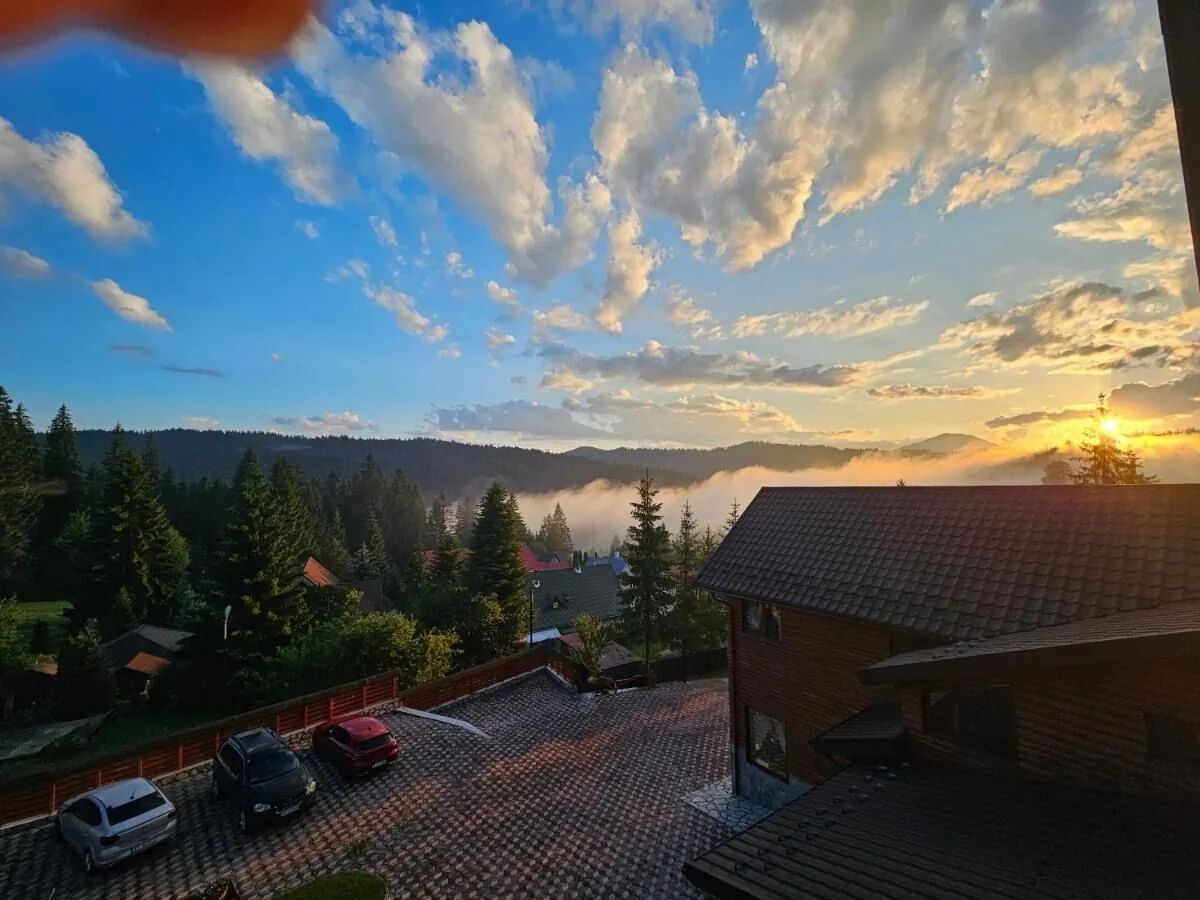
Pensiunea Ana Maria Durău
Pensiunea Ana Maria Durău din localitatea Durău, județul Neamț, vă pune la dispoziție un ciubăr din lemn tradițional, într-un cadru natural specific zonei montane, alături de numeroase facilități pentru un sejur confortabil. Aveți la dispoziție o saună pentru relaxare, iar în curtea mare și grădina amenajată puteți organiza mese în aer liber folosind grătarul, ceaunul pentru gătit sau vatra de foc în aer liber. Foișorul din curte oferă un spațiu umbrit, iar pentru cei mici există un loc de joacă la exterior. Pentru confortul dumneavoastră, unitatea oferă Wi-Fi gratuit, parcare privată gratuită, fier de călcat și depozit pentru bagaje. Pătuțul pentru bebeluș asigură condiții potrivite și pentru familiile cu copii mici. În apropiere se află Parcul Național Ceahlău, Vârful Ocolașul Mare din Munții Ceahlău, Mănăstirea Durău, Lacul Izvorul Muntelui și stațiunea Durău, oferind numeroase posibilități de explorare a zonei. Seara, după o zi petrecută explorând Parcul Național Ceahlău, vă puteți relaxa în ciubărul din lemn tradițional.
FROM
240 lei per night
Guesthouse · 3 stars
Durău, Neamț County · 1.2 km
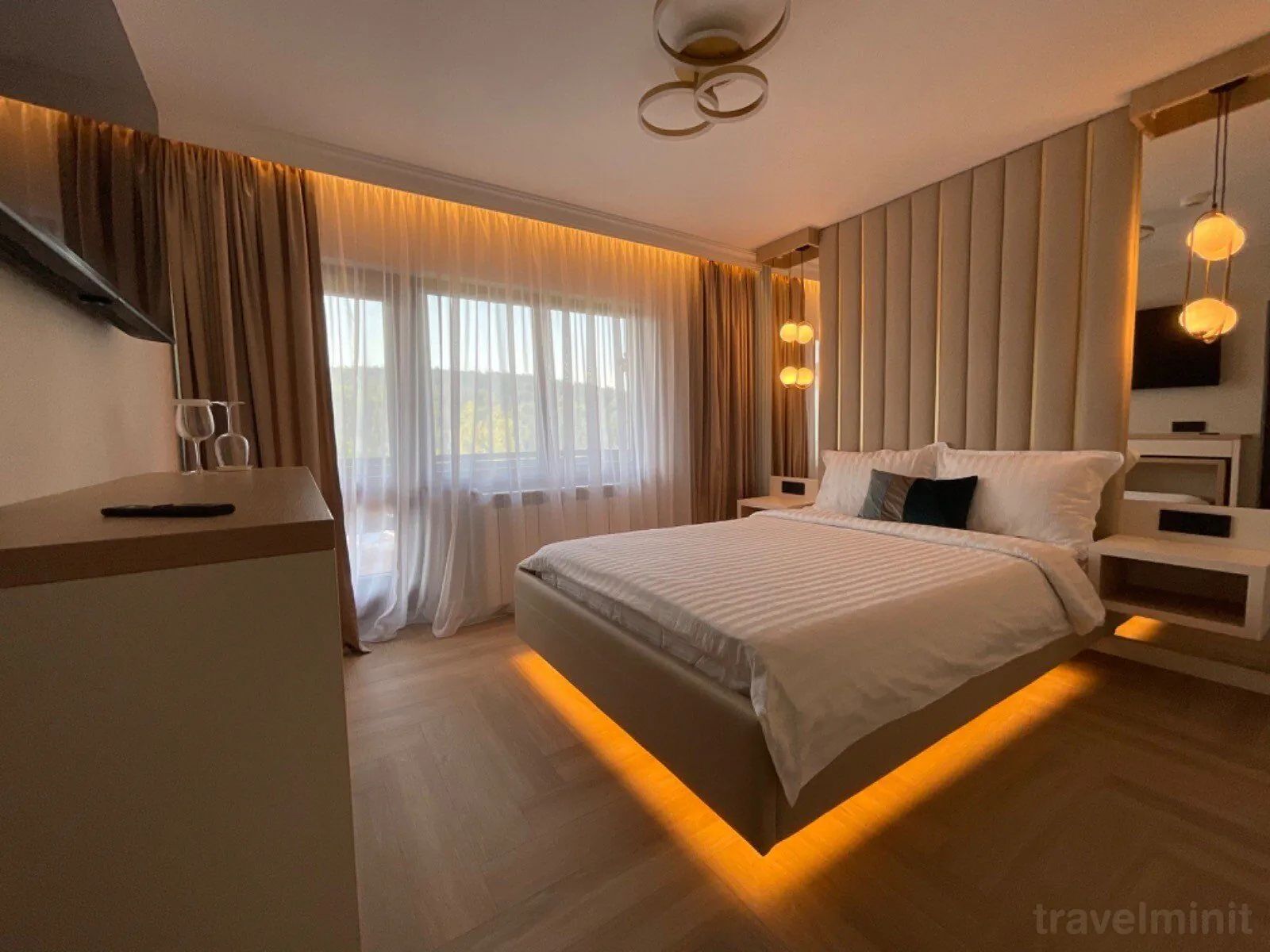
Pensiunea Alpin Durău
O zi petrecută aici începe cu aerul tare al munților și cu o plimbare pe pârtia de schi din zonă, iar după-amiaza se prelungește pe unul dintre traseele montane din apropiere. Pensiunea Alpin Durău din Durău vă pune la dispoziție un spațiu primitor, cu acces facilitat pentru persoanele cu dizabilități și parcare privată gratuită pentru autoturism. În curtea mare și grădina amenajată vă puteți relaxa după o zi activă în natură, iar cei mici se pot juca în siguranță în locul de joacă de la exterior. Pentru serile răcoroase, aveți la dispoziție grătar sau barbeque, iar pentru preparate tradiționale gătite în aer liber, un ceaun. Conexiunea Wi-Fi gratuită vă ține conectat oriunde ați fi în incintă. În împrejurimi descoperiți Parcul Național Ceahlău, Vârful Ocolașul Mare din Munții Ceahlău, Mănăstirea Durău, Lacul Izvorul Muntelui și zona localității Durău. Fiecare dintre aceste obiective oferă ocazia de a explora peisaje spectaculoase și de a vă bucura de liniștea specifică zonei montane. Pensiunea Alpin Durău este potrivită pentru familiile cu copii, pentru grupurile de drumeți și pentru toți cei care caută un refugiu liniștit într-un cadru montan autentic, departe de aglomerația urbană.
FROM
240 lei per night
BEFORE YOU HIT THE ROAD
Weather conditions in Neamt
Local forecast for Ceahlău National Park, Neamt, Neamț

Real-time updated weather data
Much more to explore in this area
Nearby tourist attractions


24.9 km

Harghita, Harghita County
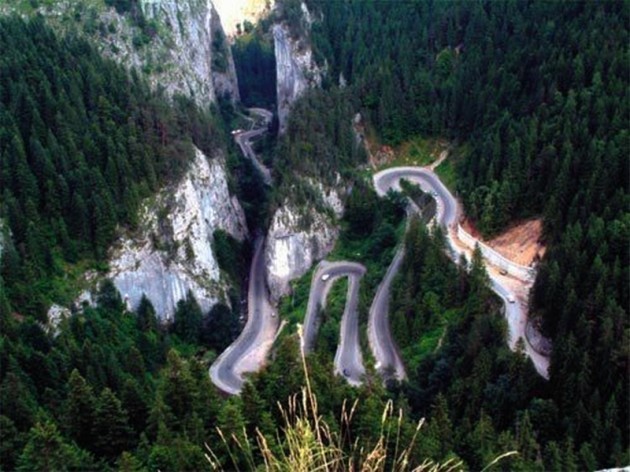
Bicaz Gorge
Cheile Bicazului sunt situate la 27 km sud-vest de orasul Bicaz, in Muntii Hasmas/Haghimas (grupa centrala a Carpatilor Orientali), in zona central-nord-estica...
21.6 km
Harghita, Harghita County
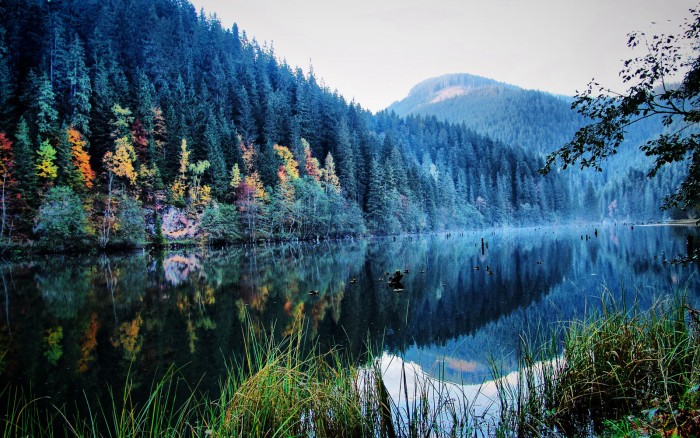
Red Lake Nature Reserve
Situat in apropierea statiunii Lacul Rosu si a orasului Gheorgheni, langa Cheile Bicazului, la poalele Hasmasului Mare; amplasat la altitudinea de 983 m; s-a...
25.1 km

Harghita, Harghita County
Borsec Spa Resort
Situata in depresiunea Borsec, la 26 km de orasul Toplita, pe DN Toplita - Piatra Neamt; amplasata la altitudinea de 900 m; efectele terapeutice ale apelor din...
27.4 km
Harghita, Harghita County
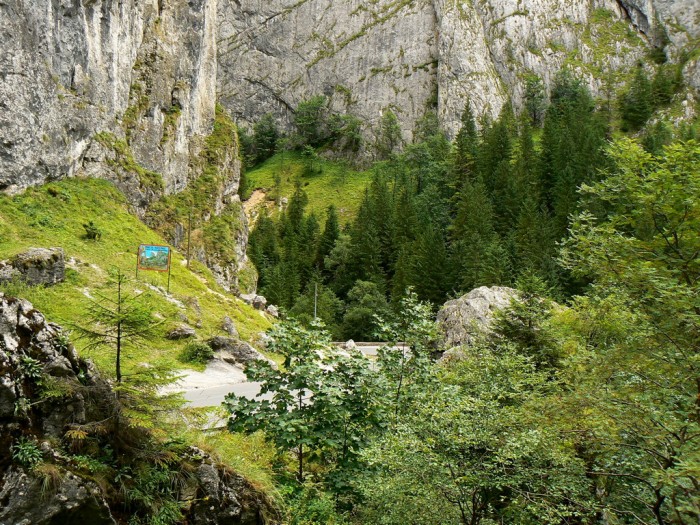
Bicaz Gorge National Park - Hășmaș Mountains
Situat la 27 km sud-vest de orasul Bicaz, in Muntii Hasmas/Haghimas (grupa centrala a Carpatilor Orientali), in zona central-nord-estica a Romaniei, pe raza...
21.6 km

România, Transylvania
Vârful Ocolașul Mare, Munții Ceahlău
Vârful Ocolașul Mare, Munții Ceahlău (munte sau masiv) în județul România.
4.2 km
România, Transylvania
Vârful Toaca, Masivul Ceahlău
Vârful Toaca, Masivul Ceahlău (munte sau masiv) în județul România.
36.7 km
Neamt, Neamț County
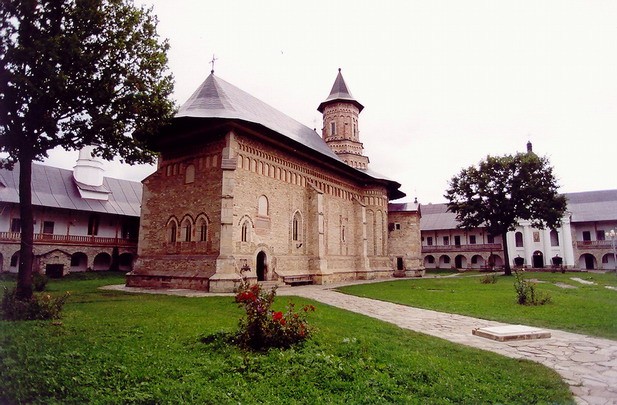
Neamț Monastery
Situata pe raza comunei Vanatori-Neamt, la 15 km nord-vest de Targu Neamt; atestata documentar pentru prima data in 1407, pe vremea lui Alexandru cel Bun; in...
37.2 km
Neamt, Neamț County
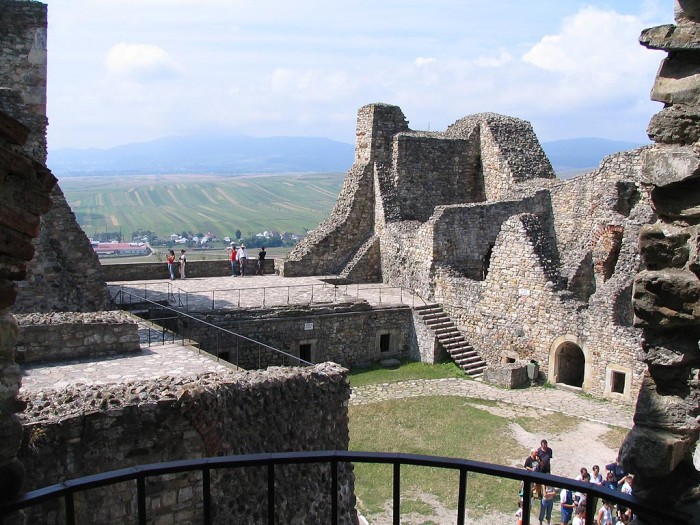
Neamț Fortress
Situata pe strada Arcasului nr. 1, pe un platou al dealului Plesu, la 480 m altitudine, in apropierea orasului Targu Neamt, in partea de nord-est a judetului;...
40.0 km
Neamt, Neamț County
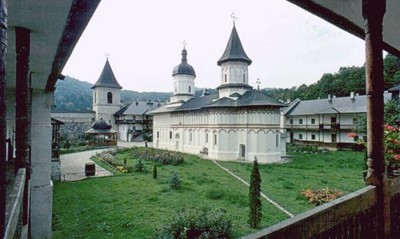
Agapia Monastery (New Agapia or Agapia in the Valley)
Manastirea Agapia este situata pe valea paraului Agapia, la poalele culmii Magura, pe raza comunei Agapia, localizata la 12 km sud de municipiul Targu Neamt;...
30.2 km
Neamt, Neamț County
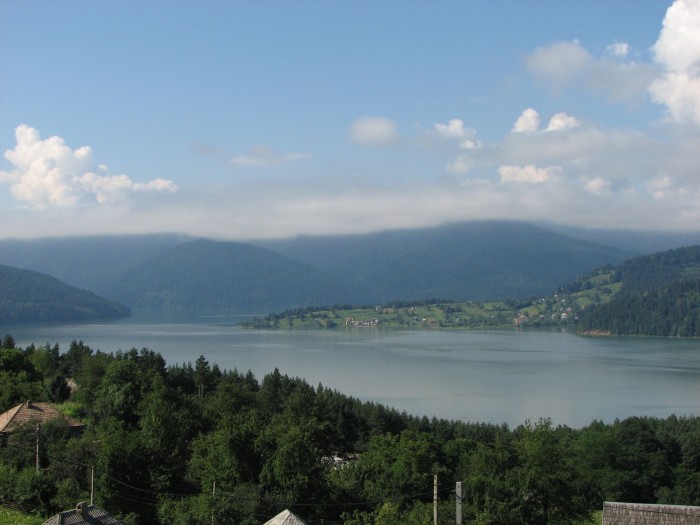
Lake Izvorul Muntelui (Bicaz Lake)
Situat la poalele Ceahlaului, pe cursul superior al raului Bistrita, la 4 km de orasul Bicaz; cunoscut si sub numele de "Lacul Bicaz", este cel mai mare lac...
10.0 km
24.2 km
Cultural life and traditions
Events in the Ceahlău National Park area
Medieval festivals, traditional fairs, concerts and local activities recommended in Moldavia.

History and Voivodeship Heritage

Neamt, County of Neamț
The Medieval Festival of Neamț Fortress
Re-enactments of Ștefan’s battles, archery demonstrations with traditional bows, displays of courtly guards, and performances of old court music.
WHEN
July 3-5, 2026


Prehistoric Crafts and Art
Neamt, County of Neamț
The National Pottery Fair “Cucuteni 5000”
The most skilled ceramic artists recreate the spectacular motifs of Europe’s oldest civilisation.
WHEN
June 26-28, 2026

Gastronomy and Wines
Neamt, County of Neamț
The Traditional Festival of Moldovan Wine
A fair featuring wine tastings from the vineyards of Cotnari, Bucium and Panciu, “poale-n brau” pies, and roasted meats cooked on a spit.
WHEN
October 2-4, 2026
On foot, exploration gains depth
Discover the surroundings and local geography
Explore the trails, terrain, and natural landmarks around Ceahlău National Park.

Guides and practical tips
Useful travel articles
Travel guides, practical recommendations and tourist itineraries for Moldavia.

Tourist guide
Top 5 Atracții Turistice și Trasee Montane în Zona Moieciu - Bran
Descoperă cele mai spectaculoase peisaje carstice, chei adânci și cetăți medievale din imediata apropiere a stațiunii Moieciu.

Tourist guide
Ghid de Drumeție: Traseul Moieciu de Sus spre Platoul Bucegi
Un itinerariu montan de o frumusețe rară ce urcă din Valea Băngăleasa spre Poiana Guțanu și crestele maiestuoase ale Bucegilor.

Tourist guide
Castelul Bran: Istorie, Legende și Secrete Medievale
Află adevărata poveste a fortăreței medievale din Pasul Bran, reședința de suflet a Reginei Maria a României.
THE JOURNEY STARTS WITH AN IDEA
The next story is on the way.
From the first stop to the last stay, make room for a new Romania.
