


PLACE OF WORSHIP · TRANSYLVANIA
Codlea Fortified Church

Brașov, Brașov County
Add location to your trip planner.

Practical access information

VISITING HOURS
Monday: 12:00 PM – 5:00 PM · Tuesday–Sunday: 9:00 AM – 5:00 PM (in summer until 8:00 PM)

TICKET PRICE
Adults: 45 RON · Students: 11 RON · Seniors: 23 RON · Guided tour included

RECOMMENDED VISIT DURATION
30-60 minutes
Sources and external references
Wikipedia Encyclopedia (EN)
Visitor information and guide
 Navigate with Google Maps

ABOUT CODLEA FORTIFIED CHURCH
Heritage significance and captivating introduction
In the heart of the Burzenland region, at the imposing foothills of the Postăvaru Mountains and just fifteen kilometers from the city of Brașov, the Codlea Fortified Church stands as a silent and majestic testament to eight centuries of European cultural coexistence. This place of worship, inscribed on the UNESCO World Heritage List in 1993 as part of the "Fortified Churches of Transylvania" site, represents far more than a simple religious monument; it is a veritable time capsule preserving in its stone and wood the spirit of a civilization that profoundly shaped the identity of Central Europe. Looking north, the forty-seven-meter bell tower rises against the sky like a stone pillar watching over the Brașov Depression, evoking an era when this community served as an outpost of Western culture in the continent’s east. The atmosphere here is one of profound tranquility, interrupted only by the pealing of bells and the wind whispering through the oak shingles of the steeply pitched roof. For the cultivated European traveler, Codlea offers an authentic experience of Transylvanian Saxon heritage, an open window into the medieval world of German craftsmen and merchants who, under the protection of the Hungarian crown, built a remarkably sophisticated urban civilization here—comparable to the Hanseatic cities of northern Germany or the burgs of the Rhine Valley. As part of a unique network of seven UNESCO-recognized Transylvanian fortified churches, alongside monuments such as those in Biertan, Prejmer, Viscri, Saschiz, Sighișoara, and Câlnic, the Codlea edifice illustrates the exceptional adaptation of sacred architecture to the tense geopolitical realities of the late Middle Ages, representing a meeting point between German Gothic tradition and the defensive necessities imposed by Ottoman expansion.
Historical roots and major European connections
The history of the Codlea Fortified Church begins in the twelfth century, during a period when the kings of Hungary, particularly Andrew II and later Béla IV, invited German settlers—known as Saxons—to populate and defend the kingdom’s eastern frontier against Cuman and Tatar invasions. This colonization was part of a broader phenomenon of German migration toward Eastern Europe, similar to the settlement processes in Poland, Silesia, or Livonia, through which entire communities of farmers, craftsmen, and merchants transferred their urban and technical traditions from the Rhine and Upper Danube regions to new territories. Around 1250, these settlers built an early Roman Catholic place of worship dedicated to Saint Nicholas, the patron saint of merchants, in a Gothic architectural style reminiscent of the basilicas in German cities like Cologne or Regensburg, reflecting the close ties between Transylvania and the cultural space of the Holy Roman Empire.
Over the fifteenth and sixteenth centuries, as the Ottoman Empire expanded its dominance in the Balkans following the fall of Constantinople in 1453 and the Battle of Mohács in 1526, the Codlea community was compelled to transform the church into a defensive fortress. This fortification process paralleled developments elsewhere in Europe, such as the fortified churches of Auvergne and Cévennes in France—affected by religious wars and Ottoman pressure—or the Wehrkirchen of Franconia and Thuringia in Germany, turning the place of worship into a fortified communal space where the entire population sought refuge in times of danger. The massive pentagonal enclosure walls, built during this period, reflect the defensive strategies developed across Central Europe in response to Ottoman threats, creating a unique communal defense system in the European religious landscape.
In the sixteenth century, amid the Protestant Reformation that shook Europe from Wittenberg to Switzerland, the Codlea church underwent a profound transformation, shifting from Roman Catholicism to Evangelical Lutheranism—a change that definitively marked the spiritual identity of the community. This religious metamorphosis placed Codlea at the center of a major European movement, illustrating how reformist ideas penetrated territories under German cultural influence. Later, during the Habsburg rule over Transylvania, the church benefited from Baroque additions, integrating it into the artistic currents that transformed the sacred landscape of Central Europe, from Vienna to Prague and Budapest.
Architectural masterpiece and artistic details
The architectural ensemble of the Codlea Fortified Church impresses with its harmonious fusion of late Gothic elements—featuring pointed arches and tall, narrow windows that allow light to enter dramatically—and Renaissance and Baroque additions that reflect the evolution of artistic tastes over time. The bell tower, standing approximately forty-seven meters tall, dominates the urban landscape and serves as an emblematic visual landmark for the entire Brașov Depression, visible from kilometers away. Like the towers of Sibiu or the Black Church in Brașov, it retains a distinct silhouette through its elegant proportions and pyramidal roof. Inside, the coffered oak ceiling, crafted in 1651 by anonymous local artisans, represents a remarkable example of Transylvanian medieval craftsmanship, blending religious symbolism with the decorative techniques specific to the region. It evokes the Renaissance coffered ceilings of Italian palaces but adapted to the wooden materials typical of the northern Alps.
Of particular value is the pipe organ, built in the eighteenth century by the renowned master Johannes Prause of Sibiu, which is the largest and best-preserved historic organ in all of Transylvania. This musical instrument, with its multiple registers and complex mechanics, illustrates the Baroque tradition of organ building in Central Europe, comparable to the instruments created by masters like Gottfried Silbermann in Germany or the Viennese school of organ builders, bringing the harmonies of Protestant sacred music into this sacred space. The massive enclosure walls, up to three meters thick in certain sections, were built in the fifteenth and sixteenth centuries in response to frequent Ottoman threats. They encircle the church in a well-defined pentagonal perimeter, offering concrete evidence of the communal defense strategies specific to the late medieval era. In addition to these structural elements, the interior preserves fragments of medieval mural frescoes, intricately carved Baroque furniture, and a main altar reflecting the artistic influences of the Habsburg period, creating a coherent artistic ensemble spanning five centuries of European history.
Stories, personalities, and turning points
Behind the stone walls of the church lie numerous stories and personalities that have shaped the destiny of this place over the centuries. One central figure is Johannes Prause, a master organ builder from Sibiu who, in the eighteenth century, constructed the organ that adorns the church’s choir today. Prause belonged to a dynasty of organ builders active in Transylvania, whose art reflected the Baroque musical tradition of Central Europe. His instrument in Codlea stands as a living testament to the technical and artistic excellence of the time, preserving to this day the chords that accompanied the prayers of generations of Saxon worshippers.
Another crucial moment in the building’s history is 1651, when anonymous local artisans crafted the impressive coffered oak ceiling—a work that required exceptional woodworking techniques and meticulous attention to decorative detail. These craftsmen, members of Codlea’s carpentry guilds, left behind a work that has withstood the test of time, exemplifying Transylvanian craftsmanship. The religious transformation of the sixteenth century, when the community transitioned from Catholicism to Lutheranism, represents another turning point, mirroring the great spiritual movements that shook Europe during that period, from Wittenberg to Geneva.
Local legends speak of Ottoman raids in the sixteenth and seventeenth centuries, when the inhabitants of Codlea took refuge in the tower and fortified enclosure, defending themselves with rifles and slings from the battlements. It is said that during one siege, the church bells rang on their own, warning the community of the enemy’s approach, or that treasures hidden in the fortress cellars were never found. In the twentieth century, with the mass emigration of Transylvanian Saxons to Germany during the communist era and after 1990, the church faced moments of crisis but was saved through the efforts of the remaining local community and international heritage conservation programs. Today, it stands as a symbol of cultural resilience and spiritual continuity in a region that has undergone numerous demographic and political transformations.
Practical visitor’s guide and contemporary travel experience
Located in the historic center of Codlea, at 1 Bisericii Street, the fortified church is accessible year-round, with opening hours that vary by season and religious holidays. Visitors can explore both the solemn interior of the church—admiring the coffered oak ceiling and the imposing Prause organ—and the fortified inner courtyard, enjoying unique perspectives of the towering bell tower, the steeply pitched roof, and the surrounding mountainous landscape of the Postăvaru Mountains. The atmosphere here is exceptional, offering a tranquil contrast to the urban bustle of Brașov, just a quarter-hour away. The quiet within the fortified enclosure invites reflection and contemplation.
Access is easy both by personal vehicle, via European route E574 connecting Brașov to Codlea, and by public transportation, with regular bus and rail connections between the two cities. For a complete experience, it is recommended to contact the Evangelical parish or the local guide available on-site in advance for detailed guided tours that reveal the secrets of the mural frescoes, the story of the intricately carved Baroque furniture, and the fascinating legends associated with the building’s construction and defense over the centuries. Codlea fits perfectly into a broader cultural itinerary of the region, pairing well with visits to Brașov, the Râșnov Citadel, or the Postăvaru mountain resort. For the European traveler interested in World Heritage, a visit to the Codlea Fortified Church offers a unique opportunity to discover an essential part of the continent’s history, set in a landscape of exceptional beauty at the foot of the Carpathians, where the medieval past meets the present in perfect harmony.
Media gallery
Discover Codlea Fortified Church in pictures

1 photos · Architecture, courtyards and captivating details

Image source: Wikimedia Commons · Public domain photos · Free license
STAY A FEW DAYS, DISCOVER THE MAGIC
Accommodation in the Codlea Fortified Church area

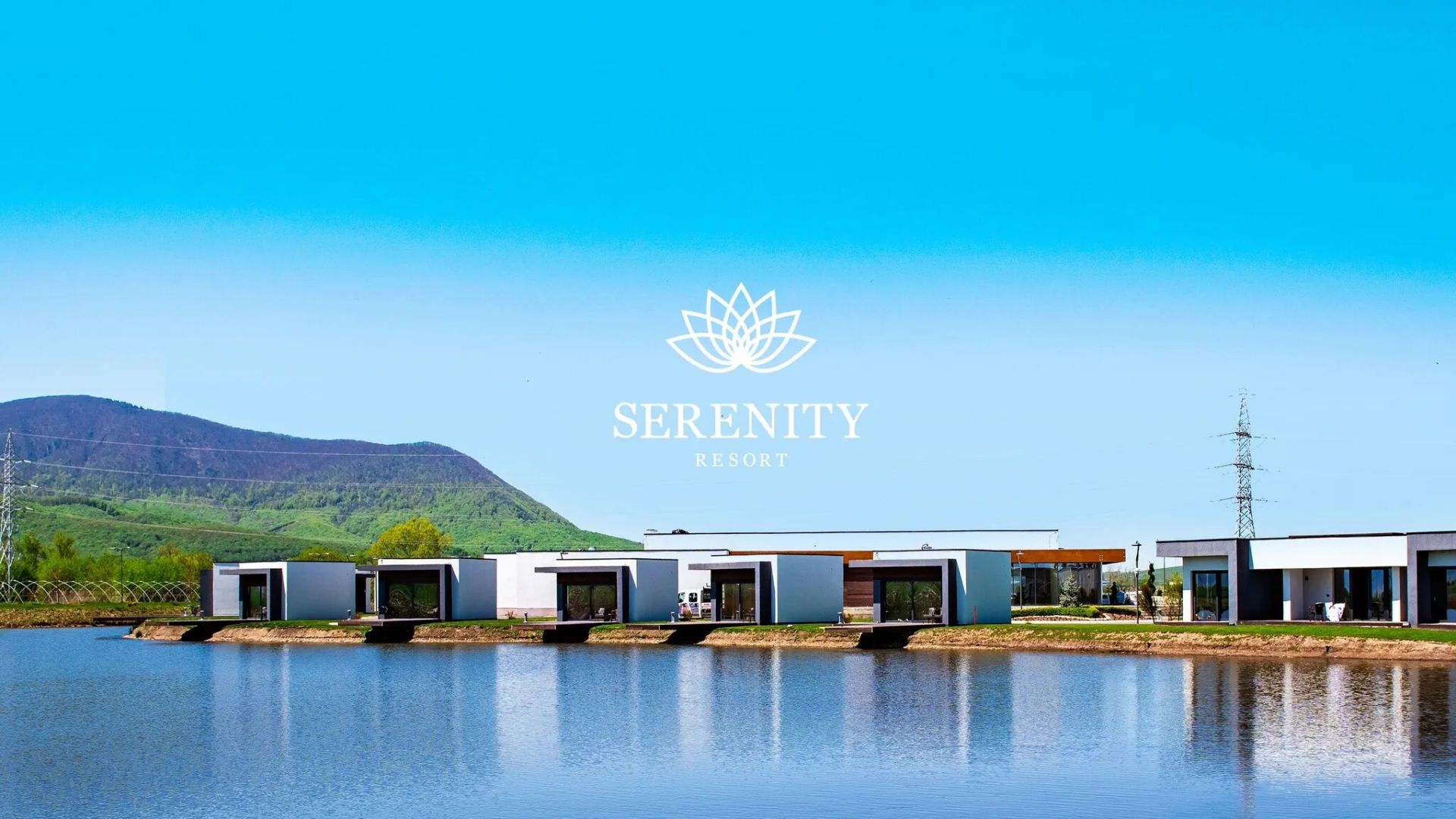
Holiday resort · 4 stars

Кодля, Brașov County · 0.8 km
Serenity Resort Codlea
Familiile cu copii mici și cei care călătoresc împreună cu animalele de companie se vor simți bineveniți la Serenity Resort Codlea din localitatea Codlea, județul Brașov. Această unitate de patru stele oferă un cadru potrivit pentru relaxare într-un mediu prietenos. Resortul dispune de o curte mare și o grădină amenajată, parcare privată gratuită și conexiune Wi-Fi fără plată. Oaspeții pot practica pescuitul, iar accesul este asigurat și pentru persoanele cu dizabilități. De asemenea, sunt disponibile depozit pentru bagaje și pătuț pentru bebeluși, iar serviciul room service răspunde nevoilor dumneavoastră pe toată durata sejurului. Toate aceste facilități contribuie la un sejur relaxant. Camerele sunt echipate cu aer condiționat pentru confortul dumneavoastră, iar micul dejun este inclus în tarif. Animalele de companie sunt primite contra cost. Personalul de la recepție comunică în română și engleză. Preluarea camerei se face de la ora 14:00, iar eliberarea până la ora 11:00. În apropiere se află Cetatea Râșnov, Biserica fortificată din Codlea, Biserica Neagră, Castelul Bran și Stațiunea Poiana Brașov. Vă așteptăm să porniți într-o excursie spre Biserica fortificată din Codlea.
FROM
490 lei per night

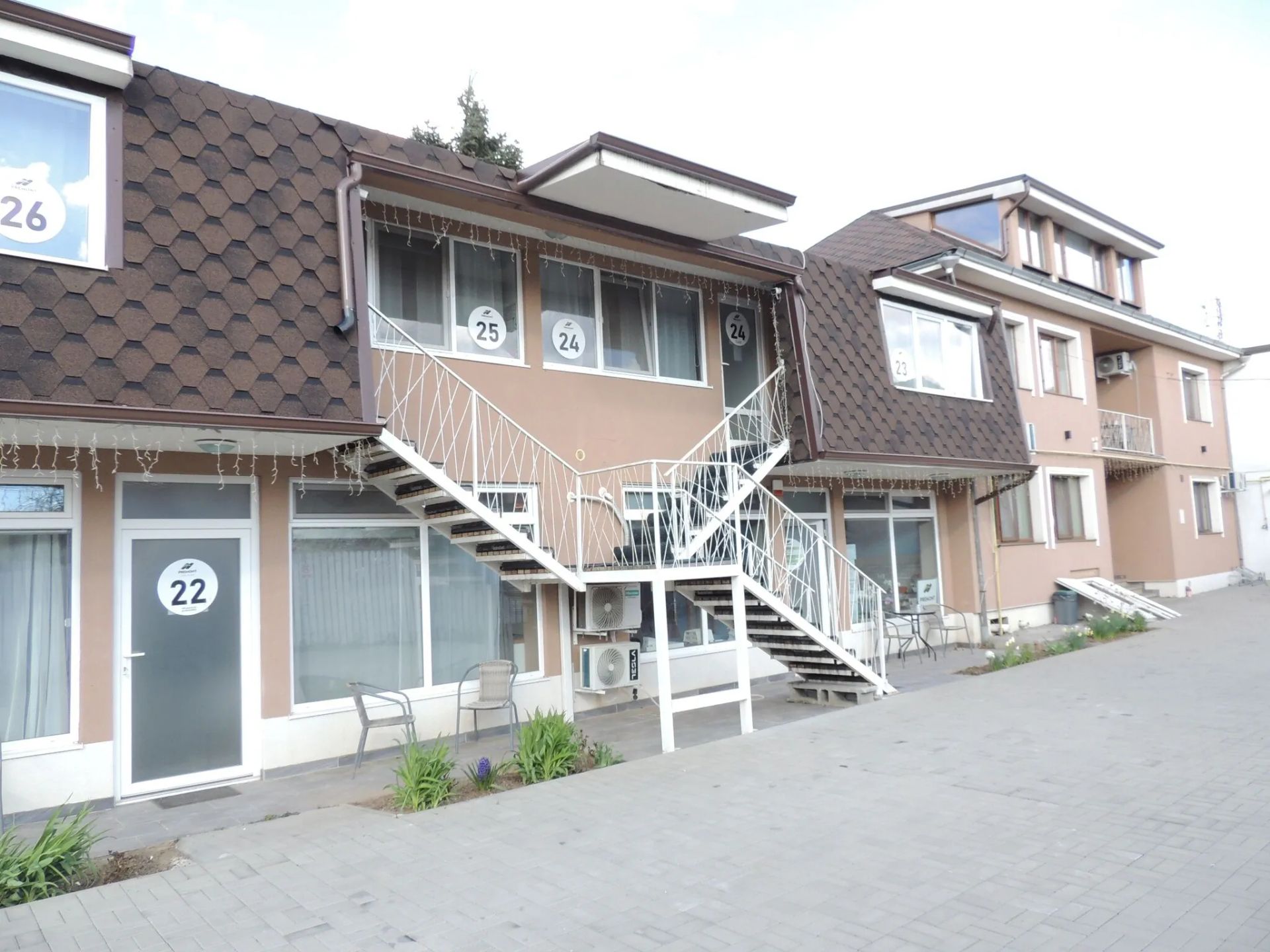
Apartment · 3 stars
Ghimbav, Brașov County · 5.9 km
Premont Studios Ghimbav
Familiile și grupurile de prieteni se vor simți bine la Premont Studios Ghimbav, situat în localitatea Ghimbav din județul Brașov. Unitatea pune la dispoziție trei camere amenajate cu bun gust, într-un apartament clasificat cu trei stele, oferind un cadru potrivit pentru un sejur relaxant împreună. Pentru confortul dumneavoastră, aveți la dispoziție Wi-Fi gratuit în întreaga unitate și parcare privată gratuită, astfel încât mașina dumneavoastră să fie în siguranță pe toată durata vizitei. Unele dintre camere sunt dotate cu aer condiționat, asigurând o temperatură plăcută în orice sezon. Programul de primire începe la ora 14:00, iar eliberarea camerei se face până la ora 12:00. Personalul vorbește limba română, engleză și greacă, fiind pregătit să răspundă nevoilor dumneavoastră pe tot parcursul șederii. În vecinătate puteți vizita Biserica Neagră, Cetatea Râșnov, Stațiunea Poiana Brașov, Castelul Bran și Biserica fortificată din Codlea. Aceste obiective turistice oferă oportunități variate de explorare, de la monumente istorice impresionante la peisaje montane spectaculoase. Vă așteptăm cu drag la Premont Studios Ghimbav, de unde puteți pleca într-o excursie plină de descoperiri spre Castelul Bran.
FROM
230 lei per night
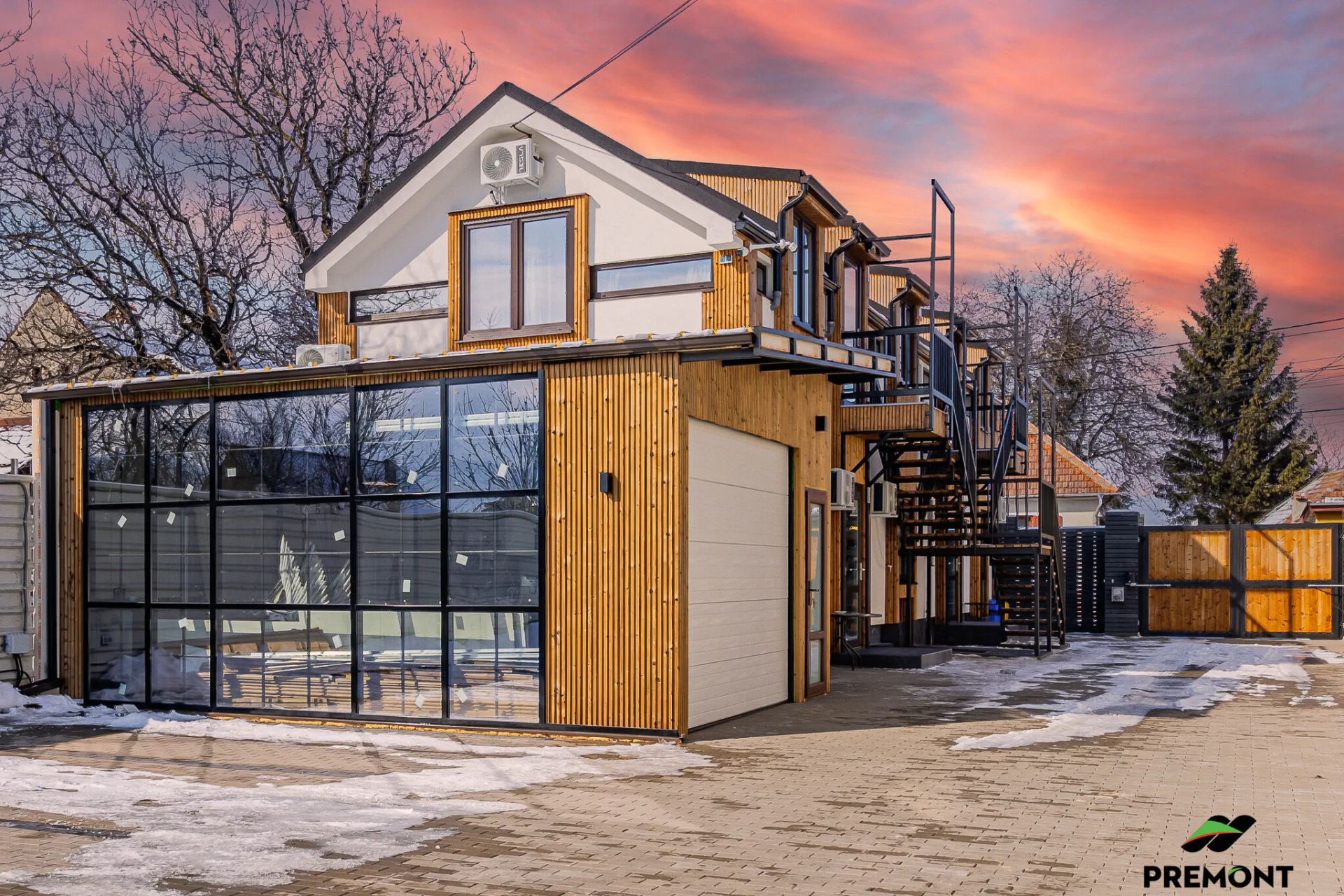
Holiday home · 3 stars
Ghimbav, Brașov County · 5.9 km
Casa Premont Luxury Ghimbav
Într-o zonă liniștită din Ghimbav, Casa Premont Luxury Ghimbav vă așteaptă într-o proprietate cu curte amenajată, foișor și parcare privată, într-un cadru potrivit atât pentru vacanțe relaxante, cât și pentru deplasări în interes de serviciu. Proprietatea pune la dispoziția dumneavoastră șase unități de cazare spațioase, dintre care trei studiouri standard și trei studiouri superioare. Fiecare cameră dispune de baie proprie și de o chicineta complet echipată cu toate cele necesare, asigurând astfel un grad ridicat de independență și confort pe toată durata șederii. Pentru un sejur cât mai plăcut, aveți la dispoziție Wi-Fi gratuit, parcare privată gratuită și parcare pentru biciclete. De asemenea, fierul de călcat și foișorul din curte contribuie la atmosfera relaxată și funcțională a locului. În apropiere puteți vizita Biserica Neagră, Cetatea Râșnov, Stațiunea Poiana Brașov, Castelul Bran și Biserica fortificată din Codlea, oferind numeroase posibilități de explorare culturală și de relaxare în zonă. Această cazare este potrivită pentru turiști și călători în interes de afaceri care doresc să exploreze Brașovul și împrejurimile într-un spațiu modern, liniștit și bine dotat.
FROM
280 lei per night
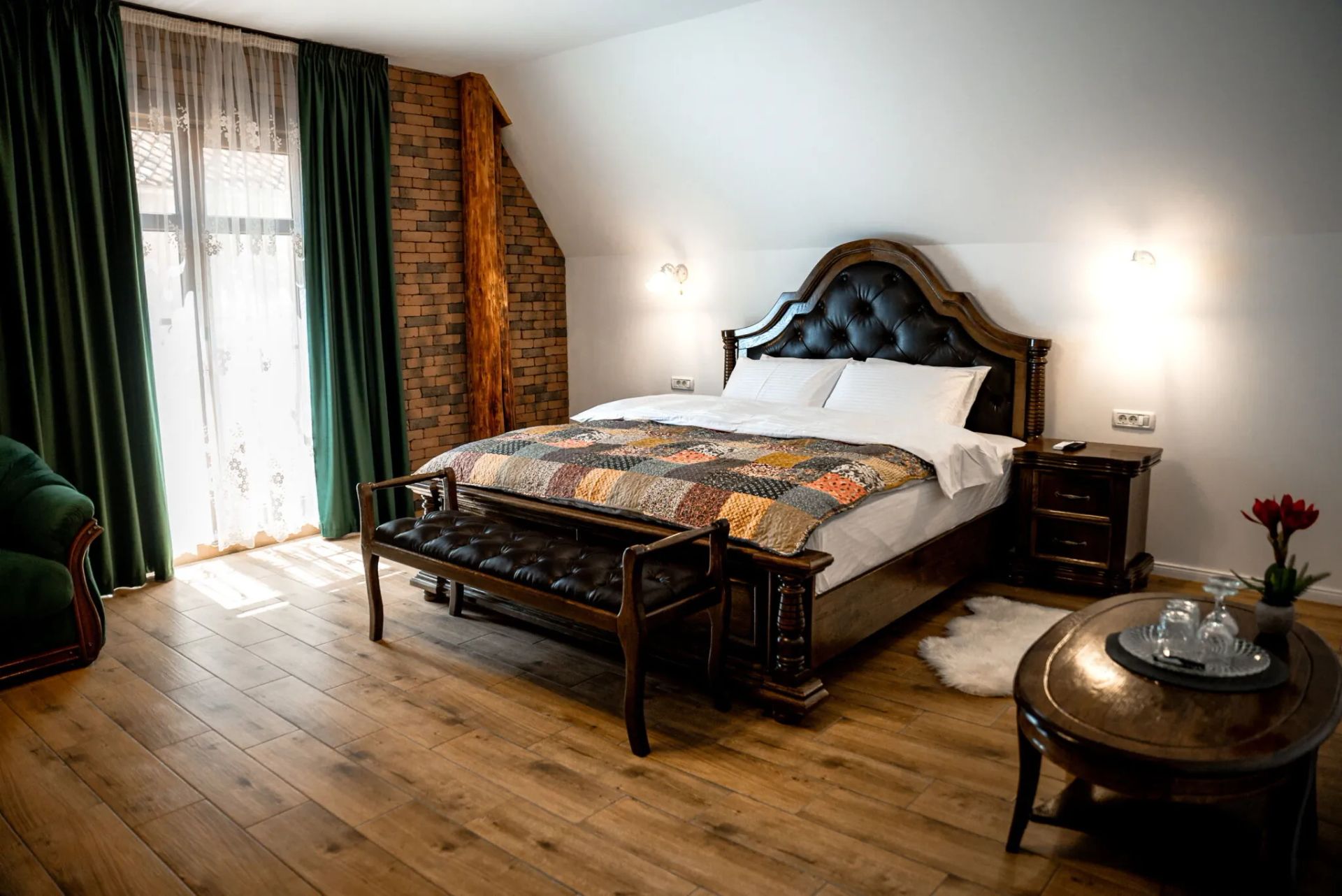
Guesthouse · 3 stars
Ghimbav, Brașov County · 6.2 km
Pensiunea Boutique Marlen Adults Only Ghimbav
Într-o curte mare și îngrijită din Ghimbav, Pensiunea Boutique Marlen Adults Only vă primește într-un cadru liniștit, dedicat exclusiv adulților. Această locație boutique din strada Lunga oferă patru apartamente rafinate, fiecare dotat cu baie privată și, în unele cazuri, balcon privat pentru momente de relaxare. Confortul dumneavoastră este asigurat prin Wi-Fi gratuit, parcare pentru biciclete și un seif în care puteți păstra obiectele de valoare. În incintă funcționează o cafenea, iar la cerere punem la dispoziție pătuț pentru bebeluș și fier de călcat. Grădina amenajată și curtea mare invită la plimbări și odihnă în aer liber, departe de aglomerație. Poziția din Ghimbav vă permite să vizitați cu ușurință Biserica Neagră, Cetatea Râșnov, Stațiunea Poiana Brașov, Castelul Bran și Biserica fortificată din Codlea. Pentru un sejur complet, aveți la dispoziție și depozit pentru bagaje. Vă așteptăm să vă bucurați de atmosfera intimă și de facilitățile moderne ale acestei pensiuni boutique. Parcarea este asigurată în fața unității, pe locuri special amenajate.
FROM
240 lei per night
Holiday villa · 3 stars
Holbav, Brașov County · 6.5 km
Casa Frățilă Holbav
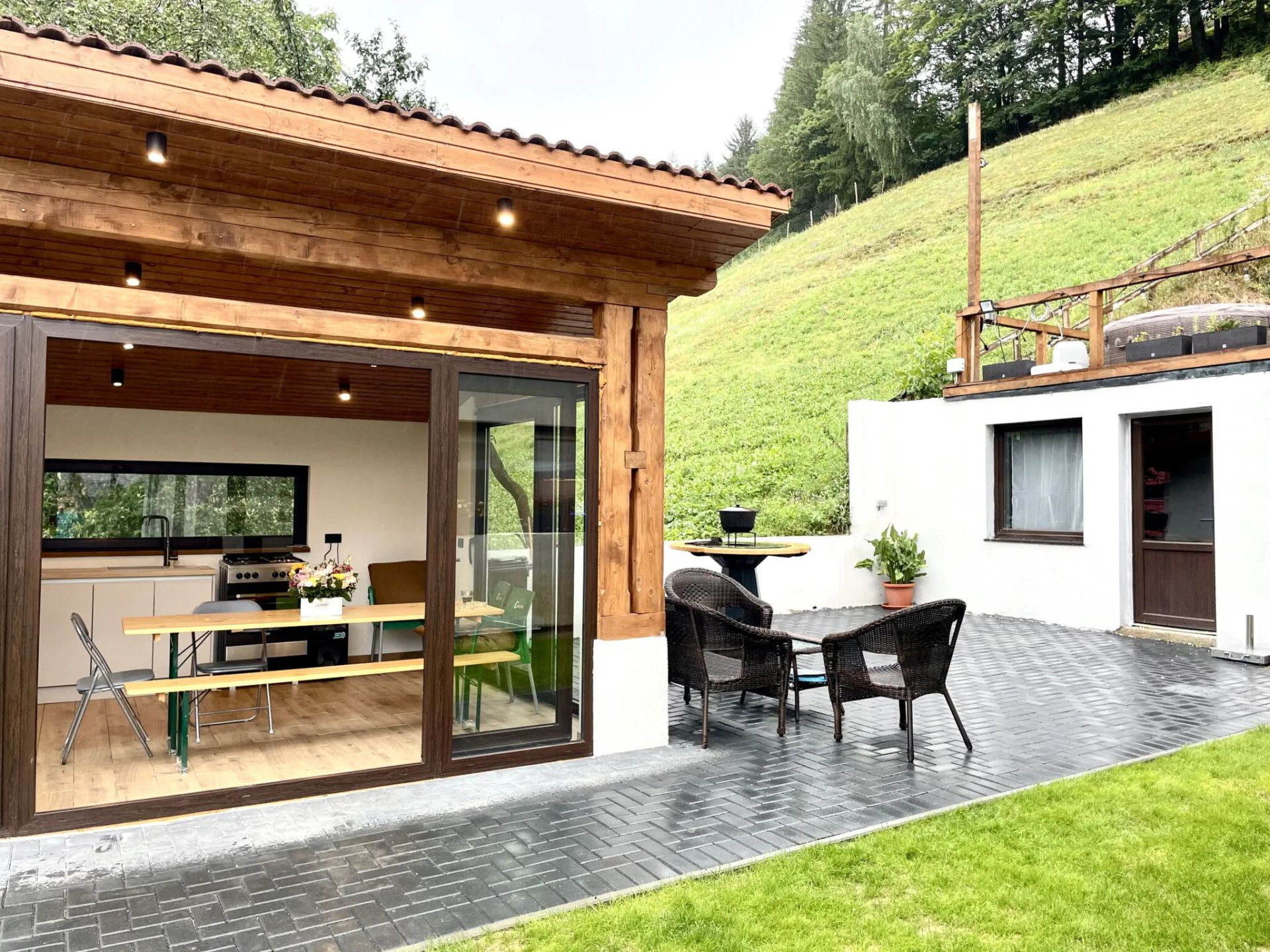
Familiile și cuplurile care caută liniște și intimitate se vor simți bineveniți la Casa Frățilă Holbav, o vilă turistică situată în localitatea Holbav din județul Brașov, într-un cadru natural pitoresc. Proprietatea oferă dumneavoastră o curte mare și o grădină amenajată, parcare privată gratuită și Wi-Fi gratuit în întreaga locație. Pentru momente plăcute în aer liber, aveți la dispoziție un ceaun pentru gătit, grătar sau barbeque, foișor în curte și vatră de foc sau șemineu în aer liber, alături de un loc de joacă pentru copii, terasă la soare și fier de călcat. Interiorul include facilități pentru întreaga familie: pătuț pentru bebeluș, scaun înalt pentru copii, cadă cu hidromasaj sau jacuzzi, servicii de masaj și tenis de masă. De asemenea, puteți închiria biciclete pentru a explora drumețiile montane și traseele în natură din zonă, iar pentru deplasări aveți la dispoziție și parcare pentru biciclete. În apropiere puteți vizita Cetatea Râșnov, Castelul Bran, Biserica Neagră, Biserica fortificată din Codlea și Stațiunea Poiana Brașov. Vă așteptăm la Casa Frățilă Holbav.
FROM
280 lei per night
Cabin · 3 stars
Holbav, Brașov County · 7.4 km
Căsuța din Valea Iepii Holbav
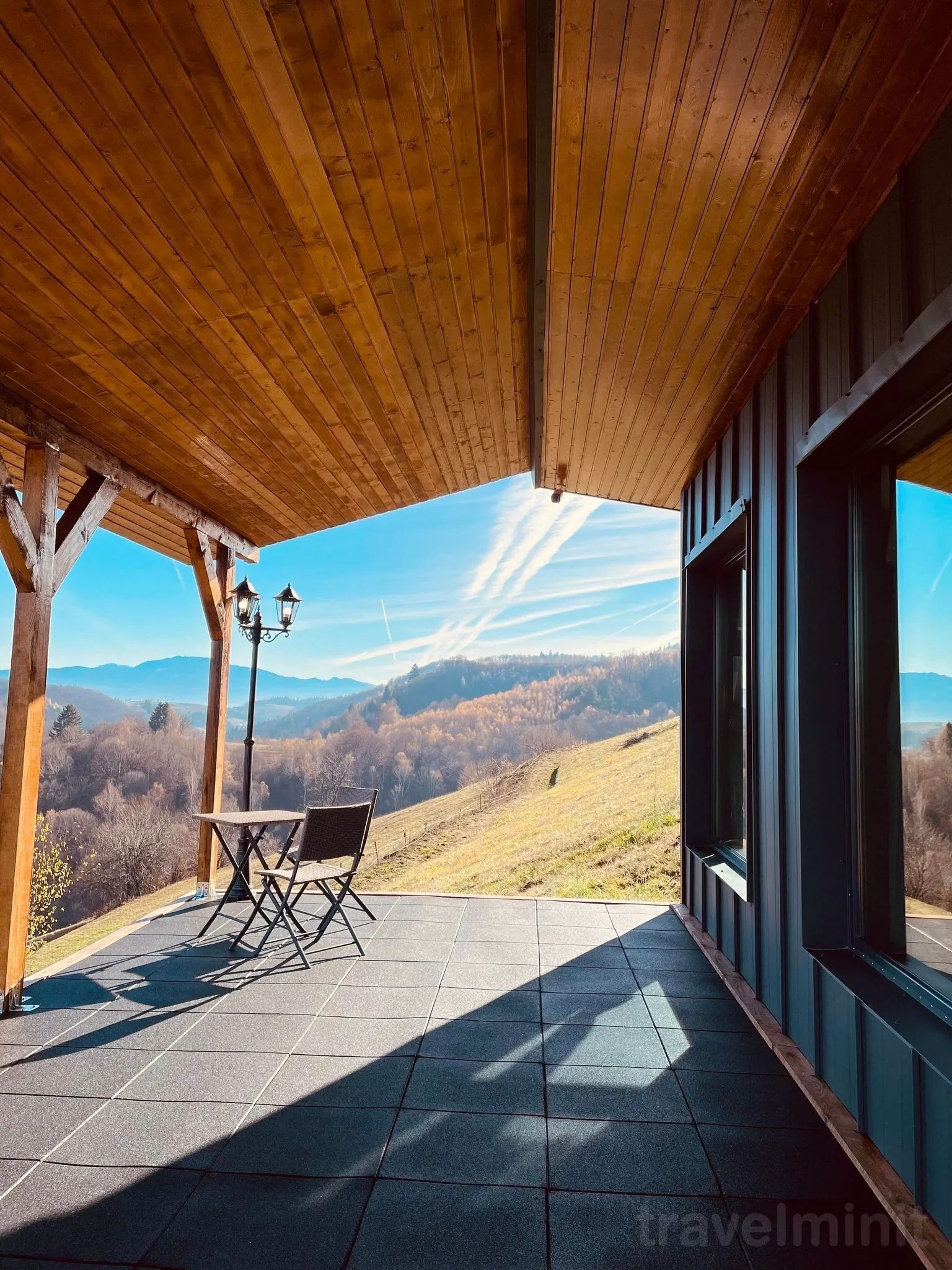
Comfort, relaxation and stunning views, all just steps away from the main attractions.
FROM
270 lei per night
BEFORE YOU HIT THE ROAD
Weather conditions in Brașov
Local forecast for Codlea Fortified Church, Brașov, Brașov

Real-time updated weather data
Much more to explore in this area
Nearby tourist attractions


Bran, Brașov County
Bran Castle
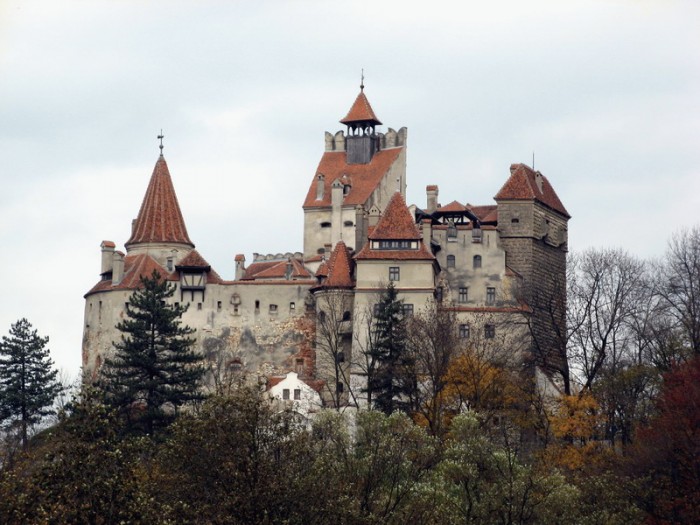
Situat pe strada General Traian Mosoiu nr. 28 din localitatea Bran, la 30 km de municipiul Brasov; construit in anul 1377 in scop militar; in anul 1395, este...
21.5 km
Sinaia, Prahova County
Peleș Castle
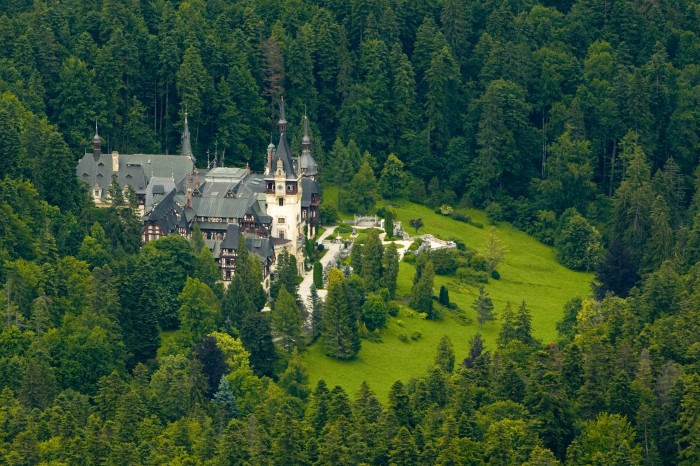
Situat pe strada Pelesului din Sinaia; piatra de temelie a castelului se pune in 1873, aici fiind ingropate si cateva zeci de monede de 20 de lei, din aur -...
38.5 km
Prahova, Prahova County
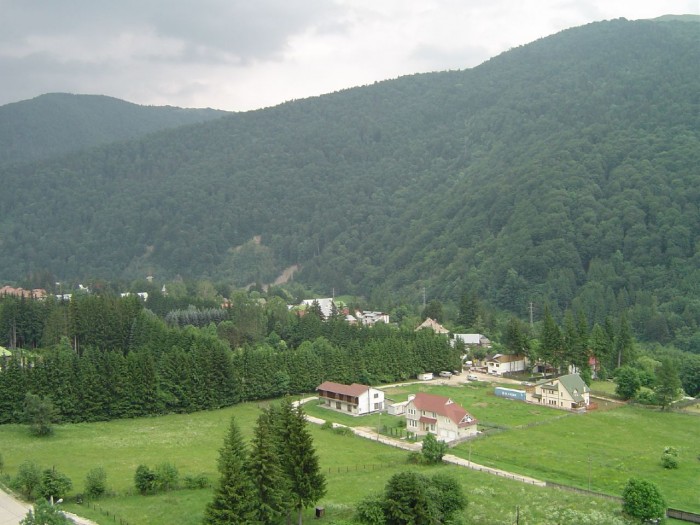
Sinaia Resort
Situata pe valea superioara a Prahovei, la poalele Muntilor Bucegi (Carpatii Meridionali), la o altitudine ce variaza intre 798-971 m; este una din cele mai...
39.5 km
Brasov, Brașov County
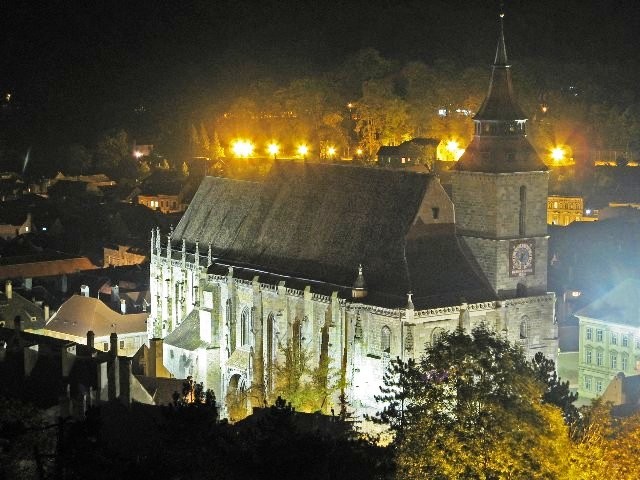
Black Church
Situata in curtea Honterus nr. 2 din municipiul Brasov; construita intre secolele XIV - XV; o inscriptie din interior il atesta ca prim ctitor pe Thomas; din...
13.1 km
Brasov, Brașov County
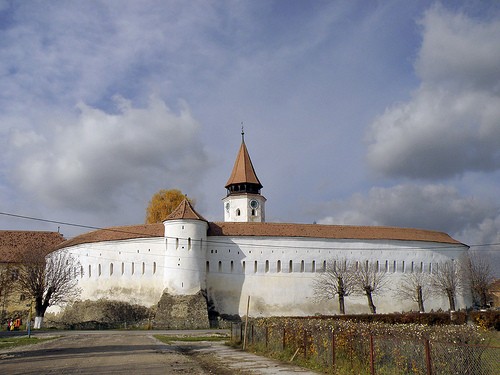
Prejmer Fortified Church
Situata in localitatea Prejmer, la 15 km de municipiul Brasov; cea mai mare biserica fortificata din sud-estul Europei; construita in secolul al XIII-lea; are...
25.6 km
Brasov, Brașov County
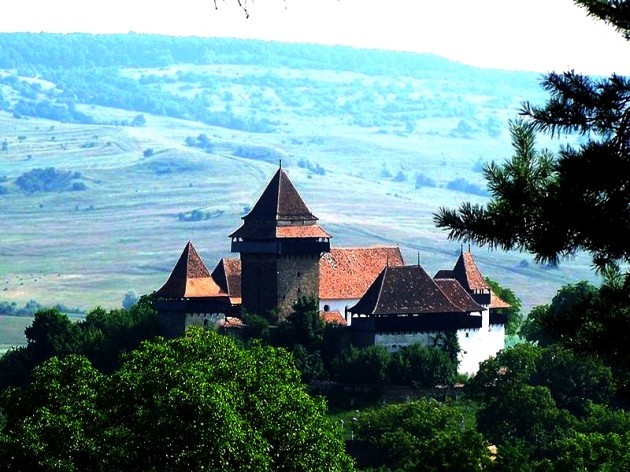
Viscri Fortified Church
Situata in localitate Viscri; construita in secolul al XIII-lea; din punct de vedere arhitectural apartine stilului romanic; are un plan de tip sala romanica;...
48.2 km
Prahova, Prahova County
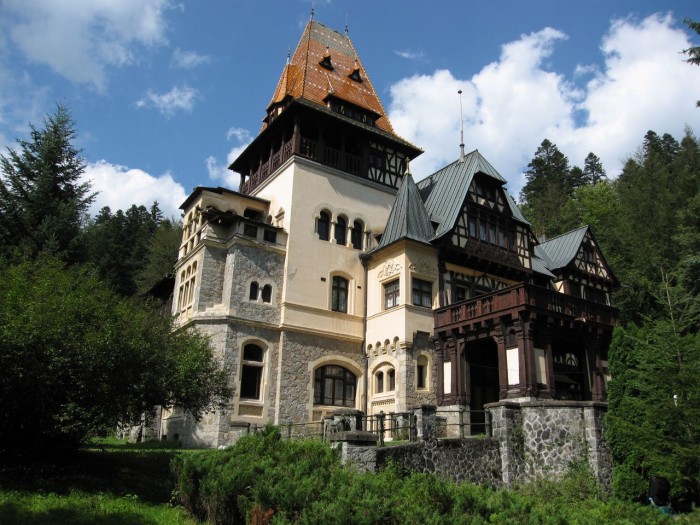
Pelișor Castle
Situat in parcul Castelului Peles, pe Valea Prahovei; ridicat intre anii 1899 si 1902; in 1903 a devenit resedinta de vara a principilor mostenitori;...
38.4 km
Râșnov, Brașov County
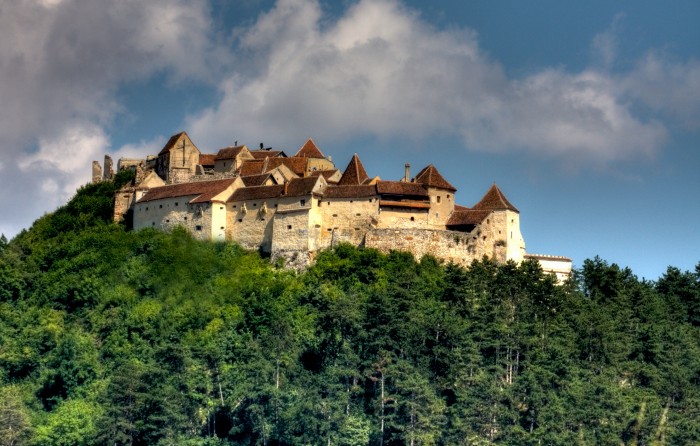
Râșnov Citadel
Situata in orasul Rasnov, la 15 km de municipiul Brasov; construita in secolele XIII - XIV de catre locuitorii zonei, in scopul apararii impotriva atacurilor...
12.3 km
Brasov, Brașov County
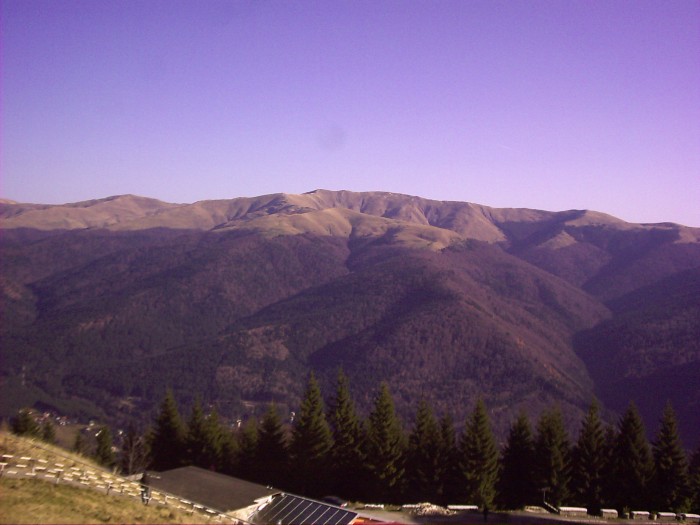
Bucegi Natural Park
Situat in Muntii Bucegi, se intinde pe raza comunelor Rasnov, Bran, Moeciu; zona Muntilor Bucegi a fost propusa pentru protejare in anul 1936, dar initiativa s-...
25.6 km

Brasov, Brașov County
Poiana Brașov resort.
Situata la poalele muntelui Postavaru, la 12 km de municipiul Brasov; amplasata la altitudinea de 1.030 m, statiunea turistica Poiana Brasov a fost infiintata...
14.4 km
Brasov, Brașov County
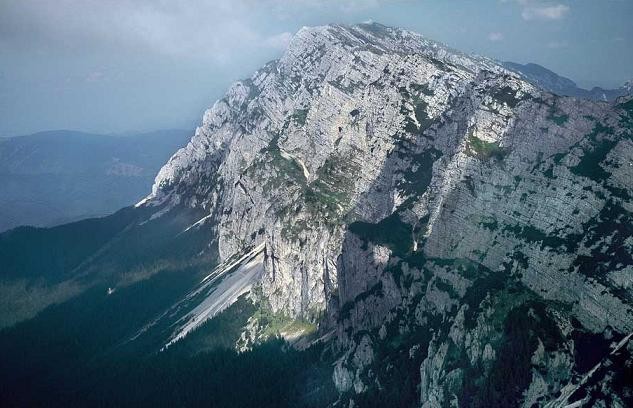
Piatra Craiului National Park
Situat in Carpatii Meridionali;include Creasta Pietrei Craiului in totalitate si spatiile din culoarele intramontane limitrofe, Rucar - Bran si Rucar -...
23.7 km

Brasov, Brașov County
Predeal: Romania's Highest Town and the Carpathian Balcony
Situata pe Valea Prahovei, intre raurile Prahova si Timis, la 25 km de municipiul Brasov; amplasata la 1.100 m, este cea mai inalta asezare urbana din Romania;...
23.9 km
Cultural life and traditions
Events in the Codlea Fortified Church area
Medieval festivals, traditional fairs, concerts and local activities recommended in Transylvania.

Heritage and History

Brașov, County of Brașov
The Festival of Medieval Fortresses and the Open Doors Days
Guided night tours, traditional crafts workshops and historical re-enactments featuring knights and ladies.
WHEN
May 15-17, 2026


Traditions and Cuisine
Brașov, County of Brașov
The Fair of Saxon Traditions and Local Cuisine
Discover local producers, traditional Saxon pastries baked in a wood-fired oven, artisanal syrups, and rhubarb jam.
WHEN
Every weekend (May - October)

Ecotourism and Nature
The hills of Transylvania, County of Brașov
Guided Hikes on the Transylvanian Hills Trail
Take excursions along unmarked trails through ancient meadows, centuries-old oak trees, and villages with fortified churches that are UNESCO World Heritage sites.
WHEN
Friday – Sunday (Season 2026)
On foot, exploration gains depth
Discover the surroundings and local geography
Explore the trails, terrain, and natural landmarks around Codlea Fortified Church.

Guides and practical tips
Useful travel articles
Travel guides, practical recommendations and tourist itineraries for Transylvania.

Tourist guide
Top 5 Atracții Turistice și Trasee Montane în Zona Moieciu - Bran
Descoperă cele mai spectaculoase peisaje carstice, chei adânci și cetăți medievale din imediata apropiere a stațiunii Moieciu.

Tourist guide
Ghid de Drumeție: Traseul Moieciu de Sus spre Platoul Bucegi
Un itinerariu montan de o frumusețe rară ce urcă din Valea Băngăleasa spre Poiana Guțanu și crestele maiestuoase ale Bucegilor.

Tourist guide
Castelul Bran: Istorie, Legende și Secrete Medievale
Află adevărata poveste a fortăreței medievale din Pasul Bran, reședința de suflet a Reginei Maria a României.
THE JOURNEY STARTS WITH AN IDEA
The next story is on the way.
From the first stop to the last stay, make room for a new Romania.
