


NATURE AND WILDLIFE · MUNTENIA (WALLACHIA)
Ialomița Cave

Dambovita, Dâmbovița County
Add location to your trip planner.
Practical access information

VISITING HOURS
Monday: 12:00 PM – 5:00 PM · Tuesday–Sunday: 9:00 AM – 5:00 PM (in summer until 8:00 PM)

TICKET PRICE
Adults: 45 RON · Students: 11 RON · Seniors: 23 RON · Guided tour included

RECOMMENDED VISIT DURATION
2-3.5 hours
Visitor information and guide
 Navigate with Google Maps

ABOUT IALOMIȚA CAVE
A Cathedral of Stone and Faith in the Heart of the Bucegi Mountains
Tucked away in the right bank of the Ialomița River, at an impressive altitude of 1,530 meters, Ialomița Cave reveals itself to travelers as an underground sanctuary where geological science meets the spirituality of centuries in a fascinating dialogue. Located in the spectacular Ialomița Gorges, in the heart of the Bucegi Massif, this cavern is one of the most striking natural monuments of the Southern Carpathians, while also serving as a place of pilgrimage with deep roots in the spiritual history of Wallachia. Its strategic position, near the source of the Ialomița River, has made this site a reference point for both nature explorers and those seeking inner peace over the centuries. For the European traveler familiar with the continent’s major tourist caves, such as Postojna in Slovenia, Aggtelek in Hungary, or the karst systems of the French Alps, Ialomița Cave offers a distinct experience, marked by the unique fusion of Southeastern Europe’s specific karst geomorphology and the Byzantine Orthodox monastic tradition.
Geological Genesis and Europe’s Prehistoric Legacy
The formation of Ialomița Cave is part of the grand geological narrative of the Carpathians’ karst system, a process sculpted over millions of years by calcareous waters that slowly dissolved the Mesozoic limestone massif. The cave extends over a total length of 480 meters, of which 400 meters are developed for visitation, offering a 60-meter elevation difference between the entrance and the deepest accessible point. Its labyrinthine structure includes galleries and chambers with evocative names such as Mihnea the Evil, Decebal, Saint Mary, The Crossroads, The Lakes, The Bears’ Grotto, and The Cave’s End, each revealing spectacular karst formations and distinct microclimates. Stalactites and stalagmites, sculpted over millennia by dripping calcareous water, create a mesmerizing underground landscape reminiscent of the ornate galleries of Slovenia’s Karst Plateau or France’s Dordogne region, with the difference that here, nature has been enriched by spiritual human presence.
Paleontologically, the cave shelters fossils of the cave bear, silent witnesses to the Pleistocene fauna that populated Europe during the Ice Ages. These fossil remains connect the site to the continent’s shared natural heritage, offering testimony to a time when large mammals roamed the Carpathian valleys, in an era when Europe was a land of glaciers and great migrations. The Water Gallery evokes the hydraulic force that shaped this realm, a process similar to that which created the karst systems of Serbia’s Vârciorog Plateau or Croatia’s Karst region, demonstrating the continuity of geological processes that have shaped Southeastern Europe’s landscape.
The Monastery at the Entrance and Europe’s Eremitic Tradition
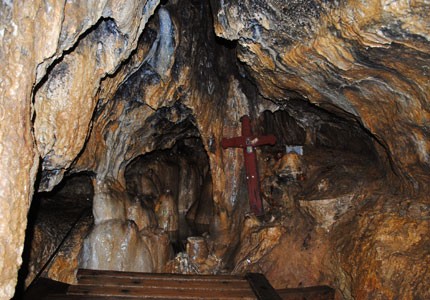
At the cave’s entrance stands Ialomița Monastery, founded in the 16th century during a flourishing period of monastic life in Wallachia, a monastic complex that transforms the entire site into a unique element of Romania’s sacred heritage. This period corresponds with the reigns of the Basarab dynasty and moments of state identity consolidation in the face of Ottoman pressures, when monasteries in mountainous areas served strategic roles as refuges and preservers of cultural traditions. However, the true spiritual revelation lies inside the cavern, where, in the Saint Mary Chamber, an altar with a cross represents the farthest point accessible to visitors.
This liturgical arrangement deep within the mountain reflects Europe’s eremitic tradition, found in sacred caves such as those in Cappadocia, Turkey, where Christian monks carved churches into volcanic tuff as early as the 4th century, in Meteora, Greece, where Orthodox monasteries rise atop stone pillars, or in the caves of Italy’s and Spain’s Karst regions. Thus, Ialomița Cave becomes a bridge between Romanian Orthodox tradition and continental monastic currents, offering a unique spiritual experience within an exceptional natural setting, akin to other rupestral sanctuaries in the Balkans or the Alps. The Byzantine influence is palpable in the site’s spirituality, while its strategic position in the Carpathians recalls the role of fortified monasteries in Transylvania, under Habsburg influence, or those in the Balkan Peninsula, subject to Ottoman rule.
Subterranean Architecture and the Galleries of Legend
Exploring the 400 meters of accessible passages involves a gradual descent through artificially lit galleries, each chamber revealing new perspectives on the subterranean architecture and the interplay of light on calcareous formations. The Mihnea the Evil Chamber, named after the voivode who founded the dynasty that consolidated Wallachia in the 15th century, impresses with its dimensions and stalagmitic formations that seem to watch over visitors. Legend has it that Mihnea the Evil himself sought refuge here during his strategic retreats from Ottoman expansion, finding in the mountain’s depths a place for prayer and meditation. The Decebal Chamber evokes the ancient Dacian roots of the Romanian people, recalling King Decebal and the Daco-Roman civilization that left traces in the Carpathian caves, in a cultural continuity linking the present to prehistoric eras.
The Saint Mary Chamber, the culmination of the visit, houses the altar and cross, creating a sacred space deep within the earth, while the Lakes Gallery and Bears’ Grotto reveal aspects of subterranean biodiversity and Pleistocene paleofauna. The Crossroads and the Cave’s End complete the picture of a natural architecture that rivals the most spectacular caves of Central Europe, such as those in Slovakia or Poland, yet with the distinct hallmark of Romanian Orthodox spirituality. Each calcareous formation, each natural column supporting the vault, each rhythmic drop of water in geological time, contributes to an atmosphere of sacredness that transcends the boundaries between nature and culture, between science and faith.
History, Voivodes, and Cultural Turning Points
The history of Ialomița Cave is closely tied to the political and spiritual evolution of Wallachia. In the 16th century, as the Ottoman Empire extended its dominion over Southeastern Europe, and the Kingdom of Hungary—later the Habsburg Monarchy—contested influence over Transylvania, monasteries in the Carpathians became bastions of spiritual and cultural resistance. The founding of the monastery at the cave’s entrance reflects the Romanian voivodes’ desire to ensure the continuity of religious life during a turbulent period, in a manner similar to how monasteries in Mount Athos or Cappadocia preserved the flame of Christianity during times of restriction.
During the 17th and 18th centuries, as the Habsburg Empire extended its influence over Transylvania and began scientifically exploring the Carpathians’ natural resources, Ialomița Cave entered the spotlight of foreign travelers and European naturalists. Interest in caves as geological phenomena and tourist sites grew across Europe with the development of mass tourism in the 19th century, a period when Romania, under the cultural influence of the West and developing as a modern state under King Carol I, began to valorize its natural heritage. The cave’s development for visitation, with walkways and artificial lighting, reflects this European trend of democratizing access to nature’s wonders, akin to the development of caves in Slovenia’s Karst or Slovakia’s Tatra region.
The Journey into the Depths and the Contemporary Pilgrim’s Experience
Access to the cave can be achieved via two main routes, each offering a distinct experience. The first starts from the historic city of Târgoviște, the former capital of Wallachia, following the route through Pucioasa, Fieni, Pietroșița, Moroieni, and Glod—a challenging mountain road recommended for off-road vehicles, traversing authentic Carpathian landscapes and offering views of the Leaota and Bucegi Mountains. Alternatively, visitors can opt for the cable car from Bușteni or Sinaia to the Bucegi Plateau, at the Babele station, from where a marked trail or cable car leads to the cave’s entrance, near the Ialomița River’s source. This route provides easy access to one of the highest Carpathian zones, with panoramas reminiscent of the Alpine landscapes of Austria or Switzerland.
Exploring the cave’s 400-meter developed section is a journey through time and space, traversing galleries where the temperature remains constant at around 9-10 degrees Celsius regardless of the season. The subtle artificial lighting highlights the details of the calcareous architecture without destroying the site’s mysterious atmosphere. At the end of the trail, in the Saint Mary Chamber, the altar and cross offer a moment of profound contemplation, where stone and faith meet in a silent dialogue with history. For the modern pilgrim, whether a cultural tourist or a spiritual traveler, Ialomița Cave provides an experience that blends admiration for nature’s geological forces with spiritual reflection, within a setting that belongs to both Romania and the universal heritage of humanity. The optimal visiting season runs from May to October, when access is facilitated, though the cave remains open in winter for those properly equipped, offering a unique tranquility in its depths.
Media gallery
Discover Ialomița Cave in pictures

2 photos · Architecture, courtyards and captivating details

Image source: Wikimedia Commons · Public domain photos · Free license
STAY A FEW DAYS, DISCOVER THE MAGIC
Accommodation in the Ialomița Cave area

Hotel · 4 stars

Moroeni, Dâmbovița County · 2.7 km
Hotel Peștera - Wellness & Spa Moroeni
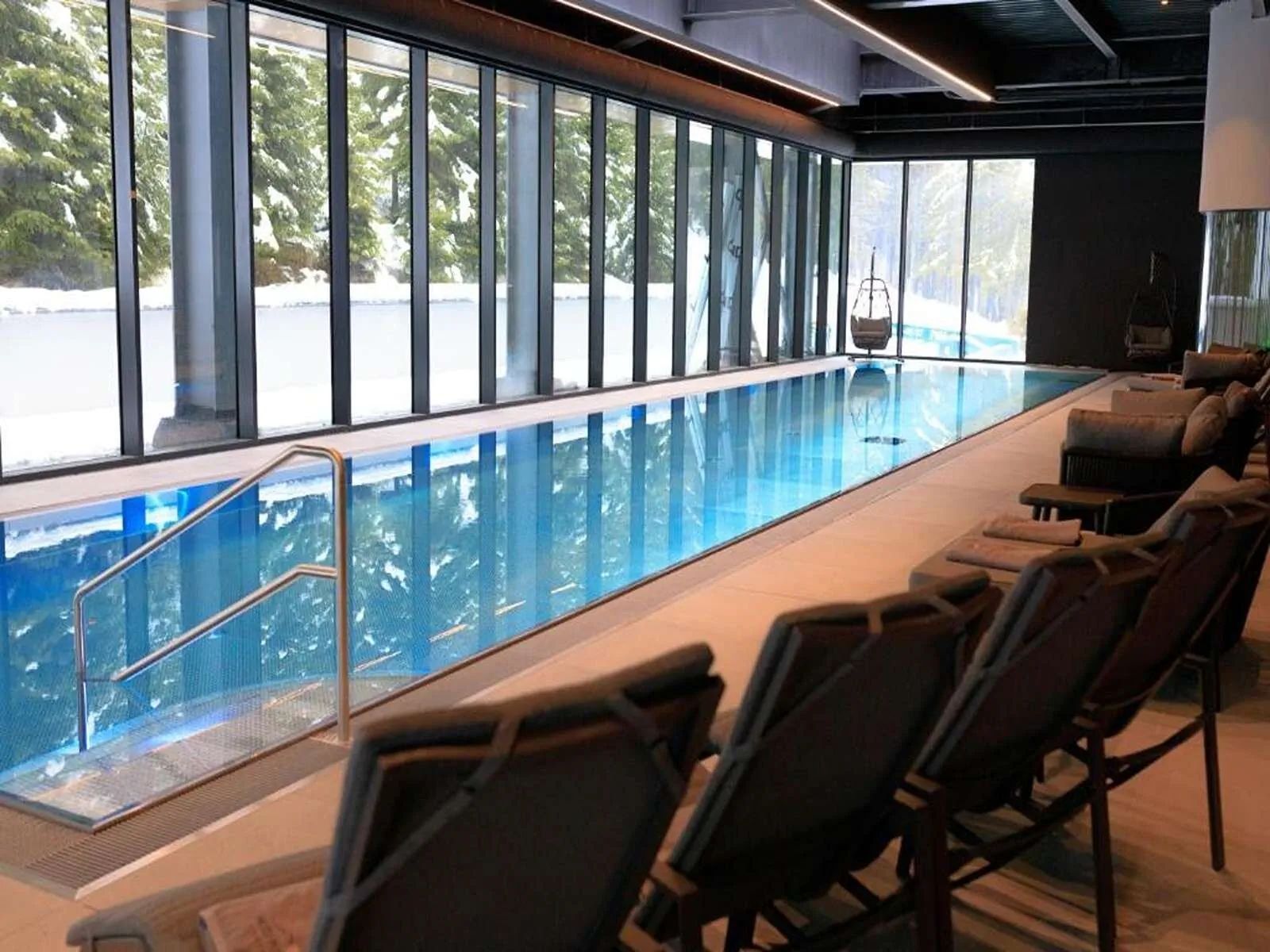
La Hotel Peștera - Wellness și Spa din localitatea Moroeni, județul Dâmbovița, serviciile de masaj, sauna, baia de aburi și cada cu hidromasaj vă oferă momente de relaxare deplină într-un hotel de patru stele. Aceste facilități de wellness se completează cu un bar în incintă, unde vă puteți savura băuturile preferate într-o atmosferă plăcută. Camerele dumneavoastră sunt echipate cu fier de călcat, seif și acces Wi-Fi gratuit, iar liftul facilitează deplasarea comodă între etaje. Parcare privată gratuită și depozit pentru bagaje sunt puse la dispoziție, alături de serviciul de room service pentru confortul dumneavoastră deplin. Familiile cu copii se vor bucura de camera de joacă la interior, de scaunul înalt și de pătuțul pentru bebeluș disponibile la cerere pentru confortul întregii familii. În vecinătate puteți descoperi Castelul Peleș, Castelul Bran, Stațiunea Sinaia, Castelul Pelișor și Peștera Ialomiței, oferindu-vă numeroase opțiuni pentru vizite interesante în această zonă. Aceste obiective turistice se află la îndemâna dumneavoastră în timpul șederii. Vă așteptăm pe strada Orzea numărul 44 din Moroeni, unde parcare privată gratuită vă este asigurată pe toată durata șederii.
FROM
420 lei per night

Holiday home · 3 stars
Moieciu de Sus, Brașov County · 4.8 km
Casa Victoria Moieciu de Sus
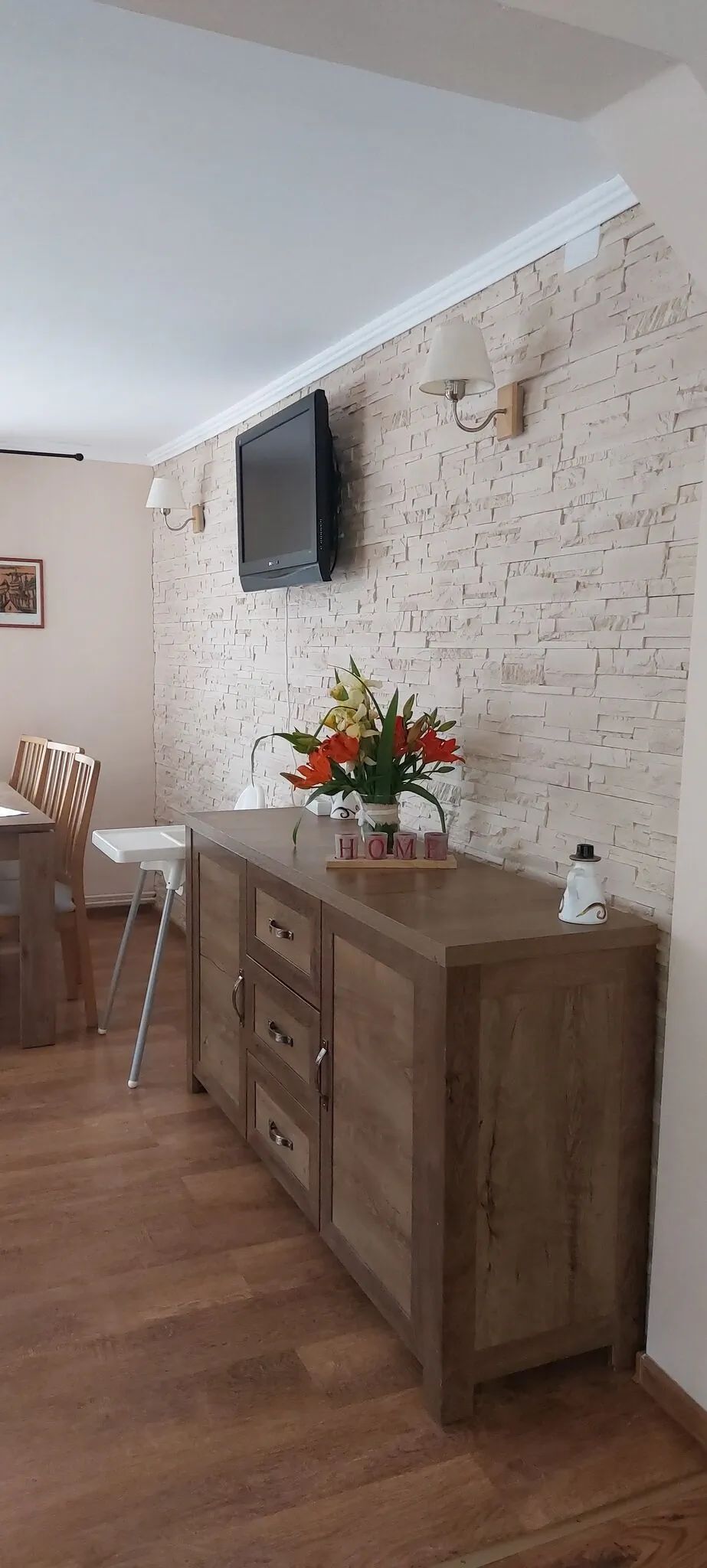
Familiile numeroase, grupurile de prieteni și iubitorii de natură se vor simți bine la Casa Victoria Moieciu de Sus, o vilă integrală situată în Moieciu de Sus, județul Brașov. Amplasată într-un cadru natural pitoresc, cu o pădure de brazi în față, casa oferă liniște, intimitate și aer curat de munte, departe de aglomerația urbană. Oaspeții beneficiază de Wi-Fi gratuit, parcare privată gratuită și o curte mare cu grădină amenajată, un spațiu ideal pentru relaxare în aer liber. Pentru bagaje există un depozit special, iar în curte se poate organiza un grătar la dispoziția dumneavoastră. Traseele de drumeții montane și cele din natură pornesc chiar din apropiere, oferind ocazii perfecte de explorare. Unitatea poate găzdui până la 10-11 persoane, fiind dotată cu patru dormitoare duble și un apartament. Spațiul de zi include un living confortabil și o mini bucătărie echipată cu veselă, cafetieră, ceainic, frigider și plită electrică, potrivită pentru prepararea micului dejun sau a unei gustări. Cafeaua și ceaiul sunt oferite din partea casei. În vecinătate puteți vizita Castelul Bran, Castelul Peleș, Parcul natural Munții Bucegi, Peștera Ialomiței și Stațiunea Sinaia, oferind numeroase posibilități de explorare culturală și naturală în zonă. Vă așteptăm la Casa Victoria Moieciu de Sus.
FROM
280 lei per night
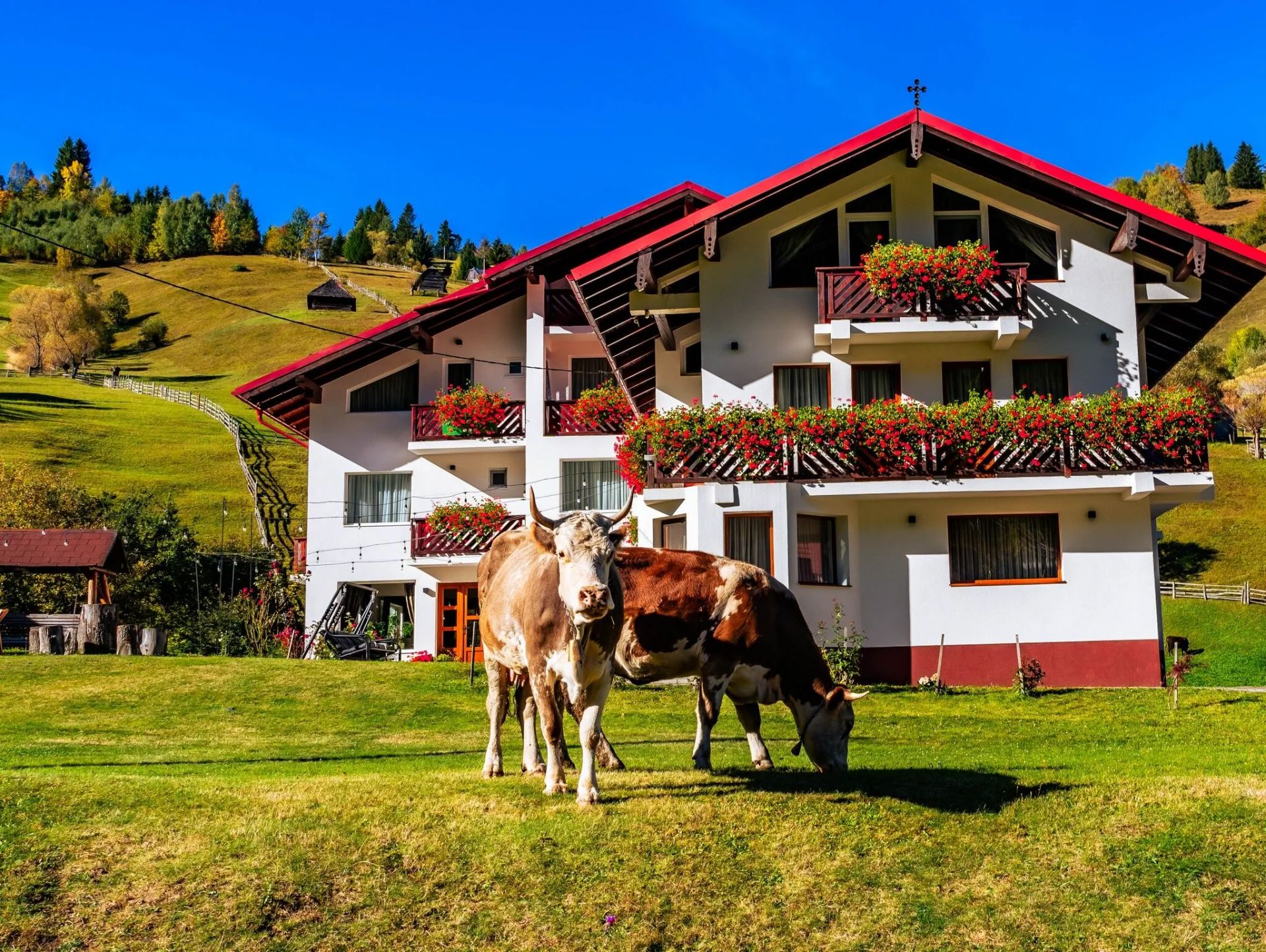
Guesthouse · 3 stars
Moieciu de Sus, Brașov County · 6.4 km
Pensiunea Padurea Verde Moieciu de Sus
Pe drumul Moieciu de Sus, într-un cadru liniștit din comuna Moieciu de Sus, județul Brașov, se află Pensiunea Padurea Verde. Unitatea oferă cazare confortabilă la standard de trei stele, într-o atmosferă relaxată specifică zonei montane din apropiere, fiind un punct de plecare potrivit pentru explorarea regiunii. Proprietatea dispune de o curte mare și o grădină amenajată, ideale pentru momente de relaxare în aer liber împreună cu familia sau prietenii. Puteți folosi foișorul din curte pentru mese în aer liber sau puteți organiza preparate la grătar ori barbeque. Pentru cei mici sunt disponibile un loc de joacă la exterior și un scaun înalt. De asemenea, beneficiați de Wi-Fi gratuit în întreaga proprietate, parcare privată gratuită și fier de călcat, astfel încât șederea dumneavoastră să fie cât mai confortabilă. În apropiere puteți vizita Castelul Bran, Parcul natural Munții Bucegi, Castelul Peleș, Peștera Ialomiței și Stațiunea Sinaia. Aceste obiective turistice oferă oportunități variate de explorare a peisajelor montane, a patrimoniului cultural și a tradițiilor locale din această zonă a județului Brașov. Vă așteptăm cu drag la Pensiunea Padurea Verde pentru un sejur plăcut în Moieciu de Sus.
FROM
240 lei per night
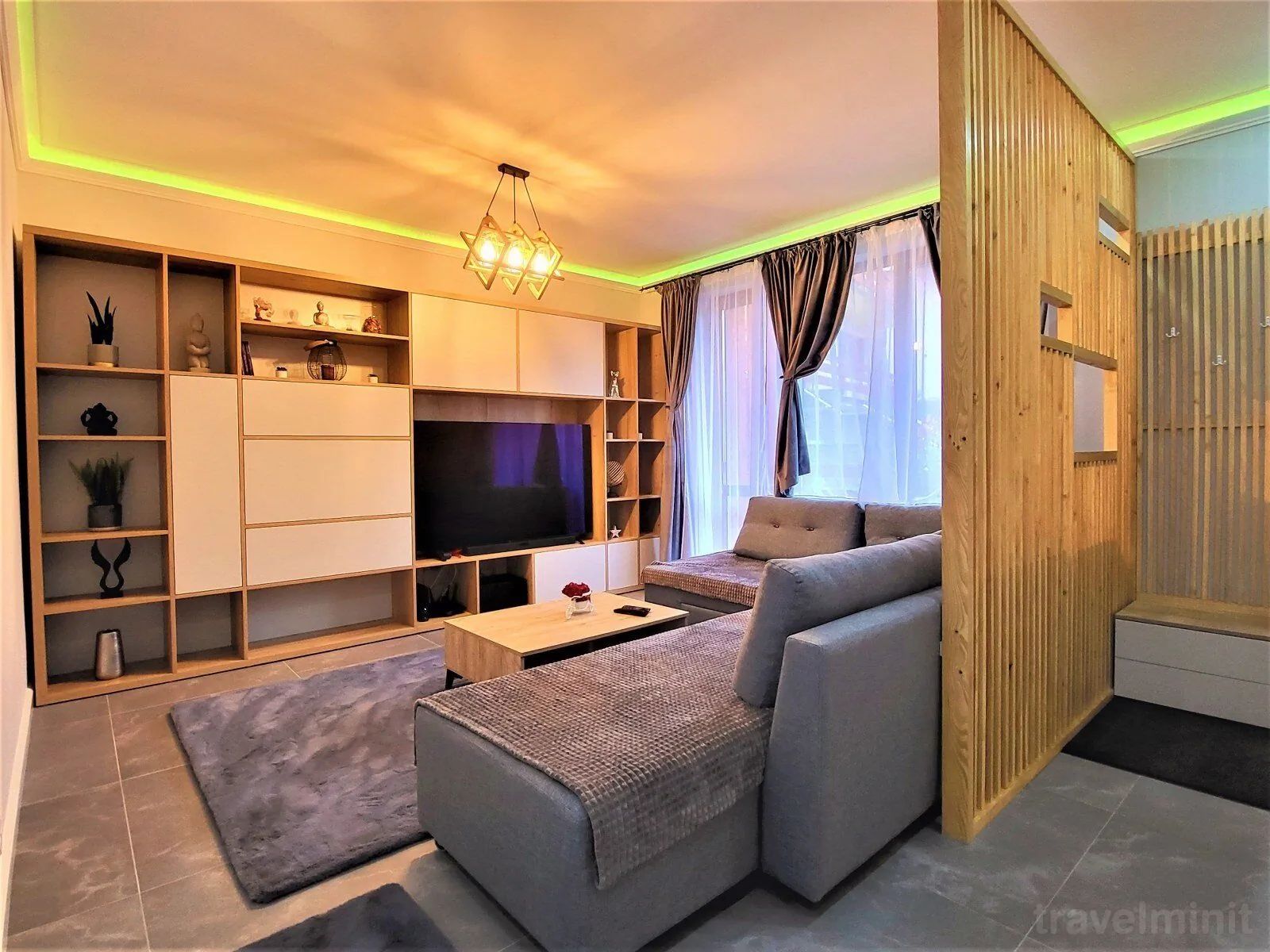
Apartment · 3 stars
Buşteni, Prahova County · 6.6 km
Sirius Confort Kalinderu Bușteni
Familiile cu copii, grupurile de prieteni și iubitorii de natură se vor simți bine la Sirius Confort Kalinderu Bușteni, un apartament de închiriat clasificat cu trei stele situat în stațiunea Bușteni din județul Prahova. Unitatea pune la dispoziția dumneavoastră un spațiu confortabil și bine mobilat, dotat cu baie proprie. Beneficiați de conexiune Wi-Fi gratuită și de parcare privată gratuită, iar curtea mare și grădina amenajată oferă un cadru plăcut pentru relaxare în aer liber. Accesul cu animale de companie este permis gratuit. Apartamentul se află la parter și vă așteaptă într-un mediu liniștit, potrivit pentru un sejur relaxant departe de aglomerație. Personalul de la recepție vorbește atât română, cât și engleză, fiind pregătit să vă ajute cu informații despre zonă. În vecinătate puteți explora Castelul Peleș, Castelul Pelișor, Rezervația naturală din Masivul Bucegi, Stațiunea Sinaia și Castelul Bran, fiecare oferind o experiență diferită în această regiune montană. Vă așteptăm să vă bucurați de șederea dumneavoastră și să porniți într-o excursie spre Rezervația naturală din Masivul Bucegi.
FROM
230 lei per night
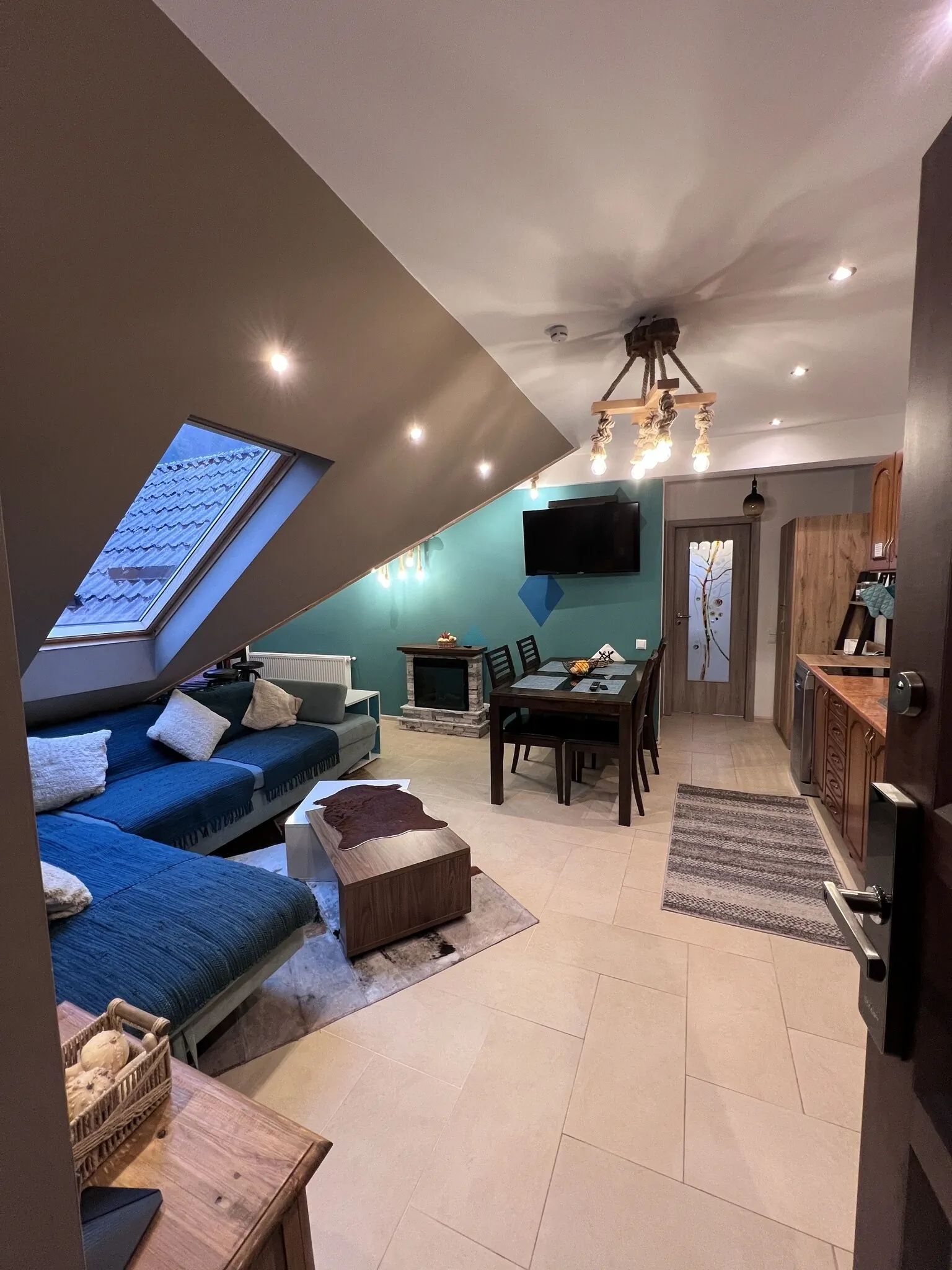
Apartment · 3 stars
Buşteni, Prahova County · 6.6 km
Apartament Kalinderu Slope View Buşteni
Comfort, relaxation and stunning views, all just steps away from the main attractions.
FROM
230 lei per night
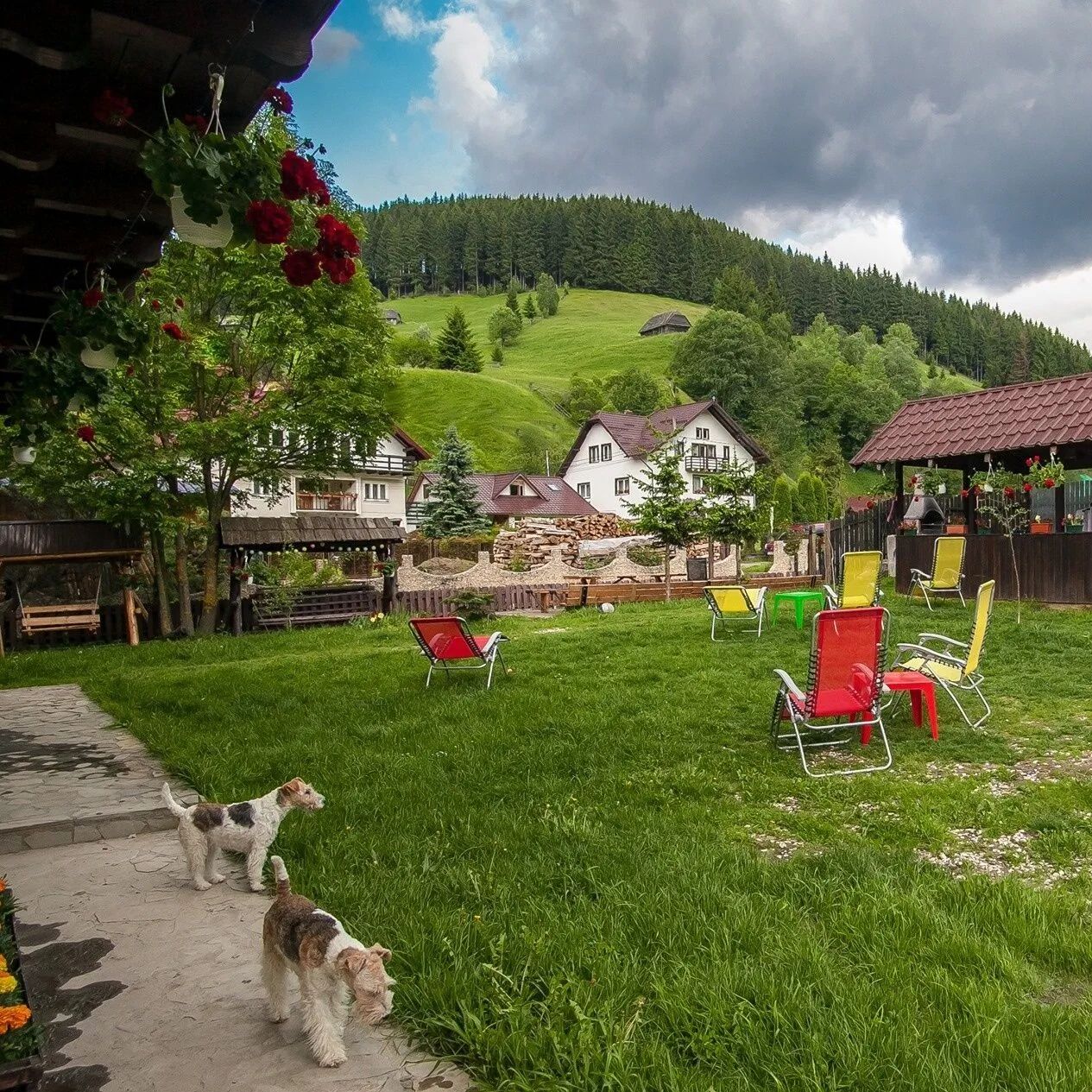
Holiday home · 2 stars
Moieciu de Sus, Brașov County · 6.6 km
Casa Tara Moieciu de Sus
O curte largă și îngrijită, cu foișor și grătar, vă așteaptă la Casa Tara Moieciu de Sus, o casă întreagă pusă la dispoziția dumneavoastră într-un cadru montan liniștit din județul Brașov. Unitatea vă oferă Wi-Fi gratuit și parcare privată gratuită, astfel încât să aveți parte de confort și liniște pe toată durata șederii. Grădina amenajată și curtea spațioasă sunt ideale pentru relaxare în aer liber, iar grătarul vă permite să pregătiți mese gustoase în mijlocul naturii. Pentru familiile cu copii mici sunt disponibile pătuț pentru bebeluș și scaun înalt, astfel încât întreaga familie să se simtă binevenită și să aibă tot ce îi trebuie pentru un sejur plăcut. În apropiere puteți vizita Castelul Bran, Parcul natural Munții Bucegi, Castelul Peleș, Peștera Ialomiței și Rezervația Naturală Bucegi. Aceste obiective oferă numeroase posibilități de explorare a istoriei și naturii din zonă, fiind la îndemână pentru excursii zilnice pline de descoperiri. Vă așteptăm la Casa Tara Moieciu de Sus, unde accesul se face ușor pe drum asfaltat și parcare privată gratuită este disponibilă chiar în incintă.
FROM
280 lei per night
BEFORE YOU HIT THE ROAD
Weather conditions in Dambovita
Local forecast for Ialomița Cave, Dambovita, Dâmbovița

Real-time updated weather data
Much more to explore in this area
Nearby tourist attractions

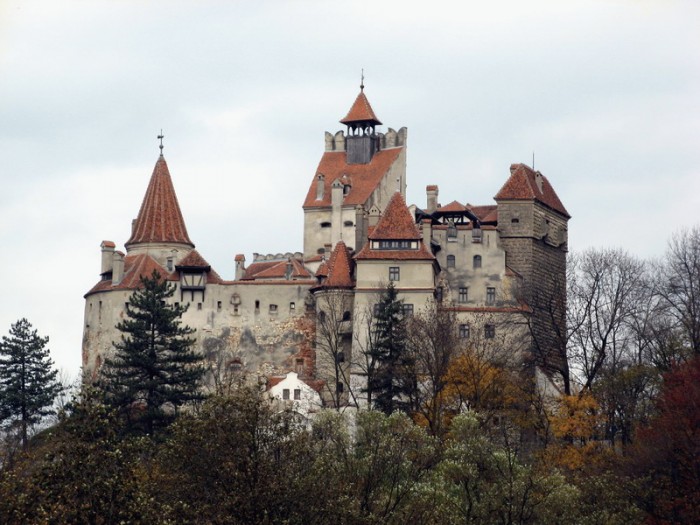

Bran, Brașov County
Bran Castle
Situat pe strada General Traian Mosoiu nr. 28 din localitatea Bran, la 30 km de municipiul Brasov; construit in anul 1377 in scop militar; in anul 1395, este...
12.2 km
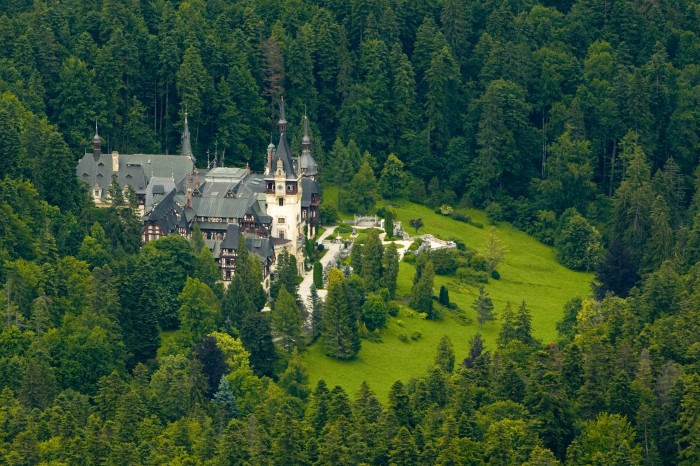
Sinaia, Prahova County
Peleș Castle
Situat pe strada Pelesului din Sinaia; piatra de temelie a castelului se pune in 1873, aici fiind ingropate si cateva zeci de monede de 20 de lei, din aur -...
10.2 km
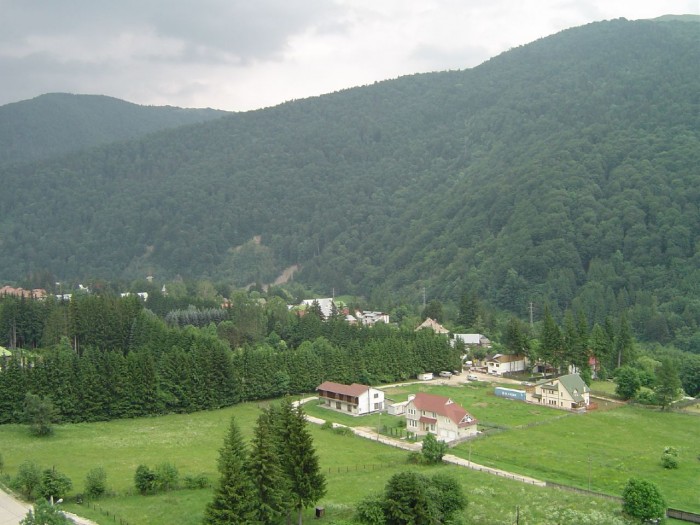
Prahova, Prahova County
Sinaia Resort
Situata pe valea superioara a Prahovei, la poalele Muntilor Bucegi (Carpatii Meridionali), la o altitudine ce variaza intre 798-971 m; este una din cele mai...
11.2 km
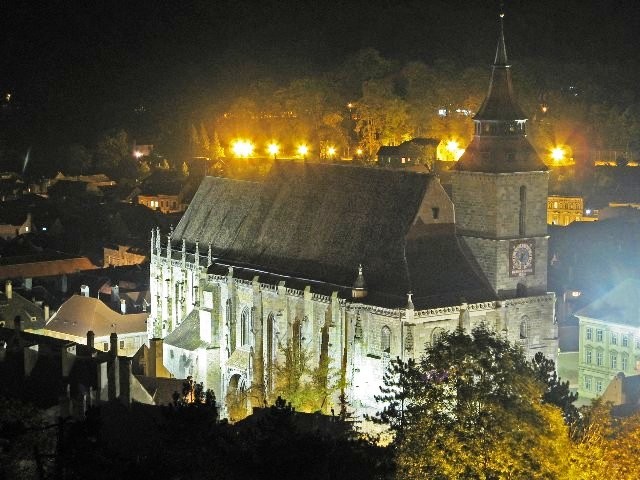
Brasov, Brașov County
Black Church
Situata in curtea Honterus nr. 2 din municipiul Brasov; construita intre secolele XIV - XV; o inscriptie din interior il atesta ca prim ctitor pe Thomas; din...
28.1 km
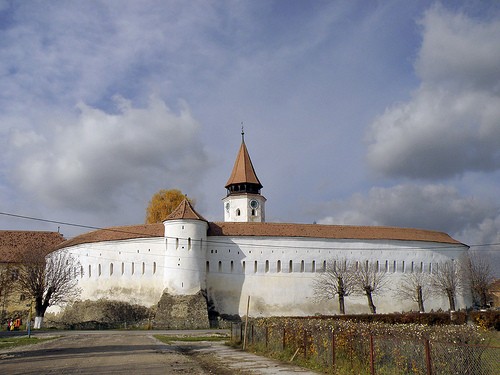
Brasov, Brașov County
Prejmer Fortified Church
Situata in localitatea Prejmer, la 15 km de municipiul Brasov; cea mai mare biserica fortificata din sud-estul Europei; construita in secolul al XIII-lea; are...
42.6 km
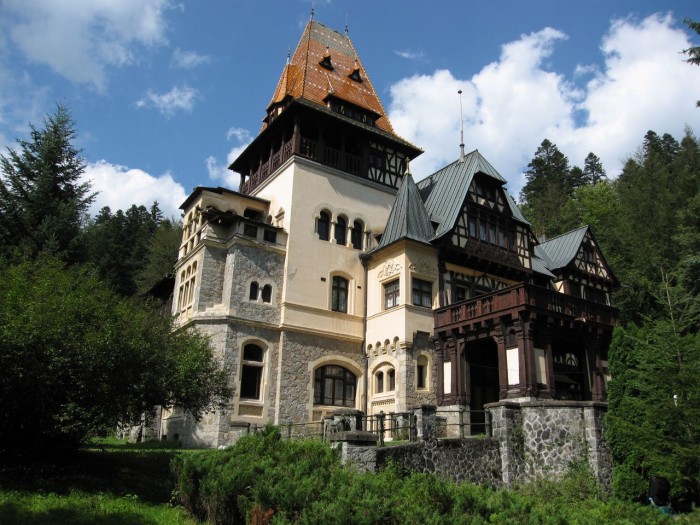
Prahova, Prahova County
Pelișor Castle
Situat in parcul Castelului Peles, pe Valea Prahovei; ridicat intre anii 1899 si 1902; in 1903 a devenit resedinta de vara a principilor mostenitori;...
10.0 km
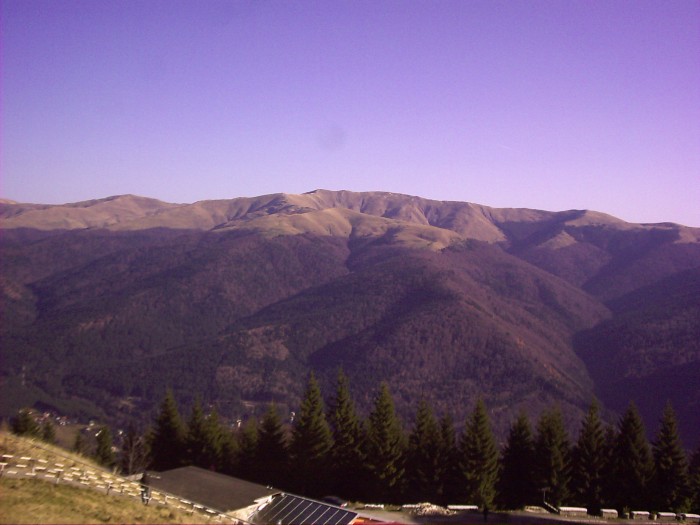
Brasov, Brașov County
Bucegi Natural Park
Situat in Muntii Bucegi, se intinde pe raza comunelor Rasnov, Bran, Moeciu; zona Muntilor Bucegi a fost propusa pentru protejare in anul 1936, dar initiativa s-...
7.0 km
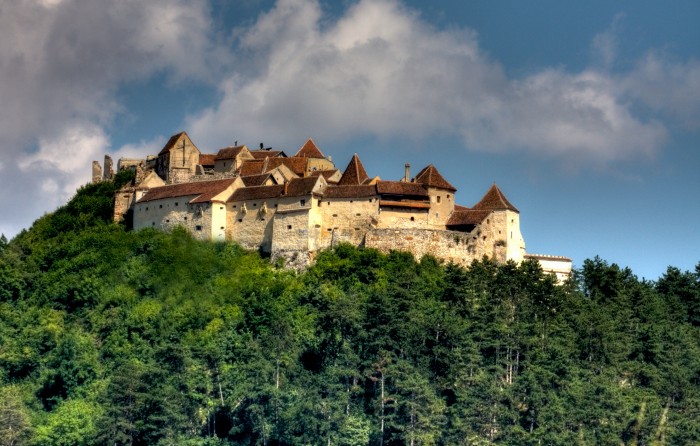
Râșnov, Brașov County
Râșnov Citadel
Situata in orasul Rasnov, la 15 km de municipiul Brasov; construita in secolele XIII - XIV de catre locuitorii zonei, in scopul apararii impotriva atacurilor...
19.3 km
Prahova, Prahova County
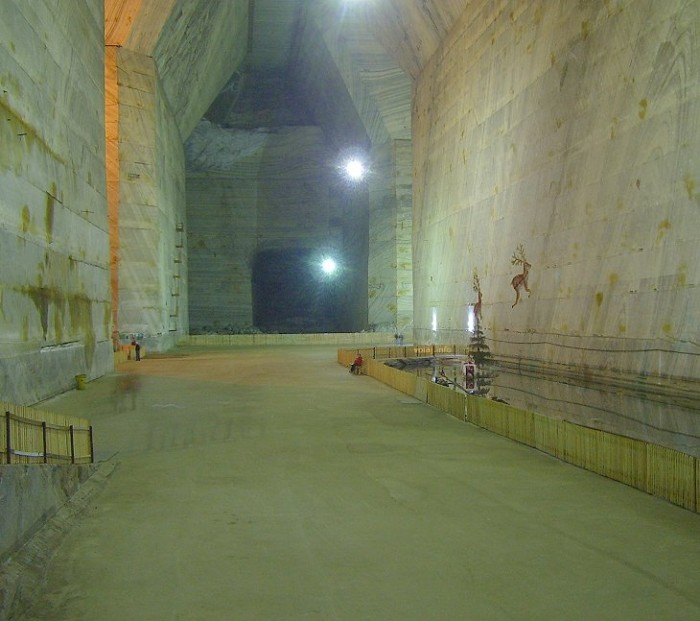
Slănic Prahova Salt Mine
Situata in localitatea Slanic Prahova; lucrarile miniere de deschidere a minei "Unirea" au inceput in anul 1938, iar exploatarea sarii din aceasta mina s-a...
44.0 km

Brasov, Brașov County
Poiana Brașov resort.
Situata la poalele muntelui Postavaru, la 12 km de municipiul Brasov; amplasata la altitudinea de 1.030 m, statiunea turistica Poiana Brasov a fost infiintata...
21.5 km
Brasov, Brașov County
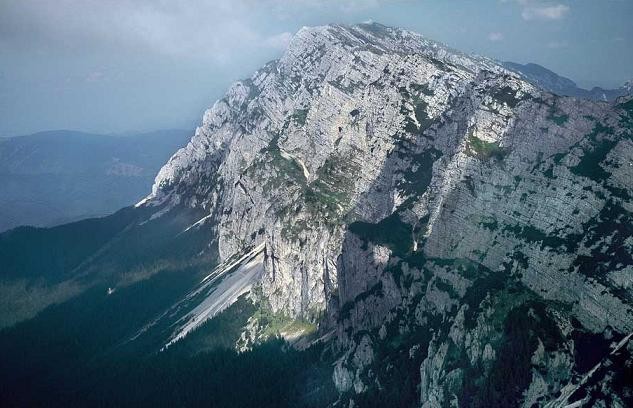
Piatra Craiului National Park
Situat in Carpatii Meridionali;include Creasta Pietrei Craiului in totalitate si spatiile din culoarele intramontane limitrofe, Rucar - Bran si Rucar -...
21.6 km

Brasov, Brașov County
Predeal: Romania's Highest Town and the Carpathian Balcony
Situata pe Valea Prahovei, intre raurile Prahova si Timis, la 25 km de municipiul Brasov; amplasata la 1.100 m, este cea mai inalta asezare urbana din Romania;...
14.5 km
Cultural life and traditions
Events in the Ialomița Cave area
Medieval festivals, traditional fairs, concerts and local activities recommended in Muntenia (Wallachia).

History and Royal Architecture

Dambovita, County of Dâmbovița
Days of Royalty and Heritage in the Prahova Valley
Historical conferences open to the public, themed tours of royal architecture, documentary screenings and exhibitions of vintage photographs.
WHEN
May 10-12, 2026


Gastronomy and Oenology
Dealu Mare, County of Dâmbovița
The Prahova Wine Festival on the Wine Route
Guided tastings of Fetească Neagră along the famous Wine Route, visits to historic wineries, and meetings with leading winemakers.
WHEN
Every weekend (September - October)
Hiking and Adventure
Bucegi Mountains, Dâmbovița County
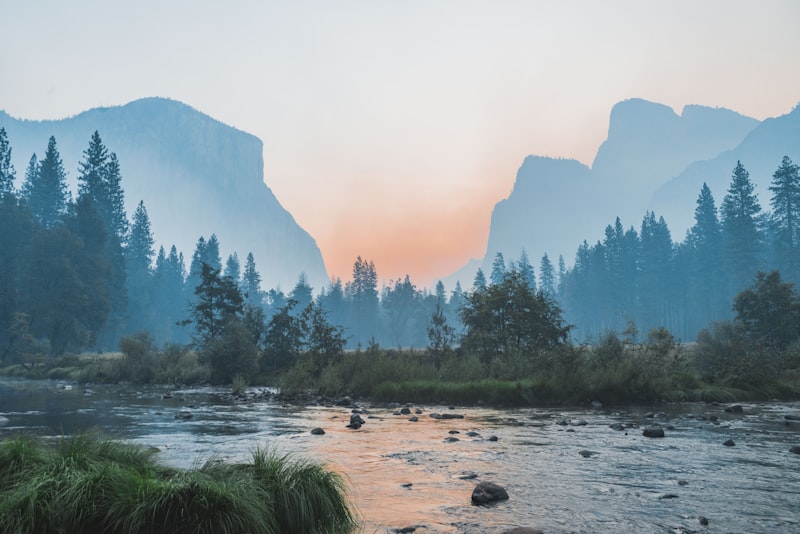
Guided Mountain Tour in the Bucegi Mountains
Guided mountain tours led by mountain rescue personnel to iconic panoramic viewpoints and spectacular alpine waterfalls.
WHEN
Daily during the season (June - October)
On foot, exploration gains depth
Discover the surroundings and local geography
Explore the trails, terrain, and natural landmarks around Ialomița Cave.

Guides and practical tips
Useful travel articles
Travel guides, practical recommendations and tourist itineraries for Muntenia (Wallachia).

Tourist guide
Top 5 Atracții Turistice și Trasee Montane în Zona Moieciu - Bran
Descoperă cele mai spectaculoase peisaje carstice, chei adânci și cetăți medievale din imediata apropiere a stațiunii Moieciu.

Tourist guide
Ghid de Drumeție: Traseul Moieciu de Sus spre Platoul Bucegi
Un itinerariu montan de o frumusețe rară ce urcă din Valea Băngăleasa spre Poiana Guțanu și crestele maiestuoase ale Bucegilor.

Tourist guide
Castelul Bran: Istorie, Legende și Secrete Medievale
Află adevărata poveste a fortăreței medievale din Pasul Bran, reședința de suflet a Reginei Maria a României.
THE JOURNEY STARTS WITH AN IDEA
The next story is on the way.
From the first stop to the last stay, make room for a new Romania.
