


PLACE OF WORSHIP · MUNTENIA (WALLACHIA)
Ialomița Cave Monastery

Dambovita, Dâmbovița County
Add location to your trip planner.
Practical access information

VISITING HOURS
Monday: 12:00 PM – 5:00 PM · Tuesday–Sunday: 9:00 AM – 5:00 PM (in summer until 8:00 PM)

TICKET PRICE
Adults: 45 RON · Students: 11 RON · Seniors: 23 RON · Guided tour included

RECOMMENDED VISIT DURATION
2-3.5 hours
Visitor information and guide
 Navigate with Google Maps

ABOUT IALOMIȚA CAVE MONASTERY
A Rock-Hewn Sanctuary in the Heart of the Bucegi Mountains
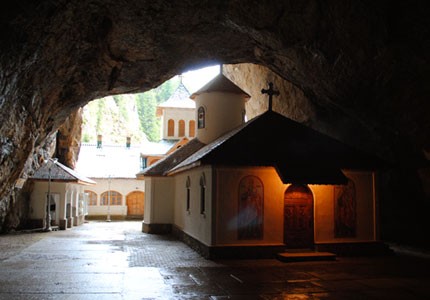
Deep within the majestic Bucegi Mountains, where the limestone cliffs open to the sky through the impressive and mysterious mouth of Ialomița Cave, stands the Ialomița Cave Monastery—a place of worship with profound historical resonance for all of Southeast Europe. Located at an altitude of approximately 1,400 meters, near the resort town of Sinaia in Dâmbovița County, this monastery is an absolute rarity in Romania’s monastic landscape, being the first such establishment built inside a cave in Wallachia. Its strategic position at the crossroads of trans-Carpathian trade routes and pilgrimage paths connects it to the great spiritual currents of medieval and modern Europe, when cave monasteries in the Balkans served as impregnable bastions of Orthodox faith against Ottoman expansion and, later, as symbols of cultural resistance against the pressures of neighboring empires. This mountain sanctuary is part of a millennia-old tradition of rock-hewn spirituality that spans the entire European continent, from the Byzantine monasteries of Cappadocia and the cliffside monasteries of Meteora in Greece to the Christian hermitages of the Iberian Peninsula and the French Alps. It demonstrates that the need for solitude and communion with sacred nature has always been a constant in the European religious experience.
Historical Roots and Major European Connections
The history of this sacred place begins in the turbulent and fascinating years of 1508–1510, when Voivode Mihnea the Bad, son of the feared Vlad the Impaler, decided to build a church at the very entrance of Ialomița Cave. This initiative places the monastery within a vast European context, part of the tradition of cave monasteries that flourished across the Balkan Peninsula after the fall of Constantinople in 1453 and during the Ottoman advance toward the heart of Europe. Like the suspended monasteries of Meteora, which rise spectacularly on stone pillars in Greece, or the rock-hewn churches of Cappadocia, carved into the volcanic tuff of Anatolia by Byzantine monks, Mihnea the Bad’s foundation represents an expression of spirituality that sought refuge and isolation in caves as the ultimate form of devotion, as well as a defensive bastion of Orthodoxy against external threats. The original church, built in the Byzantine style with architectural influences specific to Wallachia, was dedicated to Saints Peter and Paul, the universal protectors of Christianity, underscoring its deep connection to the apostolic tradition, to Rome, and to the broader family of the Eastern Church, which was then under increasing pressure from the Sublime Porte. At the same time, the choice of this location reflects the cultural influences of the Kingdom of Hungary and the Holy Roman Empire, which controlled the regions north and west of the Carpathians, as well as the commercial ties with the Byzantine Empire, still maintained through merchants and diplomats who crossed the mountain passes. The voivodes of Wallachia, situated at the border between Christian and Islamic civilizations, saw these rock-hewn constructions not only as places of prayer but also as symbols of identity resistance, similar to the fortified monasteries of medieval Serbia or Mount Athos, which kept the flame of Orthodoxy alive through centuries of Ottoman occupation.
An Architectural Masterpiece: Style and Constructive Details
The original architecture of the church founded by Mihnea the Bad in the 16th century represented a remarkable synthesis between the Byzantine tradition and the local characteristics of Wallachia, built directly into the cave’s entrance in a perfect fusion of human creation and the mountain’s natural matrix. The Byzantine style, with its Greek-cross plan and semicircular apse oriented toward the east, blended with traditional Wallachian construction elements, using local stone and fir wood from the surrounding forests—materials that provided both resistance to the elements and a certain spiritual warmth. The thick walls, built directly into the cave’s opening, offered protection against alpine cold and blizzards, while the light entering through the wide entrance created a unique atmosphere, where natural light mingled with the glow of oil lamps and candles, forming a mysterious interplay of shadows and reflections on the stone vaults. This architectural approach recalls the stone churches of the Lavaux region in Switzerland or the rock-hewn chapels of Provence, France, where architecture both submits to and elevates the surrounding nature. After the devastating fire of 1961, which completely destroyed the 16th-century structure, leaving only the foundations and the memory of a glorious past, the ruins remained a silent witness to history for over three decades—a period when Eastern Europe was under communist rule and religious heritage was systematically neglected or destroyed. The reconstruction in 1994, carried out by the monastic community under the guidance of contemporary architects, raised a new church in the same emblematic location at the cave’s entrance. Though architecturally different from the medieval original, the new construction preserves the sacred spirit of the place, using modern materials that withstand the mountain’s extreme conditions while harmoniously integrating into the rocky landscape. It once again provides a space for prayer for the monks who live here, in a spiritual continuity that transcends centuries and demonstrates the resilience of faith in the face of history’s vicissitudes.
Stories, Legends, Personalities, and Turning Points
The destiny of this historic monument is inseparably linked to the controversial figure of Mihnea the Bad, the voivode who ruled Wallachia between 1508 and 1510, the son of Vlad the Impaler, who inspired the legend of Dracula in Western European literature. It is said that Mihnea, seeking a place of refuge and meditation far from the turmoil of the princely court and the intrigues of the boyars, chose this cave as the site for his foundation, impressed by the profound silence and spiritual isolation it offered. Legend also preserves the story of ancient inscriptions discovered deep within the cave, dating back to the Byzantine period or even Late Antiquity, when early Christians sought shelter in these grottoes during persecutions, transforming the place into a sanctuary with roots far deeper than the voivode’s foundation. Ialomița Cave, also known as the Cave of Saint Jerome or Ialomița Cave after the river that flows through it, has sheltered numerous hermit monks over the centuries, who lived in cells carved into the rock, much like the desert ascetics of Egypt or Palestine, preserving the hesychast tradition of unceasing prayer. The tragic moment of the 1961 fire, caused either by accident or negligence, destroyed not only a church but also part of the nation’s spiritual heritage, leaving behind only charred walls and the echo of prayers that had risen here for over 450 years. However, the spiritual rebirth in 1994, when monks returned to rebuild and revive this place, represents a turning point in the recent history of Romanian Orthodoxy, symbolizing the victory of hope over destruction and the continuity of monastic tradition after decades of official atheism and communist repression. Today, the monastery’s community, made up of monks dedicated to the ascetic life, keeps alive the tradition of prayer and work, welcoming pilgrims from across Europe who come to pray in this place where the sky seems to descend to earth and the rocks become the walls of a living temple.
Practical Visitor’s Guide and the Modern Traveler’s Experience
Accessing the monastery is itself a pilgrimage experience that begins in the resort town of Sinaia, the former summer residence of the Romanian royal family and a symbol of the Balkan Belle Époque, influenced by the architecture and fashion of the Austro-Hungarian Empire. Travelers start from the town center, ascending by modern cable car to Vârful cu Dor or Cota 1400, at an altitude of 1,400 meters, from where a gentle, well-marked mountain trail of approximately 30–40 minutes leads to the cave’s entrance and the monastery’s gate. The path crosses coniferous forests and alpine zones, offering spectacular views of the Bucegi Massif, with its bizarre rock formations such as the Sphinx and the Old Women (Babele), which have inspired countless legends and myths in Romanian folklore. Ialomița Cave, one of the most spectacular and visited caves in Romania, houses impressive galleries in its depths, with rare and beautiful limestone formations, stalactites and stalagmites that have formed over thousands of years, as well as traces of ancient historical inscriptions that attracted monks as early as the Middle Ages, providing a natural setting of rare spirituality for meditation and prayer. Visitors can explore the cave along designated trails, discovering vast chambers such as the Great Hall, the Olt Hall, or the Leech Gallery, each with its distinct atmosphere, from the solemnity of underground cathedrals to the mystery of narrow passages. Ialomița Cave Monastery functions as a monastery for monks, preserving the Orthodox monastic tradition based on prayer, fasting, and work. For visitors and pilgrims, the community offers paid accommodation in a building near the church, allowing for an extended experience in this mountain sanctuary, participation in evening or morning services, and the enjoyment of traditional monastic cuisine prepared with local ingredients. The best time to visit is during summer and early autumn, when the weather allows for comfortable hiking, though the monastery can also be visited in winter, when the snowy landscape transforms the place into a fairy-tale realm. Proper mountain gear and comfortable hiking shoes are recommended, as well as respect for the sacred quiet of the place, as it remains primarily a space for prayer and not just a tourist attraction. Here, between the cave’s stone walls and under the open sky above the Bucegi Mountains, the thread of a spirituality that has endured for five centuries is renewed, inviting the European traveler to discover the profound tranquility of a place where wild nature and faith meet in perfect harmony, offering a unique perspective on the connection between humanity, the mountain, and the divine—a continuous dialogue with the great monastic traditions of all Europe.
Media gallery
Discover Ialomița Cave Monastery in pictures

5 photos · Architecture, courtyards and captivating details
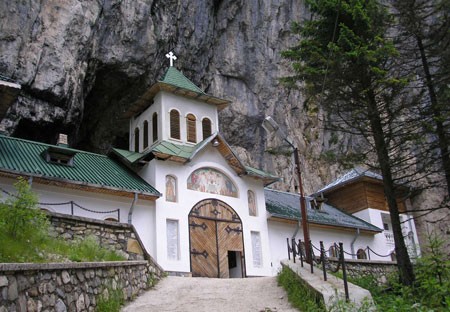


Image source: Wikimedia Commons · Public domain photos · Free license
STAY A FEW DAYS, DISCOVER THE MAGIC
Accommodation in the Ialomița Cave Monastery area

Hotel · 4 stars

Moroeni, Dâmbovița County · 2.7 km
Hotel Peștera - Wellness & Spa Moroeni
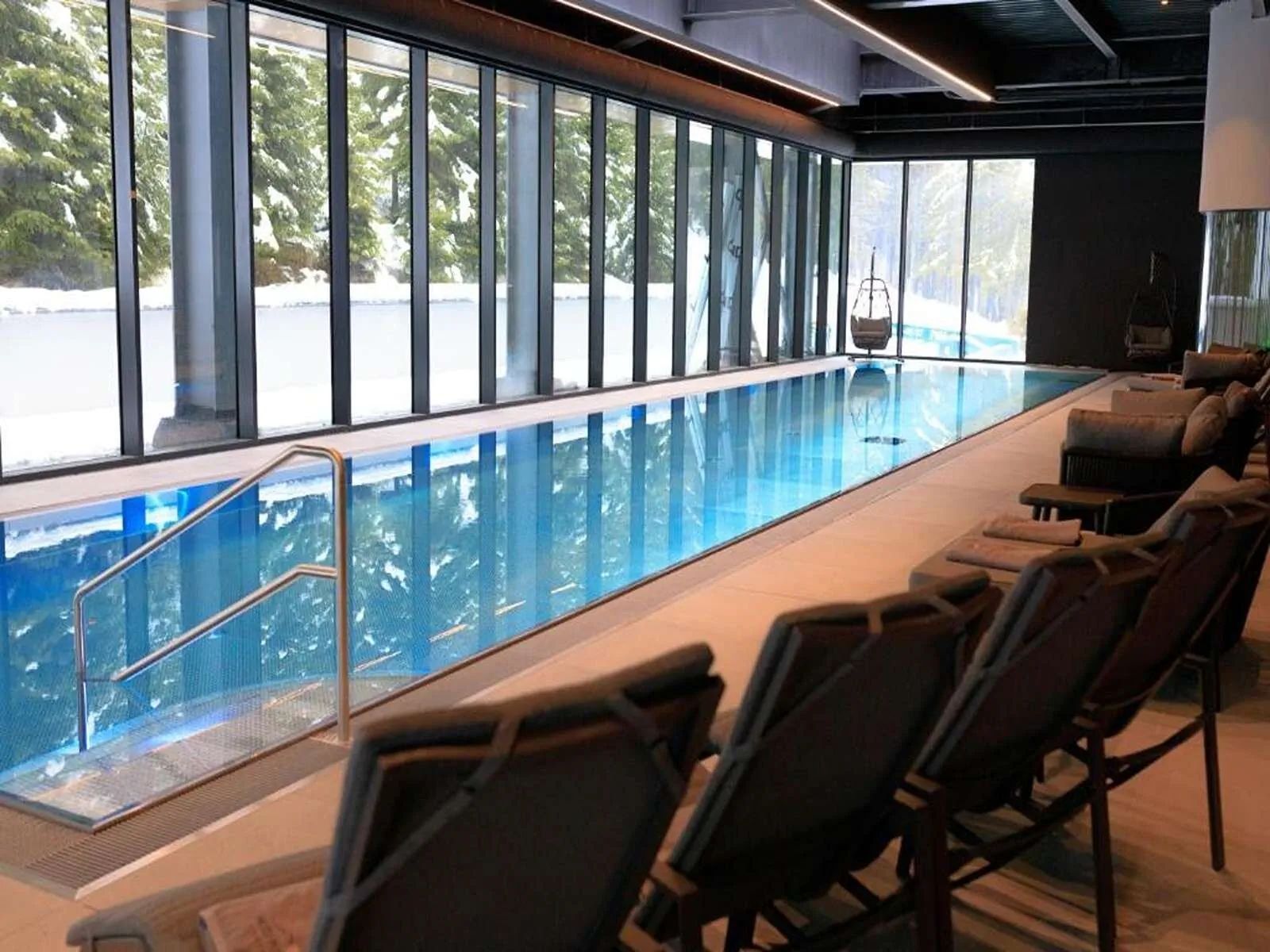
La Hotel Peștera - Wellness și Spa din localitatea Moroeni, județul Dâmbovița, serviciile de masaj, sauna, baia de aburi și cada cu hidromasaj vă oferă momente de relaxare deplină într-un hotel de patru stele. Aceste facilități de wellness se completează cu un bar în incintă, unde vă puteți savura băuturile preferate într-o atmosferă plăcută. Camerele dumneavoastră sunt echipate cu fier de călcat, seif și acces Wi-Fi gratuit, iar liftul facilitează deplasarea comodă între etaje. Parcare privată gratuită și depozit pentru bagaje sunt puse la dispoziție, alături de serviciul de room service pentru confortul dumneavoastră deplin. Familiile cu copii se vor bucura de camera de joacă la interior, de scaunul înalt și de pătuțul pentru bebeluș disponibile la cerere pentru confortul întregii familii. În vecinătate puteți descoperi Castelul Peleș, Castelul Bran, Stațiunea Sinaia, Castelul Pelișor și Peștera Ialomiței, oferindu-vă numeroase opțiuni pentru vizite interesante în această zonă. Aceste obiective turistice se află la îndemâna dumneavoastră în timpul șederii. Vă așteptăm pe strada Orzea numărul 44 din Moroeni, unde parcare privată gratuită vă este asigurată pe toată durata șederii.
FROM
420 lei per night

Holiday home · 3 stars
Moieciu de Sus, Brașov County · 4.8 km
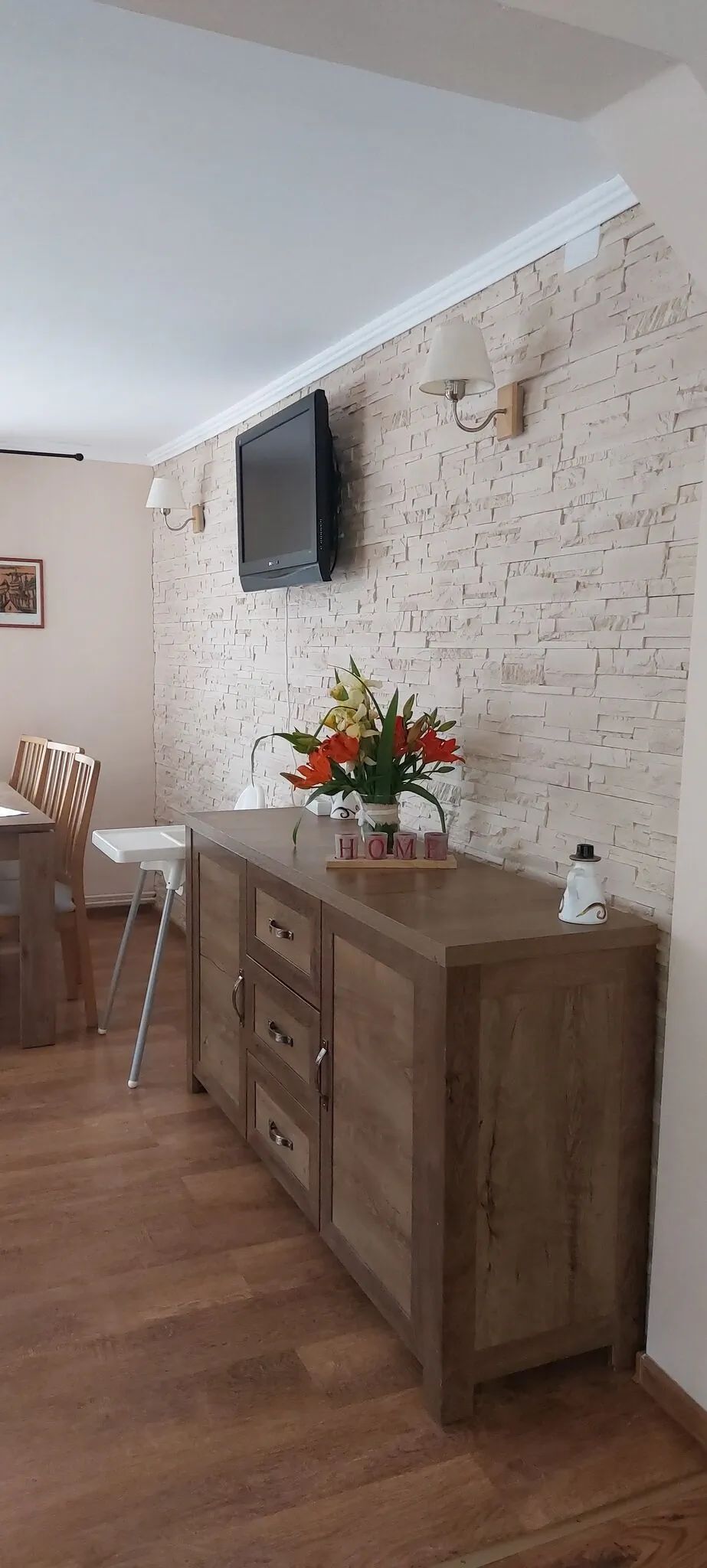
Casa Victoria Moieciu de Sus
Familiile numeroase, grupurile de prieteni și iubitorii de natură se vor simți bine la Casa Victoria Moieciu de Sus, o vilă integrală situată în Moieciu de Sus, județul Brașov. Amplasată într-un cadru natural pitoresc, cu o pădure de brazi în față, casa oferă liniște, intimitate și aer curat de munte, departe de aglomerația urbană. Oaspeții beneficiază de Wi-Fi gratuit, parcare privată gratuită și o curte mare cu grădină amenajată, un spațiu ideal pentru relaxare în aer liber. Pentru bagaje există un depozit special, iar în curte se poate organiza un grătar la dispoziția dumneavoastră. Traseele de drumeții montane și cele din natură pornesc chiar din apropiere, oferind ocazii perfecte de explorare. Unitatea poate găzdui până la 10-11 persoane, fiind dotată cu patru dormitoare duble și un apartament. Spațiul de zi include un living confortabil și o mini bucătărie echipată cu veselă, cafetieră, ceainic, frigider și plită electrică, potrivită pentru prepararea micului dejun sau a unei gustări. Cafeaua și ceaiul sunt oferite din partea casei. În vecinătate puteți vizita Castelul Bran, Castelul Peleș, Parcul natural Munții Bucegi, Peștera Ialomiței și Stațiunea Sinaia, oferind numeroase posibilități de explorare culturală și naturală în zonă. Vă așteptăm la Casa Victoria Moieciu de Sus.
FROM
280 lei per night
Guesthouse · 3 stars
Moieciu de Sus, Brașov County · 6.4 km
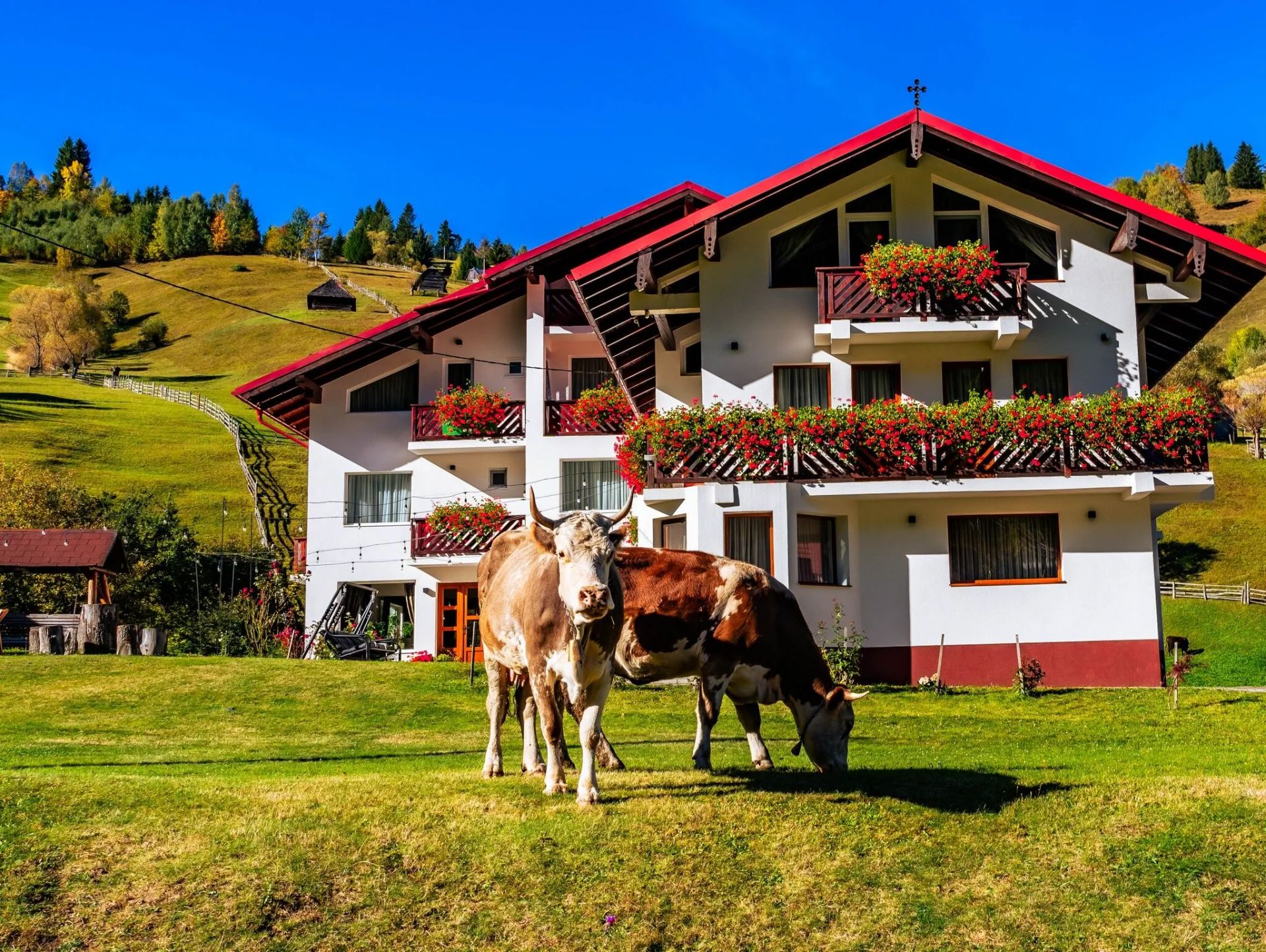
Pensiunea Padurea Verde Moieciu de Sus
Pe drumul Moieciu de Sus, într-un cadru liniștit din comuna Moieciu de Sus, județul Brașov, se află Pensiunea Padurea Verde. Unitatea oferă cazare confortabilă la standard de trei stele, într-o atmosferă relaxată specifică zonei montane din apropiere, fiind un punct de plecare potrivit pentru explorarea regiunii. Proprietatea dispune de o curte mare și o grădină amenajată, ideale pentru momente de relaxare în aer liber împreună cu familia sau prietenii. Puteți folosi foișorul din curte pentru mese în aer liber sau puteți organiza preparate la grătar ori barbeque. Pentru cei mici sunt disponibile un loc de joacă la exterior și un scaun înalt. De asemenea, beneficiați de Wi-Fi gratuit în întreaga proprietate, parcare privată gratuită și fier de călcat, astfel încât șederea dumneavoastră să fie cât mai confortabilă. În apropiere puteți vizita Castelul Bran, Parcul natural Munții Bucegi, Castelul Peleș, Peștera Ialomiței și Stațiunea Sinaia. Aceste obiective turistice oferă oportunități variate de explorare a peisajelor montane, a patrimoniului cultural și a tradițiilor locale din această zonă a județului Brașov. Vă așteptăm cu drag la Pensiunea Padurea Verde pentru un sejur plăcut în Moieciu de Sus.
FROM
240 lei per night
Apartment · 3 stars
Buşteni, Prahova County · 6.6 km
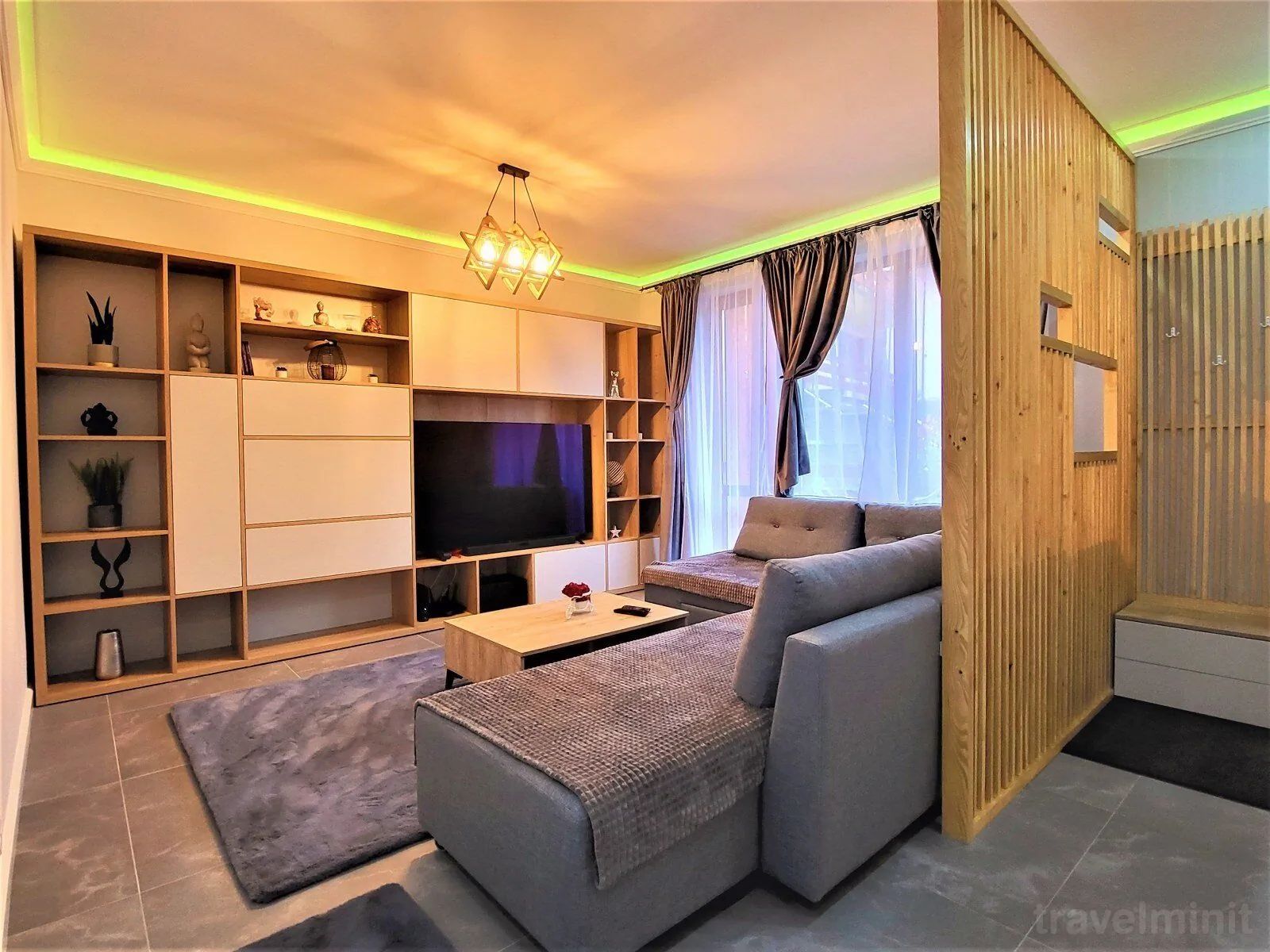
Sirius Confort Kalinderu Bușteni
Familiile cu copii, grupurile de prieteni și iubitorii de natură se vor simți bine la Sirius Confort Kalinderu Bușteni, un apartament de închiriat clasificat cu trei stele situat în stațiunea Bușteni din județul Prahova. Unitatea pune la dispoziția dumneavoastră un spațiu confortabil și bine mobilat, dotat cu baie proprie. Beneficiați de conexiune Wi-Fi gratuită și de parcare privată gratuită, iar curtea mare și grădina amenajată oferă un cadru plăcut pentru relaxare în aer liber. Accesul cu animale de companie este permis gratuit. Apartamentul se află la parter și vă așteaptă într-un mediu liniștit, potrivit pentru un sejur relaxant departe de aglomerație. Personalul de la recepție vorbește atât română, cât și engleză, fiind pregătit să vă ajute cu informații despre zonă. În vecinătate puteți explora Castelul Peleș, Castelul Pelișor, Rezervația naturală din Masivul Bucegi, Stațiunea Sinaia și Castelul Bran, fiecare oferind o experiență diferită în această regiune montană. Vă așteptăm să vă bucurați de șederea dumneavoastră și să porniți într-o excursie spre Rezervația naturală din Masivul Bucegi.
FROM
230 lei per night
Apartment · 3 stars
Buşteni, Prahova County · 6.6 km
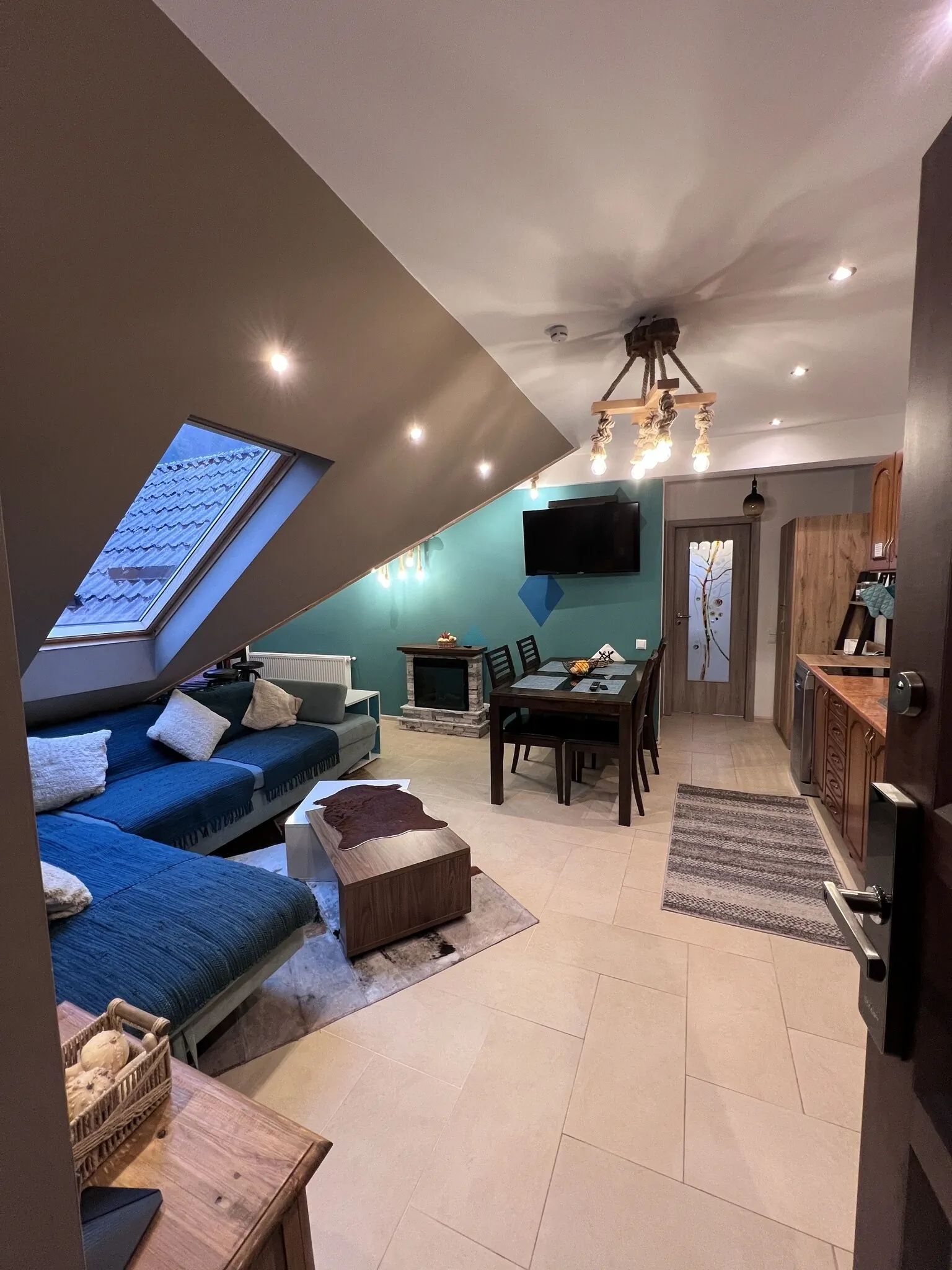
Apartament Kalinderu Slope View Buşteni
Comfort, relaxation and stunning views, all just steps away from the main attractions.
FROM
230 lei per night
Holiday home · 2 stars
Moieciu de Sus, Brașov County · 6.6 km
Casa Tara Moieciu de Sus
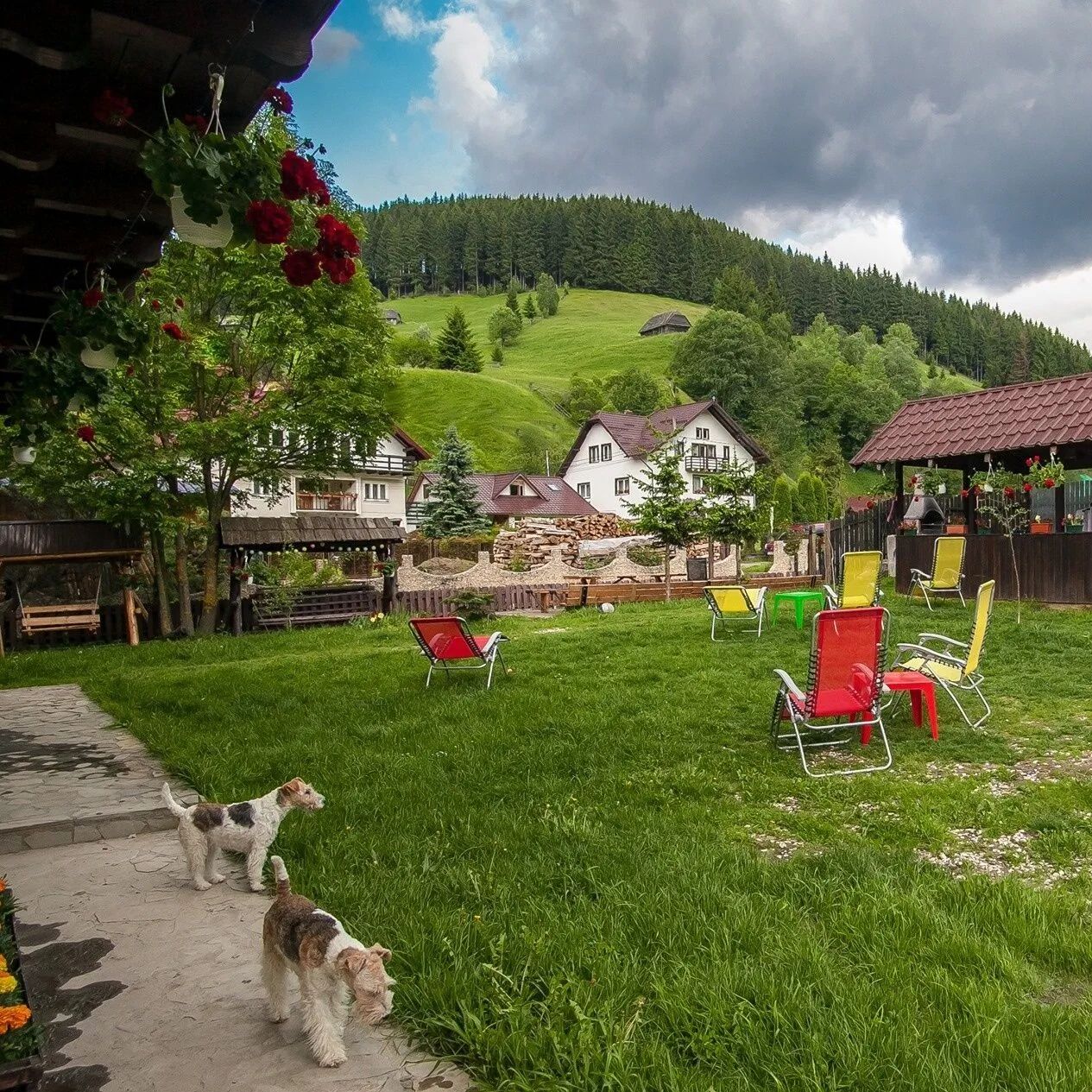
O curte largă și îngrijită, cu foișor și grătar, vă așteaptă la Casa Tara Moieciu de Sus, o casă întreagă pusă la dispoziția dumneavoastră într-un cadru montan liniștit din județul Brașov. Unitatea vă oferă Wi-Fi gratuit și parcare privată gratuită, astfel încât să aveți parte de confort și liniște pe toată durata șederii. Grădina amenajată și curtea spațioasă sunt ideale pentru relaxare în aer liber, iar grătarul vă permite să pregătiți mese gustoase în mijlocul naturii. Pentru familiile cu copii mici sunt disponibile pătuț pentru bebeluș și scaun înalt, astfel încât întreaga familie să se simtă binevenită și să aibă tot ce îi trebuie pentru un sejur plăcut. În apropiere puteți vizita Castelul Bran, Parcul natural Munții Bucegi, Castelul Peleș, Peștera Ialomiței și Rezervația Naturală Bucegi. Aceste obiective oferă numeroase posibilități de explorare a istoriei și naturii din zonă, fiind la îndemână pentru excursii zilnice pline de descoperiri. Vă așteptăm la Casa Tara Moieciu de Sus, unde accesul se face ușor pe drum asfaltat și parcare privată gratuită este disponibilă chiar în incintă.
FROM
280 lei per night
BEFORE YOU HIT THE ROAD
Weather conditions in Dambovita
Local forecast for Ialomița Cave Monastery, Dambovita, Dâmbovița

Real-time updated weather data
Much more to explore in this area
Nearby tourist attractions

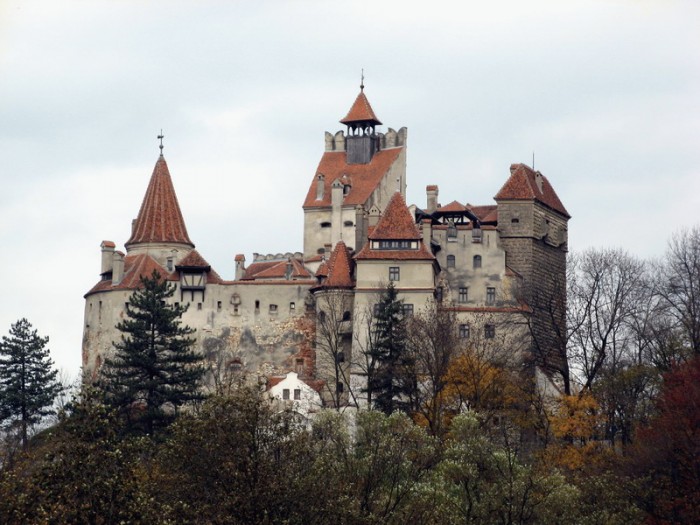

Bran, Brașov County
Bran Castle
Situat pe strada General Traian Mosoiu nr. 28 din localitatea Bran, la 30 km de municipiul Brasov; construit in anul 1377 in scop militar; in anul 1395, este...
12.2 km
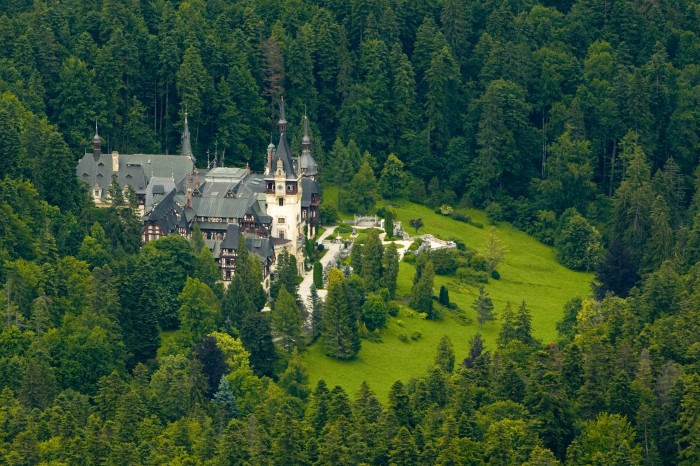
Sinaia, Prahova County
Peleș Castle
Situat pe strada Pelesului din Sinaia; piatra de temelie a castelului se pune in 1873, aici fiind ingropate si cateva zeci de monede de 20 de lei, din aur -...
10.2 km
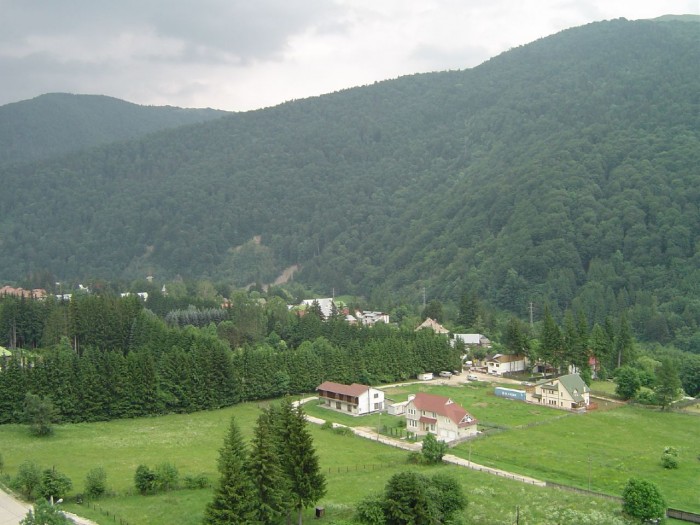
Prahova, Prahova County
Sinaia Resort
Situata pe valea superioara a Prahovei, la poalele Muntilor Bucegi (Carpatii Meridionali), la o altitudine ce variaza intre 798-971 m; este una din cele mai...
11.2 km
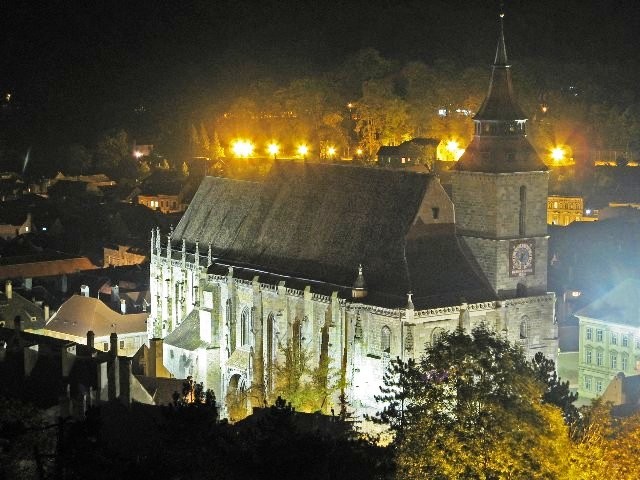
Brasov, Brașov County
Black Church
Situata in curtea Honterus nr. 2 din municipiul Brasov; construita intre secolele XIV - XV; o inscriptie din interior il atesta ca prim ctitor pe Thomas; din...
28.1 km
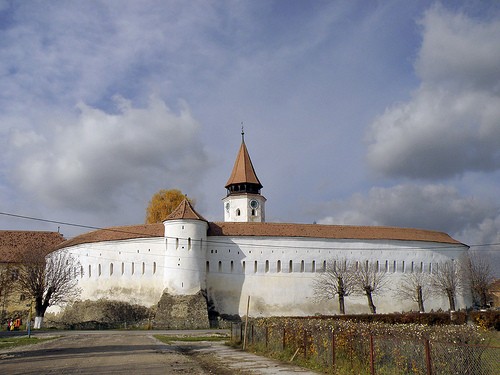
Brasov, Brașov County
Prejmer Fortified Church
Situata in localitatea Prejmer, la 15 km de municipiul Brasov; cea mai mare biserica fortificata din sud-estul Europei; construita in secolul al XIII-lea; are...
42.6 km
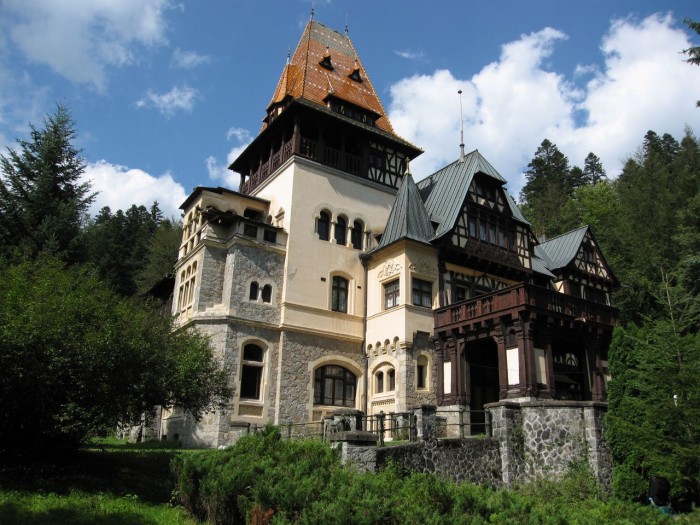
Prahova, Prahova County
Pelișor Castle
Situat in parcul Castelului Peles, pe Valea Prahovei; ridicat intre anii 1899 si 1902; in 1903 a devenit resedinta de vara a principilor mostenitori;...
10.0 km
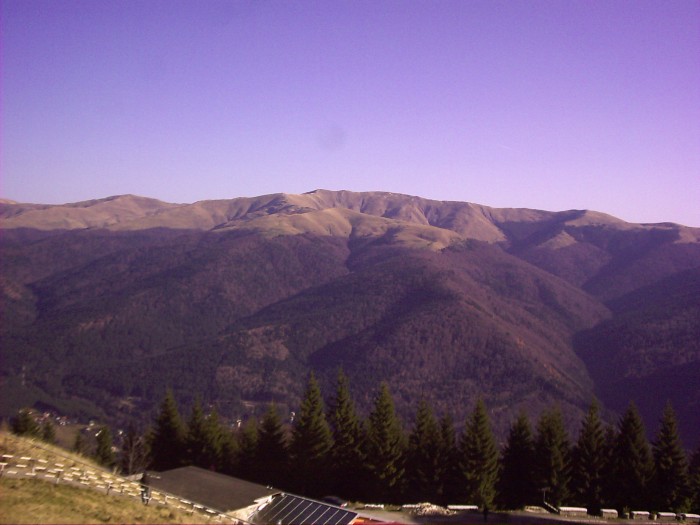
Brasov, Brașov County
Bucegi Natural Park
Situat in Muntii Bucegi, se intinde pe raza comunelor Rasnov, Bran, Moeciu; zona Muntilor Bucegi a fost propusa pentru protejare in anul 1936, dar initiativa s-...
7.0 km
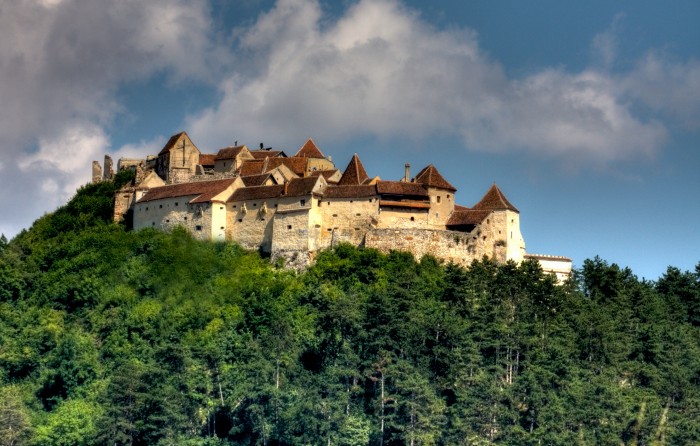
Râșnov, Brașov County
Râșnov Citadel
Situata in orasul Rasnov, la 15 km de municipiul Brasov; construita in secolele XIII - XIV de catre locuitorii zonei, in scopul apararii impotriva atacurilor...
19.3 km
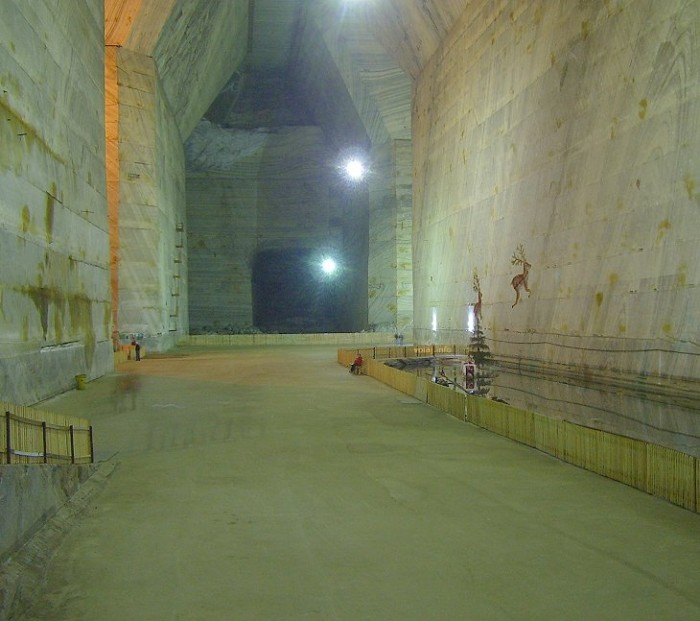
Prahova, Prahova County
Slănic Prahova Salt Mine
Situata in localitatea Slanic Prahova; lucrarile miniere de deschidere a minei "Unirea" au inceput in anul 1938, iar exploatarea sarii din aceasta mina s-a...
44.0 km

Brasov, Brașov County
Poiana Brașov resort.
Situata la poalele muntelui Postavaru, la 12 km de municipiul Brasov; amplasata la altitudinea de 1.030 m, statiunea turistica Poiana Brasov a fost infiintata...
21.5 km
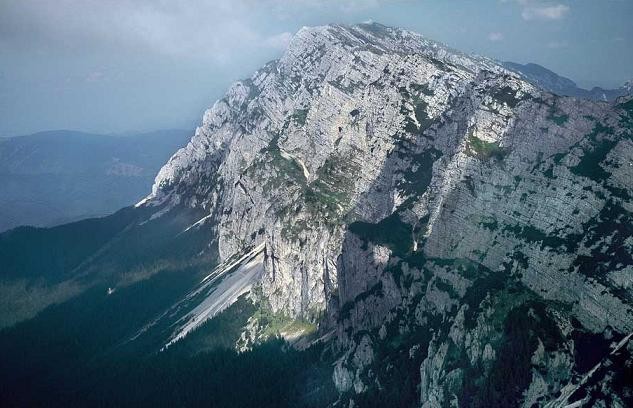
Brasov, Brașov County
Piatra Craiului National Park
Situat in Carpatii Meridionali;include Creasta Pietrei Craiului in totalitate si spatiile din culoarele intramontane limitrofe, Rucar - Bran si Rucar -...
21.6 km

Brasov, Brașov County
Predeal: Romania's Highest Town and the Carpathian Balcony
Situata pe Valea Prahovei, intre raurile Prahova si Timis, la 25 km de municipiul Brasov; amplasata la 1.100 m, este cea mai inalta asezare urbana din Romania;...
14.5 km
Cultural life and traditions
Events in the Ialomița Cave Monastery area
Medieval festivals, traditional fairs, concerts and local activities recommended in Muntenia (Wallachia).

History and Royal Architecture

Dambovita, County of Dâmbovița
Days of Royalty and Heritage in the Prahova Valley
Historical conferences open to the public, themed tours of royal architecture, documentary screenings and exhibitions of vintage photographs.
WHEN
May 10-12, 2026


Gastronomy and Oenology
Dealu Mare, County of Dâmbovița
The Prahova Wine Festival on the Wine Route
Guided tastings of Fetească Neagră along the famous Wine Route, visits to historic wineries, and meetings with leading winemakers.
WHEN
Every weekend (September - October)
Hiking and Adventure
Bucegi Mountains, Dâmbovița County
Guided Mountain Tour in the Bucegi Mountains
Guided mountain tours led by mountain rescue personnel to iconic panoramic viewpoints and spectacular alpine waterfalls.
WHEN
Daily during the season (June - October)
On foot, exploration gains depth
Discover the surroundings and local geography
Explore the trails, terrain, and natural landmarks around Ialomița Cave Monastery.

Guides and practical tips
Useful travel articles
Travel guides, practical recommendations and tourist itineraries for Muntenia (Wallachia).

Tourist guide
Top 5 Atracții Turistice și Trasee Montane în Zona Moieciu - Bran
Descoperă cele mai spectaculoase peisaje carstice, chei adânci și cetăți medievale din imediata apropiere a stațiunii Moieciu.

Tourist guide
Ghid de Drumeție: Traseul Moieciu de Sus spre Platoul Bucegi
Un itinerariu montan de o frumusețe rară ce urcă din Valea Băngăleasa spre Poiana Guțanu și crestele maiestuoase ale Bucegilor.

Tourist guide
Castelul Bran: Istorie, Legende și Secrete Medievale
Află adevărata poveste a fortăreței medievale din Pasul Bran, reședința de suflet a Reginei Maria a României.
THE JOURNEY STARTS WITH AN IDEA
The next story is on the way.
From the first stop to the last stay, make room for a new Romania.
