


NATURE AND WILDLIFE · TRANSYLVANIA
Lake Bucura

Hunedoara, Hunedoara County
Add location to your trip planner.
Practical access information

VISITING HOURS
Monday: 12:00 PM – 5:00 PM · Tuesday–Sunday: 9:00 AM – 5:00 PM (in summer until 8:00 PM)

TICKET PRICE
Adults: 45 RON · Students: 11 RON · Seniors: 23 RON · Guided tour included

RECOMMENDED VISIT DURATION
2-3.5 hours
Visitor information and guide
 Navigate with Google Maps

ABOUT LAKE BUCURA
A Glacial Jewel in the Heart of the Carpathians
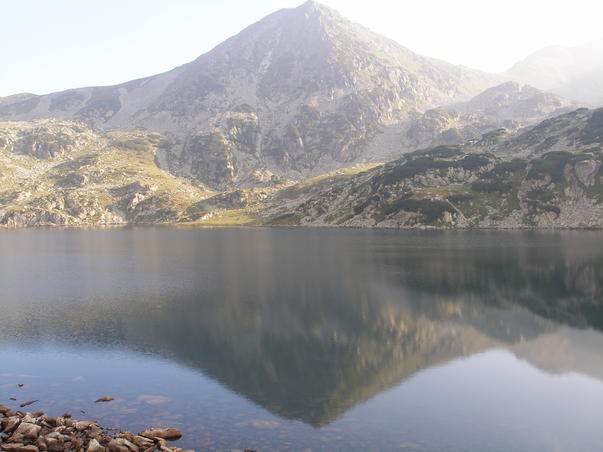
Perched at an altitude of 2,040 meters, deep within the Bucura cirque and beneath the towering gaze of Peleaga Peak—the highest summit in the Retezat range at 2,509 meters—and the Bucura Saddle, Lake Bucura unfolds like an emerald mirror stretching from north to south. As Romania’s largest glacial lake, with an impressive volume of 625,000 cubic meters, it stands as one of the most spectacular remnants of the Ice Age, which sculpted the Southern Carpathians approximately 10,000 years ago, at the end of the last Pleistocene glacial period. Its name evokes the joy and tranquility its sight bestows, a gift of nature preserved untouched far from the bustle of civilization. This place is part of the grand tradition of European alpine landscapes, reminiscent of the lakes of Switzerland, Austria, or Italy, formed in basins carved by glaciers tens of thousands of years ago, yet retaining an authenticity unique to the Carpathian arc, unparalleled on the continent. Included within Retezat National Park, the European Natura 2000 network, and the Retezat Biosphere Reserve—the first of its kind in Romania, recognized by UNESCO in 1979—Lake Bucura benefits from an international protection status that places it alongside Europe’s most valuable natural protected areas, from France’s and Germany’s national parks to the reserves of the Swiss Alps and the Italian Dolomites.
Geological Roots and the Legacy of Europe’s Great Glacial Eras
Its dimensions are striking in their natural balance: 550 meters in length, an average width of 160 meters that expands to 225 meters at its widest point, outlining a perimeter of approximately 1,390 meters. The maximum depth of 15.5 meters is recorded near the inflow of Peleaga Spring, where the crystal-clear waters receive contributions from five main springs. From its single natural outflow, the lake discharges toward Lake Lia at a steady rate of approximately 250 liters per second, feeding the hydrographic network of the massif. This glacial configuration places it in an esteemed family alongside alpine lakes in Switzerland, Austria, and Italy, such as those in the Mont Blanc massif or the Tyrol, formed in basins carved by glaciers tens of thousands of years ago. Geologically speaking, Lake Bucura is a living testament to the retreat of the Pleistocene glaciers that once covered the entire Carpathian arc, much like the Alps or the Pyrenees. The process of glacial erosion sculpted this impressive cirque, leaving behind moraines and erratic boulders that now form the natural dams of the hydrographic basin. Modern glaciological studies, in the tradition of Louis Agassiz’s research in the Swiss Alps, have revealed that the retreat of the Retezat glaciers occurred approximately 10,000 years ago, at the end of the last Ice Age, leaving behind a landscape of archaic wilderness comparable to the still-glaciated regions of Norway or Iceland. The Retezat massif, with its granite and gneiss structures, offers a distinct geological framework, different from the limestone of the Alps but equally impressive in its verticality and the landforms resulting from the prolonged action of water and glaciers.
Scientific Exploration and the Mapping of Empires
The history of this place’s discovery is closely tied to the great cartographic and scientific currents of 18th and 19th-century Europe. During the period when the Habsburg Empire extended its influence over Transylvania, the territories around the Retezat were subjected to systematic topographic surveys as part of the famous Josephine land survey (1763–1787) and the subsequent Franciscan survey. These Austrian military engineers, along with geographers of the Austro-Hungarian Empire, were among the first to document the existence of these glacial lakes, contributing to the scientific map of Central Europe. Later, in the second half of the 19th century, with the development of alpine tourism across Europe—from the founding of the Alpine Club in Britain in 1857 to the Club Alpin Français in 1874—mountaineering associations also flourished in the Austro-Hungarian Empire, systematically exploring the Carpathians. The Transylvanian Carpathian Society (Siebenbürgen Alpine Club), founded in 1880 in Sibiu, was among the first such organizations in Eastern Europe, tasked with mapping trails, building the first mountain huts, and promoting scientific mountaineering in the tradition of alpine clubs in Switzerland and Austria. These explorers were the ones who opened the first paths to Lake Bucura, transforming it from a geographical mystery into a destination for intrepid travelers. Thus, Lake Bucura entered the European consciousness not merely as a natural curiosity but as an integral part of the continent’s alpine heritage, alongside the lakes of the Dolomites or the Mont Blanc massif, studied by geographers, geologists, and botanists from across Europe.
Natural Architecture and the Aesthetics of the Sublime
Viewed as a work of natural art, Lake Bucura and its surroundings represent a remarkable example of glacial architecture, where the forms resulting from glacial erosion create a sacred space of nature. The Bucura cirque, surrounded by steep ridges and Peleaga Peak rising like a natural Gothic tower, forms an impressive geological amphitheater, while the water’s surface faithfully mirrors the sky and neighboring summits, creating the illusion of depthless water. This aesthetics of the "sublime," so beloved by European Romanticism—from Caspar David Friedrich to the English poets of the Lake District—finds one of its purest expressions here in the Carpathians. The light reflecting in the emerald waters, the play of shadows on the granite rocks, and the profound silence enveloping the cirque evoke the mysterious atmosphere described by Goethe in his travels through Switzerland or by Wordsworth in his poems about mountains. Here, time seems to have stood still, offering visitors a profound experience of reconnection with primordial nature and the ancestral rhythms of the mountain, in a setting reminiscent of the tranquility of the Pyrenees’ lakes or the alpine landscapes of the Tyrol, yet retaining a distinct flavor unique to Eastern Europe. The natural architecture of this place is complemented by the diversity of landforms: from moraines covered in alpine vegetation to rocky thresholds forming nearby waterfalls, each element contributing to a landscape of perfect harmony.
The Ecosystem and High-Altitude Fauna in a European Context
The lake’s waters harbor a native fish population dominated by the indigenous trout, a silent witness to the exceptional purity of the mountain ecosystem. Surrounded by steep ridges, cliffs, and alpine meadows, the lake provides a privileged habitat for the flora and fauna specific to the alpine zone, serving as a sanctuary for Carpathian-Balkan biodiversity. From an environmental protection perspective, its inclusion in the Natura 2000 network—the largest coordinated network of protected areas in the world, established by the European Union—and in the Retezat Biosphere Reserve, recognized by UNESCO in 1979 as part of the Man and the Biosphere program, places it among Europe’s most valuable ecosystems. This international recognition puts it on equal footing with other famous European biosphere reserves, such as those in the French Alps, Italy’s Gran Paradiso National Park, or Germany’s Berchtesgaden region. The biodiversity around Lake Bucura reflects the Retezat’s character as an "ecological island," a refuge for endemic and glacial relict species that have survived here since the post-glacial period. Biological studies, in the tradition of Emil Racoviță—the renowned Romanian scientist who laid the foundations of global biospeleology and explored these lands—have revealed the presence of unique plant and animal species in Europe, transforming the area into a living laboratory for the conservation of alpine biodiversity, comparable to protected zones in the Swiss Alps or Norway.
Stories, Personalities, and Turning Points
The modern history of Lake Bucura is marked by decisive moments that transformed this wild territory into a symbol of nature conservation. In 1935, under the reign of King Carol II, Retezat National Park was established, the first national park in Romania and one of the first in Eastern Europe, recognizing the exceptional value of this massif. This decision was influenced by the growing European nature protection movement in the first half of the 20th century, following the model of national parks in the United States and Sweden. Another crucial moment was 1979, when Retezat was included in UNESCO’s World Network of Biosphere Reserves, becoming the first Romanian site with this status, alongside famous reserves such as the Danube Delta or Yellowstone National Park. Notable figures in Romanian and European science and mountaineering have left deep imprints on the history of this place. Emil Racoviță, the founder of biospeleology, studied the cave and subterranean fauna of the Retezat, contributing to the scientific understanding of the area. Transylvanian mountaineers of the 20th century, members of Austro-Hungarian and later Romanian alpine associations, opened the trails that now lead to Bucura, turning a demanding hike into an accessible experience for mountain lovers. Legend has it that the lake derives its name from the joy felt by shepherds and travelers when, after days of arduous ascent, they finally caught sight of the water’s mirror in the cirque. Today, Lake Bucura is also known as the "Gateway to Heaven," considered one of the most photogenic and sought-after places in the Romanian Carpathians, a meeting point between ancient pastoral tradition and the modern aspiration to conserve Europe’s natural heritage.
Mountain Itineraries and the Traveler’s Experience Today
The routes to Bucura begin from several strategic points in the Retezat, each offering a different experience and revealing various facets of the Carpathian landscape. The classic trail starts from Clopotiva, passing through Gura Apei and Dracșanu, following the course of the Lapușnicul Mare River to the spectacular Fetele Voieșești Waterfall and Gura Bucurei, reaching the shores of Lake Lia in about an hour and, from there, Lake Bucura. This route, traveled by generations of shepherds and tourists, offers a progressive immersion into the alpine world, transitioning from beech and spruce forests through subalpine zones to the alpine zone proper. Another, more demanding and picturesque route begins from Gura Zlata, passing through Cioaca Arădeșului and Lake Zănoaga, to Poarta Bucurei, taking approximately eight hours. This variant offers sweeping views of the deep valleys and the main ridge of the Retezat, preferred by experienced mountaineers seeking to explore the entire massif. For seasoned hikers, access via Pietrele Hut offers two shorter options: either via Stânișoara Valley, passing by Lake Stânișoara at 2,015 meters and Lake Pietrile at 1,990 meters to Curmătura Bucurei, or through Poiana Țării Refuge and Bucura Saddle, both taking about three hours. These trails follow the tradition of Europe’s great alpine routes, such as those in Switzerland or France, offering well-maintained markings and accommodation in mountain huts, in the spirit of traditional alpine hospitality. Each path reveals a different perspective on the lake, whether from Bucura Saddle, the view from Curmătura Bucurei, or the intimate proximity of Lake Lia’s shore, each moment offering a unique experience of connection with wild nature.
Practical Visitor’s Guide and Recommendations
The optimal visiting season extends from early July to late September, when the ice melts and the trails become safe for hikers of all fitness levels. During this period, persistent snow in the cirques transforms into blooming alpine meadows, and the lake reveals its true emerald hue. It is essential for visitors to be properly equipped: sturdy mountain footwear, layered clothing to cope with sudden temperature changes, water and food supplies, and protection against high-altitude sun. Given its status as a strictly protected area, adherence to the "Leave No Trace" principles—the European standard for mountain tourism ethics—is mandatory. Camping outside designated areas is not permitted, picking protected plants is prohibited, and disturbing wildlife is strictly sanctioned. For a complete experience, combining a visit to Lake Bucura with an exploration of Hunedoara County’s cultural heritage is recommended. Just a few dozen kilometers away lies the city of Hunedoara, home to the impressive Corvin Castle, built in Gothic and Renaissance styles by John Hunyadi and his son, Matthias Corvinus, King of Hungary, a monument illustrating the deep historical ties between Transylvania and the royal courts of medieval Europe. Visitors can also explore the ruins of the Dacian fortress of Sarmizegetusa Regia, the spiritual capital of the Dacians, nearby, thus completing a journey through layers of history—from the Daco-Roman civilization, through the Hungarian Middle Ages and Habsburg domination, to Europe’s contemporary commitment to preserving our shared natural heritage. Lake Bucura remains not only an exceptional natural destination but also a meeting point between Europe’s glorious past and the modern dedication to protecting our common natural legacy.
Media gallery
Discover Lake Bucura in pictures

5 photos · Architecture, courtyards and captivating details
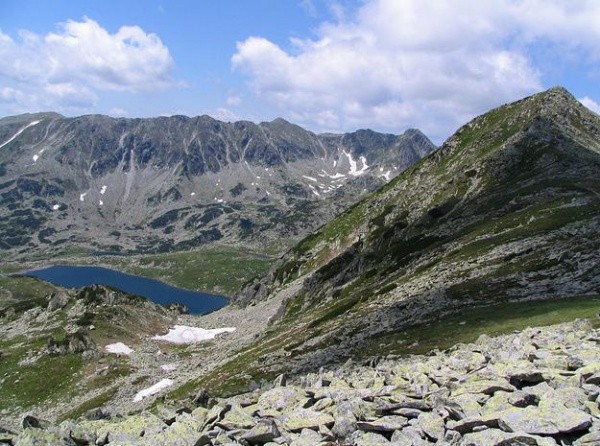


Image source: Wikimedia Commons · Public domain photos · Free license
STAY A FEW DAYS, DISCOVER THE MAGIC
Accommodation in the Lake Bucura area

Cabin · 3 stars

Râuşor, Hunedoara County · 7.0 km
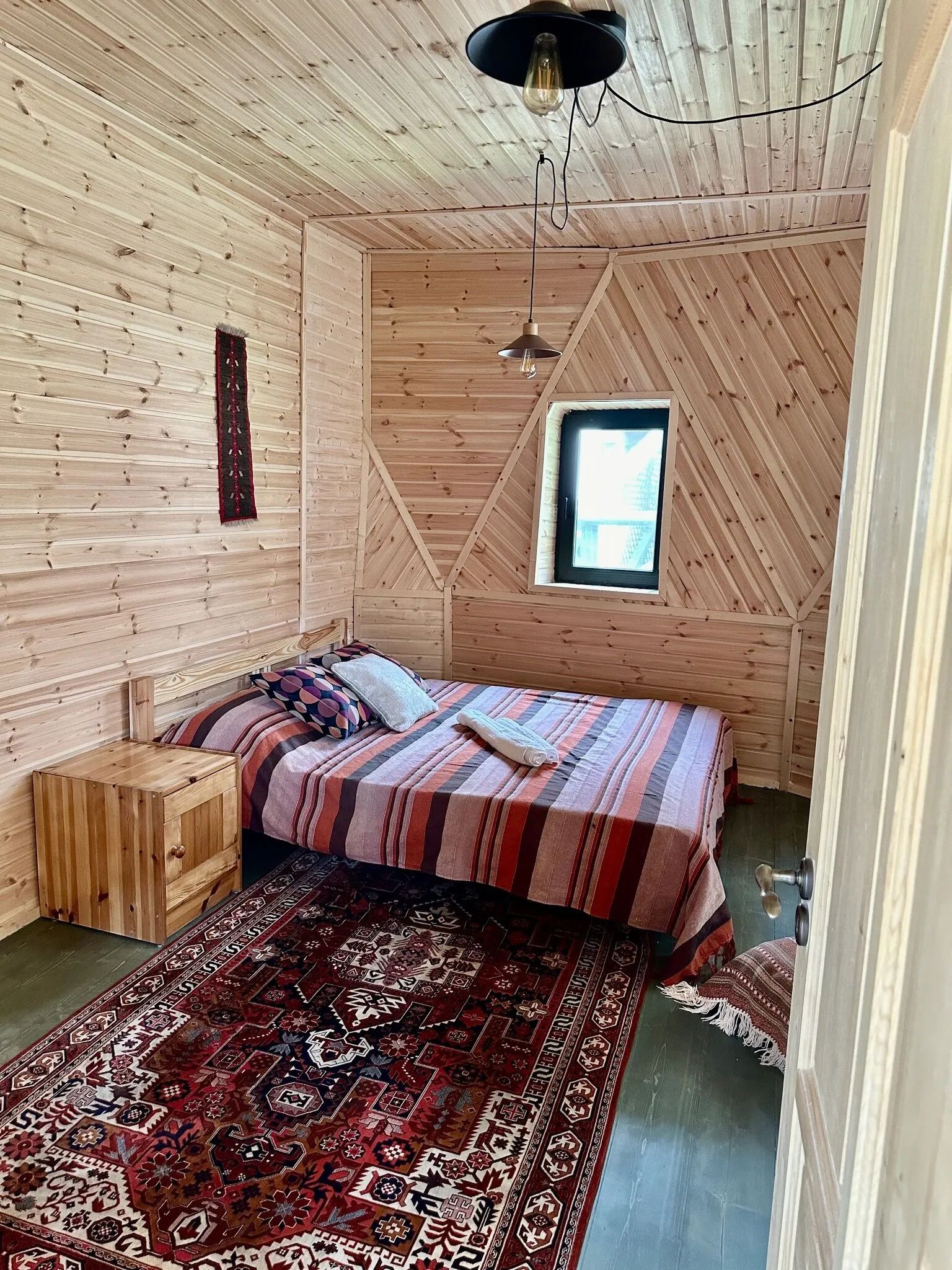
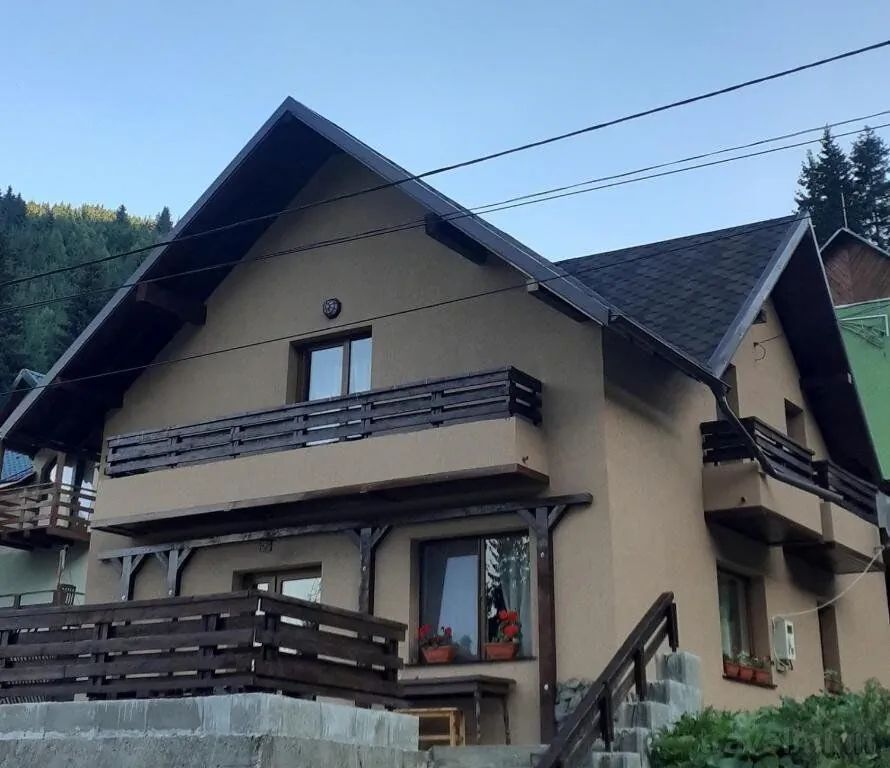
Cabana Domul Poarta Retezat Răușor
Comfort, relaxation and stunning views, all just steps away from the main attractions.
FROM
270 lei per night

Cabin · 3 stars
Râuşor, Hunedoara County · 7.1 km
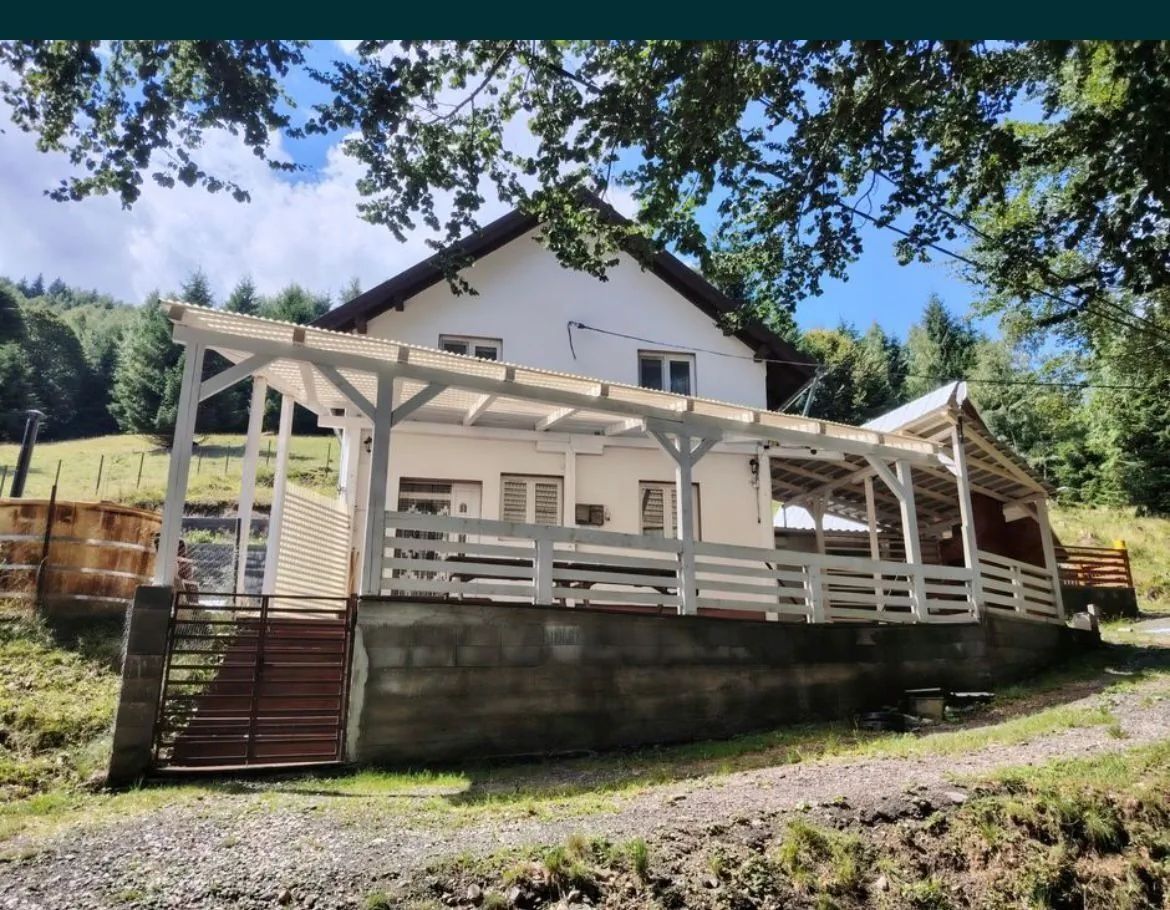
Cabana Neda Râușor
Comfort, relaxation and stunning views, all just steps away from the main attractions.
FROM
270 lei per night
Cabin · 3 stars
Râuşor, Hunedoara County · 7.2 km
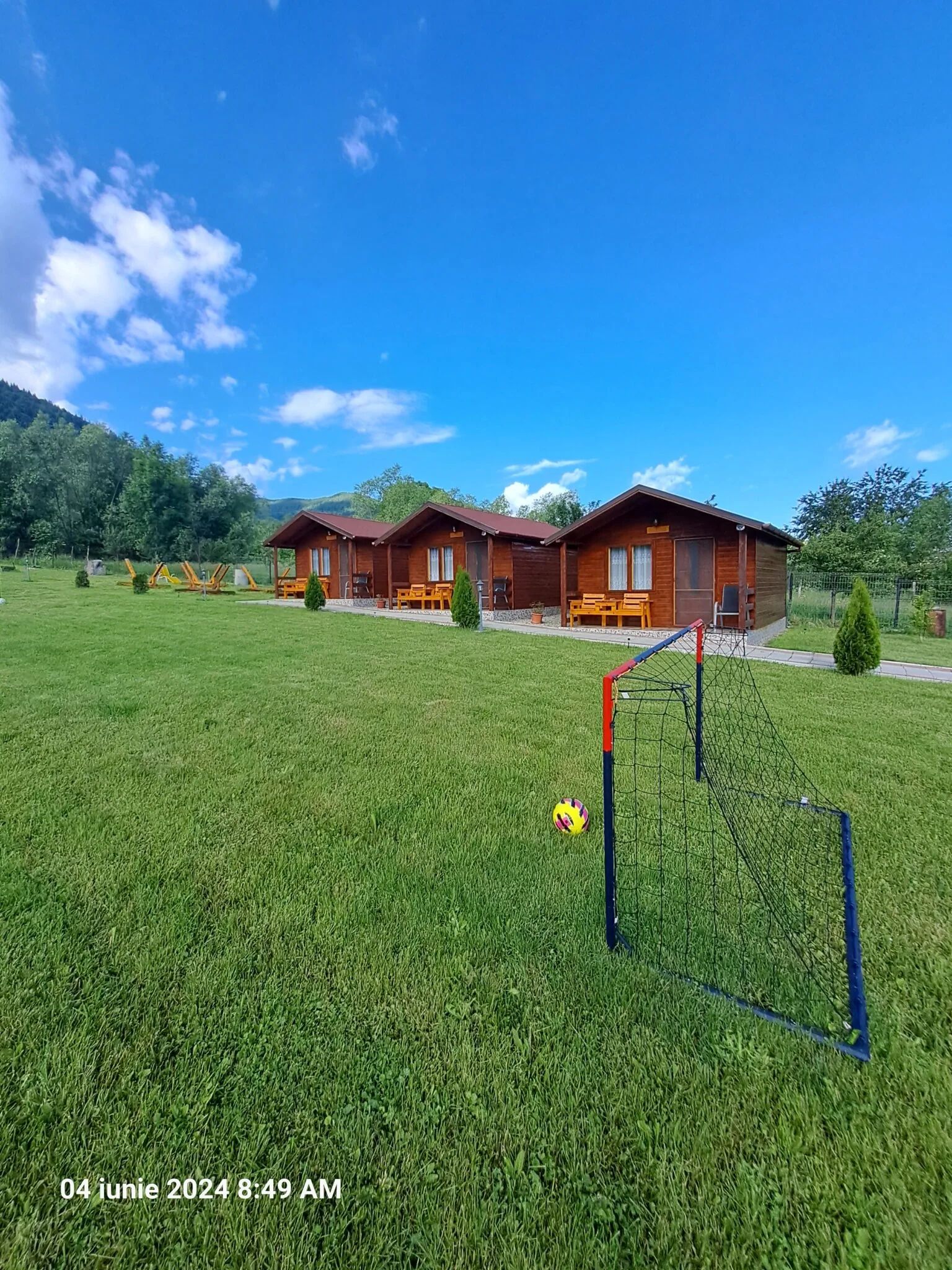
Cabana Muntenilor
Comfort, relaxation and stunning views, all just steps away from the main attractions.
FROM
270 lei per night
Guesthouse · 3 stars
Nucșoara, Hunedoara County · 13.6 km
Pensiunea Căsuțele din Retezat Nucşoara
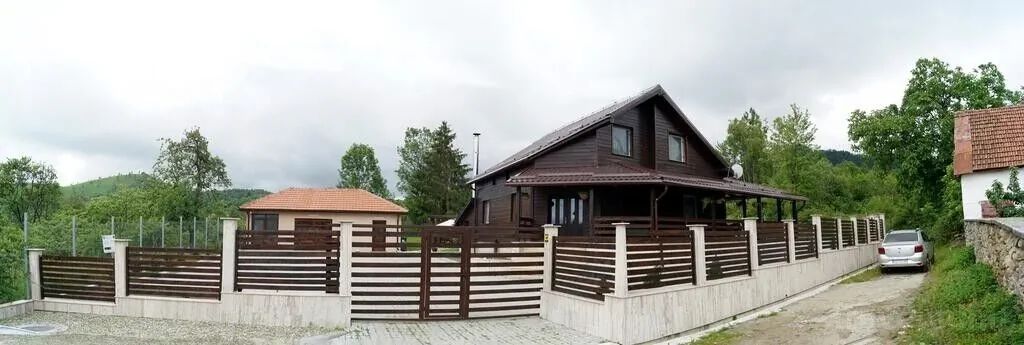
Pe strada Principală numărul 199 din localitatea Nucșoara, județul Hunedoara, se află Pensiunea Căsuțele din Retezat Nucşoara, o pensiune turistică clasificată cu trei stele. Unitatea pune la dispoziția dumneavoastră două camere amenajate cu grijă și rafinament, unele dintre acestea fiind dotate cu aer condiționat pentru confortul dumneavoastră. Beneficiați de Wi-Fi gratuit în întreaga proprietate și de acces facilitat pentru persoanele cu dizabilități. Pentru deplasări cu bicicleta sau cu mașina, aveți la dispoziție parcare pentru biciclete și parcare privată gratuită. Preluarea camerelor se realizează începând cu ora 15:00, iar eliberarea acestora se face până la ora 11:00. Personalul unității vorbește limba română. Curtea mare și grădina amenajată reprezintă un spațiu generos pentru relaxare în aer liber, unde puteți sta la foișor sau puteți organiza un grătar împreună cu familia sau prietenii. Pentru cei mici există un loc de joacă la exterior și scaun înalt, iar pentru pasionații de sport sunt amenajate un teren de fotbal și un teren de tenis. În apropiere puteți vizita Geoparcul Dinozaurilor Țara Hațegului, Ulpia Traiana Sarmizegetusa, Parcul Național Retezat, Lacul Bucura și Rezervația Naturală Fânețele cu narcise de la Nucșoara. Vă așteptăm la Pensiunea Căsuțele din Retezat Nucşoara.
FROM
240 lei per night
Cabin · 3 stars
Peștera, Hunedoara County · 14.3 km
Cabana La Peștera
Cabana La Peștera este o cabană clasică situată în localitatea Peștera din județul Hunedoara. Unitatea oferă șase camere confortabile și bine mobilate, primind cu drag și animale de companie contra unei taxe suplimentare. Proprietatea dispune de o curte mare și o grădină amenajată, perfecte pentru momente de relaxare în aer liber. Vă puteți bucura de un grătar sau de un ceaun tradițional pentru gătit în aer liber, iar cei mici se pot distra atât în locul de joacă de la exterior, cât și în camera de joacă de la interior. Pentru deplasări în zonă aveți la dispoziție biciclete de închiriat, iar pentru activități sportive există un teren de tenis. De asemenea, unitatea oferă parcare privată gratuită, Wi-Fi gratuit și acces facilitat pentru persoanele cu dizabilități. În apropiere puteți vizita Geoparcul Dinozaurilor Țara Hațegului, Ulpia Traiana Sarmizegetusa, Parcul Național Retezat, Lacul Bucura și Rezervația Naturală Fânețele cu narcise de la Nucșoara. La recepție veți fi întâmpinați în limba română și engleză, iar programul de intrare începe la ora 11:00, iar ieșirea se face până la ora 12:00. Plata se poate efectua prin numerar, card bancar, transfer bancar sau card de vacanță. Această cabană este potrivită pentru familiile cu copii, grupurile de prieteni și iubitorii de natură care doresc să exploreze atracțiile din zona Hunedoarei.
FROM
270 lei per night
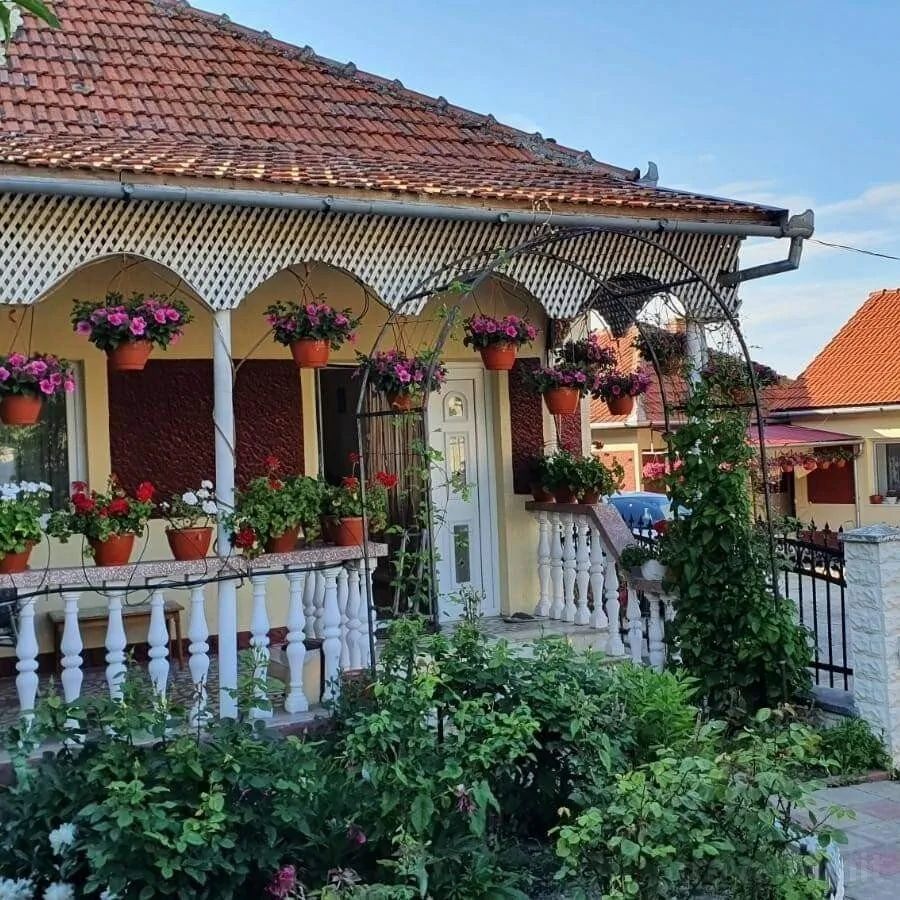
Holiday home · 3 stars
Nucșoara, Hunedoara County · 14.5 km
La Moșu-n Retezat Nucșoara
Familiile și grupurile de prieteni se vor simți bine la La Moșu-n Retezat Nucșoara, o casă de închiriat integral situată în localitatea Nucșoara din județul Hunedoara. Unitatea pune la dispoziție cinci camere dotate cu bun gust, fiecare având baie proprie, astfel încât fiecare oaspete beneficiază de intimitate și confort pe toată durata șederii dumneavoastră în această zonă pitorească. Pentru confortul dumneavoastră, sunt disponibile Wi-Fi gratuit și parcare privată gratuită. Curtea mare și grădina amenajată oferă un spațiu generos pentru relaxare în aer liber, iar grătarul vă permite să organizați mese plăcute împreună cu cei dragi. Personalul de la recepție vorbește limba română și engleză și vă poate oferi informații utile despre obiectivele din împrejurimi. În apropiere puteți descoperi Geoparcul Dinozaurilor Țara Hațegului, ruinele antice de la Ulpia Traiana Sarmizegetusa, peisajele montane spectaculoase din Parcul Național Retezat, Rezervația Naturală Fânețele cu narcise de la Nucșoara și Lacul Bucura, fiecare dintre acestea oferind experiențe unice celor care doresc să exploreze zona. Vă așteptăm la La Moșu-n Retezat Nucșoara pentru un sejur relaxant în mijlocul naturii.
FROM
280 lei per night
BEFORE YOU HIT THE ROAD
Weather conditions in Hunedoara
Local forecast for Lake Bucura, Hunedoara, Hunedoara

Real-time updated weather data
Much more to explore in this area
Nearby tourist attractions


Hunedoara, Hunedoara County
Corvin Castle
Situat pe strada Castelului nr. 1 - 3 din municipiul Hunedoara; ridicat in secolul al XV-lea, de Ioan de Hunedoara, pe locul unei vechi intarituri; din punct...
43.5 km
Hunedoara, Hunedoara County
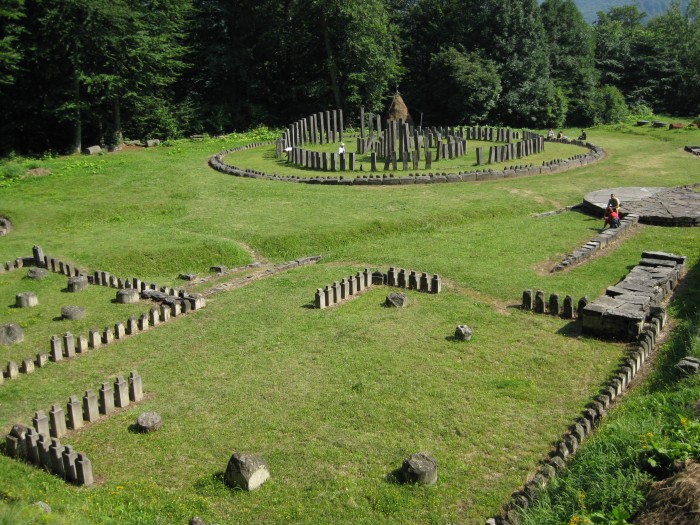
Sarmizegetusa Regia Fortress
Situata pe raza localitatii Gradistea Muncelului; amplasata la altitudinea de 1.200 m; inclusa pe lista patrimoniului cultural mondial UNESCO; a fost capitala...
44.9 km

Gorj, Gorj County
Endless Column (Coloana Infinitului)
Sculptură a artistului român Constantin Brâncuși, parte a trilogiei Ansamblului Monumental din Târgu Jiu, UNESCO
48.0 km
Hunedoara, Hunedoara County
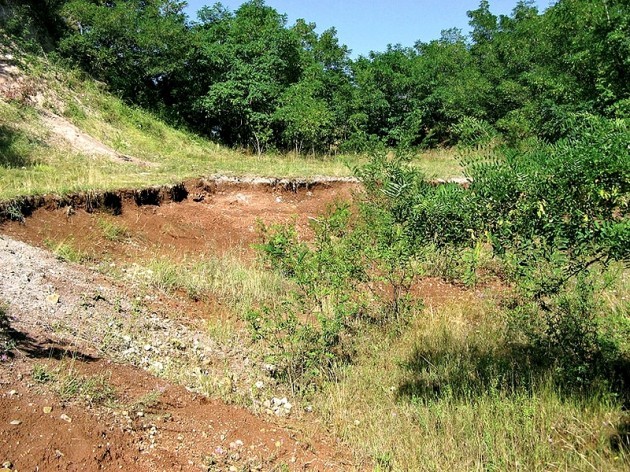
Hațeg Country Dinosaur Geopark
Situat in Tara Hategului, din depresiunea Hategului, invecinandu-se cu Parcul National Retezat la sud si cu Parcul natural Cioclovina Gradistea Muncelului la...
14.1 km
Hunedoara, Hunedoara County
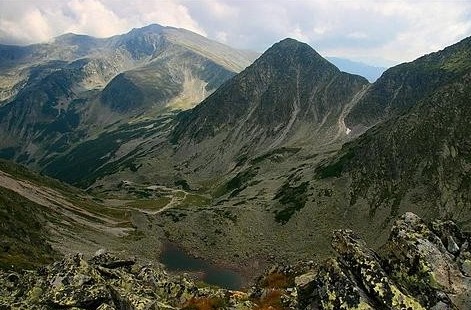
Retezat National Park
Situat in masivul Retezat - Godeanu, in partea de vest a Carpatilor Meridionali; ocupa o suprafata totala de 38.138 ha; altitudinea e cuprinsa intre 800 si 2.50...
5.0 km

18.9 km

Hunedoara, Hunedoara County
Sarmizegetusa Regia Fortress
Situat pe teritoriul administrativ al satului Gradistea de Munte, comuna Orastioara de Sus; punctul sitului se numeste "Dealul Gradistii"; se intinde pe o...
44.9 km
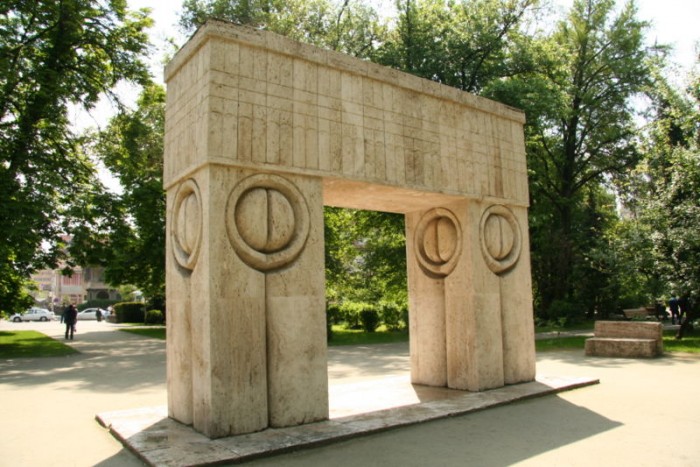
Gorj, Gorj County
The Heroes' Way Monumental Ensemble
Situat in centrul orasului Targu Jiu;realizat de Constantin Brancusi, este un complex sculptural cuprins in patrimoniul UNESCO; ansamblul este alcatuit dintr-o...
48.0 km
Caras Severin, Caraș-Severin County
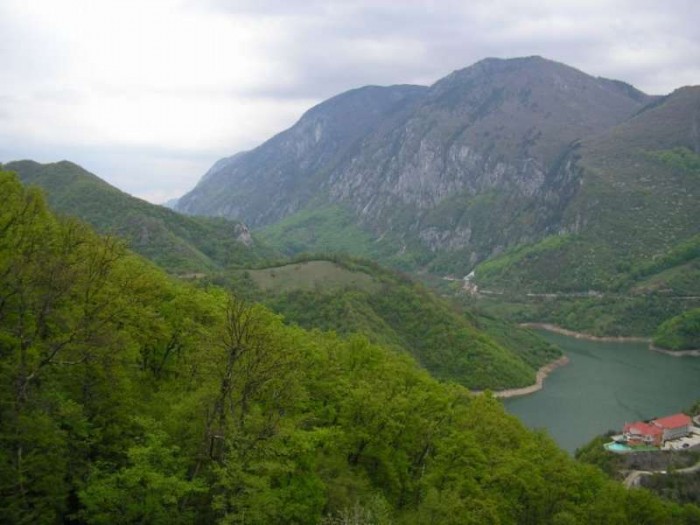
Domogled-Valea Cernei National Park
Se intinde pe suprafata a 3 judete - Caras-Severin, Mehedinti si Gorj, peste bazinul raului Cerna, de la obarsie pana la confluenta cu raul Belareca, peste...
49.3 km

31.2 km
Gorj, Gorj County
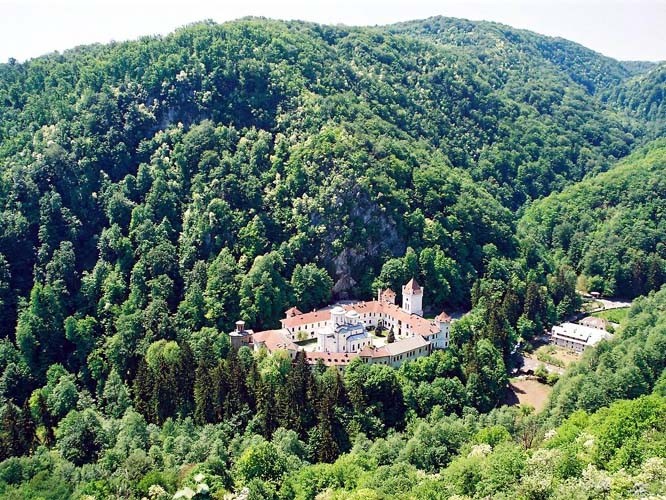
Tismana Monastery
Situata la 36 de km de orasul Targu Jiu; pornind din Targu Jiu pe DN67, la km 82 se face ramifica?ia spre Tismana si Baia de Arama; monument de arhitectura...
31.1 km

36.7 km
Cultural life and traditions
Events in the Lake Bucura area
Medieval festivals, traditional fairs, concerts and local activities recommended in Transylvania.

Heritage and History

Hunedoara, County of Hunedoara
The Festival of Medieval Fortresses and the Open Doors Days
Guided night tours, traditional crafts workshops and historical re-enactments featuring knights and ladies.
WHEN
May 15-17, 2026


Traditions and Cuisine
Hunedoara, County of Hunedoara
The Fair of Saxon Traditions and Local Cuisine
Discover local producers, traditional Saxon pastries baked in a wood-fired oven, artisanal syrups, and rhubarb jam.
WHEN
Every weekend (May - October)

Ecotourism and Nature
The hills of Transylvania, County of Hunedoara
Guided Hikes on the Transylvanian Hills Trail
Take excursions along unmarked trails through ancient meadows, centuries-old oak trees, and villages with fortified churches that are UNESCO World Heritage sites.
WHEN
Friday – Sunday (Season 2026)
On foot, exploration gains depth
Discover the surroundings and local geography
Explore the trails, terrain, and natural landmarks around Lake Bucura.

Guides and practical tips
Useful travel articles
Travel guides, practical recommendations and tourist itineraries for Transylvania.

Tourist guide
Castelul Bran: Istorie, Legende și Secrete Medievale
Află adevărata poveste a fortăreței medievale din Pasul Bran, reședința de suflet a Reginei Maria a României.

Tourist guide
Top 5 Atracții Turistice și Trasee Montane în Zona Moieciu - Bran
Descoperă cele mai spectaculoase peisaje carstice, chei adânci și cetăți medievale din imediata apropiere a stațiunii Moieciu.

Tourist guide
Ghid de Drumeție: Traseul Moieciu de Sus spre Platoul Bucegi
Un itinerariu montan de o frumusețe rară ce urcă din Valea Băngăleasa spre Poiana Guțanu și crestele maiestuoase ale Bucegilor.
THE JOURNEY STARTS WITH AN IDEA
The next story is on the way.
From the first stop to the last stay, make room for a new Romania.
