


PLACE OF WORSHIP · TRANSYLVANIA
Nechit Monastery

România, Transylvania
Add location to your trip planner.

Practical access information

VISITING HOURS
Monday: 12:00 PM – 5:00 PM · Tuesday–Sunday: 9:00 AM – 5:00 PM (in summer until 8:00 PM)

TICKET PRICE
Adults: 45 RON · Students: 11 RON · Seniors: 23 RON · Guided tour included

RECOMMENDED VISIT DURATION
30-60 minutes
Sources and external references
Wikipedia Encyclopedia (EN)
Visitor information and guide
 Navigate with Google Maps

ABOUT NECHIT MONASTERY
Captivating Introduction and Heritage Significance
Deep within the Eastern Carpathians, where the air becomes crystalline at nearly nine hundred meters above sea level and beech and fir forests embrace the valley in perfect tranquility, Nechit Monastery rises as a bastion of spirituality in a landscape of archaic beauty. Located in the commune of Vanatori-Nechit, Harghita County, in the heart of Szeklerland, this place of worship represents far more than a simple religious structure; it is a living monument of cultural resilience, a silent witness to the tumultuous history of Central Europe in the 20th century, and a meeting point between millennia-old traditions. Founded in 1925 and consecrated in 1930, the monastery embodies the spiritual fervor of the interwar period, when Greater Romania sought to assert its identity through sacred monuments that reflected both the Byzantine roots of Orthodoxy and the modern aspirations of a nation in full development.
For the European traveler accustomed to the great Gothic cathedrals of France, the Baroque monasteries of Bavaria, or the austerity of Benedictine abbeys in Italy, Nechit Monastery offers a distinct, profound, and contemplative experience. Here, in this forested valley at the foot of the Harghita Mountains, time seems to have stood still in an era when prayer was the anchor of communities, and earth, stone, and wood merged into a sacred harmony. The monastery is not merely a place of worship but a pilgrimage center that attracts spiritual seekers from across Transylvania and beyond, serving as a rare example of peaceful coexistence in a multicultural region where Romanian Orthodox tradition engages in continuous dialogue with the Hungarian heritage of Szeklerland. In the contemporary European context, Nechit represents a model of living heritage, where the sacredness of the place intertwines with the preservation of identity in a diverse world, offering visitors not just a history lesson but a transformative experience of reconnecting with the essence of Eastern Christian spirituality.
Historical Roots and Major European Connections
The history of Nechit Monastery is inseparably linked to the great upheavals and renaissances of Europe in the first half of the 20th century. Founded in 1925 by Archimandrite Nichifor Popovici, a remarkable figure in Romanian monasticism with deep spiritual roots in the Athonite tradition and an erudition that connected him to the great theological scholars of his time, the monastery emerged at a historic turning point for the entire continent. The interwar period, marked by the fall of multinational empires and the national renaissance of peoples in Central and Eastern Europe, was an era when numerous monastic communities were reestablished or strengthened across the region, from Poland and Czechoslovakia to the Balkans and Romania. Nechit fits into this broader European current of monastic renewal, akin to the restoration efforts of post-war monasteries in France or the spiritual renaissance in interwar Hungary and Poland, when the Church sought to become a moral cohesive force in a rapidly changing society.
The geographical and historical context of its location is equally fascinating. After the Treaty of Trianon in 1920, Transylvania became part of Greater Romania, and within this new state framework, the presence of an Orthodox monastery in the heart of Szeklerland—a region with a strong Hungarian identity—represents a unique cultural phenomenon in Europe. Like religious enclaves in other border regions of the continent, such as Protestant communities in Catholic Poland or Catholic islands in Orthodox Russia, Nechit Monastery symbolizes confessional diversity in a multicultural space. This position aligns it with the tradition of monasteries in the Balkans, where Orthodoxy had to coexist with other denominations under Ottoman or Habsburg rule, preserving the Byzantine tradition in a complex European context.
After 1948, the monastery endured the harsh trials of the communist regime, much like many other sacred sites in Eastern Europe. Nationalized, temporarily transformed into an agricultural unit, and subjected to secularization pressures, Nechit survived with dignity, similar to the monasteries of Jasna Góra in Poland or those in Czechoslovakia, preserving its spiritual essence even in the darkest moments. This resilience connects it to the history of Europe’s great monastic centers that withstood totalitarian persecutions, becoming today symbols of hope and the continuity of faith. Its ties to the Byzantine monastic tradition, the monasteries of Mount Athos, and the spiritual heritage of the Russian Orthodox Church, as well as to the monastic renewal movements in Western Europe, place Nechit in continuous dialogue with the continent’s great cultural history, demonstrating that Eastern spirituality is an integral part of Europe’s shared heritage.
Architectural Masterpiece, Style, and Constructive Details
The architecture of Nechit Monastery represents a remarkable synthesis between the Byzantine tradition and Romanian architectural specificity, reflecting the artistic currents of the interwar period in a distinct and mature manner. The main church, dedicated to the Dormition of the Mother of God and built between 1925 and 1930, exemplifies the Neo-Byzantine style, an architectural movement that, at the beginning of the 20th century, sought to revive the sacred forms of the Byzantine Empire in a modern language. This style, widespread throughout Eastern Europe, from Tsarist Russia to Serbia and Bulgaria, finds a particular interpretation at Nechit, enriched with elements of the Moldavian tradition and construction techniques specific to the Carpathians.
The monastic complex includes a church of stone and wood, a combination characteristic of sacred architecture in mountainous regions, where stone ensures the durability of foundations and load-bearing structures, while wood, crafted by local artisans, imparts warmth and intimacy to interior spaces. The bell tower, imposing and proportionate, evokes the silhouettes of Baroque towers in Transylvania as well as those of Orthodox churches in Russia and the Balkans, while also serving as a visual landmark in the mountainous landscape. The exterior decorations, meticulously crafted with attention to detail, recall Brâncovenesc architecture, reinterpreting traditional motifs through the tempered modernism of the 1930s, akin to the works of Ion Mincu or other masters of the Romanian national style.
The interior of the church houses mural paintings of exceptional artistic value, executed in the Neo-Byzantine style, depicting scenes from the life of the Mother of God and the Savior in a rich and expressive iconography. This painting belongs to the tradition of the Athonite school and post-Byzantine Romanian art but also incorporates influences from modern European religious art, creating a visual dialogue between East and West. Alongside the frescoes, the monastery preserves old icons, liturgical objects, and textiles of historical value, forming a treasure that reflects the continuity of sacred art from the 16th to the 17th centuries to the present. Within the monastery grounds stands an older wooden church, which preserves the traditional atmosphere of the Transylvanian Romanian village, offering a valuable perspective on the evolution of rural sacred architecture. This wooden church, with its sloping roof and modest tower, is akin to the famous wooden churches of Maramureș, a UNESCO World Heritage site, representing an archaic form of construction that has withstood the centuries, preserving the essence of traditional Carpathian craftsmanship.
Stories, Personalities, and Turning Points
The story of Nechit Monastery begins with the vision of Archimandrite Nichifor Popovici, an erudite monk and skilled spiritual guide who, in search of a place for retreat and prayer, chose this forested valley in the Harghita Mountains. Legend has it that upon arriving here during a soul-searching journey, Father Nichifor felt a divine calling to erect an altar in this place, serving as a guiding beacon for the faithful. In 1925, laying the foundation stone, he established a community that would become a spiritual reference point for the entire region. The five years of construction, until its consecration in 1930, were marked by the sustained effort of a devoted monastic community, supported by believers from neighboring villages—both Romanians and people of other denominations—who saw in this project an expression of interfaith harmony.
The communist period represented the monastery’s most challenging trial. In 1948, with the nationalization of church assets, Nechit was transferred to state ownership, and the monks were dispersed or imprisoned, much like many of their counterparts across Soviet-dominated Eastern Europe. The buildings were repurposed as agricultural units, and the church was abandoned, suffering inevitable degradation. Nevertheless, the spirit of the place endured, and after the fall of the regime in 1989, the monastery experienced a remarkable renaissance. New generations of monks restored the complex, reviving the liturgical tradition and opening its doors to pilgrims. Today, Nechit Monastery hosts a religious community dedicated to ascetic life, preserving the Byzantine rule of unceasing prayer and offering guests an authentic experience of spiritual retreat. The personalities who have passed through this monastery, from its founding abbot to the monks who kept the flame of faith alive during the dark years, have written pages of spiritual history that enrich the cultural heritage of the place, transforming Nechit into a sanctuary of memory and hope.
Practical Visitor’s Guide and Today’s Traveler Experience
Access to Nechit Monastery is via the county road connecting Vanatori to the Praid resort, following signs toward the village of Nechit, through a landscape that gradually unfolds from the plains to the forested heights of the Harghita Mountains. Travelers departing from Târgu Mureș or Cluj-Napoca will traverse Szeklerland, observing the distinctive architecture of Hungarian villages before entering the narrow, green valley where the monastery is located. Approximately 30 kilometers from Praid, Nechit is an accessible destination, though the road, while paved, offers spectacular scenery, especially in autumn when the forests blaze in hues of copper and fire.
Visitors are greeted by the profound silence of the place, broken only by the tolling of bells and liturgical chants. The monastery is open year-round, with daily liturgical services, and those wishing to attend are welcome, provided they respect the Orthodox customs and dress modestly. For European tourists, participating in a Byzantine liturgy in such a natural setting offers a unique opportunity to understand the depth of Eastern spirituality, comparable to visiting a monastery in Greece or Russia but within a distinct cultural context specific to Central Europe.
Accommodation is available in the monastery’s cells upon prior request, offering an authentic experience of monastic hospitality—simple and welcoming, akin to the guest traditions of Italian or French monasteries but with the warmth of Romanian hospitality. Nearby, there are easy to moderate mountain trails for hiking through beech and spruce forests, offering panoramic views of the Harghita Mountains and Szeklerland. The area is renowned for its clean air, recognized for its therapeutic effects, and for its picturesque landscapes that change with the seasons. A visit is especially recommended during the Feast of the Dormition of the Mother of God on August 15, when the monastery welcomes numerous pilgrims, and the atmosphere becomes particularly solemn, with processions and special services transforming the valley into a center of intense spirituality. Late autumn also offers a remarkable chromatic spectacle, as the surrounding forests don their warm colors, and the silence of the place deepens, inviting meditation and reflection. For the European traveler seeking authenticity and profound cultural experiences, Nechit Monastery is an essential destination—a place where history, art, and spirituality converge in a harmony that transcends national and confessional boundaries, offering a unique perspective on Europe’s living heritage.
Media gallery
Discover Nechit Monastery in pictures

3 photos · Architecture, courtyards and captivating details


Image source: Wikimedia Commons · Public domain photos · Free license
STAY A FEW DAYS, DISCOVER THE MAGIC
Accommodation in the Nechit Monastery area

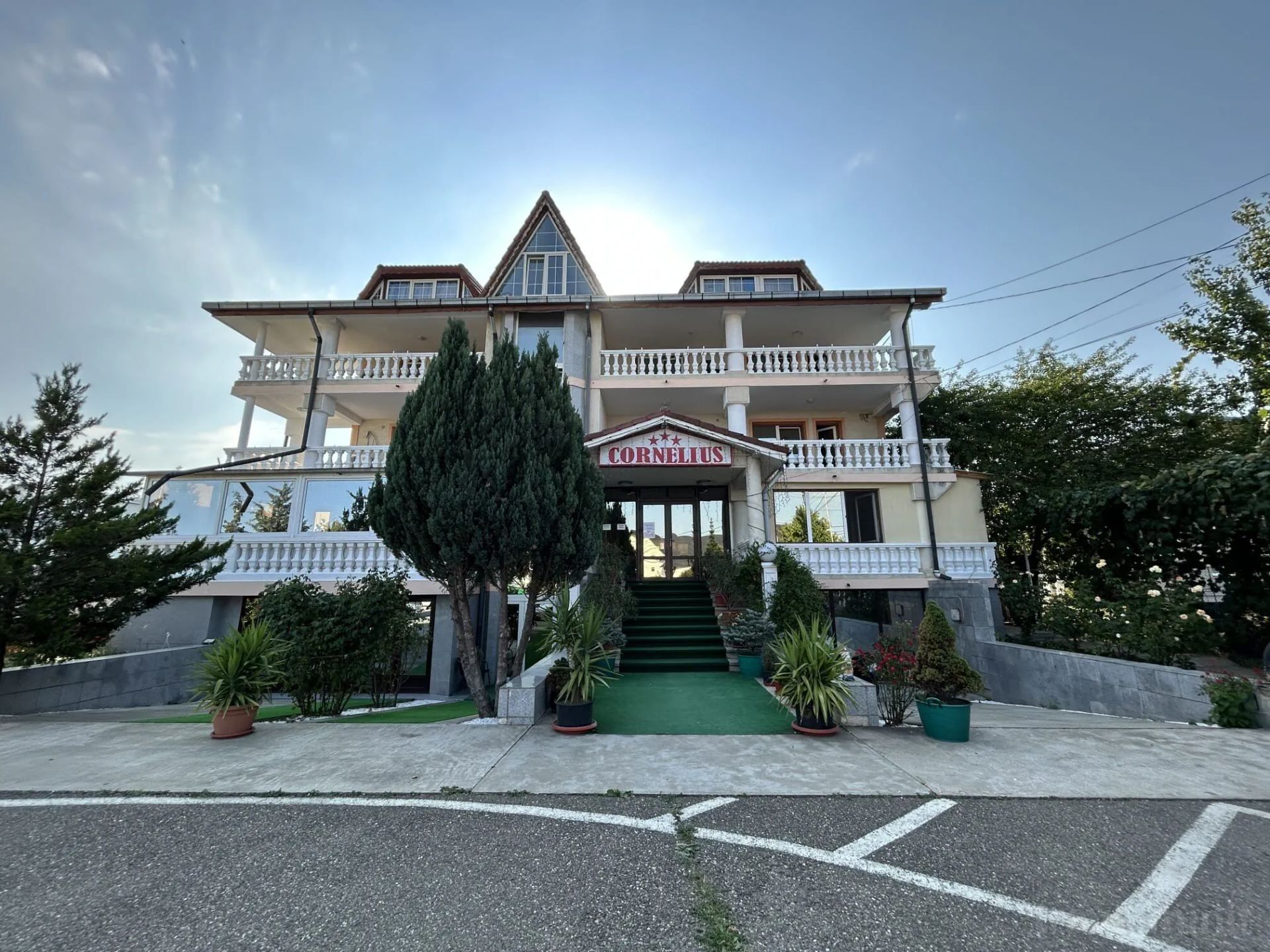
Guesthouse · 3 stars

Piatra Neamț, Neamț County · 14.7 km
Pensiunea Cornelius Piatra-Neamț
Pe strada G-ral Nicolae Dăscălescu din Piatra Neamț se află Pensiunea Cornelius Piatra-Neamț, o unitate de cazare clasificată cu trei stele care oferă un cadru primitor pentru șederea dumneavoastră în acest oraș din județul Neamț. În camere veți găsi aer condiționat, televizor și baie privată, iar în exterior curtea mare și grădina amenajată vă invită să vă relaxați într-un foișor sau să pregătiți masa la grătar ori în ceaun. Pensiunea pune la dispoziție parcare privată gratuită, parcare pentru biciclete, Wi-Fi gratuit în întreaga incintă și room service. Pentru familiile cu copii există loc de joacă la exterior și scaun înalt, iar accesul persoanelor cu dizabilități este asigurat. De asemenea, aveți la dispoziție fier de călcat și depozit pentru bagaje. Din această locație puteți explora cu ușurință Vârful Toaca din Masivul Ceahlău, Mănăstirea Bistrița, Ansamblul Curții Domnești din Piatra Neamț, Mănăstirea Nechit și Muzeul de Istorie și Arheologie din Piatra Neamț. Vă așteptăm la Pensiunea Cornelius Piatra-Neamț.
FROM
240 lei per night

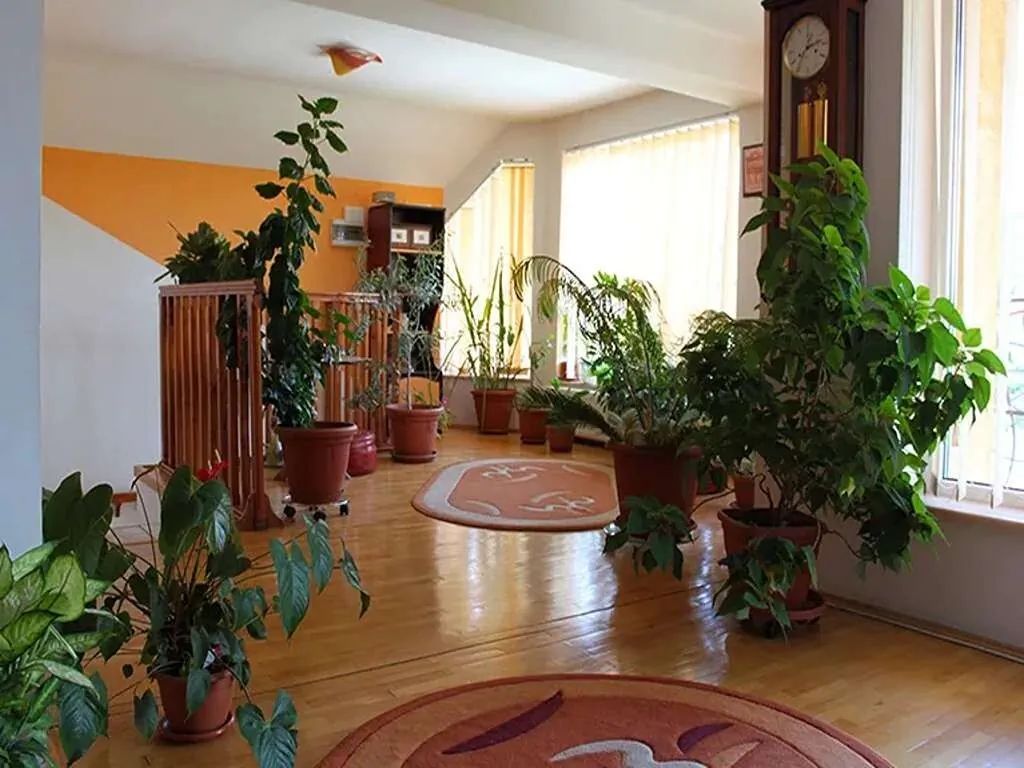
Guesthouse · 3 stars
Piatra Neamț, Neamț County · 16.1 km
Pensiunea Bucuria Piatra Neamț
Într-o curte mare și grădină amenajată, Pensiunea Bucuria din Piatra Neamț vă oferă un sejur confortabil într-un mediu relaxant și primitor. Unitatea dispune de cafenea și bar în incintă, spații unde vă puteți savura băuturi și vă puteți relaxa după o zi plină de activități în aer liber. Camerele sunt dotate cu aer condiționat, televizor color cu cablu, grup sanitar propriu și apă caldă permanentă, iar încălzirea centrală asigură căldură pe tot parcursul anului. Pentru confortul dumneavoastră aveți la dispoziție room service, seif în cameră, fier de călcat și depozit pentru bagaje. Pensiunea oferă parcare privată gratuită, parcare pentru biciclete și acces facilitat pentru persoanele cu dizabilități. În curte se află și un foișor plăcut, iar Wi-Fi gratuit este disponibil în întreaga unitate. În apropiere puteți explora Vârful Toaca din Masivul Ceahlău, puteți vizita Mănăstirea Bistrița, puteți admira Ansamblul Curții Domnești din Piatra Neamț, puteți descoperi Muzeul de Istorie și Arheologie din Piatra Neamț și Muzeul de Științe Naturale din Piatra-Neamț. Este o alegere potrivită pentru familii, grupuri organizate și călători care doresc să descopere atracțiile din Piatra Neamț într-un ambient liniștit, cu facilități complete pentru un sejur reușit.
FROM
240 lei per night
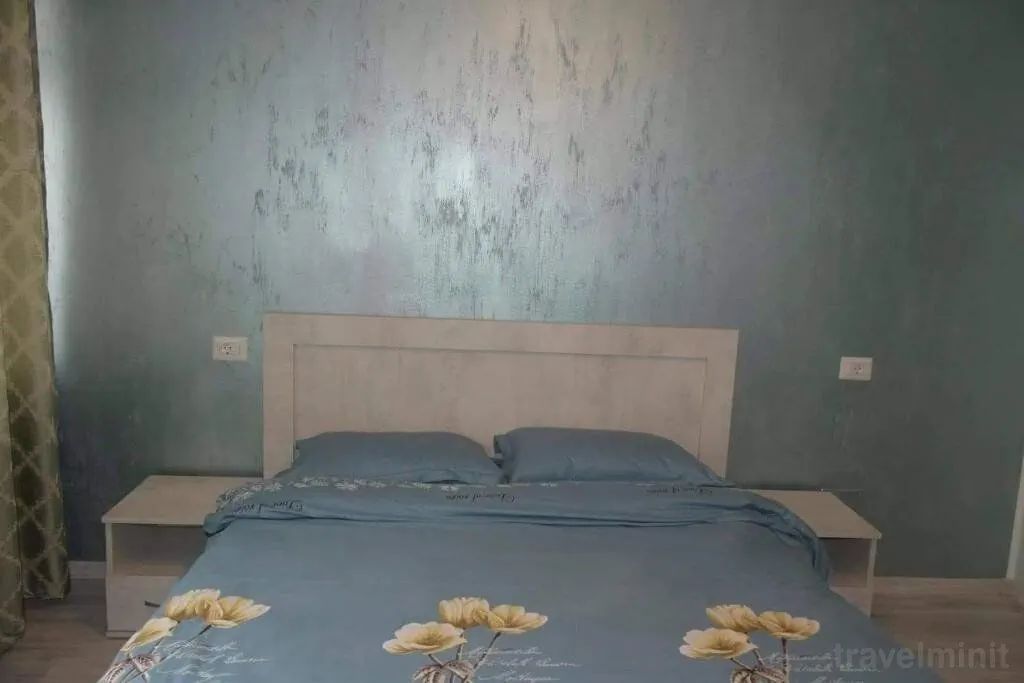
Guesthouse · 3 stars
Piatra Neamț, Neamț County · 16.9 km
Pensiunea Red Rock Piatra-Neamț
Accesul persoanelor cu dizabilități reprezintă un atu important pentru Pensiunea Red Rock din Piatra Neamț, oferind confort și siguranță fiecărui oaspete. Unitatea dispune de trei camere mobilate cu grijă, într-un ambient plăcut și liniștit, potrivit pentru odihnă după zile aglomerate. Pentru confortul dumneavoastră, pensiunea pune la dispoziție Wi-Fi gratuit în întreaga unitate, parcare privată gratuită și parcare dedicată pentru biciclete. De asemenea, aveți la dispoziție depozit pentru bagaje, seif în cameră și fier de călcat. Se acceptă animale de companie contra cost, astfel încât puteți călători împreună cu prietenul patruped. În apropiere puteți vizita Vârful Toaca din Masivul Ceahlău, Mănăstirea Bistrița, Ansamblul Curții Domnești din Piatra Neamț, Muzeul de Istorie și Arheologie din Piatra Neamț și Muzeul de Științe Naturale din Piatra-Neamț. Aceste obiective oferă ocazia de a descoperi istoria și natura zonei. Personalul de la recepție vorbește română, engleză, spaniolă și maghiară, fiind pregătit să vă ajute cu informații despre zonă. Primirea camerei se face începând cu ora 10:00, iar eliberarea până la ora 12:00. Dimineața, după un mic dejun revigorant, vă puteți bucura de aerul curat al zonei, pornind direct de la parcare privată gratuită spre noi aventuri.
FROM
240 lei per night
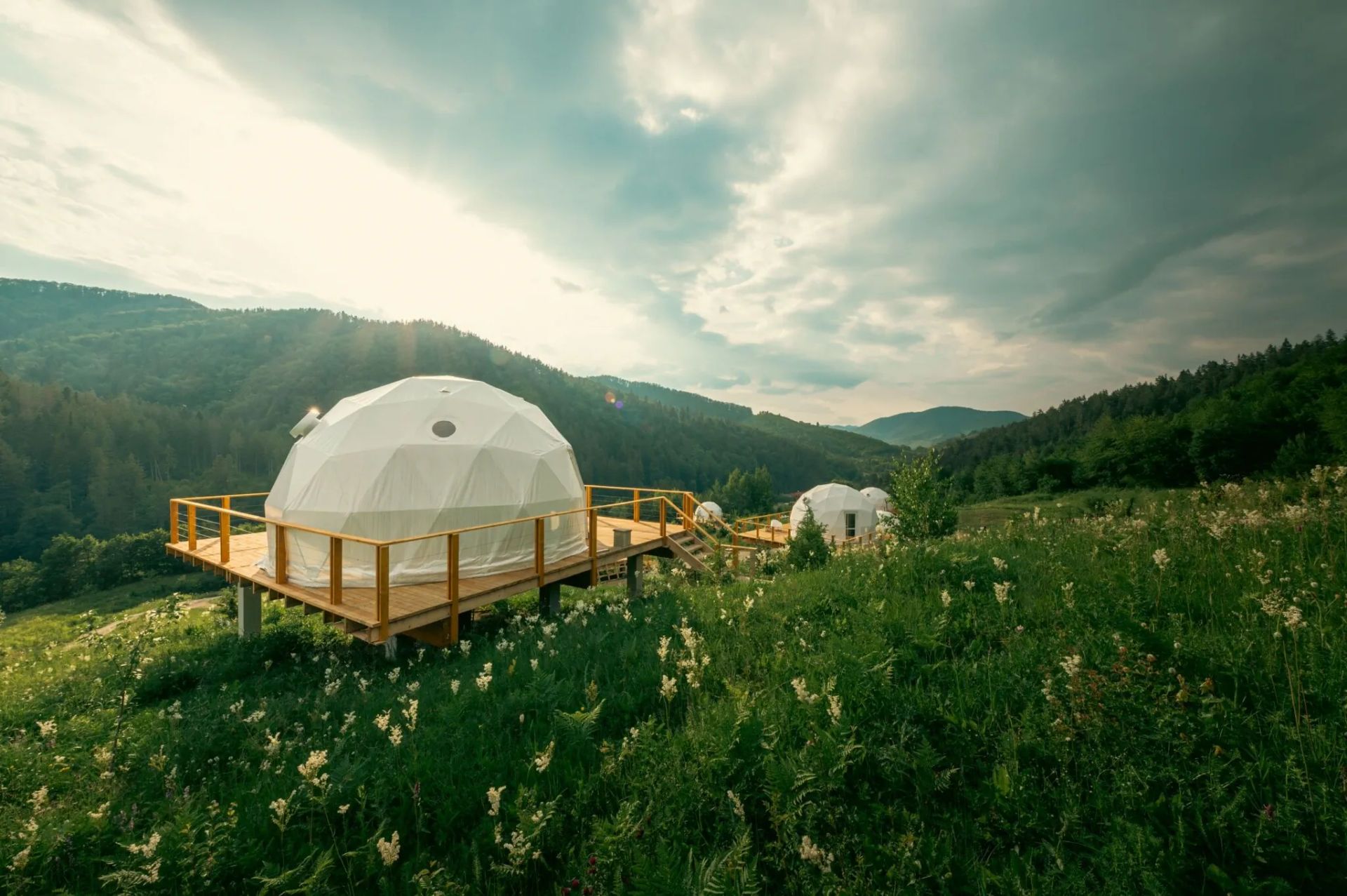
Glamping · 4 stars
Piatra Neamț, Neamț County · 17.4 km
Zenzia Glamping Piatra Neamț
Ciubărul din lemn tradițional de la Zenzia Glamping din Piatra Neamț reprezintă punctul culminant al unei șederi în natură, într-un dom geodezic care îmbină luxul discret cu aerul liber. Fiecare unitate, destinată exclusiv adulților, oferă baie interioară complet echipată și poate găzdui doi adulți, fiind funcțională în toate anotimpurile. Unitatea pune la dispoziția dumneavoastră saună, șemineu în aer liber, grătar, parcare privată gratuită și stație de încărcare pentru vehicule electrice. Veți găsi Wi-Fi gratuit, seif, fier de călcat, depozit pentru bagaje și acces pentru persoane cu dizabilități. Curtea mare și grădina amenajată completează spațiul, alături de parcare pentru biciclete și posibilitatea de a închiria bărci sau de a urma trasee montane și pârtii de schi din zonă. În apropiere puteți vizita Vârful Toaca din Masivul Ceahlău, Mănăstirea Bistrița, Ansamblul Curții Domnești din Piatra Neamț, Cetatea dacică de la Batca Doamnei și Muzeul de Istorie și Arheologie din Piatra Neamț. Seara, după o zi petrecută în aer liber, vă puteți relaxa în ciubărul din lemn tradițional.
FROM
450 lei per night
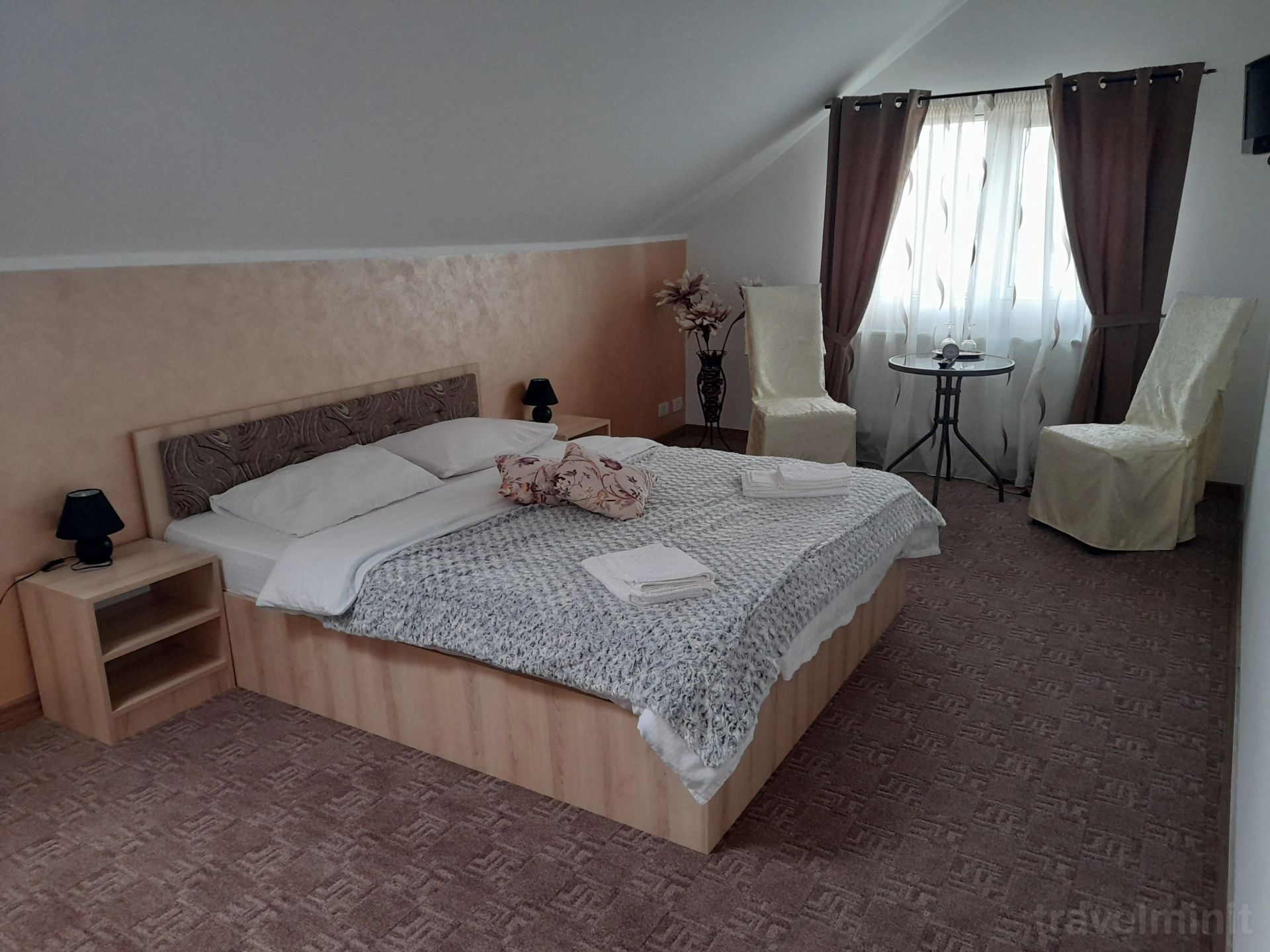
Guesthouse · 3 stars
Piatra Neamț, Neamț County · 17.4 km
Pensiunea Alessia Piatra-Neamț
Pensiunea Alessia Piatra-Neamț este o pensiune turistică de trei stele situată în Piatra Neamț, județul Neamț. În incinta pensiunii veți găsi un bar și o cafenea unde puteți servi băuturi și gustări pe tot parcursul zilei. Aveți la dispoziția dumneavoastră Wi-Fi gratuit, parcare privată gratuită și parcare pentru biciclete, iar un depozit pentru bagaje vă stă la dispoziție pentru a vă păstra lucrurile în siguranță. Fiecare cameră beneficiază de televizor cu ecran plat, dulap pentru haine, baie proprie cu duș și uscător de păr, lenjerie de pat și prosoape proaspete, iar fierul de călcat vă ajută să vă pregătiți hainele pentru zilele petrecute în explorarea zonei. În curte se află un foișor unde puteți lua masa în aer liber sau pur și simplu vă puteți relaxa într-un ambient plăcut, înconjurați de natură. În apropiere puteți vizita Vârful Toaca din Masivul Ceahlău, Mănăstirea Bistrița, Ansamblul Curții Domnești din Piatra Neamț, Muzeul de Istorie și Arheologie din Piatra Neamț și Muzeul de Științe Naturale din Piatra-Neamț, fiecare dintre acestea oferind ocazia de a descoperi istoria, arta și natura specifice zonei. Seara, după o zi de explorare, vă puteți retrage în foișorul din curte pentru a vă bucura de liniștea serii.
FROM
240 lei per night
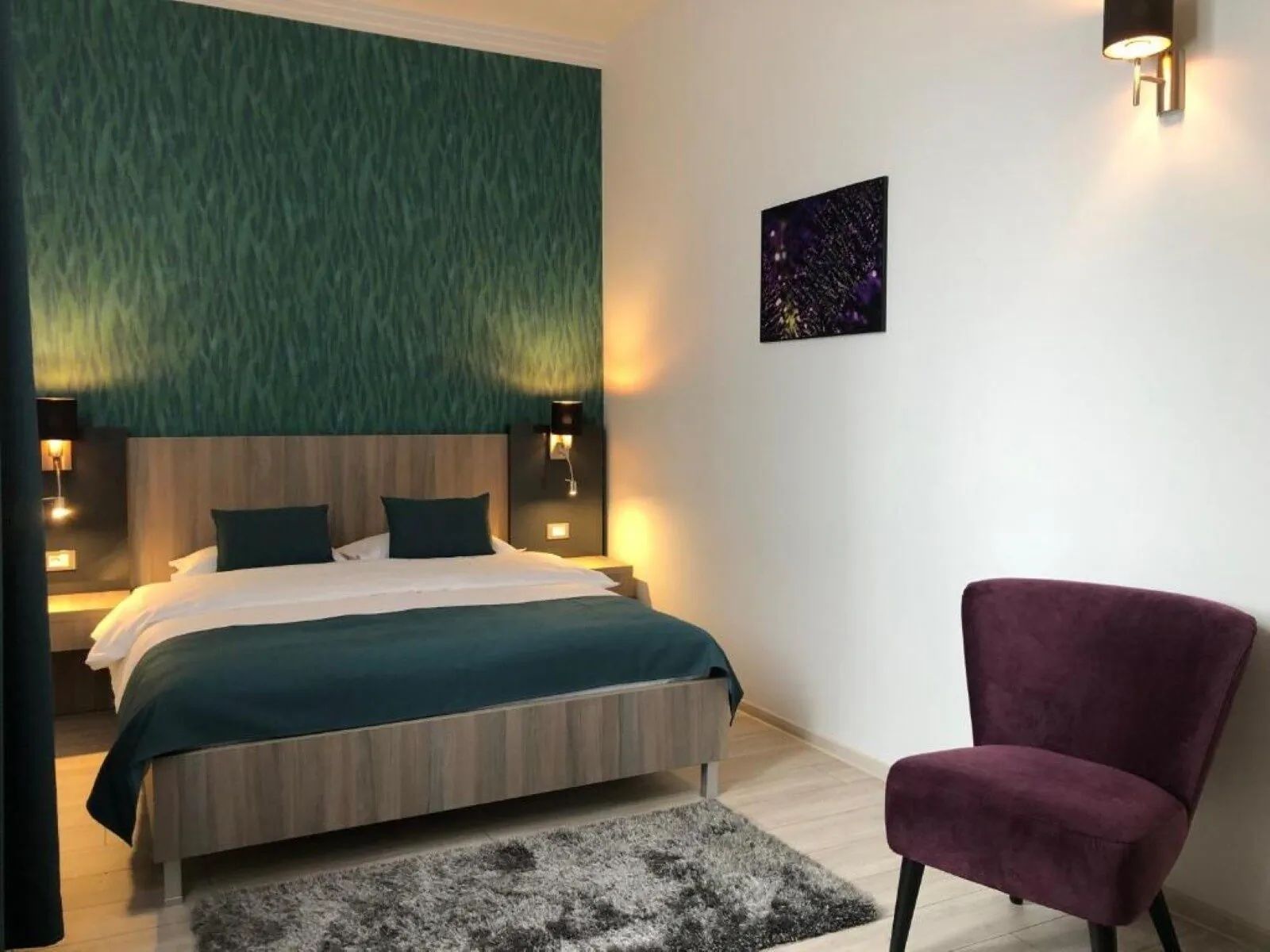
Guesthouse · 3 stars
Piatra Neamț, Neamț County · 17.8 km
Pensiunea Lido Piatra-Neamț
Vârful Toaca din Masivul Ceahlău oferă priveliști panoramice deosebite asupra întregii regiuni, fiind un obiectiv căutat de turiștii care doresc să admire natura. Pensiunea Lido, o pensiune turistică de trei stele din Piatra Neamț, reprezintă punctul de plecare potrivit pentru a explora atât acest vârf, cât și alte destinații interesante din zonă. Unitatea pune la dispoziția dumneavoastră Wi-Fi gratuit și parcare privată gratuită, asigurând astfel confortul necesar pe toată durata șederii. De asemenea, aveți la dispoziție room service, un depozit pentru bagaje și o cafenea în incintă, iar pentru familiile cu bebeluși este disponibil un pătuț special. În apropiere se află Ansamblul Curții Domnești din Piatra Neamț, Mănăstirea Bistrița, Muzeul de Istorie și Arheologie din Piatra Neamț și Muzeul de Științe Naturale din Piatra-Neamț. Aceste obiective turistice pot fi vizitate cu ușurință pornind din oraș și oferă o imagine completă asupra istoriei, culturii și naturii zonei. Vă așteptăm să porniți în explorarea acestor locuri, începând cu o vizită la Mănăstirea Bistrița sau la celelalte atracții din apropiere.
FROM
240 lei per night
BEFORE YOU HIT THE ROAD
Weather conditions in România
Local forecast for Nechit Monastery, România, România

Real-time updated weather data
Much more to explore in this area
Nearby tourist attractions


46.3 km
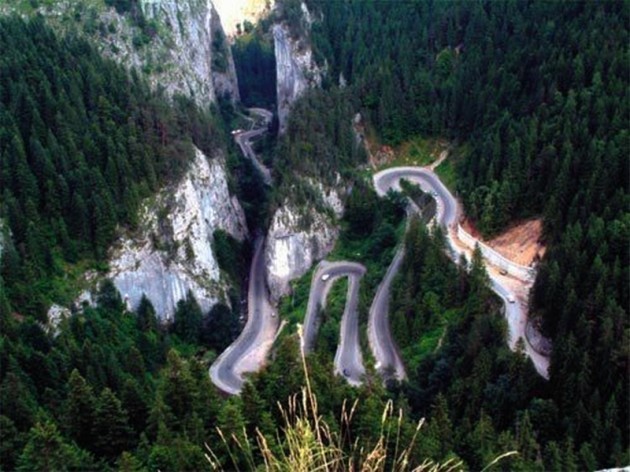

Harghita, Harghita County
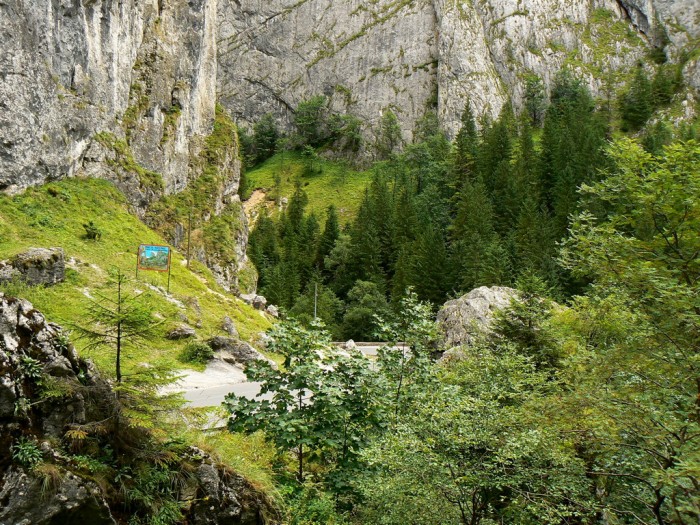
Bicaz Gorge
Cheile Bicazului sunt situate la 27 km sud-vest de orasul Bicaz, in Muntii Hasmas/Haghimas (grupa centrala a Carpatilor Orientali), in zona central-nord-estica...
44.1 km
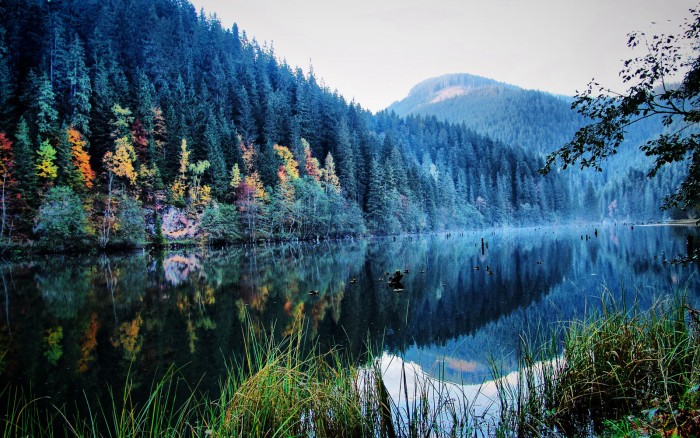
Harghita, Harghita County
Red Lake Nature Reserve
Situat in apropierea statiunii Lacul Rosu si a orasului Gheorgheni, langa Cheile Bicazului, la poalele Hasmasului Mare; amplasat la altitudinea de 983 m; s-a...
46.7 km
Neamt, Neamț County
Ceahlău National Park
Situat la 10 km de Bicaz, in vestul judetului; incadrat in cuprinsul Masivului Ceahlau, localizat in grupa centrala a Carpatilor Orientali, in partea de sud-est...
43.0 km
Harghita, Harghita County
Bicaz Gorge National Park - Hășmaș Mountains
Situat la 27 km sud-vest de orasul Bicaz, in Muntii Hasmas/Haghimas (grupa centrala a Carpatilor Orientali), in zona central-nord-estica a Romaniei, pe raza...
44.1 km

România, Transylvania
Vârful Toaca, Masivul Ceahlău
Vârful Toaca, Masivul Ceahlău (munte sau masiv) în județul România.
20.8 km
România, Transylvania
Vârful Ocolașul Mare, Munții Ceahlău
Vârful Ocolașul Mare, Munții Ceahlău (munte sau masiv) în județul România.
39.8 km
Neamt, Neamț County
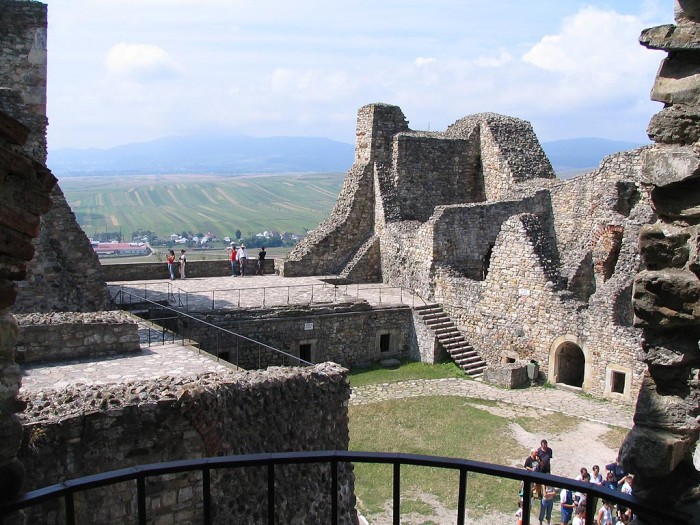
Neamț Fortress
Situata pe strada Arcasului nr. 1, pe un platou al dealului Plesu, la 480 m altitudine, in apropierea orasului Targu Neamt, in partea de nord-est a judetului;...
49.6 km
Neamt, Neamț County
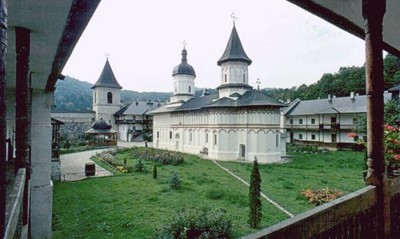
Agapia Monastery (New Agapia or Agapia in the Valley)
Manastirea Agapia este situata pe valea paraului Agapia, la poalele culmii Magura, pe raza comunei Agapia, localizata la 12 km sud de municipiul Targu Neamt;...
45.9 km
Neamt, Neamț County
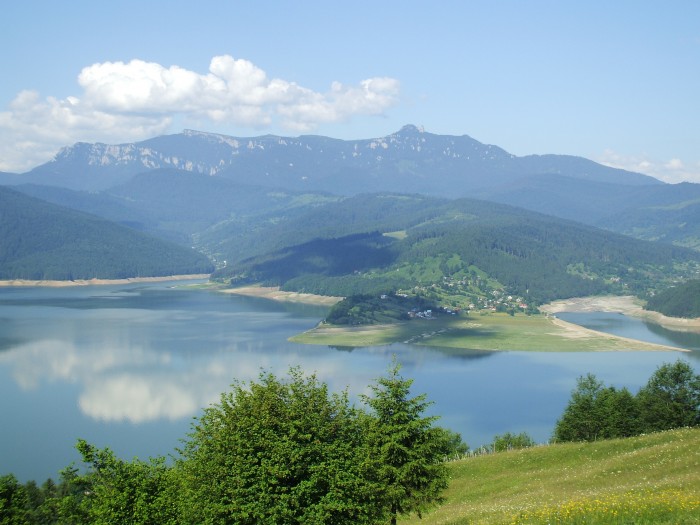
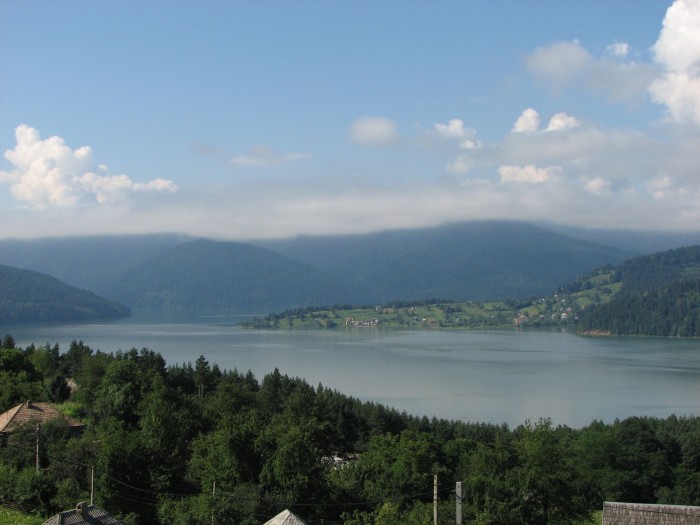
Lake Izvorul Muntelui (Bicaz Lake)
Situat la poalele Ceahlaului, pe cursul superior al raului Bistrita, la 4 km de orasul Bicaz; cunoscut si sub numele de "Lacul Bicaz", este cel mai mare lac...
37.8 km
9.5 km
42.5 km
Cultural life and traditions
Events in the Nechit Monastery area
Medieval festivals, traditional fairs, concerts and local activities recommended in Transylvania.

Heritage and History

România, County of România
The Festival of Medieval Fortresses and the Open Doors Days
Guided night tours, traditional crafts workshops and historical re-enactments featuring knights and ladies.
WHEN
May 15-17, 2026


Traditions and Cuisine
România, County of România
The Fair of Saxon Traditions and Local Cuisine
Discover local producers, traditional Saxon pastries baked in a wood-fired oven, artisanal syrups, and rhubarb jam.
WHEN
Every weekend (May - October)

Ecotourism and Nature
The hills of Transylvania, County of România
Guided Hikes on the Transylvanian Hills Trail
Take excursions along unmarked trails through ancient meadows, centuries-old oak trees, and villages with fortified churches that are UNESCO World Heritage sites.
WHEN
Friday – Sunday (Season 2026)
On foot, exploration gains depth
Discover the surroundings and local geography
Explore the trails, terrain, and natural landmarks around Nechit Monastery.

Guides and practical tips
Useful travel articles
Travel guides, practical recommendations and tourist itineraries for Transylvania.
Tourist guide
Satul Peștera și Șirnea: Primele Sate Turistice din România
Dealuri vălurite, căsuțe răsfirate din lemn și garduri tradiționale de nuiele sub privirea stâncoasă a Pietrei Craiului.

Tourist guide
Top 5 Atracții Turistice și Trasee Montane în Zona Moieciu - Bran
Descoperă cele mai spectaculoase peisaje carstice, chei adânci și cetăți medievale din imediata apropiere a stațiunii Moieciu.

Tourist guide
Ghid de Drumeție: Traseul Moieciu de Sus spre Platoul Bucegi
Un itinerariu montan de o frumusețe rară ce urcă din Valea Băngăleasa spre Poiana Guțanu și crestele maiestuoase ale Bucegilor.
THE JOURNEY STARTS WITH AN IDEA
The next story is on the way.
From the first stop to the last stay, make room for a new Romania.
